Shiroiya Hotel, Maebashi
Where Architecture Becomes Landscape and Gallery
Reinventing a City Landmark
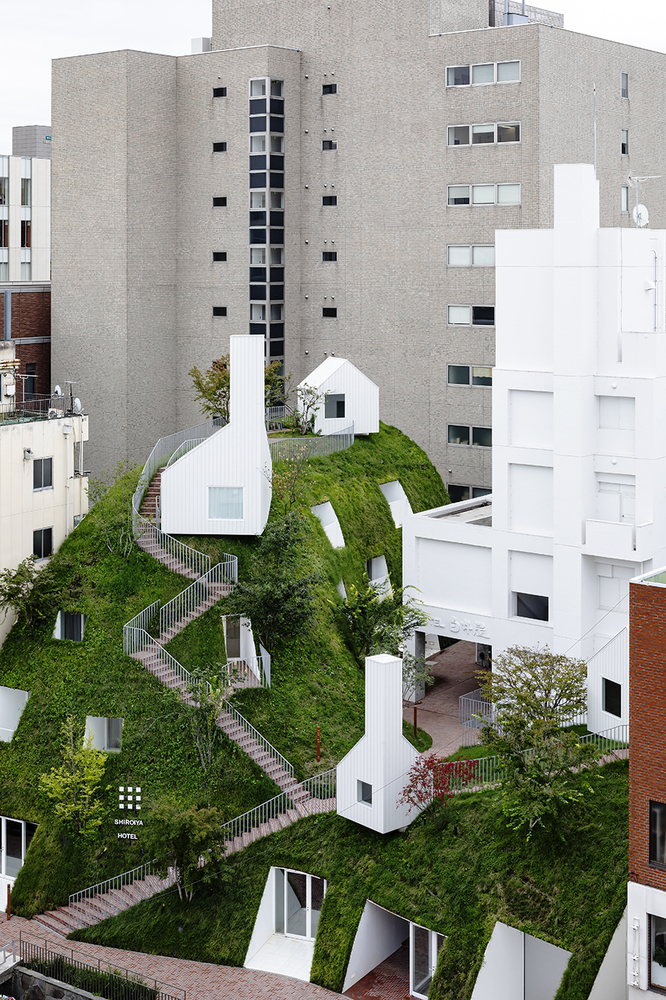
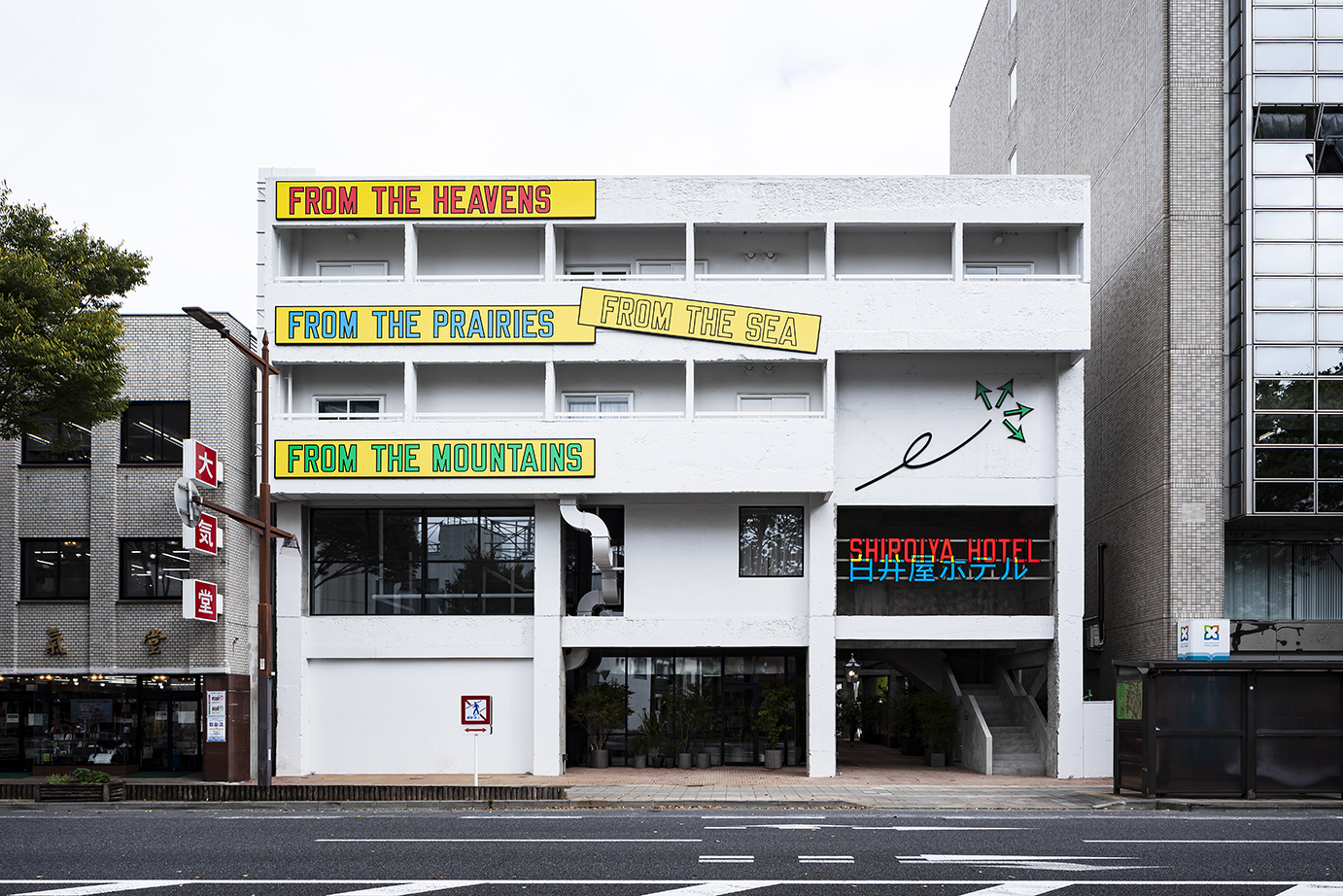
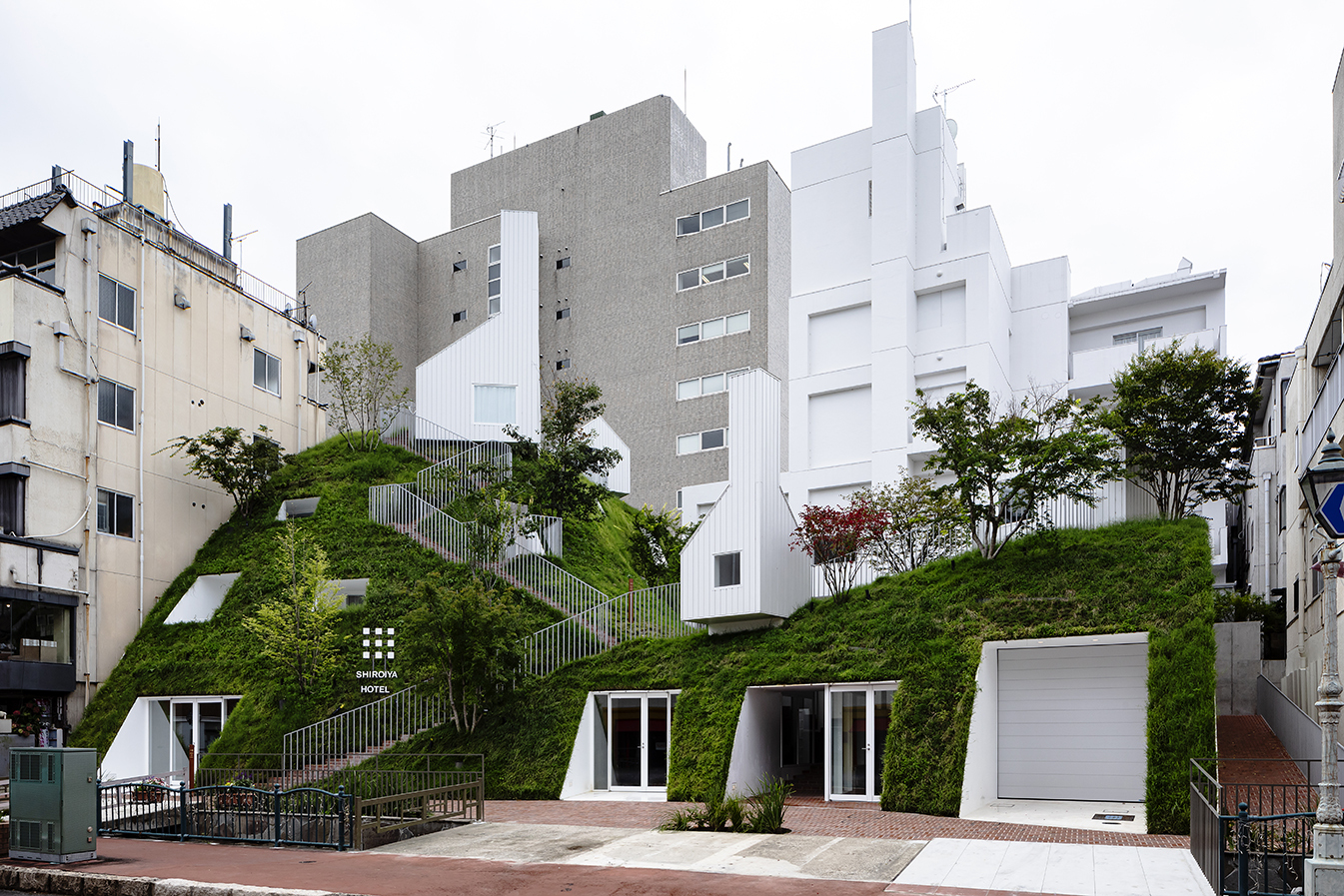
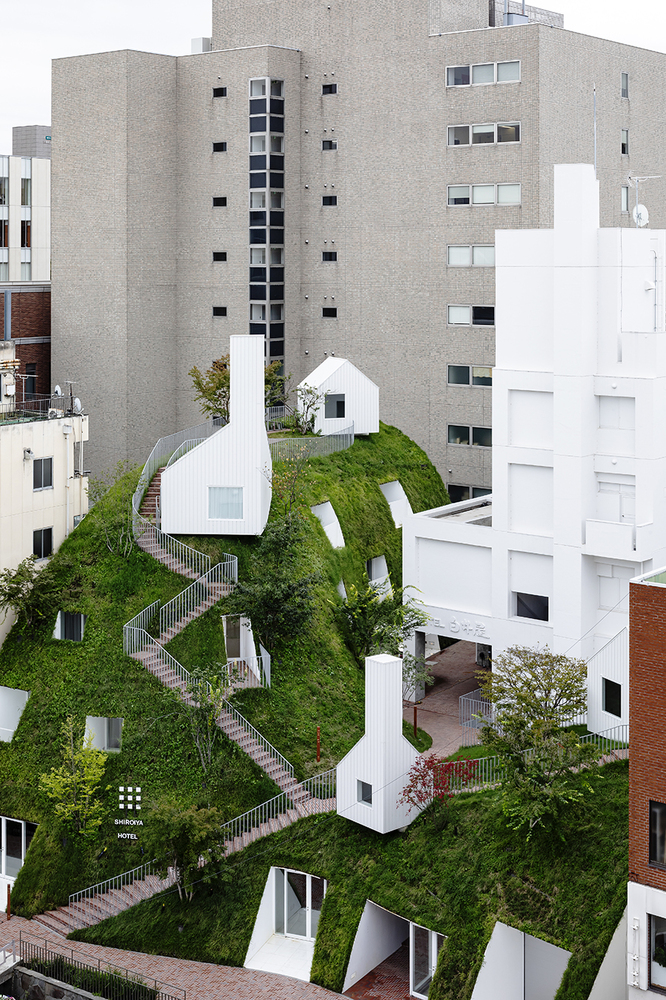
In Maebashi, two hours north of Tokyo, Shiroiya Hotel redefines regional hospitality through a bold architectural vision by Sou Fujimoto. Once a modest 1970s hotel, the property has been radically reimagined into a hybrid cultural hub, art space, and design-forward retreat. Its identity rests on two towers: the Heritage Tower, a stripped-back concrete structure exposing its raw 20th-century bones, and the Green Tower, a new-build covered in undulating greenery, blending architecture into landscape.
Design as Collaboration
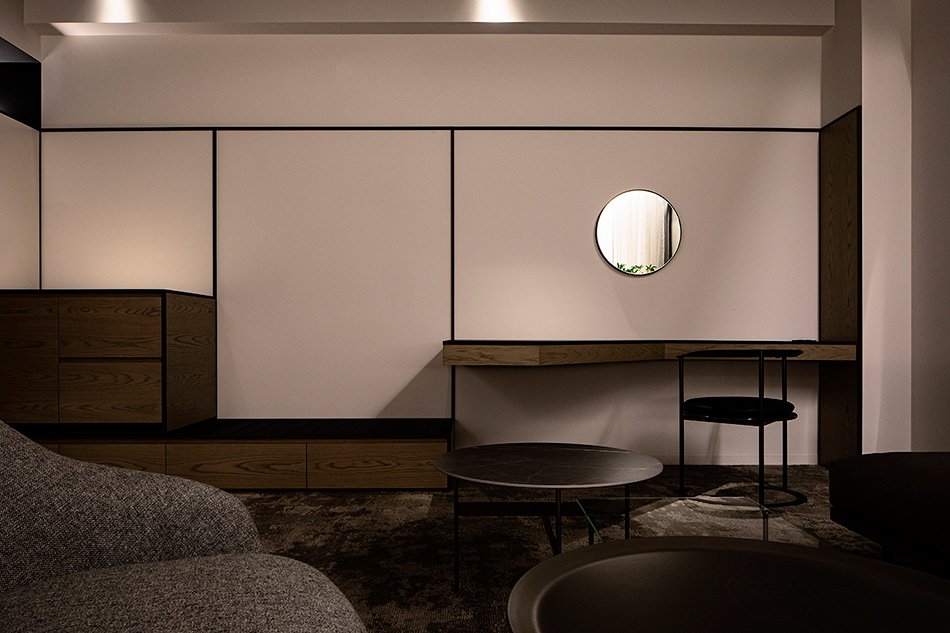
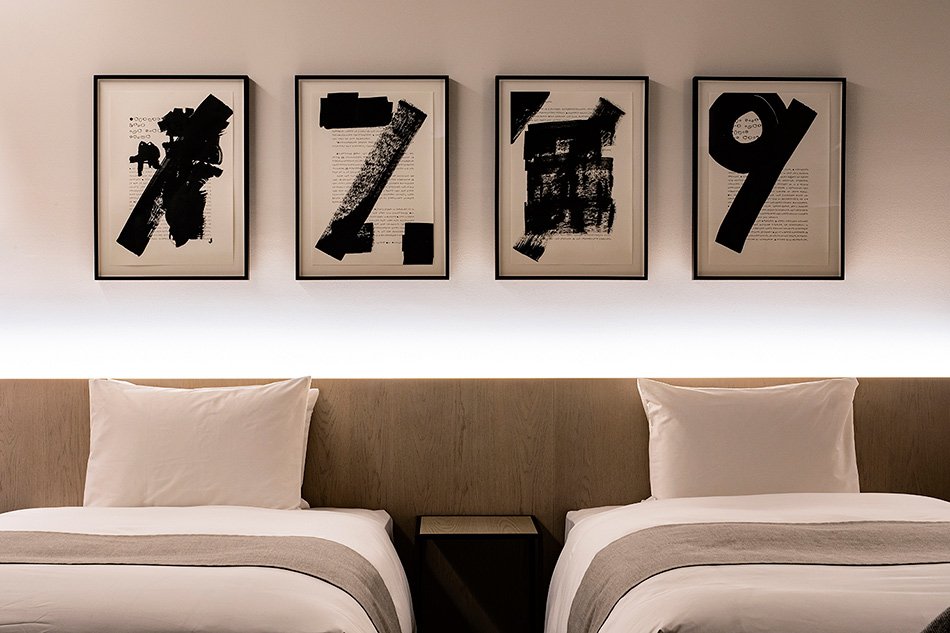
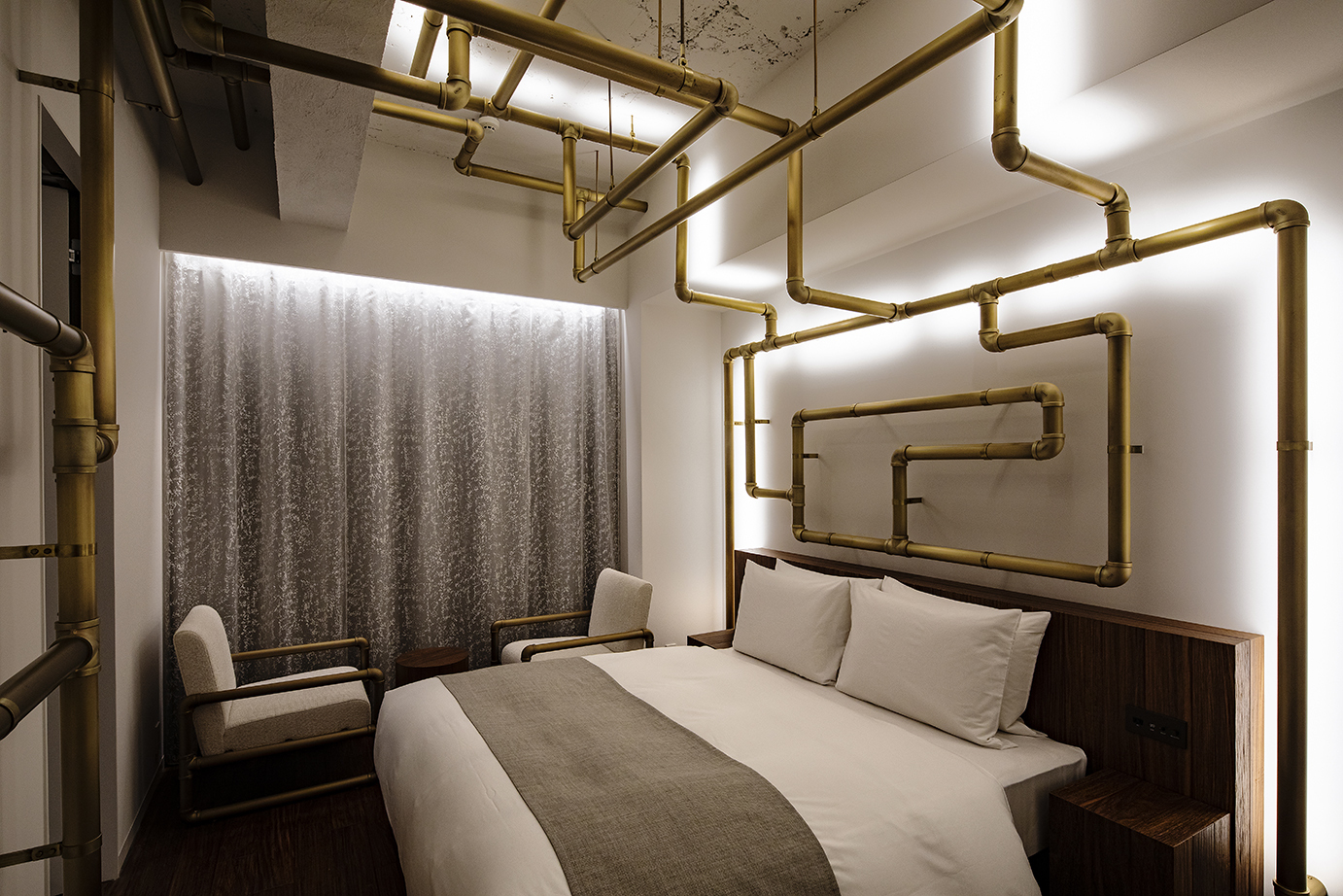
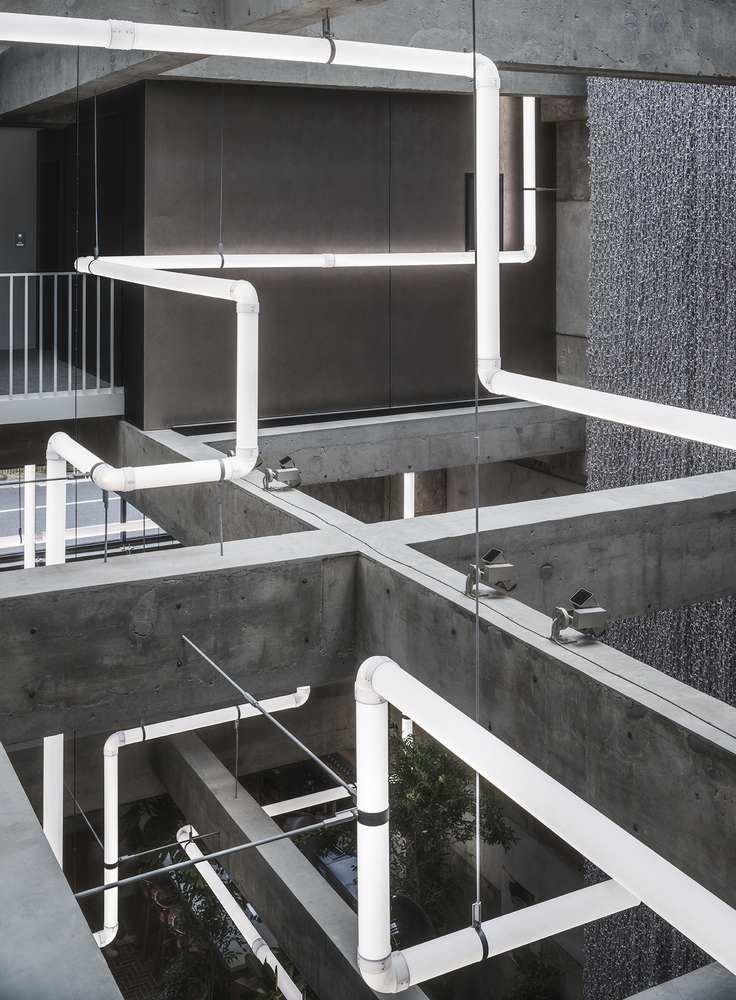
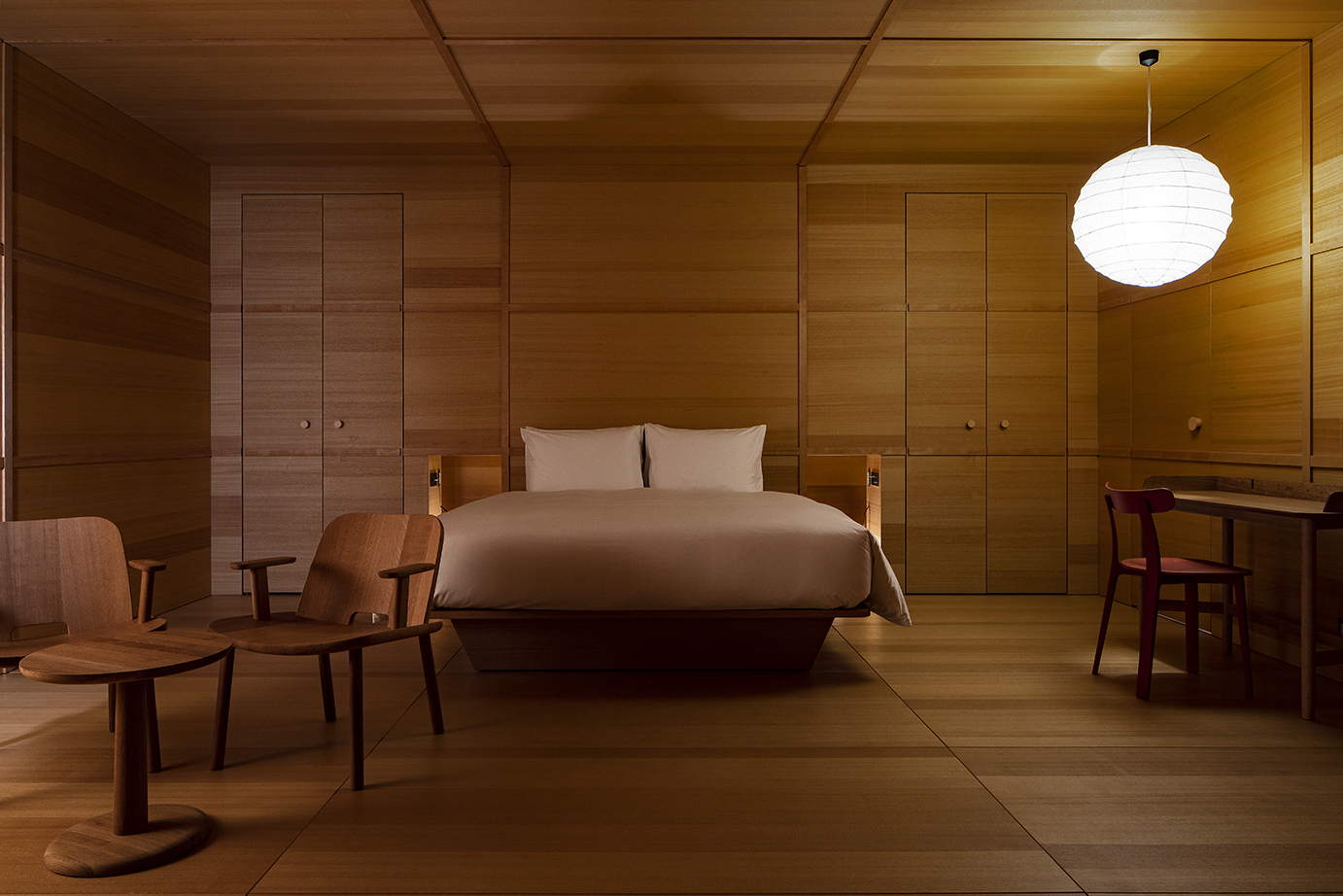
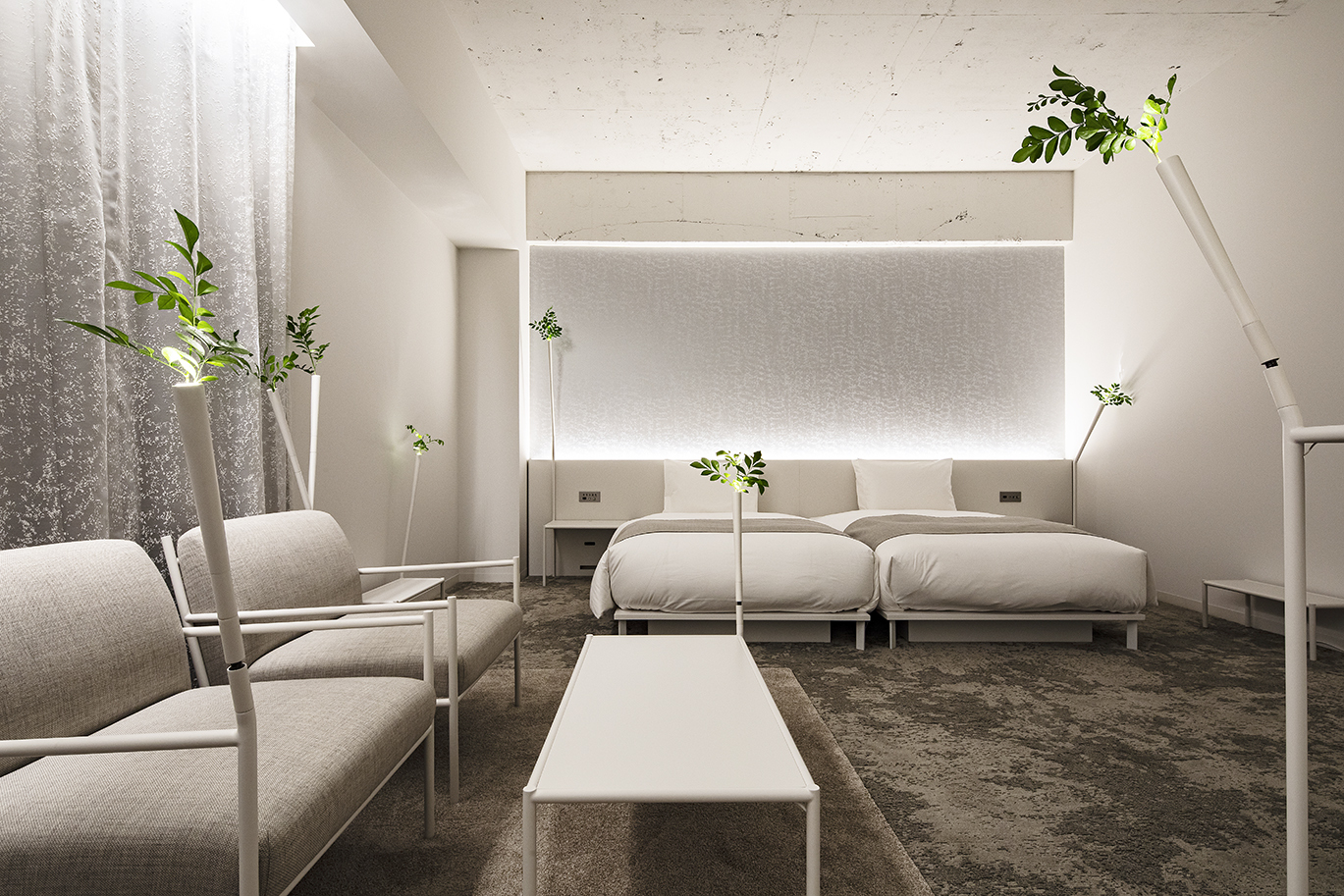
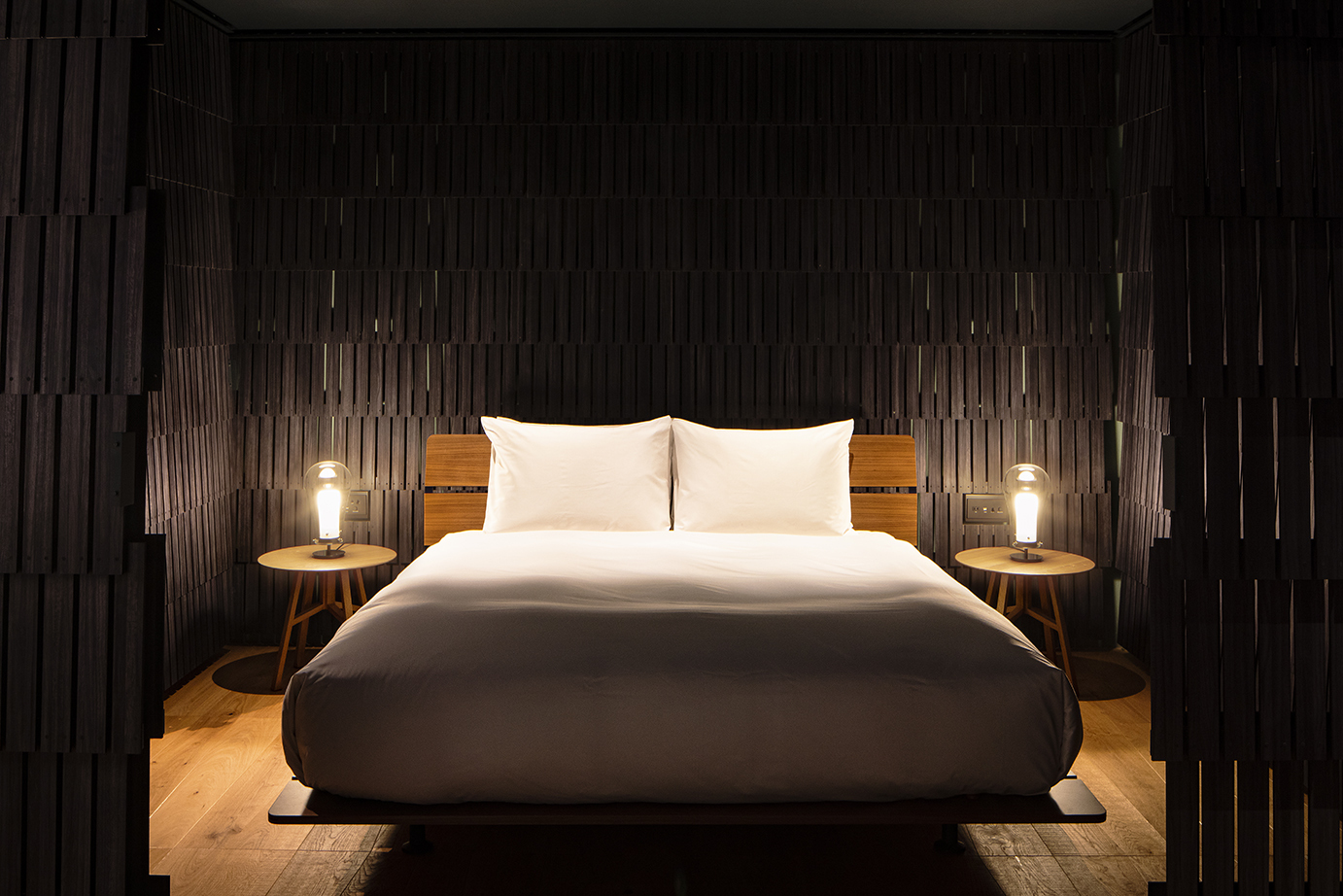
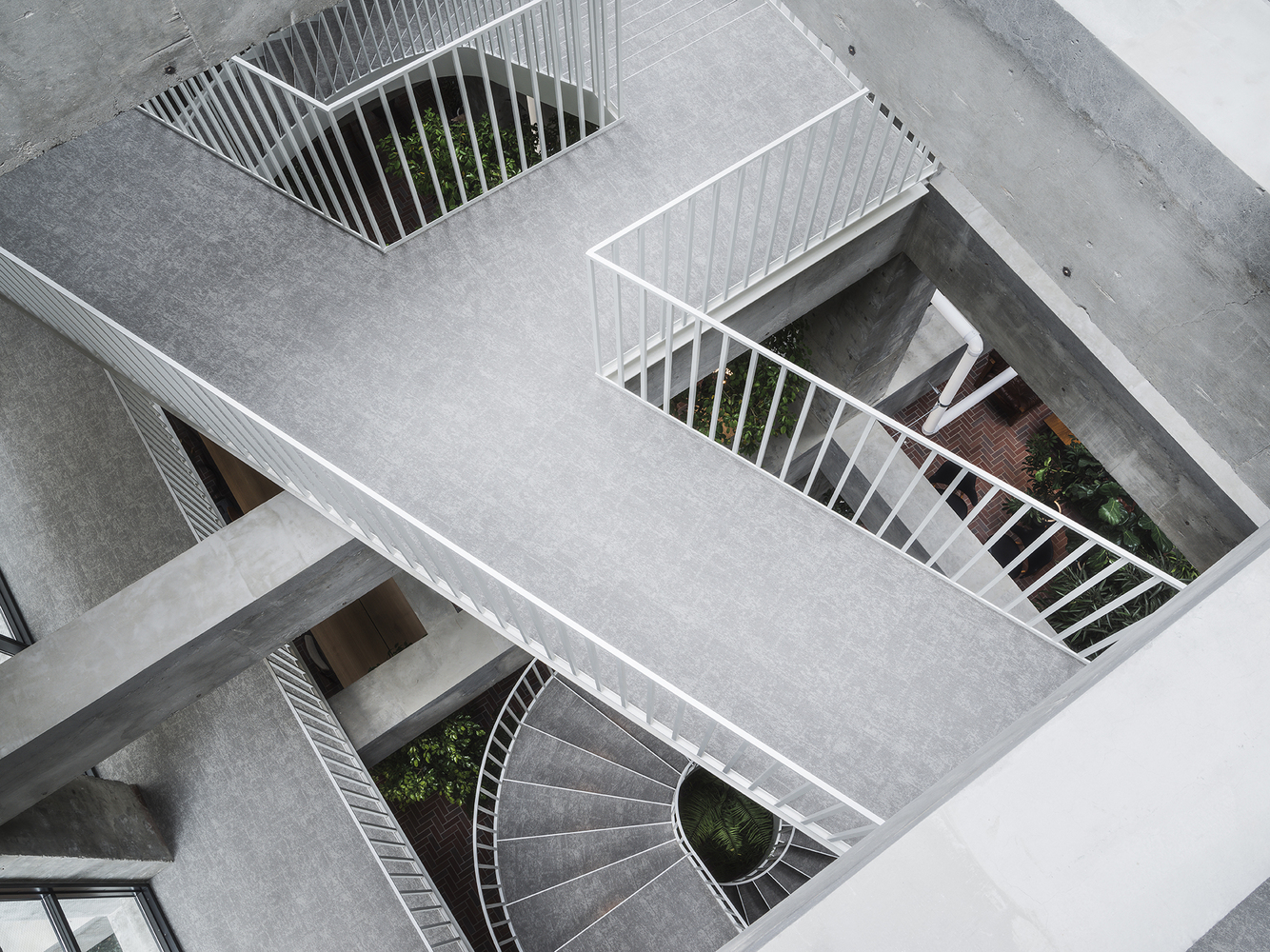
Fujimoto’s renovation of the Heritage Tower removed floors and opened voids, creating vertical spaces that breathe light and volume into the old skeleton. Concrete surfaces remain exposed, their imperfections celebrated as texture. Art and architecture intermingle seamlessly: Lawrence Weiner greets visitors with typographic artwork at the entrance, while Leandro Erlich’s Lighting Pipes runs through interiors, turning circulation into spectacle. Guest rooms expand this creative dialogue. Many were designed by international luminaries including Michele De Lucchi, Jasper Morrison, and Leandro Erlich, alongside Japanese designers. Each room carries its own narrative, transforming stays into encounters with diverse design philosophies.
Public Spaces as Cultural Stage
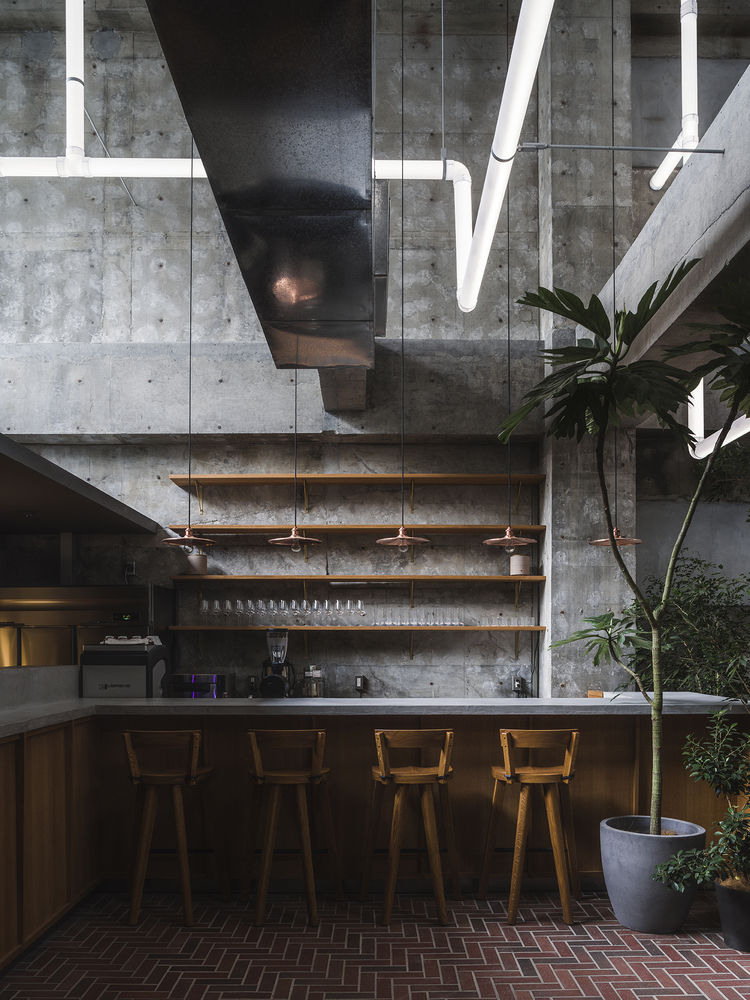
Shiroiya functions as more than a hotel—it is a civic platform. Galleries, installations, and dining areas integrate seamlessly with the architecture, inviting both travelers and locals into its orbit. The Green Tower’s sloping, planted exterior redefines the cityscape, while inside, layered artworks and design interventions blur the boundary between hotel and museum. The hotel’s restaurant and lounge continue the experiential ethos, balancing international creativity with local produce and traditions, creating a dialogue between Maebashi’s community and global design culture.
DNA Hotels Verdict
Shiroiya Hotel is a manifesto for regional reinvention through design. By merging Sou Fujimoto’s radical architecture with contributions from global creative figures, it transforms a 1970s relic into a living gallery of contemporary art and hospitality. For design travelers, this is not just a hotel but a pilgrimage—proof that even small cities can host world-class cultural statements.