


The Wurlitzer Plays Again
The Siren Hotel transforms Detroit’s historic 1926 Wurlitzer Building into a seductive boutique hotel where ASH’s romantic vintage interiors, Italian Renaissance architecture and intimate cocktail bars revive the city’s golden-age glamour.

Why DNA Hotels loves it
ASH transformed Detroit’s long-abandoned 1926 Wurlitzer Building into a richly atmospheric hotel without polishing away its history.
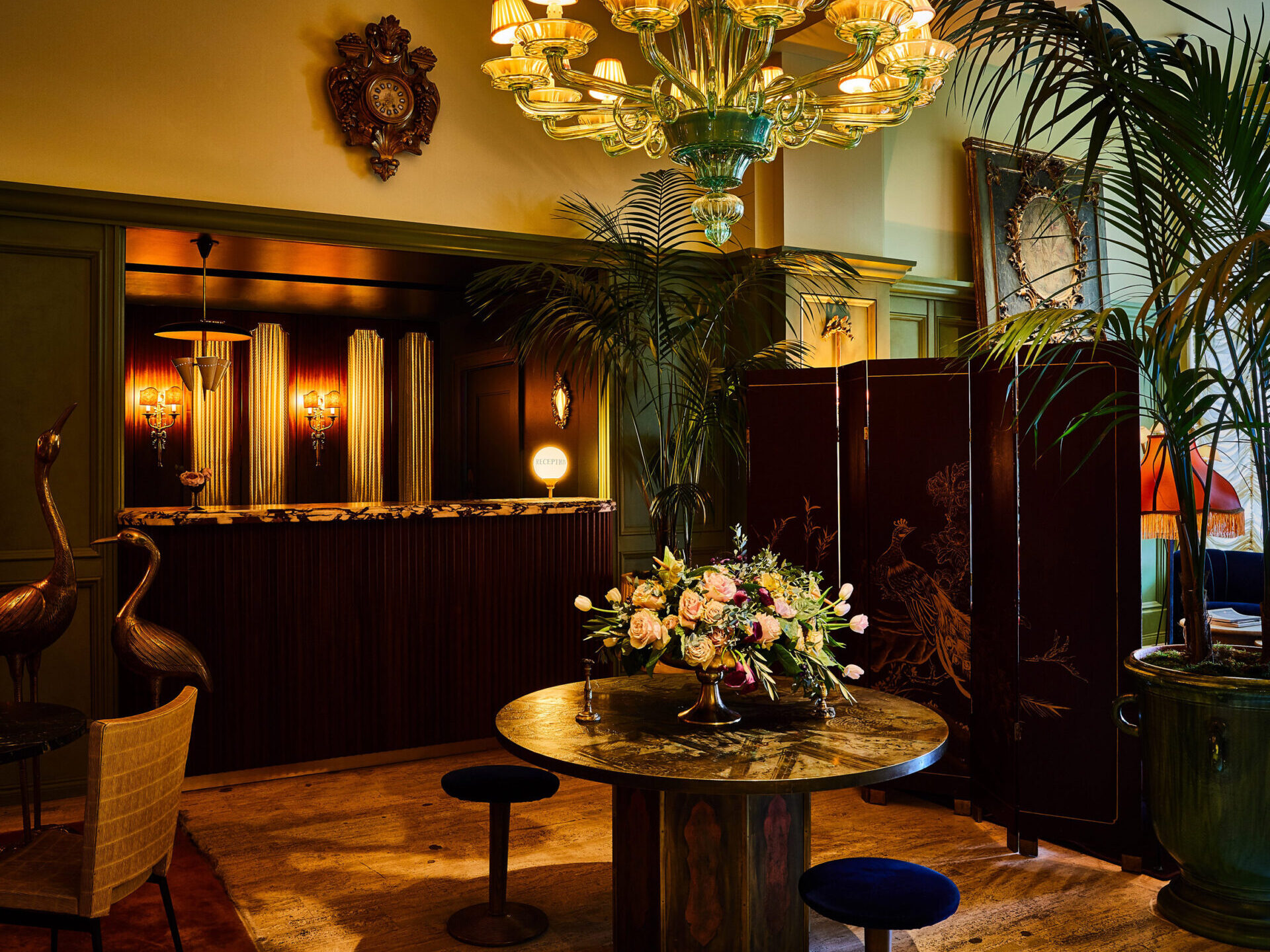
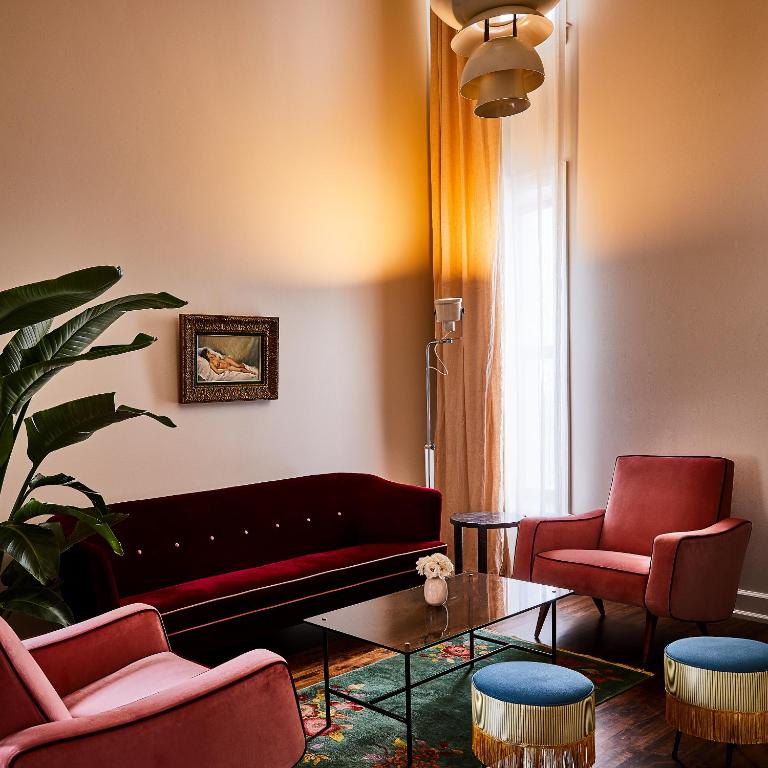
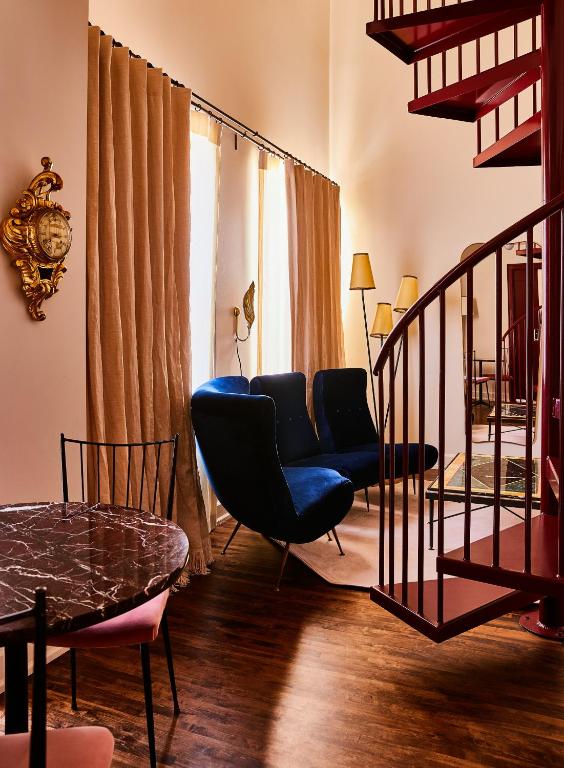
Italian Renaissance architecture meets an unexpectedly romantic palette of pale pink, oxblood and navy, vintage furniture and European antiques.
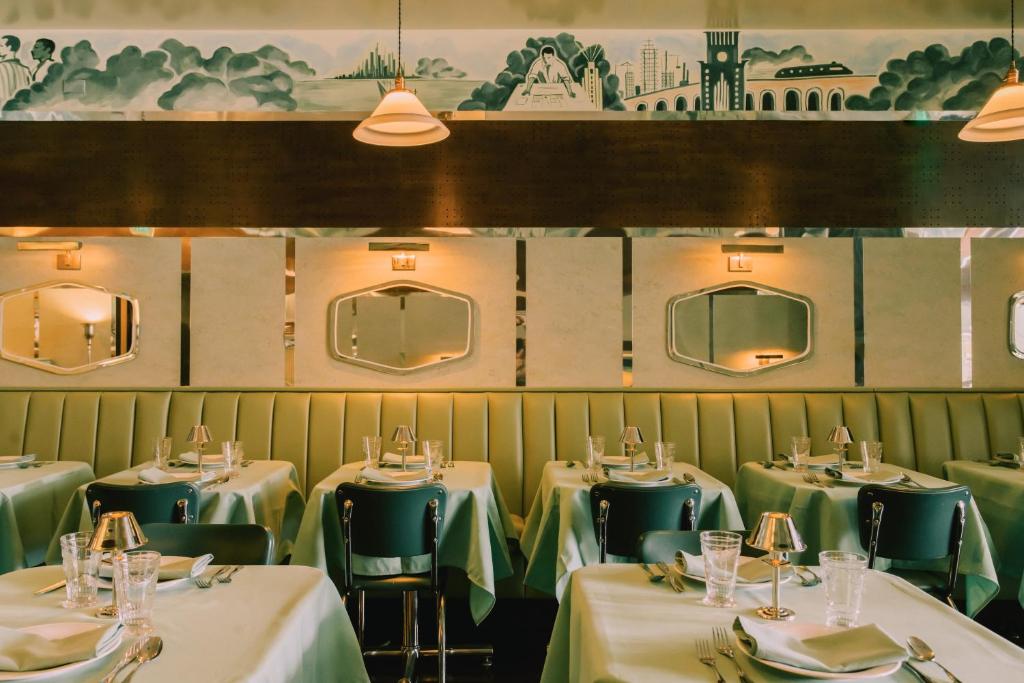
A remarkable collection of bars and social spaces makes this 106-room hotel feel like a miniature world within downtown Detroit.
The Stay
Where a 1920s musical landmark finds a seductive new rhythm.
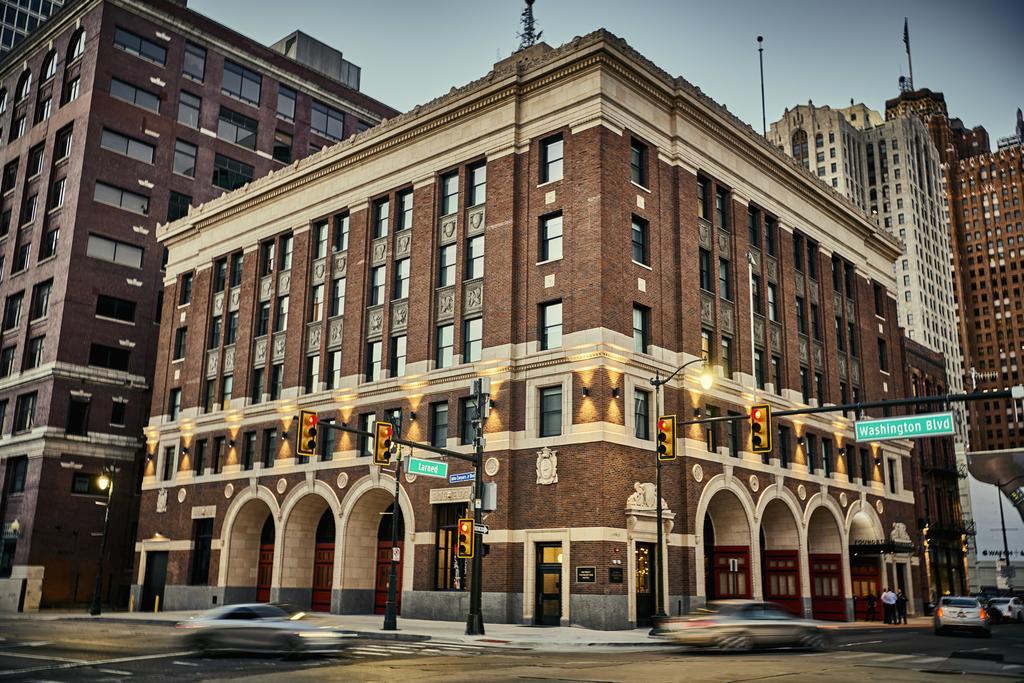
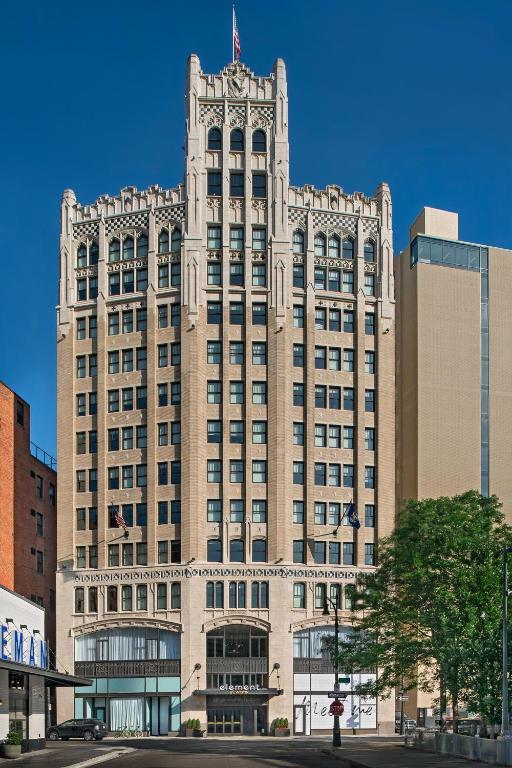
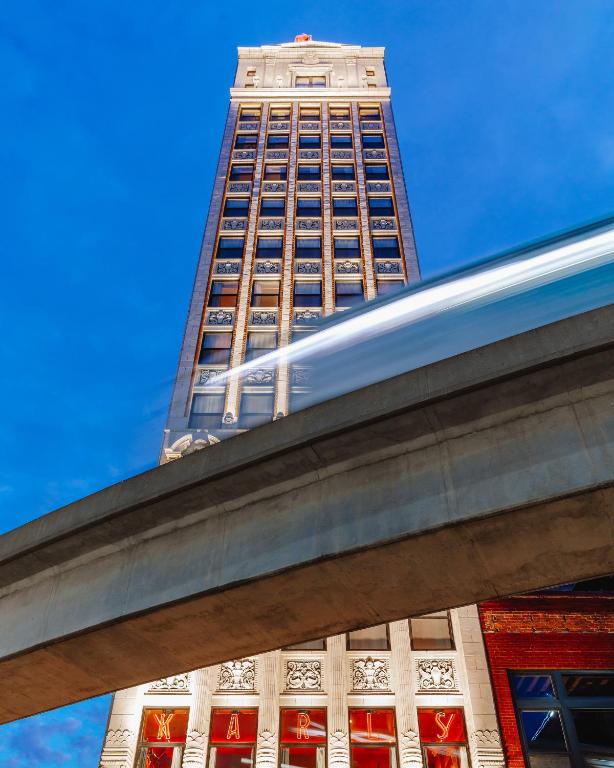
For three decades, the Wurlitzer Building stood empty in downtown Detroit. Designed by Detroit architect Robert Finn and completed in 1926 for the famous musical instrument company, its abandonment became another visible reminder of the city’s decline. Then came ASH. Rather than erase the building’s past, the design and development studio used it as the starting point for The Siren Hotel, restoring original travertine floors, terracotta signage and ornate plaster ceilings while turning the former musical headquarters into a 106-room hotel. Even the name plays with the story: the mythological Siren calling travellers back to Detroit.
Glamour Instead of Industrial Grit
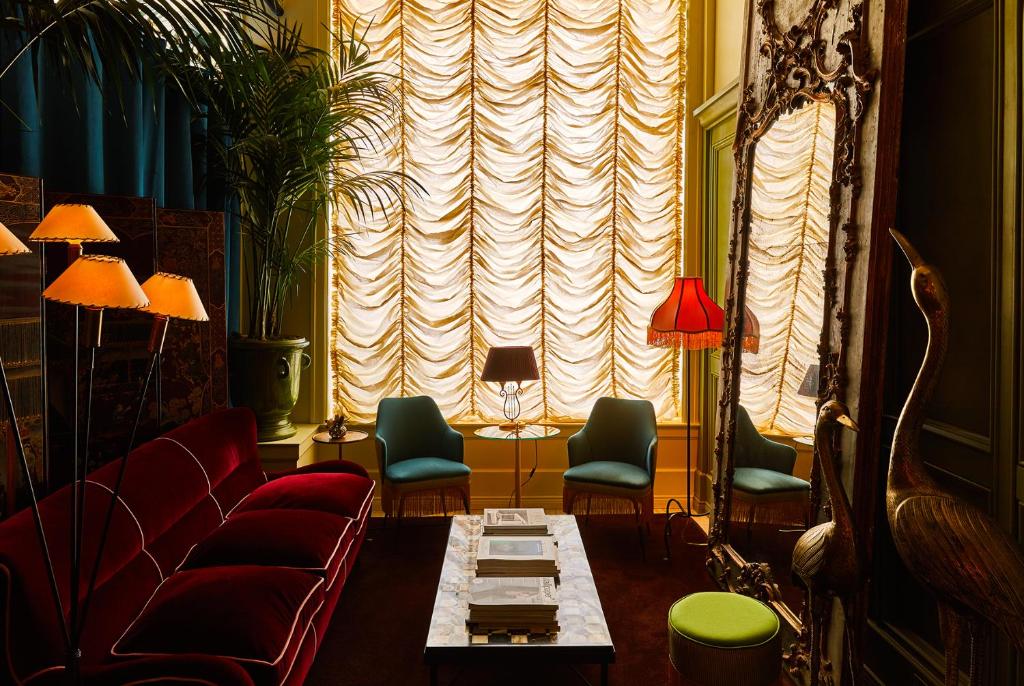
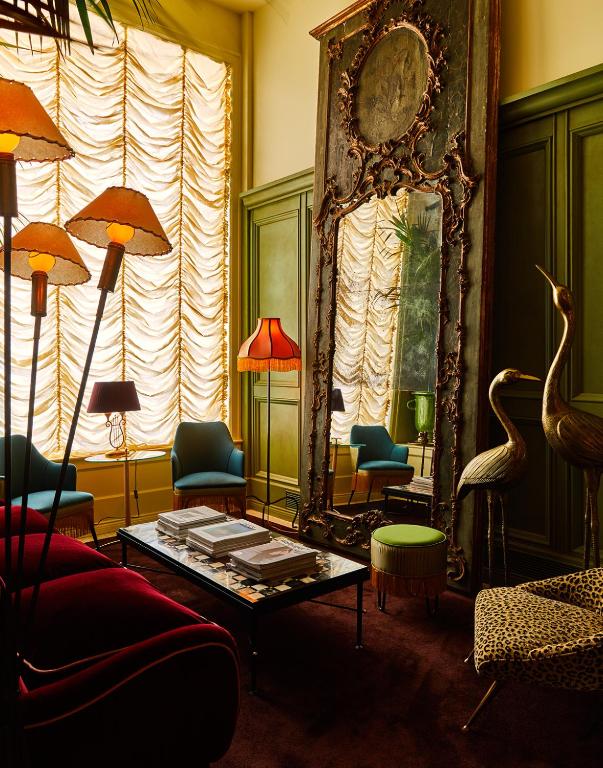
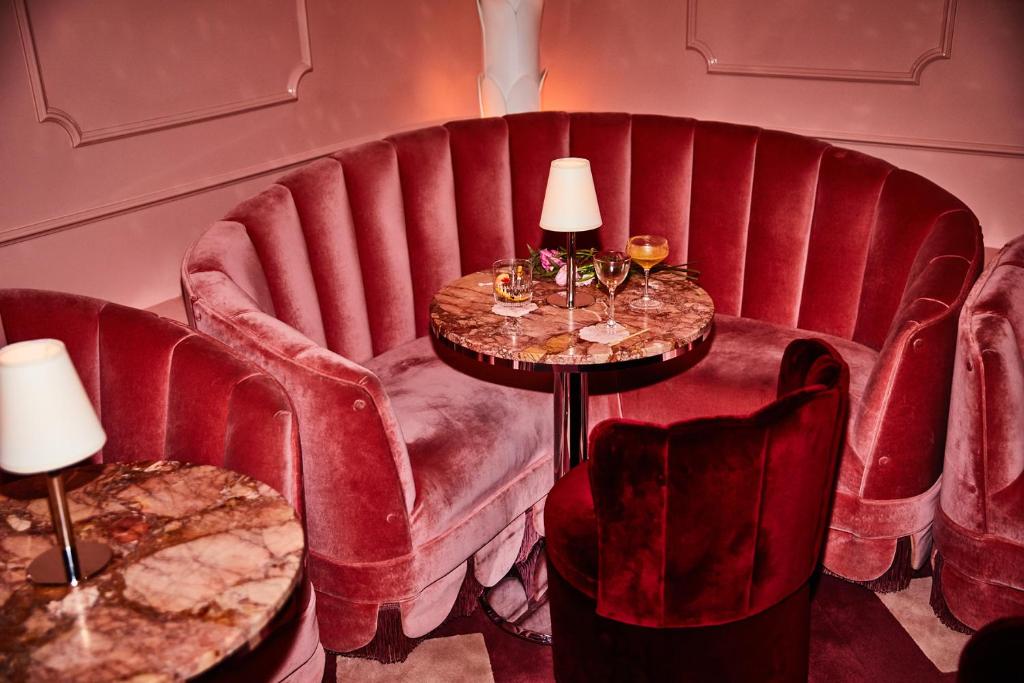
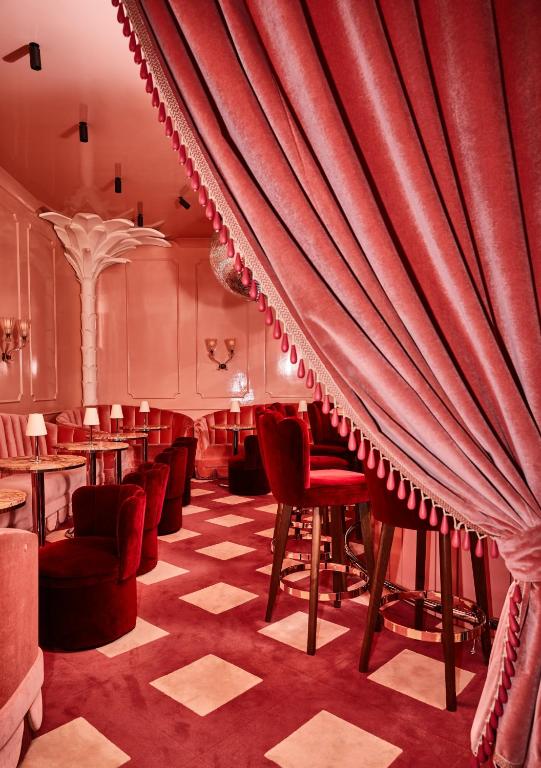
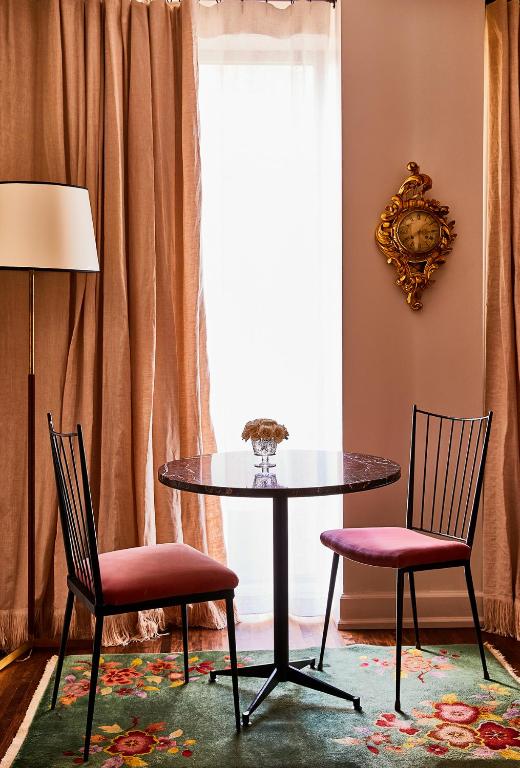
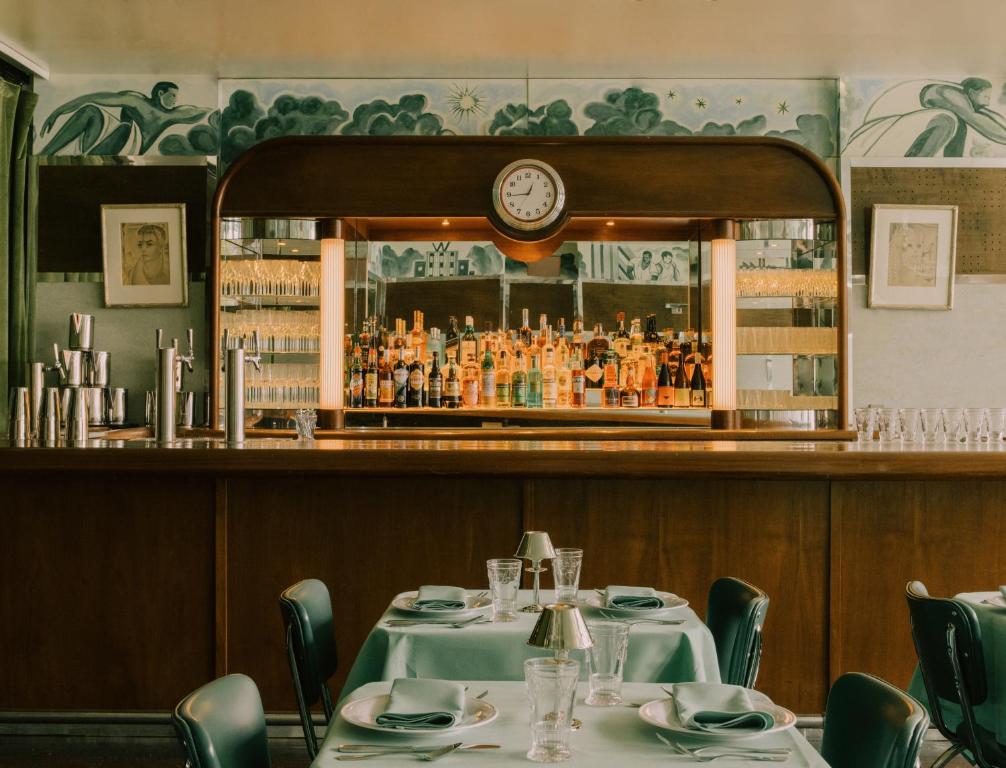
Detroit hotels have plenty of industrial heritage to work with, but The Siren takes a different route. Its inspiration is the glamour of the Motor City’s first golden age. ASH layered the building’s Italian Renaissance bones with 18th- and 19th-century Italian antiques, custom and vintage furniture, polished timber, white-veined black marble and chrome. Pale fleshy pinks sit alongside deep oxblood and crisp navy, creating interiors that are theatrical and romantic without turning the hotel into a 1920s pastiche. It is unmistakably retro, but never simply nostalgic.
Rooms with a Softer Rhythm
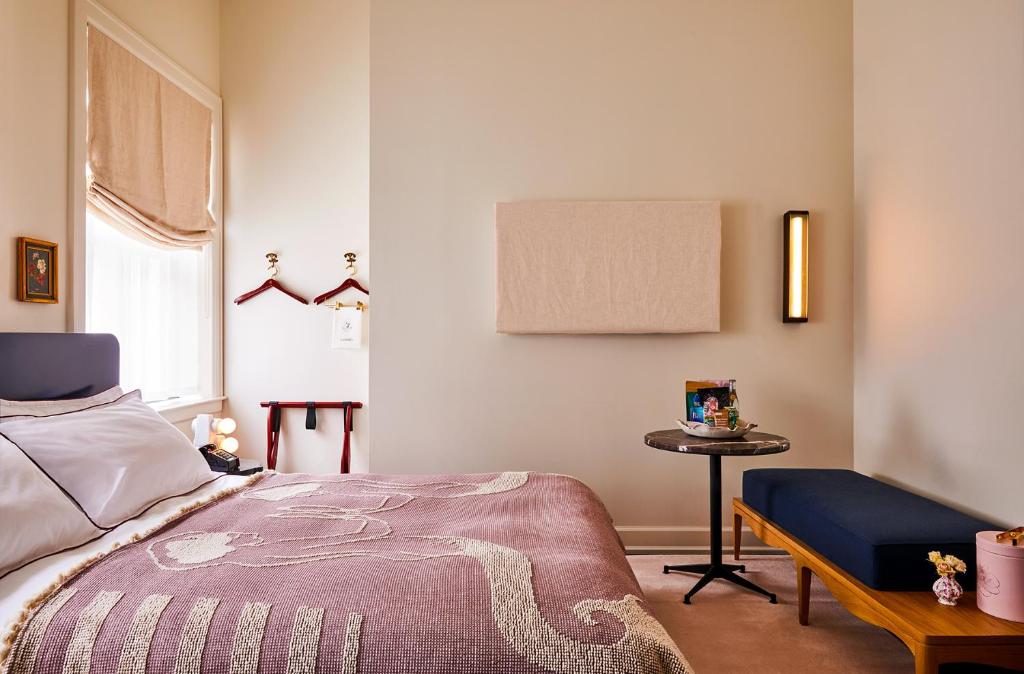
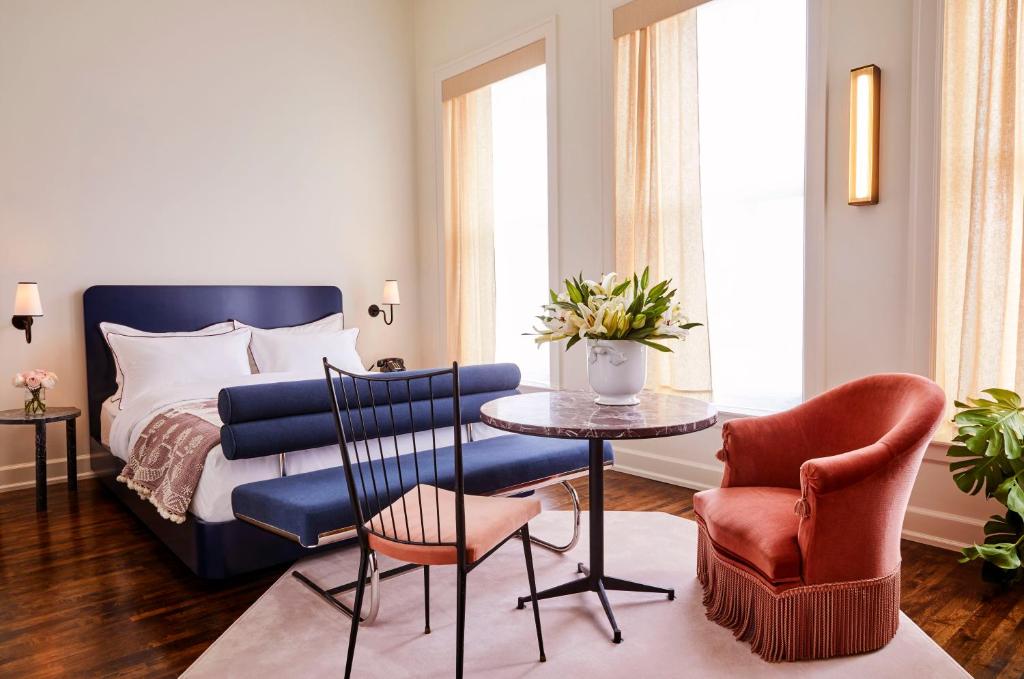
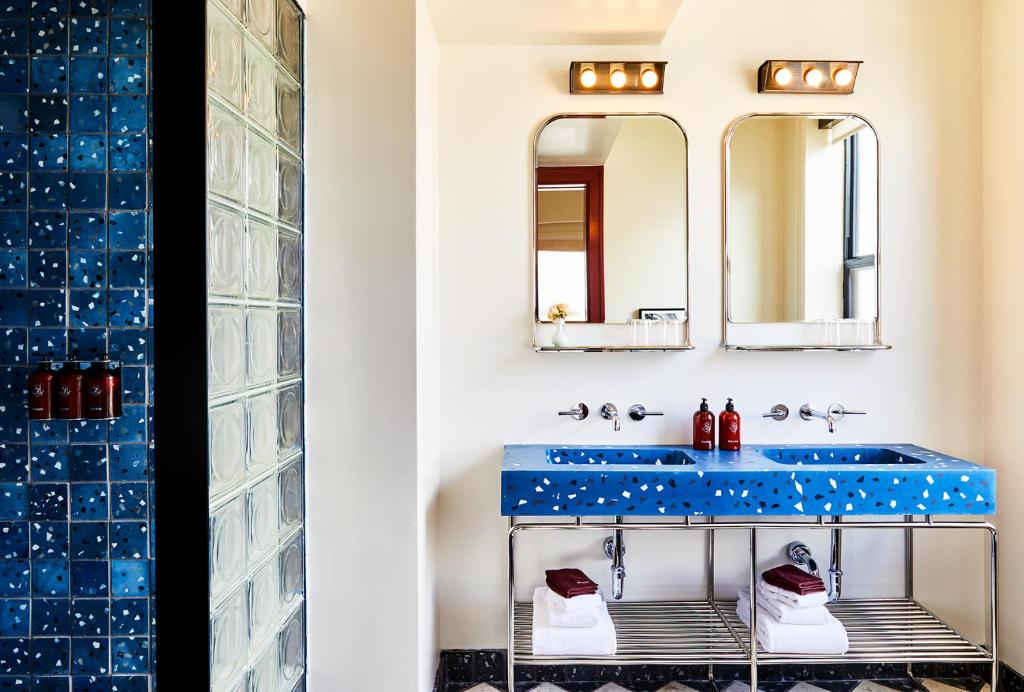
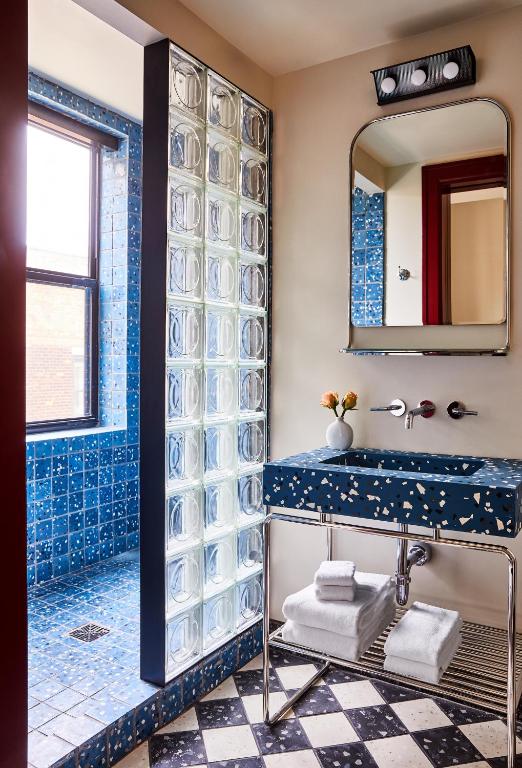
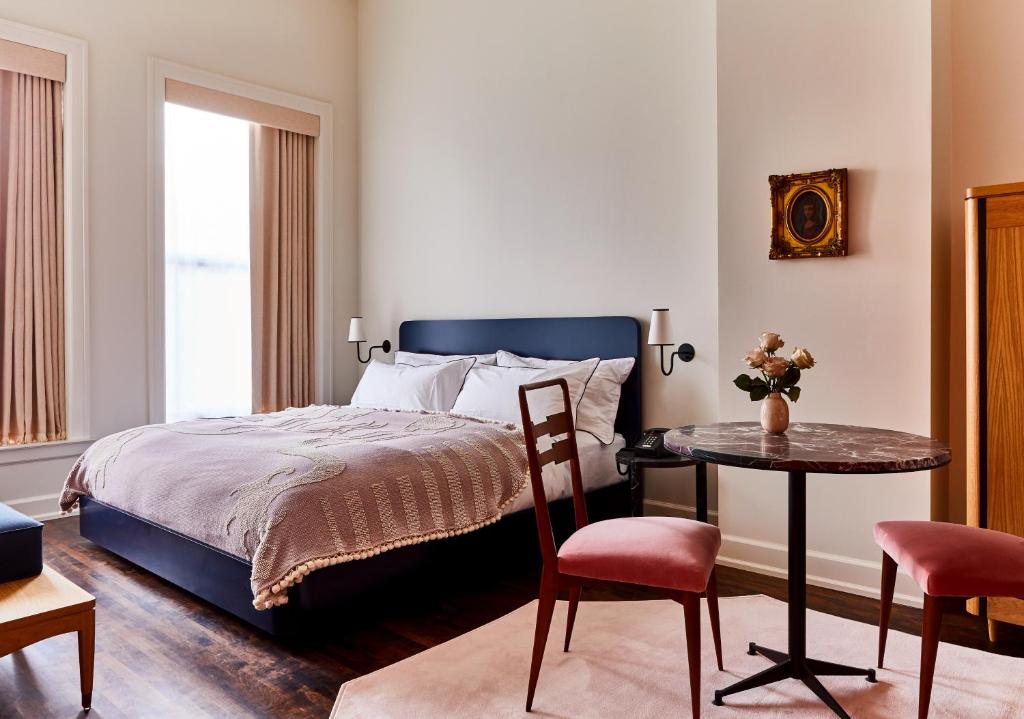
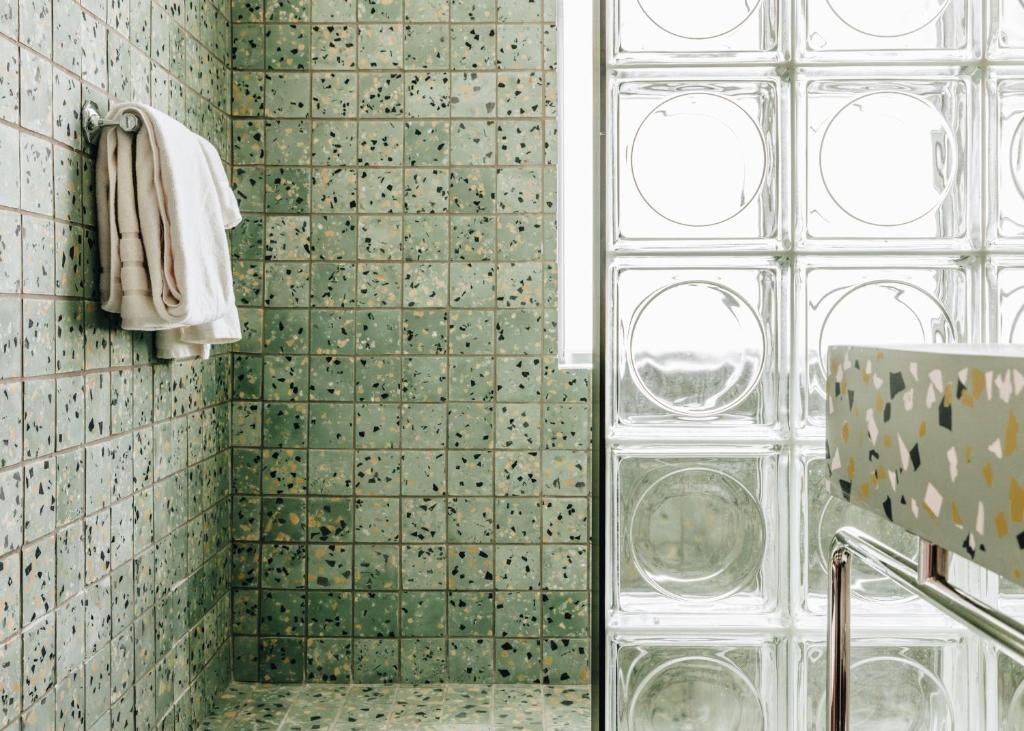
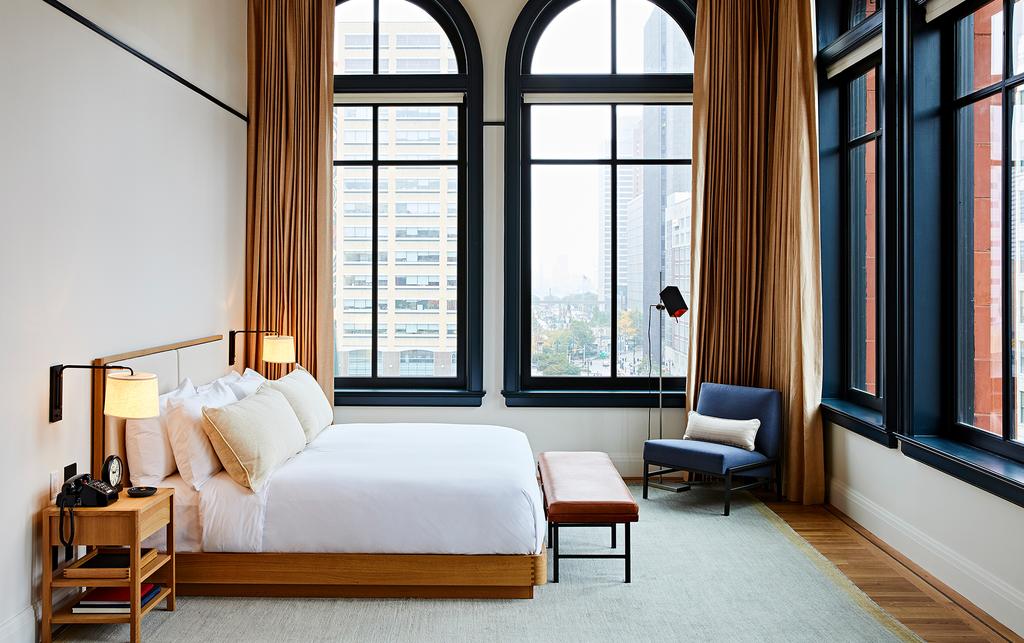
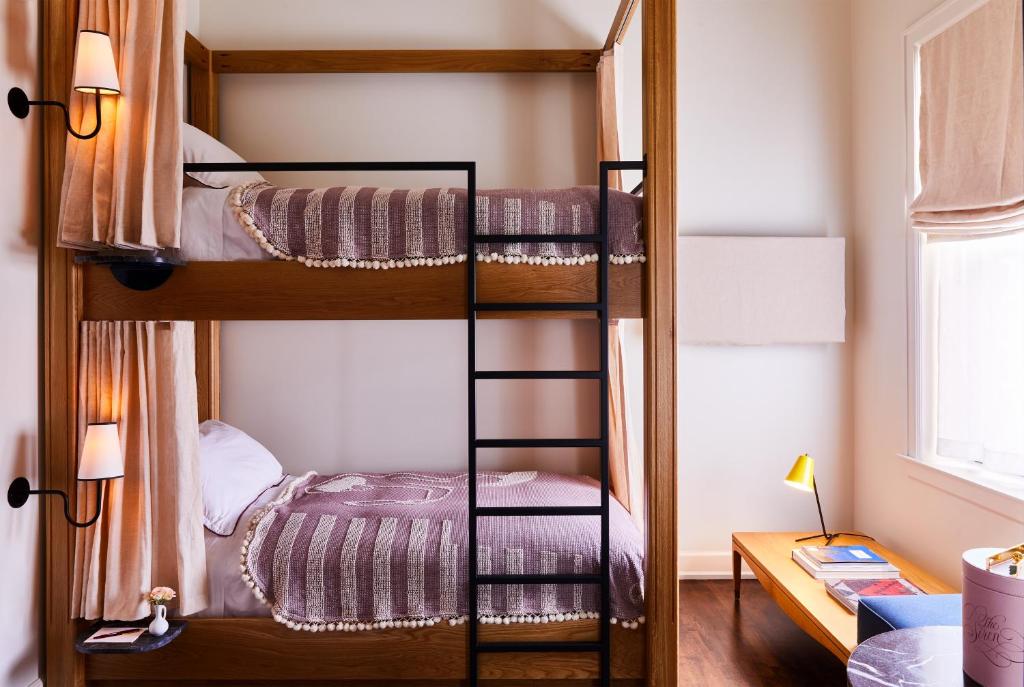
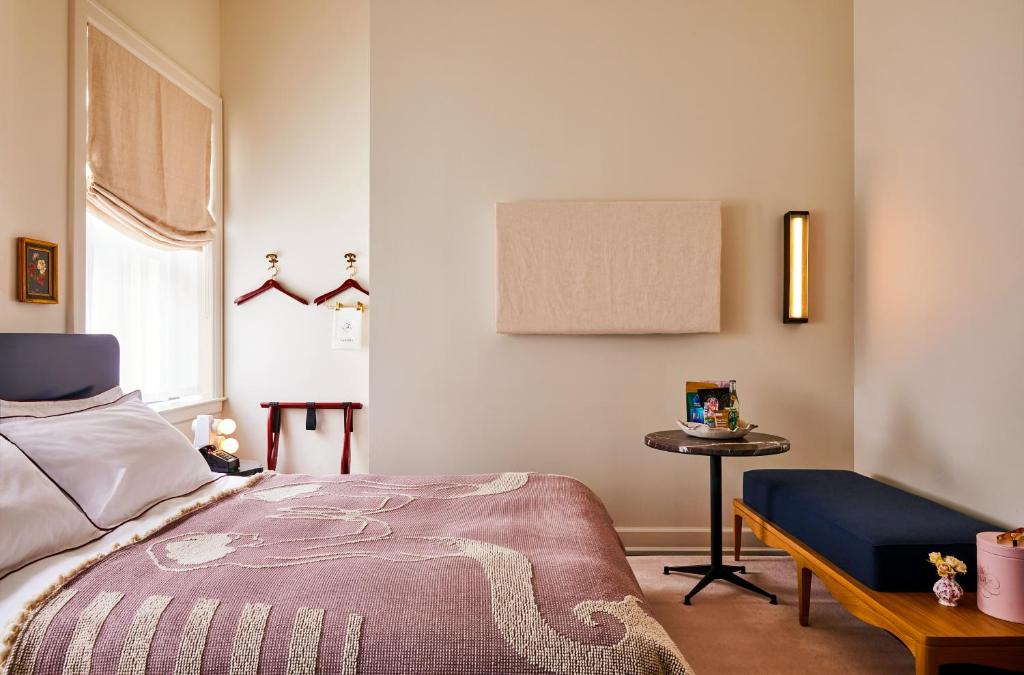
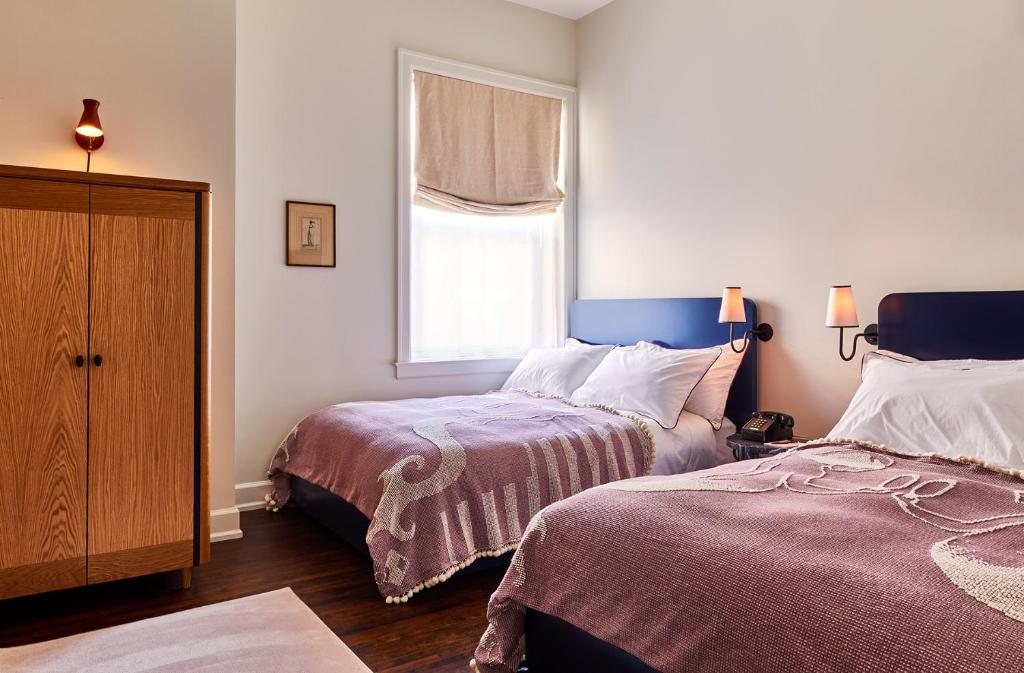
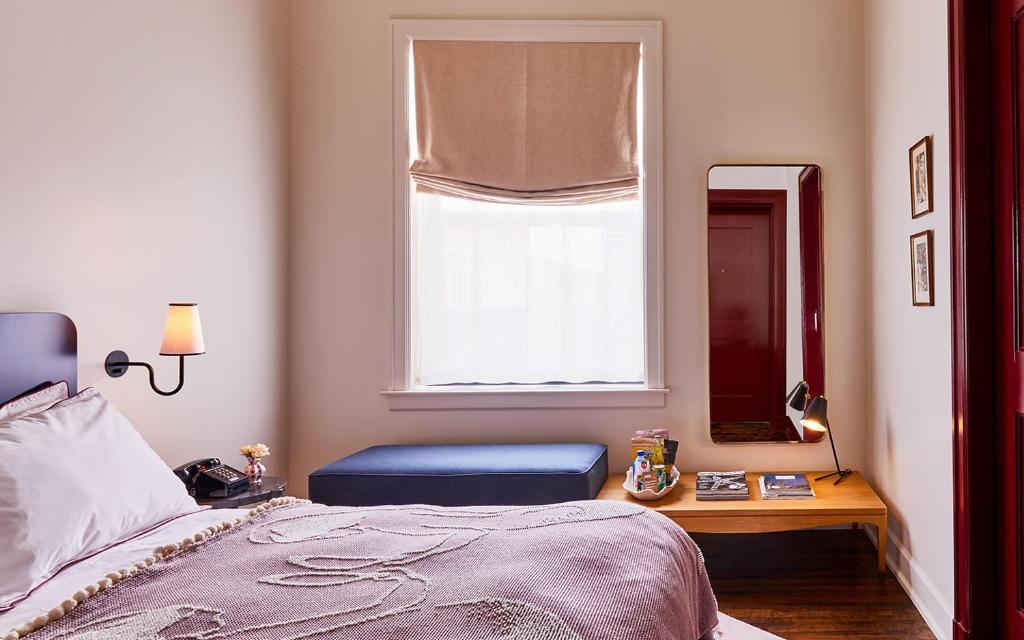
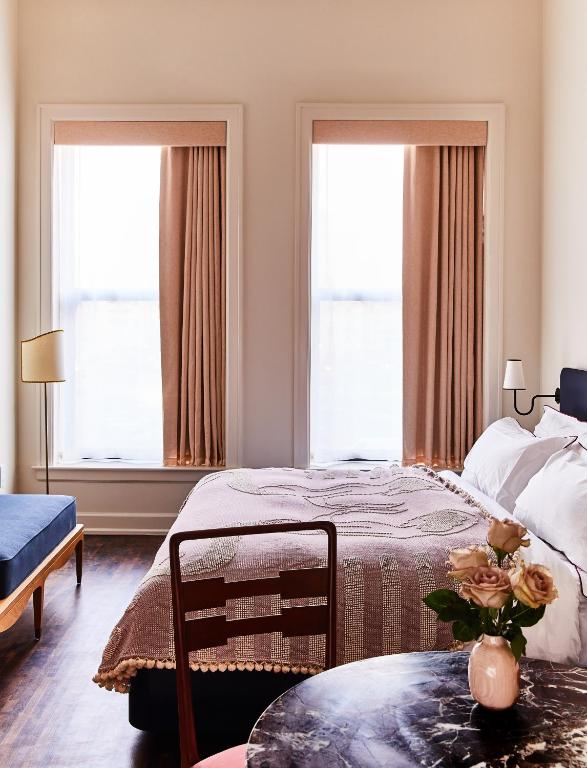
The guestrooms strip some of that theatricality away. Their design is more restrained, using saturated colour, vintage-inspired lighting and carefully chosen textiles rather than elaborate decoration. Italian linens and hand-loomed blankets bring softness, while terrazzo bathrooms and custom amenities add a quietly luxurious finish. Some rooms are compact — this is, after all, a converted 1920s tower — but that intimacy suits The Siren’s slightly secretive character.
A Hotel Made for Going Out — Without Going Out
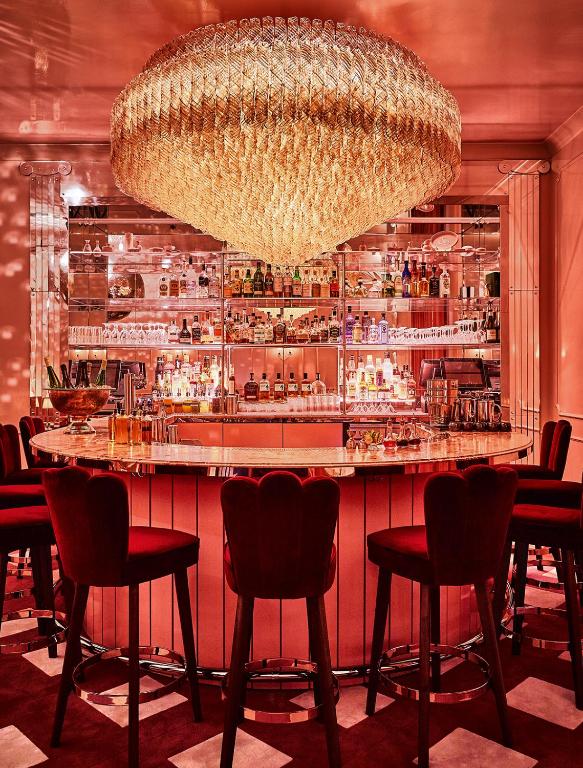
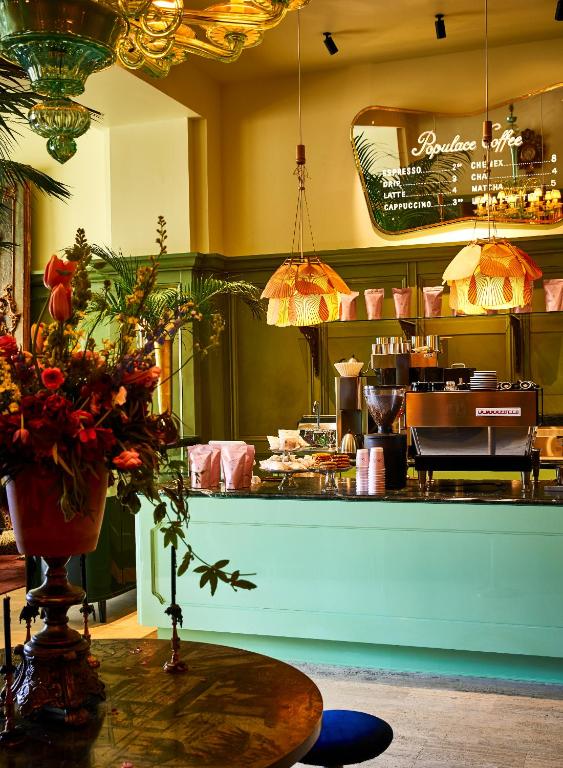
For a relatively small hotel, The Siren has always devoted an extraordinary amount of space and imagination to drinking, eating and gathering. Candy Bar is perhaps its most memorable expression: an intimate jewel-box cocktail bar wrapped in pink, velvet and sparkle. The Siren Café provides the daytime counterpoint, while wine, cocktails and music extend the hotel into the evening. Rather than treating these spaces as amenities for overnight guests, The Siren was conceived as somewhere Detroiters would actually want to visit. That distinction gives the hotel much of its energy.
Detroit, with a Touch of Theatre
The Siren Hotel helped demonstrate what Detroit’s remarkable stock of neglected architecture could become when restoration was combined with imagination rather than nostalgia. ASH didn’t turn the Wurlitzer into a monument to what the city once was. It gave an old building a new personality — eccentric, glamorous, intimate and just a little seductive. For a former musical headquarters, finding its voice again feels particularly appropriate.
Information
At a glance
Opened / Renovated
2018
Size matters
106 rooms & suites (15-33m2) (161-355 sq ft)
Interior design
owner designed
Featured in
Don't take our word for it


Handpicked worldwide
A carefully curated collection of exceptional boutique and design hotels across the globe.
Design with soul
Architecture, atmosphere and craftsmanship come together in stays with a clear identity.
Hidden, not hyped
Independent boutique hotels you rarely find on mainstream booking platforms.
Travel guidance
Personal recommendations and thoughtful support from people who actually know the places.