The Statler Dallas | Texas, USA
Mid-Century Legacy Meets Modern-Day Revival
Why DNA Hotels Loves It
● One of America’s most significant mid-century hotels, beautifully restored while preserving its unmistakable 1950s character.
● A thoughtful reinvention that combines historic architecture, contemporary design, residences, and vibrant social spaces under one roof.
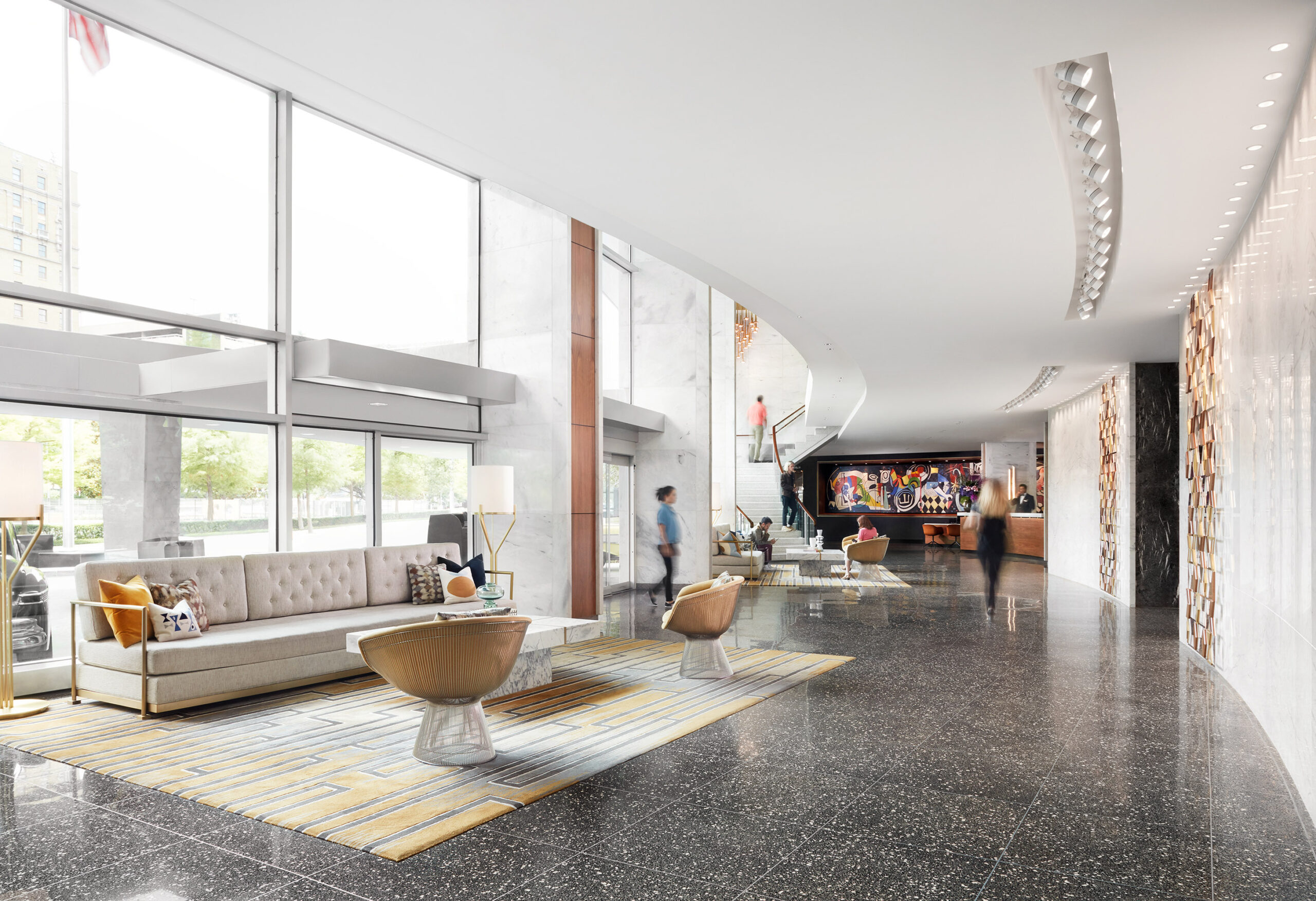
● Rich in original details—from terrazzo floors and vintage mail chutes to restored artworks—that celebrate the optimism and glamour of the Jet Age.
A Mid-Century Icon Reborn
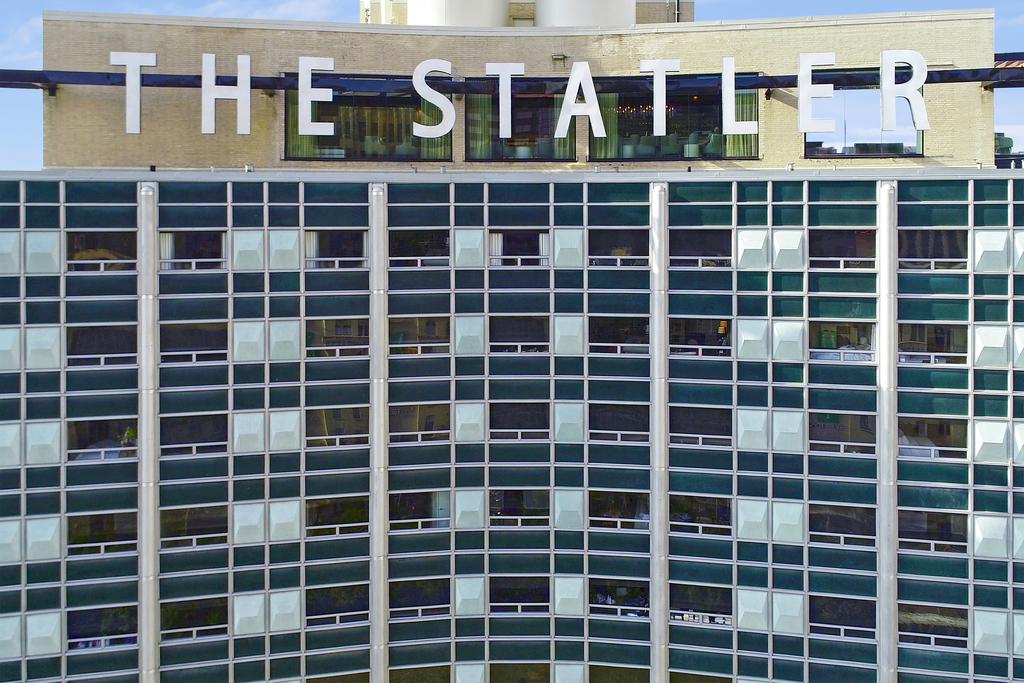
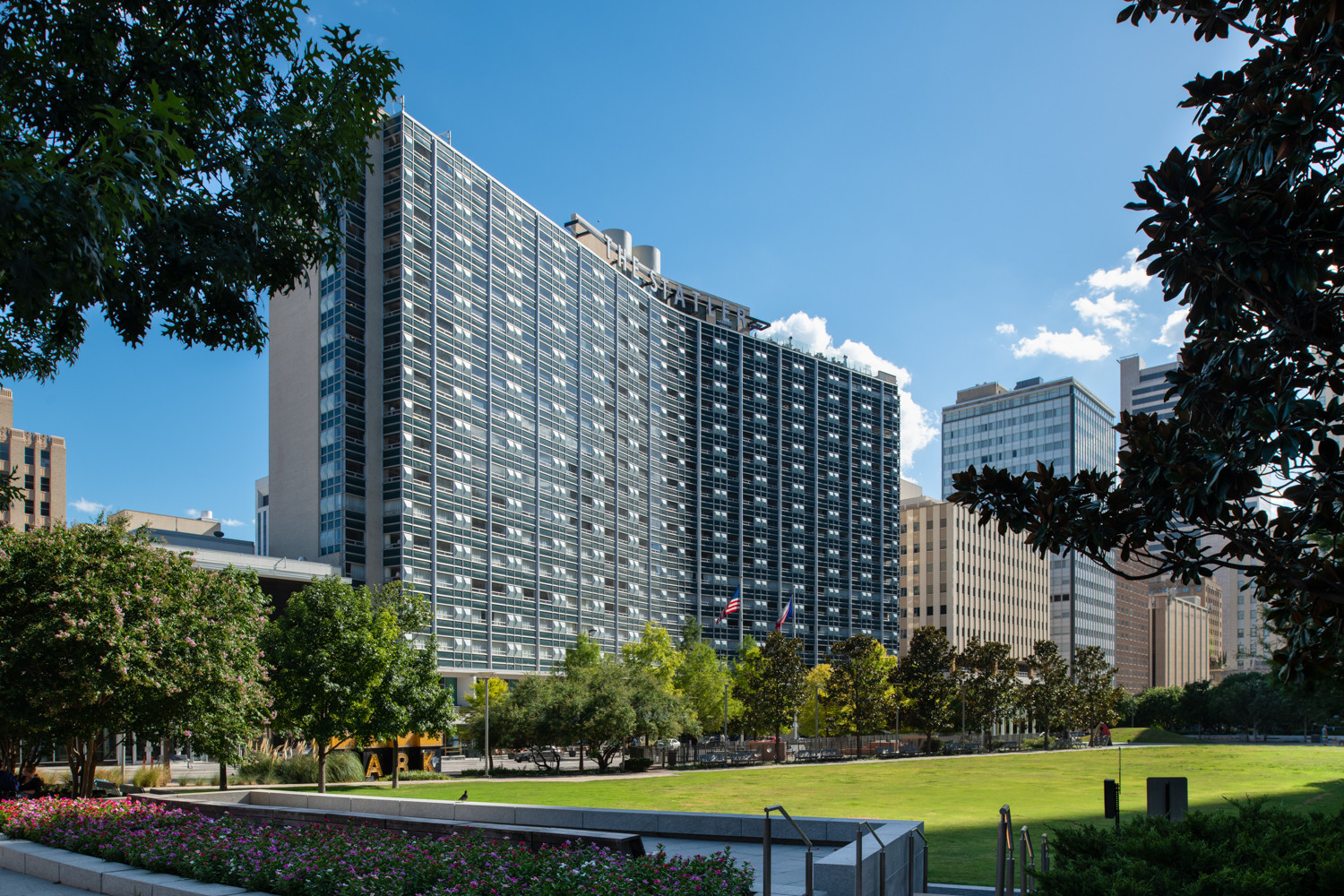
When the Statler Hilton opened in 1956, it instantly became one of America’s most innovative hotels. Packed with groundbreaking technology and bold modern architecture, it embodied the optimism of post-war America and helped redefine downtown Dallas. More than half a century later, the landmark has been reborn as The Statler—a mixed-use destination that successfully preserves its architectural identity while embracing contemporary hospitality. Its footprint may have changed, shrinking from more than 1,000 guestrooms to 159 hotel rooms alongside 289 private residences, but its personality remains unmistakably intact.
Jet Age Design, Carefully Restored
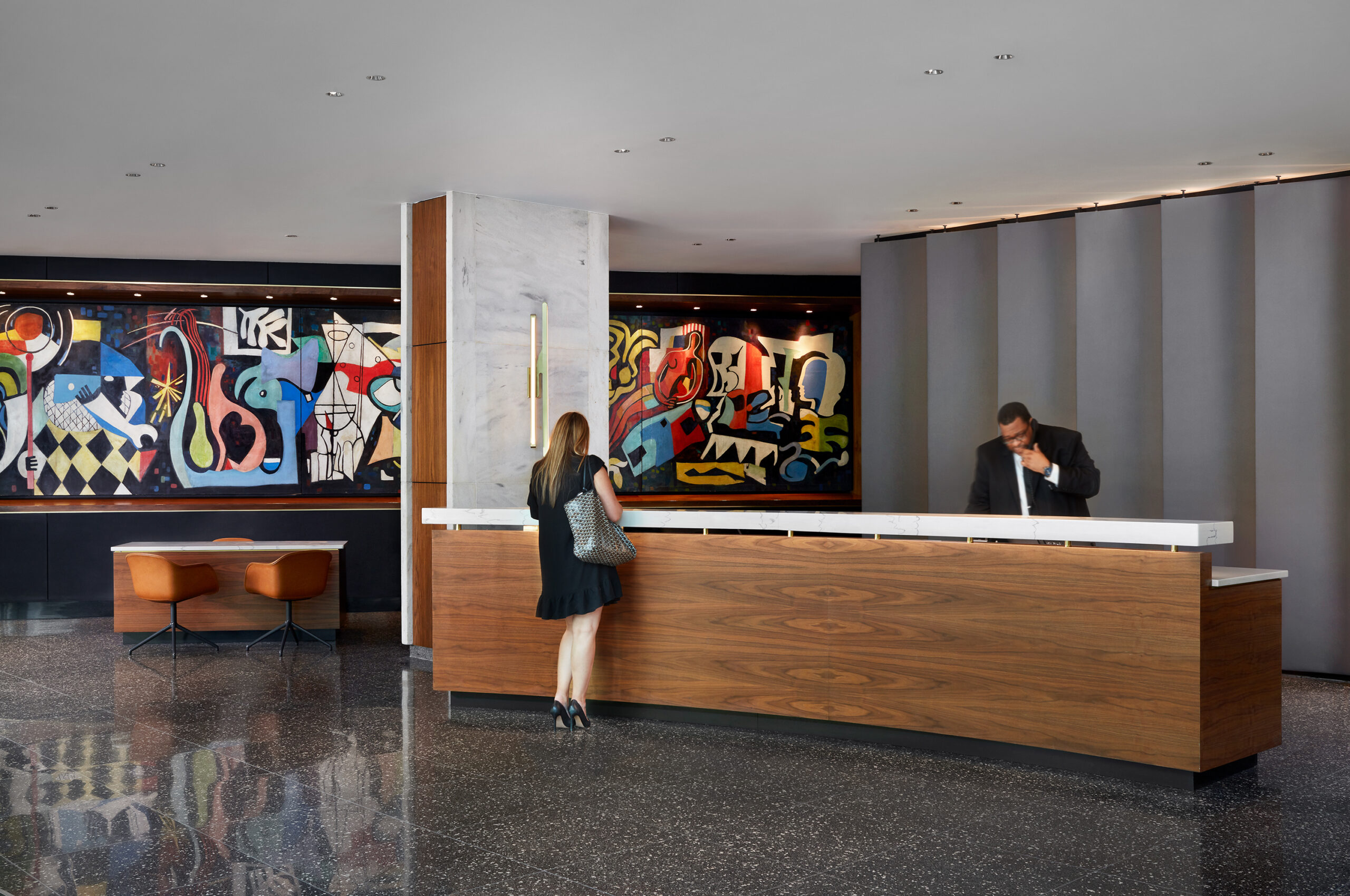
The renovation respects the building’s remarkable heritage without turning it into a museum. Original terrazzo floors, marble panels, wood panelling, vintage mail chutes, brass detailing, chrome accents, and restored architectural features create a strong sense of continuity throughout the public spaces. Warm timber, bronze finishes, soft lighting, and contemporary furnishings introduce a fresh layer that feels entirely at home within the building’s mid-century framework. Rather than recreating the 1950s, the design celebrates it through carefully chosen details and modern restraint.
Rooms with Retro Character
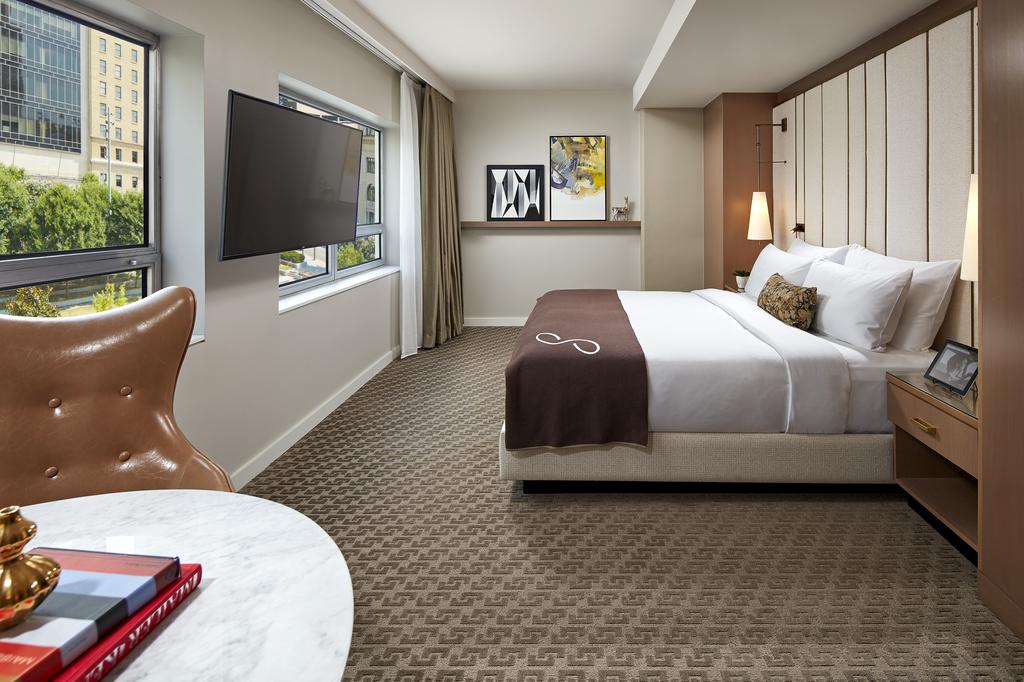
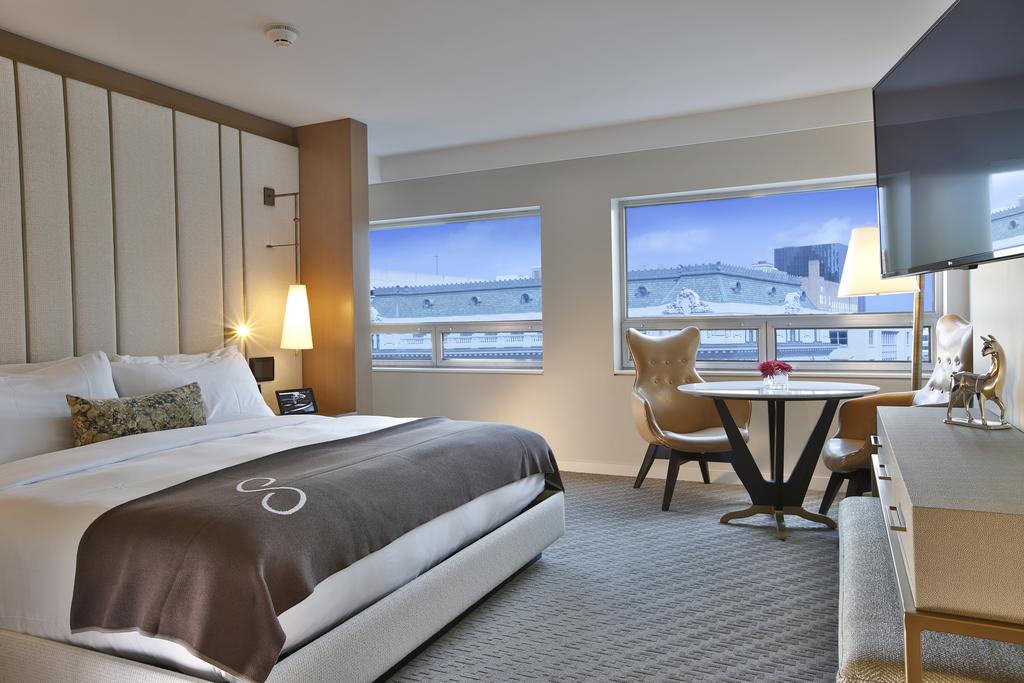
The guestrooms continue the story. Warm walnut finishes, brass lighting, bronze accents, rich textiles, and clean-lined furniture reference the hotel’s original era while providing all the comforts expected today. The palette feels understated and inviting, allowing the building’s architectural character to remain the focus instead of relying on nostalgia. It’s mid-century modern interpreted for contemporary travellers.
Dallas’ Social Living Room
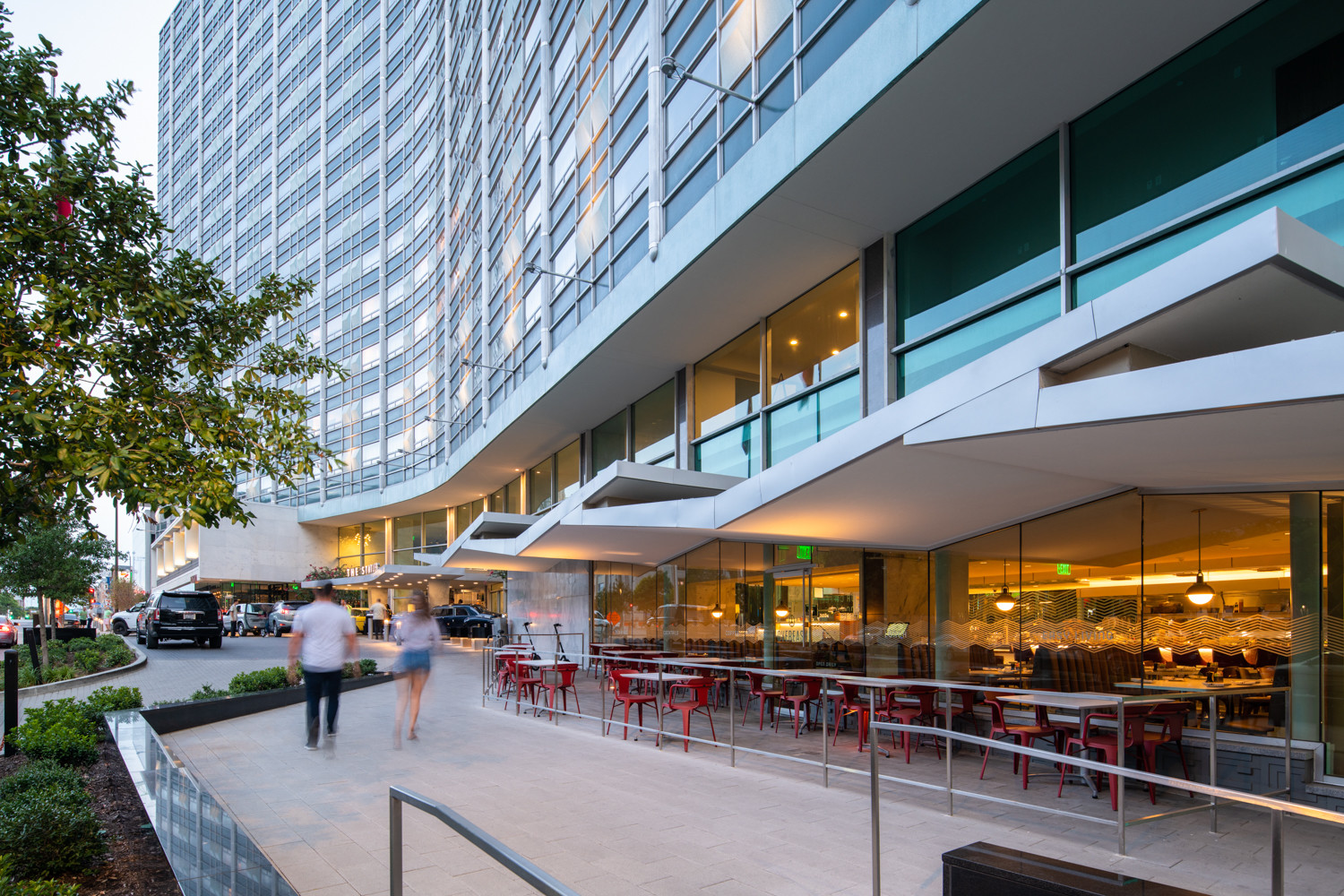
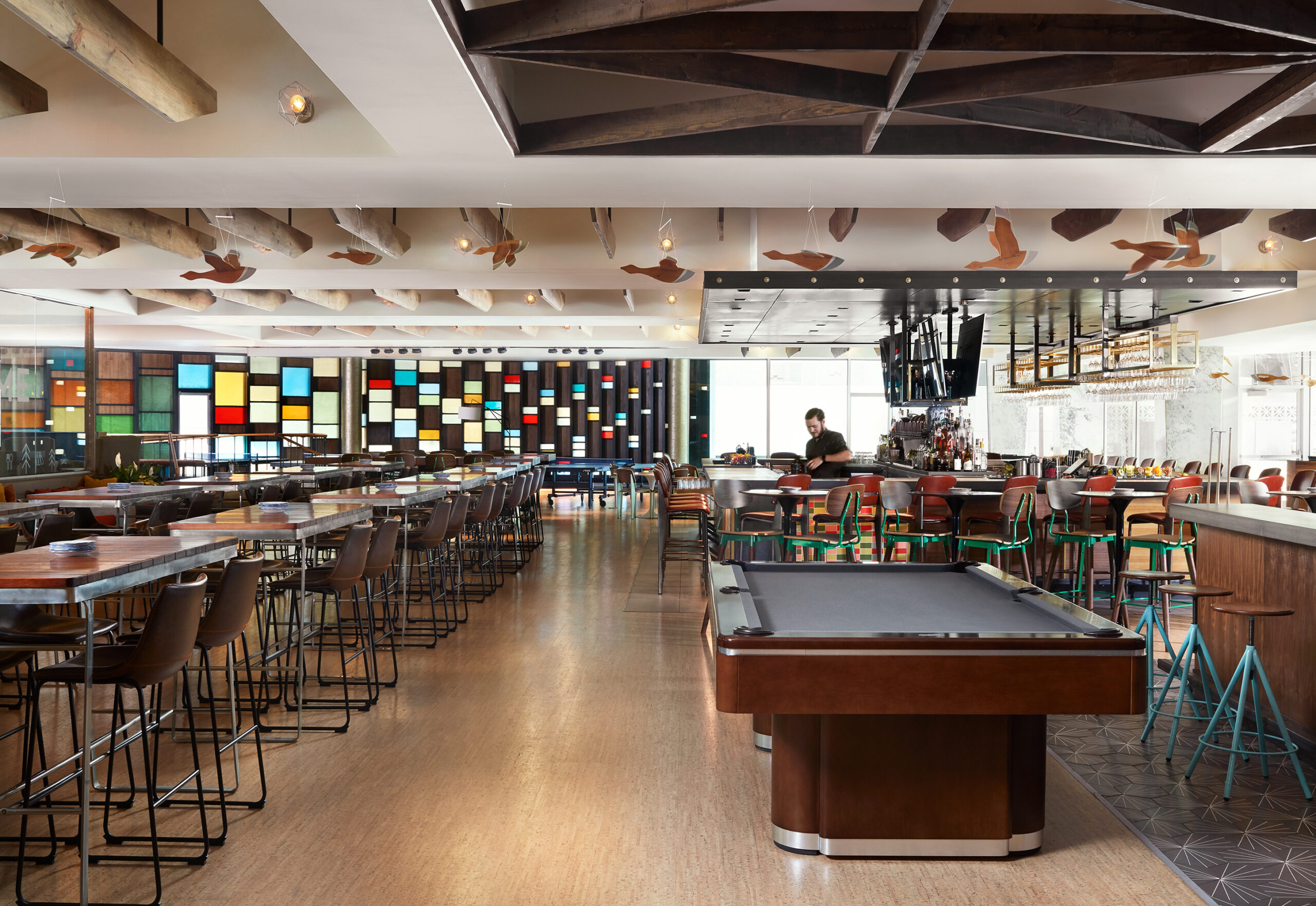
The Statler has always been a place where people gathered, and that tradition continues today. Its collection of restaurants and bars keeps the building buzzing from morning until late evening. The standout is Fine China, a sophisticated Pan-Asian restaurant that combines minimalist architecture with playful references to Hong Kong street markets. Repurposed metal gates, glowing screens, walnut surfaces, brushed bronze, cedar beams, and a dramatic communal dining table create one of Dallas’ most distinctive dining interiors. From rooftop cocktails to intimate lounges, every venue contributes to the hotel’s lively atmosphere.
A Building That Tells Stories
Perhaps the most remarkable discovery during the restoration was a forty-foot mural by artist Jack Lubin, hidden for decades inside the former nightclub. Carefully restored and relocated to the lobby, it now serves as one of the hotel’s defining centrepieces—a vivid reminder of the building’s glamorous past and its renewed cultural significance. Throughout the hotel, original signage, architectural details, and carefully preserved materials quietly tell the story of one of Dallas’ most influential buildings.
Why It Matters
The Statler proves that great modernist architecture deserves a second life. Rather than replacing history with something new, the restoration embraces the building’s Jet Age optimism while creating a hotel that feels energetic, relevant, and unmistakably contemporary. It’s both a landmark and a living destination—one that celebrates design, culture, and the enduring appeal of mid-century modernism. For travellers who appreciate architecture with a story, The Statler remains one of Dallas’ most fascinating places to stay.