Sunyata Ren’ai Hall – Chongqing’s Architectural Masterpiece
Where Heritage, Craft, and Contemplation Converge
Type: architectural hotel, boutique hotel, design hotel, heritage hotel, luxury hotel
Style: arts & crafts
Vibe: quiet
A Century-Old Landmark, Thoughtfully Reimagined
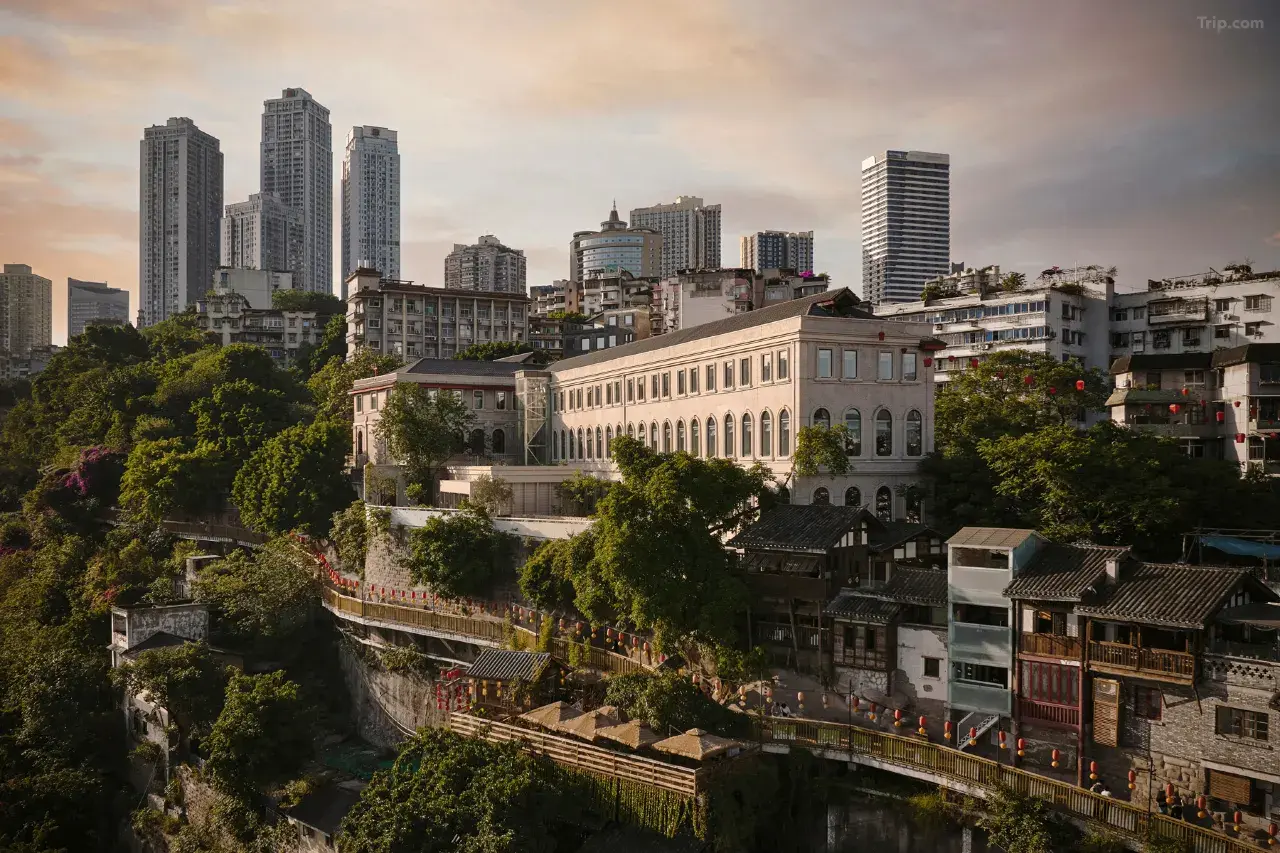
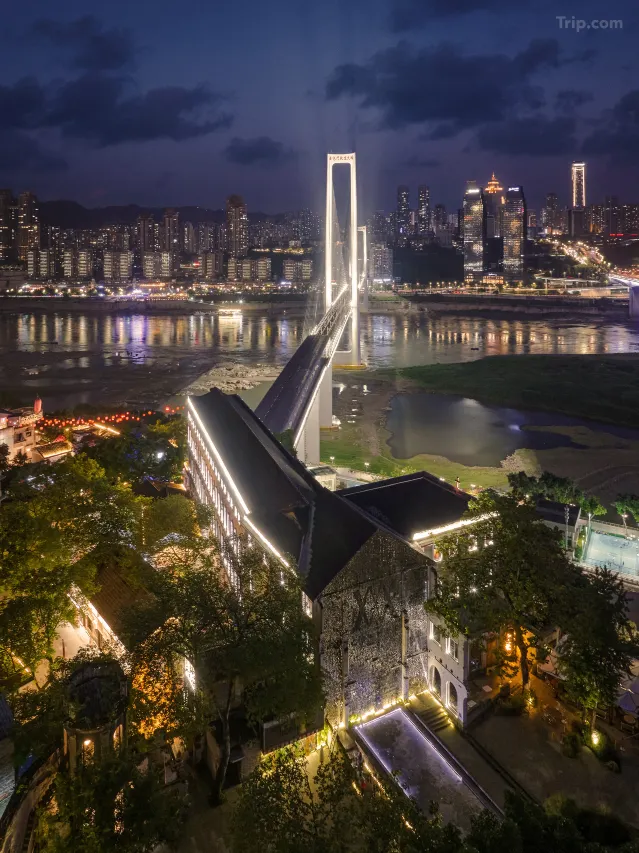
Perched on the steep slopes of Yuzhong District, where old Chongqing’s terraced alleys descend toward the Yangtze, Sunyata Ren’ai Hall is not just a hotel—it’s a rare architectural resurrection. Housed within the storied walls of the Ren’ai Tang, a 120-year-old French charity hall that once served as church, hospital, and girls’ school, this remarkable project breathes new life into a cornerstone of the city’s urban memory. It’s a place where time slows, where past and present are held in exquisite tension, and where every detail speaks to a deeper idea of luxury—one defined not by excess, but by intention.
Architecture That Honors Its Origins
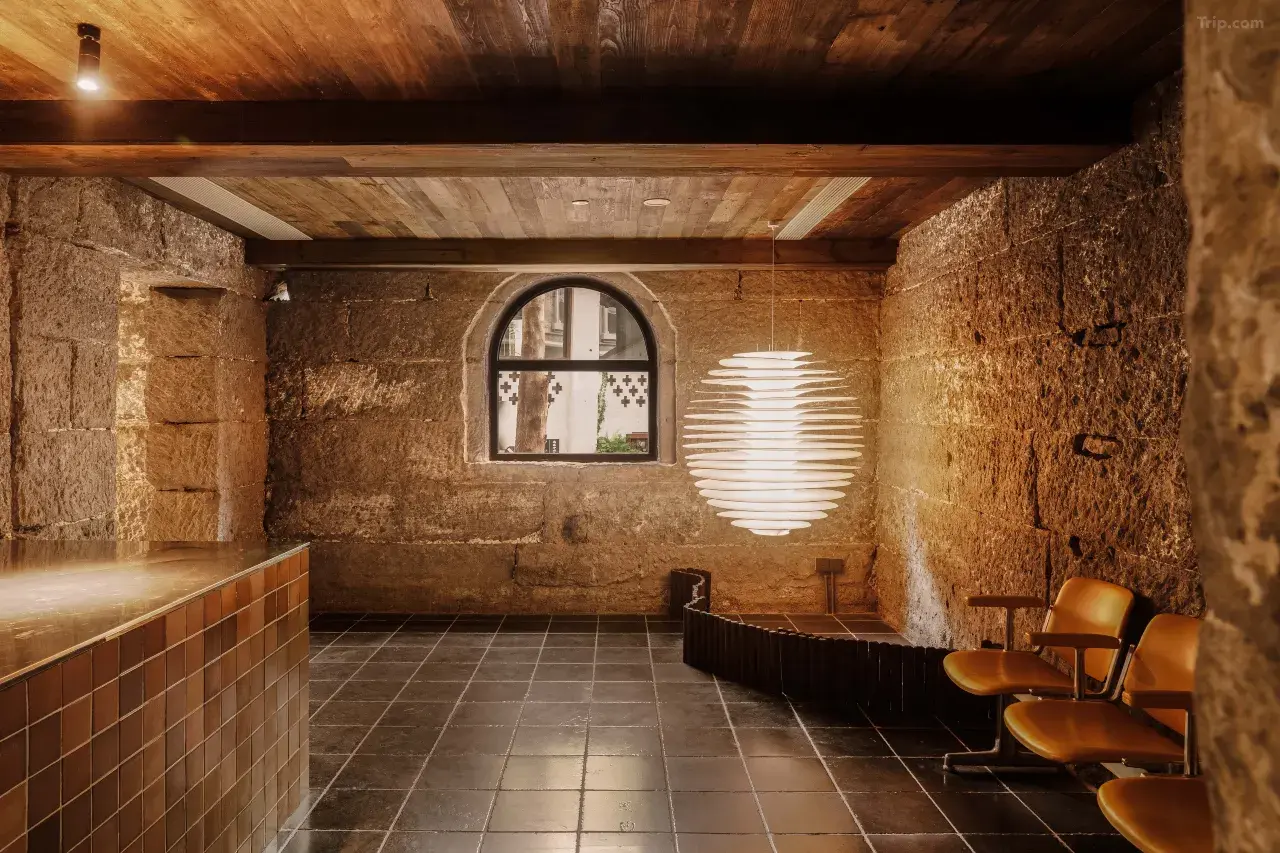
Sunyata’s power lies not in spectacle, but in sensitivity. Instead of demolishing and rebuilding, the project embraces the adaptive reuse of its historic fabric—vaulted brick ceilings, arched corridors, aged timber beams, and even the original bell tower are preserved and celebrated. The architecture doesn’t overwrite history; it reveals it, layering subtle new interventions over what already exists.
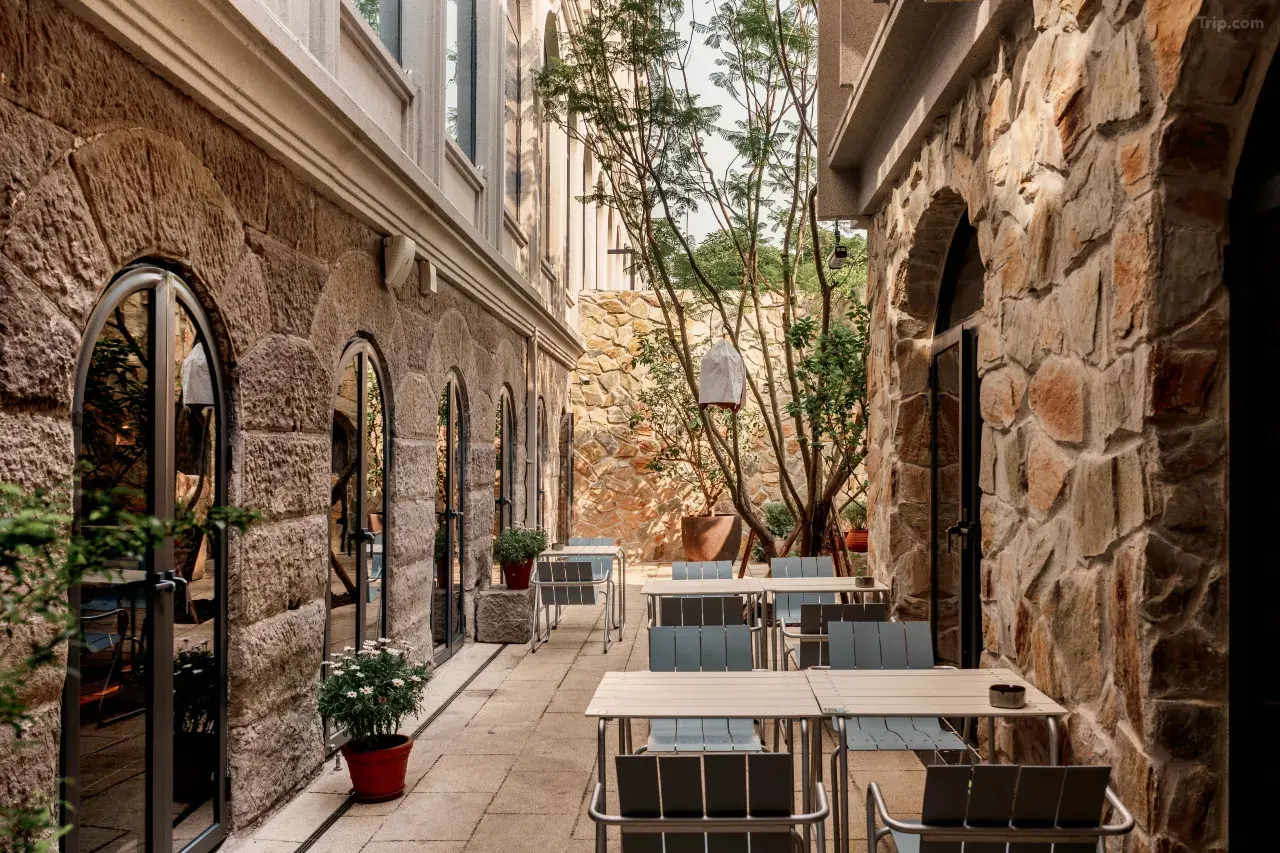
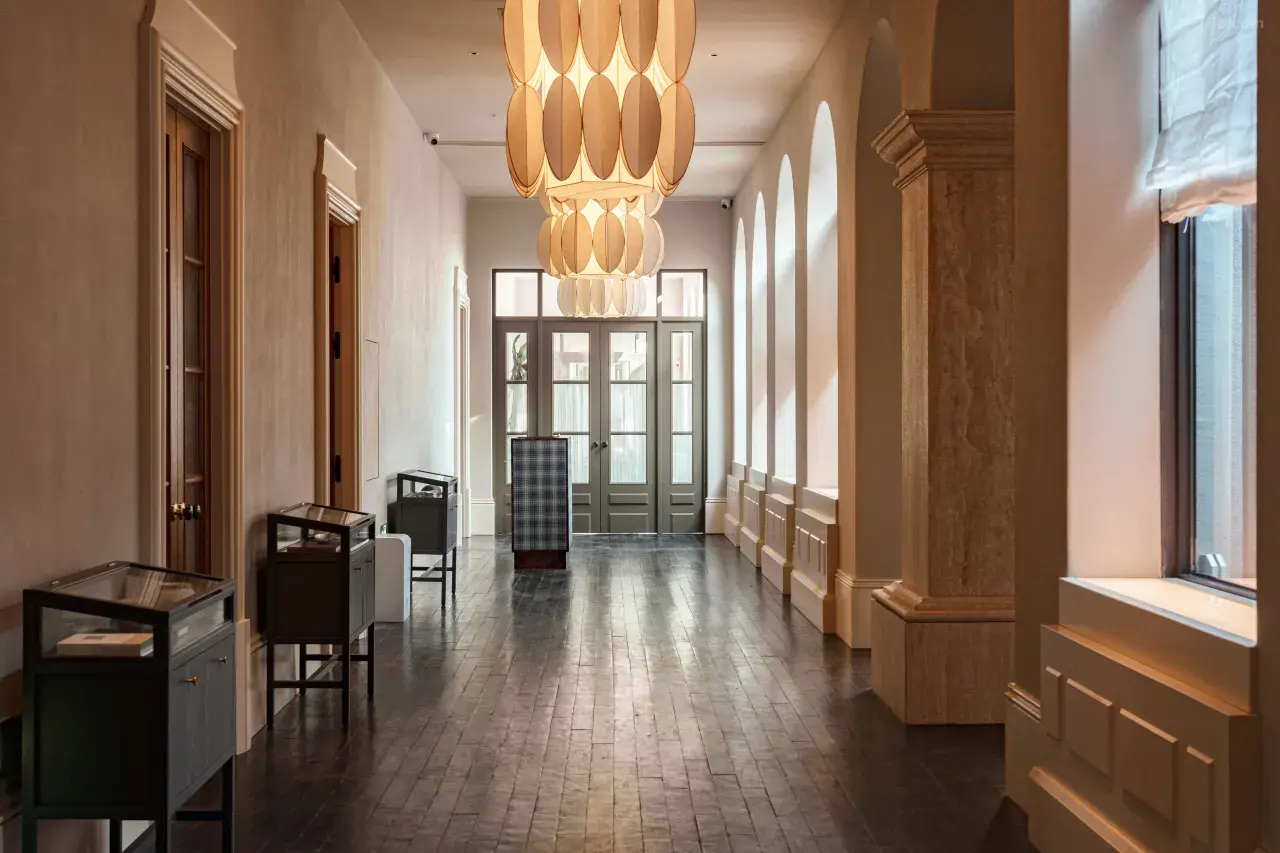
The original footprint remains legible throughout. Courtyards once used for communal gatherings are now tranquil gardens framed by sandstone walls. Grand staircases worn smooth by generations of footsteps have been carefully restored. Light filters in through deep-set windows, shifting across raw plaster, polished wood, and cool stone to create an ever-changing choreography of shade and glow. The design feels less like an imposition and more like a gentle conversation—one between past and present, permanence and change.
Design Rooted in Material and Meaning
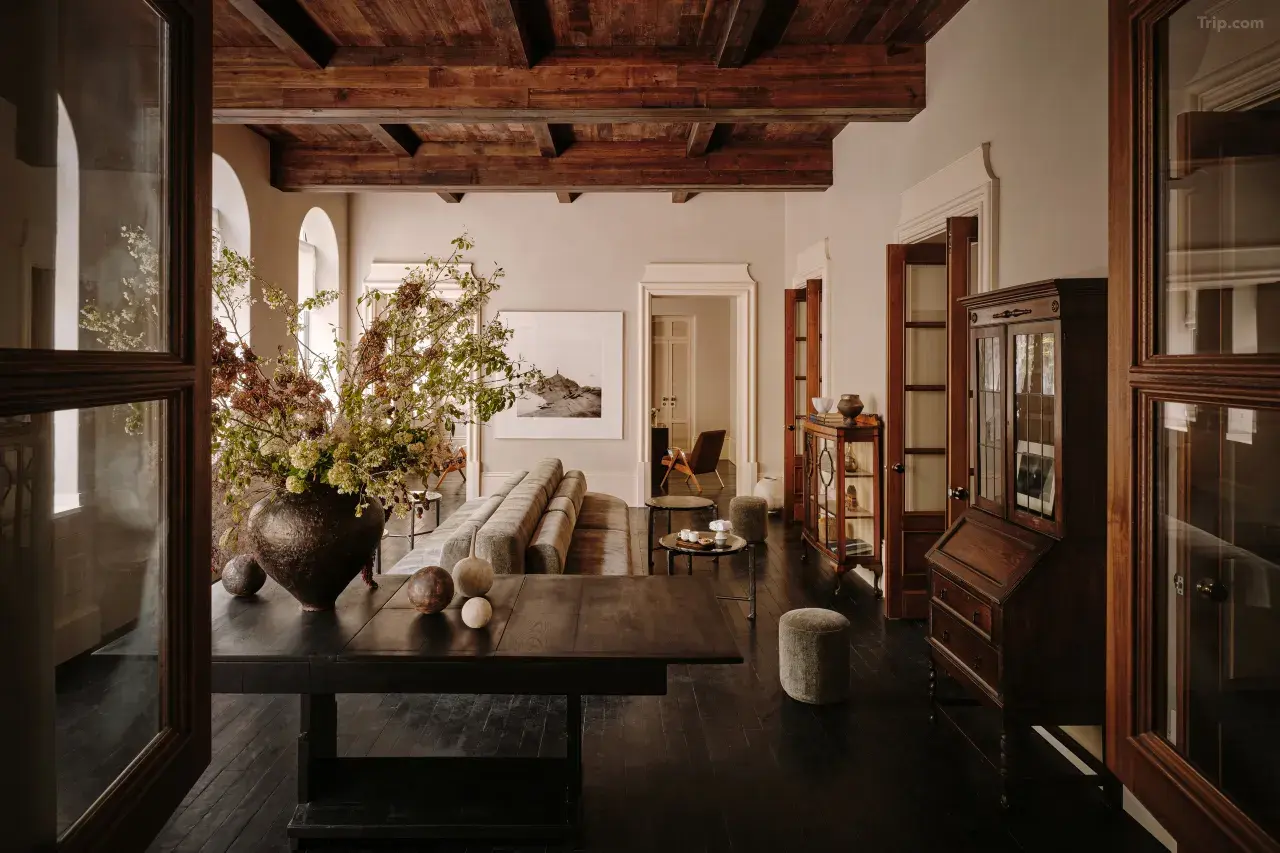
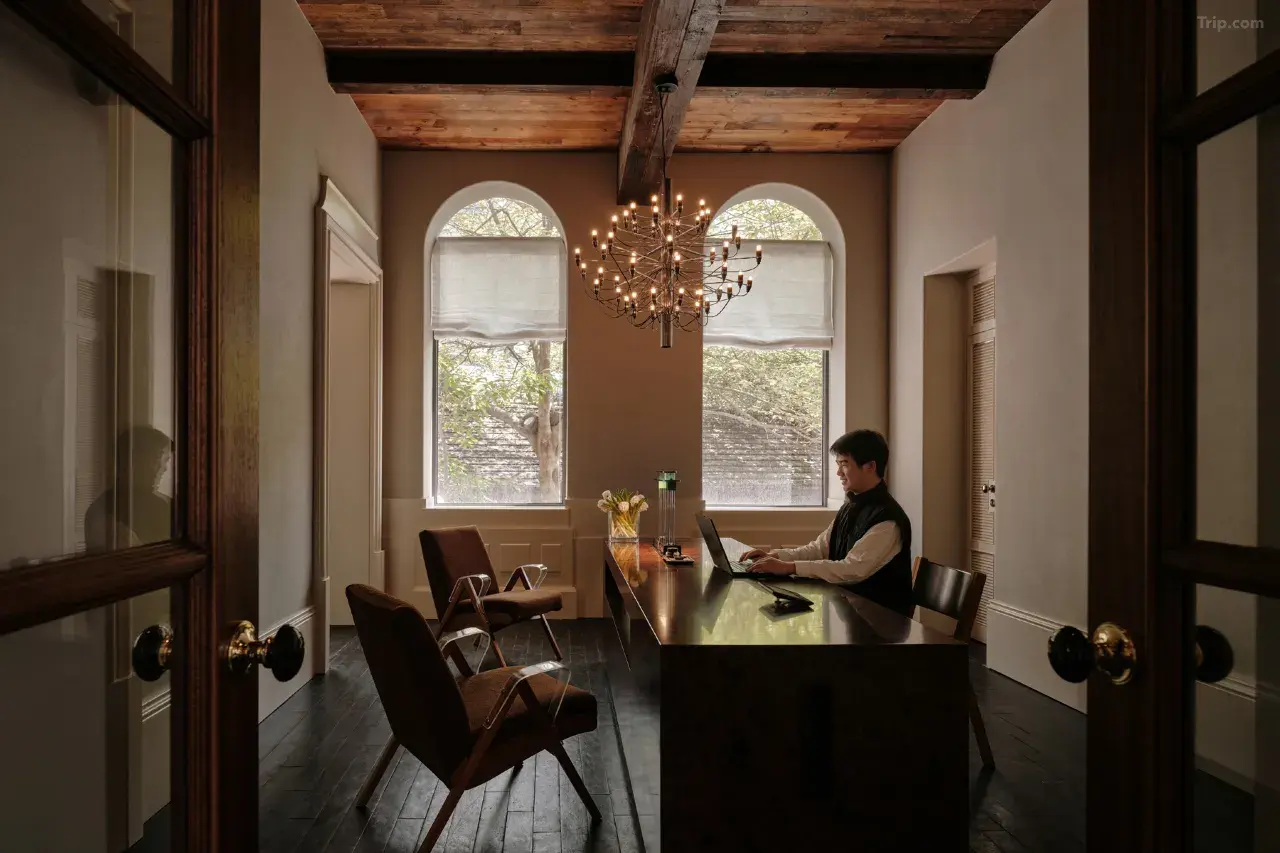
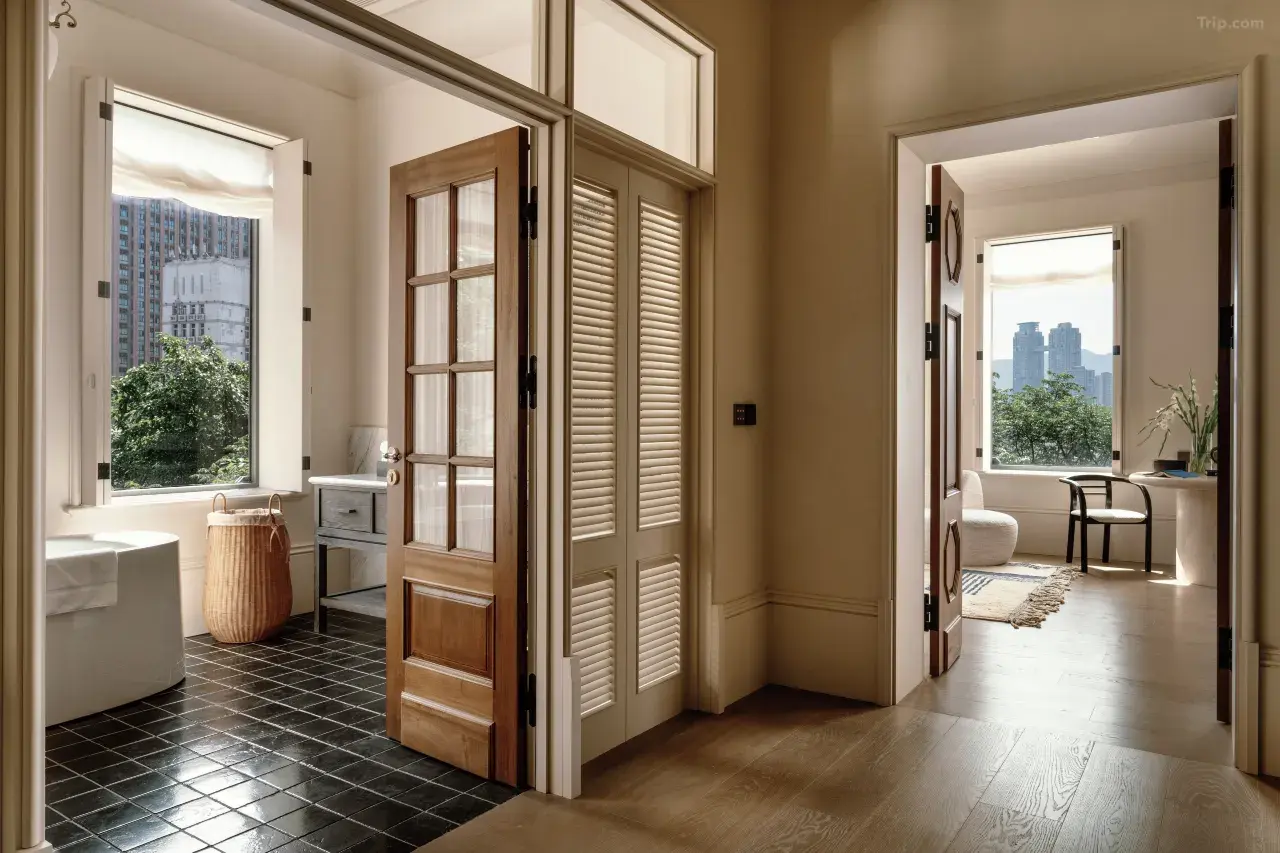
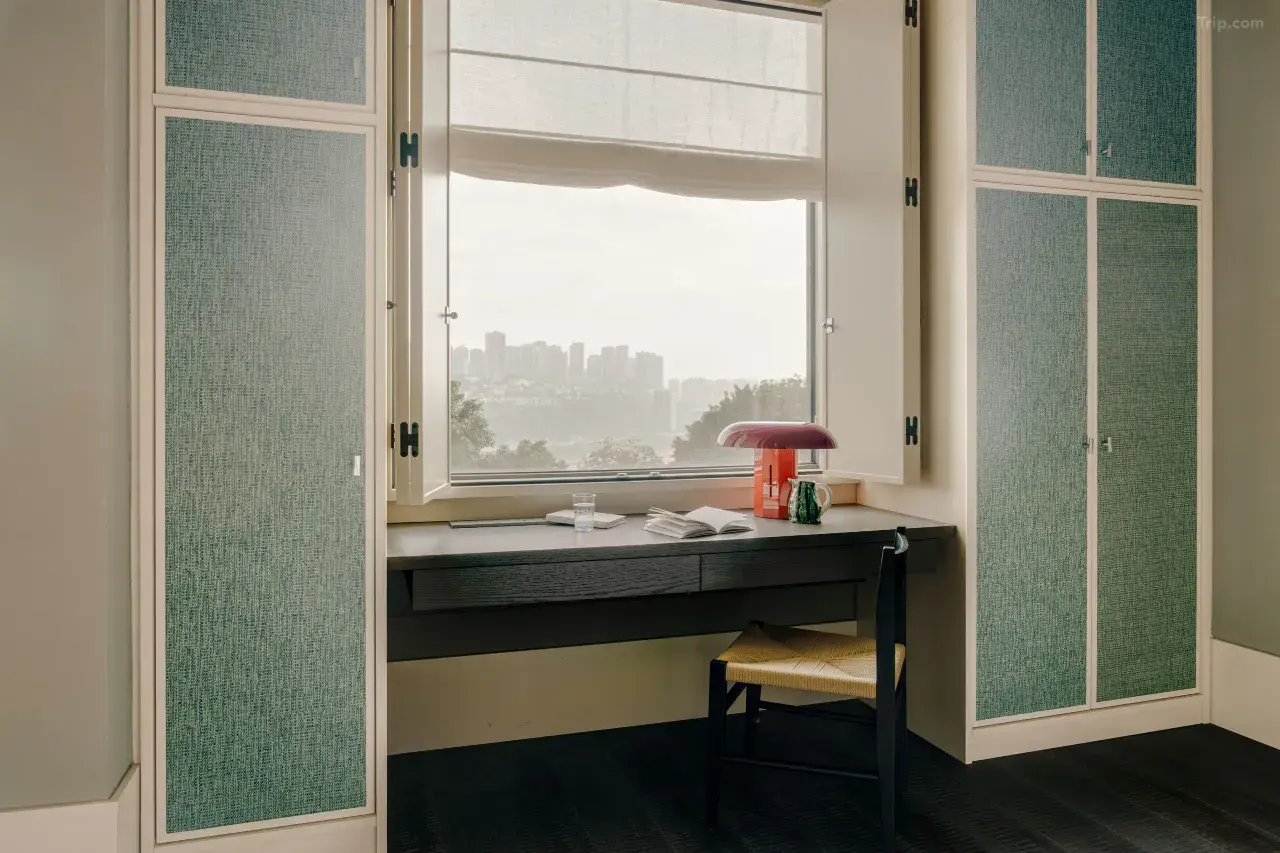
The transformation was guided by Wuji Decoration, led by principal designer Xie Bin, whose approach to design is poetic and deeply contextual. Instead of chasing trends or ostentation, the interiors lean into quiet craftsmanship and material honesty. Original structural elements are left exposed where possible, their imperfections celebrated rather than concealed. New layers—custom oak joinery, tactile plaster finishes, woven textiles, bamboo screens—are introduced sparingly, always in dialogue with the building’s century-old bones.
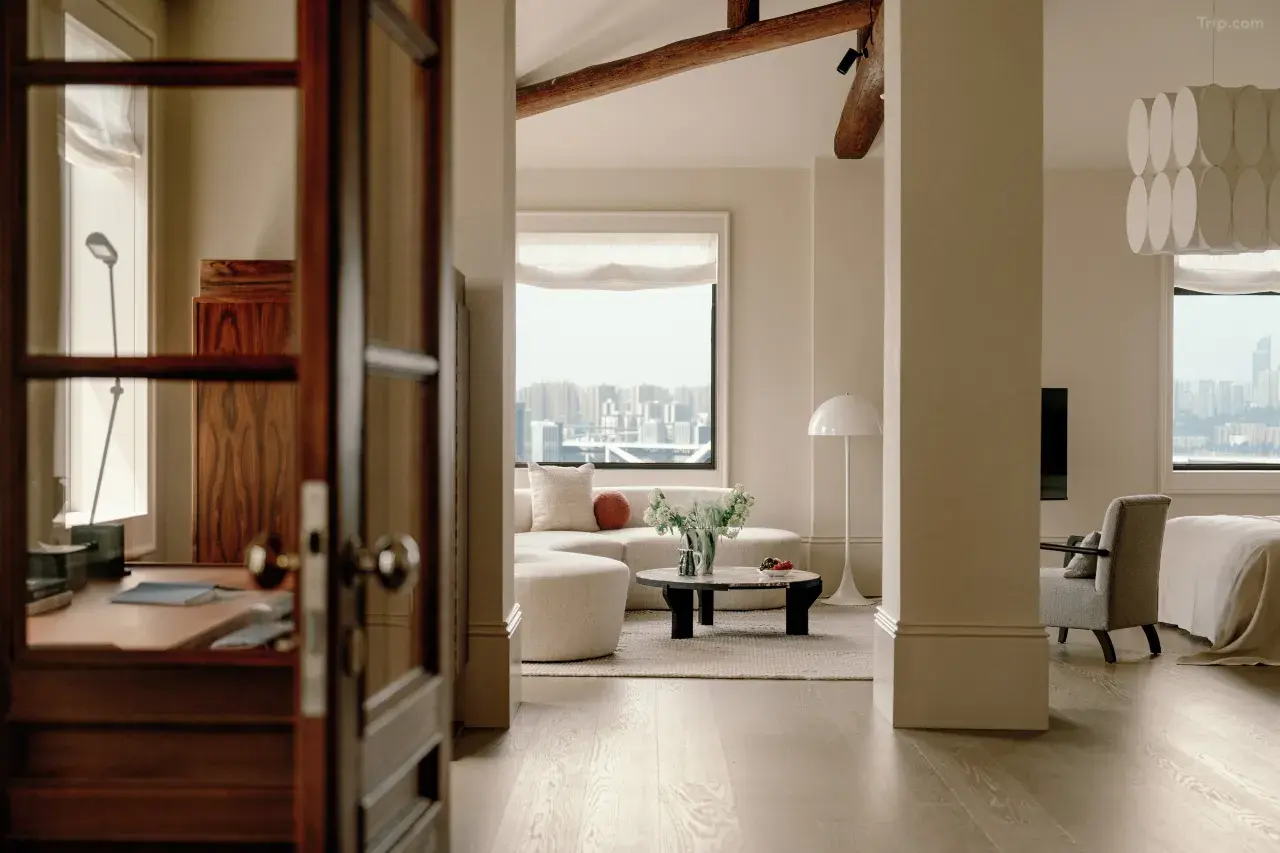
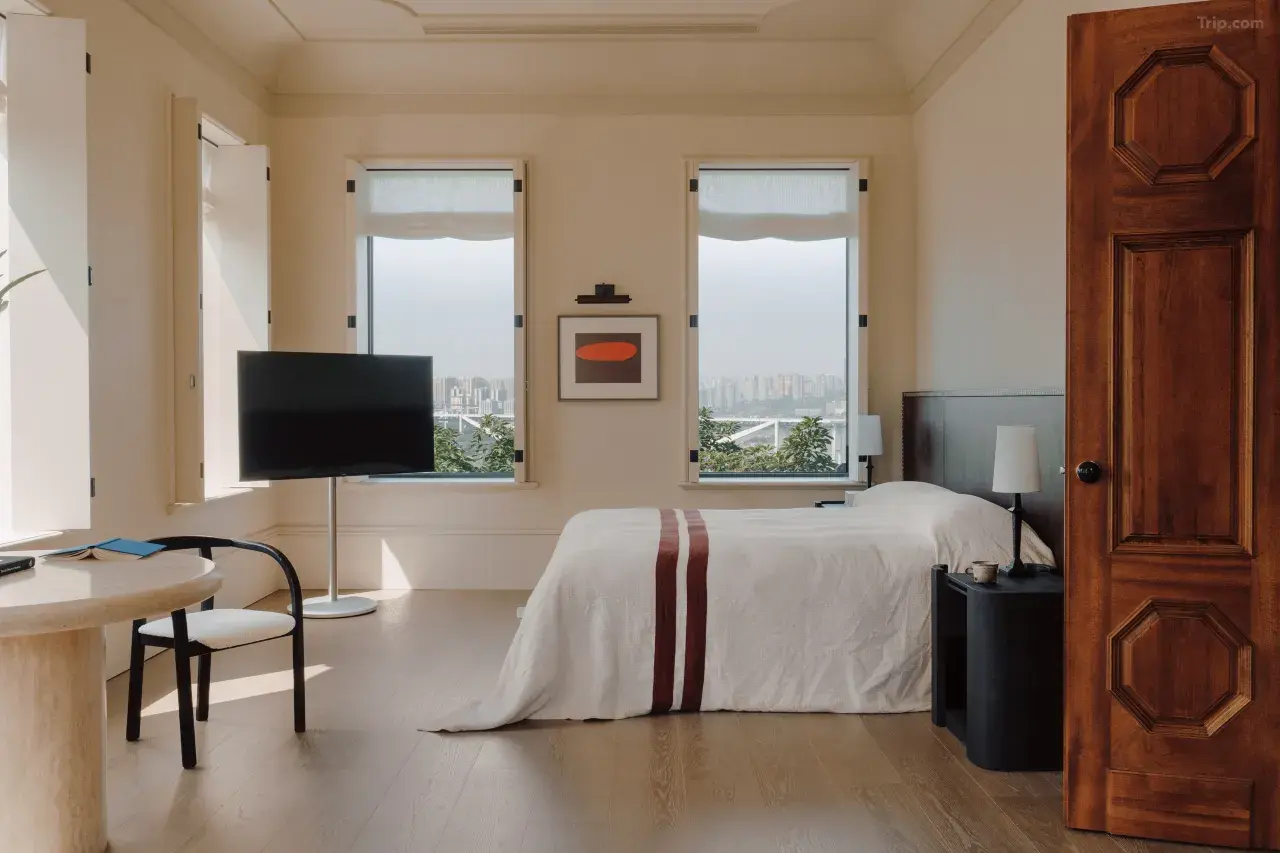
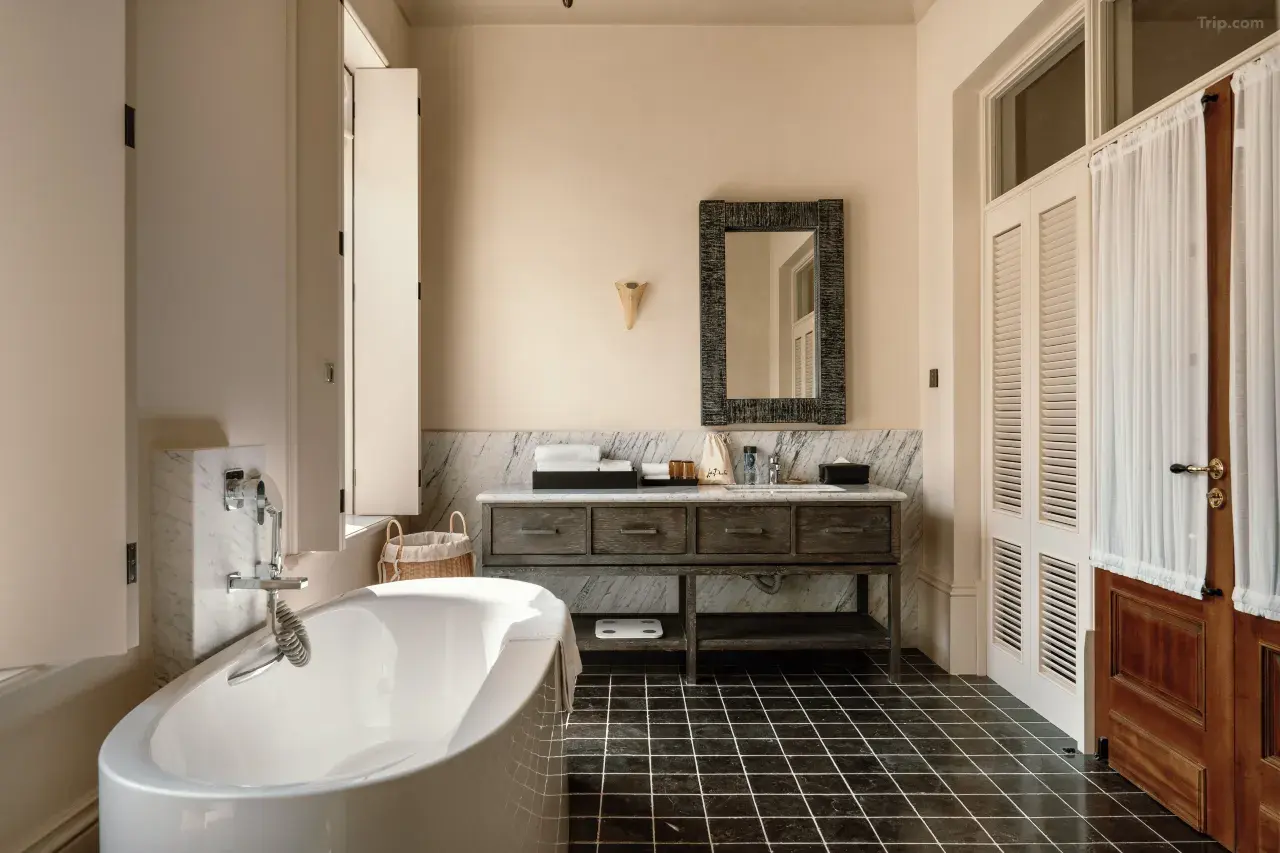
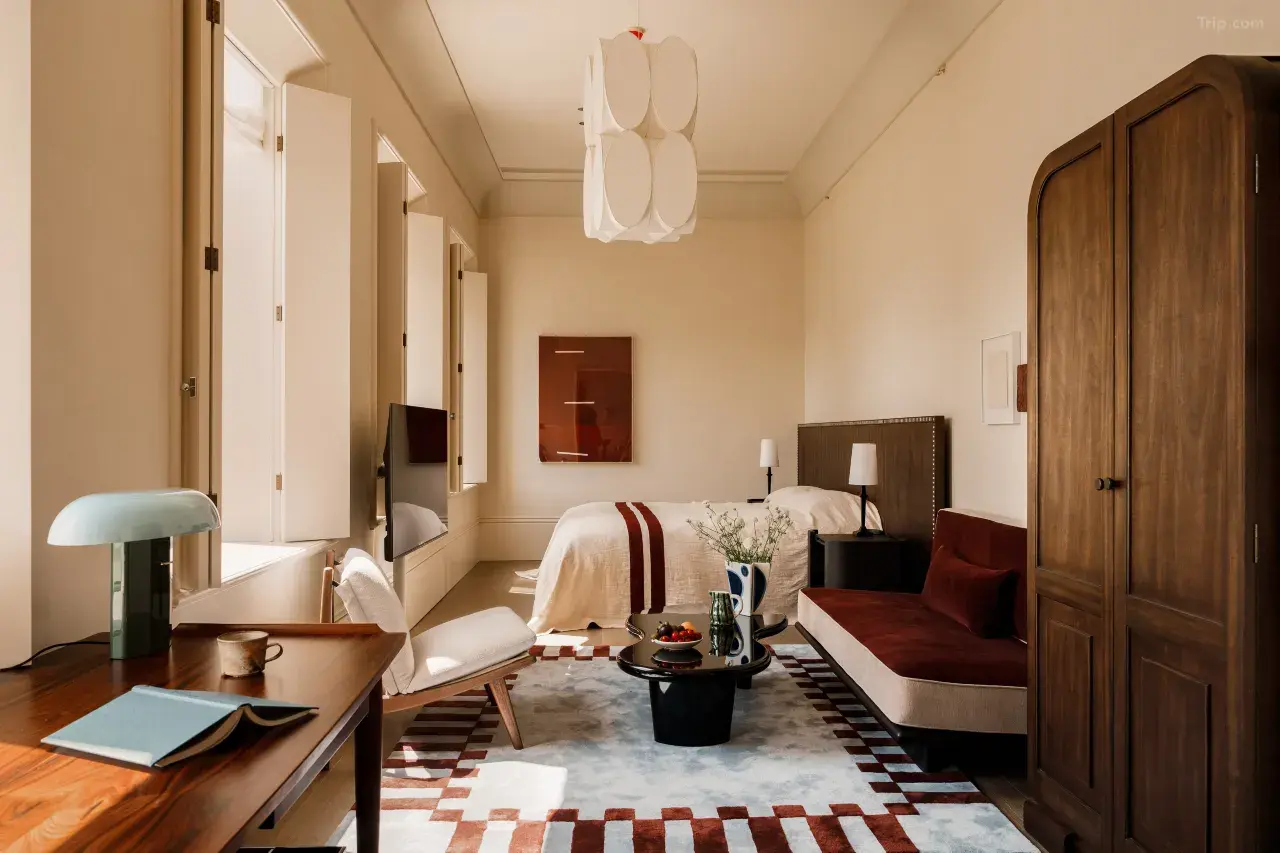
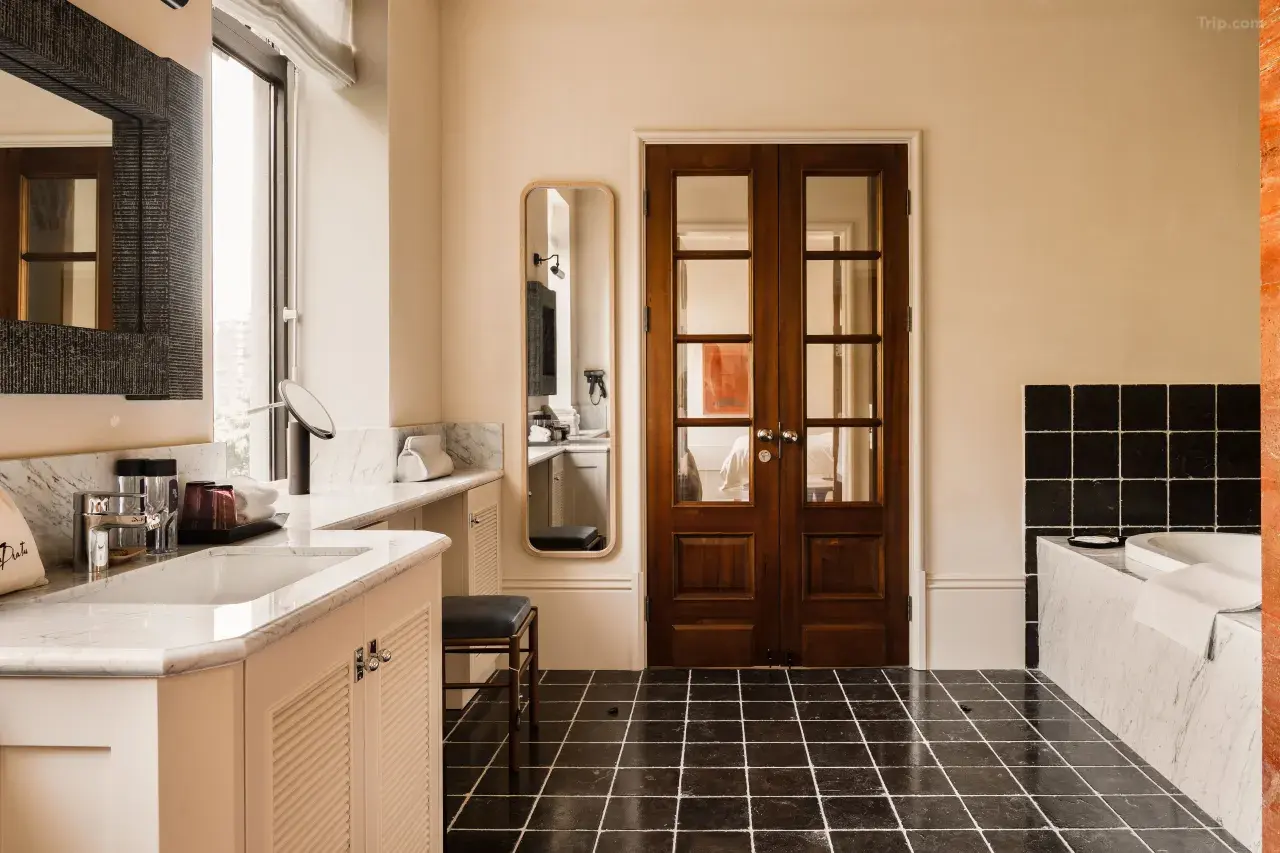
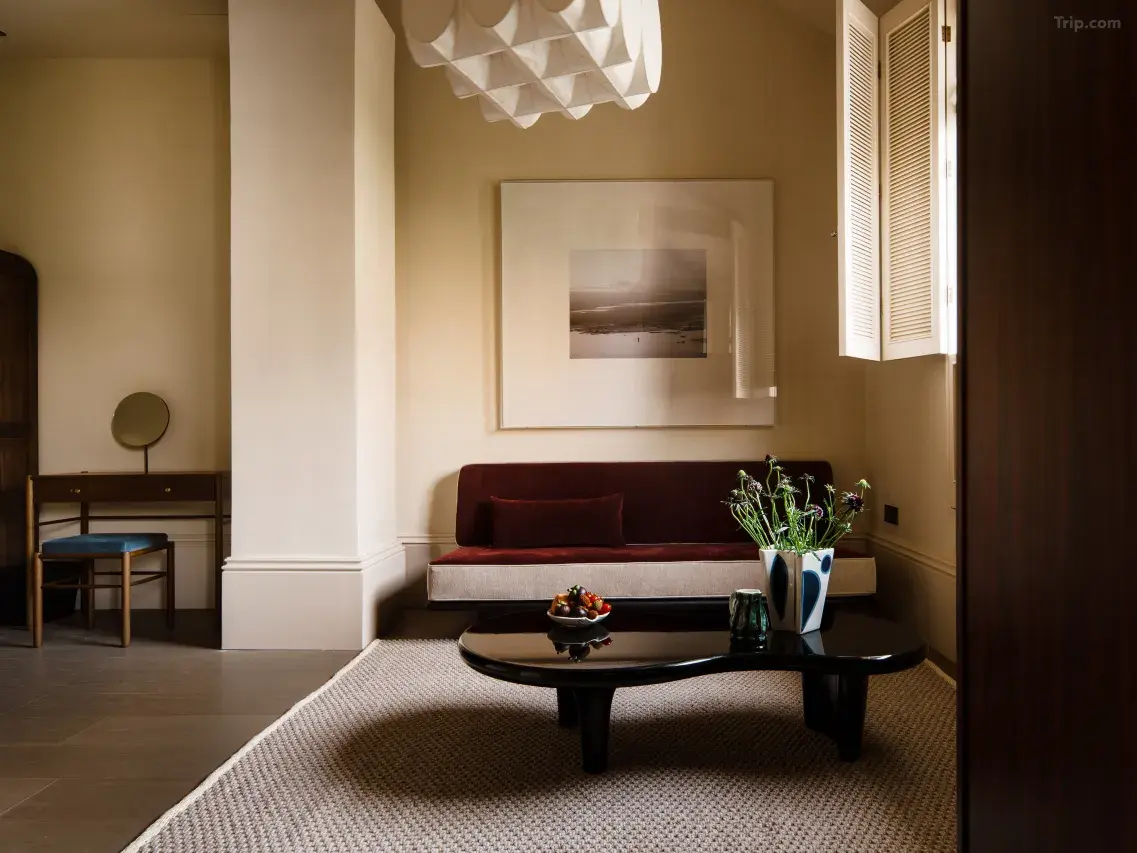
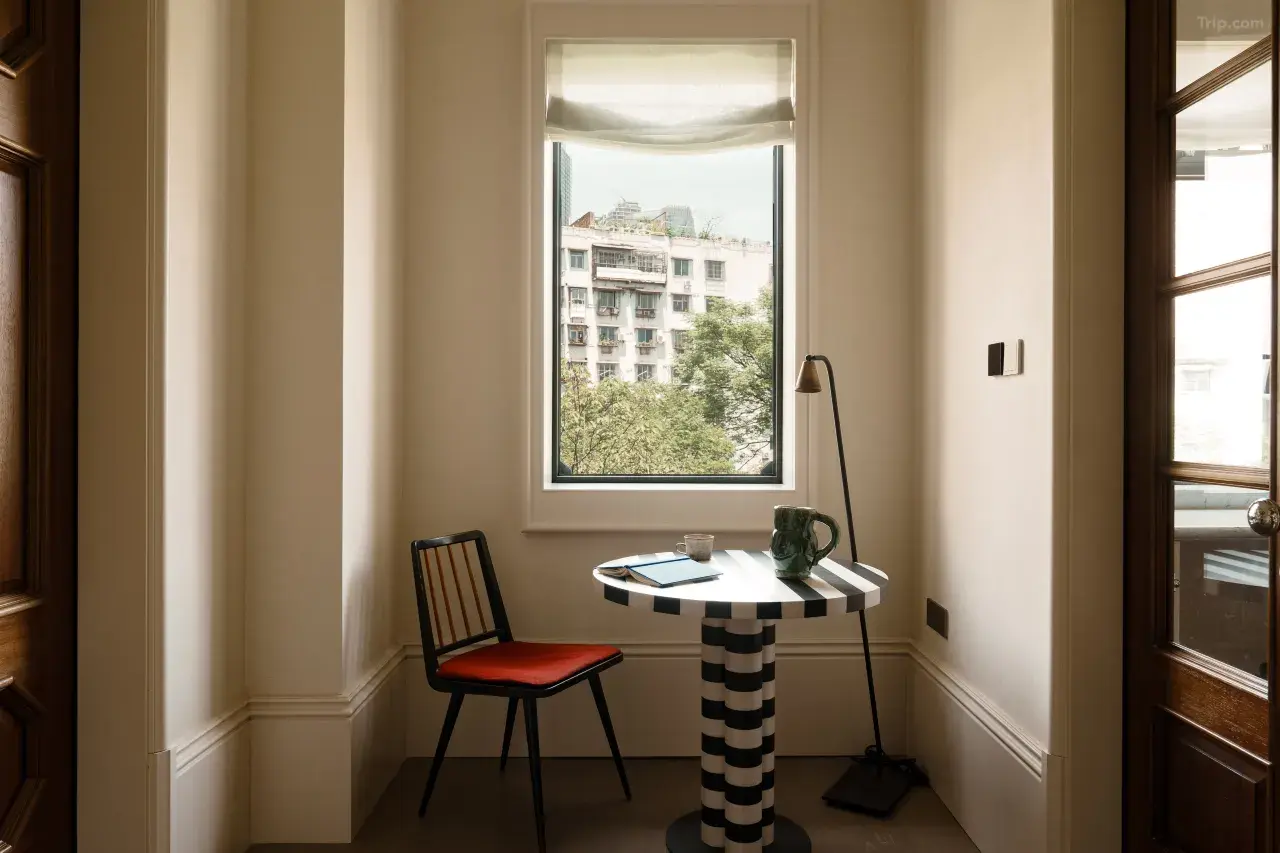
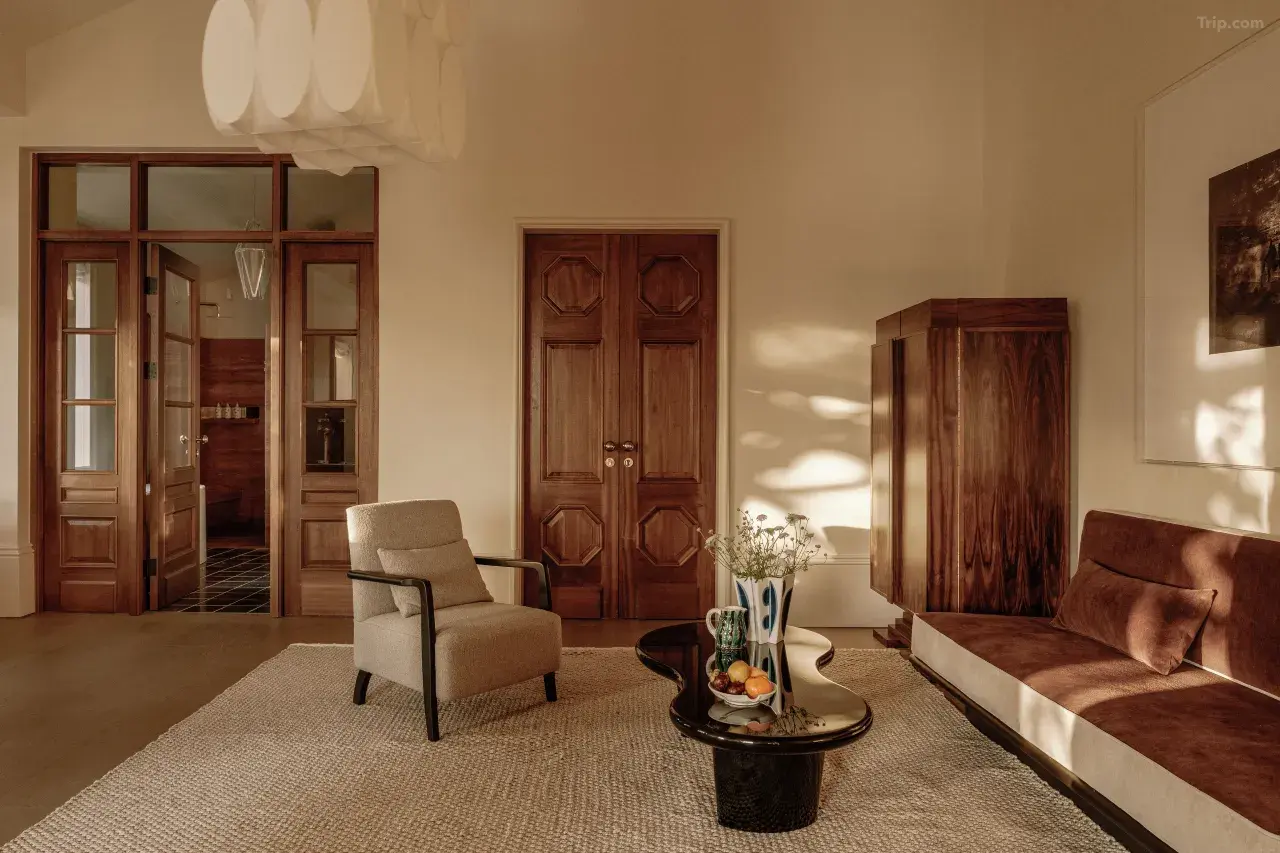
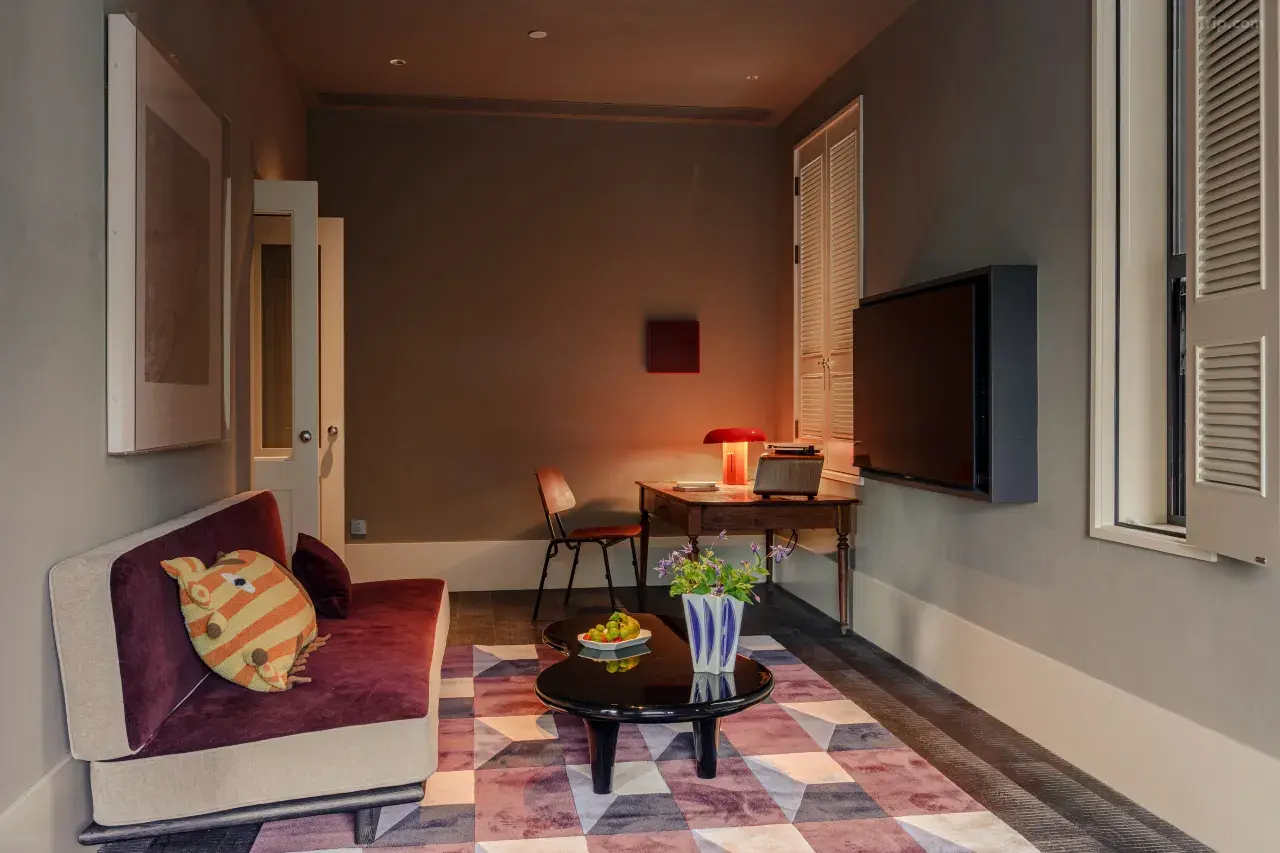
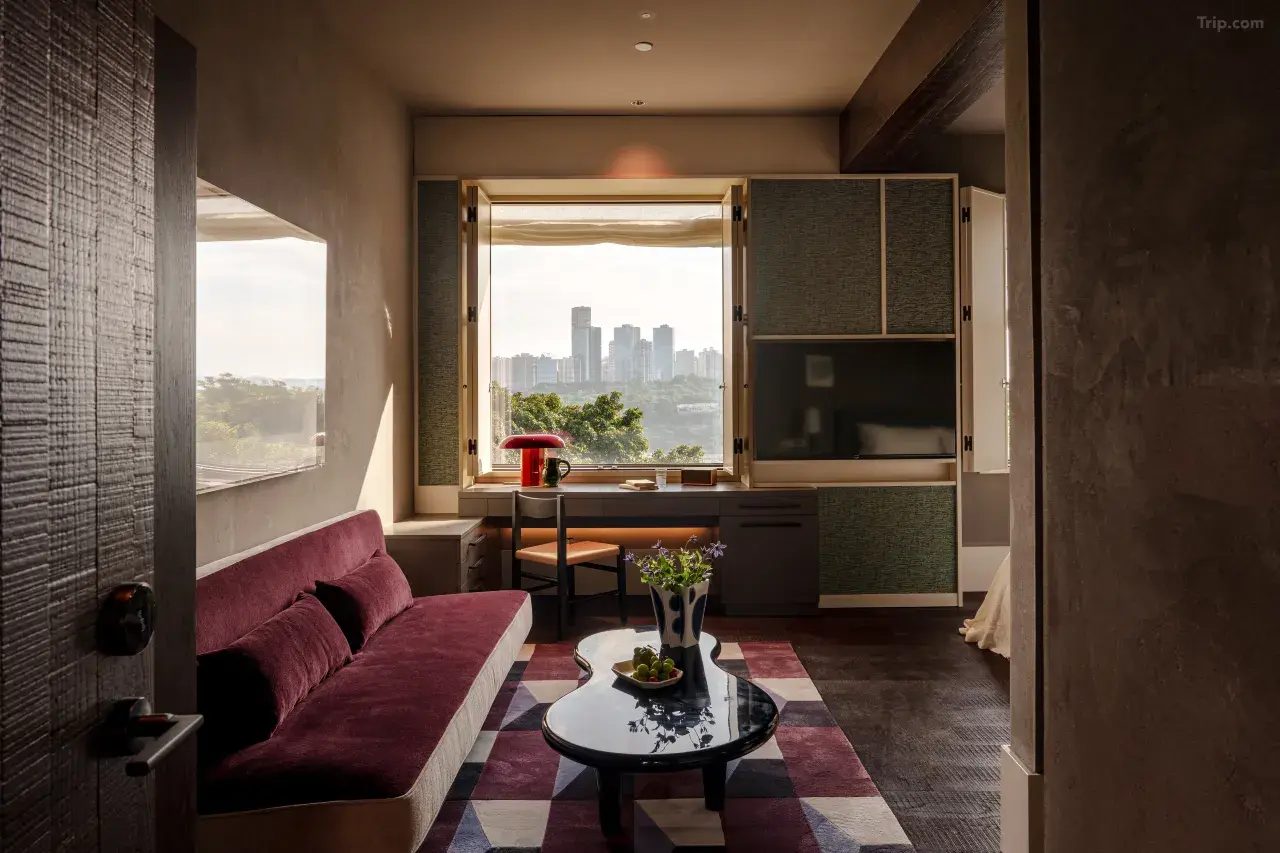
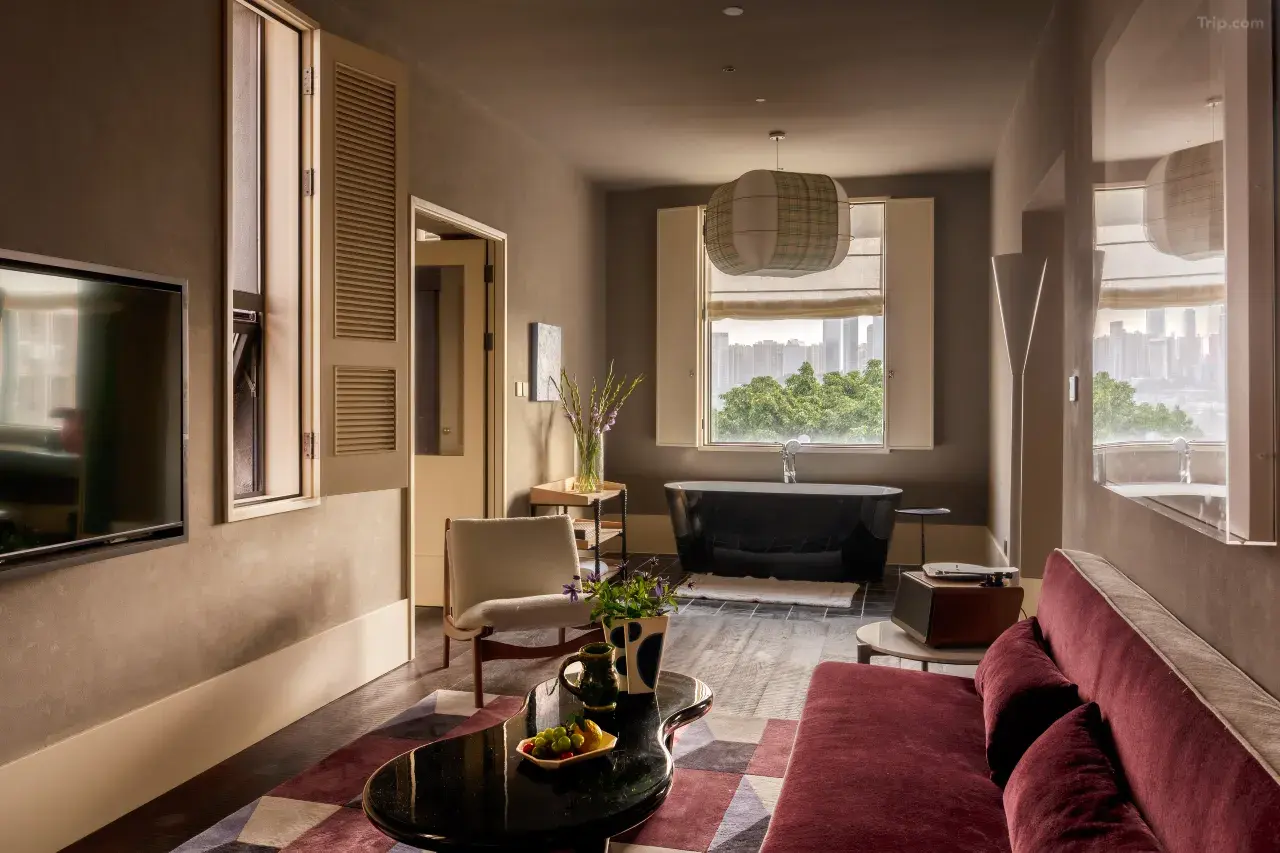
Each of the 25 rooms and suites is composed like a still life. The palette is restrained—chalky whites, earth tones, soft greys—punctuated by occasional deep blues and oxblood reds. Bathrooms are sculptural sanctuaries clad in travertine and stone, with generous soaking tubs positioned to frame cinematic views of the river or skyline. Every piece of furniture is bespoke, every light fixture considered, and every junction meticulously detailed. It’s luxury at its most meaningful: layered, tactile, and deeply rooted in place.
Spaces That Encourage Reflection
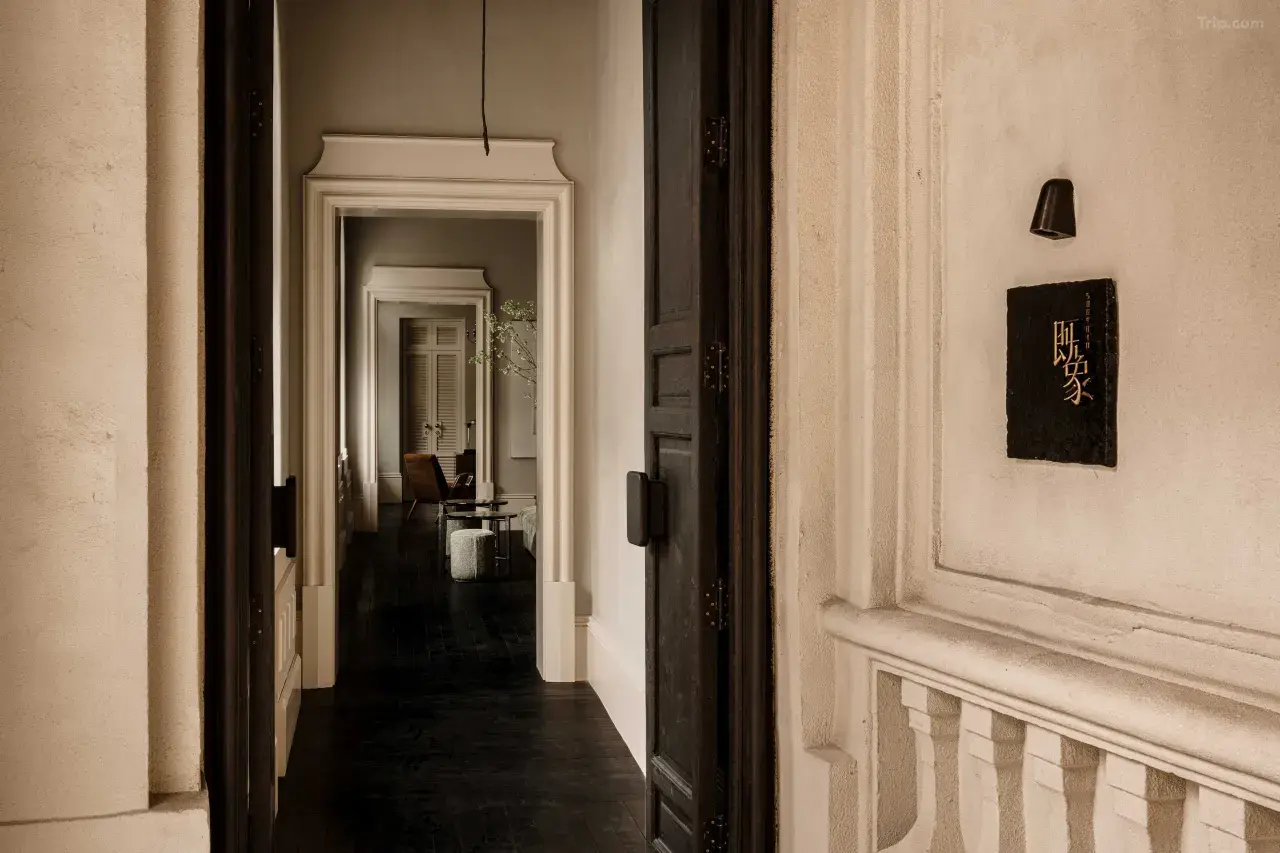
Circulation throughout the hotel is designed as a journey of discovery. Long corridors unfold slowly, revealing courtyards, terraces, and pocket lounges that invite pause and reflection. Light is treated as a material in its own right—filtered through wooden screens, bouncing off textured walls, and shifting with the time of day. These moments of stillness offer guests a rare luxury in China’s fastest-growing megacity: silence and space to breathe.
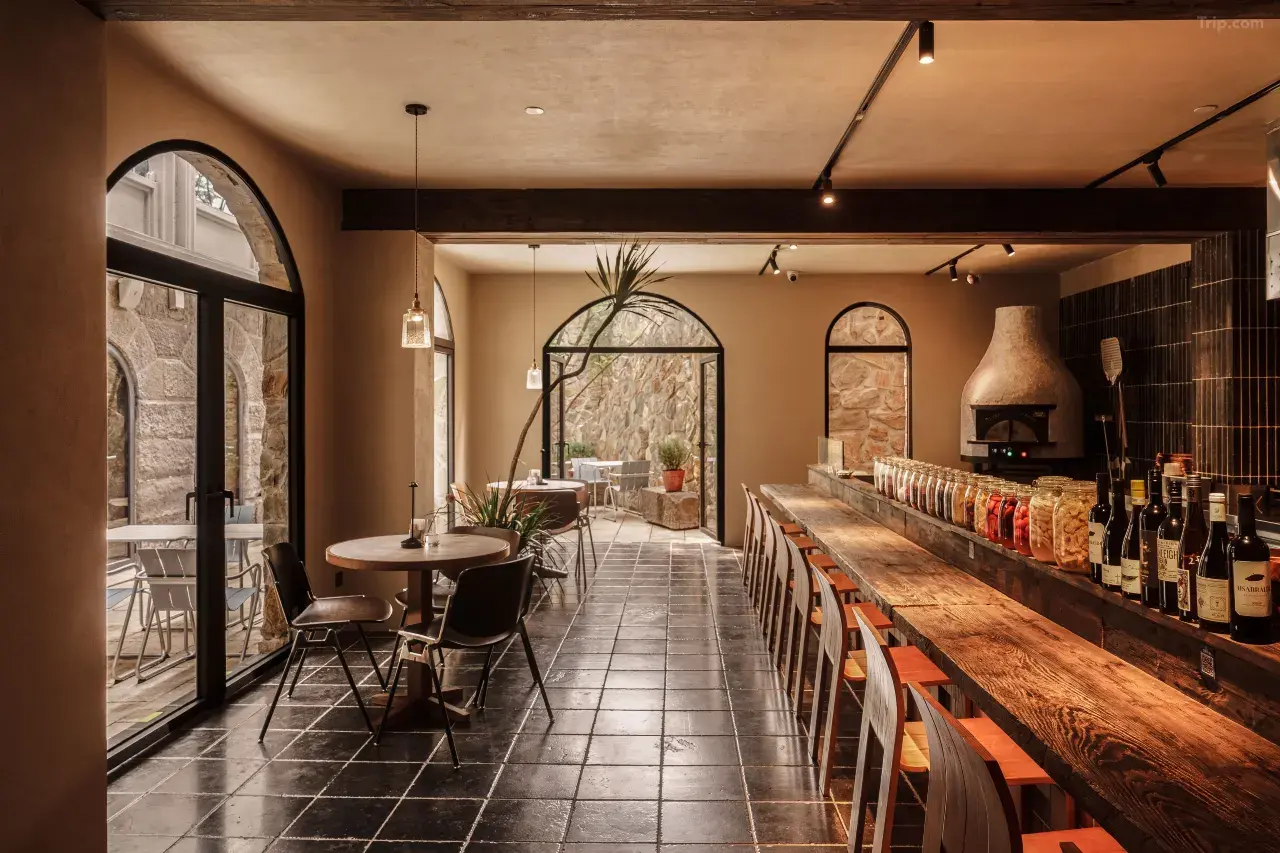
Even the social spaces are designed with intention. The on-site restaurant, White Cliff, champions regional ingredients with understated flair, while the rooftop Mossland Bar offers panoramic views of Chongqing’s neon-lit skyline from within the quiet embrace of the building’s historic shell. A more casual bistro, Just Chill, and intimate tea rooms complete the narrative—spaces that feel less like hotel amenities and more like extensions of the building’s soul.
A Philosophy That Rejects Formulaic Luxury
What sets Sunyata apart is not just its beauty, but its philosophy. In a city increasingly defined by towering glass hotels and international brand templates, Ren’ai Hall stands as a counterpoint: intimate rather than imposing, contextual rather than corporate, and deeply rooted in local culture rather than imported aesthetics. Even the practicalities—ventilation systems designed for Chongqing’s humid climate, natural fabrics that breathe, and thoughtful in-room amenities—speak to a holistic understanding of hospitality as an experience of place.
DNA Hotels Verdict
Sunyata Ren’ai Hall is more than a hotel; it’s an architectural meditation. It invites guests not just to stay, but to engage—with history, with craft, with the rhythms of light and time. Every archway, courtyard, and corridor tells a story, and together they form one of the most compelling examples of adaptive reuse in contemporary China. For design lovers, architecture enthusiasts, and travelers seeking depth over dazzle, Sunyata is a revelation—a rare example of luxury that is quiet, intelligent, and profoundly moving. This is not just where you stay in Chongqing. This is where you arrive.
Amenities:
• 24-hour front desk • air conditioning • free WiFi • garden • library • on-site parking (free) • restaurant • room with a view • room service