The Lince Ecorkhotel, Évora
Where pioneering cork architecture, contemporary design, and the vast landscapes of the Alentejo come together in one of Portugal’s most distinctive sustainable retreats.
***Please note that the hotel is currently being renovated and is scheduled to reopen in November 2026.***
Why DNA Hotels Loves It
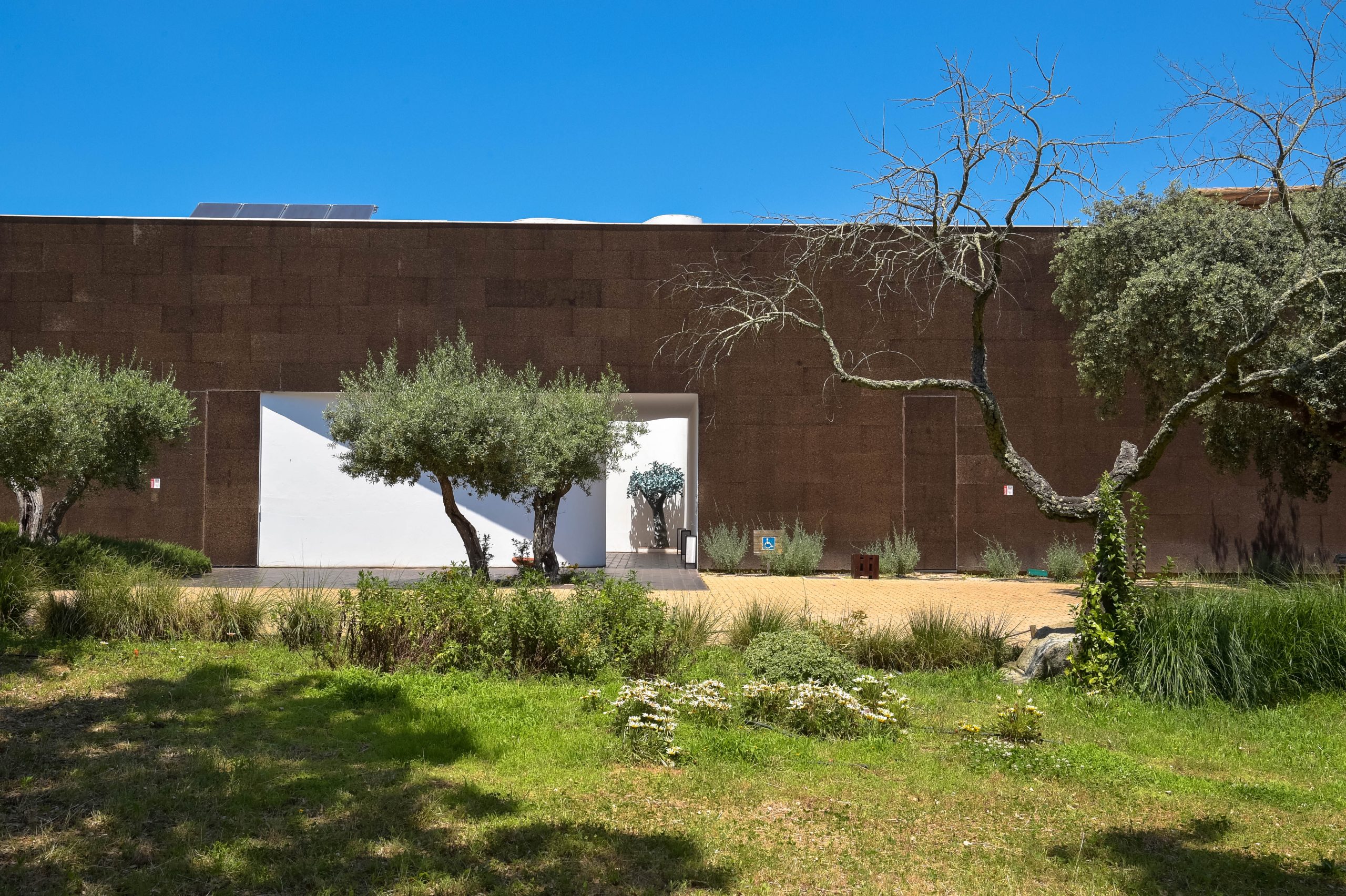
● The world’s first hotel built primarily from cork, showcasing one of Portugal’s most iconic natural materials.
● Contemporary architecture that blends seamlessly into the rolling landscapes of the Alentejo.
● A peaceful retreat where sustainability is integrated into every aspect of the guest experience without compromising comfort or design.
Architecture Rooted in the Landscape
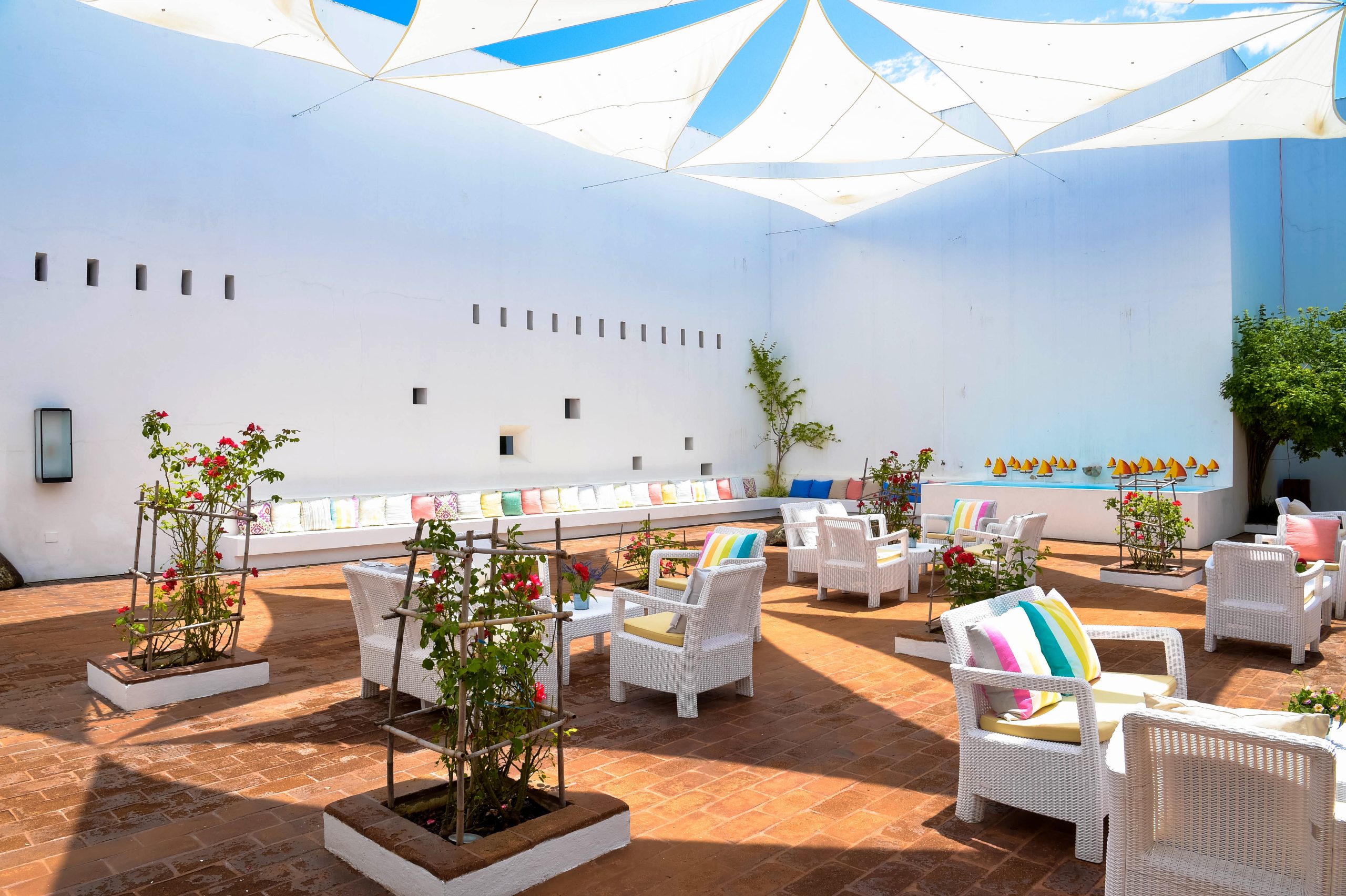
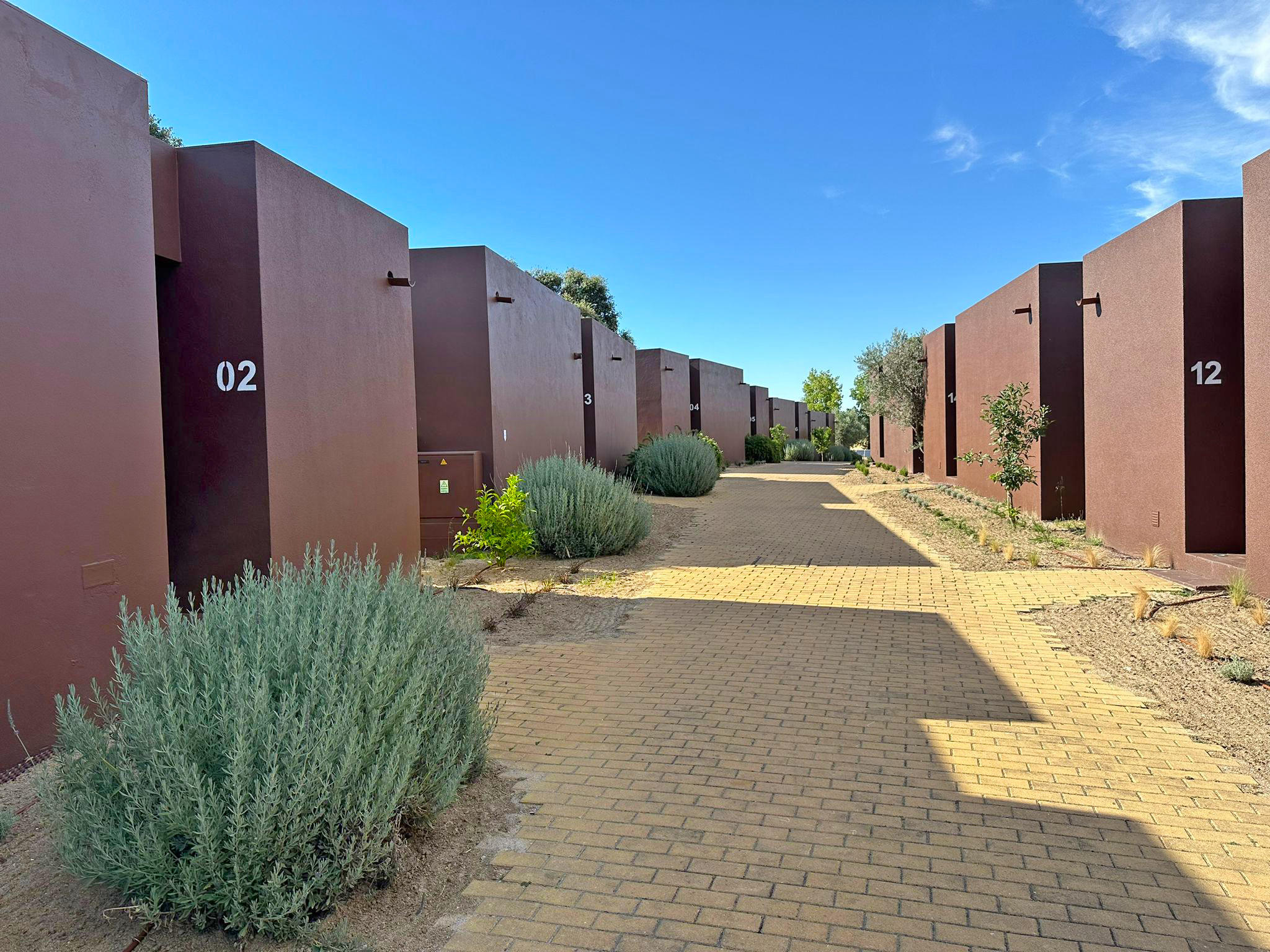
Surrounded by ancient cork oak forests and olive groves just outside Évora, The Lince Ecorkhotel was conceived as a dialogue between architecture and nature. Rather than imposing itself upon the landscape, the low-rise buildings appear to emerge naturally from it, following the gentle contours of the terrain. Soft organic lines, earth-toned materials, and generous glazing allow the surrounding countryside to become part of the architecture itself. Every pathway, terrace, and courtyard has been carefully positioned to preserve views across the Alentejo while reinforcing a constant connection with the landscape. The result is architecture that feels quiet, timeless, and deeply respectful of its setting.
The Beauty of Cork
True to its name, Ecorkhotel pioneered the use of cork as the building’s primary construction material, becoming the first hotel in the world to do so. Beyond its unmistakable Portuguese identity, cork offers exceptional thermal and acoustic insulation, naturally regulating indoor temperatures throughout the seasons while significantly reducing energy consumption. Its texture, warmth, and sustainability also give the interiors a distinctive character that feels both contemporary and deeply connected to the region. Natural stone, timber, linen, and soft neutral colours complement the cork throughout the property, creating interiors that feel calm, tactile, and effortlessly elegant.
Private Suites in Nature
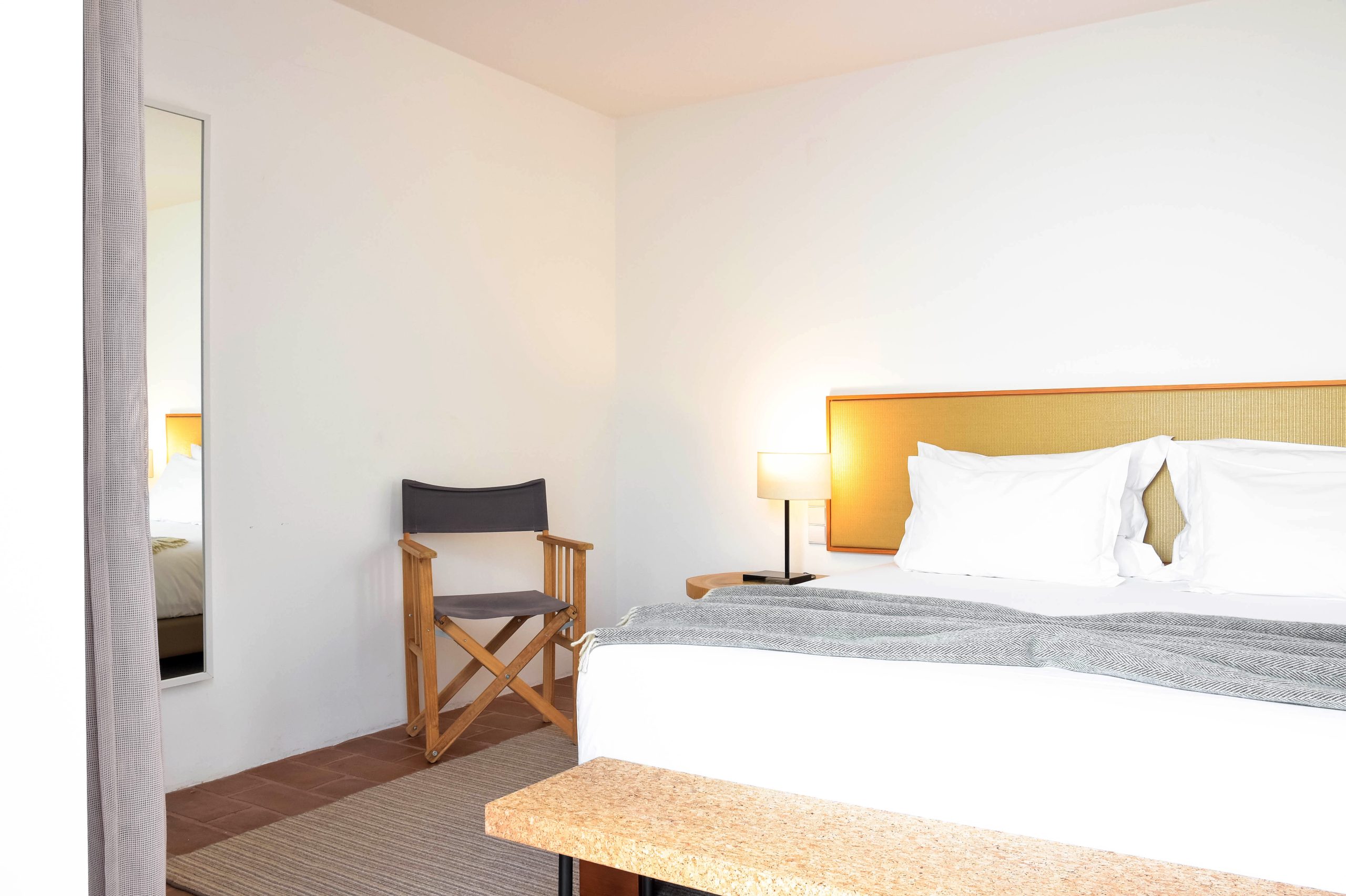
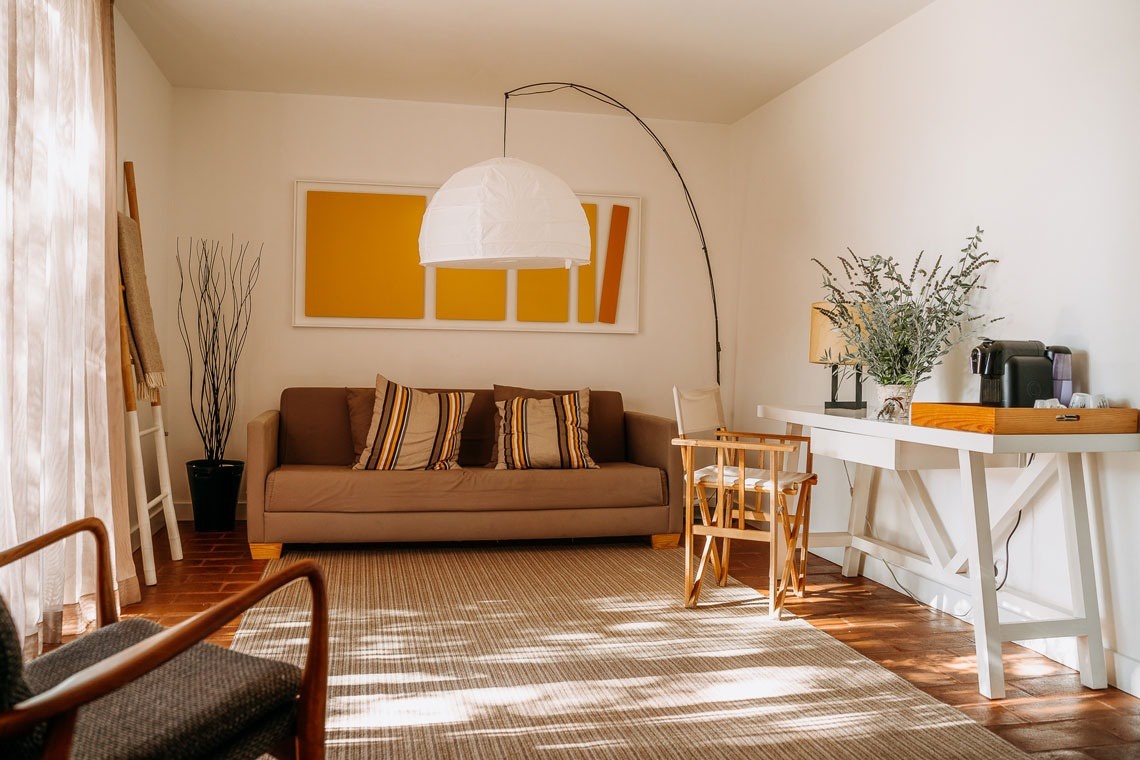
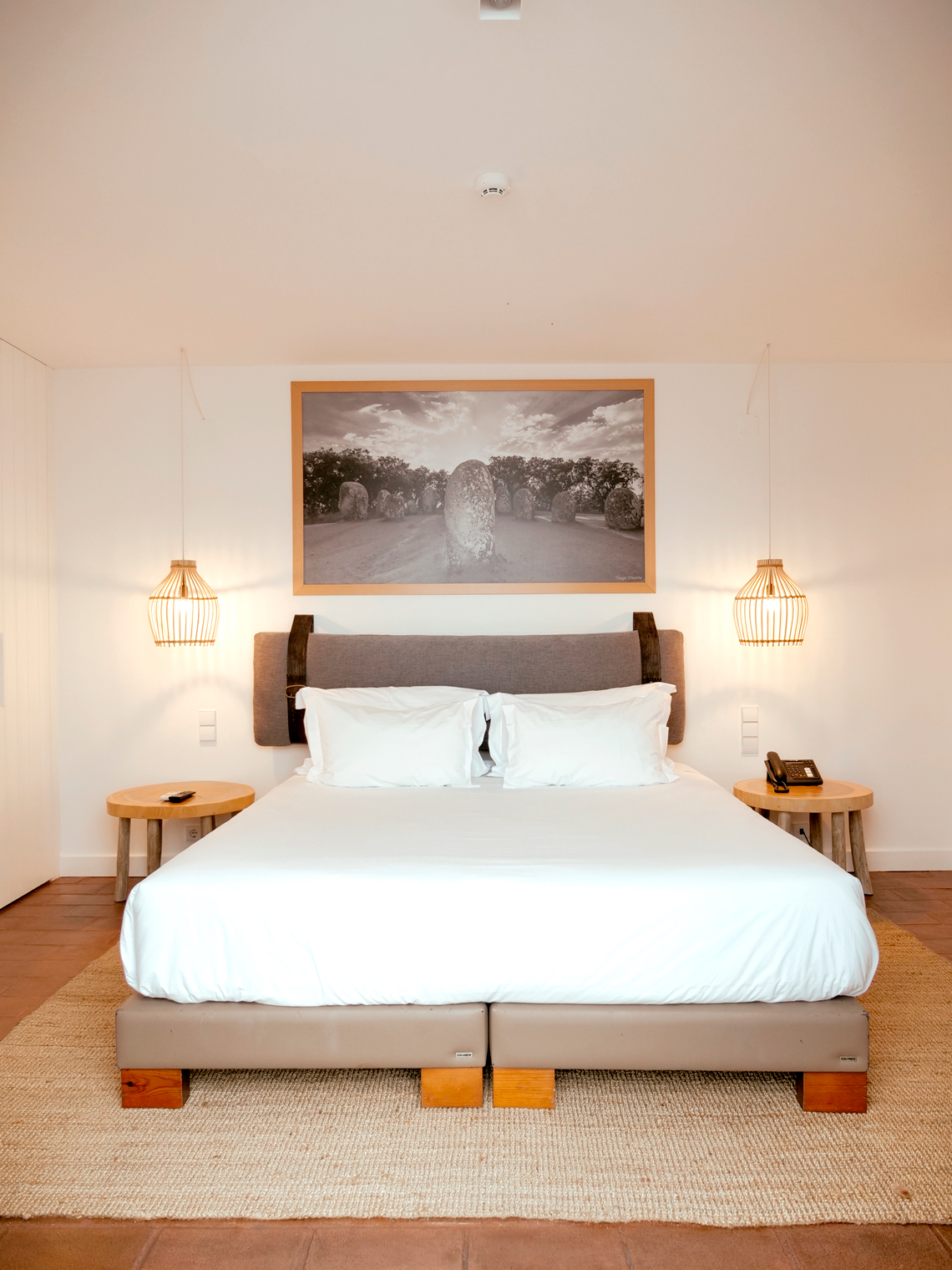
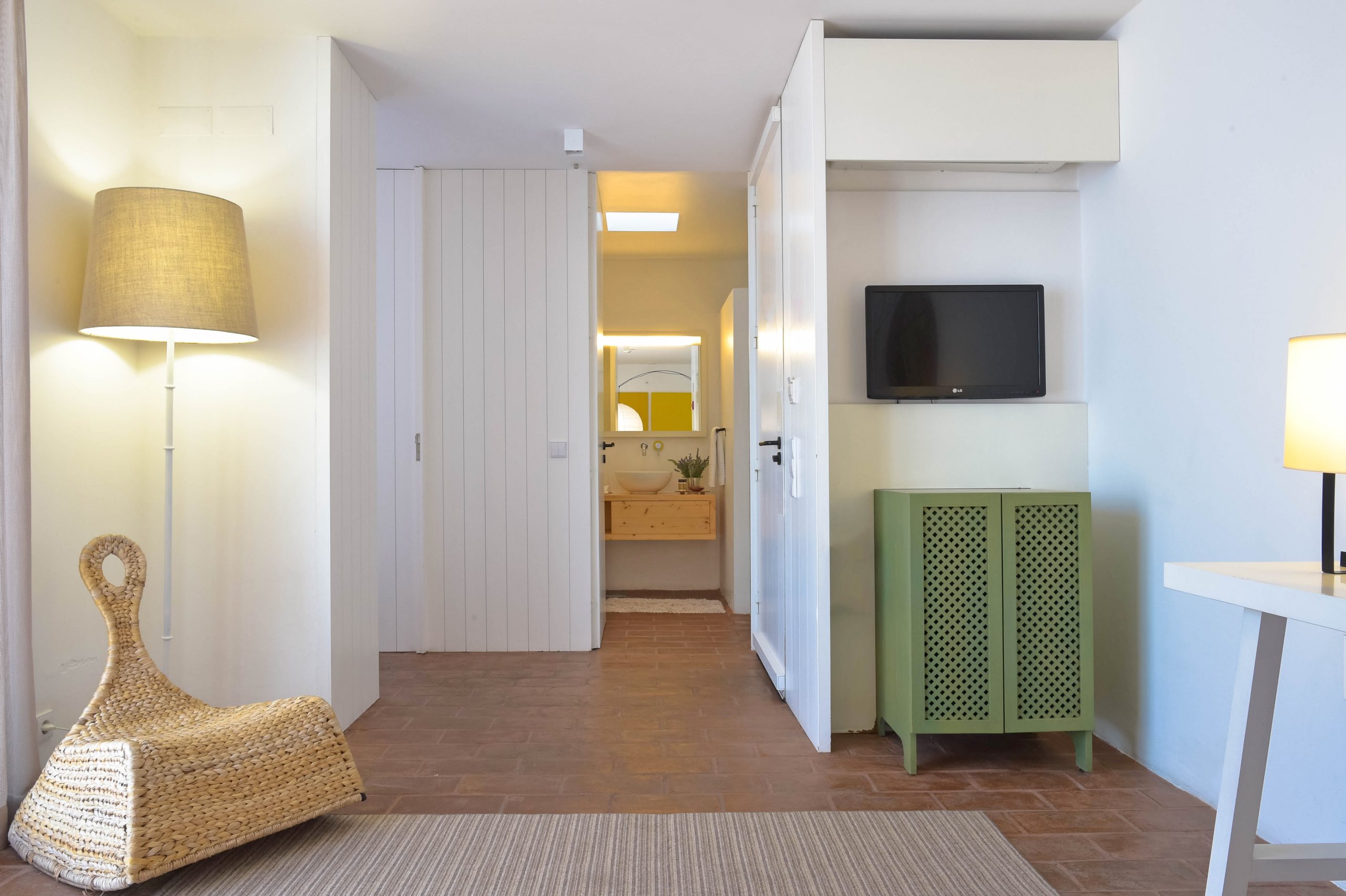
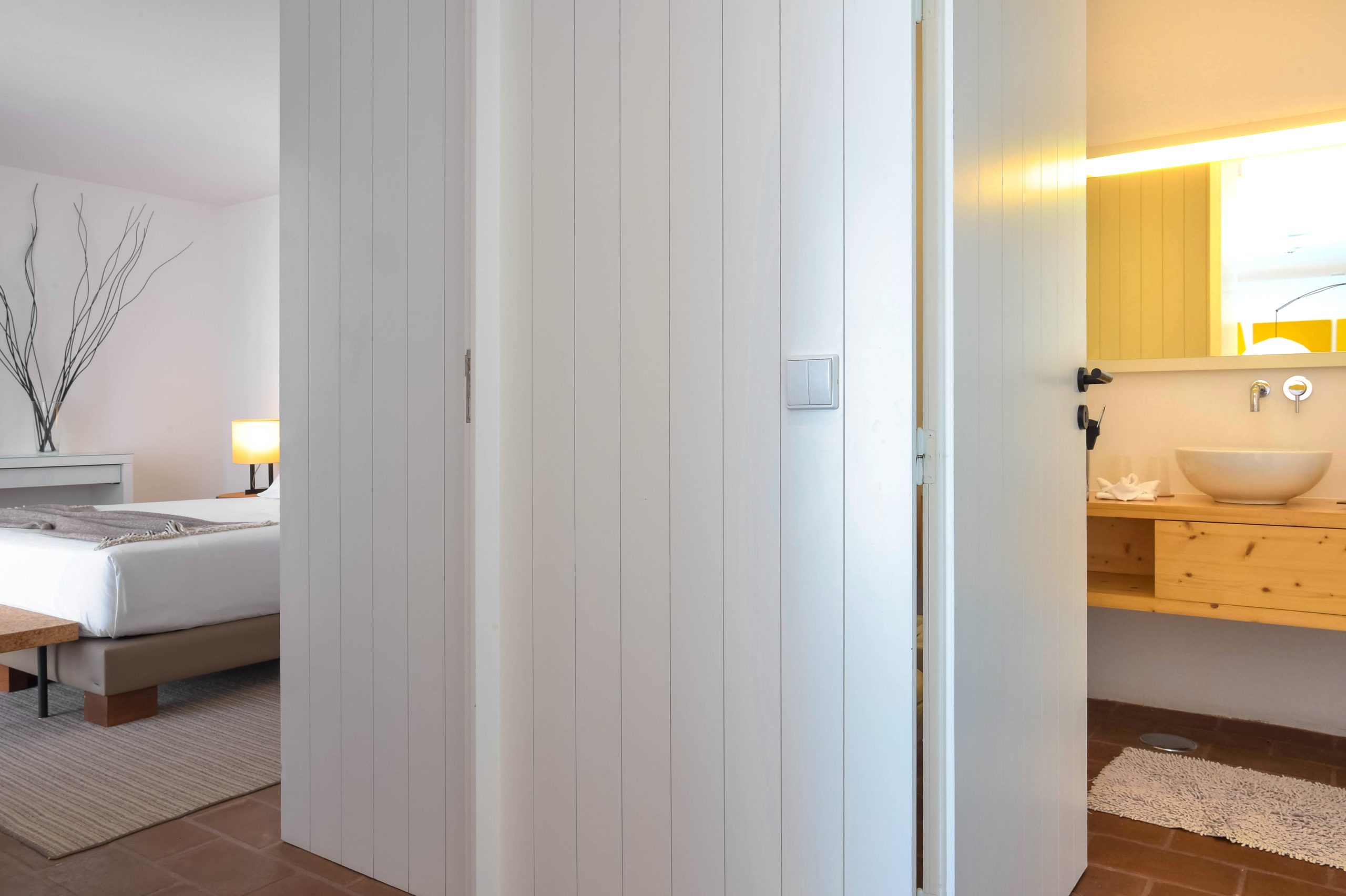
The hotel’s 56 suites are carefully distributed across the estate to maximise privacy while maintaining uninterrupted views of the surrounding countryside. Floor-to-ceiling windows flood each suite with natural light, while private terraces extend the living spaces into the landscape. Interiors remain intentionally restrained, allowing natural materials and carefully selected furnishings to create an atmosphere of understated luxury. Rather than overwhelming guests with decoration, the design focuses on comfort, proportion, and a profound sense of tranquillity.
Wellness Inspired by the Alentejo
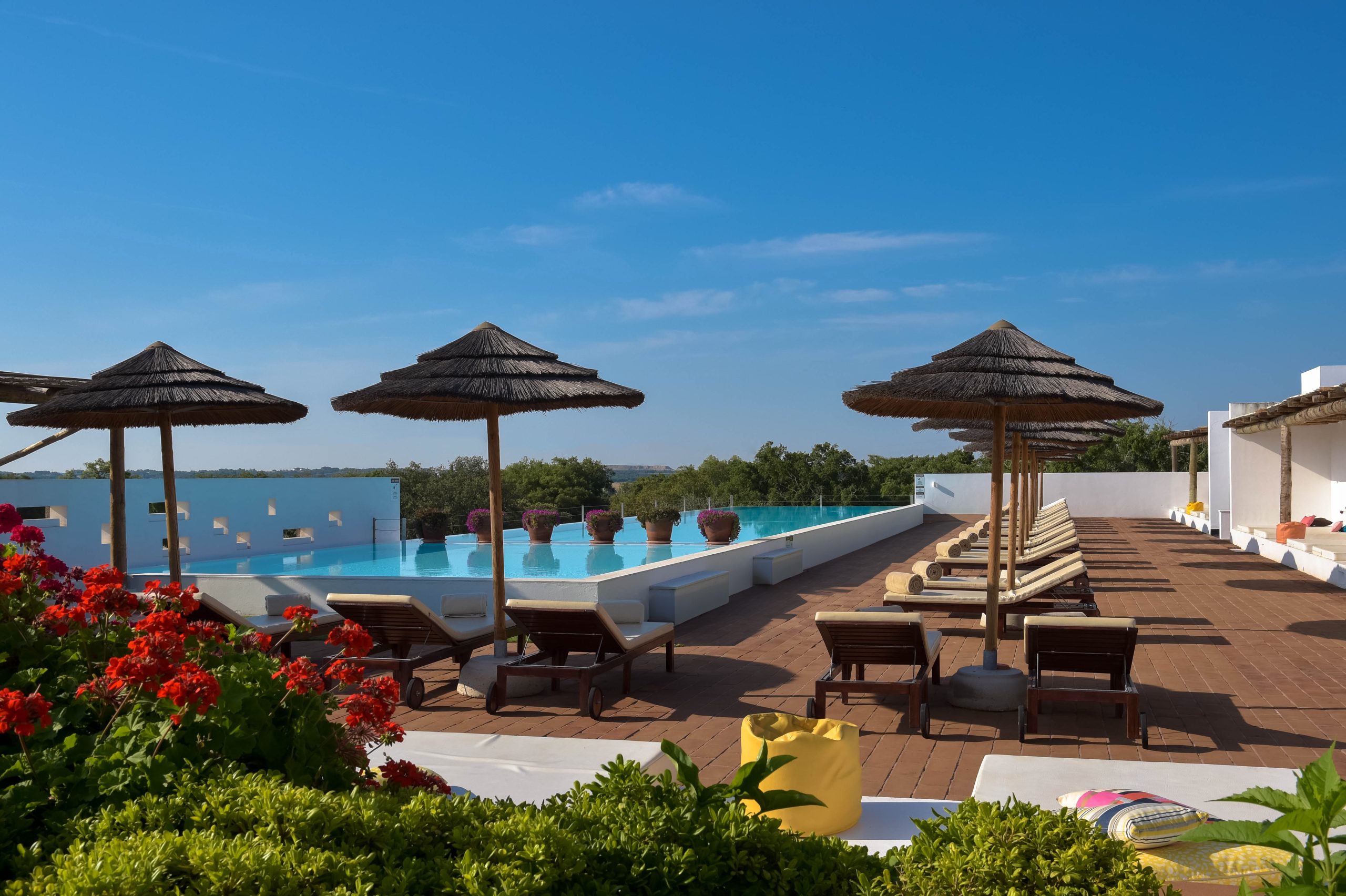
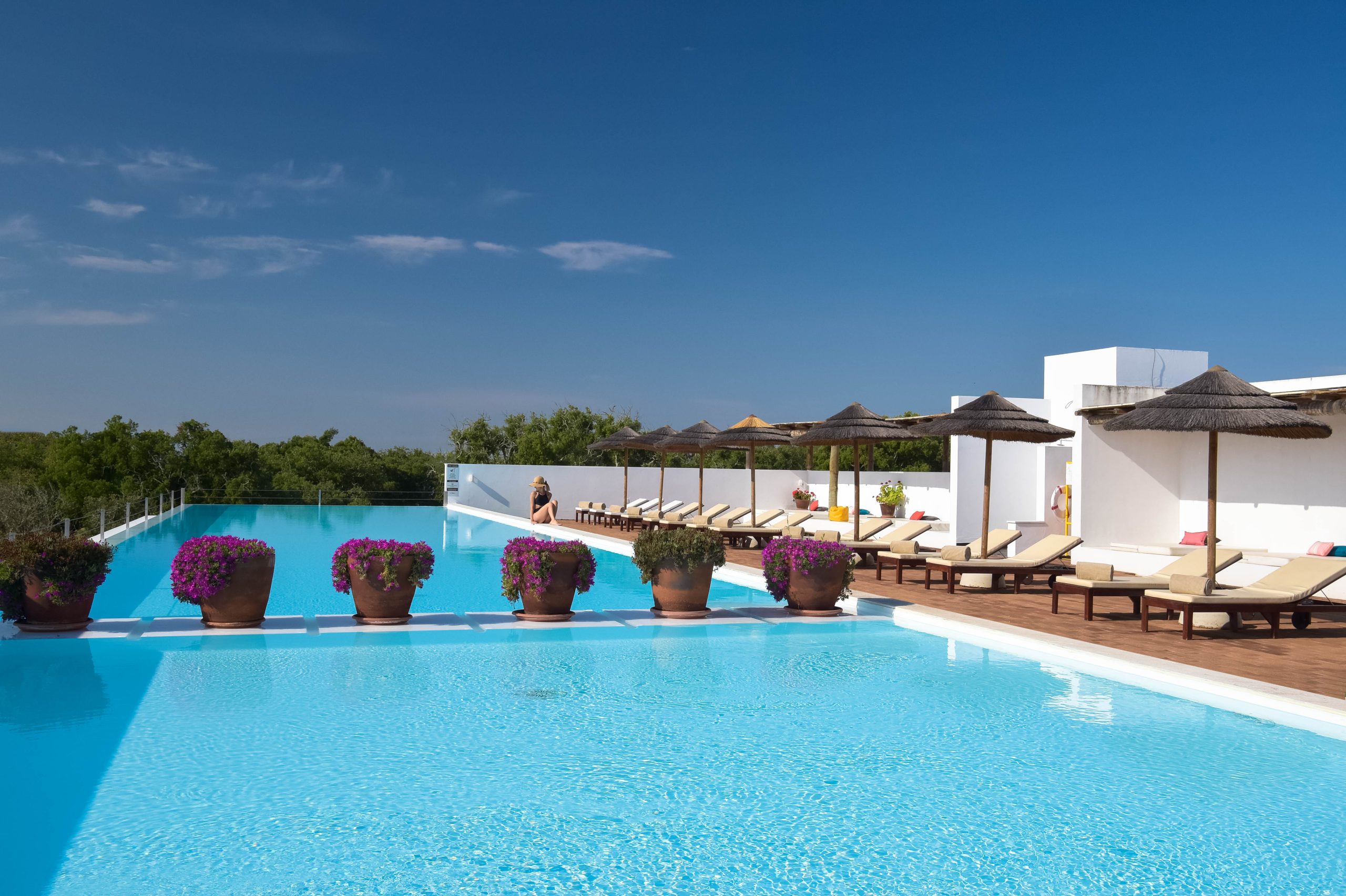
Life at Ecorkhotel unfolds at the gentle rhythm of the Alentejo. Guests move between the infinity pool overlooking cork forests, the spa inspired by regional natural elements, and quiet walking paths that weave through the surrounding landscape. The restaurant celebrates seasonal produce, local ingredients, and the wines for which the region is renowned, creating an authentic expression of Alentejo hospitality. Everything encourages guests to slow down, reconnect with nature, and appreciate the remarkable simplicity of the setting.
Looking Ahead
The Lince Ecorkhotel is currently undergoing an extensive renovation that will further enhance both the guest experience and the property’s sustainability credentials. Scheduled to reopen in November 2026, the renewed hotel aims to build upon its pioneering architectural concept while introducing updated interiors and facilities that remain faithful to its original vision.
DNA Hotels Verdict
The Lince Ecorkhotel remains one of Portugal’s most convincing examples of sustainable hospitality. Rather than treating environmental responsibility as a marketing exercise, it places nature, architecture, and local identity at the very centre of the experience. The innovative cork construction, contemporary design, and peaceful Alentejo setting combine to create a retreat where luxury feels both meaningful and deeply connected to the land.