The Telegraph Hotel | Tbilisi, Georgia
Where Brutalist Heritage Meets Contemporary Georgian Design
Why DNA Hotels Loves It
● A remarkable transformation of Tbilisi’s former central post and telegraph headquarters into one of Georgia’s most significant design hotels.
● Designed by Neri & Hu, blending Soviet-era brutalism with contemporary craftsmanship and understated luxury.
● A compelling example of adaptive reuse that celebrates architecture rather than concealing it.
A Soviet Landmark Reborn
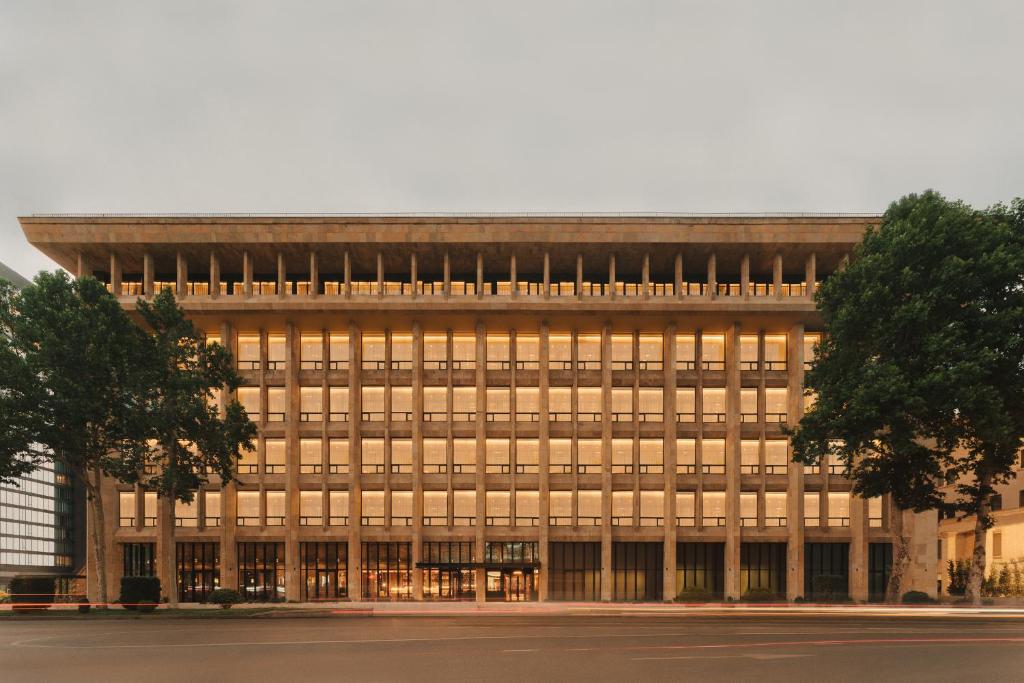
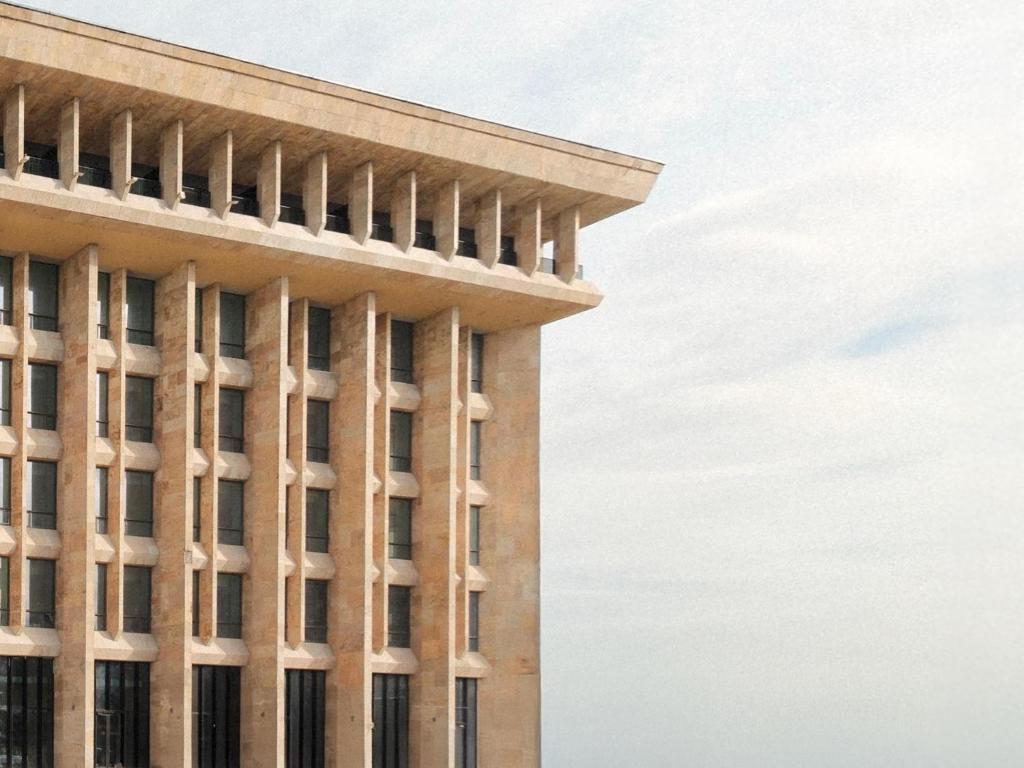
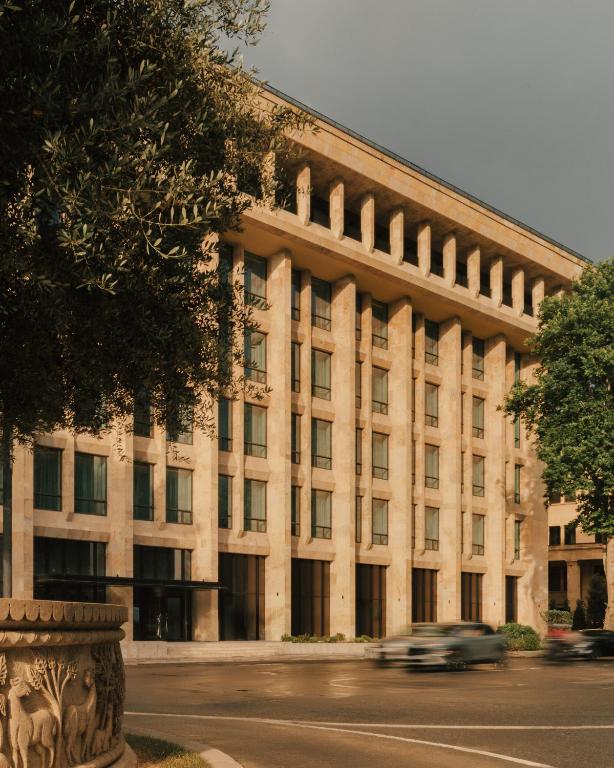
Few hotels in Tbilisi make an architectural statement quite like The Telegraph. Occupying the former Central Post and Telegraph Building, a striking wave-shaped landmark dating from the 1970s, the hotel sits at the crossroads of Tbilisi’s past and future. Once a symbol of Soviet modernity and communication, the building has been carefully reimagined as a contemporary hospitality destination while preserving the dramatic architectural character that made it famous. Rather than erase the building’s history, the transformation embraces it. The result feels distinctly Georgian, yet internationally relevant.
Neri & Hu’s Respectful Intervention
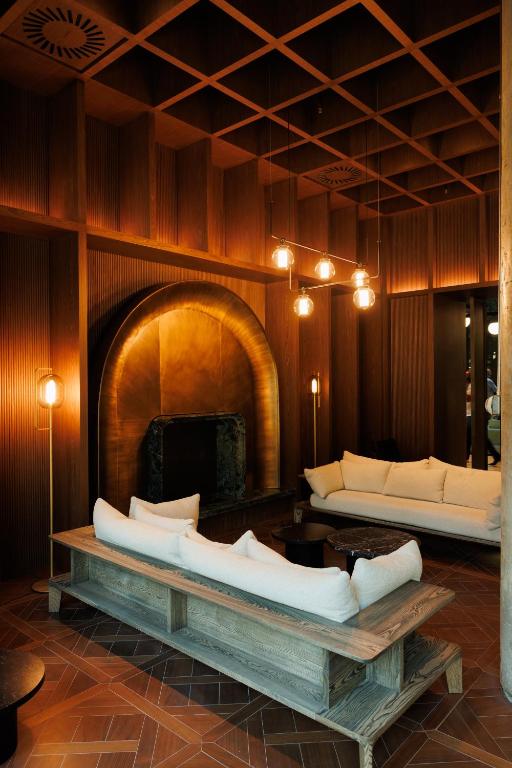
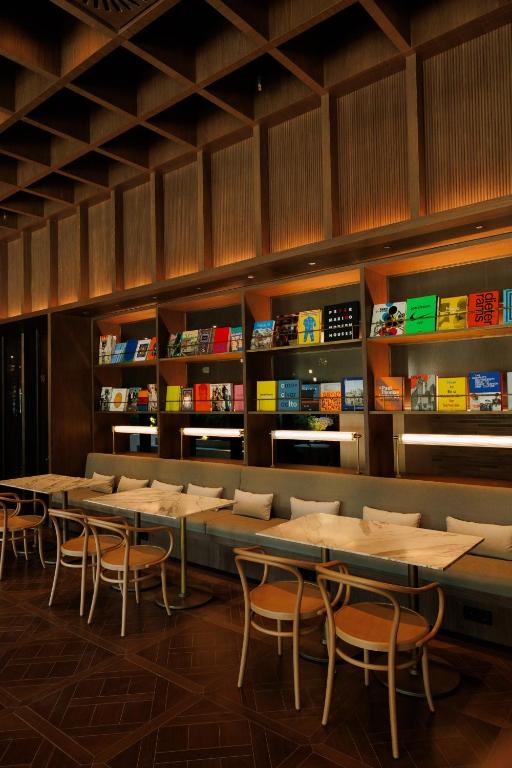
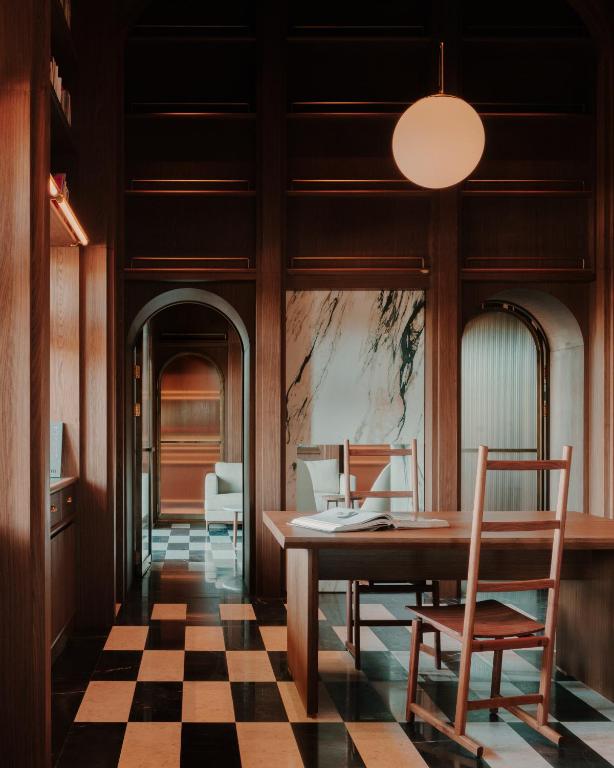
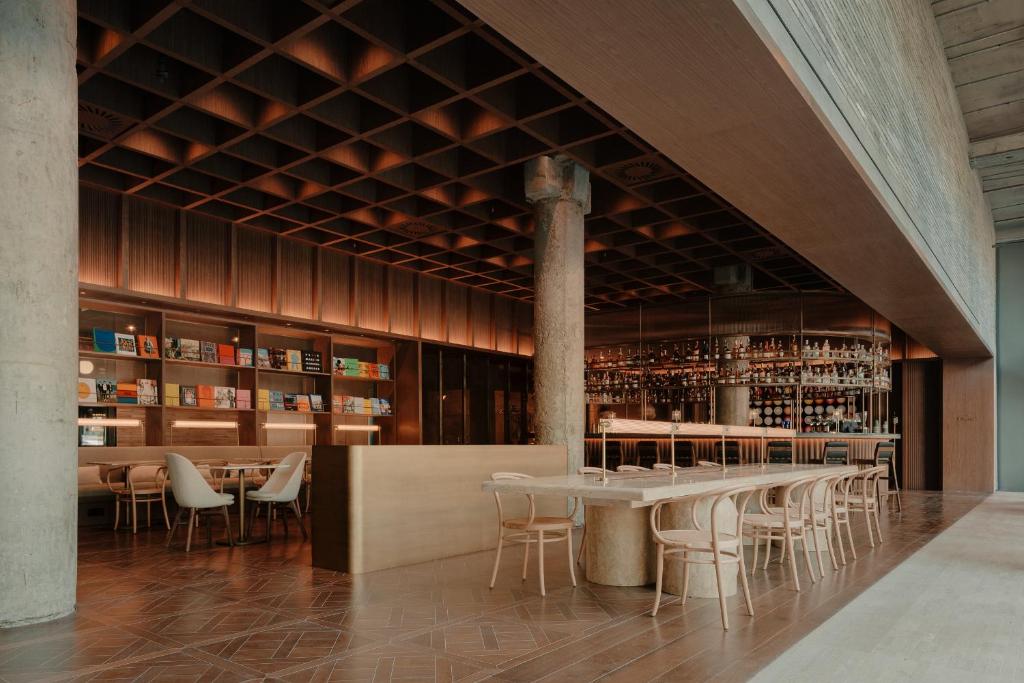
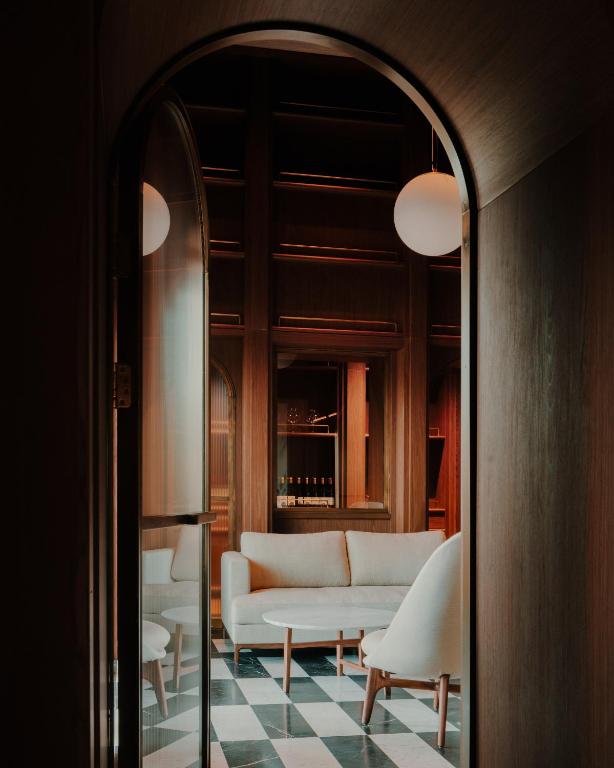
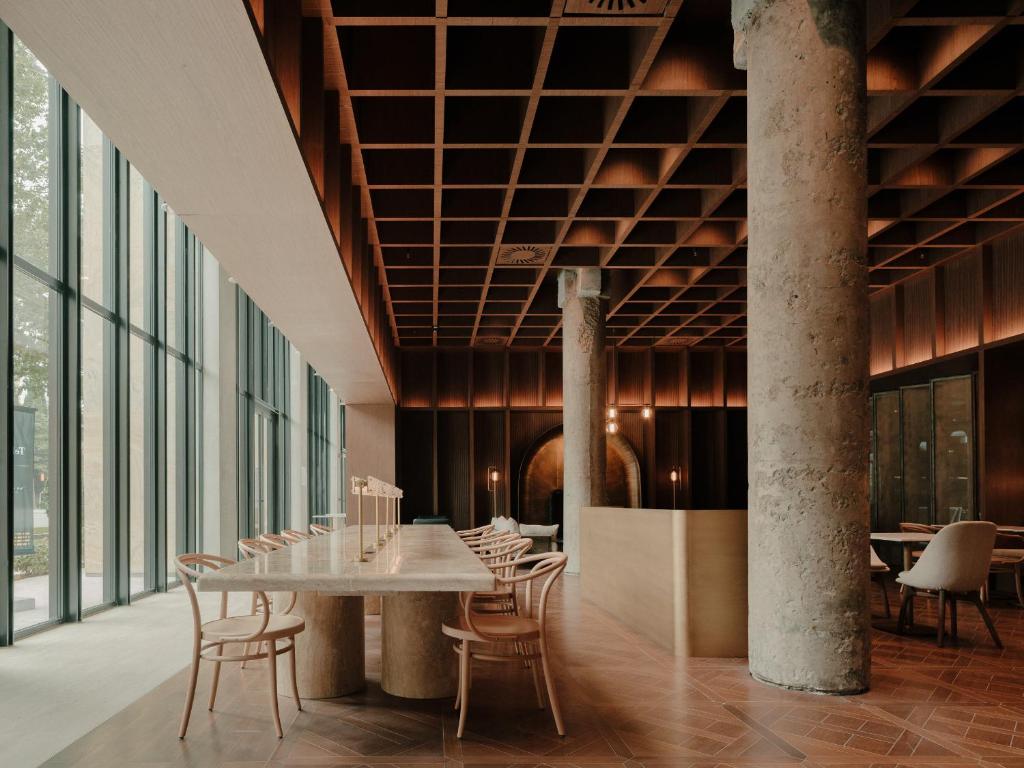
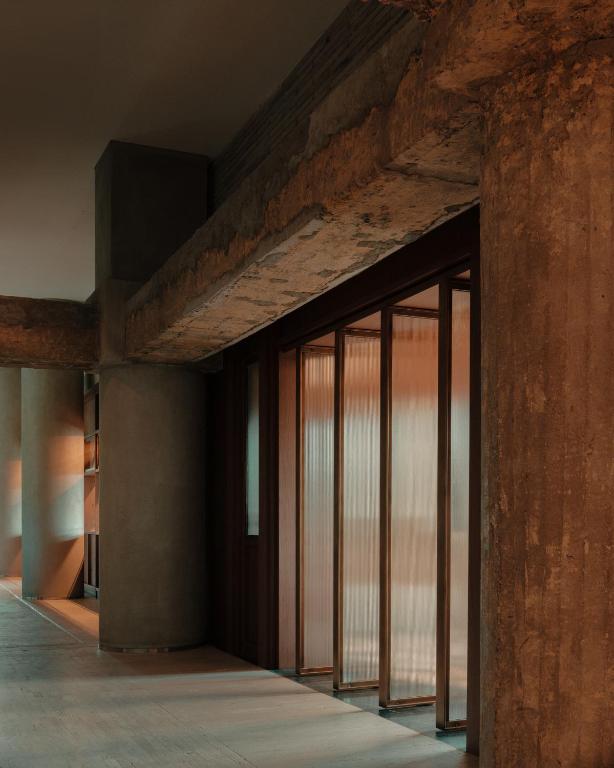
The redesign was entrusted to internationally acclaimed design studio Neri & Hu, whose work is often defined by a deep respect for heritage and context. Here, they approached the project with restraint. The building’s sculptural concrete façade remains the defining visual feature, its undulating balconies creating one of the most recognisable silhouettes in the city. Inside, original structural elements remain visible throughout, allowing guests to understand the building’s industrial and civic origins. Exposed concrete, natural oak, brushed brass, textured stone, and soft fabrics create a carefully balanced material palette. The atmosphere is contemporary without feeling fashionable. Timeless rather than trendy.
Spaces Designed Around Storytelling
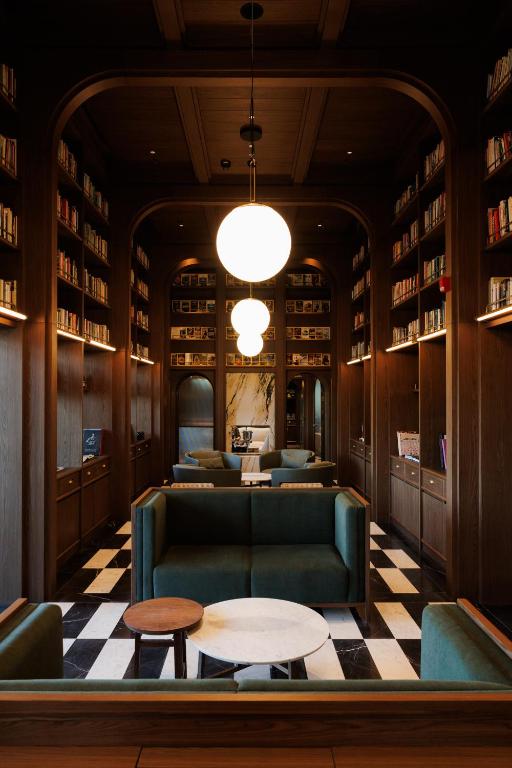
Throughout the hotel, architecture becomes part of the guest experience. The former postal hall has been transformed into a soaring lobby where double-height volumes, natural light, curated artwork, and bespoke furnishings create a sense of calm and grandeur. Custom lighting installations subtly reference telegraph signals, while geometric forms echo the building’s original modernist language. Every space feels intentional. Every detail contributes to the narrative. The building’s former purpose is never forgotten.
Rooms with Character and Restraint
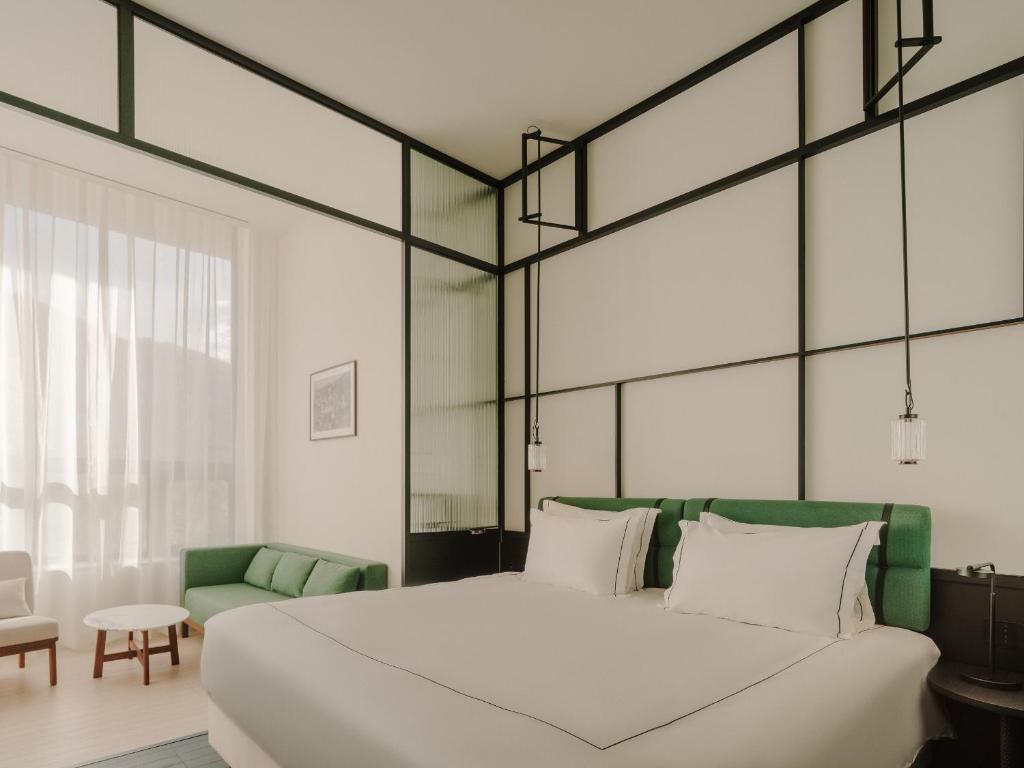
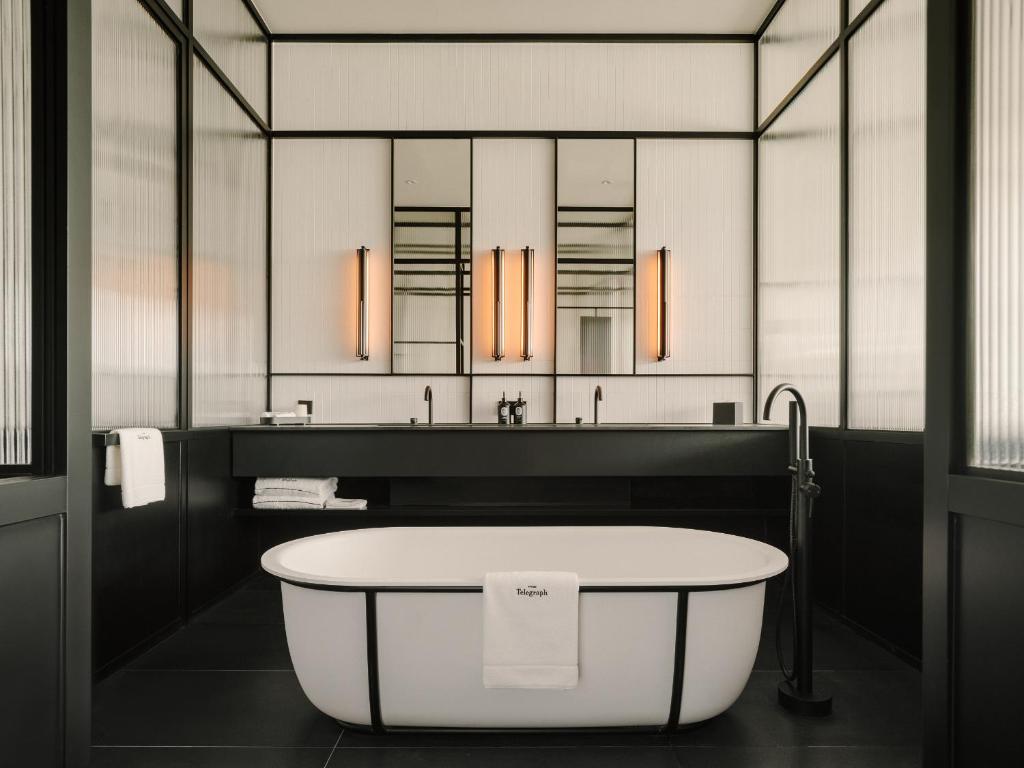
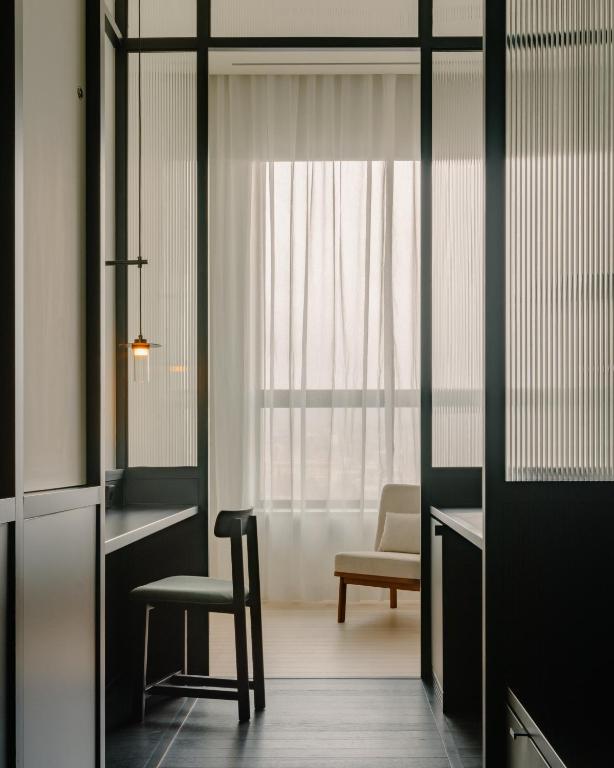
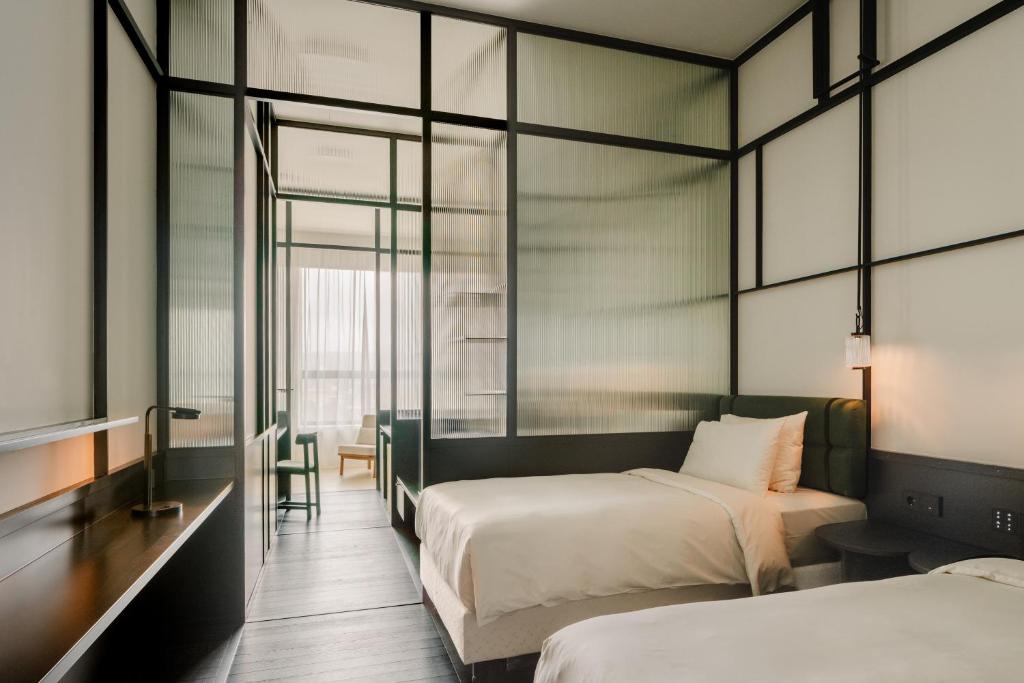
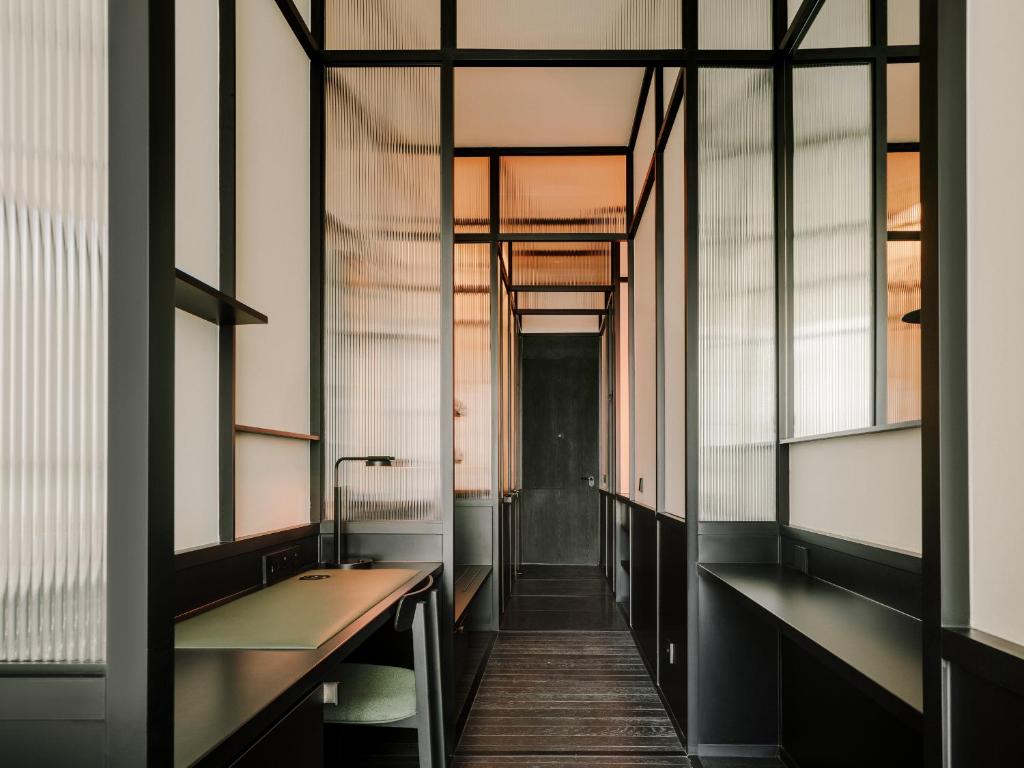
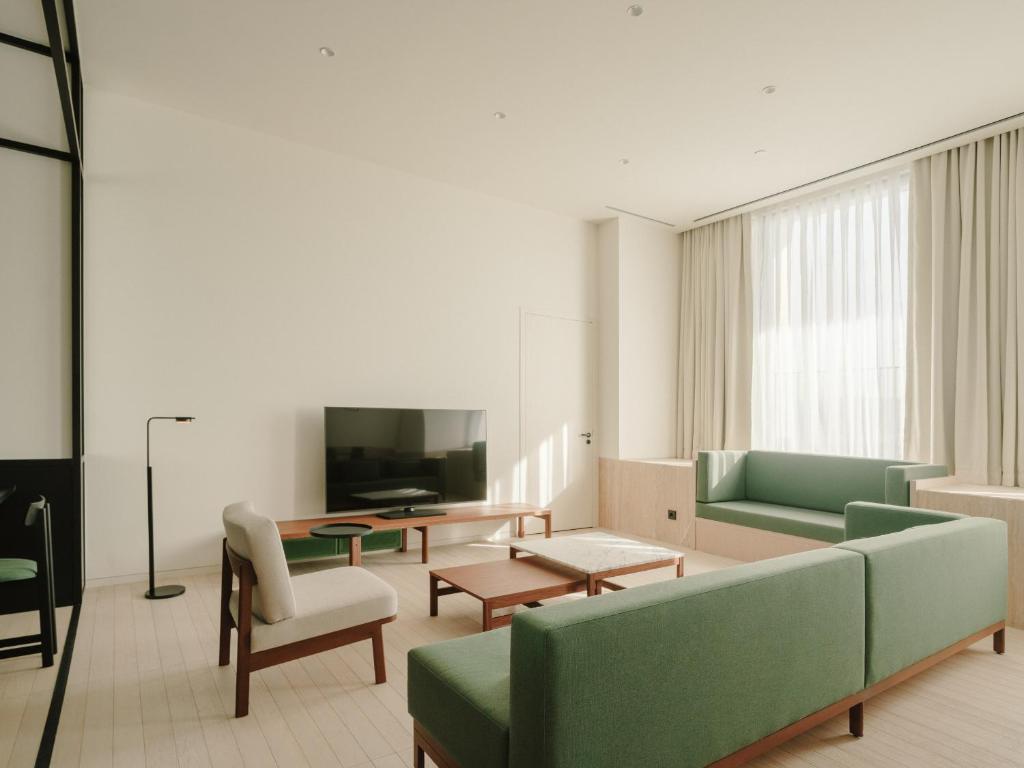
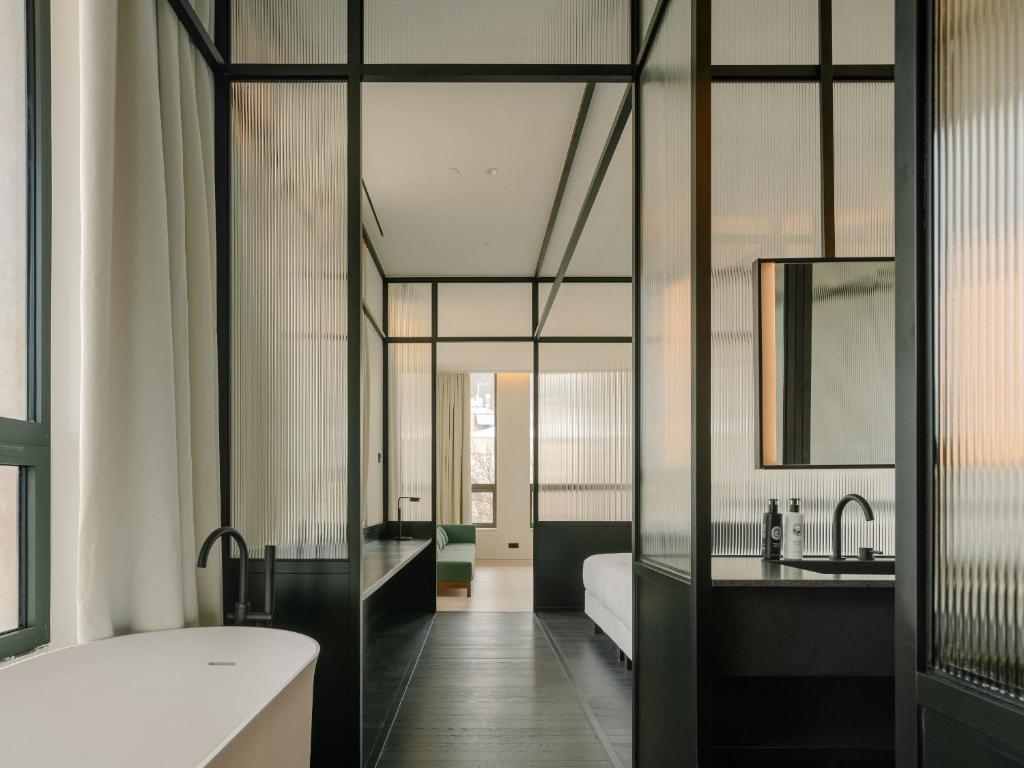
The guestrooms continue the dialogue between old and new. Clean lines, locally sourced materials, handcrafted details, and carefully considered proportions create spaces that feel quietly luxurious rather than overtly extravagant. Warm timber, textured stone, soft fabrics, and bespoke furnishings introduce comfort without distracting from the architecture itself. Large windows frame views across Tbilisi’s evolving skyline, while subtle references to the building’s telecommunications heritage appear throughout the interiors. The overall mood is calm, sophisticated, and deeply connected to place.
A New Social Hub Above the City
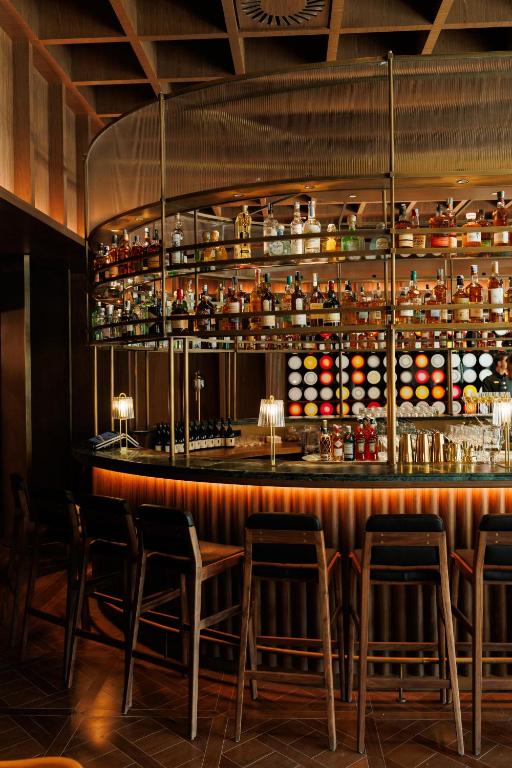
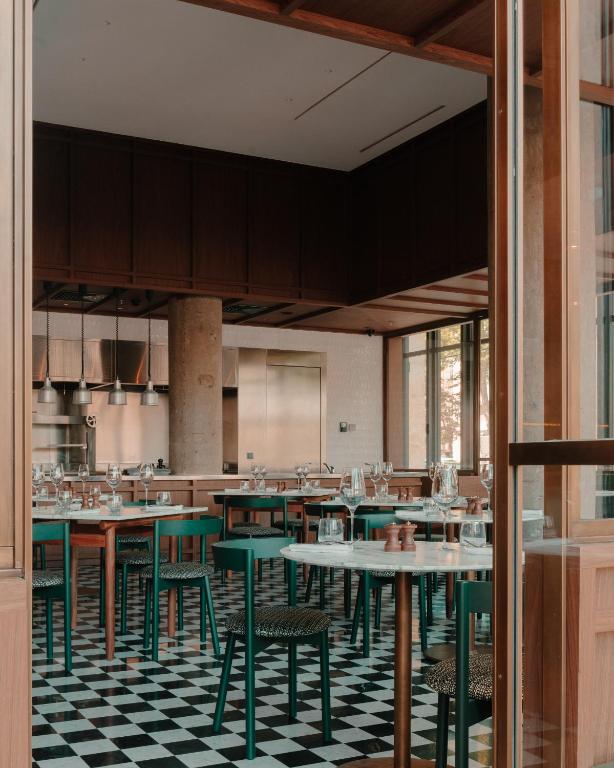
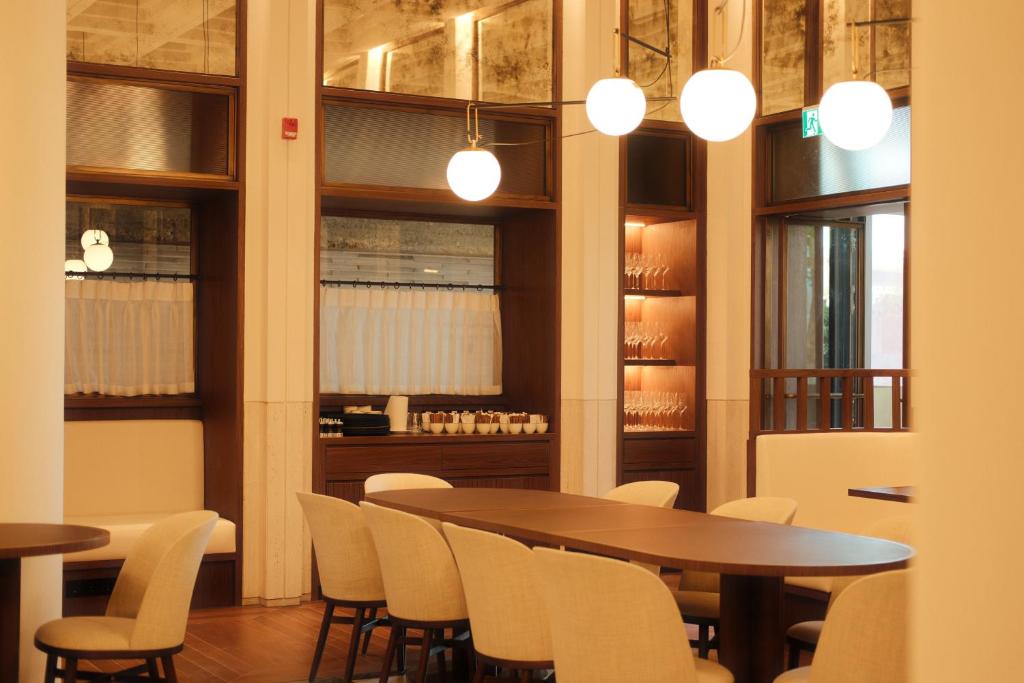
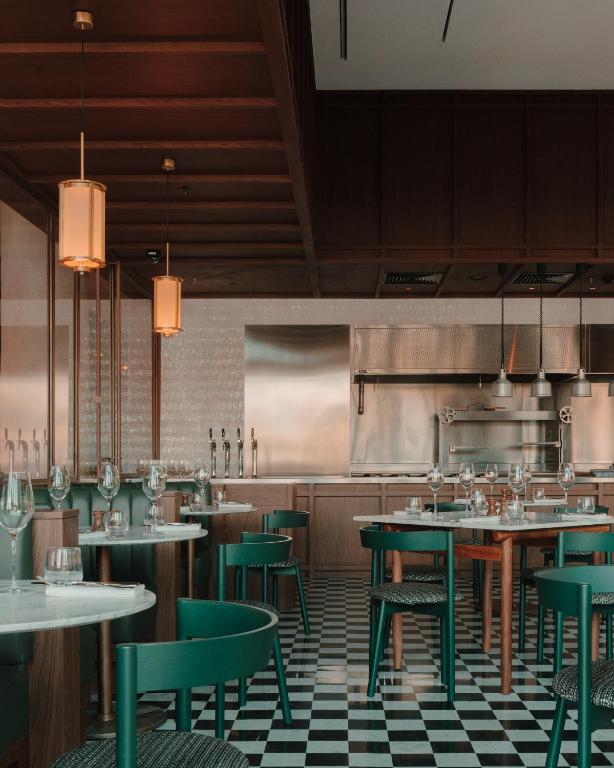
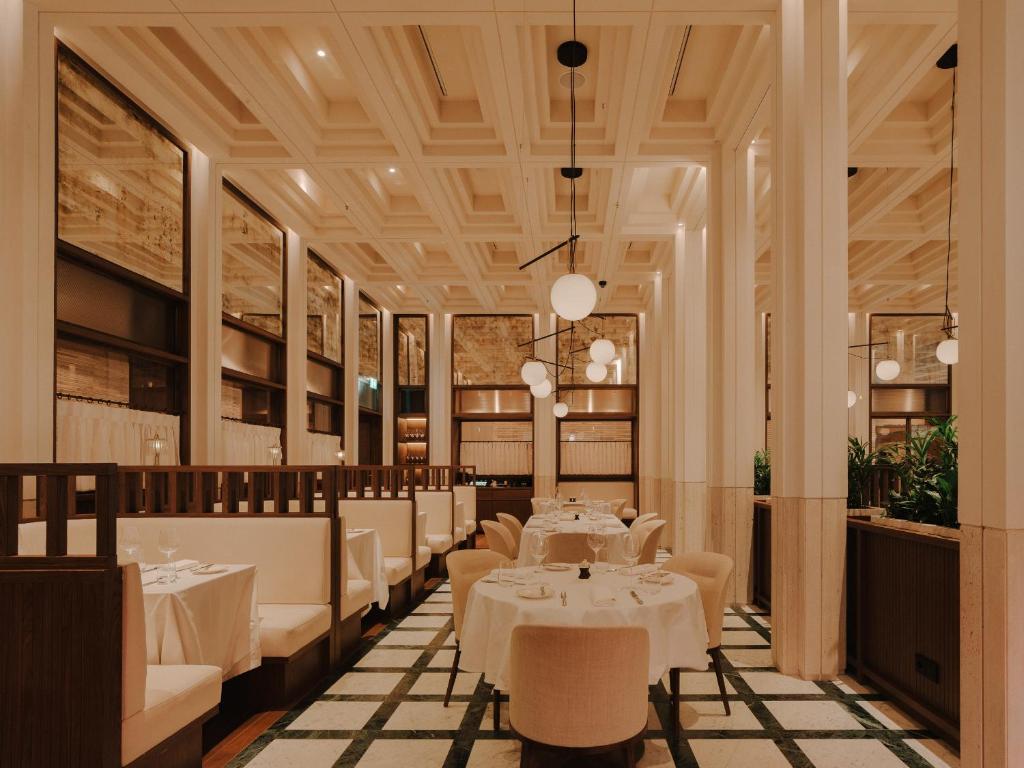
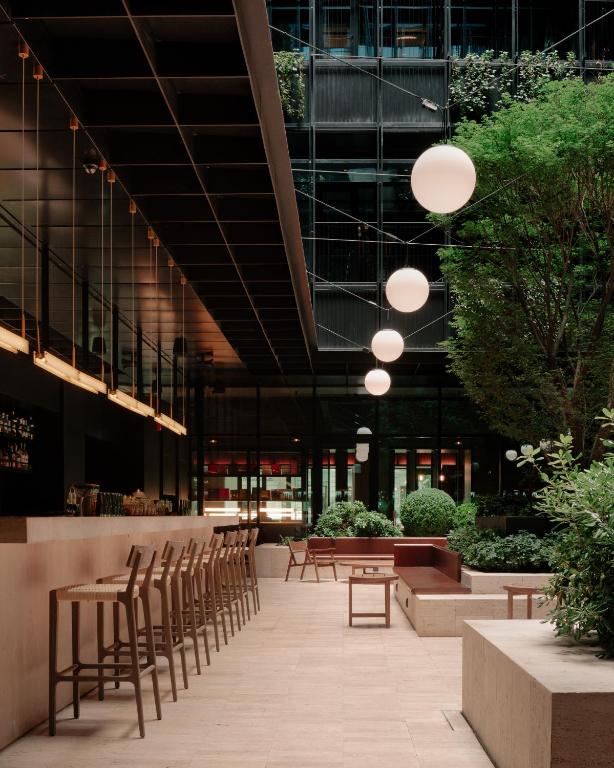
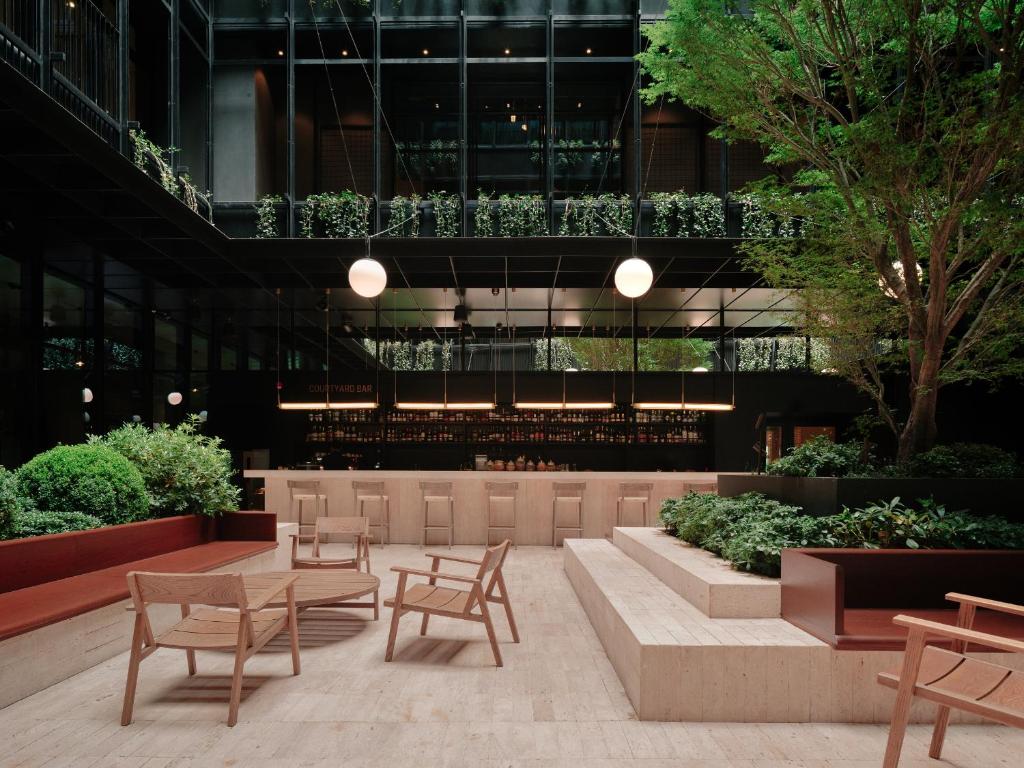
Beyond the guestrooms, The Telegraph positions itself as a destination for both visitors and locals. The rooftop terrace offers panoramic views across the old town, the surrounding hills, and the contrasting architectural layers that define modern Tbilisi. Here, Soviet-era geometry meets centuries-old churches, creating one of the city’s most compelling urban perspectives. The restaurant and bar continue the hotel’s design narrative, pairing industrial textures with refined furnishings and creating spaces that feel equally suited to long dinners, late-night conversations, and creative gatherings.
Architecture as Cultural Preservation
What makes The Telegraph particularly significant is its role within Tbilisi’s wider architectural story. At a time when many historic buildings are either neglected or stripped of their character, this project demonstrates how adaptive reuse can preserve cultural identity while creating something entirely contemporary. The building remains unmistakably brutalist. Yet it now feels welcoming, elegant, and relevant to a new generation of travellers.
One of Tbilisi’s Most Important New Hotels
The Telegraph succeeds because it treats architecture as more than a backdrop. It celebrates the city’s Soviet heritage, embraces contemporary Georgian creativity, and creates a hotel experience rooted in authenticity rather than formula. For travellers drawn to architecture, design, and hotels with a genuine sense of place, The Telegraph stands among the most compelling new addresses in Tbilisi.