Torre de Palma Wine Hotel, Monforte, Portugal
Wine, horses, Roman history, and contemporary Alentejo design gathered around a centuries-old estate
Why DNA Hotels Loves It
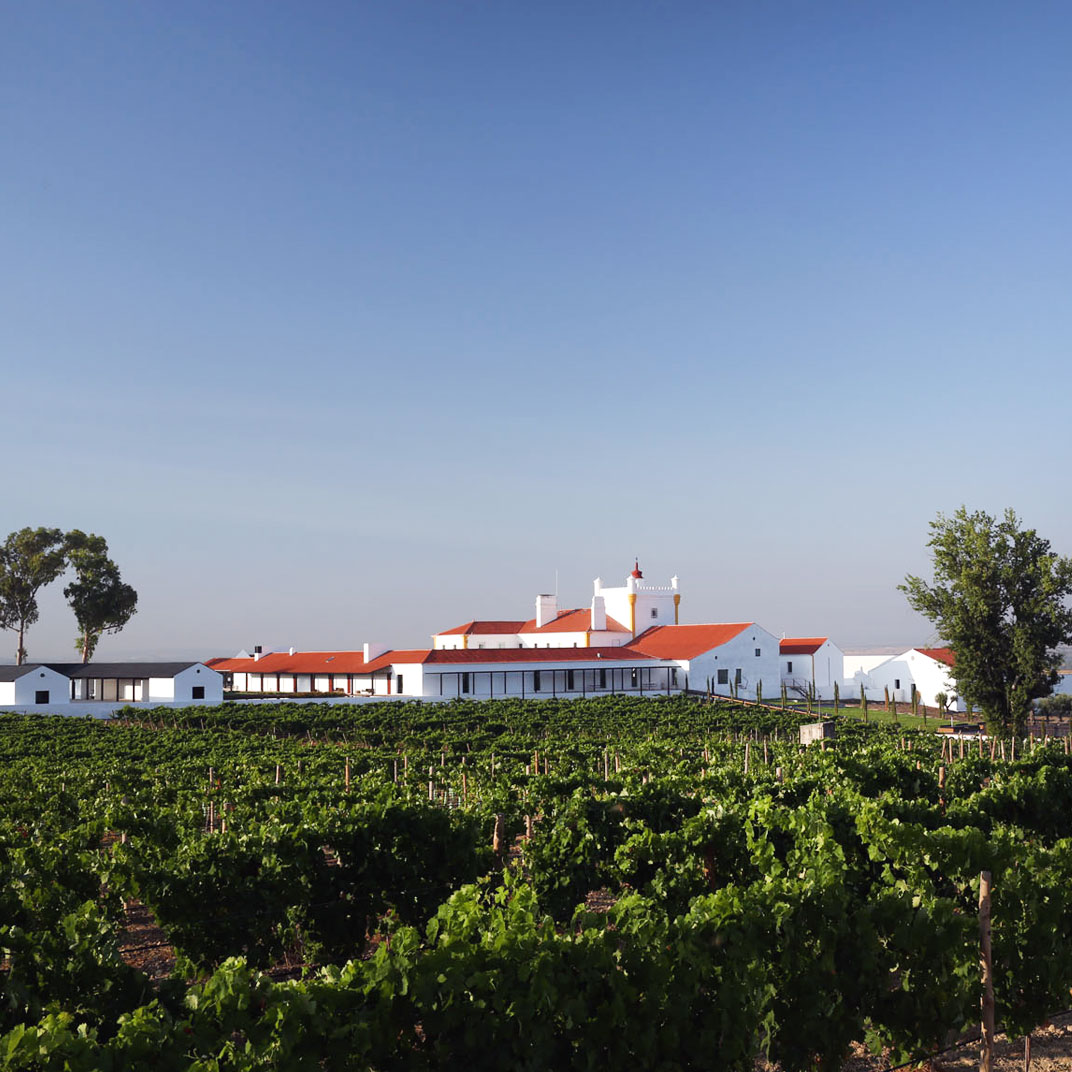
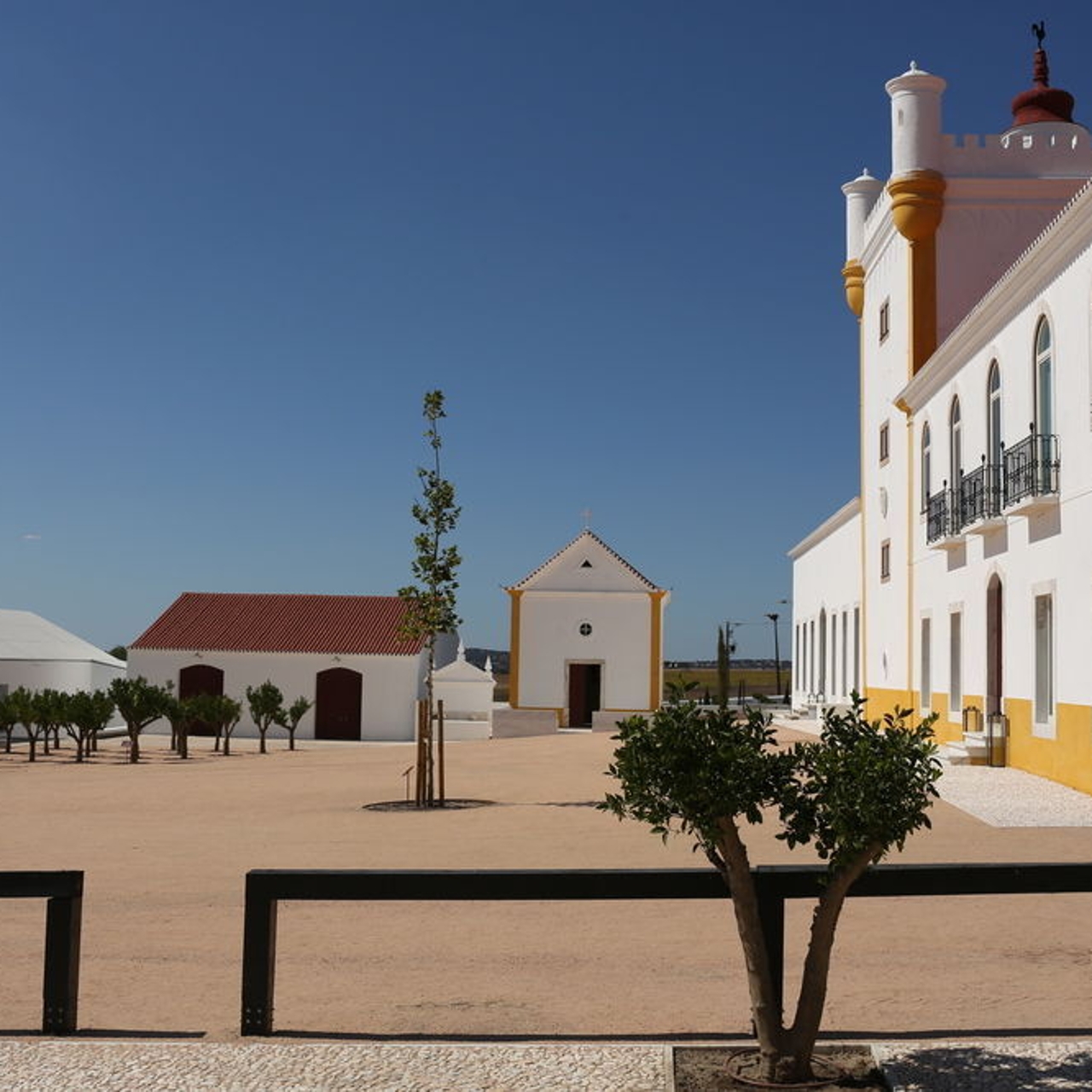
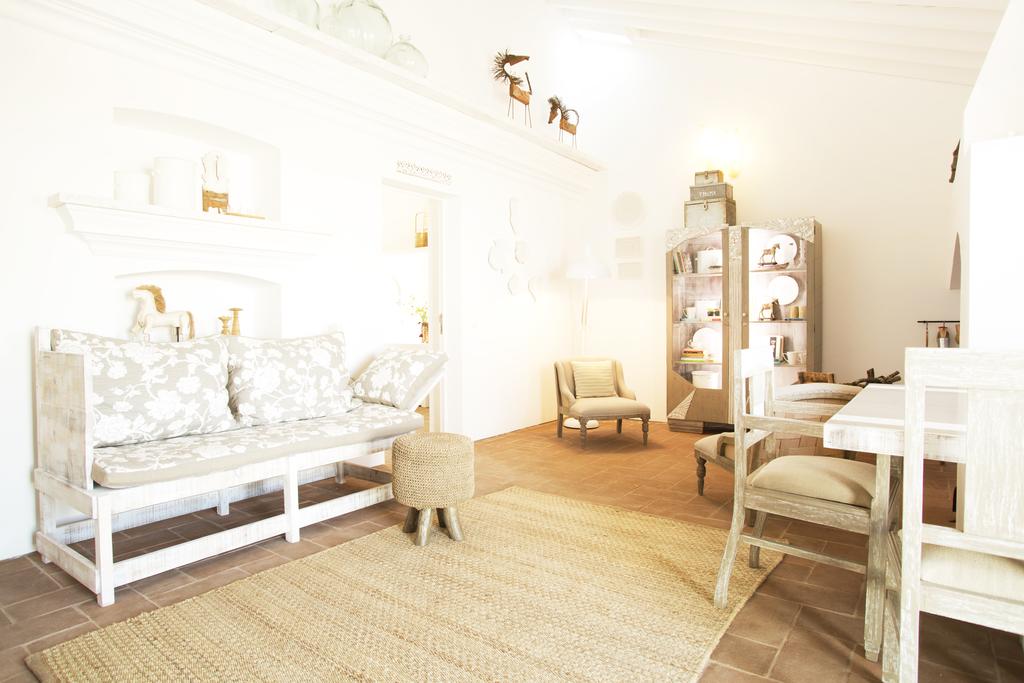
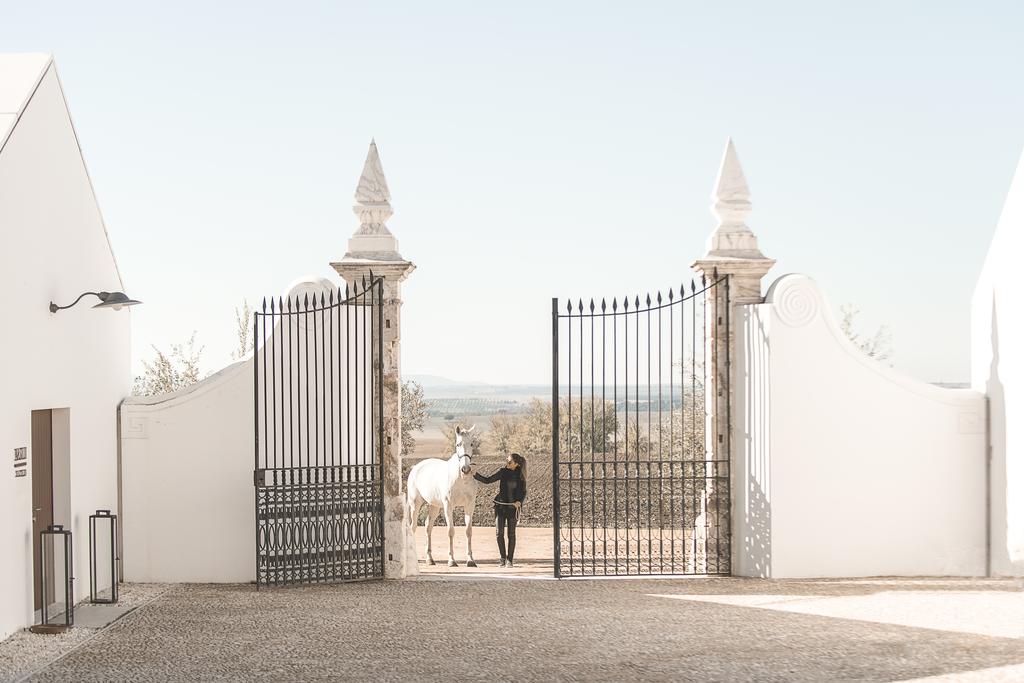
● A historic property dating back to 1338, carefully restored and expanded around its original tower with contemporary additions that respect the whitewashed architecture of the Alentejo.
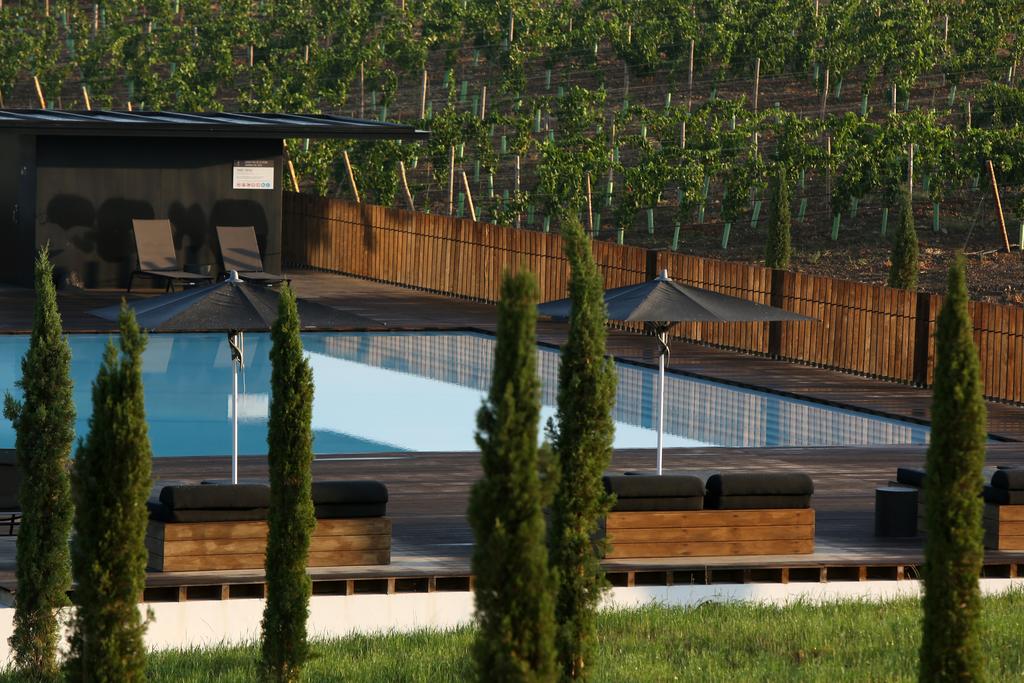
● Wine culture is not a decorative theme here: the estate has its own boutique winery, traditional marble presses, tastings, and hands-on experiences connected to local winemaking.
● Lusitano horses, Roman ruins, olive groves, vineyards, and wide-open landscapes make the hotel feel inseparable from the region around it.
History in the Landscape
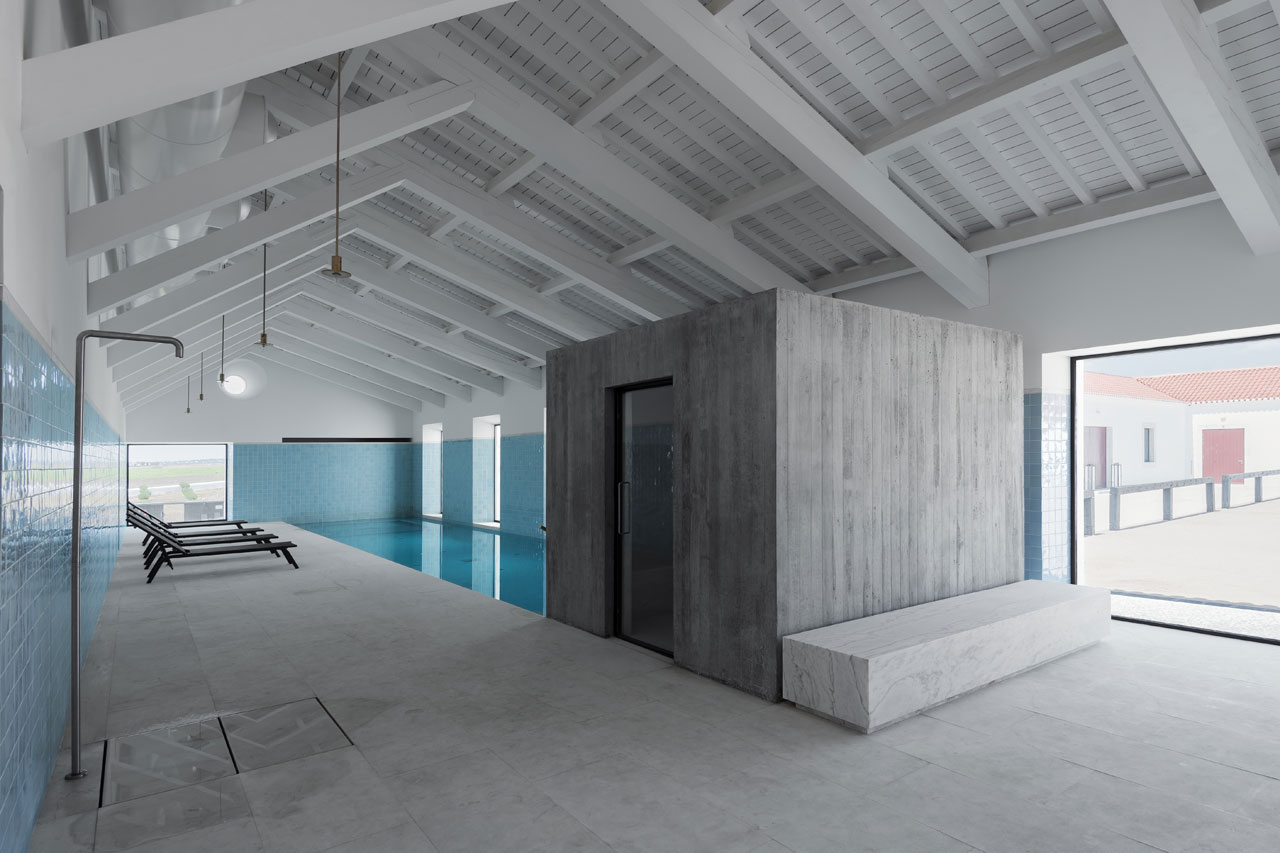
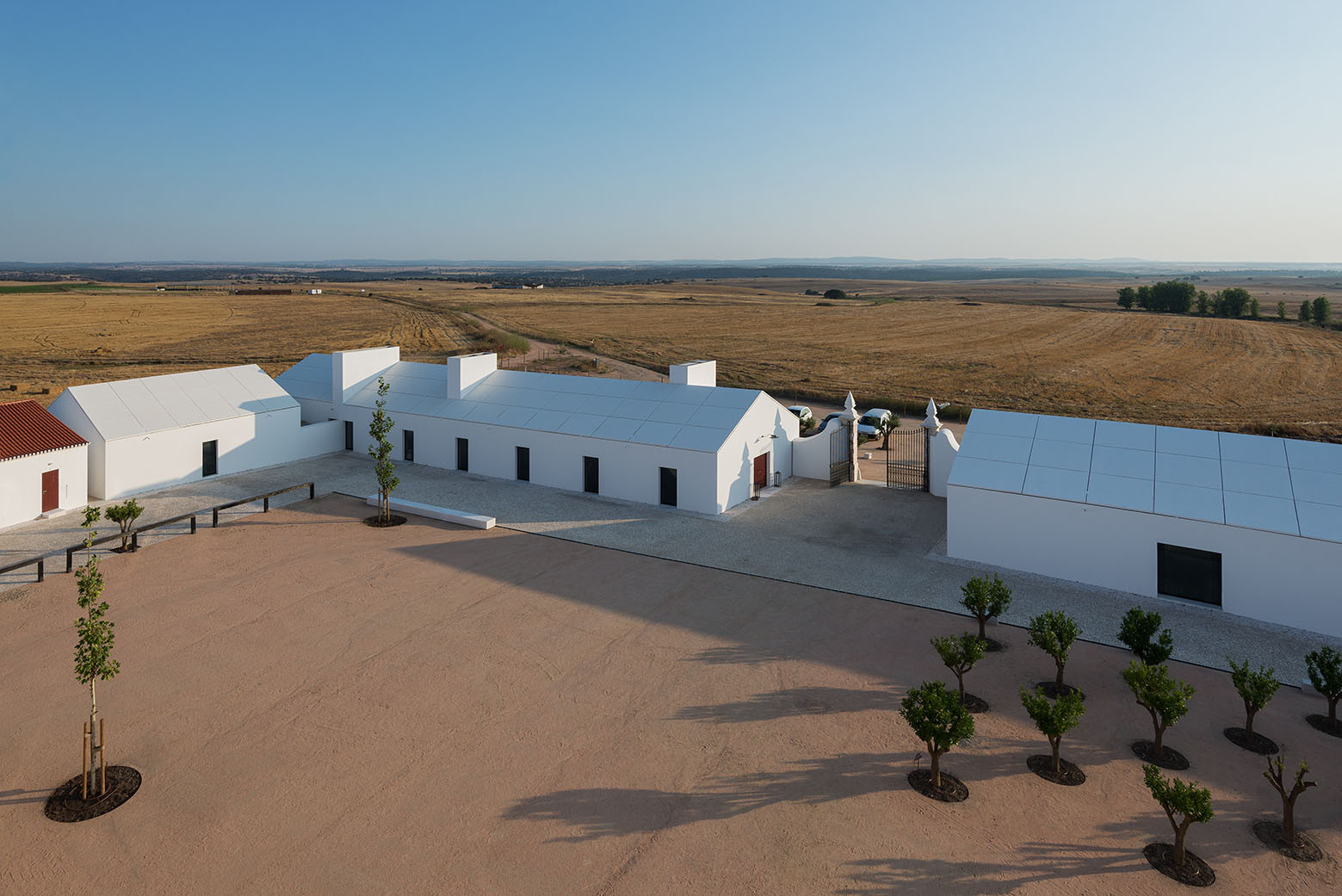
Torre de Palma does not feel like a hotel dropped into the Alentejo. It feels as though the landscape slowly accumulated it. The estate dates back to 1338, with its original manor, tower, agricultural buildings, and later additions forming a small rural settlement on the edge of Monforte in northern Alentejo. The restoration preserved that sense of continuity. Whitewashed walls, thick masonry, timber, stone, shuttered windows, and the central tower remain the visual anchors, while contemporary structures were added with enough restraint to feel like a continuation rather than an interruption. History remains visible.
Old Walls, New Layers
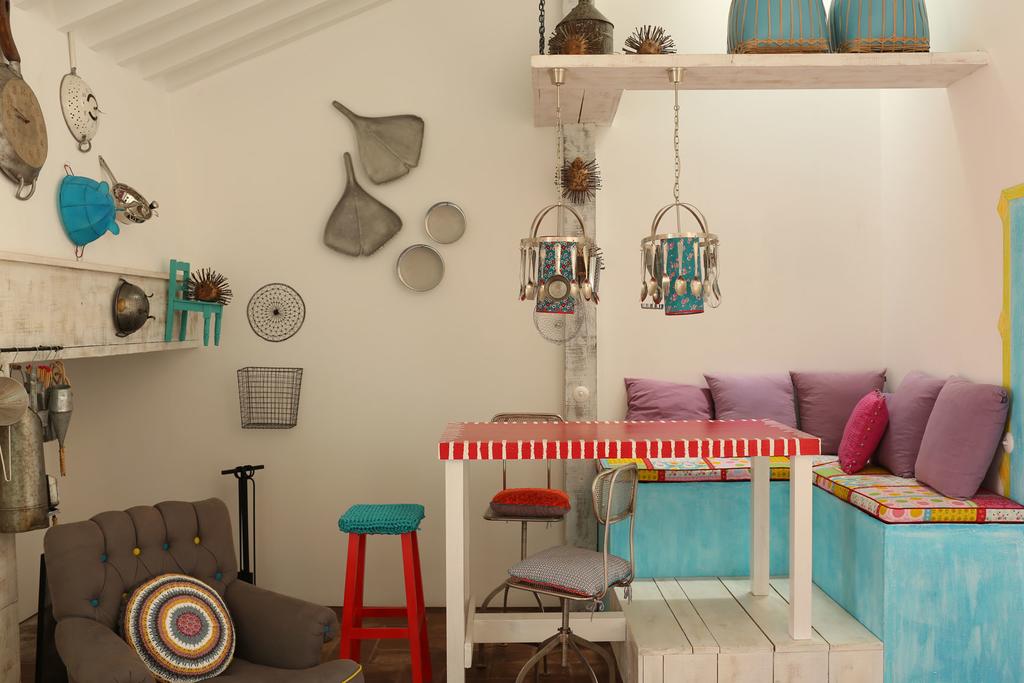
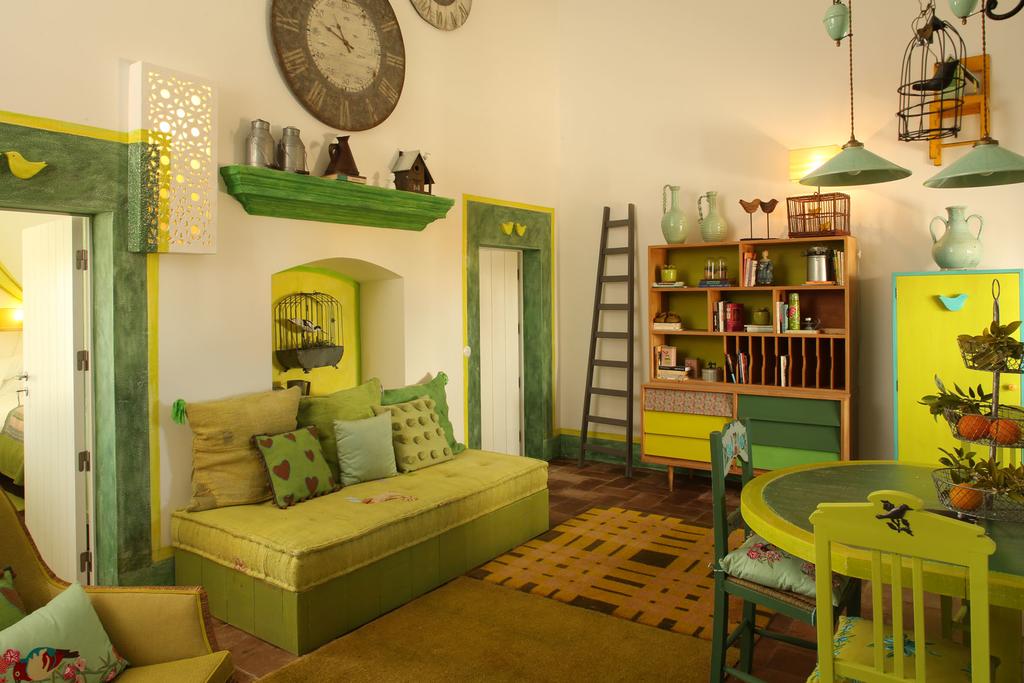
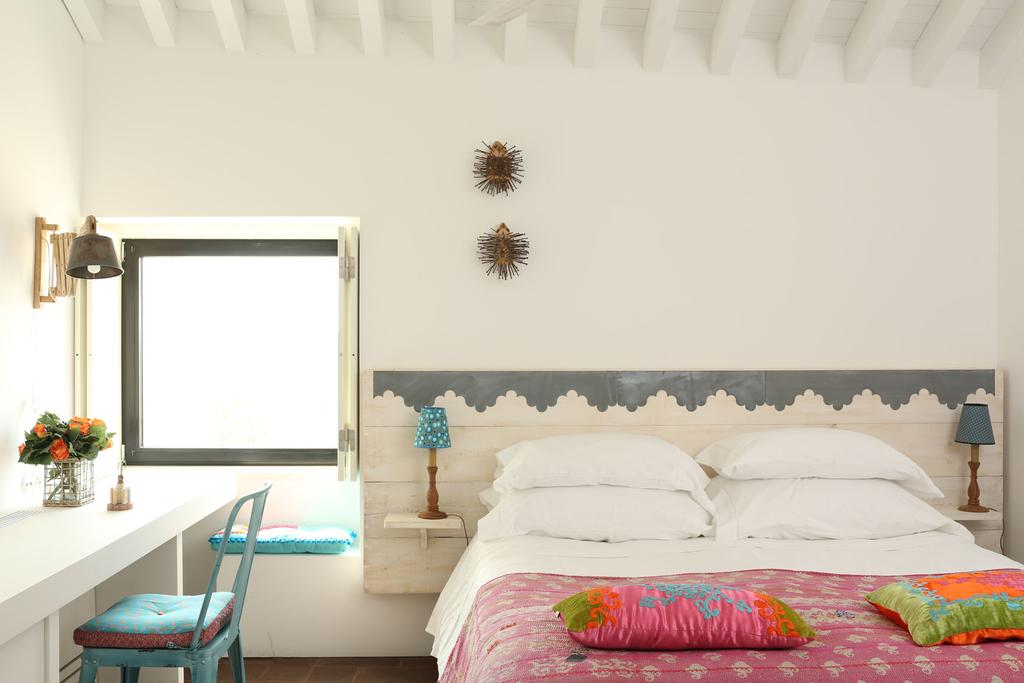
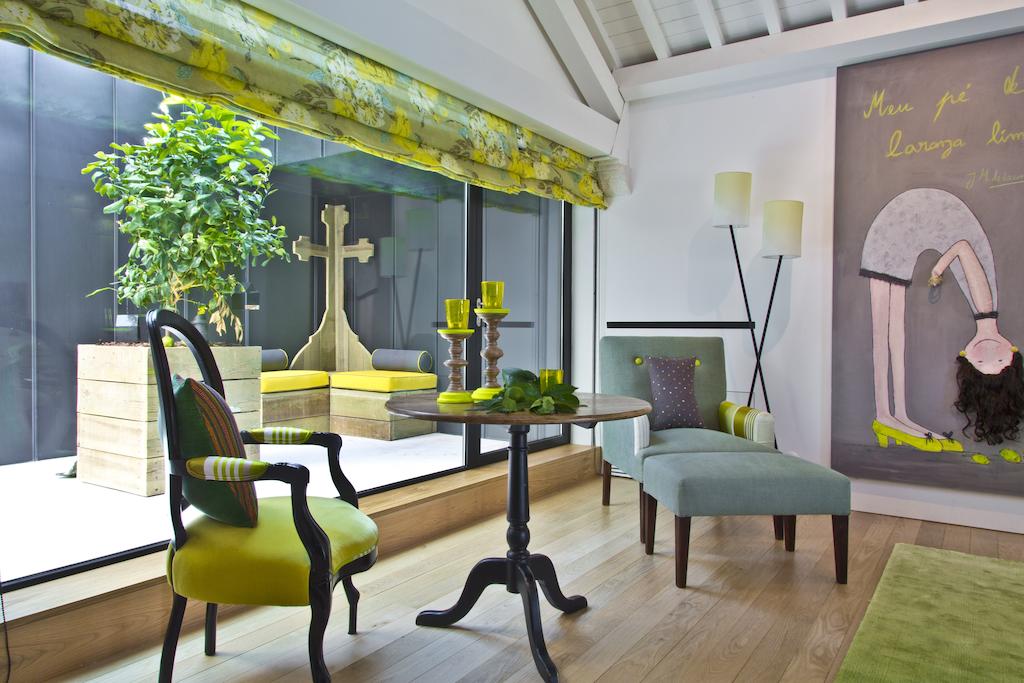
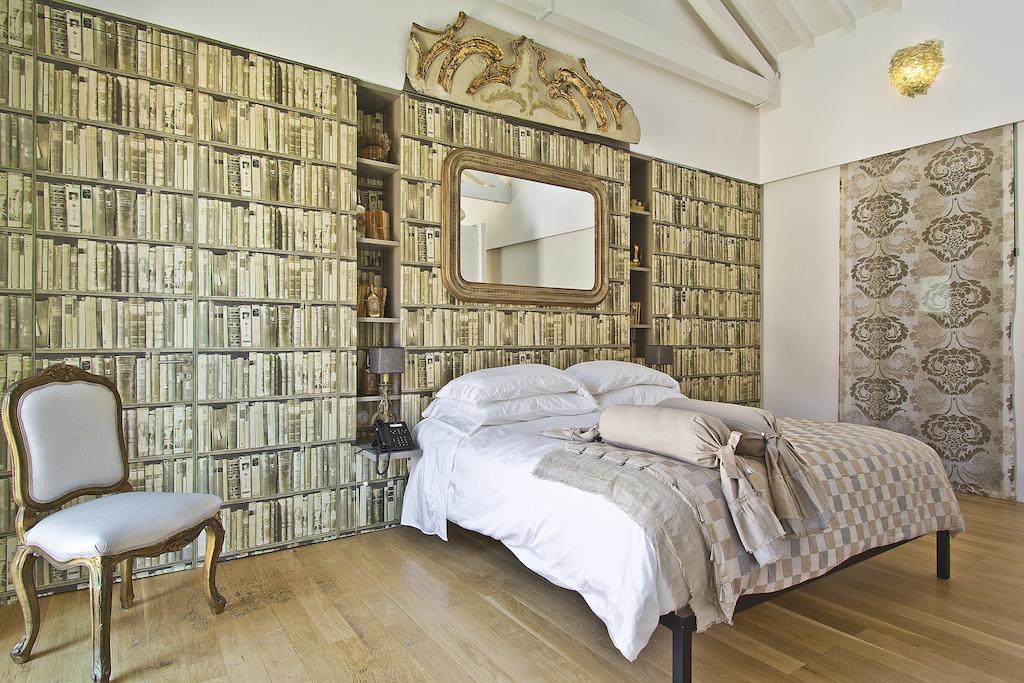
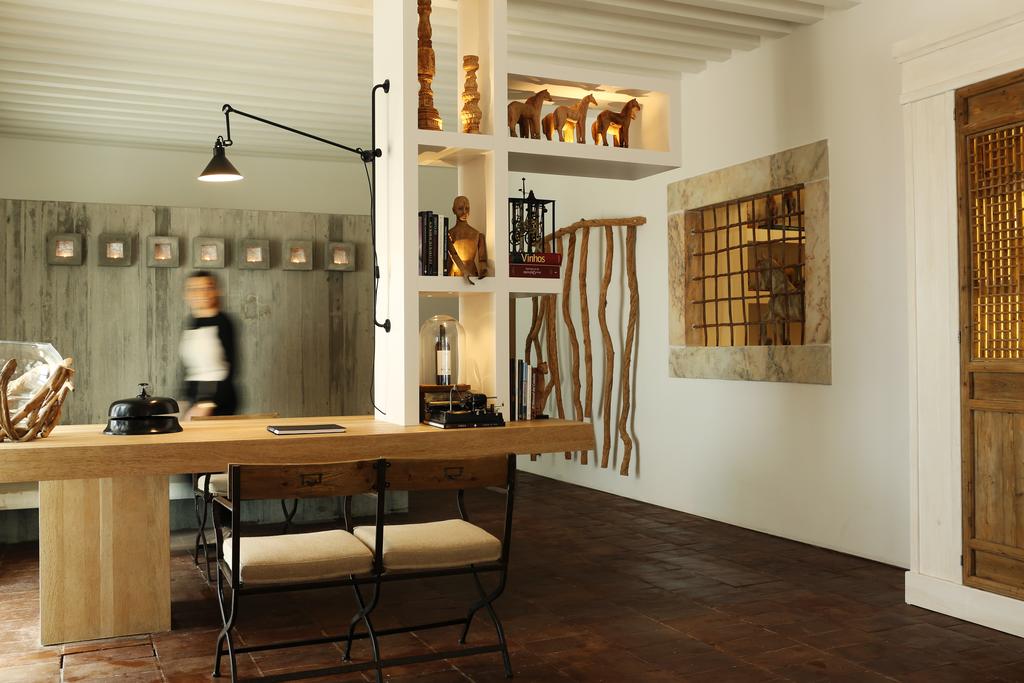
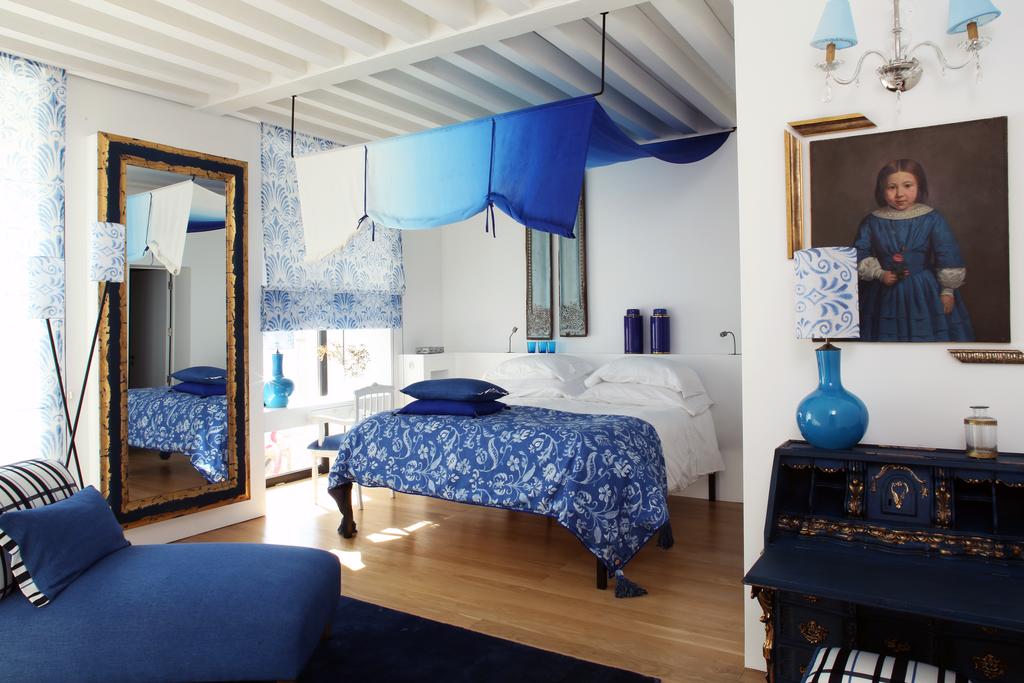
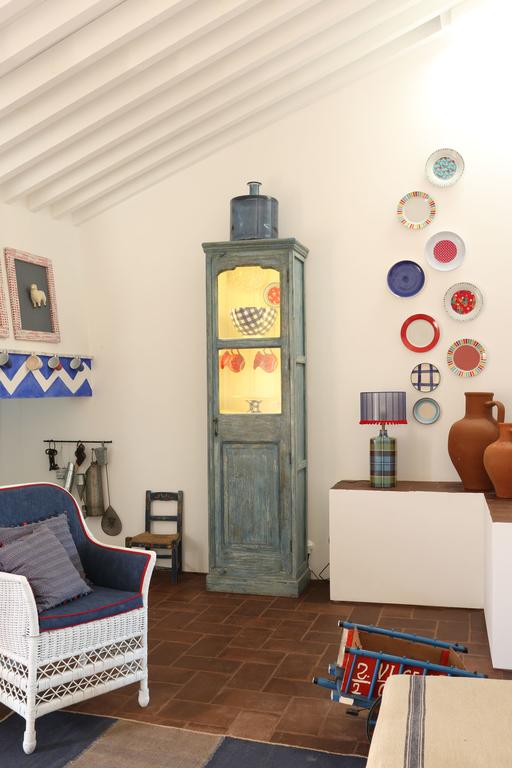
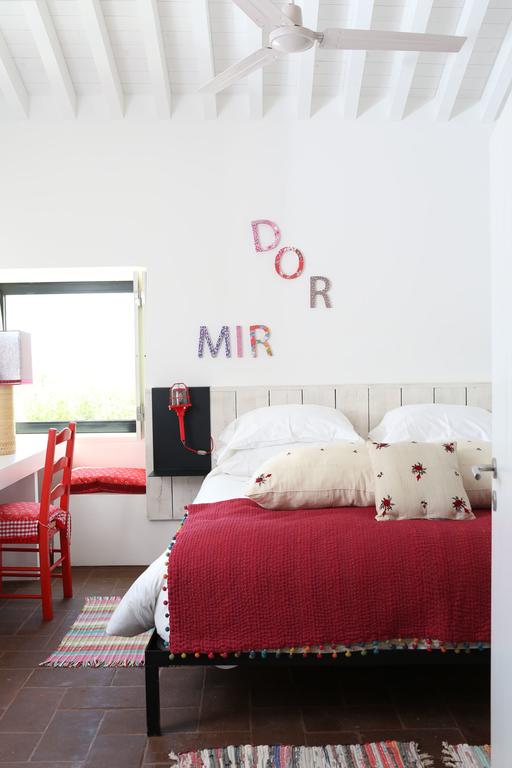
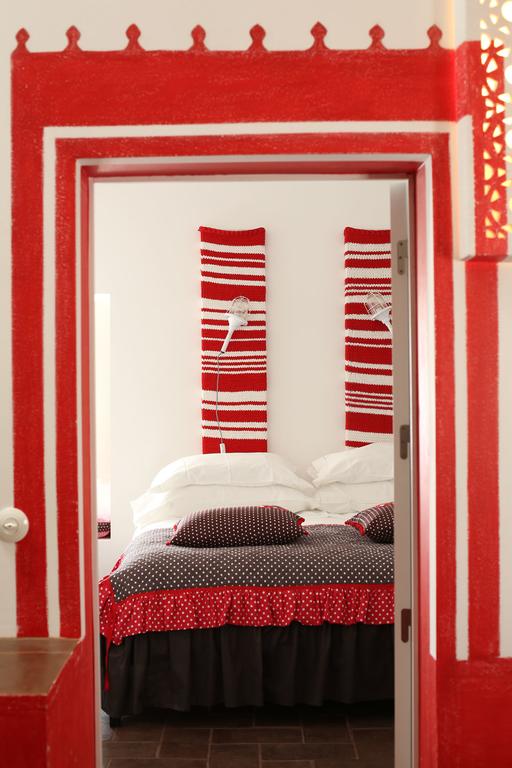
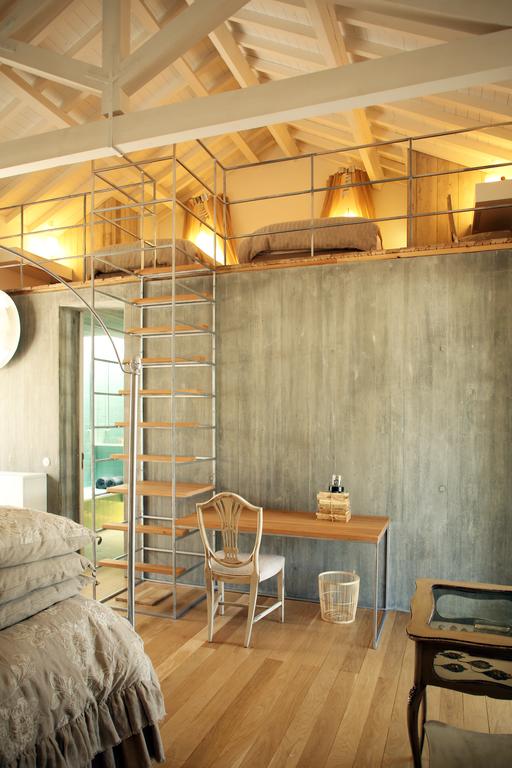
Inside, the mood is much less formal than the architecture might suggest. Vintage furniture, antique pieces, artwork, textiles, and playful decorative objects soften the old rooms and give them the character of a lived-in country house rather than a heritage museum. The guest rooms and suites vary considerably because of where they sit within the estate. Some occupy the original manor. Others are set within restored stables or former workers’ cottages. Timber beams, deep-set windows, whitewashed walls, and older structural details meet more contemporary bathrooms and finishes. No two rooms feel quite the same. That inconsistency is part of the charm.
Wine at the Centre
Torre de Palma’s strongest identity comes from the land itself. The estate operates its own boutique winery, producing wines through a deliberately artisanal approach. Traditional marble presses are part of the process, and guests can join tastings, cellar visits, and experiences that go beyond simply ordering a bottle at dinner. The surrounding vineyards are not there for atmosphere alone. They are part of the working estate. That makes the wine culture here feel convincing rather than staged.
Horses, Olive Groves, Open Country
The same applies to the equestrian side of the hotel. Lusitano horses are central to the experience, with riding lessons, stable visits, and opportunities to head out through vineyards and open countryside. For families, children can get involved with grooming and feeding the horses, turning the stables into something more participatory than ornamental. Beyond them are olive groves, wildflowers, birds, and long stretches of Alentejo landscape. This is a place designed for wandering. Preferably slowly.
Roman Echoes
The estate’s story goes back much further than the medieval manor. Nearby Roman ruins date to the first century, adding another archaeological layer to a property already rich in history. That connection explains much of the hotel’s philosophy. Wine, olive oil, horses, bathing, and long meals are not modern lifestyle concepts imported into the countryside. They are activities deeply embedded in this region’s history. Torre de Palma simply gives them contemporary form.
Food with Alentejo Roots
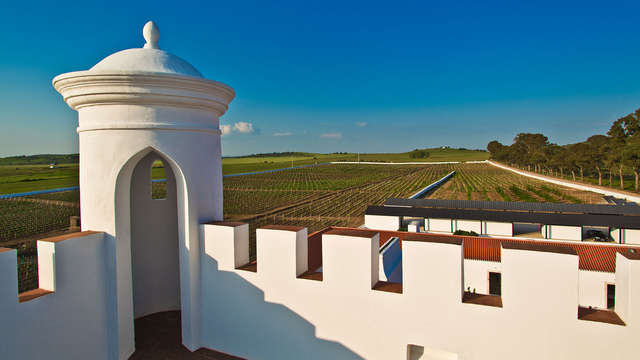
The restaurant carries that same sense of place. Traditional Alentejo flavours are reworked with more contemporary technique, using regional ingredients and pairing naturally with the estate’s own wines. The atmosphere remains intimate and country-house-like rather than ceremonial. After dinner, the ancient tower is still the best place to end the day. From the top, the landscape opens in every direction. Vineyards. Fields. Olive groves. Distant hills. And one of those Alentejo sunsets that makes doing very little feel like enough.
Why It Works
Torre de Palma succeeds because wine, horses, architecture, and history are not separate experiences here. They all grow from the same landscape. The 14th-century estate gives the hotel depth, the contemporary additions keep it relevant, and the working winery and Lusitano stables prevent the concept from feeling decorative. Add Roman ruins, olive groves, regional food, and the extraordinary openness of northern Alentejo, and the result is a country retreat with genuine substance. This is not rural luxury as theatre. It is rural life, carefully refined.