


Bad Gastein’s historic bathing culture reborn with a playful new attitude — and an extraordinary pool above the Alps.
Urban Nature Bad Gastein reinvents the town’s historic bathing culture through playful contemporary design, layered architecture and a spectacular rooftop pool suspended above the Alps.

Why DNA Hotels loves it
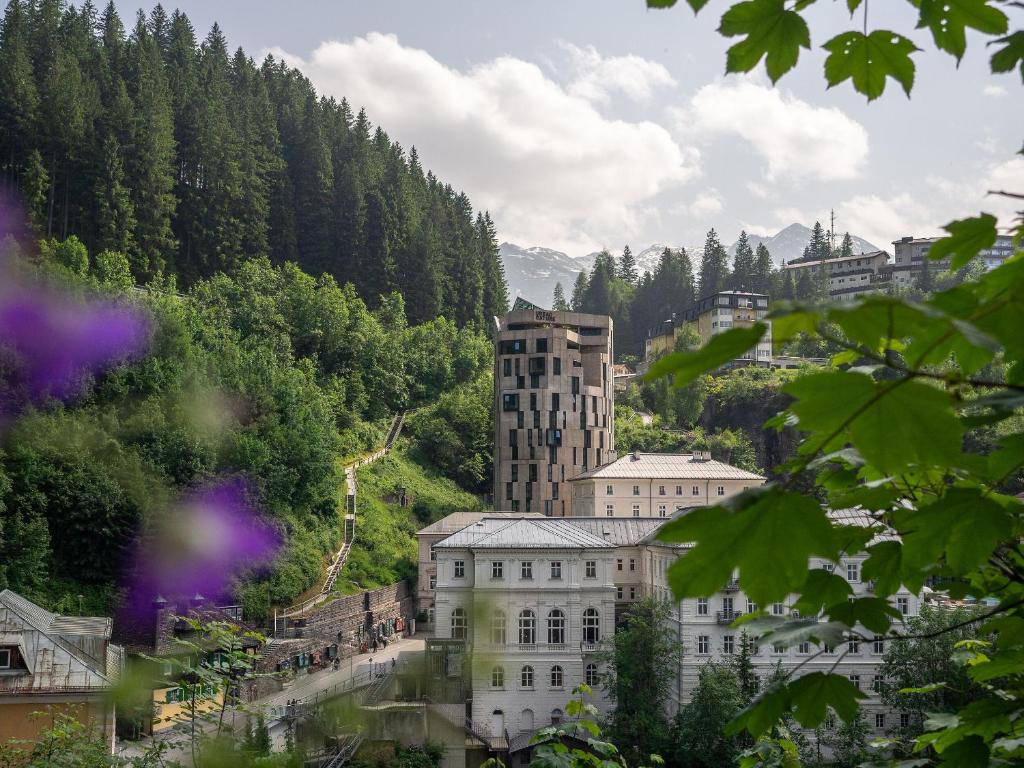
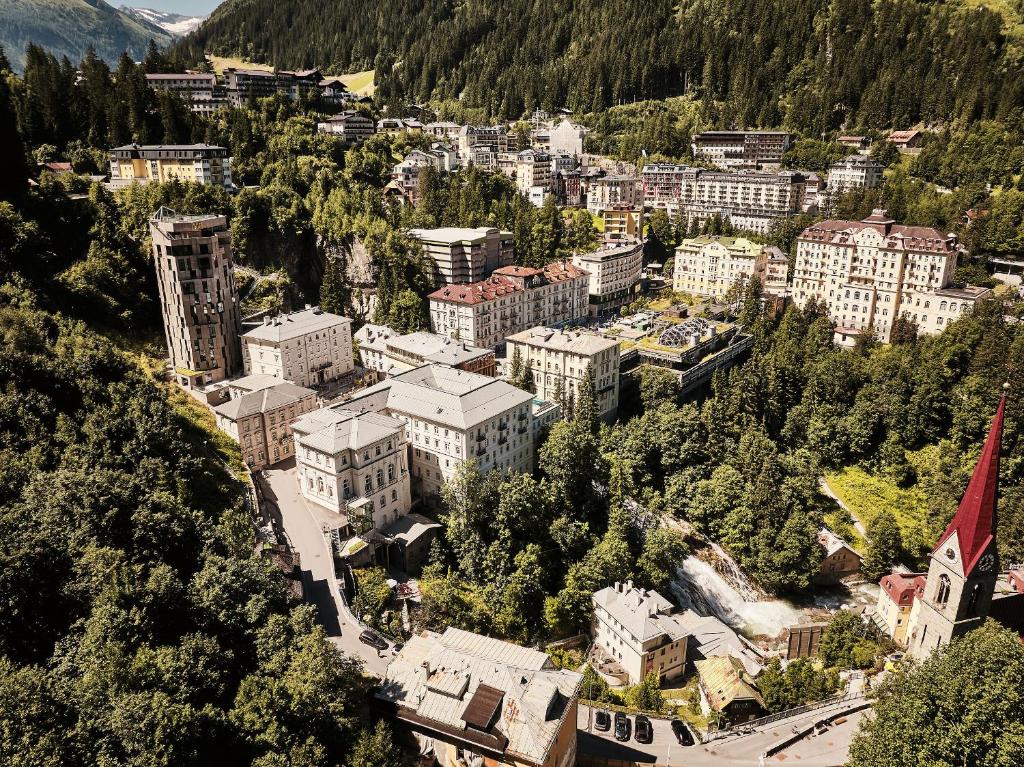
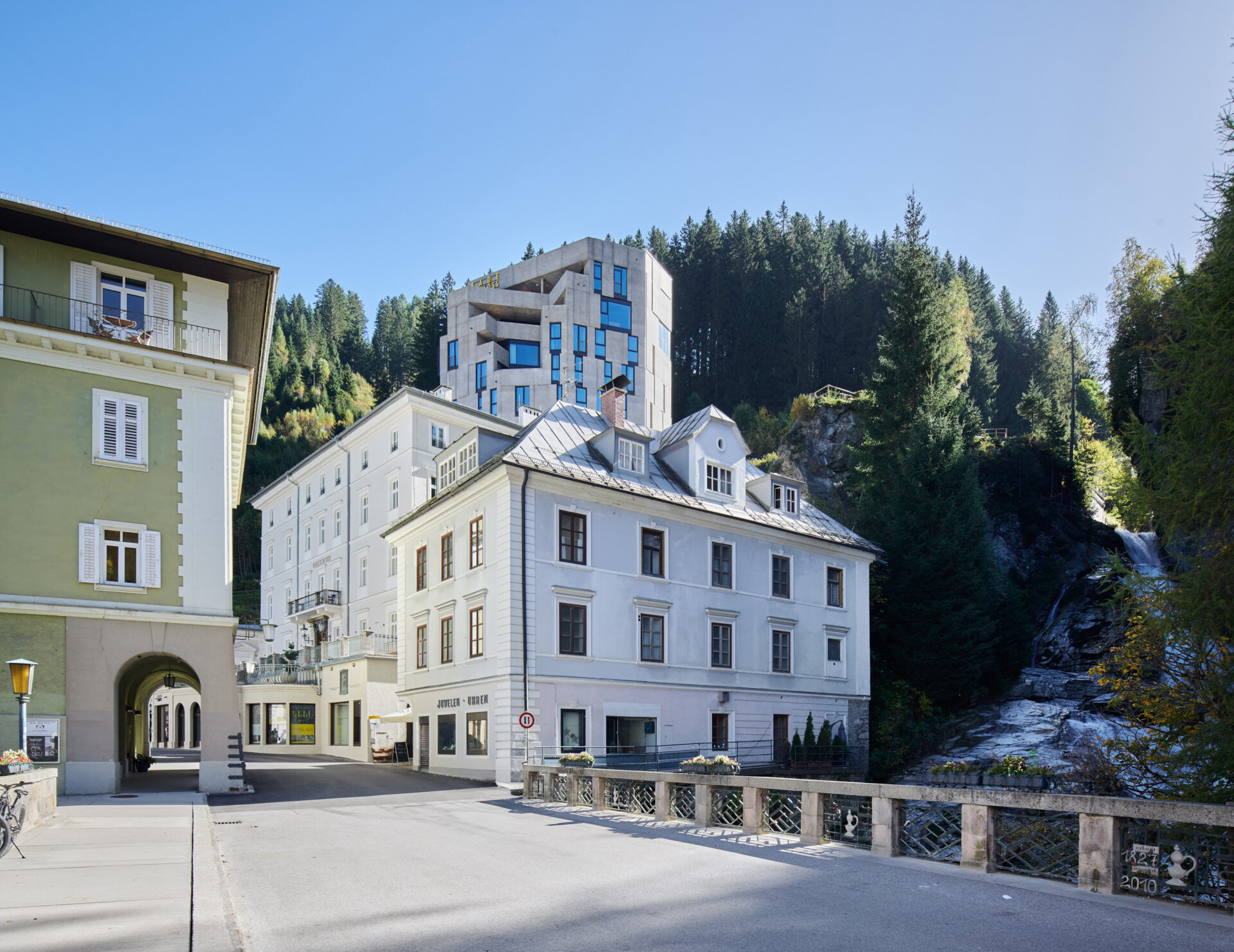
BWM Designers & Architects transformed the historic Badeschloss of 1791 and a bold 35-metre contemporary tower into one architectural composition built around Bad Gastein’s centuries-old relationship with water.
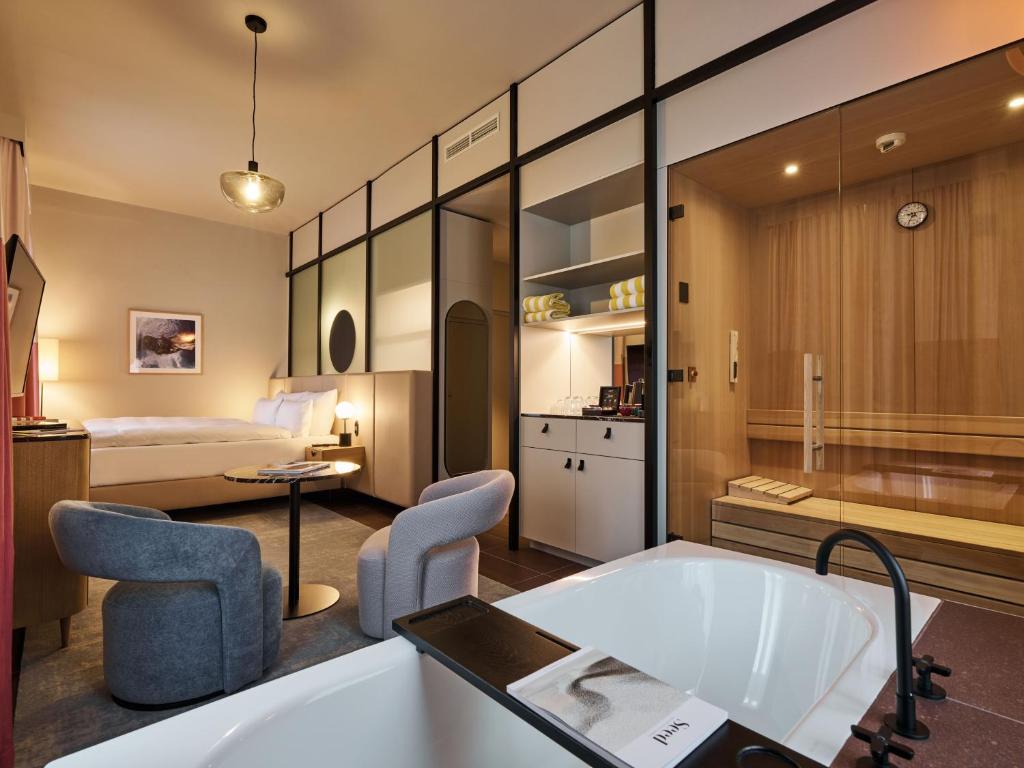
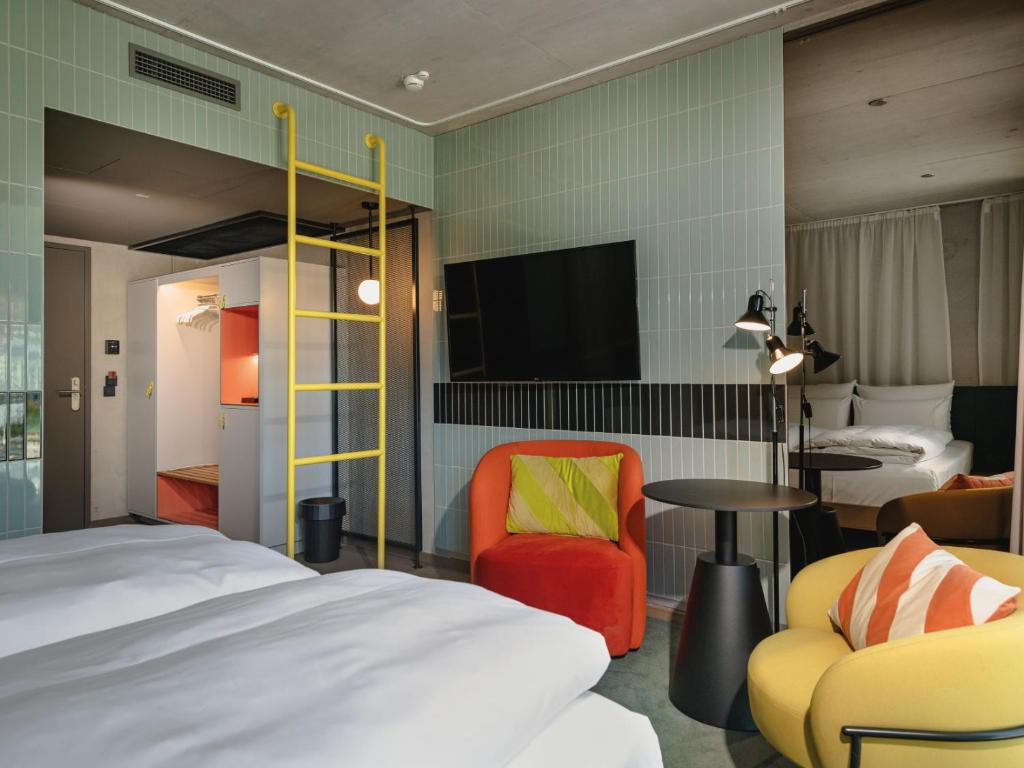
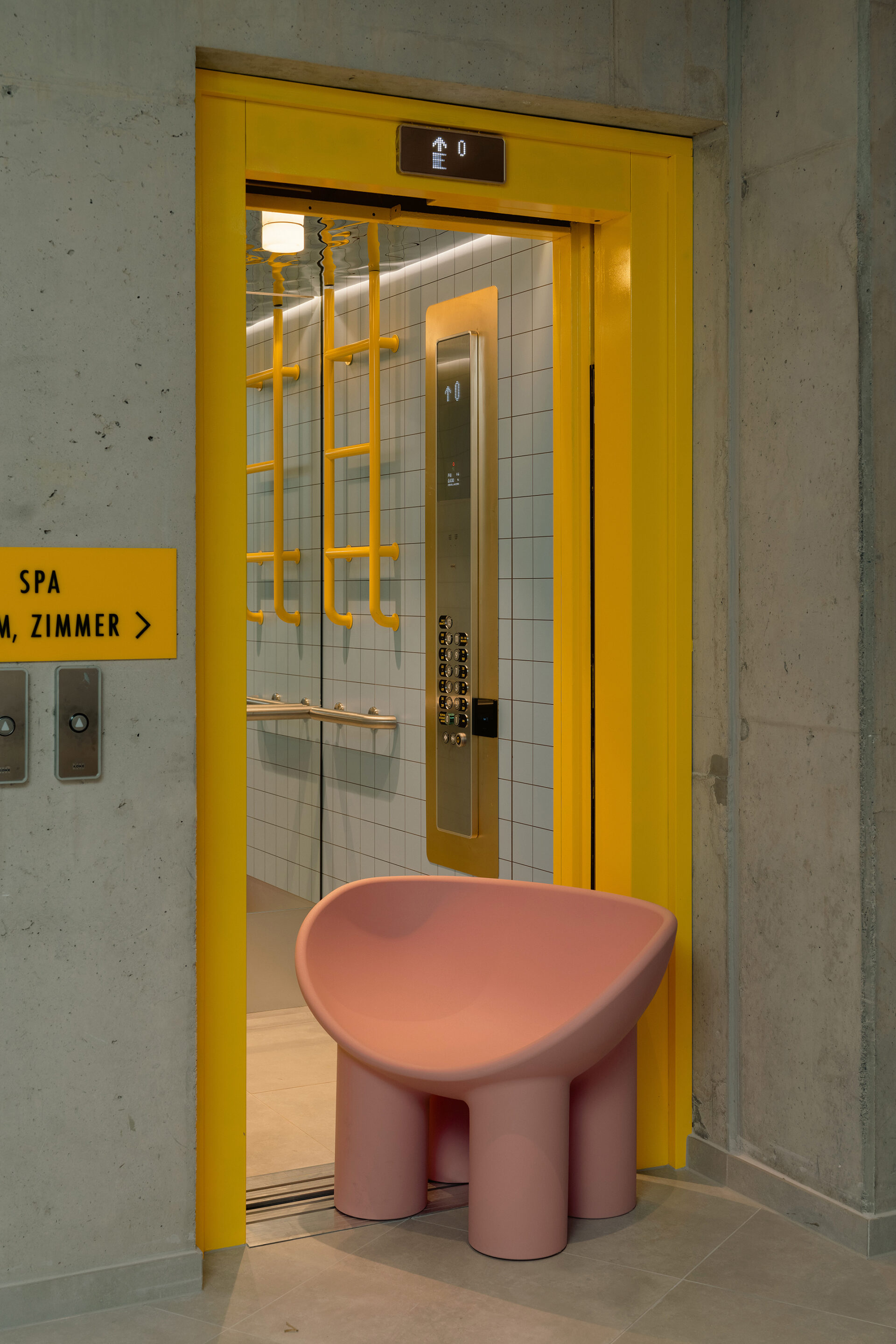
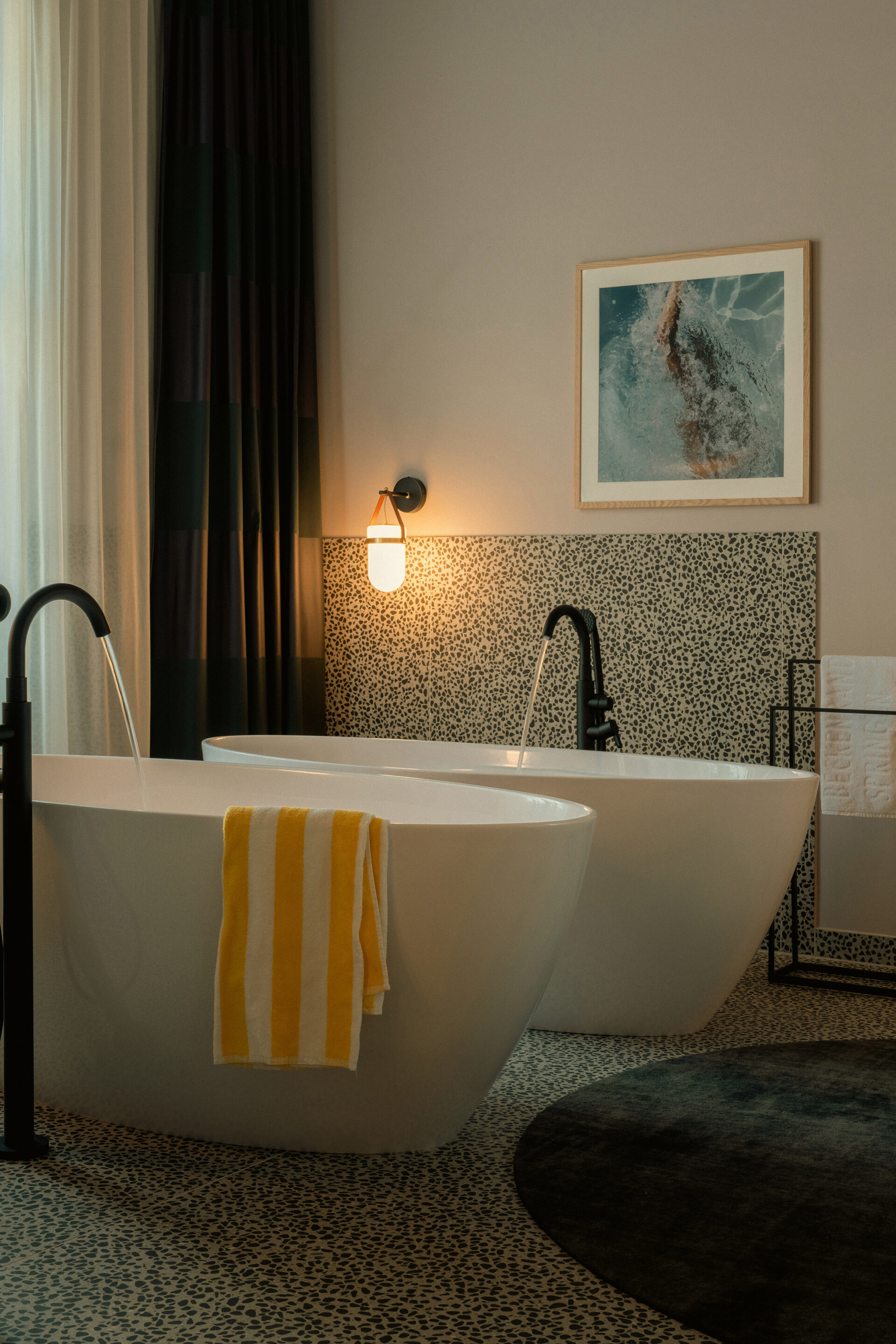
Bathing culture becomes design language rather than spa cliché: tiled tables, changing-room lockers, diving-board references, freestanding baths and even a yellow pool ladder appear throughout the hotel.
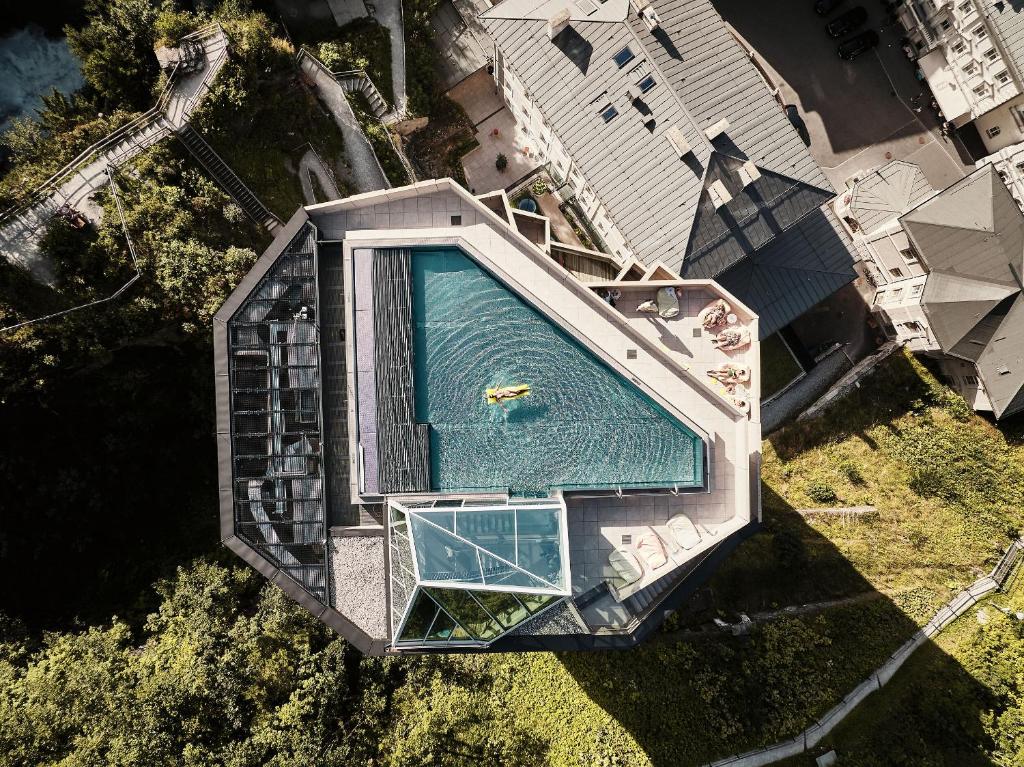
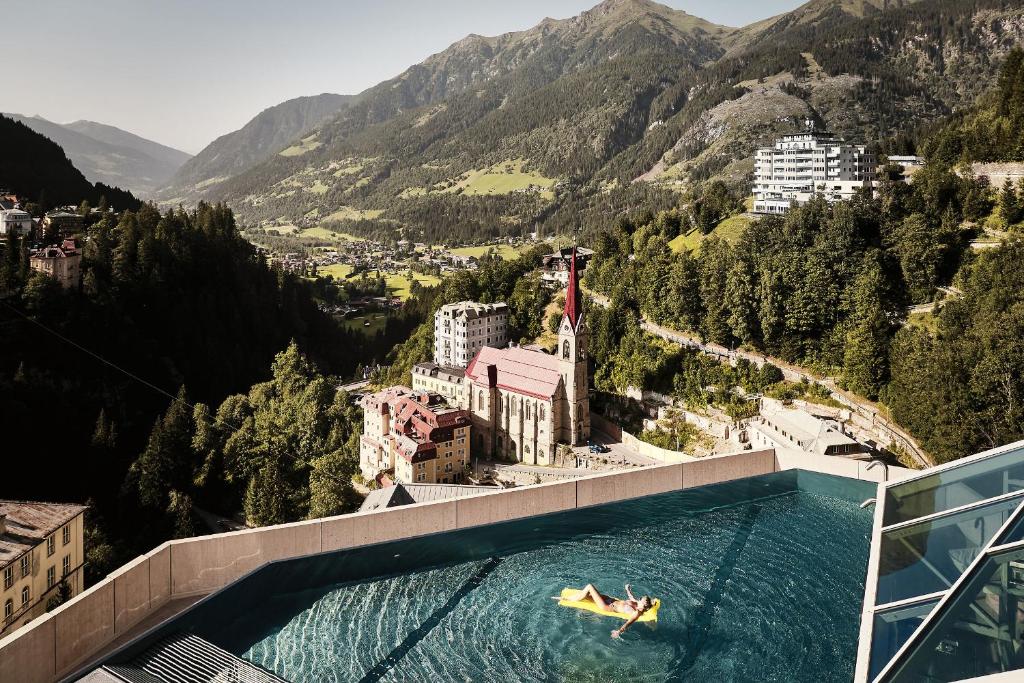
The three-storey Alpine Swim Club culminates in a 111m² rooftop infinity pool, seemingly suspended above the waterfall, Belle Époque rooftops and mountains.
The Stay
Bad Gastein’s historic bathing culture reborn with a playful new attitude — and an extraordinary pool above the Alps.
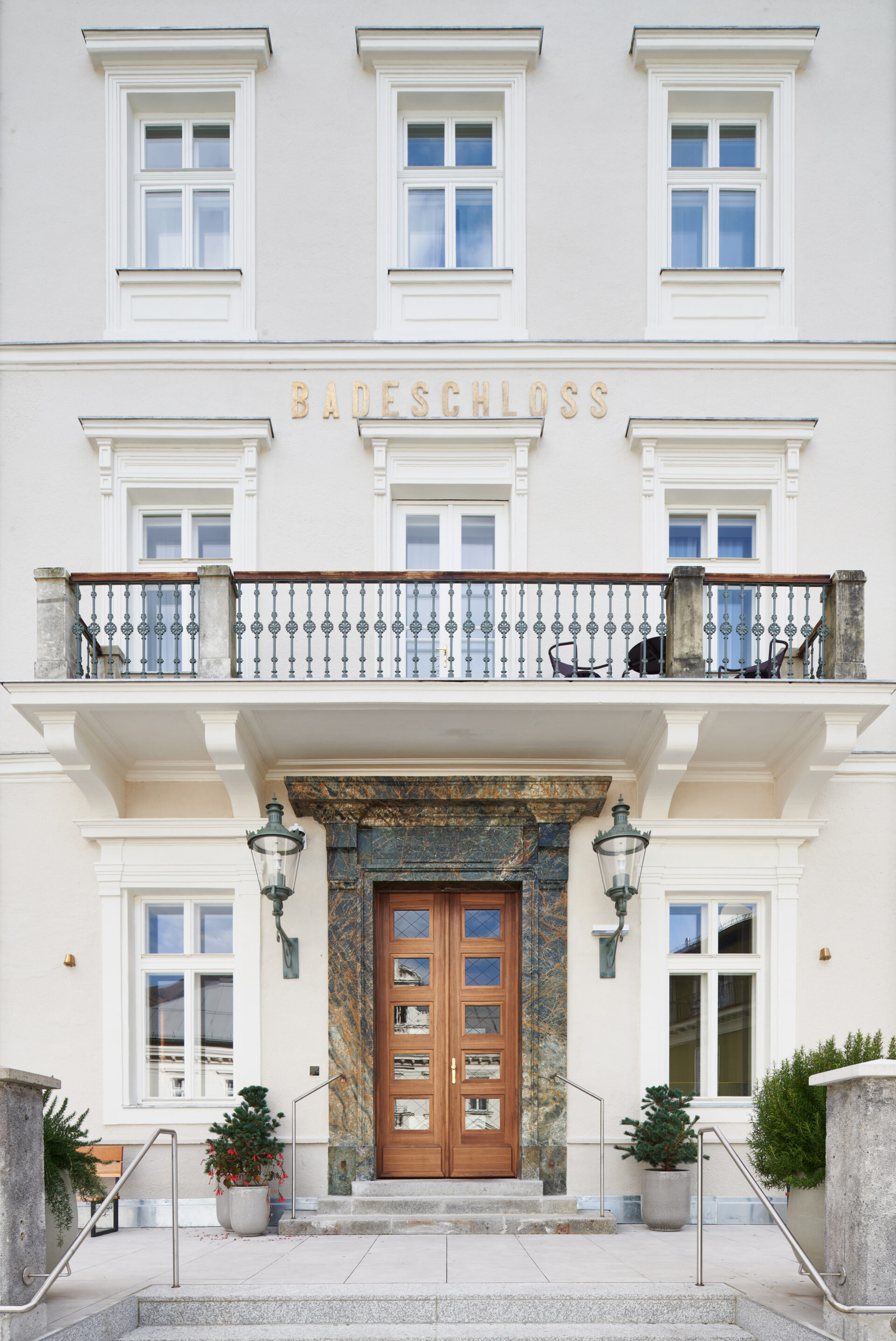
Bad Gastein has always understood the theatre of taking the waters. Thermal springs transformed this dramatic Alpine town into one of Europe’s great spa destinations, filling its steep slopes with grand hotels, villas and Belle Époque architecture. At its heart stood the Badeschloss — literally the “bathing palace” — built on Straubingerplatz in 1791. After years of decline around the historic centre, the building has become part of Bad Gastein’s remarkable revival. First reopened as Hotel Badeschloss and now known as Urban Nature Bad Gastein, it doesn’t attempt to recreate the solemn grandeur of an old European spa hotel. Instead, it asks a much more interesting question: what should bathing culture look like today?
Old Castle, New Tower
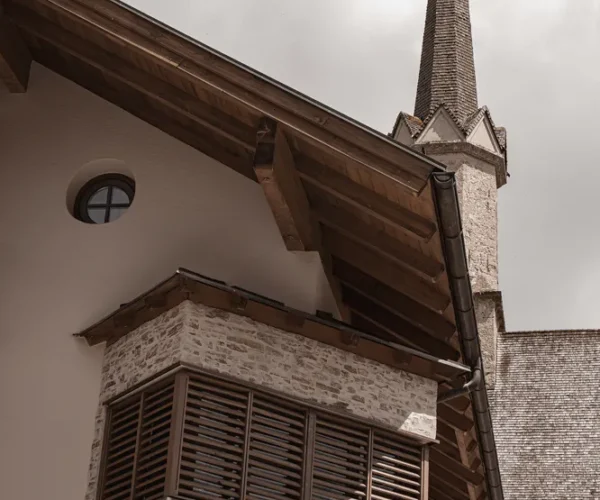
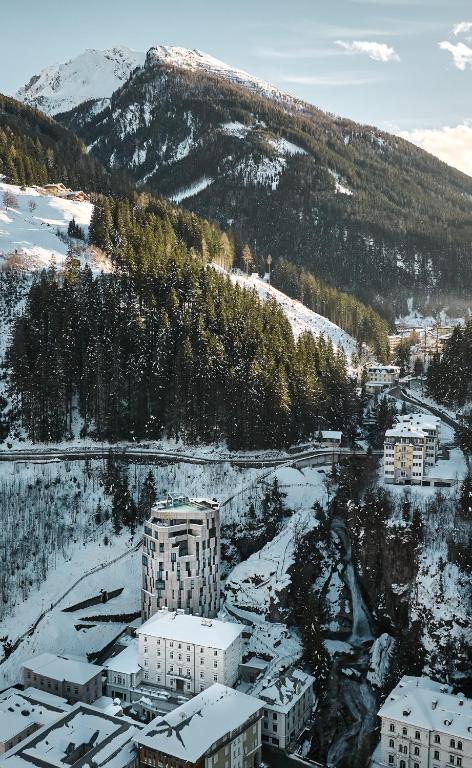
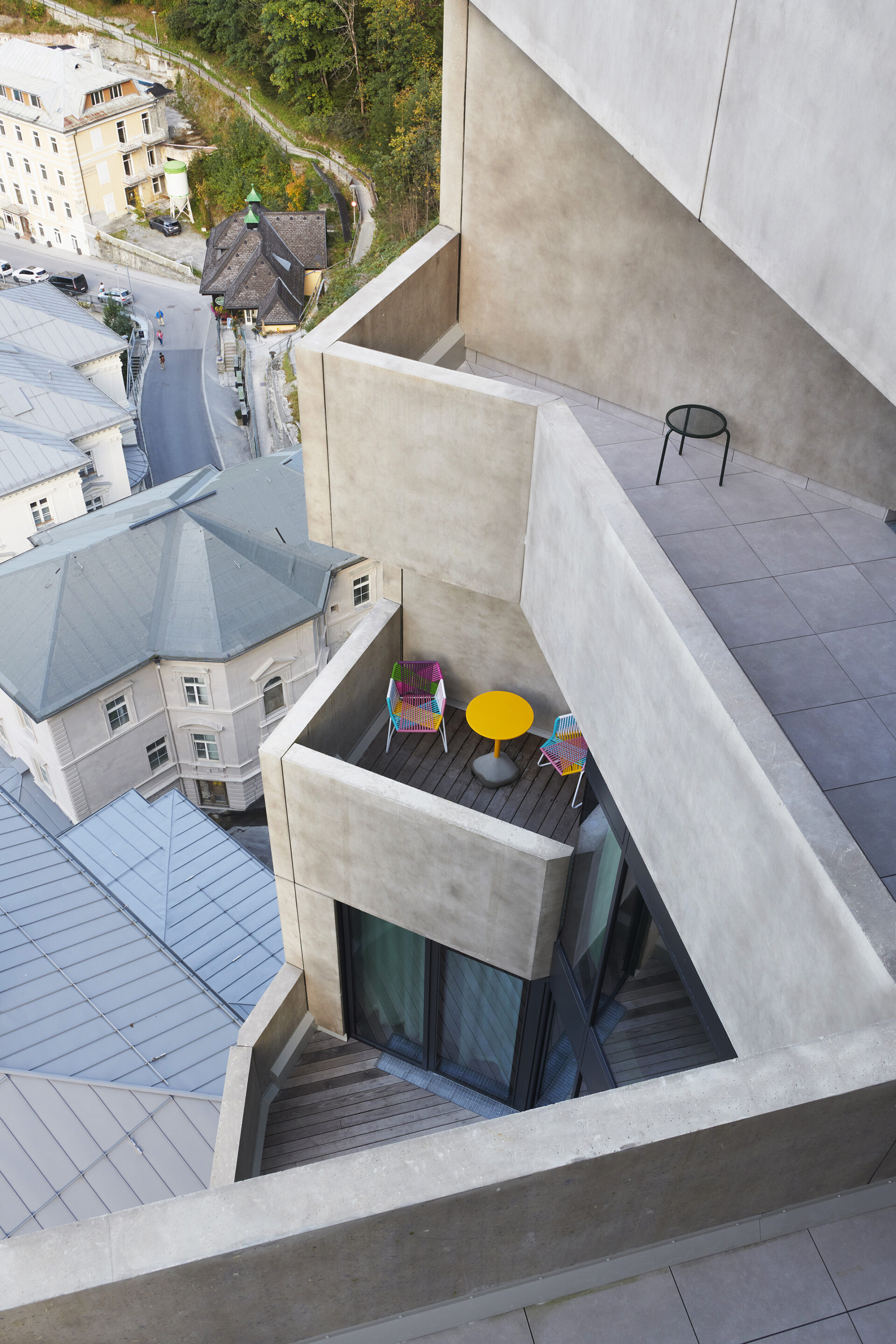
BWM Designers & Architects approached the project as a dialogue between different eras. The historic Badeschloss remains on Straubingerplatz, while directly behind it rises a striking 13-storey new building. Rather than disguising its scale, BWM gave the tower a double-skin façade of coloured concrete with varying depths, producing an almost rock-like relief that responds to the surrounding mountains. Brass balustrades provide flashes of ornament, while projecting bay windows on the upper floors become architectural display cases for bathtubs — broadcasting the hotel’s obsession with bathing to the town outside. It is a confident intervention in a place already famous for architectural contradictions, where Belle Époque palaces coexist with Gerhard Garstenauer’s uncompromising 1970s modernism.
Working with the Layers of the Past
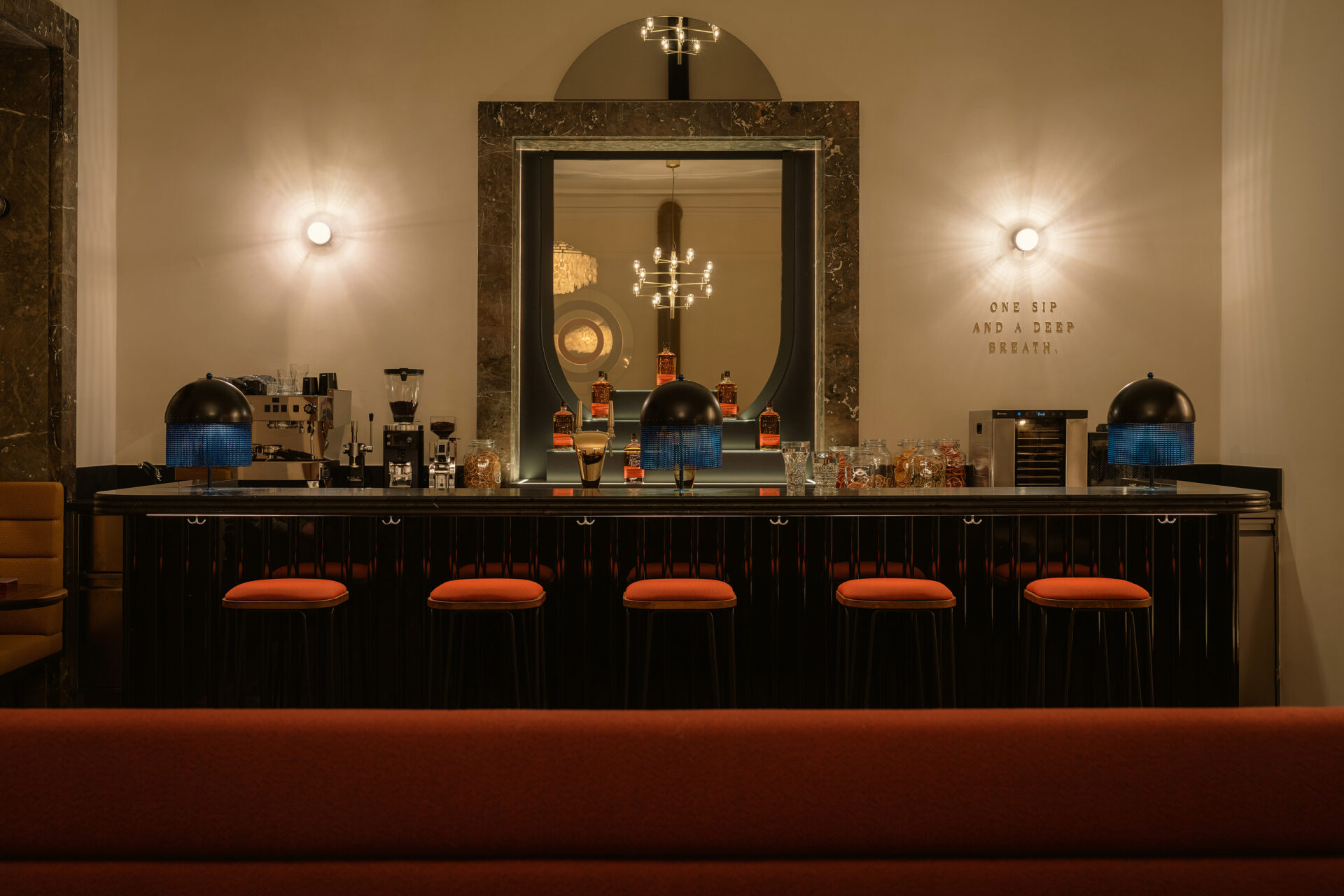
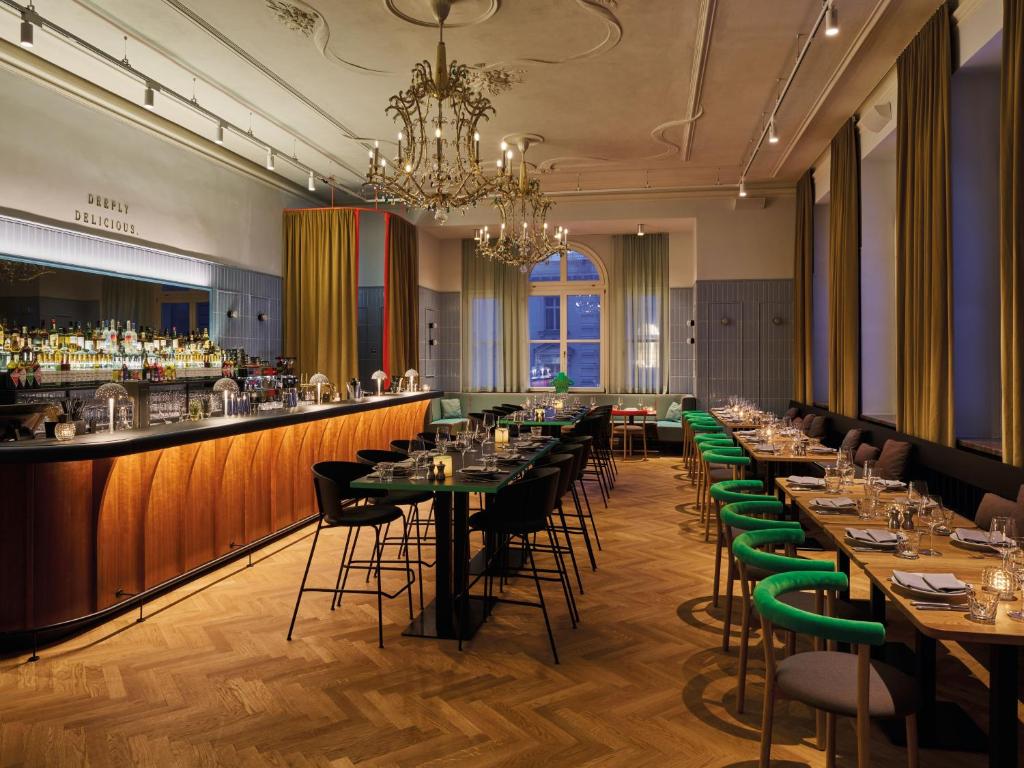
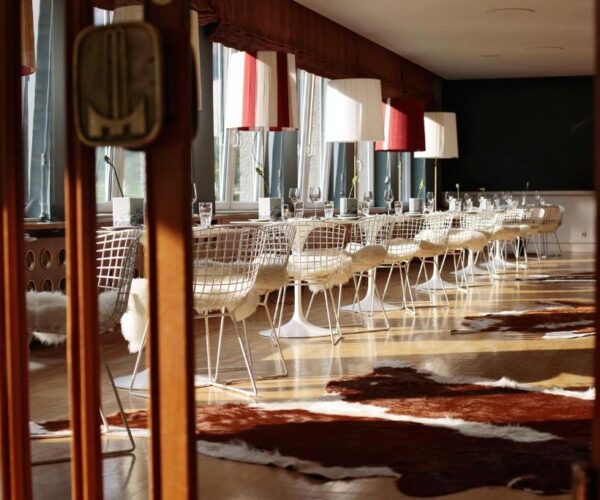
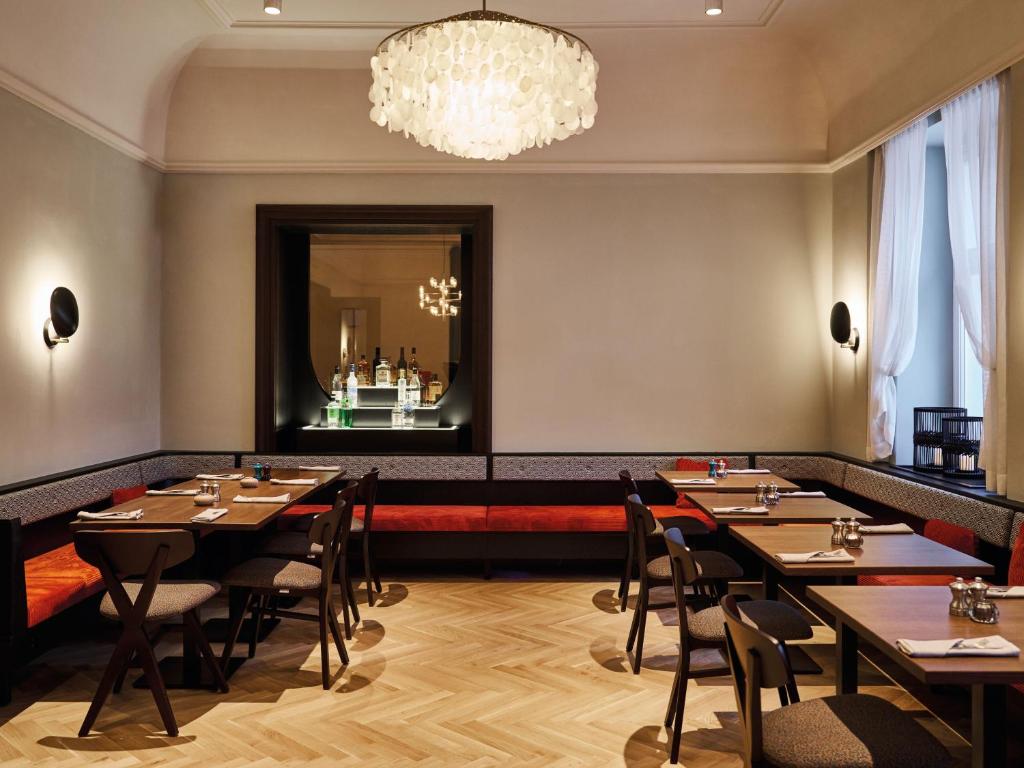
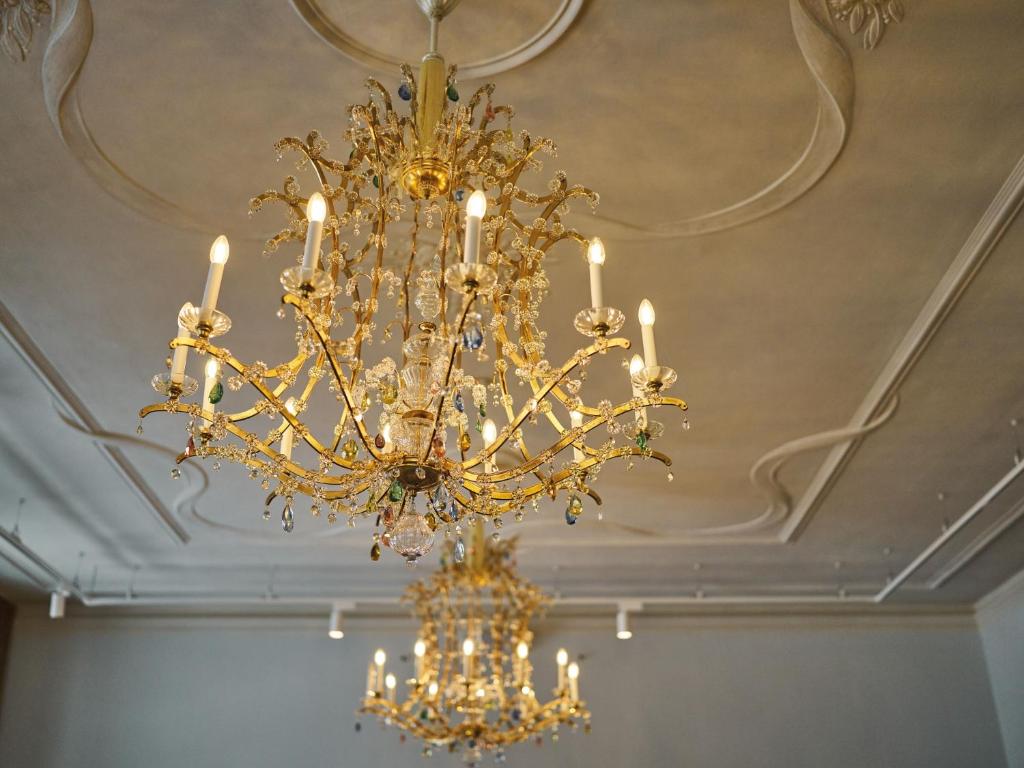
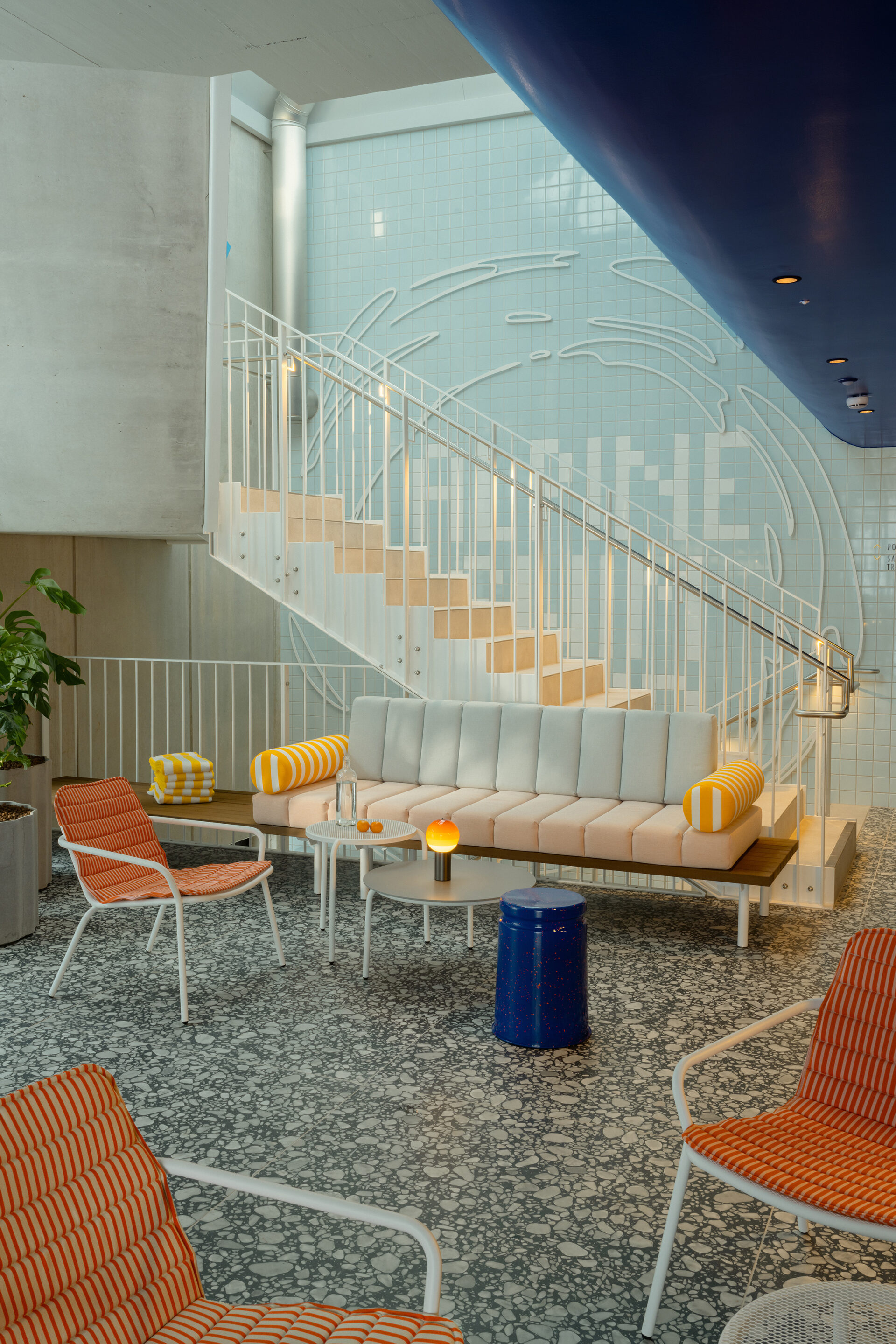
Inside, BWM describes its approach as “working with the layers of the past.” Original elements haven’t been polished into submission. Solid wood floors were restored, stucco ceilings retained and historic Adnet marble reconstructed. Three original Lobmeyr chandeliers hang in the restaurant. Then the designers deliberately disrupt all that history. A pale-blue tiled wall cuts through the restaurant. Neon colours appear on furniture. A communal table covered in white tiles feels borrowed from a swimming pool. A yellow table resembles a diving board, wayfinding takes cues from public baths and a long row of lockers recalls an old changing room. Even locals arriving for the evening can leave their coats in them. That last detail says much about the hotel: Urban Nature wants to be social rather than reverential, a place where Bad Gastein residents and visitors mix rather than another grand hotel sealed off from the town.
A Bath You Can Sleep In
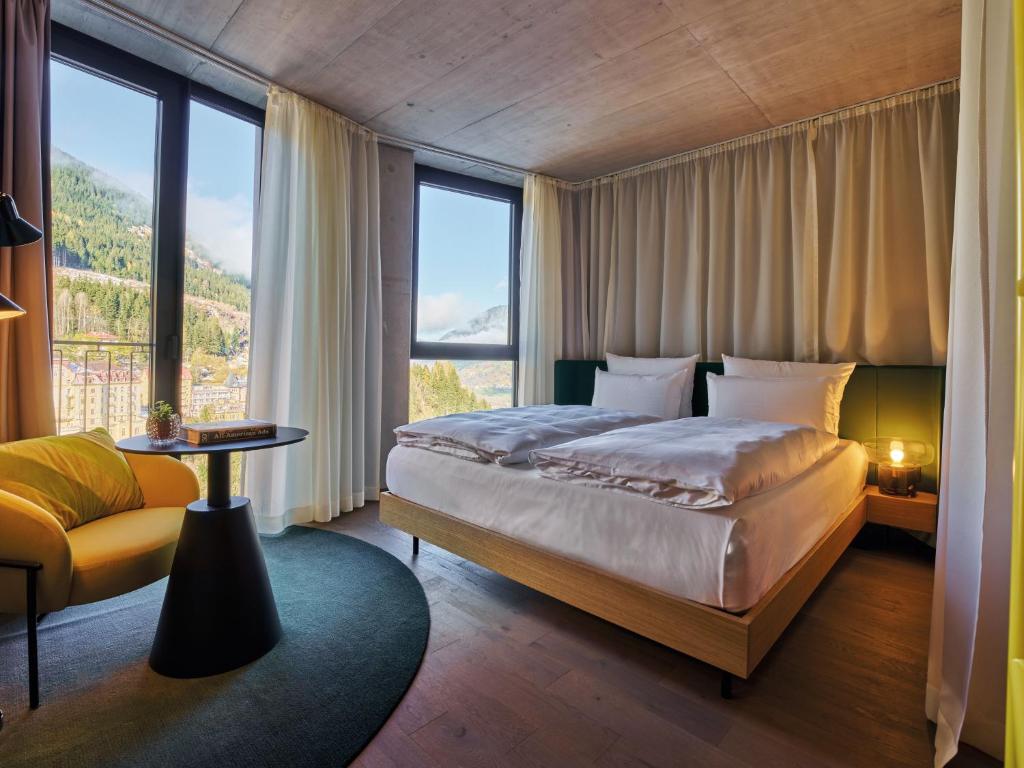
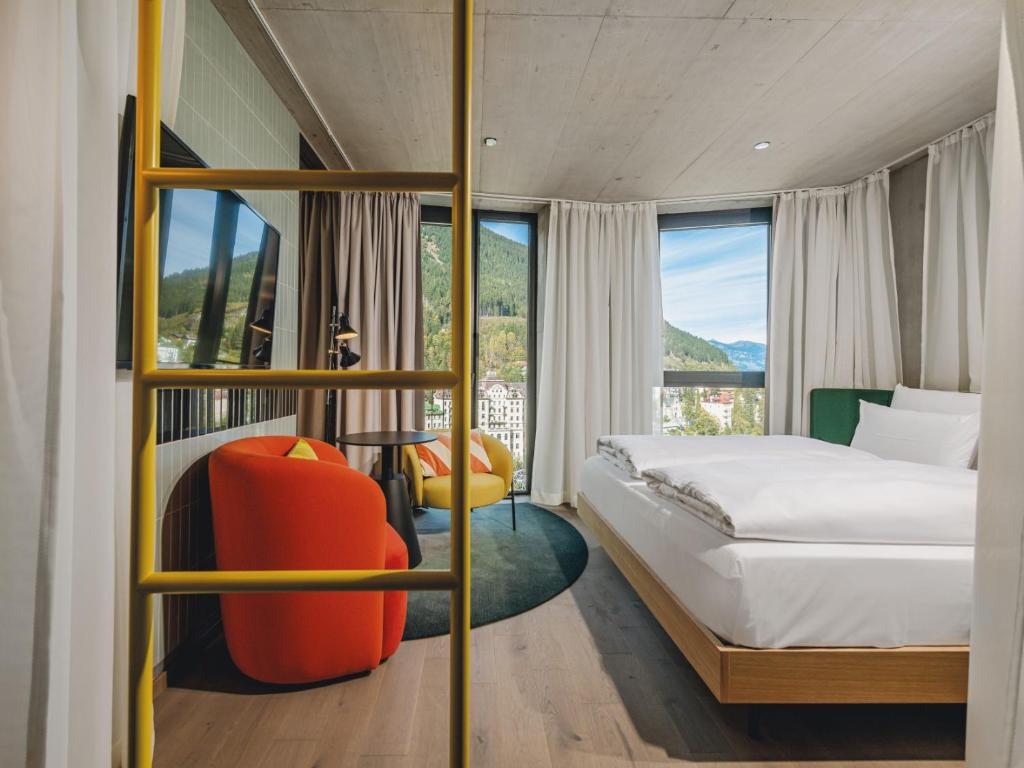
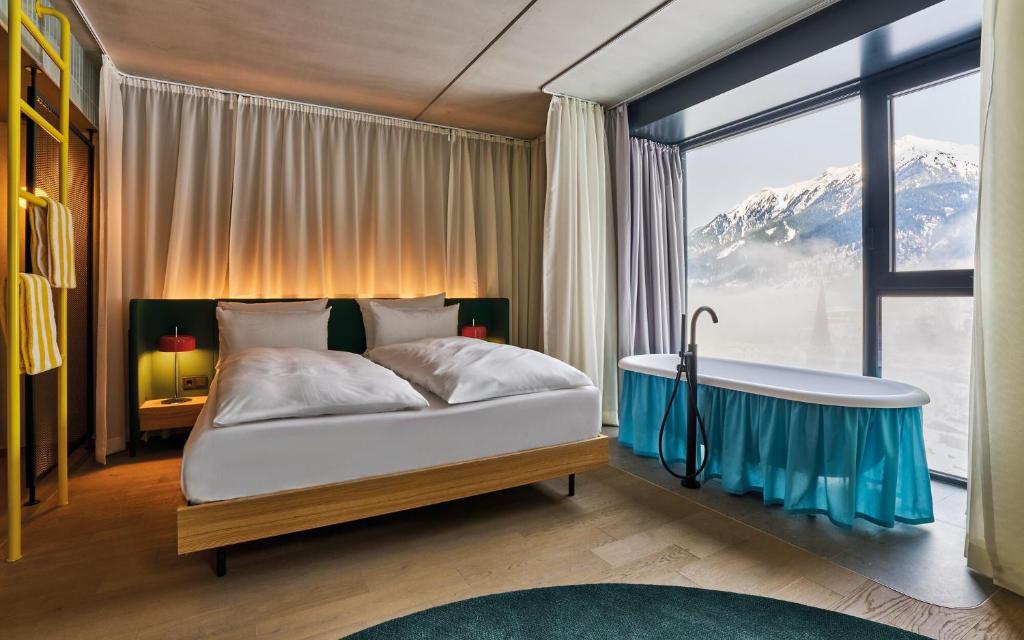
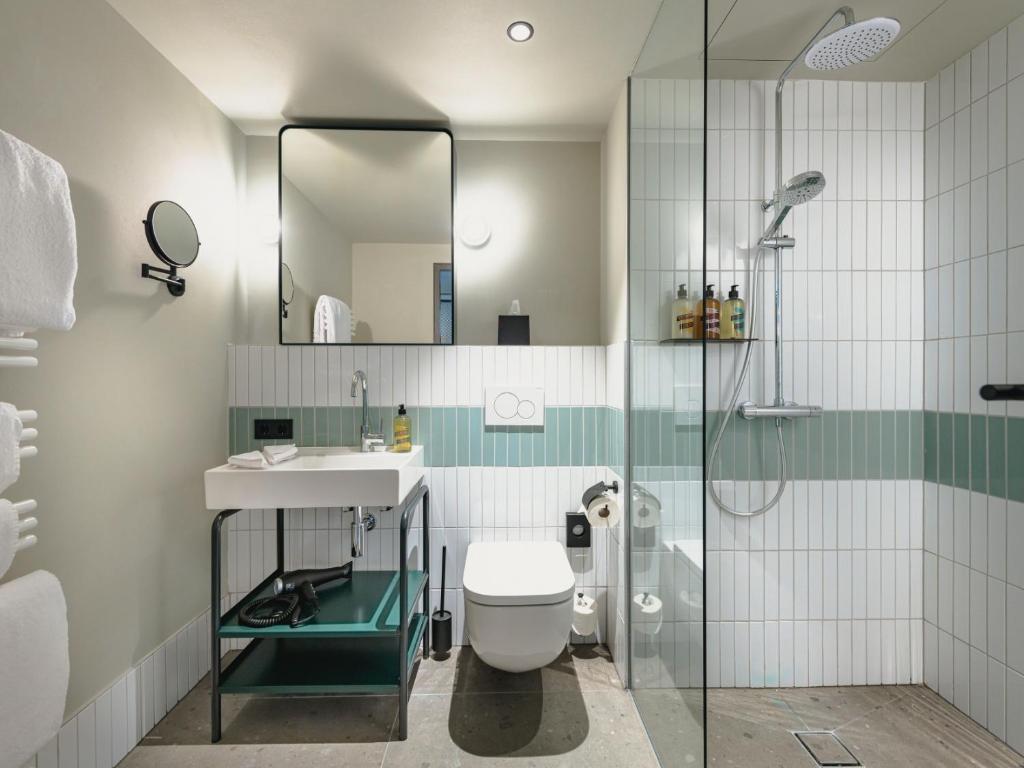
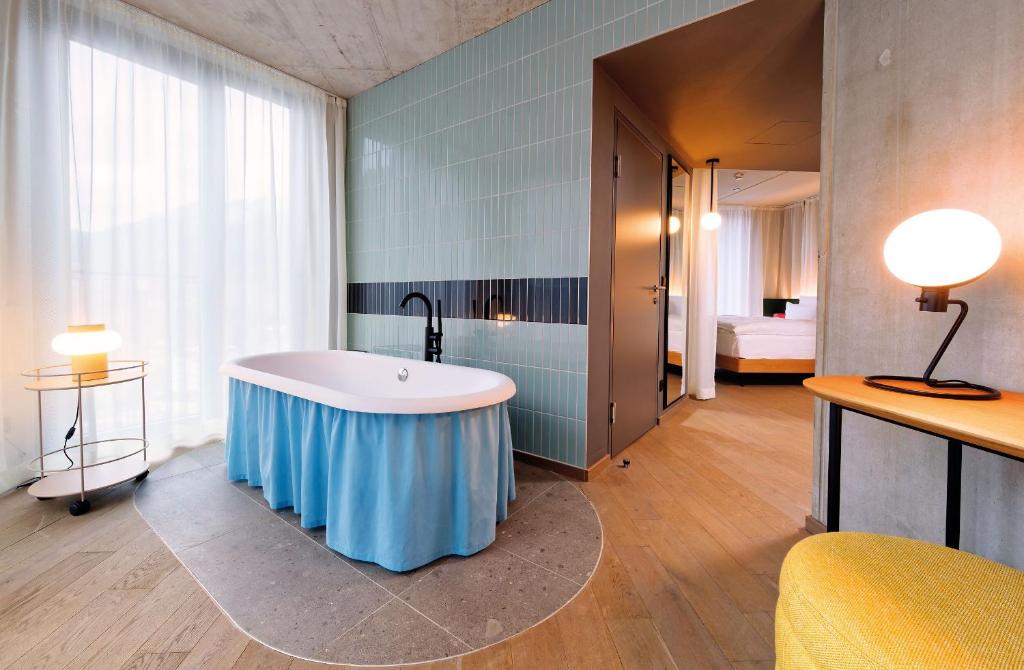
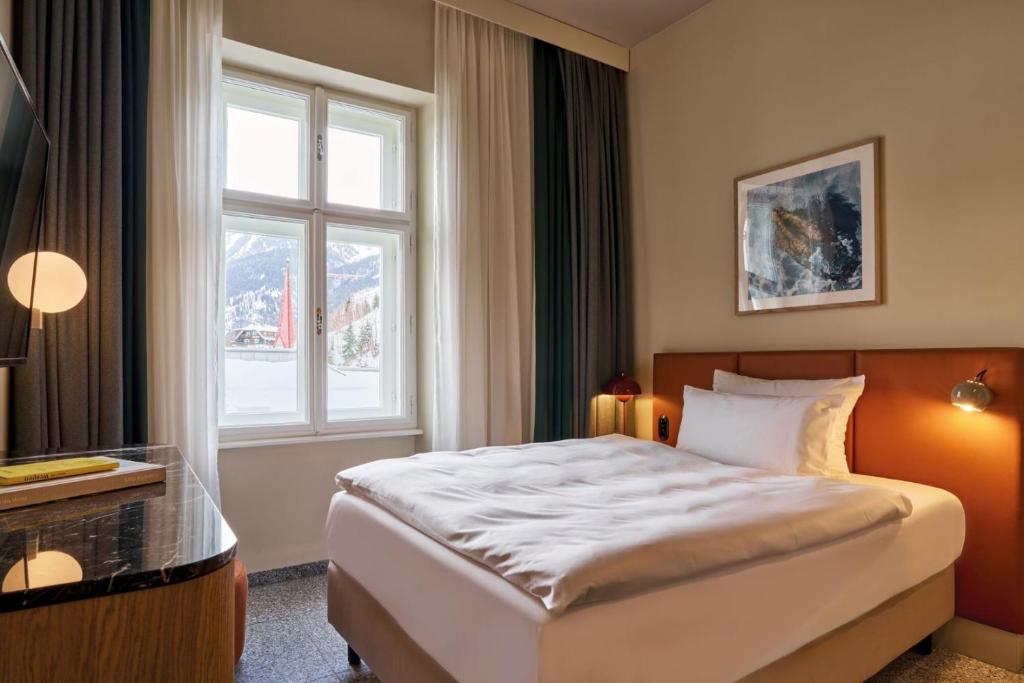
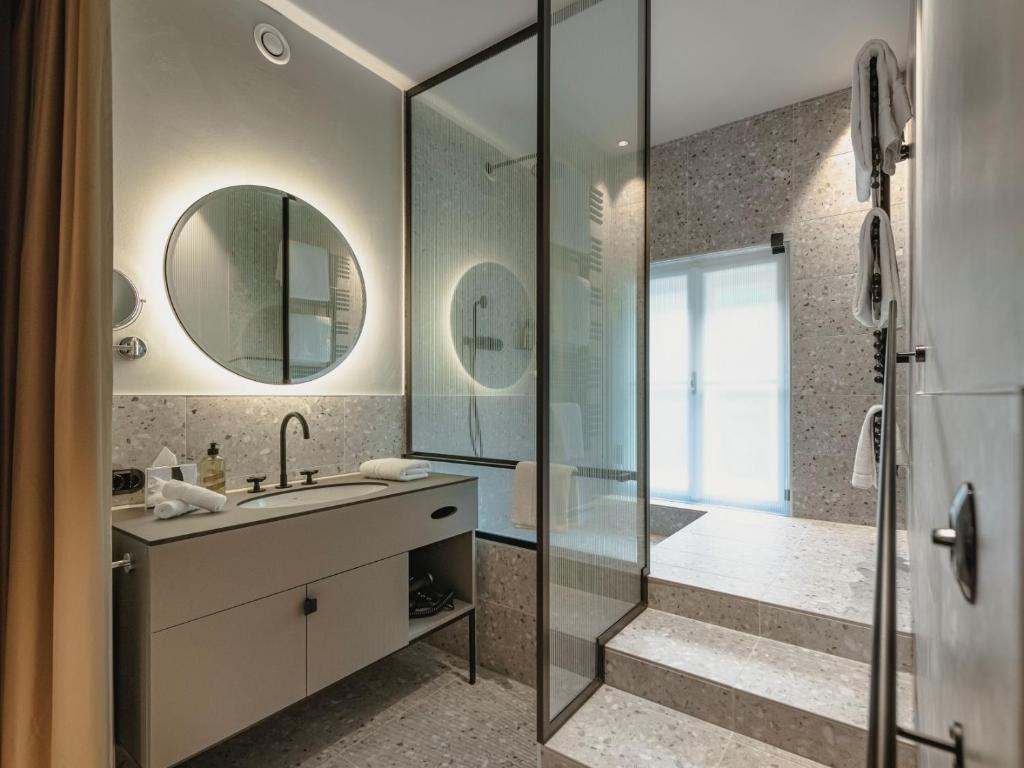
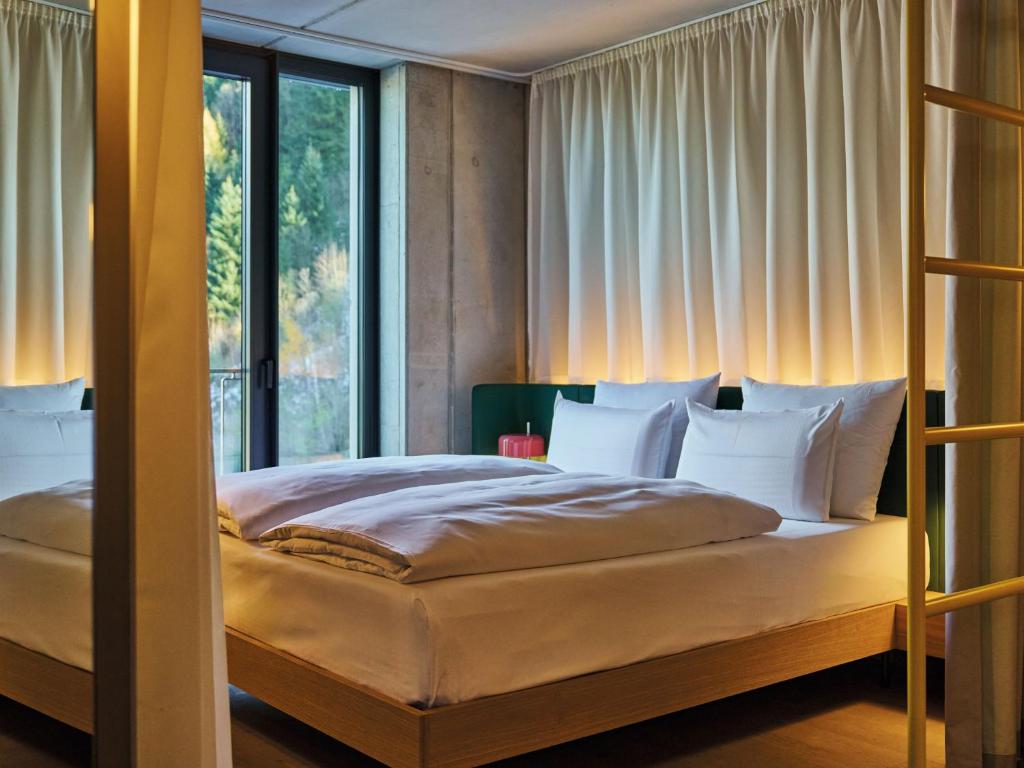
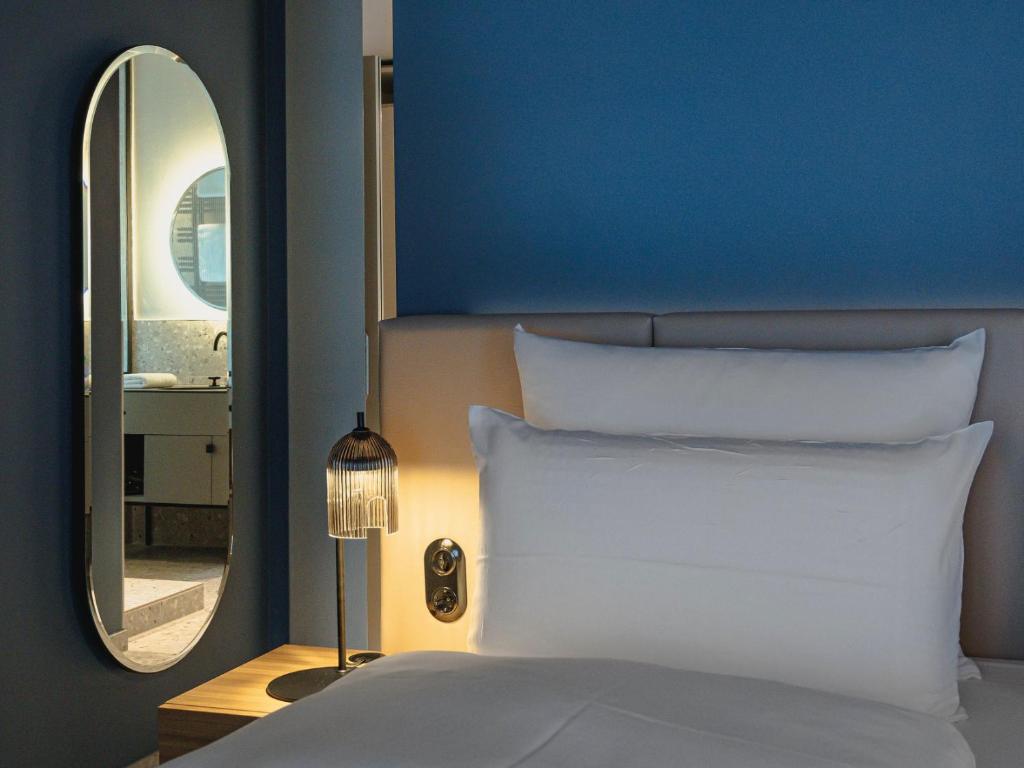
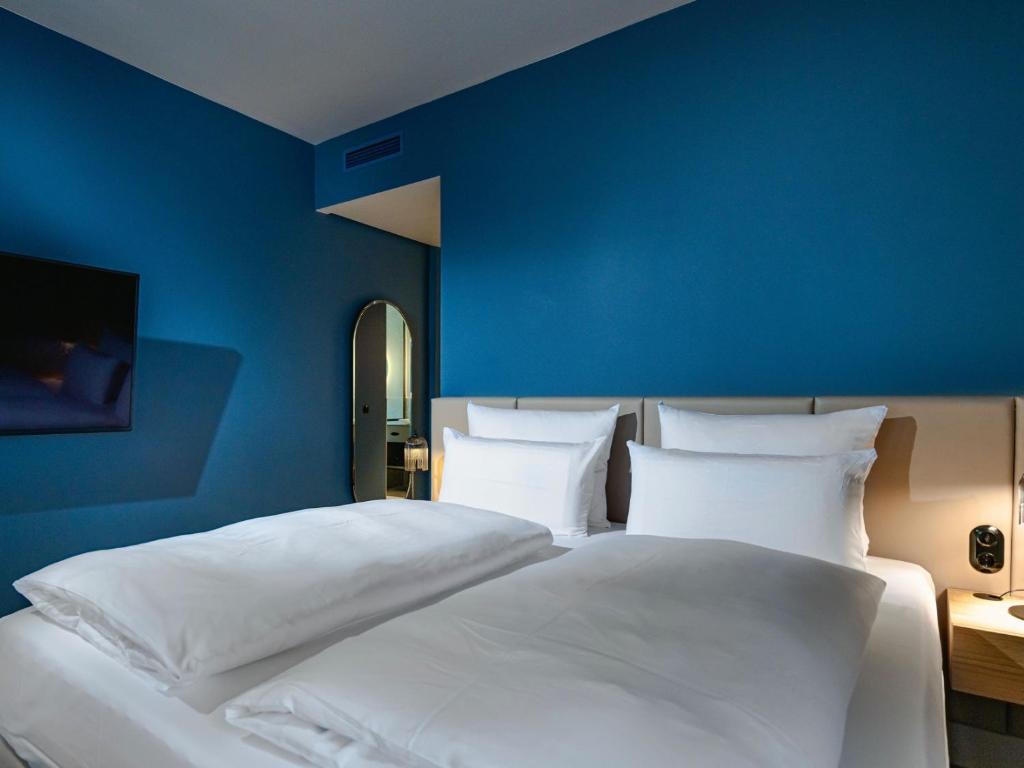
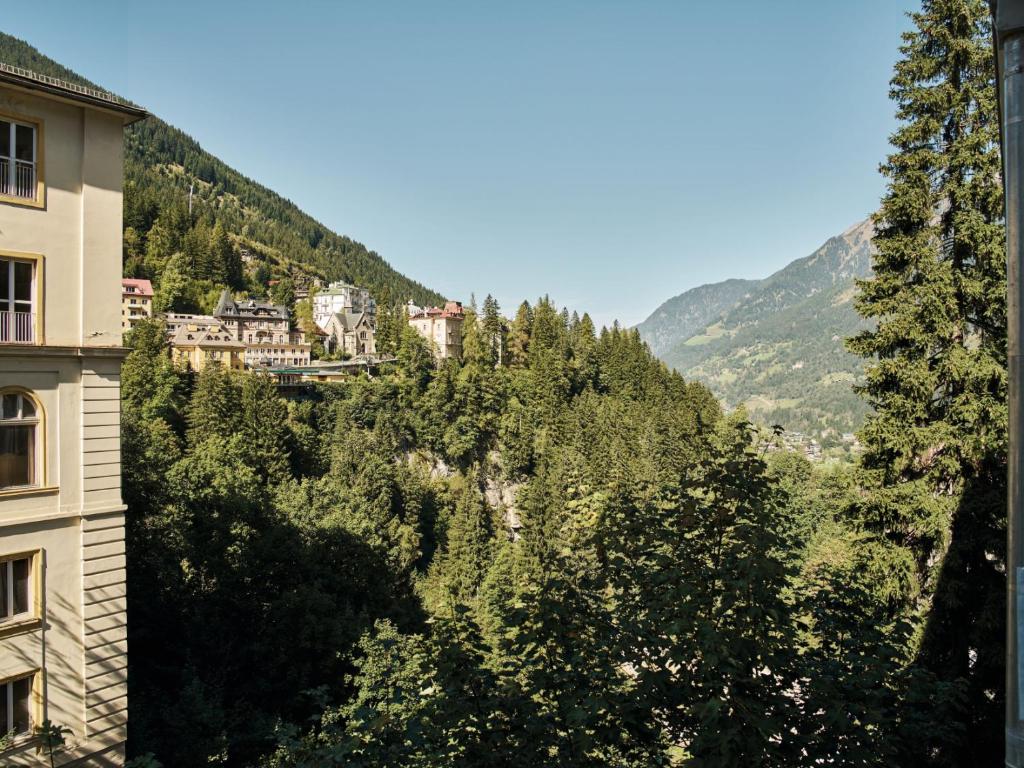
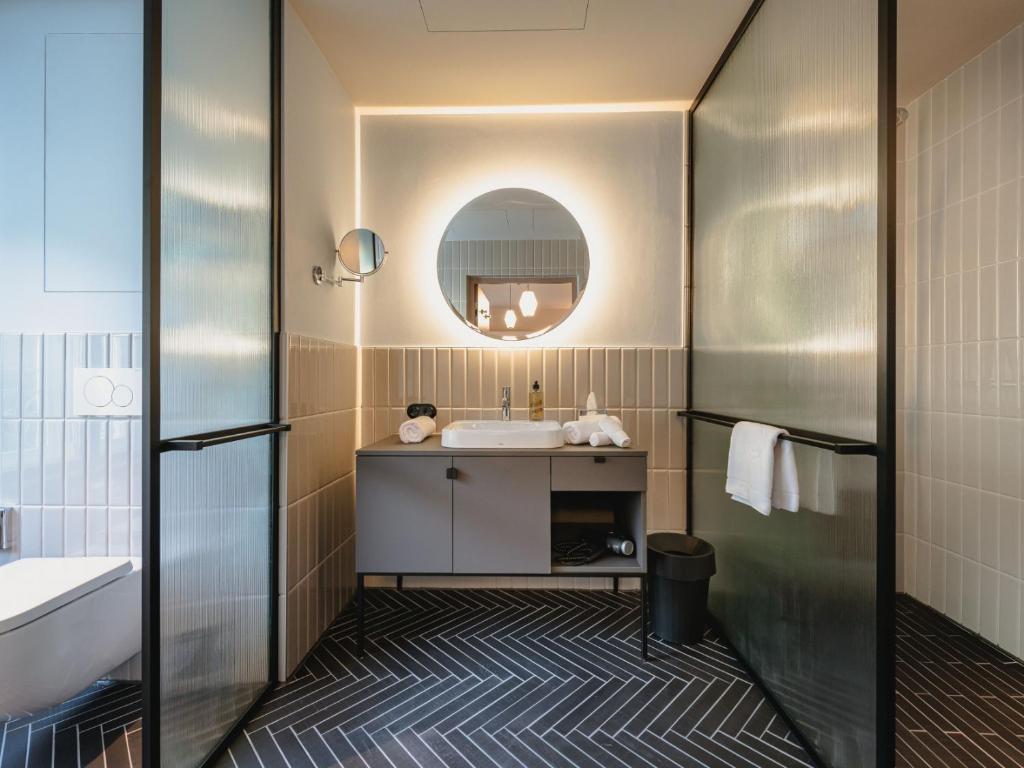
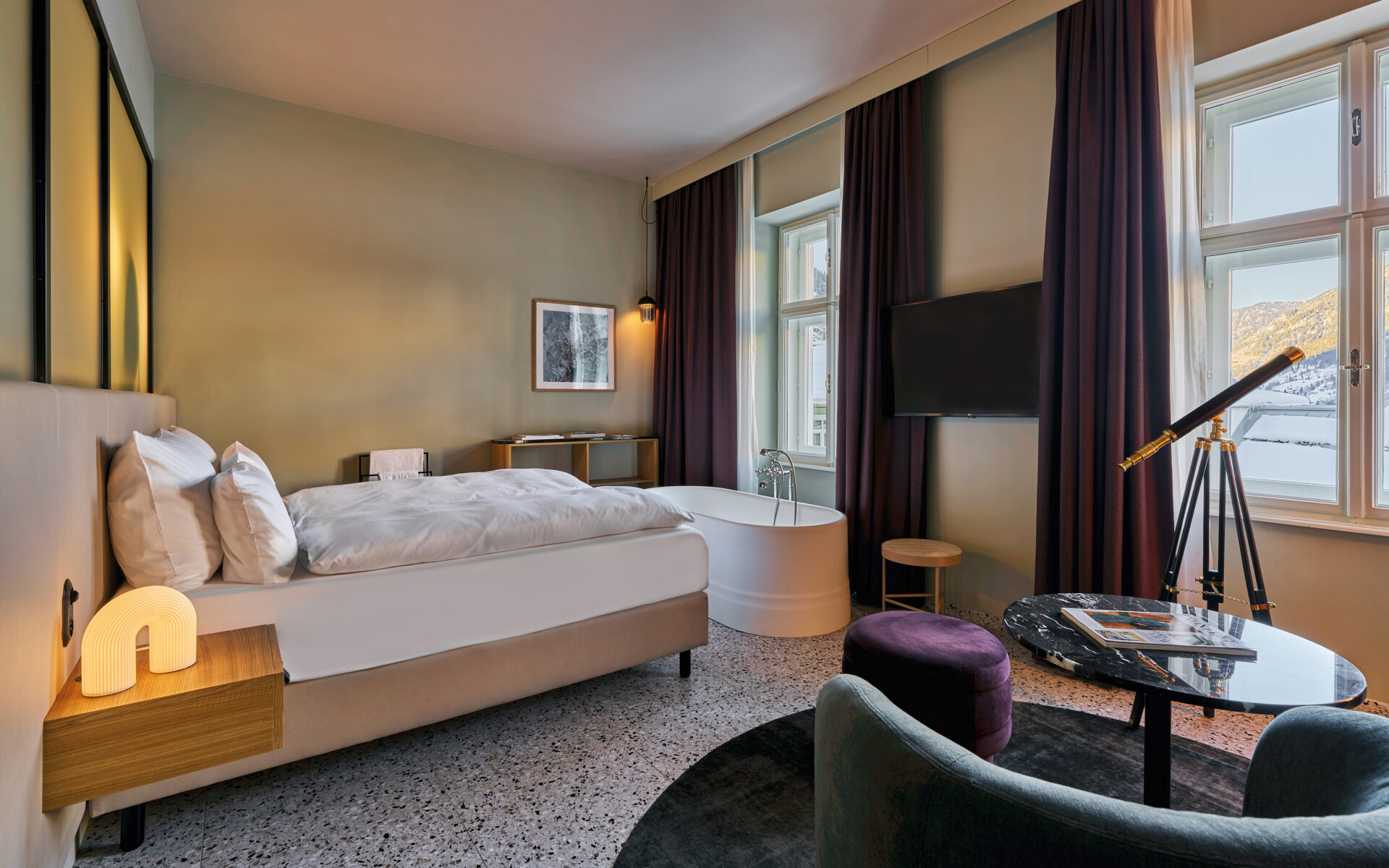
The 102 rooms and suites are divided between the historic building and contemporary tower, but the most characterful take the bathing idea quite literally. BWM’s concept for the rooms in the original Badeschloss was “a bath you can spend the night in.” Bathtubs and showers become part of the architecture rather than something hidden behind a bathroom door, with some freestanding tubs positioned to take advantage of panoramic mountain views. Pastels, flashes of brighter colour, tiles and unexpected pool references give the rooms a deliberately retro quality without turning the concept into nostalgia. Each room in the historic building is different. The tower rooms are more restrained, allowing those extraordinary views over the Gastein Valley to do much of the work.
The Alpine Swim Club
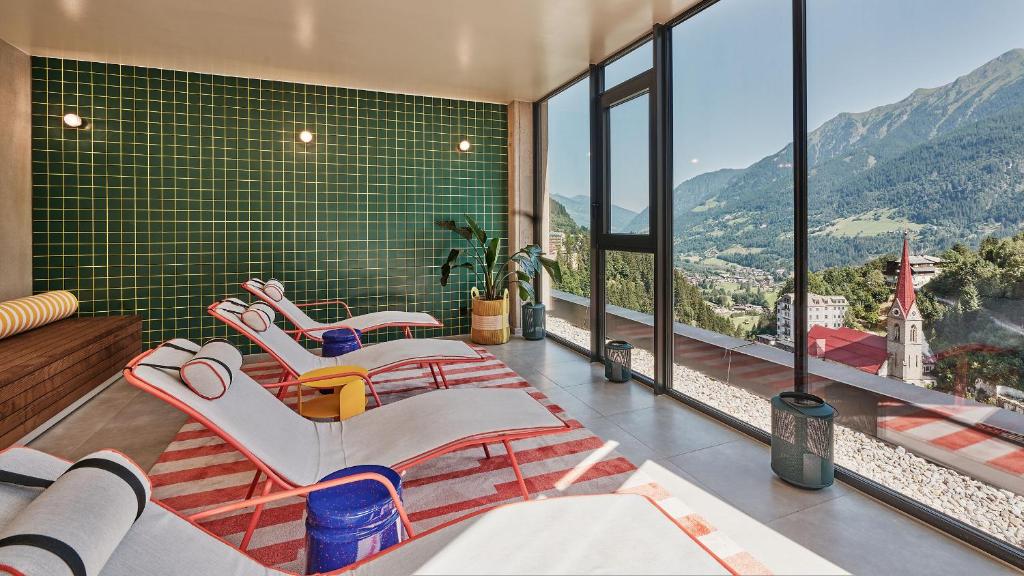
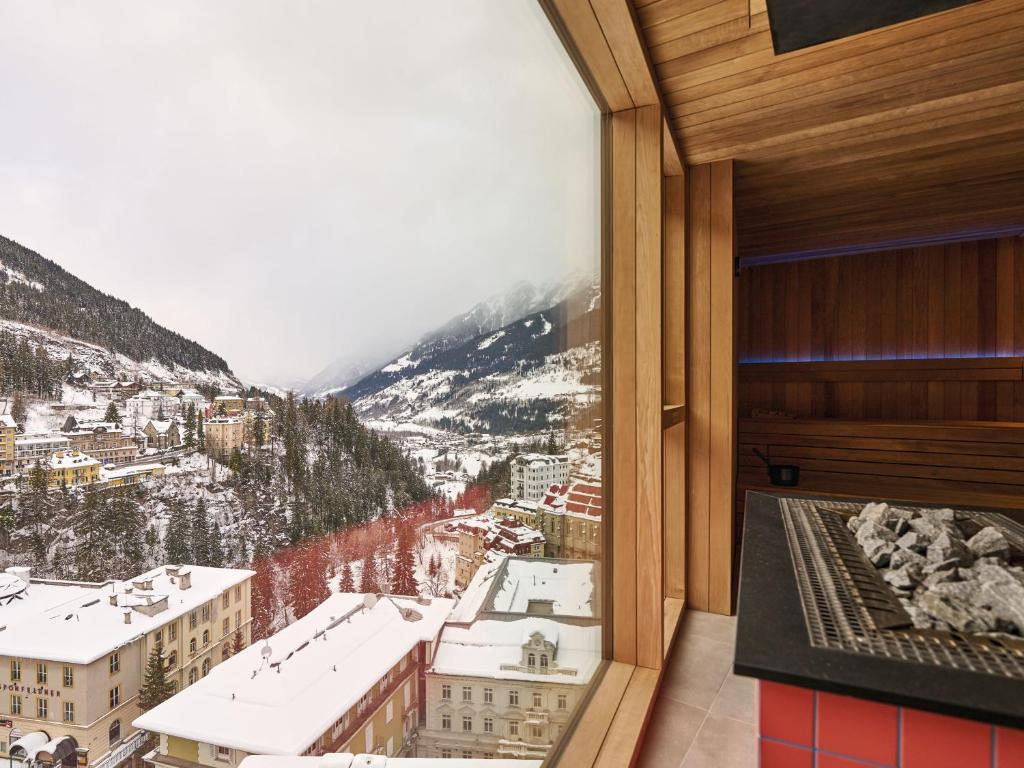
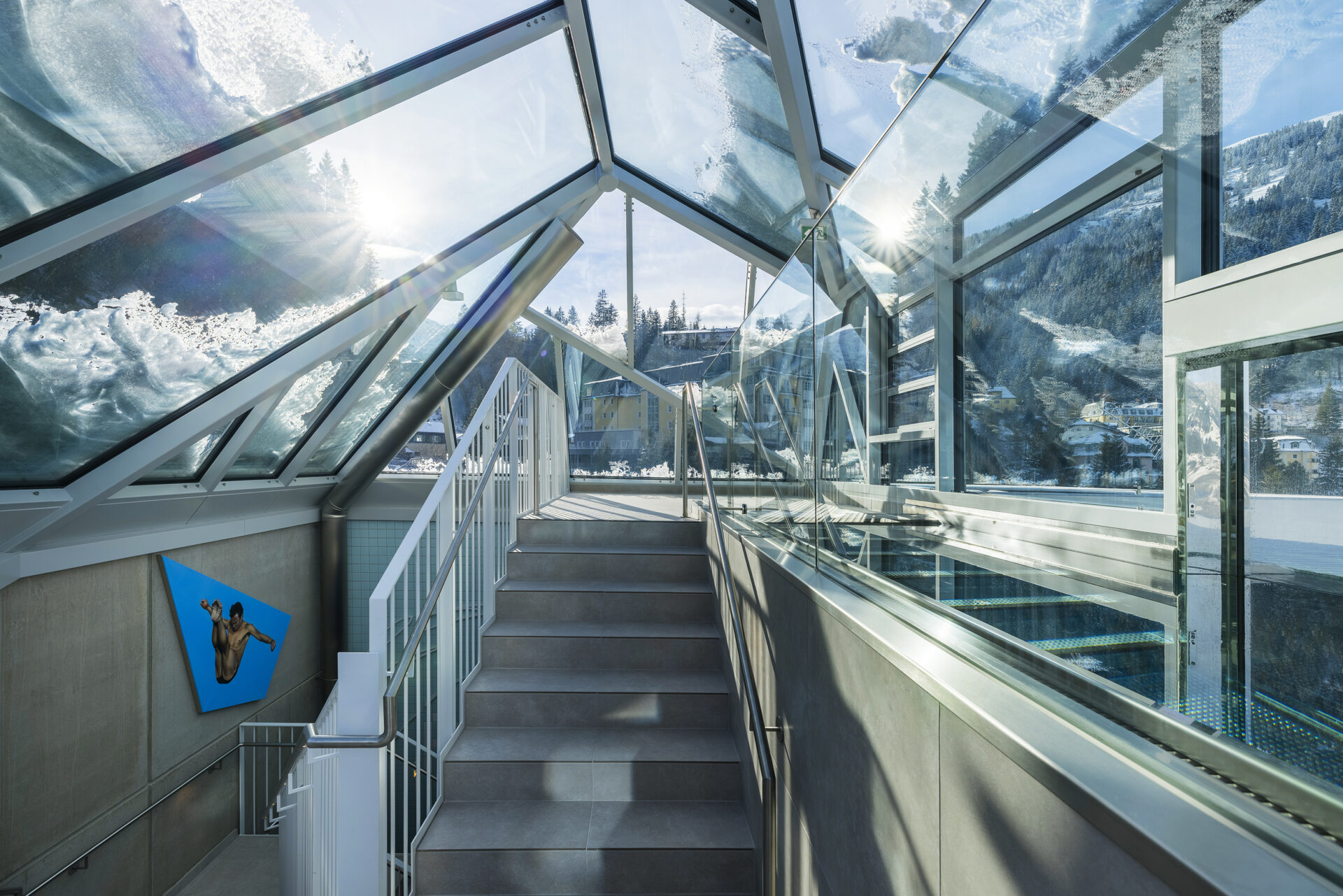
Then take the lift upwards. The spa occupies three levels at the top of the new tower and proudly calls itself the Alpine Swim Club — a name that neatly captures the hotel’s preference for something more sociable than conventional hushed wellness. There are saunas, steam bathing, relaxation spaces, treatments and panoramic terraces, with cobalt blue, terrazzo, timber slats and rippling metal details continuing the aquatic references. But everything leads to the roof. Here, a 111m² heated infinity pool appears to float above Bad Gastein, with the mountains rising around it and the sound of the town’s famous waterfall below. Glass-crystal steps entering the water reference the glass roof structures of Gerhard Garstenauer’s nearby congress centre — a clever connection between two very different chapters in Bad Gastein’s architectural history. It is wellness, but with a sense of spectacle.
Art Meets the New Bad Gastein
The hotel’s cultural connections extend beyond architecture. BWM worked with Andrea von Goetz, the force behind sommer.frische.kunst and art.bad.gastein, to develop a collection featuring contemporary artists from Bad Gastein and further afield. The works were selected to interact with the history of the town and the buildings rather than function simply as decoration. That feels particularly appropriate here. Bad Gastein itself has been rediscovered by a younger creative generation, with contemporary art, architecture and new hospitality concepts bringing life back to buildings left behind after the decline of traditional spa tourism. Urban Nature belongs firmly to that new chapter.
From Bathing Ritual to Social Ritual
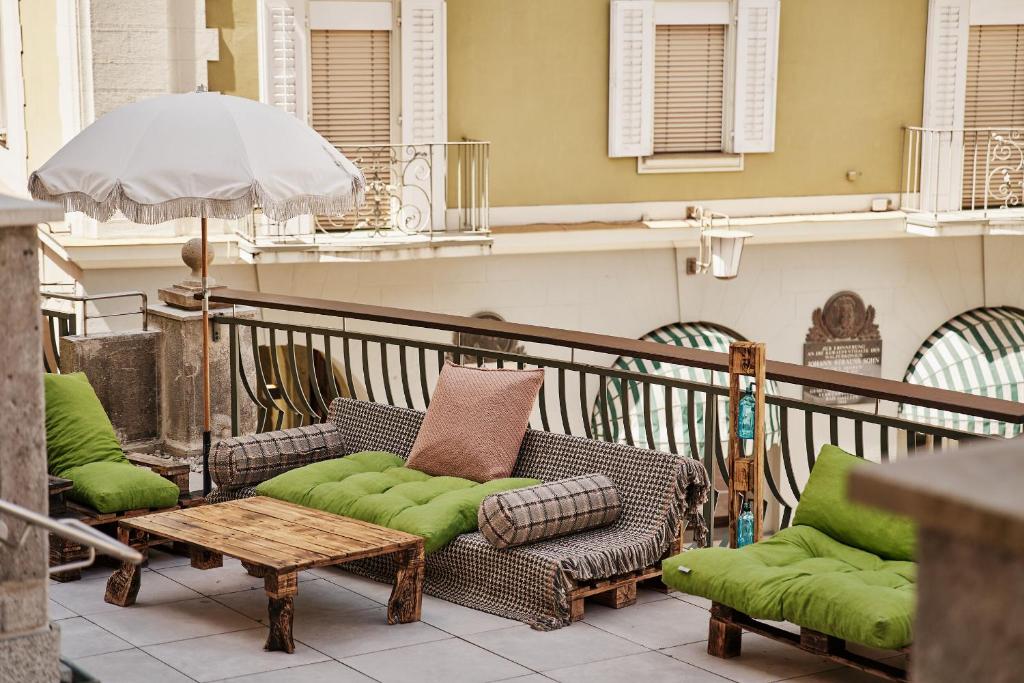
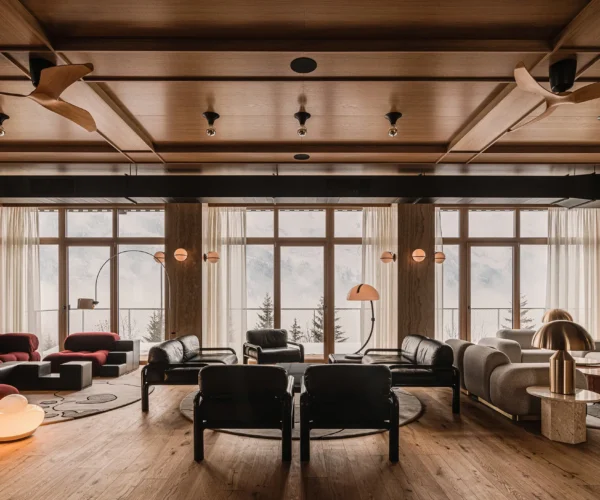
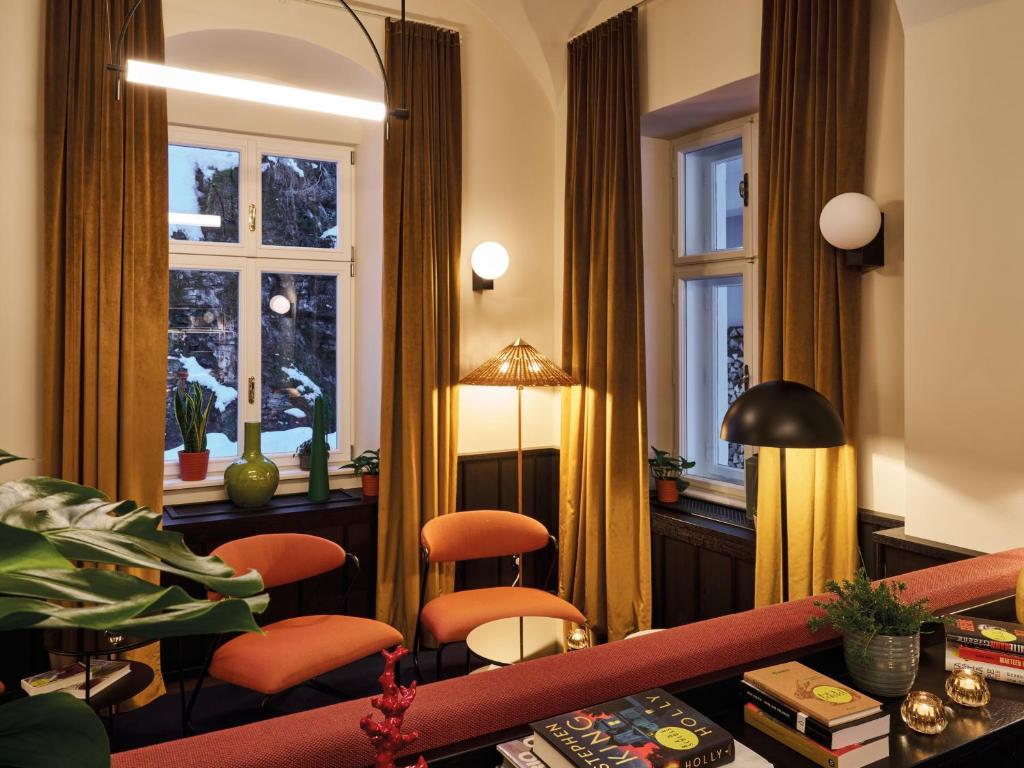
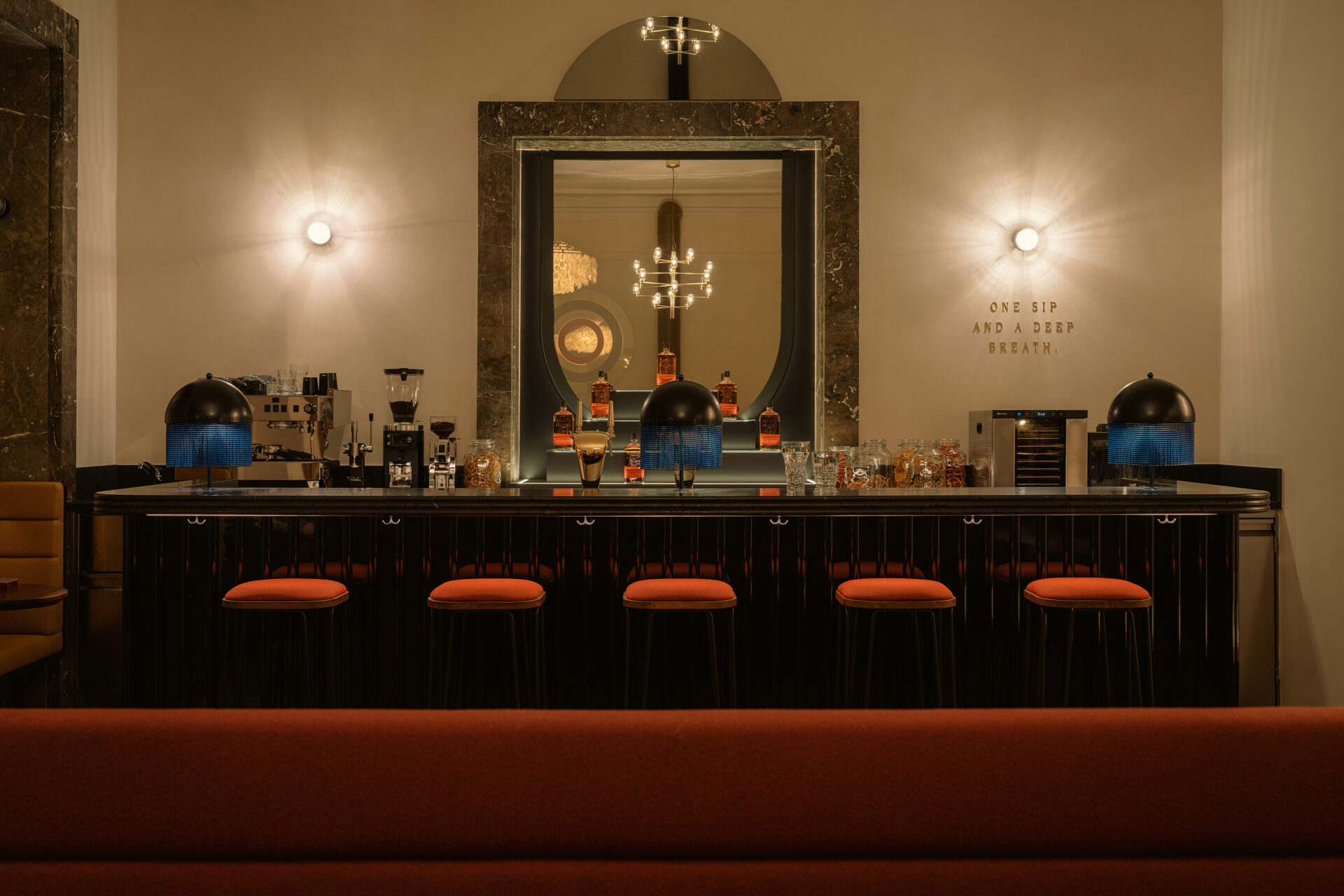
The same philosophy shapes the public spaces. Restaurant Auntie Heidi moves freely between regional ingredients and more international influences, while the Kaminbar, Schlossbar, lounges and smaller rooms offer different degrees of sociability. The terrace spills life back onto Straubingerplatz, with the waterfall and surrounding mountains providing a backdrop no interior designer could improve upon. And that is what makes Urban Nature interesting beyond its spectacular rooftop pool. The restoration hasn’t frozen Badeschloss in 1791, nor tried to reproduce Bad Gastein’s imperial glory days. Instead, BWM took the rituals, architecture and visual language of the European bathhouse and gave them humour, colour and contemporary relevance. Bad Gastein once came here to take the waters. Now you can sleep in them, socialise around them — and swim above the rooftops.
Information
At a glance
Architecture
Opened / Renovated
1791, extended & renovated 2023
Size matters
102 rooms & suites (19-33m2) (205-355 sq ft)
Interior design
Featured in
Don't take our word for it

Handpicked worldwide
A carefully curated collection of exceptional boutique and design hotels across the globe.
Design with soul
Architecture, atmosphere and craftsmanship come together in stays with a clear identity.
Hidden, not hyped
Independent boutique hotels you rarely find on mainstream booking platforms.
Travel guidance
Personal recommendations and thoughtful support from people who actually know the places.