Virgin Hotels Edinburgh, Edinburgh, Scotland
Old Town heritage, playful glamour and Virgin irreverence behind one of Edinburgh’s most dramatic historic façades.
Why DNA Hotels Loves It
● A complex adaptive-reuse project that brings together listed historic buildings and contemporary additions without disguising the contrast between old and new.
● Virgin’s playful design language is tempered by surprisingly calm rooms, creating a smart balance between social energy and retreat.
● Strong public spaces — from the Funny Library and Commons Club to Eve and the rooftop garden — make the hotel feel like part of Edinburgh rather than simply a place to sleep.
Old Town Drama, Virgin Style
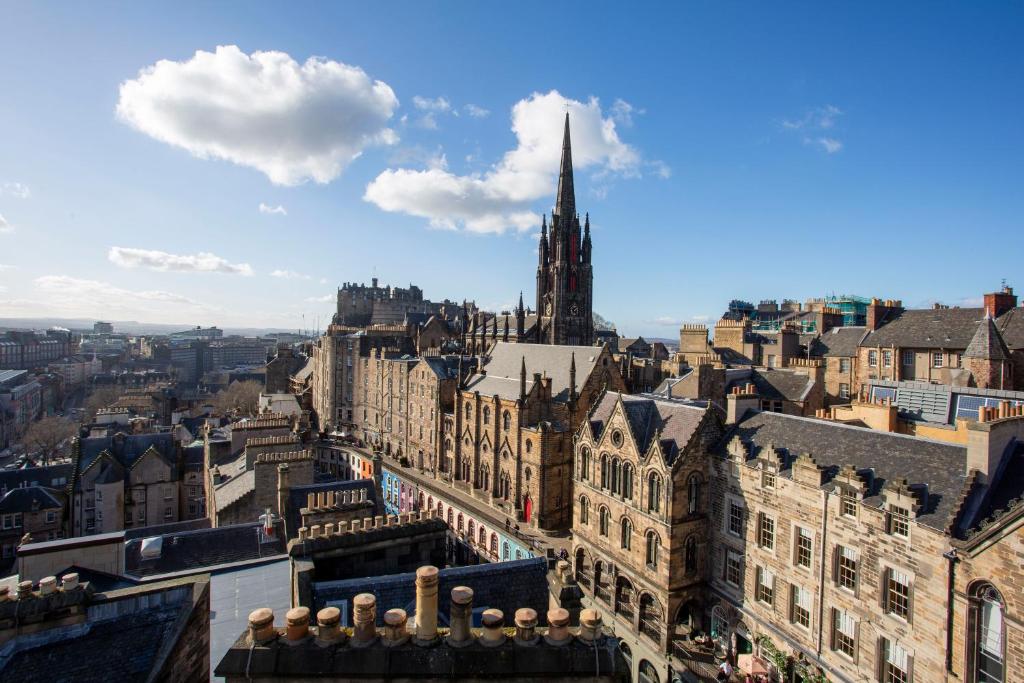
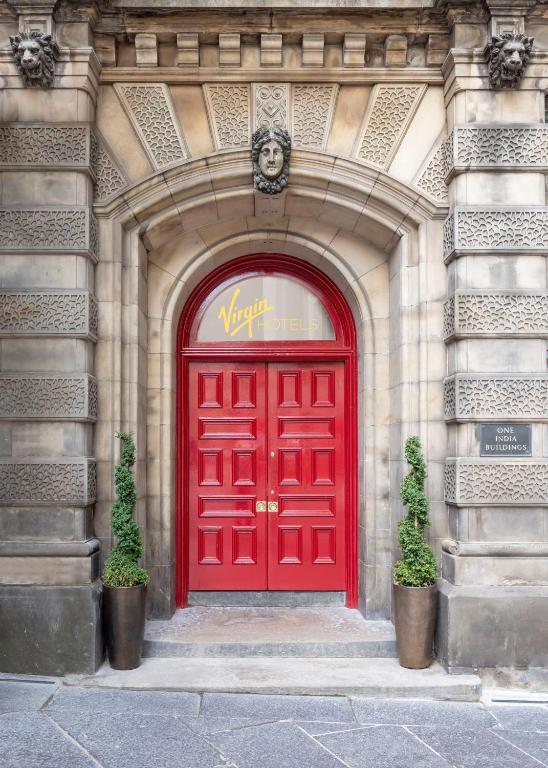
Virgin was never going to arrive quietly in Edinburgh. Set at the top of Victoria Street, inside the historic India Buildings and a collection of adjoining structures, Virgin Hotels Edinburgh occupies one of the city’s most theatrical locations. Edinburgh Castle rises nearby, medieval streets tumble down towards the Grassmarket and almost every window seems to frame another layer of the Old Town. The challenge was considerable. Architecture and interior design studio Ica, working with Four-by-Two, Joelle Reid Interiors and Virgin’s own creative team, had to connect three listed buildings sitting at different levels while adding new architecture to make the complicated site function as one hotel. Rather than pretending everything belongs to the same period, the design embraces the collision. Historic stone, timber panelling, vaulted spaces and ornate plasterwork meet glass corridors, contemporary interventions and flashes of unmistakable Virgin red. Edinburgh supplies the drama. Virgin adds the mischief.
History Without the Museum Treatment
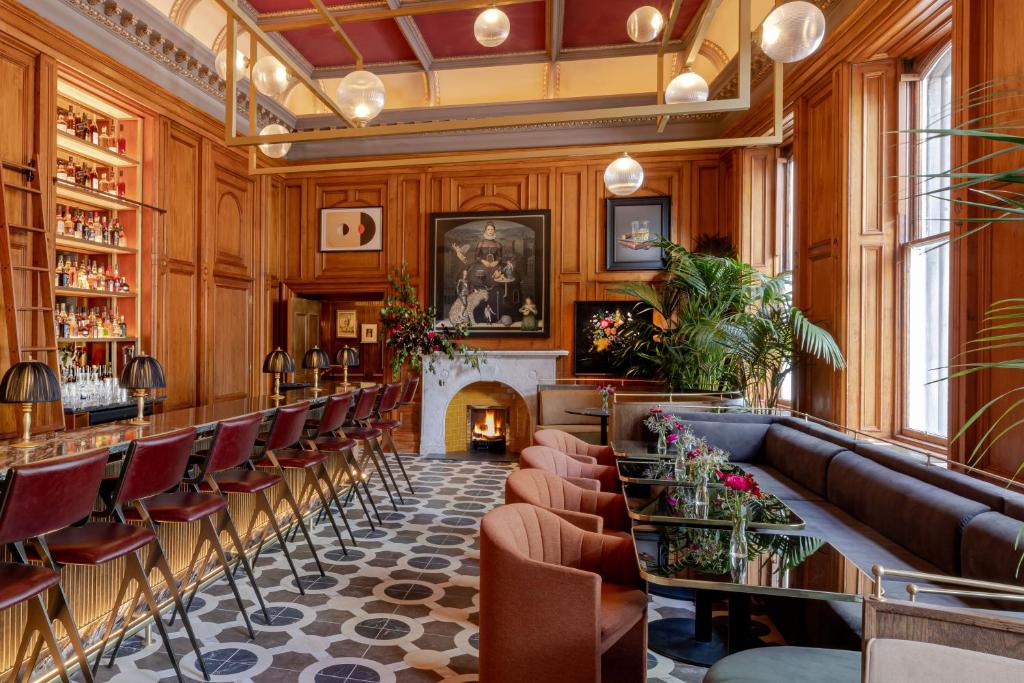
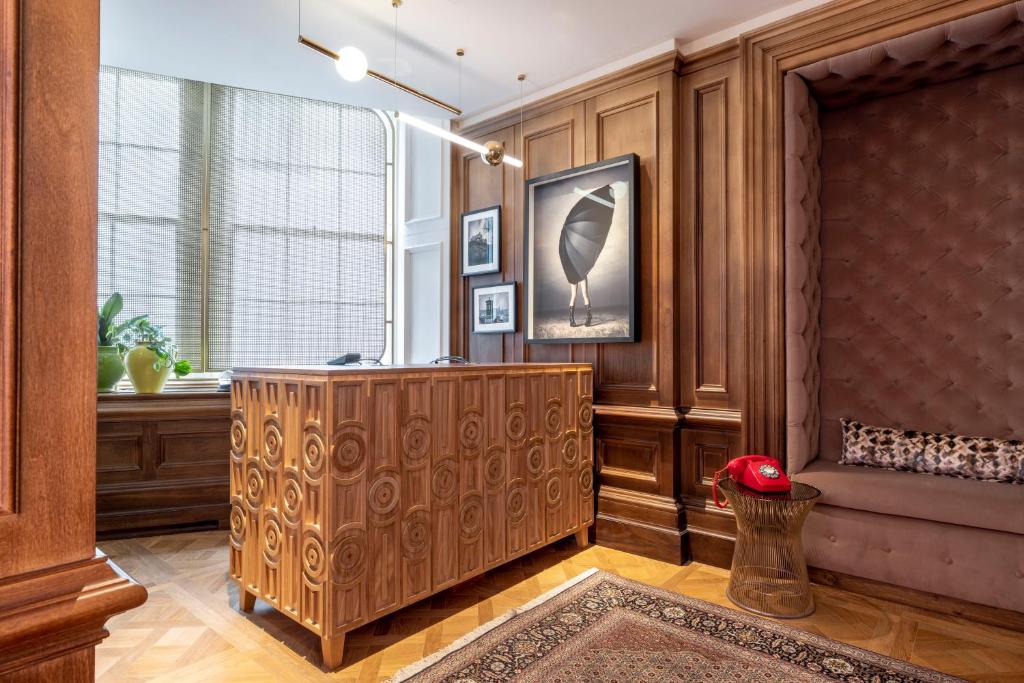
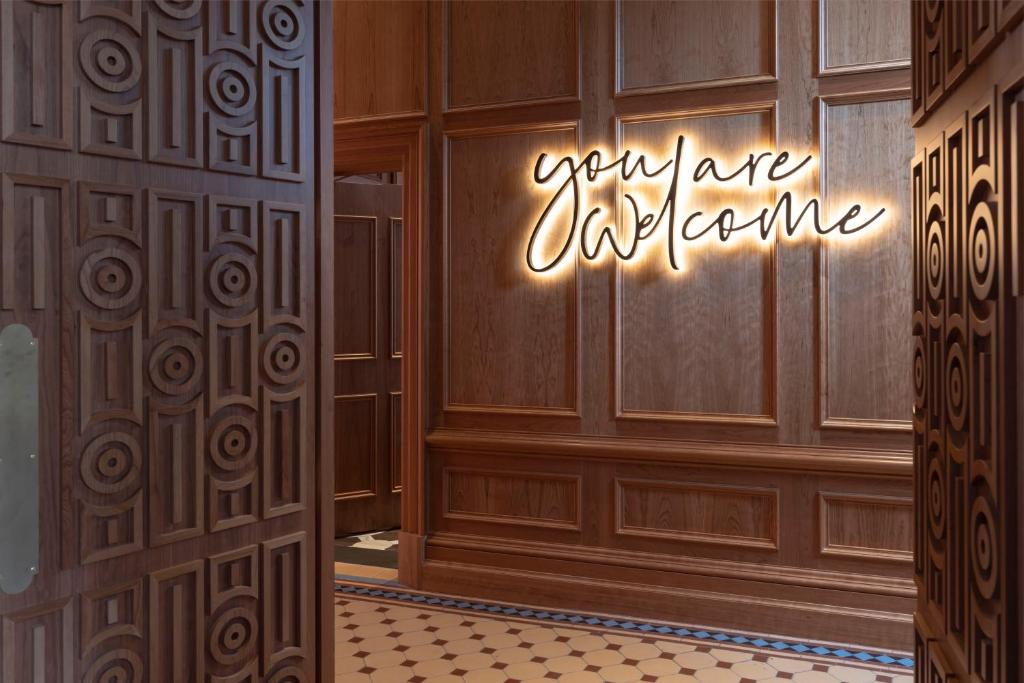
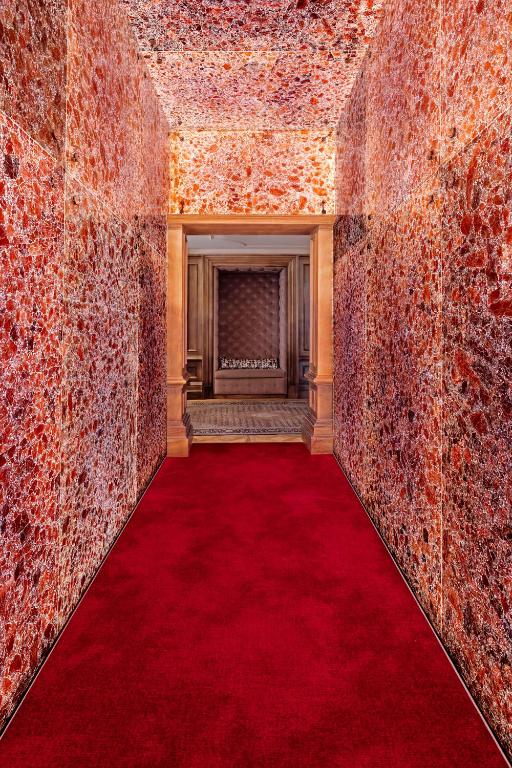
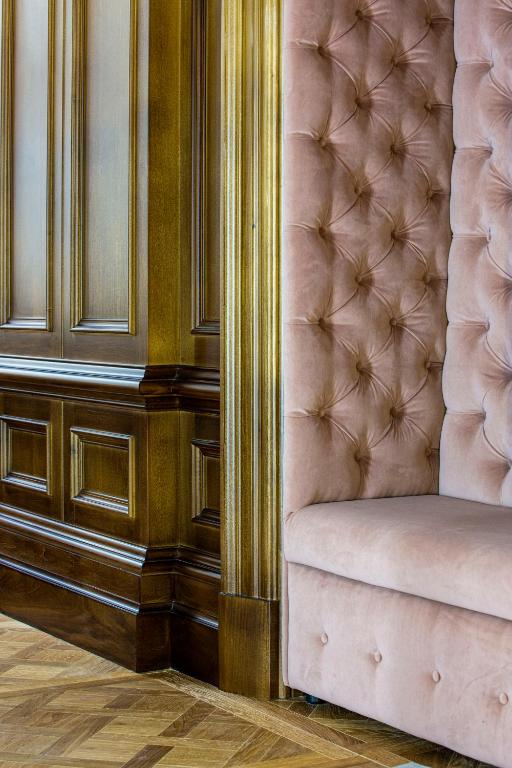
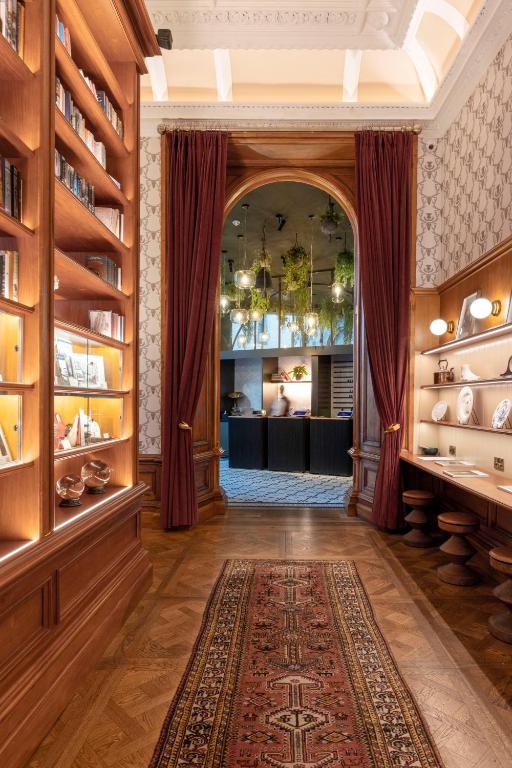
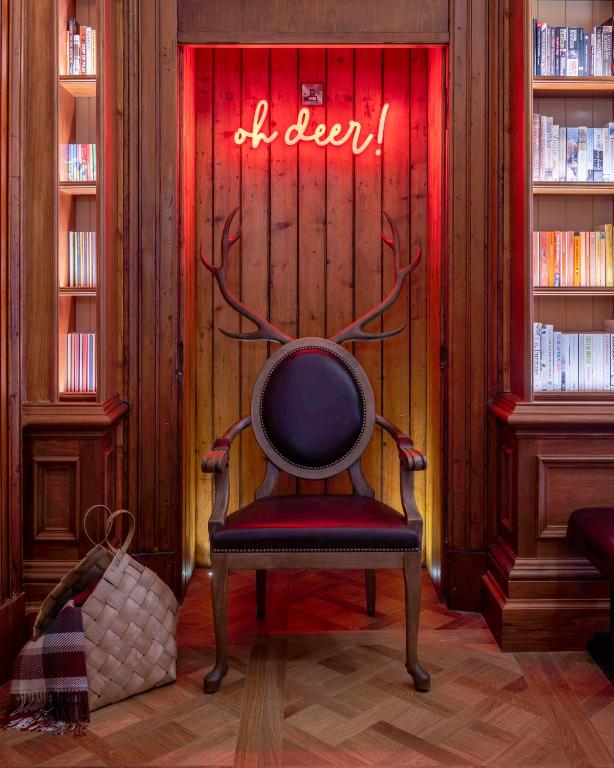
Some of the hotel’s strongest moments come from allowing the building to speak. Original timber panelling survives in parts of the public spaces. A restored domed glass rotunda forms the elegant Oculus Lounge, while the Commons Club occupies rooms where cornices, stone walls and historic detailing remain visible. Elsewhere, the interventions become deliberately contemporary. A light-filled glazed passage leads towards reception. A scarlet lounge sits unapologetically inside a traditional room. Modern artworks, curving furniture and eclectic lighting interrupt the architecture just enough to keep the atmosphere from becoming reverential. The effect is less country-house restoration and more historic Edinburgh given a very modern social life.
The Funny Side of Luxury
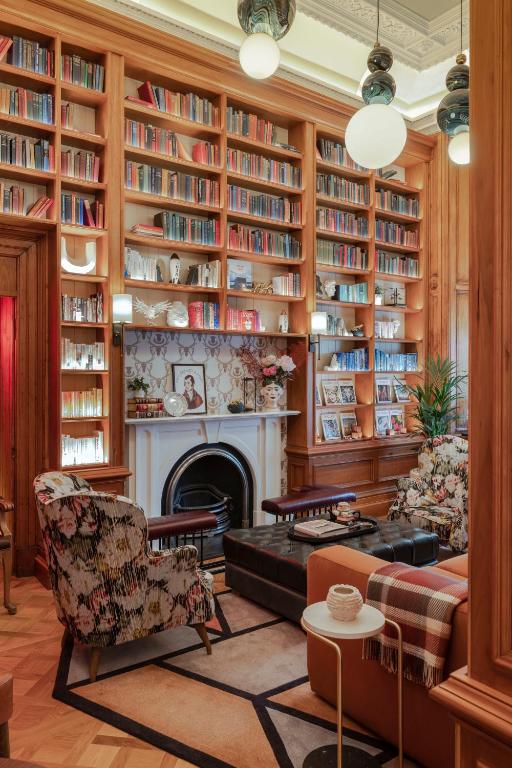
Then there is the Funny Library. Styled like an eccentric Victorian drawing room, it is filled with books, sofas, games and odd objects that encourage guests to stay far longer than necessary. Which is rather the point. Virgin understands that the best hotel spaces need a little looseness. You should be able to order a drink, read something ridiculous, play a board game or simply disappear into a corner without feeling as though you are occupying valuable lobby real estate. It is one of the hotel’s most charming spaces precisely because it has no grand purpose.
Chambers Made for Switching Off
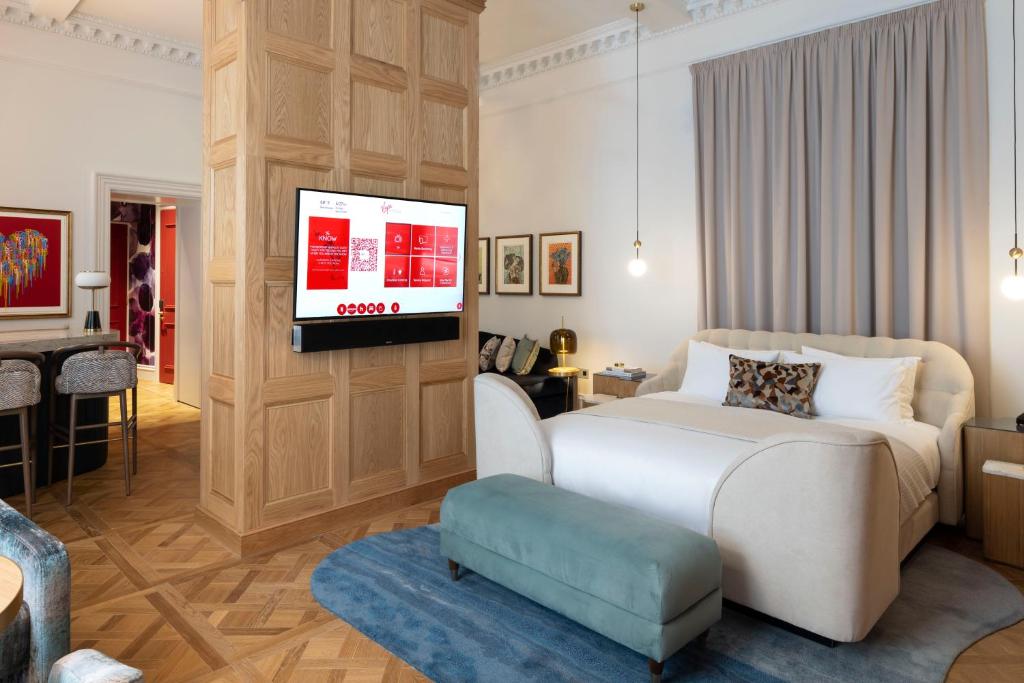
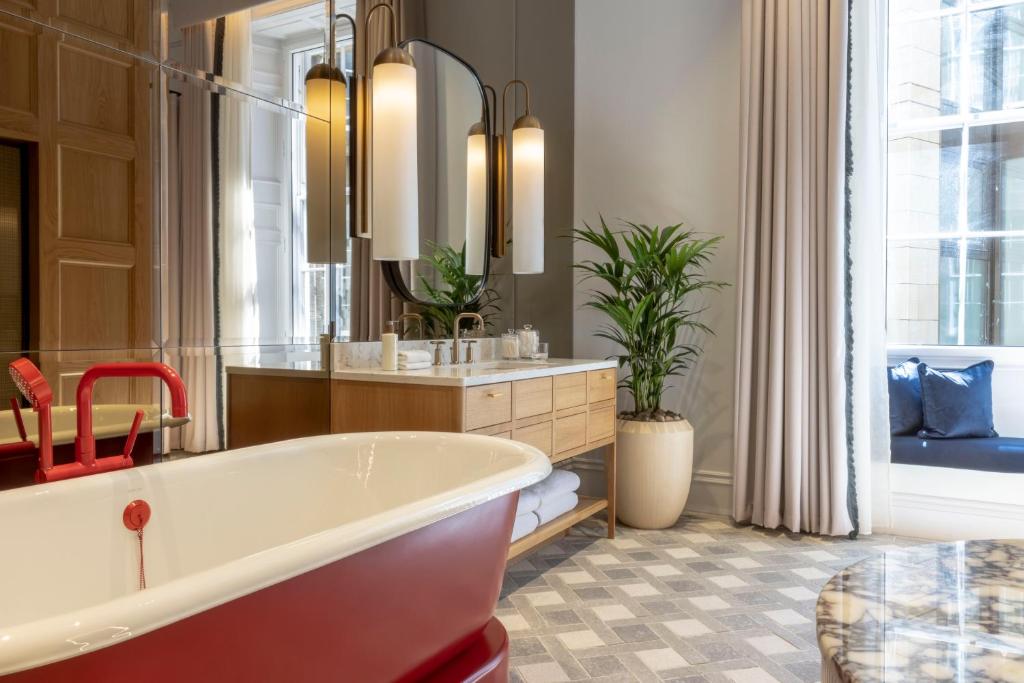
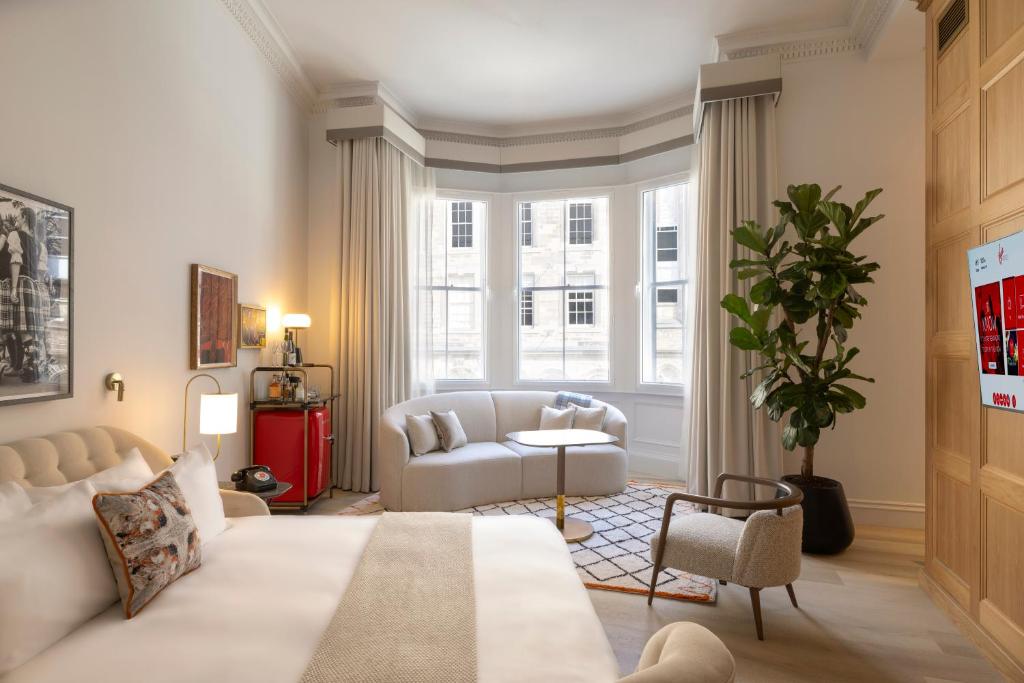
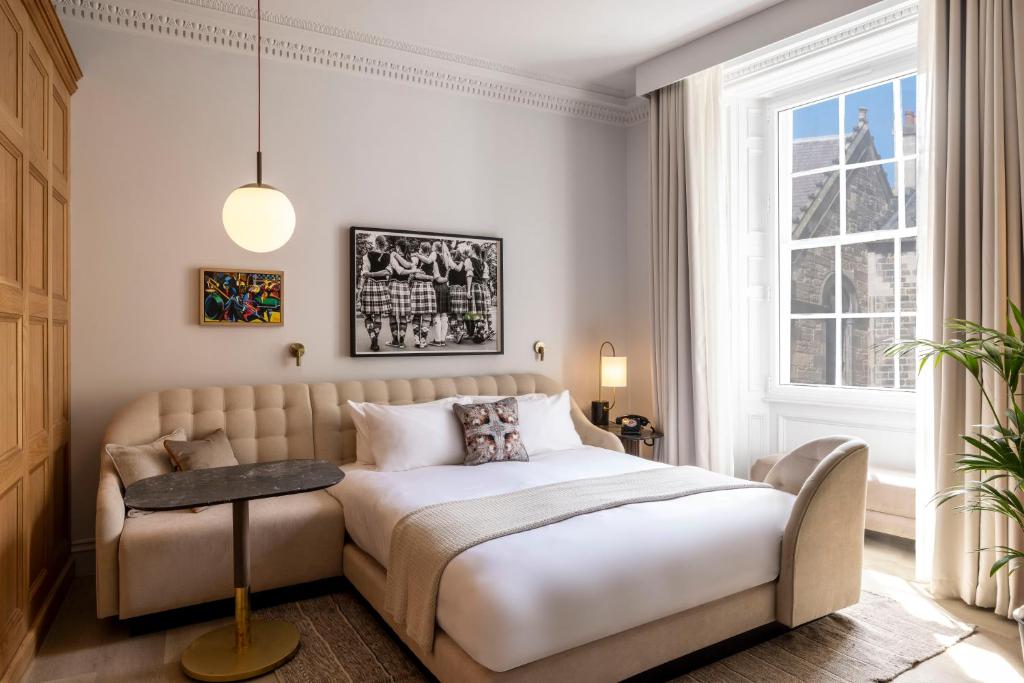
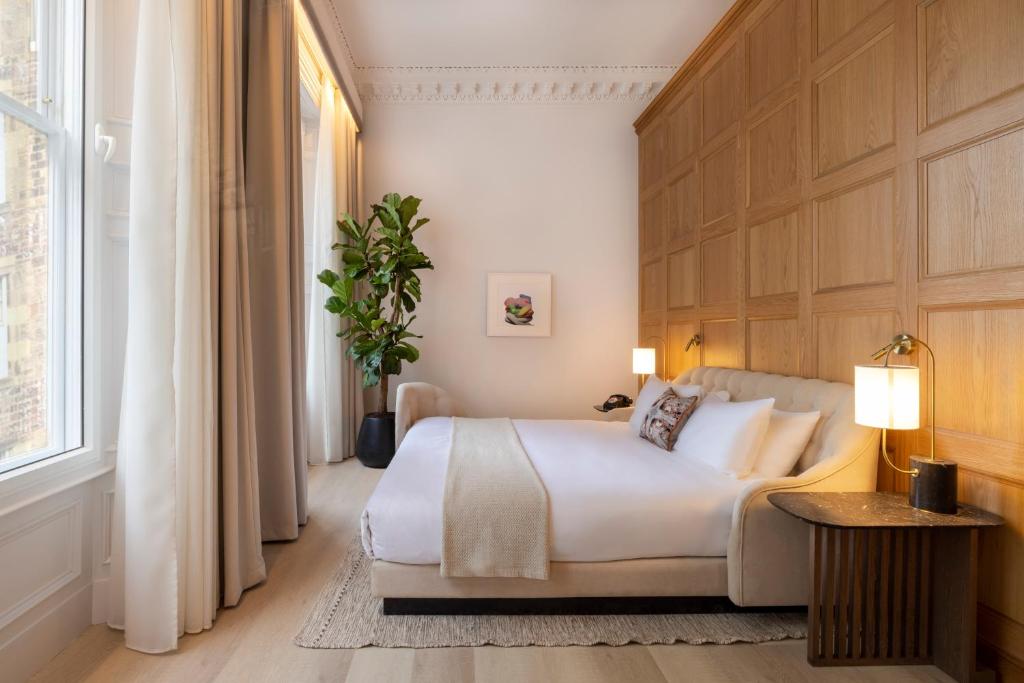
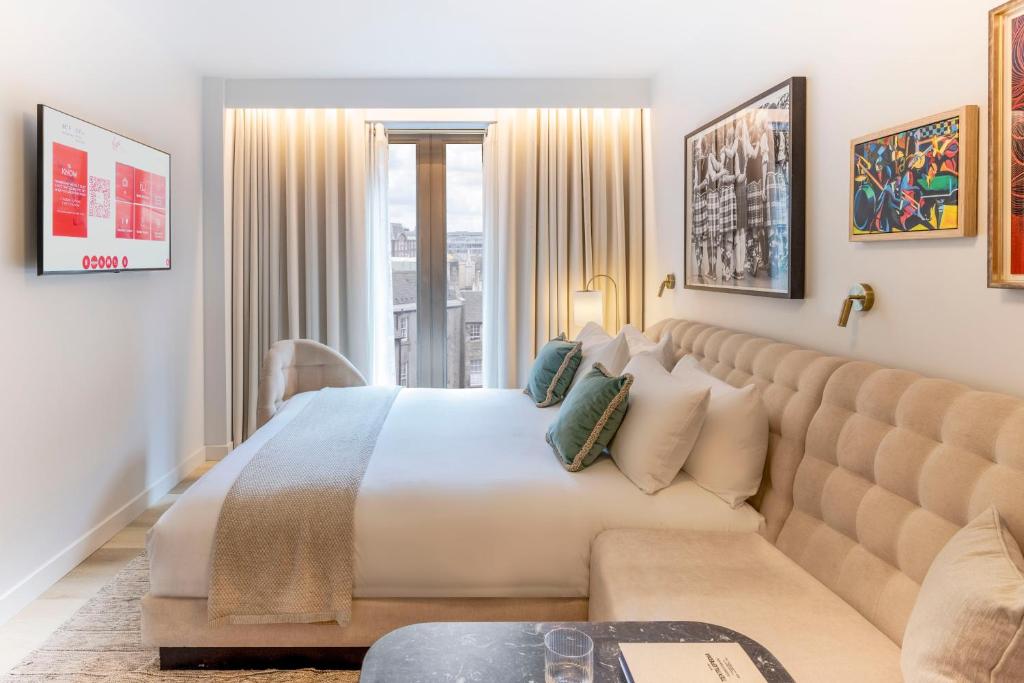
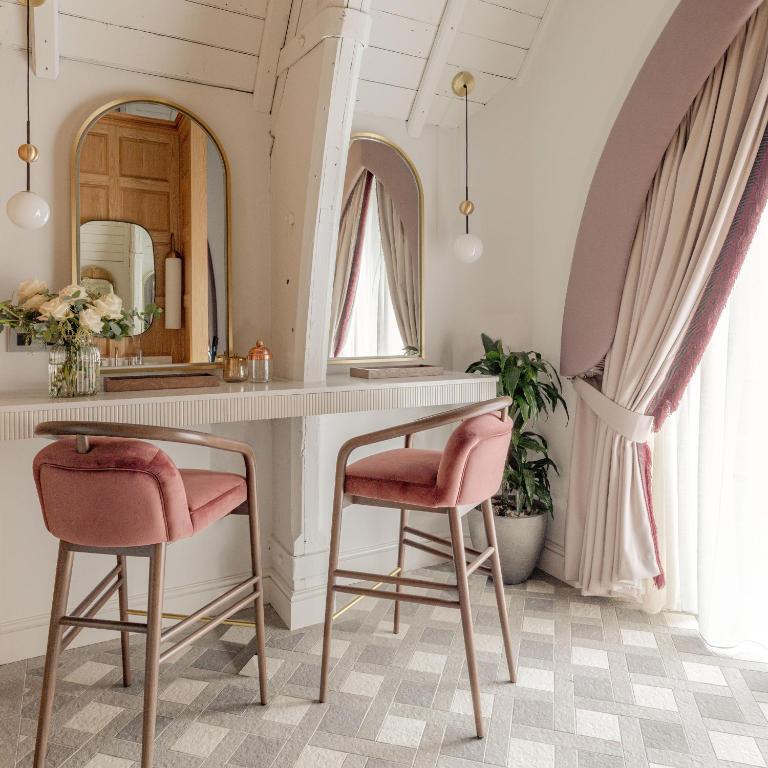
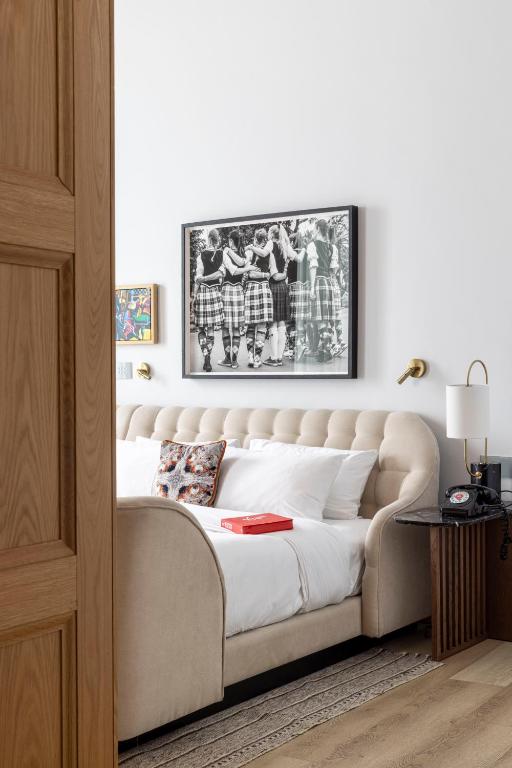
The rooms — or Chambers, in Virgin language — provide the counterpoint to everything happening downstairs. Rather than extending the glamour at full volume, the interiors become noticeably calmer. Soft blond timbers, muted neutrals and curving furniture create an almost Zen-like atmosphere, punctuated occasionally by that unmistakable Virgin red — most visibly in the Smeg minibar. The brand’s familiar two-zone layout separates the sleeping and living area from the dressing and bathroom space using sliding doors. It is a simple idea, but a good one. Instead of navigating around luggage, clothing and bathroom clutter, the bedroom remains a genuinely restful space. Even the rotary telephone beside the bed feels like Virgin gently reminding you that technology does not always need a touchscreen.
Commons Club After Dark
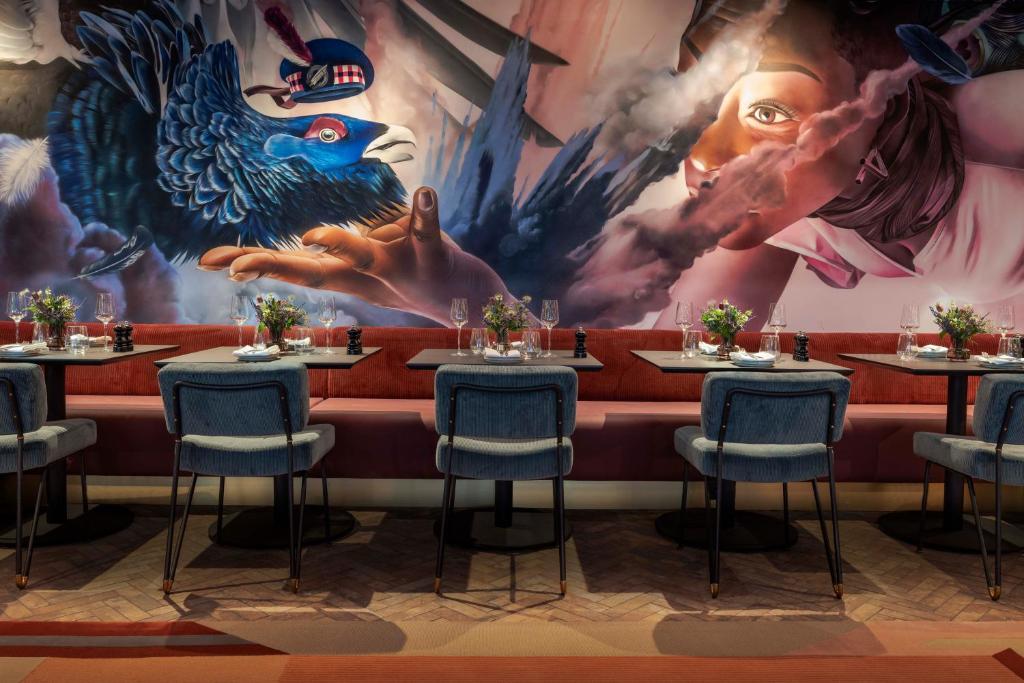
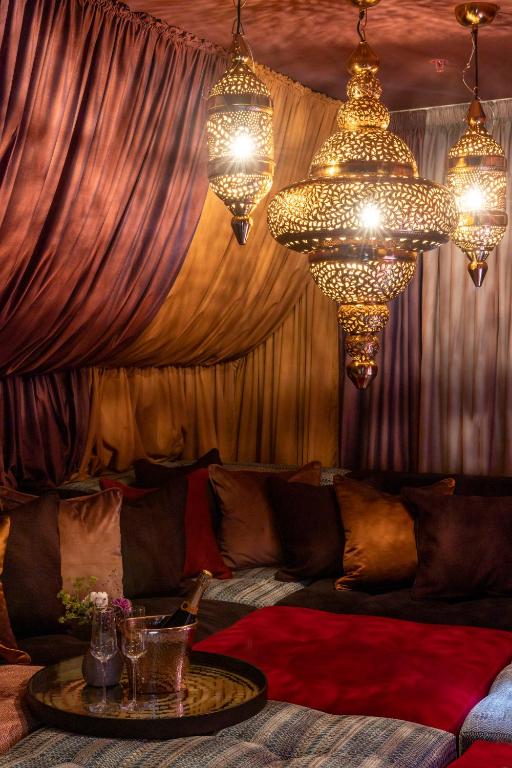
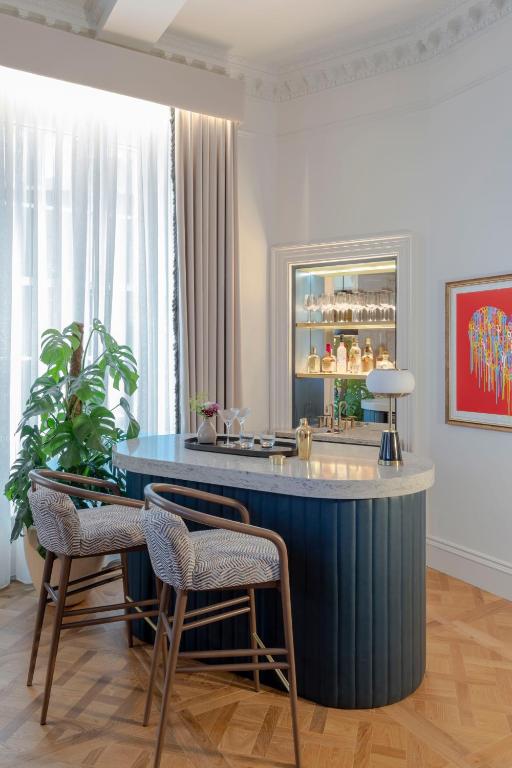
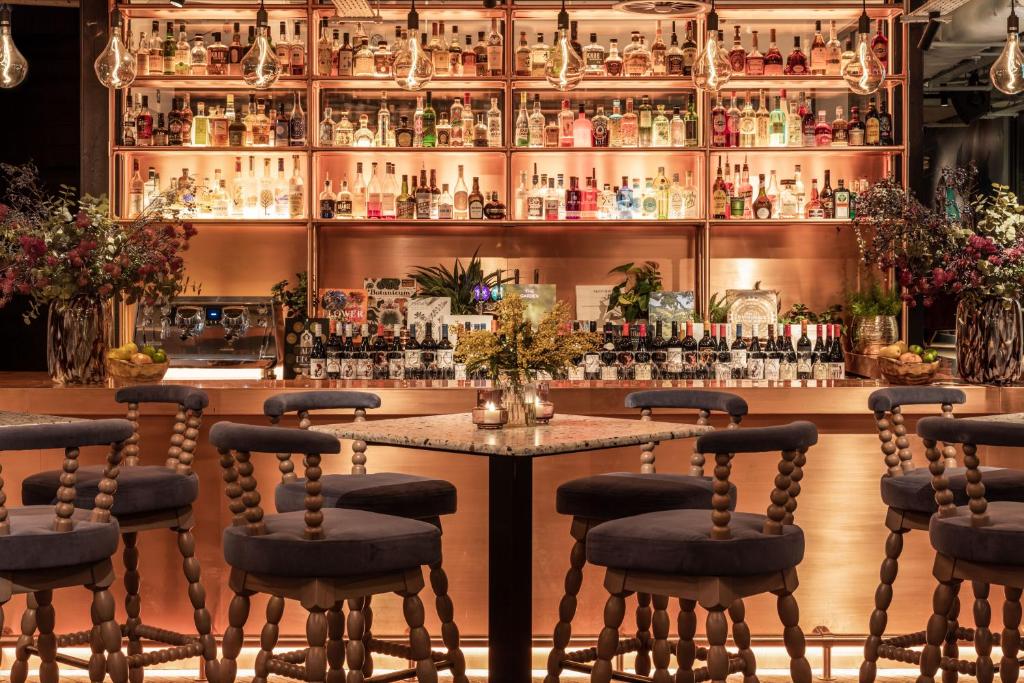
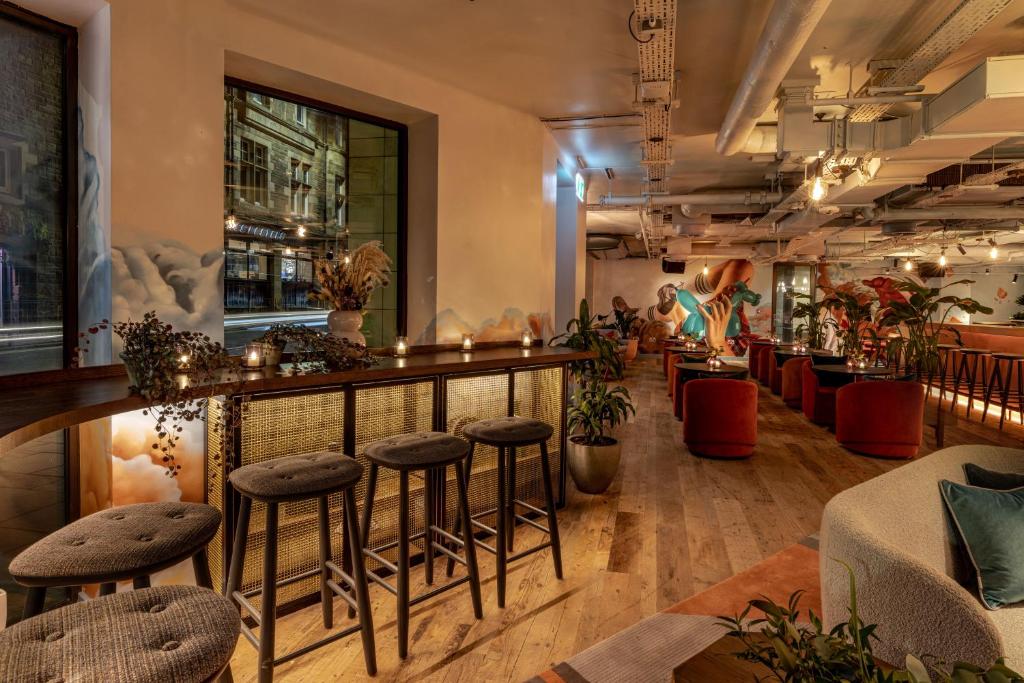
Virgin’s more extroverted personality returns downstairs. Commons Club moves between bar, lounge and restaurant, its historic interiors layered with dusky pinks, exposed stone and atmospheric lighting. Dinner takes place in atmospheric vaulted spaces below, while upstairs the bar encourages lingering beside the fire over cocktails. The hotel’s other main venue, Eve, is brighter and louder — an all-day restaurant and entertainment space with colour, music and a more deliberately playful mood. Together they prevent the hotel from having a single personality. You can retreat. Or you can join in.
A Church, Reborn
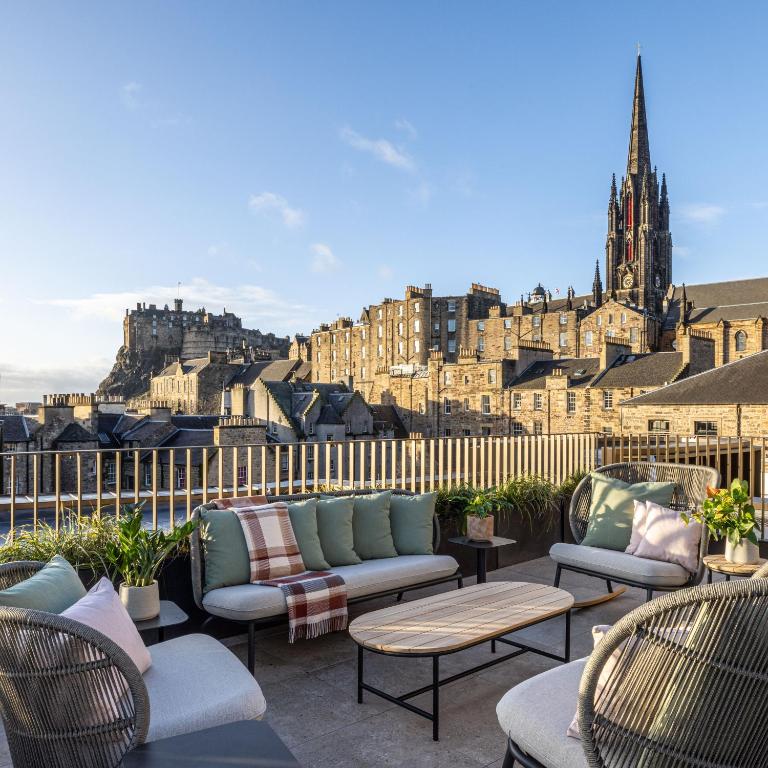
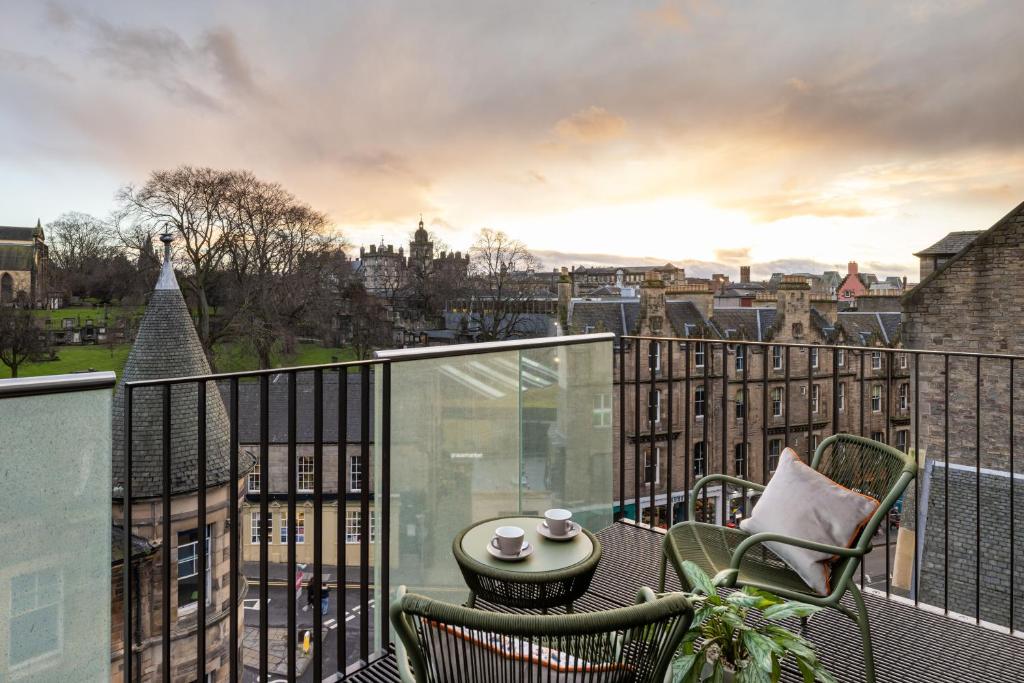
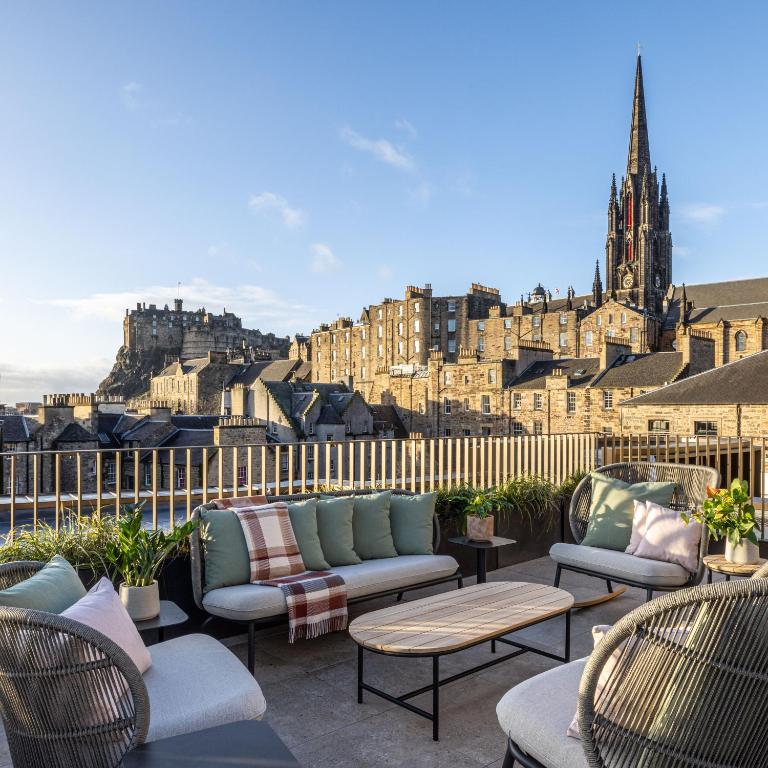
One of the more unusual parts of the project is Greyfriars Hall. The 19th-century church has been incorporated into the hotel as an event space rather than converted beyond recognition. It is another example of what makes this property more interesting than a straightforward brand rollout: the architecture continually forces Virgin’s usual formula to adapt. And upstairs, a rooftop garden provides one final shift in perspective. From here, Edinburgh Castle and the irregular roofs of the Old Town replace velvet and brass as the main decoration. Hard to compete with that.
Why It Works
Virgin Hotels Edinburgh could easily have become a collision of too many ideas. Historic buildings. New architecture. Velvet. Brass. Scarlet lounges. Music. Restaurants. Libraries. Rooftops. Brand personality. Instead, the complexity becomes its strength. The public areas carry the humour and social energy Virgin is known for, while the Chambers retreat into something quieter and more considered. Historic architecture is neither fetishised nor erased, and the hotel’s strange multi-level composition becomes part of the experience. It is polished without being overly serious, glamorous without becoming grandiose and playful without reducing Edinburgh to tartan decoration. A historic Old Town hotel with a red streak running through it. Exactly as Virgin should be.