Wythe Hotel | Brooklyn, New York City | USA
The Hotel That Defined Williamsburg
Why DNA Hotels Loves It
● One of New York’s pioneering industrial conversions, transforming a 1901 factory into the hotel that helped define modern Williamsburg.
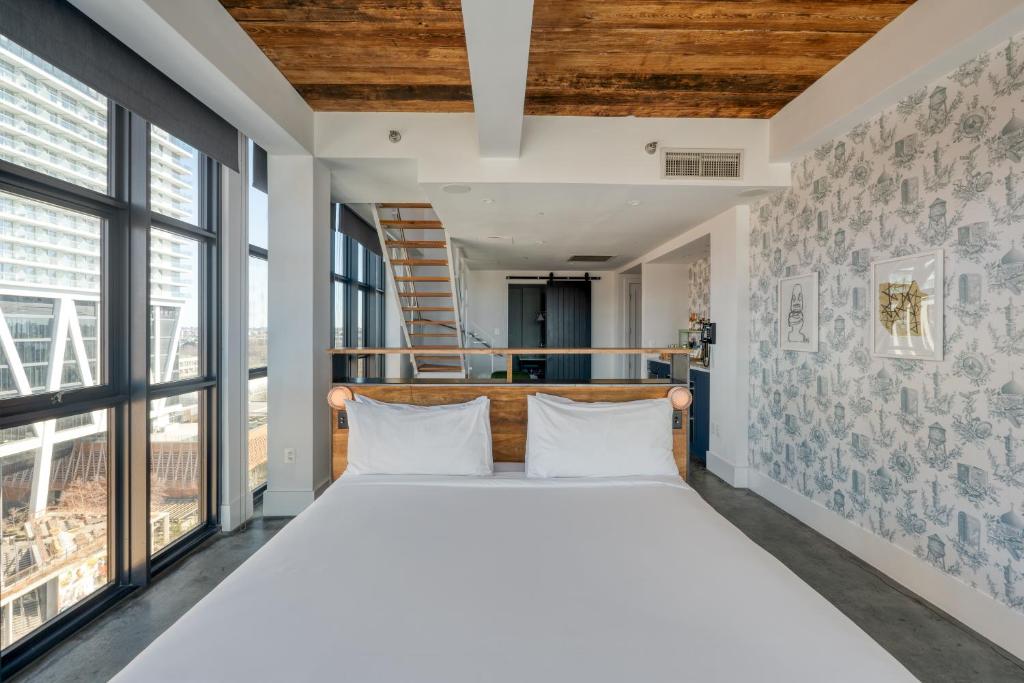
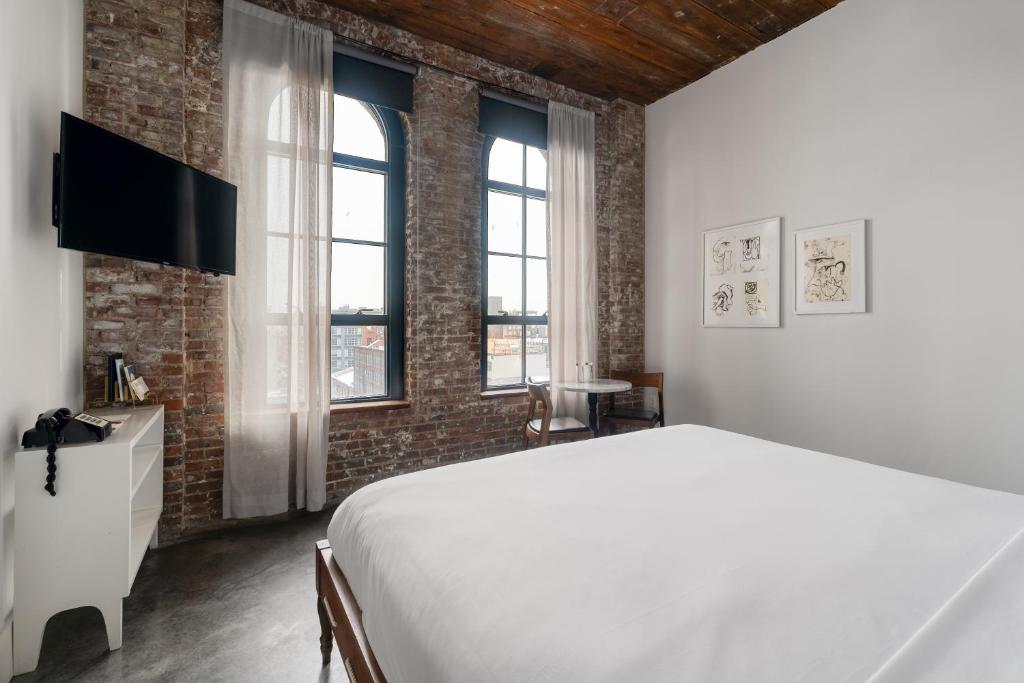
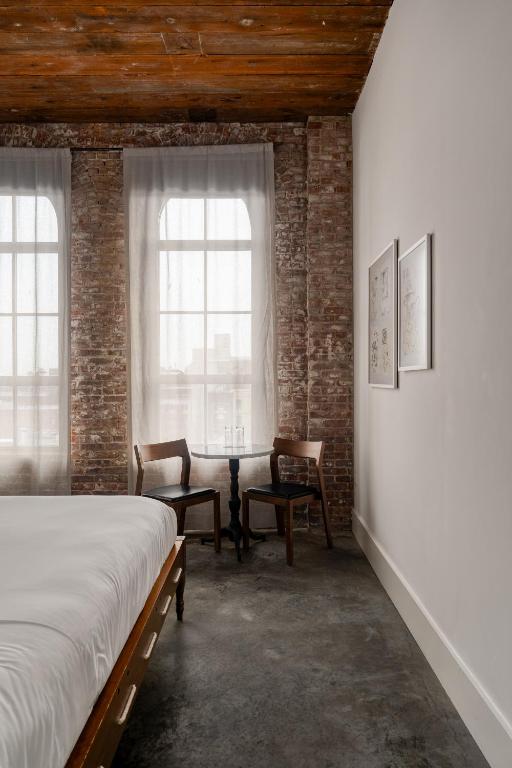
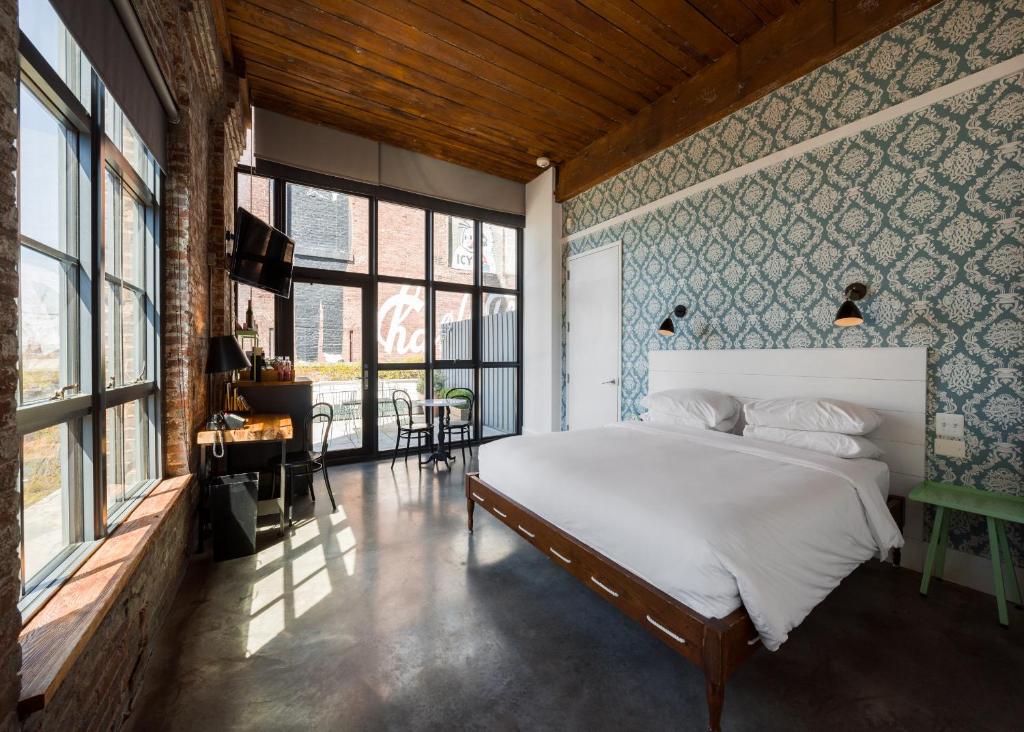
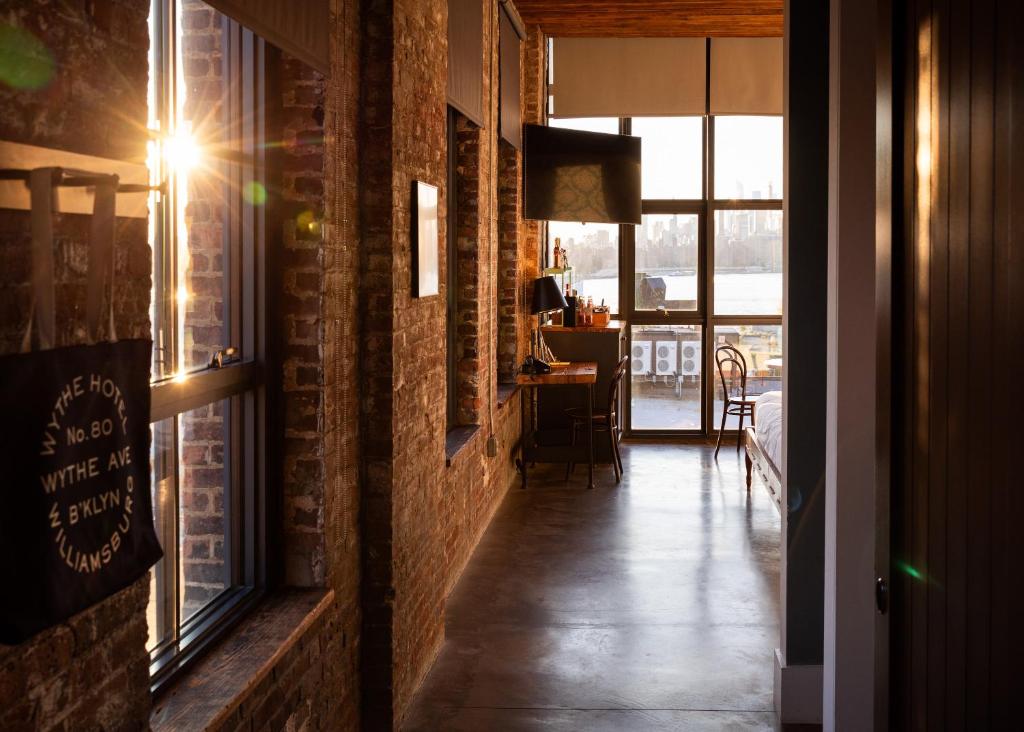
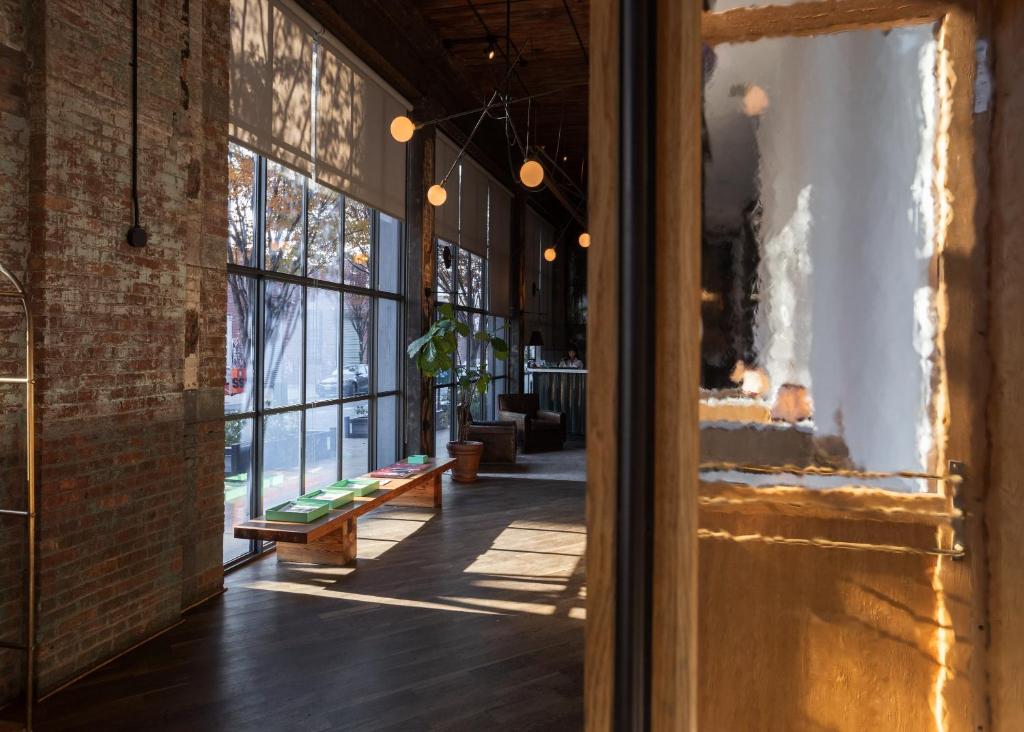
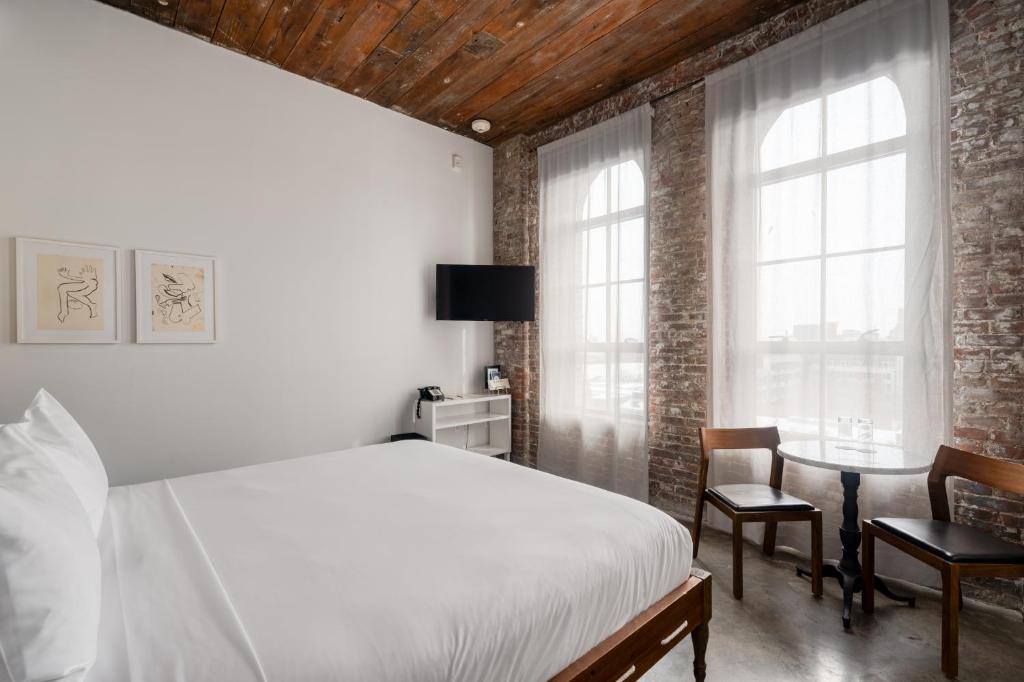
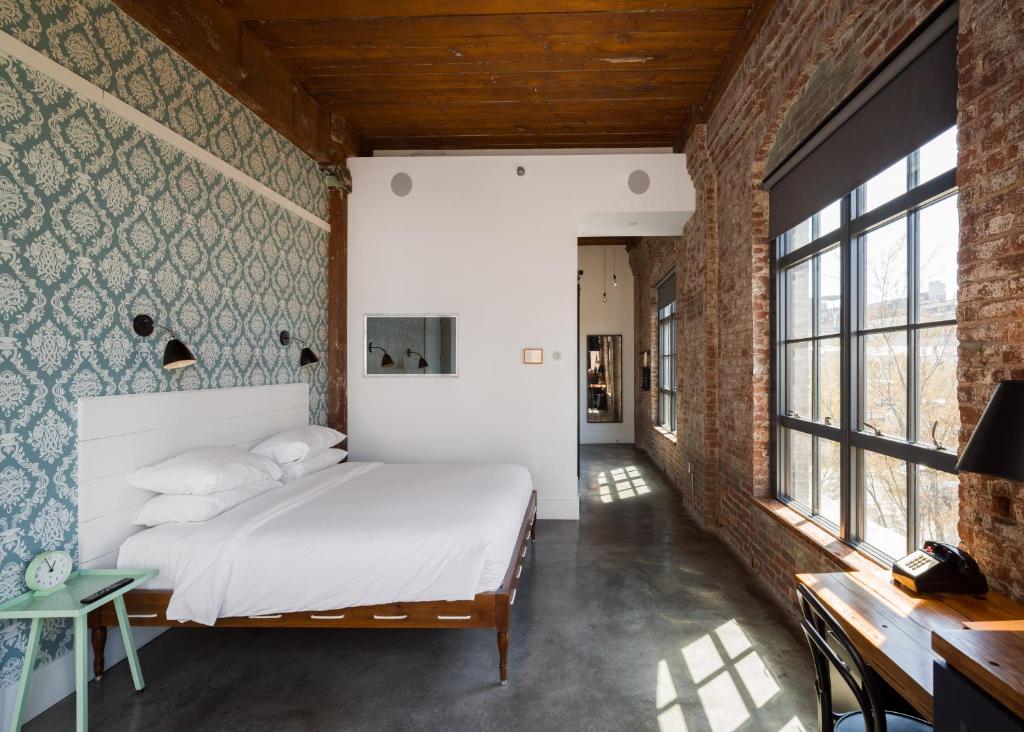
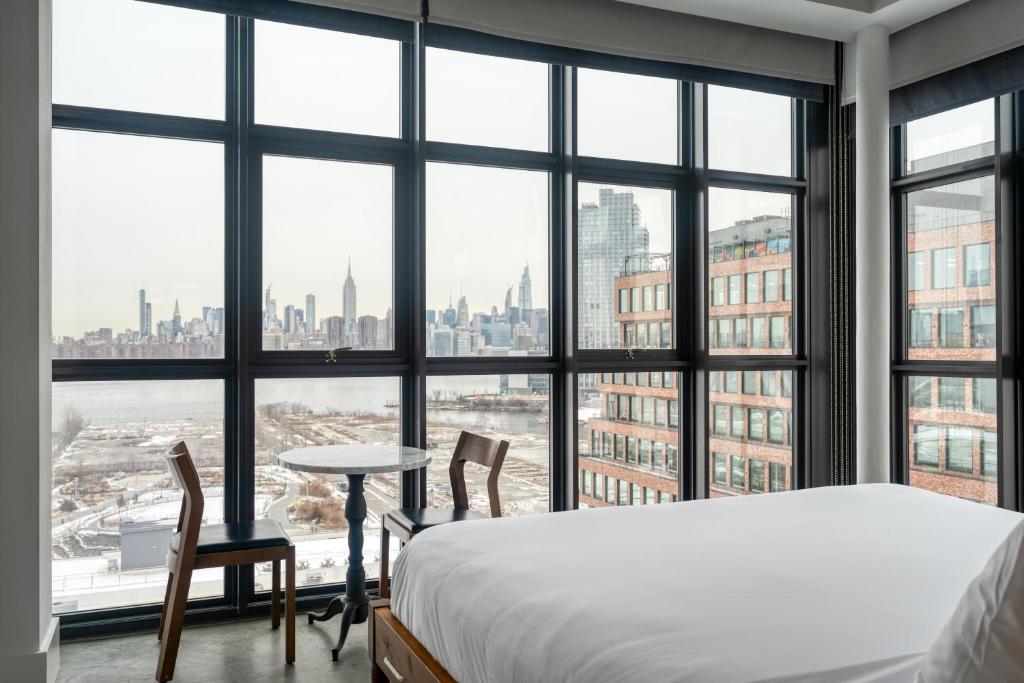
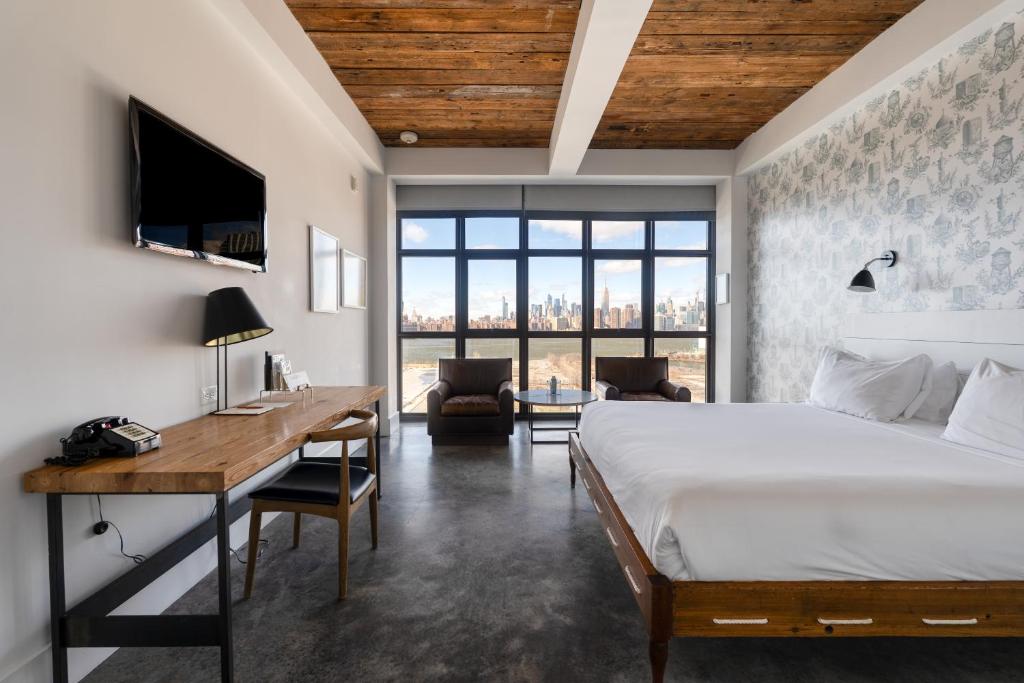
● Authentic warehouse architecture with soaring ceilings, exposed brick, concrete floors, and spectacular Manhattan skyline views.
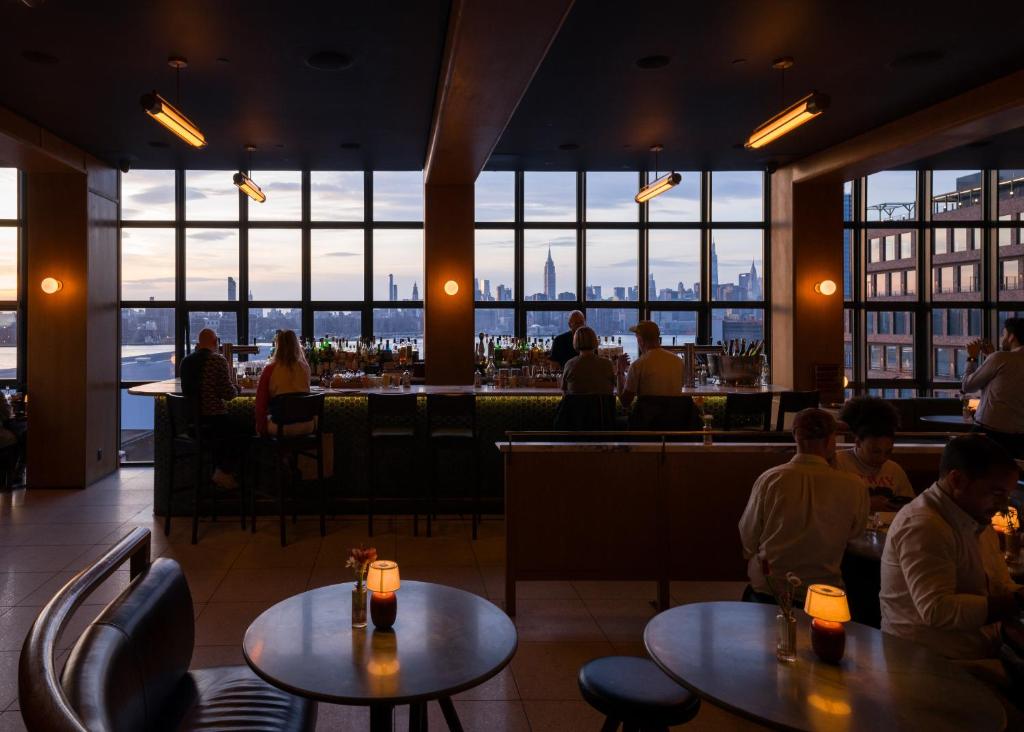
● Home to two of Brooklyn’s finest culinary destinations: Le Crocodile and the iconic rooftop Bar Blondeau.
Brooklyn Before It Was a Brand
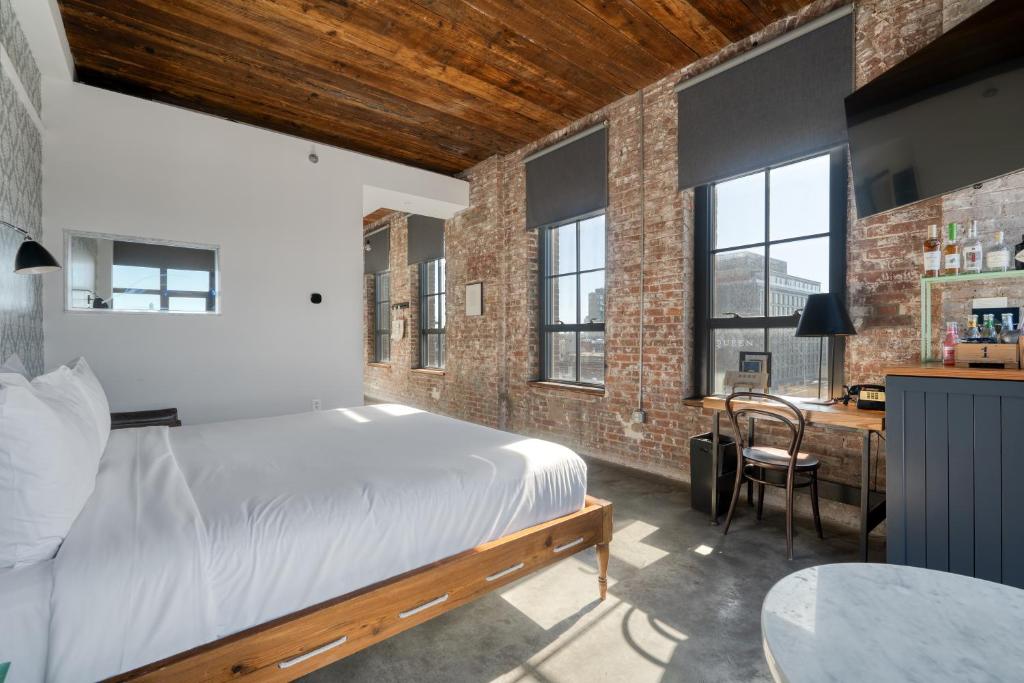
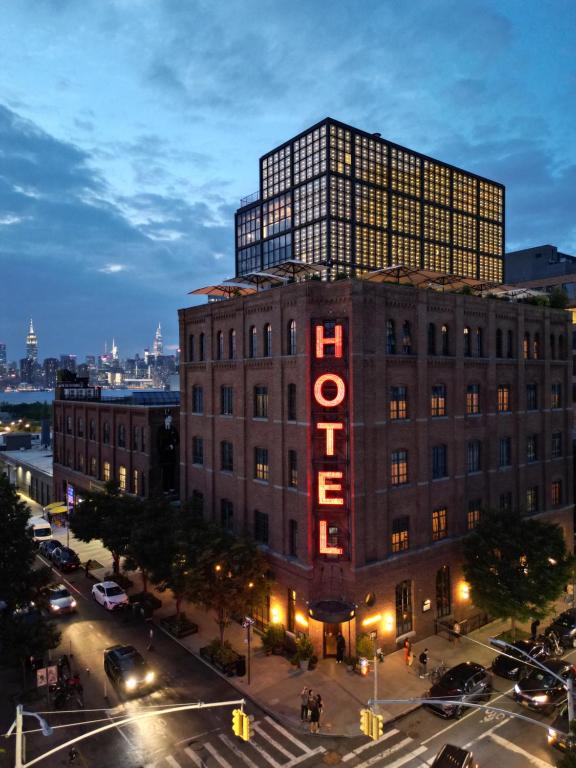
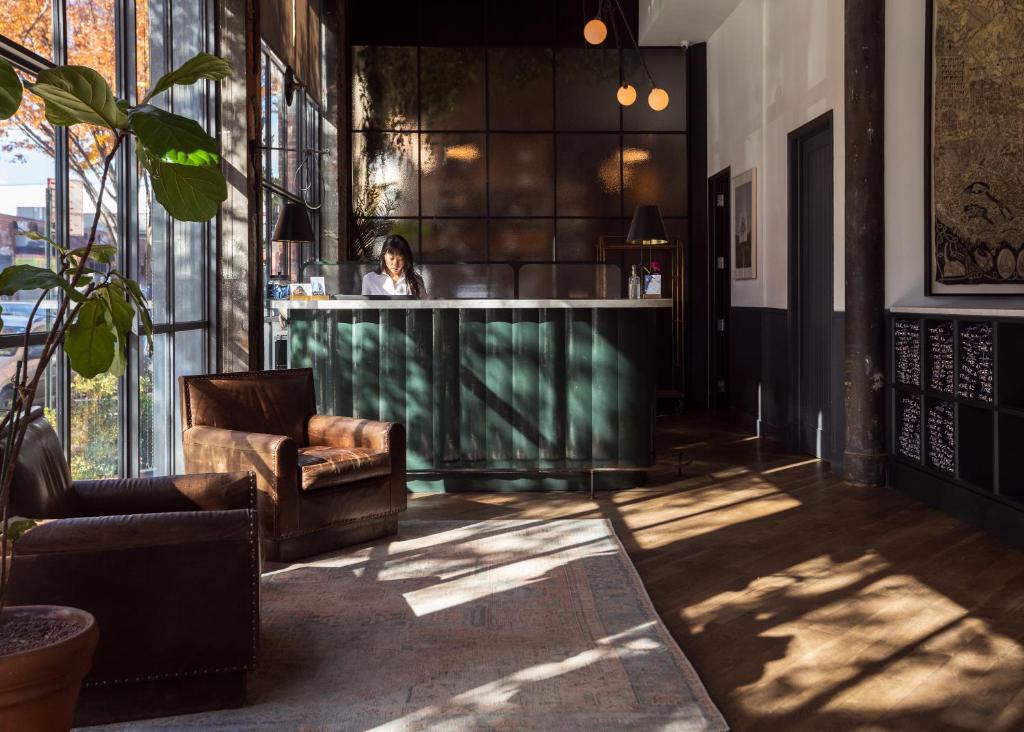
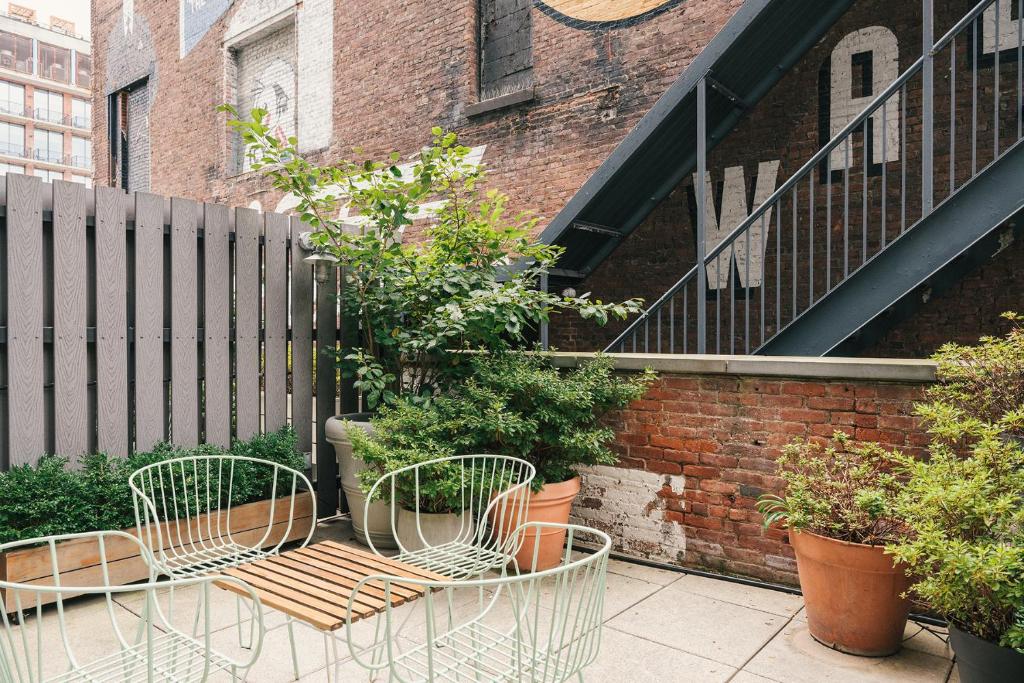
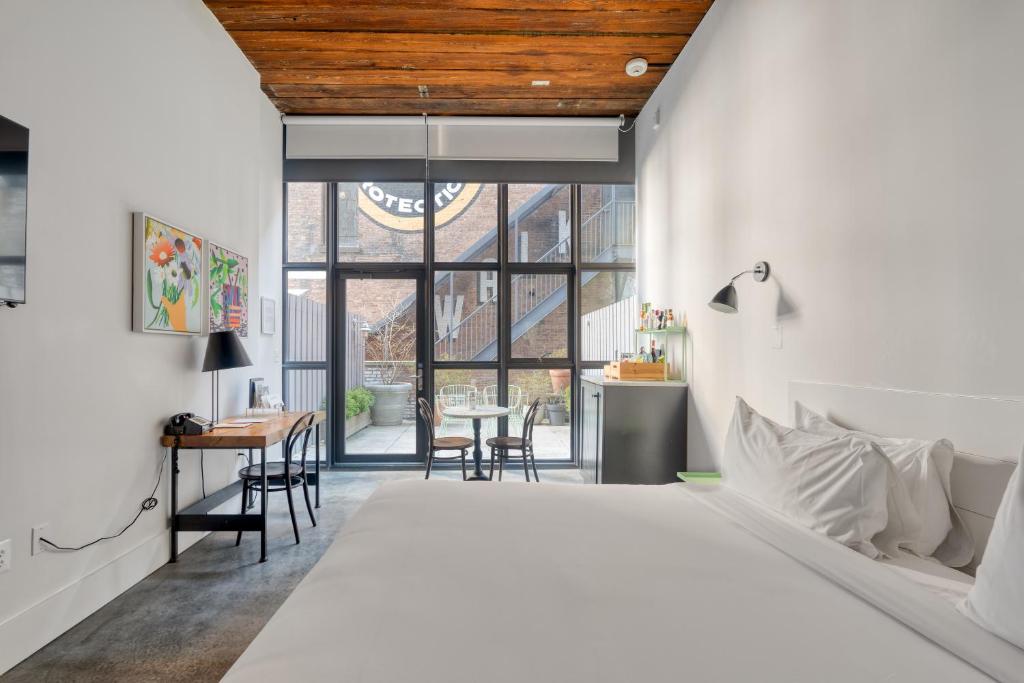
Long before Williamsburg became one of New York’s most desirable neighborhoods, the Wythe Hotel proved that Brooklyn could offer something Manhattan couldn’t. Opened in 2012 inside a restored 1901 factory, the hotel became an early symbol of Williamsburg’s creative transformation. Rather than polishing away its industrial past, the design embraces it completely, preserving exposed brick, steel-framed factory windows, concrete floors, and soaring warehouse ceilings. More than a decade later, countless hotels have borrowed its aesthetic, but few capture the same authenticity.
Industrial Character, Beautifully Preserved
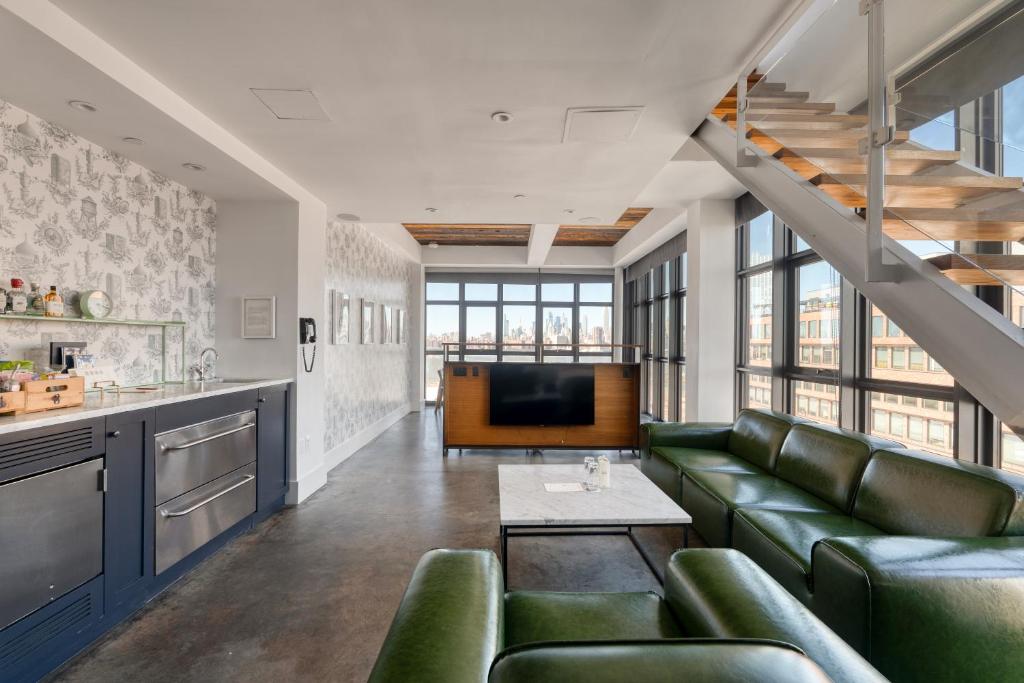
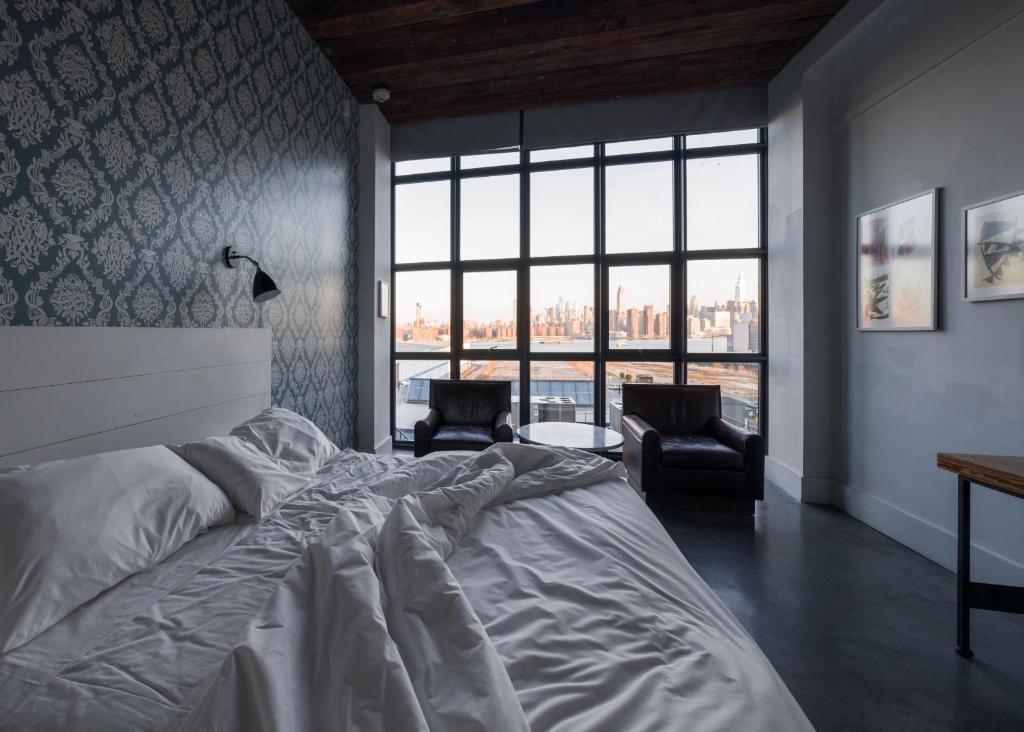
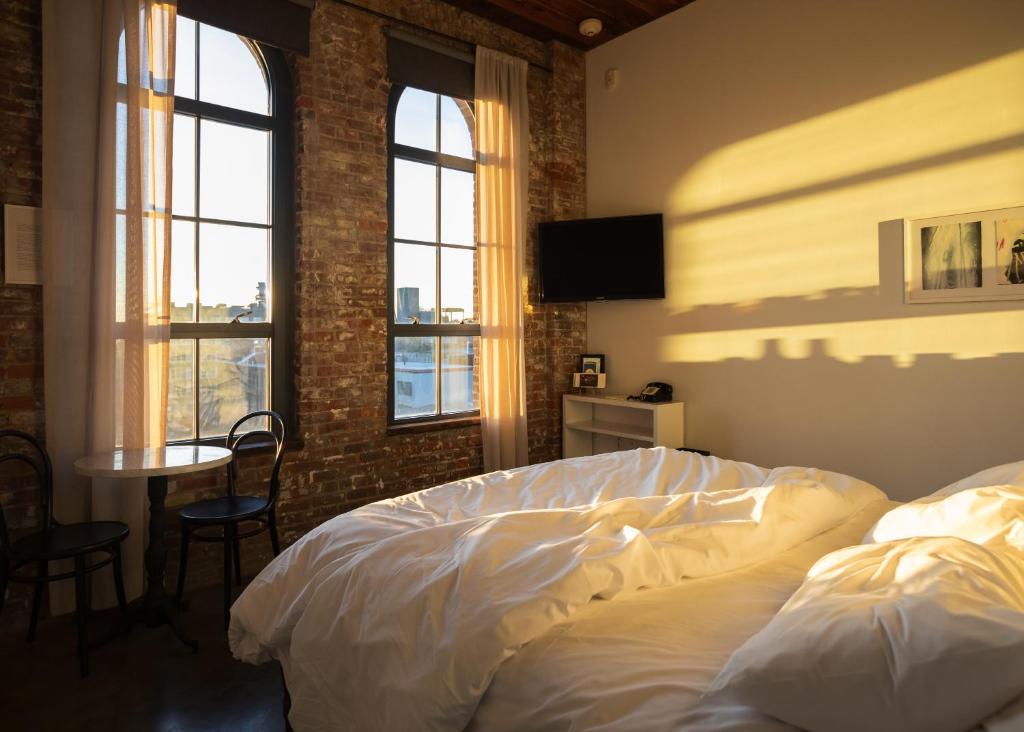
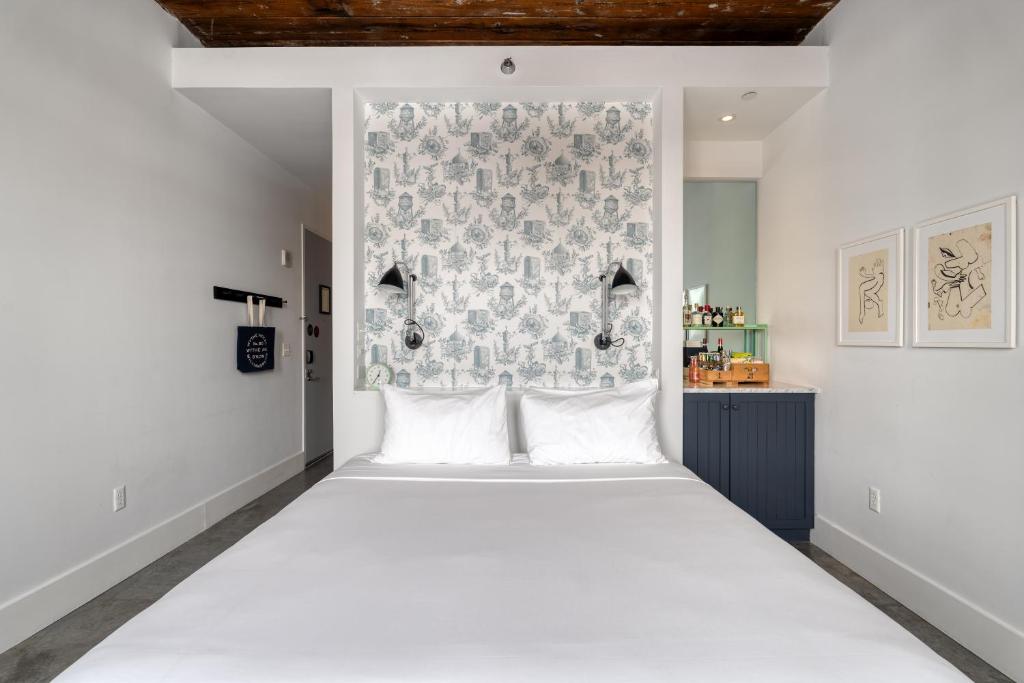
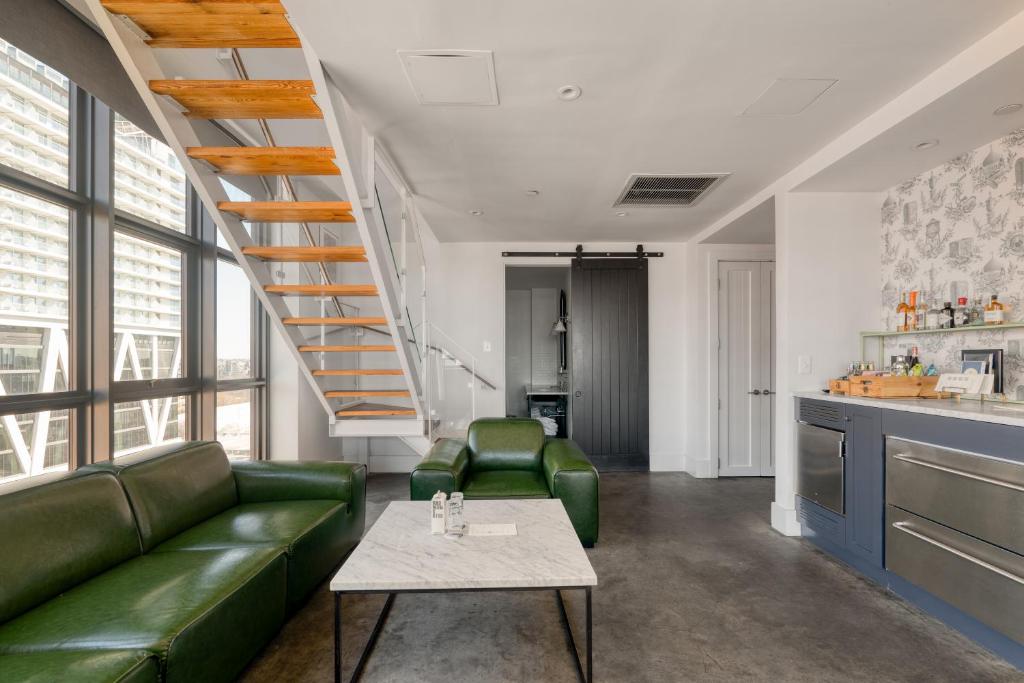
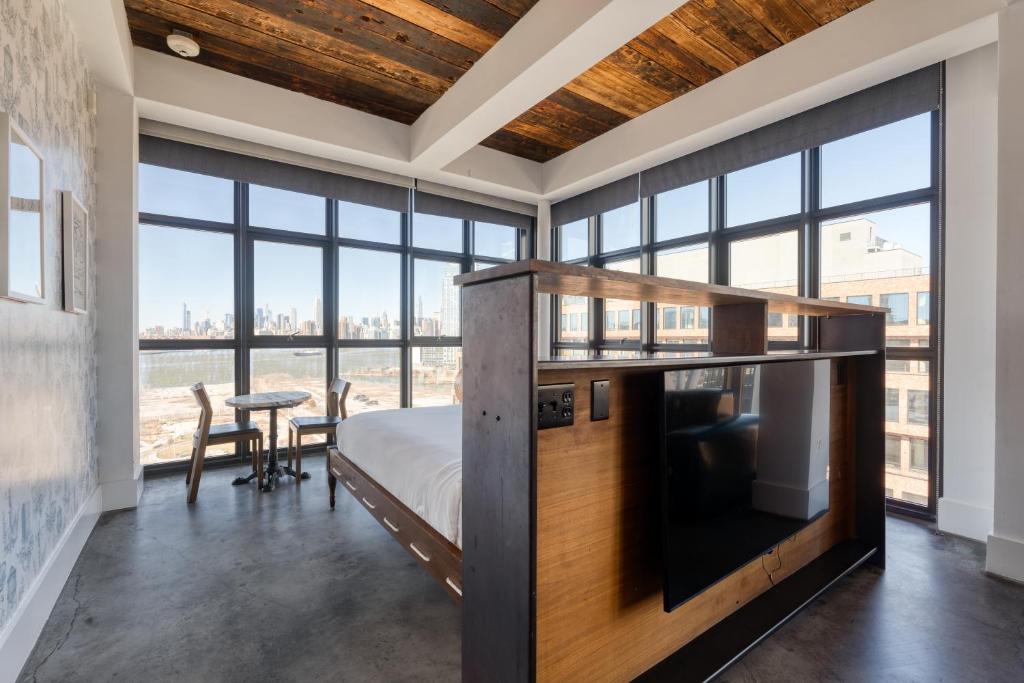
Designed by Morris Adjmi Architects, the building retains the honest materials of its manufacturing past while introducing warmth through handcrafted furniture, reclaimed timber, soft lighting, and carefully selected finishes. Guest rooms feel distinctly New York—minimal without being cold, refined without becoming precious. Floor-to-ceiling factory windows flood the interiors with light, while radiant heated concrete floors, custom furnishings, and tactile materials create spaces that are both urban and surprisingly comfortable. Many rooms frame uninterrupted views across the East River toward the Manhattan skyline, transforming the city itself into part of the interior.
Brooklyn’s Living Room
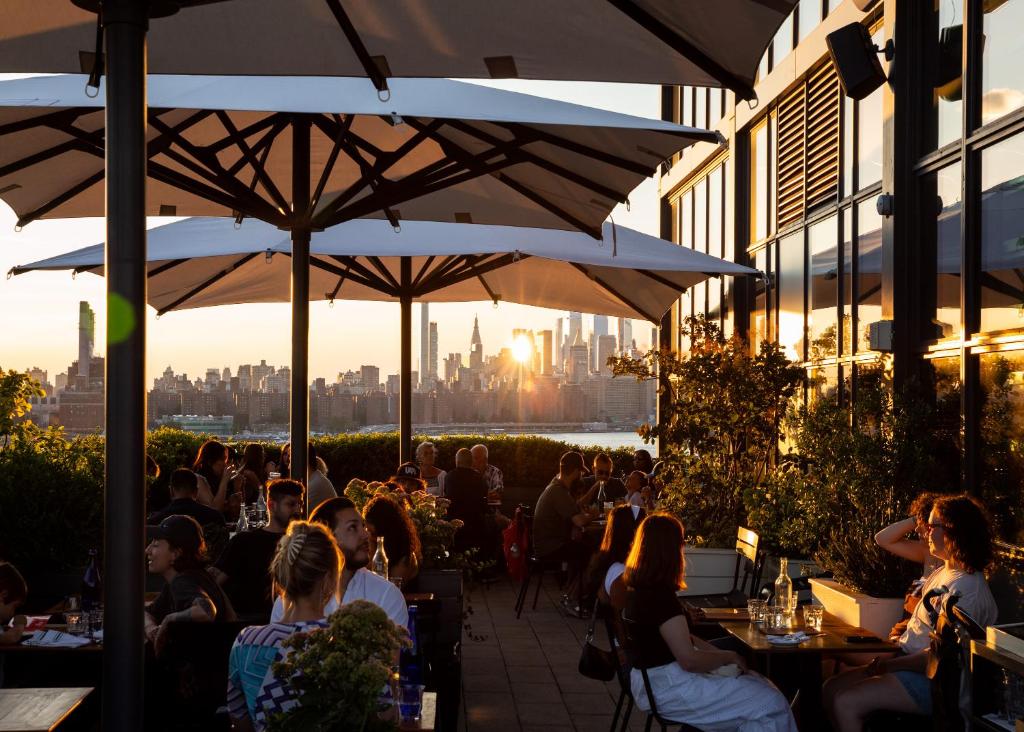
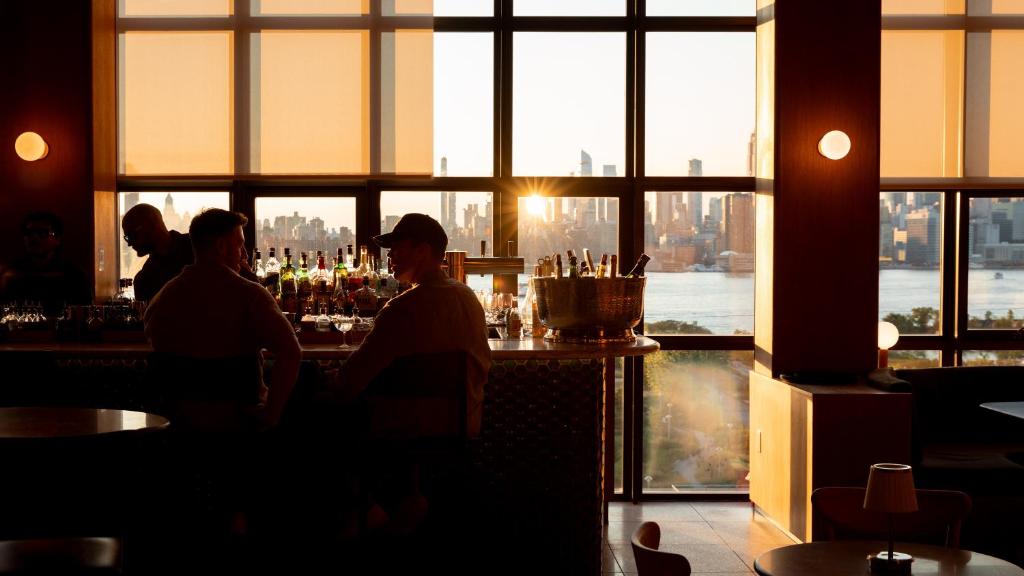
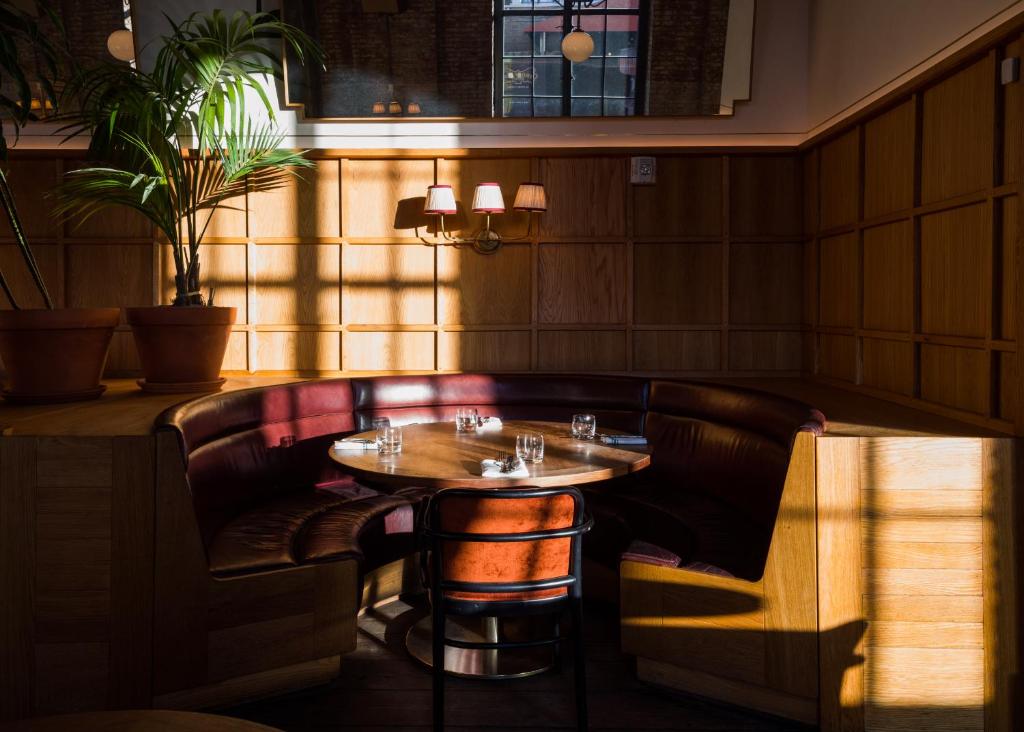
Food has always been central to the Wythe experience. Le Crocodile, created by acclaimed chefs Aidan O’Neal and Jake Leiber of Chez Ma Tante, has become one of Brooklyn’s defining brasseries. Honest French cooking, exceptional ingredients, and a relaxed atmosphere make it feel less like a hotel restaurant and more like the neighborhood’s favourite dining room. Upstairs, Bar Blondeau remains one of New York’s essential rooftop destinations. Floor-to-ceiling windows, elegant marble finishes, sage-green banquettes, and panoramic skyline views provide the backdrop for inventive cocktails, natural wines, and French-inspired small plates. As day turns into evening, few places capture the energy of Brooklyn quite as effortlessly.
Thoughtful Simplicity
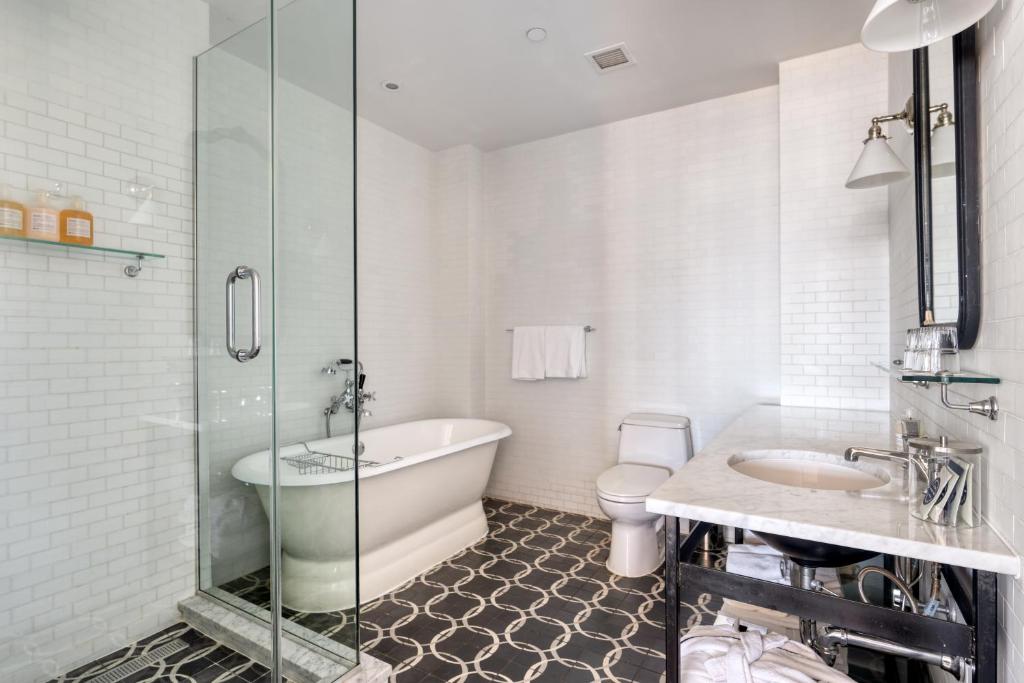
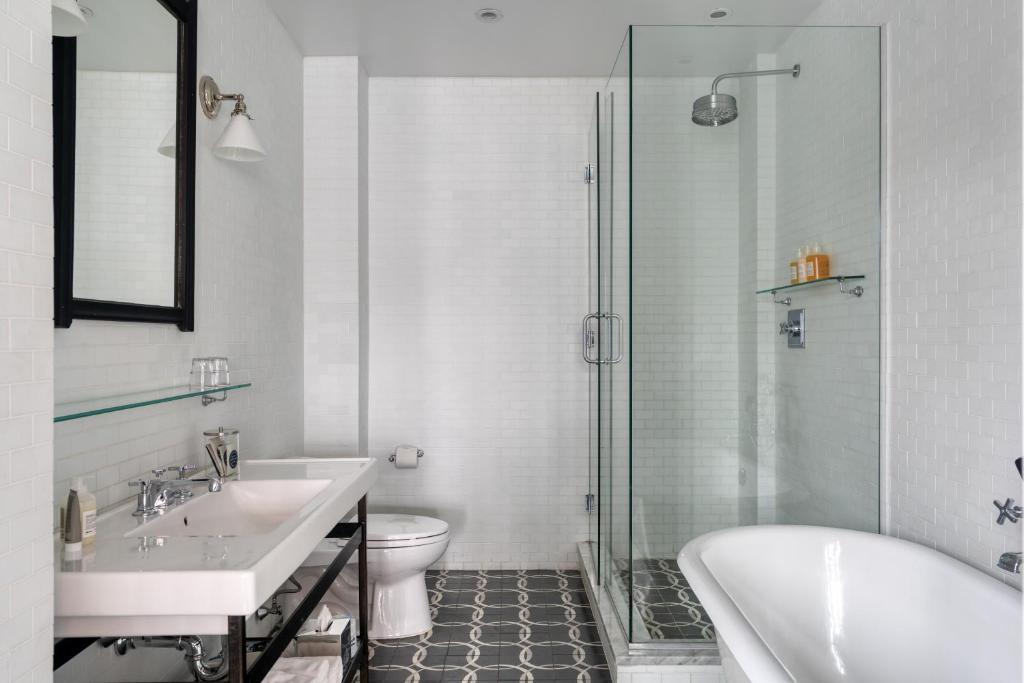
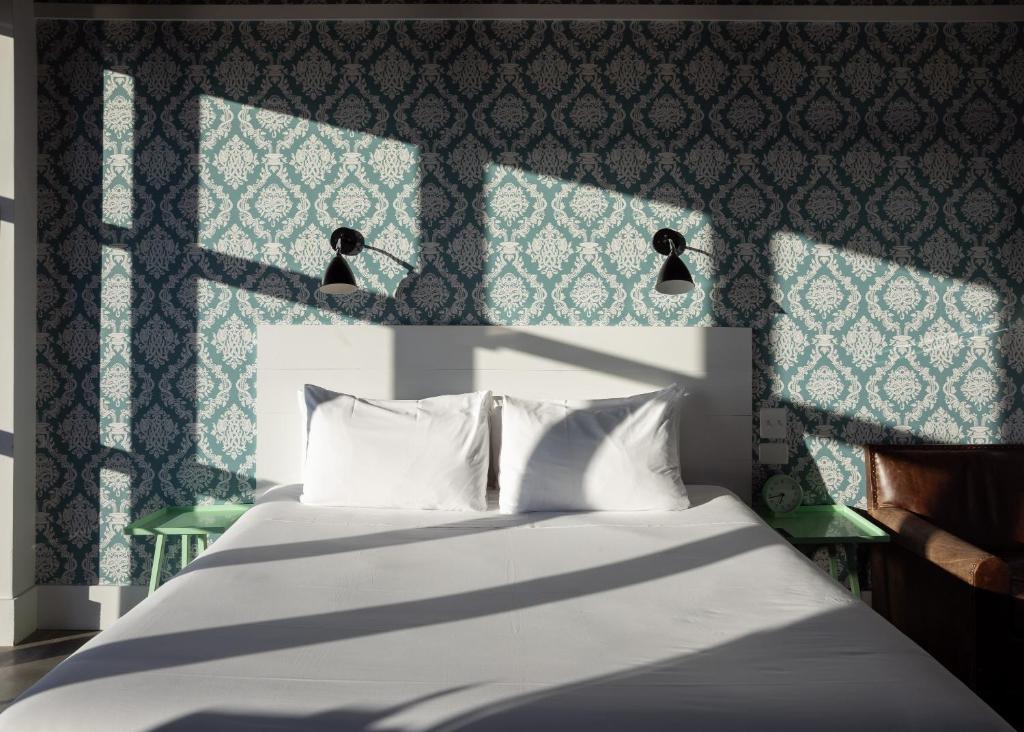
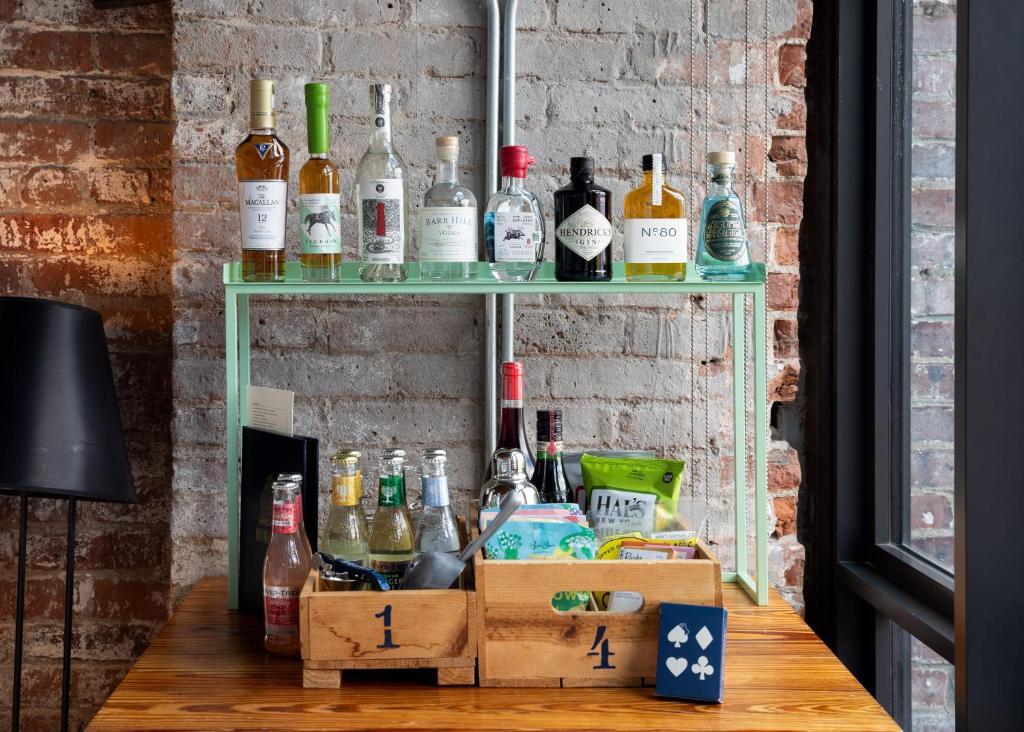
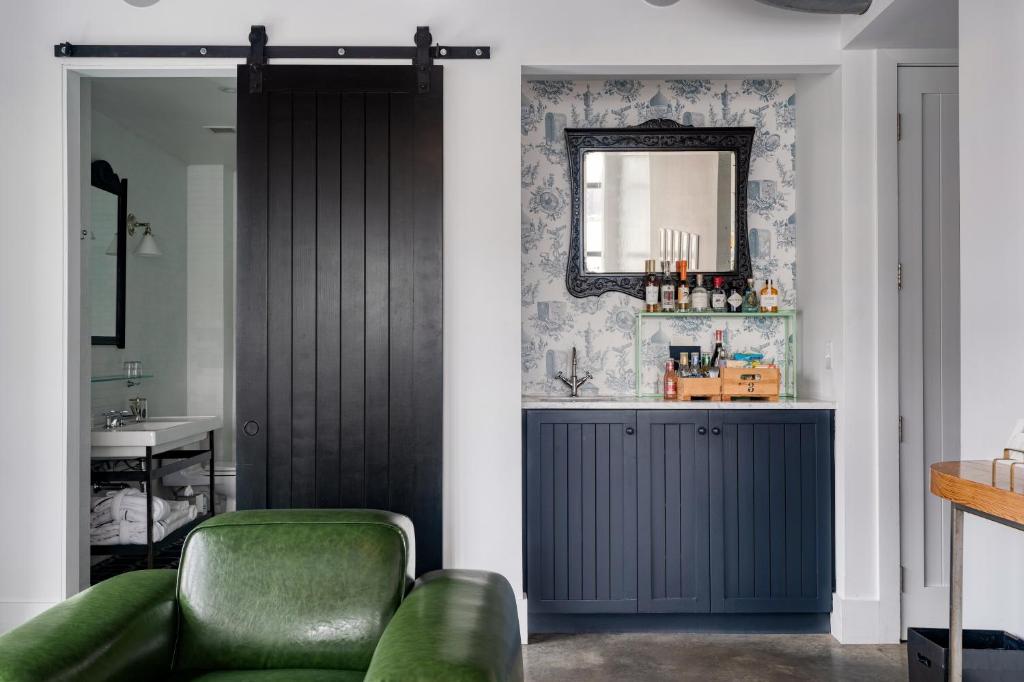
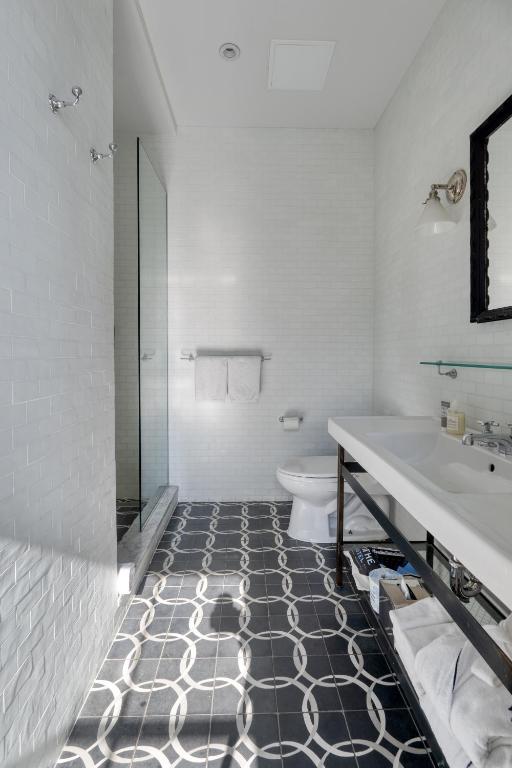
Luxury here isn’t expressed through excess. Instead, it appears in carefully chosen details: beautifully crafted furniture, custom wallpaper by artist Dan Funderburgh, Davines bath amenities, thoughtfully stocked minibars, excellent beds, and tactile finishes throughout. Everything feels intentional without trying too hard—a quality that mirrors Williamsburg itself.
At the Centre of Brooklyn’s Creative Scene
Perfectly positioned between McCarren Park and the East River waterfront, the Wythe places guests in the middle of one of New York’s most dynamic neighborhoods. Independent boutiques, galleries, cafés, music venues, and restaurants surround the hotel, while Manhattan remains just one subway stop away. It’s an ideal base for travellers who want to experience New York beyond Midtown.
Why It Endures
Many hotels helped popularise industrial chic. The Wythe Hotel helped invent it. More than ten years after opening, it remains remarkably fresh because it never chased trends. Instead, it celebrates the building’s history, the creativity of its neighbourhood, and the simple pleasure of thoughtful design, excellent food, and genuine hospitality. For travellers seeking the authentic spirit of modern Brooklyn, few hotels feel as rooted—or as influential—as the Wythe Hotel.