Zannier Phum Baitang, Siem Reap, Cambodia
A five-star Khmer village where rice paddies, traditional architecture, and slow Cambodian living set the rhythm
Why DNA Hotels Loves It
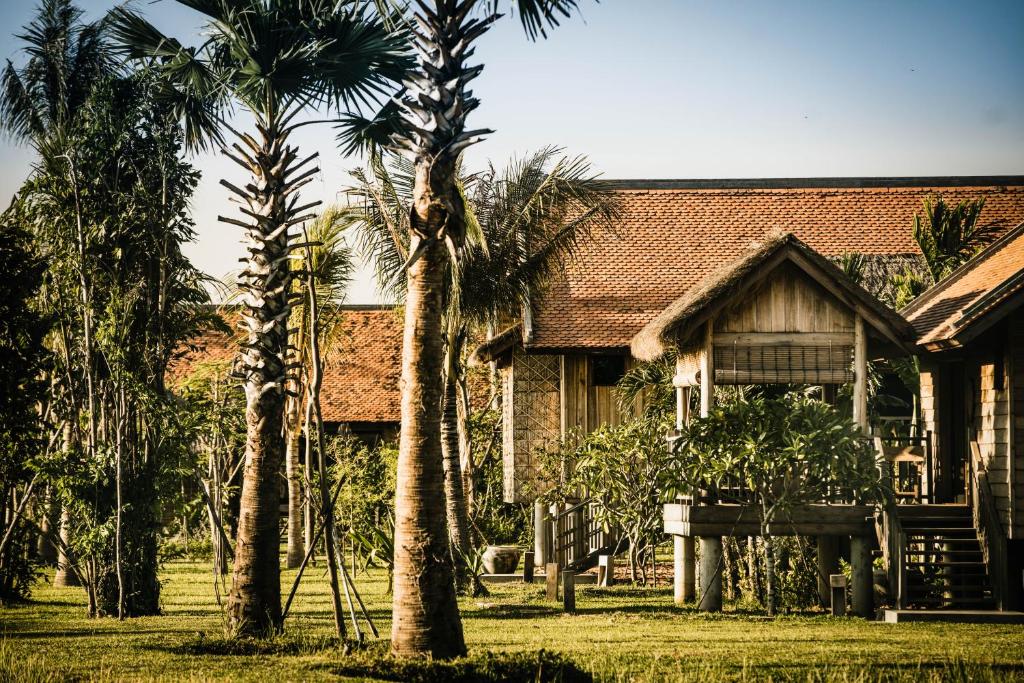
● Paris-based AW² and hotelier Arnaud Zannier recreated the spatial language of a traditional Khmer village, with 45 stilted wooden villas scattered among rice paddies and tropical gardens.
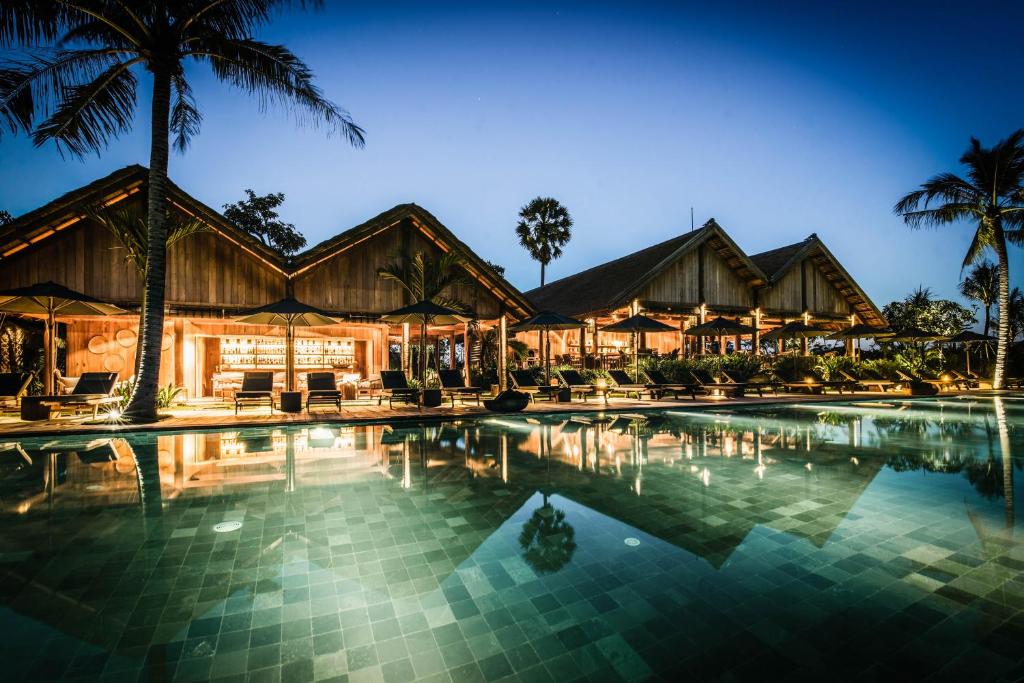
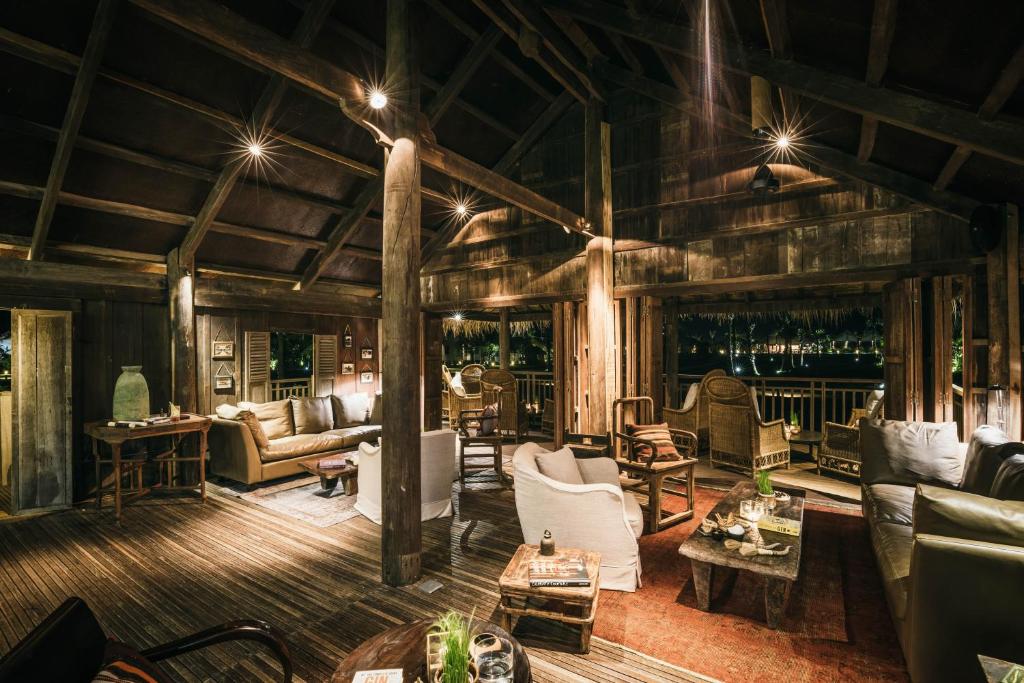
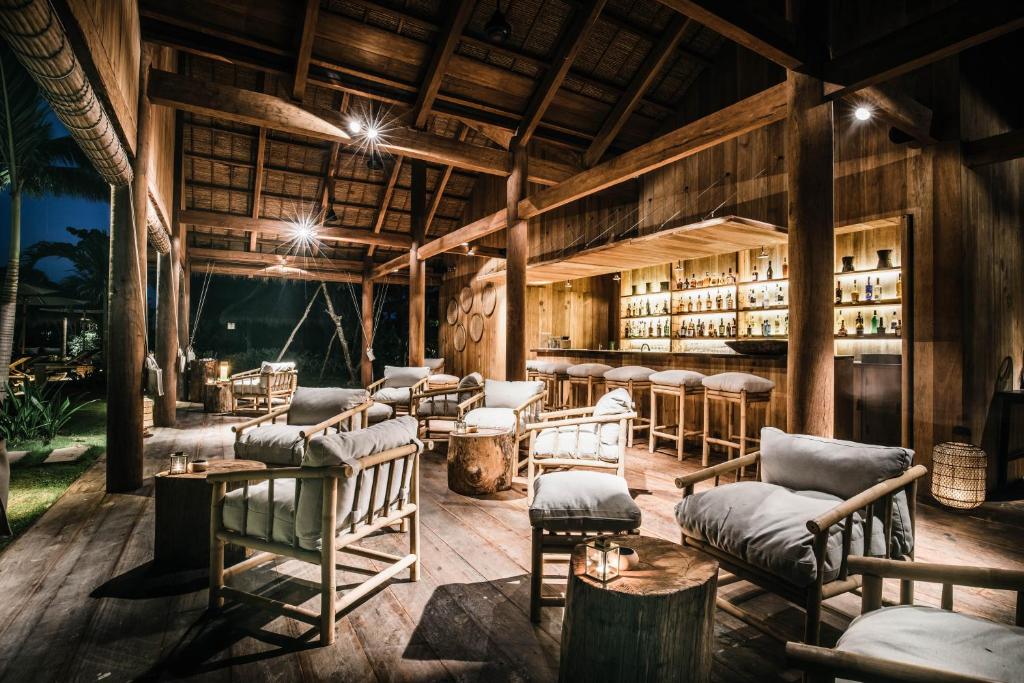
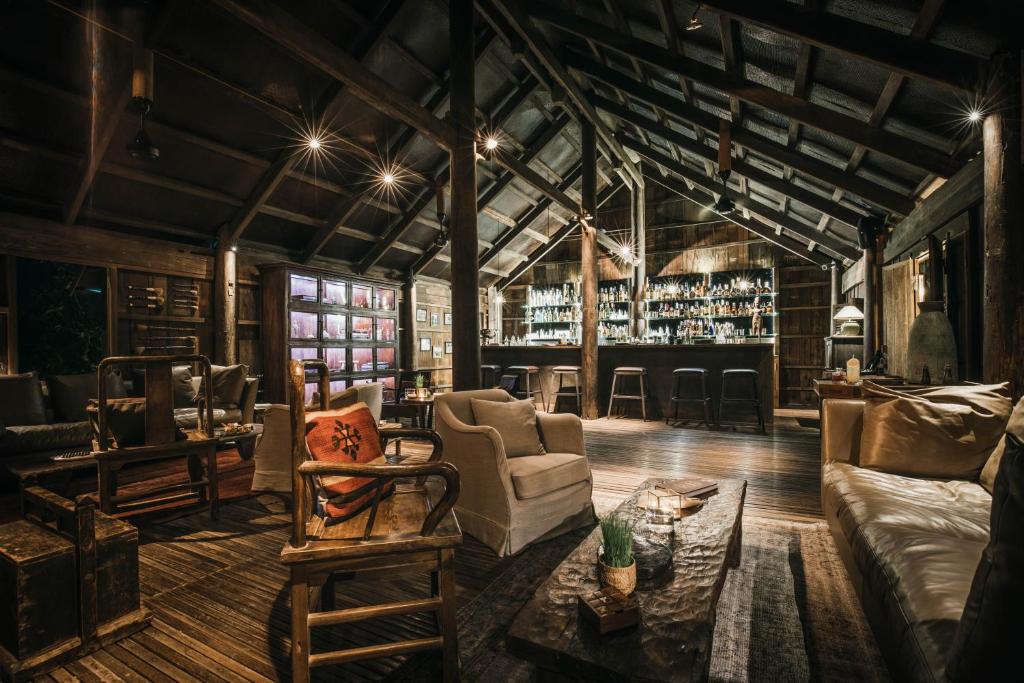
● The 100-year-old farmhouse turned Sunset Lounge, 50-metre infinity pool, and temple-like spa give the resort a powerful sense of place without tipping into theme-park territory.
● Sustainability is woven into daily life, from working rice fields and organic gardens to local sourcing, composting, water treatment, and an extensive reuse and recycling programme.
The Green Village
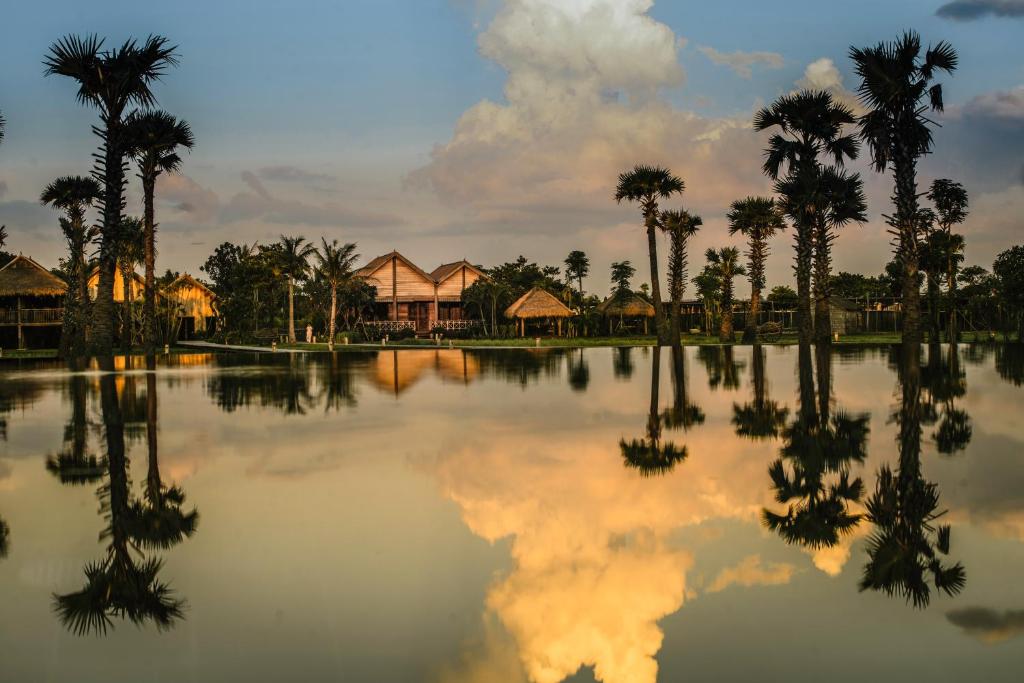
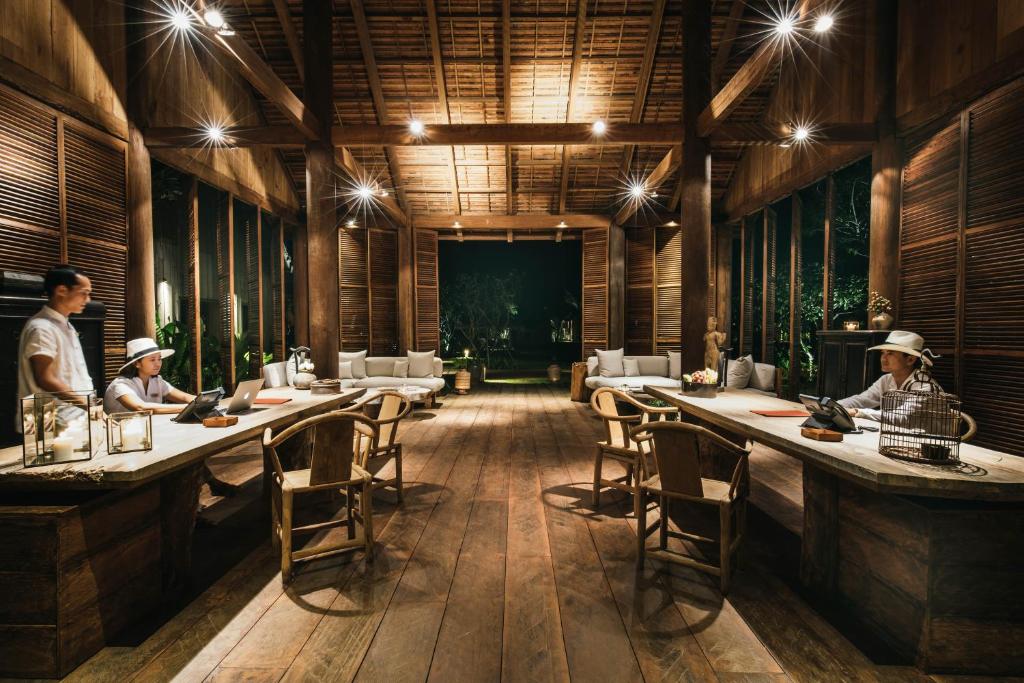
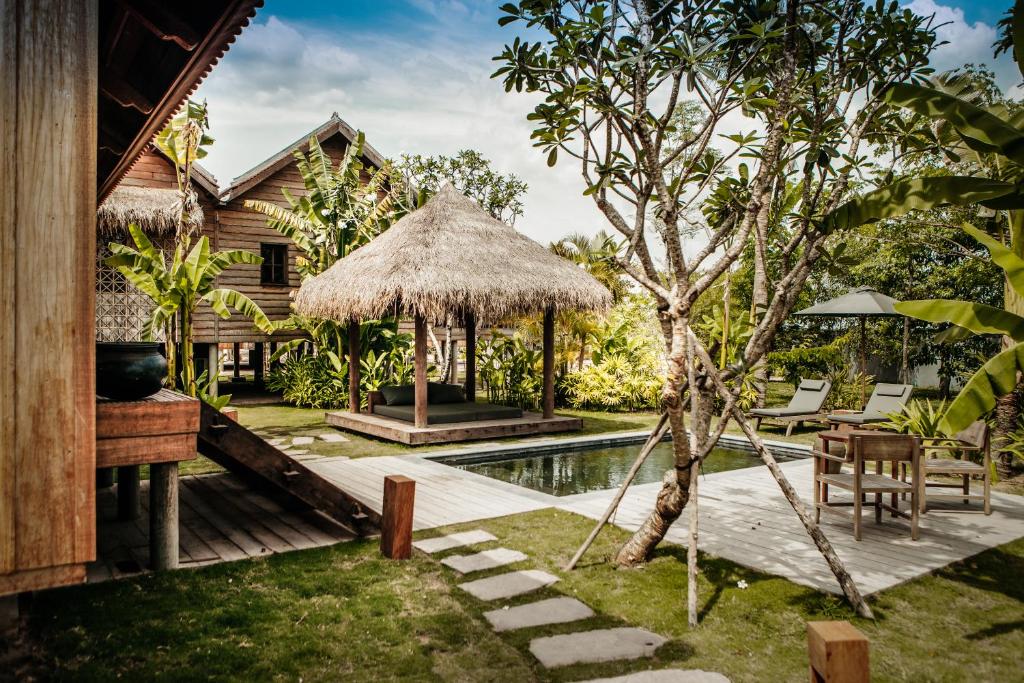
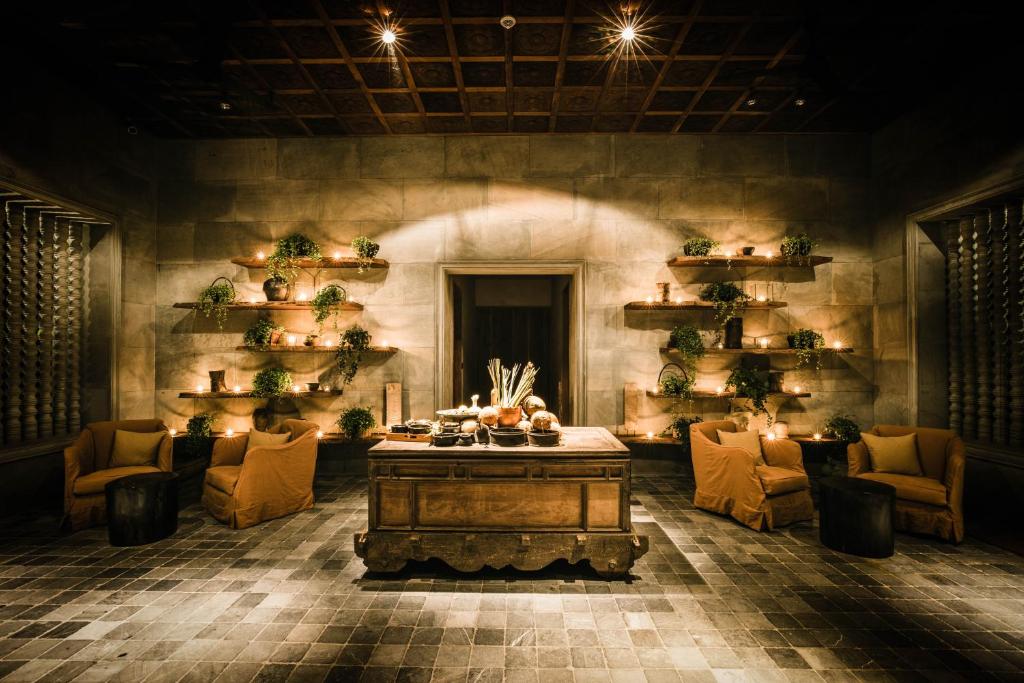
Siem Reap may have grown into one of Southeast Asia’s busiest resort towns, but drive a little beyond its centre and the landscape quickly changes. Rice fields replace cafés. Palm trees rise above dusty roads. Village houses stand on stilts. Zannier Phum Baitang takes that rural Cambodia as its starting point. Its name means “green village” in Khmer, and across a landscape of gardens and working rice paddies, 45 individual villas appear between palms and lush vegetation. Rather than designing a conventional resort and dressing it in Cambodian references, Arnaud Zannier and Paris architecture studio AW² looked to the traditional Khmer village itself. The result feels deliberately low-key: no monumental lobby, no oversized resort blocks, just wooden houses, pathways, gardens, water, and plenty of space between them.
45 Houses on Stilts
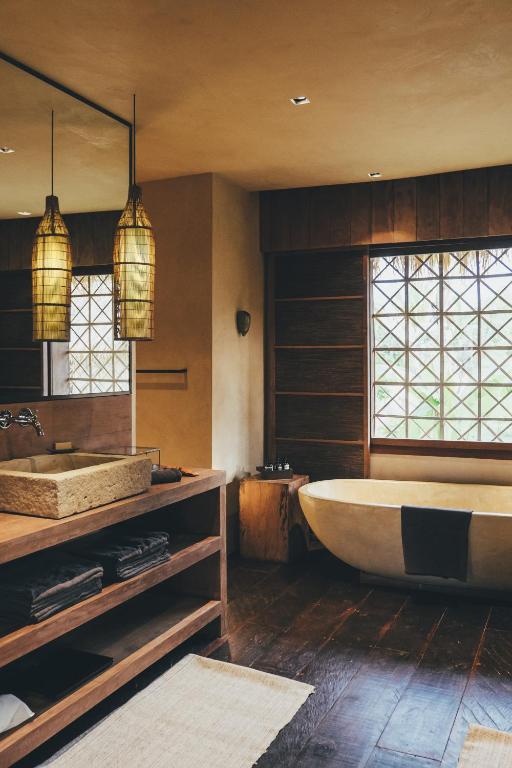
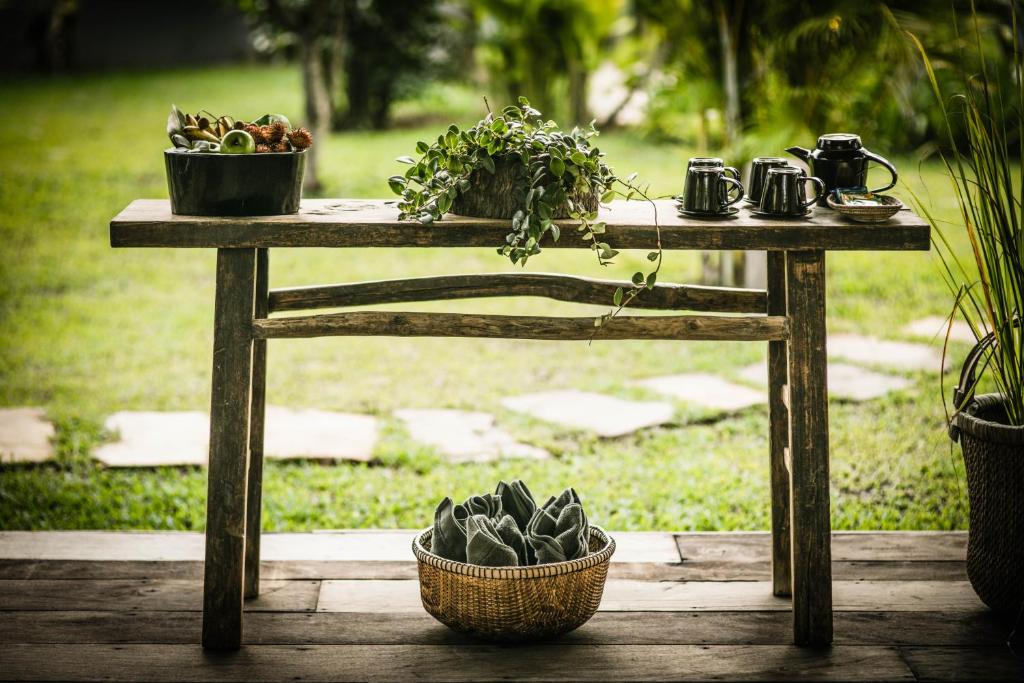
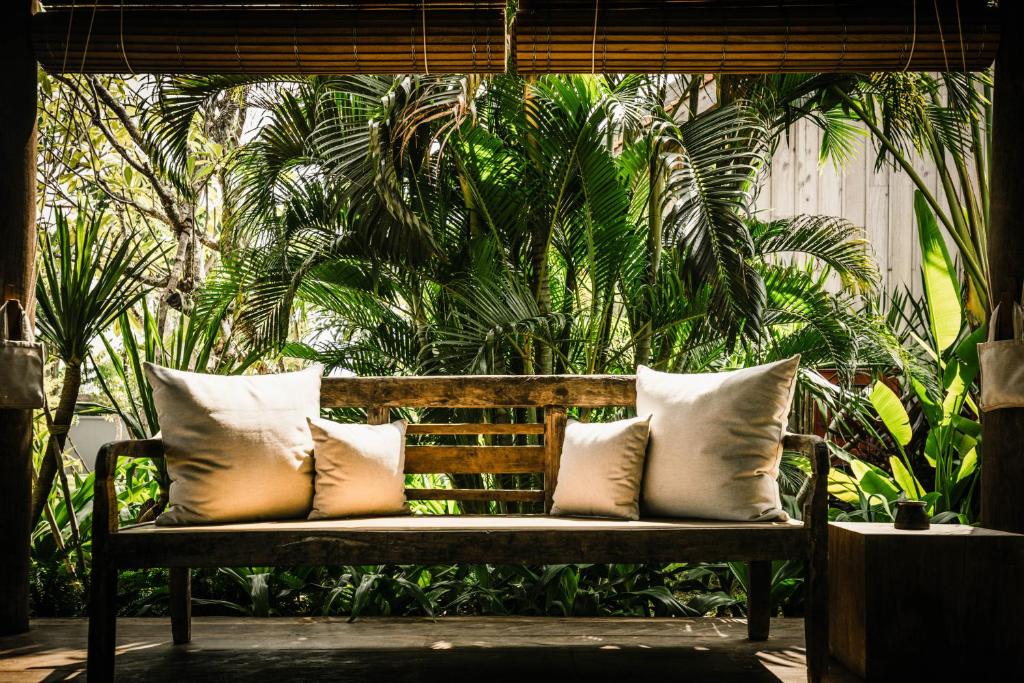
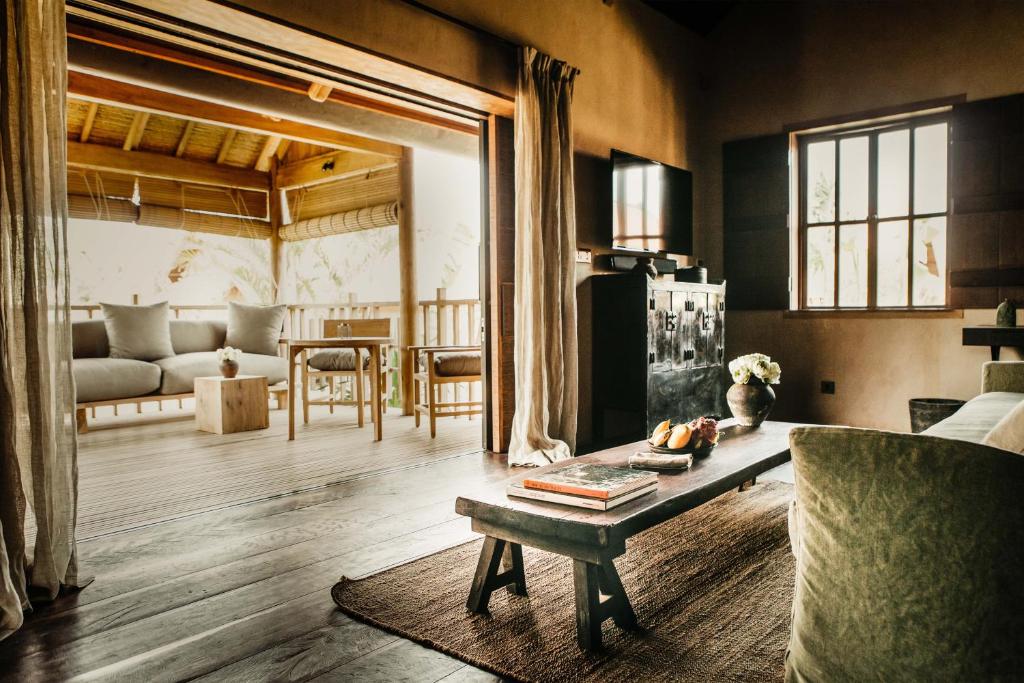
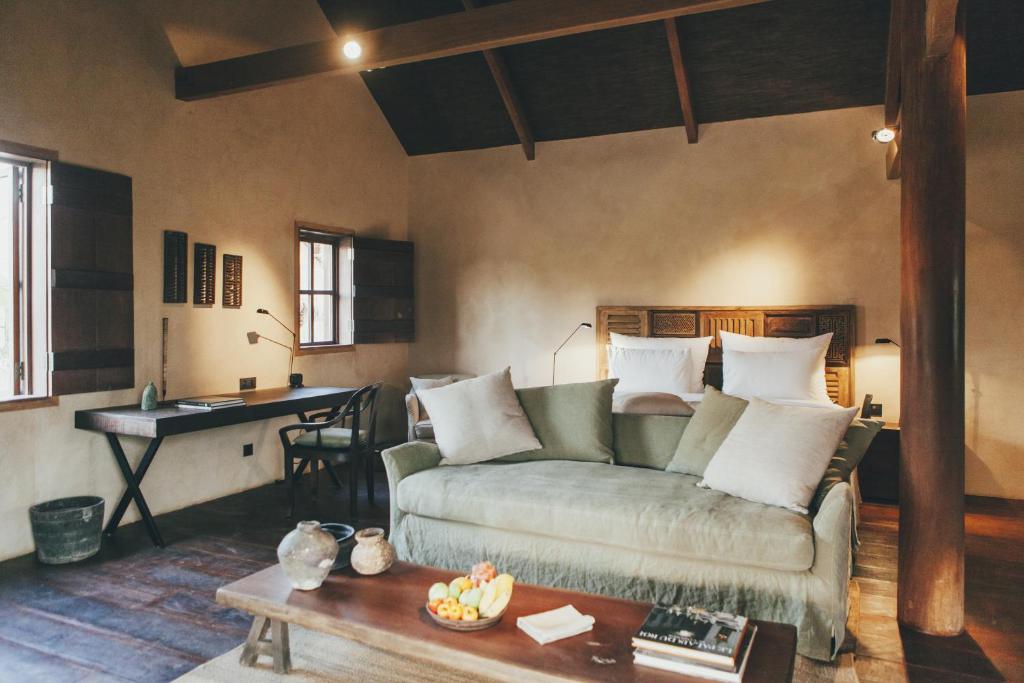
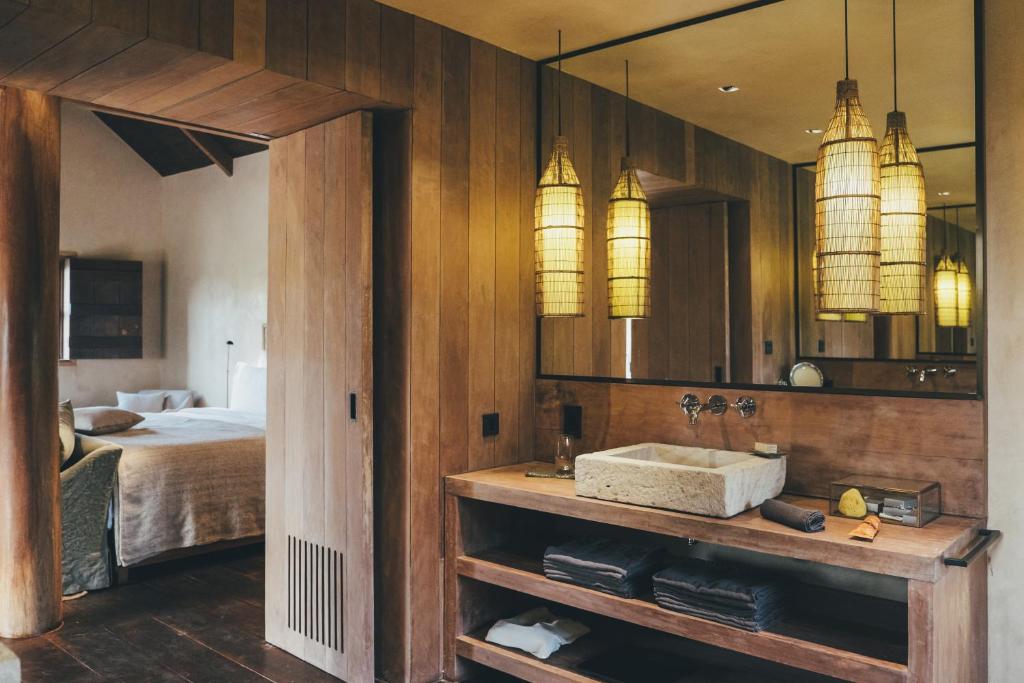
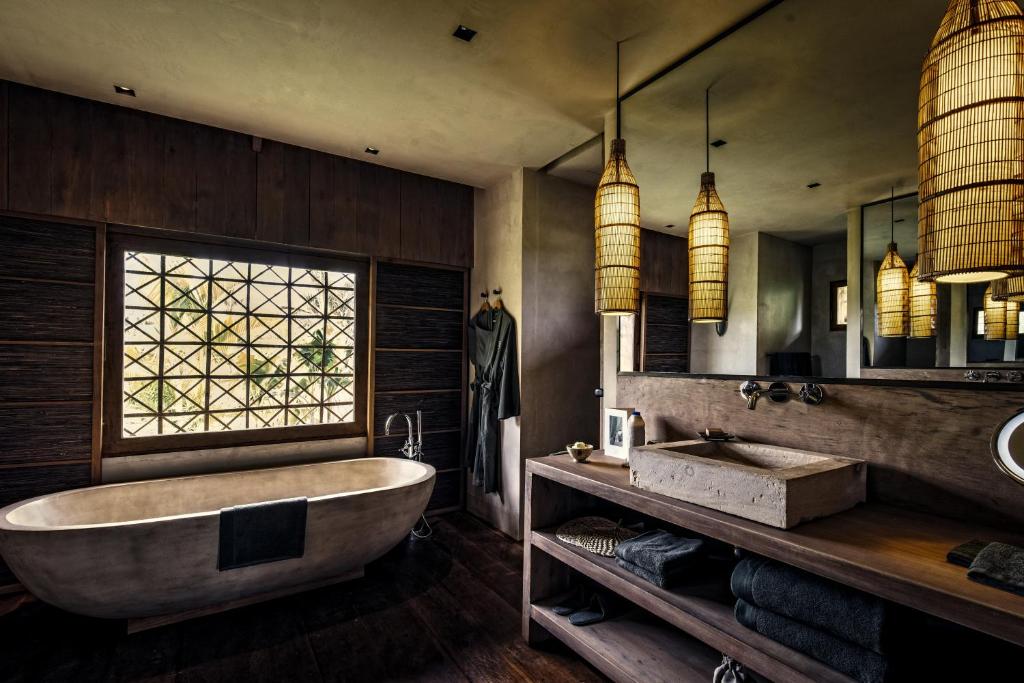
Each villa takes its cues from traditional Cambodian rural architecture. Thatched roofs, reclaimed timber, elevated decks, rattan, linen, stone, and antique Cambodian objects establish the vocabulary, while large windows open the interiors towards gardens and rice fields. Freestanding stone bathtubs and rough-hewn basins add a more tactile kind of luxury. There are just two principal villa types. Terrace Villas come with generous elevated decks overlooking the landscape, while 25 Pool Villas add private gardens and plunge pools. Inside, both are spacious and intentionally restrained, allowing materials and craftsmanship to do most of the work. It is rustic luxury, but without the rustic hardship.
A Farmhouse at Sunset
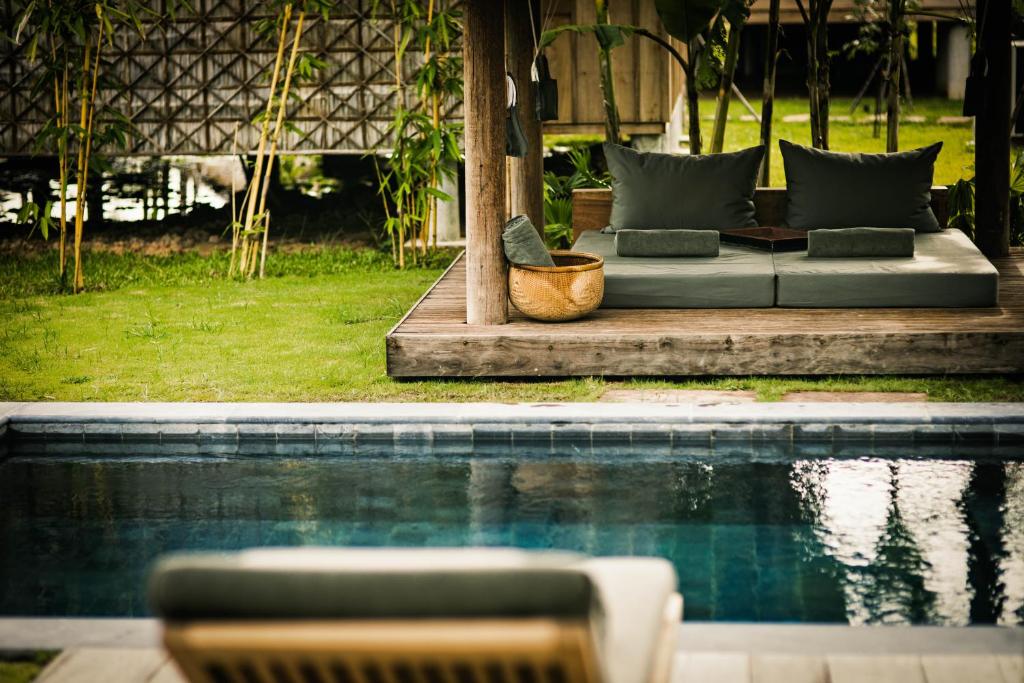
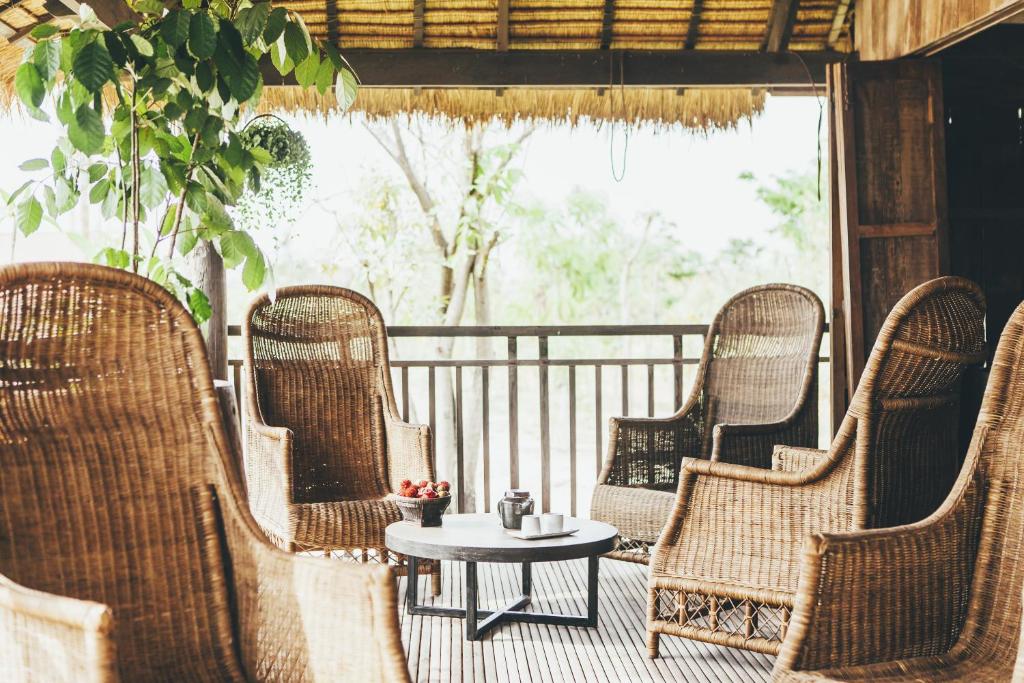
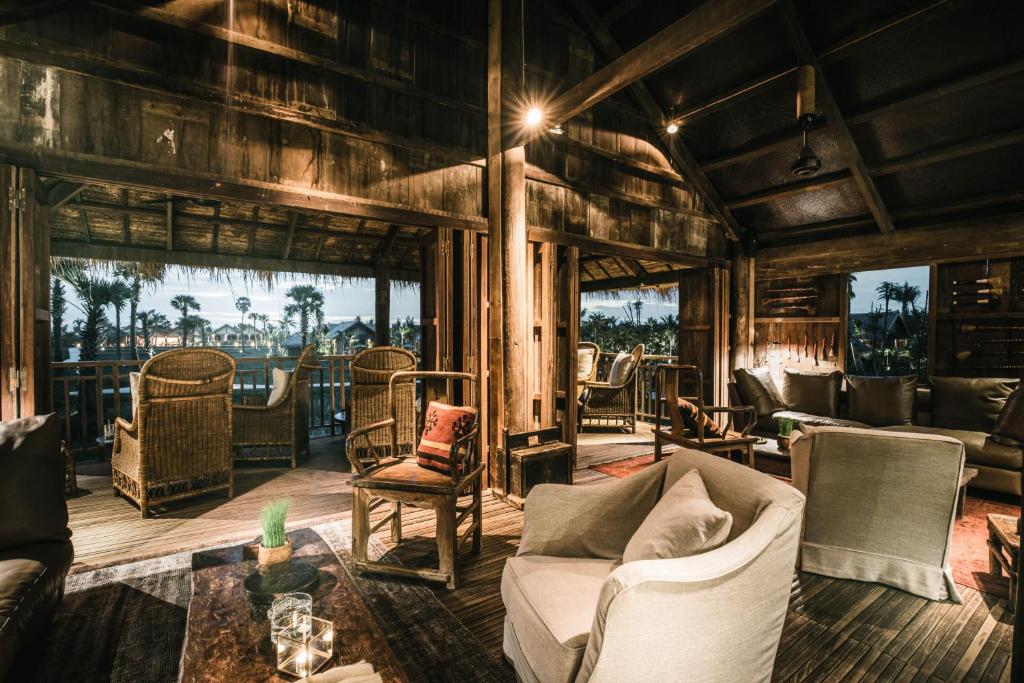
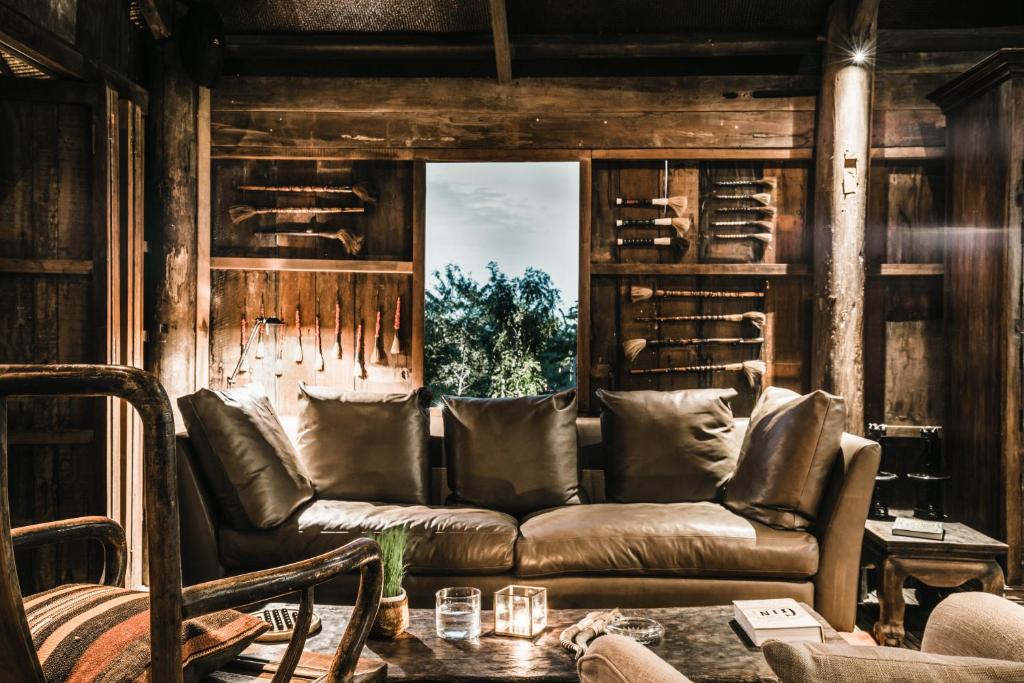
The most evocative building isn’t new at all. At the heart of the resort stands a century-old Khmer farmhouse, carefully restored as the Sunset Lounge. Rattan armchairs, oriental rugs, dark timber, old objects, cocktails, and cigars give it the slightly romantic air of an explorer’s retreat. Come late afternoon, its terrace becomes one of the loveliest places on the property as the light drops across the rice fields. Nearby, the enormous 50-metre infinity pool stretches towards the paddies, its dark stone edge reflecting palms, clouds, and changing skies. It is precisely the kind of pool that can turn a planned afternoon of sightseeing into absolutely nothing.
Cambodia on the Table
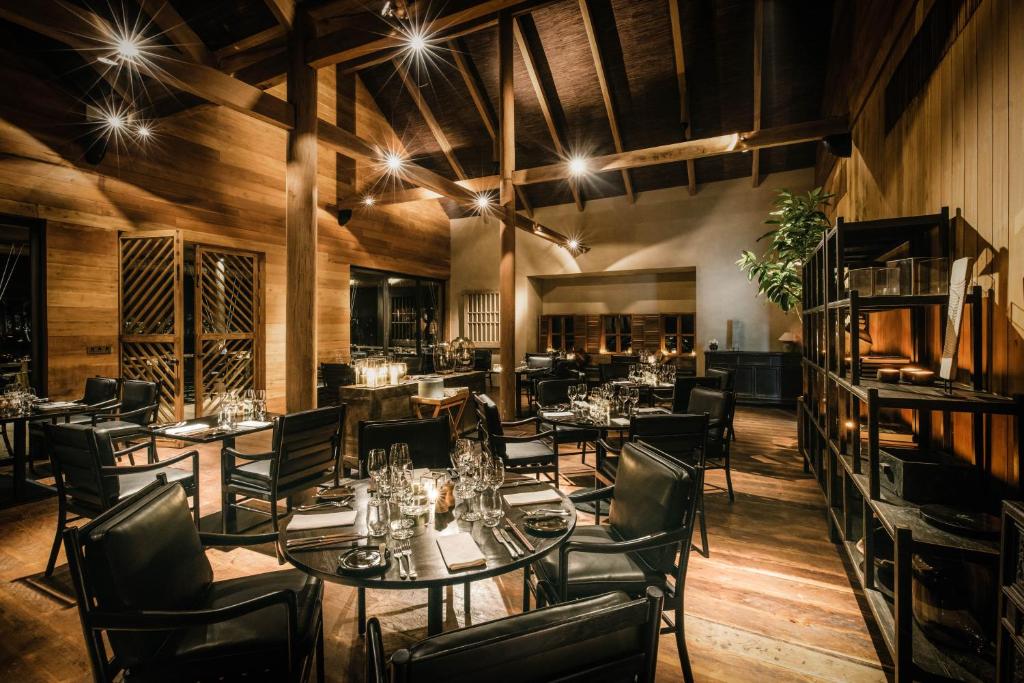
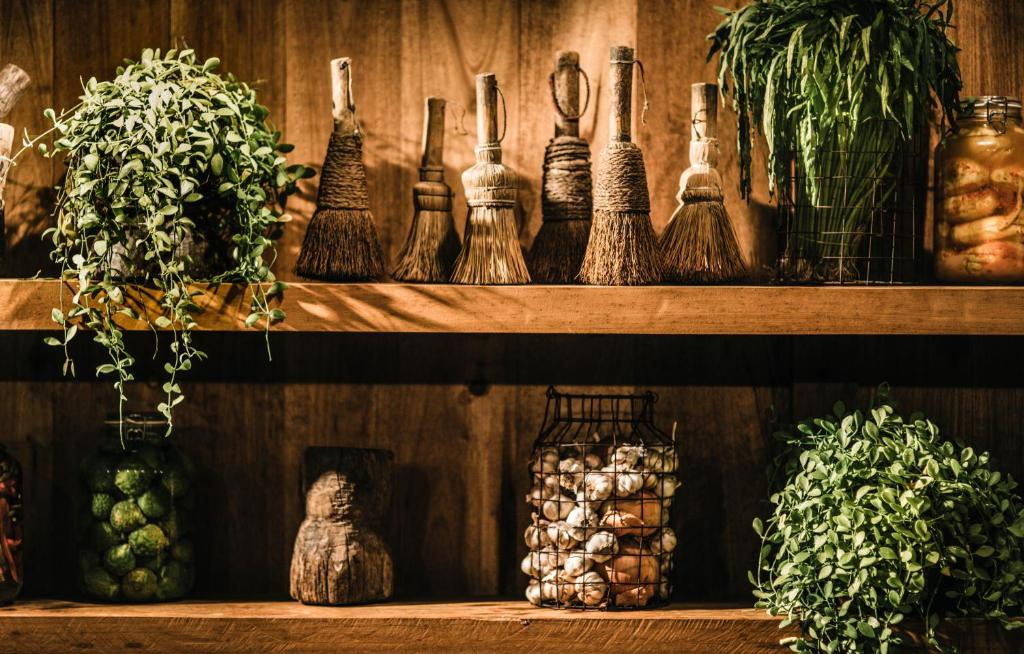
Food keeps the experience firmly connected to its surroundings. At Bay Phsar, Cambodian dishes and more casual plates are served overlooking the gardens and rice fields. Hang Bay takes a more refined approach to Khmer cuisine, with Executive Chef Kimchhoeung Hin drawing on local ingredients, aromatic spices, and recipes connected to his own Cambodian upbringing. Some ingredients travel barely any distance at all. The resort grows rice, fruits, vegetables, and herbs on the property, with its own harvest feeding into the kitchens. Cooking experiences can begin in the gardens and continue at a local market before ending around the table. The Sunset Lounge handles the transition from food to evening particularly well.
A Temple for Slowing Down
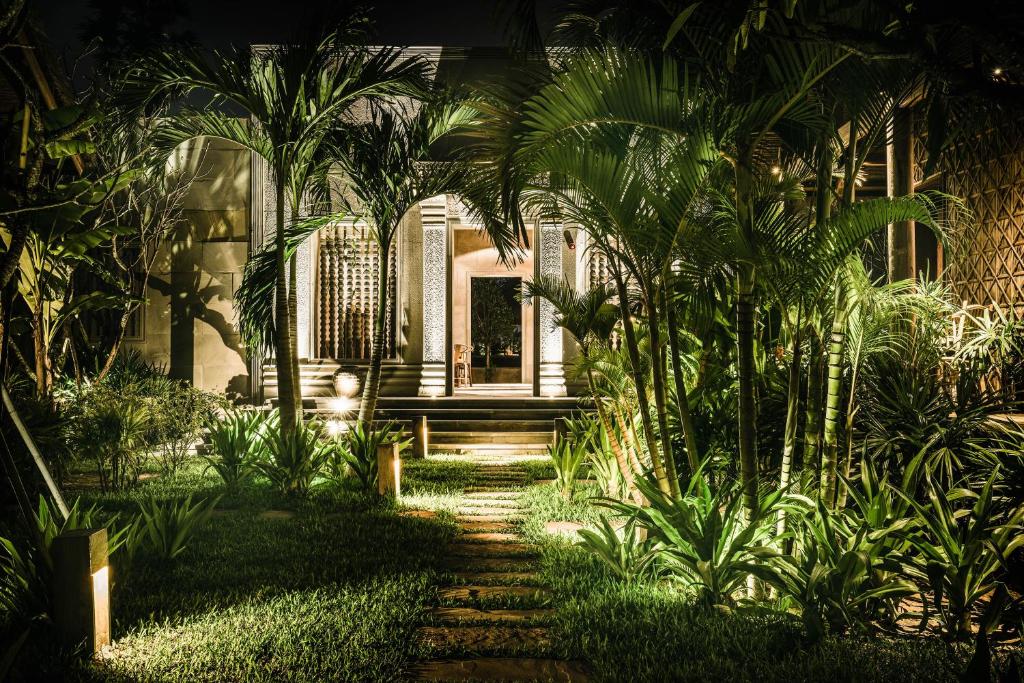
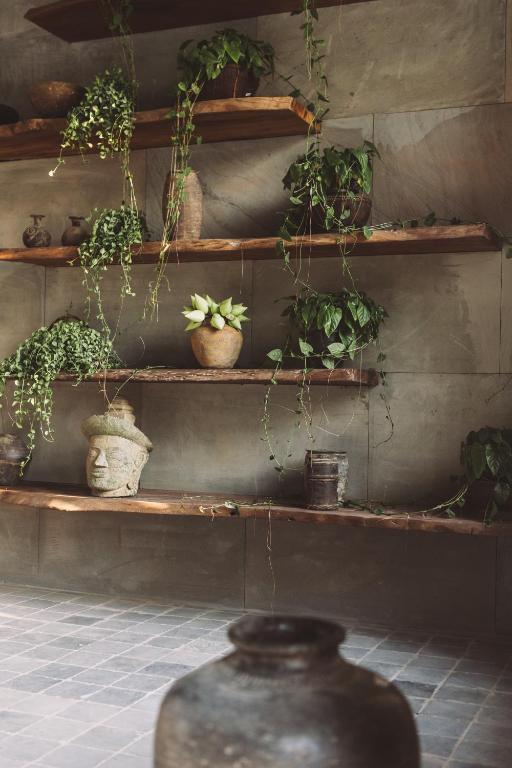
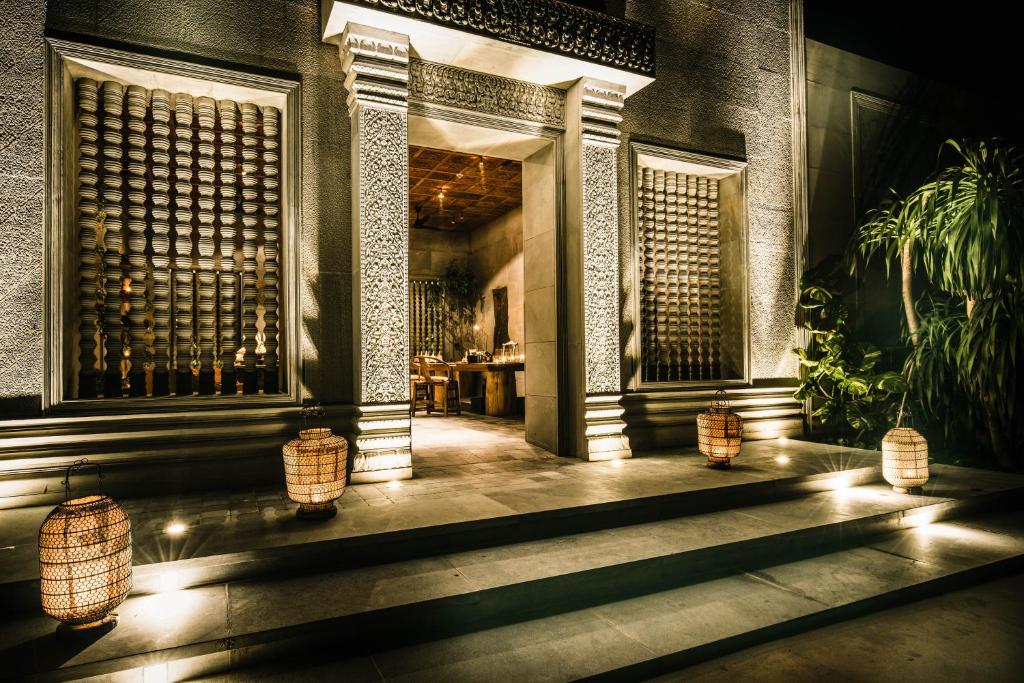
Hidden behind dense vegetation, the spa feels almost archaeological. Stone, carved details, wooden treatment pavilions, lotus ponds, and tropical planting reference the architecture and atmosphere of Angkor without attempting to reproduce it. Treatments incorporate ingredients including ginger, turmeric, kaffir lime, mango, and honey, while yoga, meditation, sound healing, and other practices extend the wellness programme beyond massage. There is a pleasant irony here. You come to Siem Reap to explore some of humanity’s greatest monuments, then discover that one of the hardest things to do at Phum Baitang is persuade yourself to leave the hotel.
Green Beyond the Name
The rice paddies aren’t merely landscaping. Phum Baitang operates them as part of a broader sustainability programme, employing local residents during harvest and using the organic rice in its restaurants. Gardens supply produce and herbs, organic waste becomes animal feed or compost, used cooking oil is collected for conversion into biodiesel, and discarded soap is donated for processing through a Cambodian hygiene initiative. The resort also operates its own water-treatment system, filters well water for drinking, and uses reusable glass bottles rather than disposable plastic. Its environmental programme has earned Green Globe certification. Here, sustainability feels particularly convincing because it reinforces the original idea of the hotel: a village should function as well as look beautiful.
Why It Works
Zannier Phum Baitang understands that the most convincing luxury in Cambodia doesn’t need to compete with Angkor. It needs to connect you more deeply with the landscape around it. AW²’s stilted timber villas, working rice paddies, tropical gardens, century-old farmhouse, extraordinary pool, and temple-like spa create an idealised version of rural Khmer life, certainly—but one executed with enough restraint and attention to place to make the fantasy work. Just outside busy Siem Reap and within easy reach of Angkor, it offers something increasingly difficult to manufacture: space, silence, and the feeling that time has started moving at a different speed.