The Story
How a Zagreb architecture studio helped reinvent Croatia's Adriatic hospitality scene — and is now giving some of its most famous abandoned resorts a second life.
For decades, Croatia’s Adriatic coast has been home to two very different kinds of hotels. There are the glamorous seaside resorts, with their terraces, swimming pools and spectacular views. And then there are the ghosts: abandoned modernist buildings, empty corridors and shattered windows, reminders of a very different chapter in the country’s history. Few architecture studios have become as closely involved with both worlds as Zagreb-based 3LHD. The practice has helped transform Rovinj into one of the Adriatic’s most architecturally interesting hotel destinations. Its influence has travelled as far as China, while current projects include the rebirth of historic Hotel Marjan in Split and the extraordinary Kupari resort near Dubrovnik, where the ruins of former luxury hotels became an unlikely attraction for urban explorers. It is also a studio with a remarkable presence on DNA Hotels. Once you start connecting the buildings, an interesting architectural story emerges.
A Croatian Architectural Identity
Founded in Zagreb in 1994 by Saša Begović, Marko Dabrović, Tatjana Grozdanić Begović and Silvije Novak, 3LHD emerged during a period when Croatia was rediscovering its identity as an independent country. The studio has since grown into an internationally recognised practice working across architecture, urban planning, landscape and design. What makes its hospitality projects particularly interesting is the absence of a signature style. There is no instantly recognisable 3LHD façade, no formula involving a particular material or architectural gesture. Instead, the studio tends to begin with the surroundings: the landscape, the existing buildings, the history and the relationship between private hospitality and public space. This approach has produced some remarkably different hotels.
How Rovinj Became a Design Destination
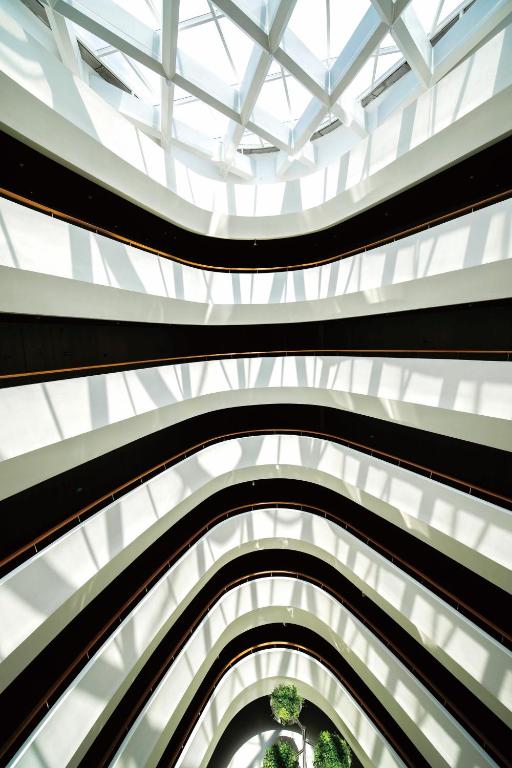
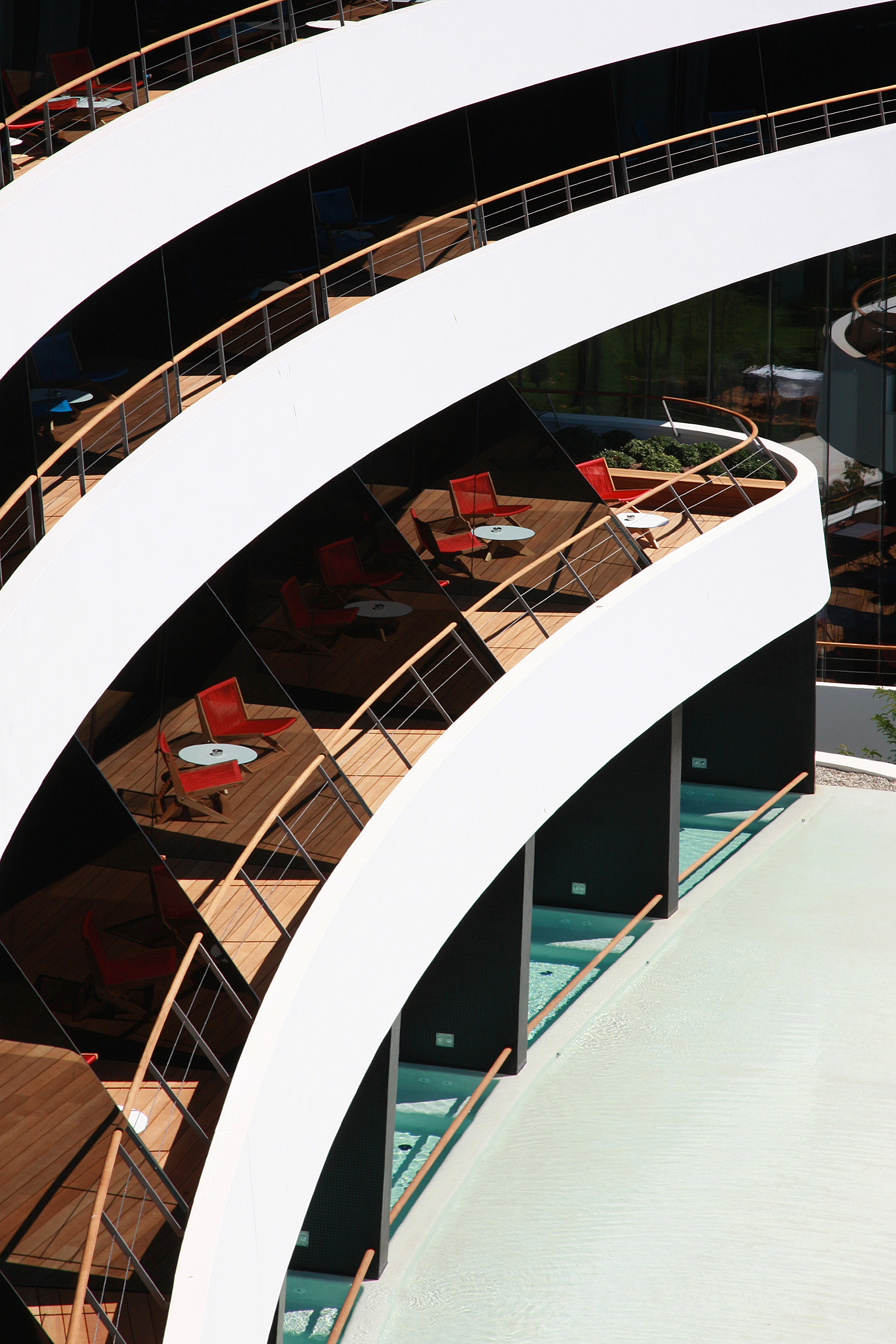
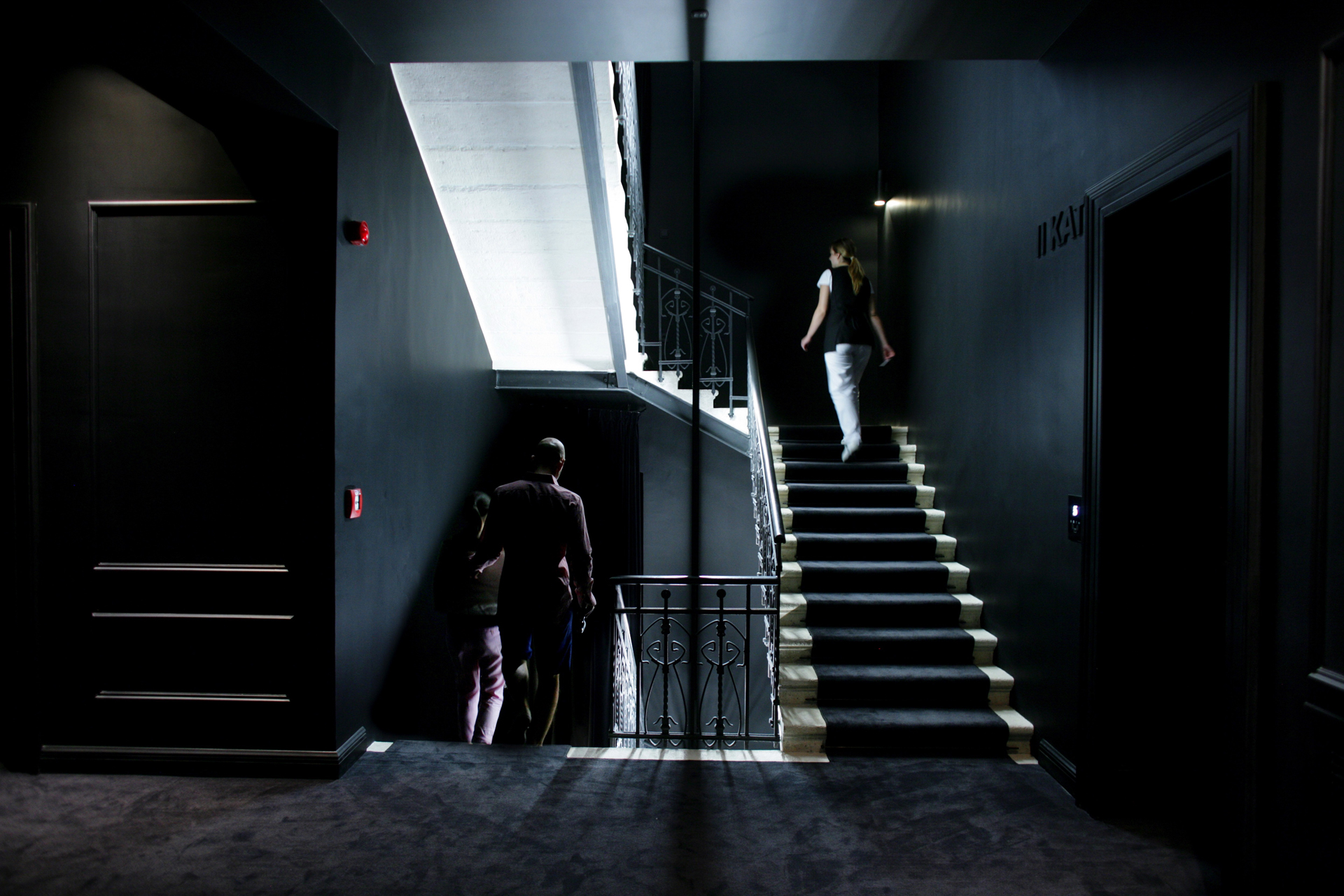
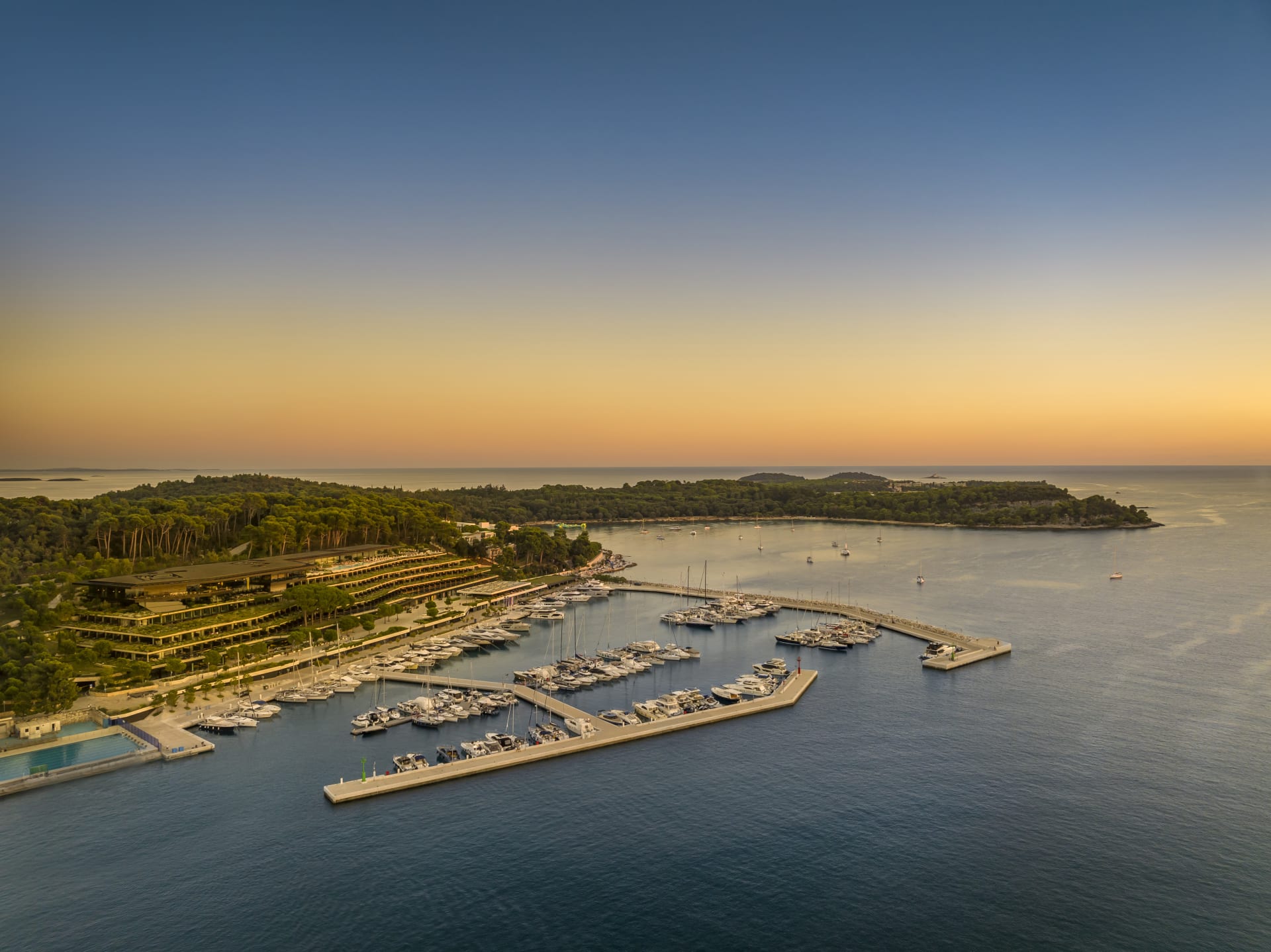
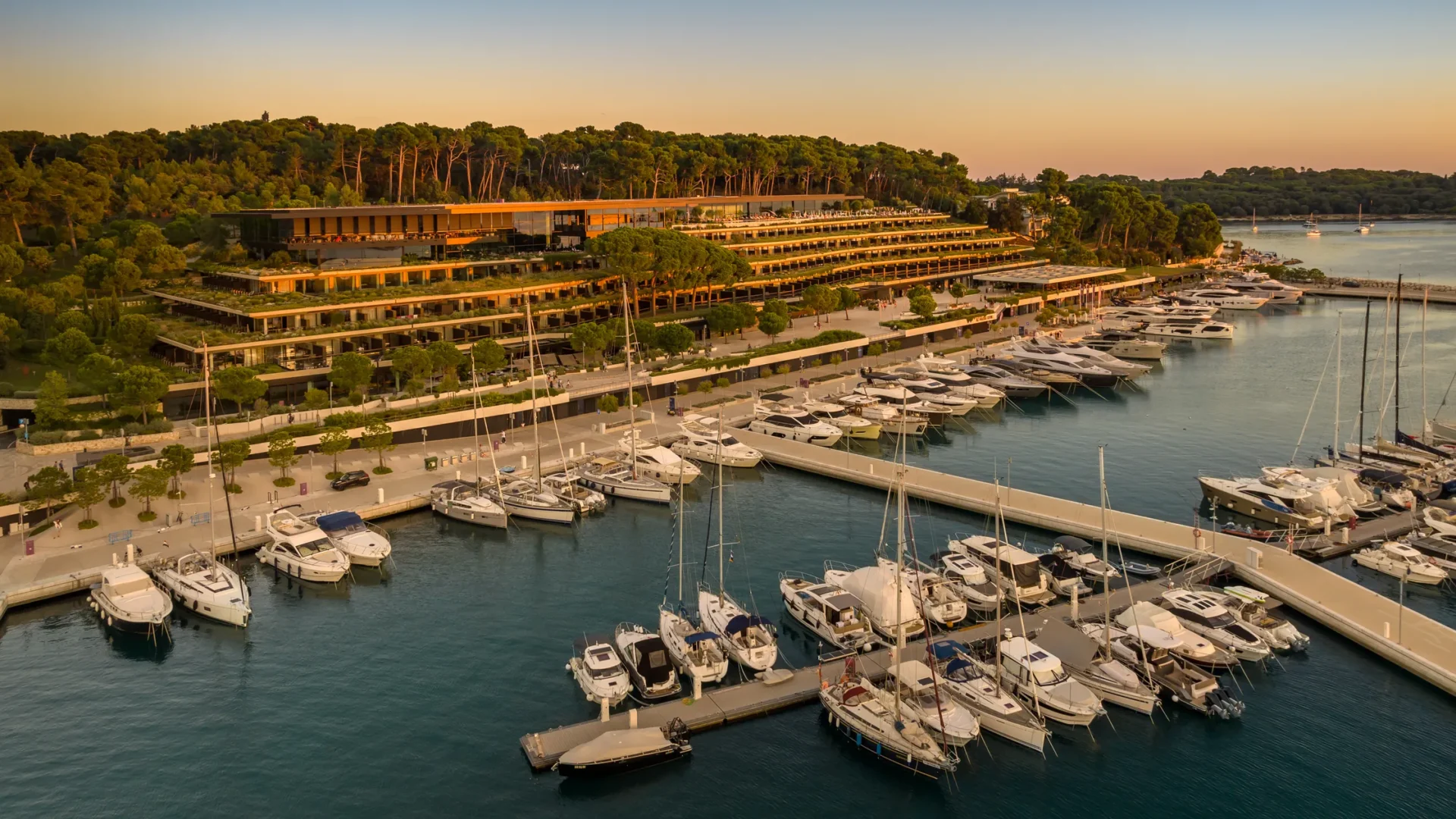
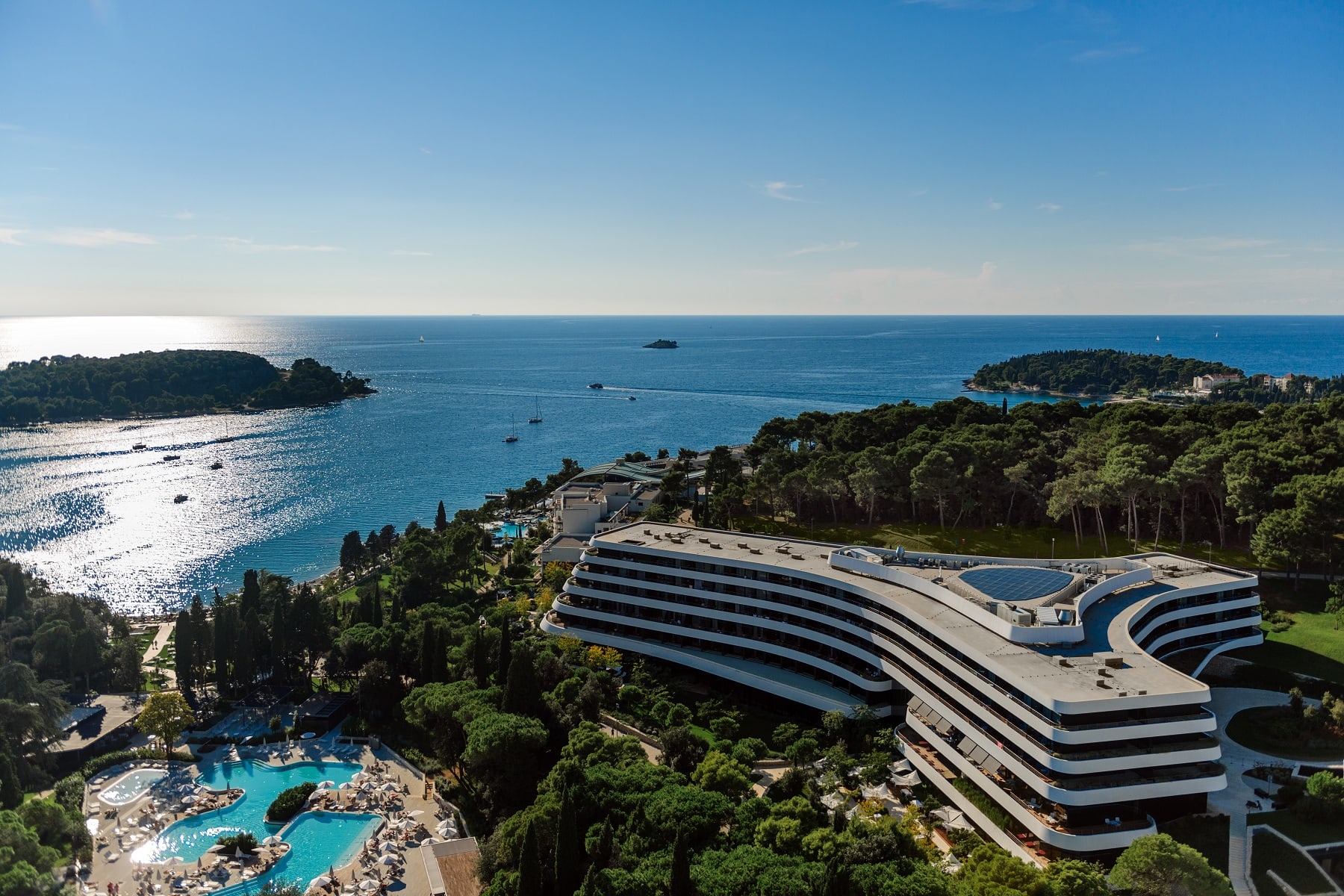
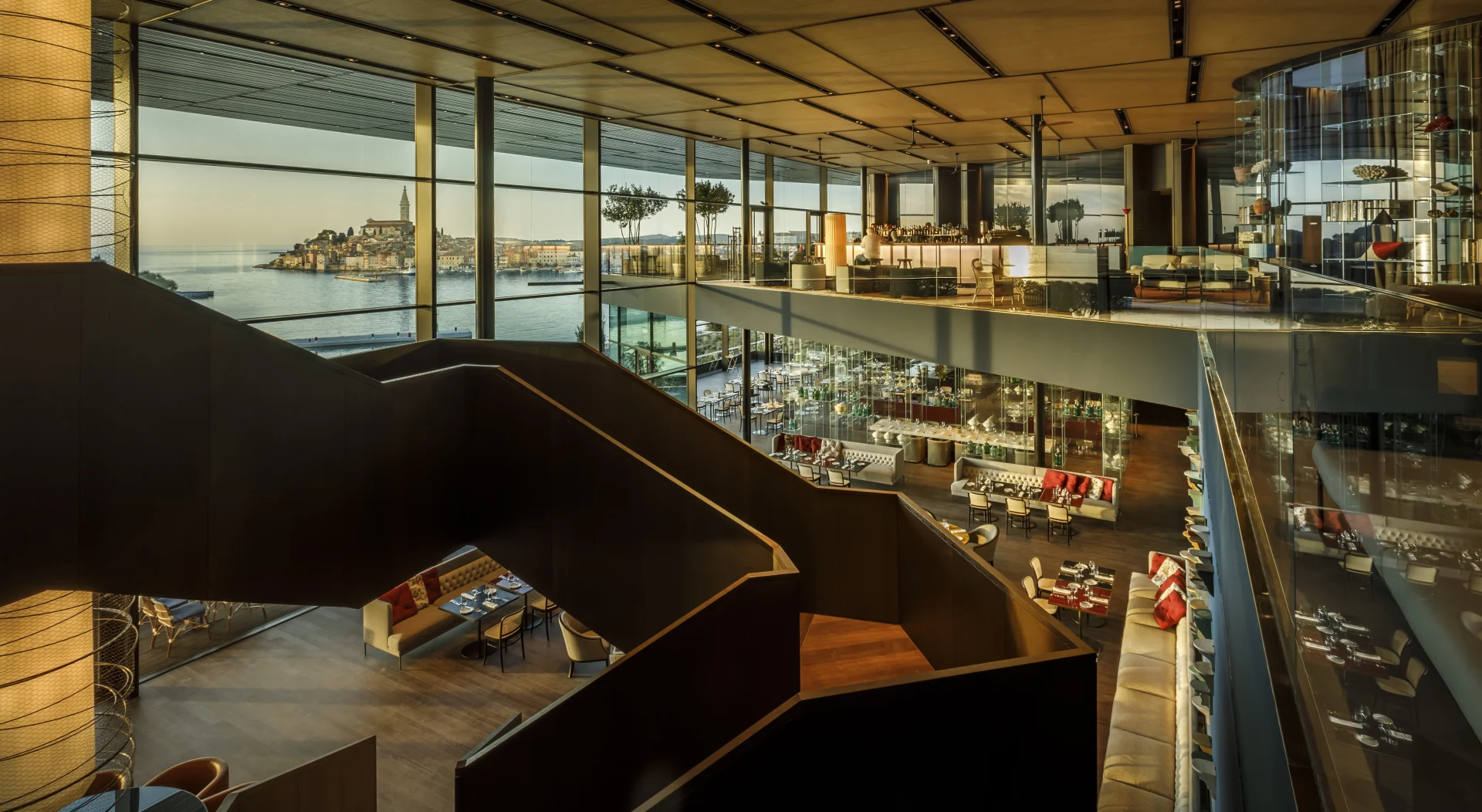
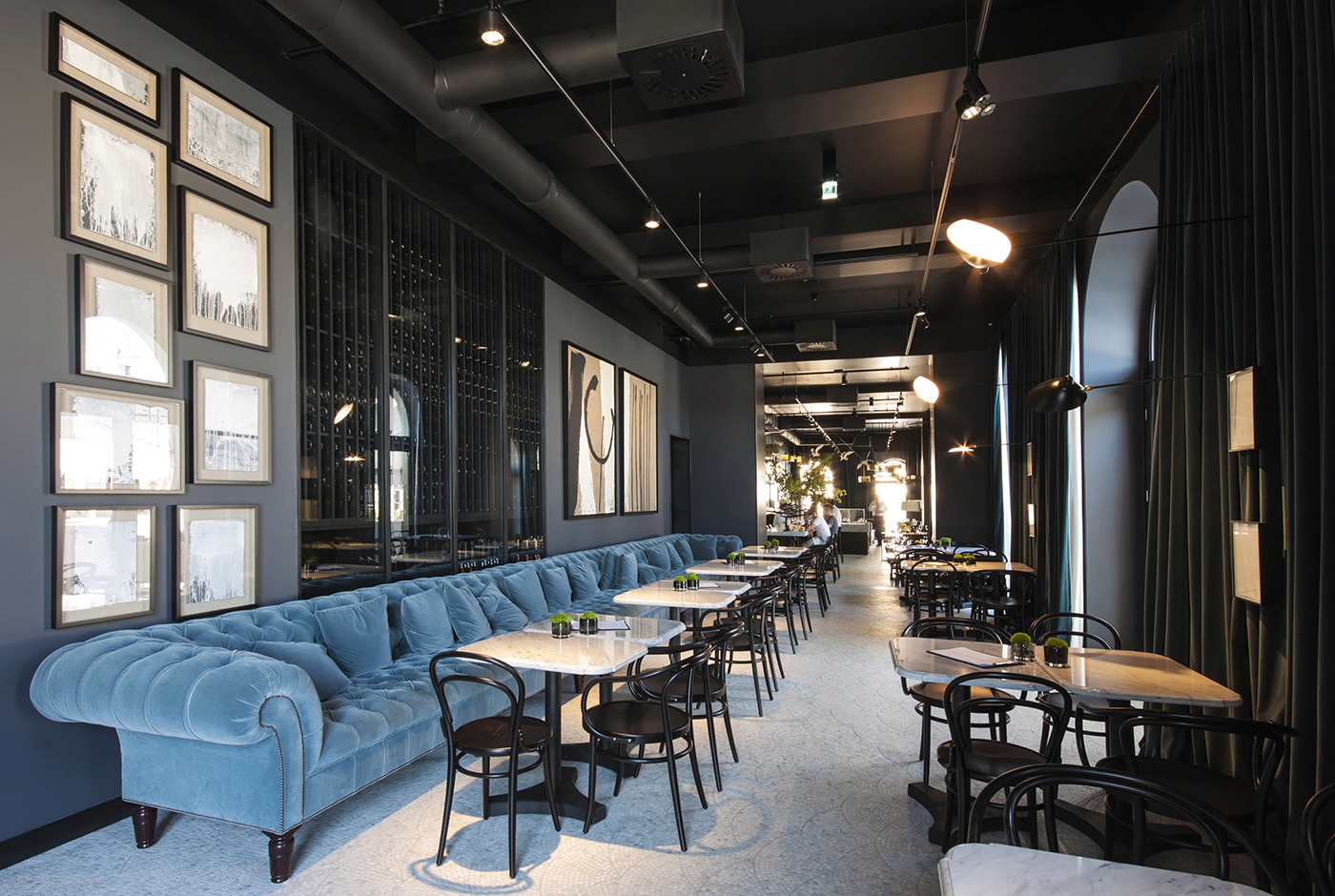
Rovinj was hardly an undiscovered fishing village when 3LHD arrived. Its Venetian architecture, colourful waterfront and extraordinary position on the Istrian coast had attracted visitors for generations. But the town’s contemporary hotel scene was about to change considerably. Hotel Lone, opened in 2011, introduced a new architectural confidence. Its sweeping white terraces, inspired partly by the decks of a ship, created a sculptural presence within the protected Zlatni Rt forest park. Inside, Croatian artists, fashion designers and furniture makers contributed to an unusually cohesive design identity. It was a statement that contemporary Croatian hospitality could develop its own visual language rather than borrow one from international hotel chains. The transformation of Hotel Adriatic took a different direction. Here, 3LHD worked with a historic building directly on Rovinj’s waterfront, introducing contemporary art and design without losing the intimacy of a small European grand hotel. Then came Grand Park Hotel Rovinj. Rather than competing with the town’s famous skyline, the architects made that skyline the centre of the experience. The hotel descends towards the waterfront in landscaped terraces, with gardens, pools and public spaces woven into the hillside. Piero Lissoni’s interiors provide an elegant counterpoint to the architectural scale.
What connects these projects is not their appearance but their effect. Together, they helped establish Rovinj as somewhere people might visit specifically for its hotels and architecture, not simply its beaches and picturesque old town. And that is quite an achievement.
From Rovinj to the Pearl River
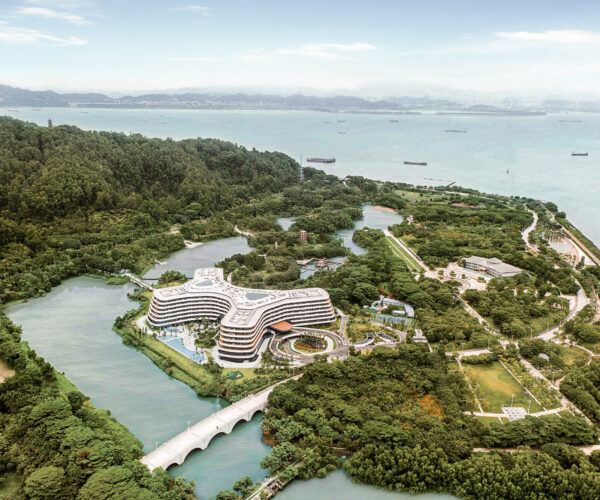
The influence of Hotel Lone eventually travelled considerably further than the Adriatic. All the way to China, in fact. When Chinese hospitality group Lingnan began looking for architects for a major new resort in Guangzhou, it discovered 3LHD through the international architectural attention surrounding Hotel Lone. The Croatian hotel’s award-winning design had made an impression, even without the Chinese investors necessarily having visited Rovinj. The result was LN Garden Hotel in Nansha, a spectacular 365-room property overlooking the Pearl River estuary. Its horizontal white terraces and sculptural architecture reveal a clear family resemblance to Hotel Lone, although the Chinese project operates on a considerably grander scale. The connection went beyond appearance. In 2016, a delegation from Lingnan travelled to Croatia to visit Hotel Lone, Hotel Adriatic and the emerging Grand Park Hotel project. Croatian artist Ivana Franke, whose installations contributed to Lone’s identity, also became part of the Chinese project. It is a rather wonderful reversal of the usual hospitality story. Instead of a Croatian hotel borrowing its identity from an international brand, a major Chinese hotel group turned to Croatian architecture for inspiration. And somewhere between Rovinj and Guangzhou, 3LHD demonstrated that contemporary Croatian hotel design had become an export in its own right.
A Coastline of Different Characters
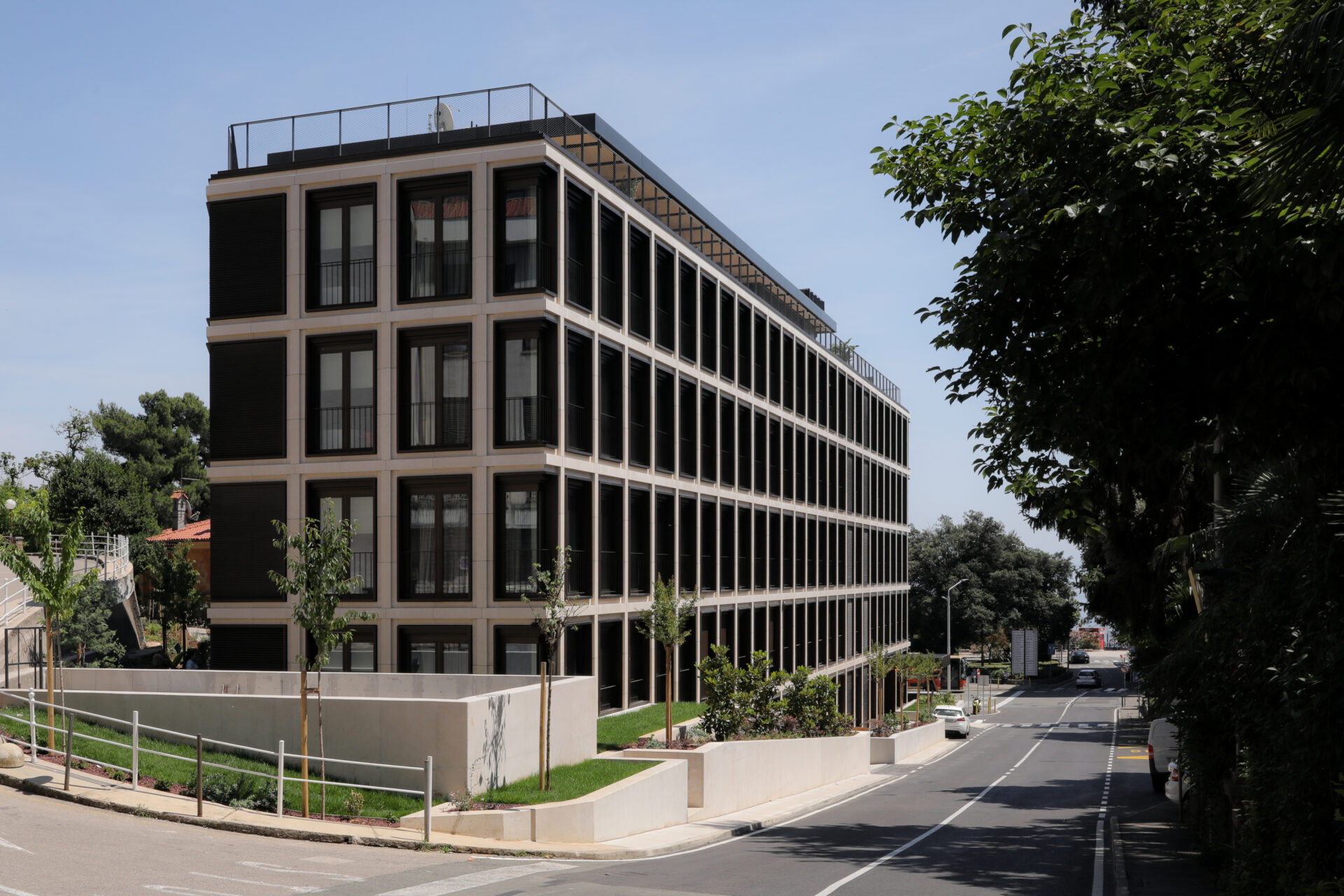
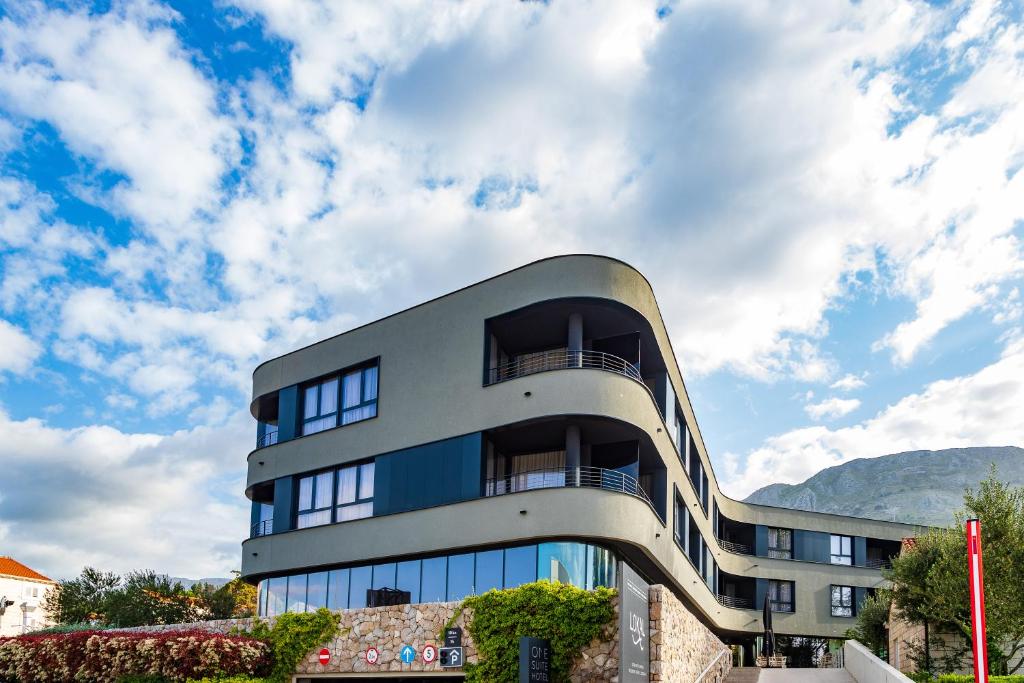
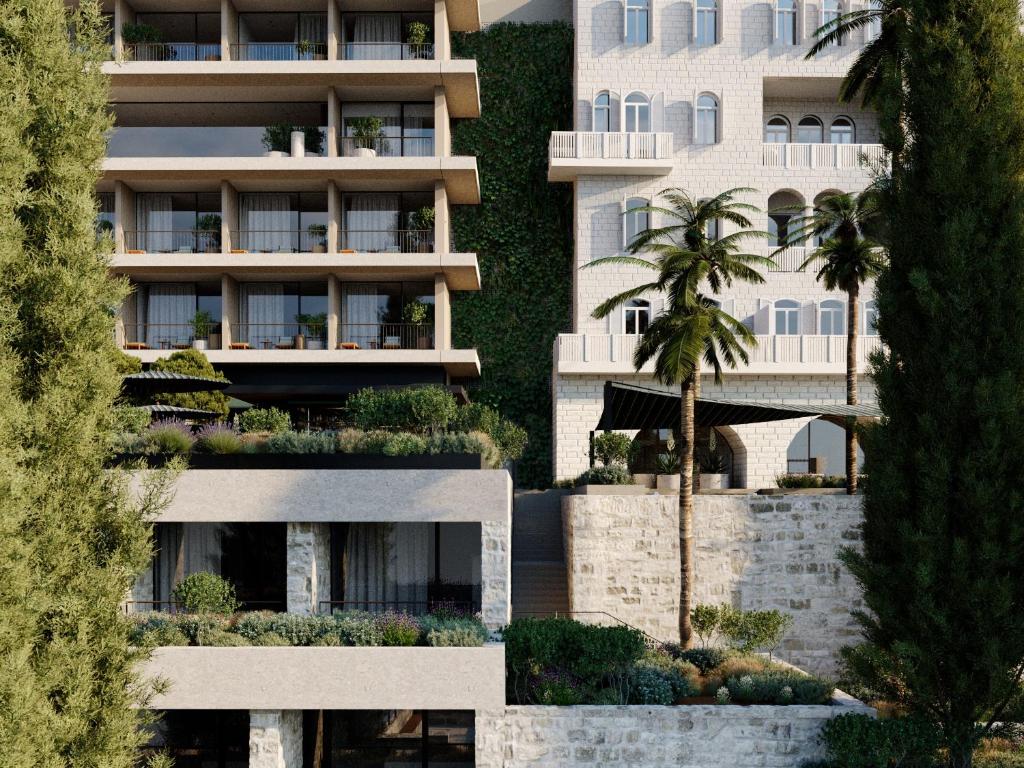
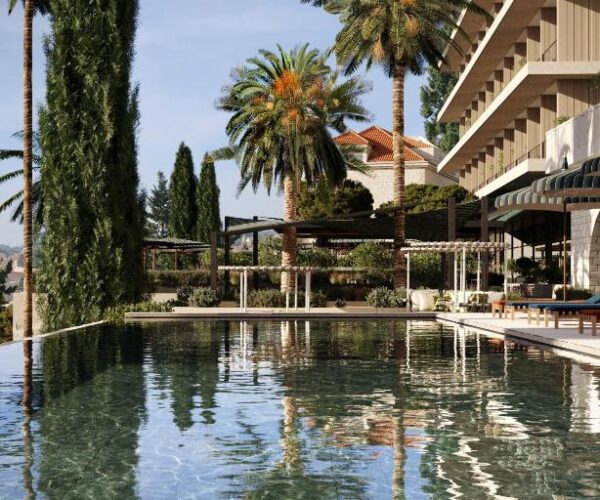
Back on the Adriatic, the 3LHD story continues beyond Rovinj, but not through repetition. In Opatija, Keight Hotel introduces a contemporary sensibility to a town whose hospitality identity was largely established during the Austro-Hungarian era. Near Dubrovnik, One Suite Hotel takes a more intimate approach to modern architecture, while Villa Argentina (pictured left) brings the studio into dialogue with historic seaside hospitality and one of the Adriatic’s most celebrated views. These hotels have little reason to resemble one another. They belong to their locations first. But the studio’s most intriguing work may be happening where the guests left decades ago.
The Yugoslav Riviera
Long before Croatia became a destination for contemporary design hotels, Yugoslavia was experimenting with an ambitious form of modernist resort architecture. During the 1960s and 1970s, enormous hotels appeared along the Adriatic coast, often designed by some of the country’s most talented architects. They were bold, sometimes brutalist, and frequently remarkably sensitive to their landscapes.
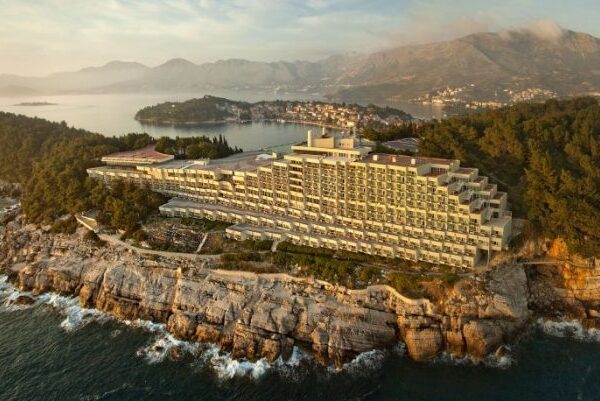
Hotel Croatia in Cavtat (pictured right) is a particularly striking example, its monumental structure occupying an entire peninsula. Hotel Dubrovnik Palace, originally opened in 1972, belongs to the same generation of Adriatic resort architecture. In 2014, 3LHD redesigned its guestrooms, lobby and restaurant, working with Croatian furniture designers, artists and textile specialists to introduce a contemporary identity into the existing building.
These were not simply socialist-era holiday factories. Yugoslavia actively welcomed Western tourists, and its coastal hotels combined modernist architectural ambition with an increasingly international hospitality industry. Many were conceived as complete holiday worlds, with restaurants, swimming pools, terraces and access to the sea built into the architecture.
Some have survived through successive renovations. Others were abandoned, becoming extraordinary monuments to a vanished era. And nowhere is that contrast more dramatic than around Dubrovnik.
The architectural legacy of the Yugoslav Riviera deserves a Story of its own. From the extravagant, now-abandoned Haludovo Palace on Krk to the beautifully restrained Hotel Maestral in Brela, these buildings tell a remarkable story of modernism, tourism, political ambition and changing tastes. Some survived, some were transformed beyond recognition, and others became playgrounds for urban explorers.
We’re considering a closer look at these extraordinary hotels. Do you remember staying in one? Have you discovered an overlooked modernist resort somewhere along the former Yugoslav coast? Or perhaps you have photographs from its glamorous past? We’d love to hear from you.
The Ghost Hotels of Dubrovnik
For years, Kupari was one of Europe’s most extraordinary abandoned resort complexes.
Located on a beautiful bay just south of Dubrovnik, it had once been an exclusive holiday destination associated with the Yugoslav military establishment. Its hotels represented different generations of Adriatic resort architecture, including Hotel Pelegrin, a striking modernist building designed by David Finci in 1963.
Then came the Croatian War of Independence. The complex was shelled, looted and abandoned, leaving an extraordinary collection of ruins overlooking an almost absurdly beautiful beach.
Over time, Kupari developed an entirely different kind of tourism. Urban explorers, photographers and architecture enthusiasts came to wander through its empty rooms, photograph the exposed concrete structures and discover the remains of a once-glamorous holiday world.
There was something surreal about it. Tropical vegetation reclaiming terraces, staircases leading nowhere, graffiti-covered walls and the Adriatic shimmering through shattered windows. The contrast between the ruined architecture and the beautiful coastline made Kupari famous far beyond Croatia.
For some visitors, the abandoned hotels were more interesting than the functioning resorts further along the coast.
That chapter has now ended. Demolition of the derelict buildings began in 2025, and the famous modernist ruins have largely disappeared. The historic Grand Hotel is the important exception, intended to survive as part of a completely new resort development.
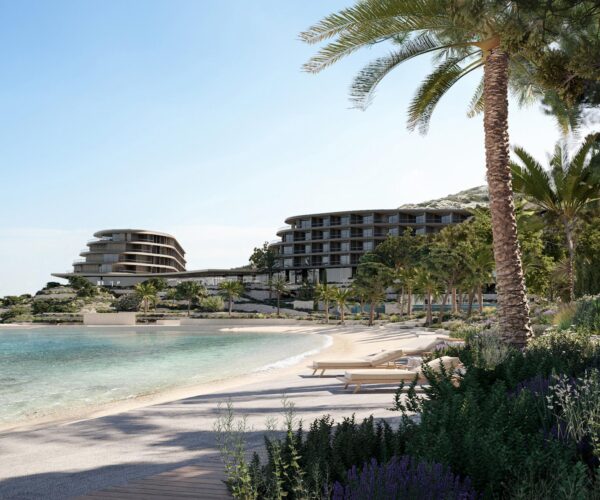
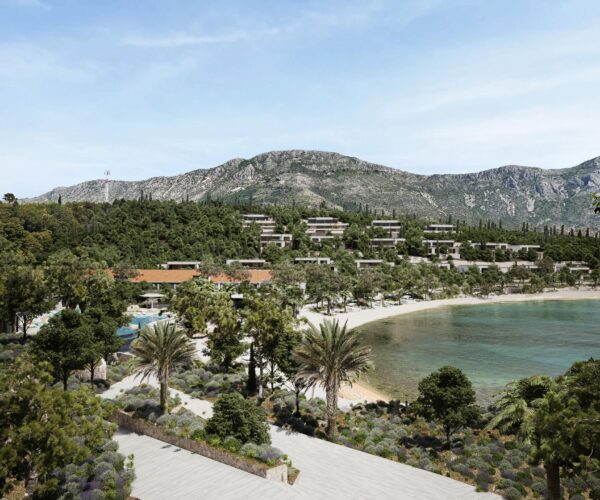
3LHD’s masterplan, associated with a future Four Seasons resort, proposes something very different from the former military holiday complex. Accommodation is distributed across low-rise buildings following the contours of the hillside, with considerably fewer rooms than the historical resort. Cars are excluded from the bay, the waterfront remains publicly accessible, and the landscape becomes a central part of the architectural experience.
The historic Grand Hotel will be restored, while surviving elements of the site’s earlier industrial history, including brick kilns, are to be incorporated into the development.
There is, inevitably, a difficult question behind the project. How much of a place’s identity can survive when the buildings that made it famous have disappeared?
Kupari’s ruins were never going to remain structurally viable indefinitely. But their disappearance also marks the end of a remarkable, if uncomfortable, chapter in Adriatic architectural history.
Belvedere: The Ghost That Remains
A little further along the coast, another abandoned hotel tells a similar story, although its future remains unresolved.
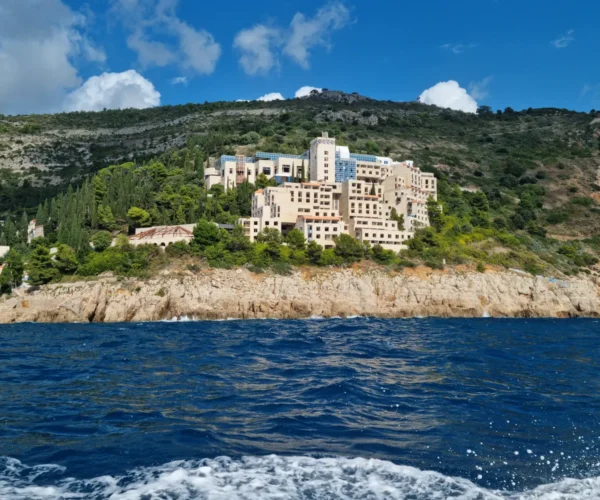
Hotel Belvedere occupies a spectacular position on the cliffs overlooking Dubrovnik and the island of Lokrum. Opened in 1985, the large terraced resort was damaged during the war and subsequently abandoned. Its cascading concrete structure, empty rooms and extraordinary sea views have made it another favourite among urban explorers and photographers.
Unlike Kupari, Belvedere’s ruined structure still stands.
For architecture enthusiasts, it is a fascinating piece of late-Yugoslav resort design. For Urbex visitors, it is an almost cinematic setting, with deserted terraces, exposed concrete and vegetation gradually reclaiming the building. Its abandoned swimming pool even acquired an unexpected second life when it was used as a filming location for Game of Thrones.
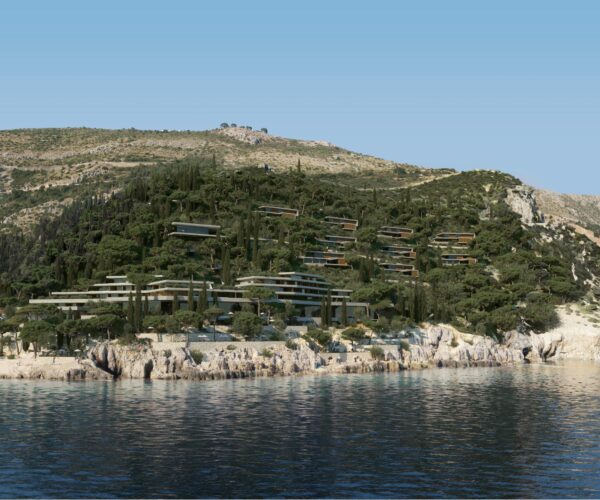
3LHD has developed an ambitious redevelopment proposal for the site, replacing the ruined complex with contemporary architecture carefully integrated into the steep coastal landscape. Terraces, gardens and horizontal building volumes would reinterpret the relationship between hotel and hillside.
But the project remains on hold.
For now, Belvedere occupies that peculiar territory between architectural ruin, cultural landmark and unrealised luxury development. Its future may eventually resemble Kupari’s. Until then, it remains one of the Adriatic’s most haunting reminders of a lost hotel era.
The abandoned structure should be appreciated from a safe distance, however. Decades of deterioration make entering such buildings dangerous.
Split and the Return of Hotel Marjan
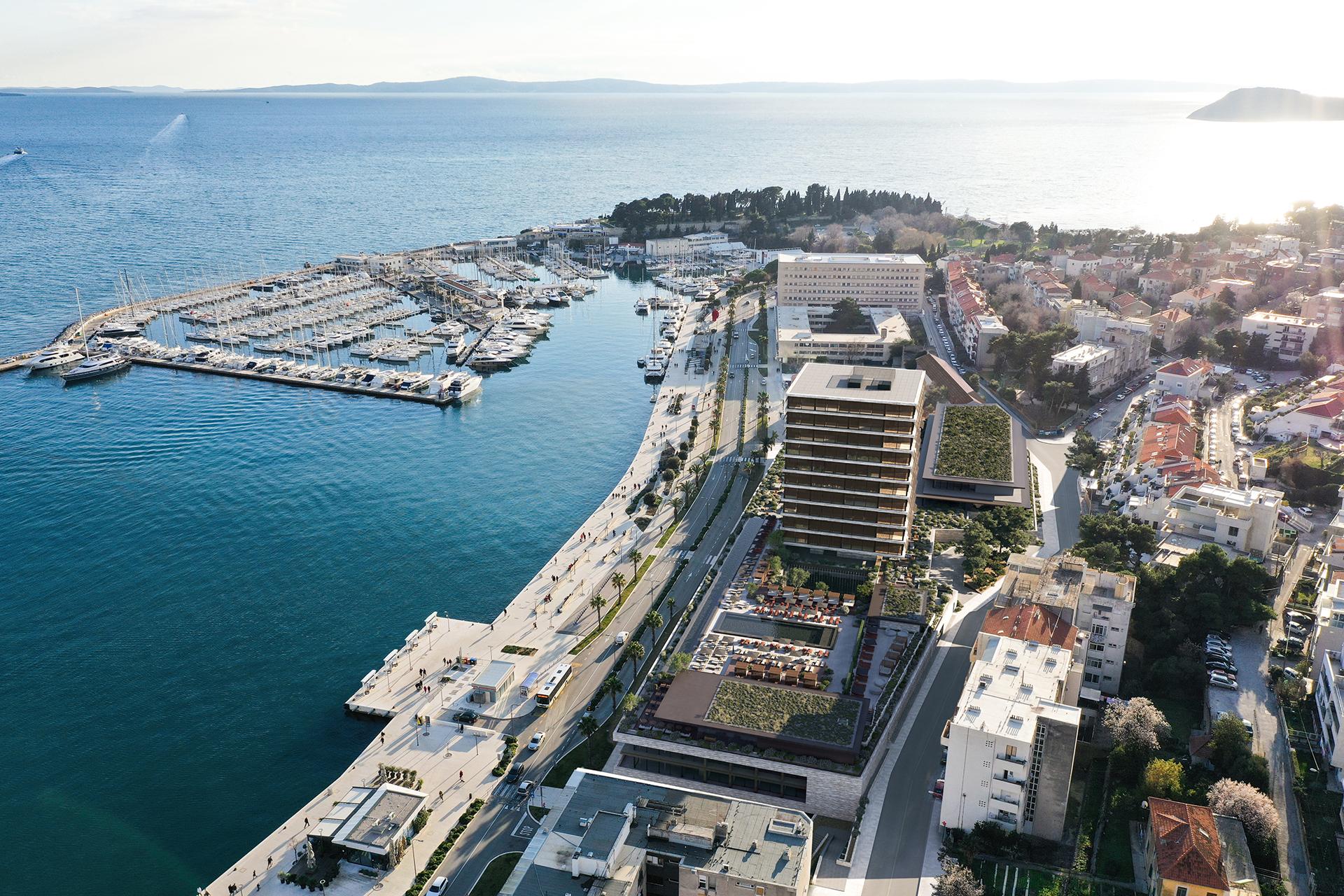
Not every historic hotel awaiting a second life has to become an Urbex destination. In Split, 3LHD is working on the transformation of Hotel Marjan, a landmark of Croatian modernism overlooking the city’s waterfront. Designed by Lovro Perković and opened in 1963, the hotel became part of Split’s architectural identity before later extensions and years of deterioration left it in need of fundamental reinvention.
The original intention was to preserve as much of the existing structure as possible. Structural assessments and contemporary building requirements eventually made that impractical, leading to an almost complete reconstruction within the original architectural envelope. The new design retains the characteristic relationship between the horizontal base and vertical tower. Large sliding glass walls will allow guestrooms to open towards the Adriatic, while public atriums, restaurants and a landscaped rooftop are intended to reconnect the hotel with the city. Among the more unusual features is a 70-metre rooftop swimming pool, running parallel to the waterfront. Piero Lissoni is responsible for the interior design, while Croatian artists will contribute site-specific installations. As with Rovinj, the ambition is not simply to create another high-end hotel. It is to restore an important building’s role in the urban landscape.
More Than Somewhere to Stay
There is a reason so many 3LHD projects have found their way onto DNA Hotels.
Hotel Lone is a celebration of contemporary Croatian design. Grand Park Hotel Rovinj demonstrates how a substantial luxury hotel can become part of a landscape. Hotel Adriatic shows how historic architecture can accommodate a completely new identity. And the projects at Marjan, Kupari and Belvedere confront the much more complicated question of what to do with the architectural legacy of the twentieth century.
Some buildings are preserved. Others are reinterpreted. Some disappear entirely.
That is what makes the 3LHD story so interesting. Hotels are not just places where people spend the night. They can become landmarks, influence the development of entire destinations and, sometimes, survive in the collective imagination long after their last guest has checked out.
The carousel below brings together the 3LHD hotels featured on DNA Hotels. They may look remarkably different, but they share something important: each has a story that extends well beyond its guestrooms.
And with the next generation of Adriatic hotels taking shape, there are still a few chapters to come.
Where to Stay