Discover Portugal through its Pousadas
From roadside inns and modernist masterpieces to castles and convents
How an extraordinary Portuguese hotel concept became a national treasure, lost some of its original identity, and now faces an opportunity to reinvent itself.
A National Treasure at a Crossroads
On 31 December 2026, an extraordinary chapter in Portuguese hospitality is scheduled to come to an end. The concession under which Pestana has operated the historic Pousadas de Portugal network since 2003 is approaching its expiry, and the Portuguese government wants to regain full control of Enatur, the company at the centre of the arrangement. What happens next remains uncertain. Pestana has indicated that it holds separate contractual rights to retain a number of properties, while the state is considering the future structure of the network. But perhaps the most interesting question is not who will operate the Pousadas in 2027. It is what the Pousadas should become. Because Portugal created something remarkable in 1942. A collection of small hotels designed to introduce travellers to the country’s landscapes, architecture, traditions and regional cuisine. A concept that anticipated much of what today’s hospitality industry celebrates as boutique, authentic, local and experiential. Eighty-four years later, the original idea might be more relevant than ever. And the approaching change of concession could offer a rare opportunity to rediscover it.
A Very Personal Connection
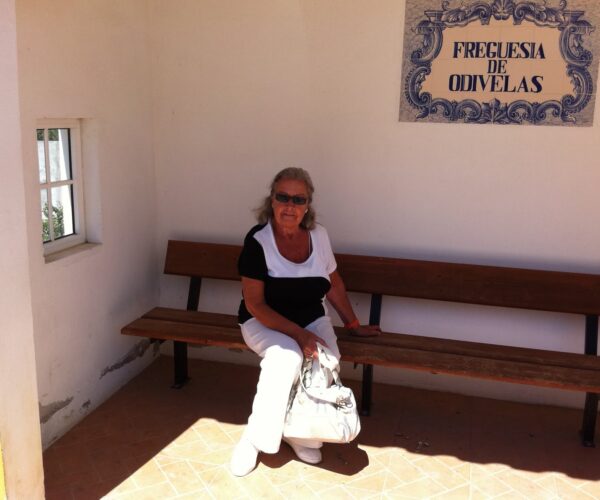
My fascination with Pousadas de Portugal is more than professional. I have been visiting Portugal for many years, often staying in Pousadas with my family. Some of these hotels are part of my memories of discovering what makes a place to stay truly special. Looking back, I realise that those experiences helped shape not only my love for Portugal, but also the way I look at hotels today. The architecture, the landscapes, the sense of place, the individuality of each property. Long before I founded DNA Hotels, the Pousadas were already teaching me that a hotel could be much more than somewhere to spend the night. I remember the pleasure of arriving somewhere unfamiliar and finding a hotel that seemed to belong entirely to its surroundings. Not necessarily luxurious, certainly not always fashionable, but unmistakably Portuguese. Over the years, I have visited many Pousadas, including properties that have since left the network. Some have been beautifully reinvented. Others have closed, deteriorated or disappeared from the hospitality landscape altogether. So there is inevitably a little nostalgia in this story. But nostalgia alone is not a reason to preserve a hotel brand. Its continued relevance is. Photo: my last Portuguese roadtrip with mom
1942: Portugal Invents a Hotel Concept Ahead of Its Time
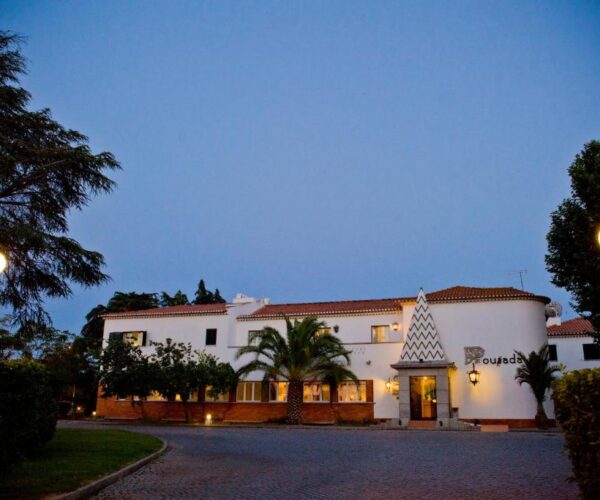
The story begins with António Ferro, the influential director of Portugal’s national propaganda and tourism organisation under the Estado Novo regime. Ferro believed tourism could help communicate a particular vision of Portuguese national identity. His cultural programme promoted traditional crafts, regional architecture, folklore and gastronomy, often presenting an idealised version of rural Portugal. That political context is important. The original Pousadas were part of a state-directed cultural project, not simply an innocent exercise in hotel design. Yet the hospitality concept that emerged was remarkably progressive. The first Pousadas opened in 1942, including Santa Luzia in Elvas, São Gonçalo in the Serra do Marão and Santo António in Serém. These were not grand hotels. They were relatively small roadside inns, deliberately located along routes that encouraged travellers to explore Portugal beyond Lisbon, Porto and the established resorts. Their architecture was intended to reflect regional building traditions. Local stone, whitewashed walls, tiled roofs, fireplaces, traditional furniture and regional decorative details helped create a sense of place. Food mattered just as much. Rather than offering anonymous international hotel cuisine, the Pousadas introduced visitors to Portuguese regional dishes, wines and hospitality. Architects such as Rogério de Azevedo and Miguel Jacobetty Rosa helped establish this early architectural identity. Of course, the picturesque regionalism of the period was partly a constructed national image. But beneath that ideological framework lay an enduring hospitality principle. A hotel should tell you something about where you are. Today, the industry calls it a sense of place. Portugal was building an entire hotel network around it in the 1940s. Photo: the very first Pousada, in Elvas (Santa Luzia) – now closed
The Modernist Revolution
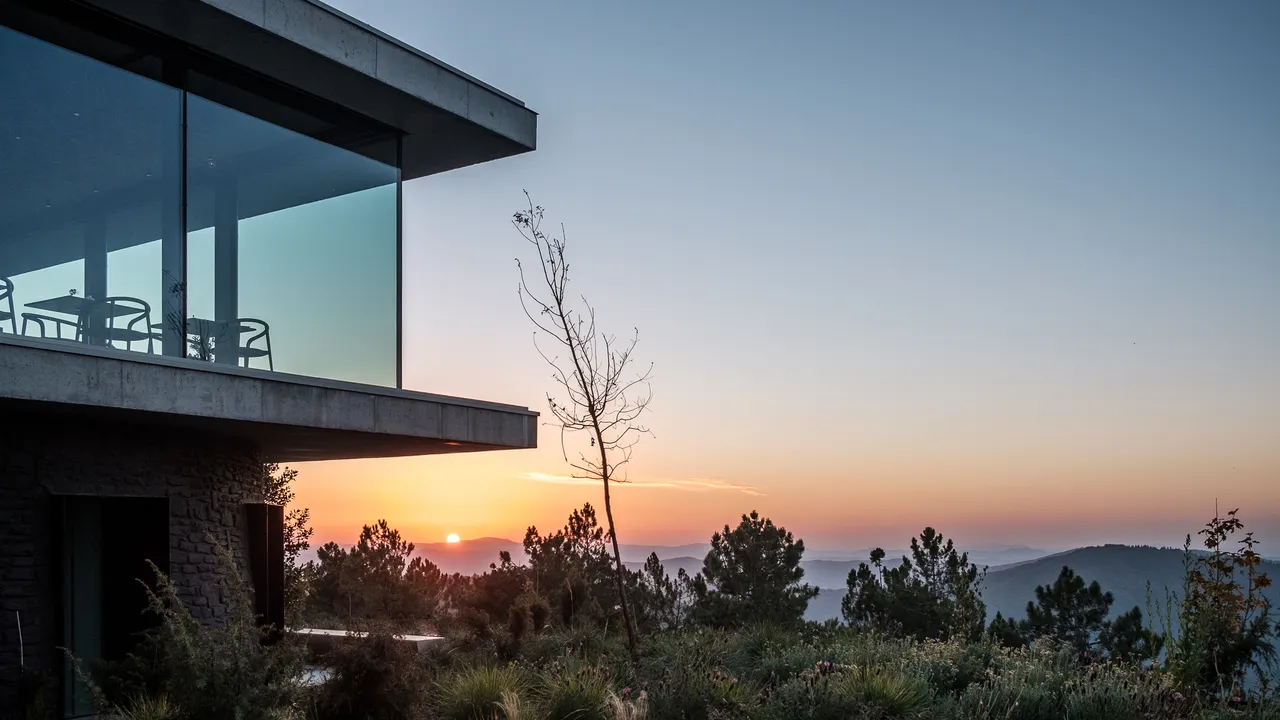
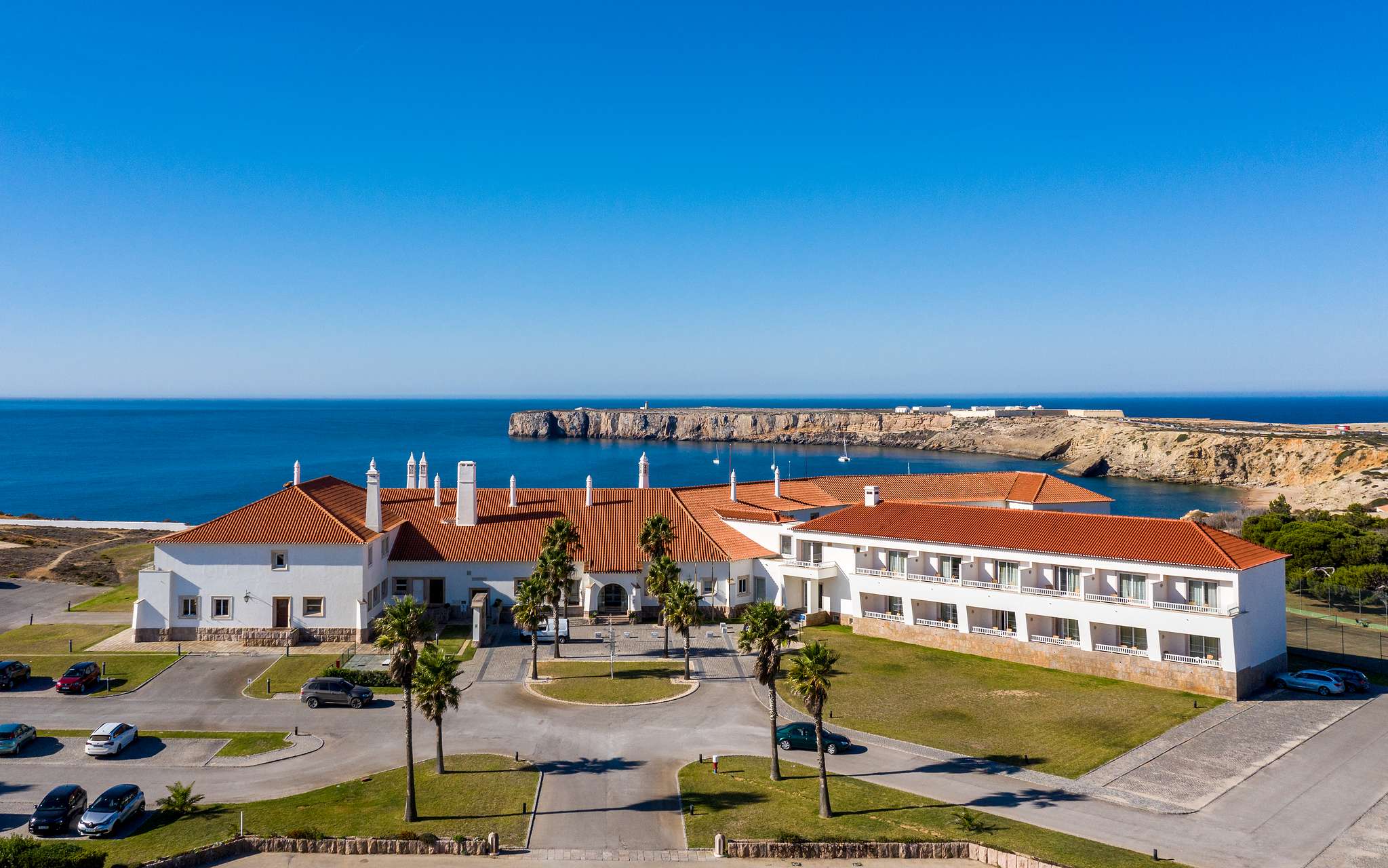
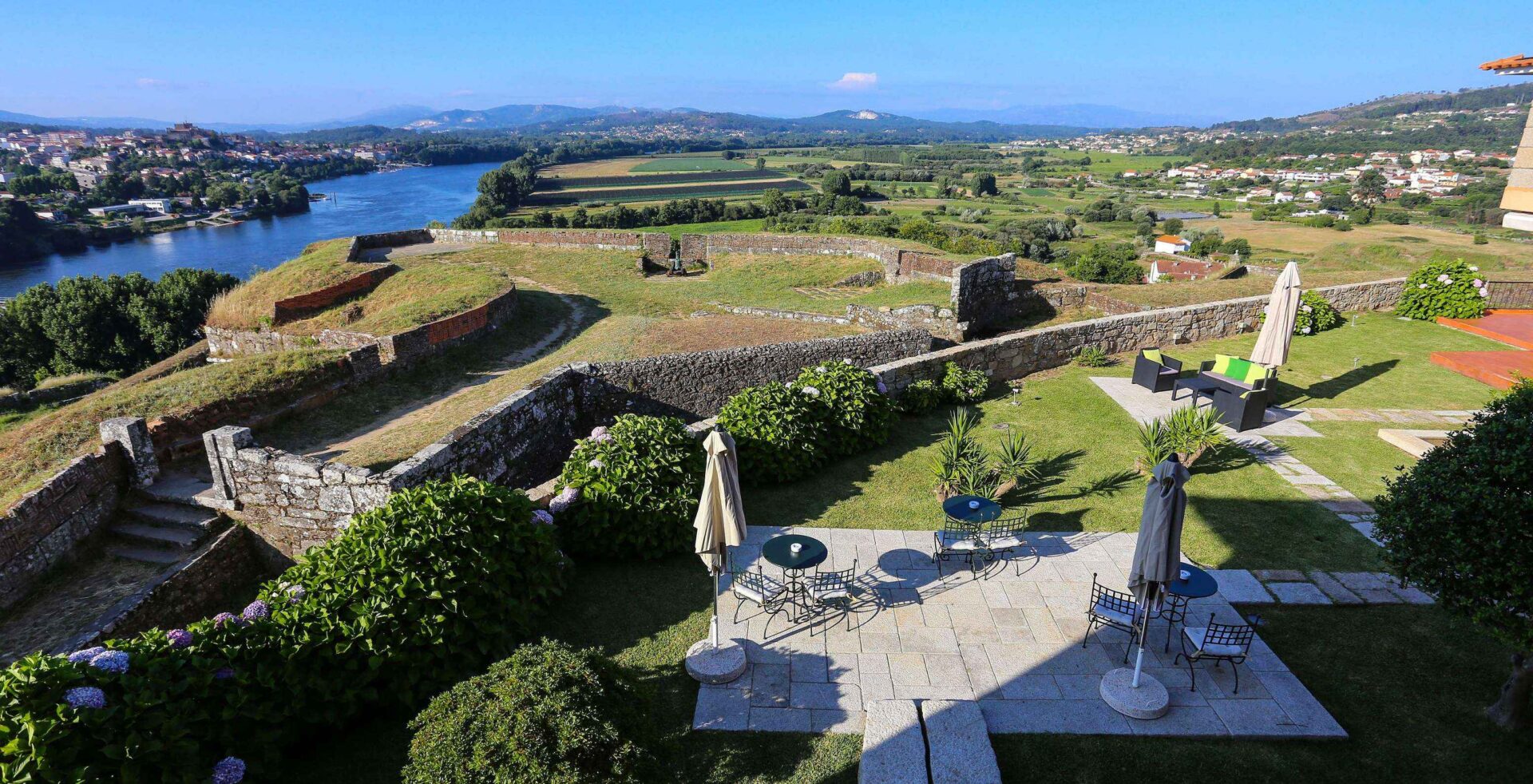
The original Pousadas are often remembered for their traditional appearance. But the next chapter in their history is arguably even more interesting. As Portugal modernised during the 1950s and 1960s, a new architectural language began to emerge. The Pousadas became an opportunity for architects to experiment with modernism, often in extraordinary natural settings. Traditional pitched roofs and regional ornamentation increasingly gave way to clean lines, extensive glazing, concrete, stone and open-plan interiors. The relationship between architecture and landscape remained essential, but the interpretation became radically different. At São Bartolomeu in Bragança, architect José Carlos Loureiro developed a distinctly modernist response to the surrounding landscape. At the Pousada da Ria near Torreira, Alberto Cruz created an architectural dialogue with the waters of the Ria de Aveiro. João Andresen’s Pousada de São Teotónio in Valença and Jorge Segurado’s Pousada do Infante in Sagres further demonstrated how contemporary architecture could express a regional identity without imitating historical forms. Some Pousadas were associated with another defining feature of Portugal’s post-war development: hydroelectric infrastructure. Januário Godinho’s work around Caniçada and Salamonde connected hospitality with the dramatic new landscapes created by dams, reservoirs and mountain roads. These hotels were often modest in size but ambitious in design. They were not merely places to sleep. They were architectural destinations. Today, several are recognised as important examples of Portuguese modernism. Others have fallen out of the Pousadas network, sometimes with surprisingly little public attention. And this raises an interesting question. If these buildings were considered important enough to commission in the first place, should they not be important enough to preserve today?
Sleeping in History: Castles, Convents and Palaces
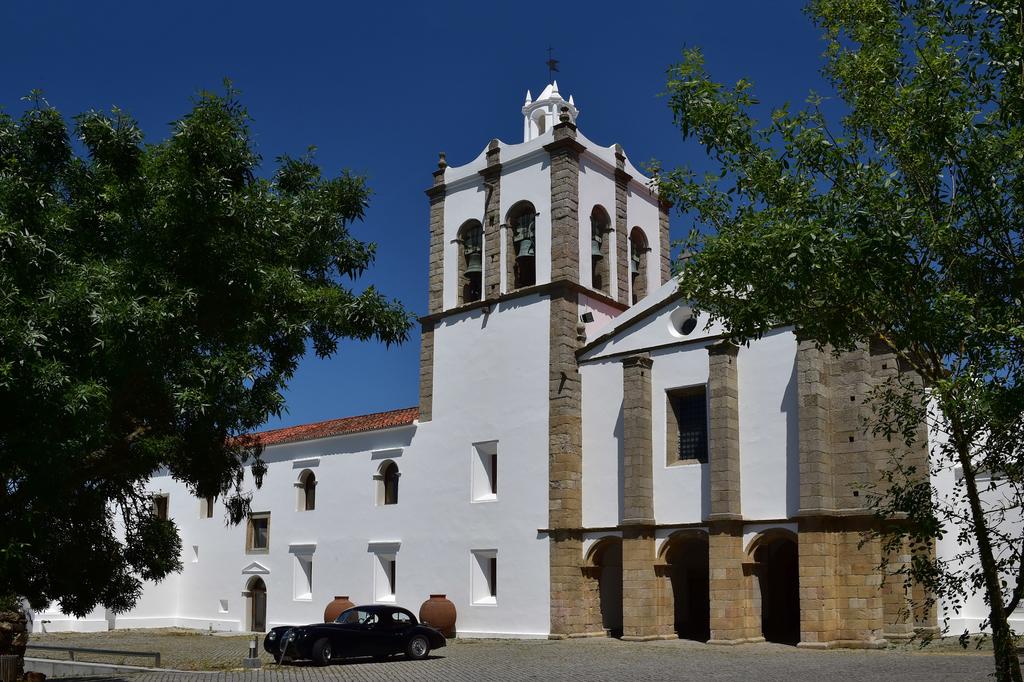
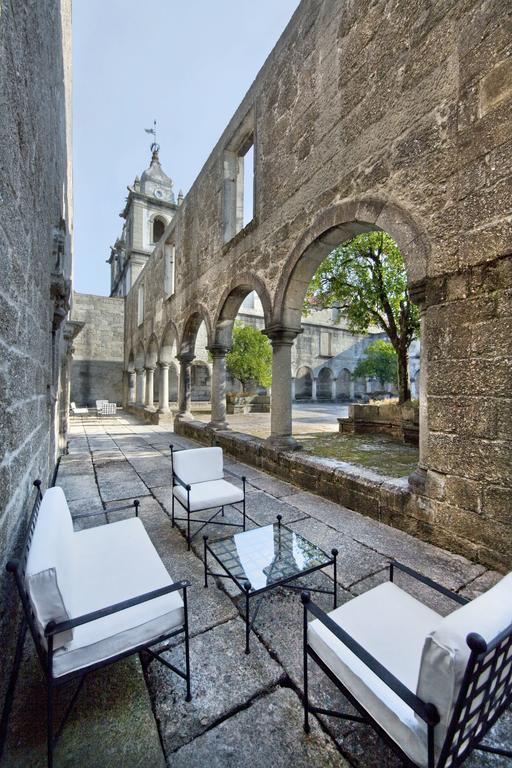
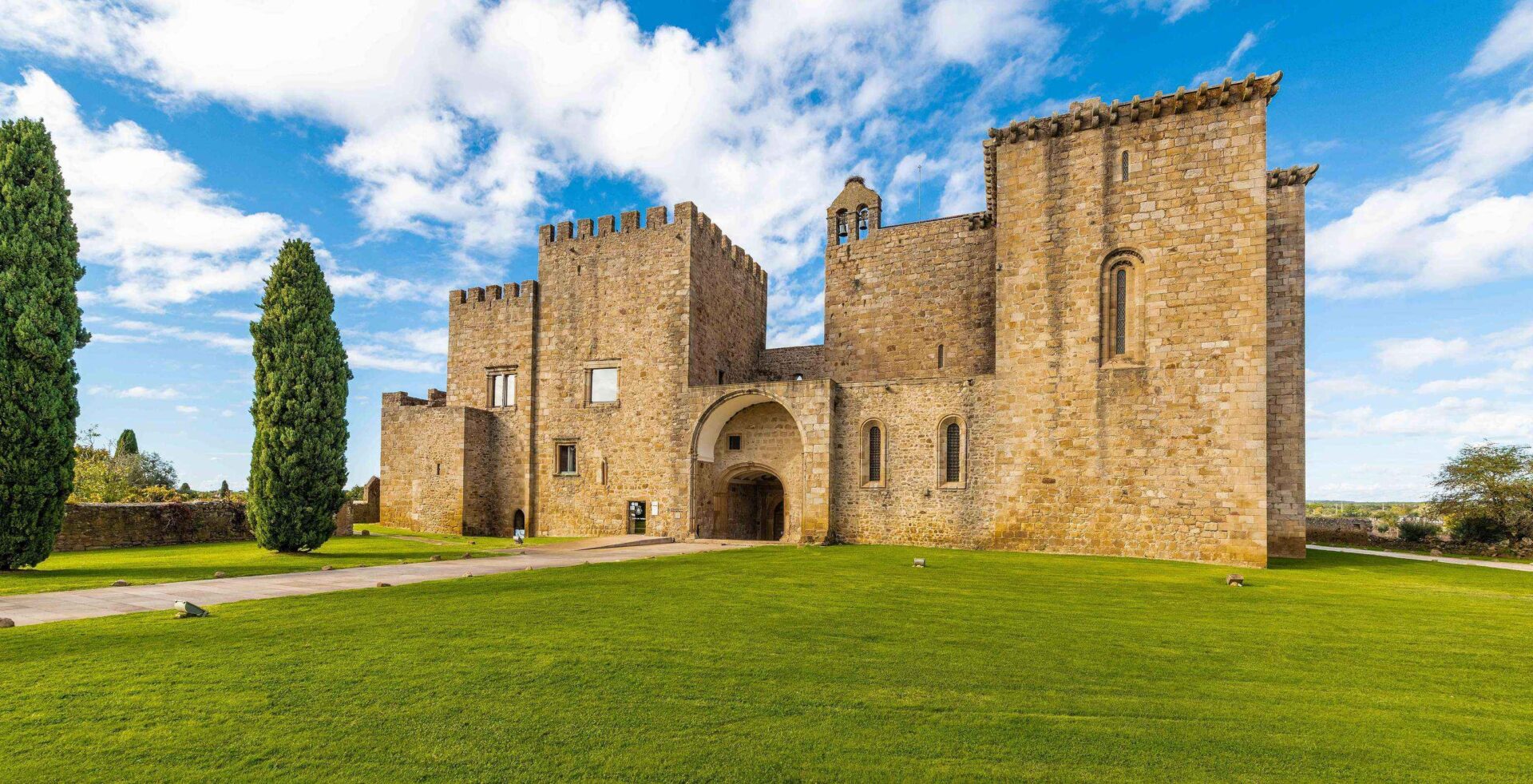
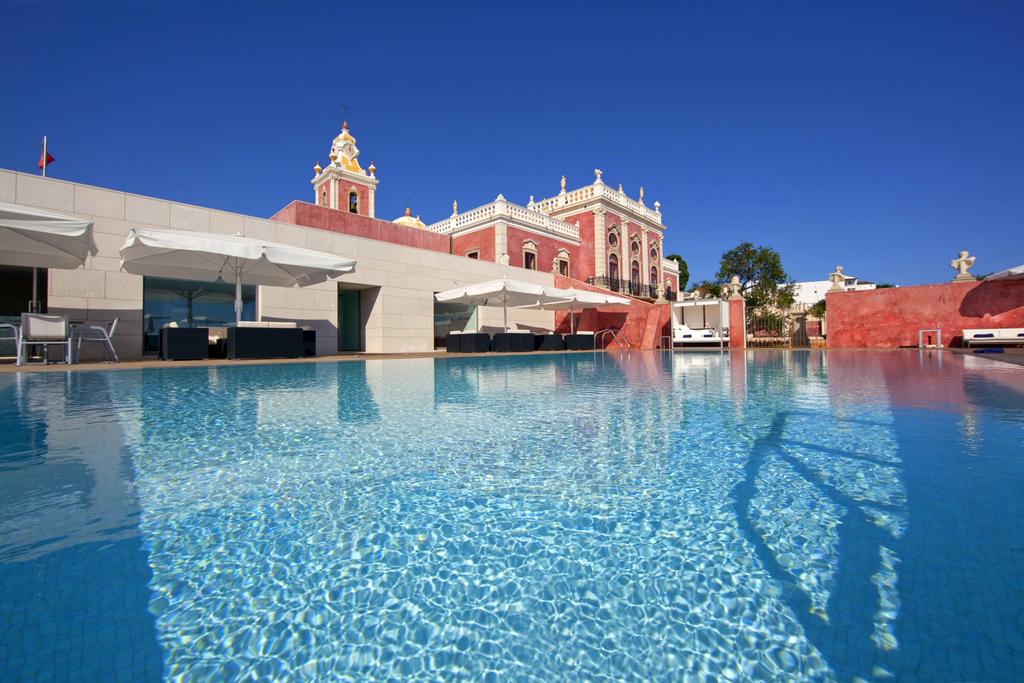
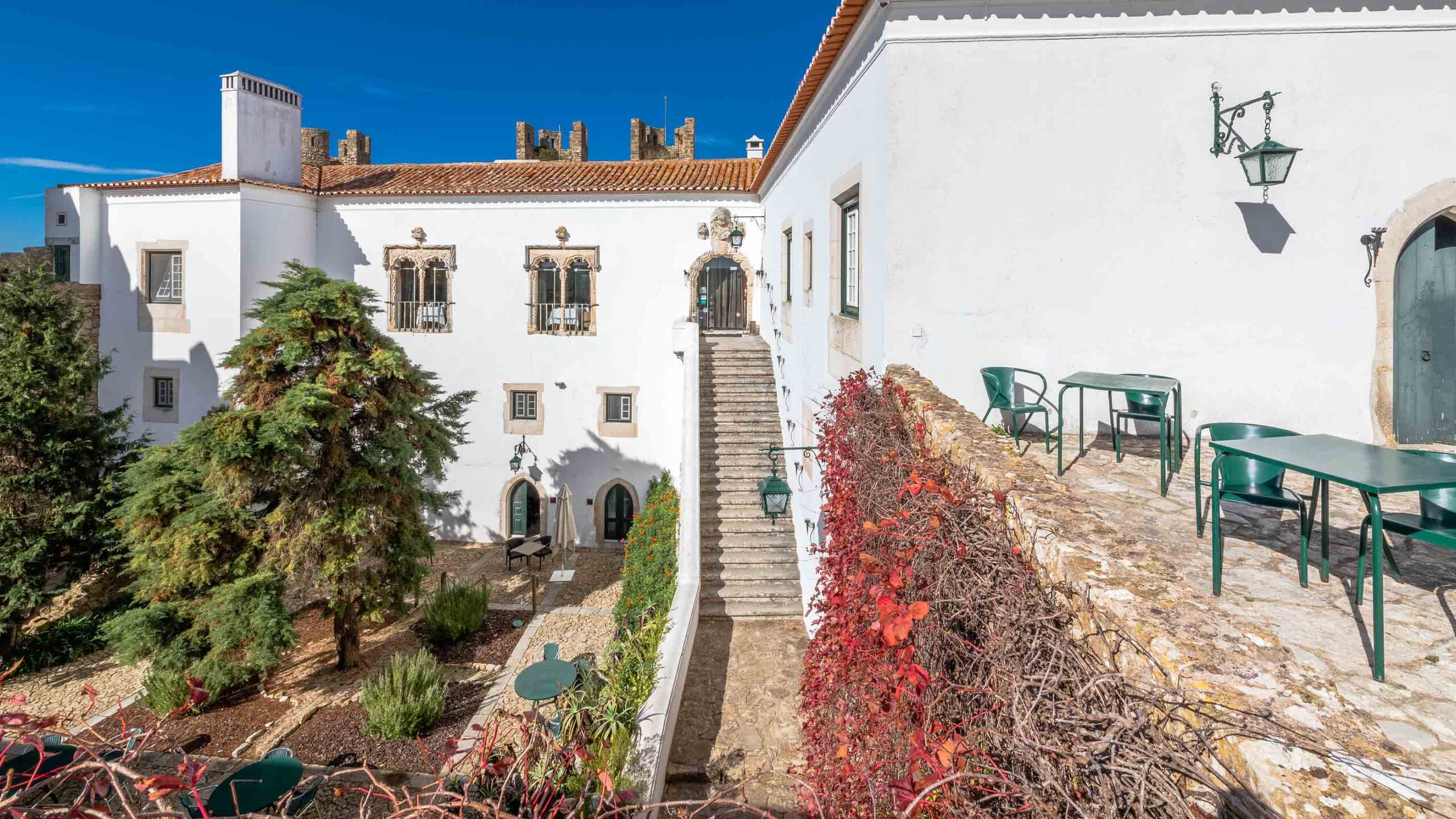
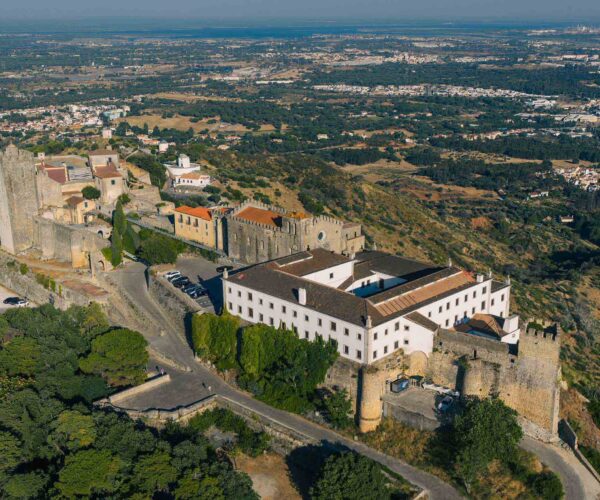
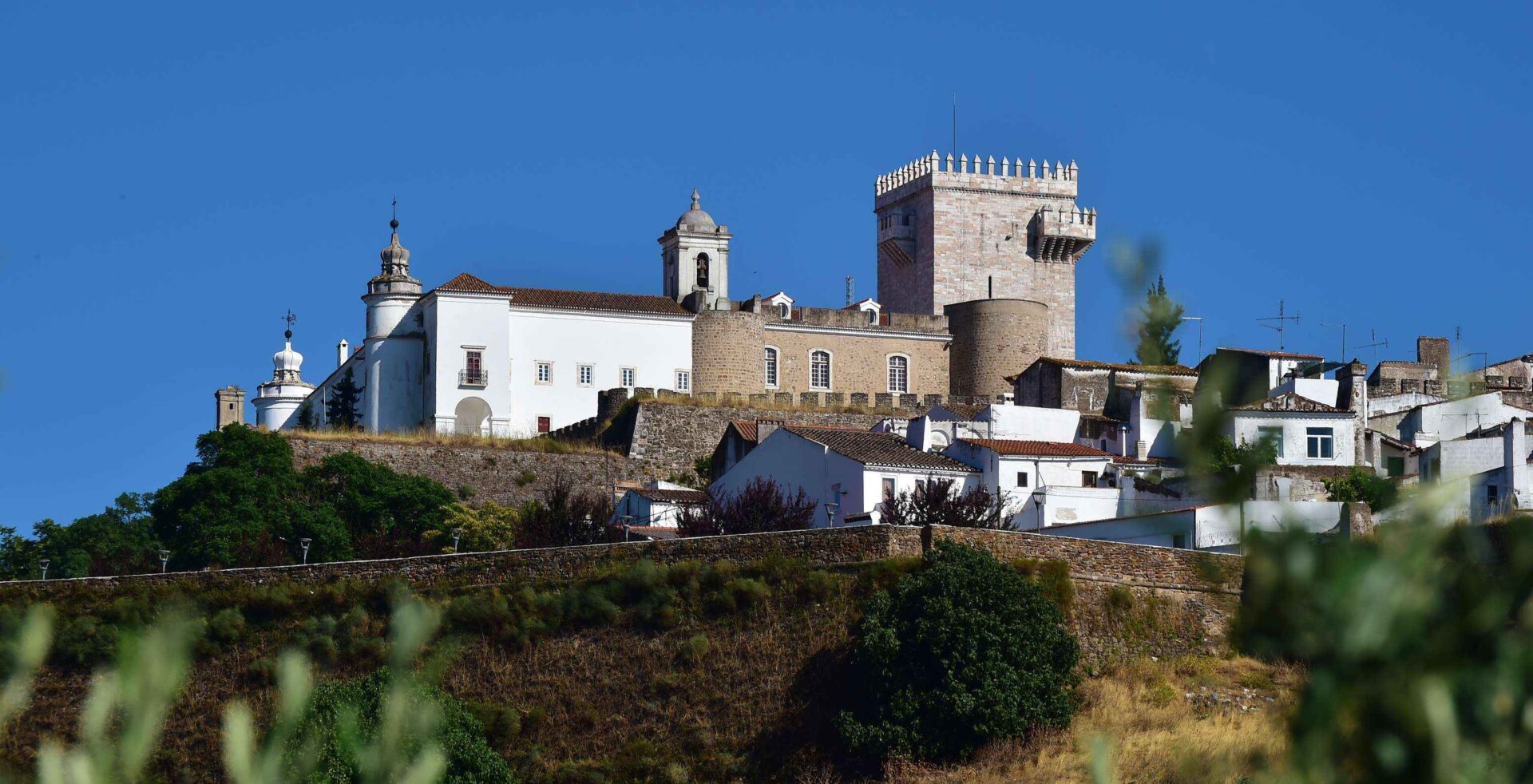
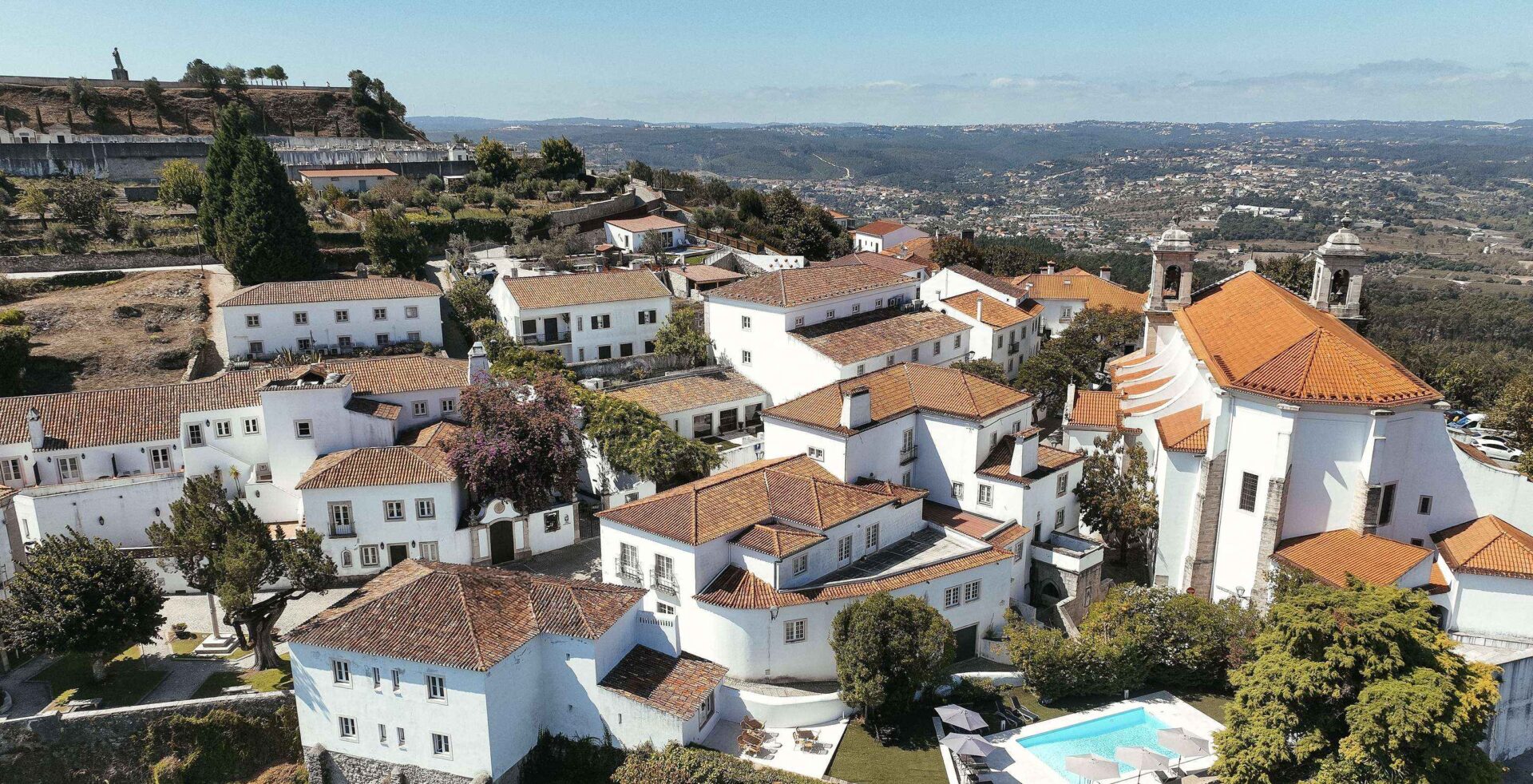
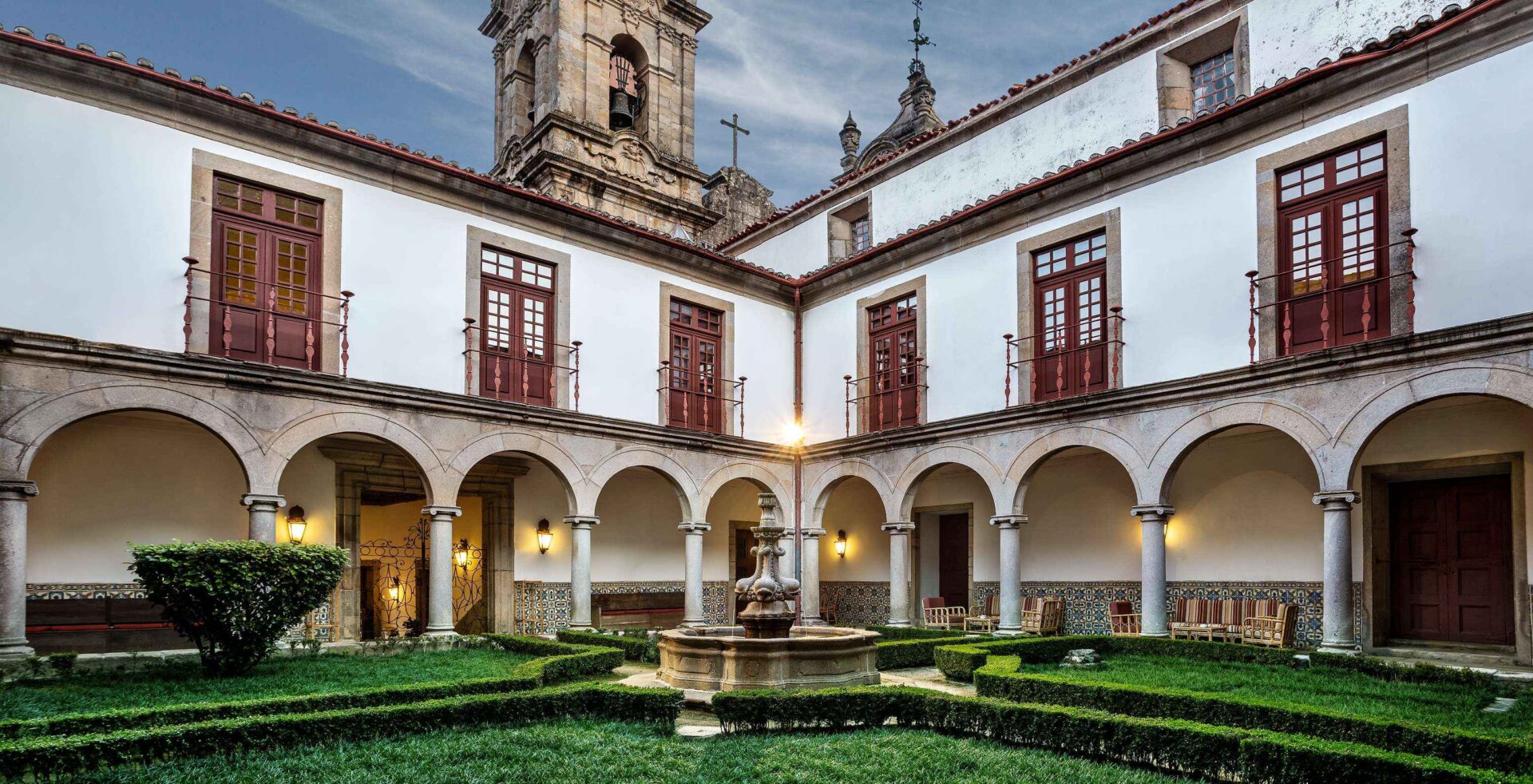
While the early Pousadas were purpose-built, another approach gradually transformed the network. Portugal possessed an extraordinary architectural inheritance: castles, monasteries, convents, palaces and other historic buildings, many of which had lost their original purpose. Rather than leaving these monuments empty, the state began converting them into hotels. One of the earliest and most celebrated examples was the Pousada do Castelo in Óbidos (main photo), which opened in 1951. The hotel occupies the historic Paço dos Alcaides within the medieval castle complex. The restoration involved considerable reconstruction and adaptation, but the result established a model that would become one of the defining characteristics of the Pousadas. Guests could now sleep within Portuguese history. Over the following decades, the collection expanded into some remarkable buildings. In Évora, the former Convento dos Lóios became a Pousada in 1963. In Palmela, the Convento de Santiago, within the medieval castle complex, opened as a Pousada in 1979. Estremoz offered accommodation in a royal palace, while Vila Viçosa, Beja and Arraiolos brought former religious buildings into the network. The late 20th century introduced a new generation of architectural interventions. At the former monastery of Santa Maria do Bouro in Amares, Eduardo Souto de Moura created one of Portugal’s most extraordinary examples of adaptive reuse. Rather than reconstructing the monastery as a romantic historical imitation, he introduced a contemporary architectural language that respected the surviving stone structure. At Flor da Rosa in Crato, João Luís Carrilho da Graça approached the conversion of a medieval monastery-fortress with a similarly confident contemporary sensibility. Gonçalo Byrne’s work at the Palácio de Estoi in the Algarve and the former São Teotónio Hospital in Viseu demonstrated how historic architecture could accommodate modern hospitality without losing its essential character. What emerged was an exceptionally diverse hotel collection. A roadside inn from the 1940s, a modernist mountain retreat, a medieval castle and a contemporary intervention within a ruined monastery could all belong to the same brand. They looked nothing alike. And that was precisely what made the collection so interesting. Photo: Pousada Castelo Palmela
The Ones That Got Away
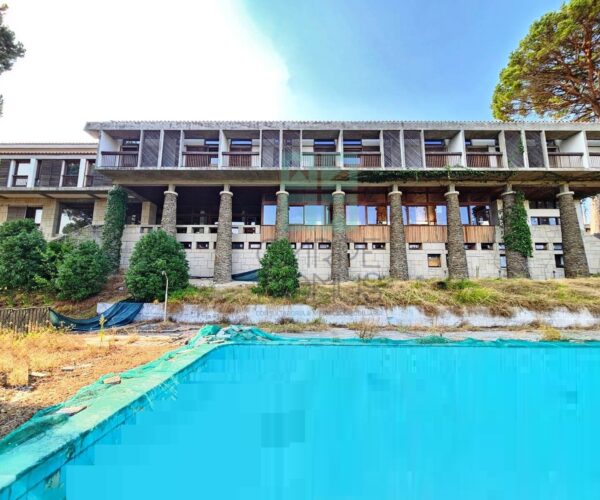
Not every Pousada survived as a Pousada. Some were closed because they no longer met commercial expectations. Others required substantial investment, faced structural problems or simply fell outside the priorities of a changing hotel organisation. The result is a fascinating parallel history of former Pousadas. Some have found successful second lives. In the Serra da Estrela, the former Pousada de São Lourenço in Manteigas, originally opened in 1948, has been transformed into Casa de São Lourenço – Burel Panorama Hotel. Today, its modernist heritage, extraordinary mountain setting and strong connection to the region’s traditional wool industry make it an outstanding example of contemporary Portuguese hospitality. At Santa Clara-a-Velha, the former Pousada overlooking the reservoir has become Santa Clara Country Hotel. The former Pousada de Vila Nova near Salamonde survives as Hotel Rural Misarela, while the former Pousada de Santa Cristina in Condeixa-a-Nova continues as Conímbriga Hotel do Paço. Other buildings have been less fortunate. The original Pousada de Santo António in Serém has been abandoned. São Gens in Serpa and Santa Bárbara in Oliveira do Hospital have been offered for sale. The future of the former Pousada de São Gonçalo in the Serra do Marão remains uncertain. These are not merely old hotels that happened to close. Many represent carefully chosen locations, significant architectural commissions and chapters in Portugal’s cultural and tourism history. They were built or selected for a reason. And some might deserve another chance. Photo: former Pousada Santa Bárbara, Oliveira do Hospital
The Pestana Years: Growth, Luxury and a Changing Identity
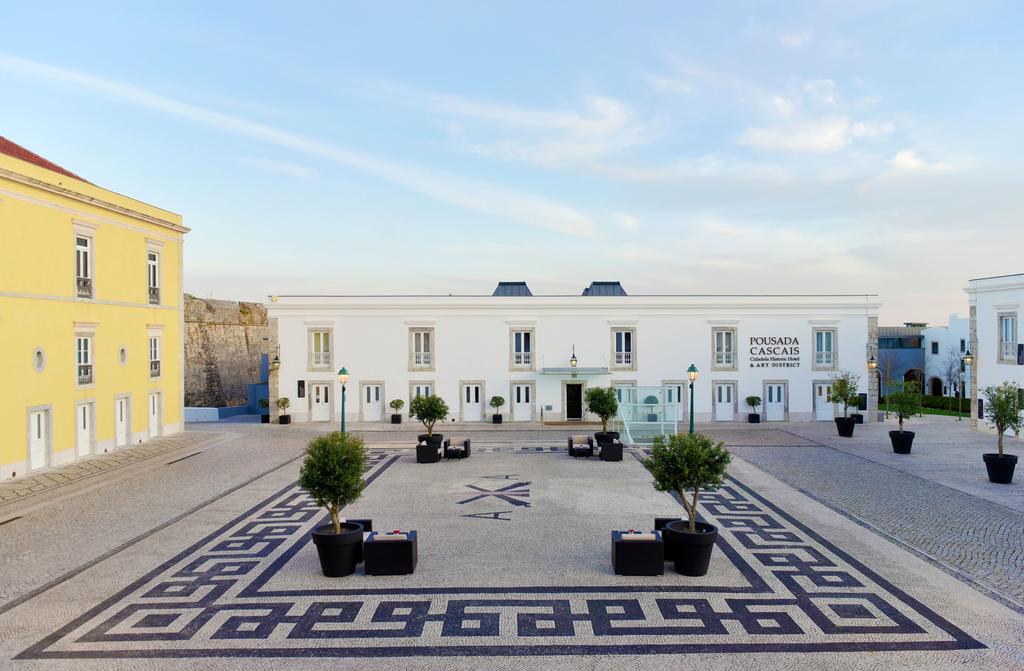
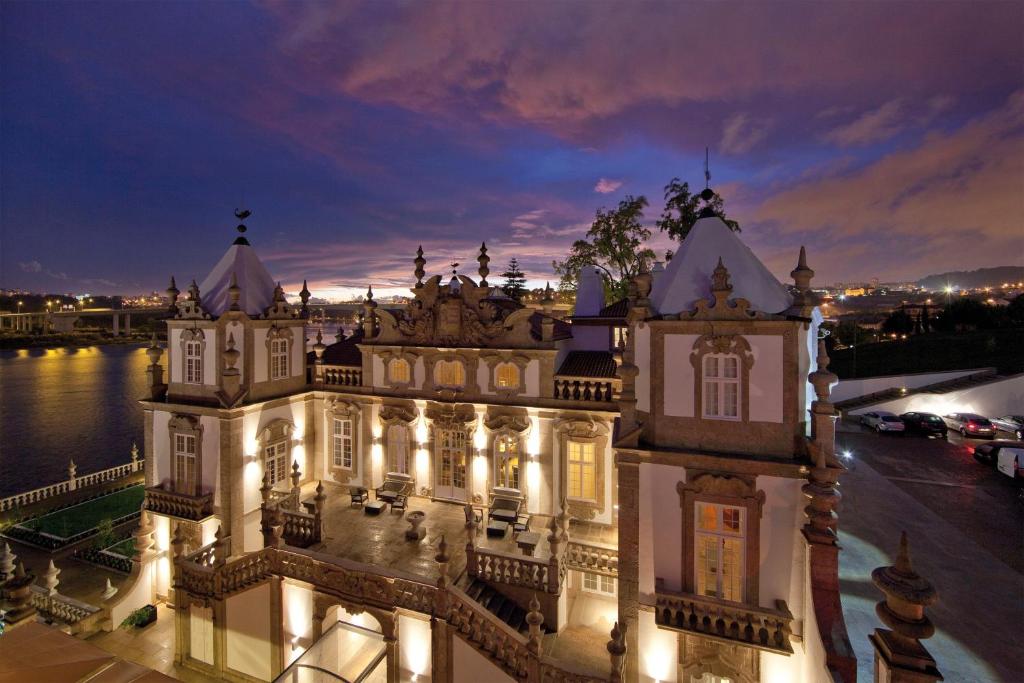
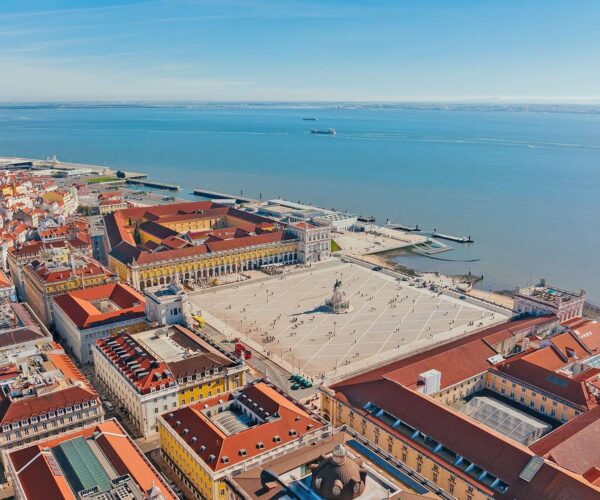
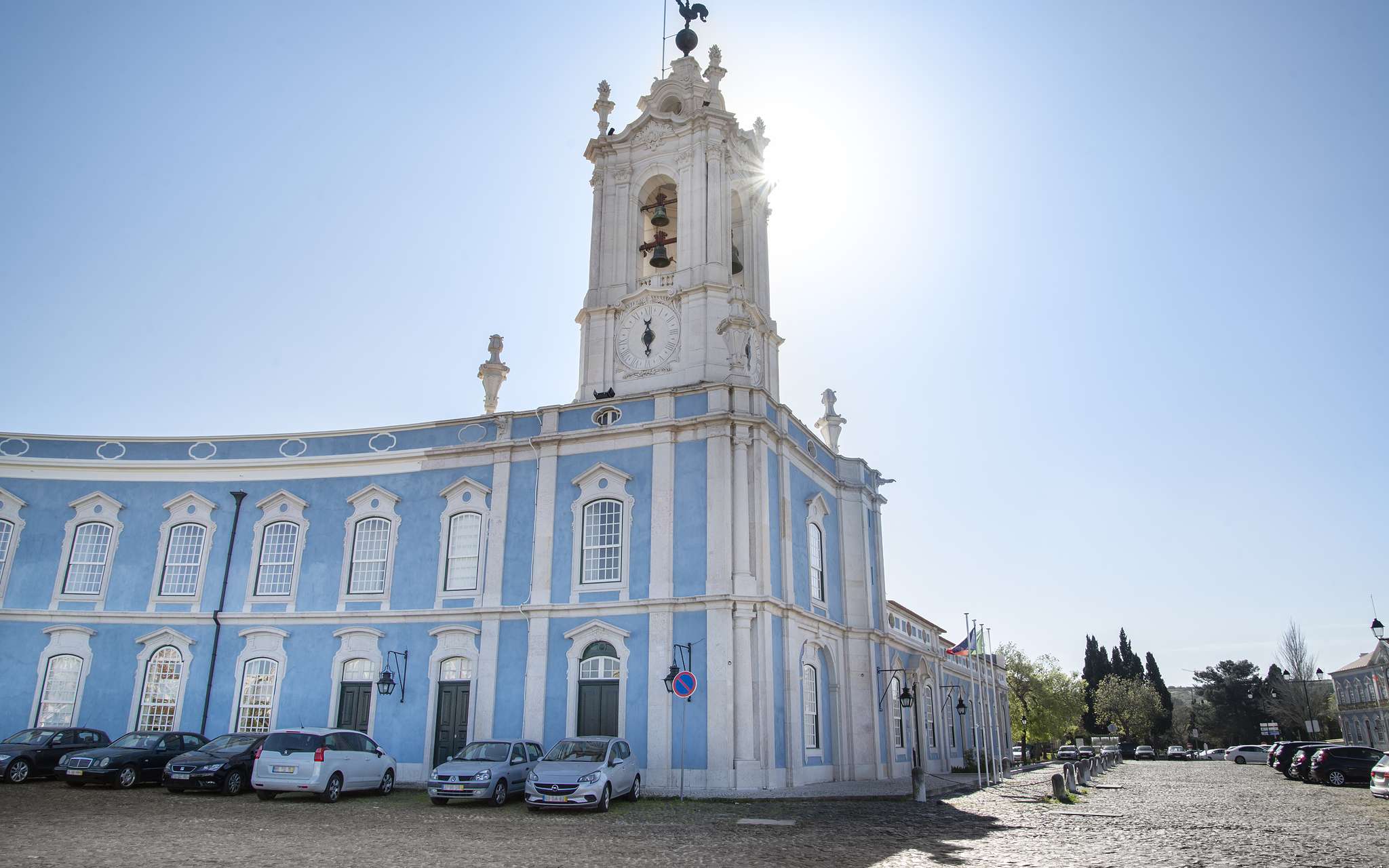
In 2003, the Portuguese government turned to the private sector to address the financial difficulties of Enatur and the Pousadas network. Pestana, already one of Portugal’s most successful hotel groups, became the commercial operator and acquired a 49% stake in Enatur, while the state retained 51%. The arrangement brought professional hotel management, international distribution, marketing expertise and investment to the collection. It also helped the Pousadas reach a much wider international audience. Pestana deserves recognition for that contribution. But the nature of the network gradually changed. New properties were added, including large urban hotels and ambitious heritage conversions. The Pousada de Lisboa at Praça do Comércio and Pousada Porto – Rua das Flores brought the brand into prime city-centre locations. Other developments, such as the Cidadela in Cascais and Palácio do Freixo in Porto, became associated with Pestana’s broader luxury hotel portfolio. These are often impressive hotels. Some occupy extraordinary buildings. But their relationship with the original Pousadas philosophy is less obvious. A large luxury hotel in central Lisbon is not necessarily an invitation to discover an unfamiliar part of Portugal. Nor does an attractive historic building automatically make a hotel a Pousada in the original sense. This is not an argument against luxury, urban hotels or commercial success. It is an argument for brand clarity. Because the greatest asset of Pousadas de Portugal has never been its size. It has been its identity. Photo: Pousada Lisboa Praça do Comércio
2026: Who Owns the Future?
The expiry of the current concession at the end of 2026 has brought the relationship between Pestana, Enatur and the Portuguese state into renewed focus. The ownership structure is more complicated than it might appear. Many of the historic buildings belong to the Portuguese state, while Enatur has played a central role in managing the Pousadas network. Pestana has been responsible for commercial operations and holds a minority stake in Enatur. Not every property is governed by precisely the same ownership or contractual arrangement. That distinction matters. Pestana has indicated that it intends to retain a number of properties under separate agreements, regardless of the outcome of the broader concession discussions. The complete list and contractual position of those hotels require careful confirmation. But from a brand perspective, the potential separation might actually be beneficial. If certain large, commercially successful hotels remain with Pestana, the remaining Pousadas network could gain an opportunity to rediscover its original identity. Portugal does not necessarily need another conventional upscale hotel chain. It already has plenty of those. What it does have is an extraordinary architectural and cultural hotel heritage, supported by a brand with more than eight decades of history. The question is how to make that heritage relevant to a new generation of travellers.
Back to the Future: Reinventing Pousadas de Portugal
Here is where I would take the story in a different direction. Rather than simply appointing another large hotel group to operate the existing network, why not reinvent Pousadas de Portugal as a genuinely independent hospitality brand? An organisation with its own identity, management, distribution and development strategy, dedicated entirely to the Pousadas philosophy. The state could continue protecting its historic assets, while a commercially independent operating company manages the brand and its hospitality standards. The separation between property ownership, brand management and hotel operations is hardly revolutionary. Asset-light models have become standard practice throughout the international hotel industry. What would be revolutionary is applying that model to a historic national collection with such a distinctive identity.
One Philosophy, Many Architectural Identities
A renewed Pousadas brand should celebrate its diversity rather than attempt to standardise it. The original regionalist inns, the modernist architectural experiments, the castles, convents, palaces and carefully selected contemporary buildings all have a place within the collection. There should be no requirement for every Pousada to share the same interior design, furniture or decorative language. Quite the opposite. The architecture should reflect the building and its location. A modernist Pousada in the mountains should feel different from a medieval monastery in the Alentejo or a traditional inn in a remote village. The common denominator should be the quality of the experience, architectural integrity, local character and a genuine connection to the destination. Not a standardised hotel product.
Bringing the Former Pousadas Home
Perhaps the most exciting opportunity lies beyond the existing network. Why not invite selected former Pousadas to return? Some of these hotels are independently owned and operated. Others have been transformed into successful boutique properties. A few are waiting for someone with the imagination and resources to give them a new life. They would not necessarily need to be purchased or operated directly. A carefully structured franchise or affiliation model could allow independent owners to join the Pousadas collection while retaining operational independence. The brand would provide recognition, distribution, marketing and clearly defined quality standards. In return, participating hotels would contribute something that cannot easily be manufactured: an authentic connection to the history of Pousadas de Portugal. Of course, not every former Pousada would qualify automatically. Buildings, service standards, financial viability and existing agreements would all need to be assessed. But the principle is compelling. The network’s history could become an engine for its future.
Rediscovering Portugal
The original Pousadas were created to encourage people to travel beyond the obvious destinations. That ambition is perhaps even more relevant today. Portugal has become one of Europe’s most popular tourism destinations, with an extraordinary proliferation of boutique hotels, design retreats, rural hideaways and independently operated properties. Many are located in places that international visitors might barely have considered a generation ago. The demand for authentic, locally rooted hospitality is no longer a niche. It is one of the defining movements in contemporary travel. A renewed Pousadas network could become a natural leader in this space, connecting lesser-known regions through architecture, gastronomy, culture and landscape. Not by trying to compete with every new boutique hotel. But by offering something that no newly invented collection can claim. A genuine history stretching back to 1942.
The DNA Hotels Verdict
I have a particular affection for Pousadas de Portugal. Perhaps that makes me less than entirely emotionally detached from their future. But it also gives me a long perspective. I have seen what makes these hotels special, how different they can be from one another, and how memorable a stay becomes when the building, the landscape and the hospitality feel inseparable. The best Pousadas never needed to be the grandest hotels in Portugal. They needed to be unmistakably themselves. Today, the hospitality industry spends enormous amounts of money creating brands around authenticity, individuality, local experiences and architectural storytelling. Portugal already has one. The challenge is not to invent a new identity for Pousadas de Portugal, but to rediscover and reinterpret the one it has. A genuinely independent brand, a carefully curated collection, a contemporary operating model and the possibility of welcoming selected former Pousadas back into the family could create something exceptional. The approaching end of the Pestana concession may or may not produce that outcome. Much will depend on political decisions, property rights, commercial agreements and the ambitions of whoever shapes the next chapter. But the opportunity deserves serious consideration. The future of Pousadas de Portugal may depend less on which hotels it keeps, and more on rediscovering what made them worth creating in the first place. Eighty-four years after the first Pousadas opened their doors, the most radical idea might be to return to the original one.
The Living Register: Pousadas de Portugal, Past and Present
Alongside this Story, DNA Hotels has compiled an independent historical register of Pousadas de Portugal, including current and former properties, opening dates, architectural origins, architects, conversions and their present status wherever known. The register is an ongoing research project rather than a definitive official archive. Some dates, attributions and current property details remain subject to verification. Readers with additional information, historical photographs, corrections or personal knowledge of former Pousadas are warmly invited to contribute.
Where to Stay