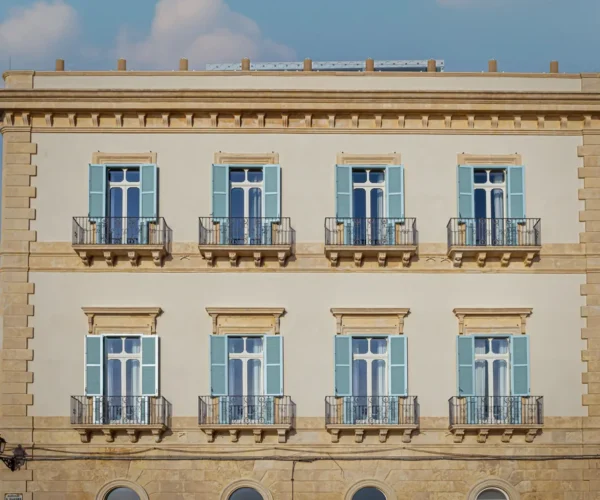
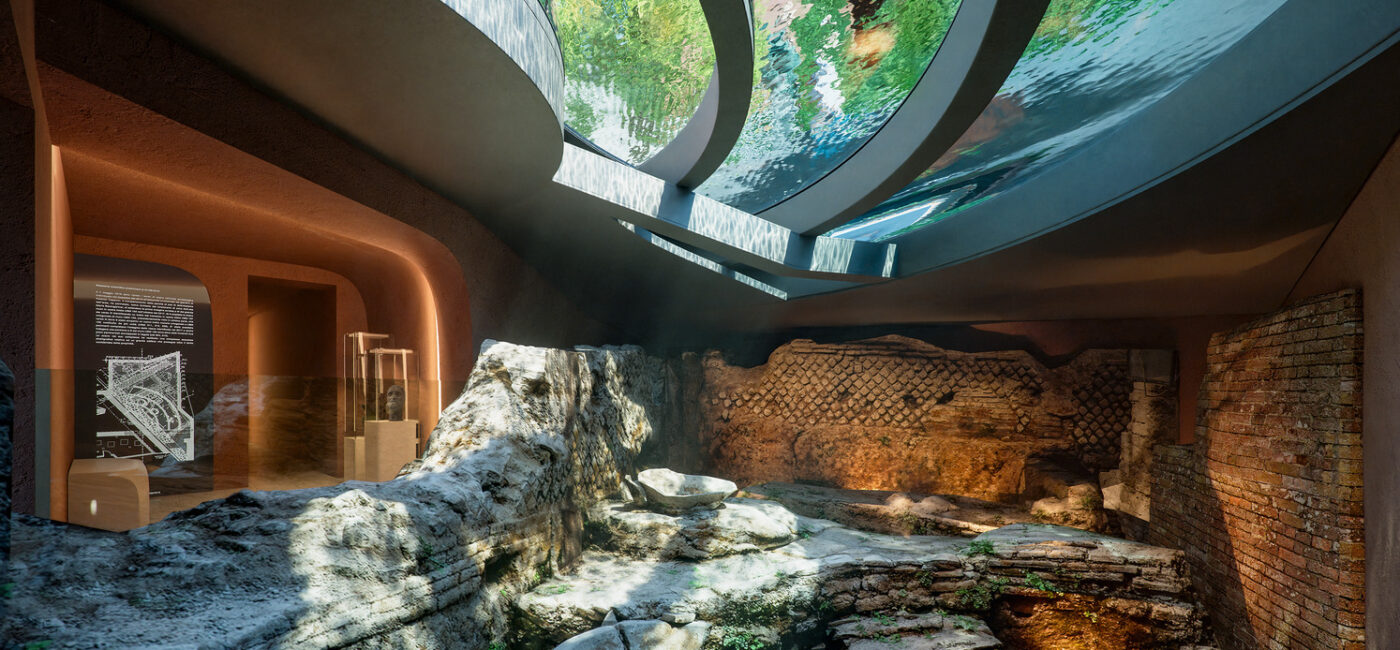
Siracusa contains several Sicilies at once. Founded by the Greeks in the 8th century BC, it became one of the most powerful cities of the ancient Mediterranean, leaving behind an extraordinary archaeological landscape of theatres, temples and stone quarries. Yet much of its appeal today lies across the water on Ortigia, the compact historic island where Greek columns have quite literally been absorbed into later buildings. The Cathedral incorporates the Temple of Athena within its walls, while the devastating earthquake of 1693 gave southeastern Sicily another architectural language: the theatrical Sicilian Baroque that also defines nearby Noto, Modica and Ragusa. Honey-coloured stone, crumbling palazzi, balconies and courtyards make Ortigia feel less like a preserved monument than somewhere history simply never stopped accumulating.
Food and drink are equally tied to southeastern Sicily. The Ionian Sea provides tuna, swordfish, anchovies and shellfish, while the surrounding countryside brings citrus, almonds, tomatoes, olives and the extraordinary produce of the Val di Noto. Siracusa’s market is the obvious place to start, before moving on to tiny restaurants, contemporary Sicilian kitchens and bars spilling onto Ortigia’s streets. Nero d’Avola has its roots in this corner of Sicily, while the vineyards around Etna are close enough to add an entirely different volcanic wine culture to the journey. Granita and brioche remain a perfectly acceptable breakfast.
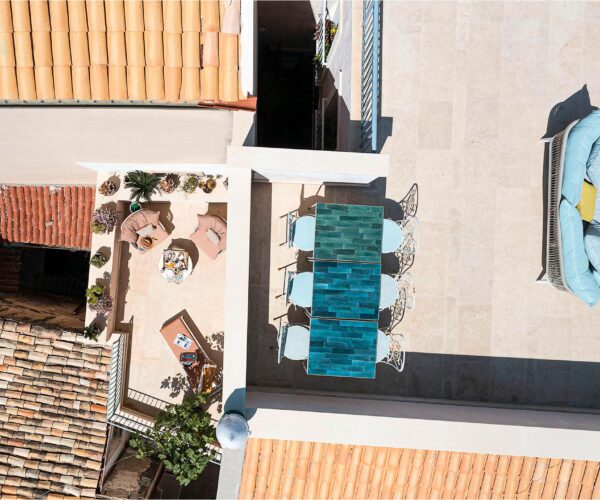
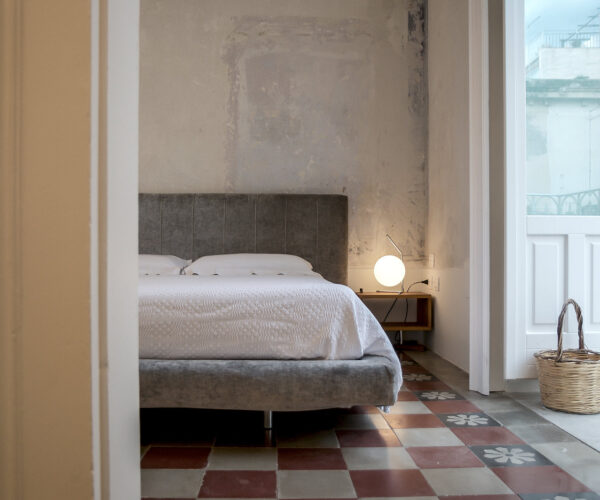
Siracusa’s most interesting hotels hide inside historic palazzi, fishermen’s houses, former religious buildings and old residences, particularly around Ortigia. The best allow layers of stone, vaulted ceilings and faded grandeur to remain visible, introducing contemporary Italian design without sanding away centuries of character. At DNA Hotels, we curate the places where architecture, food and Sicilian life become inseparable—hotels that capture a city where you can sleep in Baroque surroundings, walk past a Greek temple before lunch and end the day swimming in the Mediterranean.