


Behind a Door in Modica
A private three-suite residence beside Modica’s cathedral, where centuries-old stone, contemporary Sicilian design and a secret garden create a world of their own.

Why DNA Hotels loves it
Architect Luca Giannini transformed the historic residence through a restrained intervention that allows its stone vaults, arches and centuries of patina to remain the protagonists.
With just three suites, a private garden and spaces designed for living together, Hortus offers something increasingly rare: the intimacy of a Sicilian home with the architectural quality of a design hotel.
Part of ANIME A SUD, the project connects restoration with contemporary art, local craftsmanship and a distinctly southern Sicilian sense of place.
The Stay
Residenza Hortus is an intimate three-suite Modica residence where centuries-old stone, contemporary Sicilian design and a secret garden create the feeling of having your own home in the city.
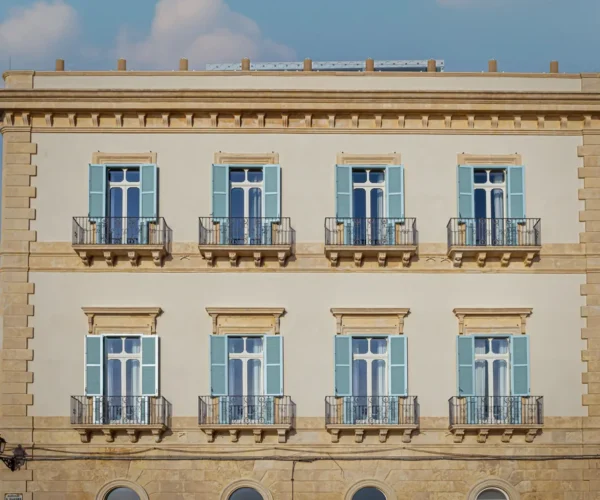
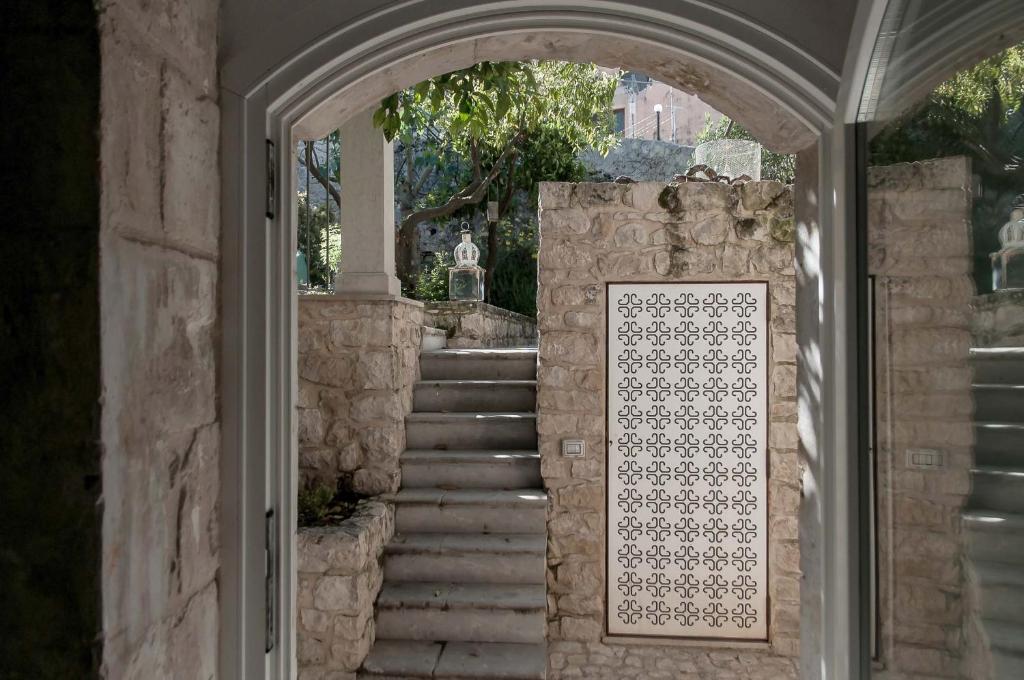
You could easily walk past it. And that’s rather the point. Residenza Hortus sits in the historic heart of Modica, close to the magnificent Cathedral of San Giorgio, hidden behind the walls of a centuries-old building. There is no grand hotel entrance announcing what lies inside. Instead, the door opens onto a private Sicilian world of old stone, vaulted rooms, contemporary furniture and a secluded garden. Hortus isn’t really a hotel at all. It’s a three-suite private residence, conceived for guests who want to temporarily inhabit Modica rather than simply stay there.
Old Stone, New Architecture
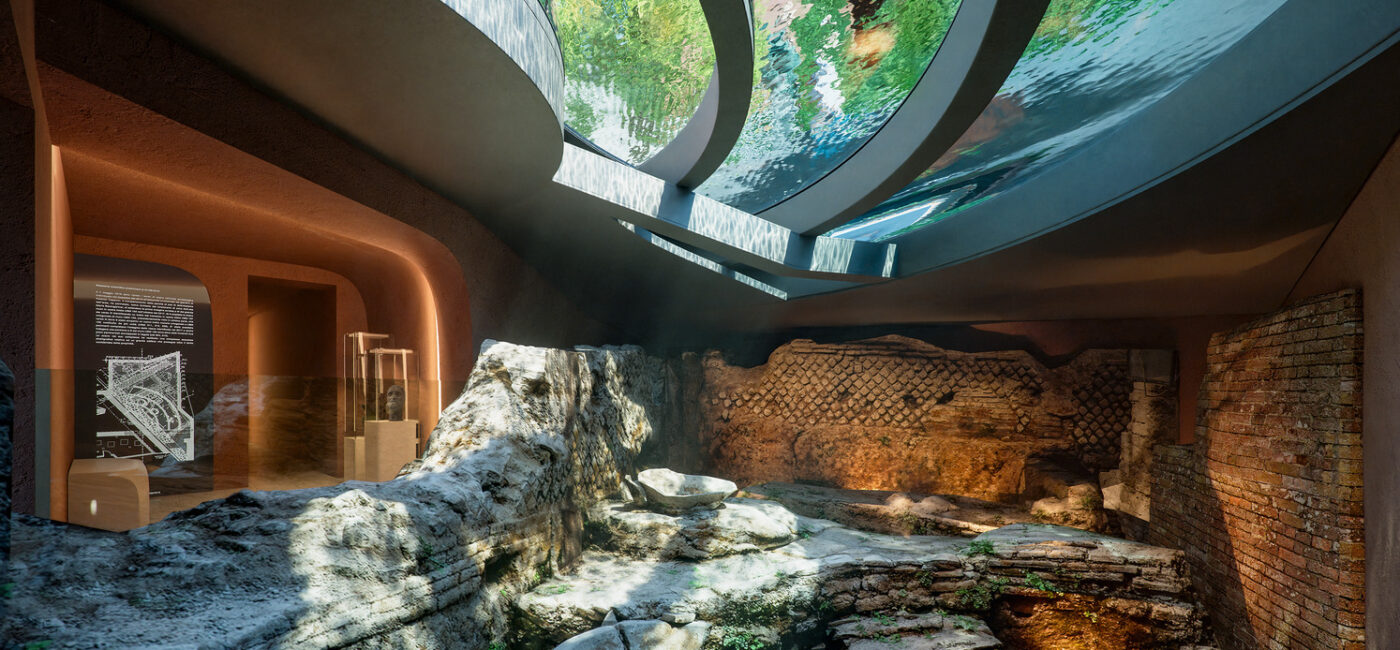
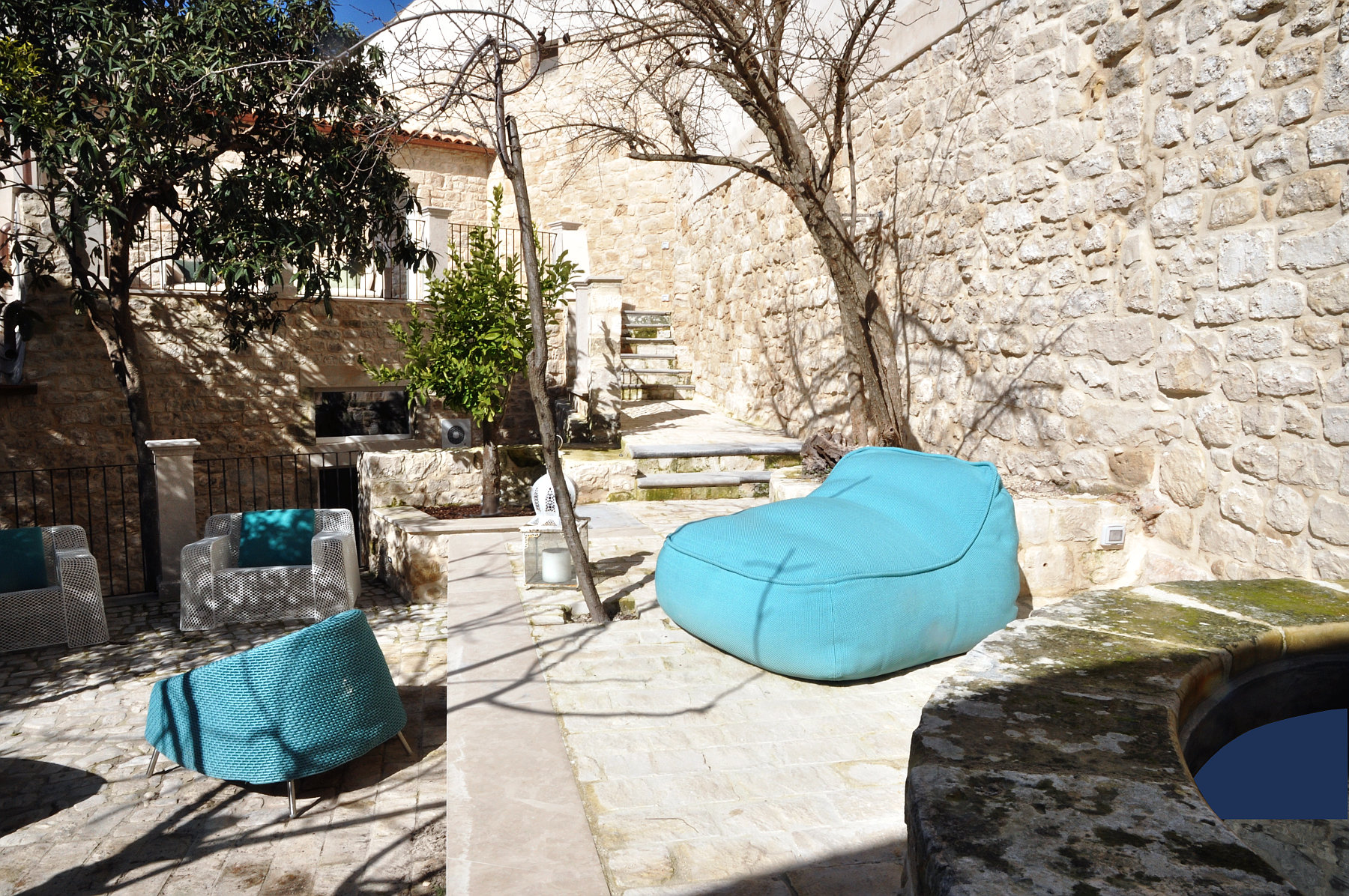
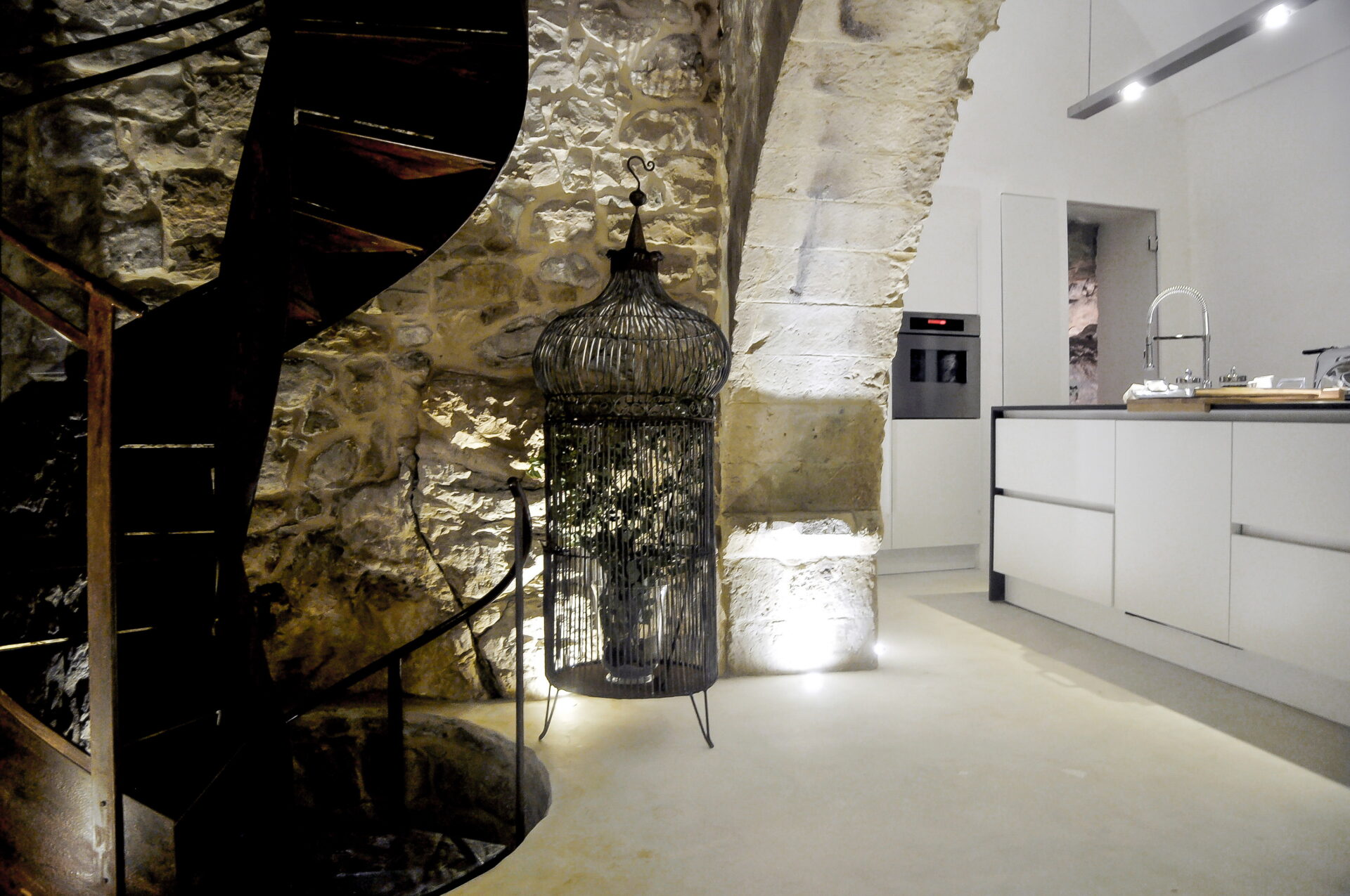
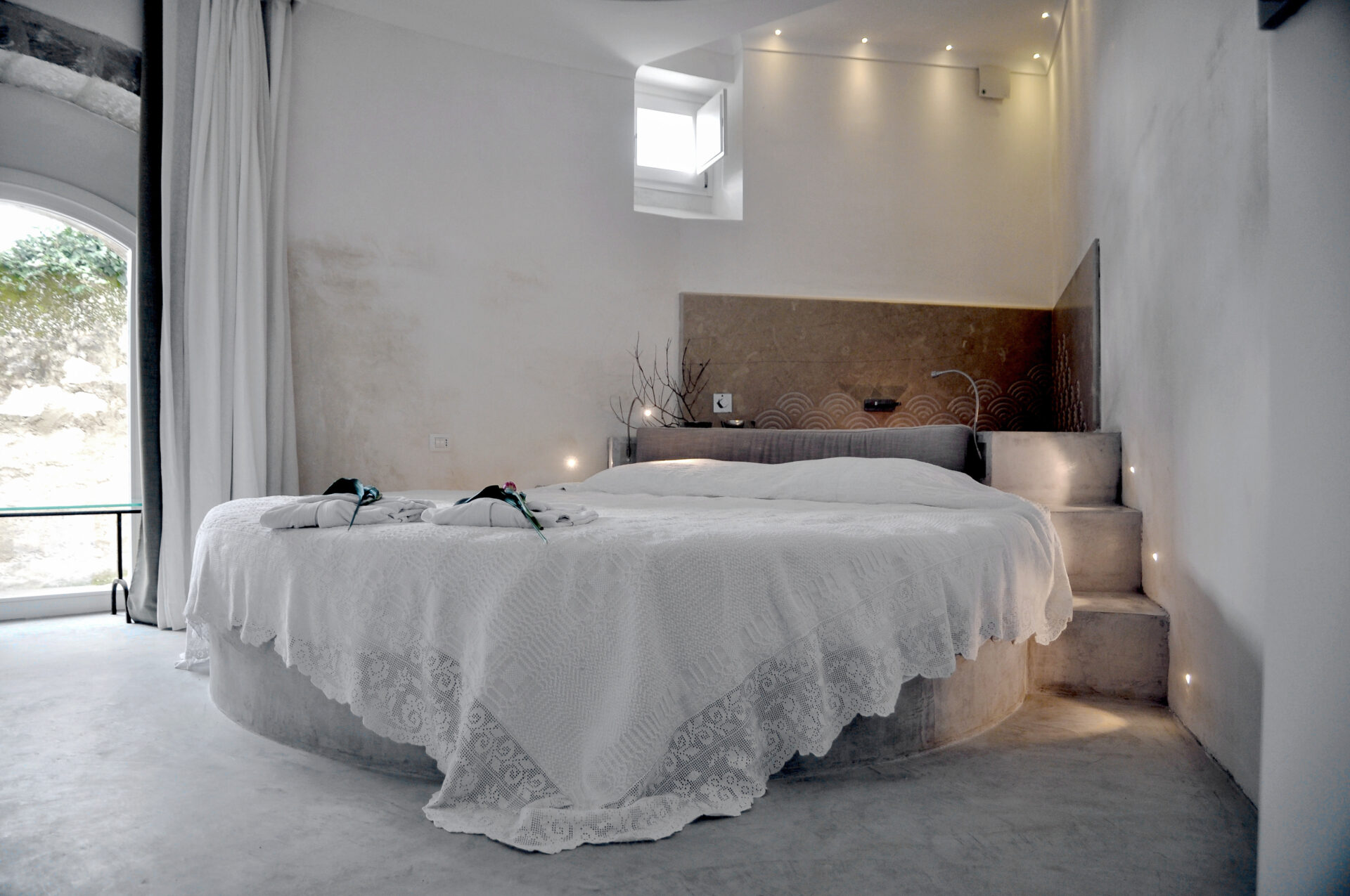
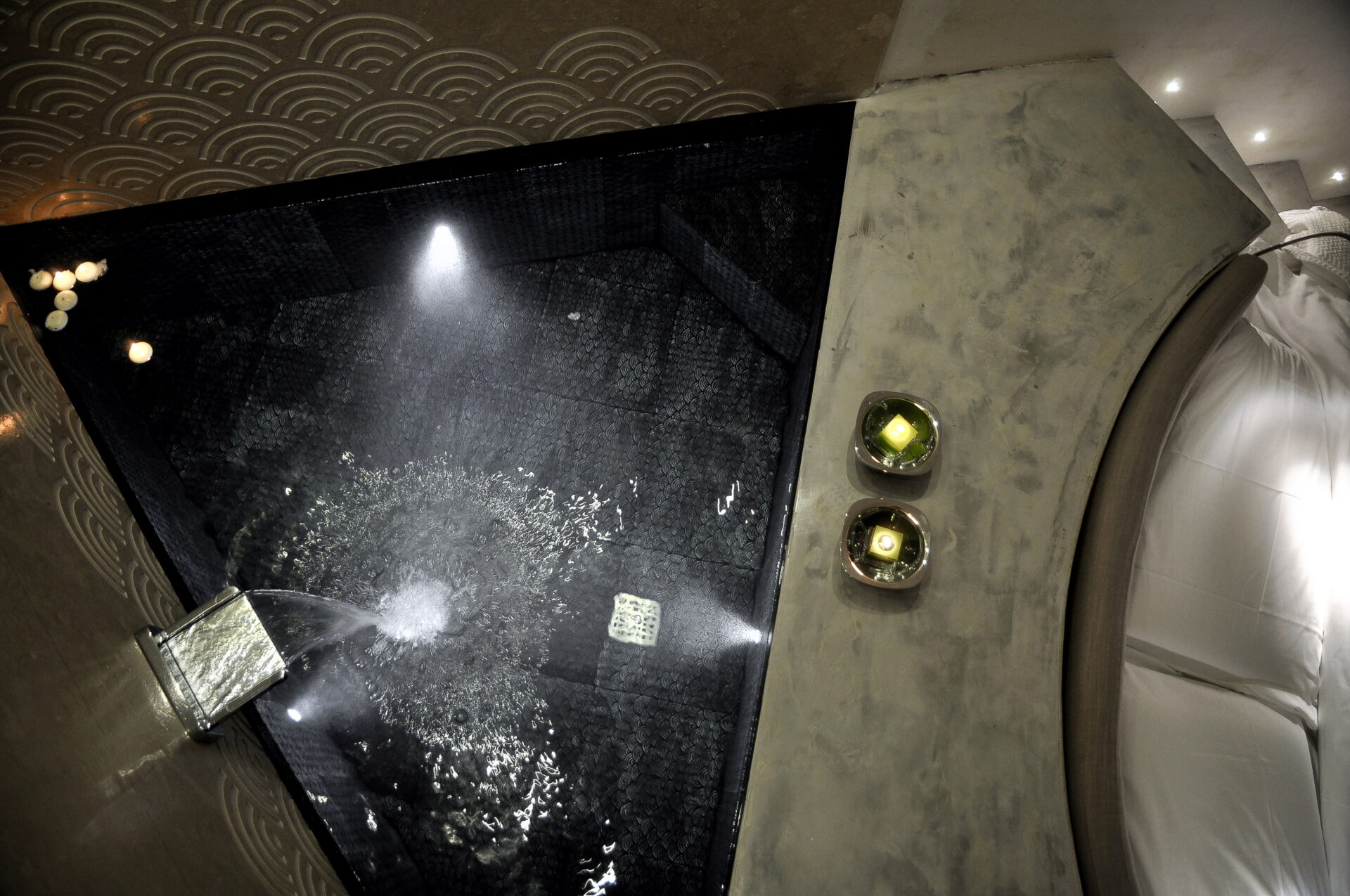
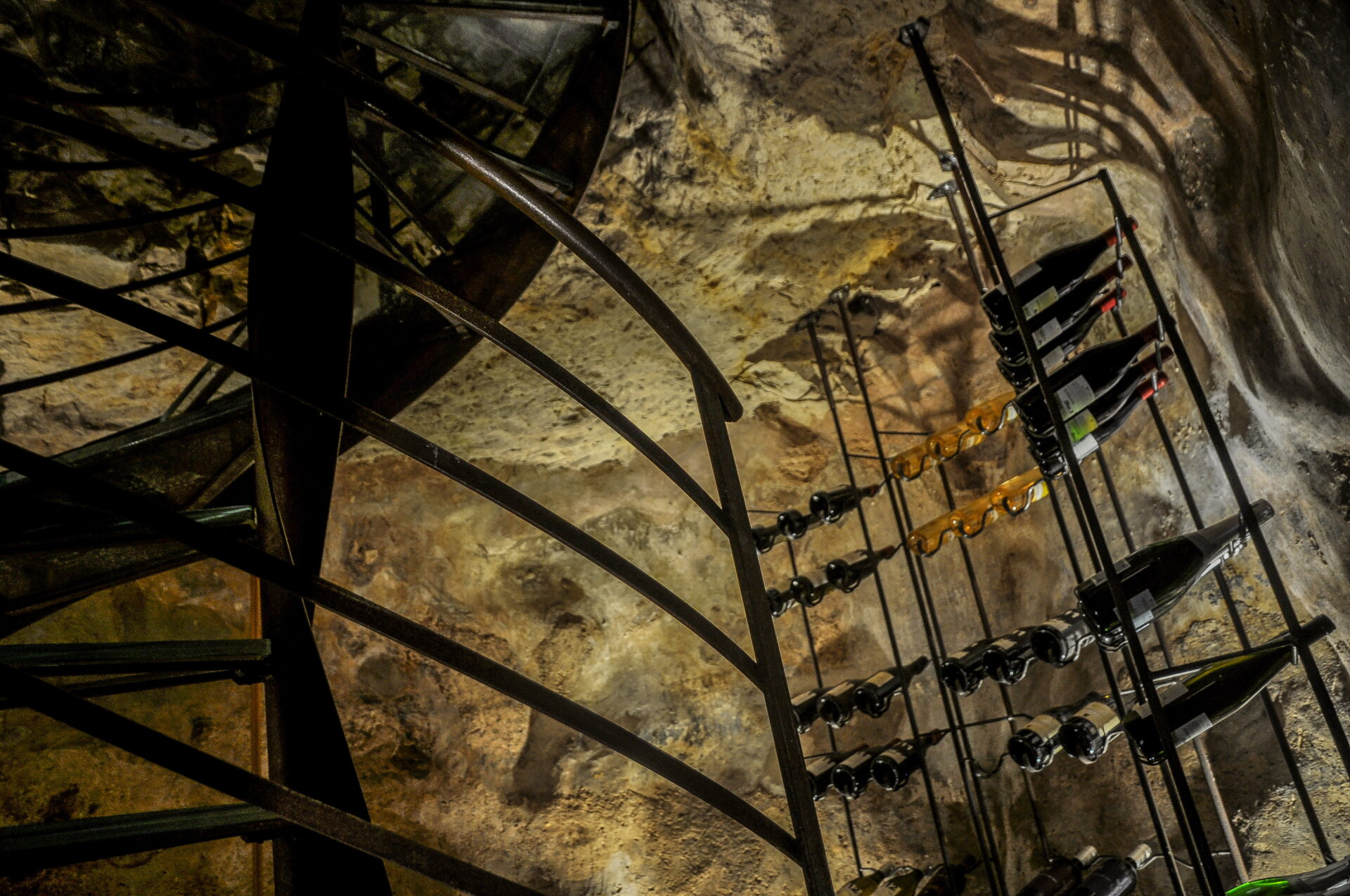
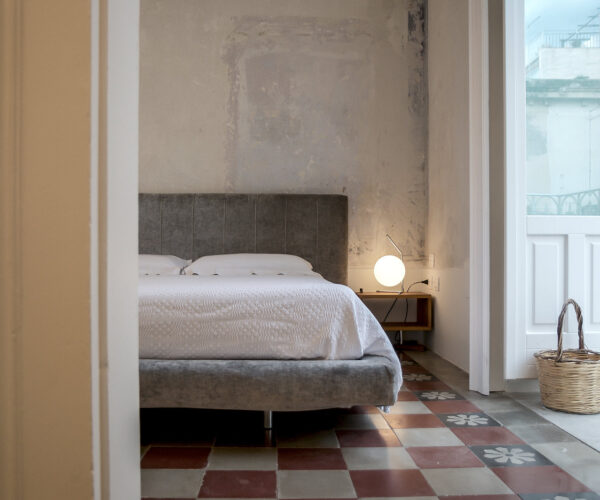
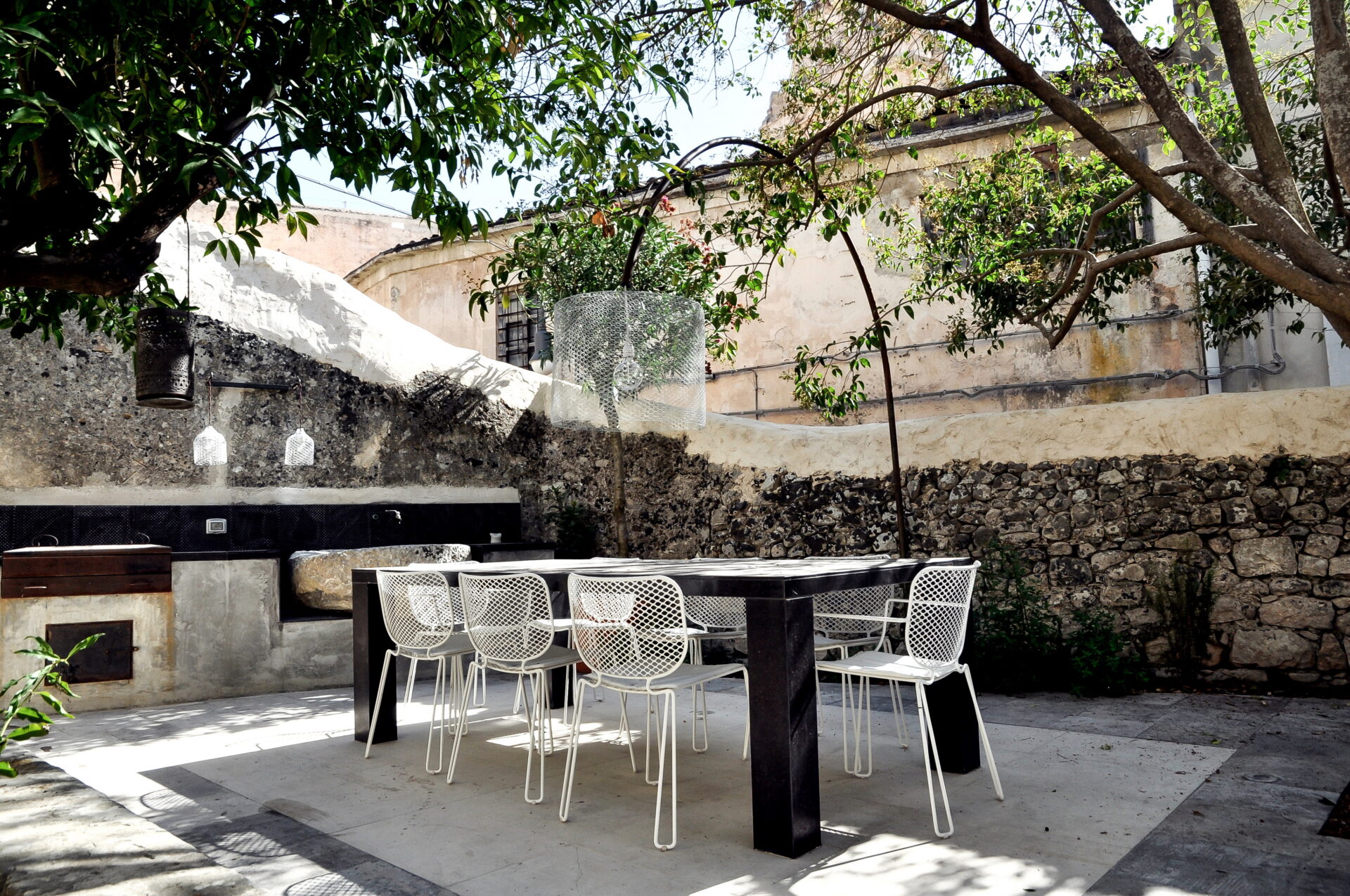
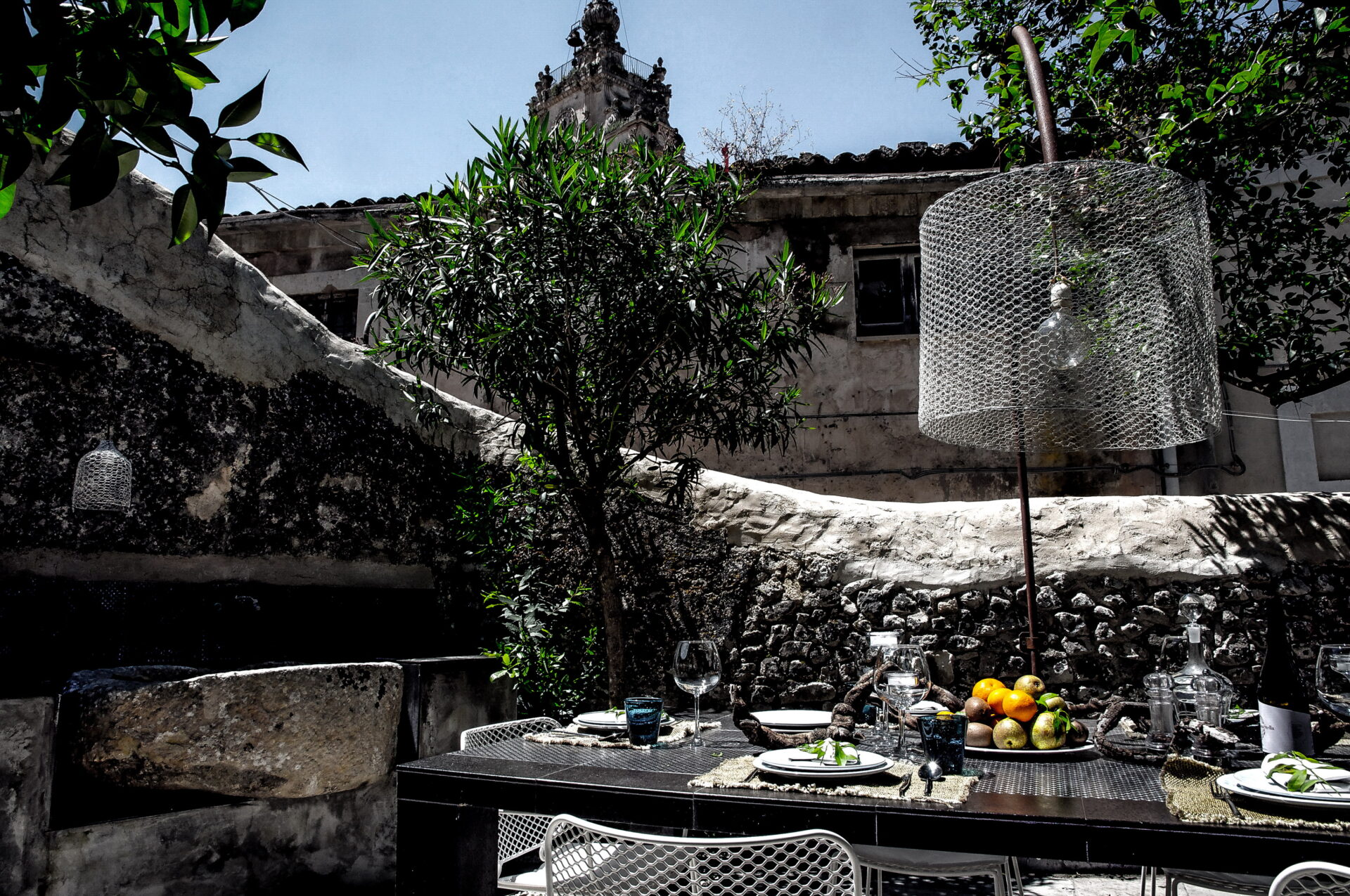
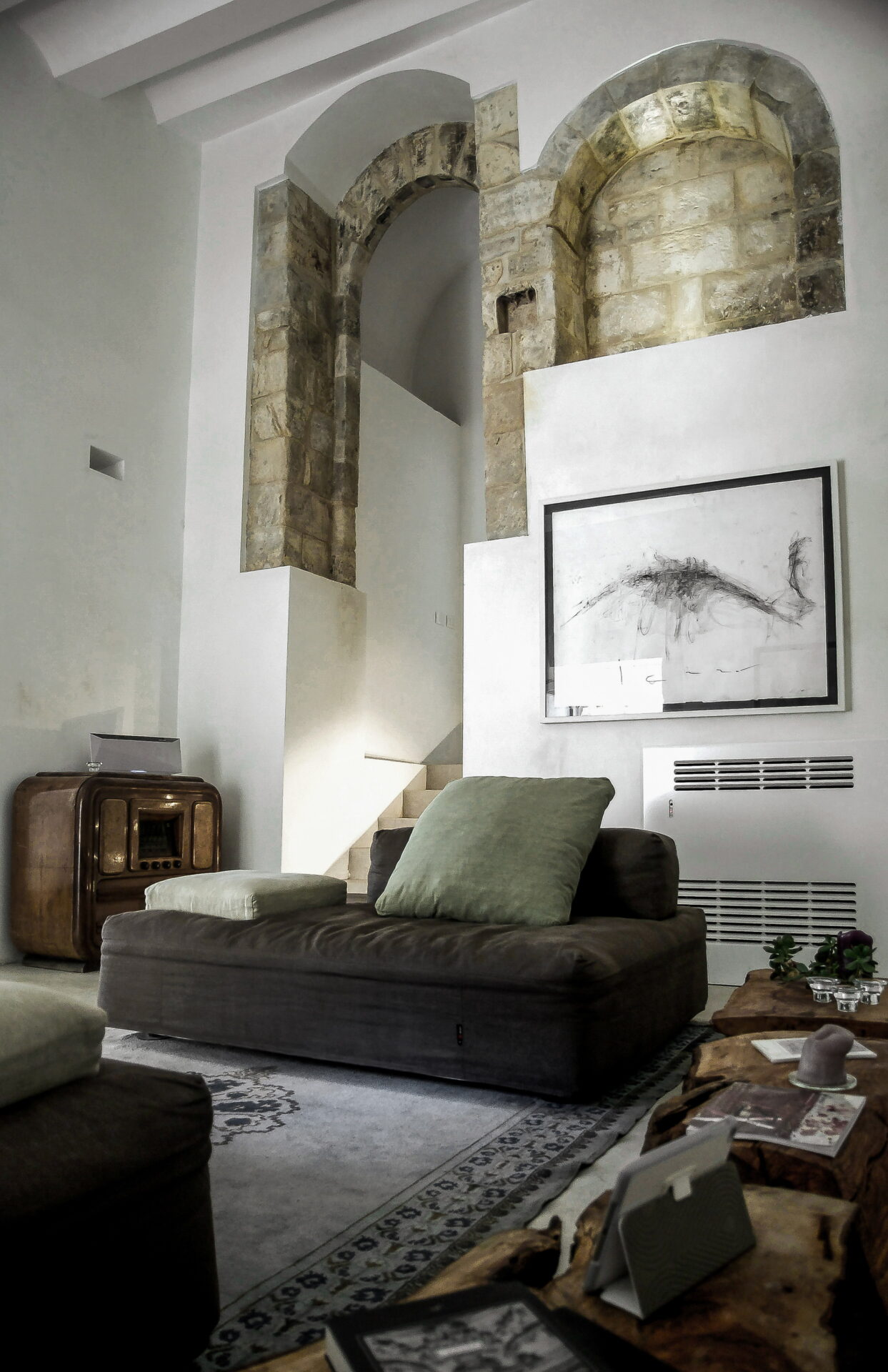
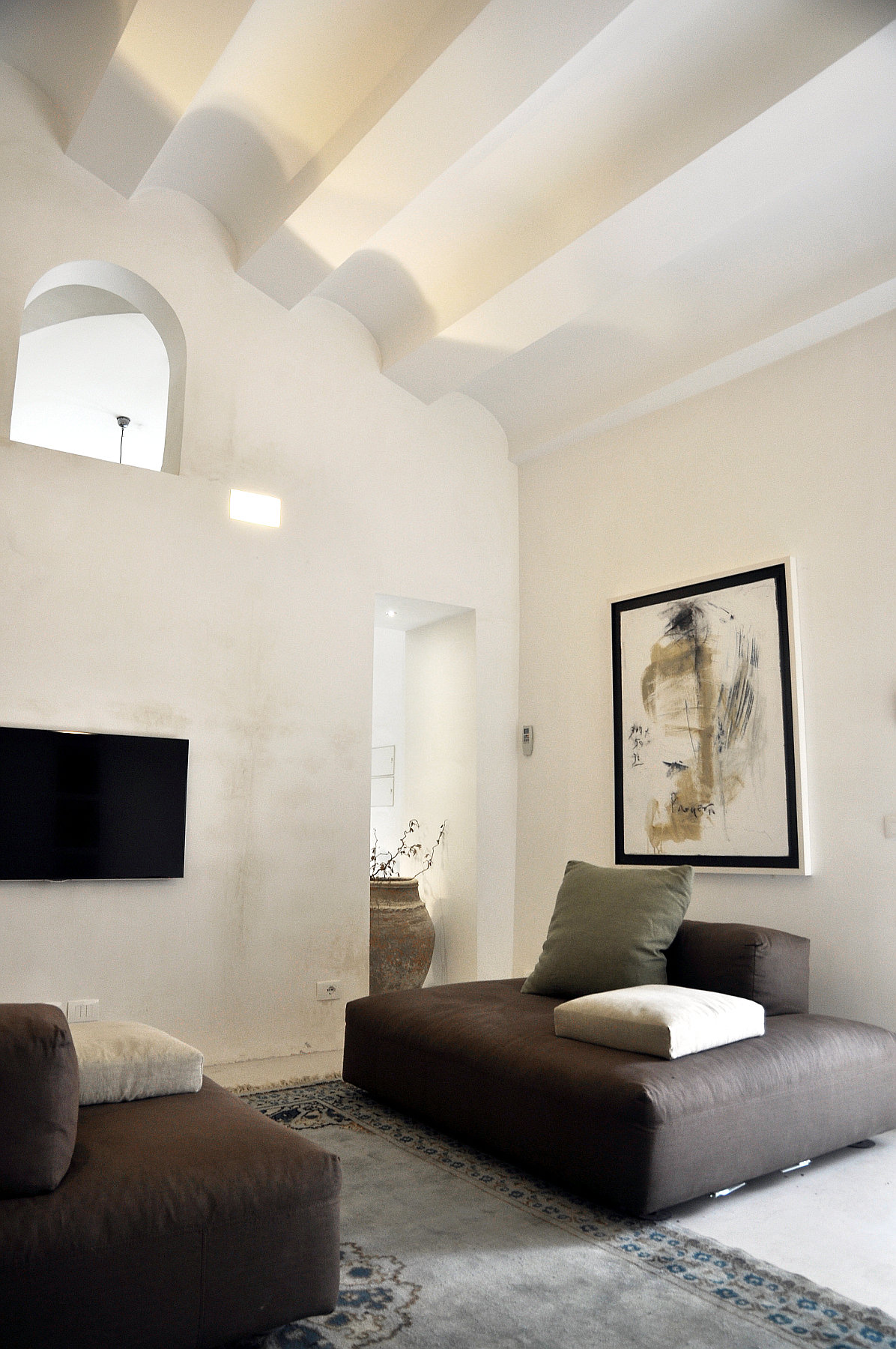
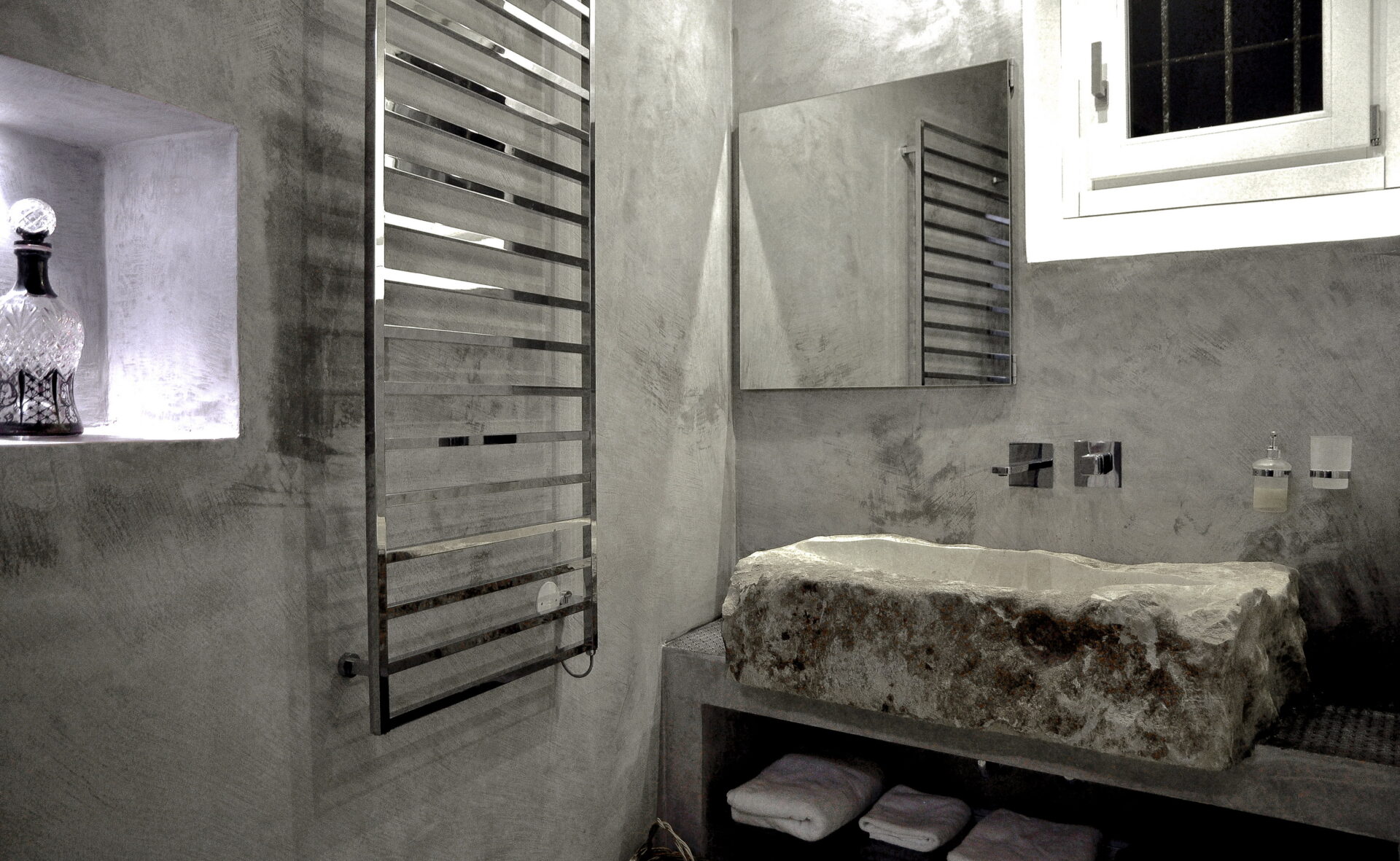
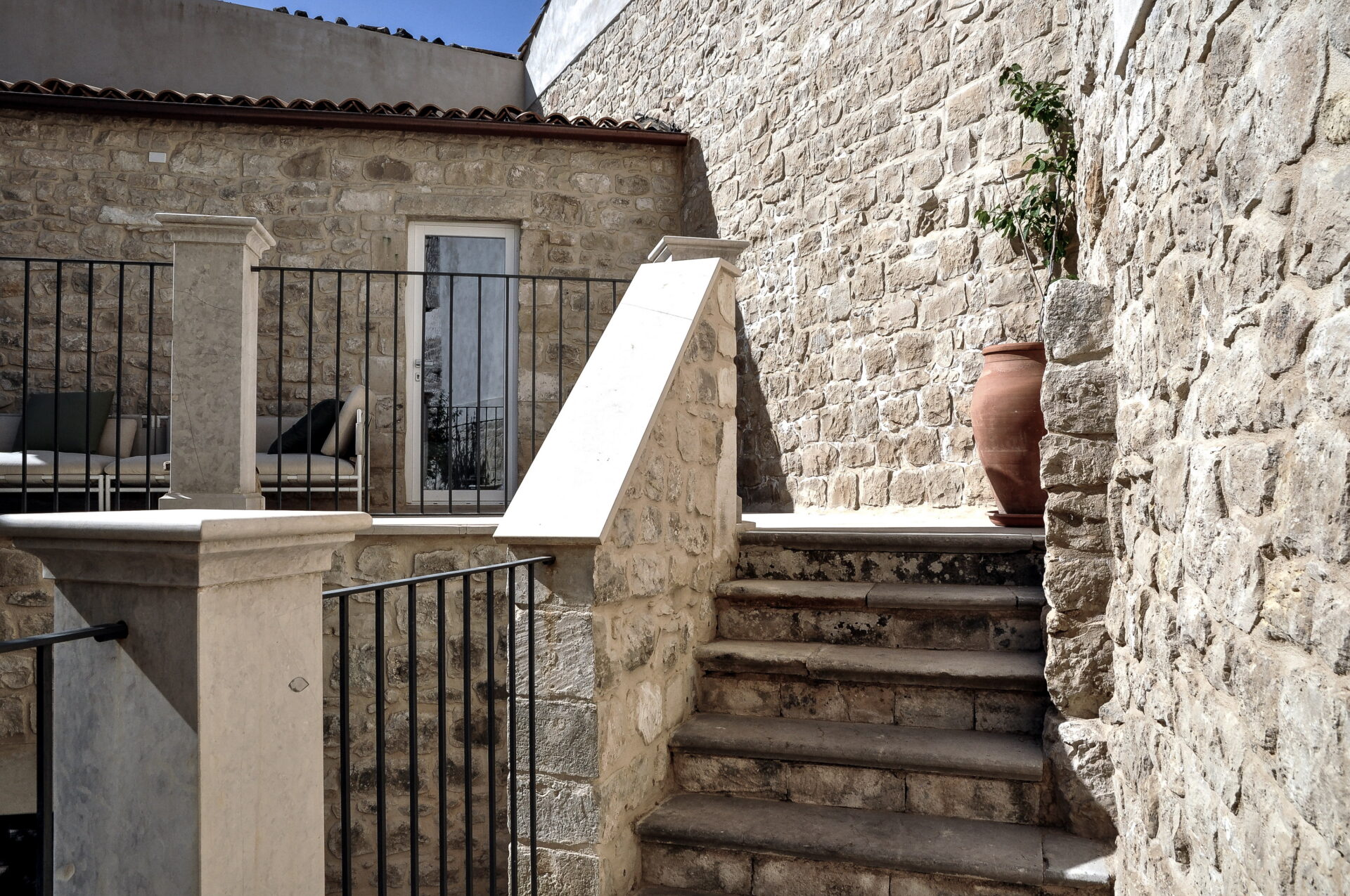
The restoration by Sicilian architect Giuseppe Gurrieri is deliberately restrained. Historic stone arches and vaults have been preserved rather than perfected, their irregular surfaces and marks of age becoming part of the architecture. Against them, contemporary interventions are precise and unmistakably modern. Natural stone meets reclaimed timber, steel and glass. Clean lines sit against rough masonry. Carefully positioned lighting reveals textures that might otherwise disappear into shadow. There is no attempt to recreate some idealised version of an old Sicilian palazzo. The new is allowed to look new. The old is allowed to look old. That tension gives Hortus much of its character.
Three Suites, One House
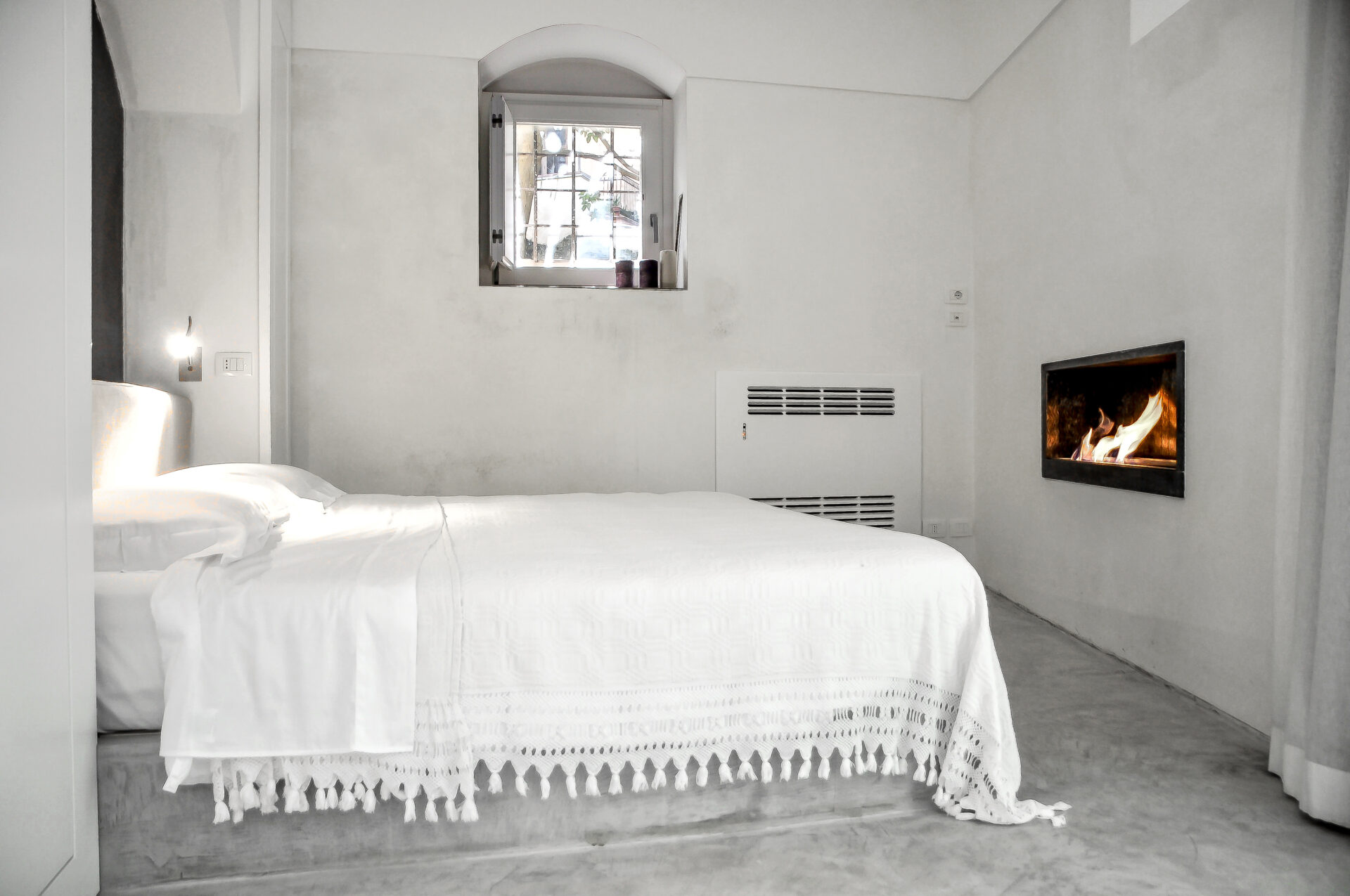
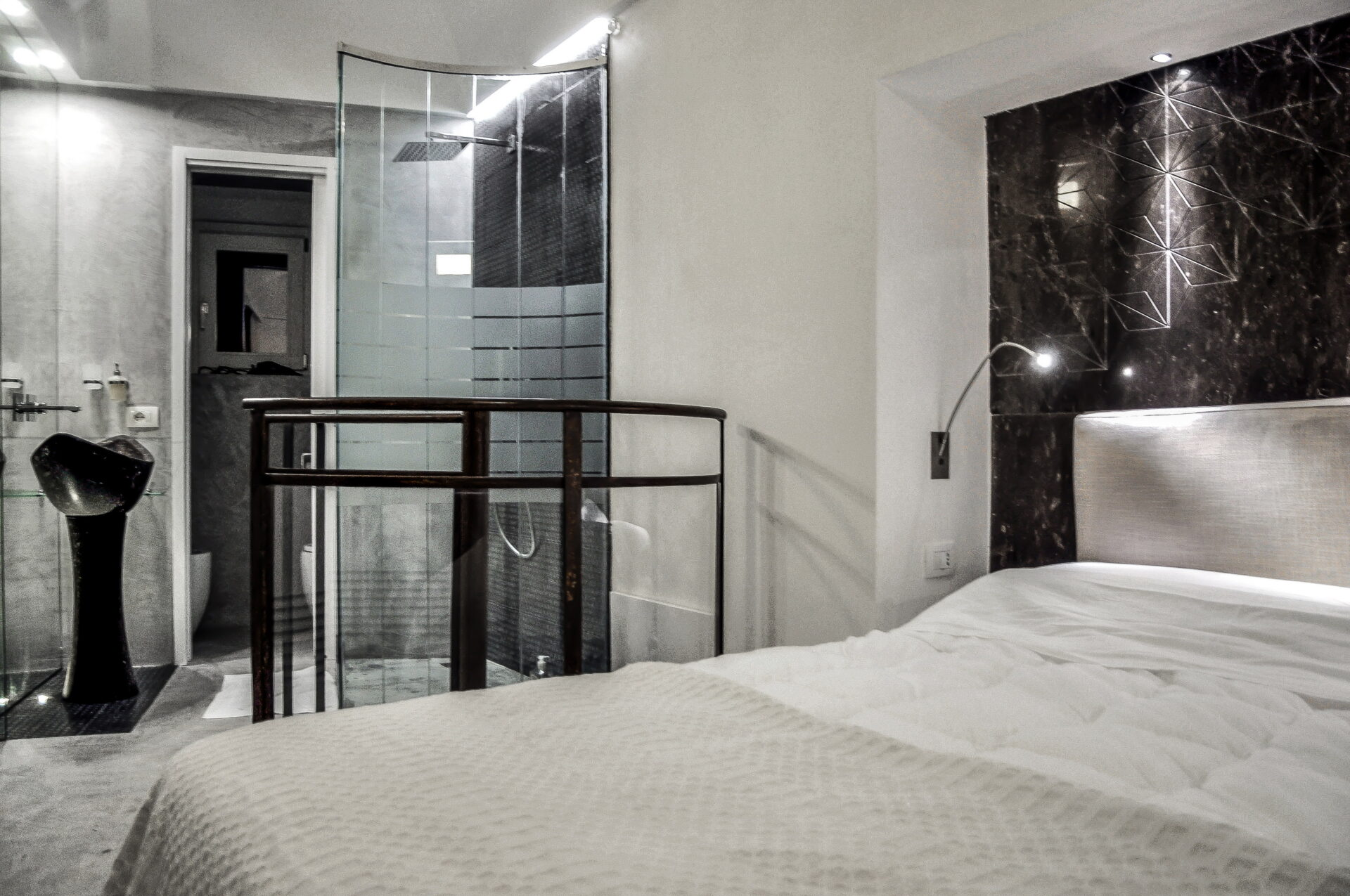
There are only three bedrooms, each with its own bathroom. Rather than dividing the building into conventional hotel rooms, the layout retains the feeling of a house. Shared spaces become as important as the bedrooms: places to cook, eat, talk, read or simply disappear for an afternoon. Furniture is minimal and tactile, with local craftsmanship, ceramics and bespoke pieces adding warmth without overwhelming the architecture. It’s particularly suited to friends or families travelling together. You don’t retreat to separate hotel rooms at the end of the day. You have a house in Modica.
The Garden Behind the Walls
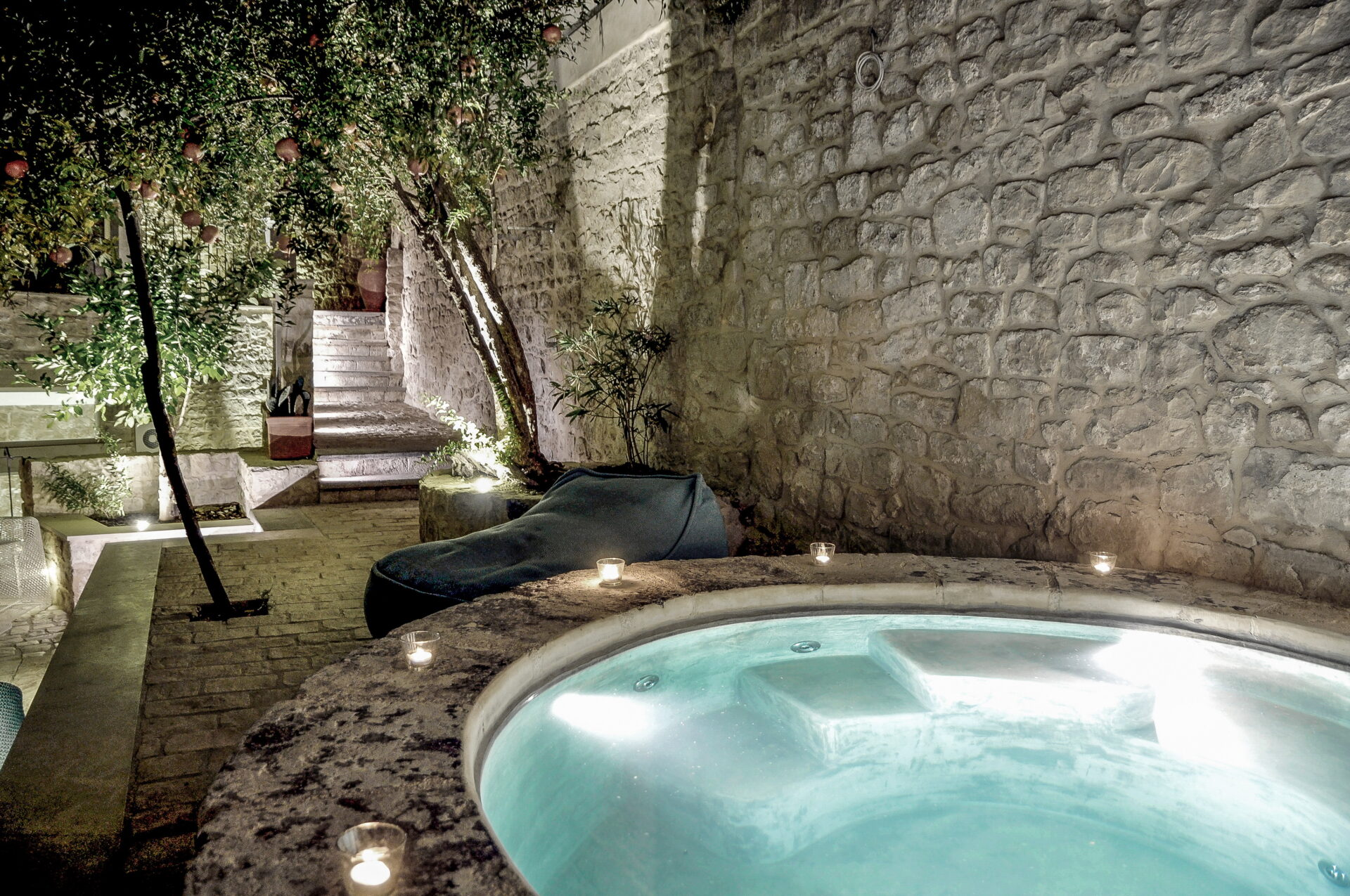
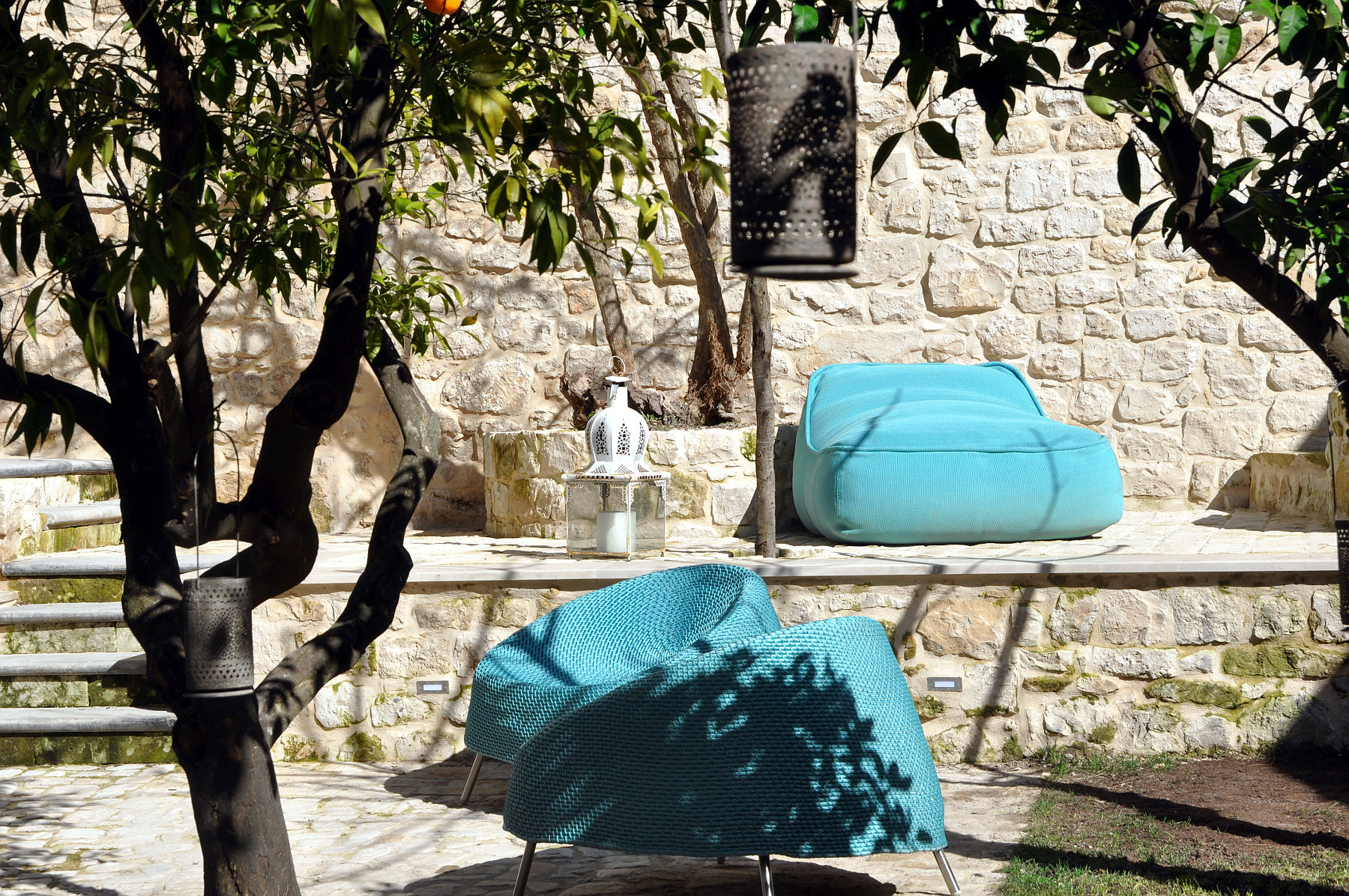
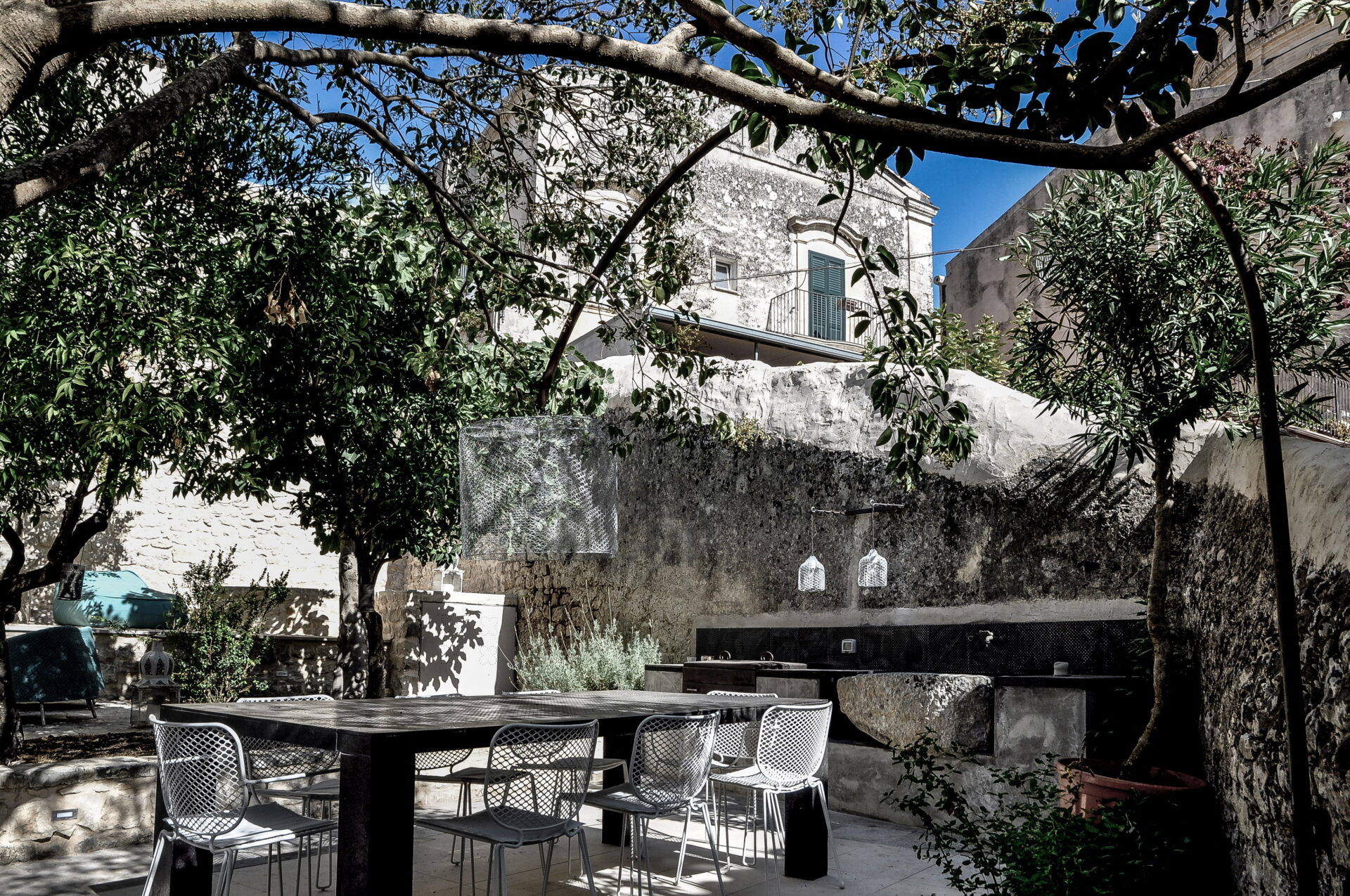
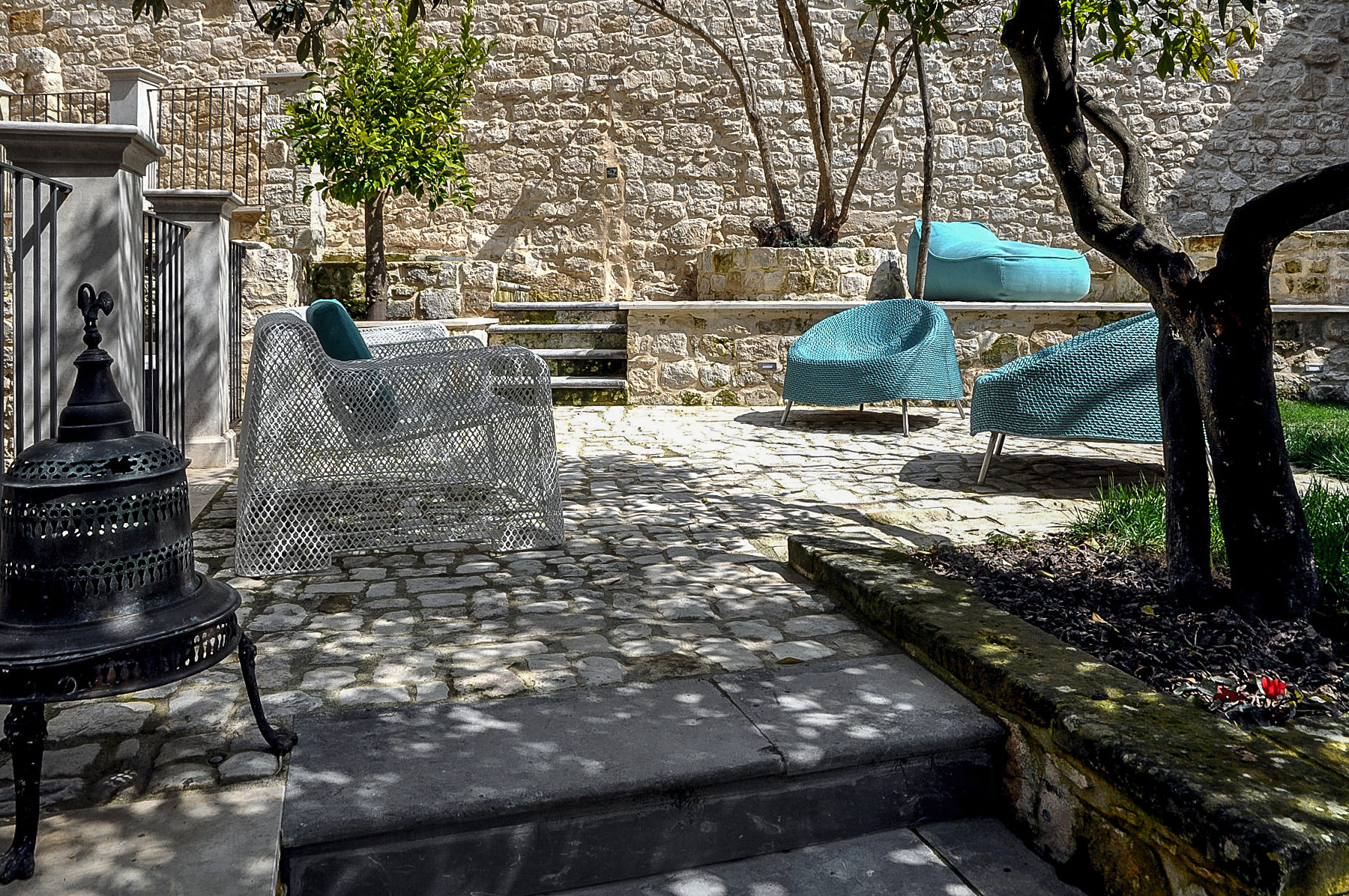
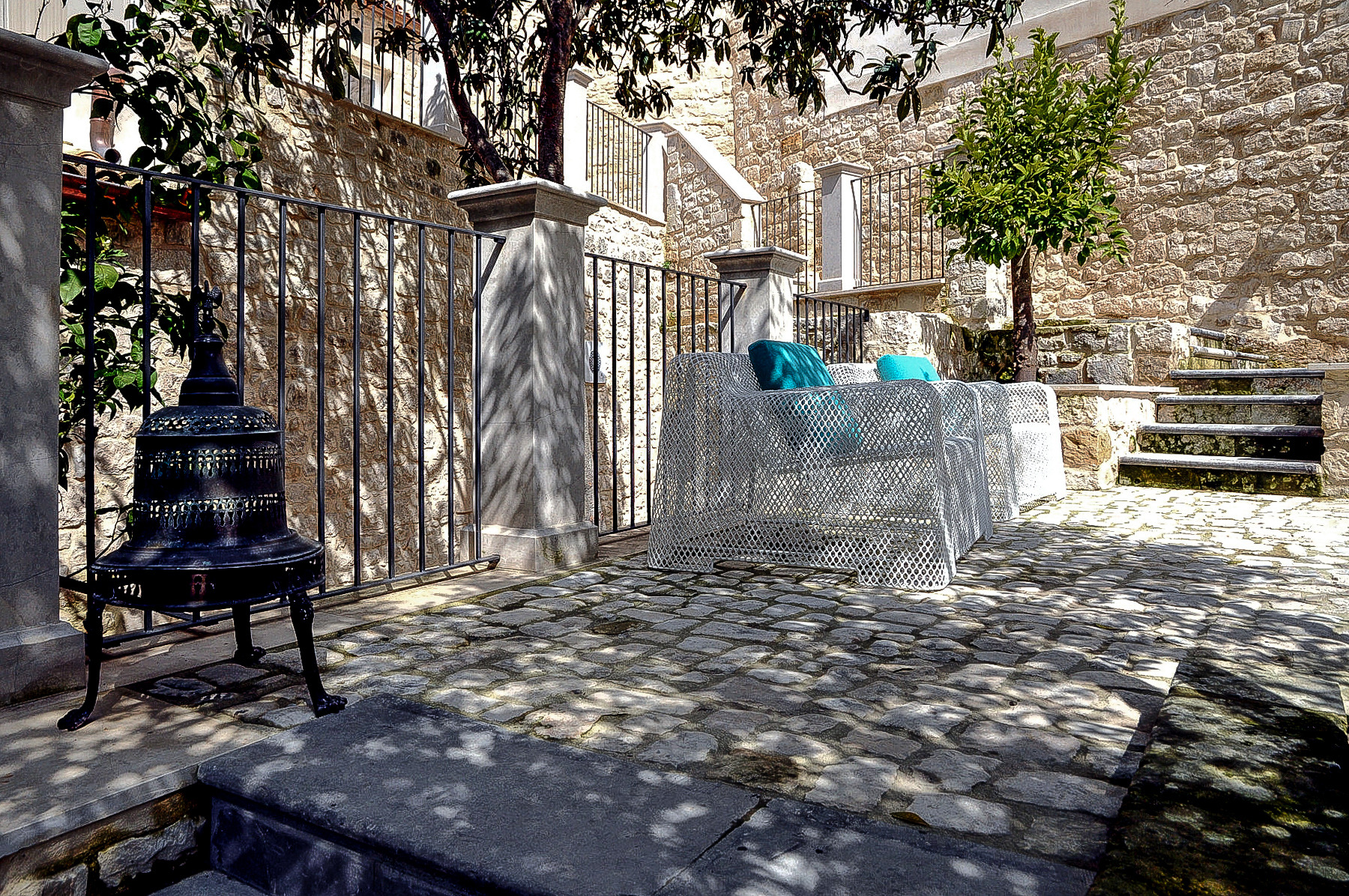
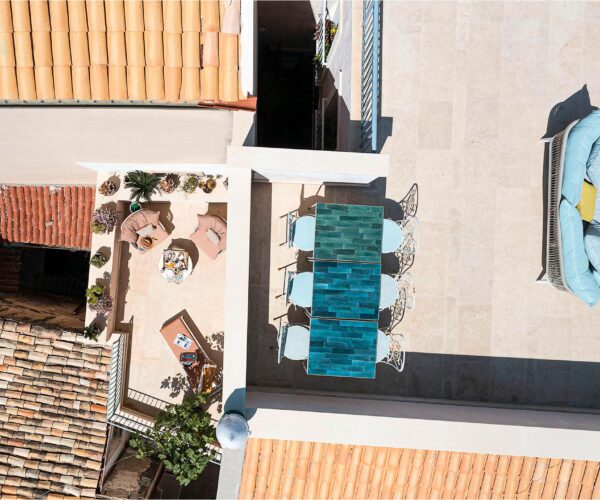
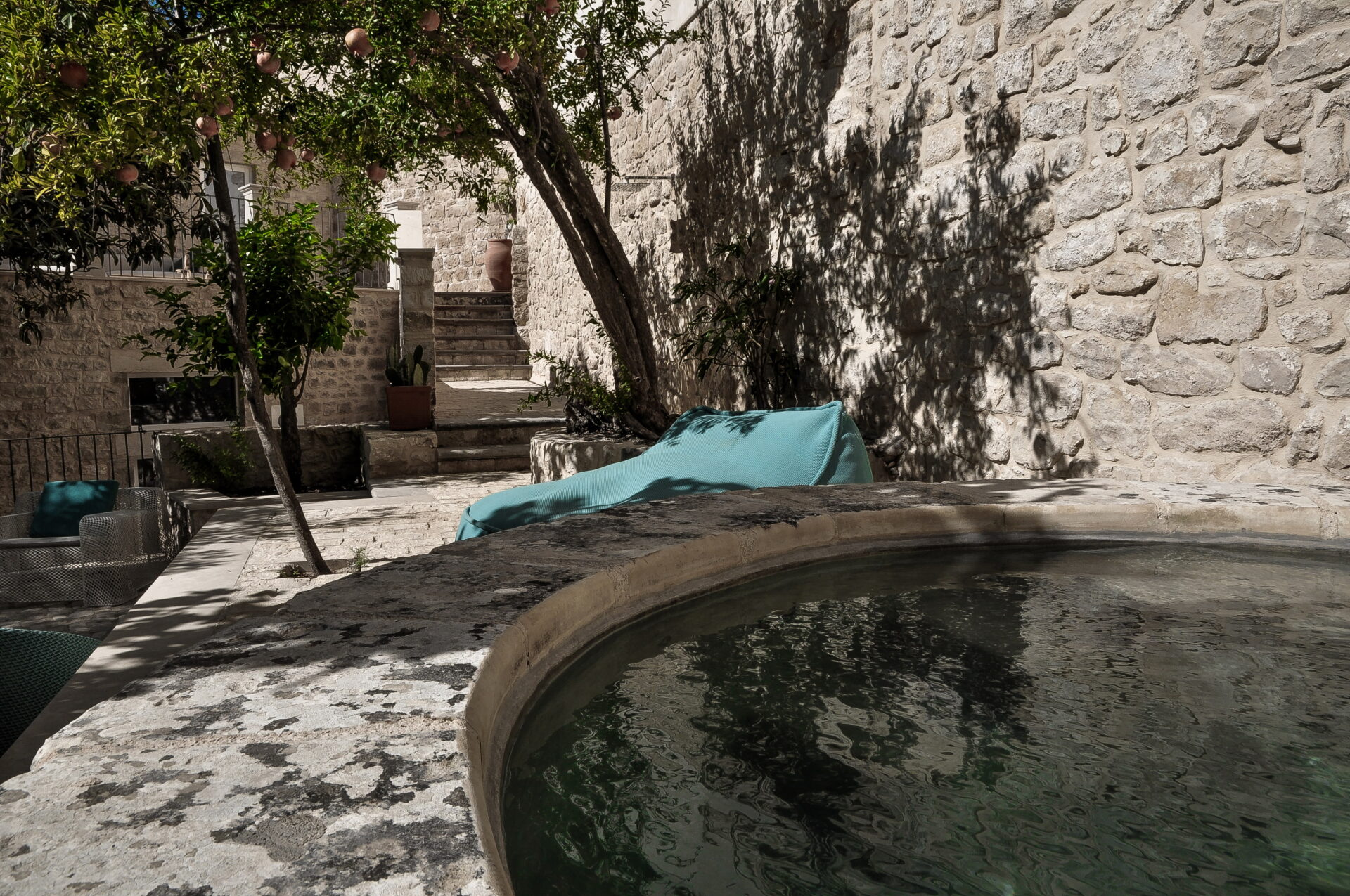
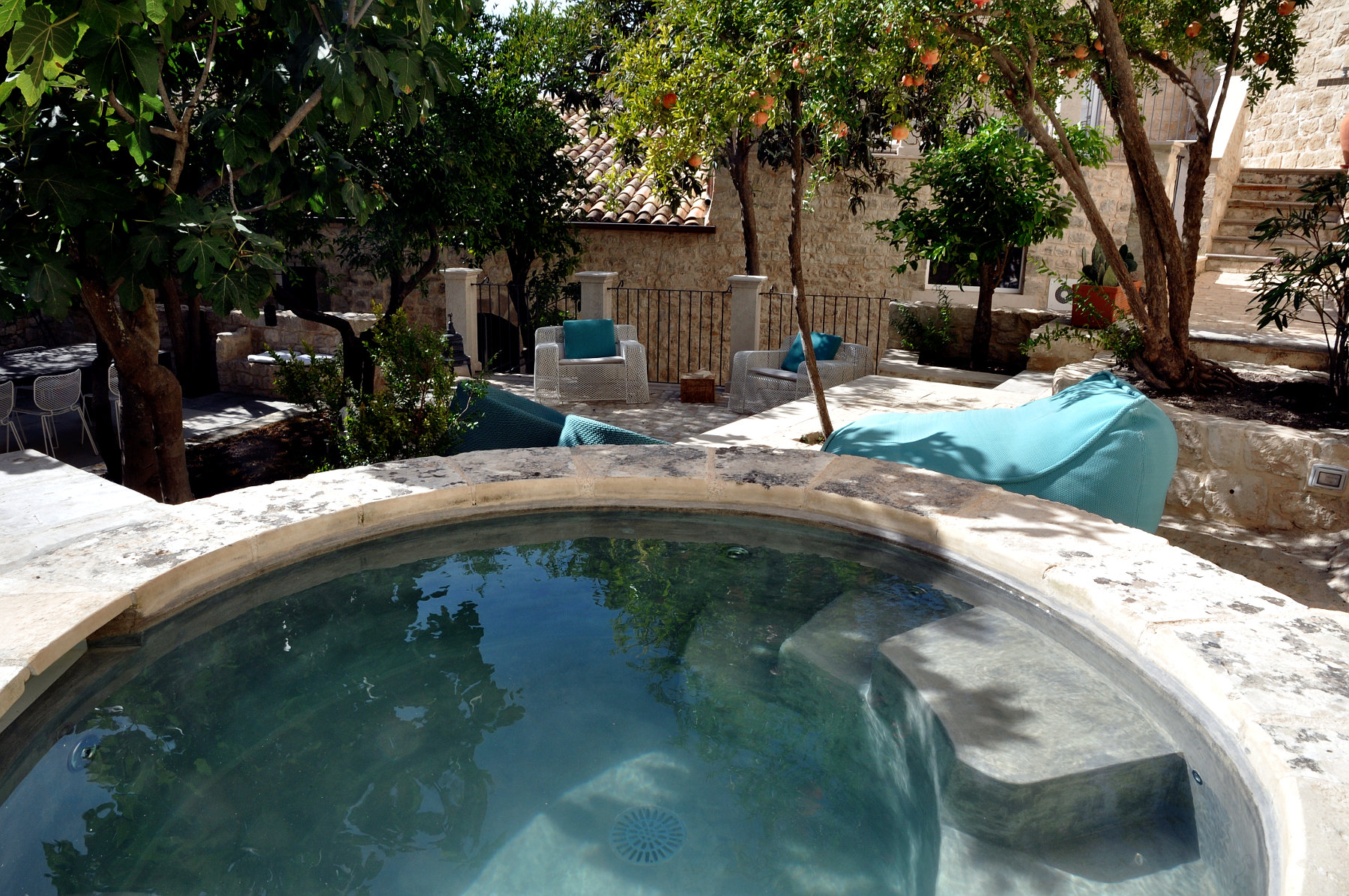
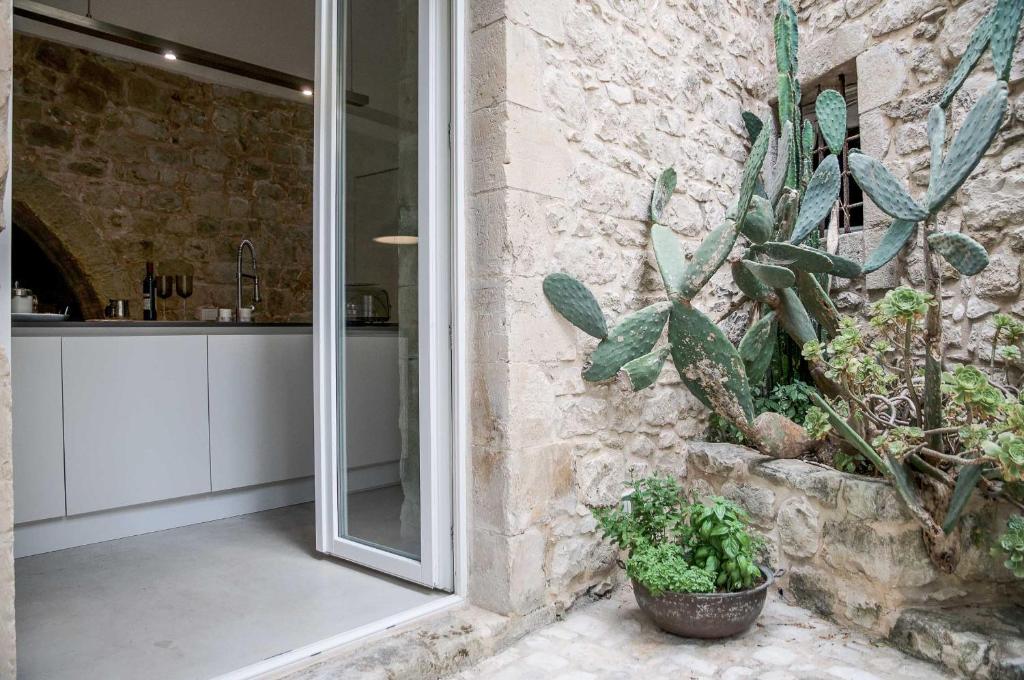
Then comes the surprise. Beyond all that stone is the hortus itself. The enclosed garden creates an unexpectedly green counterpoint to Modica’s dense baroque architecture. Citrus trees, Mediterranean plants and aromatic herbs soften the walls and fill the air with scent. It’s completely private. Inside the historic city, surrounded by stone façades, church towers and twisting streets, suddenly there is sky, greenery and somewhere to sit quietly outside. The relationship between house and garden changes throughout the day as Sicilian light moves through the rooms. Morning belongs to the stone. Evening belongs to the garden.
Living Rather Than Checking In
Hortus belongs to ANIME A SUD, a project interested in much more than providing accommodation. Historic Sicilian spaces are restored and reinterpreted through architecture, art and contemporary design, while maintaining a strong relationship with local culture and craftsmanship. That philosophy changes the experience here. There is a kitchen rather than a hotel restaurant. Meals can become part of the stay rather than something consumed in a dining room. Local food, wine and Modica’s extraordinary culinary culture are right outside the door, while private experiences can bring them inside the house. The distinction is subtle but important. You’re not being insulated from Sicily. You’re being given somewhere beautiful from which to participate in it.
San Giorgio as Your Neighbour
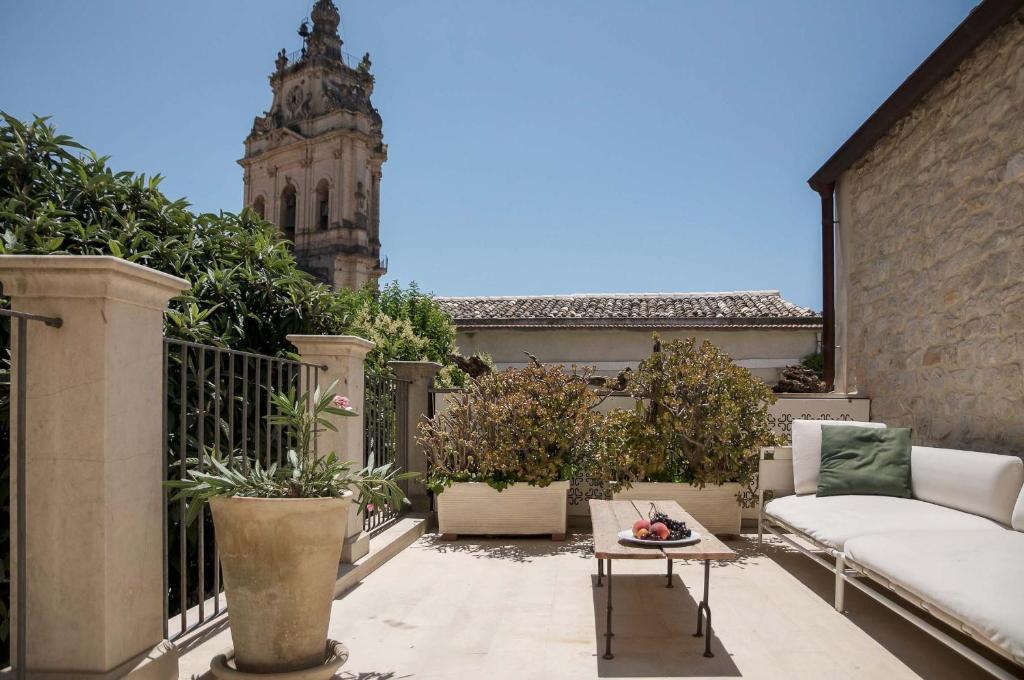
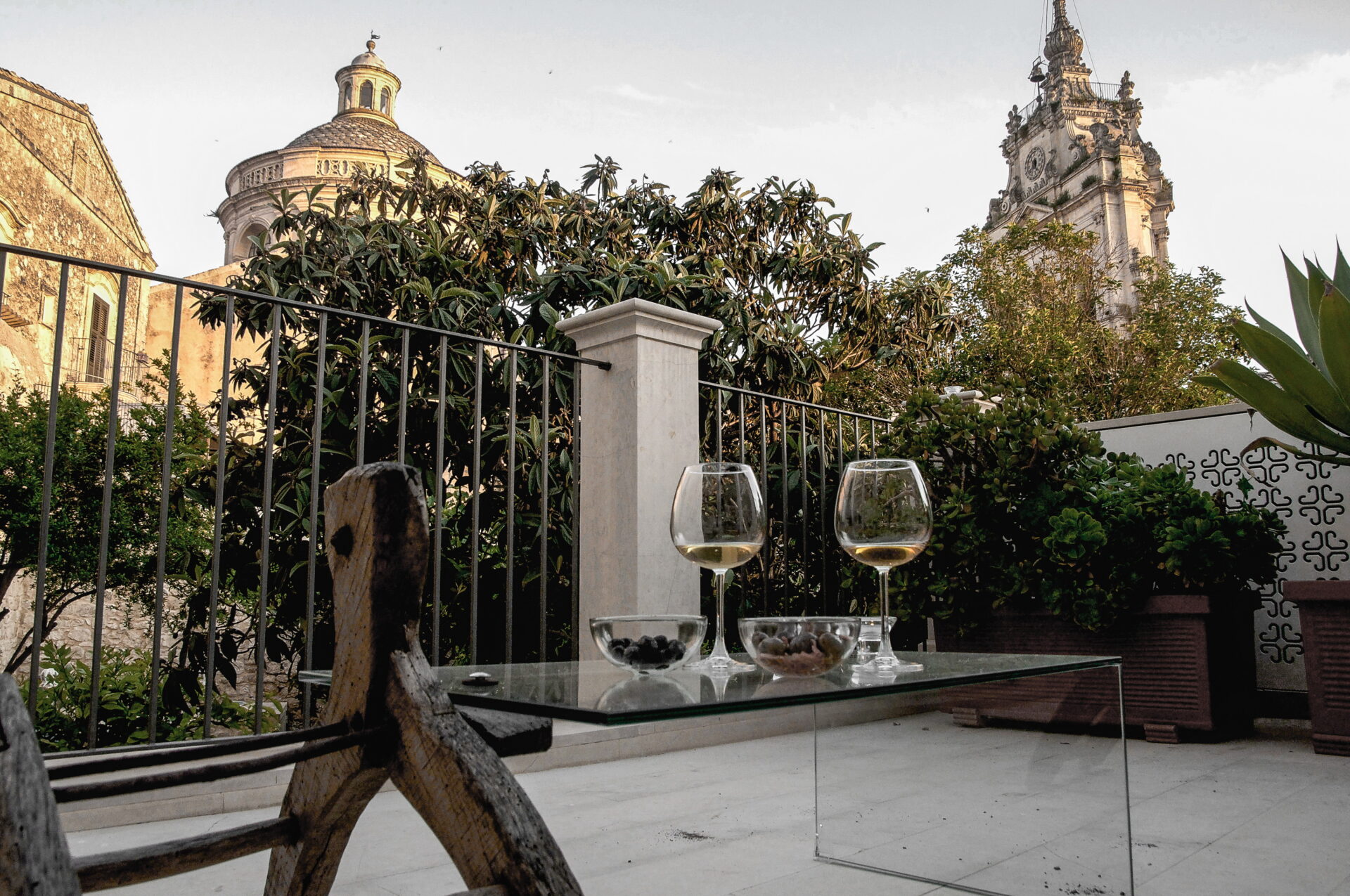
And what a neighbourhood. Step outside and you’re immediately inside the layered architecture of Modica Alta, with the monumental staircase and baroque façade of San Giorgio nearby. The city’s lanes climb, fall and disappear beneath arches before suddenly opening onto views across a seemingly impossible landscape of limestone houses, balconies and church domes. Ragusa, Scicli and Noto make natural excursions, but Hortus makes a persuasive argument for staying closer to home. Buy something for dinner. Find a bottle of Cerasuolo di Vittoria. Return to the garden. Close the door.
Why It Works
Residenza Hortus understands that historic architecture doesn’t need to be overwhelmed by decoration to feel luxurious. Its greatest assets were already here: stone, proportion, silence, light and the fabric of Modica itself. Gurrieri’s architecture gives those elements room to breathe, while the three-suite format preserves something a conventional hotel would almost certainly have destroyed — the feeling of having a genuine home behind an anonymous door in an ancient Sicilian city. Perhaps that’s the real luxury of Hortus. For a few days, nobody walking past needs to know you’re there.
Information
At a glance
Architecture
Opened / Renovated
2014
Size matters
1 holiday rental sleeping up to 6, 3-bedrooms (160m2) (1,722 sq ft)
Interior design
Featured in
Don't take our word for it

Handpicked worldwide
A carefully curated collection of exceptional boutique and design hotels across the globe.
Design with soul
Architecture, atmosphere and craftsmanship come together in stays with a clear identity.
Hidden, not hyped
Independent boutique hotels you rarely find on mainstream booking platforms.
Travel guidance
Personal recommendations and thoughtful support from people who actually know the places.