



Where to Stay
Discover Baden-Württemberg through its Hotels
The DNA of Baden-Württemberg
Where Bauhaus Modernism Meets Black Forest Traditions
Baden-Württemberg is one of Germany’s most fascinating regions for architecture, design and cultural heritage. Stretching from the Black Forest and the Upper Rhine Valley to Lake Constance and the Swabian Alb, the state combines historic towns, dramatic landscapes and an extraordinary tradition of innovation. Stuttgart is internationally associated with automotive design and Modernist architecture, particularly the pioneering Weissenhof Estate, while Karlsruhe is celebrated for its distinctive fan-shaped city plan and cultural institutions. Heidelberg offers romantic university-town architecture, Freiburg combines medieval character with progressive urban planning, and Baden-Baden preserves the elegance of Europe’s great 19th-century spa resorts. Beyond the cities, timber-framed villages, medieval castles, Baroque monasteries and traditional Black Forest farmhouses create a rich architectural landscape. Contemporary architects continue to reinterpret these traditions through natural materials, precise craftsmanship and the region’s characteristic appreciation of functional design.
Food and drink are central to Baden-Württemberg’s identity, bringing together two of Germany’s most distinctive culinary traditions: Baden and Swabia. Baden’s cuisine reflects its proximity to France, with refined regional cooking, excellent wines and a long tradition of sophisticated dining. The vineyards of Kaiserstuhl, Ortenau and the Baden wine region produce particularly impressive Pinot Noir, Pinot Gris and Riesling, while Württemberg is known for Trollinger, Lemberger and distinctive regional reds. Swabian specialities include Maultaschen, Spätzle and Zwiebelrostbraten, while the Black Forest contributes smoked ham, freshwater trout and the famous Schwarzwälder Kirschtorte. Traditional wine taverns, historic breweries and country inns coexist with Michelin-starred restaurants, contemporary wine bars and ambitious regional kitchens. Few German states combine rustic hospitality and serious gastronomy quite so naturally.
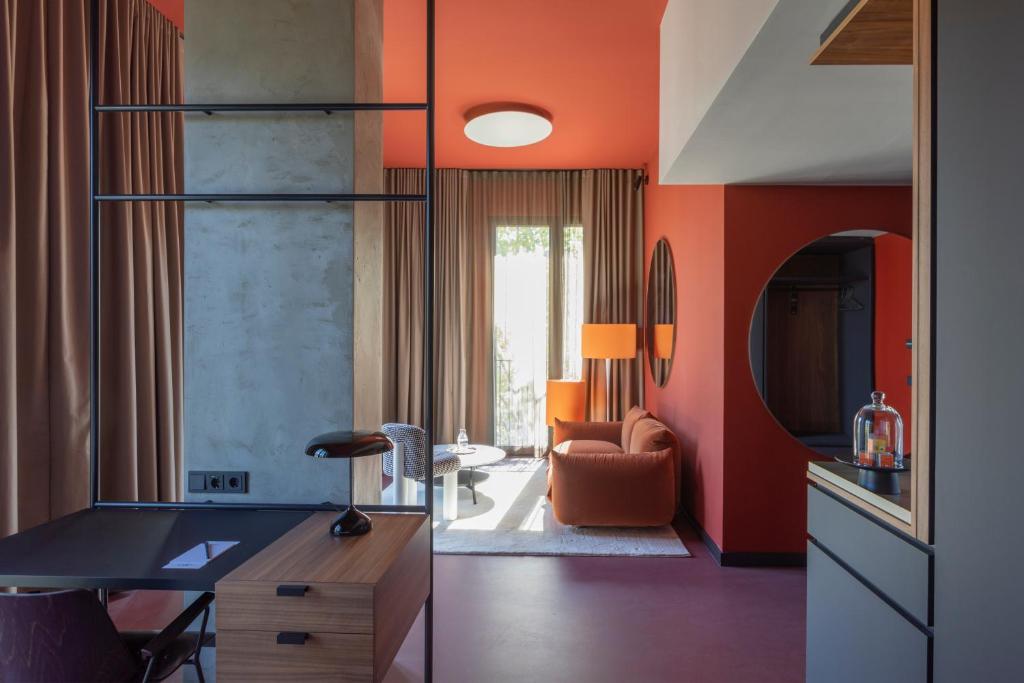
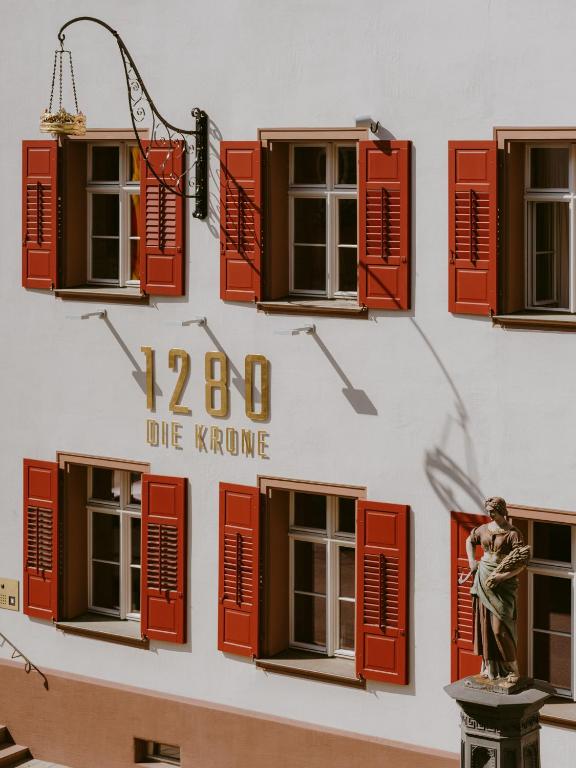
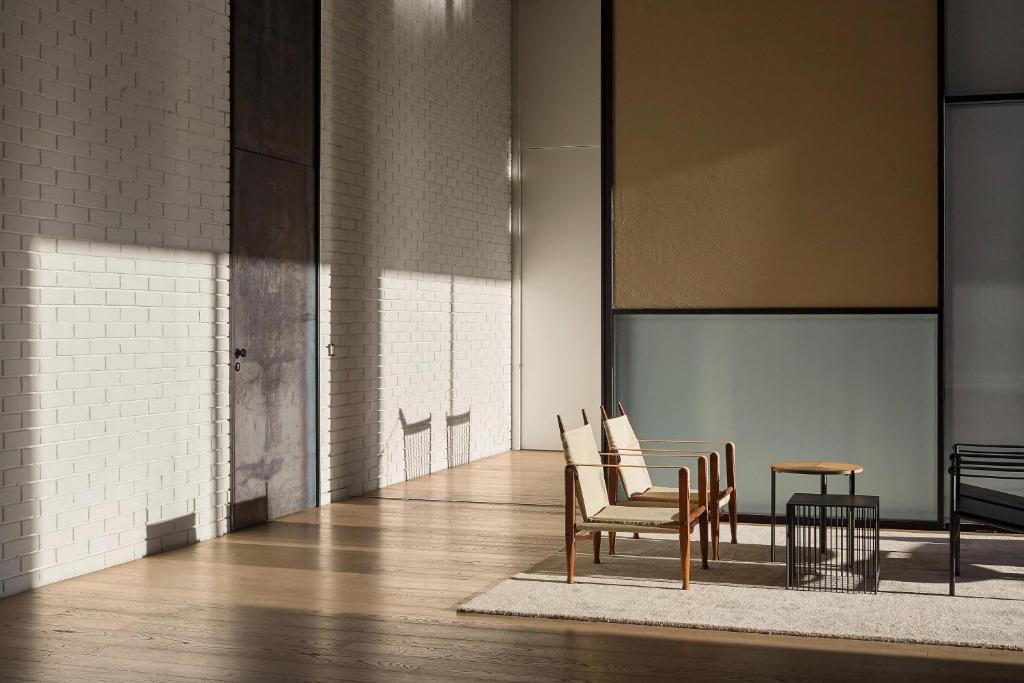
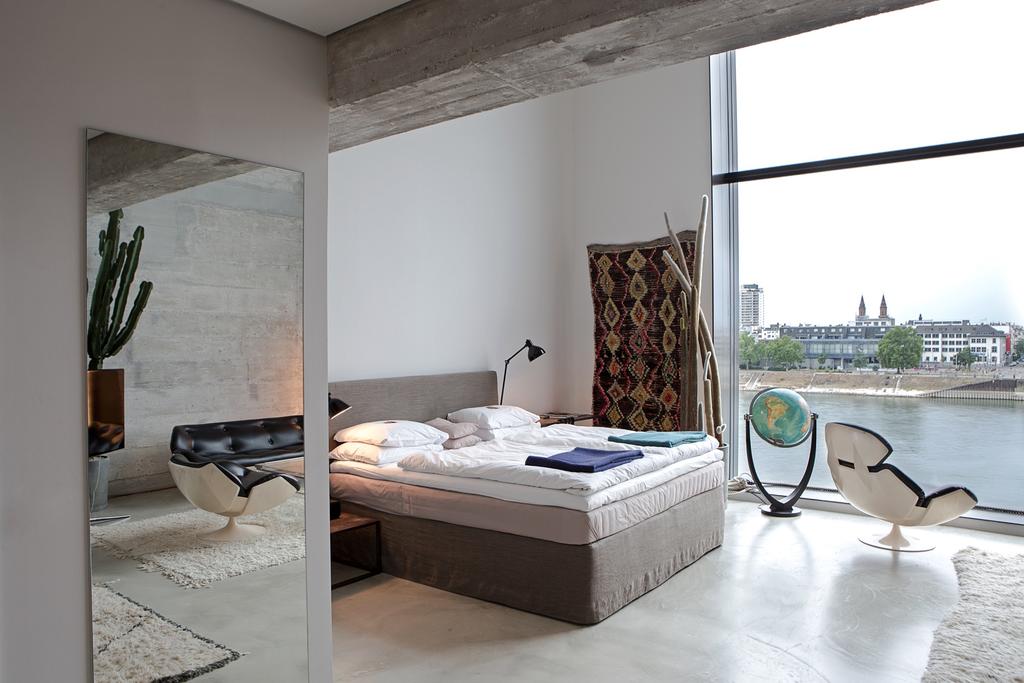
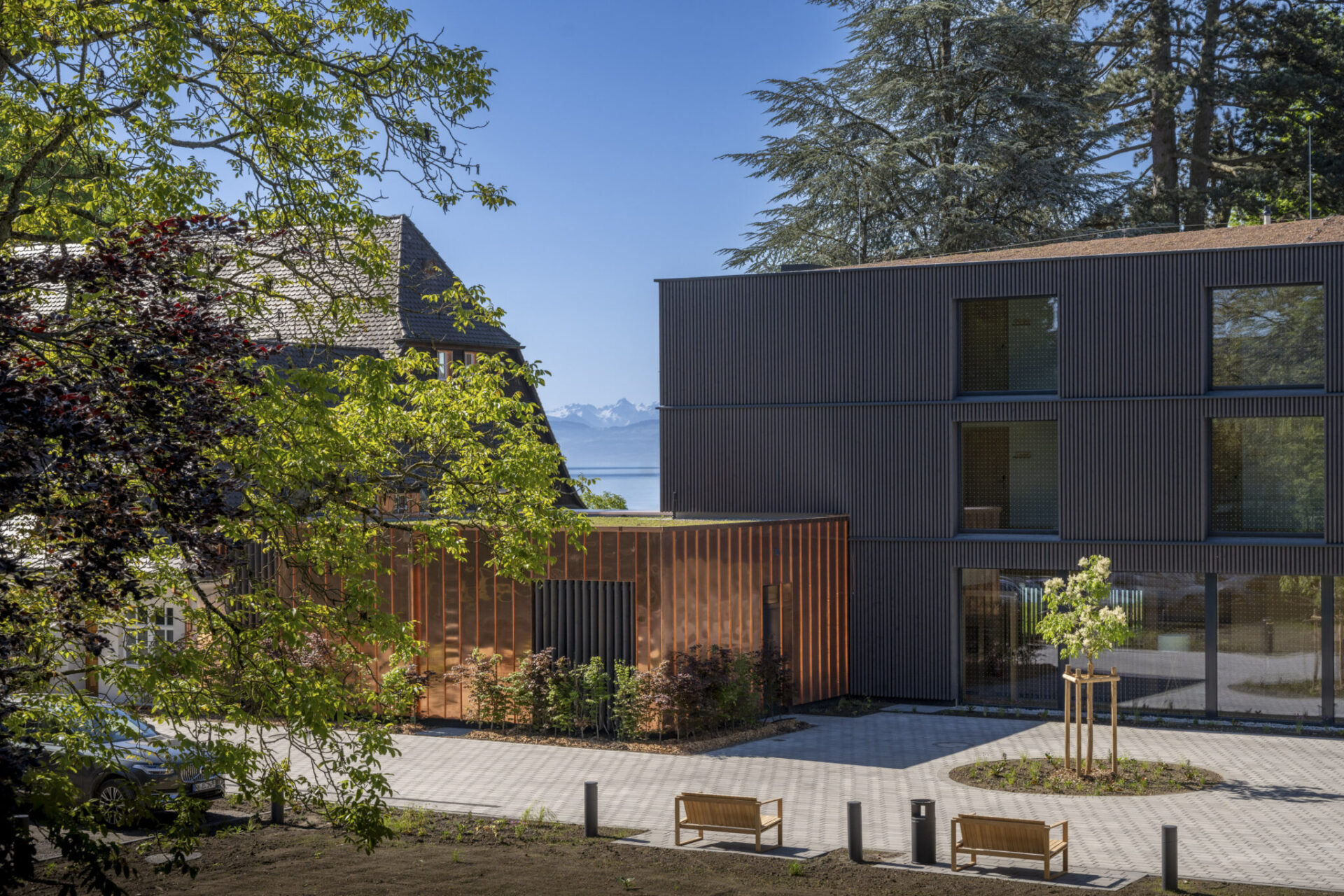
Baden-Württemberg’s hotel landscape is equally diverse. Historic spa grand hotels in Baden-Baden, traditional Black Forest retreats, converted monasteries, vineyard estates and contemporary design hotels offer an exceptional range of architectural experiences. The region has become particularly interesting for modern interpretations of Alpine and rural hospitality, with architects transforming traditional timber construction into minimalist retreats that embrace forests, mountains and natural materials. Stuttgart and other urban centres add a more contemporary dimension, with hotels influenced by Germany’s industrial and design heritage. At DNA Hotels, we curate the places where architecture, craftsmanship, food and landscape come together—from elegant historic addresses to innovative countryside hideaways. Baden-Württemberg may be famous for engineering precision, but its most memorable hotels demonstrate that German efficiency and genuine atmosphere can make a surprisingly beautiful combination.