


A Hotel Above the High Line
The Standard, High Line in New York combines bold modernist architecture, retro-futuristic interiors and panoramic Manhattan views with the Meatpacking District’s legendary nightlife.

Why DNA Hotels loves it
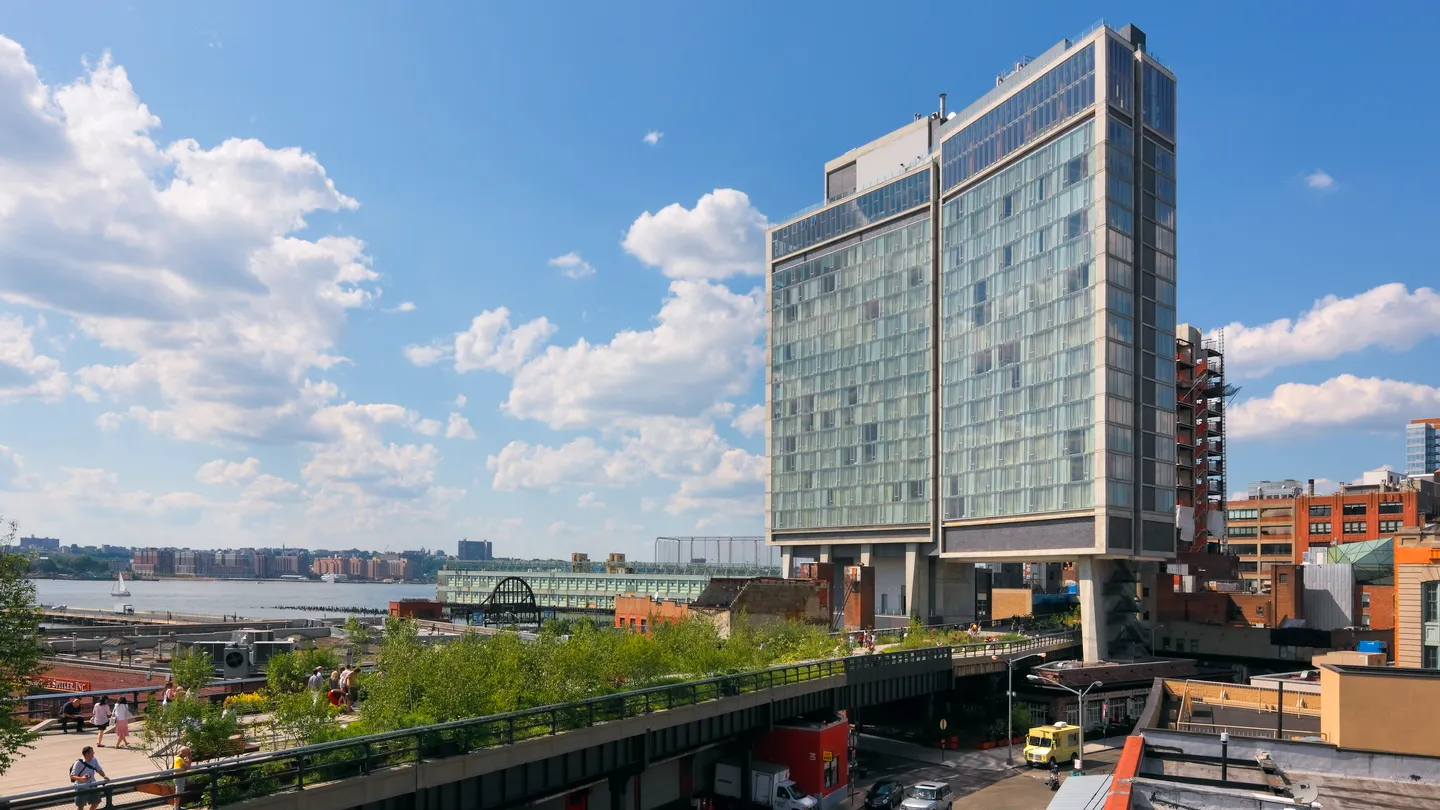
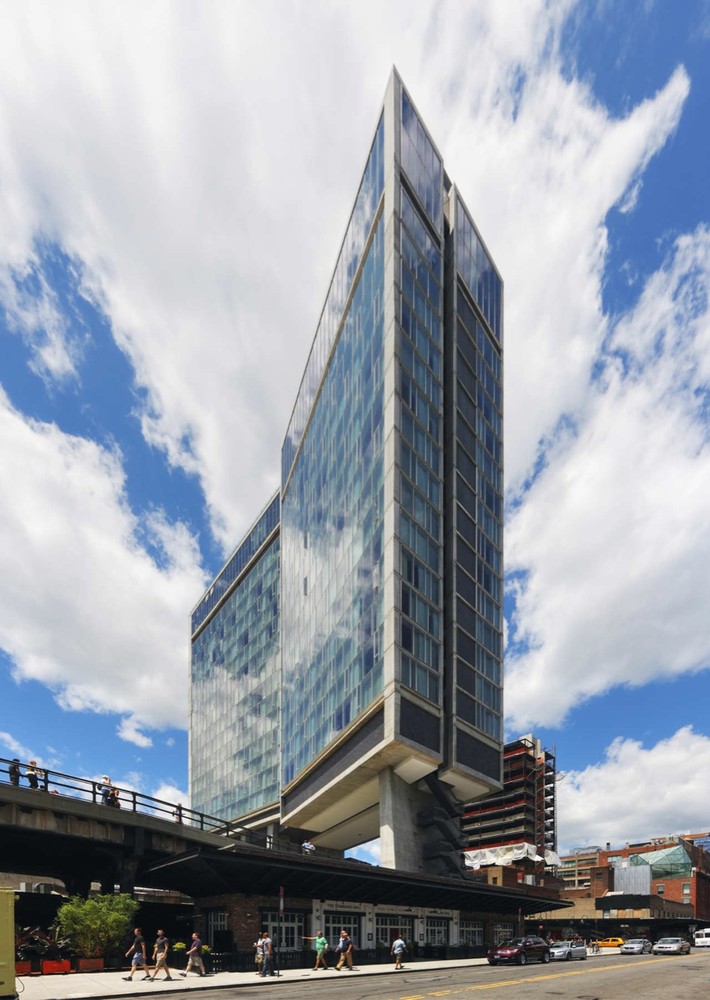
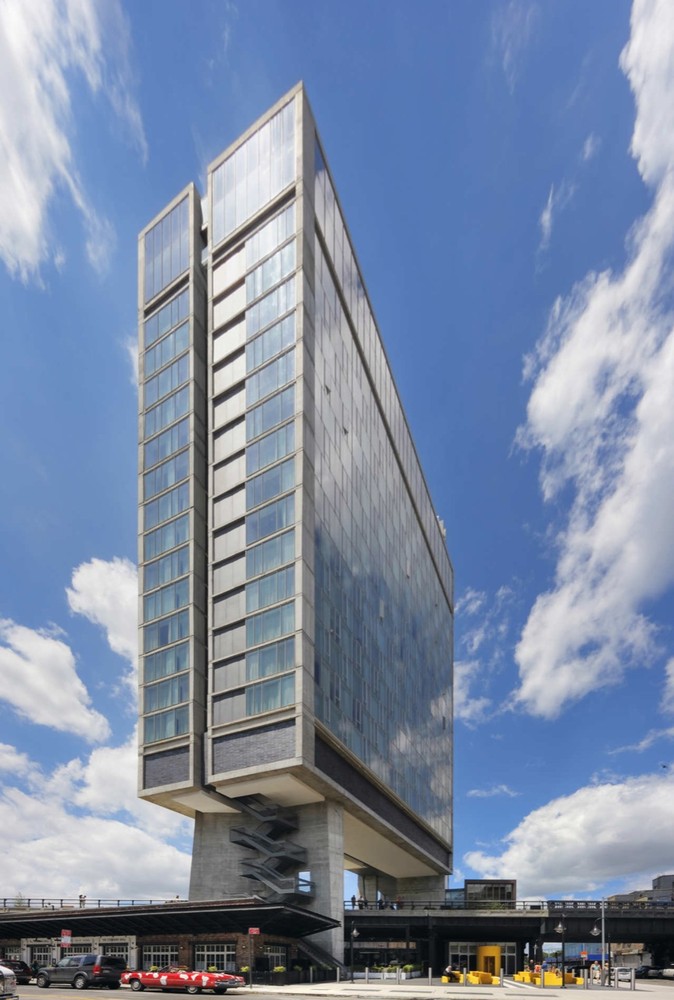
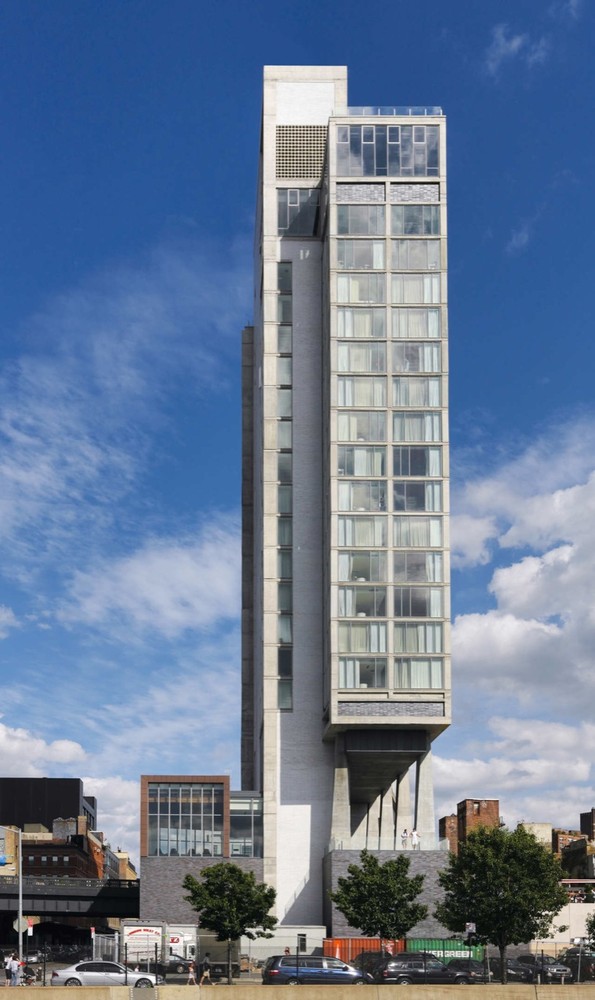
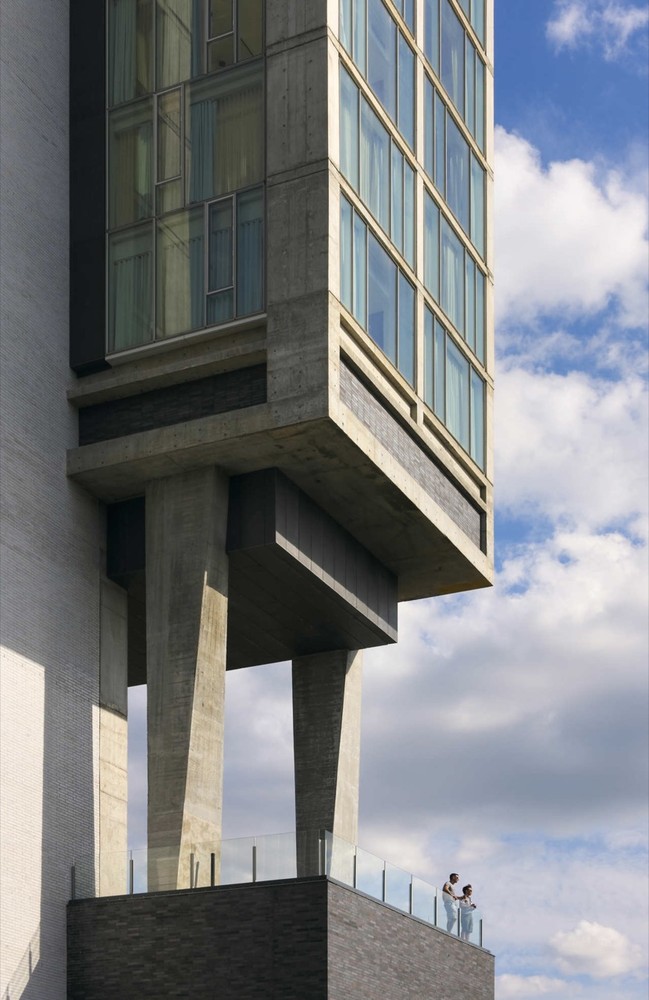
A striking modernist building by Ennead Architects, completed in 2009, with two angled glass-and-concrete volumes raised on enormous sculptural supports above Manhattan's High Line.
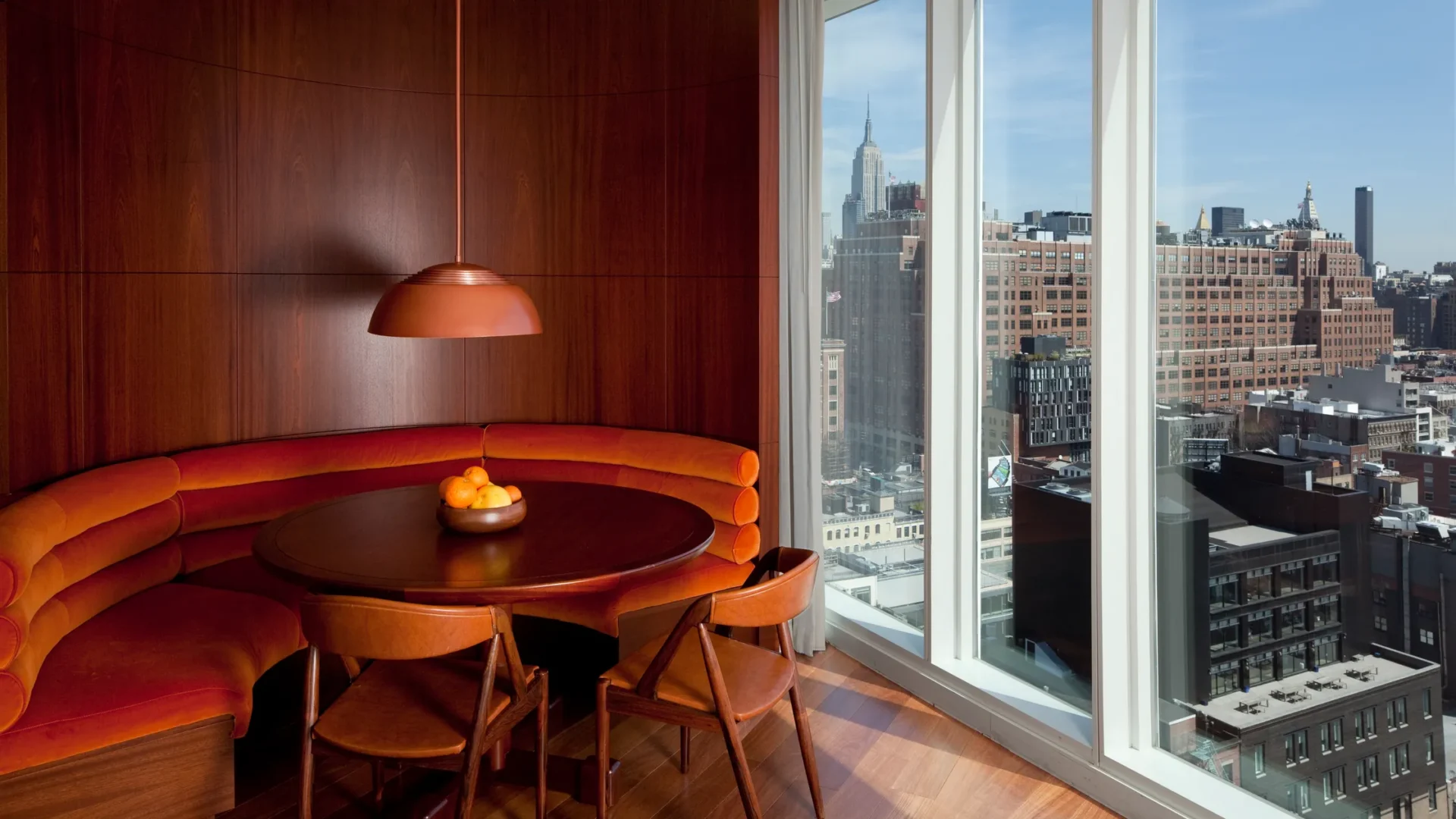
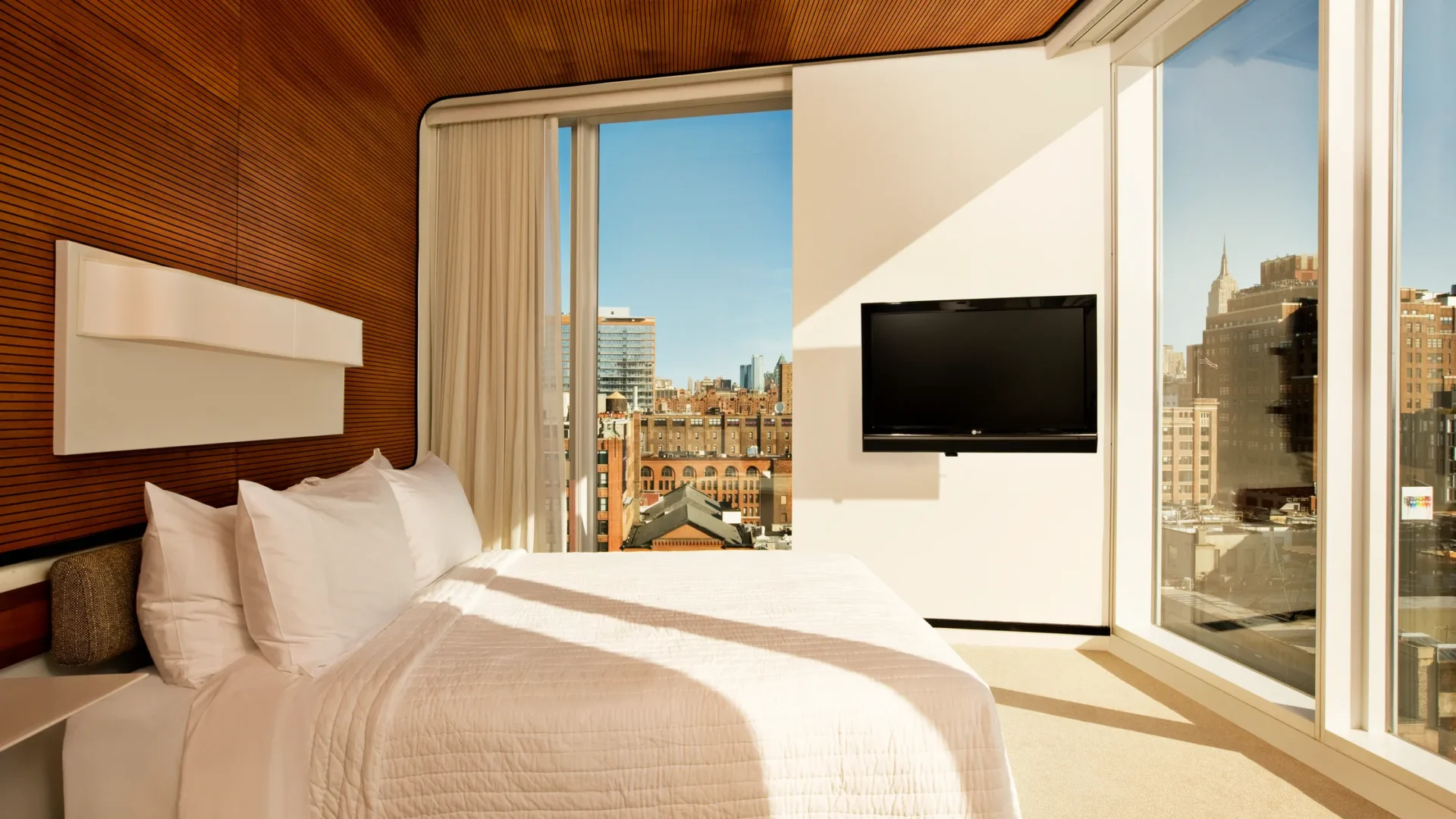
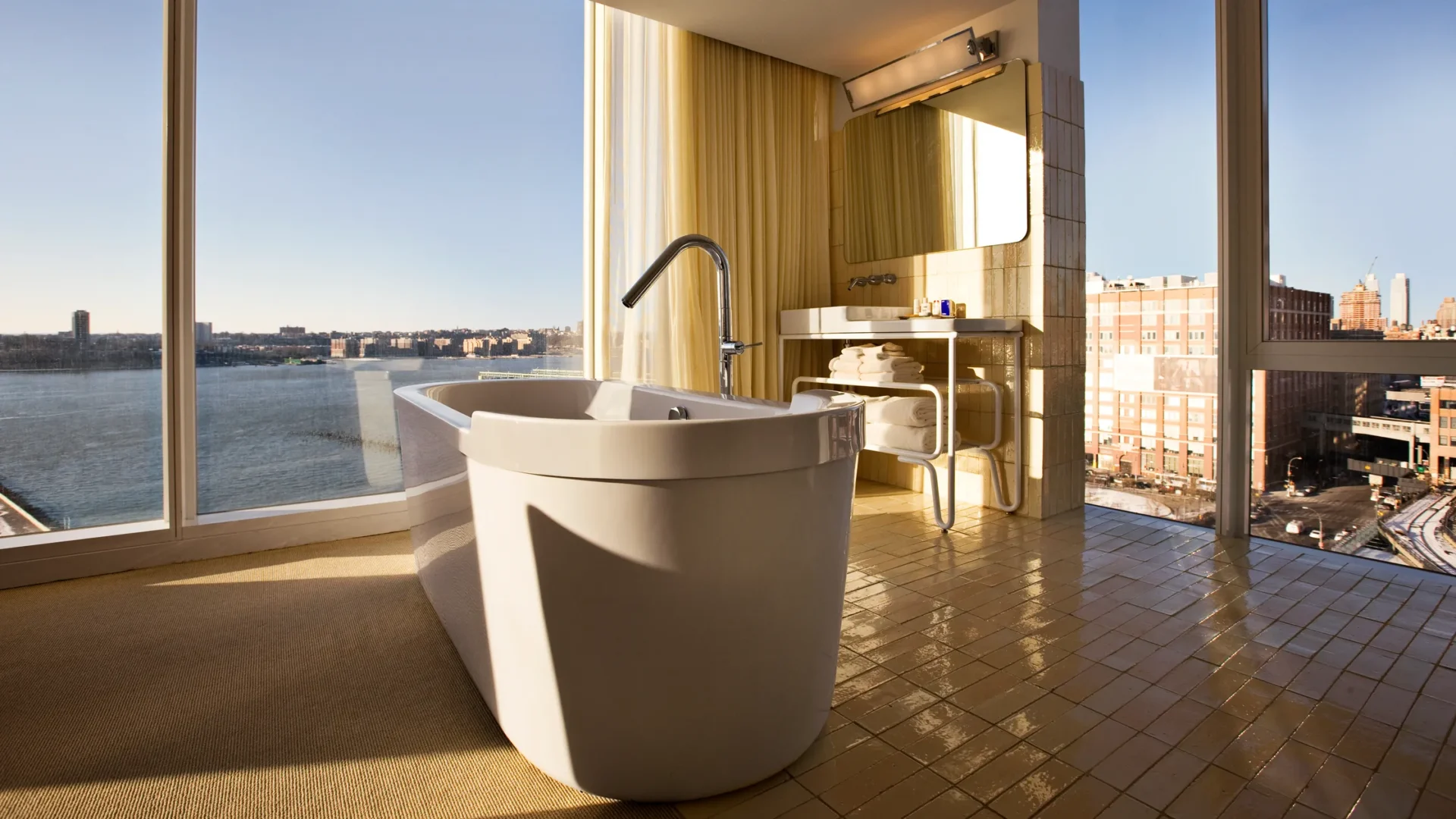
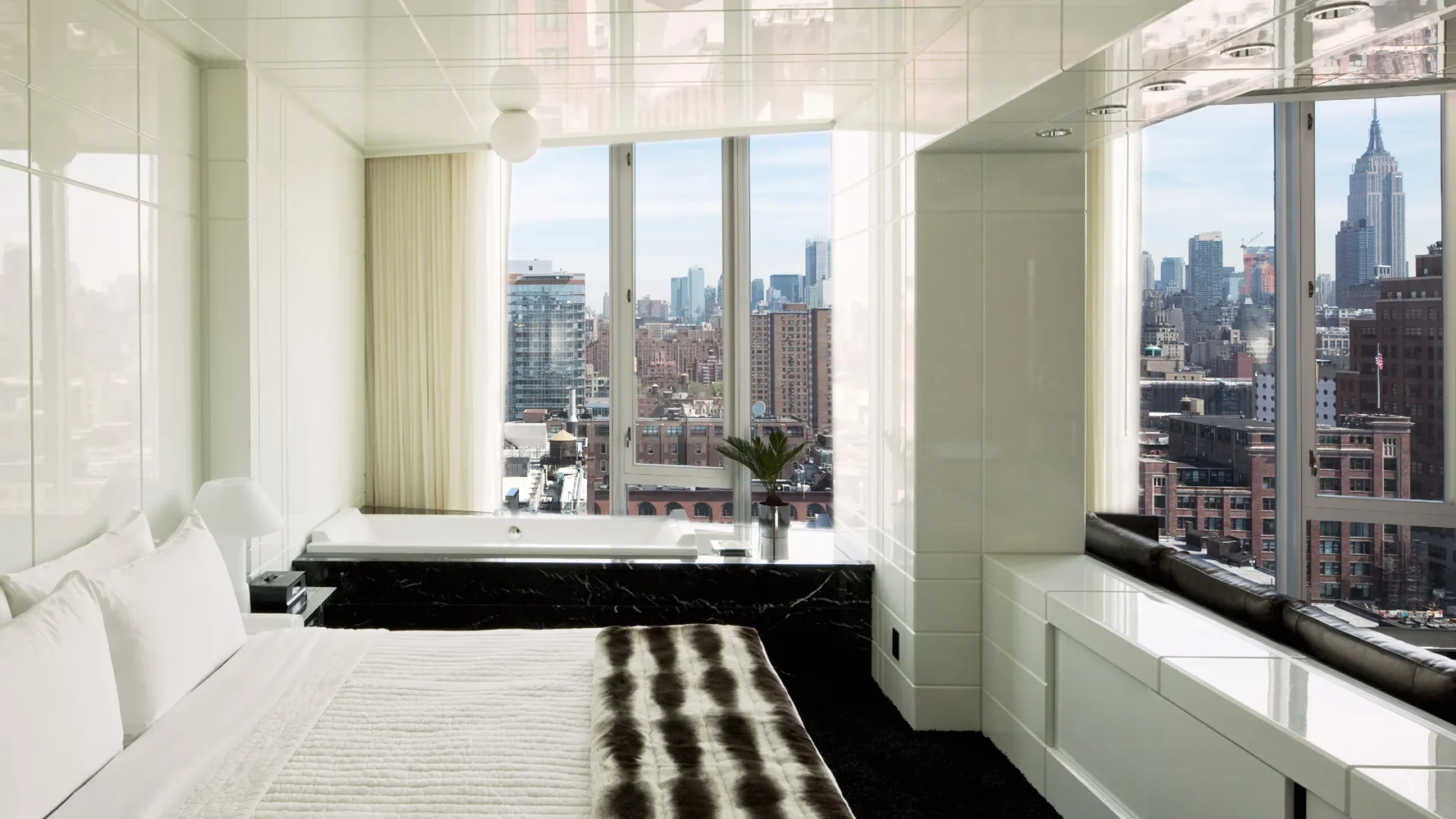
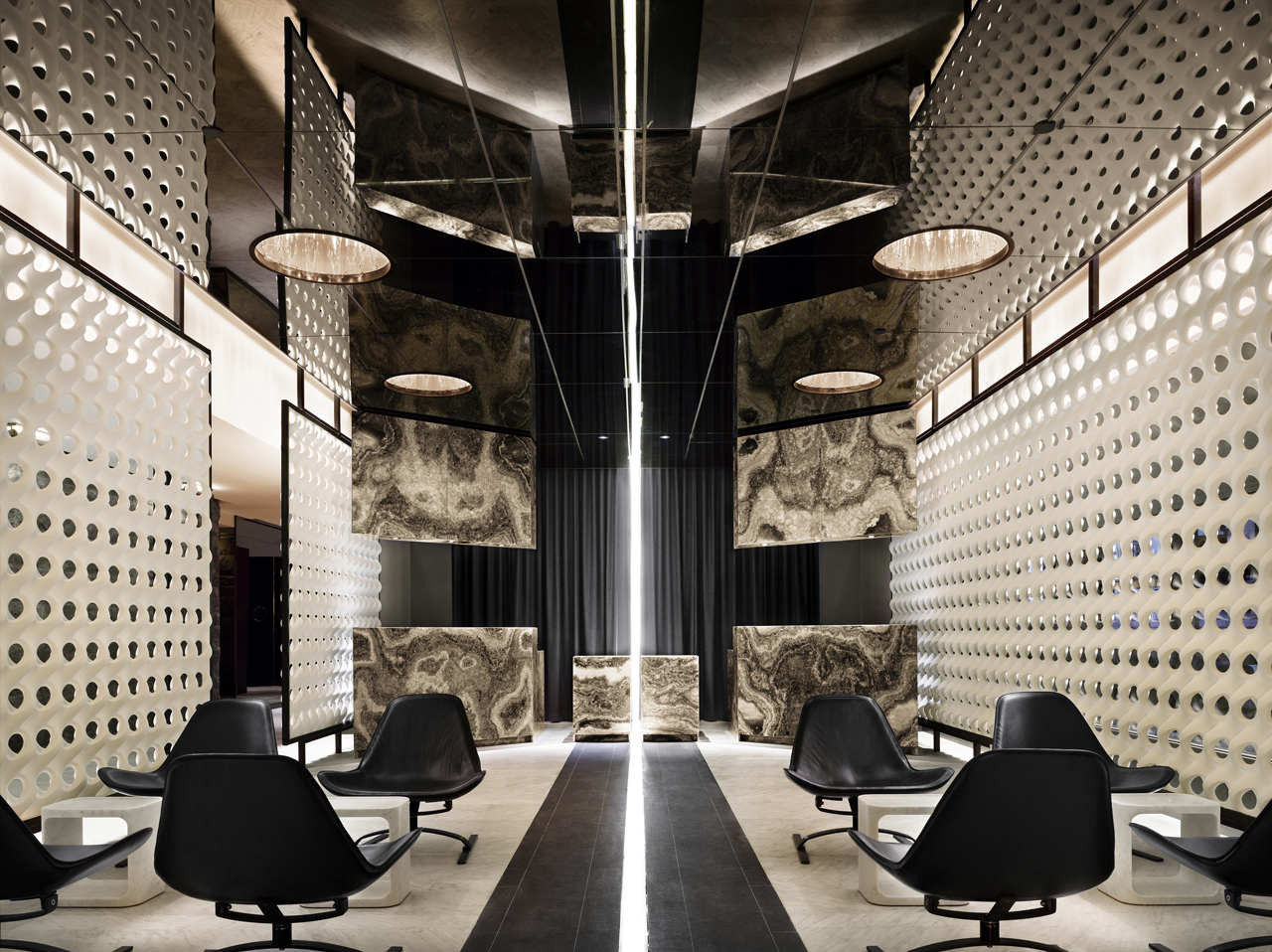
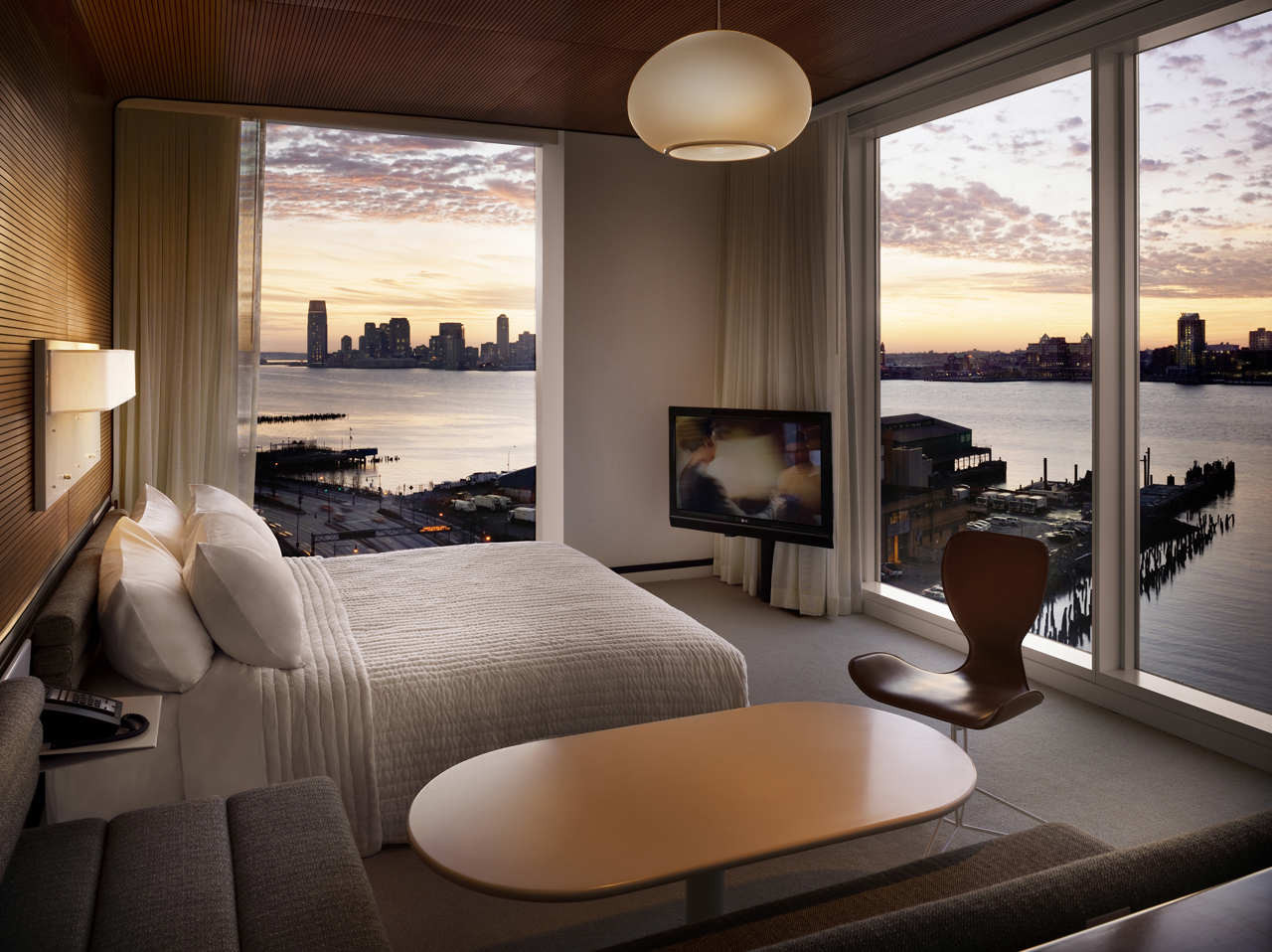
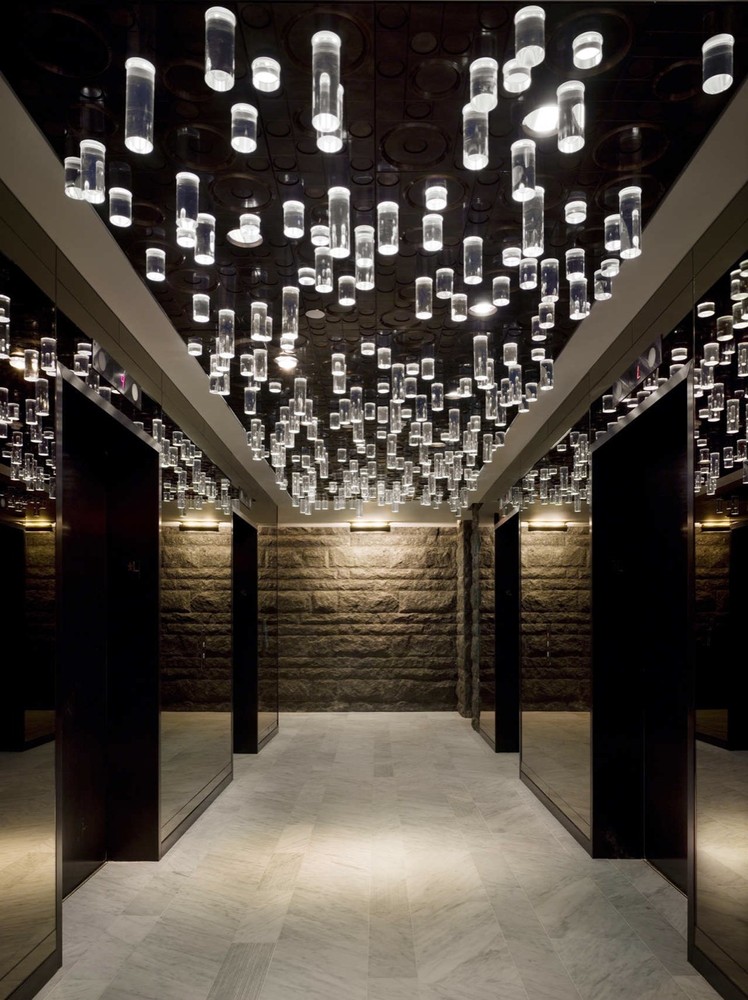
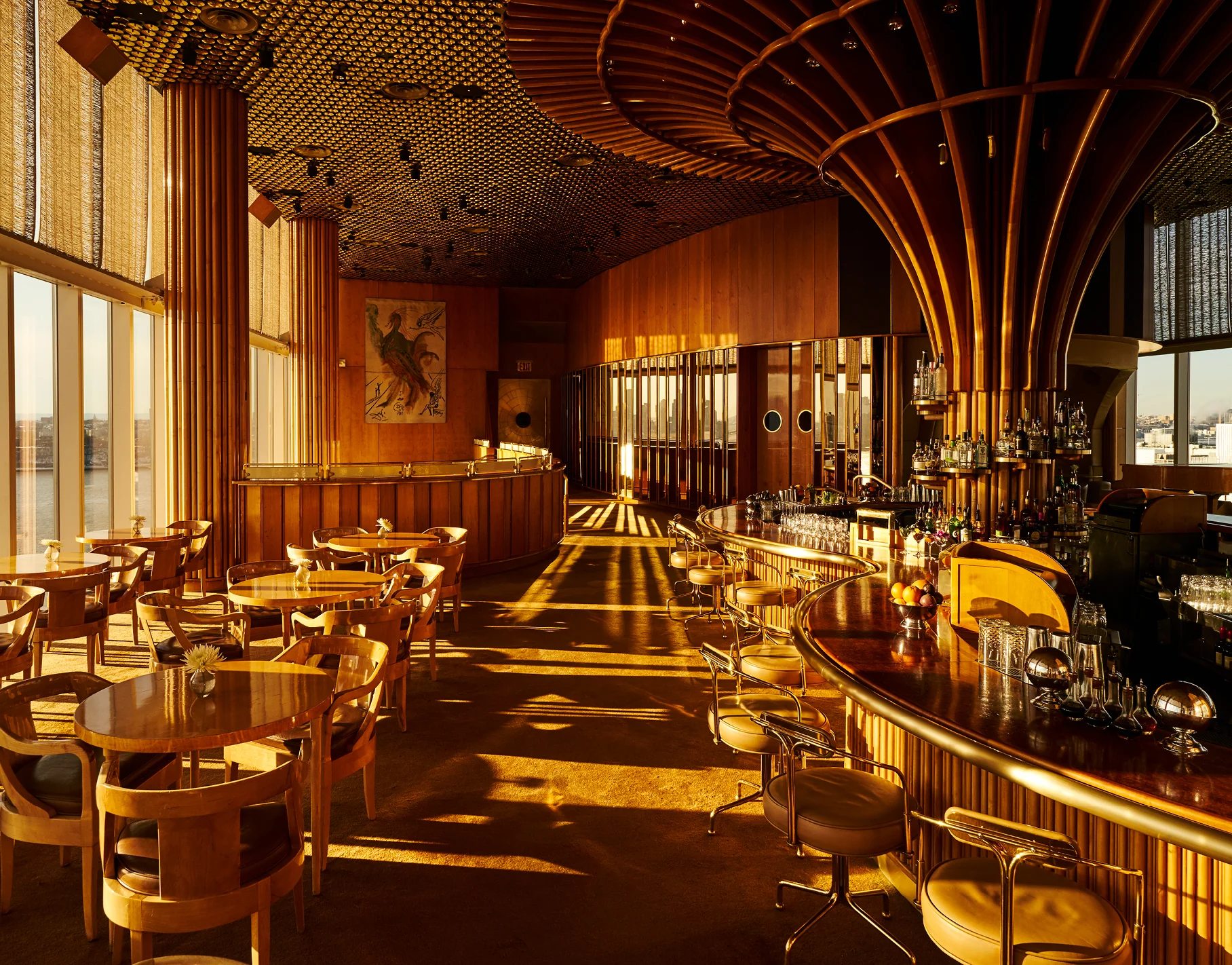
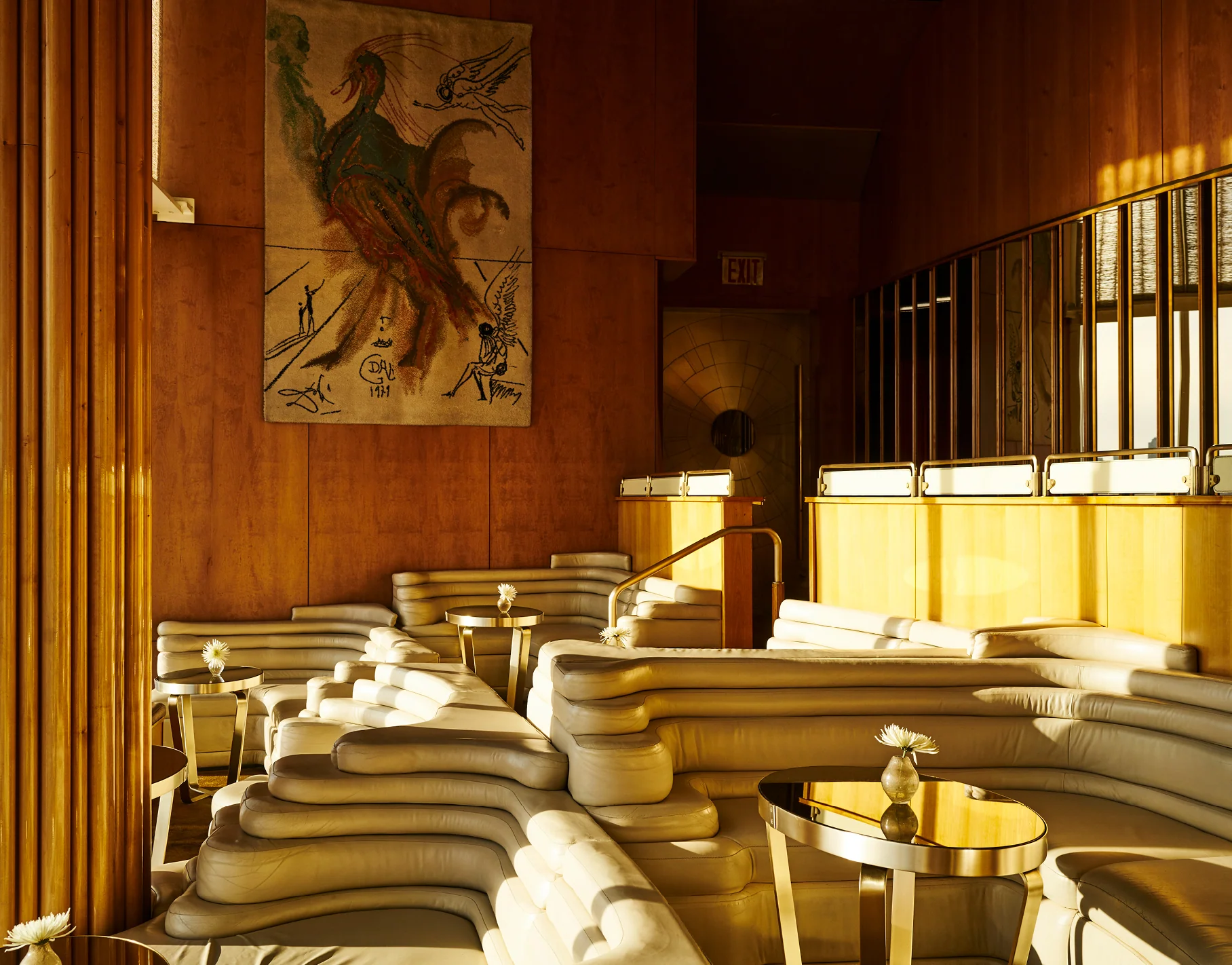
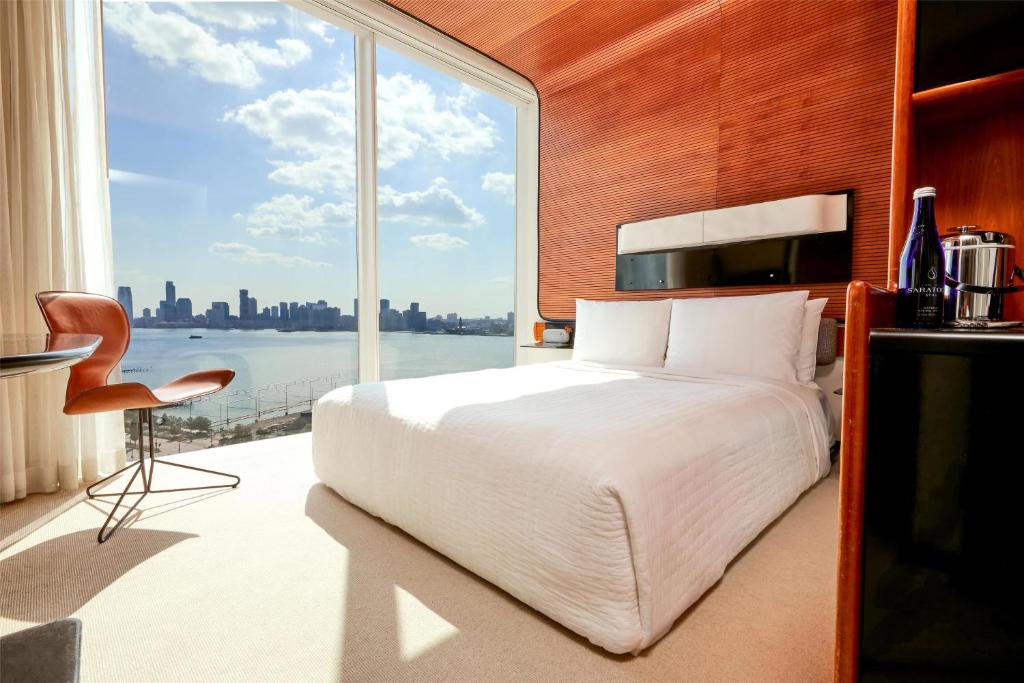
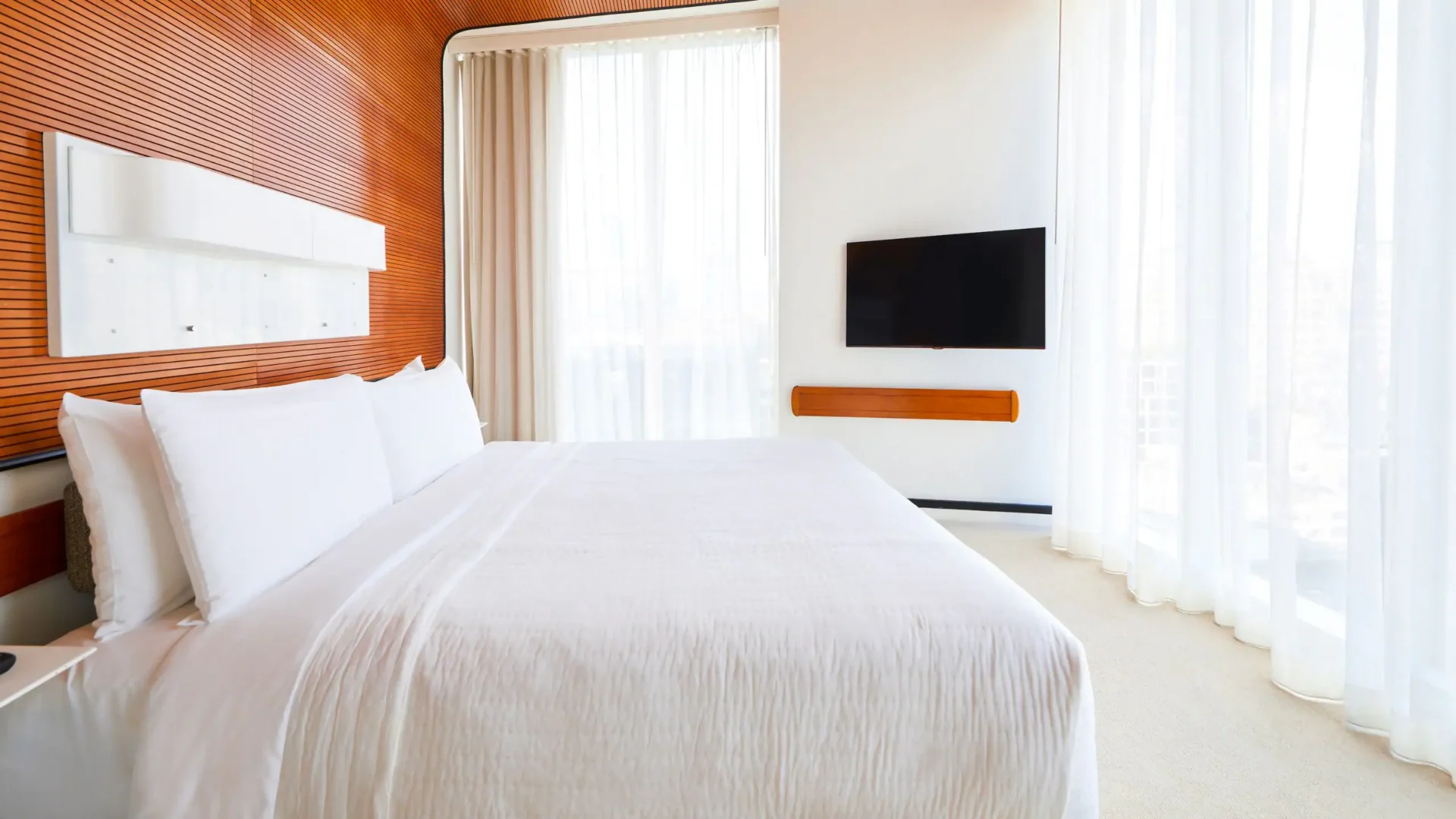
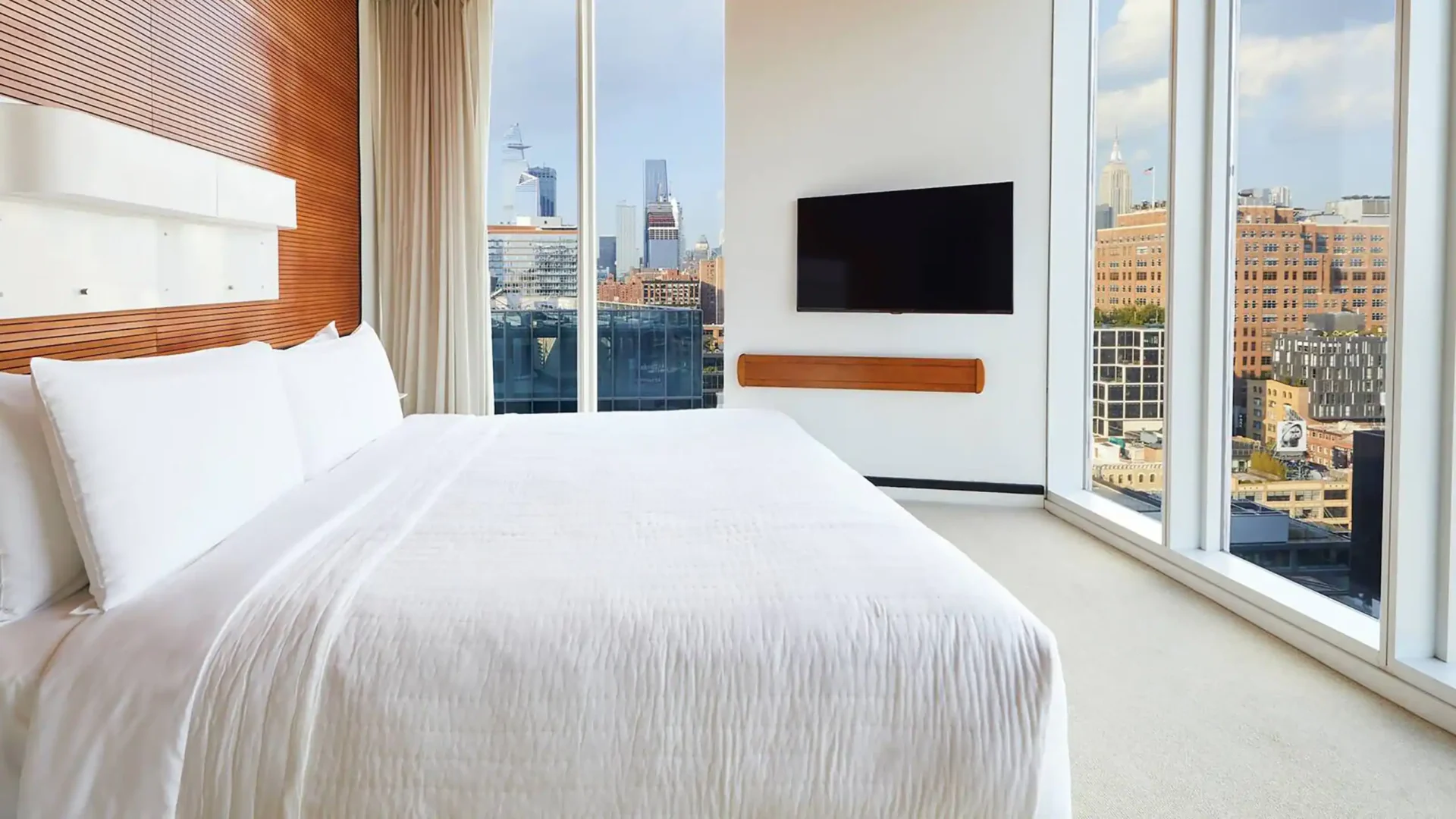
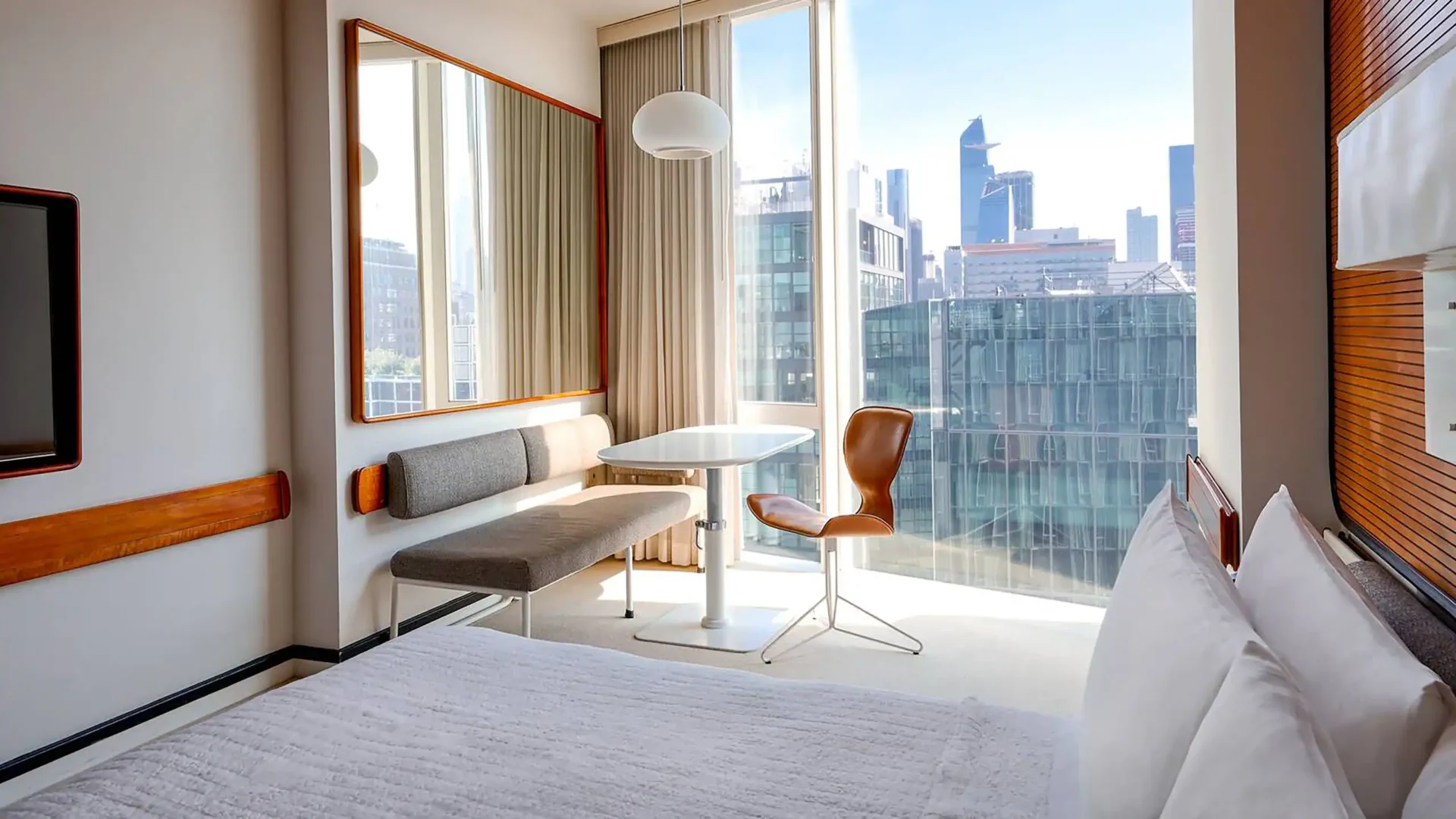
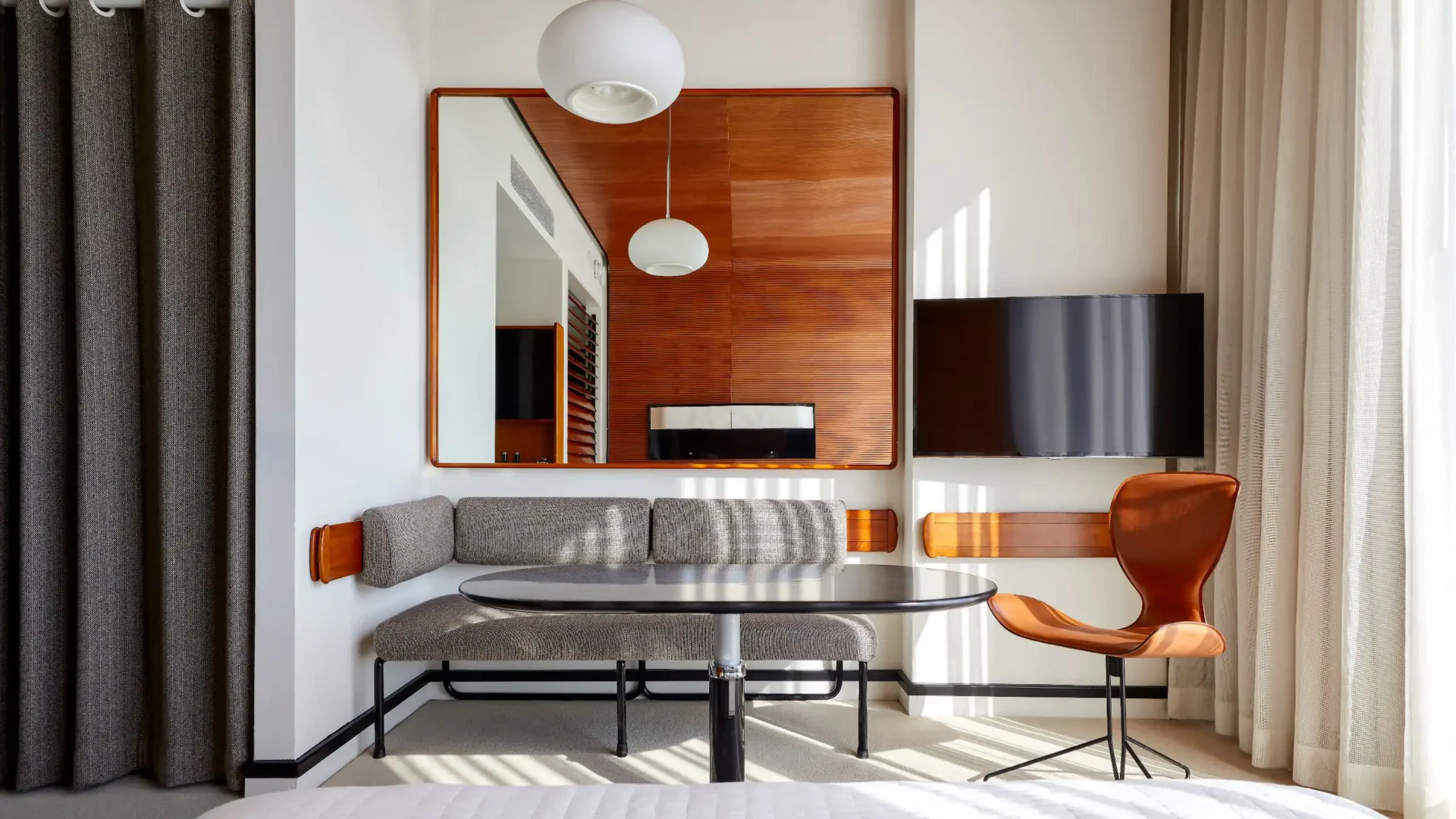
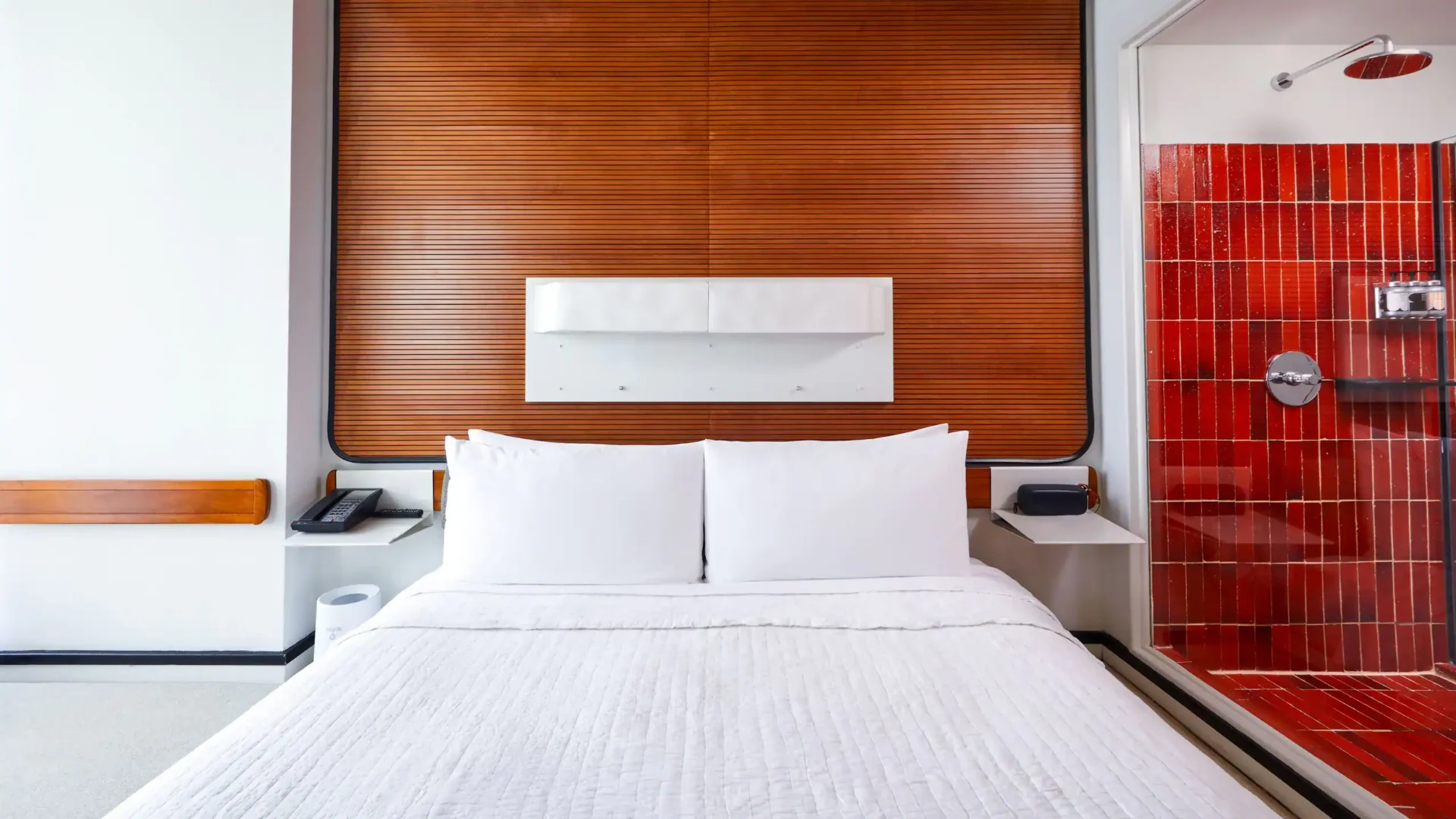
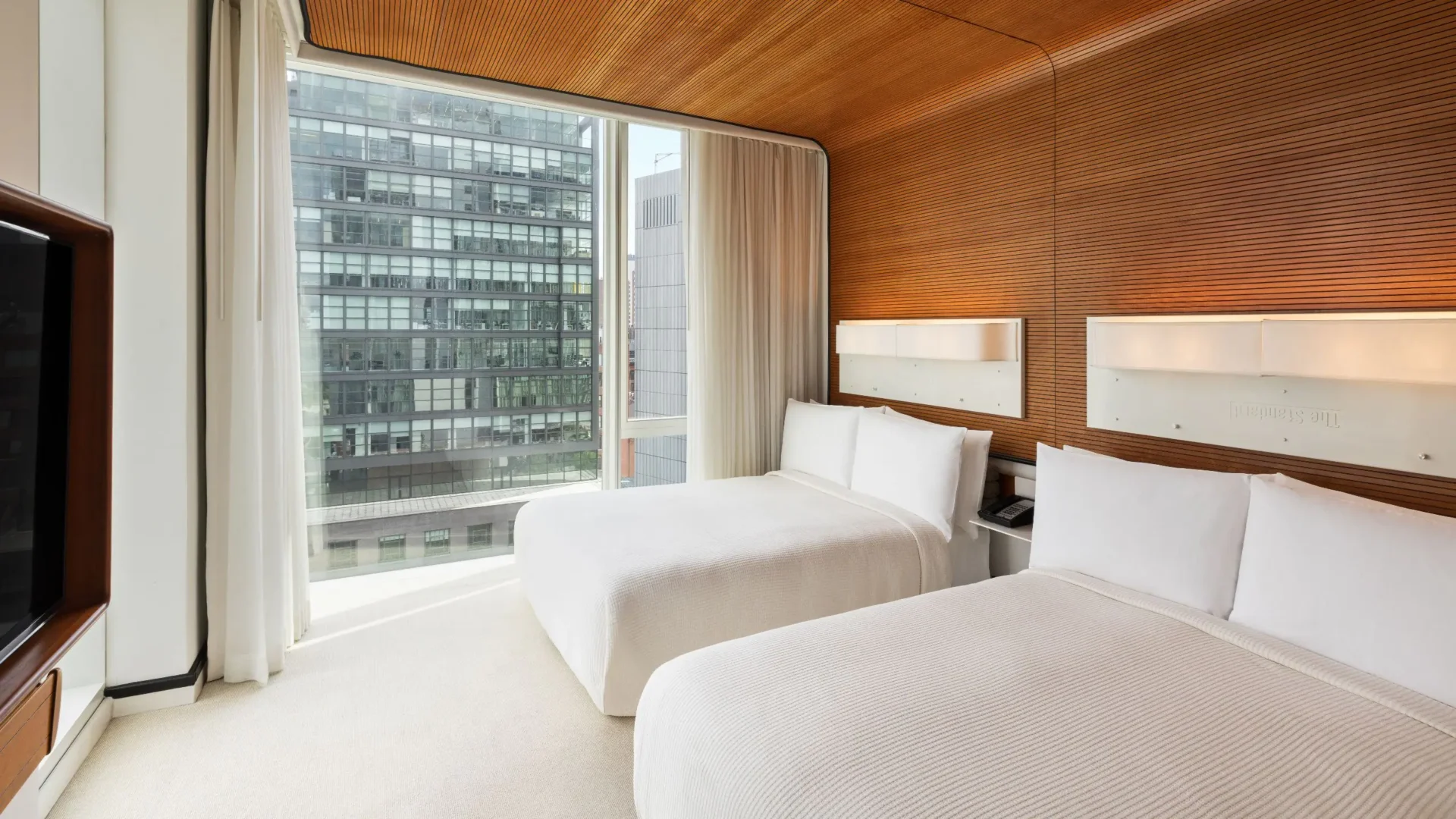
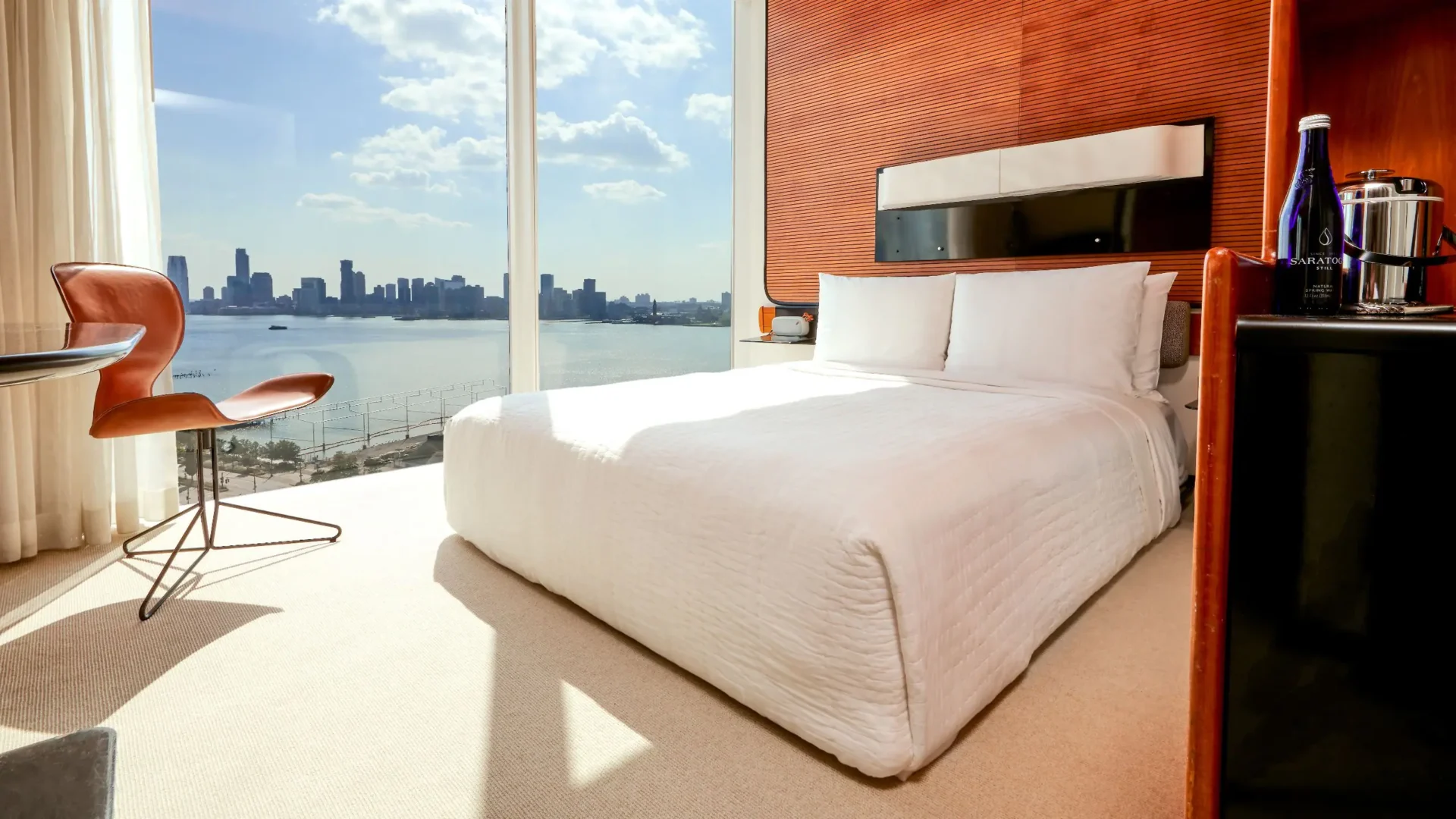
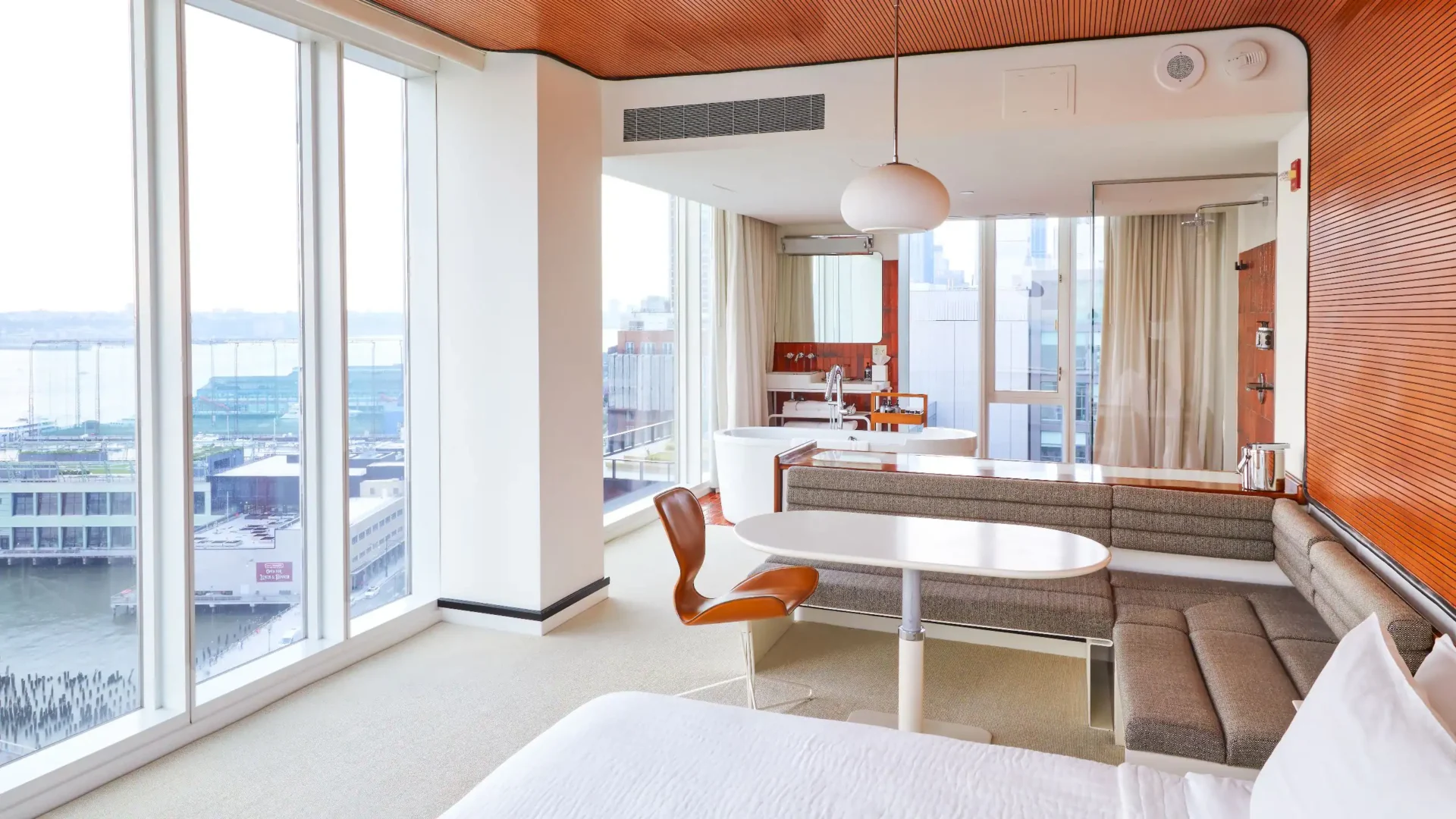
Retro-futuristic interiors by Roman and Williams, 338 rooms with floor-to-ceiling windows, impressive views of the Hudson River and Manhattan, and bathrooms that take a rather liberal approach to privacy.
A hotel conceived as much for New Yorkers as visitors, with The Standard Grill, a German-style Biergarten and the rooftop nightlife of Le Bain and BOOM, reflecting the Meatpacking District's evolution from industrial backwater to fashionable destination.
The Stay
Le Corbusier Meets the Meatpacking District, with a Little Exhibitionism on the Side
Some hotels are designed to fit into their surroundings. Others make a point of doing precisely the opposite. When André Balazs opened The Standard, High Line in 2009, Manhattan’s Meatpacking District was already well into its transformation from a neighbourhood of slaughterhouses, warehouses and decidedly unglamorous nightlife into a centre for fashion, art and expensive real estate. The hotel became one of the more conspicuous symbols of that transition. Rising 18 storeys above the High Line, the former elevated railway that was being transformed into a public park, the building resembles a slightly bent modernist office tower suspended above the street. Designed by Ennead Architects, then known as Polshek Partnership, with Todd Schliemann leading the project, it marked a departure for Balazs, whose earlier hotels had largely involved adapting existing buildings. Here, he had the opportunity to create something entirely new. The result was ambitious, deliberately conspicuous and rather different from the warehouse conversions that were becoming fashionable throughout downtown Manhattan.
Le Corbusier, with a Manhattan Twist
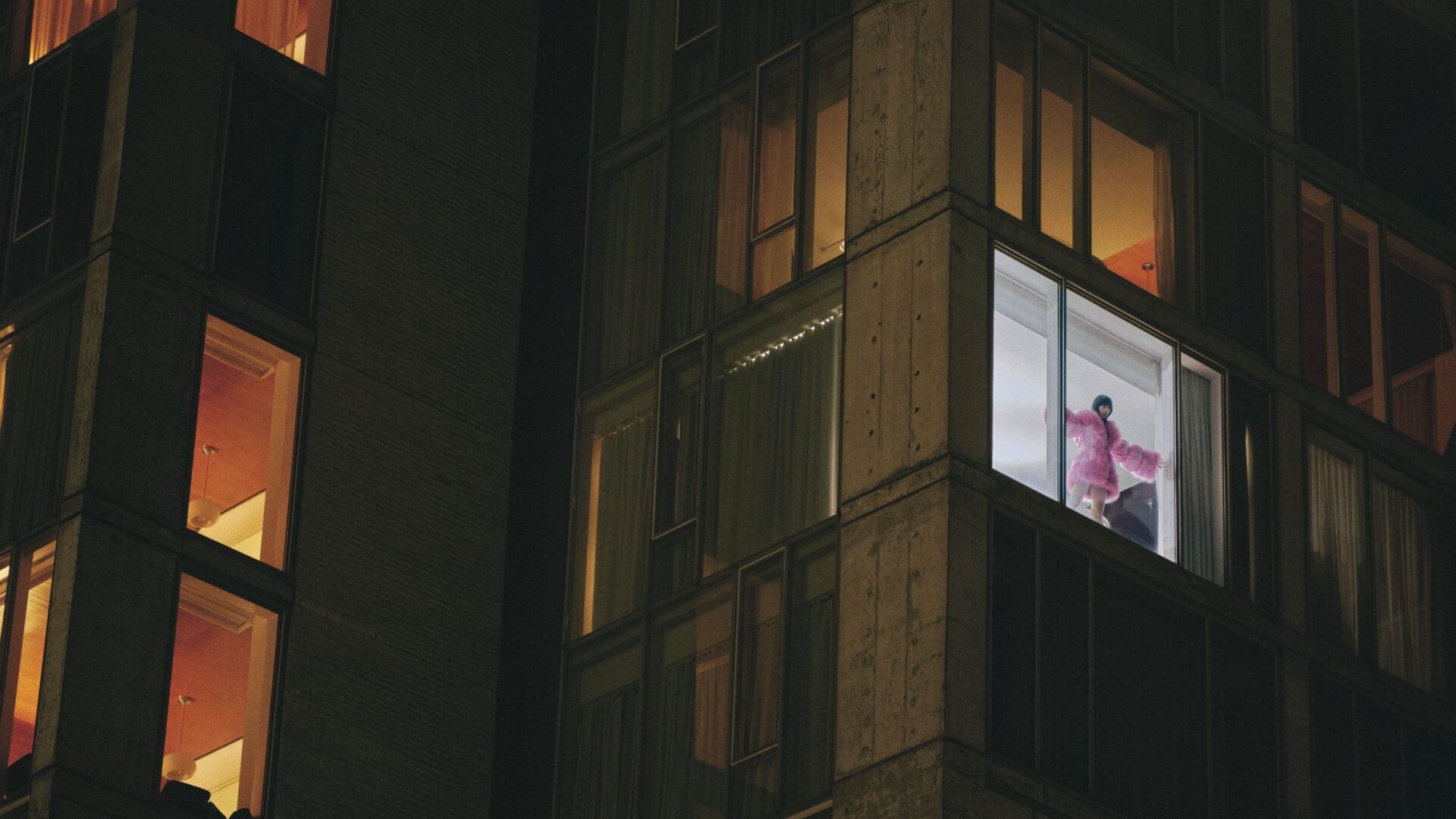
The architecture is the strongest reason for including The Standard in DNA Hotels. Rather than placing the building beside the High Line, the architects raised it above the railway on massive sculptural concrete supports, allowing the elevated park to pass underneath. Two glass-and-concrete volumes meet at an angle, breaking with Manhattan’s rigid street grid and opening up views in different directions. This arrangement also serves a practical purpose: all 338 guestrooms have unobstructed views towards the Hudson River, the Manhattan skyline or the Empire State Building. The references to Le Corbusier are evident in the pilotis, glass curtain walls, public space beneath the building and rooftop devoted to recreation. There is even a distant echo of his utopian ideas about separating different layers of urban life. The combination of exposed concrete and transparent glass gives the building a certain industrial toughness, although the overall effect is closer to late modernism than the gritty warehouse aesthetic usually associated with the Meatpacking District. It is an interesting architectural statement, particularly in a city where the economics of development rarely encourage such unconventional solutions.
Rooms with a View, and Not Much Privacy
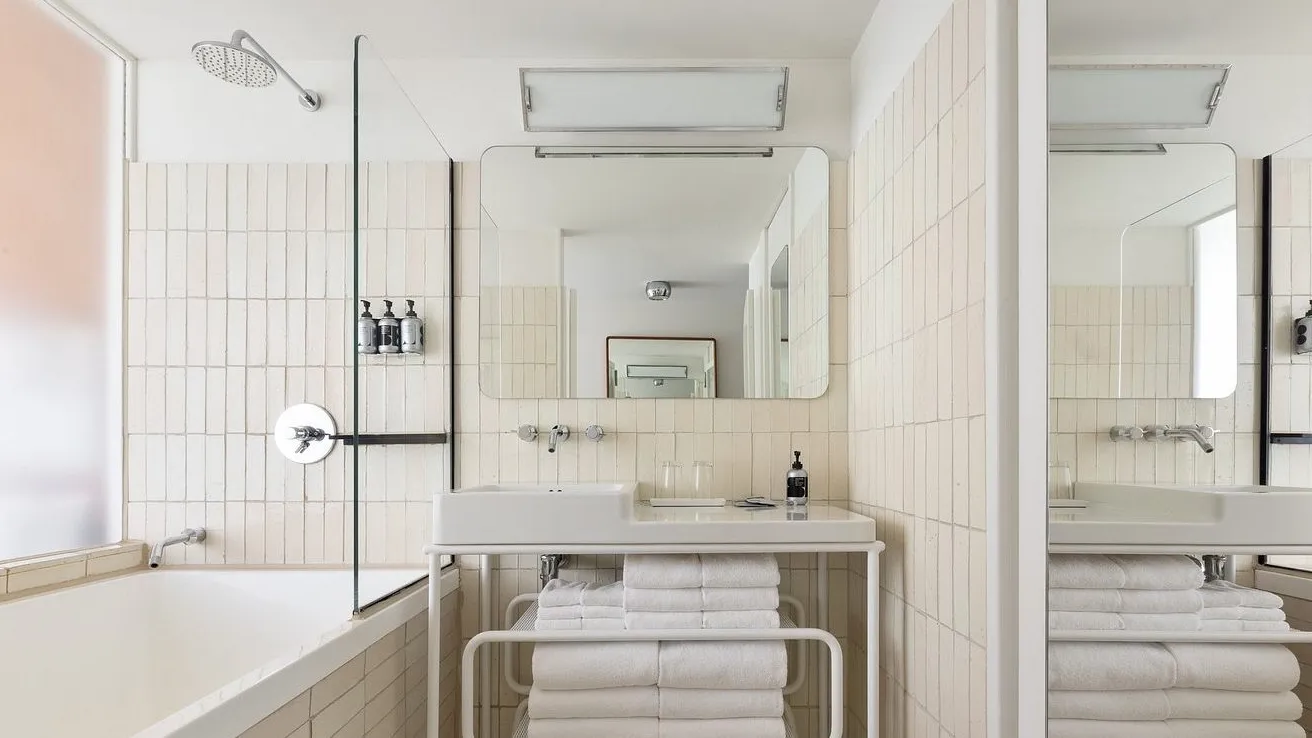
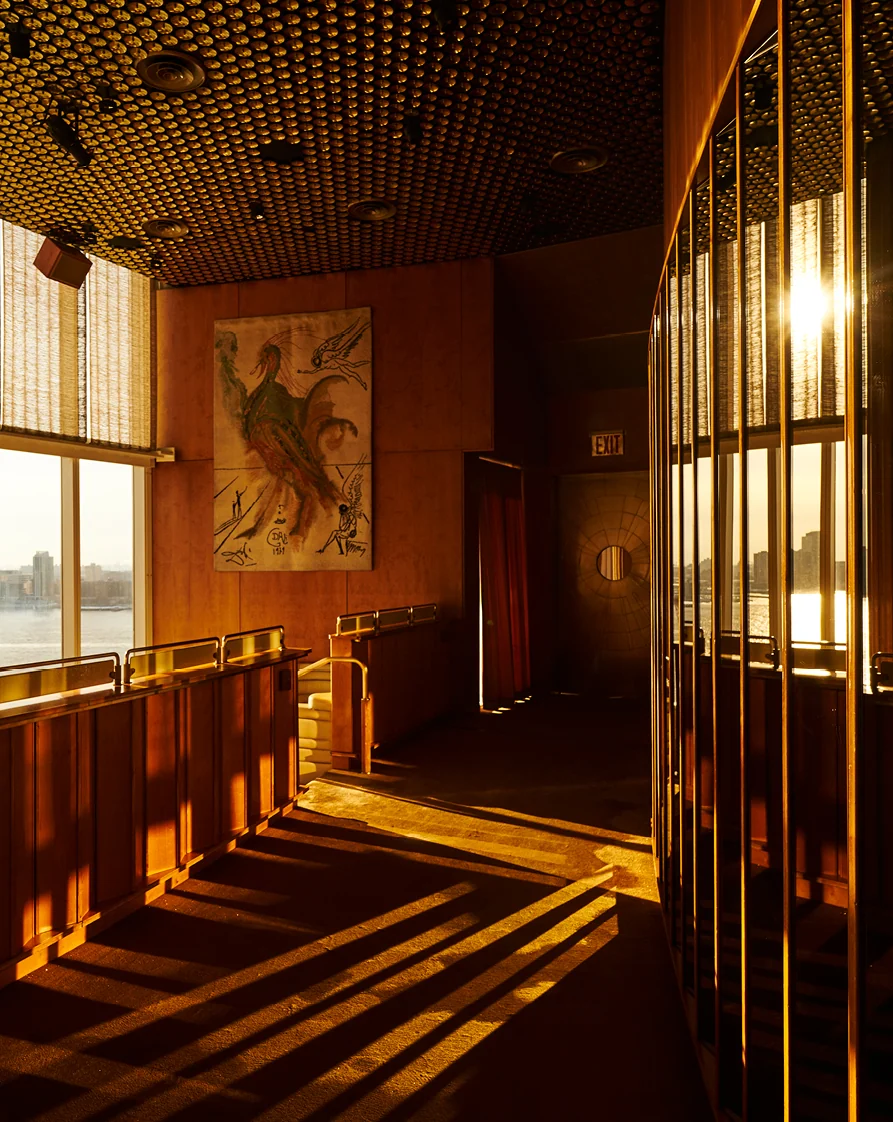
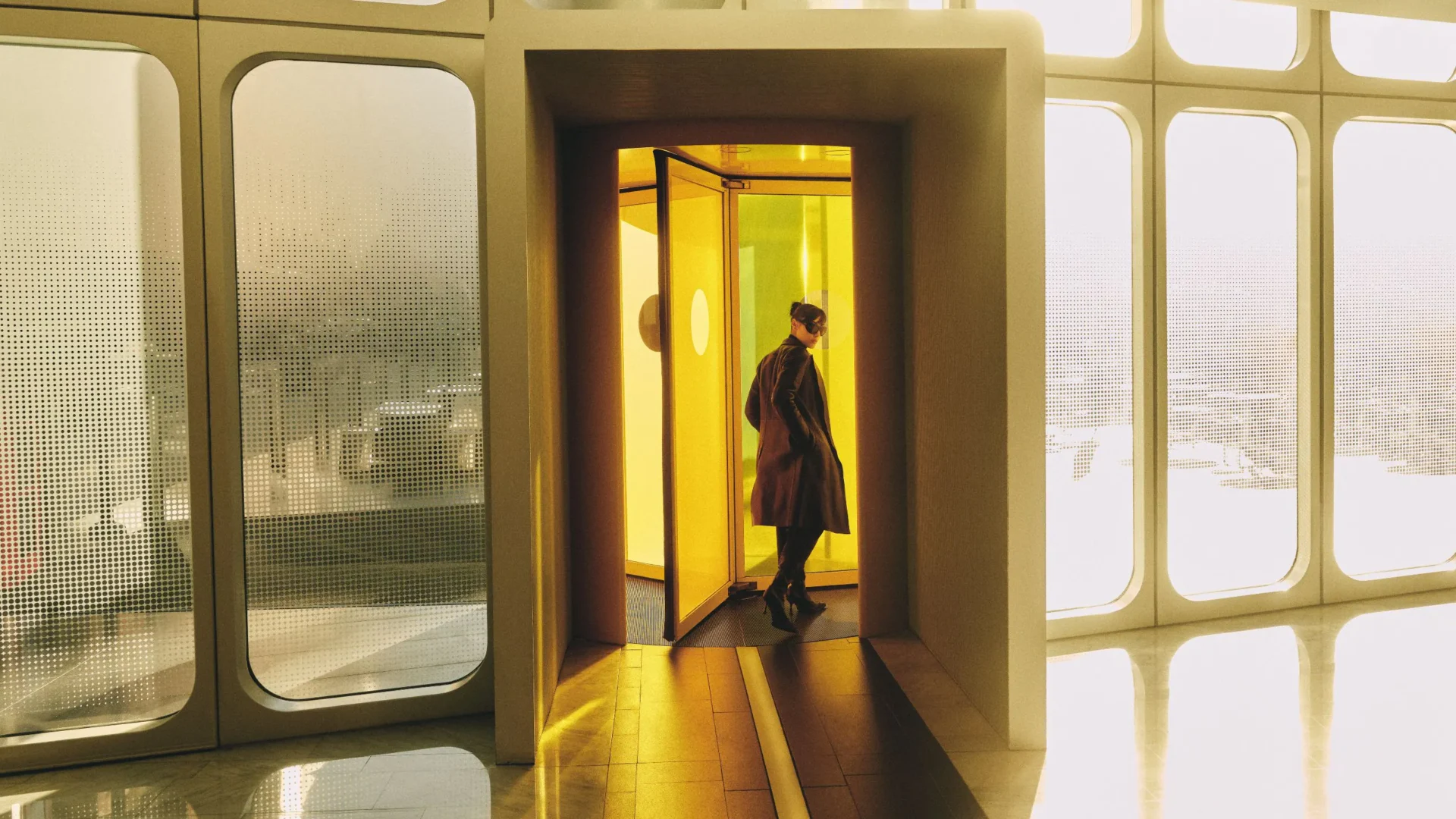
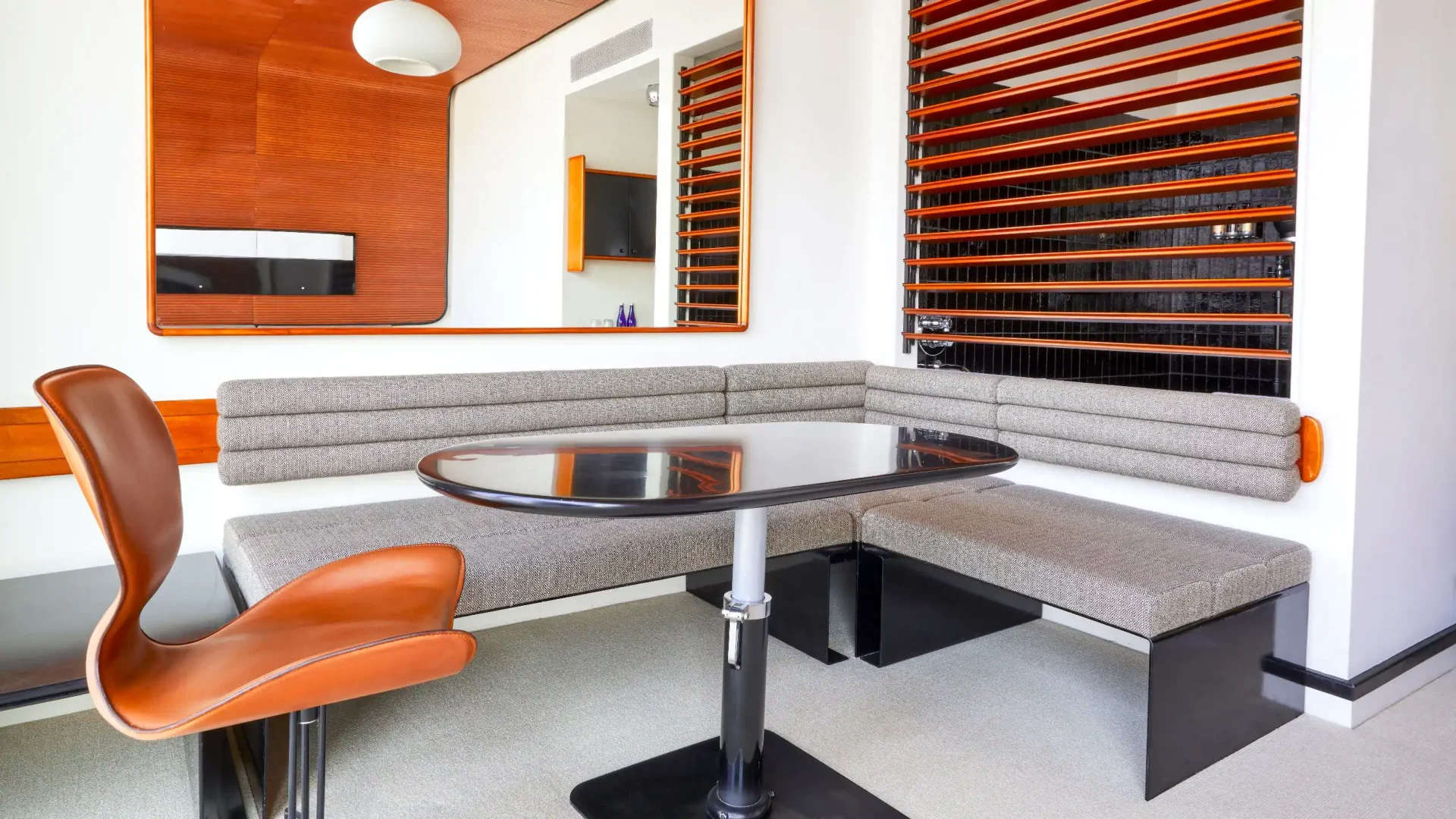
Roman and Williams designed the interiors with references to mid-century modernism and a slightly retro-futuristic idea of metropolitan living. Pale surfaces, dark timber panelling, leather and carefully selected furniture create a restrained backdrop to the views. The guestrooms are relatively compact, as Manhattan rooms often are, but the floor-to-ceiling glazing gives them a sense of openness that their actual dimensions might not suggest. Some suites offer views in several directions, taking in the Hudson River, the city skyline and the changing light over New Jersey. The bathrooms are another matter. Bathtubs and glass showers are frequently integrated into the bedroom, with minimal separation between sleeping and bathing areas. This arrangement is probably more appealing to couples than colleagues sharing a room. When The Standard first opened, its transparent façade also attracted attention for the activities of certain guests who appeared remarkably unconcerned about being visible from the streets and High Line below. The resulting publicity did little to discourage the hotel’s reputation for exhibitionism. One suspects that a building with this much glass was never intended for particularly shy people.
Restaurants, Beer and Velvet Ropes
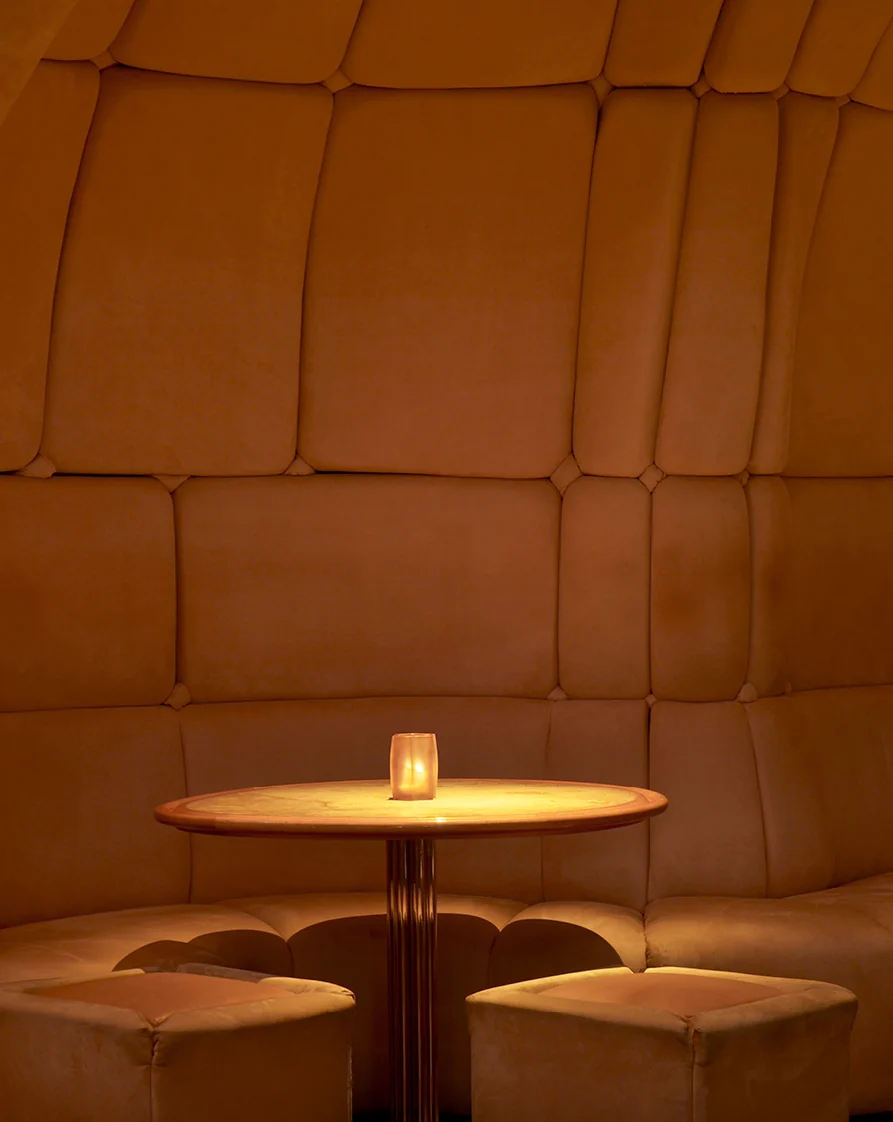
The Standard was conceived as more than a collection of guestrooms. At street level, The Standard Grill combines elements of a traditional New York steakhouse with contemporary American cooking, while the adjacent Biergarten offers a more informal setting beneath the High Line. The Living Room serves coffee, cocktails and light meals, with DJs contributing to the atmosphere. These spaces were designed to attract local residents as well as hotel guests, an approach that became increasingly common in lifestyle hotels during the following decade. The rooftop venues are more closely associated with The Standard’s reputation. Le Bain, the nightclub occupying the upper floors, became a fixture of downtown nightlife, with DJs, dancing and an outdoor terrace overlooking the city. BOOM offers a more polished cocktail setting, with panoramic views and an atmosphere that can become considerably livelier as the evening progresses. Both reflect the hotel’s longstanding interest in nightlife as part of the hospitality experience. There is, however, a familiar New York contradiction: staying at the hotel does not guarantee admission to Le Bain. The velvet rope apparently recognises no distinction between guests and everyone else.
The Meatpacking District Before and After
The Standard’s location is inseparable from its identity. The Meatpacking District was once a working industrial neighbourhood, where meat-processing businesses operated alongside warehouses, inexpensive bars and clubs that were considerably less respectable than the area’s present-day establishments. By the time the hotel opened, fashion boutiques, restaurants and galleries were already replacing much of that activity. The High Line accelerated the transformation, bringing new visitors and investment to the western edge of Manhattan. Today, the Whitney Museum of American Art, Chelsea’s galleries, the West Village and the Hudson River waterfront are all within easy walking distance. The neighbourhood has become more affluent, more polished and considerably less unpredictable. Whether that represents an improvement depends on what you liked about the old Meatpacking District. The Standard itself illustrates the transition rather well. Its architecture acknowledges the area’s industrial past, while its restaurants, bars and clientele belong unmistakably to the neighbourhood that replaced it.
A Hotel of Its Time
The Standard, High Line is an interesting example of the lifestyle hotel movement at a moment when architecture, restaurants and nightlife were becoming as important to a property’s identity as the rooms themselves. Balazs understood the commercial and cultural value of creating a hotel that functioned as a social destination, rather than simply providing accommodation. The building by Ennead remains its most enduring achievement. The unusual structural arrangement, strong modernist references and relationship with the High Line give it architectural significance beyond the fashionability of its bars and restaurants. The interiors and social atmosphere are more closely tied to the tastes of the late 2000s, when provocative design, celebrity culture and a carefully managed sense of exclusivity were central to the appeal of many lifestyle hotels. Some of that now feels distinctly of its era. But The Standard is also a useful reminder that a hotel can become part of a city’s architectural and social history without necessarily being timeless. It arrived at a particular moment in New York’s transformation and helped define the character of a neighbourhood that has since changed again. And whatever one thinks of the nightlife, the architecture is still worth looking up for.
Information
At a glance
Architecture
Opened / Renovated
2009
Size matters
336 rooms & suites (23-81m2) (248-872 sq ft)
Interior design
Featured in
Don't take our word for it
Handpicked worldwide
A carefully curated collection of exceptional boutique and design hotels across the globe.
Design with soul
Architecture, atmosphere and craftsmanship come together in stays with a clear identity.
Hidden, not hyped
Independent boutique hotels you rarely find on mainstream booking platforms.
Travel guidance
Personal recommendations and thoughtful support from people who actually know the places.