



Where to Stay
Boutique & Design Hotels in Manchester
The DNA of Manchester
Where Industrial Heritage Meets Northern Creativity
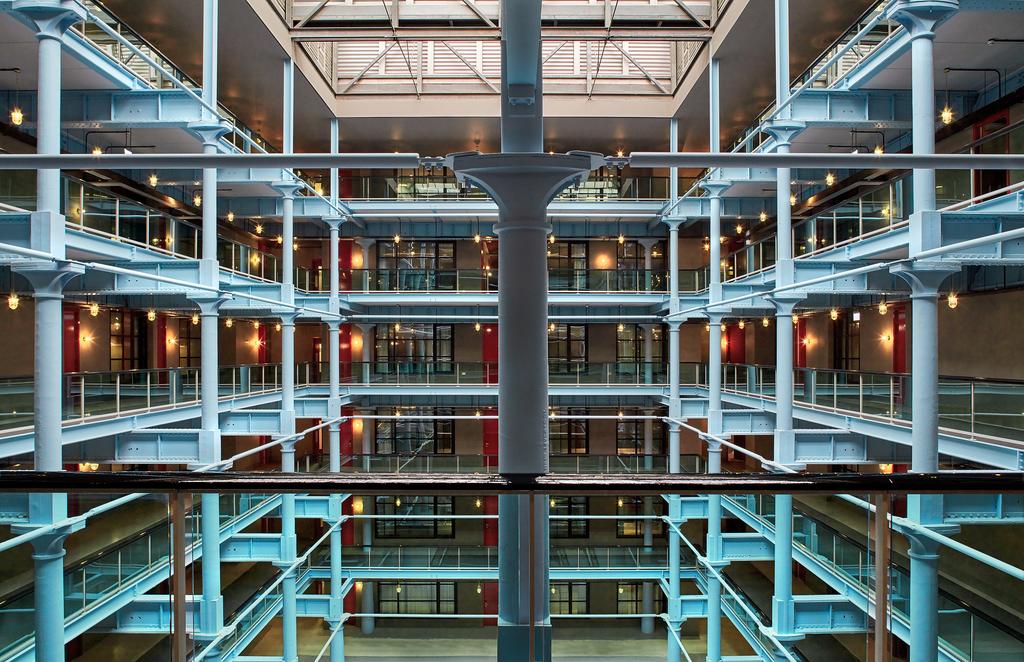
Manchester wears its industrial past with confidence. Red-brick warehouses, Victorian railway infrastructure and monumental civic buildings recall the city that helped drive the Industrial Revolution, while converted mills, post-war Modernism and increasingly ambitious contemporary architecture reveal its constant appetite for reinvention. Neighbourhoods such as the Northern Quarter and Ancoats have transformed former industrial buildings into studios, independent shops, restaurants and apartments, while the canals and old warehouses around Castlefield preserve the rougher textures of the city’s working history.
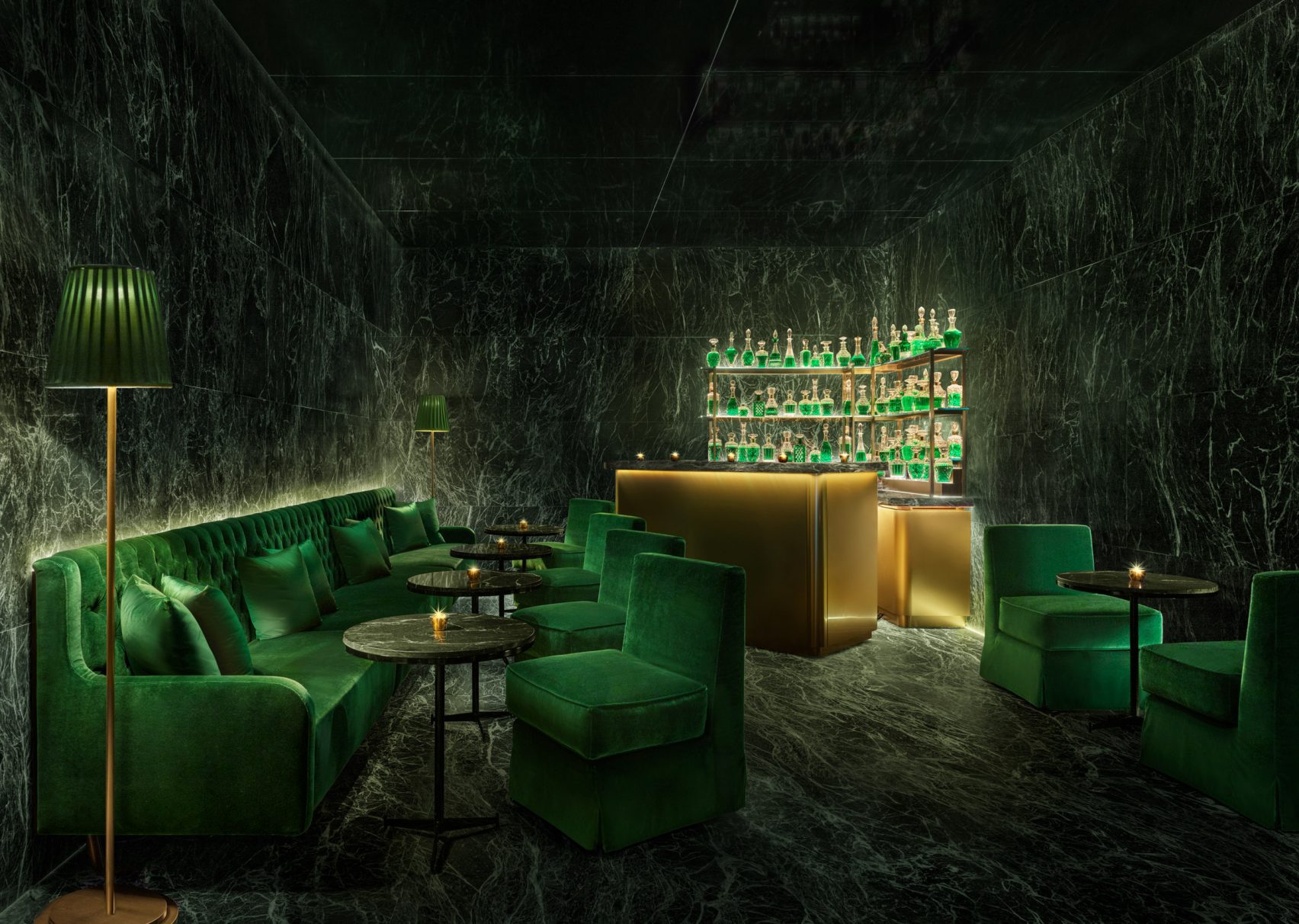
Food and drink have become an important part of Manchester’s revival. Historic pubs and curry houses coexist with ambitious chef-led restaurants, independent bakeries, natural wine bars and some of Britain’s strongest contemporary cocktail spots. Ancoats has developed into a particularly good dining neighbourhood, while Manchester’s diverse communities have created excellent South Asian, Chinese, Middle Eastern and Caribbean food across the city. Add independent coffee roasters, craft breweries and a nightlife culture shaped by decades of musical rebellion, and eating and drinking here rarely feels overly formal.
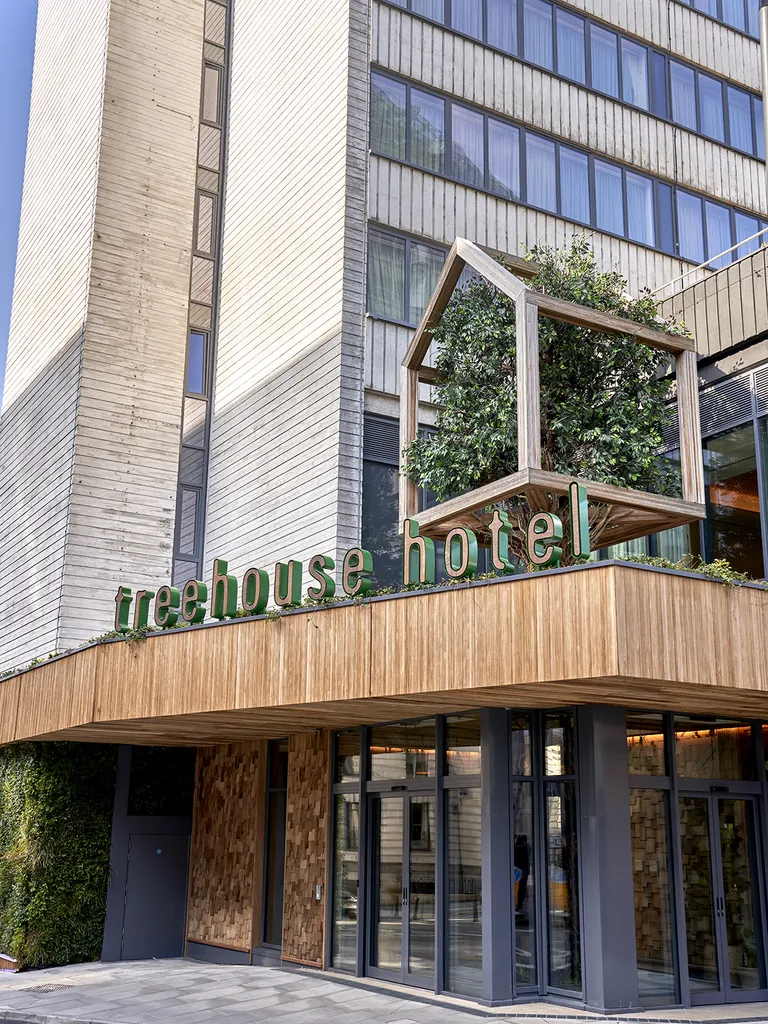
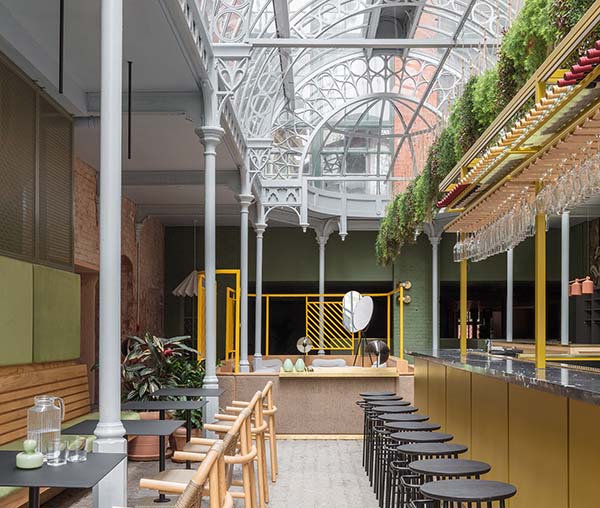
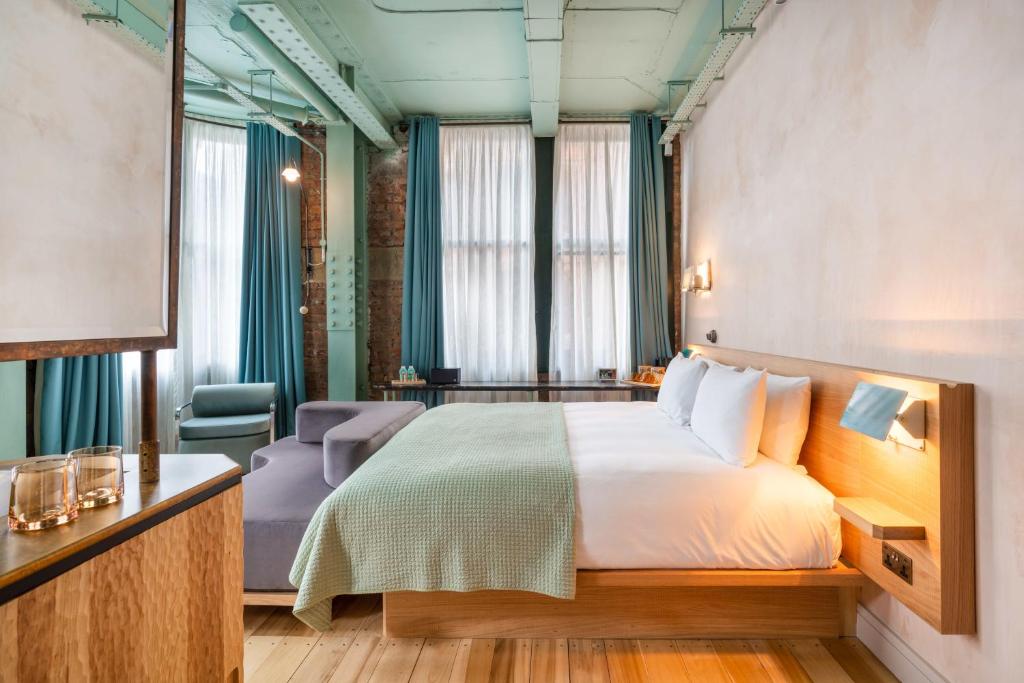
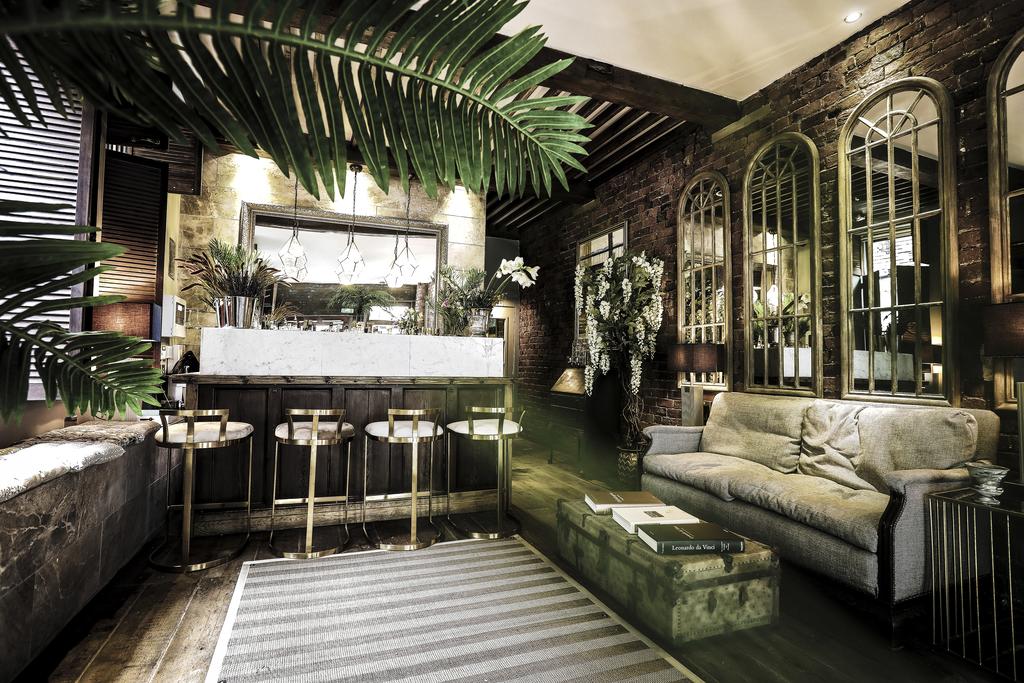
Manchester’s most interesting hotels make excellent use of the city’s architectural inheritance. Former warehouses, Victorian institutions, industrial buildings and Modernist structures are being reinvented with contemporary interiors, local art and lively restaurants and bars. At DNA Hotels, we curate the places where architecture, food, music and Manchester’s fiercely independent character come together—hotels that capture a city still powered by the same combination of invention and attitude that once made it the world’s first great industrial metropolis.