Ten Stories, Not Ten Storeys

A 17th-century onsen inn reinvented as two hotels, a bookstore and a cultural catalyst for one of Japan’s historic hot spring towns.

Book now

Why DNA Hotels loves it

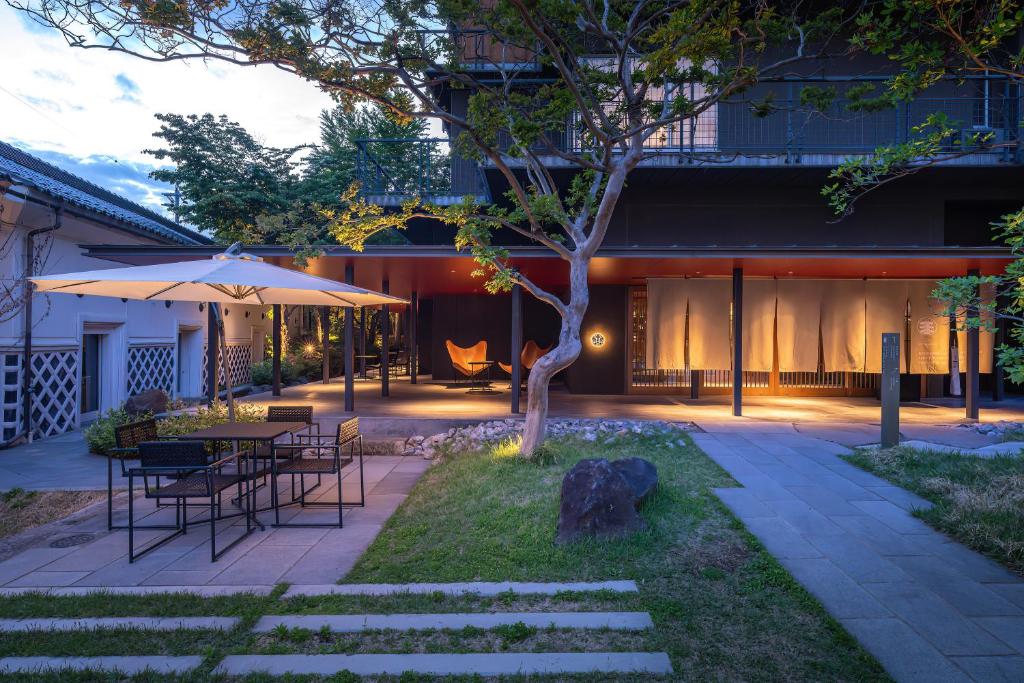
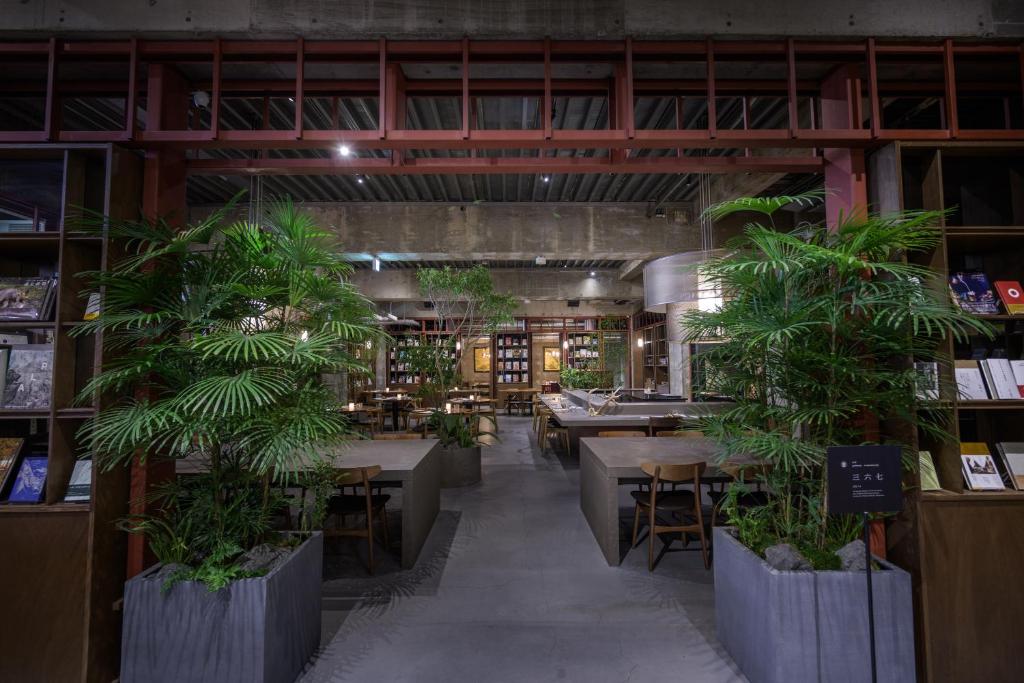
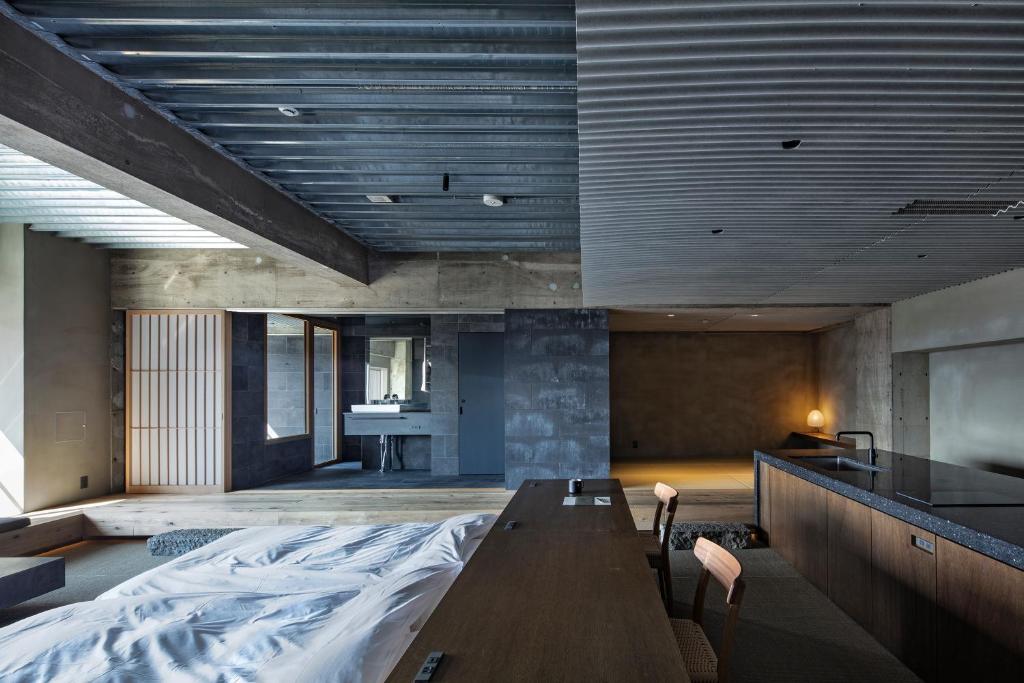
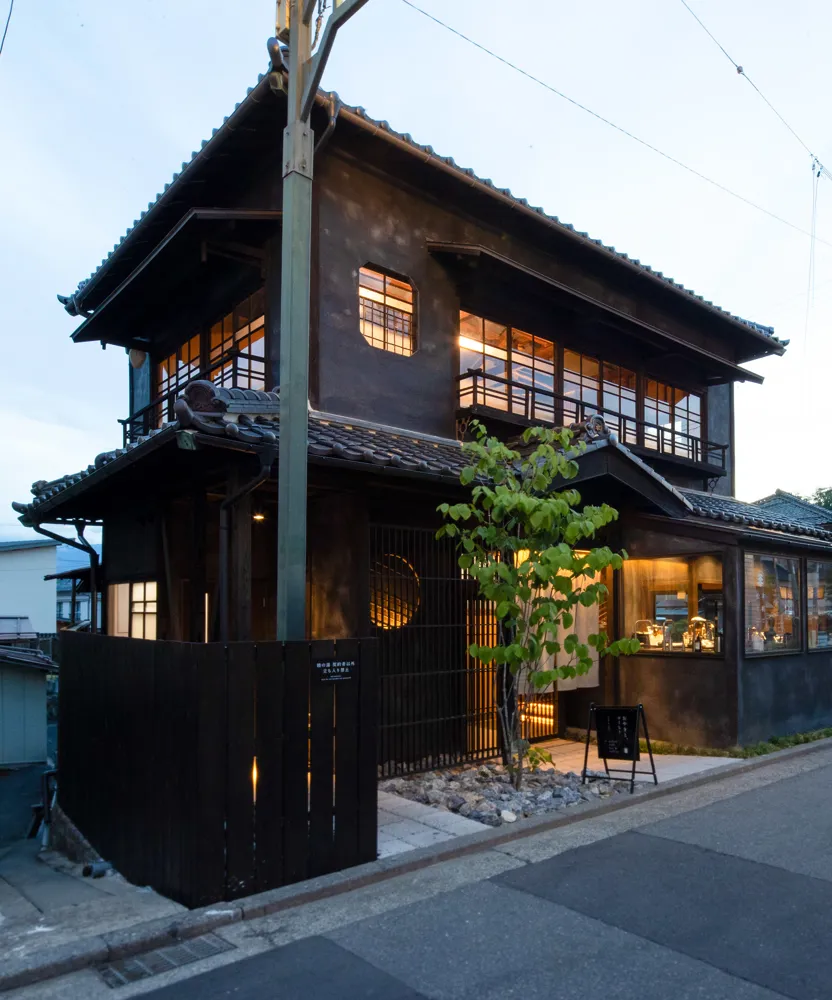
Suppose Design Office, Schemata and Jiyujin Hotels stripped back an inn founded in 1686 and deliberately kept the scars, concrete structure and traces of previous lives visible rather than manufacturing historical nostalgia.

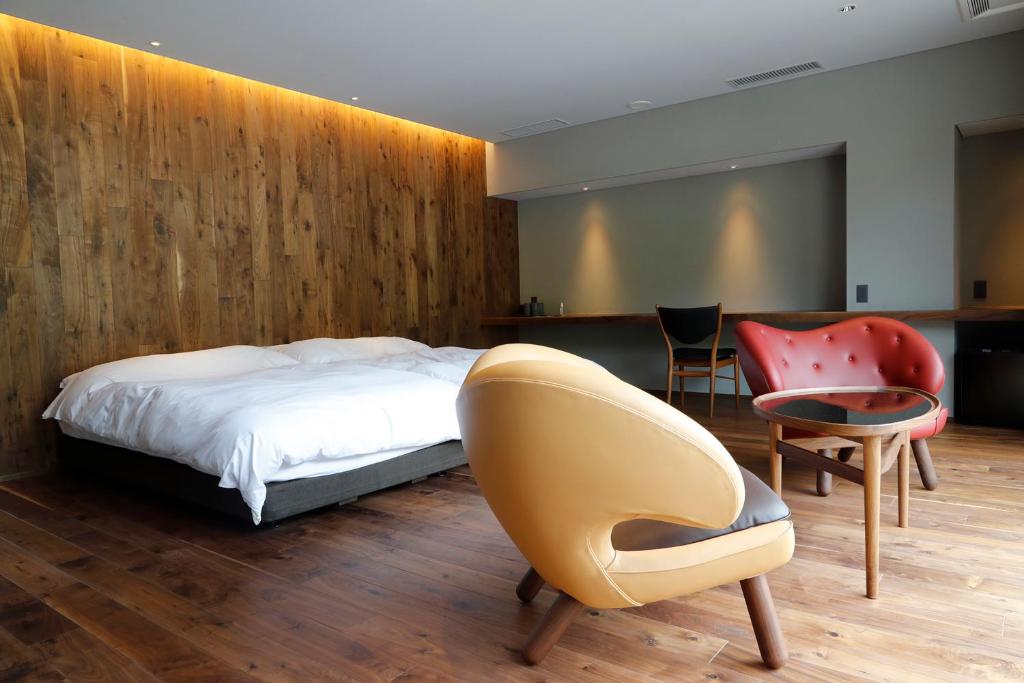
Matsumoto Honbako revolves around a remarkable bookstore of around 10,000 titles, while family-oriented Koyanagi takes a warmer approach with timber, tatami, shoji screens and Japanese folk art.

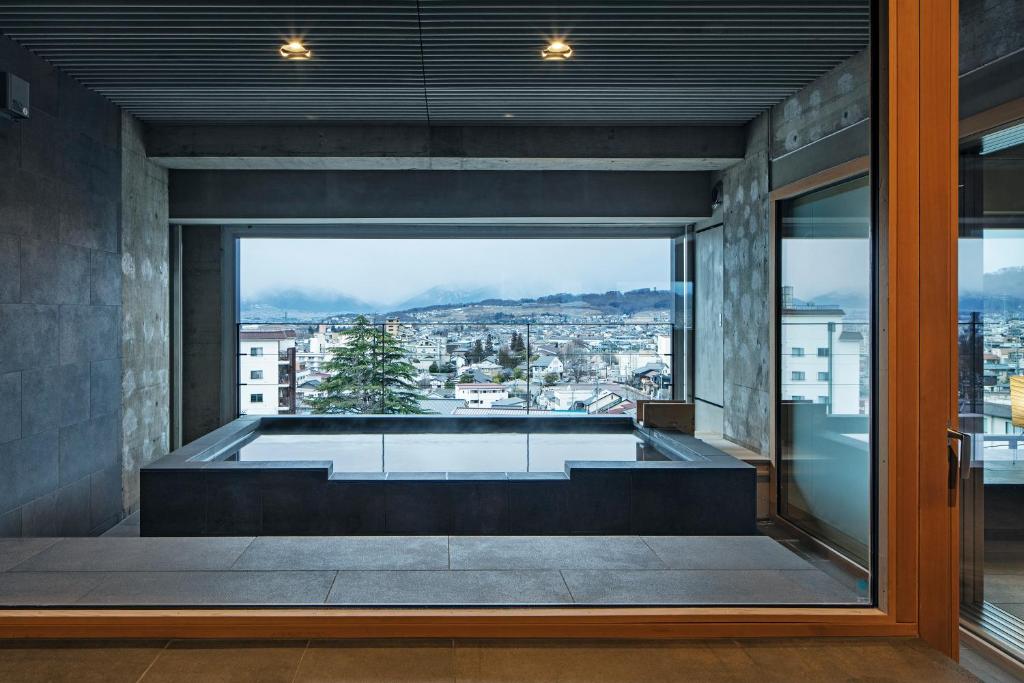
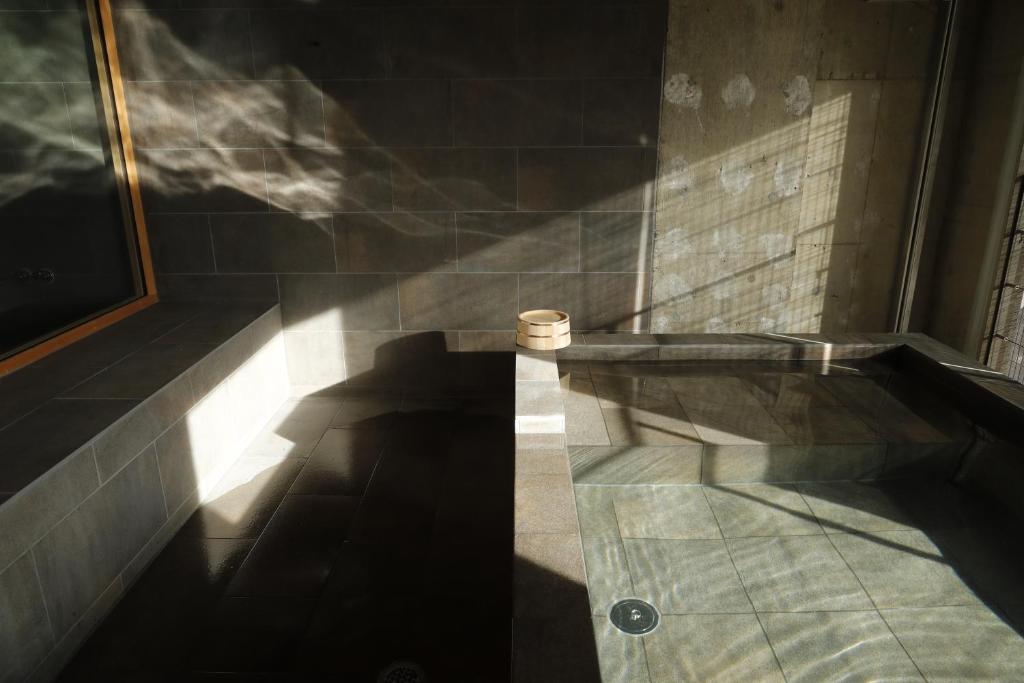
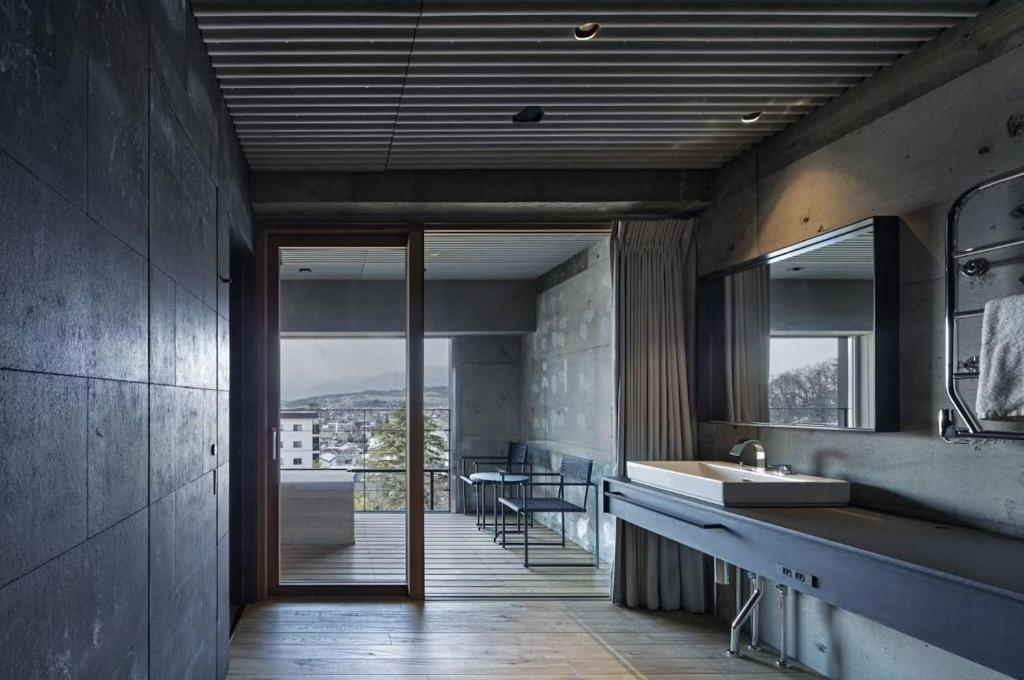
Every room has its own natural hot spring bath, freeing the former communal spaces for books, food and social life — part of a much bigger ambition to revive the 1,300-year-old onsen district around the hotel.

The Stay

A visionary Japanese retreat where raw architecture, books, onsen culture and regional food become catalysts for the revival of a historic hot-spring neighbourhood.

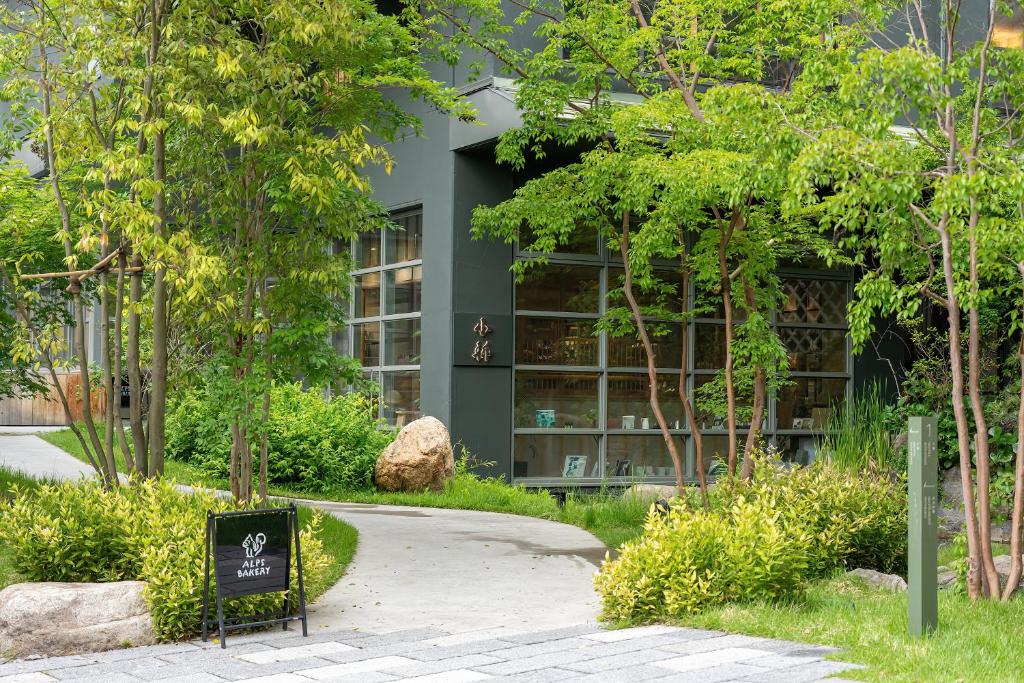
Matsumoto Jujo is less a hotel than an attempt to rescue a neighbourhood. Its name translates roughly as “ten stories”, referring not to the height of the buildings but to the different narratives the project hopes to create around Asama Onsen. This historic hot spring district in the foothills of the Northern Alps has welcomed bathers for some 1,300 years, but like many traditional Japanese resort towns, its fortunes had gradually faded. The starting point was Koyanagi, an inn founded in 1686 that had been repeatedly altered until much of its historic character had disappeared. Instead of pretending that those intervening centuries hadn’t happened, the team behind Matsumoto Jujo decided to work with them. The result is two very different hotels, restaurants, cafés, bakery, shop, brewery, bookstore and restored bathhouse — scattered deliberately enough that guests actually have to engage with Asama Onsen.

Beauty in the Demolition

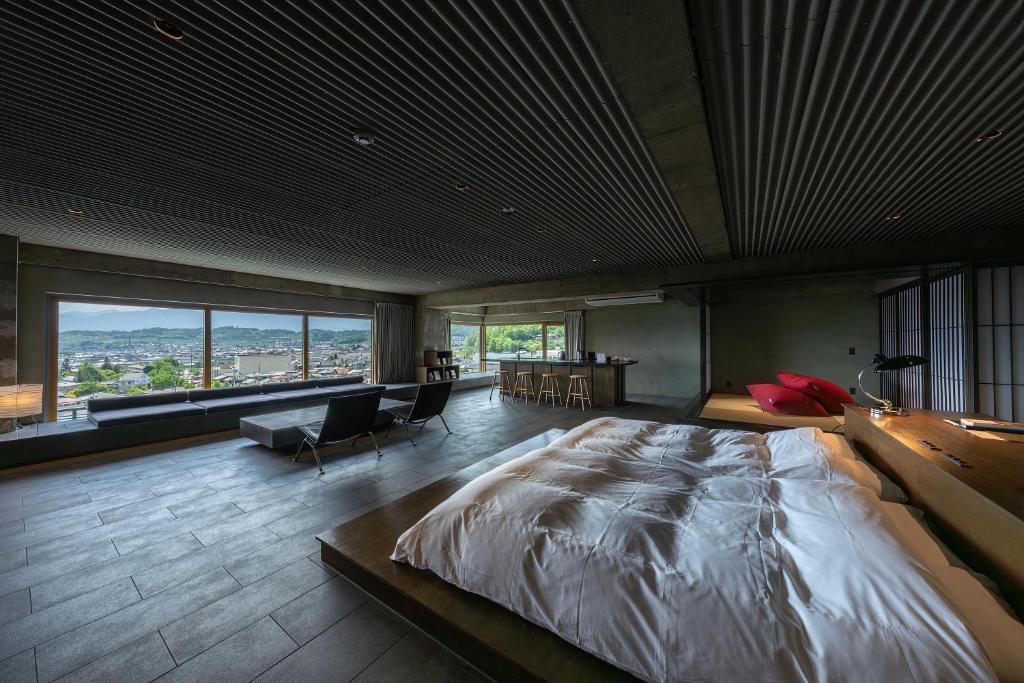
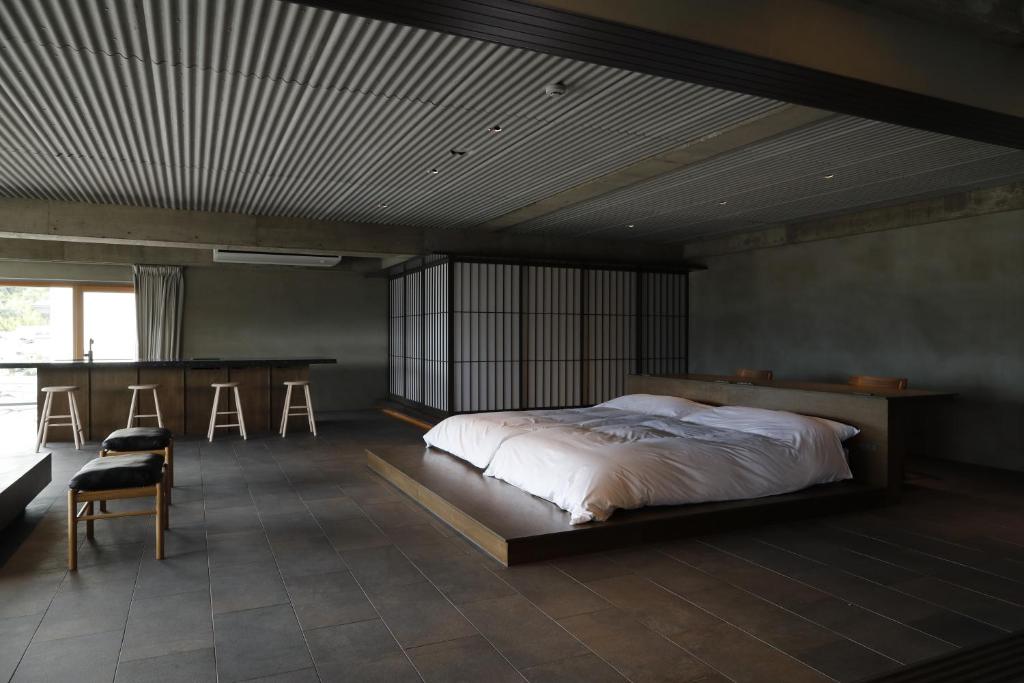
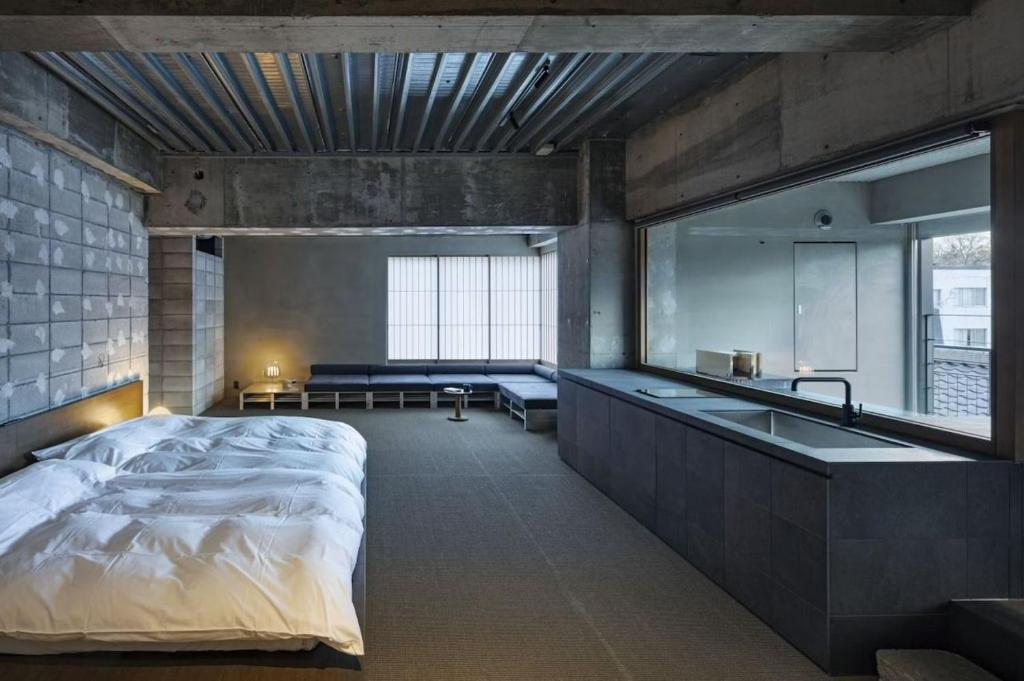
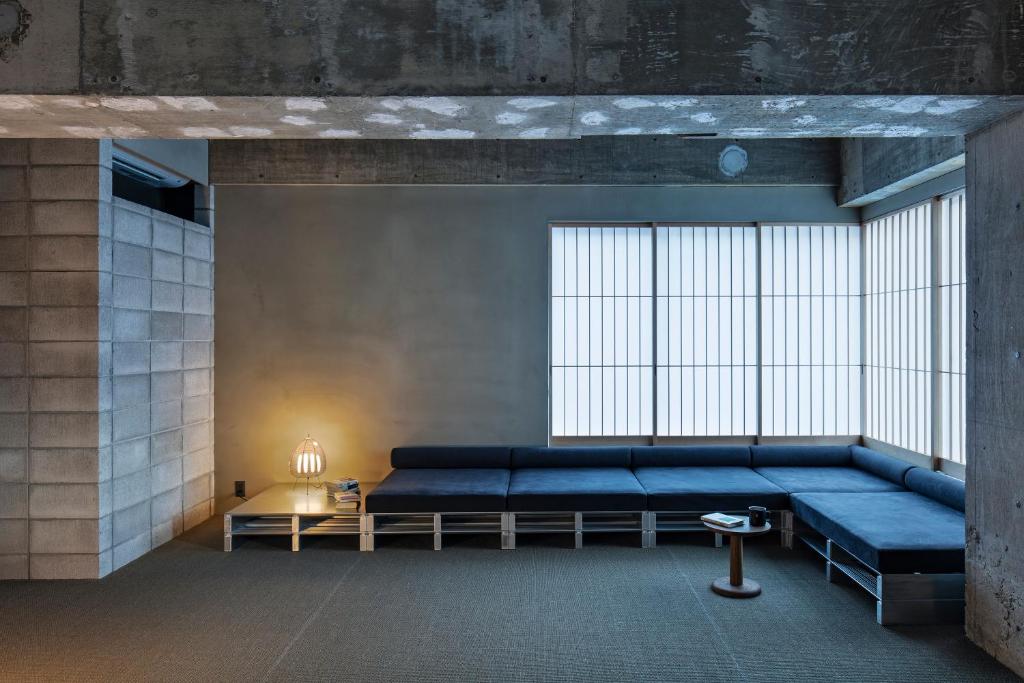
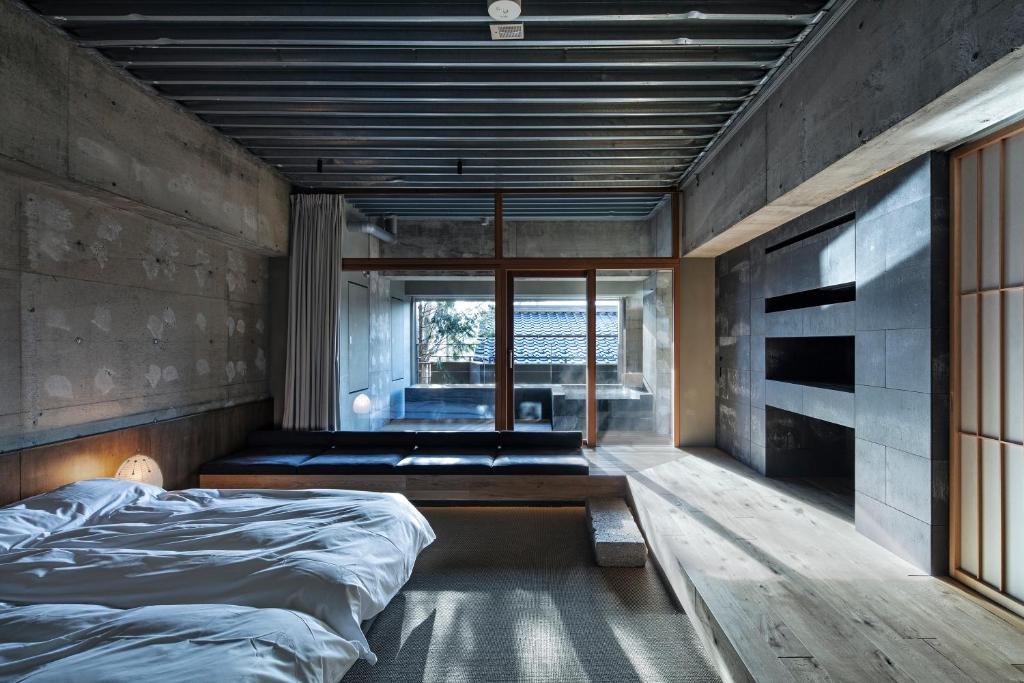
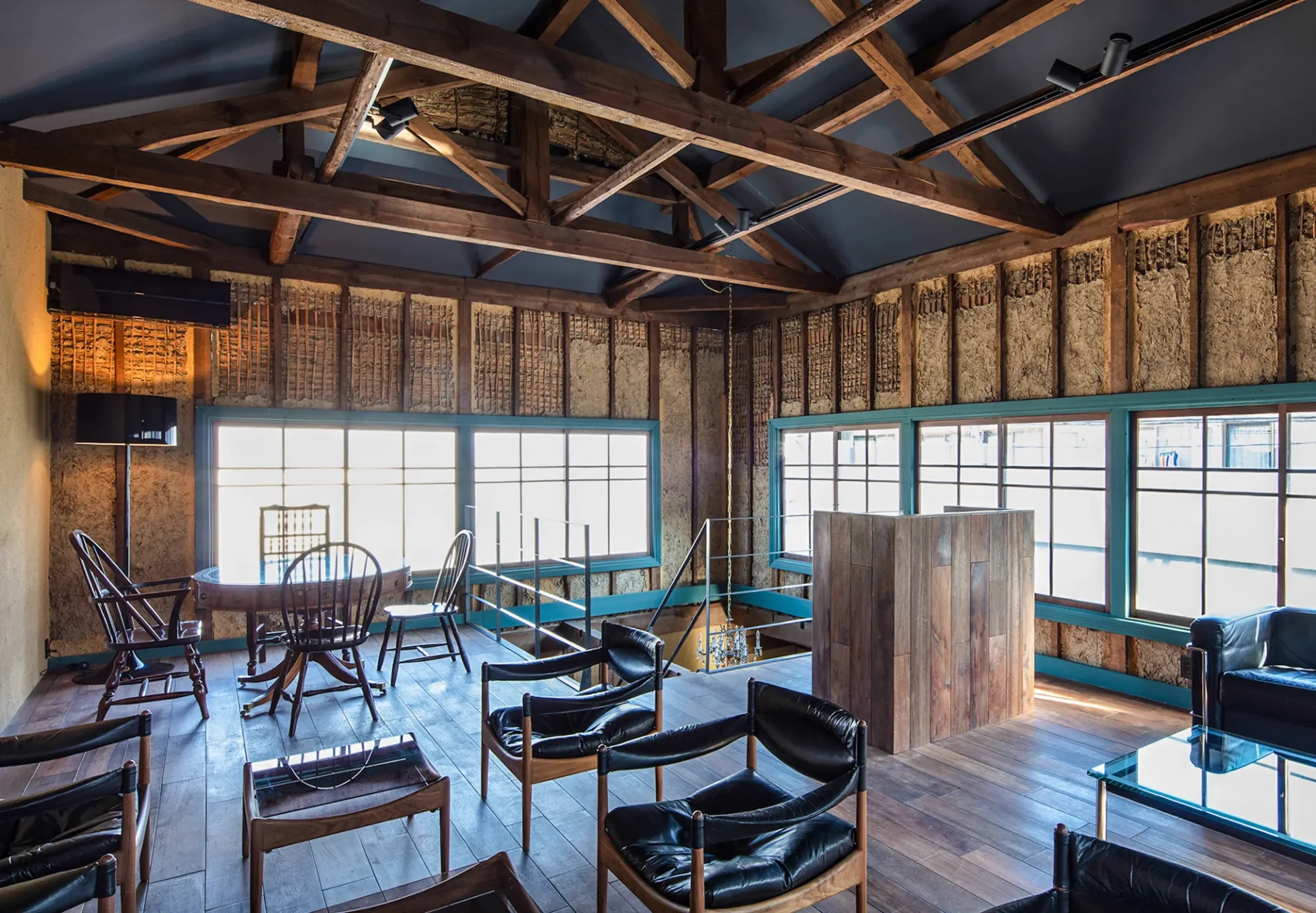
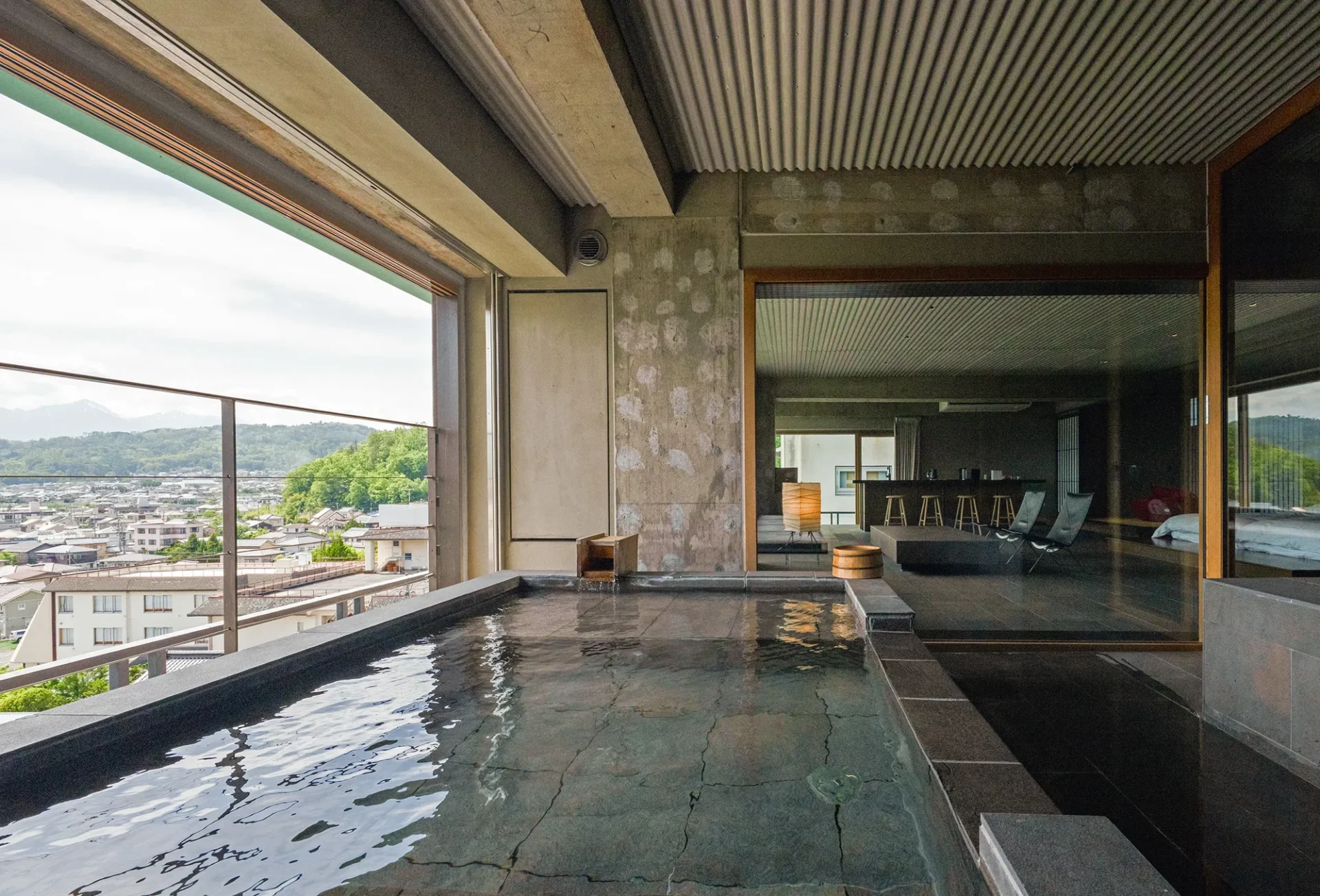
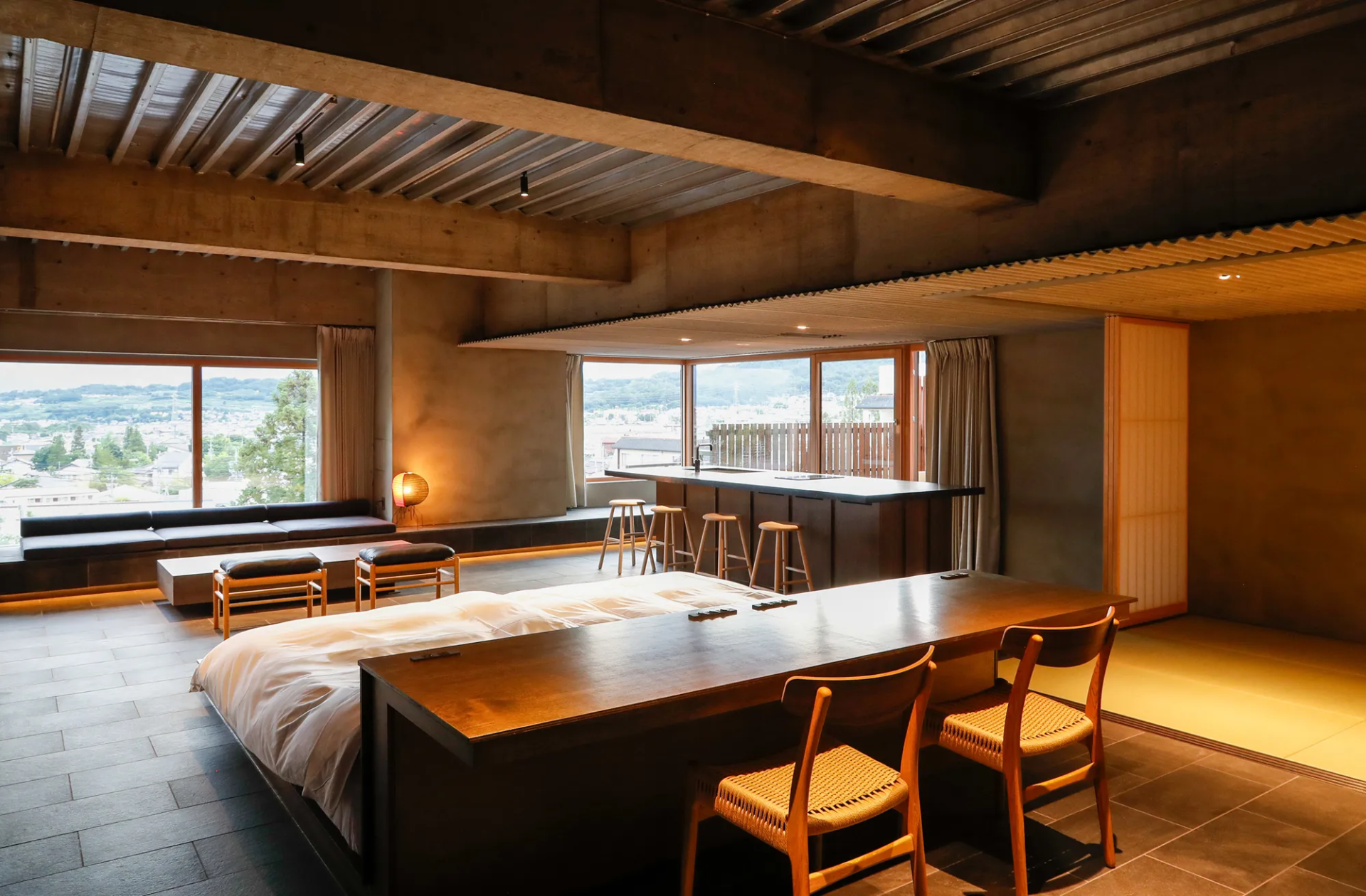
Matsumoto Honbako occupies the existing hotel structure and is the more radical half of the project. During demolition, Suppose Design Office, Schemata and Jiyujin Hotels discovered an unexpectedly compelling concrete skeleton underneath decades of alterations. So they stopped trying to make it pretty. Patched concrete, structural scars, exposed services and corrugated metal ceilings remain visible. Against this industrial rawness come tatami, shoji screens, precise timber joinery and low-slung furniture. Isamu Noguchi Akari lamps cast soft pools of light against unfinished surfaces. The contrast gives Honbako an unusual tension: brutal and delicate, unfinished and meticulous at exactly the same time.

The Library Took Over the Bathhouse

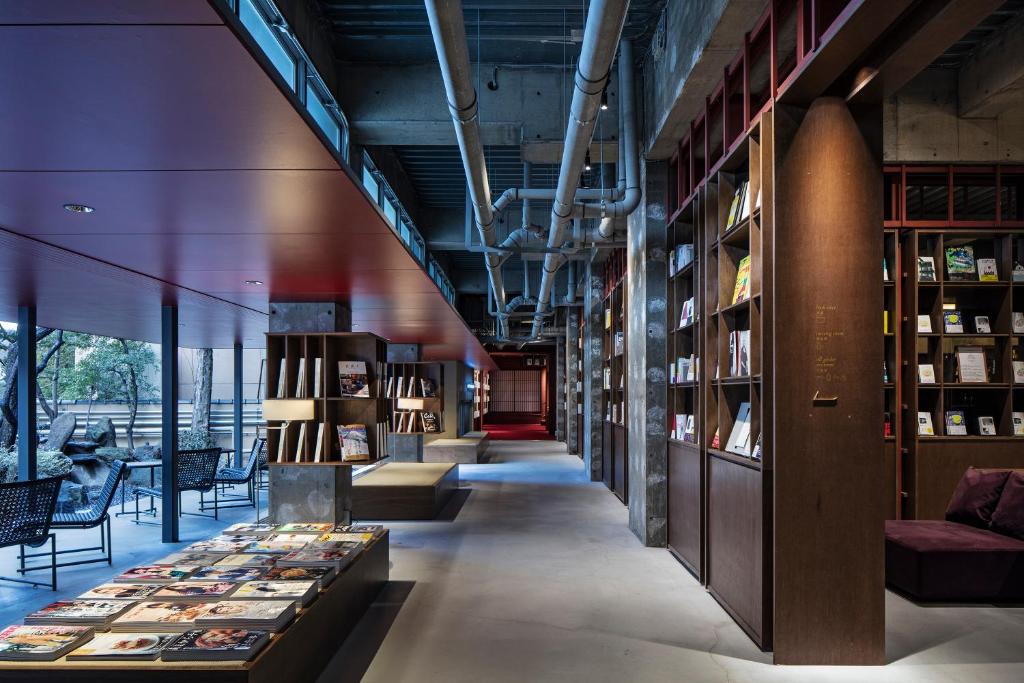
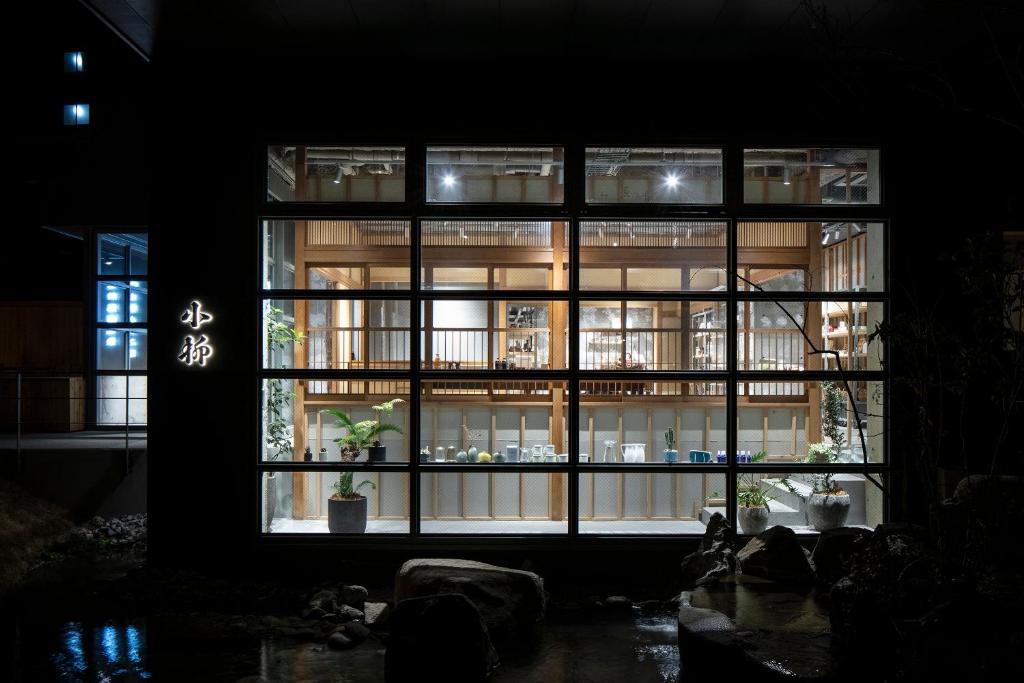
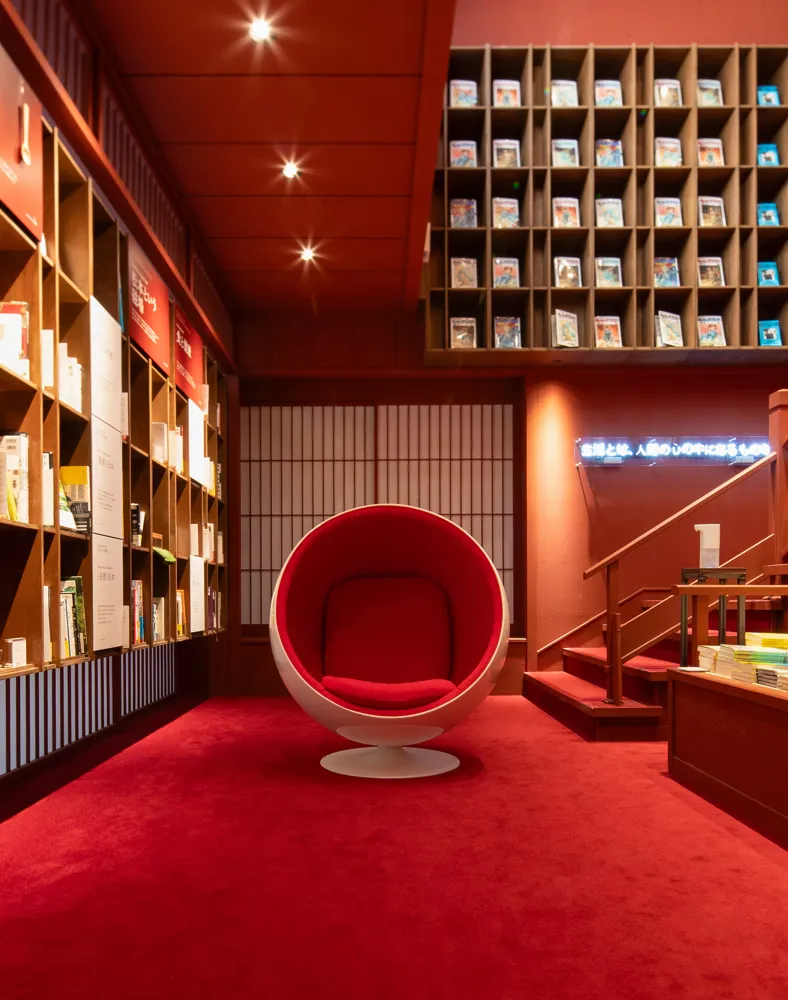
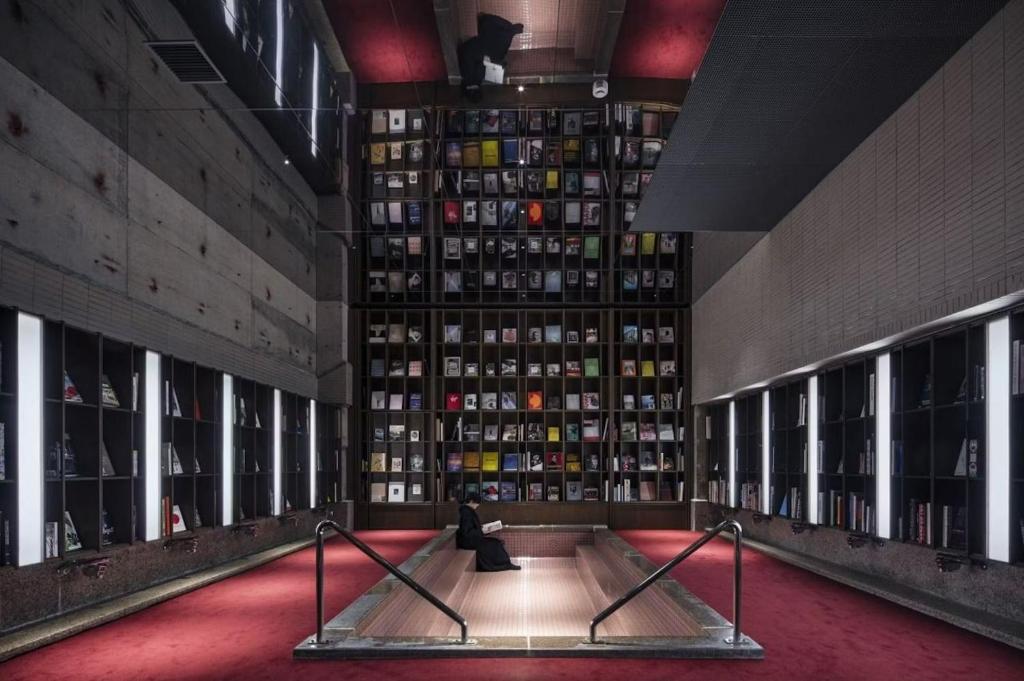
Then come the books. The former public bathing spaces of Matsumoto Honbako have been transformed into an extraordinary bookstore and library containing around 10,000 titles selected by book director Yoshitaka Haba together with Japanese publisher Nippan. Photography, art, essays and other subjects spread through towering timber shelving and smaller reading spaces. Crucially, these aren’t decorative books selected because their spines happen to match the sofa. Pick them up. Read them. Buy them. Take one somewhere quiet and disappear for an afternoon. The bookstore flows into lounges and restaurant spaces so naturally that the usual boundaries between hotel, bookshop and cultural centre begin to disappear. It turns the ground floor into somewhere locals have a reason to visit too — essential for a project whose ambition extends beyond filling guestrooms.

Two Hotels, Two Personalities

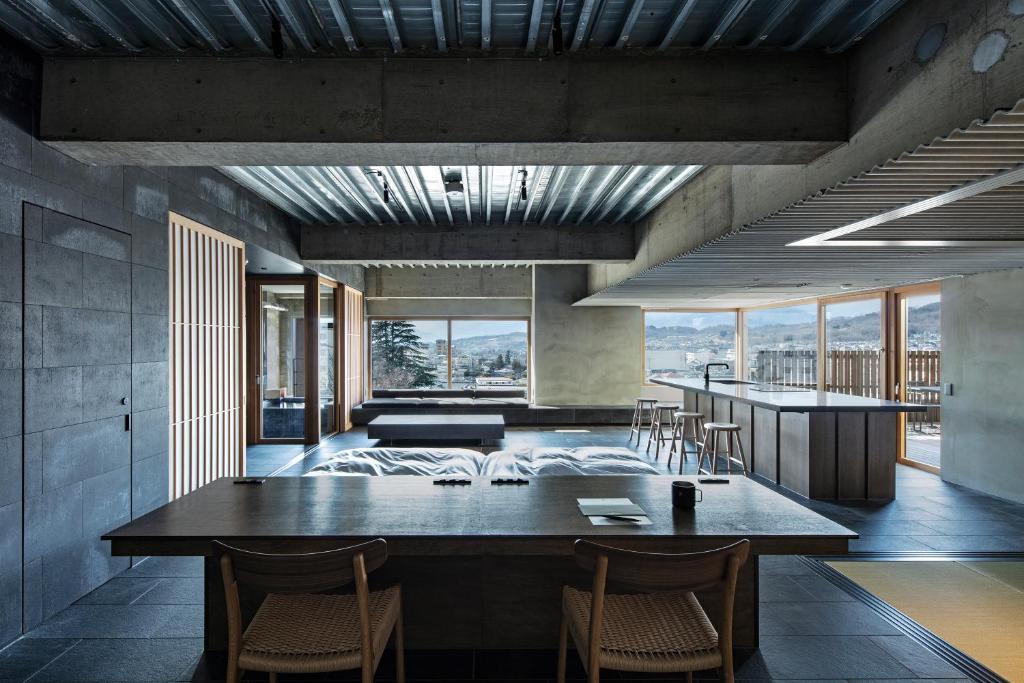
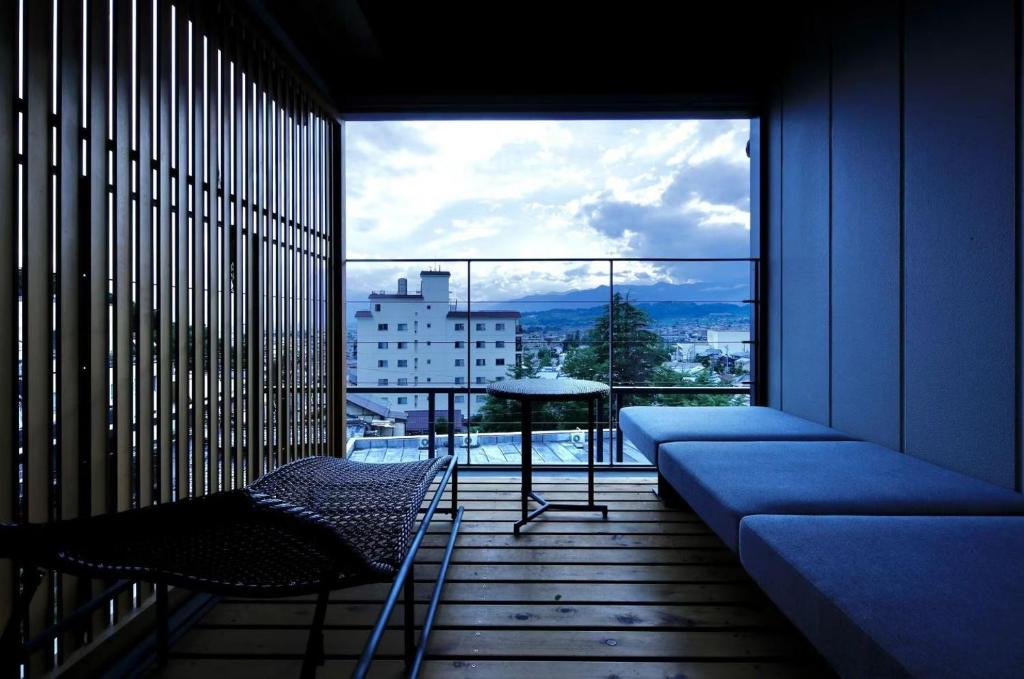
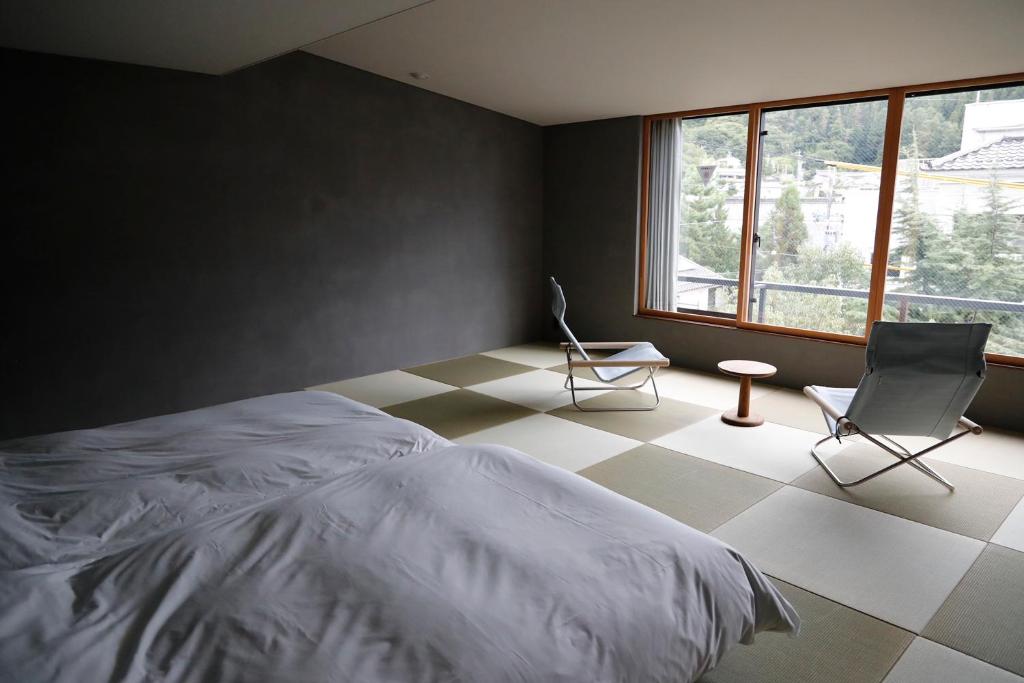
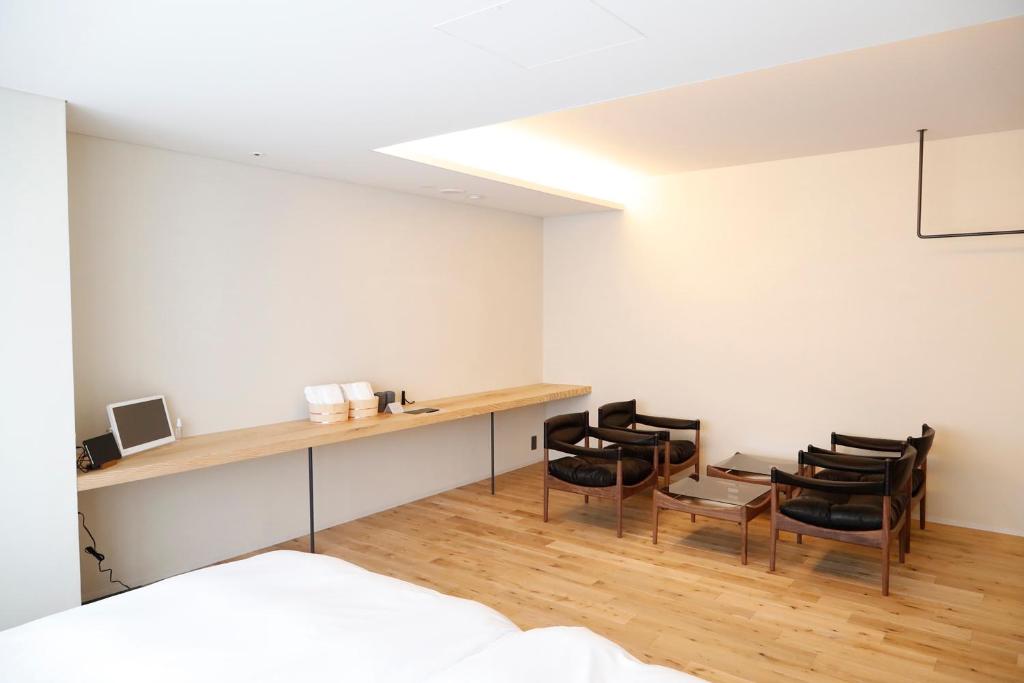
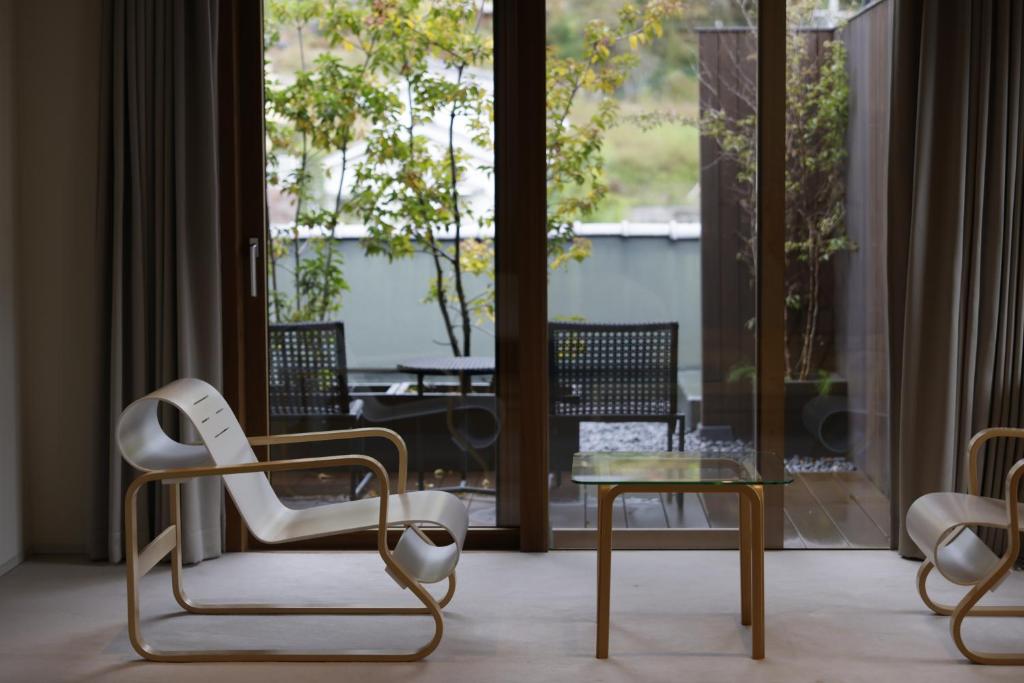
Koyanagi takes the opposite approach. Designed with families in mind, the newer building replaces Honbako’s exposed concrete and metal with diatomaceous-earth walls, natural timber, tatami flooring, shoji screens and carved wooden transoms. Japanese folk art by Samiro Yunoki and Umetaro Azechi adds colour and personality. The difference is deliberate. Honbako feels contemplative and occasionally austere; Koyanagi is softer, warmer and more recognisably domestic. Both, however, use large windows to turn Matsumoto, Asama Onsen and the surrounding mountains into part of the interior. The rooms sit low and quiet against those views rather than trying to compete with them. And every room has its own bath supplied with natural hot spring water. In an onsen town, that is a fairly persuasive minibar alternative.

367 Kilometres on a Plate

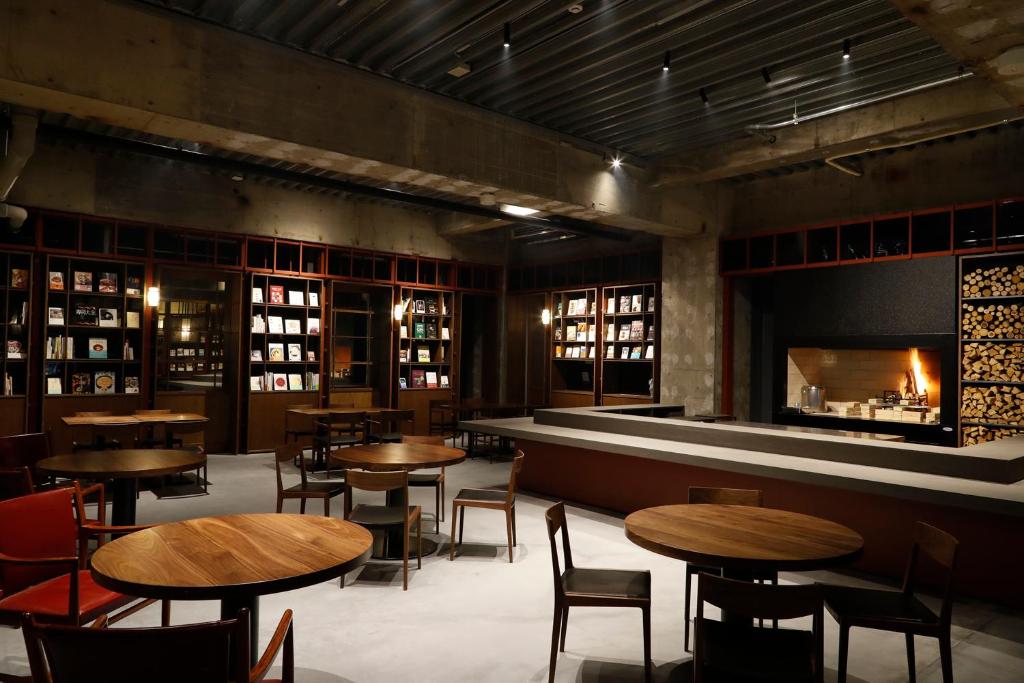
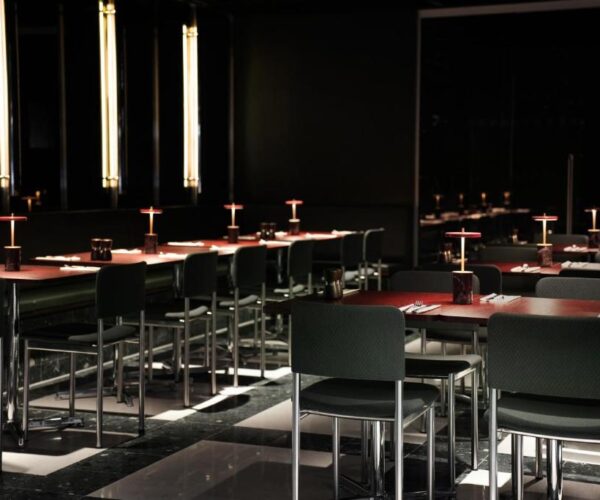
Food follows the same philosophy of looking beyond the hotel itself. Restaurant 367 takes its name from the 367-kilometre Shinano River. Its menu follows the landscape and changing seasons of the Shinshu region, tracing the river’s journey from its source in the mountains towards the Sea of Japan. The room continues Honbako’s raw architectural language, with concrete, corrugated metal and dark shelving gathered around an open wood-fired hearth. The food is deliberately restrained rather than opulent, making landscape and season the organising principles. Over at Koyanagi, Alps Table offers a more relaxed family-oriented interpretation of Northern Italian cooking. Even check-in involves food. Guests first arrive at Okyaki & Coffee, an off-site café created with Artless Craft Tea & Coffee, where hand-dripped coffee comes with oyaki, Nagano’s traditional stuffed dumpling. Only afterwards do they continue through the streets towards the hotel. Getting slightly distracted on the way is part of the plan.

The Onsen Comes Full Circle

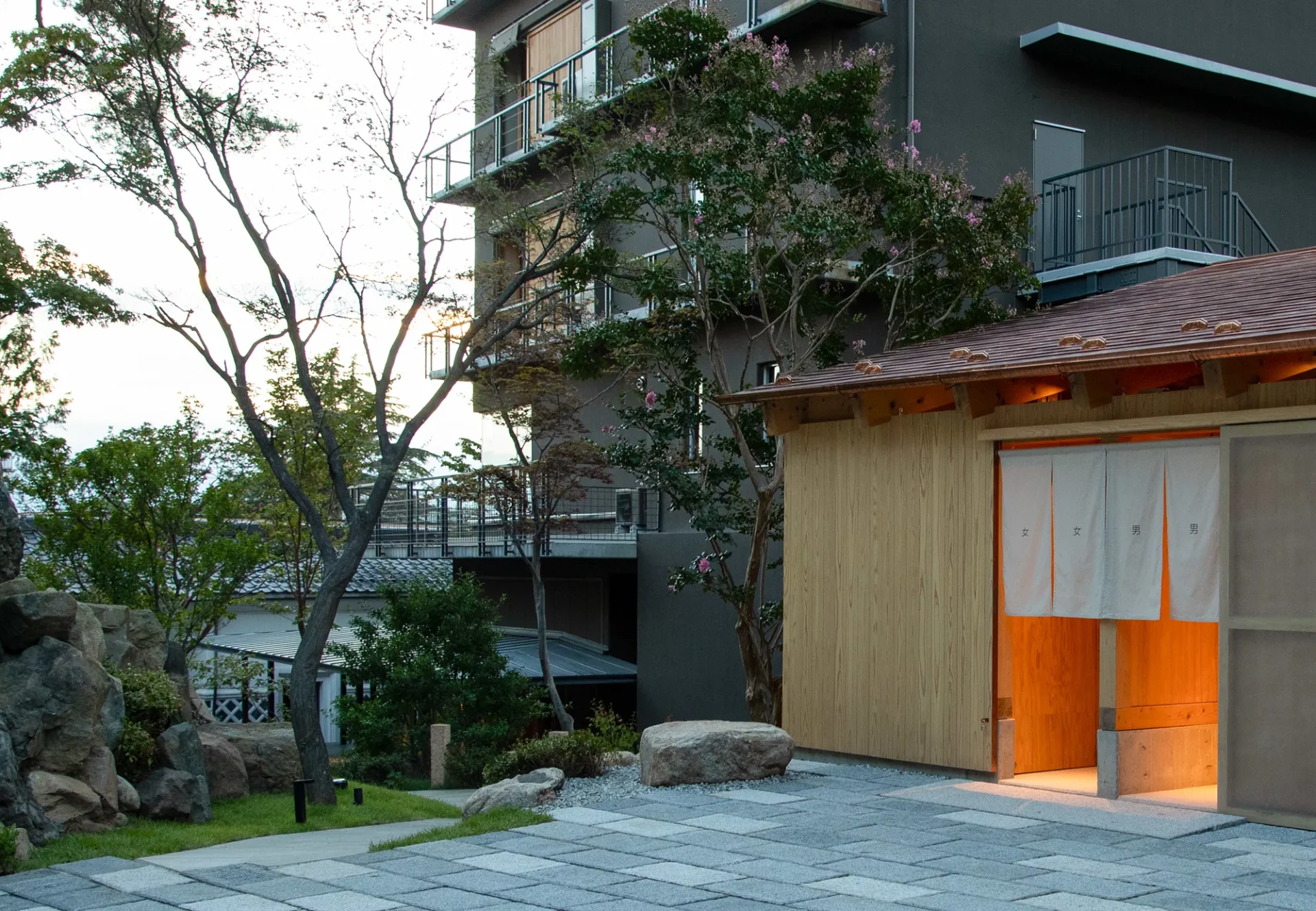
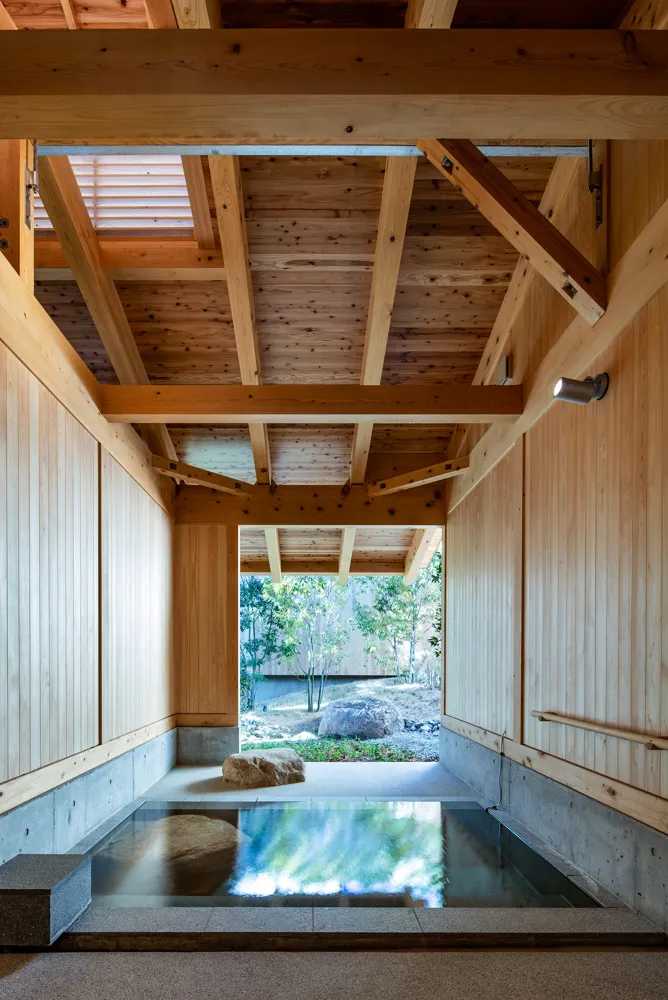
Giving every guest a private hot spring bath might sound like the ultimate retreat into privacy, but Matsumoto Jujo hasn’t abandoned the communal culture from which Asama Onsen developed. Koyanagi no Yu restores part of that history. The bathhouse once served lower-ranking samurai and stood alongside separate baths historically used by higher-ranking samurai and the feudal lord of Matsumoto. Today its cedar-lined interior, stone bath and framed garden view are beautifully restrained, but the historical hierarchy behind it remains part of the story. It is a reminder that onsen culture was never simply about wellness. Bathing was woven into the social structure of the town itself.

A Hotel That Wants You to Leave

Perhaps the cleverest thing about Matsumoto Jujo is that its regeneration strategy doesn’t stop at the property line. Reception has been placed in a café away from the hotel. Another café is nearby. Guests can join walks through Asama Onsen, climb the hill behind the property for views across the Northern Alps or simply wander through a town they might otherwise have treated as scenery on the way to their room. Matsumoto Castle is only 4.5 kilometres away, but the project makes a strong argument for paying attention to Asama Onsen first. That reverses the logic of the conventional destination hotel. Matsumoto Jujo doesn’t try to capture every minute — and every yen — inside its own walls. It actively pushes guests back into the neighbourhood. A 338-year-old inn becoming the engine for a contemporary cultural revival sounds contradictory. Here, it feels entirely logical.

Information

At a glance

Art & Culture Boutique Design Heritage Independent Vibe: Quiet Wheelchair accessible

Architecture

Suppose Design Office, Schemata, Jiyujin

Opened / Renovated

1686, renovated 2022

Size matters

38 rooms & suites (35-145m2) (376-1,561 sq ft)

Interior design

Non-grid Inc., Jiyujin
Featured in

Don't take our word for it

Handpicked worldwide

A carefully curated collection of exceptional boutique and design hotels across the globe.

Design with soul

Architecture, atmosphere and craftsmanship come together in stays with a clear identity.

Hidden, not hyped

Independent boutique hotels you rarely find on mainstream booking platforms.

Travel guidance

Personal recommendations and thoughtful support from people who actually know the places.