



Where to Stay
Boutique & Design Hotels in La Rioja
The DNA of La Rioja
Where Medieval Villages Meet Contemporary Wine Architecture
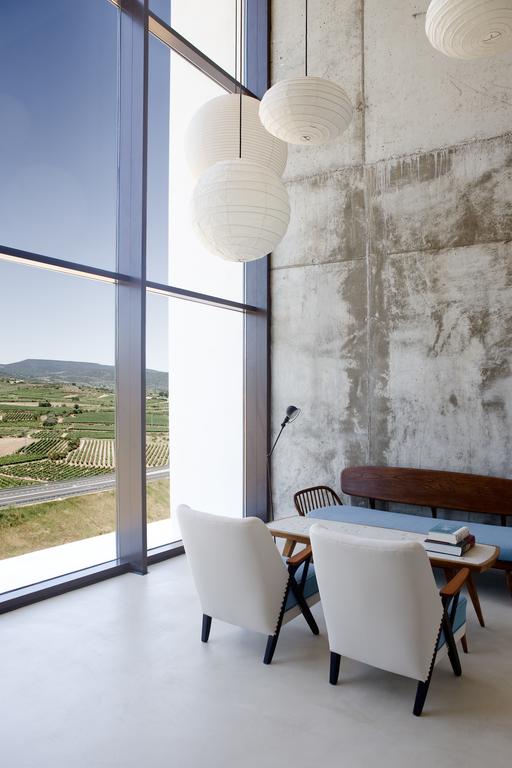
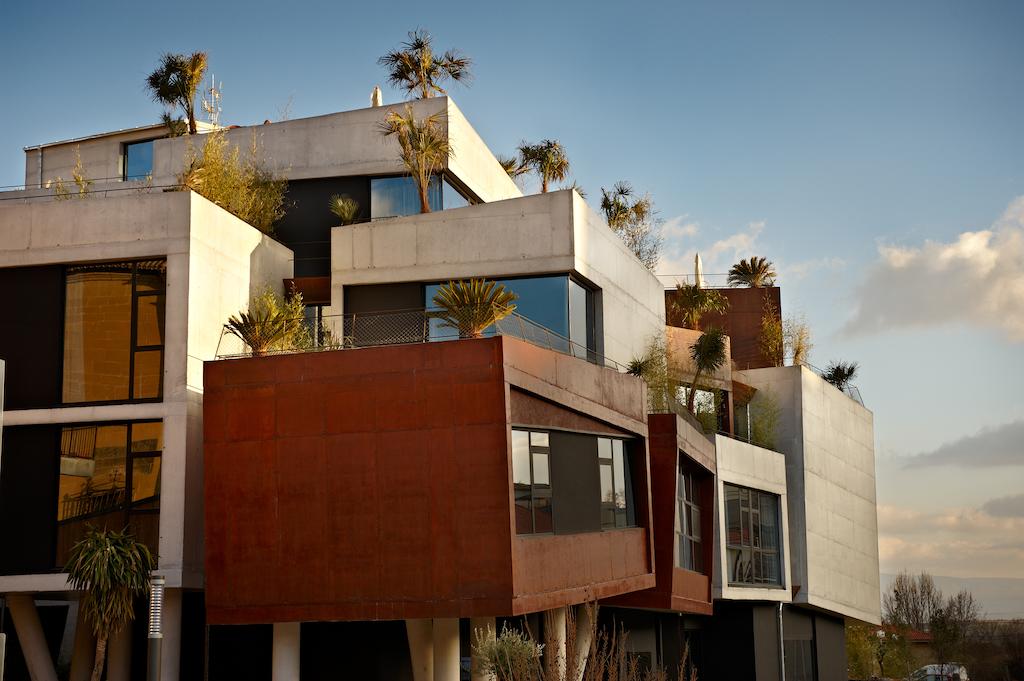
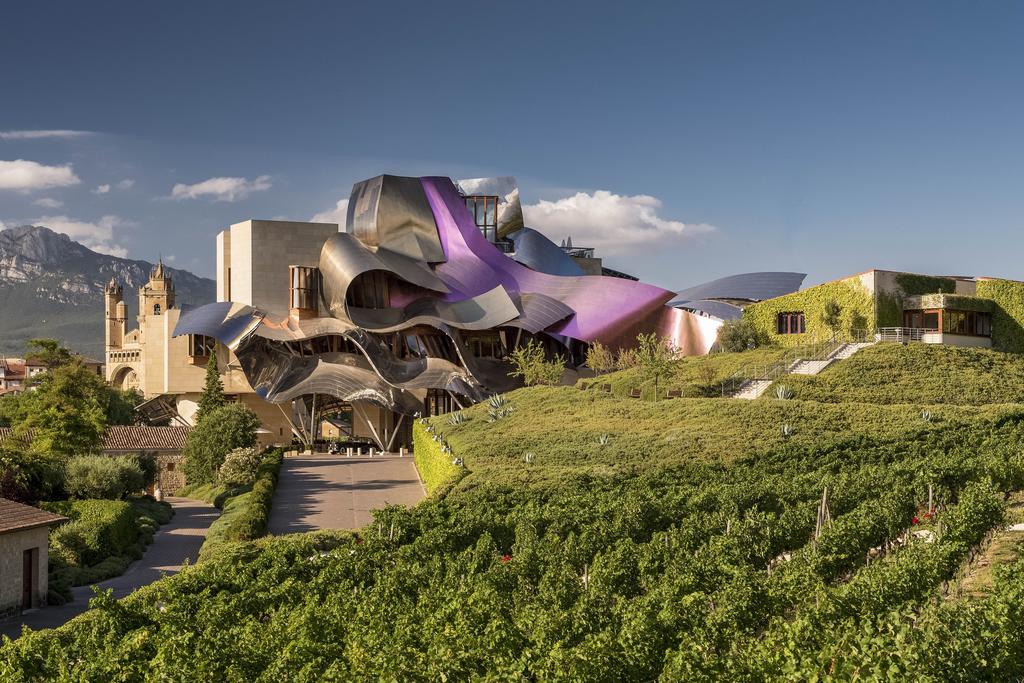
La Rioja is a landscape built around wine. Vineyards follow the Ebro River beneath the Sierra de Cantabria, interrupted by medieval villages, monasteries, stone bodegas and towns whose histories have been intertwined with winemaking for centuries. In recent decades, that traditional landscape has also become an unlikely showcase for contemporary architecture. Frank Gehry’s sculptural Hotel Marqués de Riscal, Santiago Calatrava’s Bodegas Ysios and wineries by architects such as Zaha Hadid have turned the region into a destination for design as well as wine, creating a fascinating dialogue between ancient cellars and architectural experimentation.
Food and drink inevitably begin with Rioja, but there is considerably more to discover than the famous red blends. Tempranillo remains the defining grape, alongside Garnacha, Graciano and Mazuelo, while a new generation of winemakers is focusing increasingly on individual vineyards, indigenous varieties and more precise expressions of place. Logroño’s Calle Laurel turns pintxos into an evening ritual, while traditional restaurants, village kitchens and increasingly ambitious winery restaurants celebrate local vegetables, lamb, mushrooms and produce from the fertile Ebro Valley. Here, visiting a winery can easily progress from tasting to lunch and occupy most of the day.
La Rioja’s most interesting hotels are naturally connected to this wine culture. Historic palazzi, converted monasteries, vineyard estates and architect-designed winery hotels offer the opportunity to sleep among the vines, sometimes directly above the cellars where the wine is made. At DNA Hotels, we curate the places where architecture, food, wine and landscape become inseparable—hotels that make La Rioja a destination in its own right, rather than simply somewhere to stop for another glass of Tempranillo.