Neri&Hu
Some architects design buildings. Neri&Hu seem more interested in what was there before.
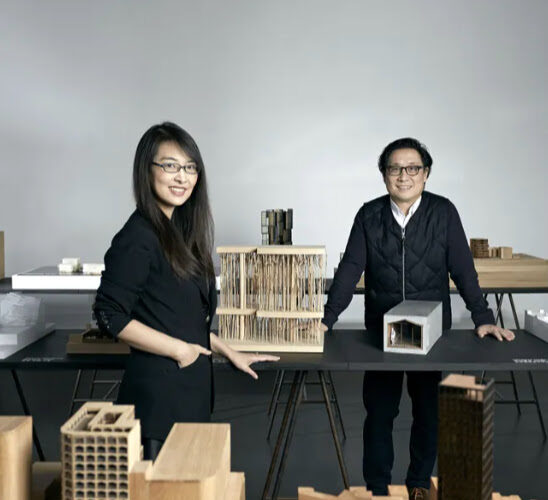
A crumbling wall. An old courtyard. A forgotten warehouse. A Brutalist post office. The traces left by people who occupied a place decades — sometimes centuries — earlier. Founded in Shanghai in 2006 by Lyndon Neri and Rossana Hu, Neri&Hu Design and Research Office has become one of Asia’s most influential architecture and design practices. Their work ranges from hotels and museums to restaurants, shops, furniture and installations. Trying to put them neatly into one category is therefore best avoided. They probably wouldn’t approve of the category anyway. What connects the work is not a signature look, but a way of thinking: architecture as a conversation between old and new, local and global, rough and refined. And few places make that conversation as interesting as a hotel.
Buildings should remember things
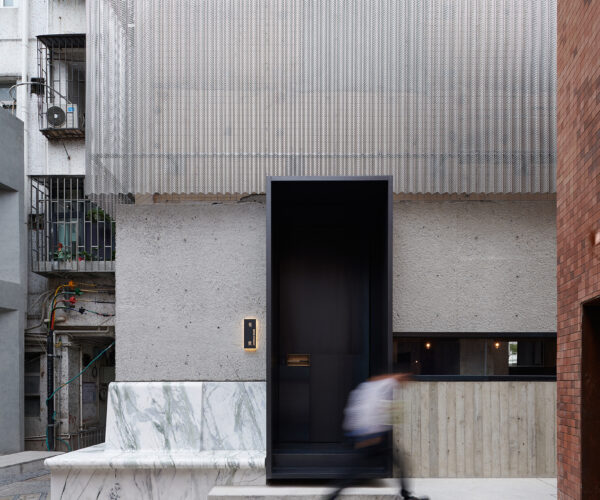
Neri&Hu work from Shanghai, a city where entire pieces of urban history can disappear remarkably quickly. That has made memory an important part of their architecture. Rather than restoring old buildings until every scar has conveniently vanished, they often do the opposite. Existing brickwork, damaged plaster, concrete structures and fragments of previous lives are deliberately exposed. New interventions are clearly new. The result is architecture in which you can almost read time.
One of the clearest early examples was The Waterhouse at South Bund in Shanghai. Opened in 2010 inside a former 1930s Japanese army headquarters, the hotel became an international design reference almost immediately. Instead of disguising the battered industrial shell, Neri&Hu left parts of it raw and inserted new rooms, windows and circulation into it. Some walls were treated almost like archaeological exhibits. It wasn’t conventionally luxurious. That was precisely the point. The Waterhouse has since closed, but its influence remains. It demonstrated something that now seems obvious but was considerably less so at the time: a great hotel doesn’t need to erase the history of its building to become desirable. Sometimes the cracks are the good bit.
“The most interesting buildings don't erase their past. They let you stay inside it.”
Old China, without the costume department
There is another reason DNA Hotels keeps encountering Neri&Hu. They are exceptionally good at dealing with tradition without turning it into theme-park architecture.
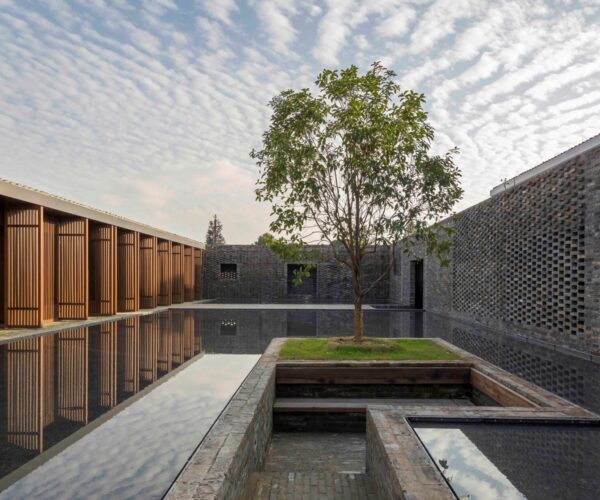
At Tsingpu Yangzhou Retreat, near Yangzhou’s Slender West Lake, existing structures were incorporated into a new 20-room hotel organised around walls, pathways and courtyards. Reclaimed grey brick is used throughout, referring to the traditional Chinese courtyard house while producing something unmistakably contemporary. You recognise China, but nobody has felt the need to add a decorative dragon. That distinction matters. Neri&Hu repeatedly return to familiar Chinese architectural devices — courtyards, screens, alleys, thresholds and enclosed gardens — and then abstract them. History becomes a design tool rather than decoration.
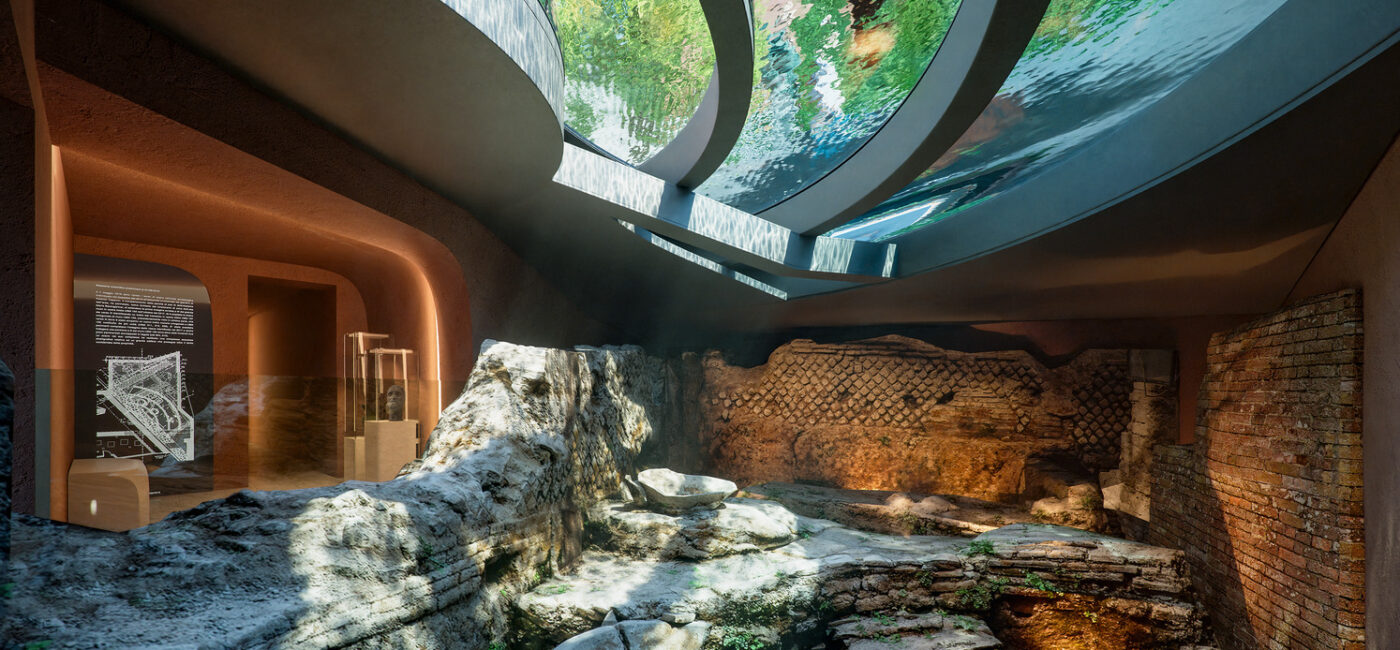
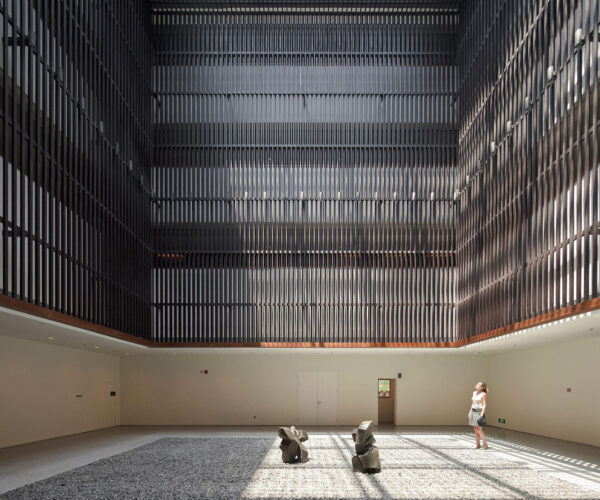
The same thinking appears on a much larger scale at the Westin Xi’an Hotel & Museum. Xi’an has more than three millennia of history, which makes dropping an anonymous international hotel into the city a particularly depressing prospect. Neri&Hu instead looked to the traditional Chinese courtyard. The hotel unfolds horizontally around sunken and enclosed spaces, while an underground museum integrates archaeological remains discovered on the site. It is a Westin. It is also sitting on several thousand years of Chinese civilisation. Architecture occasionally has bigger problems to solve than where to put the breakfast buffet.
The city comes inside
Not every Neri&Hu project involves an ancient wall.
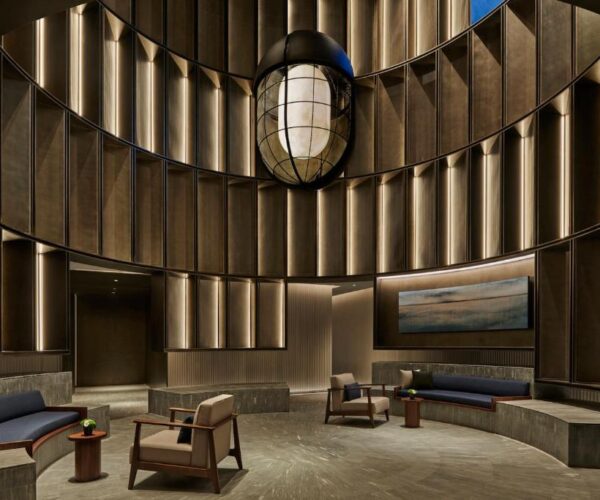
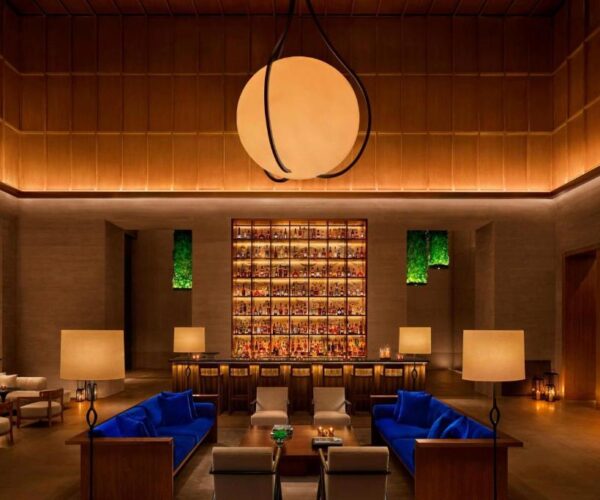
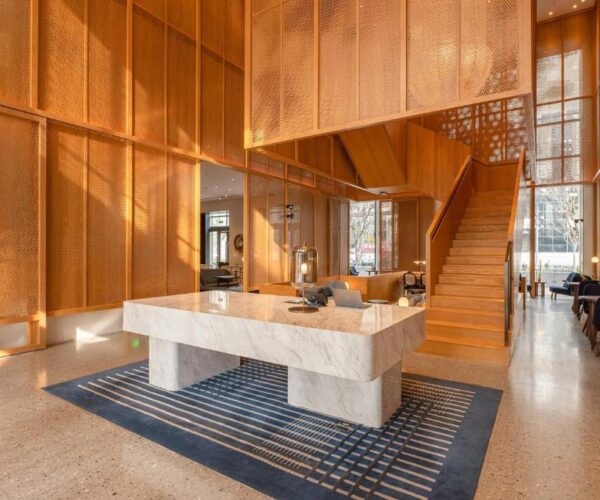
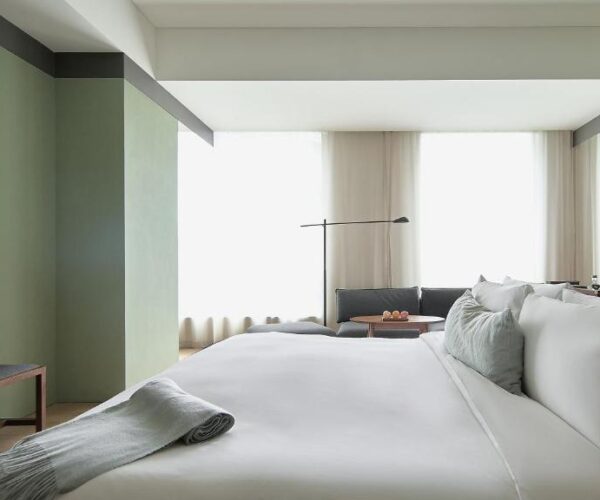
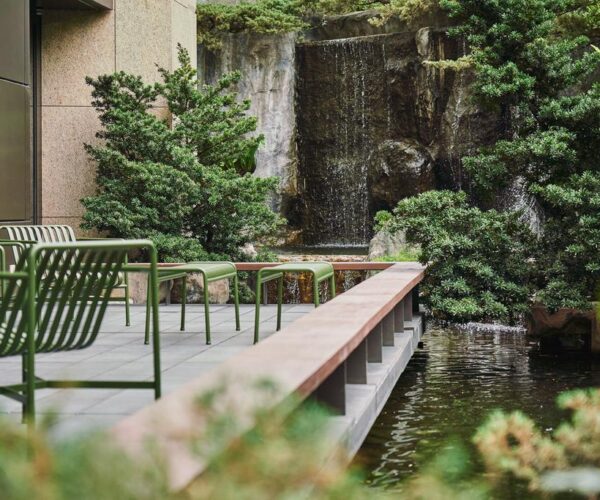
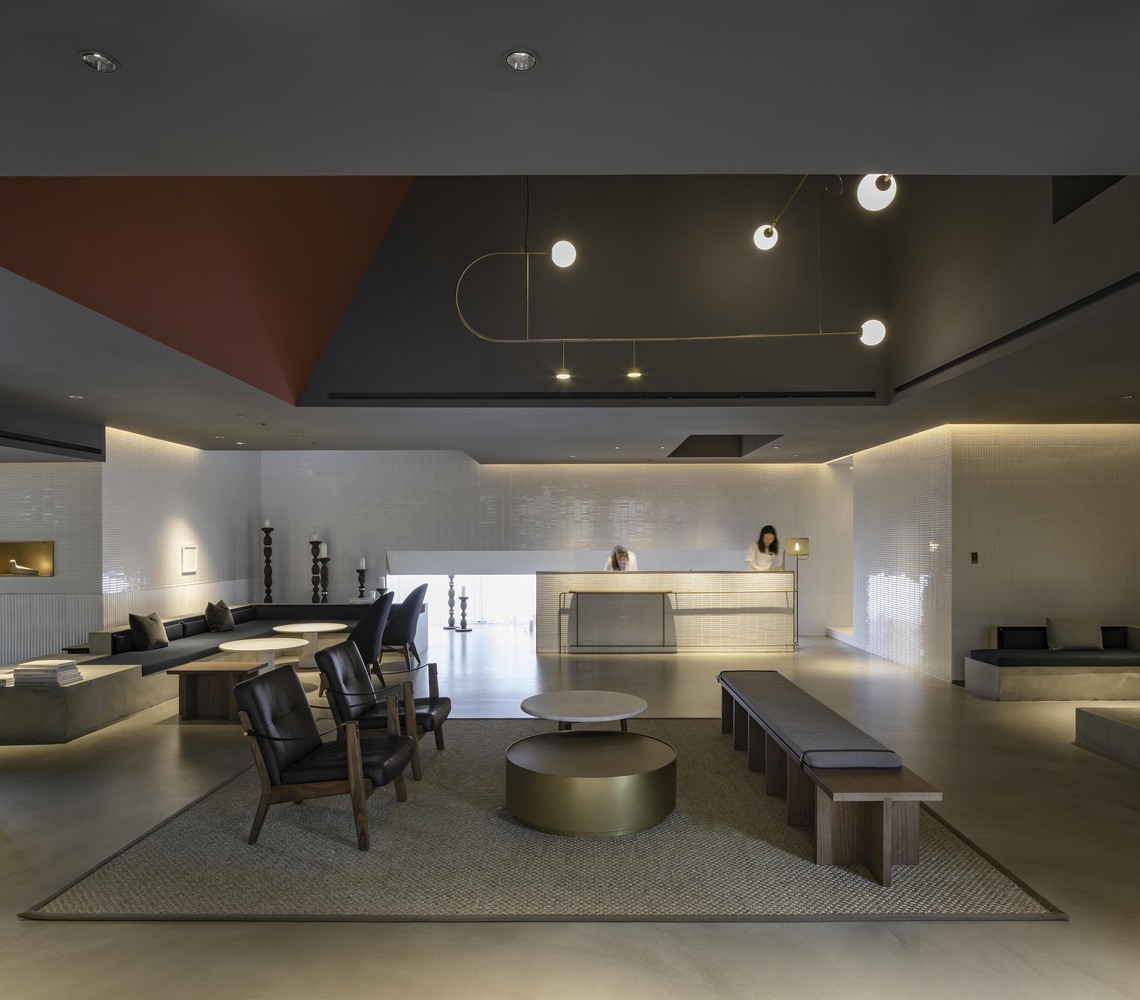
At The Sukhothai Shanghai, the architects faced almost the opposite problem: the building envelope had largely been determined already. Their response was to create what they called a Muted Landscape — an interior conceived as an urban refuge from one of the world’s most intense cities. Gardens become the recurring idea. Natural materials, restrained colours, screens, carefully controlled views and moments of greenery soften the transition from Shanghai outside to the hotel within.
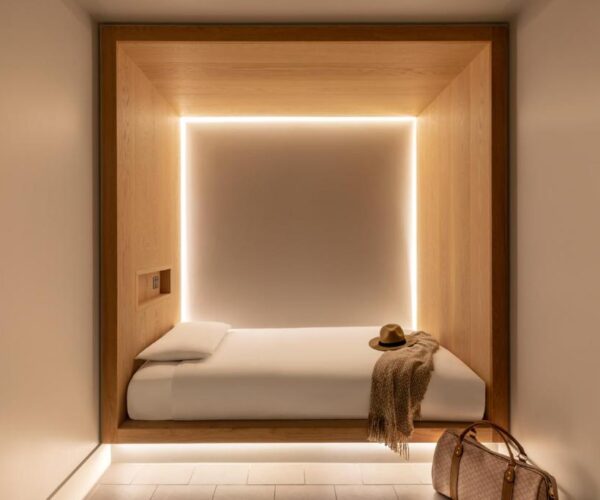
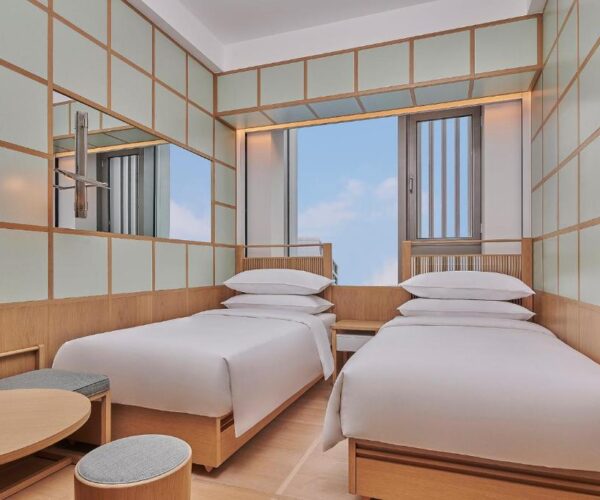
At The Shàng by Artyzen Qiantan, the challenge became even smaller. Literally. Guest rooms measure just 20 square metres. Neri&Hu used mirrors, timber grids, screens and extremely precise detailing to make the constraint part of the design rather than something to apologise for. It is a useful reminder that good hotel design has very little to do with square metres. Bad hotel design, incidentally, can occupy enormous suites.
A hotel is a small city
Neri&Hu’s best hospitality projects rarely treat a hotel as a collection of bedrooms connected to a lobby. They think in streets, courtyards, thresholds and gathering places.
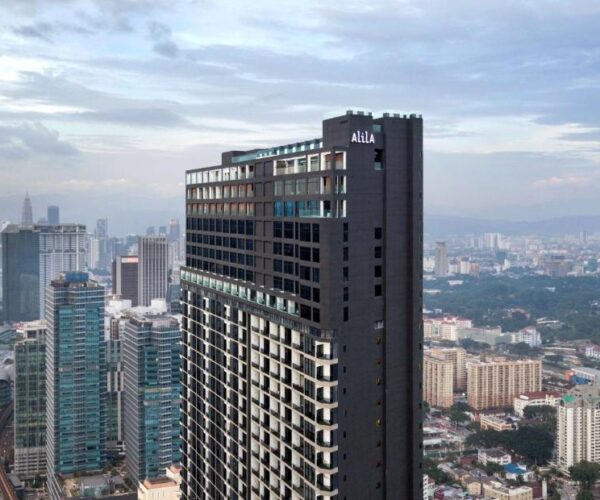
At Alila Bangsar in Kuala Lumpur, a rigid structural grid rises through the building and eventually opens around a three-storey courtyard high above the city. Trees, terraces, restaurants, bars and the swimming pool occupy this elevated landscape. The architecture simultaneously frames Kuala Lumpur and creates a retreat from it.
At Kimpton Da An in Taipei, the idea is more intimate. Neri&Hu looked at the city’s dense network of streets and alleys and translated it into an interior sanctuary: calm, tactile and residential, but still unmistakably connected to Taipei. This balance is difficult. A hotel should provide escape without making you forget where you are. That sounds obvious. Spend enough nights in international hotels and you will discover it apparently isn’t.
Furniture, restaurants, shops — and why they matter
Understanding Neri&Hu only through their buildings misses half the story. Lyndon Neri and Rossana Hu have deliberately blurred the traditional boundaries between architecture, interiors, furniture, graphics and product design. Their portfolio includes work for brands such as Poltrona Frau, Cassina, Artemide and Stellar Works alongside restaurants, fashion boutiques, cultural spaces and exhibitions.
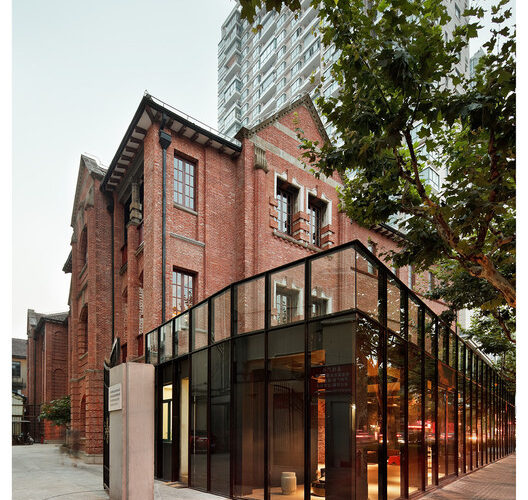
They also founded Design Republic, bringing international and Chinese contemporary design together in Shanghai. For its Design Commune, Neri&Hu transformed a former colonial police headquarters from the 1910s. Old brick walls were repaired rather than disguised, while contemporary architectural elements were inserted almost surgically into the existing structure. That word — surgically — is useful when looking at their work.
Neri&Hu rarely smother an old building with design. They cut, expose, insert and frame. Even their furniture often has an architectural quality: objects constructed from frames, junctions and carefully expressed materials rather than upholstered gestures screaming for attention. Put one of their chairs in one of their hotels and, unsurprisingly, it behaves itself.
From preservation to reinvention
More recent projects show how far the practice has travelled without abandoning those original questions.
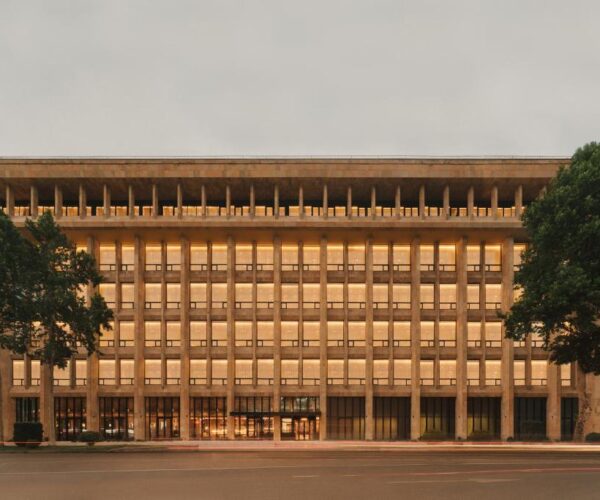
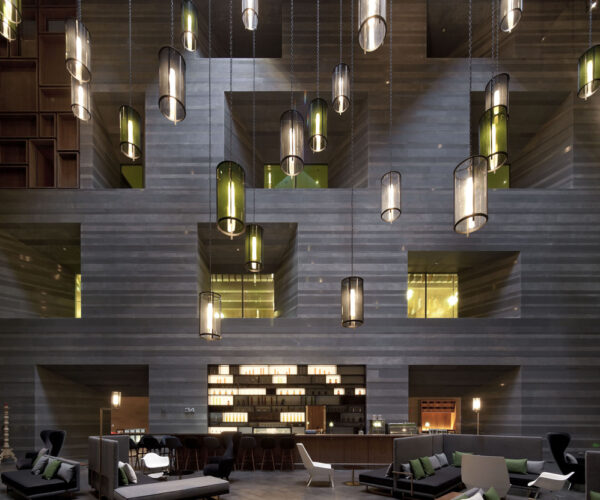
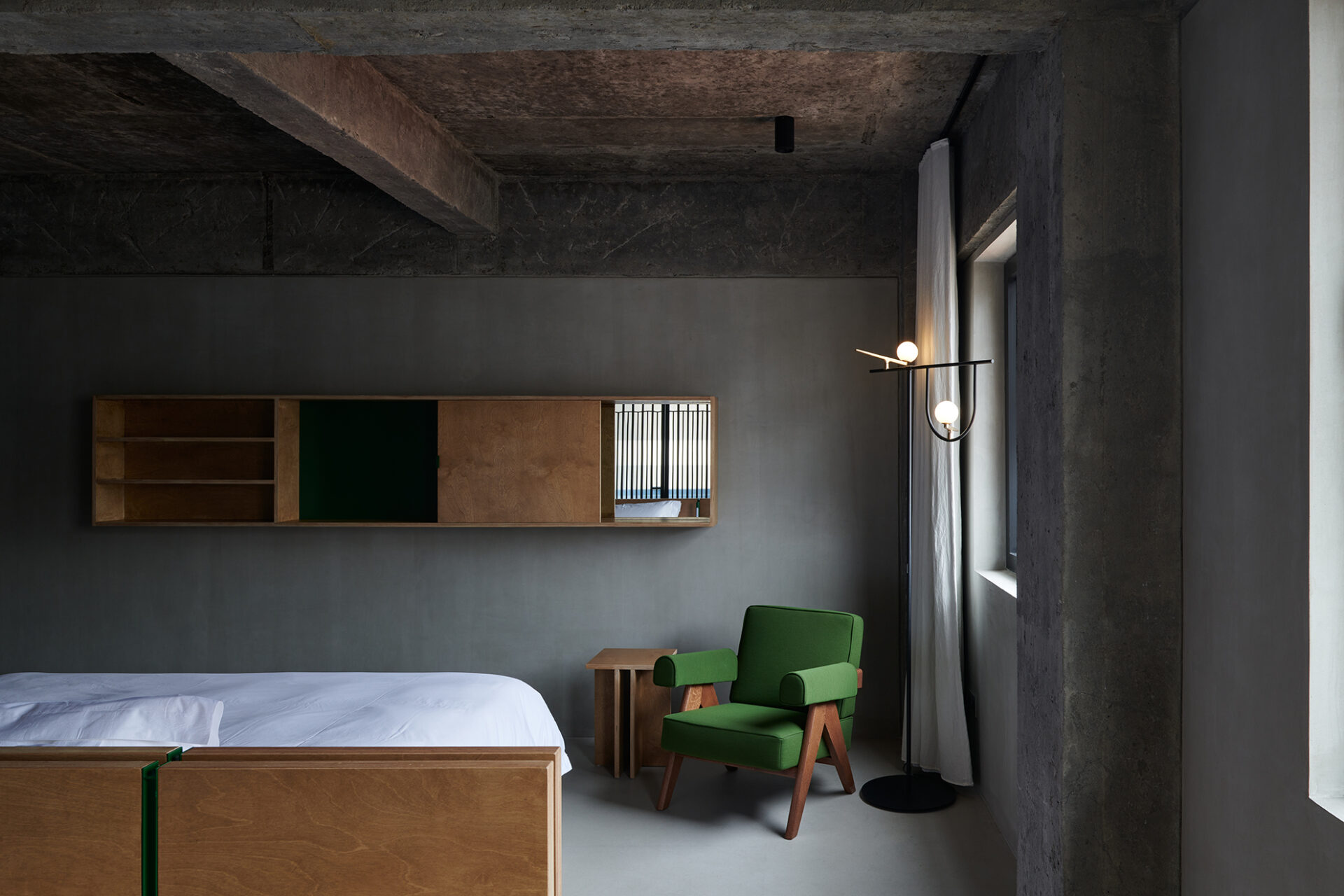
For The Telegraph Hotel in Tbilisi, Neri&Hu transformed the city’s monumental former central post and telegraph building, a Soviet-era Brutalist landmark completed in the 1970s. Instead of treating it as an inconvenient concrete shell requiring a luxury makeover, they approached the building as part of Tbilisi’s collective memory. Its old civic function — a place where people communicated, met and connected — becomes part of its new life as a hotel. The architecture isn’t frozen in 1970. Nor is it pretending 1970 never happened. That middle ground is where Neri&Hu are at their best.
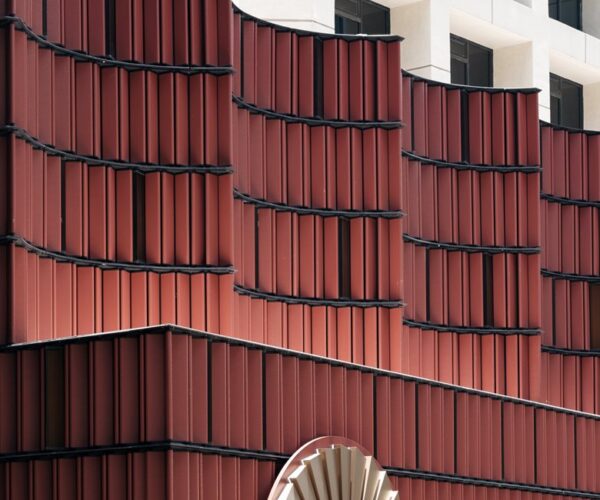
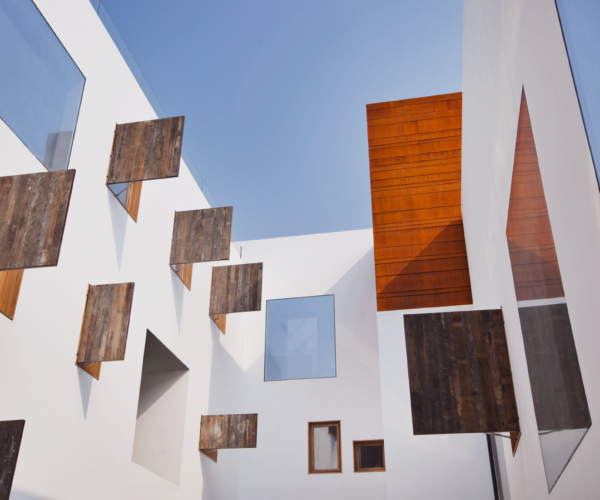
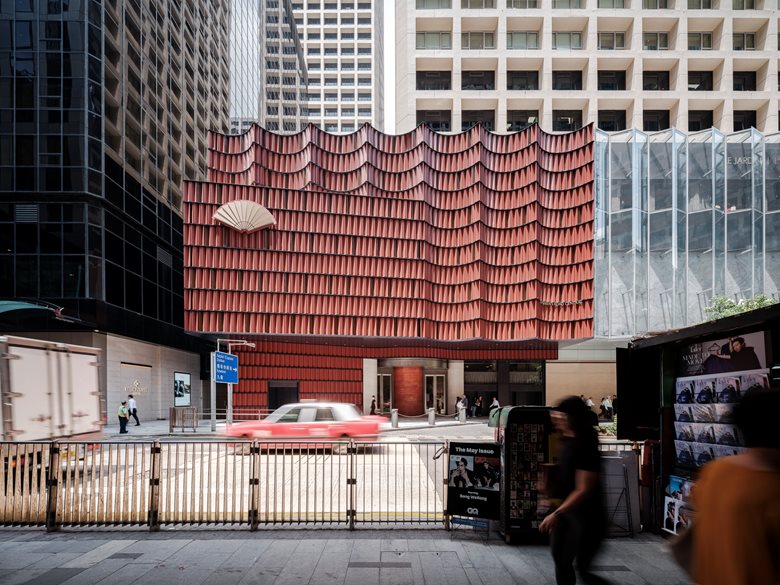
In Hong Kong, their newly completed work for Mandarin Oriental The Landmark takes yet another approach. Here the challenge is the façade of a luxury hotel embedded within the glass and commerce of Central. Neri&Hu responded with a skin of custom terracotta elements inspired by textiles, giving the building weight, texture and craft amid the surrounding curtain walls. From an abandoned military building in Shanghai to terracotta in Hong Kong, the material changes. The argument doesn’t.
Architecture you feel before you understand
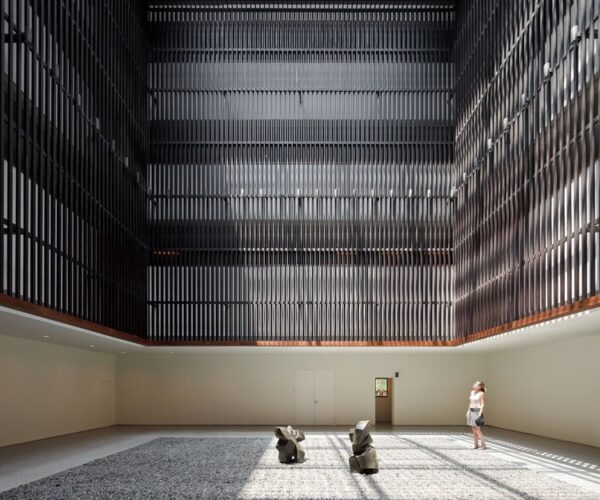
There is an intellectual seriousness to Neri&Hu’s work. They talk about collective memory, vernacular typologies, adaptive reuse, material culture and the relationship between past and present. Fortunately, you don’t need an architecture degree to stay in one of their hotels. The ideas reveal themselves physically. A corridor narrows before opening into a courtyard. A screen filters daylight. A rough brick wall sits beside immaculate new joinery. A staircase suddenly frames the city. A garden appears several dozen floors above Kuala Lumpur.
You experience the architecture before you need to understand it. And perhaps that explains why Neri&Hu and hotels make such a good combination.
Hotels are temporary homes. We enter them as strangers, learn their routes surprisingly quickly and leave again a few days later. The best ones somehow manage to become part of our memory. Neri&Hu design buildings that already have memories of their own. For a few nights, you simply add yours.
Neri & Hu stays