


Where to Stay
Discover the Alentejo through its Hotels
The DNA of the Alentejo
Where Ancient Landscapes Meet Portugal’s Quiet Design Revolution
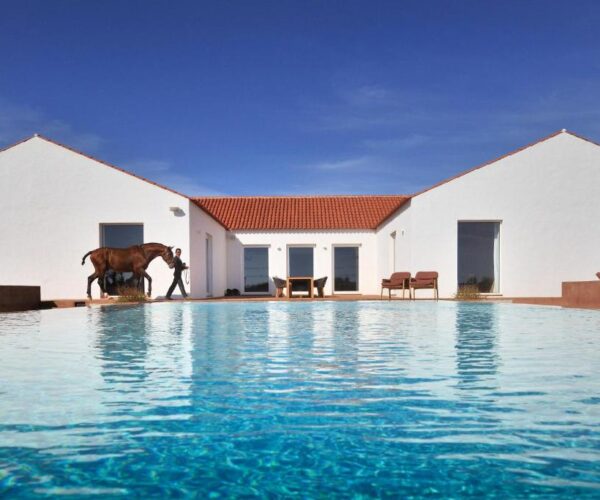
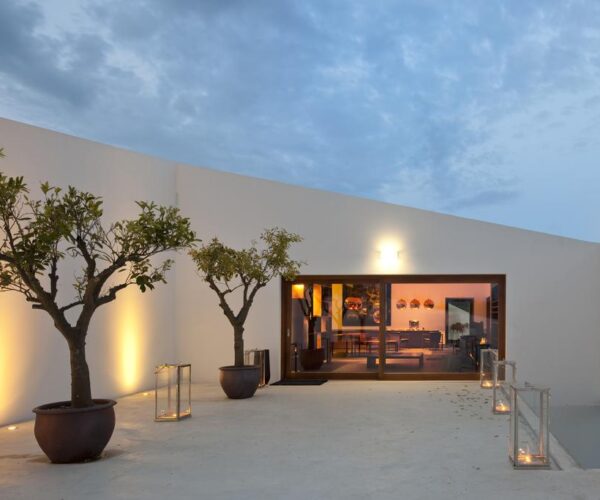
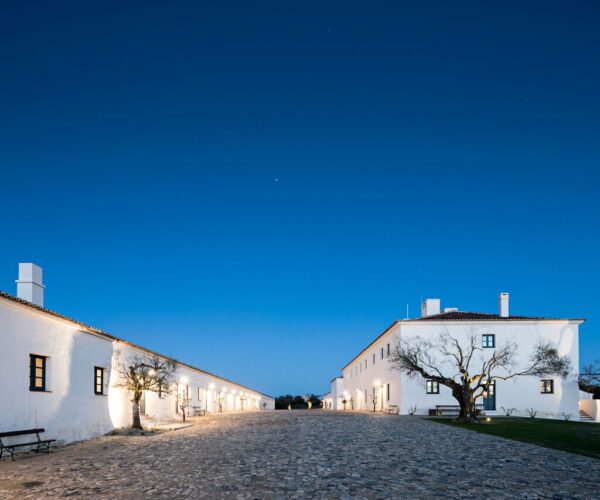
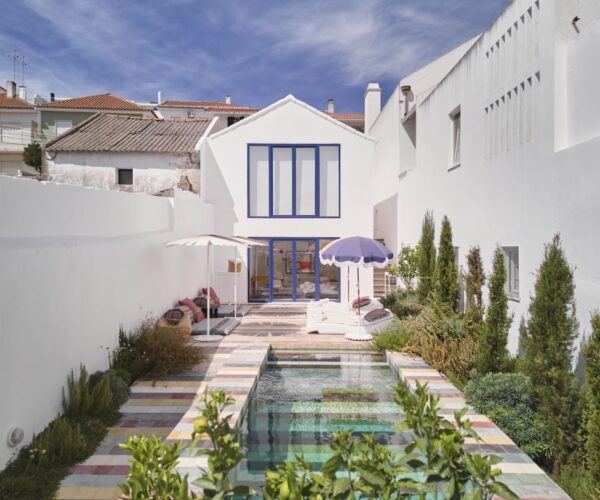
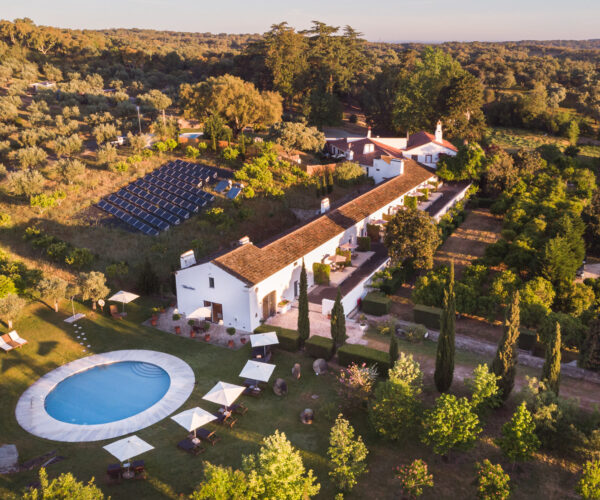
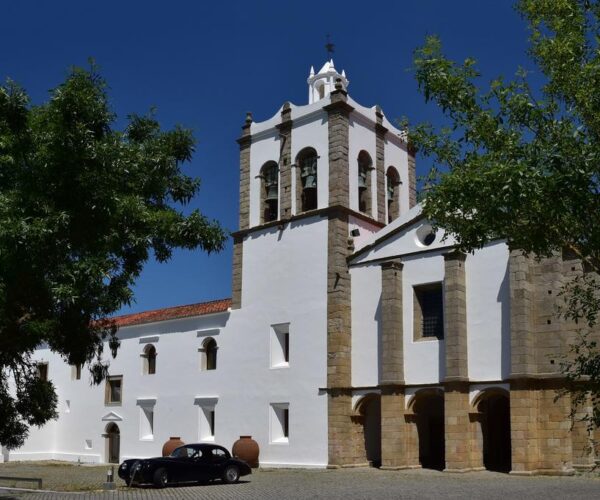
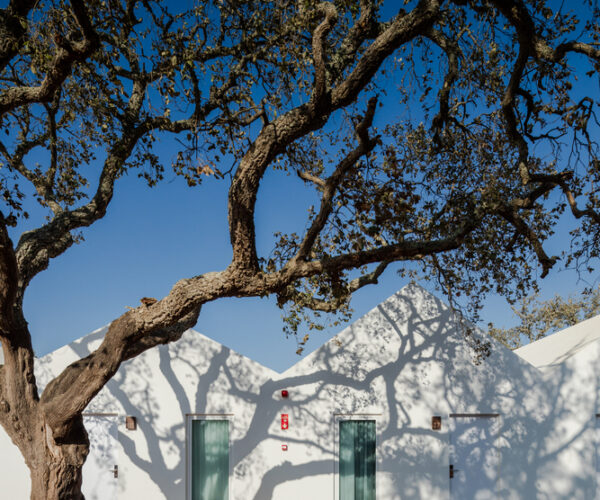
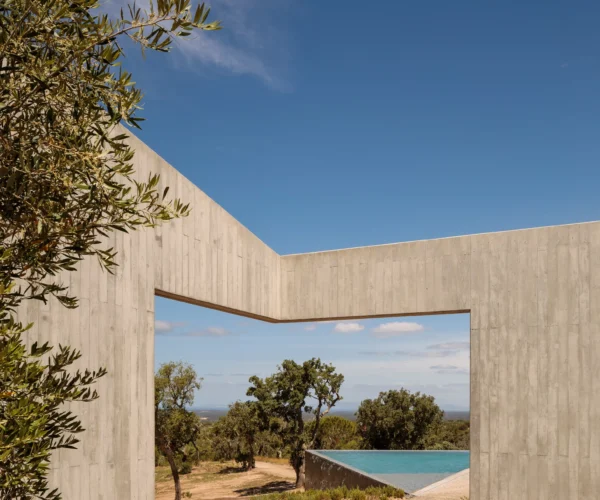
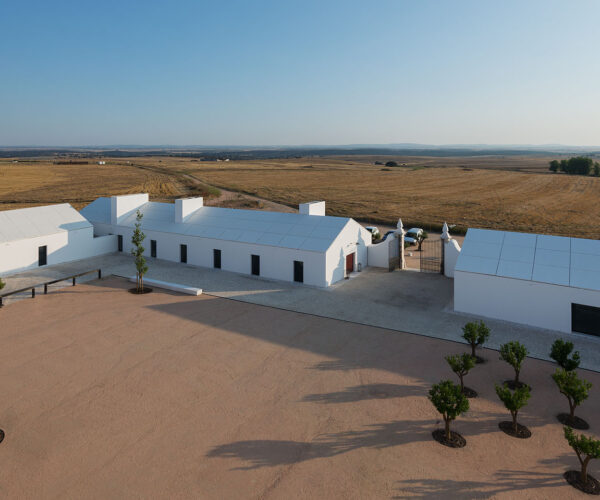
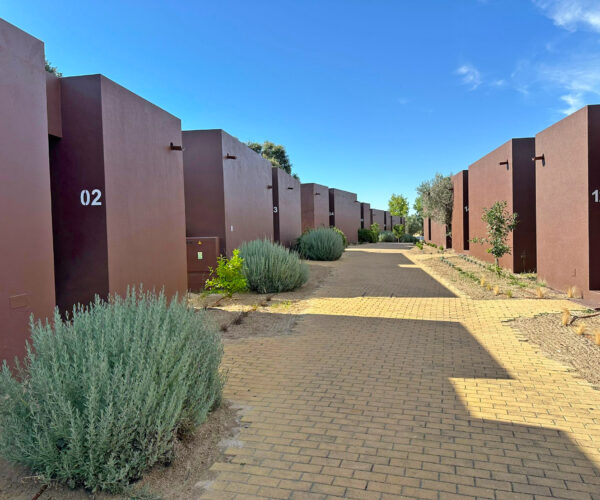
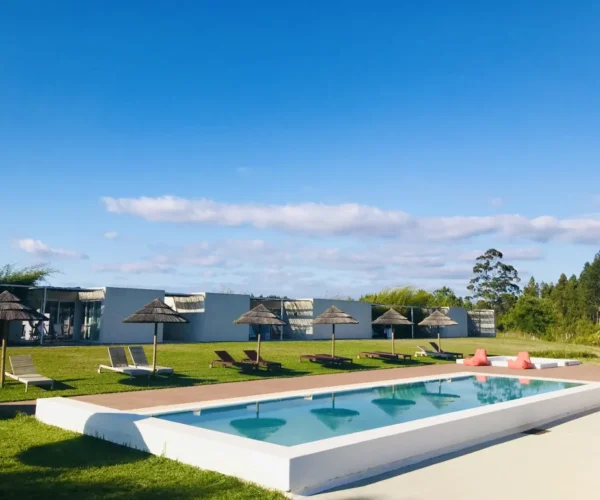
| The Alentejo is Portugal at a slower rhythm. Cork-oak forests, olive groves, vineyards and vast plains stretch between whitewashed villages, medieval hill towns and an increasingly wild Atlantic coastline. Its architectural language is traditionally simple—thick limewashed walls, terracotta floors, shaded courtyards and agricultural buildings shaped by heat and landscape. Today, some of Portugal’s most interesting architects and hoteliers are reinterpreting that vernacular with remarkable restraint, transforming abandoned farms, village houses and rural estates into contemporary retreats without erasing their past.
Food and wine are deeply connected to the land. Bread, olive oil, pork, sheep’s cheese, wild herbs and seasonal vegetables form the foundations of a cuisine that has always made much from relatively little, while the Atlantic coast adds exceptional fish and seafood. The Alentejo is also one of Portugal’s great wine regions, with traditional talha wines made in clay amphorae now finding new audiences alongside ambitious modern producers. Village restaurants and family-run tascas increasingly share the landscape with destination restaurants and hotel kitchens celebrating local farms and producers. The Alentejo has become particularly rich territory for DNA Hotels. Restored montes, working farms, vineyard estates and architect-designed hideaways offer a quieter alternative to conventional resort luxury, while Melides brings a more playful creative energy to the coast. We curate the places where architecture, food, wine and landscape become inseparable—hotels that understand the real luxury of the Alentejo is space, simplicity and a genuine sense of place. |