


Where to Stay
Discover Faro through its Hotels
The DNA of Faro
Where Portuguese Modernism Meets the Ria Formosa
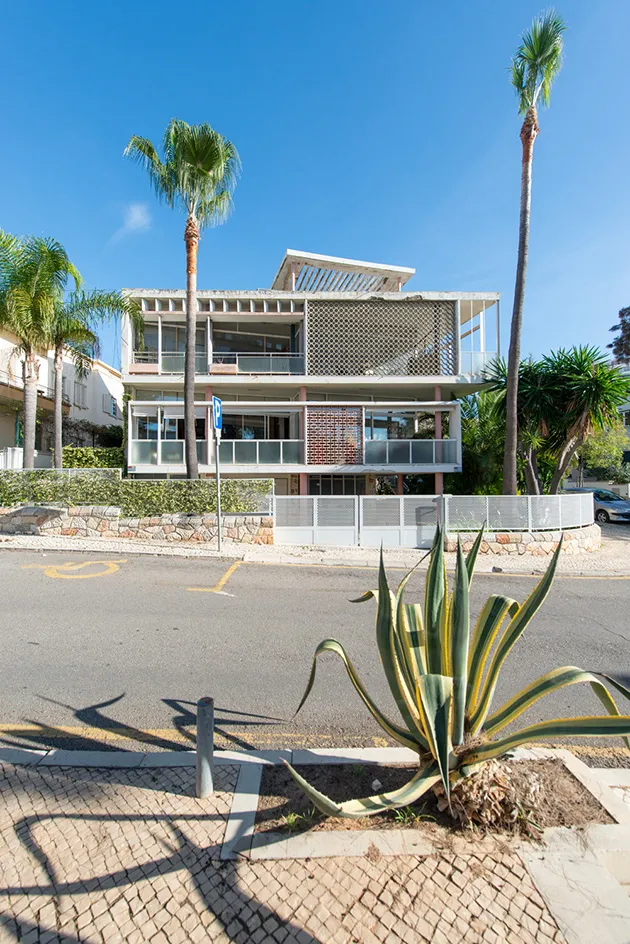
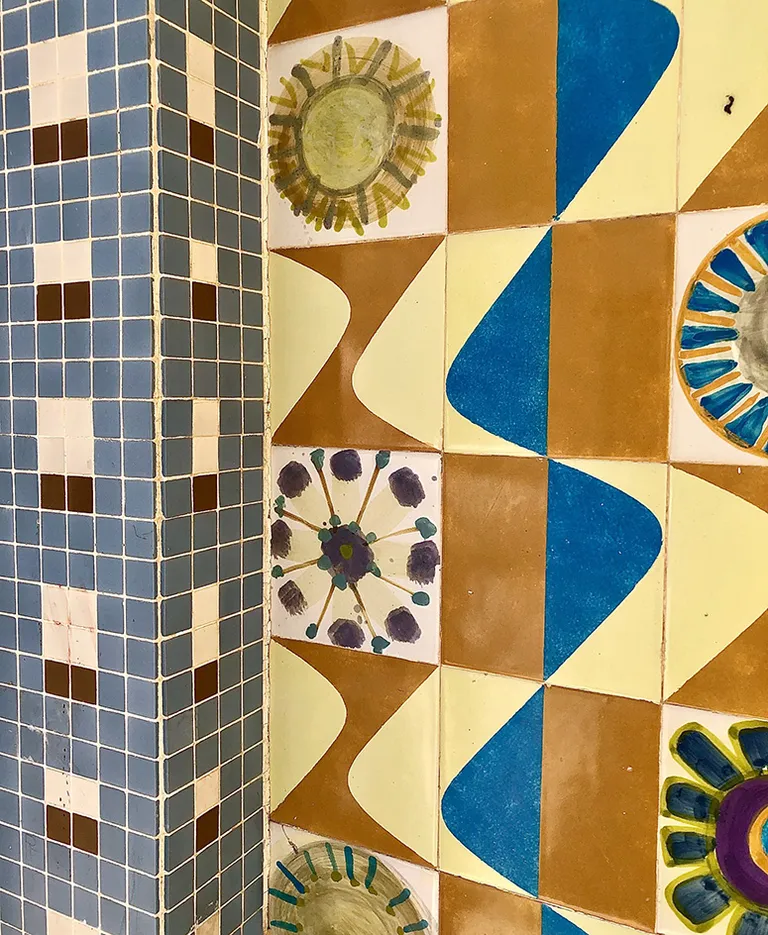
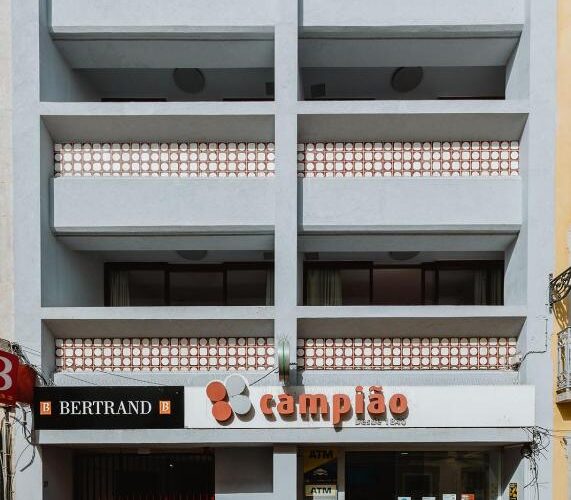
Faro is too often treated as the airport you pass through on the way to somewhere else in the Algarve. Architecturally, that means missing one of southern Portugal’s great surprises. Alongside the cobbled streets, Baroque churches and whitewashed houses of the old town is an exceptional concentration of Mid-Century architecture. During the 1940s, ’50s and ’60s, architects brought Portuguese Modernism to Faro through flat roofs, geometric façades, concrete brise-soleils, colourful tiles and buildings designed around the intense Algarvian light. Sometimes described as the “Palm Springs of Portugal,” the city offers an unexpectedly rich Modernist landscape that feels worlds away from the Algarve’s familiar resort architecture. And immediately beyond it lies the Ria Formosa, a shifting landscape of lagoons, salt marshes, islands and sandbanks.
Food and drink are inseparable from those waters. Oysters, clams, razor clams, octopus and freshly caught fish arrive from the Ria Formosa and nearby Atlantic, while the Algarve’s hinterland provides citrus, figs, almonds, carob and excellent olive oil. Traditional tascas, market stalls and straightforward seafood restaurants coexist with a younger generation of independent restaurants, cafés and wine bars. Algarvian wines are increasingly worth discovering too, particularly when the alternative plan involves oysters, a cold white and watching the boats come in.
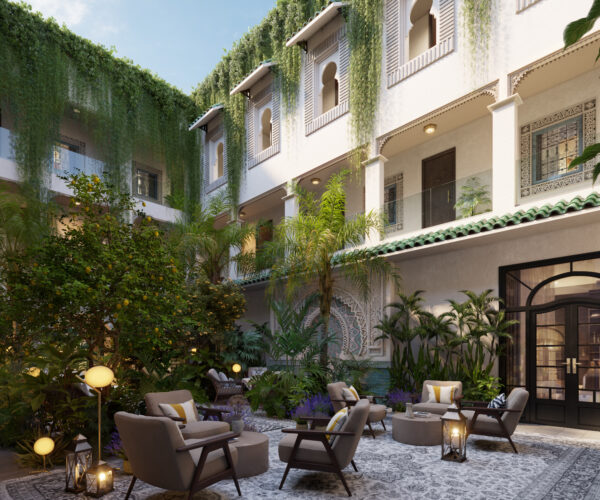
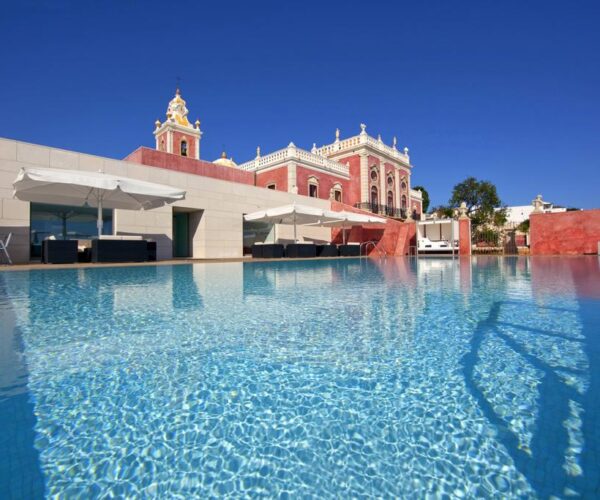
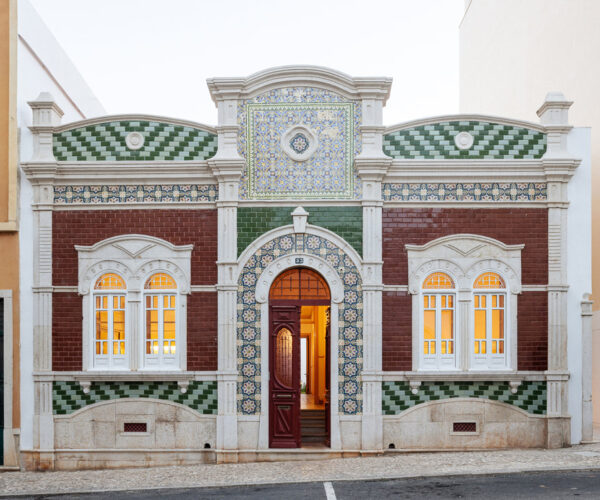
Faro’s most interesting hotels offer a more urban and architectural alternative to the Algarve’s self-contained resorts. Historic townhouses and contemporary properties put Modernist architecture, the old city, restaurants and Ria Formosa within walking distance, while island beaches are reached by boat rather than crossed off a resort map. At DNA Hotels, we curate the places where architecture, food, nature and southern Portuguese life come together—hotels that reveal why Faro deserves more than an airport code, and why design lovers might want to look twice before driving straight past it.