Where to Stay
Discover the Rocky Mountains Through its Hotels
The DNA of the Rocky Mountains
Where Alpine Wilderness Meets New Western Design
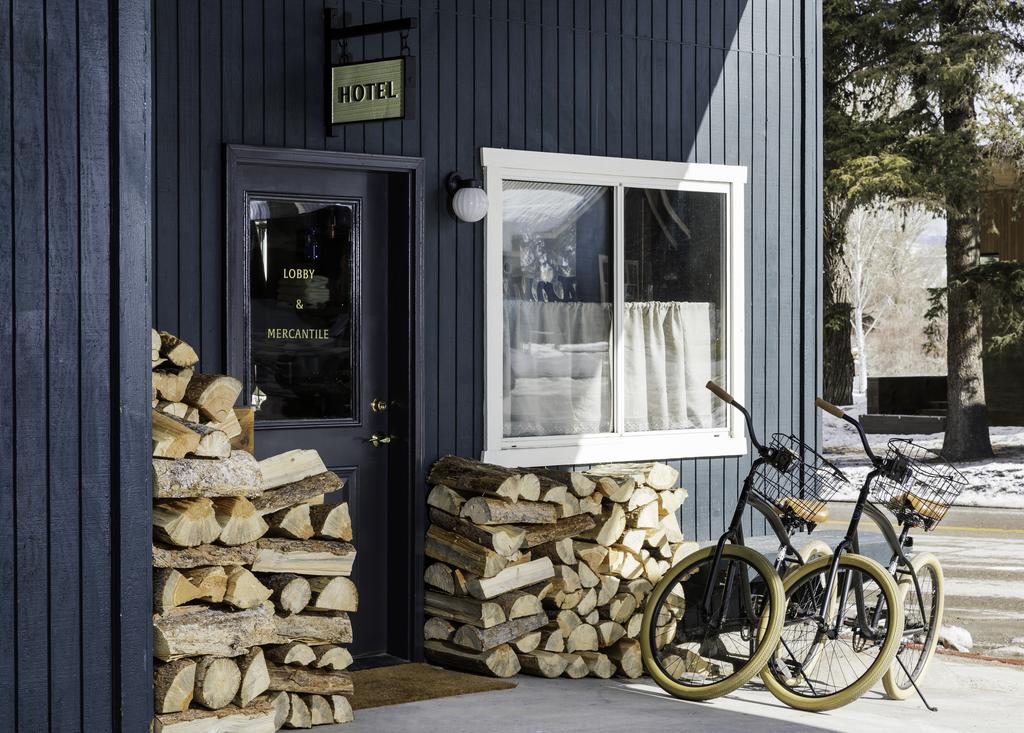
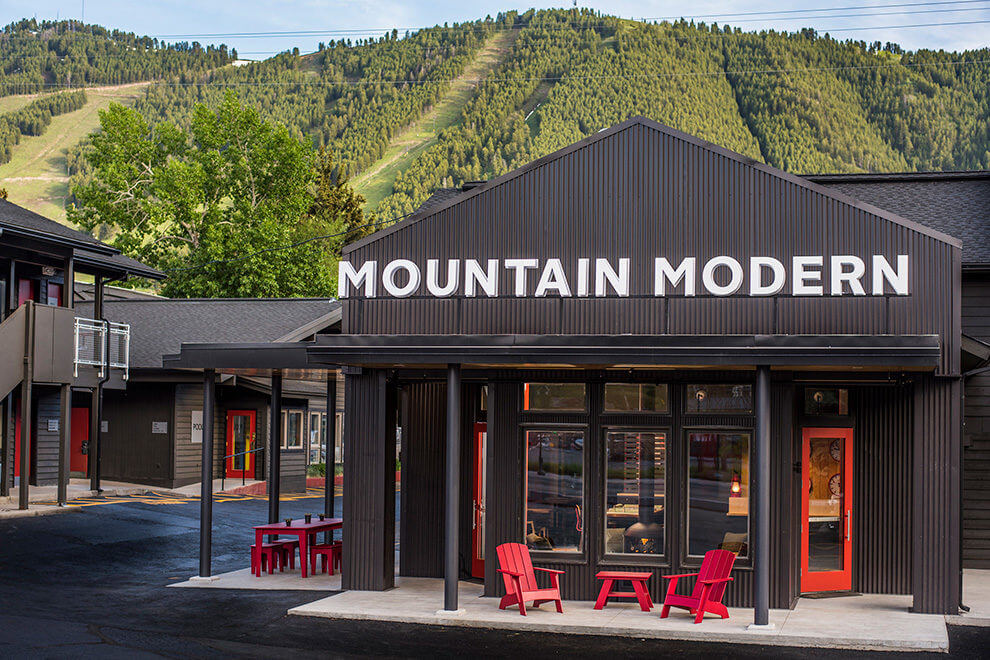
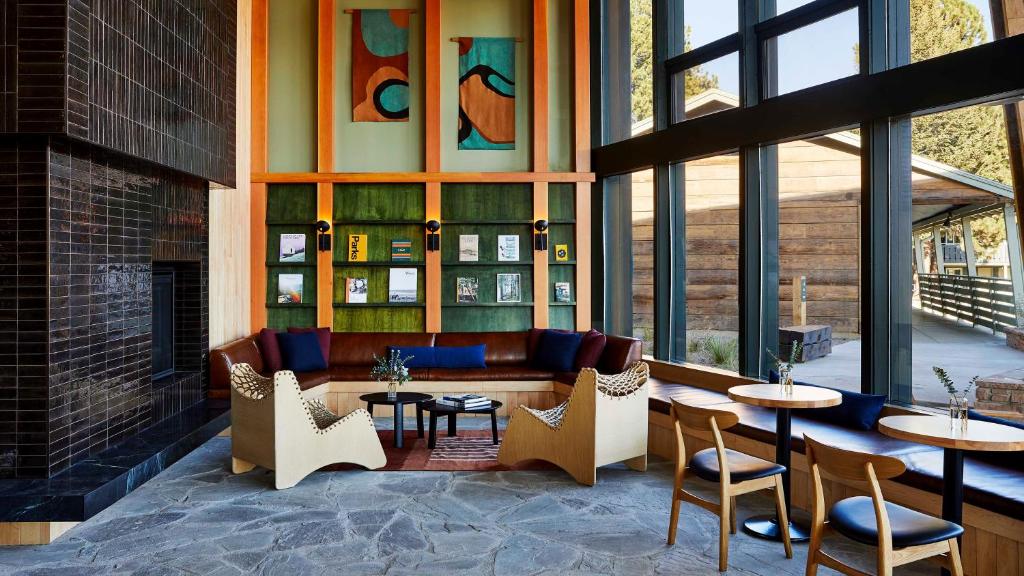
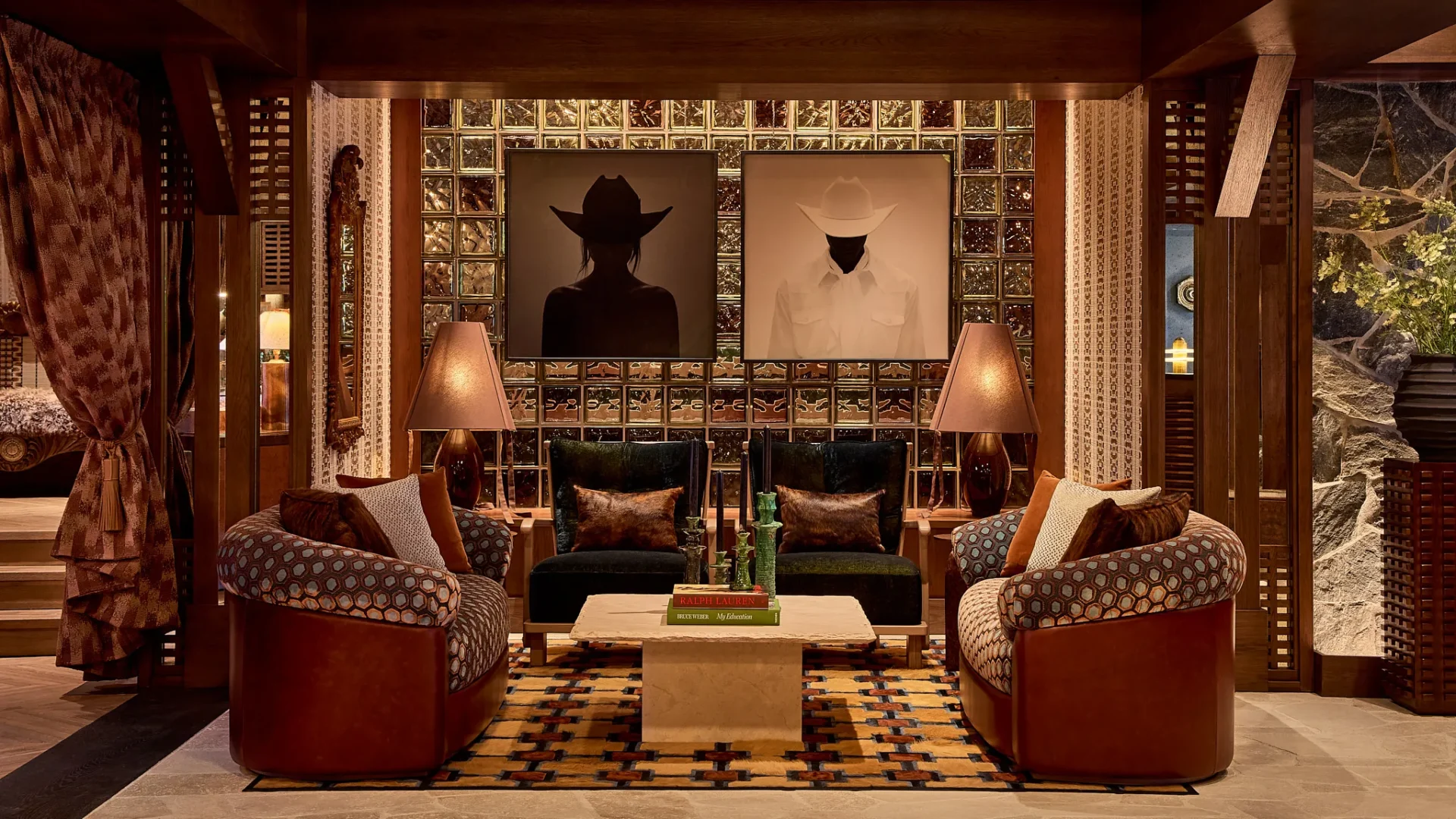
The Rocky Mountains stretch for thousands of kilometres across western North America, but their most compelling destinations share a powerful relationship between architecture and wilderness. Historic mining towns, ranches, railway hotels and rustic national-park lodges tell the story of early settlement and tourism, while the 20th century brought ski resorts, A-frame cabins and experiments in mountain Modernism. Today, architects are rethinking the traditional lodge through timber, stone, concrete and vast expanses of glass, from Colorado and Wyoming to Montana and the Canadian Rockies. At its best, the architecture knows when to disappear and let the mountains provide the drama.
Food and drink change with altitude and geography. Ranching traditions bring exceptional beef and game, mountain rivers provide trout, and forests supply berries, mushrooms and other wild ingredients. Resort towns have developed increasingly sophisticated restaurant scenes, but old-school diners, ranch kitchens and après-ski institutions remain equally part of Rocky Mountain culture. Craft breweries and distilleries thrive throughout the region, while ambitious chefs increasingly work with local farms and producers rather than importing a generic idea of luxury dining into the mountains.
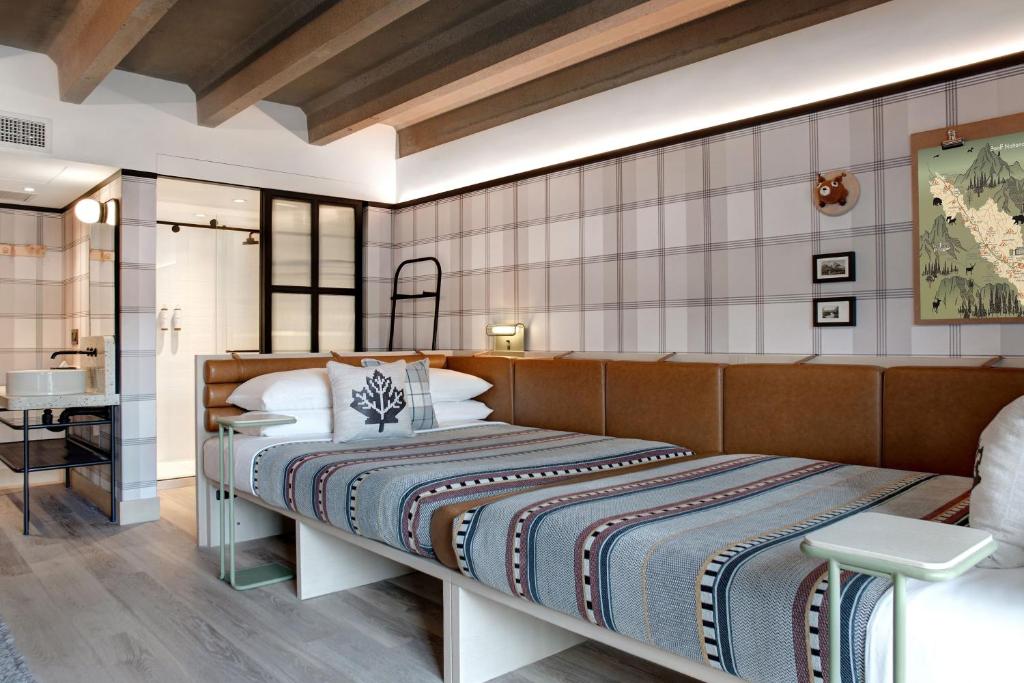
The Rockies’ most interesting hotels range from historic national-park lodges and reinvented ski hotels to ranches, remote cabins and spectacular contemporary retreats surrounded by wilderness. Some are reached by cable car, 4×4 or a long drive through landscapes where phone reception gradually disappears. At DNA Hotels, we curate the places where architecture, food and mountain culture meet genuinely wild nature—hotels made for skiing, hiking and adventure, but also for fireplaces, enormous windows and the perfectly reasonable decision to spend an afternoon simply staring at the mountains.