



Where to Stay
Discover Sri Lanka through its Hotels
The DNA of Sri Lanka
Where Tropical Modernism Meets an Ancient Island Culture
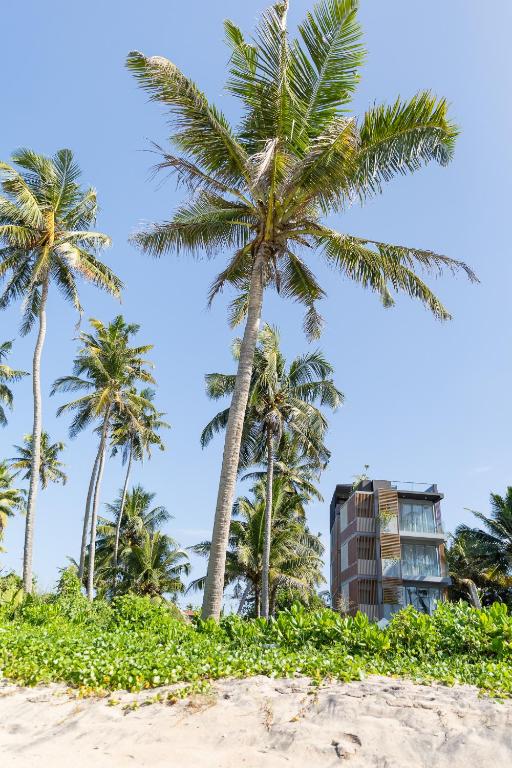
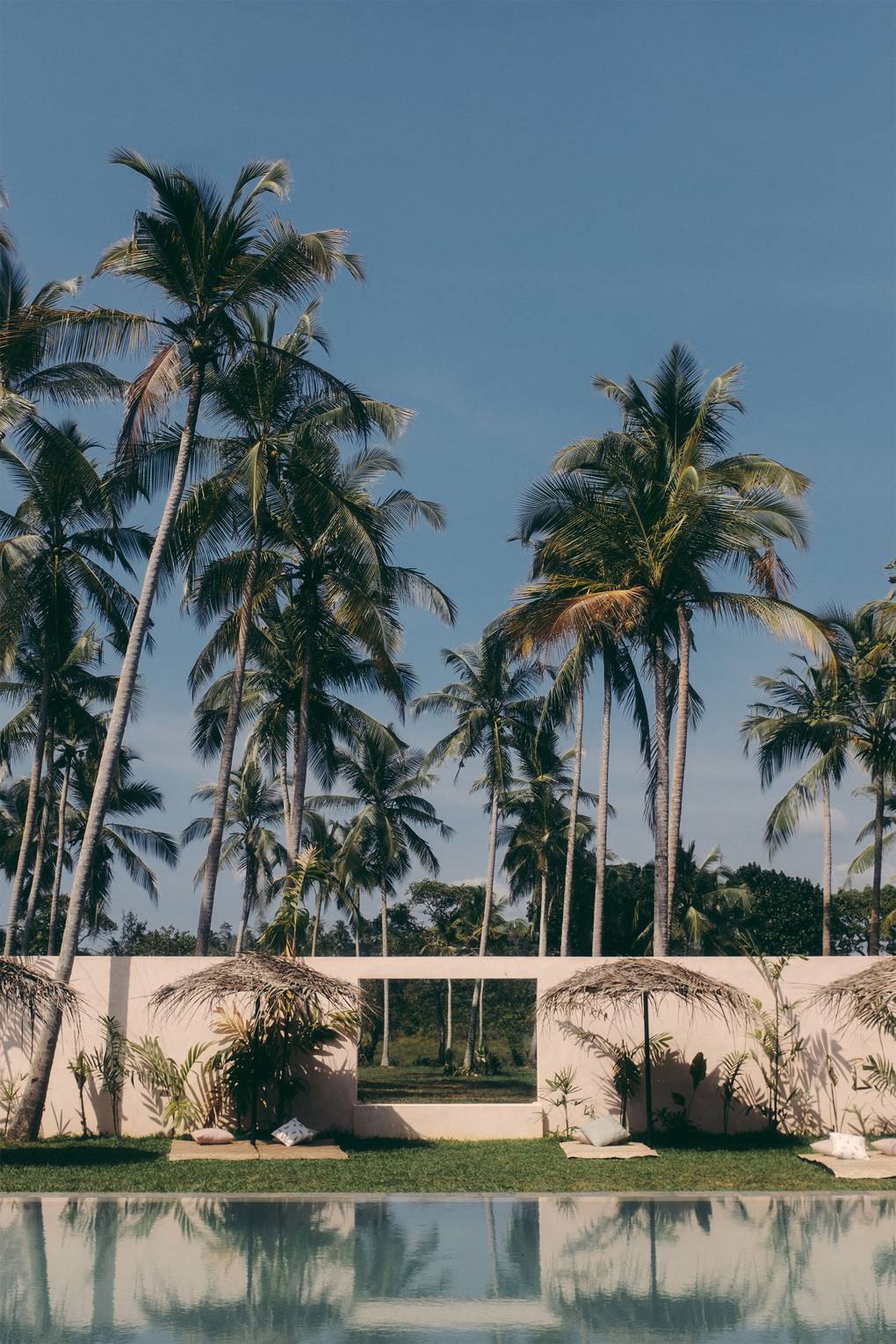
Sri Lanka has one of Asia’s most distinctive architectural identities. Ancient cities, Buddhist temples, colonial forts and tea estates coexist with a remarkable tradition of Tropical Modernism, most famously shaped by Geoffrey Bawa. His architecture dissolved boundaries between buildings, gardens and landscape, using courtyards, verandas, water and carefully framed views to create spaces that feel inseparable from the tropics. That influence continues across the island, from Colombo and the southern coast to the central highlands, where contemporary architects are combining local materials, craftsmanship and climate-conscious design with an unmistakably Sri Lankan sense of place.
Food and drink change dramatically as you travel. Rice and curry may provide the introduction, but Sri Lankan cooking encompasses hoppers, sambols, seafood, coconut, tropical fruit and an extraordinary use of spices, with Tamil, Muslim, Burgher and Sinhalese traditions adding their own distinct influences. The central highlands remain synonymous with Ceylon tea, while cinnamon and other spices connect today’s kitchens to centuries of global trade. Contemporary restaurants increasingly explore regional ingredients and forgotten recipes, but some of the most memorable meals remain those prepared in family kitchens, small restaurants and roadside stalls.
Sri Lanka’s most interesting hotels are deeply connected to its architectural story. Geoffrey Bawa landmarks, restored colonial houses, former tea estates, jungle lodges and contemporary beach retreats turn gardens, landscape and tropical climate into fundamental parts of the stay. At DNA Hotels, we curate the places where architecture, food, history and nature come together—hotels that reveal an island where great design has never simply been about how a building looks, but how beautifully it belongs to its surroundings.