


Where to Stay
Discover Taiwan through its Hotels

The DNA of Taiwan
Where Tropical Modernism Meets a Culture of Making
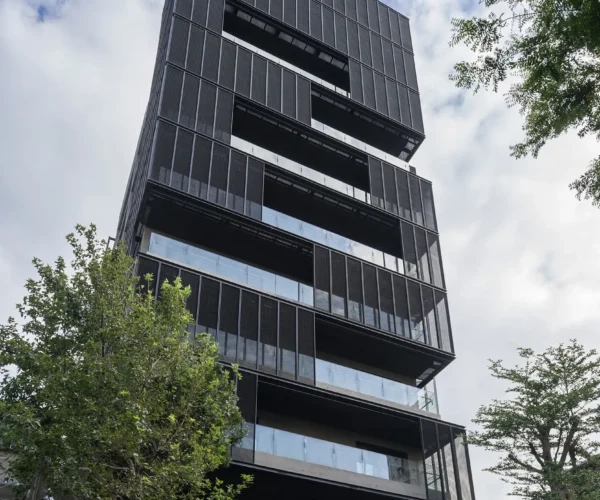
Taiwan packs an extraordinary variety of landscapes and architecture into a relatively small island. Dense cities give way quickly to mountains, hot springs, forests and a dramatic Pacific coastline, while temples, Japanese colonial buildings, traditional shophouses and post-war Modernism reveal its complex history. Taipei brings ambitious contemporary architecture into the mix, but some of Taiwan’s most interesting design is found at a smaller scale—in converted houses, independent shops, cafés and buildings where architects work creatively with dense urban spaces. A deep culture of craftsmanship, from ceramics and timber to textiles, gives contemporary Taiwanese design an identity that feels distinctly its own.
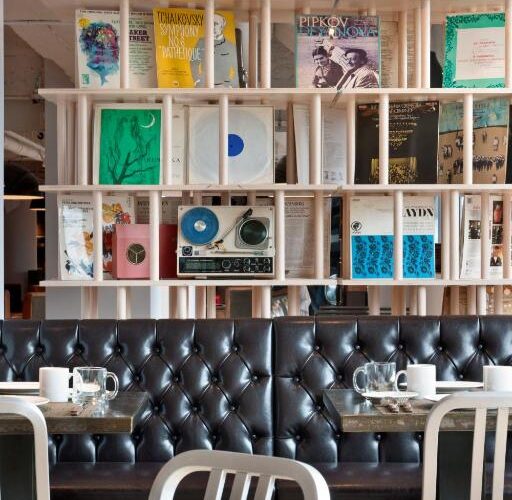
Food and drink may be the most immediate way to understand Taiwan. Night markets, street stalls and neighbourhood restaurants turn eating into an almost continuous activity, with beef noodle soup, dumplings, gua bao, seafood and countless regional specialities competing for attention. Tea culture runs considerably deeper than bubble tea, with high-mountain oolong and historic teahouses connecting contemporary Taiwan to centuries of cultivation and ritual. Specialty coffee, cocktail bars and a new generation of restaurants are now adding another layer, often combining Taiwanese ingredients with Japanese, Chinese and indigenous influences.
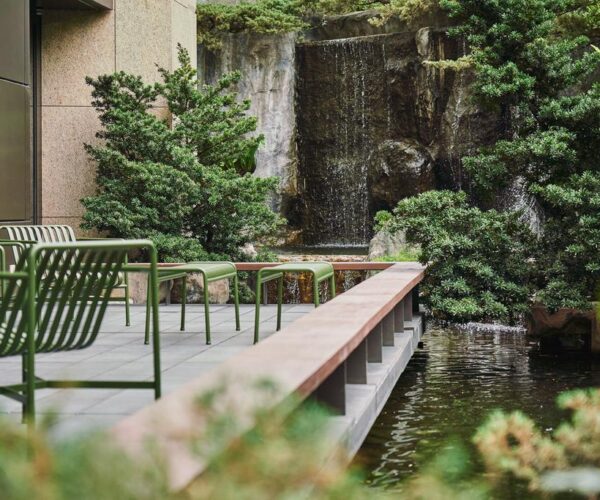
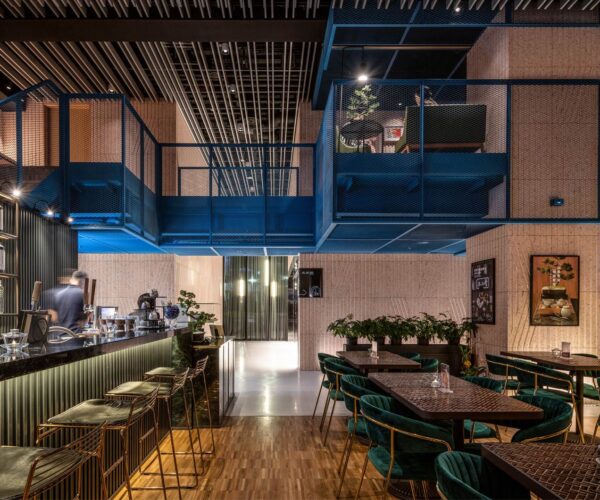
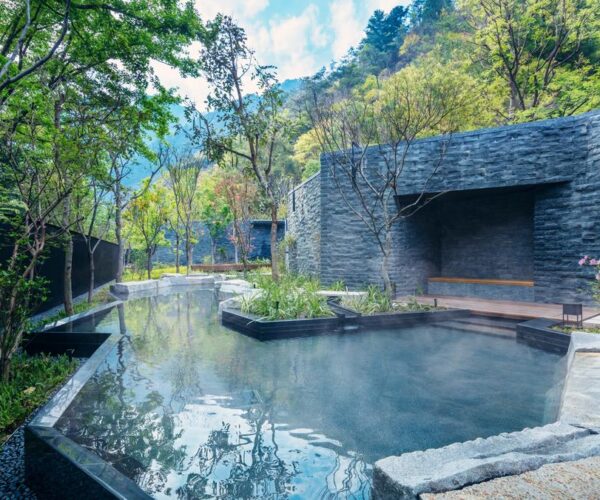
Taiwan’s most interesting hotels range from urban design addresses and sensitively converted historic buildings to hot-spring retreats and contemporary properties surrounded by mountains, forest or ocean. The best combine Taiwanese craft, art and architecture with the country’s naturally attentive approach to hospitality. At DNA Hotels, we curate the places where design, food, craft and landscape come together—hotels that reveal Taiwan as one of Asia’s most rewarding creative destinations, where some of the best discoveries are hidden behind the least conspicuous doors.