


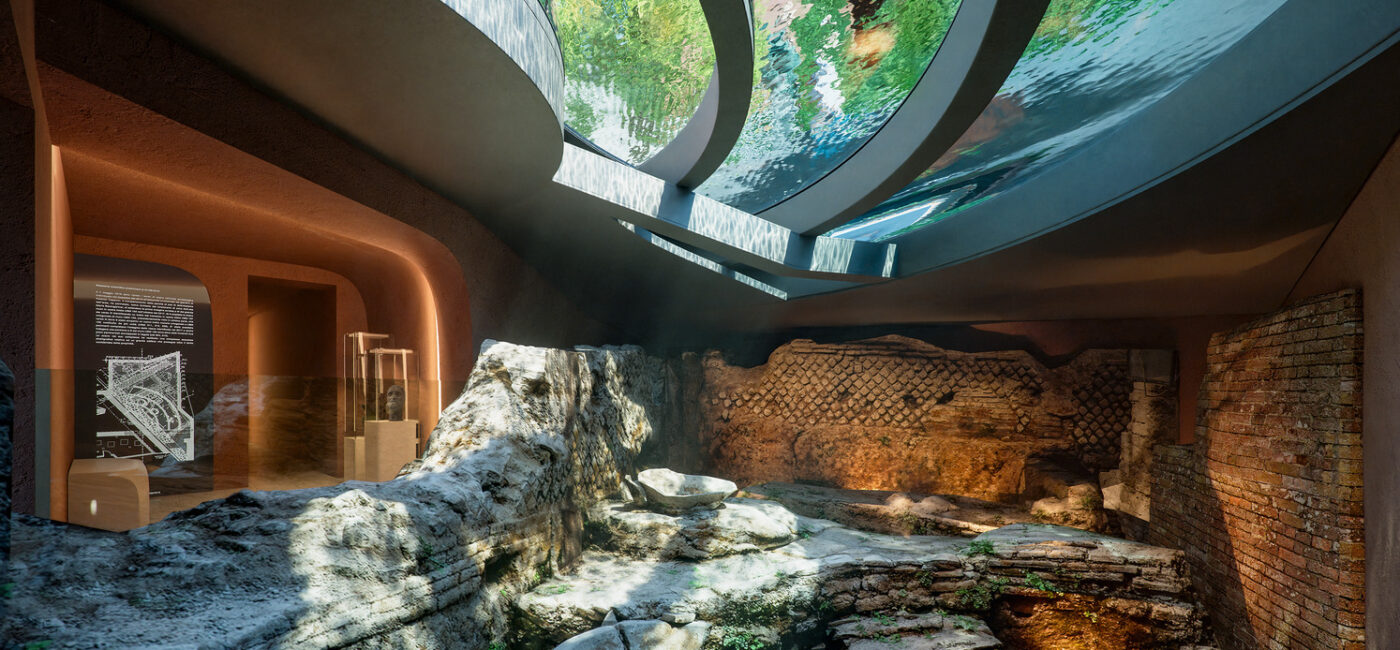
East London, Reframed
Industrial Shoreditch softened by Japanese restraint, members-club energy and a more grown-up take on East London hospitality.

Why DNA Hotels loves it
Astet Studio’s “East meets East” concept brings Japanese craft, filtered light and tactile materials into the industrial architecture of the former Nobu Hotel Shoreditch.
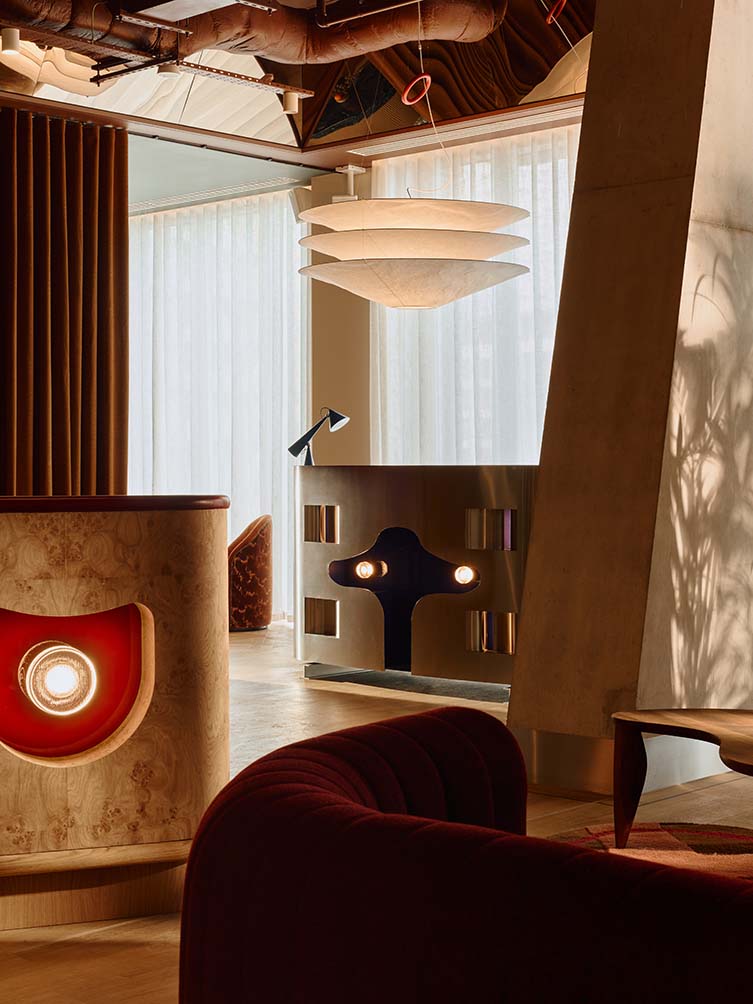
The design avoids the neighbourhood’s usual graffiti-and-neon shorthand, using dark timber, terracotta, brushed metal, ceramics and muted textiles to create something calmer and more mature.
Hotel and members’ club are deliberately intertwined, turning the property into a social base for guests, creatives and locals rather than a hotel that simply happens to sit in Shoreditch.
The Stay
A refined Shoreditch hotel where industrial architecture meets Japanese-inspired restraint, tactile design and members-club sociability.
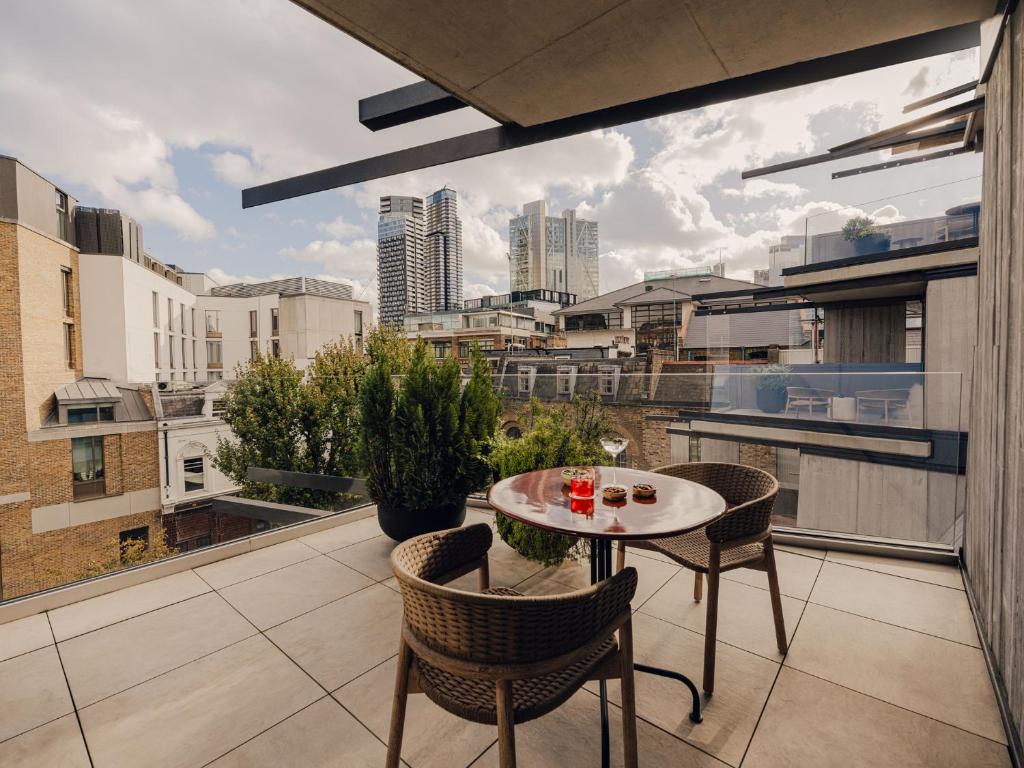
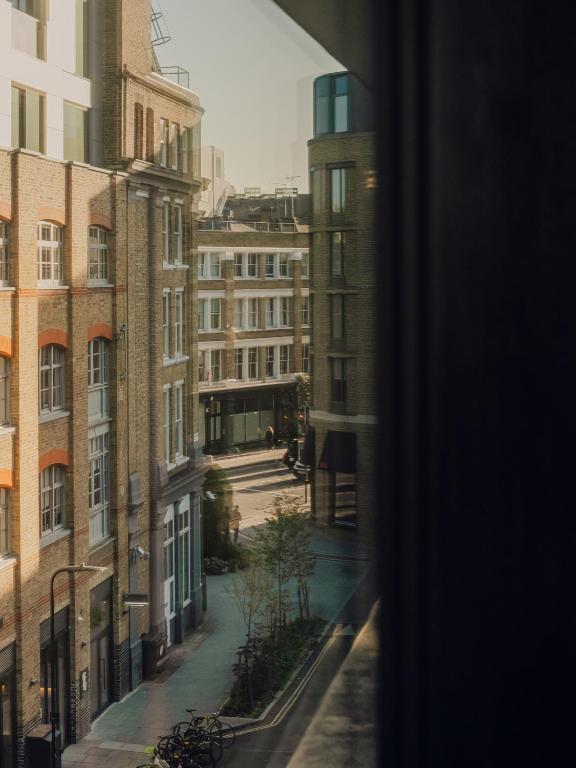
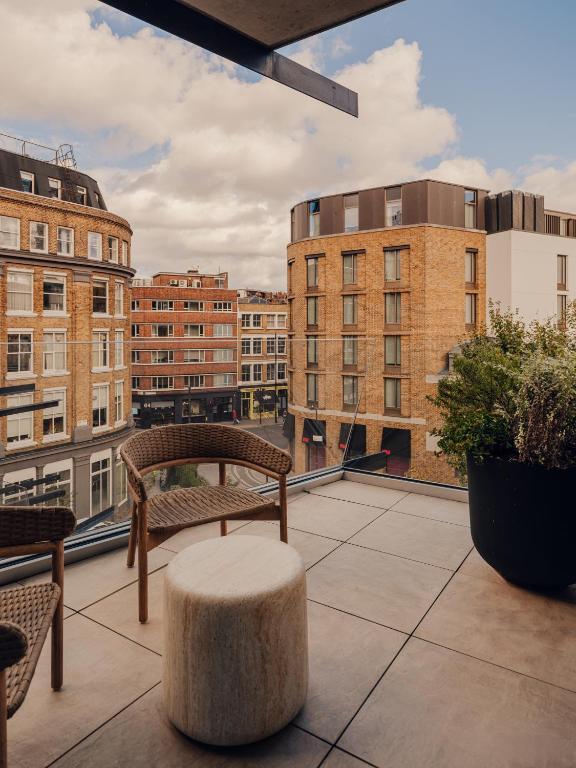
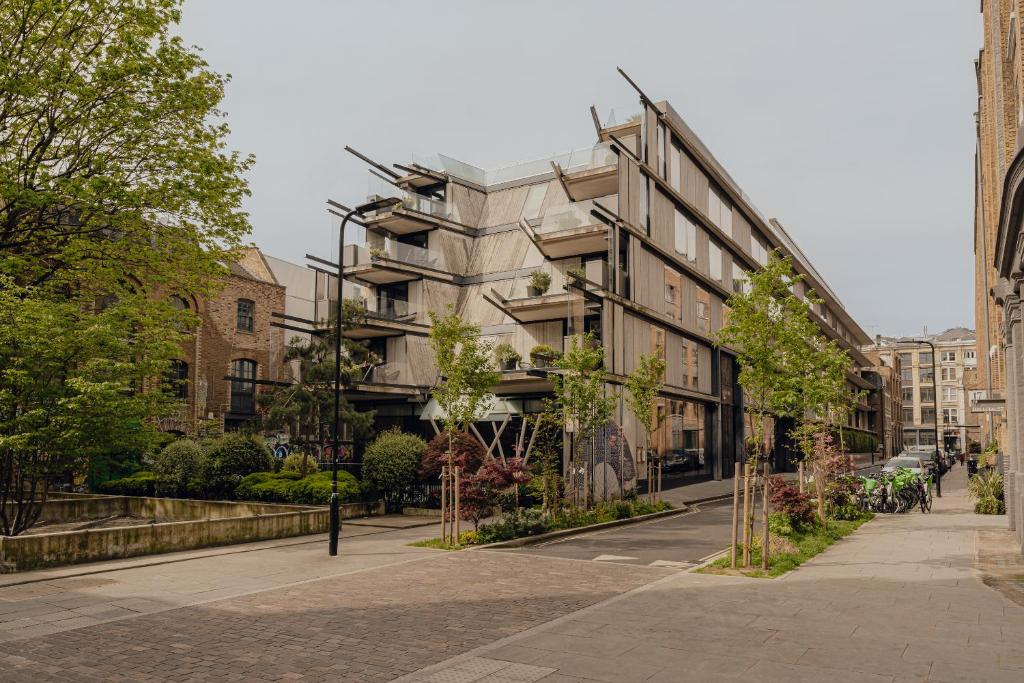
Aethos London Shoreditch occupies a bold 164-room building originally created for Nobu Hotel Shoreditch, its layered concrete, steel and glass façade still giving the property a strong architectural presence. Aethos has not tried to erase that identity. Instead, Barcelona-based Astet Studio has worked with it. Their concept, described as “East meets East”, connects East London’s industrial character with Japanese traditions of precision, craft and restraint. The result is less interested in performing Shoreditch cool than in editing it. That feels timely. The neighbourhood has moved on from its first wave of warehouses, street art and skinny jeans. So has the hotel.
Utsuroi in Shoreditch
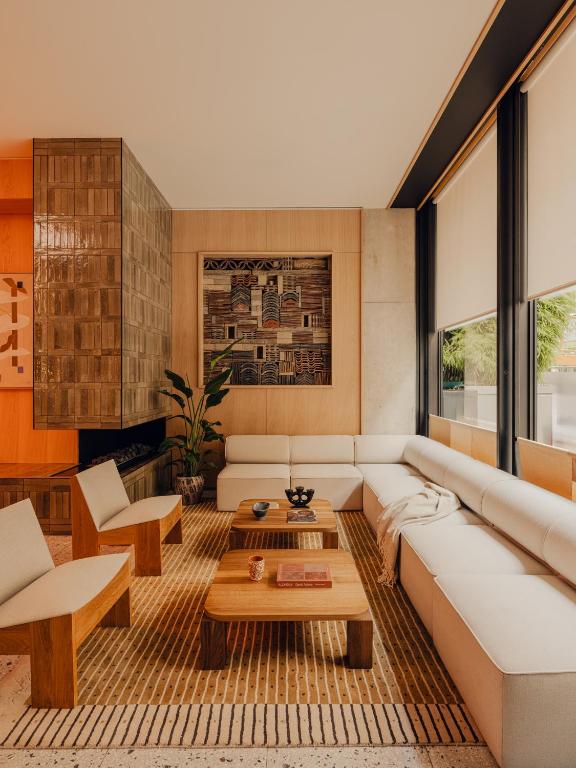
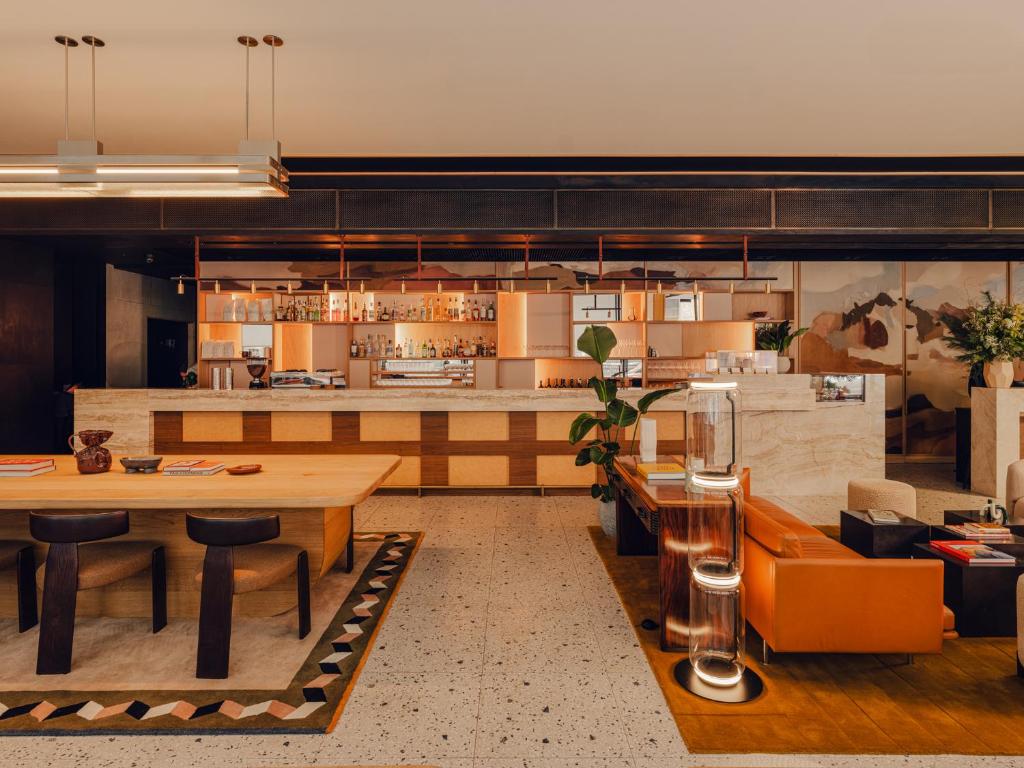
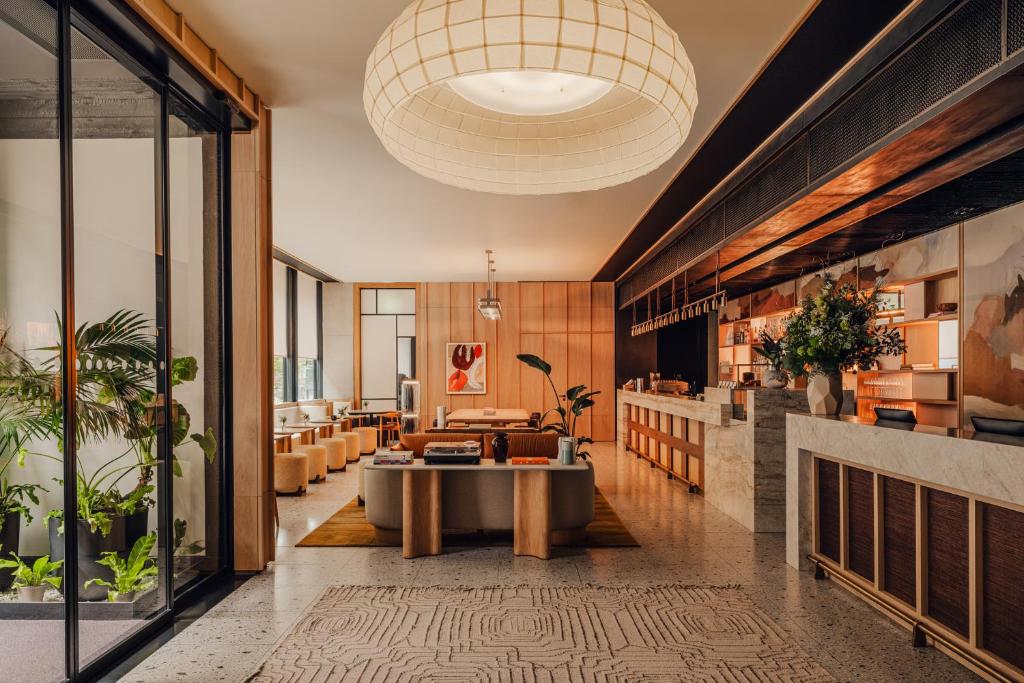
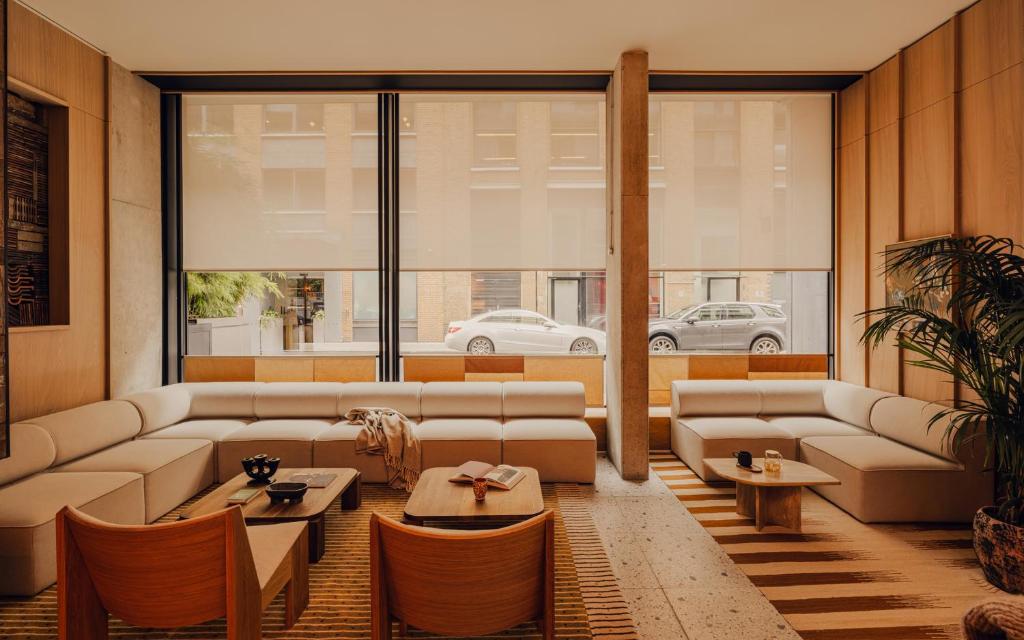
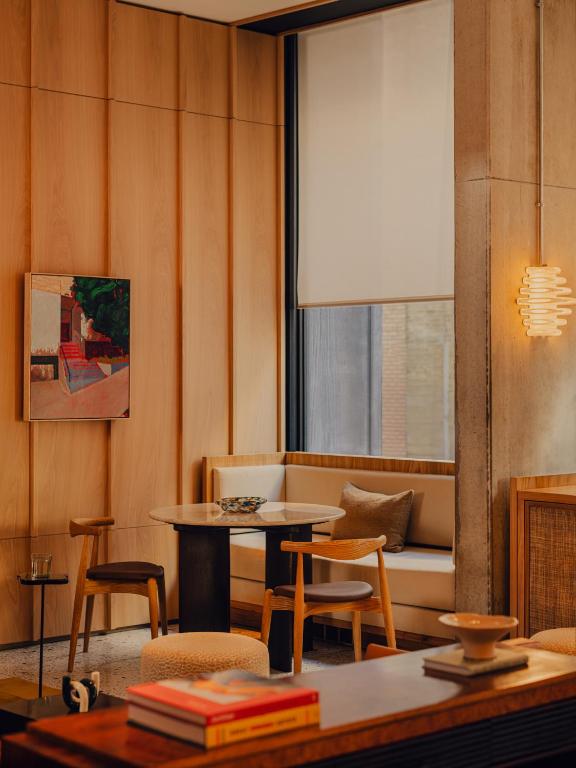
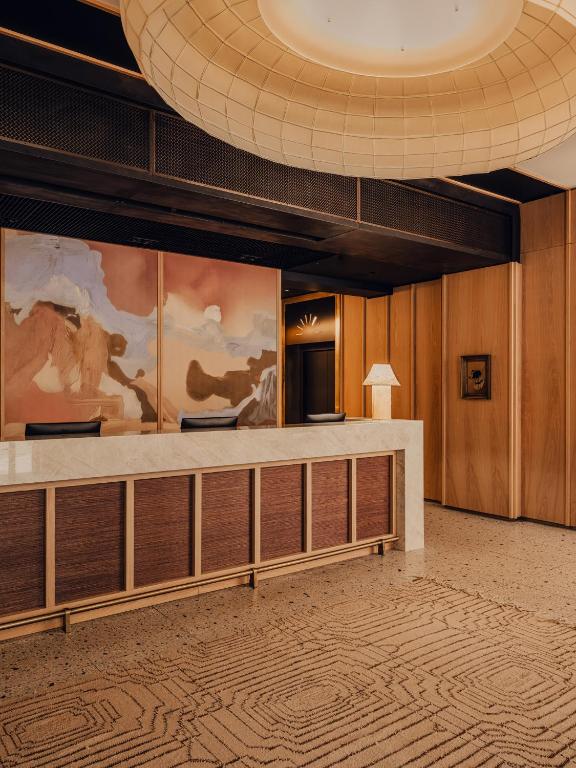
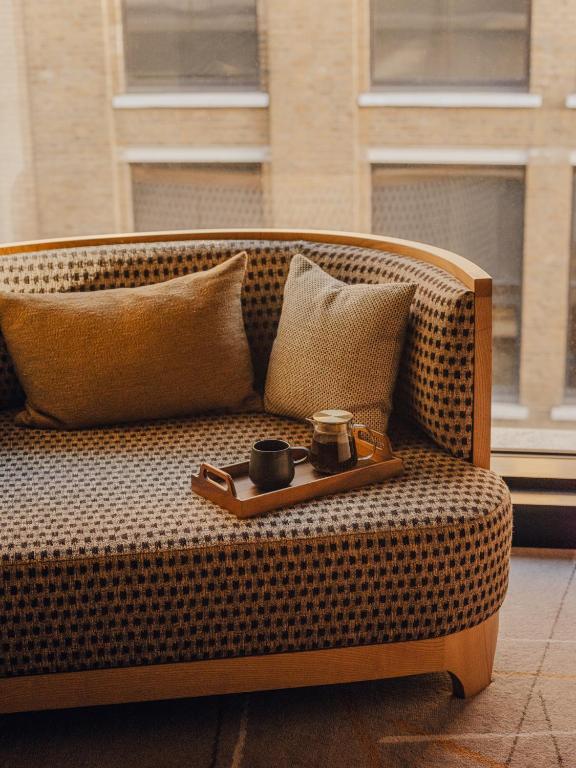
Astet Studio took inspiration from the Japanese idea of utsuroi — gradual change, transition and the way an environment shifts over time. In practice, that means interiors built around materials that absorb light rather than bounce it around. Hand-finished timber, textured ceramics, woven fabrics and mostly matte surfaces soften the harder industrial shell. Earthy browns, muted natural tones and planting give the lobby warmth without making it overly domestic. Low seating and large rugs break the ground floor into smaller zones. Vintage pieces sit beside contemporary furniture. Local art and decorative objects prevent the space from becoming too globally generic. The architecture stays robust. The mood changes around it.
Rooms That Turn the Volume Down
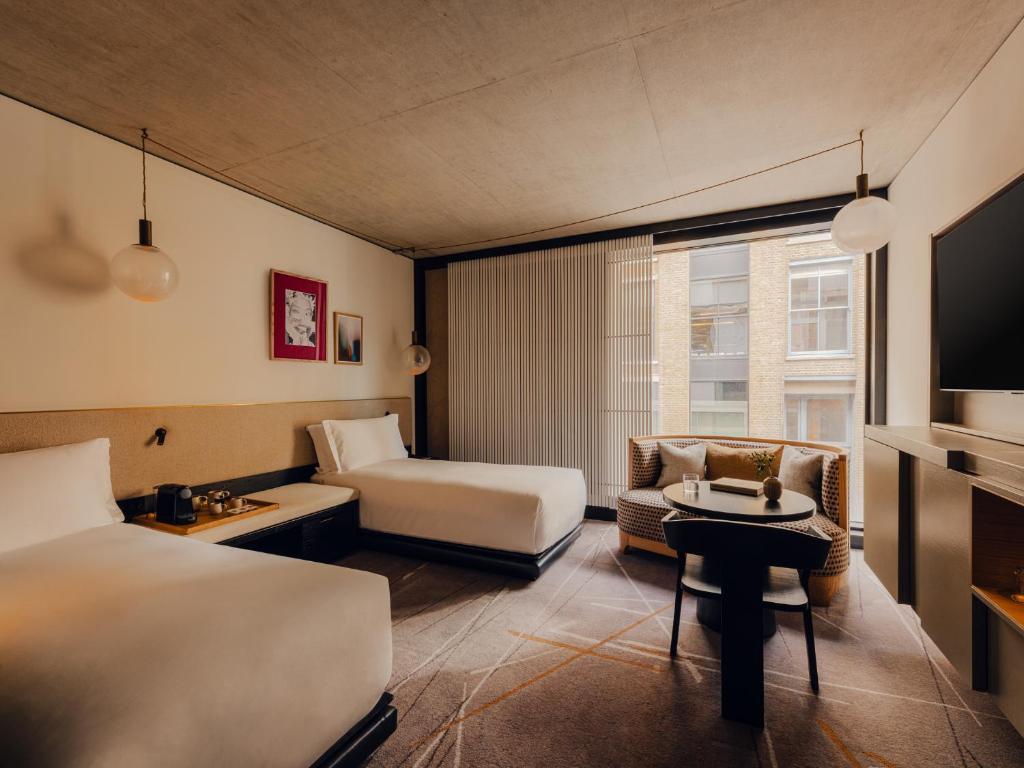
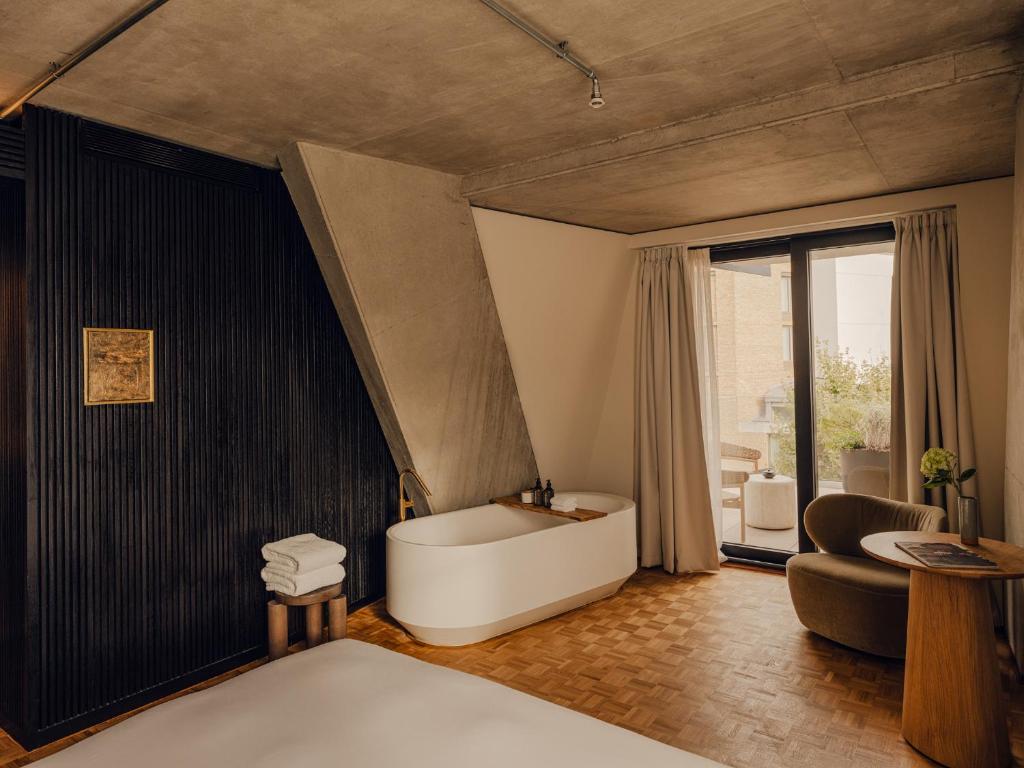
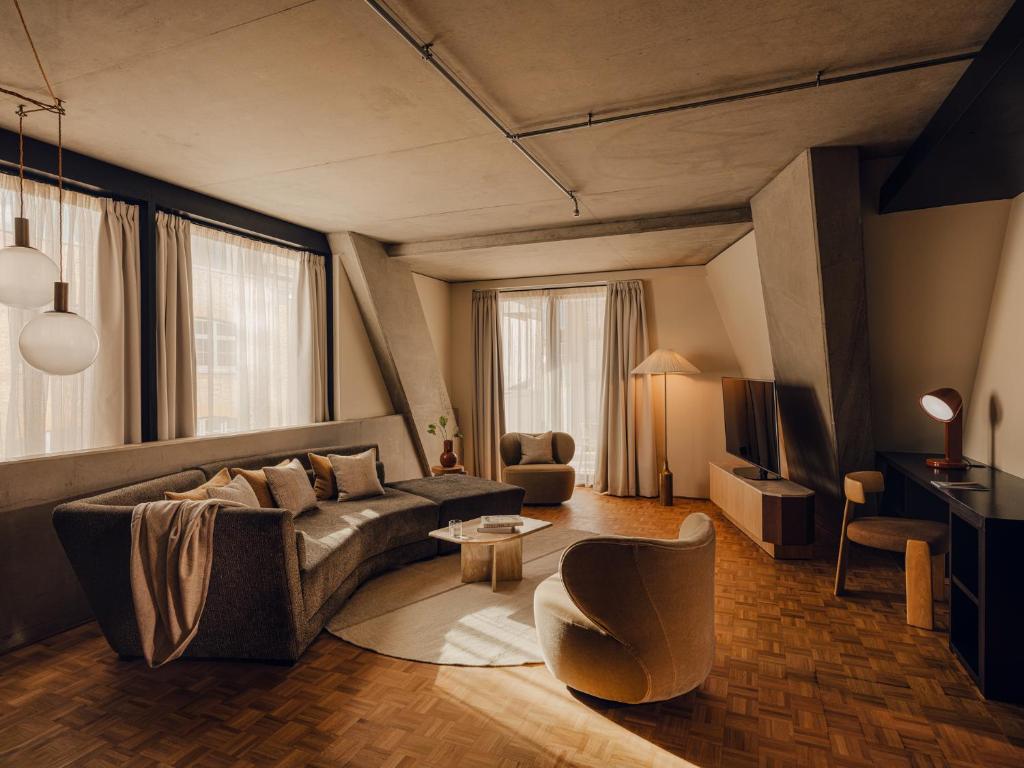
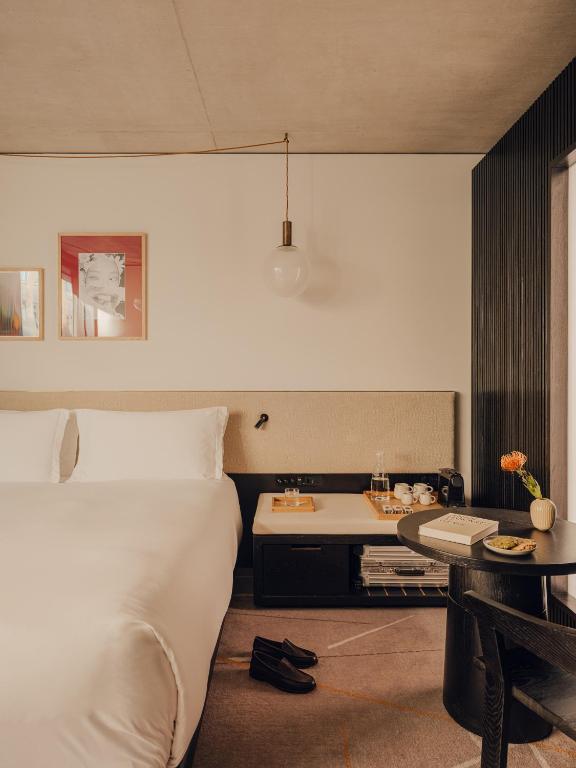
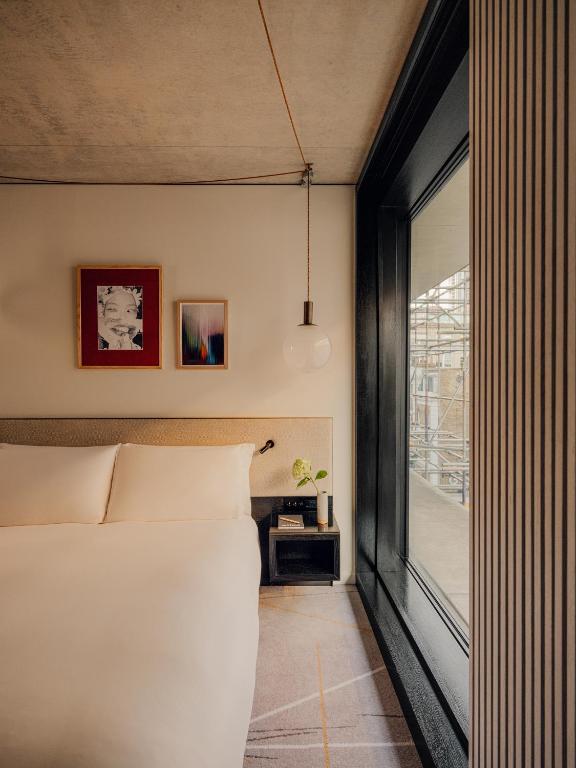
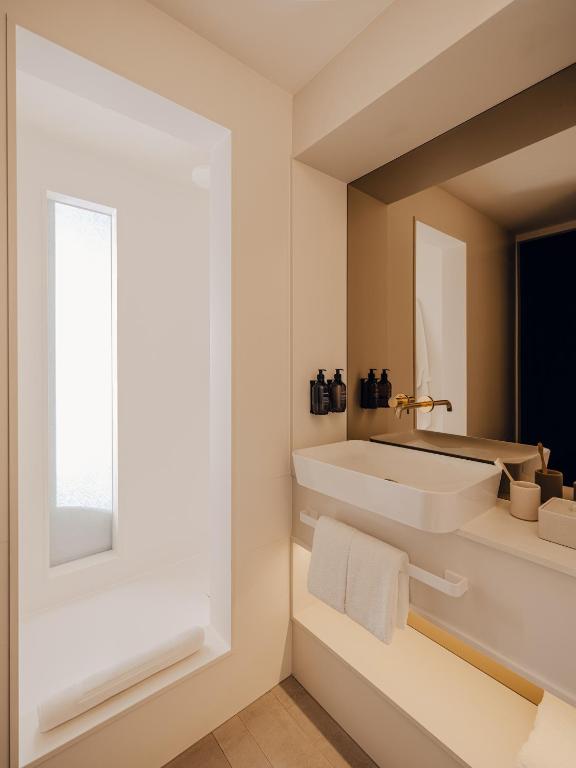
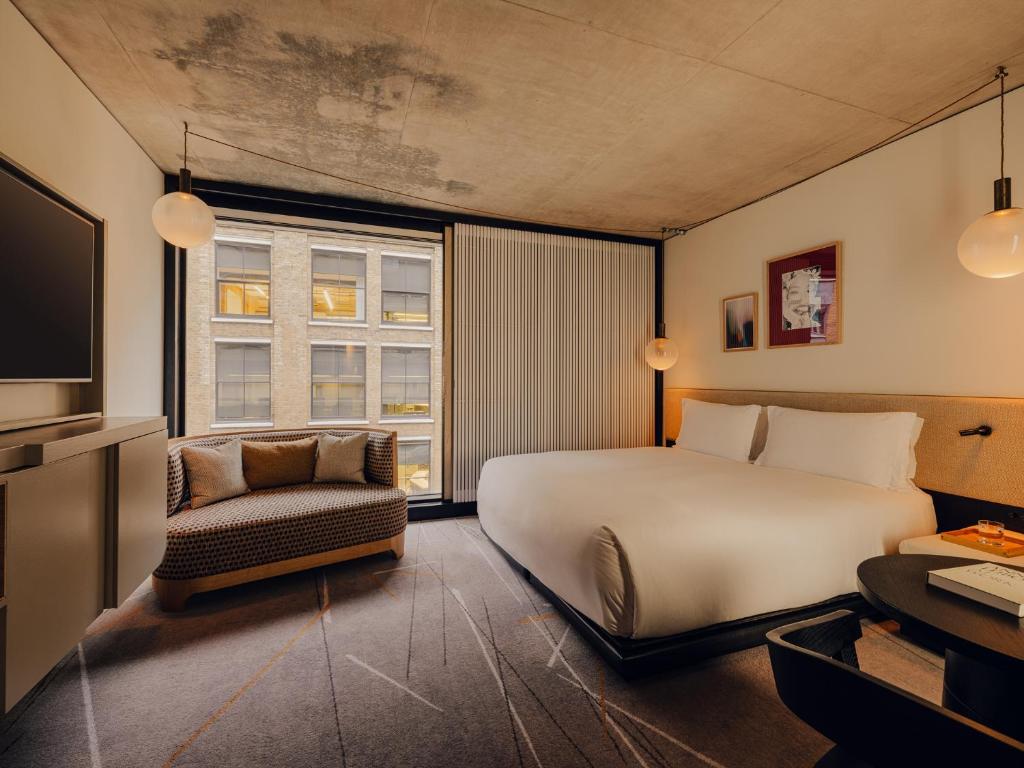
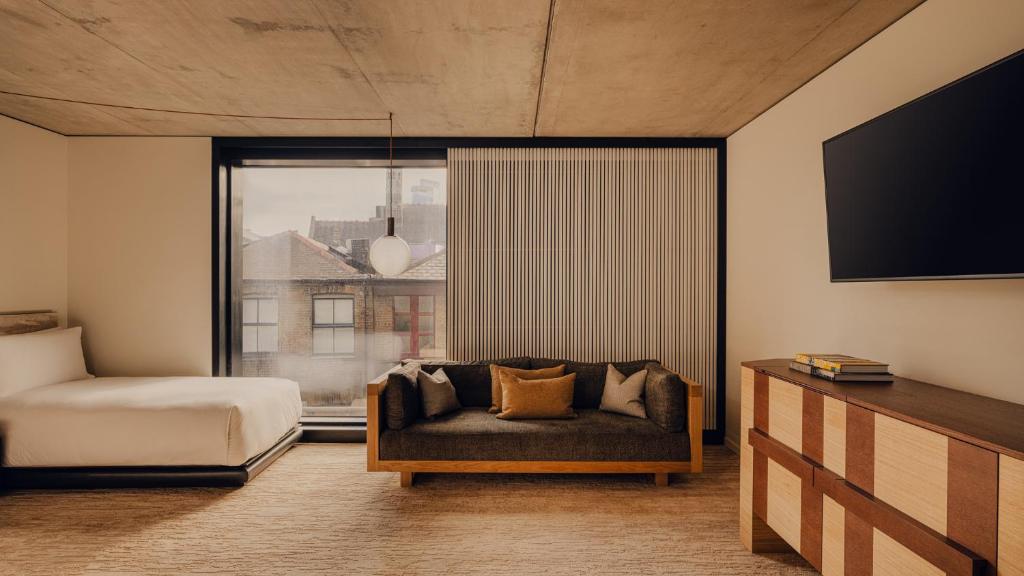
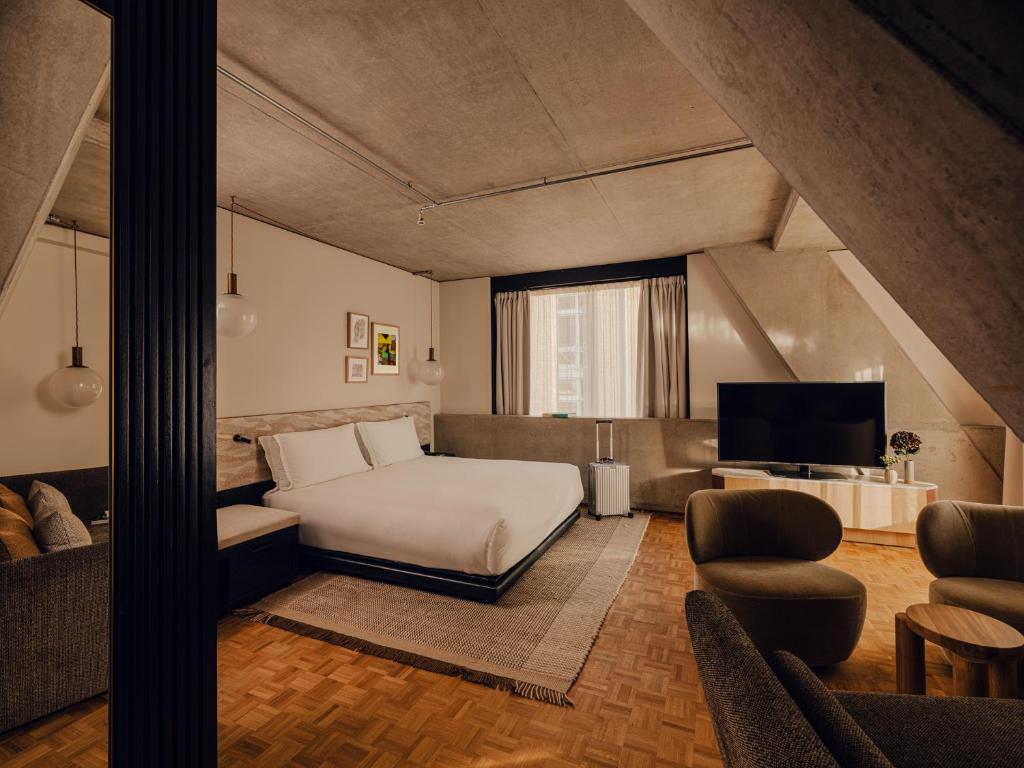
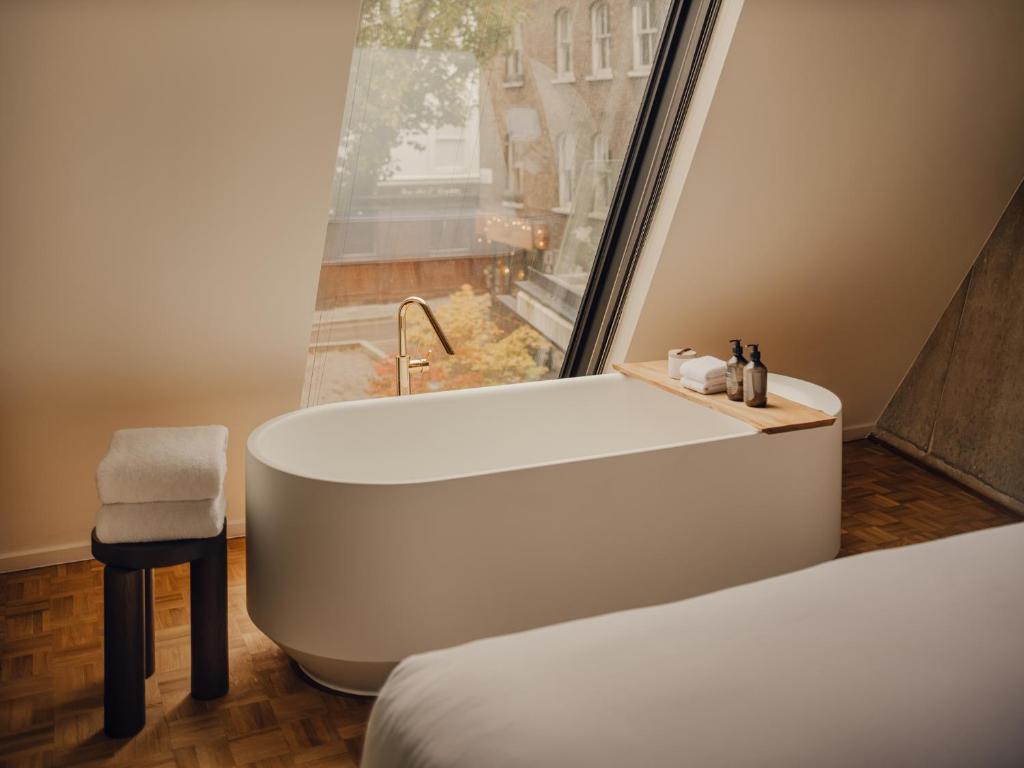
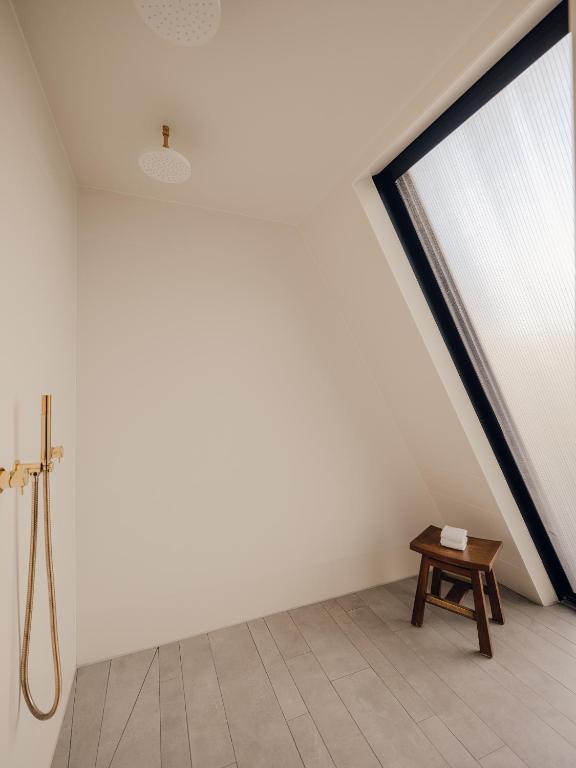
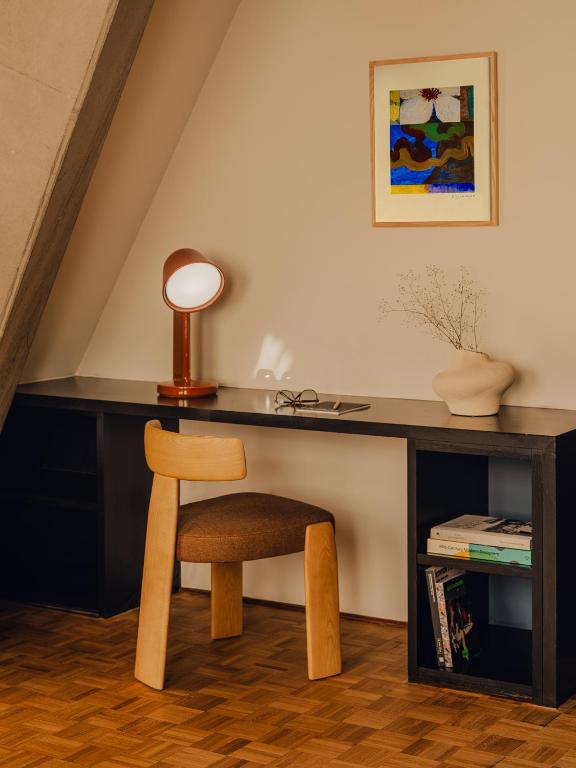
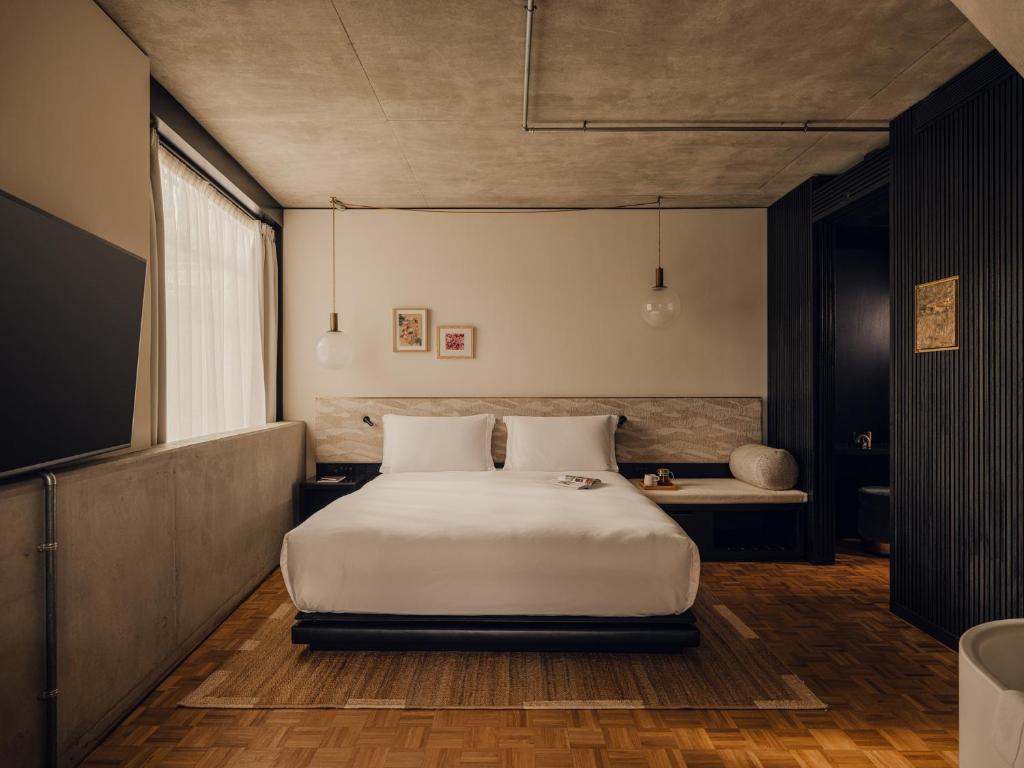
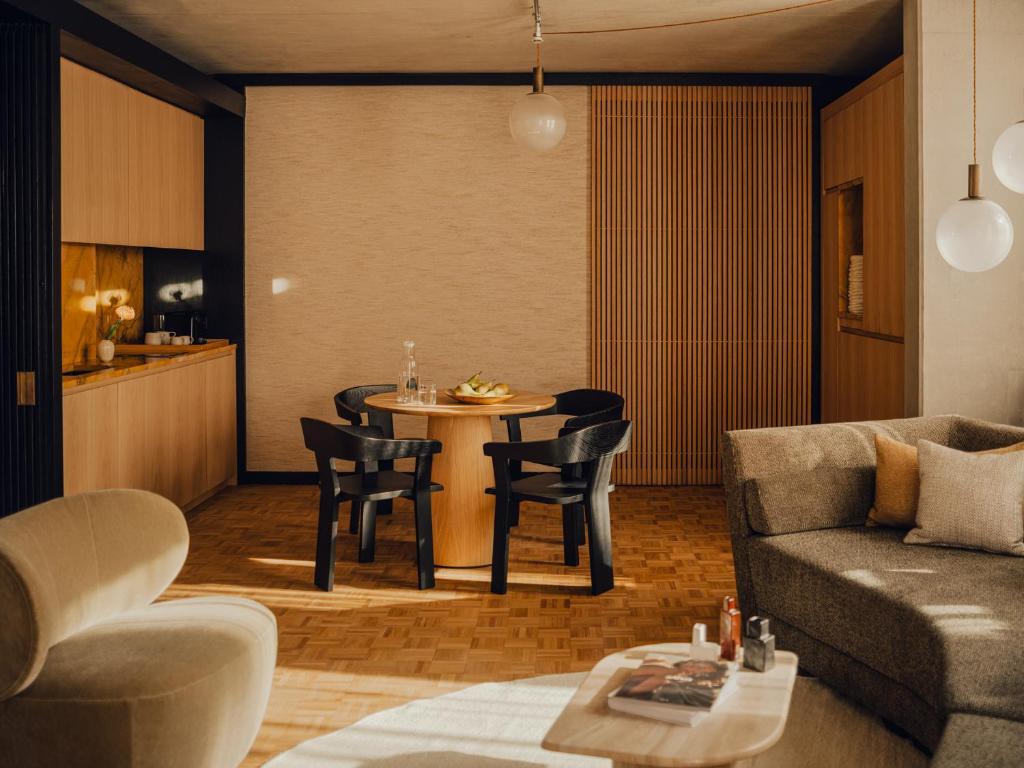
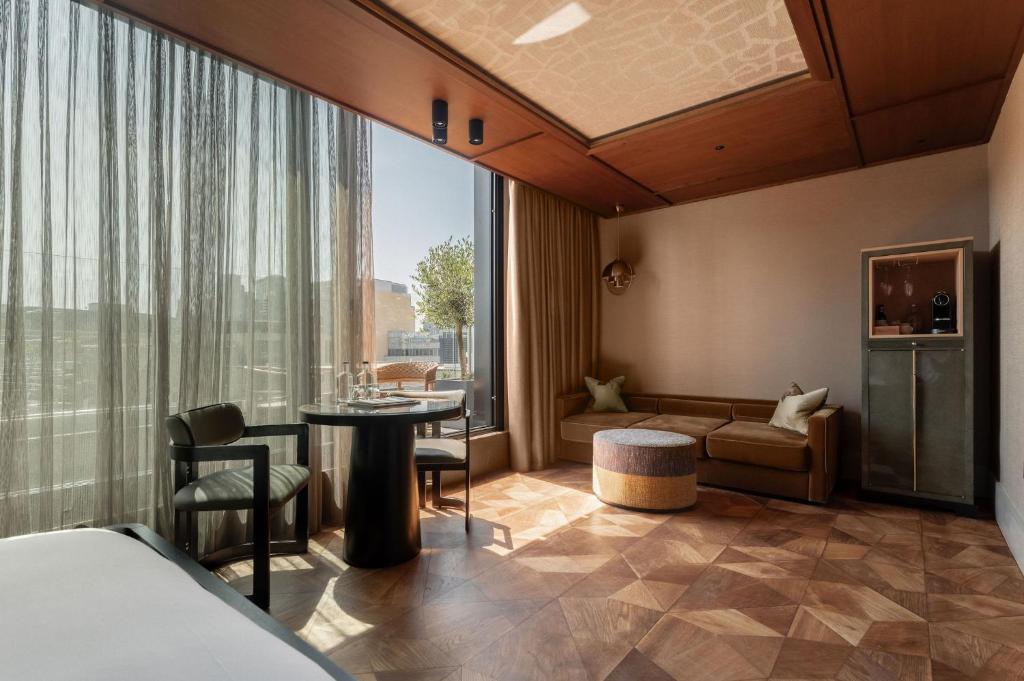
The guestrooms continue the same language in a quieter register. Dark timber panelling conceals wardrobes and, in some rooms, even the bathroom, allowing the walls to read as one continuous architectural surface. Grey, burnt orange and blackened wood create a subdued palette, while textured headboards and natural-toned lighting add softness. The look is Japanese-inspired without becoming themed. No tatami cosplay. No decorative cherry blossom panic. Larger rooms and suites add practical comforts such as bathtubs, generous storage and small working or dining areas, while details including pillow and duvet menus reinforce the hotel’s more residential ambitions.
A Club That Happens to Have Bedrooms
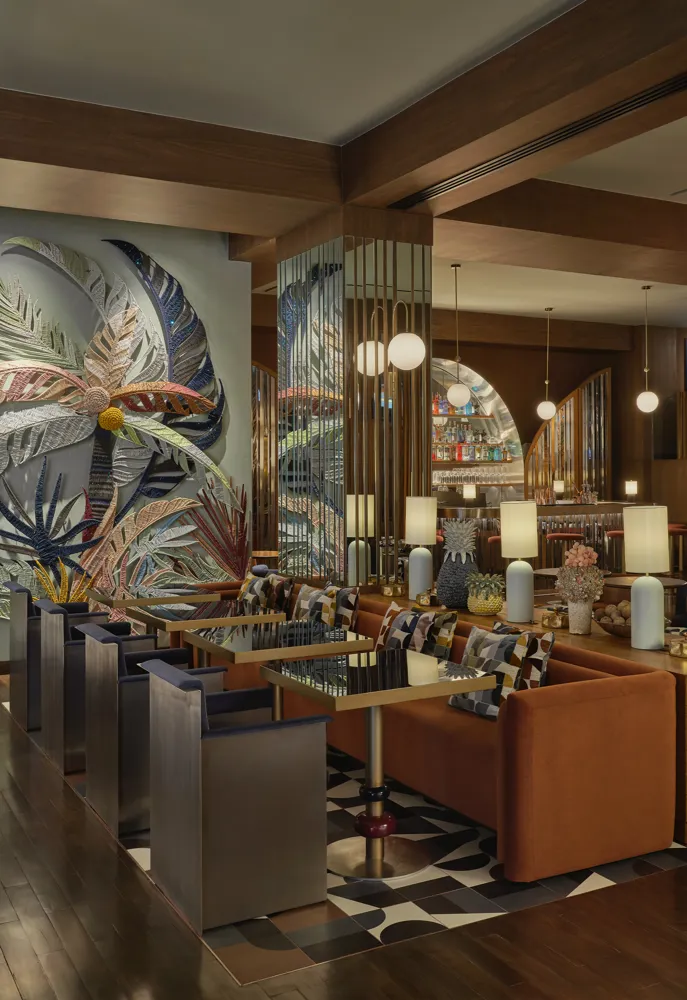
Aethos is positioning the London property as much around community as accommodation. The Members’ Club adds lounges, coworking, private spaces and a programme organised around food, culture, wellness and social events. Talks, dinners, art experiences and classes are intended to bring London members into the hotel rather than reserve the building exclusively for overnight guests. That changes the atmosphere considerably. The lobby is not simply somewhere to check in. It becomes part café, part lounge, part meeting point. The hotel starts to behave more like a neighbourhood institution, which is probably the only convincing way to operate a members’ club in Shoreditch without turning it into a parody of one.
Eating, Drinking, Lingering
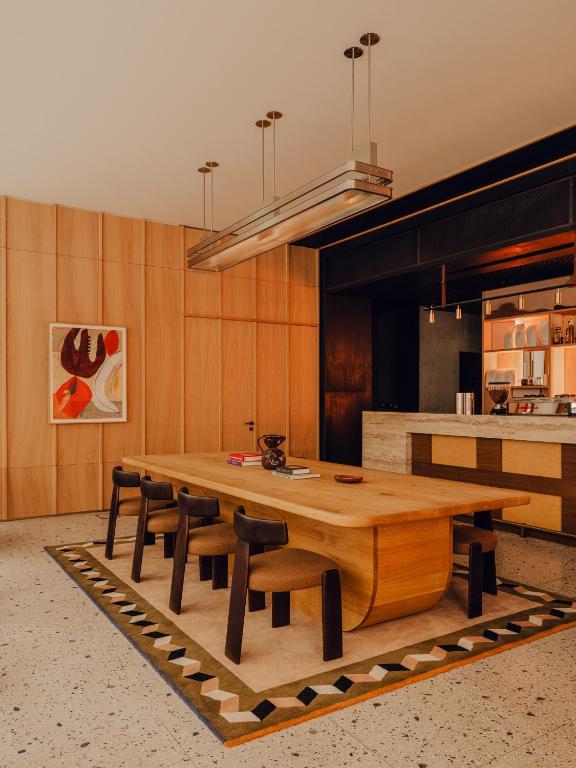
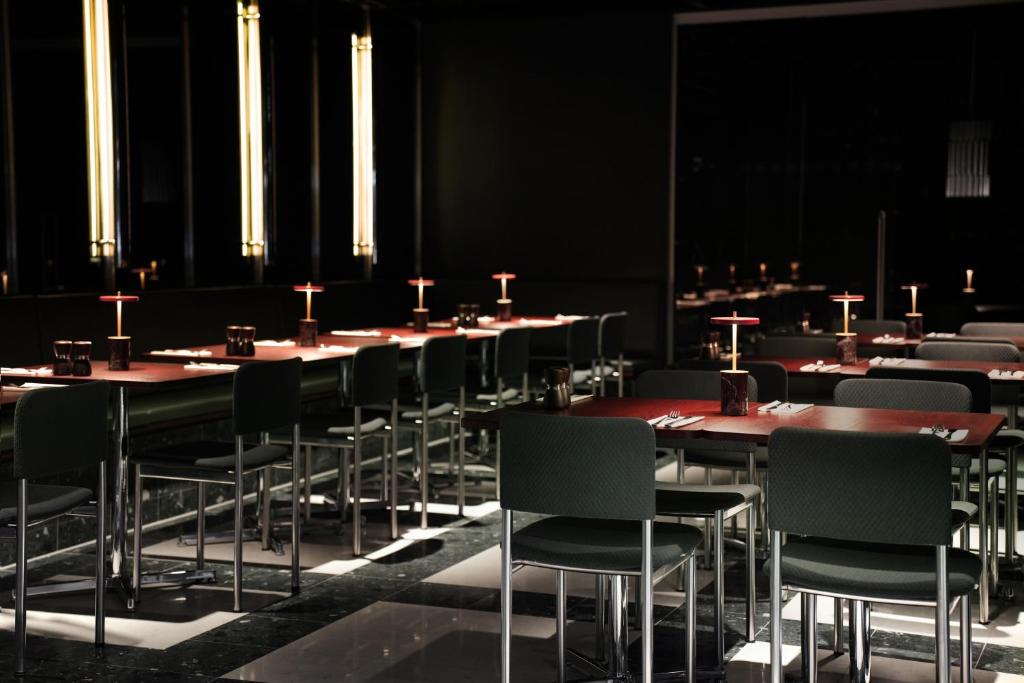
Food and drink are integral to the social strategy. Aethos Café operates throughout the day with coffee, baked goods and informal dishes, while Mitsu brings an izakaya-influenced restaurant into the mix. The hotel’s earlier Nobu incarnation already established Japanese food as part of the building’s identity; Aethos keeps the Eastern connection but pushes it into a broader, less branded cultural language. The same applies to the interiors. Breakfast spaces use soft fabrics and darker timber rather than bright hospitality finishes, creating an atmosphere designed for long breakfasts, meetings and people who have no intention of leaving after one coffee. There is also a gym, wellness programming and in-room treatments, extending the members-club model beyond food and work.
Shoreditch Without the Costume
Perhaps the most interesting thing about Aethos London Shoreditch is what it refuses to do. There are no obligatory exposed-brick clichés, neon slogans or overplayed references to East London rebellion. Astet Studio acknowledges the industrial structure, but does not turn it into scenery. Instead, the design introduces craft, tactility and calm. Timber carpentry references Japan. Local artworks reconnect the hotel to London. Materials age quietly. Light is filtered. Spaces are allowed to feel a little serious. It is Shoreditch after the first rush of Shoreditch.
Why It Works
Aethos London Shoreditch works because the hotel understands that this neighbourhood no longer needs another place telling everyone how cool it is. The architecture already has presence. Astet Studio adds depth rather than noise, using Japanese-inspired materiality to soften the building without neutralising it. The members’ club brings in local life, while the rooms retreat in the opposite direction, becoming calmer and more private. That balance is the point. Public downstairs. Quiet upstairs. Industrial outside. Tactile within. For a hotel in one of London’s most over-described neighbourhoods, Aethos manages something surprisingly difficult: it feels like Shoreditch without having to dress up as Shoreditch.
Information
At a glance
Architecture
Ron Arad Associates
Opened / Renovated
2017, renovated 2026 (previously Nobu Hotel Shoreditch)
Size matters
164 rooms & suites (22-80m2) (237-861 sq ft)
Interior design
Astet Studio
Featured in
Don't take our word for it

Handpicked worldwide
A carefully curated collection of exceptional boutique and design hotels across the globe.
Design with soul
Architecture, atmosphere and craftsmanship come together in stays with a clear identity.
Hidden, not hyped
Independent boutique hotels you rarely find on mainstream booking platforms.
Travel guidance
Personal recommendations and thoughtful support from people who actually know the places.