


A contemporary riverside retreat where minimalist architecture wraps around a century-old British consulate and the slow-moving Mae Ping River.
Book now
Why DNA Hotels loves it
The resort pairs Kerry Hill’s disciplined contemporary architecture with the former British Consulate, creating an unusually successful conversation between Chiang Mai’s colonial history and modern tropical design.
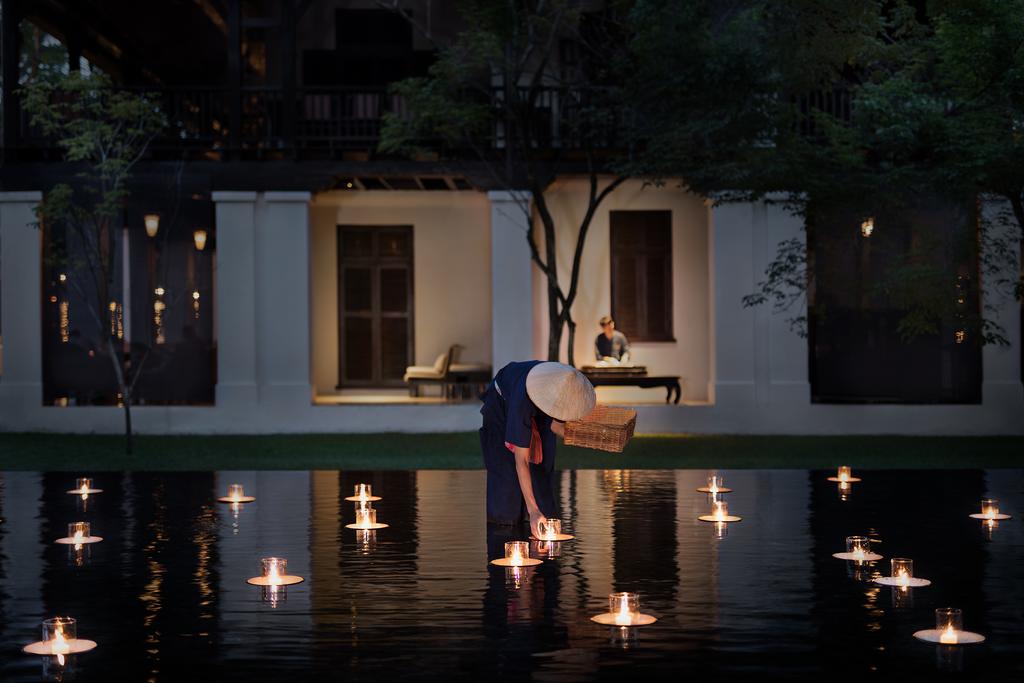
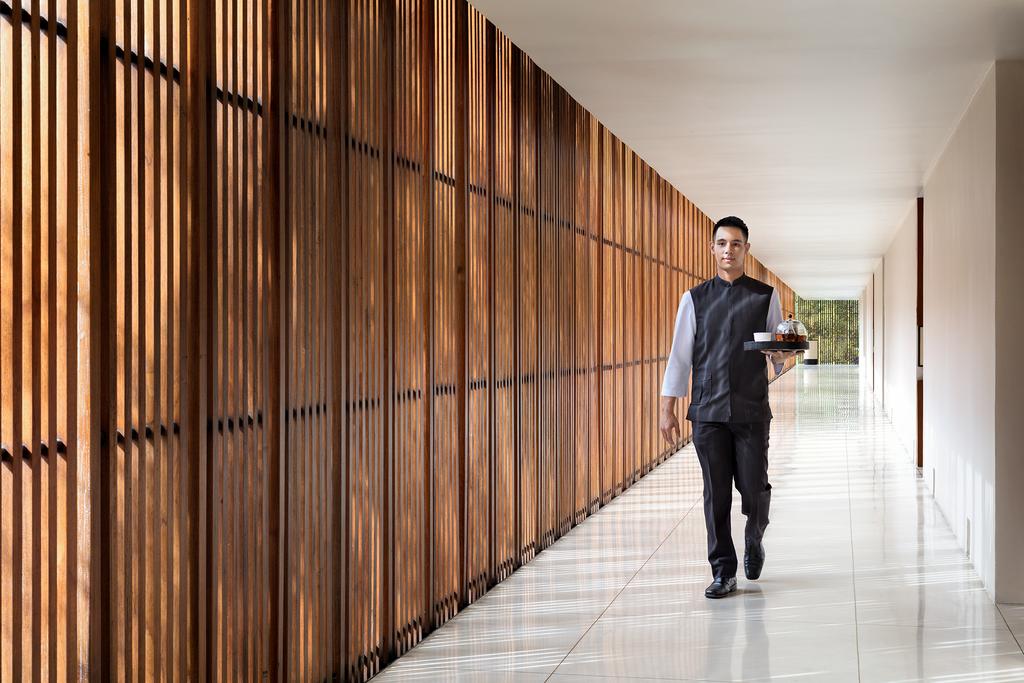
Rooms, courtyards, reflecting pools, teak screens and gardens are organised around carefully controlled sightlines, making light, water and landscape part of the architecture.
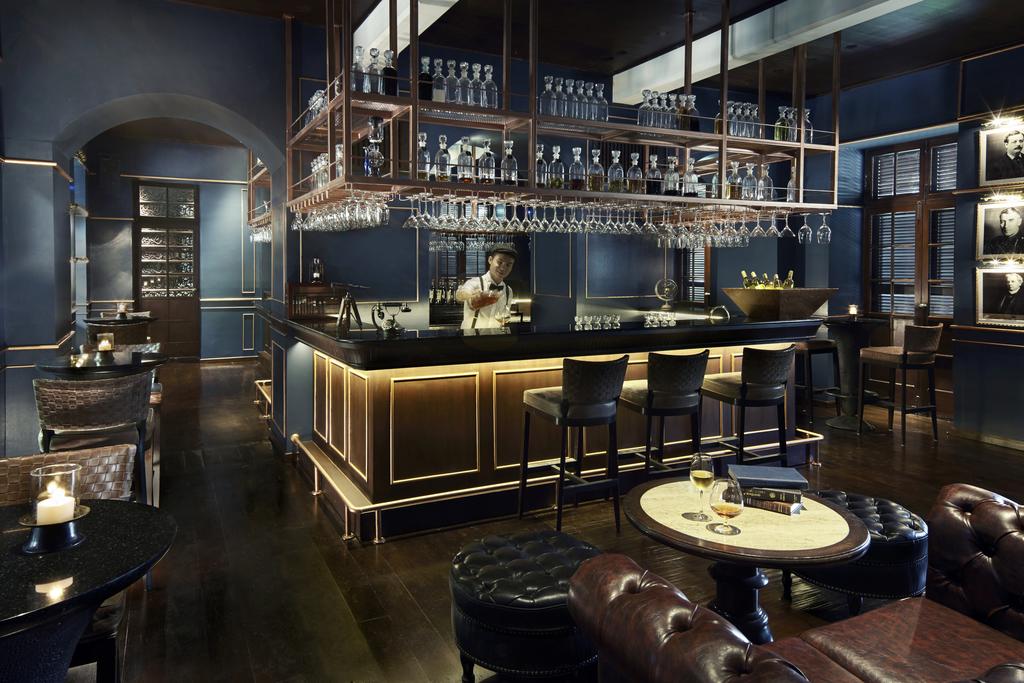
The historic consulate building survives as The Service 1921 Restaurant & Bar, turning the property’s past into an atmospheric social heart rather than a heritage footnote.
The Stay
Anantara Chiang Mai Resort – Thailand
Kerry Hill on the Mae Ping
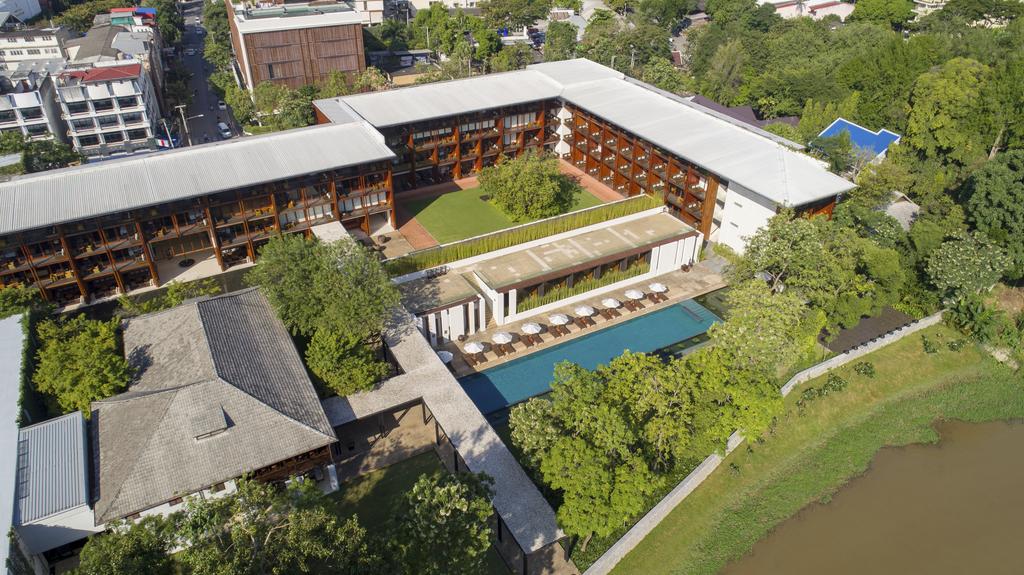
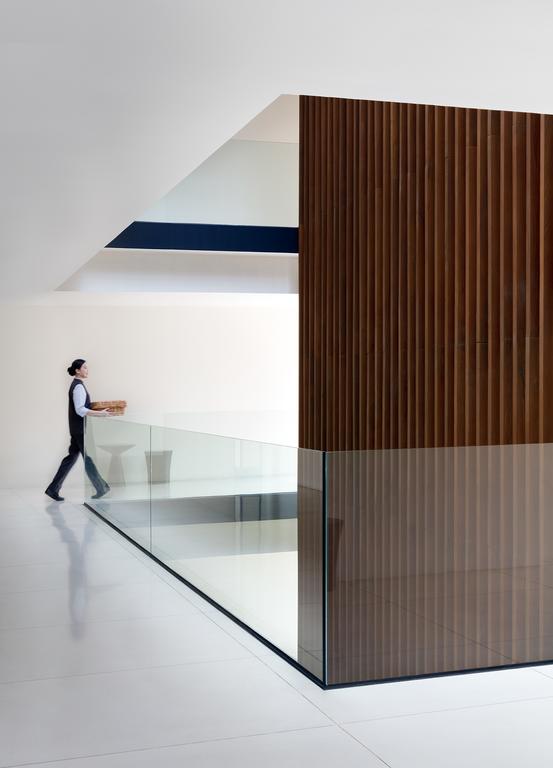
Some resort architects decorate a destination. Kerry Hill preferred to distil it. At Anantara Chiang Mai Resort, the late Australian architect created a remarkably restrained composition along the banks of the Mae Ping: long horizontal lines, broad overhangs, dark timber screens, glass, water and tropical vegetation arranged with almost obsessive precision. There are obvious echoes of modernism, but this is architecture conceived for northern Thailand. Deep shade matters. Airflow matters. Water matters. Instead of competing with Chiang Mai’s exuberant temples and dense historic fabric, the hotel offers their opposite: a place of controlled calm.
A Historic House at Its Centre
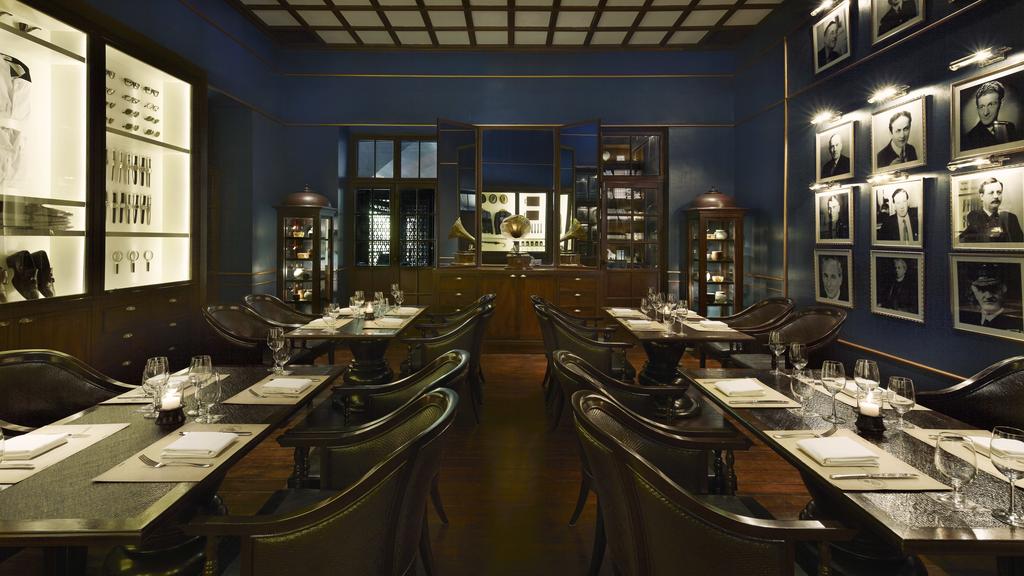
And then, unexpectedly, there is a colonial house. The resort occupies the former grounds of the British Consulate, and its historic residence was retained as the architectural and emotional centre of the property. Surrounded by Kerry Hill’s clean contemporary geometry, the old building suddenly becomes more powerful. Today it houses The Service 1921 Restaurant & Bar, its name referencing the building’s diplomatic past. Rather than treating that history reverentially, the interiors play with it: vintage typewriters, old maps, cabinets, spy paraphernalia and concealed spaces create the atmosphere of an eccentric intelligence headquarters. It is theatrical, certainly. But after the restraint elsewhere, a little theatre works beautifully.
Architecture That Disappears
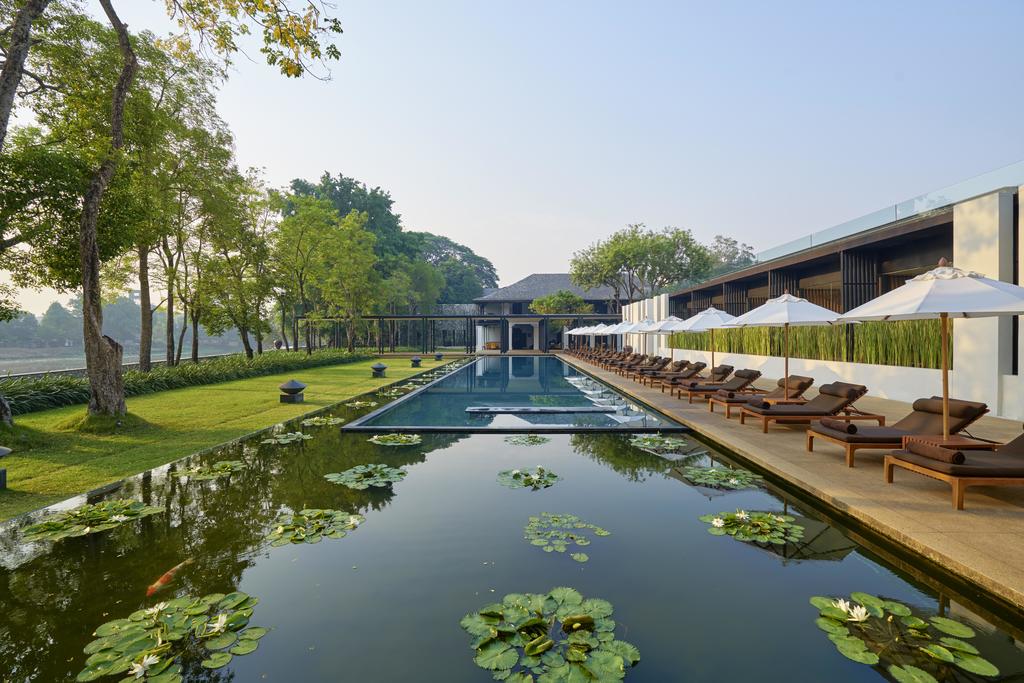
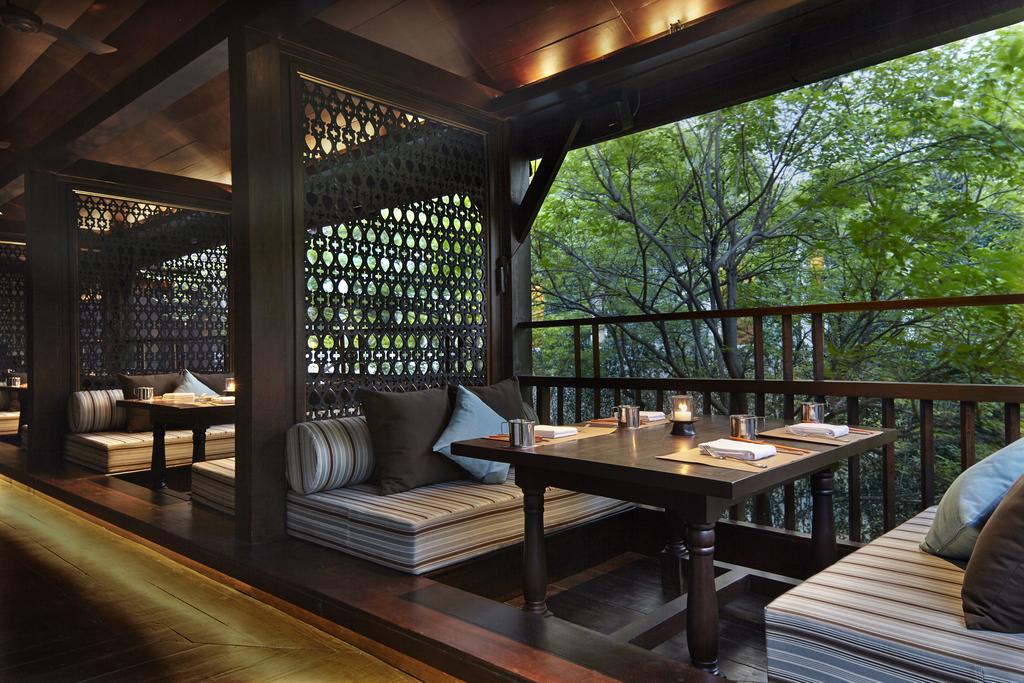
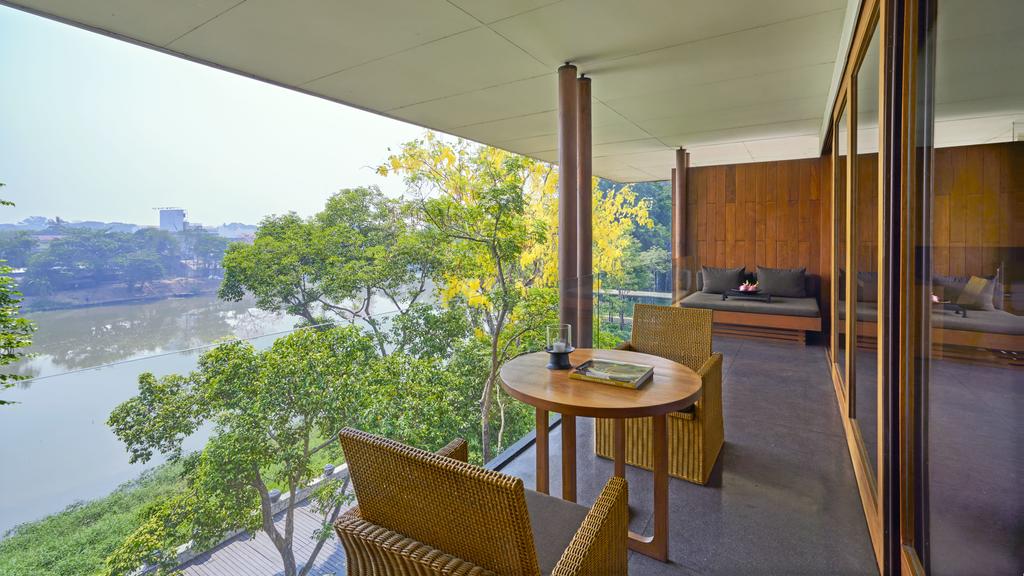
The contemporary parts of the resort are strongest when they almost disappear. Reflecting pools mirror the sky. Covered walkways frame sections of garden. Timber screens filter the fierce Thai sunlight into changing patterns. Long perspectives repeatedly terminate in vegetation or water. The Mae Ping becomes the final layer. Instead of sealing guests inside air-conditioned interiors, the architecture continually pulls attention outward, towards palms moving in the breeze, reflections on water and boats passing slowly along the river. This is tropical modernism at its most convincing: not architecture imposed on nature, but architecture designed to make you notice it.
Rooms Built Around the View
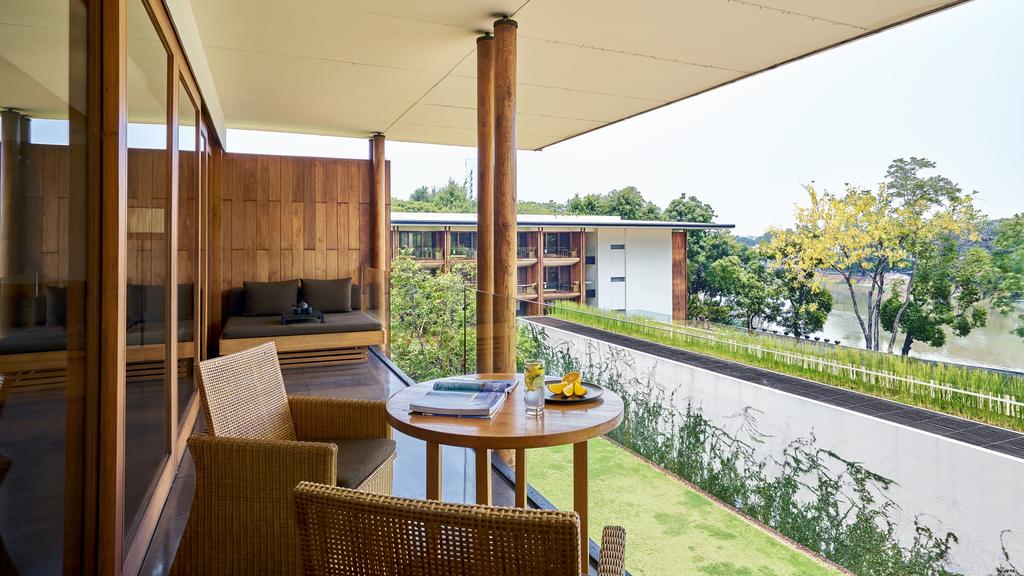
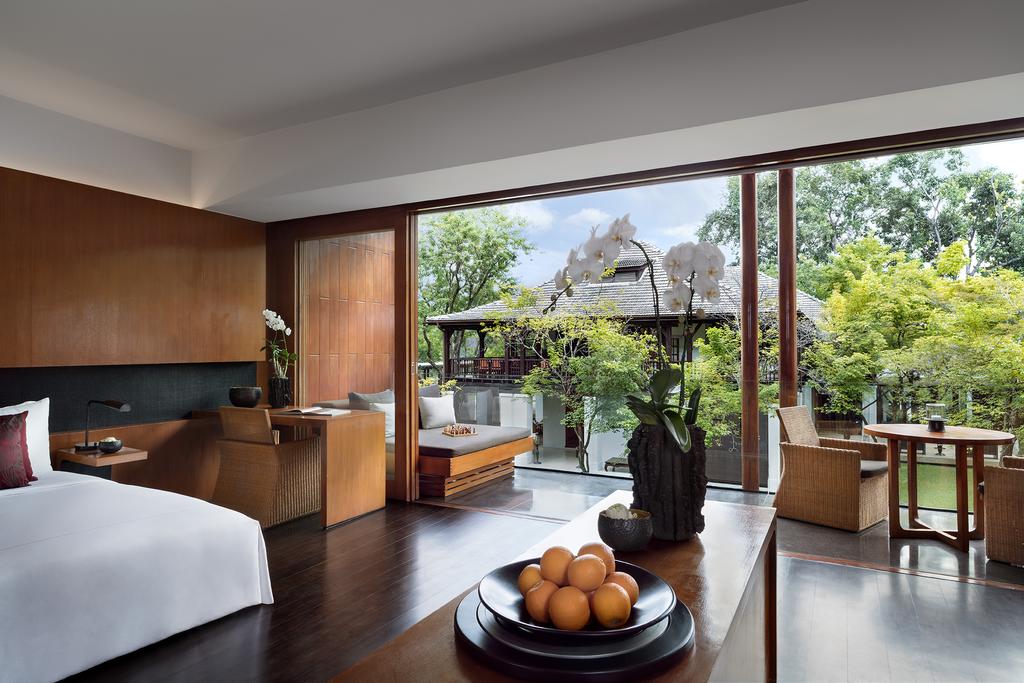
The same discipline continues in the guestrooms and suites. Large expanses of glass open towards gardens or the river, while interiors use timber, natural textiles and a restrained palette that rarely competes for attention. Beds, seating and terraces are positioned to reinforce the connection outside. There is warmth, but relatively little decoration for decoration’s sake. The sense of luxury comes instead from proportion, materials, privacy and space. It is an approach characteristic of Kerry Hill’s best hotels: you remember how the room made you feel before you remember what was in it.
From Pool to Ping River
The riverside setting gives the resort a surprisingly languid rhythm for a hotel so close to central Chiang Mai. A long swimming pool parallels the river, while lawns and mature trees soften the rigorous geometry of the architecture. The spa adds another layer of retreat, drawing on Thai wellness traditions without abandoning the hotel’s contemporary aesthetic. But staying here needn’t mean withdrawing from Chiang Mai. Bicycles, temple visits, markets, cooking experiences and trips along the Mae Ping connect the resort to the city beyond its carefully composed walls. That contrast is part of its appeal. Spend the morning amid temple roofs, incense, street food and traffic; return to shadow, water and silence.
The Service 1921
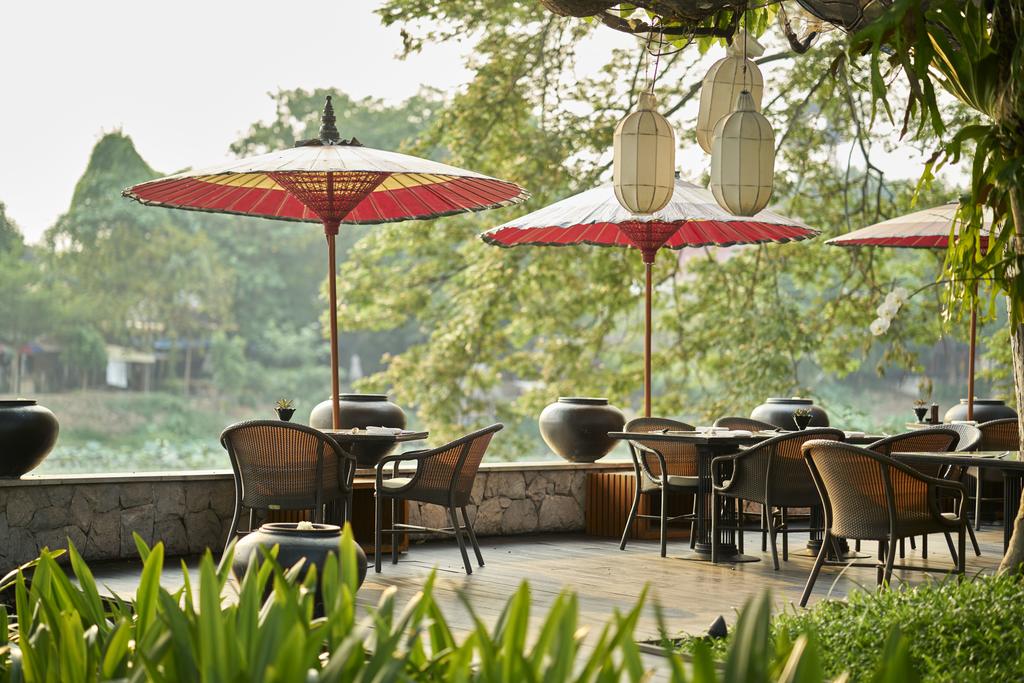
Food provides one of the clearest bridges between old and new. The historic house’s verandas and intimate rooms give The Service 1921 an atmosphere no purpose-built restaurant could easily reproduce, while its Asian cooking draws particularly on Thai, Chinese and Vietnamese influences. Elsewhere, riverside dining allows the setting to take over again. Chiang Mai itself provides ample reason to venture out: northern Thai cooking is one of the country’s most distinctive regional cuisines, from khao soi and sai ua sausage to chilli-rich nam prik and the extraordinary produce of the surrounding mountains. For food travellers, the hotel is a refuge rather than a bubble.
Why It Works
Anantara Chiang Mai is an excellent reminder that memorable hotel architecture doesn’t need to demand attention. Kerry Hill created something much more difficult: a building whose geometry gradually recedes until what you notice are shadows moving across timber, reflections in water, an old colonial house and the Mae Ping flowing past. The historic consulate gives the resort its memory; Kerry Hill gave it its rhythm. Together they create one of Chiang Mai’s most compelling examples of contemporary tropical hospitality — architecture designed not to overpower northern Thailand, but to slow you down enough to notice it.
Information
At a glance
Architecture
Kerry Hill Architects
Opened / Renovated
2003 (previously The Chedi)
Size matters
84 rooms, including 32 suites (50-105m2) (538-1,130 sq ft)
Interior design
Kerry Hill Architects
Featured in
Don't take our word for it


Handpicked worldwide
A carefully curated collection of exceptional boutique and design hotels across the globe.
Design with soul
Architecture, atmosphere and craftsmanship come together in stays with a clear identity.
Hidden, not hyped
Independent boutique hotels you rarely find on mainstream booking platforms.
Travel guidance
Personal recommendations and thoughtful support from people who actually know the places.