


Florence Doesn't Need Another Beige Hotel
A flamboyant 16th-century Florentine palace reinvented with restored Renaissance frescoes, bespoke silk interiors, sculptural furniture, a secret garden and rooftop dining overlooking the Duomo.

Why DNA Hotels loves it
A 16th-century Florentine palazzo transformed into a 30-room boutique hotel, preserving extraordinary frescoes, coffered ceilings and a monumental Renaissance nymphaeum traditionally attributed to Baccio Bandinelli.
Imaginative interiors by Elena and Giulia Sella of Design by Gemini, combining bespoke furniture, powder-blue velvets, silk jacquards and contemporary design with centuries of architectural decoration.
An enchanting secret garden, a frescoed music room and a rooftop restaurant overlooking the Duomo, bringing a distinctly theatrical dimension to the Florentine hotel experience.
The Stay
Renaissance Frescoes, Florentine Craftsmanship and a Rather Elaborate Dream
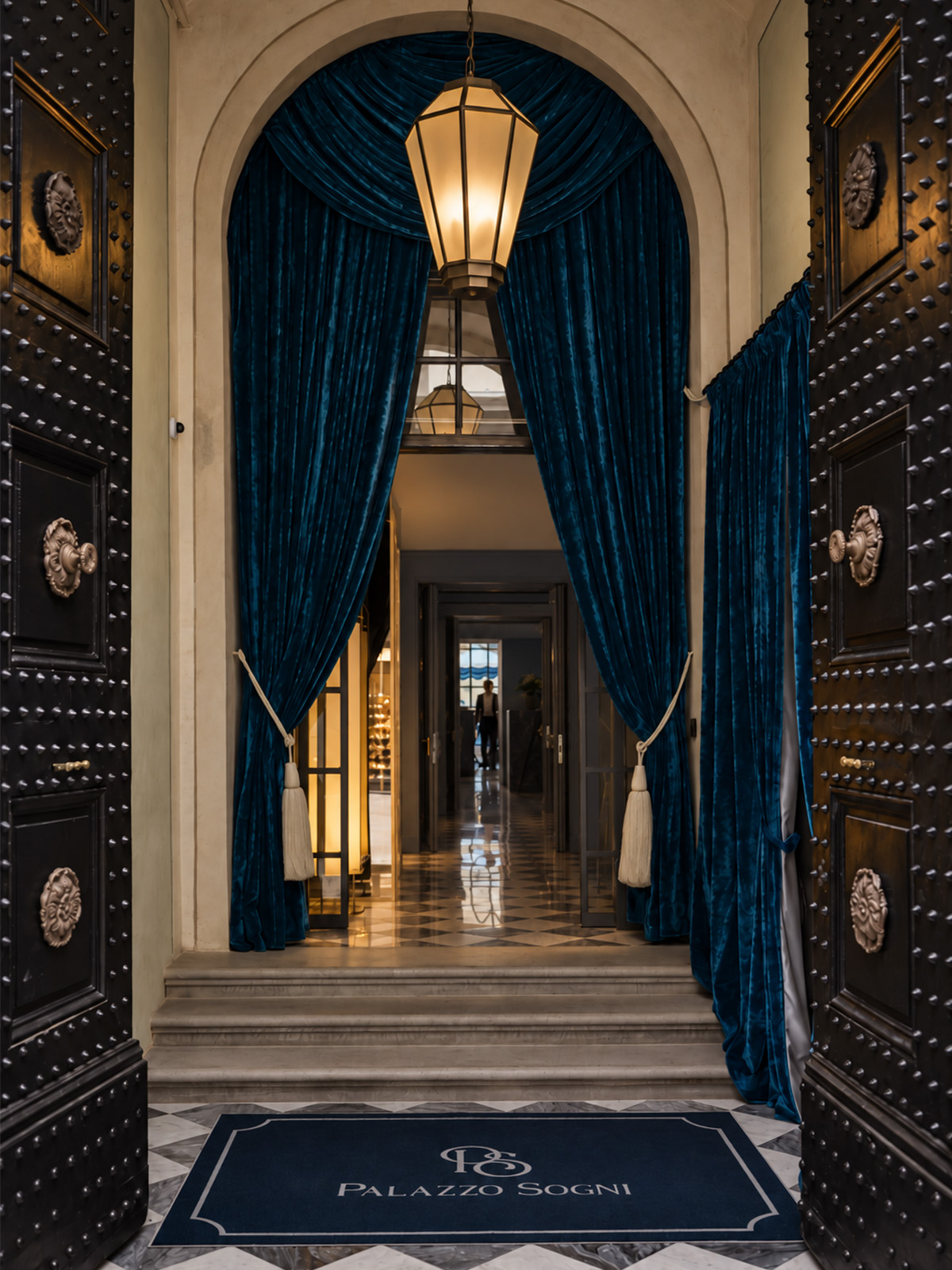
There is something faintly absurd about turning a Renaissance palace into a hotel and then decorating it as though the building were an anonymous luxury apartment in Dubai. Yet the hospitality industry’s enthusiasm for neutral colours, discreet furniture and supposedly timeless interiors has a remarkable ability to make even extraordinary architecture look rather ordinary. Fortunately, nobody appears to have suggested this approach to the designers of Palazzo Sogni. Opened in October 2026, this 30-room hotel occupies part of the historic Palazzo Testa on Via de’ Martelli, just steps from Florence’s Duomo. Behind its Renaissance façade lies a wonderfully imaginative world of restored frescoes, powder-blue velvet, bespoke silk fabrics, sculptural furniture and the occasional button offering Champagne on demand. The result is not exactly minimalist. Nor should it be.
A Palace with Plenty to Say
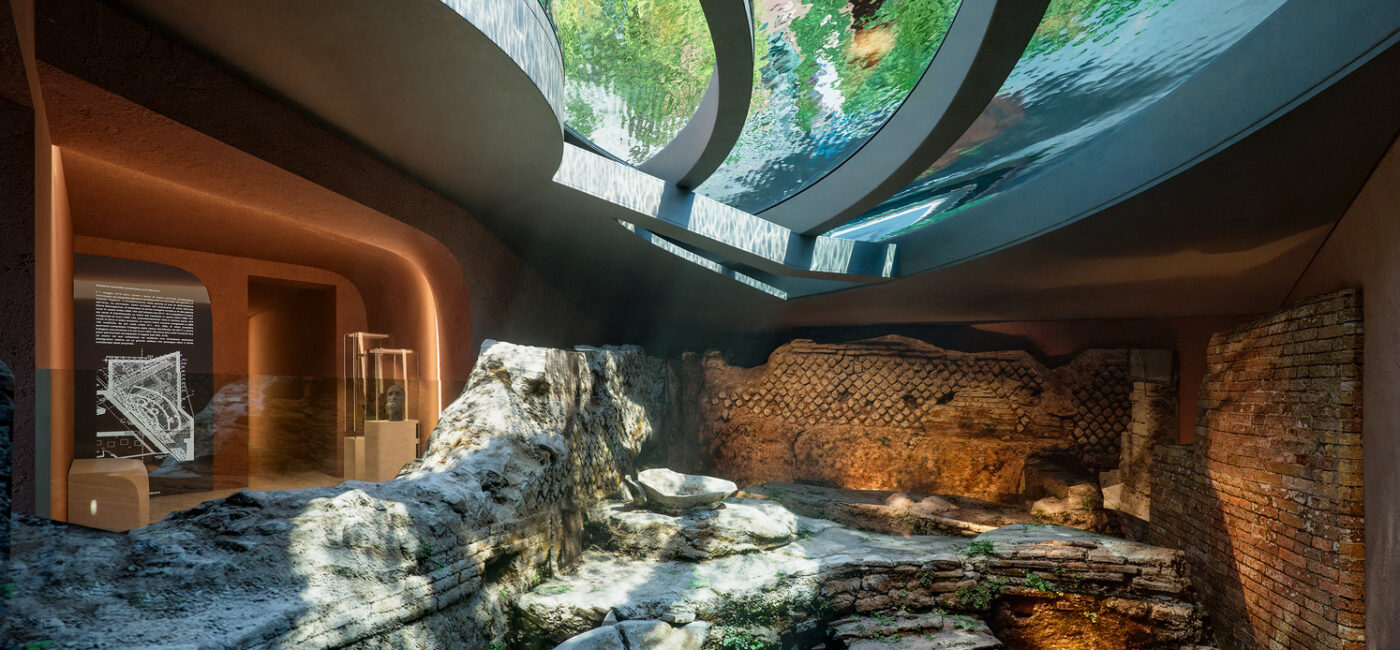
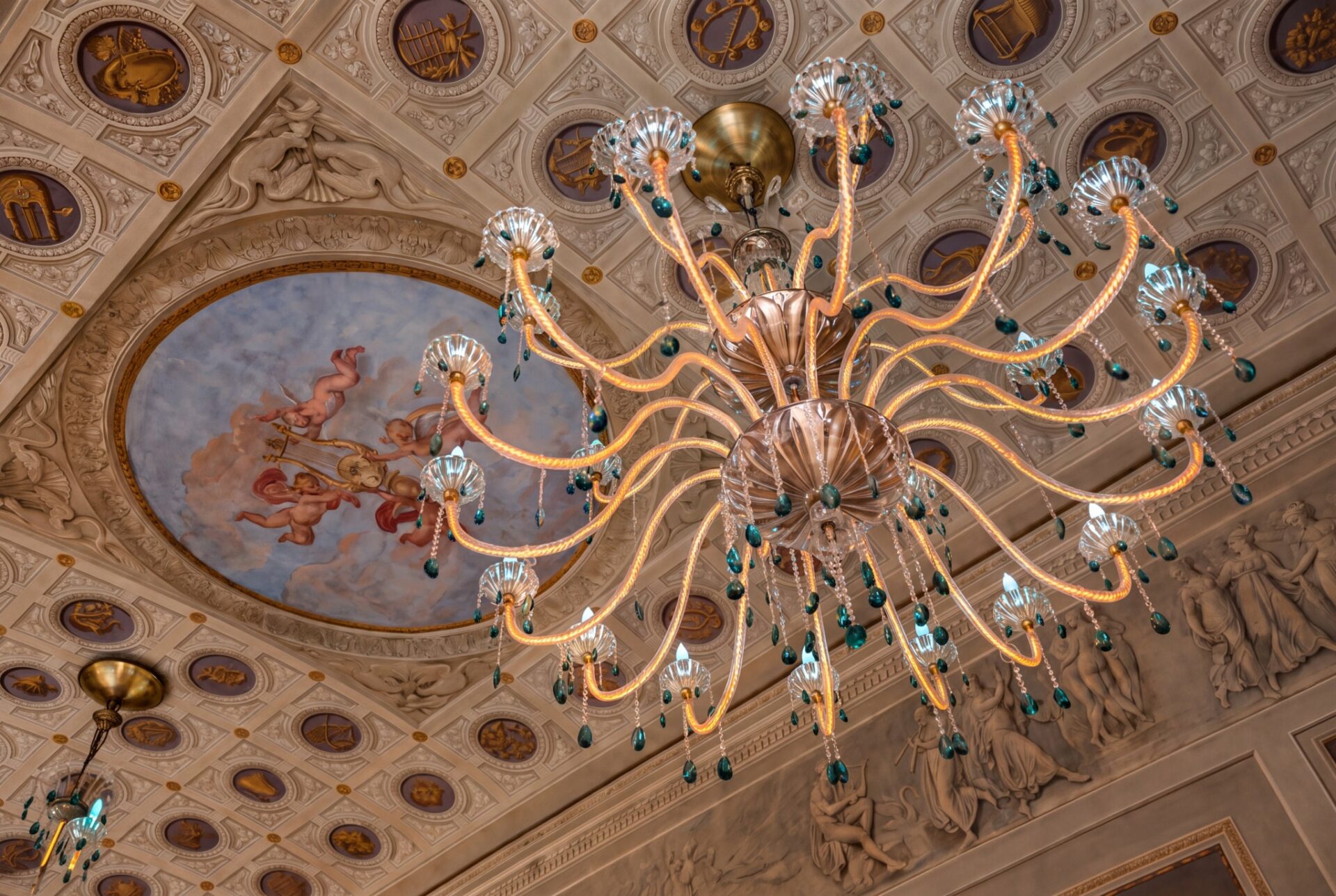
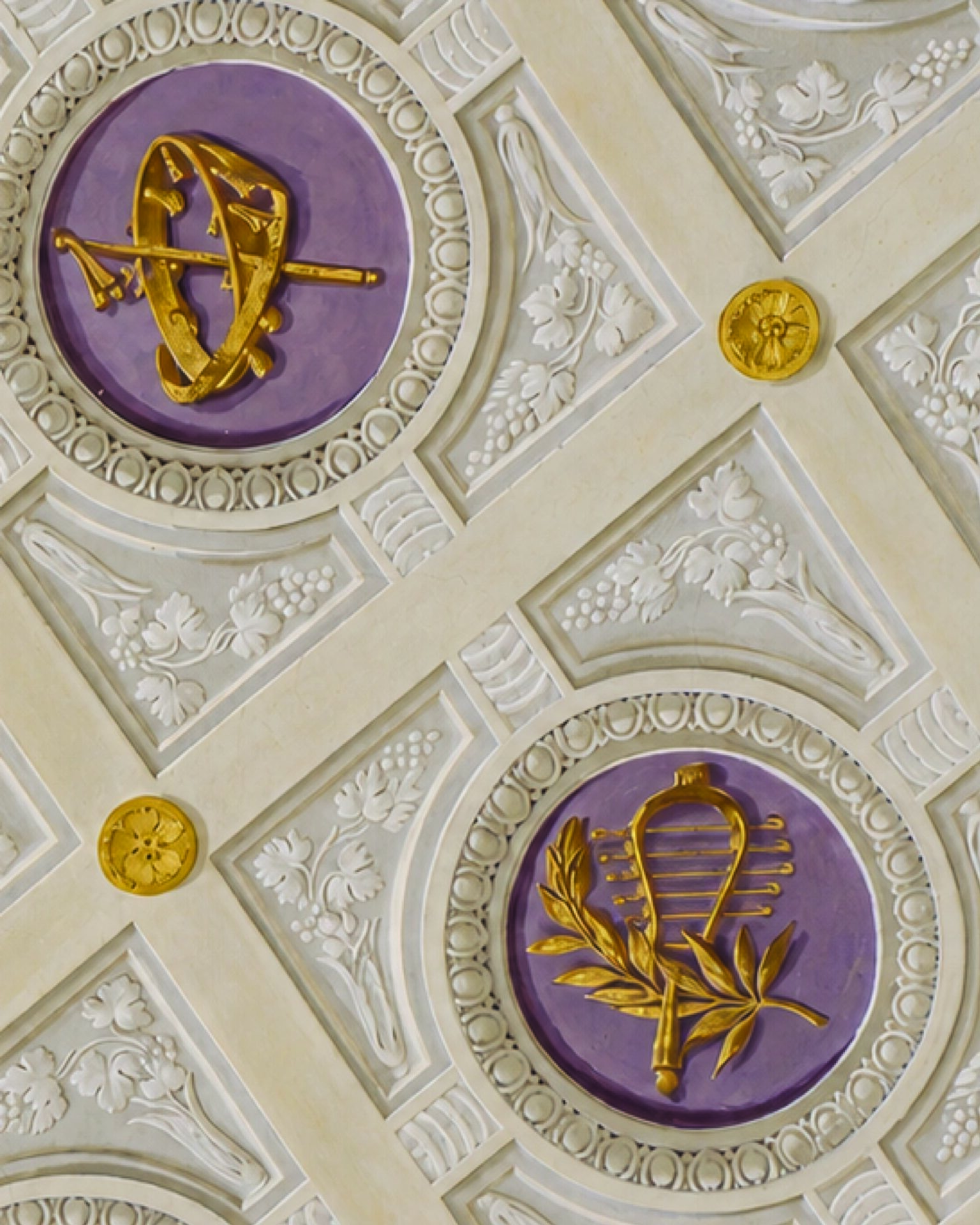
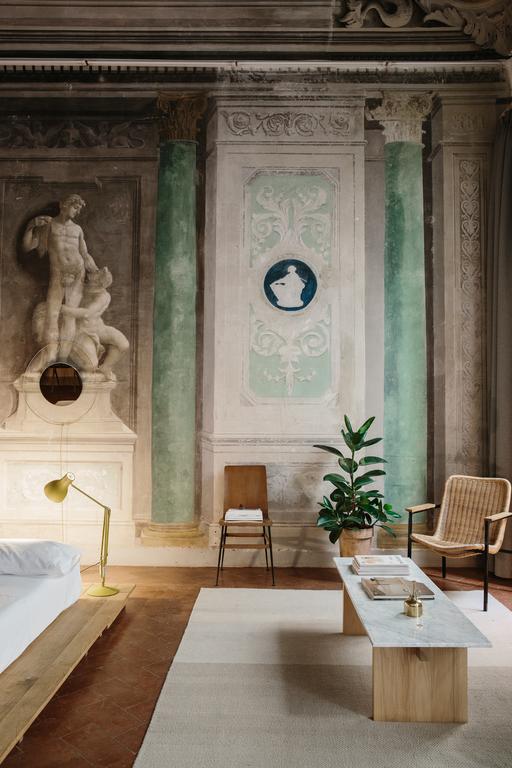
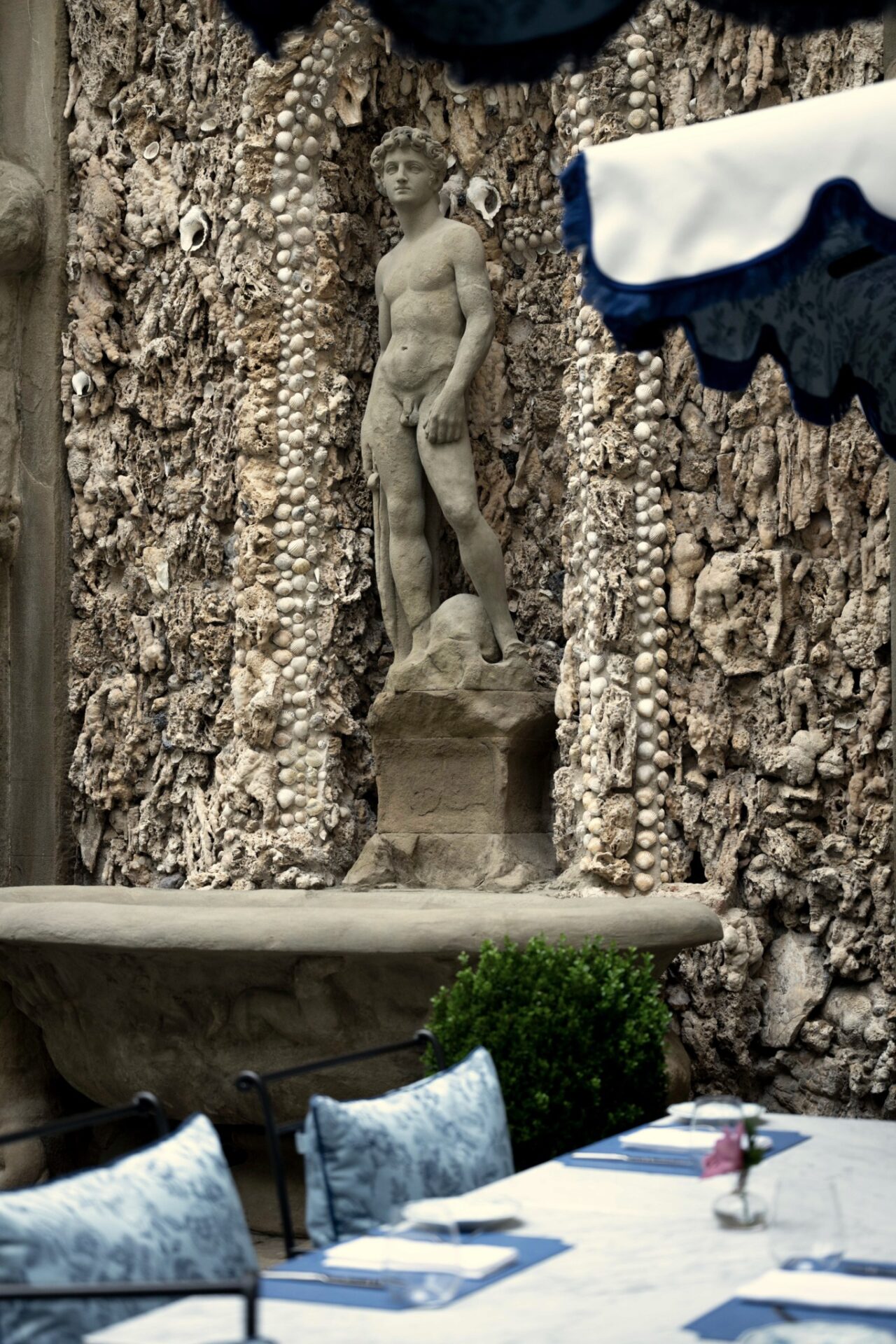
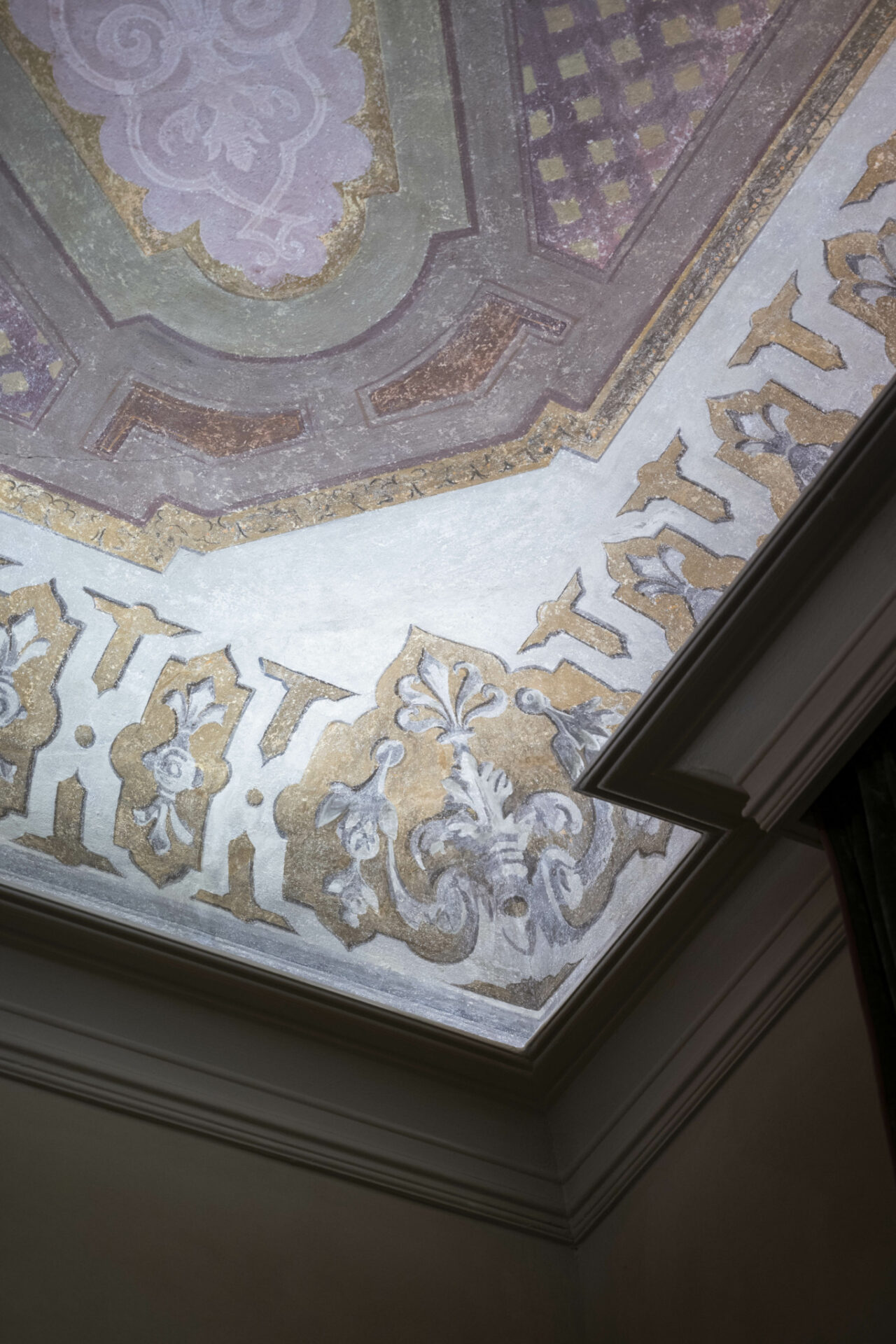
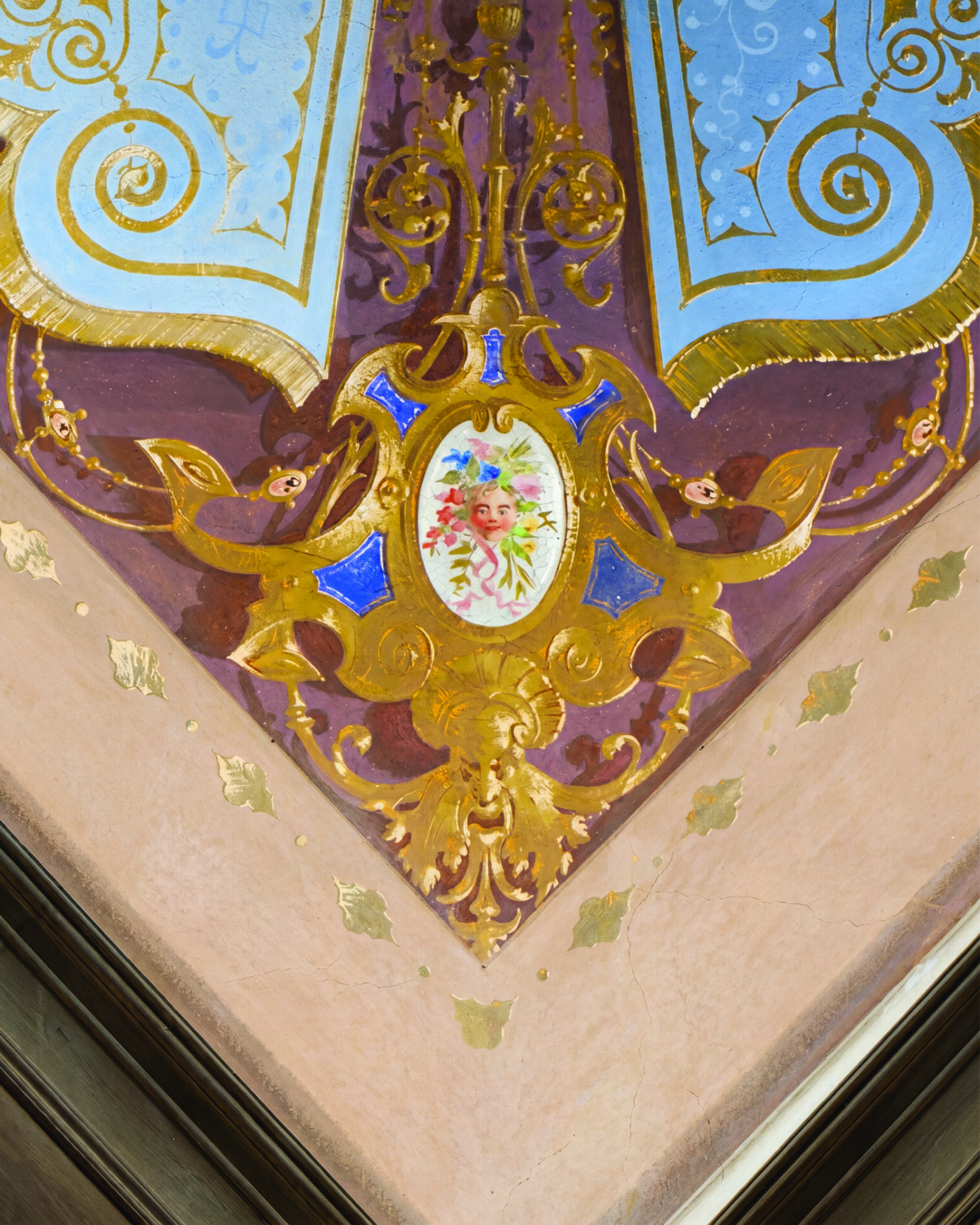
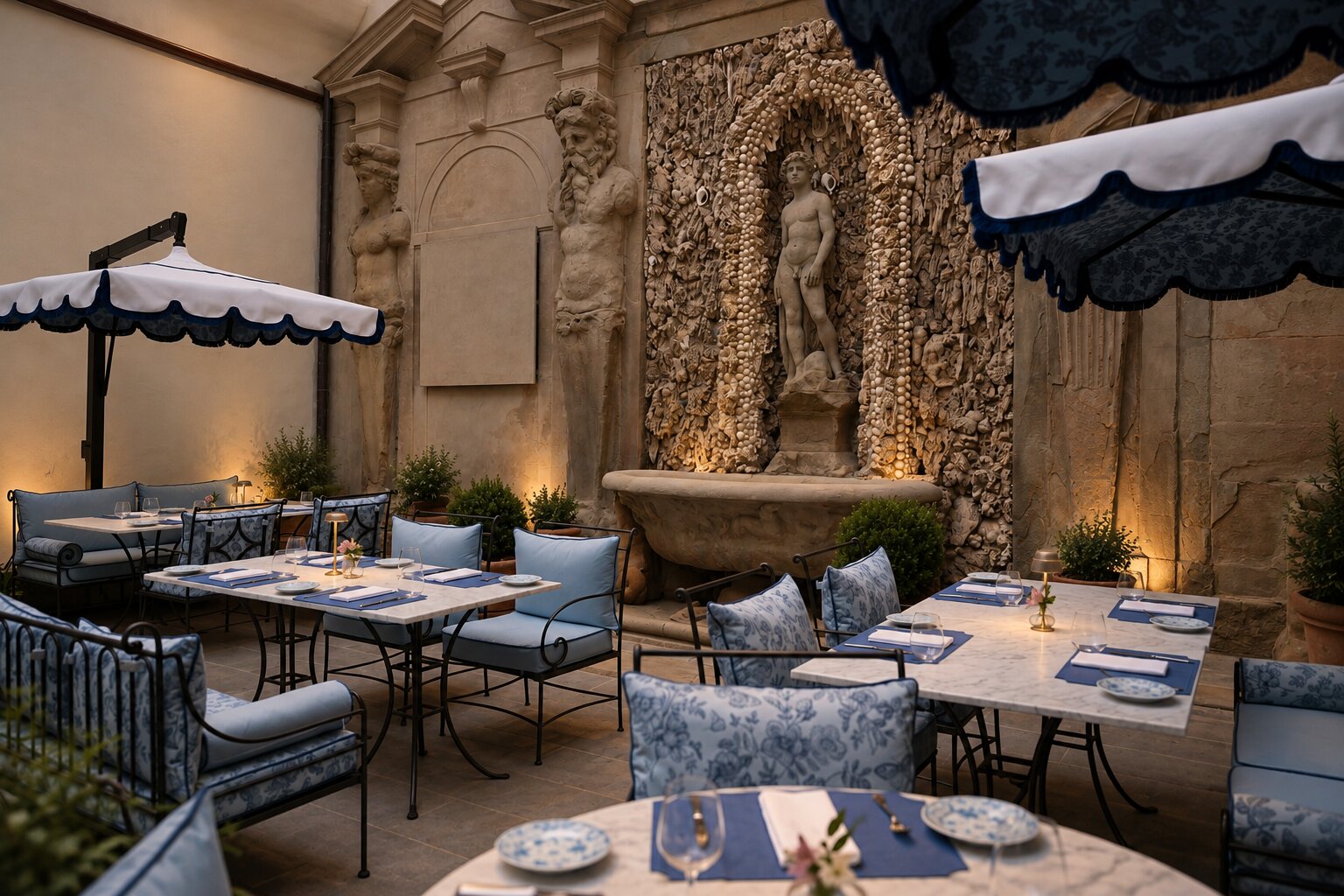
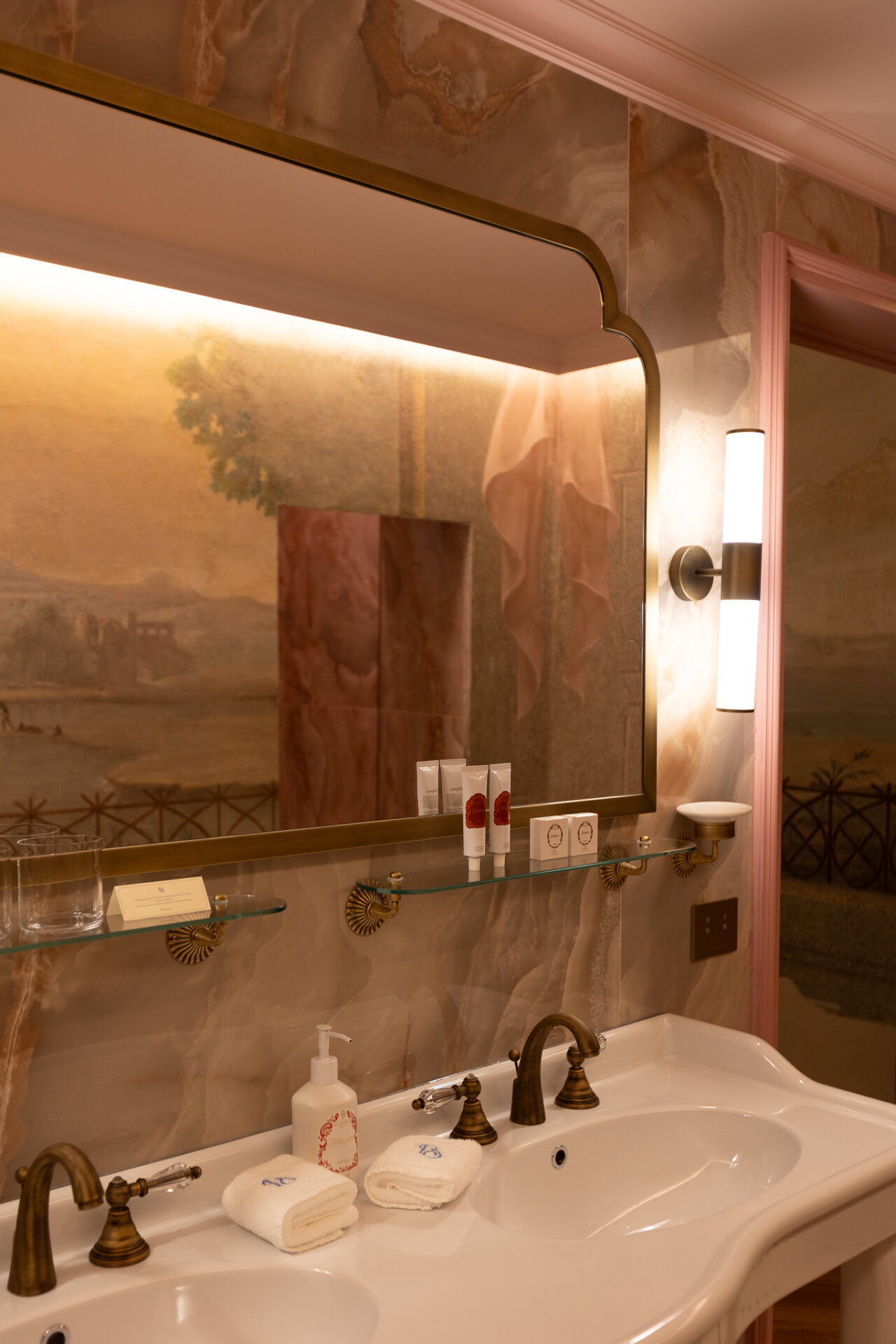
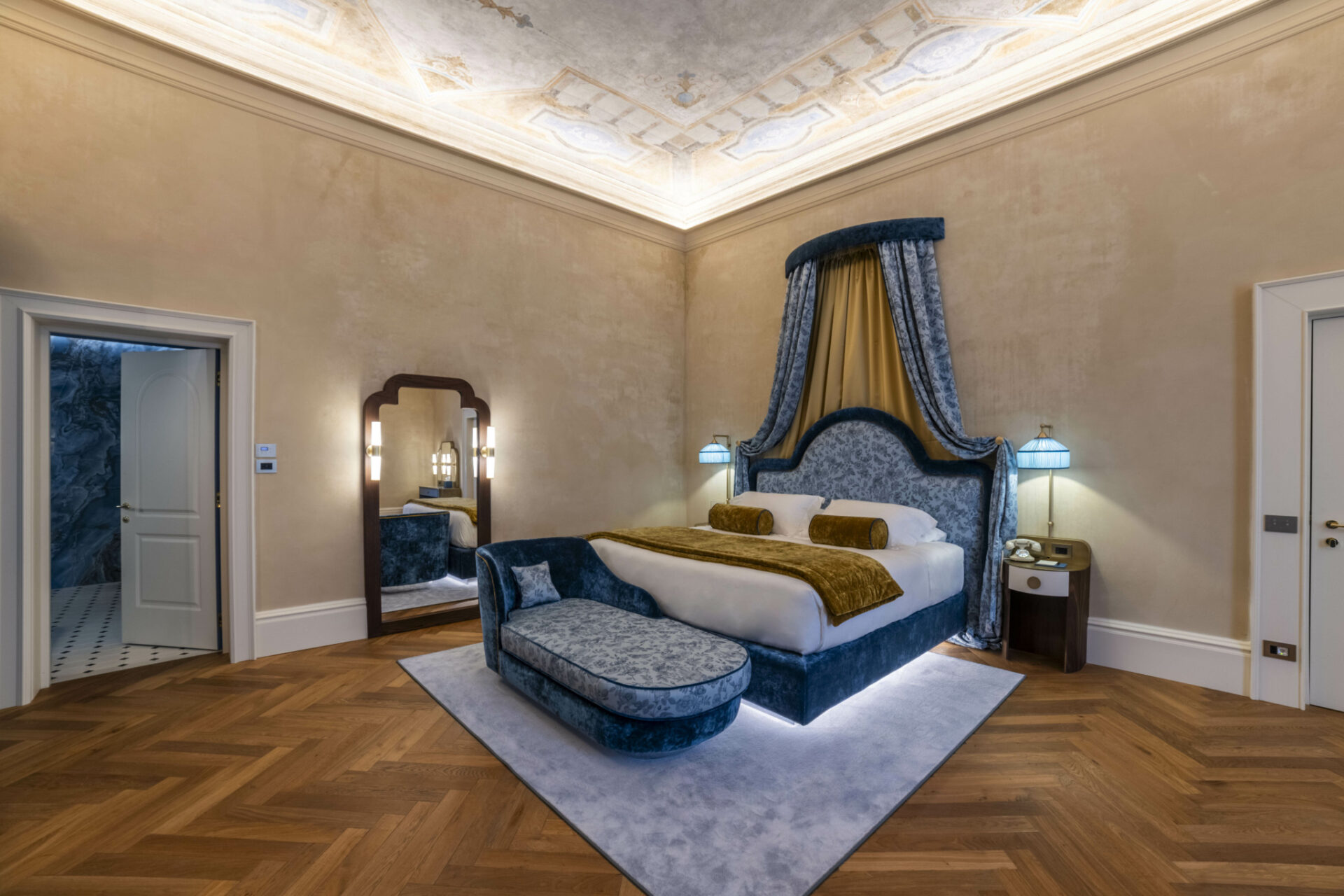
The building dates to the sixteenth century, when it formed part of a residence constructed by the influential Martelli family. Its most extraordinary surviving feature is a monumental nymphaeum, a Renaissance architectural fountain traditionally attributed to sculptor Baccio Bandinelli. Set within the courtyard garden, it recalls the elaborate private worlds created by Florence’s wealthy families. Inside, coffered ceilings, carved woodwork and frescoes by Tuscan artists including Luigi Catani and Antonio Marini reveal centuries of decorative history. Some paintings were rediscovered beneath later layers of decoration during the restoration. Rather than treating these discoveries as obstacles, the designers made them the starting point for the interiors. Which, given the quality of the original material, seems like an eminently sensible decision.
Dreaming in Powder Blue
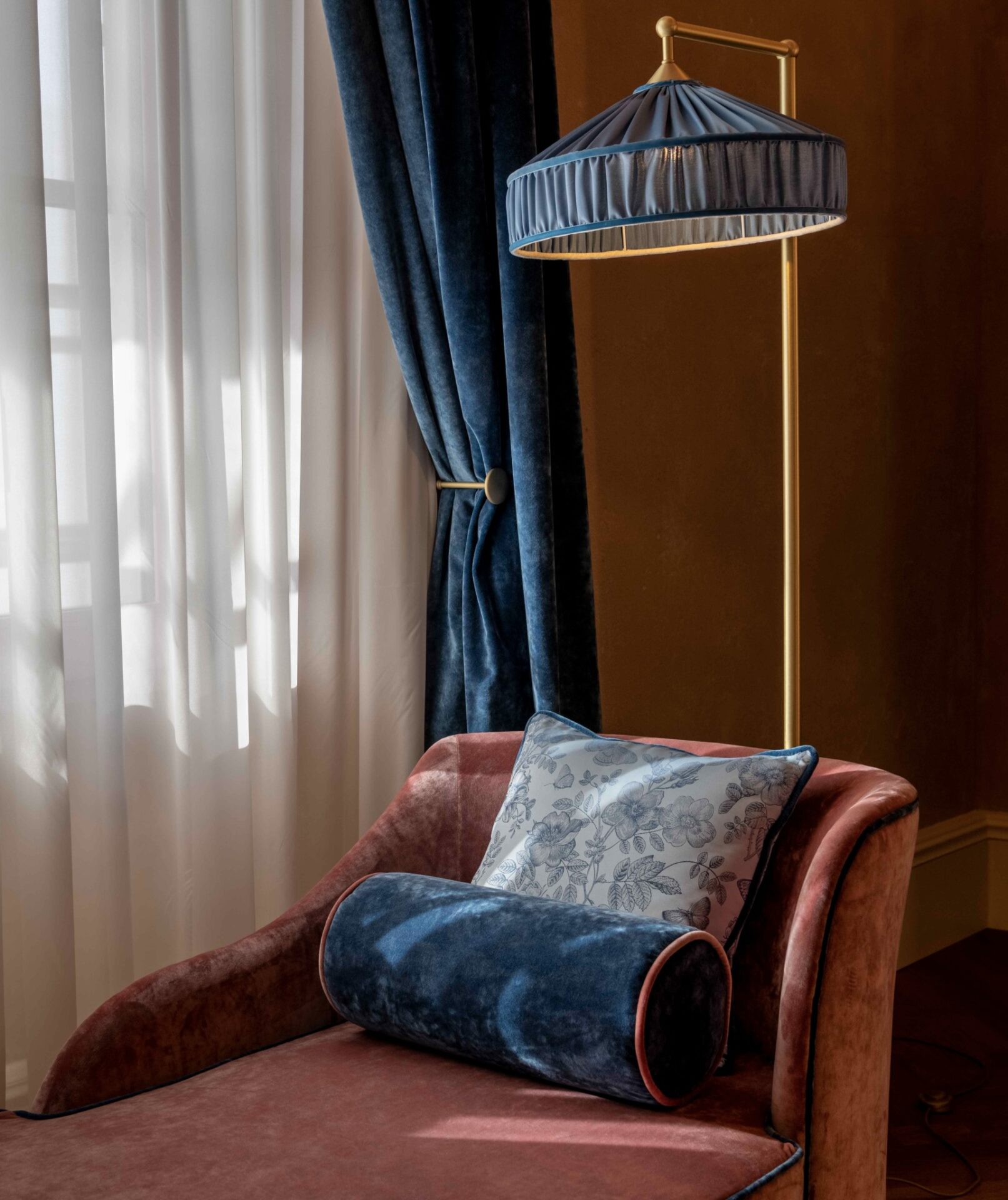
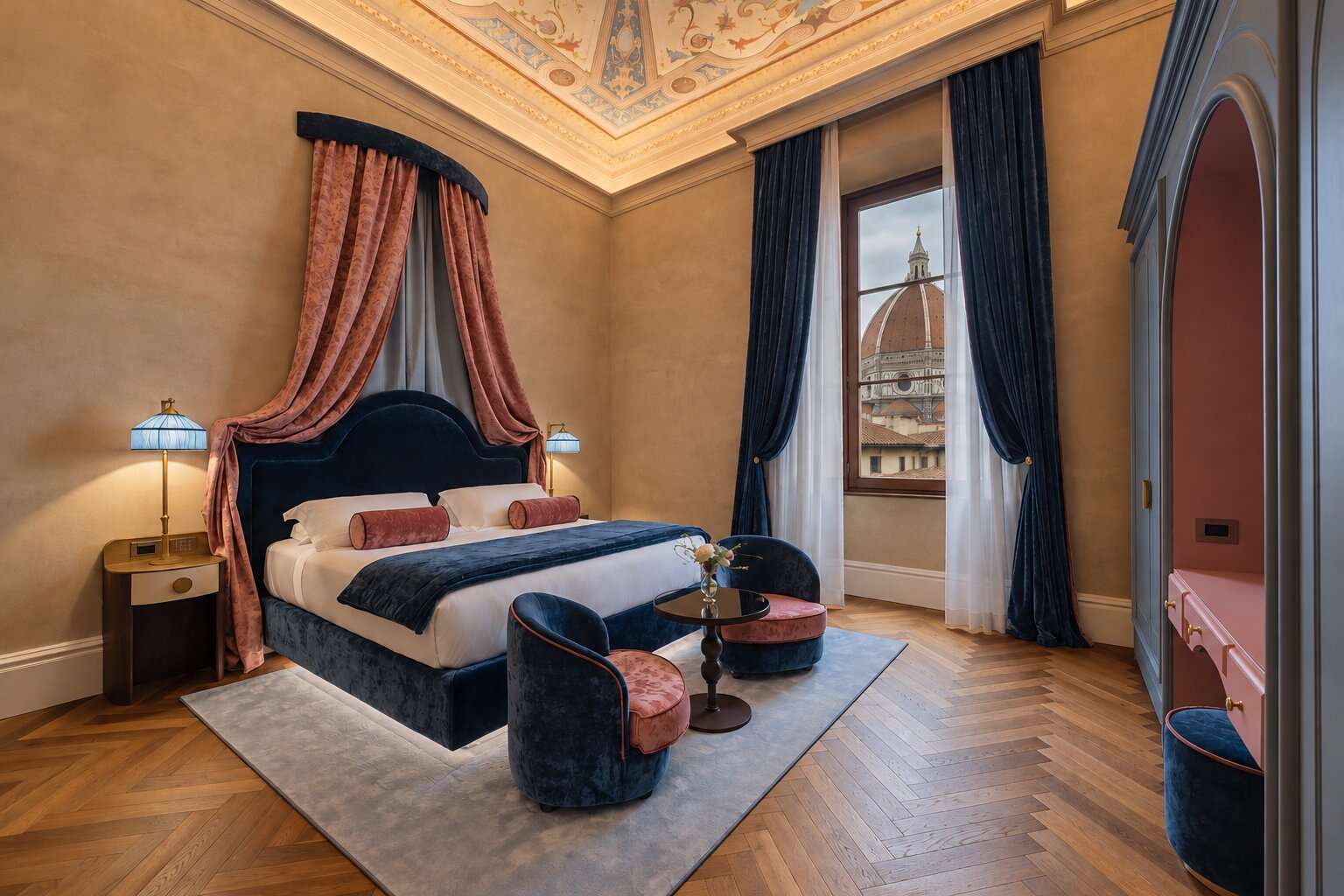
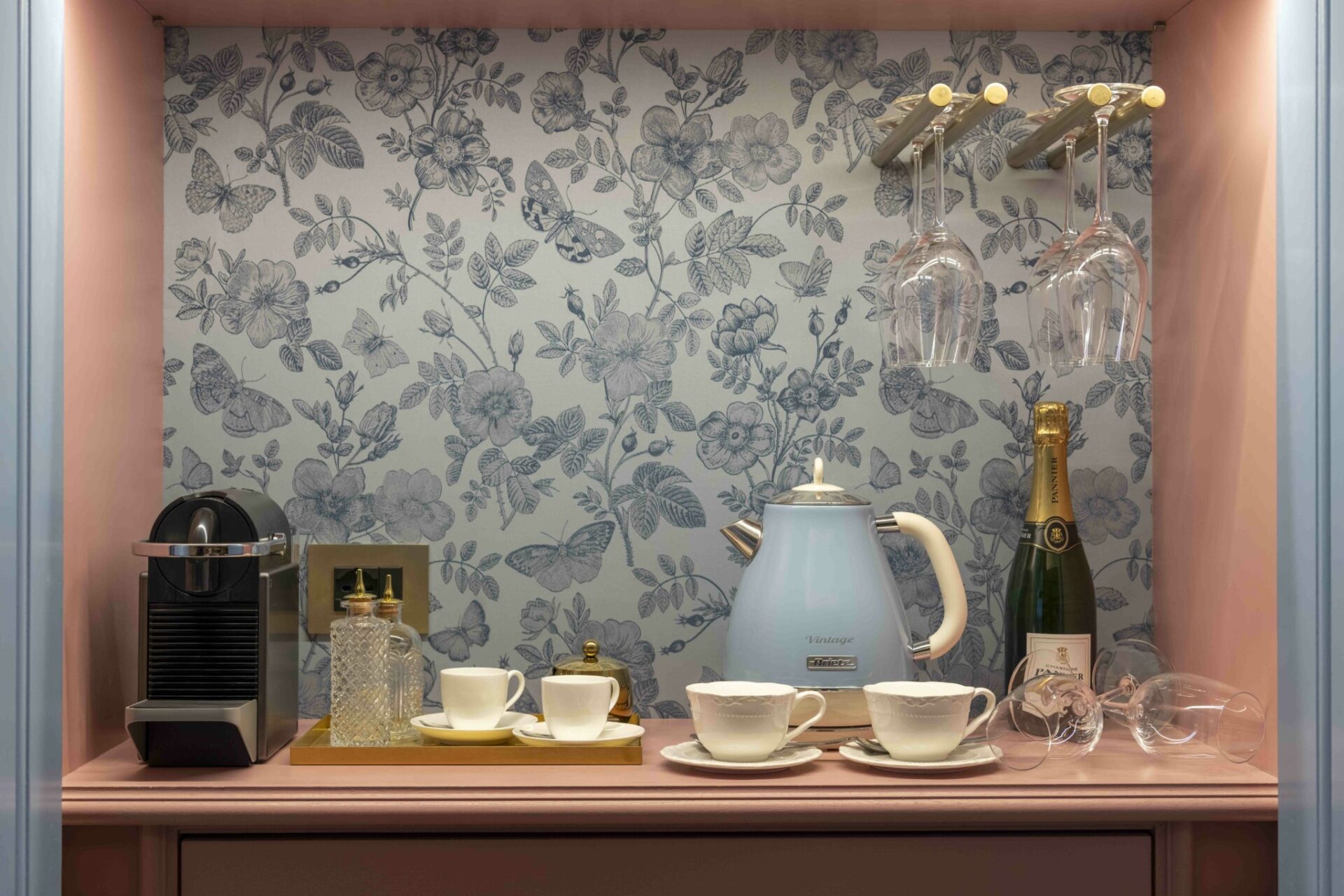
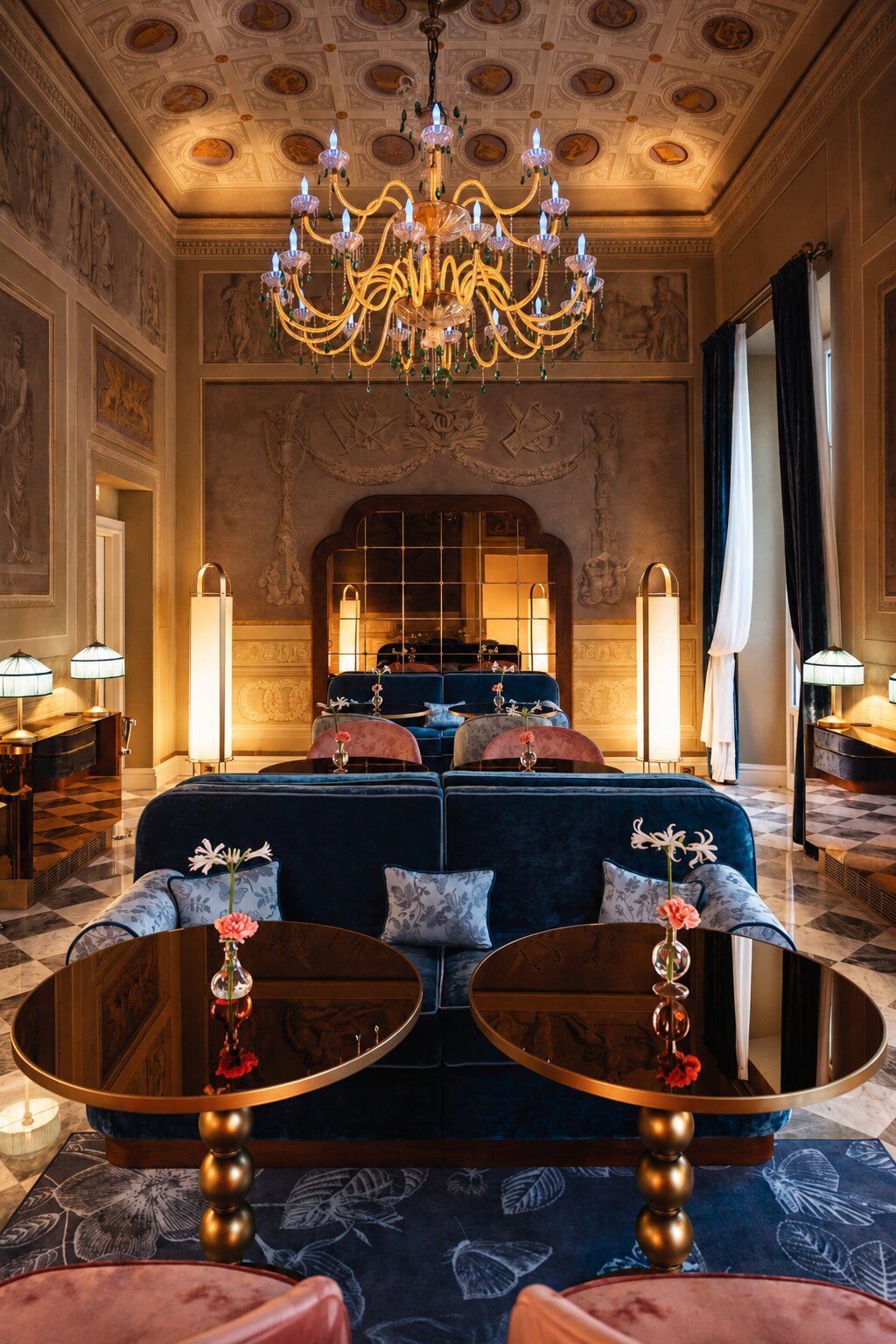
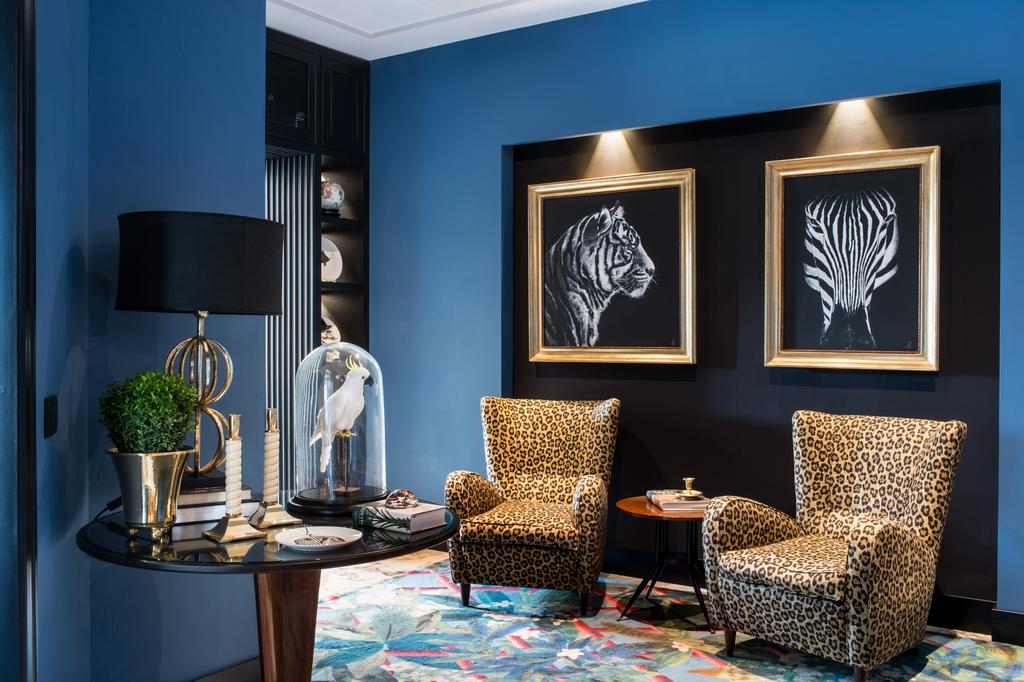
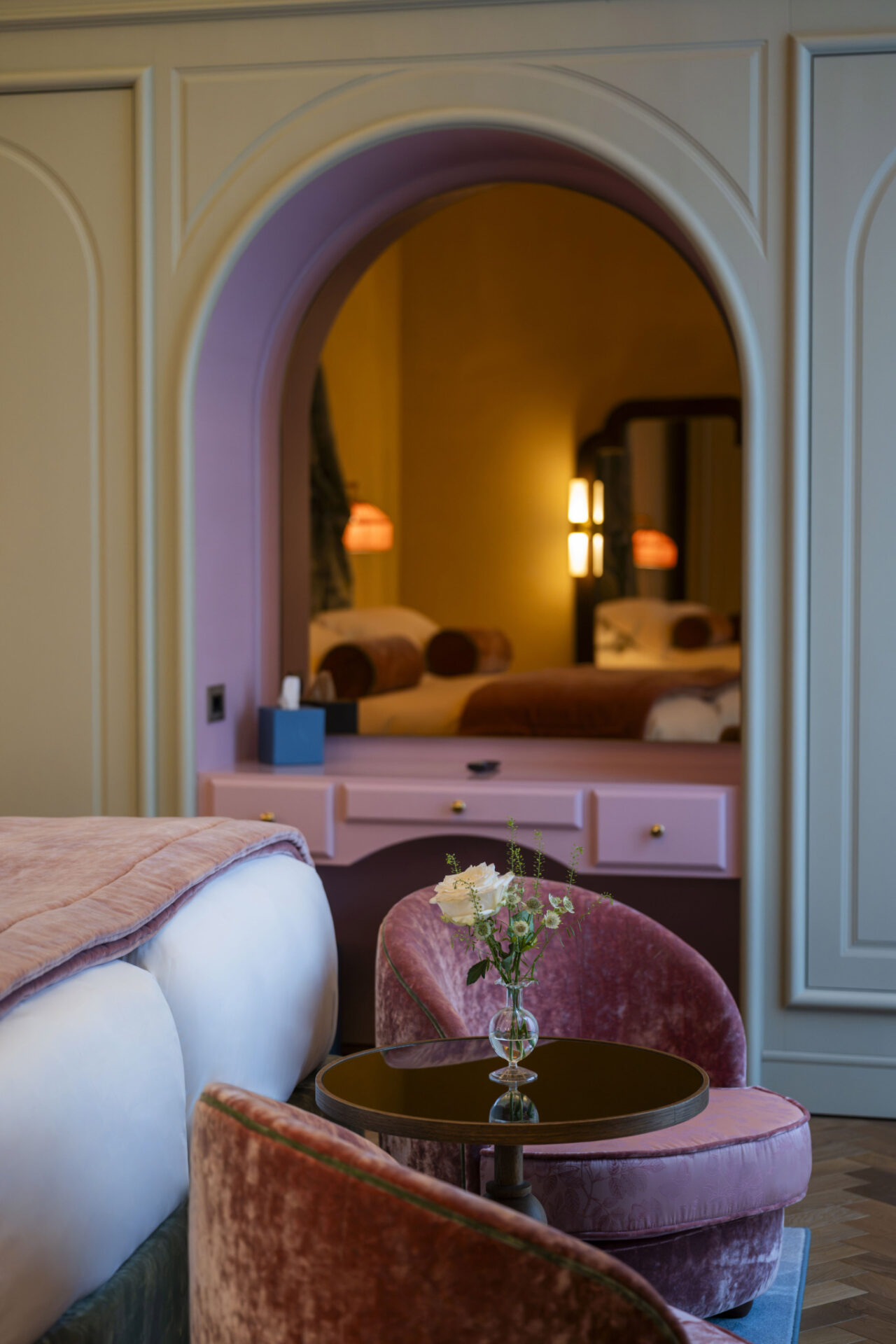
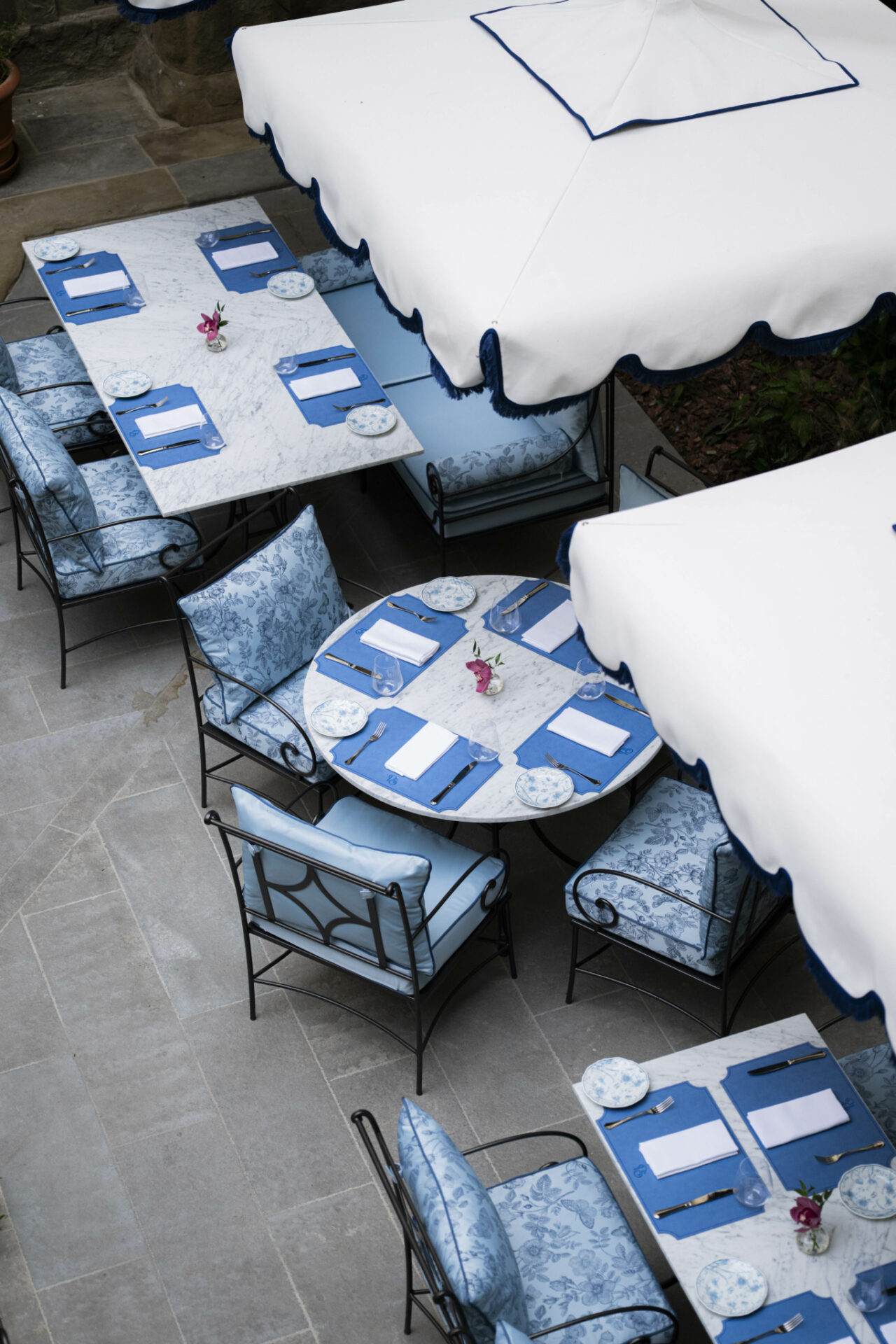
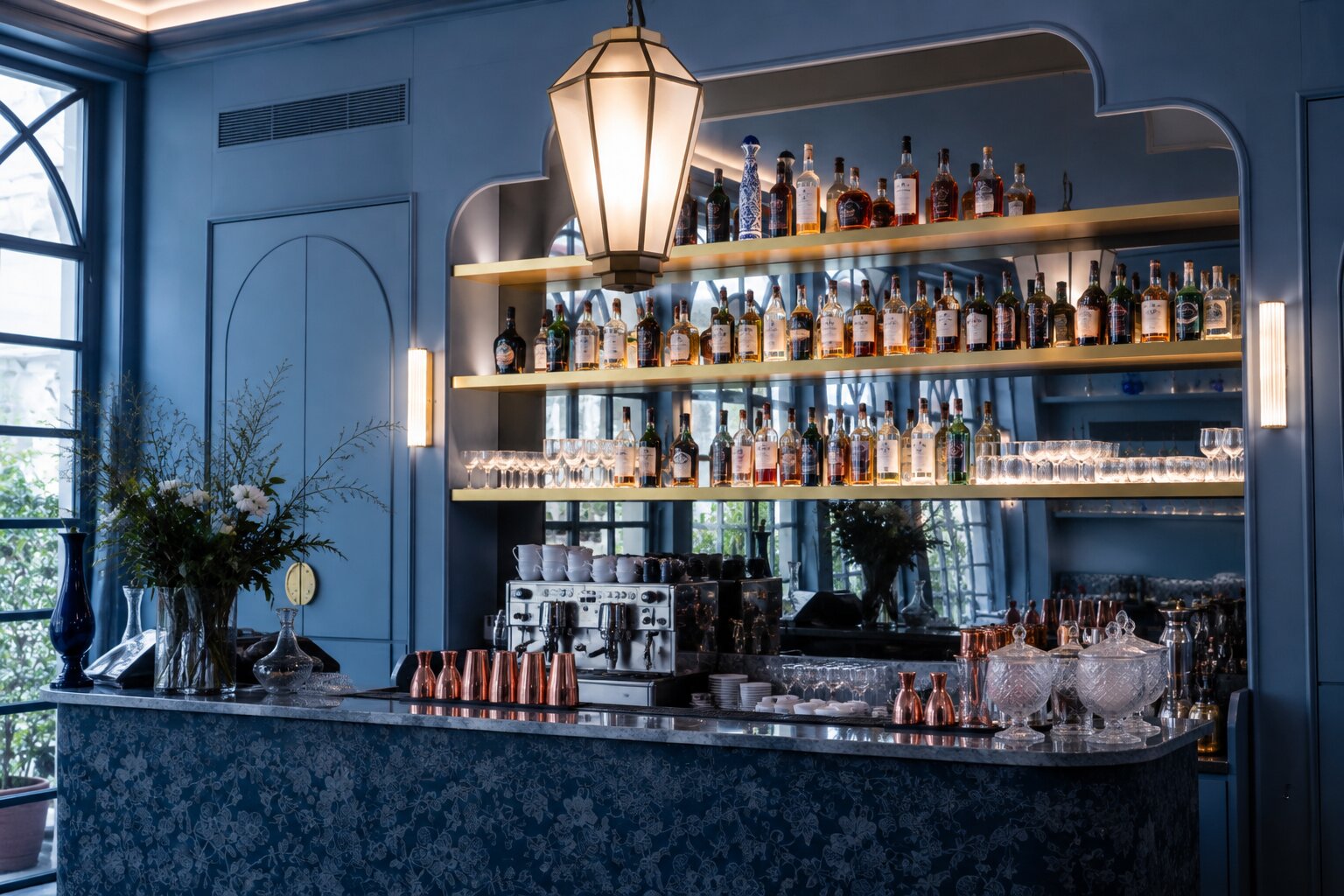
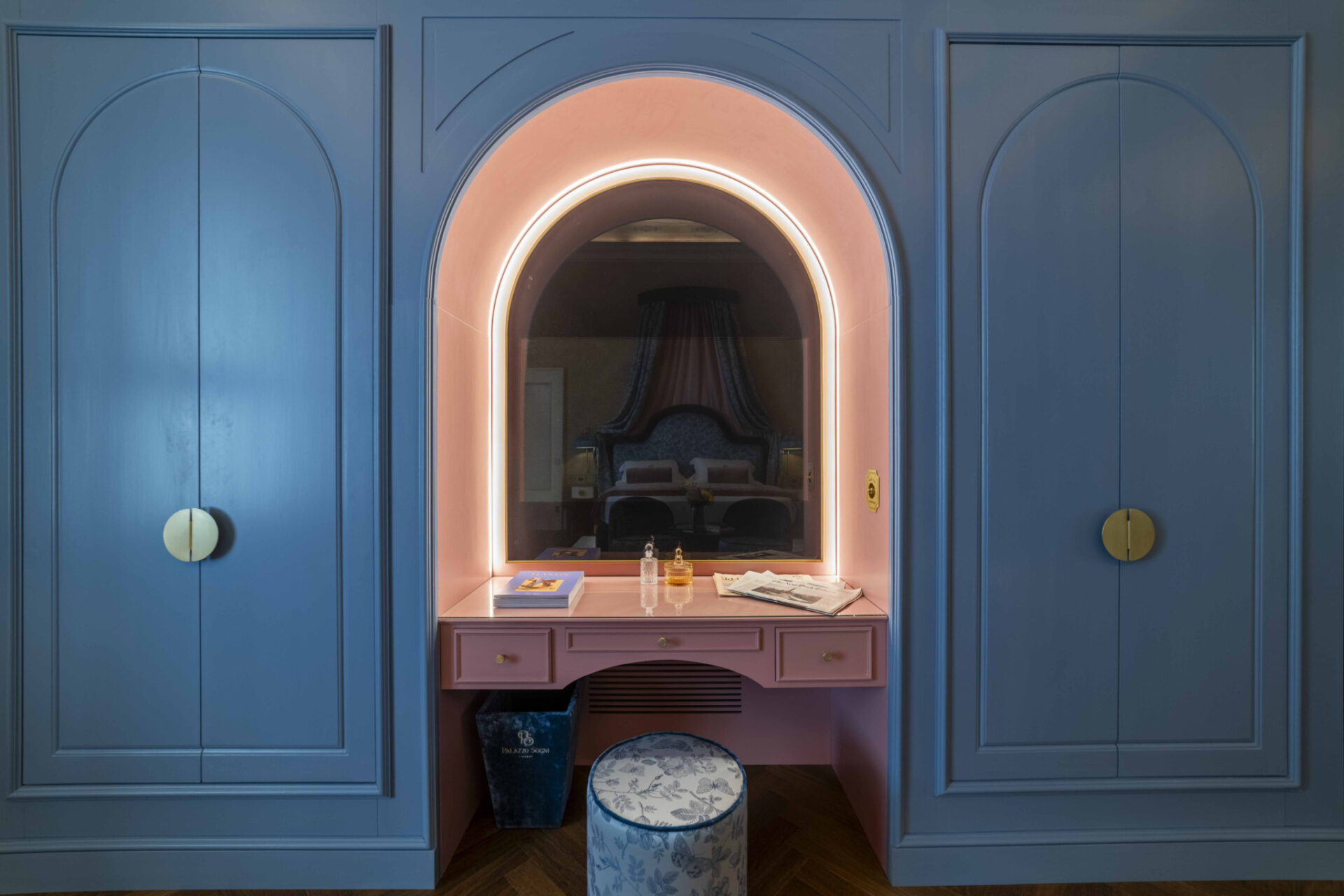
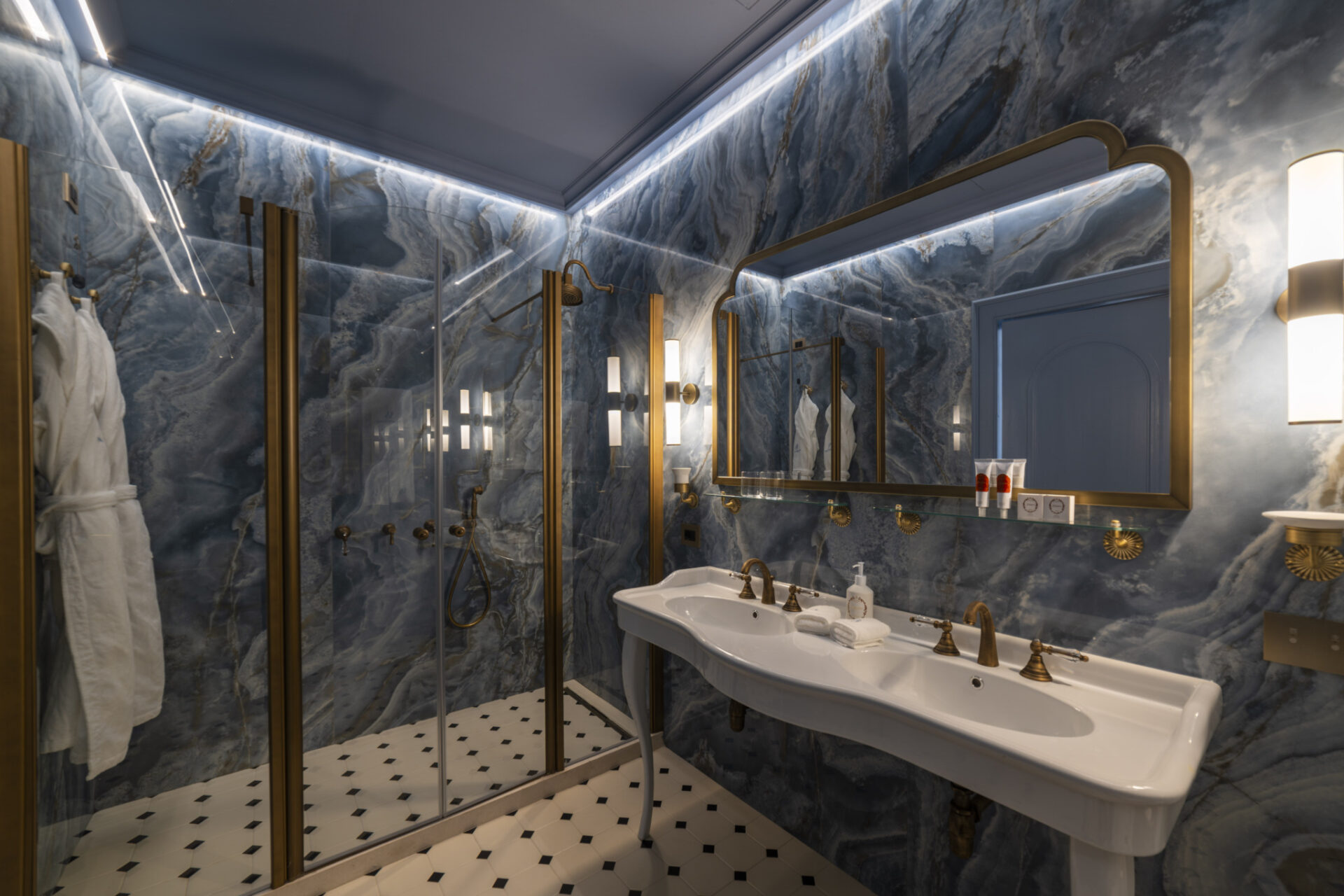
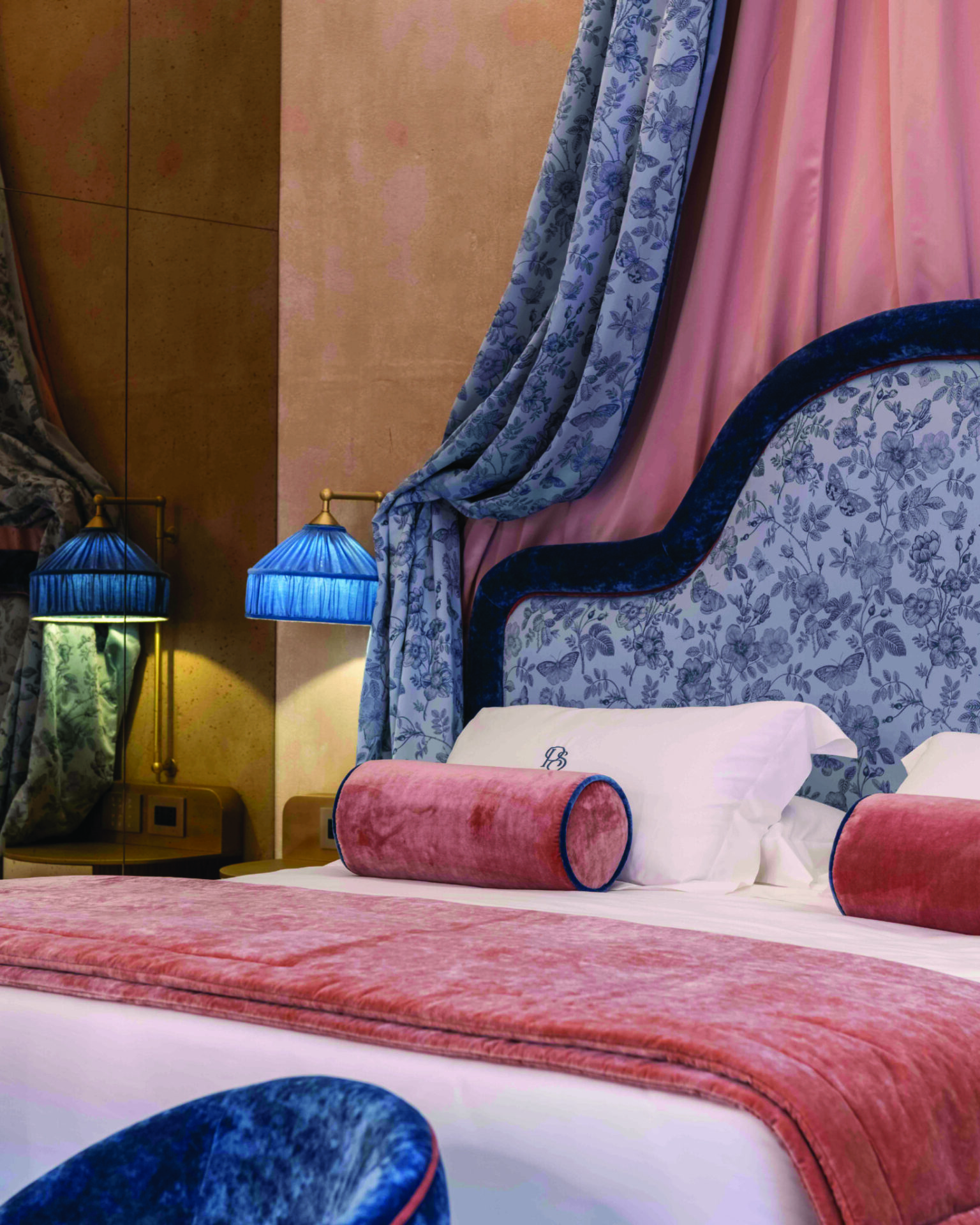
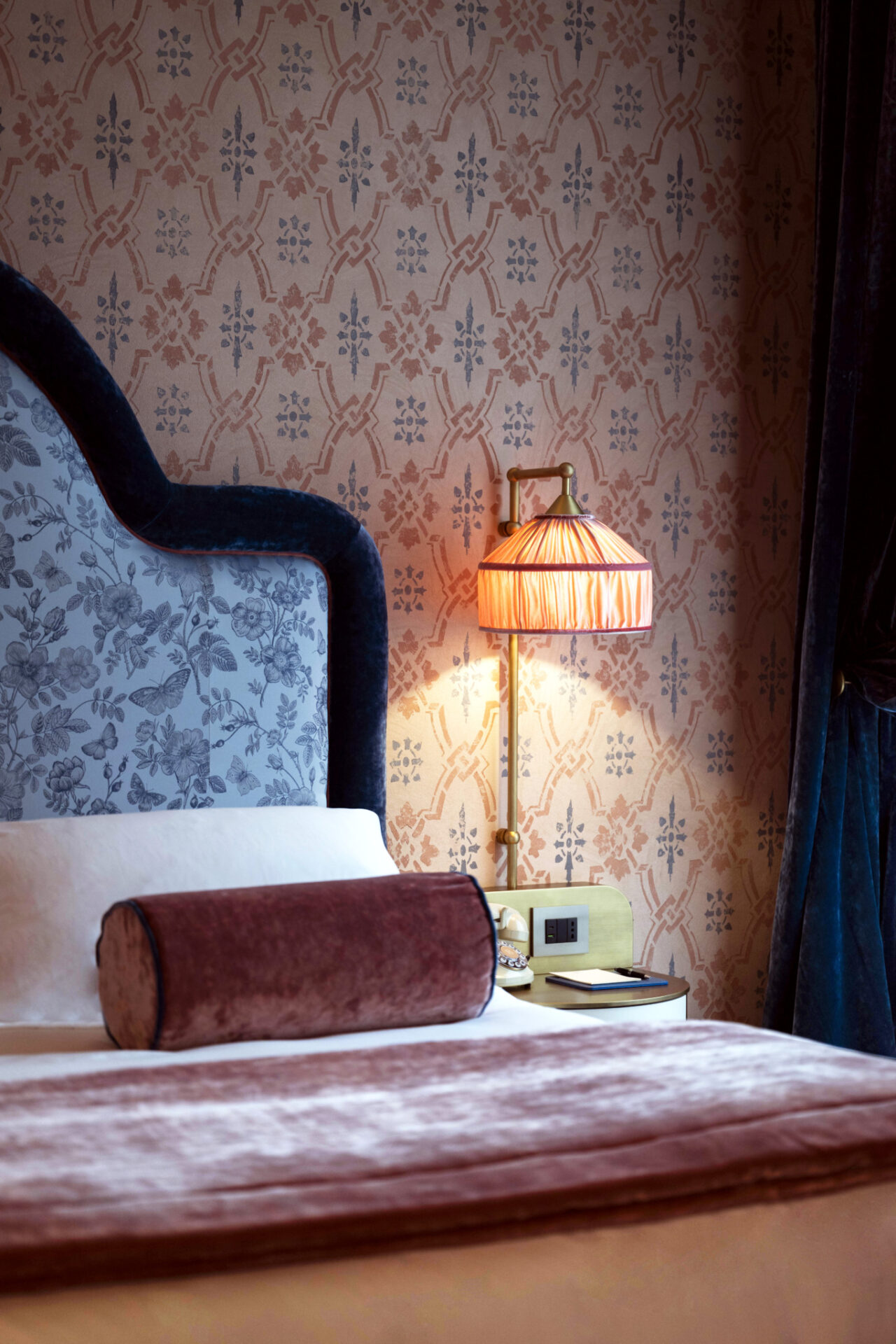
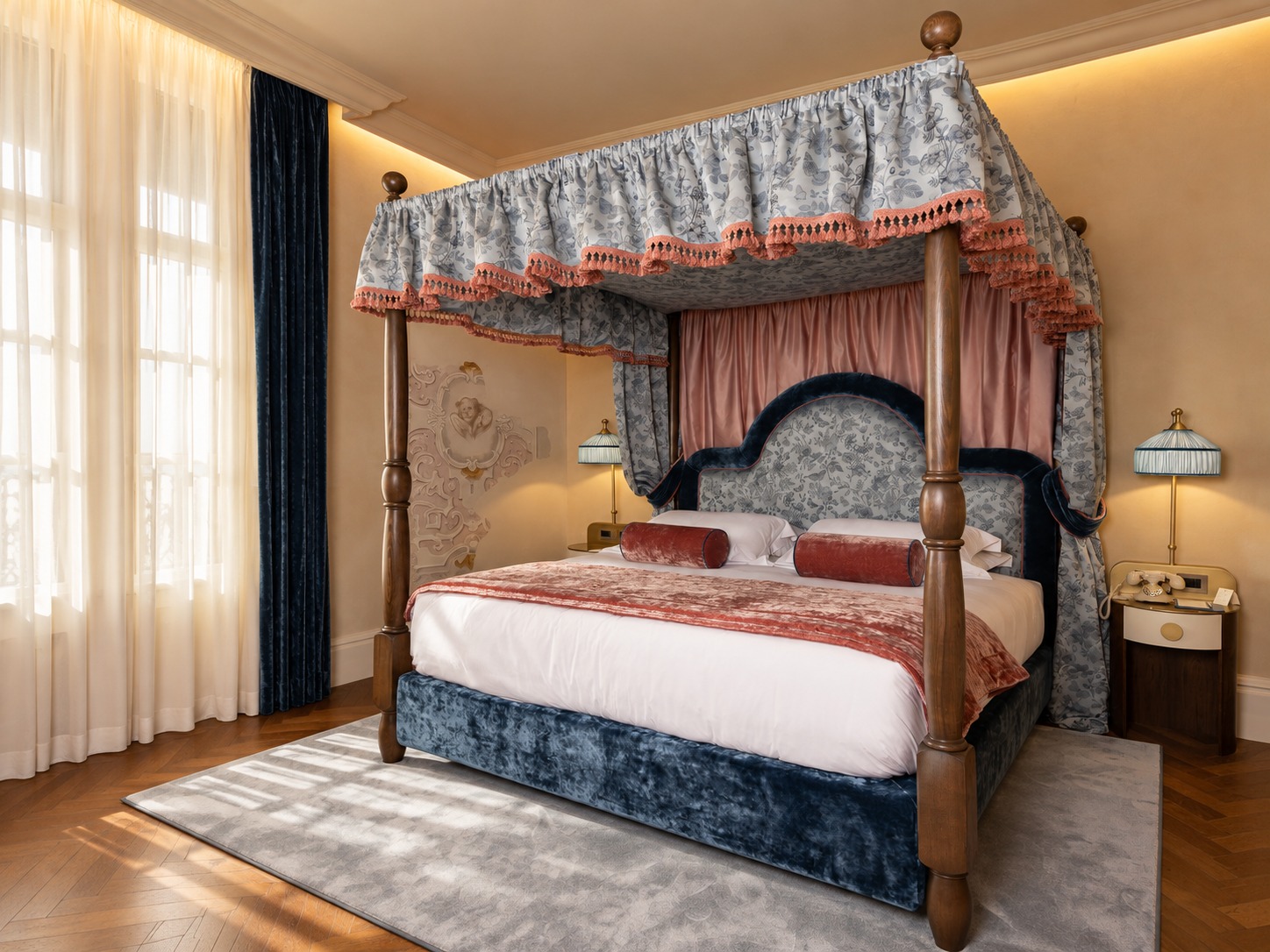
The interiors are by sisters Elena and Giulia Sella of Design by Gemini, who have developed an entire decorative language specifically for the hotel. Powder blue is the signature colour, complemented by mint green, blush pink and ochre. Rich velvets, silk fabrics, warm metallic finishes and aged amber mirrors create an atmosphere that is theatrical without losing sight of the historic architecture. The 30 rooms and suites are individually designed, with furnishings and colour schemes responding to the original frescoes and proportions. Sculptural wardrobes, upholstered headboards, four-poster beds and chaise longues were designed exclusively for the hotel and produced by artisans in Florence and the surrounding region. Particularly beautiful is the bespoke Floral Butterfly textile, developed with Florentine fabric specialist Alessandro Bini. Woven as a silk-based jacquard, it appears on bed canopies, armchairs and even inside wardrobes. The attention to detail extends to bed linen by Rivolta Carmignani and porcelain by Ginori 1735, whose classic Antico Doccia collection has been reinterpreted in the hotel’s distinctive blue. And just when things threaten to become a little too sophisticated, there are brass buttons marked Press for Champagne. A feature that arguably deserves to become standard equipment in every luxury hotel.
The Garden Behind the Palace
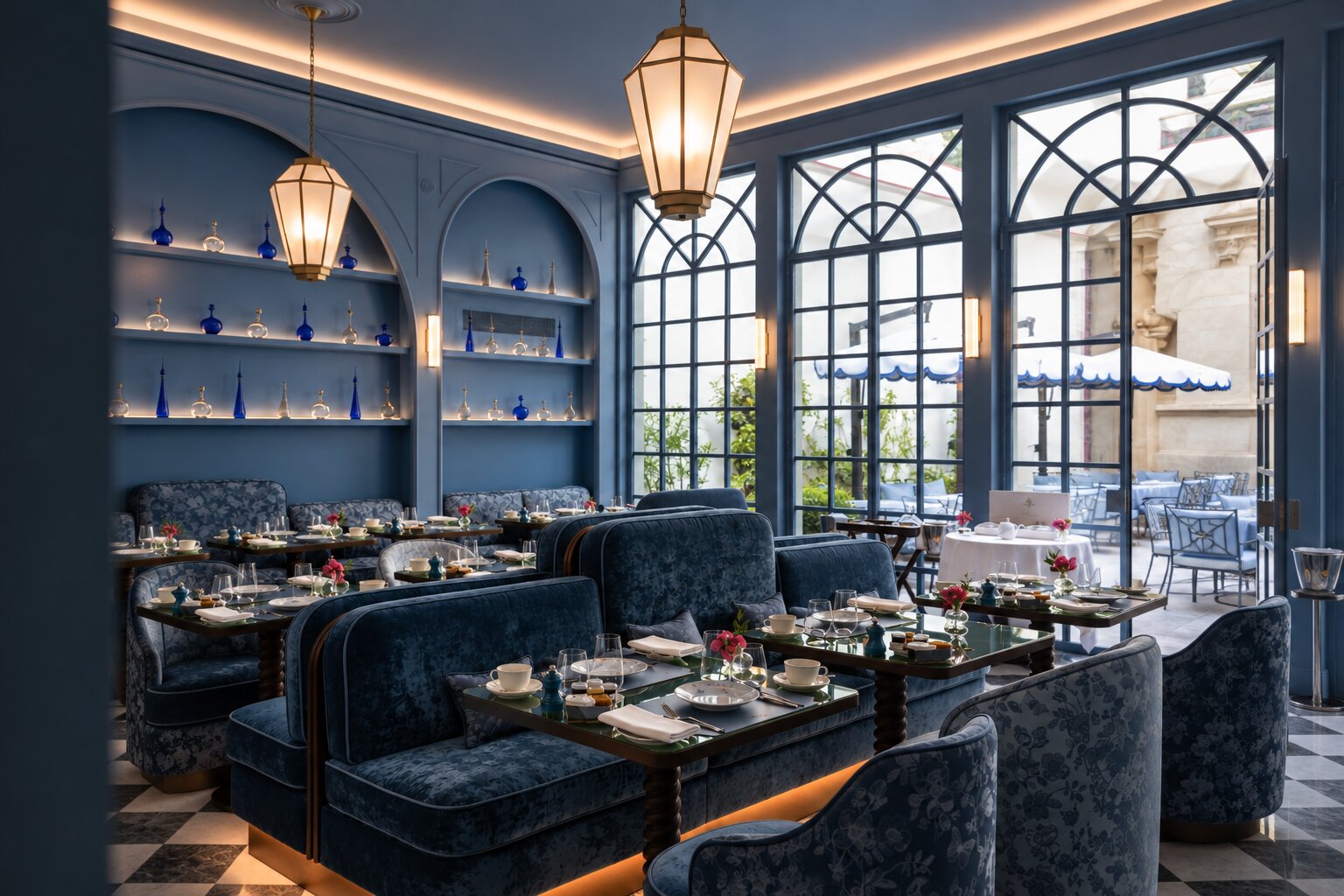
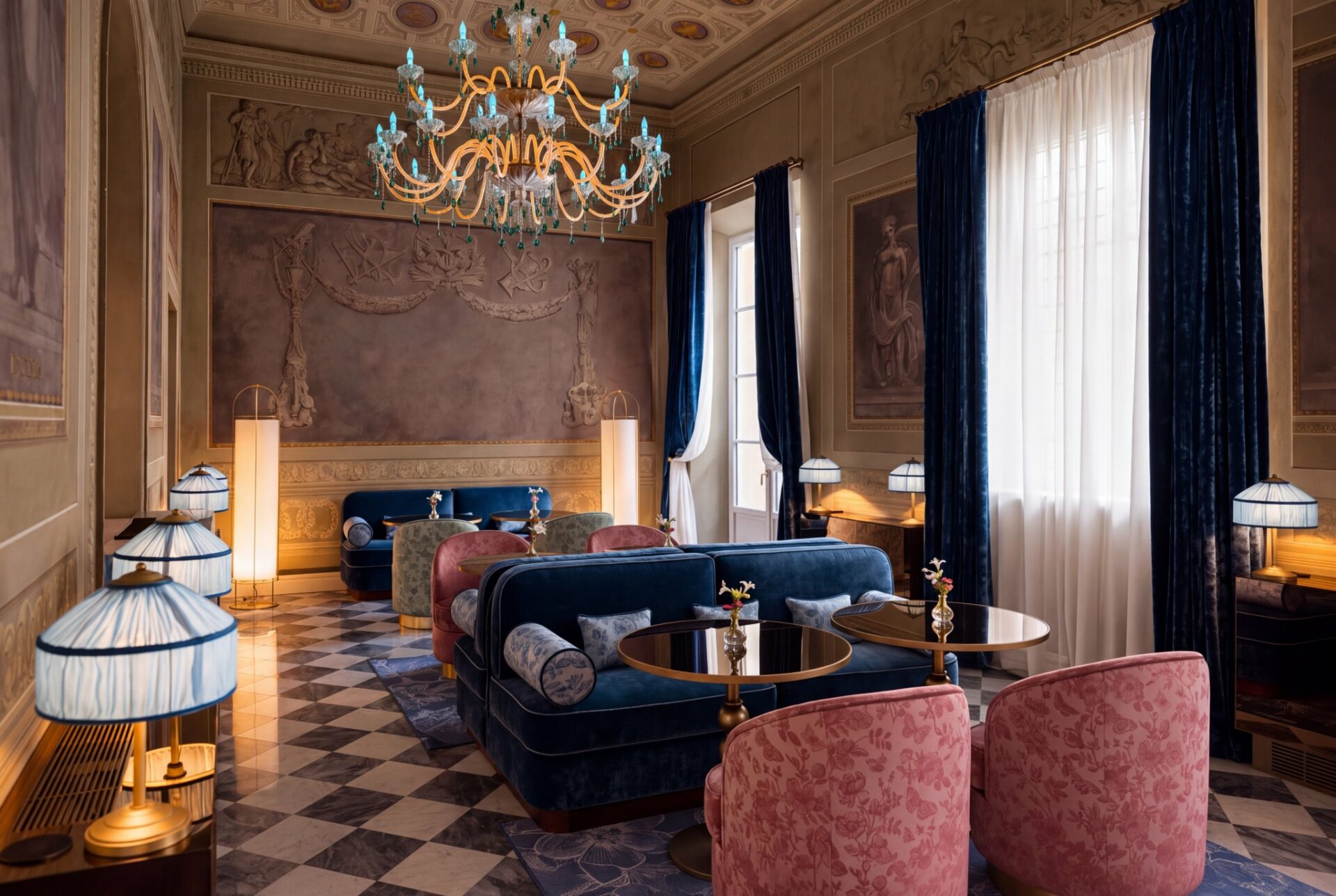
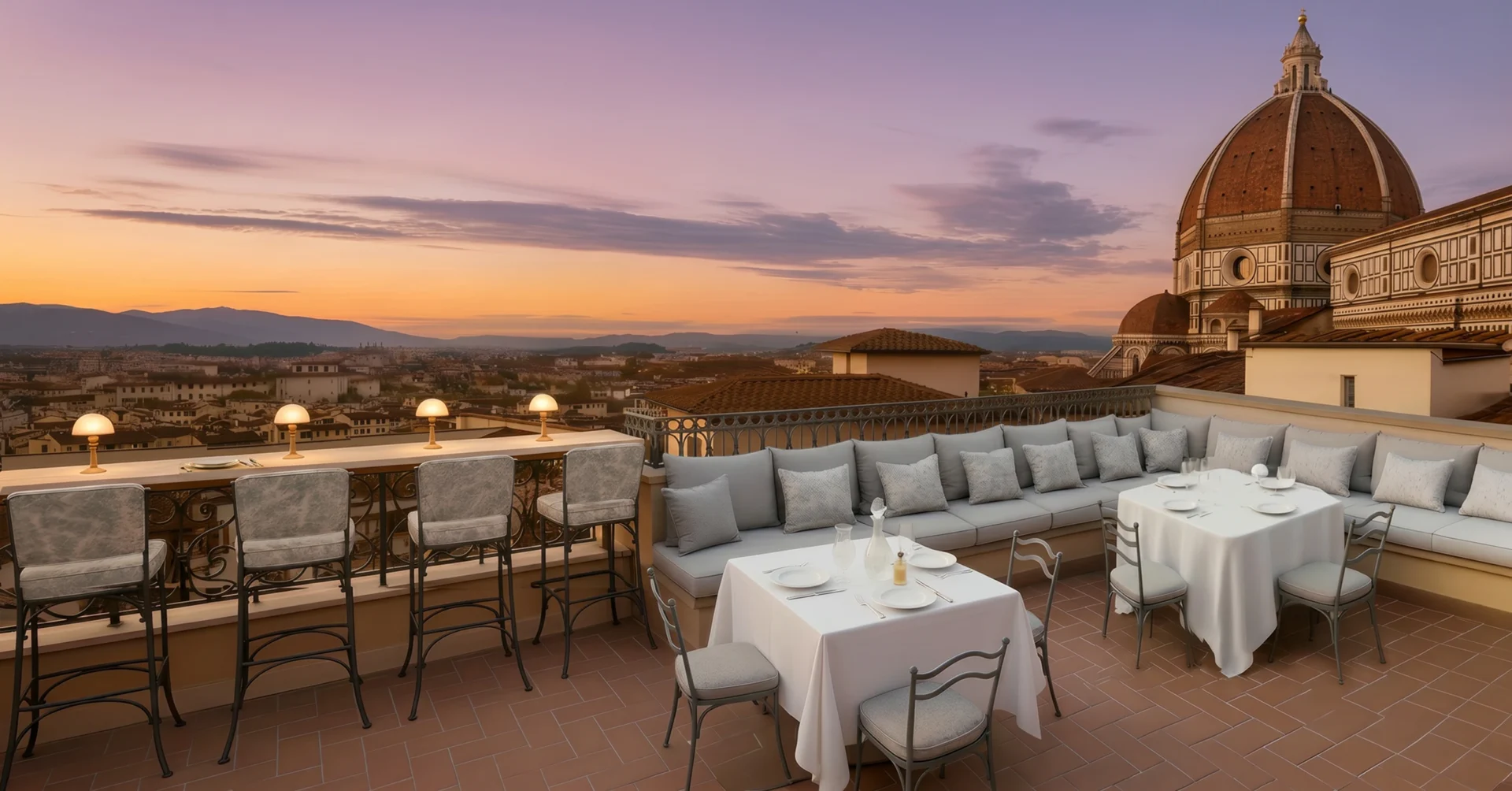
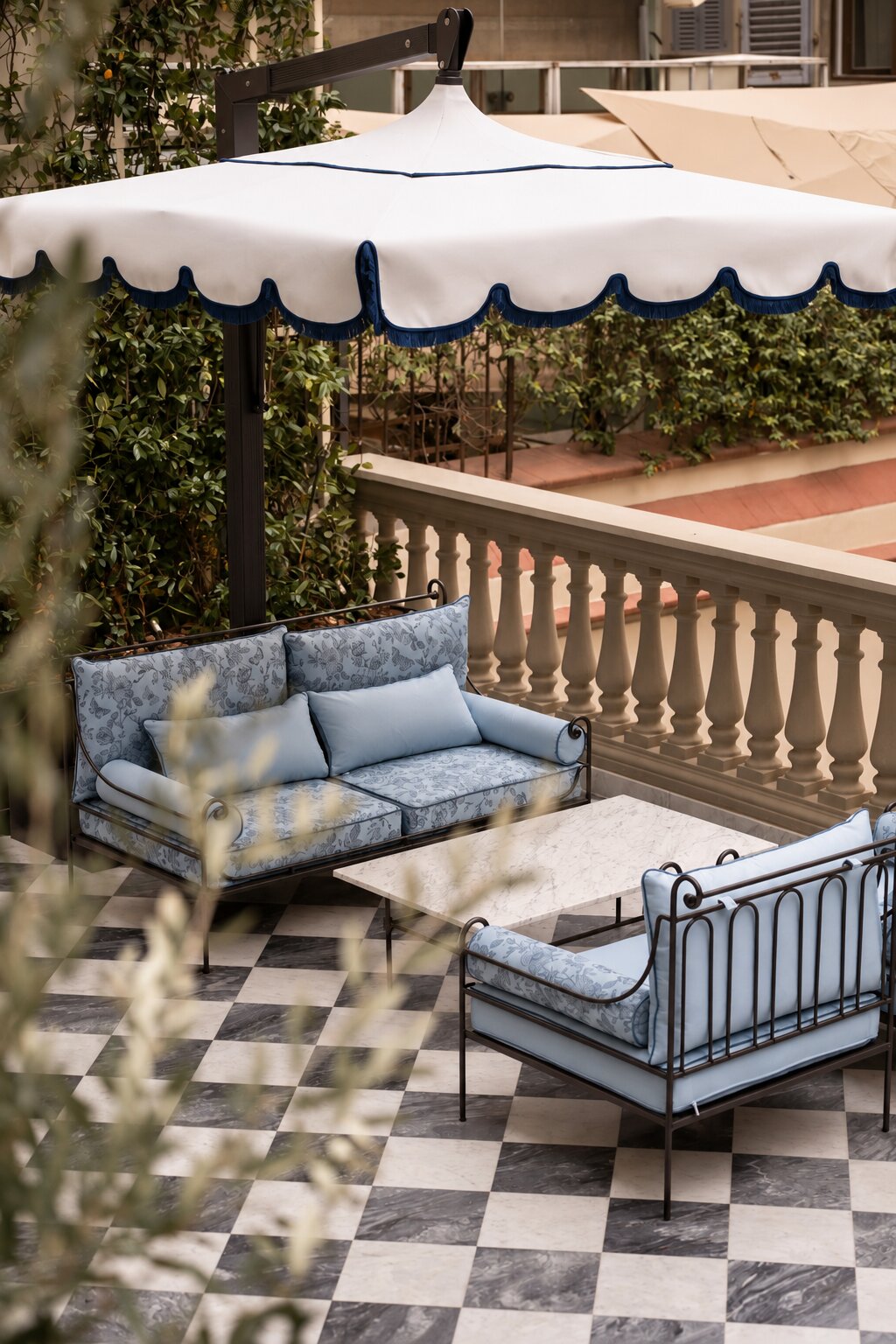
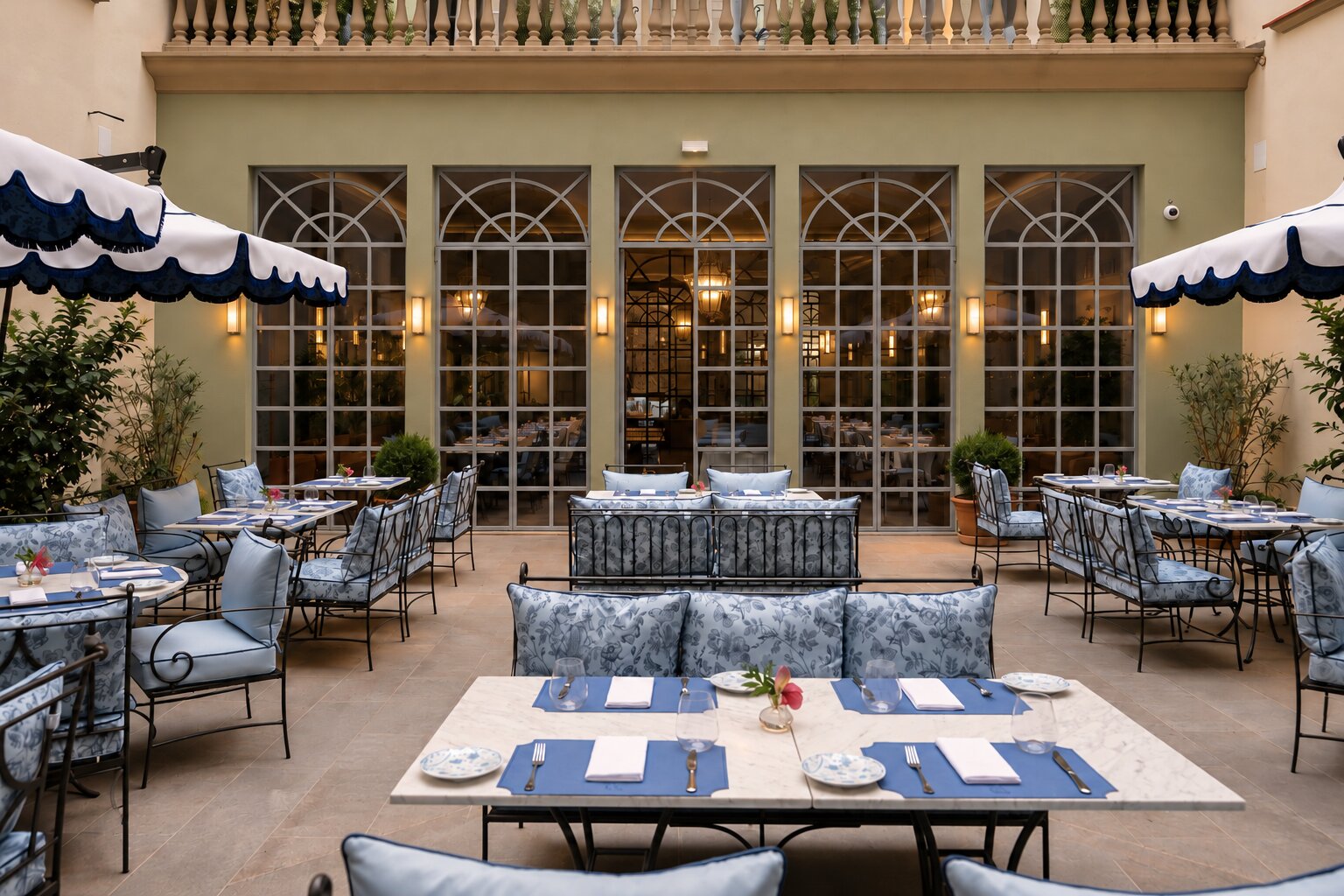
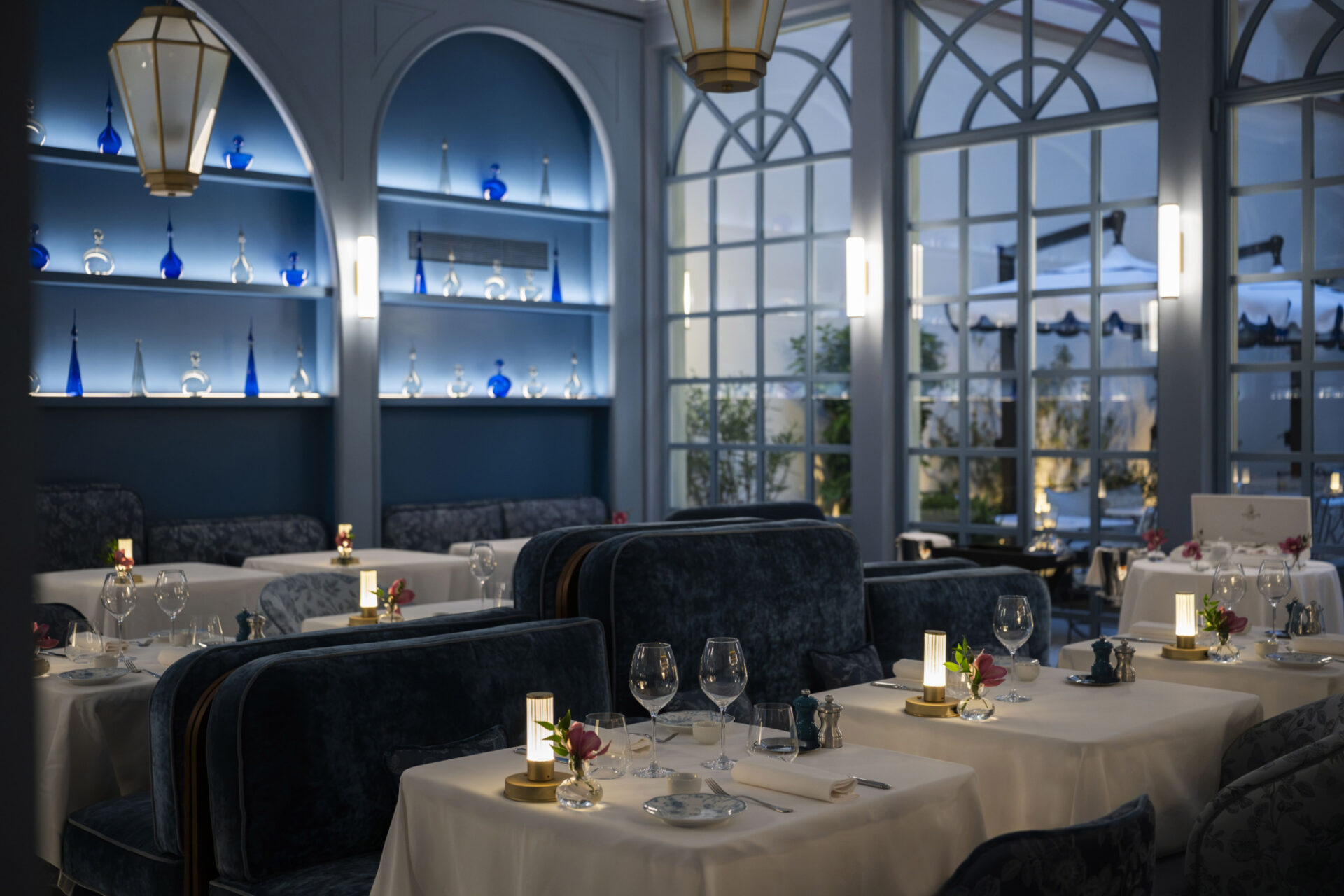
Hidden behind the historic façade, the Giardino Segreto centres on the monumental Renaissance fountain, surrounded by soft planting, carefully positioned lighting and discreet contemporary furnishings. It is the sort of courtyard Florence does particularly well: an unexpected private world concealed behind a relatively anonymous street entrance. The garden also provides the setting for Segreto, the hotel’s signature restaurant. Expansive windows connect the dining room with the courtyard, while botanical motifs and bespoke floral fabrics carry the garden’s atmosphere indoors. Elsewhere, La Sala della Musica is a magnificent historic salon where elaborate ceiling frescoes coexist with contemporary furnishings. Used as a tea room, it opens onto a terrace overlooking the garden. Above it all, Sotto le Stelle offers rooftop dining and live cooking with spectacular views towards Brunelleschi’s dome. From Renaissance courtyard to Florentine skyline, the hotel makes excellent use of its architectural setting.
Florence at Your Feet
The location could hardly be more central. Via de’ Martelli leads directly towards the Duomo, while Piazza della Repubblica, Piazza della Signoria, the Uffizi Gallery and the boutiques of Via de’ Tornabuoni are all within easy walking distance. San Lorenzo, Santa Maria Novella and the Ponte Vecchio are similarly close. It is Florence at its most concentrated: Renaissance architecture, museums, historic streets and centuries of accumulated artistic ambition. The only real challenge is escaping the crowds. Fortunately, the hotel’s hidden courtyard offers a rather convincing solution.
A Renaissance Palace That Refuses to Behave
Florence has plenty of palaces with frescoes, marble floors and impressive ceilings. What distinguishes Palazzo Sogni is the willingness of its designers to add something genuinely individual. The bespoke furniture, extravagant textiles, carefully chosen colours and playful details create an identity that belongs to this particular building rather than to a generic idea of Italian luxury. There is a fine line between theatrical and excessive, and Palazzo Sogni is clearly not afraid to approach it. But then, Florence was built by people who rarely considered artistic ambition a problem. Somewhere between the Renaissance fountain, the silk-covered four-poster beds and that irresistible Champagne button, Palazzo Sogni seems to have understood the assignment.
Information
At a glance
Opened / Renovated
2026
Size matters
30 rooms & suites (28-62m2) (301-667 sq ft)
Interior design
Elena & Giulia Sella
Bathroom Amenities
Santa Maria Novella
Featured in
Don't take our word for it


Handpicked worldwide
A carefully curated collection of exceptional boutique and design hotels across the globe.
Design with soul
Architecture, atmosphere and craftsmanship come together in stays with a clear identity.
Hidden, not hyped
Independent boutique hotels you rarely find on mainstream booking platforms.
Travel guidance
Personal recommendations and thoughtful support from people who actually know the places.