


A Familiar Address, Rewritten
The reincarnation of Oslo’s original design hotel mixes polished Scandinavian interiors, apartment-style rooms, a rooftop orangery and Michelin-starred dining in the heart of Kvadraturen.

Why DNA Hotels loves it
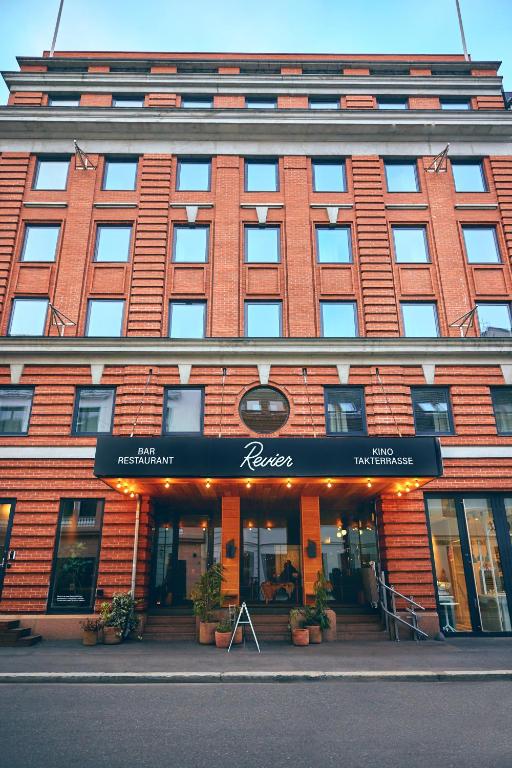
Revier occupies the former Grims Grenka, widely regarded as Oslo’s first true design hotel, and its 2022 reinvention keeps that independent spirit alive with architecture by GATHE + GRAM and interiors by Straa Innredning & Design.
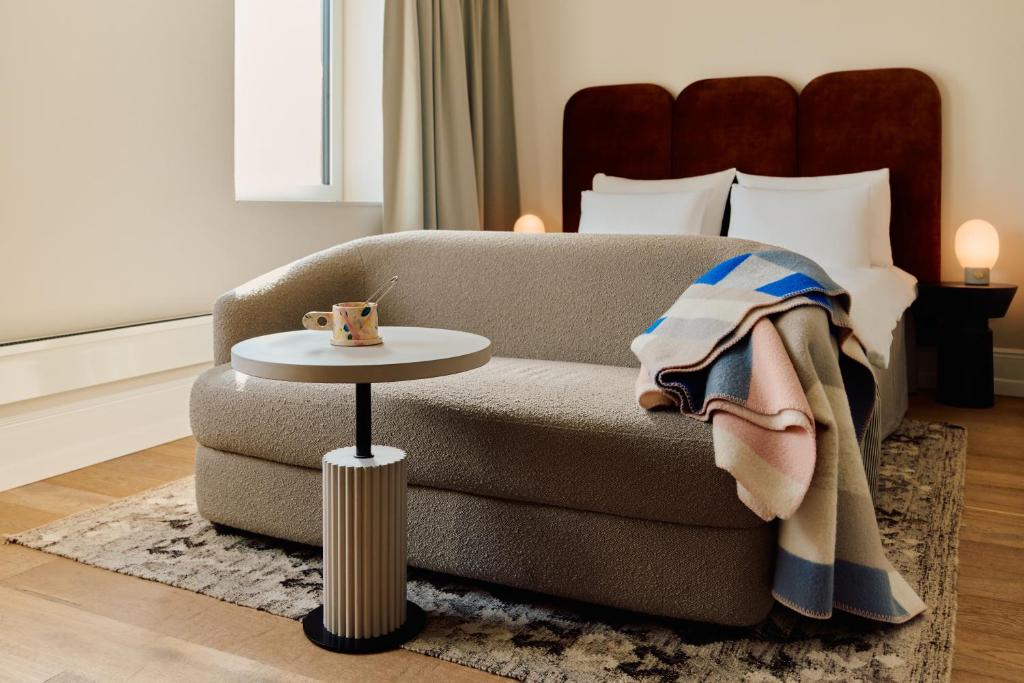
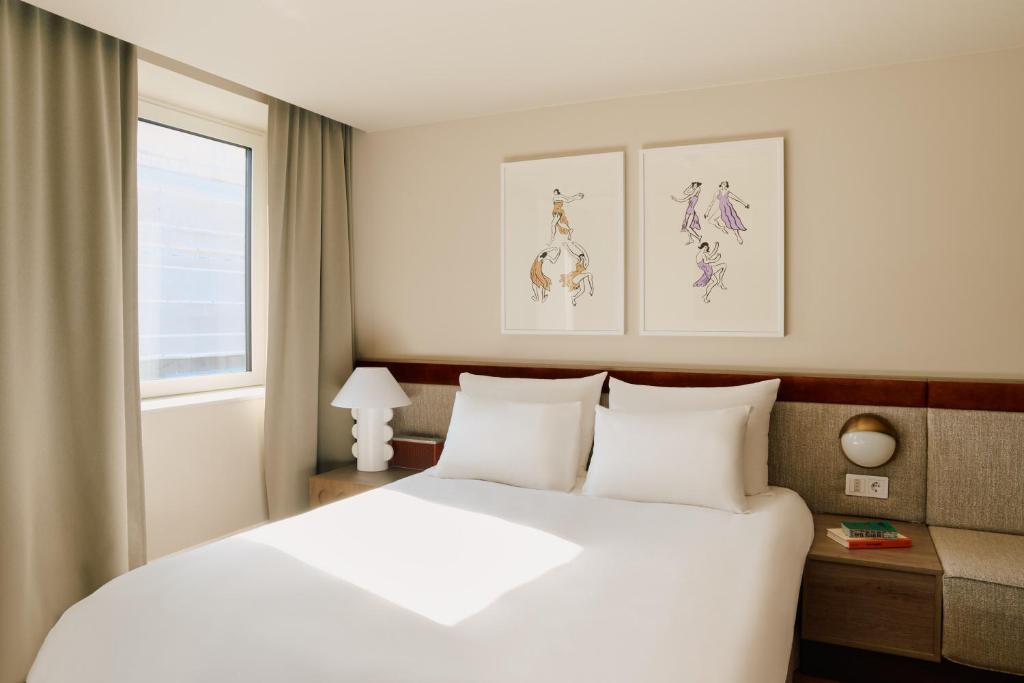
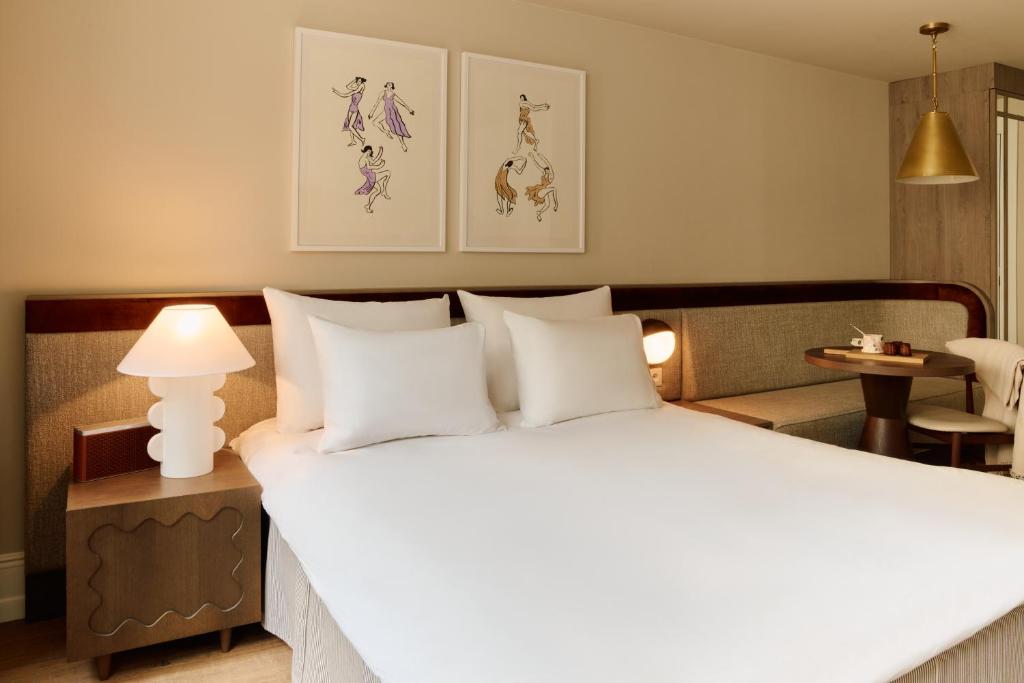
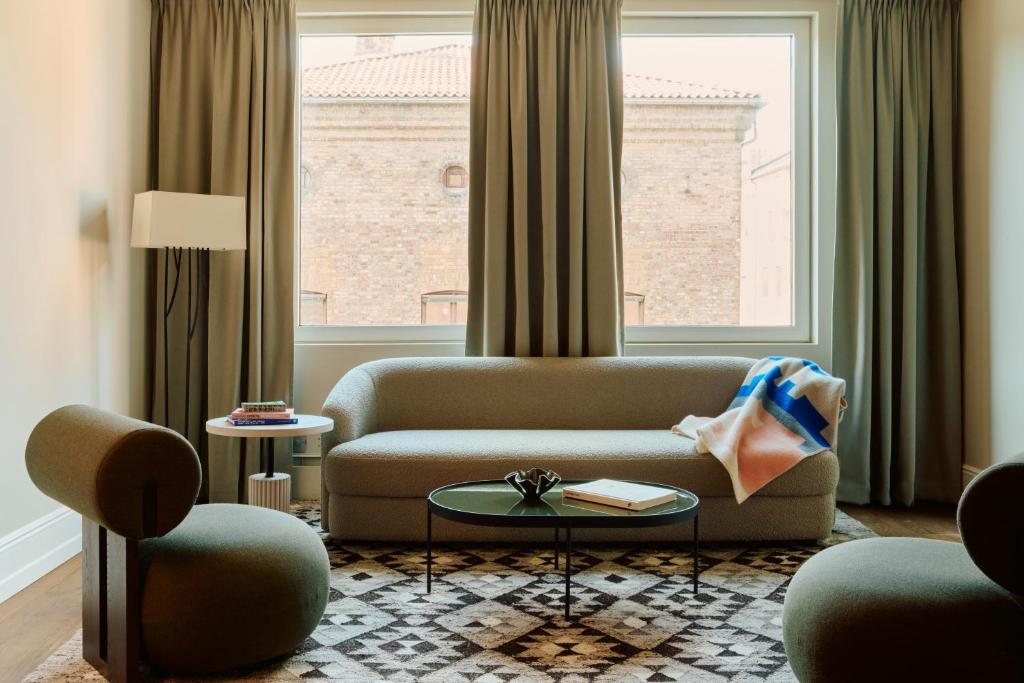
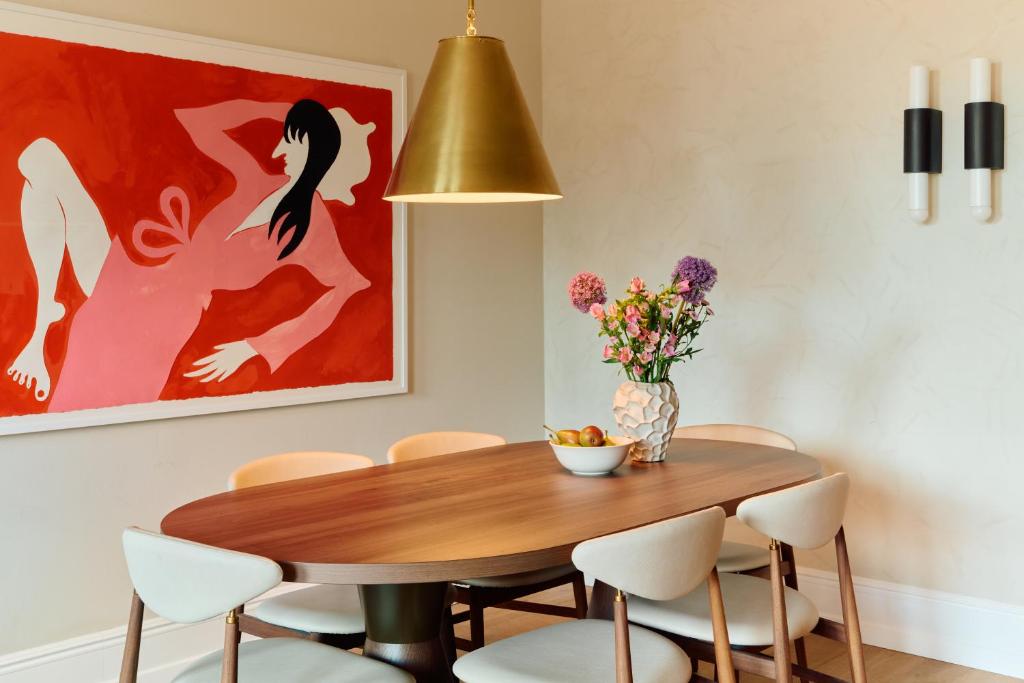
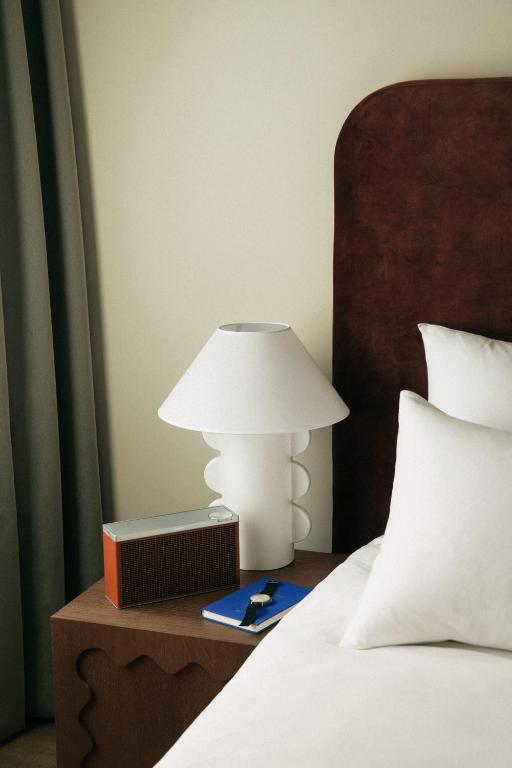
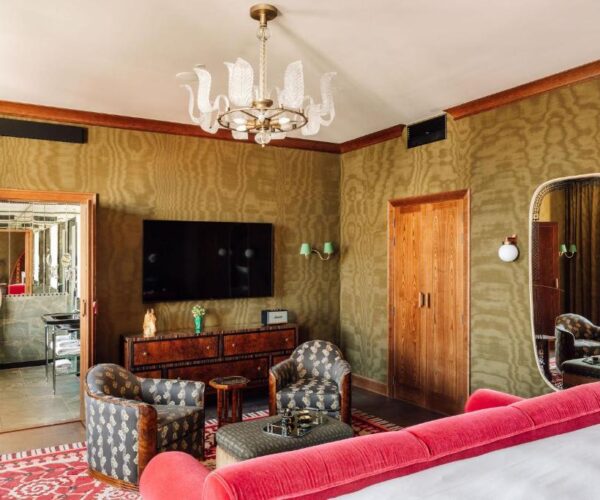
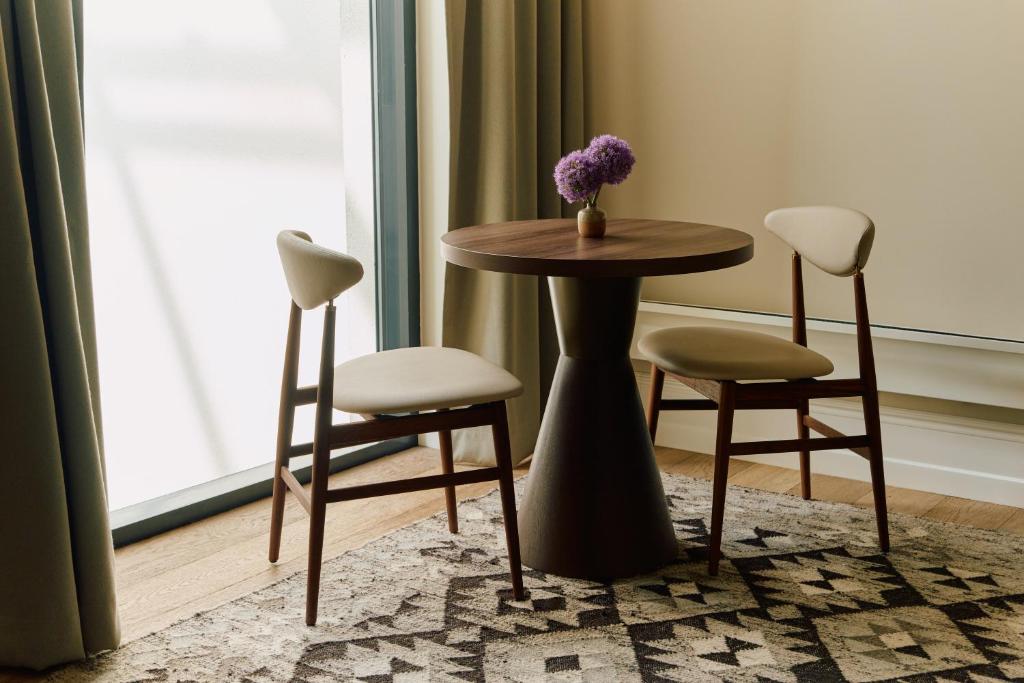
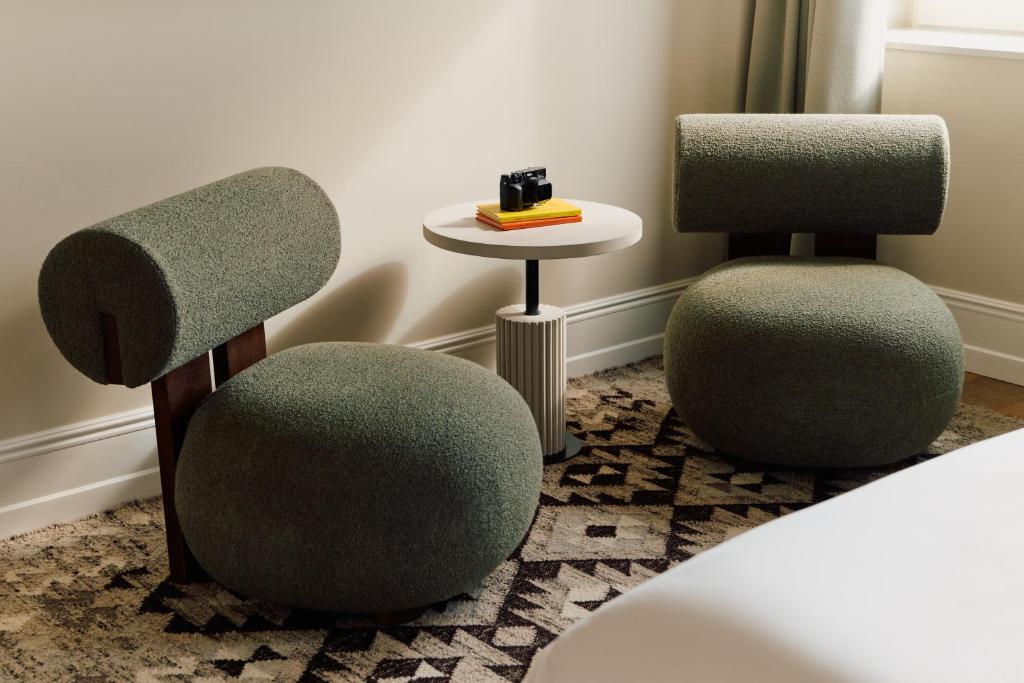
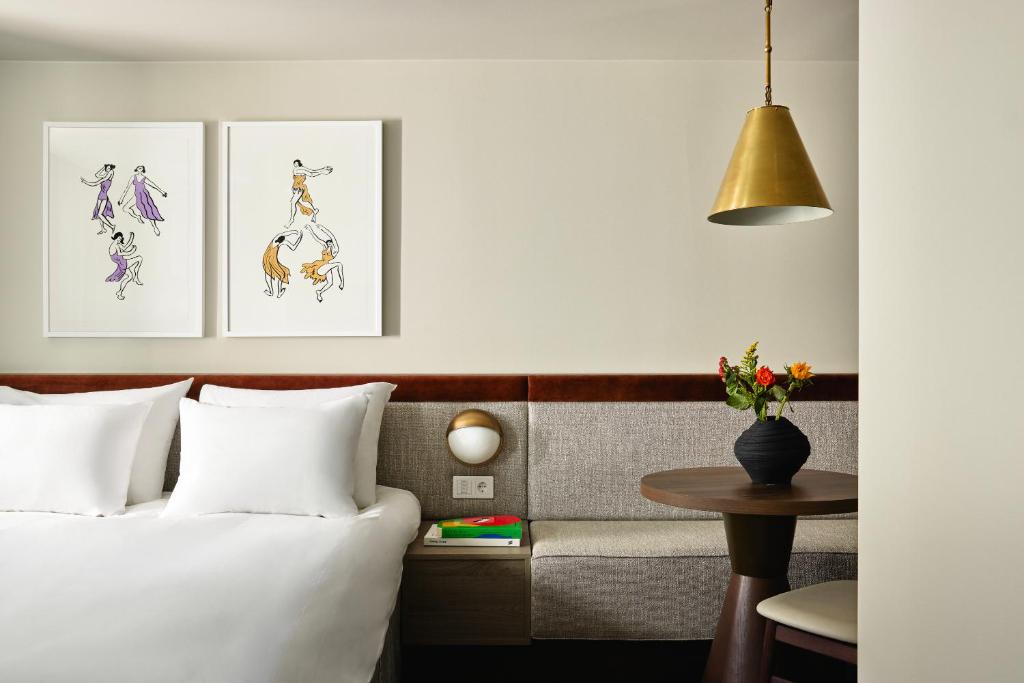
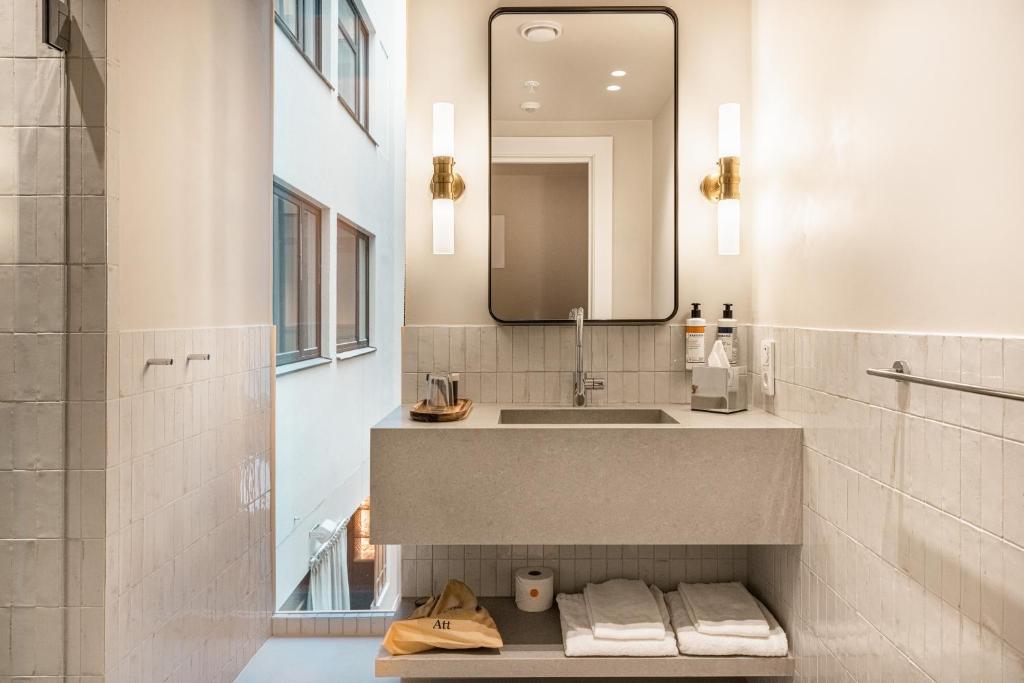
The 65 rooms and apartments balance restrained Nordic design with small moments of character: hardwood floors, custom furniture, sculptural lighting, colourful art and unusually comfortable Jensen beds.
More urban clubhouse than conventional hotel, Revier brings together a rooftop orangery, screening room, coworking lobby and Michelin-starred Savage, making it one of central Oslo’s most complete contemporary hospitality addresses.
The Stay
Revier reinvents Oslo’s original design-hotel address as a contemporary urban clubhouse with Nordic interiors, apartment-style rooms, a rooftop orangery and Michelin-starred dining.
For Oslo hotel followers, the address may feel familiar. Before Revier, this was Grims Grenka — one of the city’s earliest design-led hotels and, for many, the property that first suggested Oslo could play in the same contemporary-hospitality league as Copenhagen and Stockholm. Its successor does not attempt to recreate that era. Instead, Revier treats the building as a new beginning. The property underwent a major redevelopment before reopening in 2022, with GATHE + GRAM overseeing the architectural transformation and Straa Innredning & Design shaping the interiors. The result is less theatrical than old-school boutique design and much more aligned with how Oslo lives now: flexible, social, informal and design-conscious without becoming precious.
Kvadraturen, Rediscovered
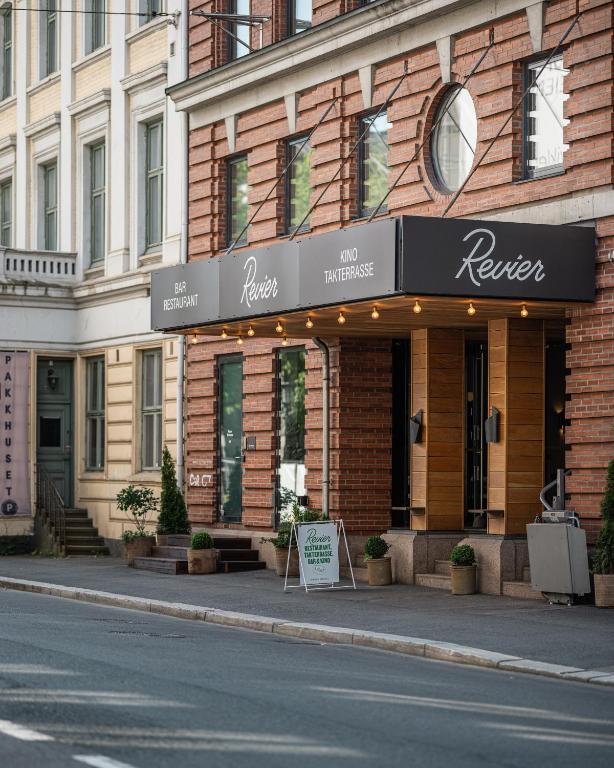
Revier sits on Kongens gate in Kvadraturen, Oslo’s historic gridded centre. For years, this part of town felt strangely quiet compared with Grünerløkka, Frogner or the regenerated waterfront. That has changed. The surrounding streets now sit within easy reach of Bjørvika, the harbour, museums, restaurants and central Oslo, while still retaining the slightly under-the-radar character that makes staying here more interesting than simply booking into the obvious tourist zones. Revier fits that shift perfectly. It is central without feeling conventional.
Nordic Design Without the Showroom Effect
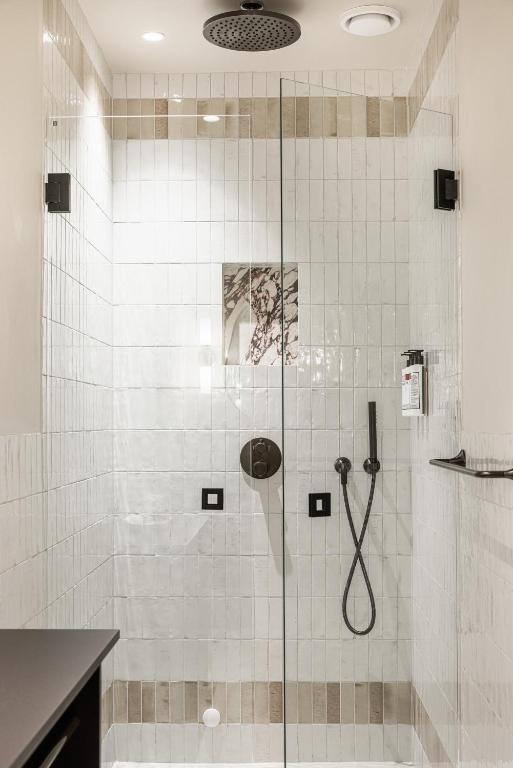
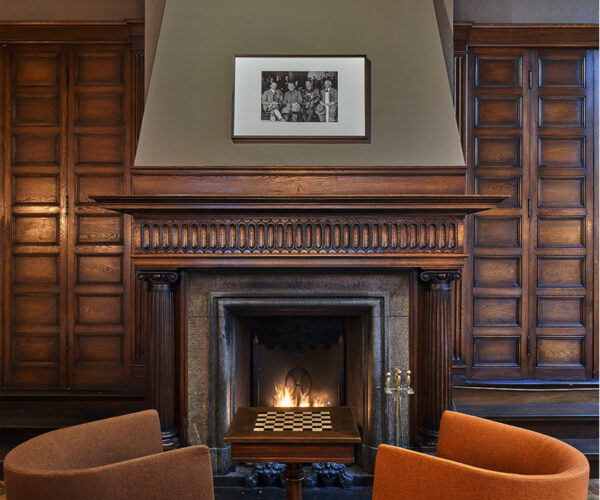
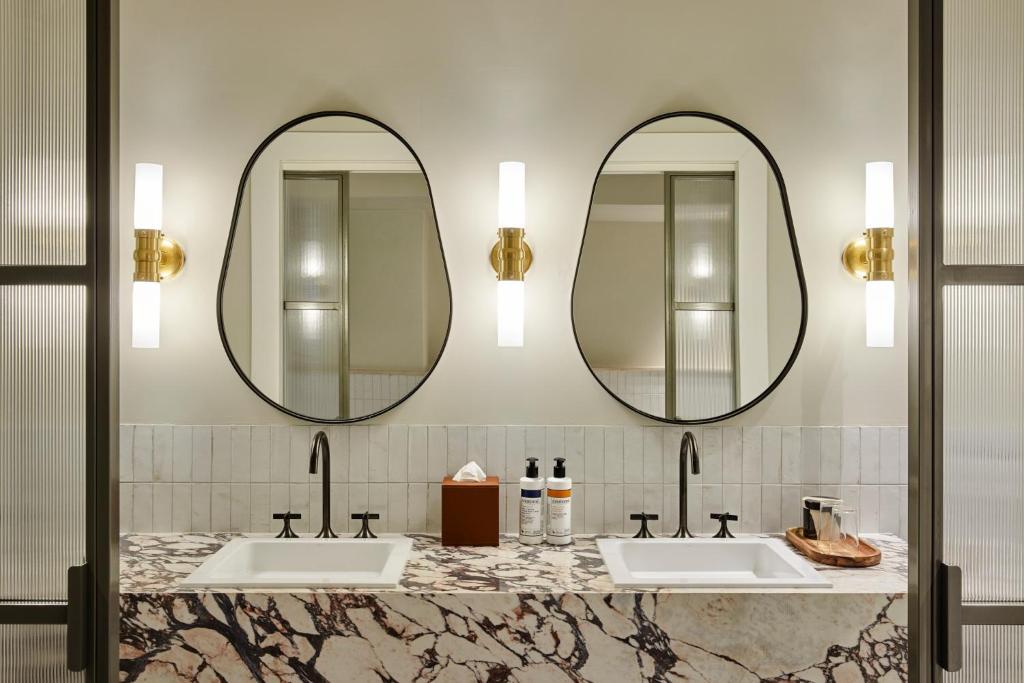
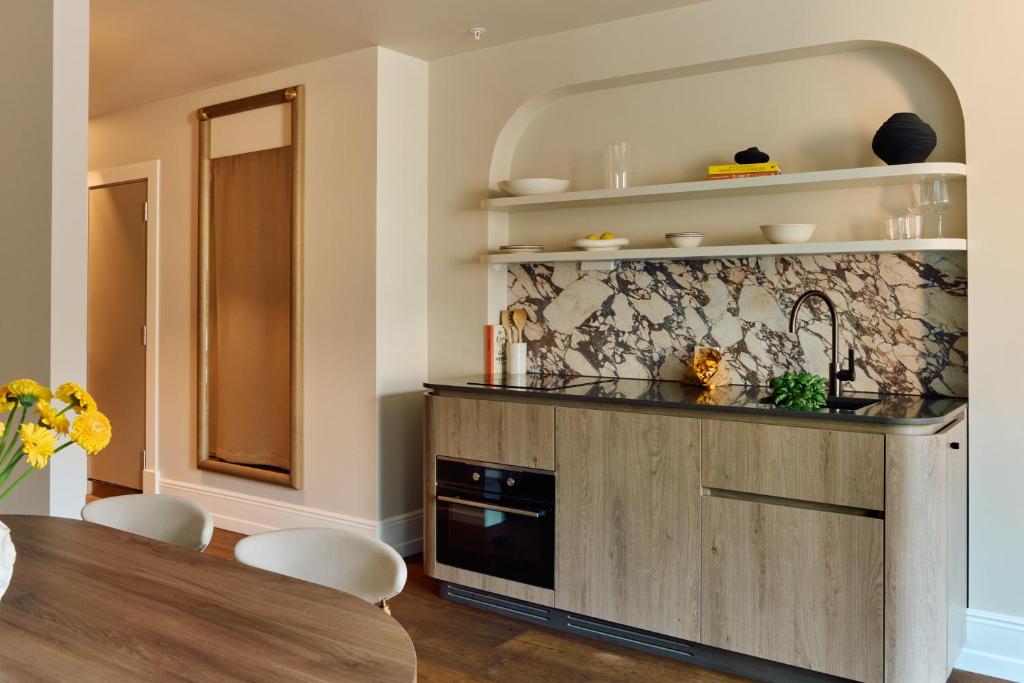
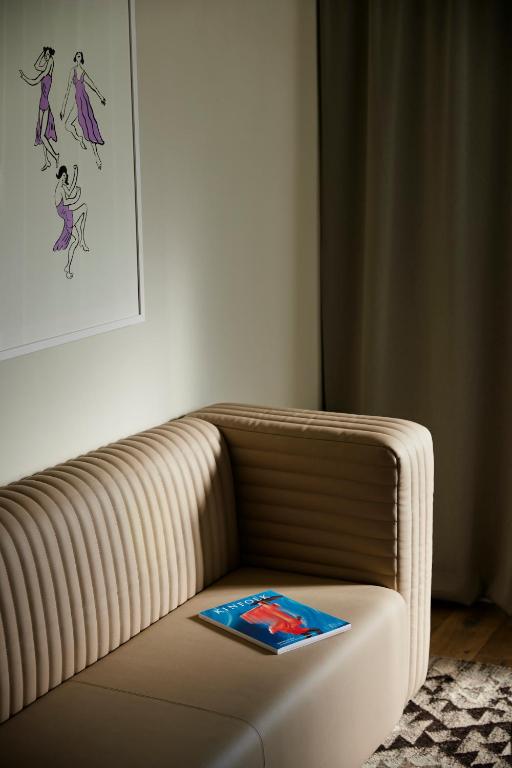
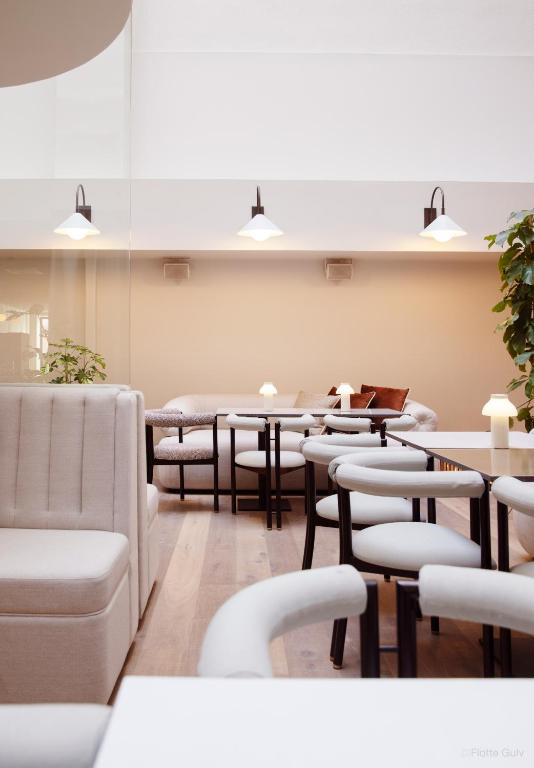
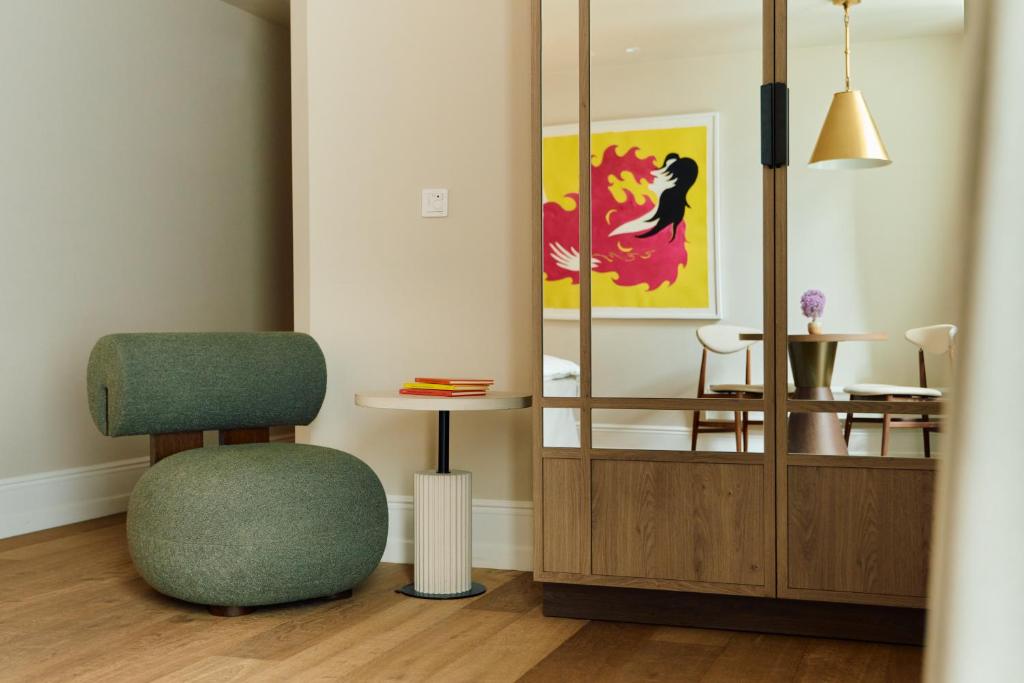
The interiors are restrained, but not sterile. Hardwood floors, muted walls and custom joinery establish the Scandinavian base, while curved furniture, sculptural lamps, marble details and artworks provide enough personality to prevent everything dissolving into tasteful beige. Norwegian artist Constance Tenvik appears among the visual references, adding colour and playfulness to otherwise calm rooms. There is a domestic quality to the design. This matters, because Revier mixes conventional guestrooms with studios and apartment-style accommodation, some with kitchens and generous living spaces. It feels designed for people who might actually stay awhile.
Rooms Made for Real Life
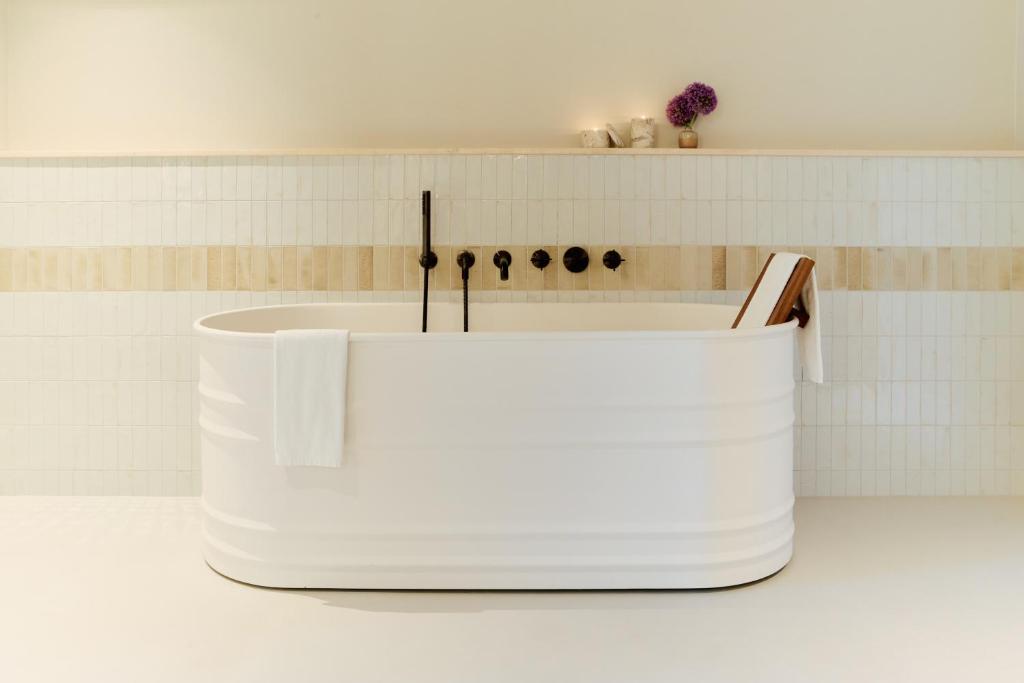
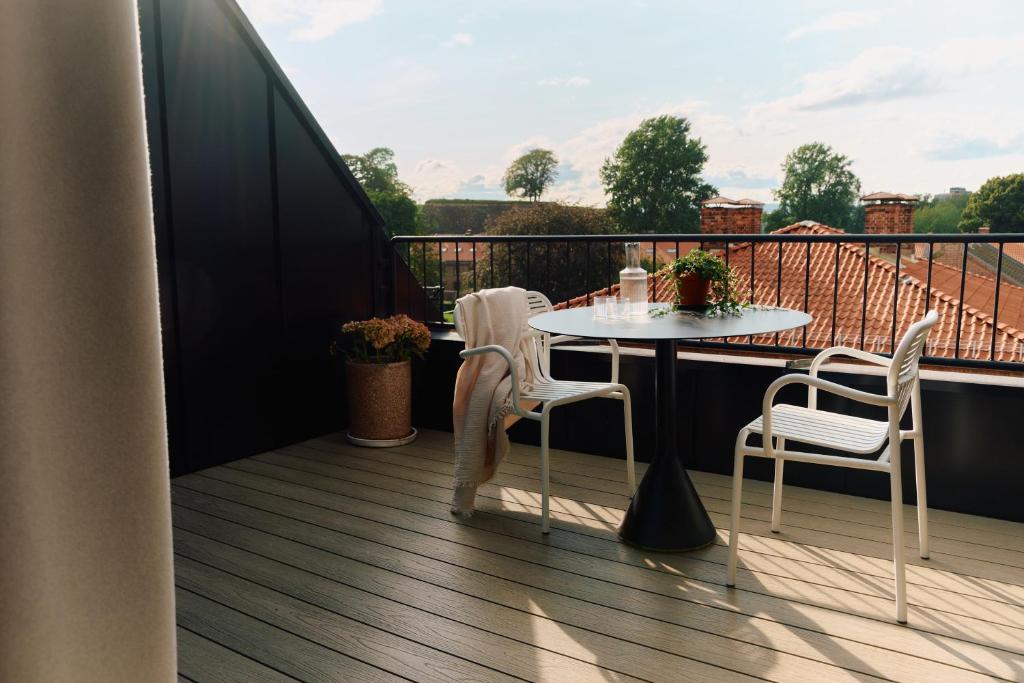
Even the simpler rooms are carefully considered. Jensen beds do much of the heavy lifting, while cushioned seating, timber floors and well-judged lighting make the compact spaces feel warmer than their dimensions might suggest. Move up through the categories and Revier becomes increasingly residential. Studios introduce more space and kitchen facilities. Suites add separate living areas, balconies or bathtubs. Family rooms bring bunk beds without abandoning the hotel’s grown-up design language. The approach feels practical rather than performative. Nothing is there simply to photograph well. Although plenty of it does.
No Front Desk Drama
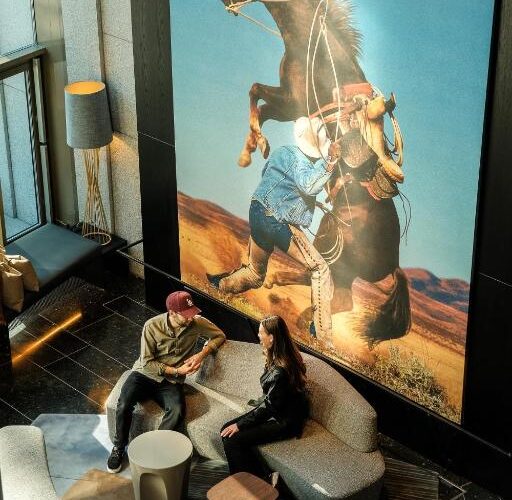
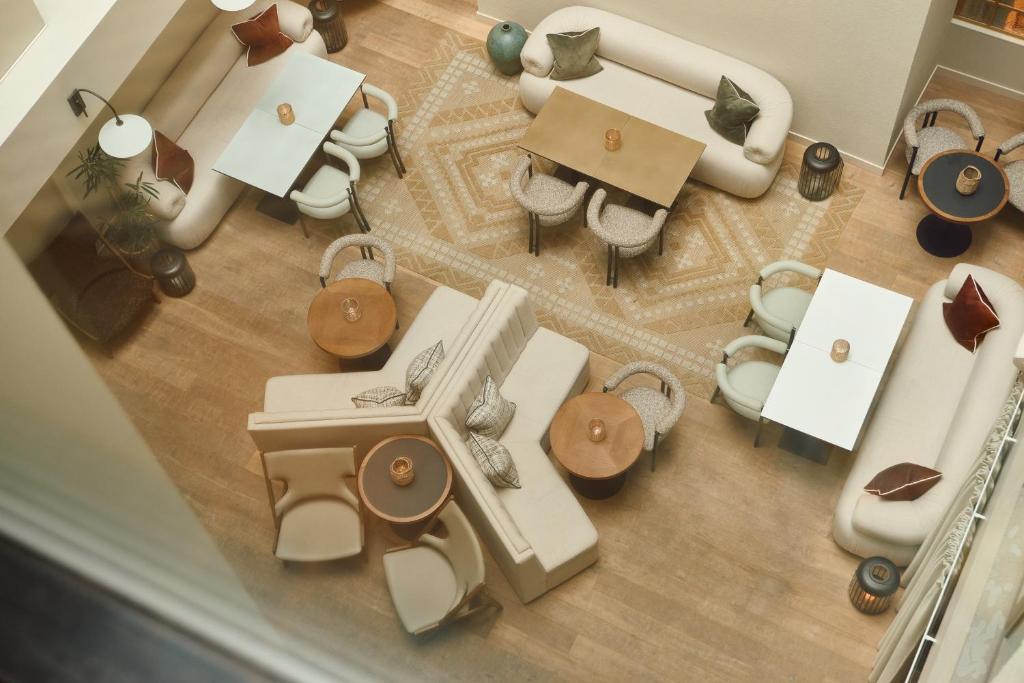
Revier deliberately reduces traditional hotel ceremony. Check-in is largely digital, allowing the ground floor to function less as reception infrastructure and more as a shared living space. During the day, it works as coffee bar and coworking hub. By evening, the mood shifts toward natural and biodynamic wines, local beer and small plates. It is a simple idea, but it changes how the hotel feels. You do not enter a lobby and immediately get processed. You enter a room where people are already doing things.
Above the Rooftops
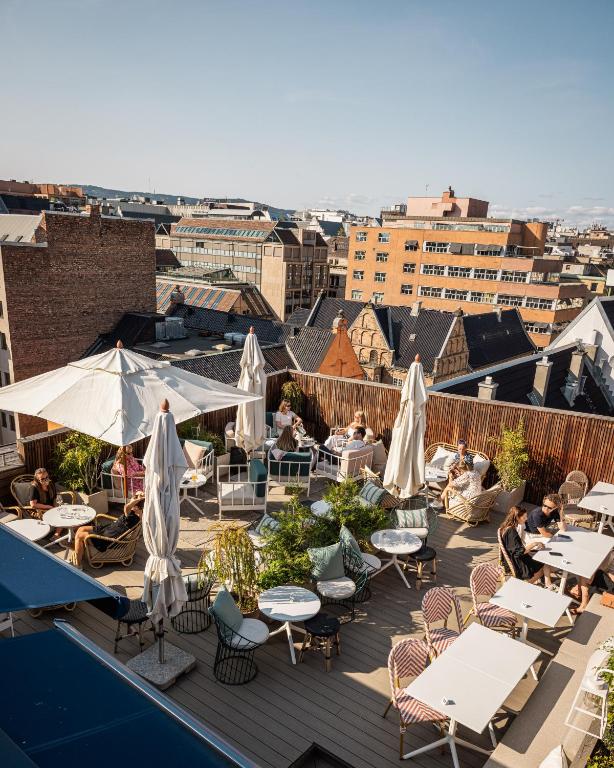
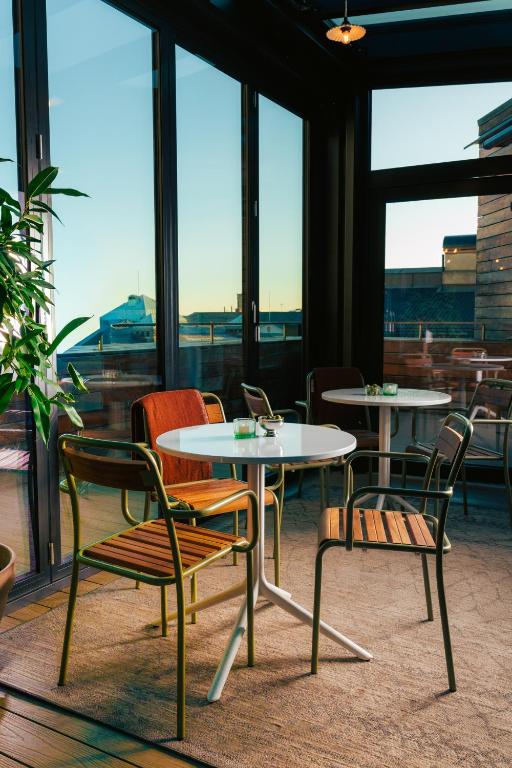
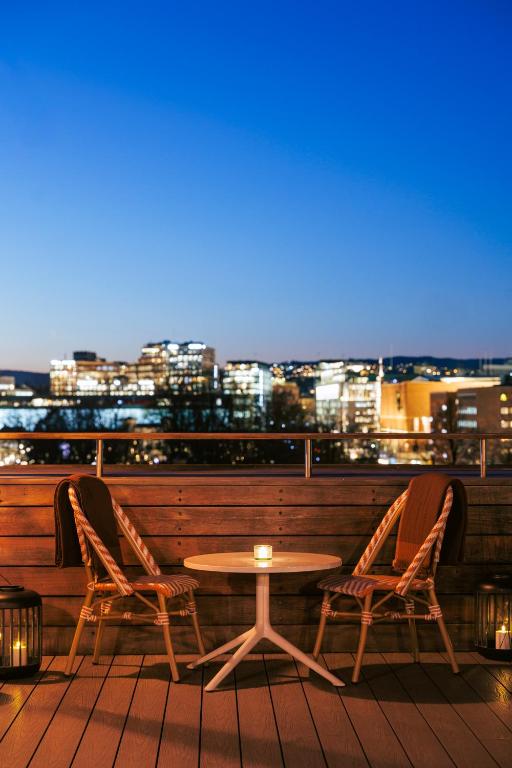
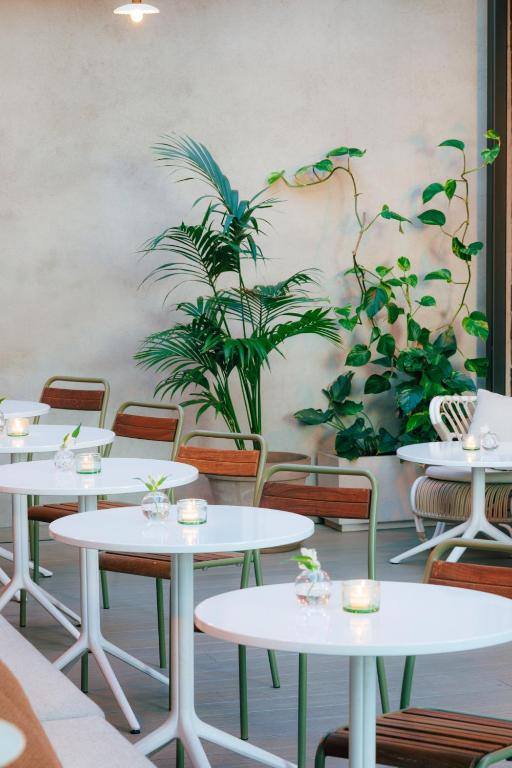
Revier’s most distinctive space is Oransjeriet, its heated glass rooftop orangery. Floating above Kvadraturen, it turns what might otherwise have been a seasonal terrace into a year-round room with views across central Oslo. Yoga sessions, events and pop-ups animate the space, but its strongest quality is simply that it feels unexpected. In a city where winter can dominate the hospitality calendar, enclosing a rooftop without losing its sense of openness is a smart move. Sunset in summer is obvious. Snow outside the glass in winter may be even better.
Cinema Underground
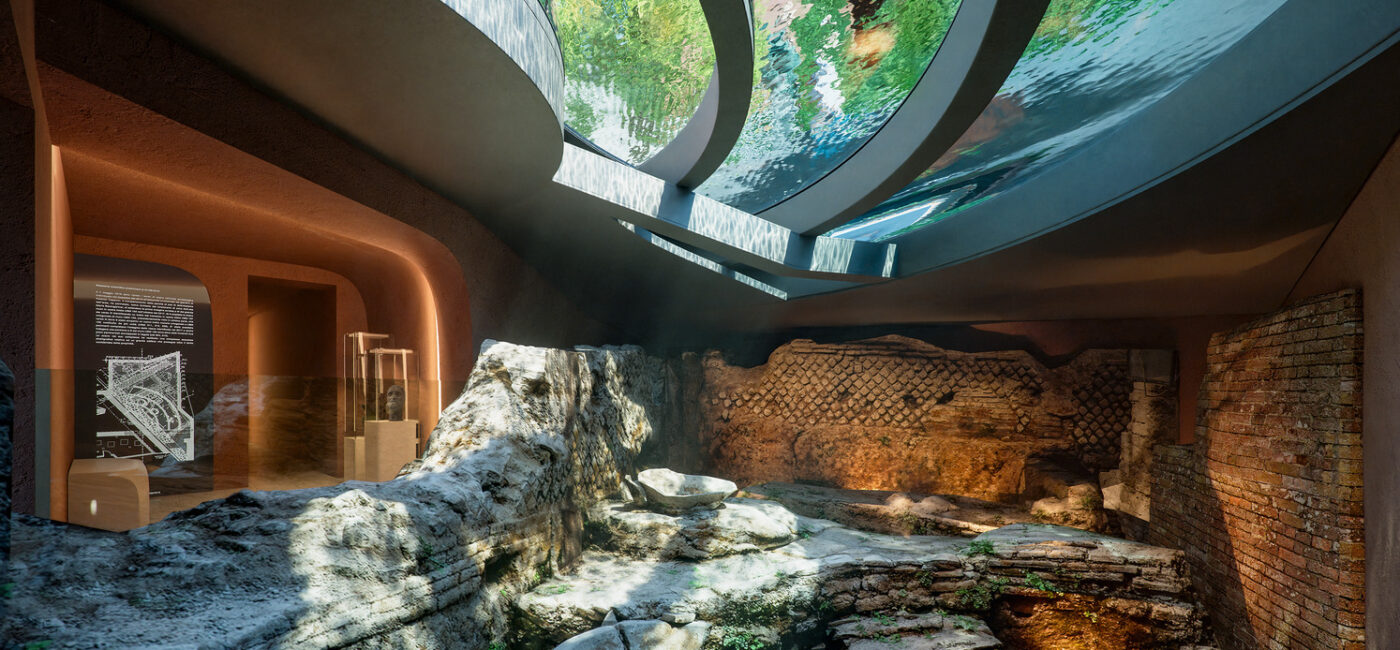
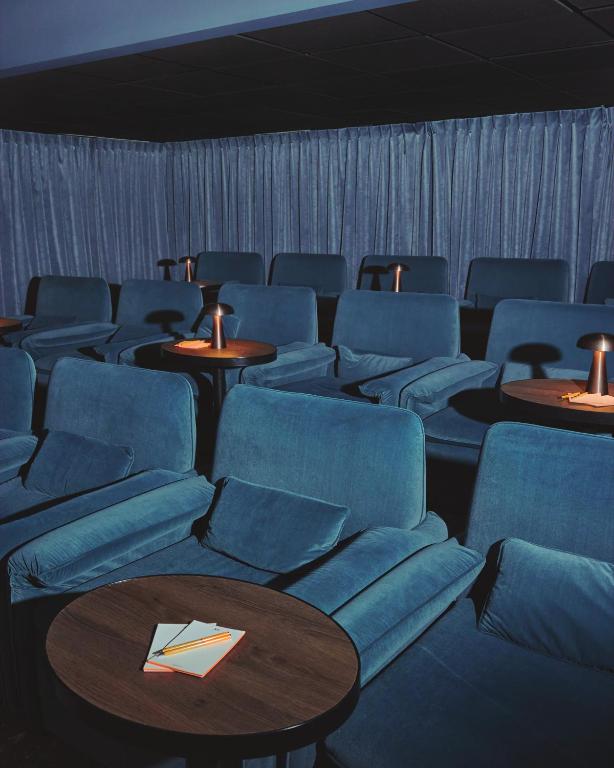
Then there is the Screening Room. Hidden below ground, 18 deep-blue velvet armchairs create an intimate cinema for film screenings, launches, presentations and private events. It is another detail that pushes Revier beyond the definition of a straightforward hotel. Lobby downstairs. Cinema below. Orangery above. Rooms and apartments in between. The building operates almost vertically as a collection of different social environments.
Savage Changes the Equation
The biggest surprise is on the ground floor. Savage opened shortly after the hotel and received a Michelin star the following year. That immediately changed Revier’s position in Oslo. Rather than simply being a stylish, relatively accessible place to sleep, it became a serious dining address as well. The restaurant’s Scandinavian foundation is widened through international influences, giving the hotel a culinary identity that feels considerably more ambitious than its casual atmosphere initially suggests. It is the kind of combination DNA Hotels particularly likes. Good design is one thing. A hotel that gives locals a reason to walk through the door is better.
Why It Works
Revier succeeds because it understands what happened to the boutique hotel. Twenty years ago, design hotels were often defined by spectacle: dramatic lobbies, statement furniture and interiors determined to announce their coolness. Revier belongs to the next generation. The design is still important, but so are the beds, the coffee, the coworking table, the apartment kitchens, the cinema, the rooftop and the restaurant. It behaves more like a small urban ecosystem than a collection of guestrooms. There is also something pleasingly circular about the address. Grims Grenka helped introduce design hospitality to Oslo. Now Revier occupies the same building and shows how much the idea has evolved. The fans of the original should not be disappointed. They may simply discover that Oslo has moved on.
Information
At a glance
Architecture
Opened / Renovated
2008, renovated 2022, previously Grims Grenka
Size matters
65 rooms & suites (21-55m2) (226-592 sq ft)
Interior design
Bathroom Amenities
D.S. & Durga
Handpicked worldwide
A carefully curated collection of exceptional boutique and design hotels across the globe.
Design with soul
Architecture, atmosphere and craftsmanship come together in stays with a clear identity.
Hidden, not hyped
Independent boutique hotels you rarely find on mainstream booking platforms.
Travel guidance
Personal recommendations and thoughtful support from people who actually know the places.