


A Contemporary Sanctuary Inside Ancient Datong.
A quietly monumental retreat where Northern Wei heritage, Shanxi courtyard architecture, and contemporary minimalism converge in the heart of ancient Datong.
The Stay
A contemplative retreat inside Datong’s revived ancient city, where Northern Wei culture, Shanxi courtyard traditions and contemporary architecture quietly converge.
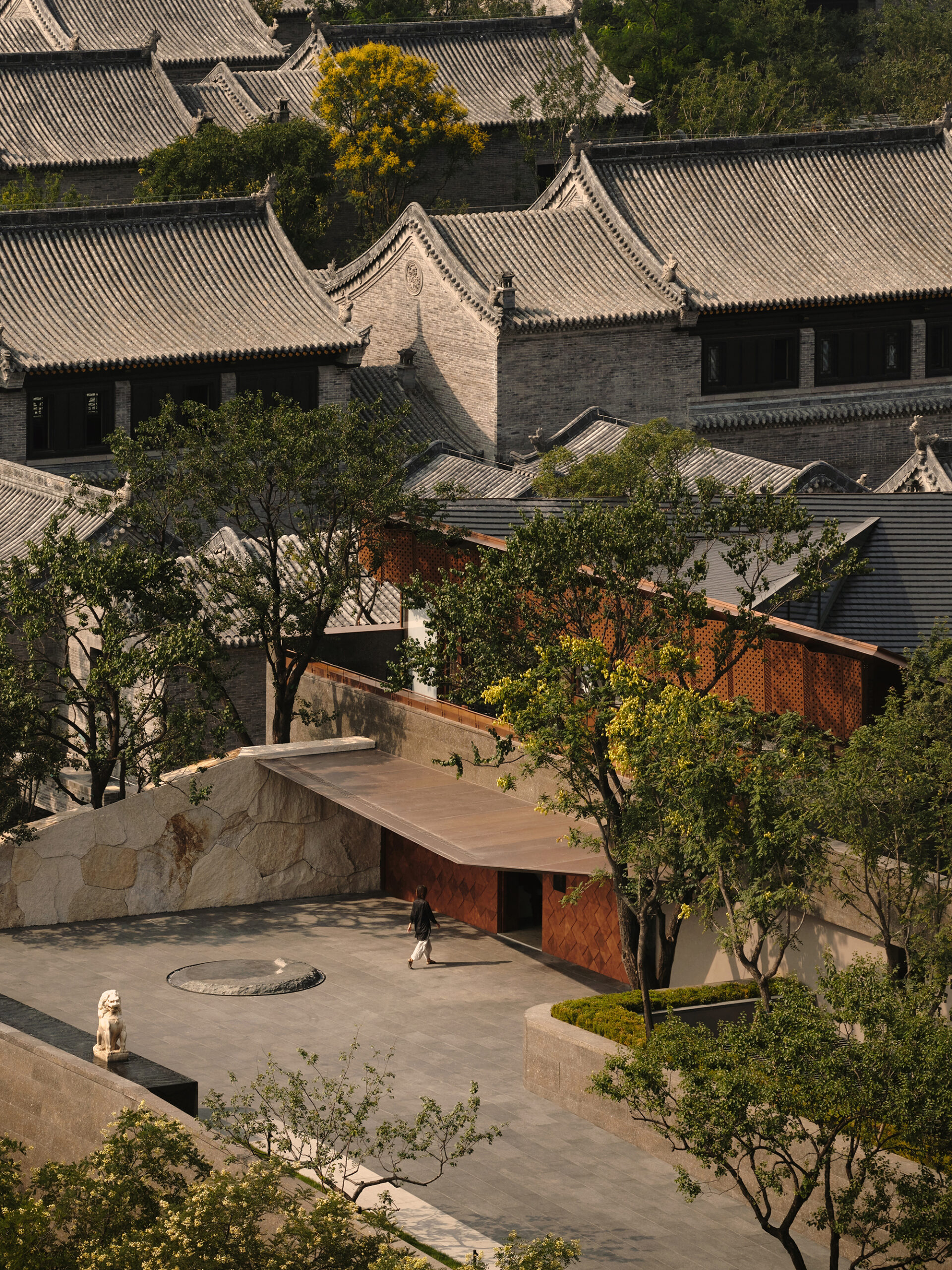
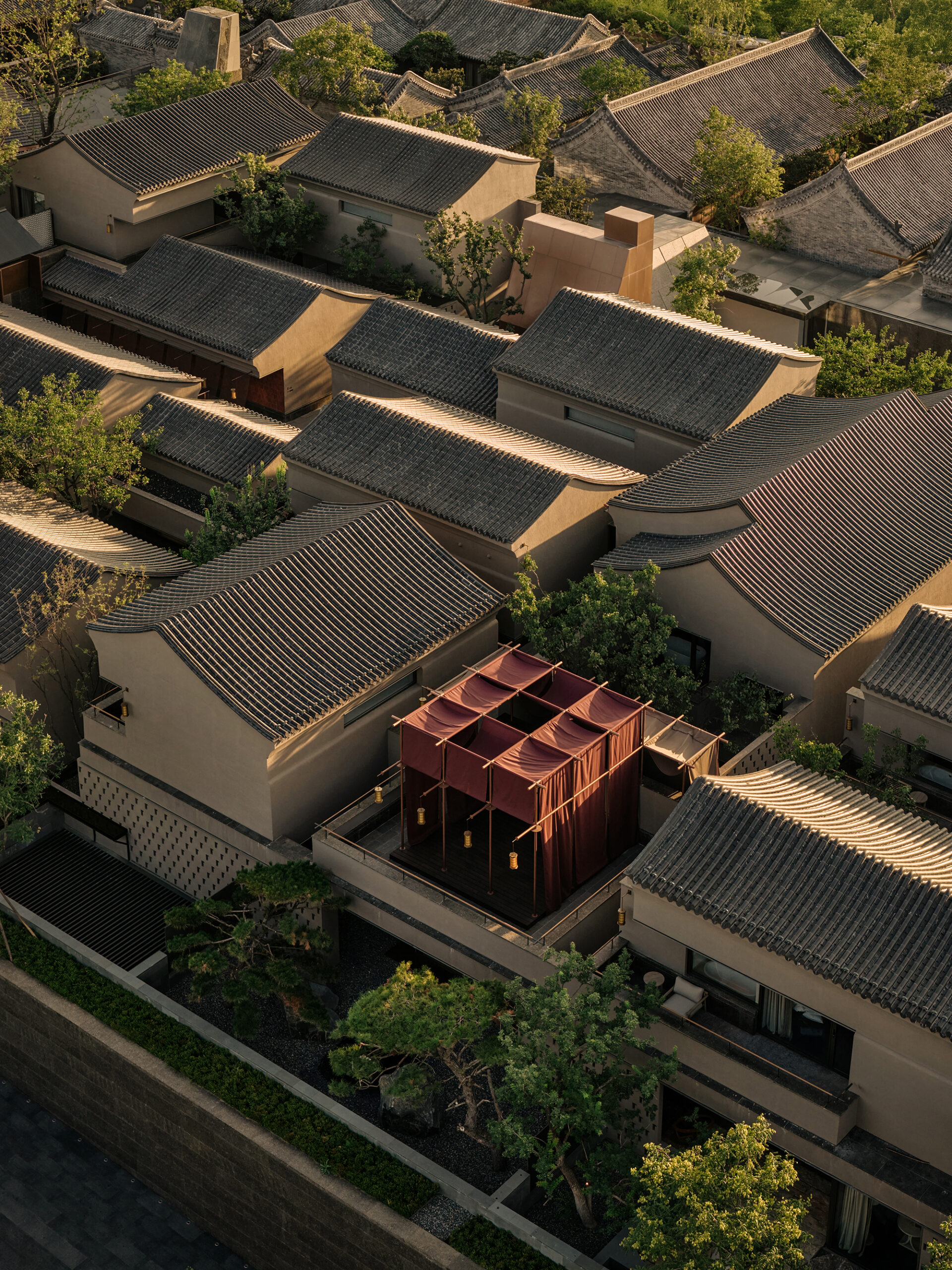
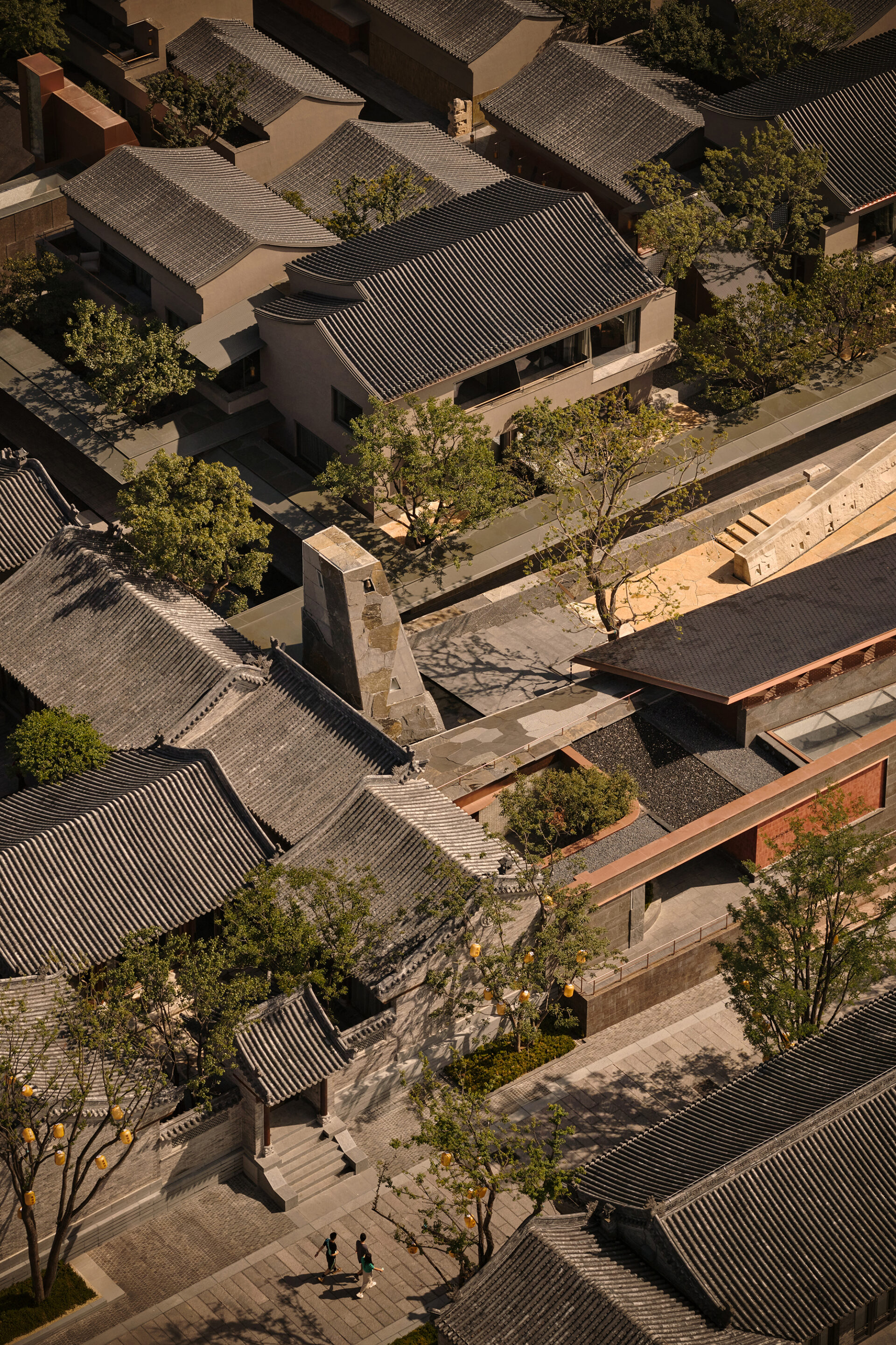
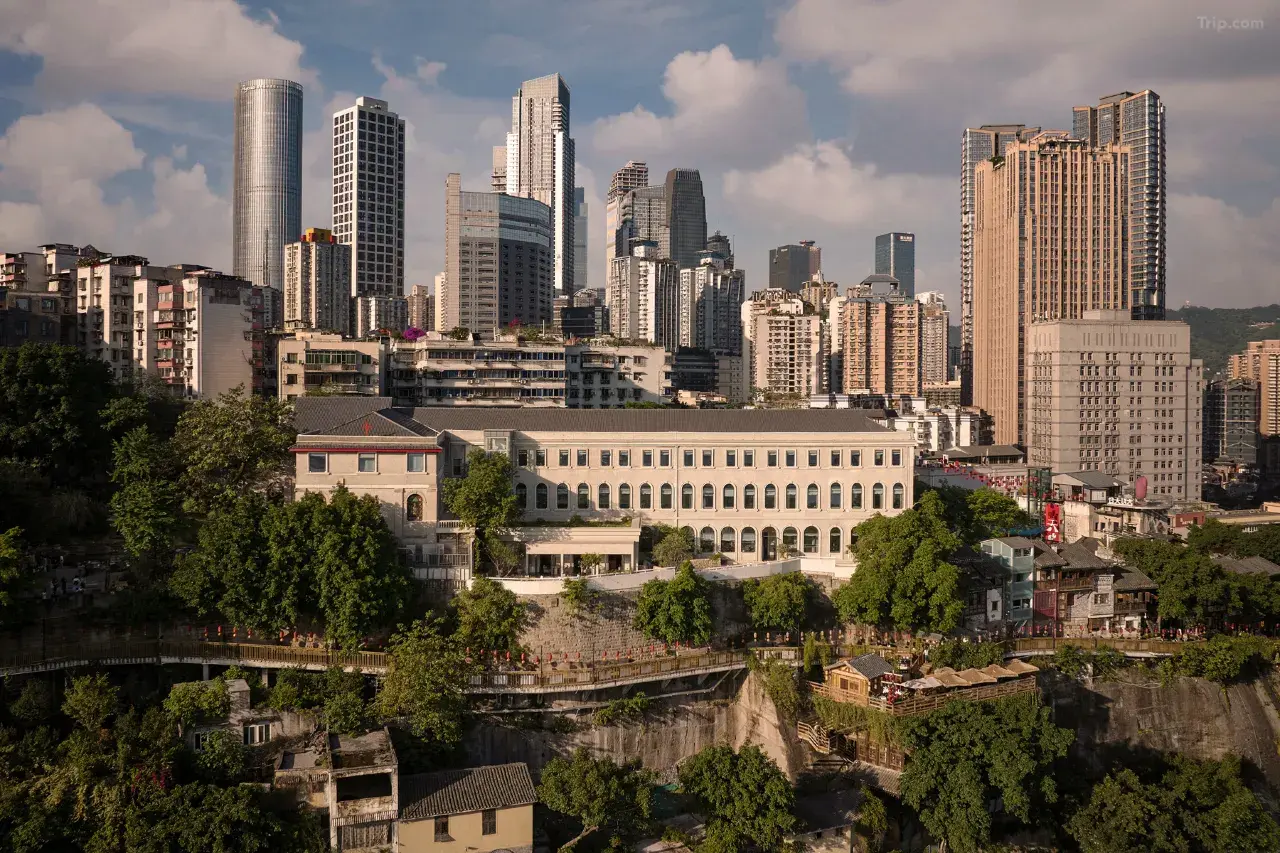
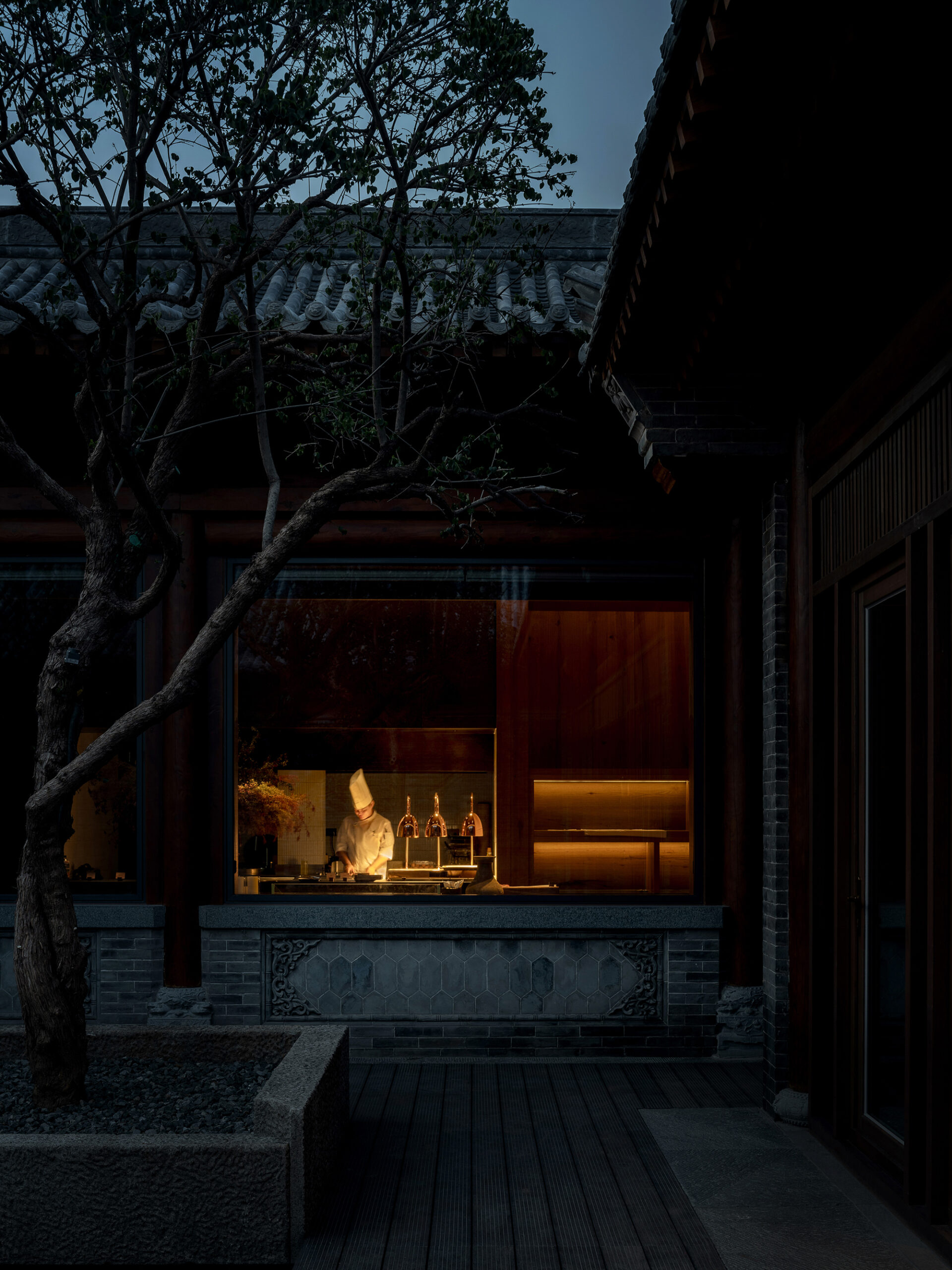
Located within the southeastern corner of Datong’s ancient city near Heyang Gate, Sunyata Datong Jixiashan forms part of the city’s wider cultural revival. Rather than creating a detached landmark, the hotel integrates itself into the historic urban fabric through a composition of courtyards, passageways, restored heritage houses and contemporary architectural volumes. Designed by GOA and developed over five years alongside the regeneration of the Southeast Yi Historical and Cultural Block, the project draws directly from Shanxi courtyard compounds and the historic Lifang system that once shaped Northern Wei Pingcheng — the former name of Datong. The result feels less like a conventional luxury hotel and more like a living extension of the ancient city itself.
Dreaming Back to Pingcheng
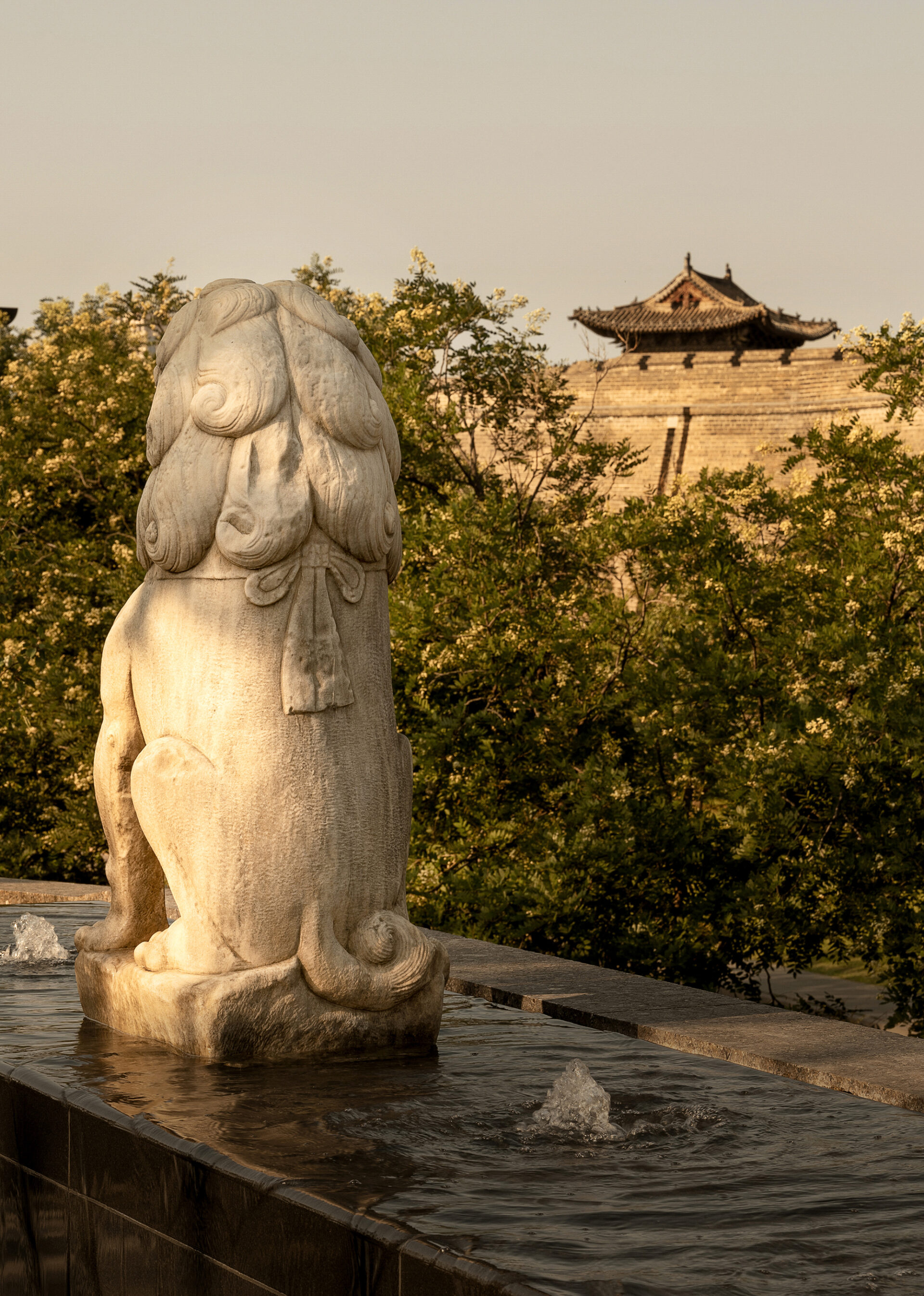
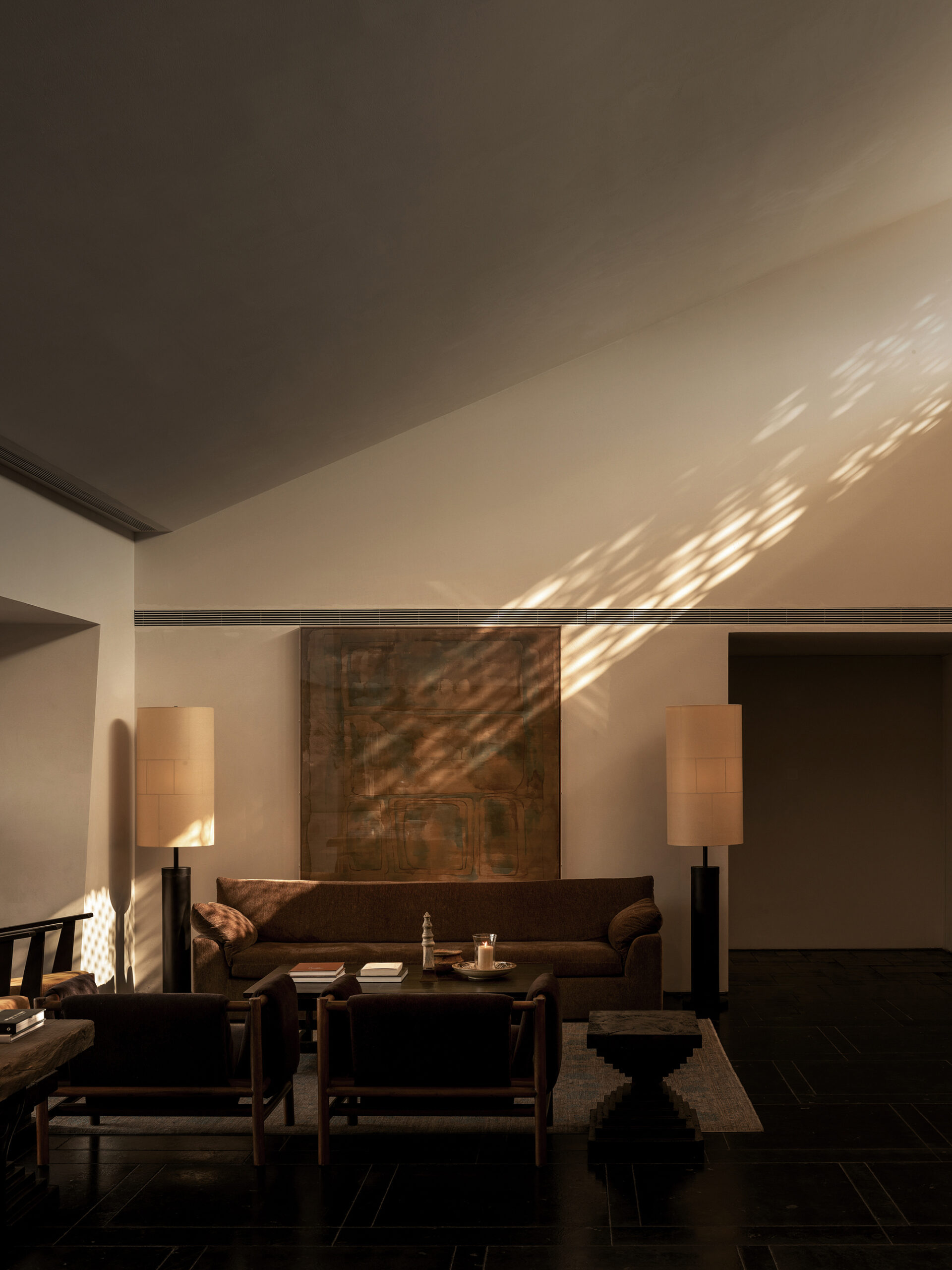
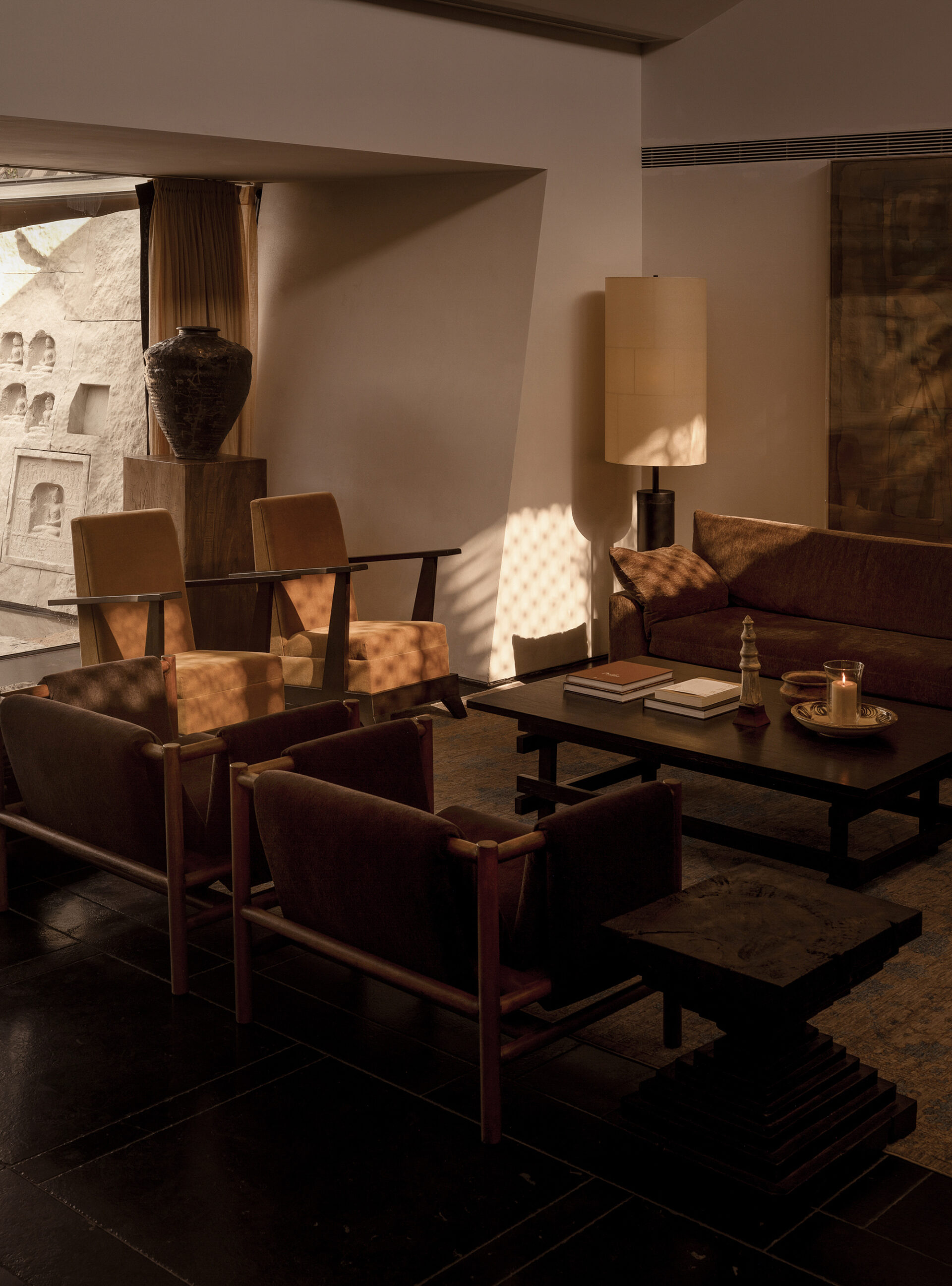
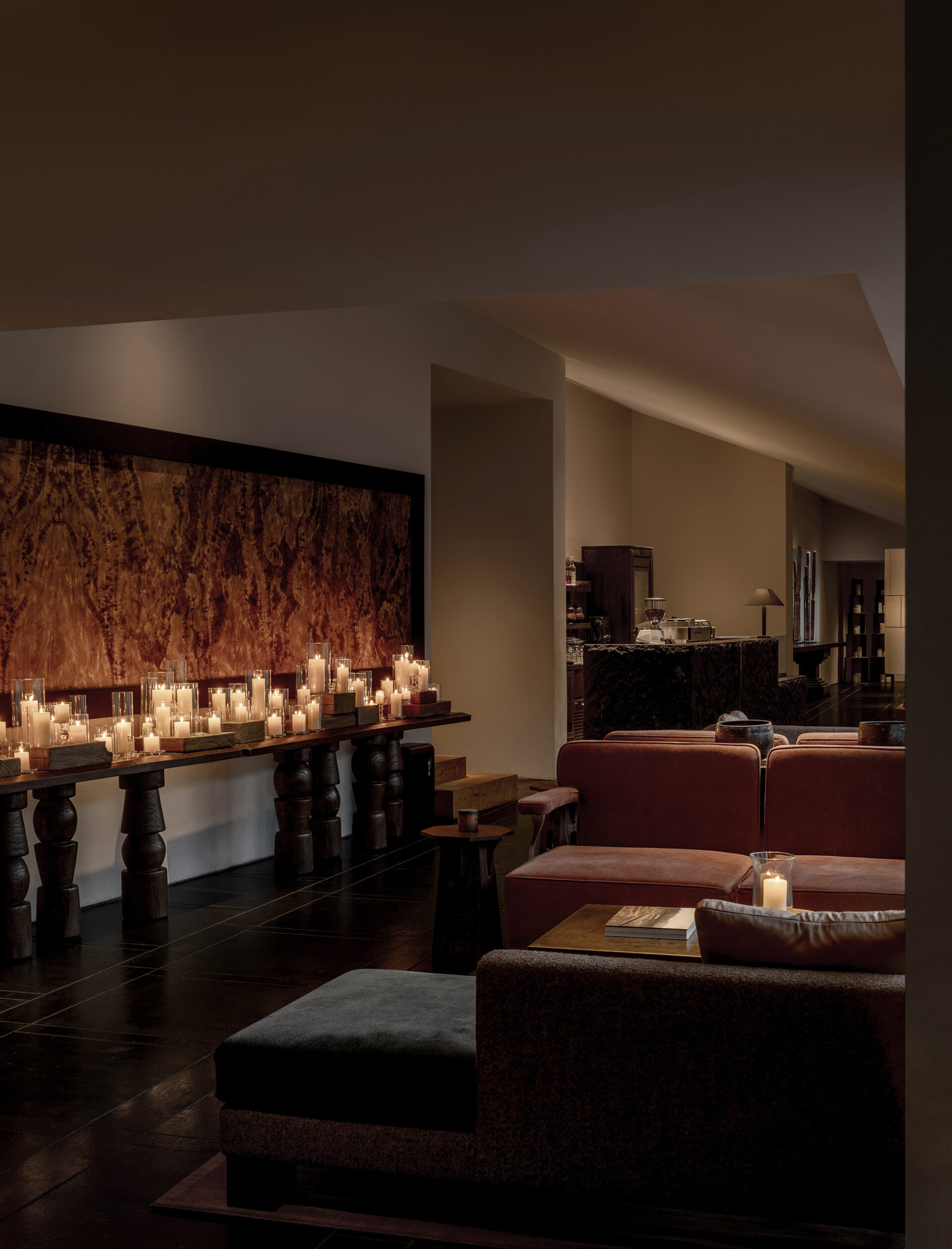
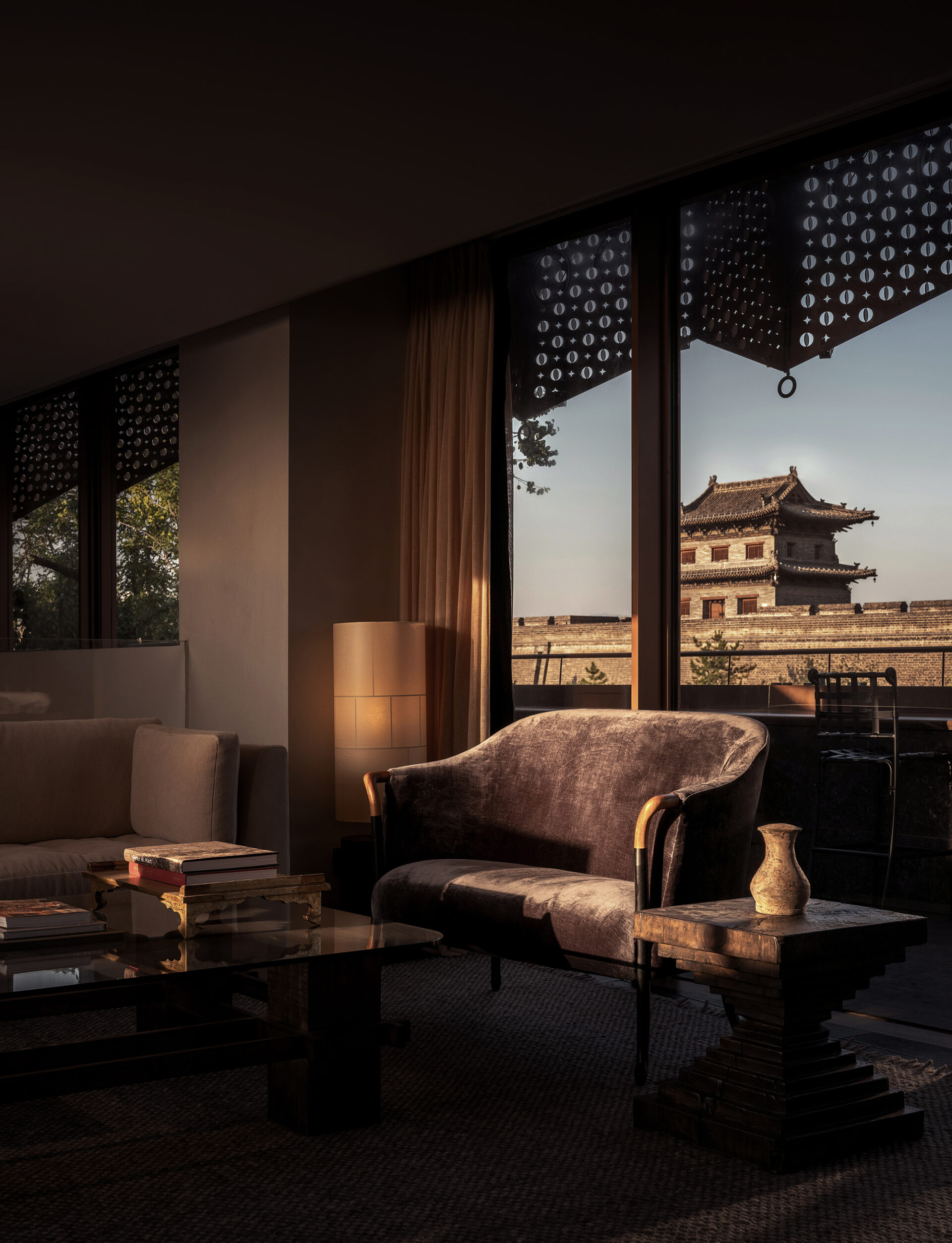
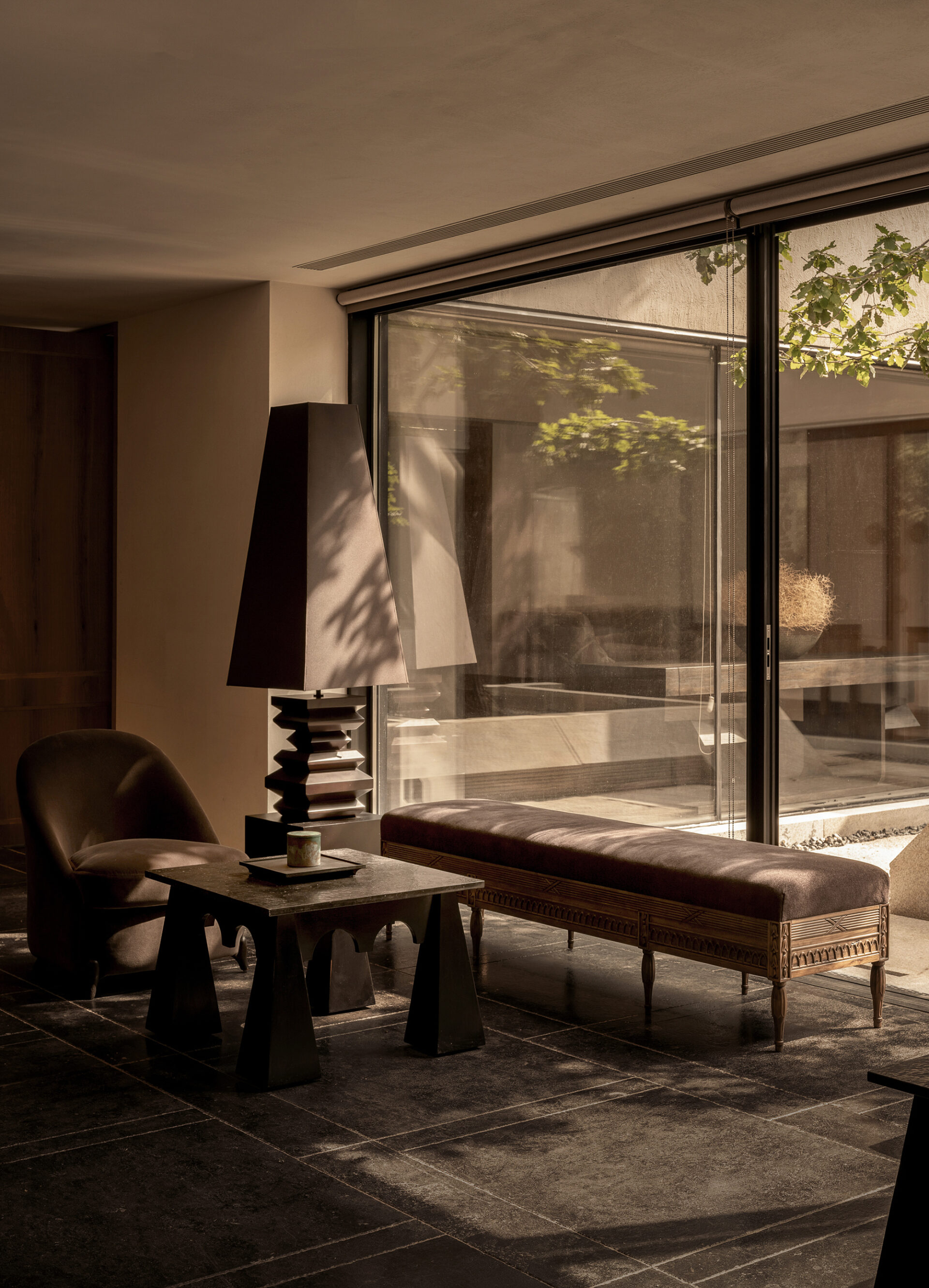
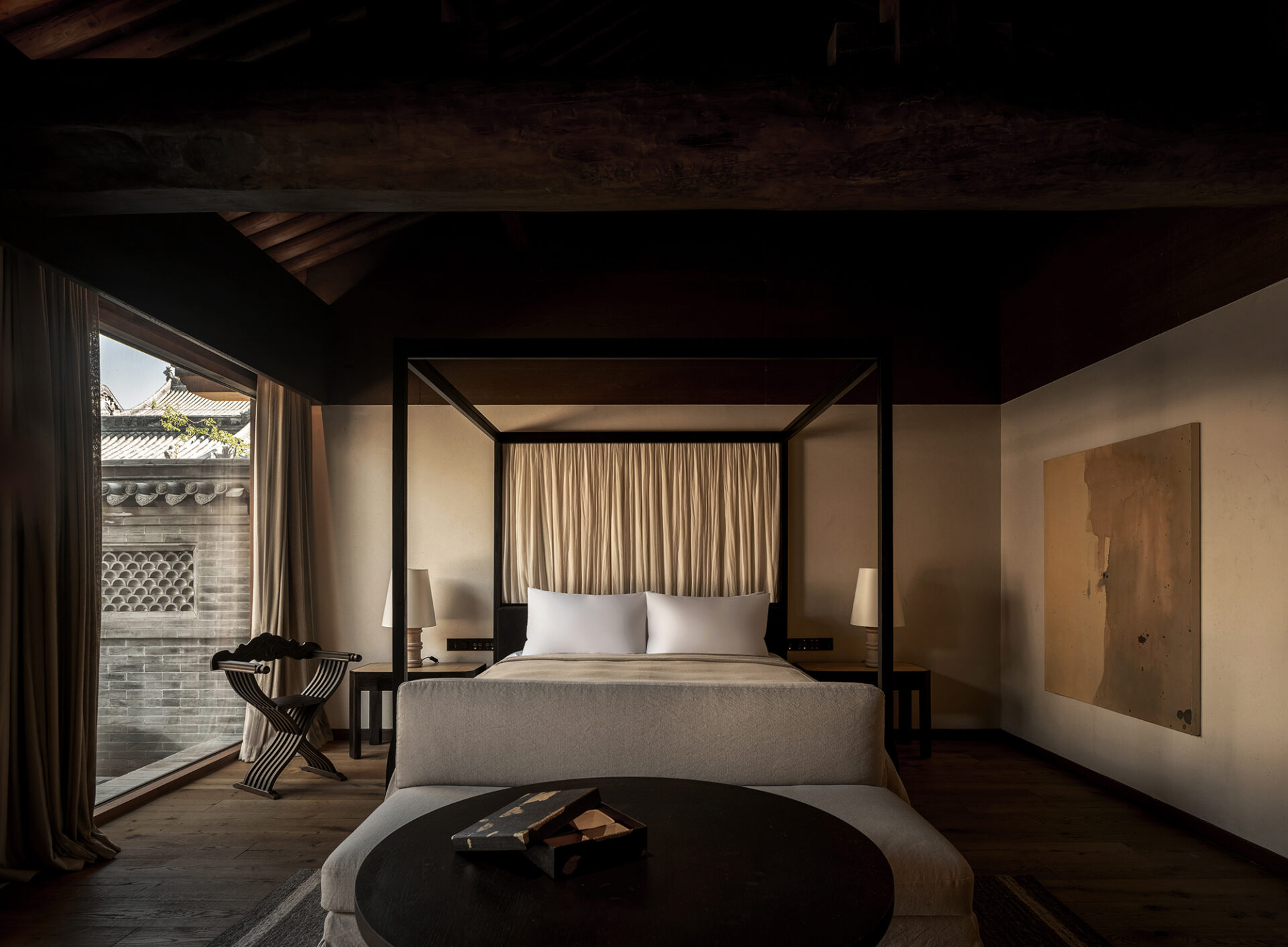
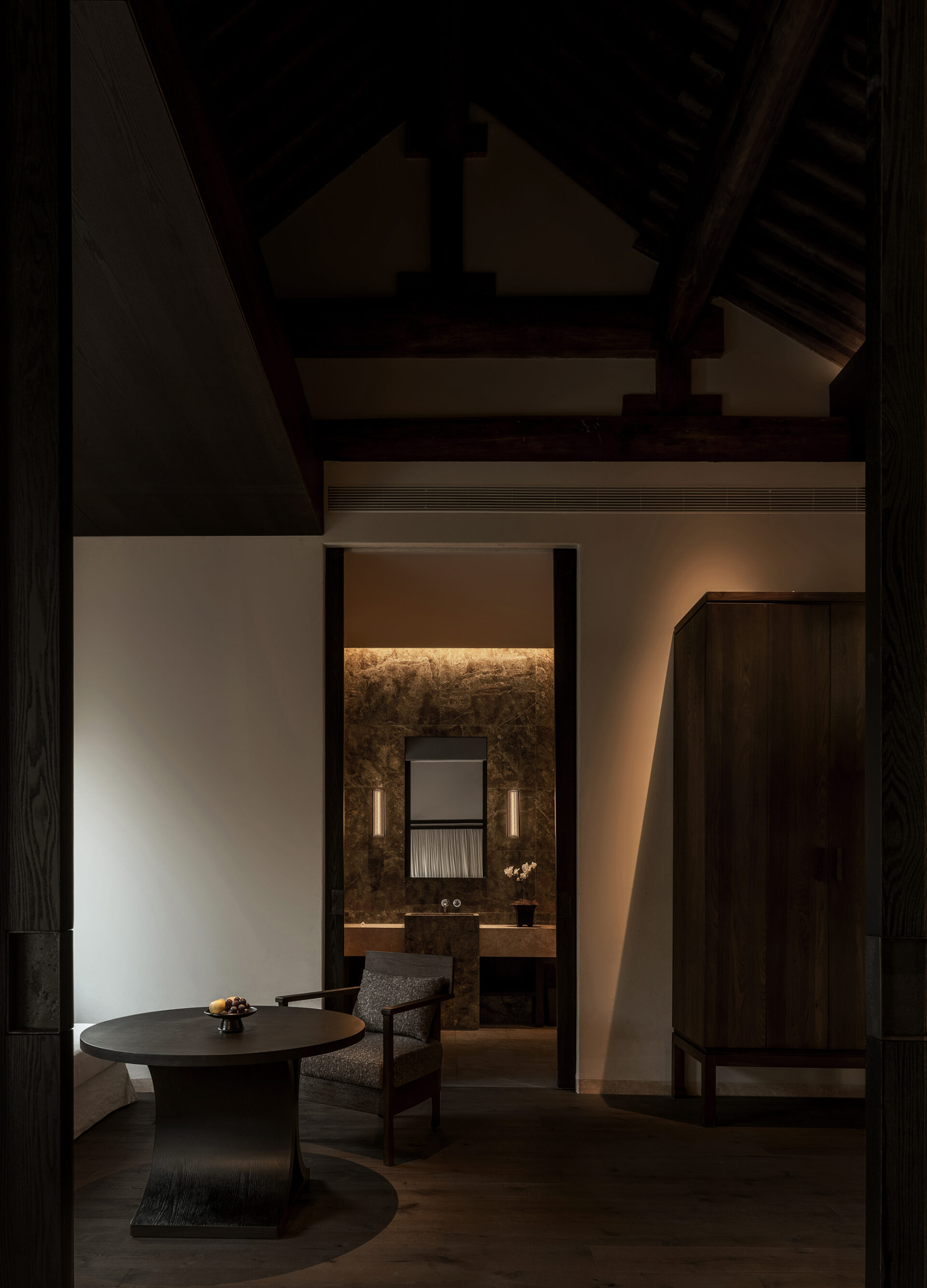
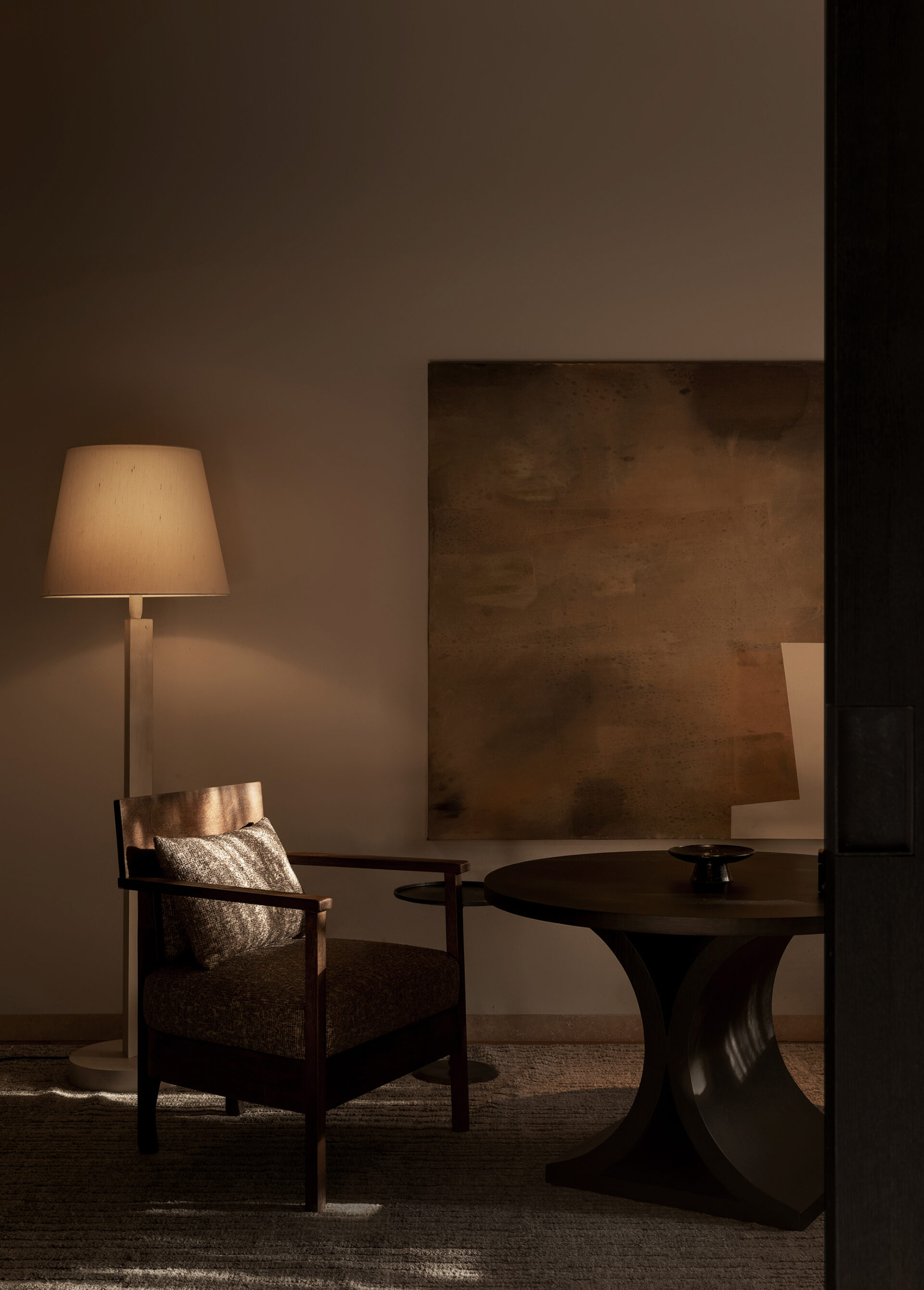
The interiors, designed by CCD under the concept “Dreaming Back to Pingcheng,” reinterpret the atmosphere of the Northern Wei Dynasty through texture, light and spatial rhythm rather than literal historical reconstruction. The Yungang Grottoes, Wei stele calligraphy and Datong’s layered frontier culture serve as recurring references throughout the hotel. Stone, rammed earth, terracotta, bronze tones and sharply controlled daylight create spaces that feel both monumental and deeply calm. Luxury here is intentionally inward-looking — less about spectacle, more about emotional stillness and cultural resonance.
Architecture Rooted in Shanxi Tradition
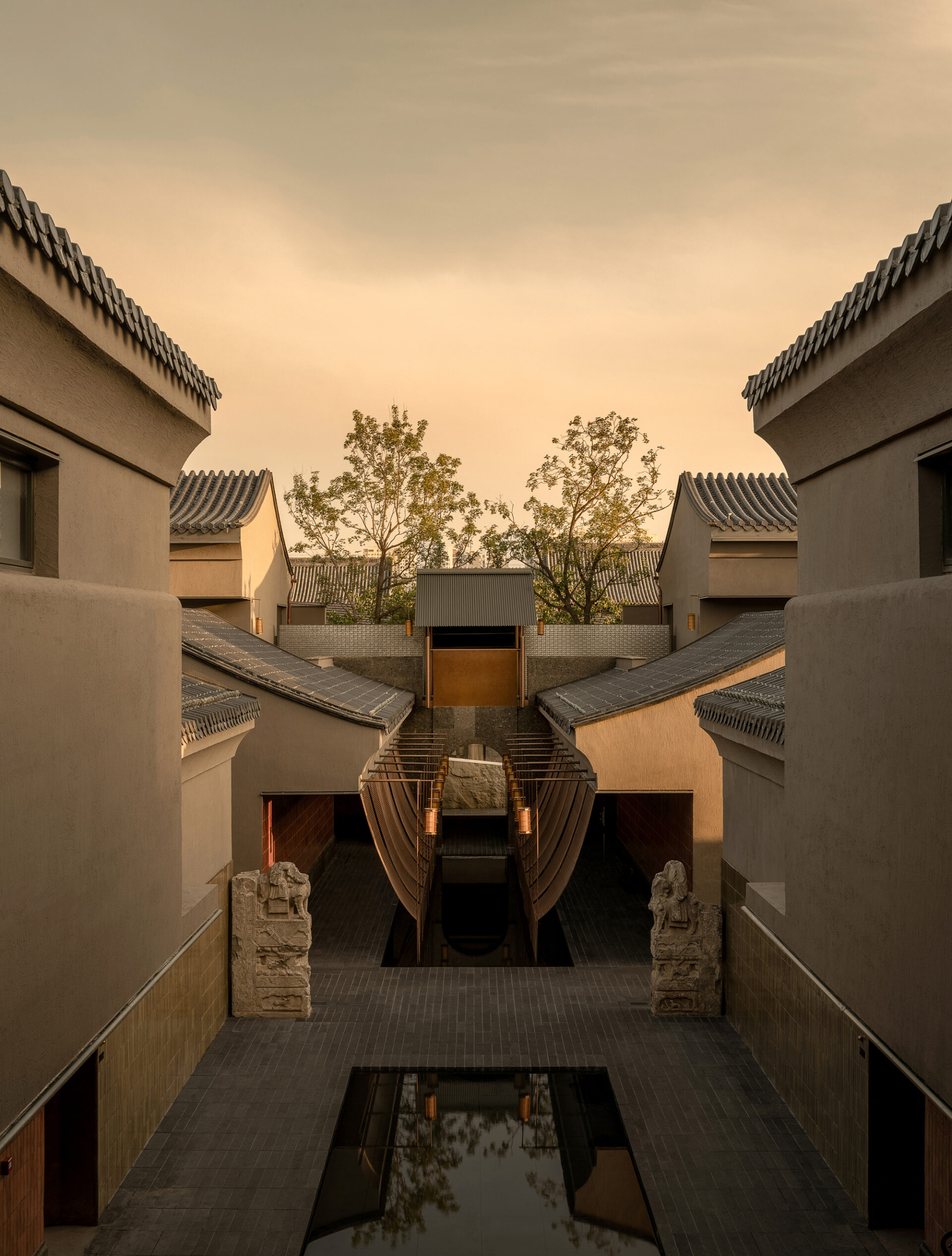
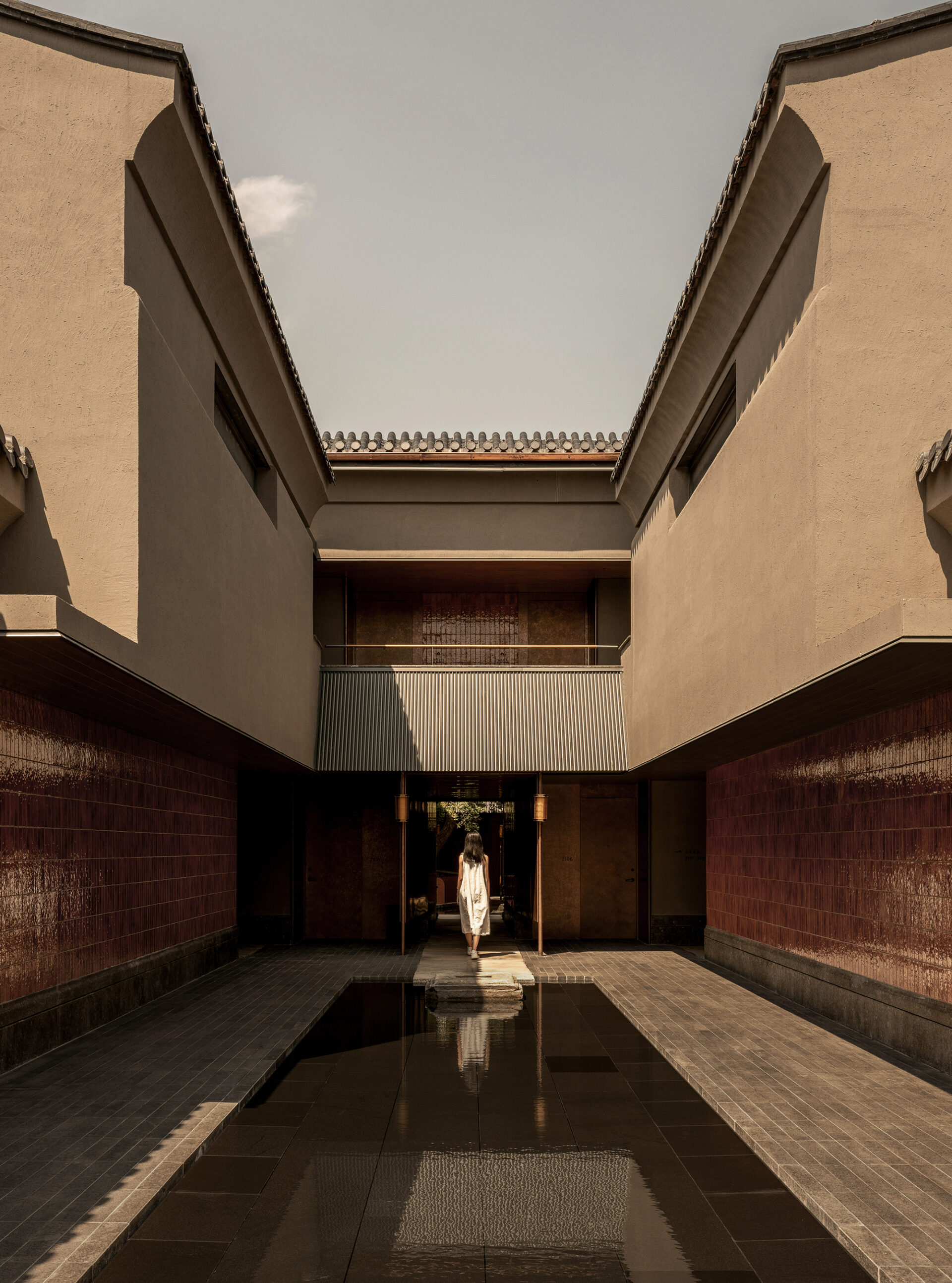
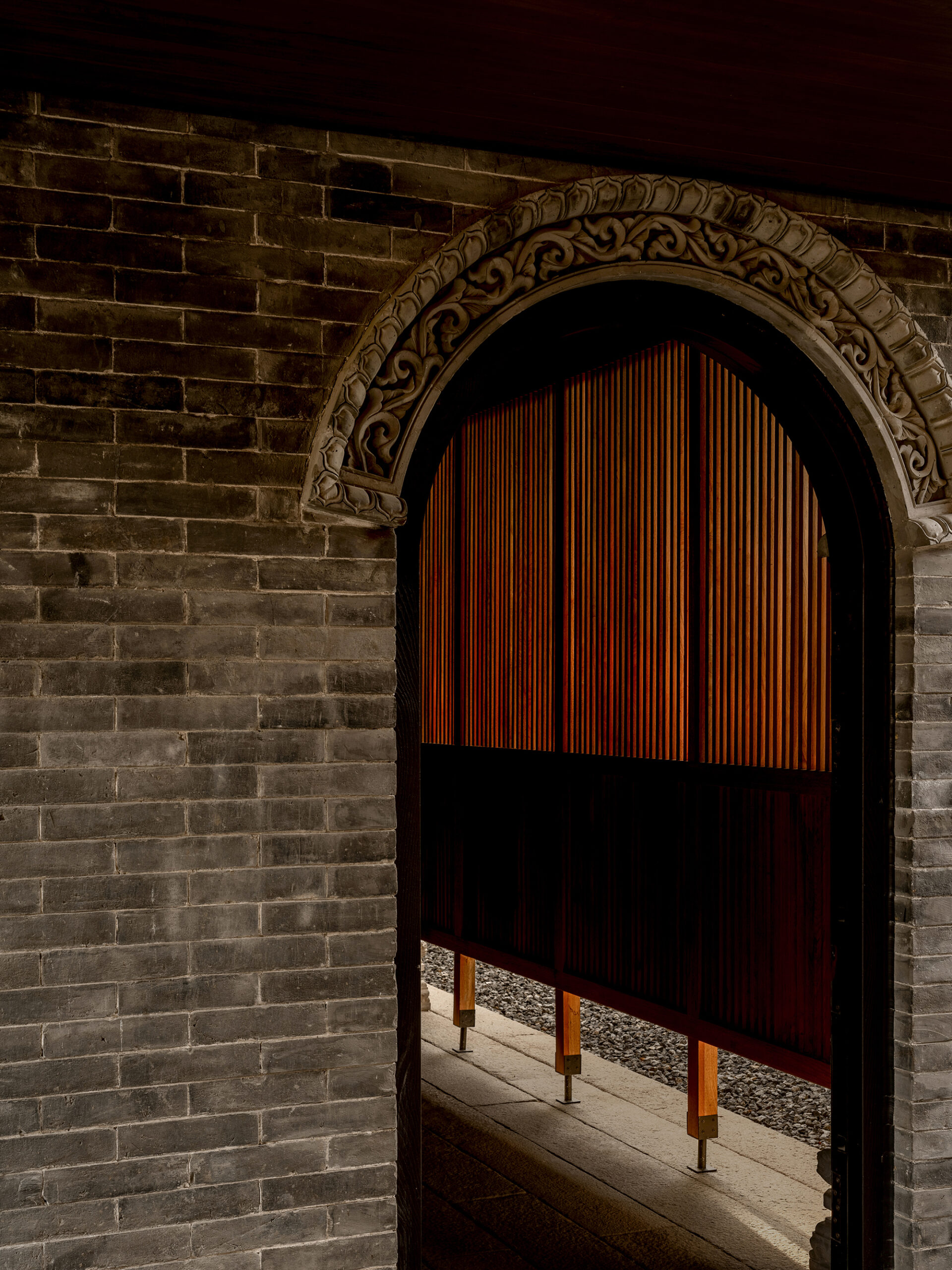
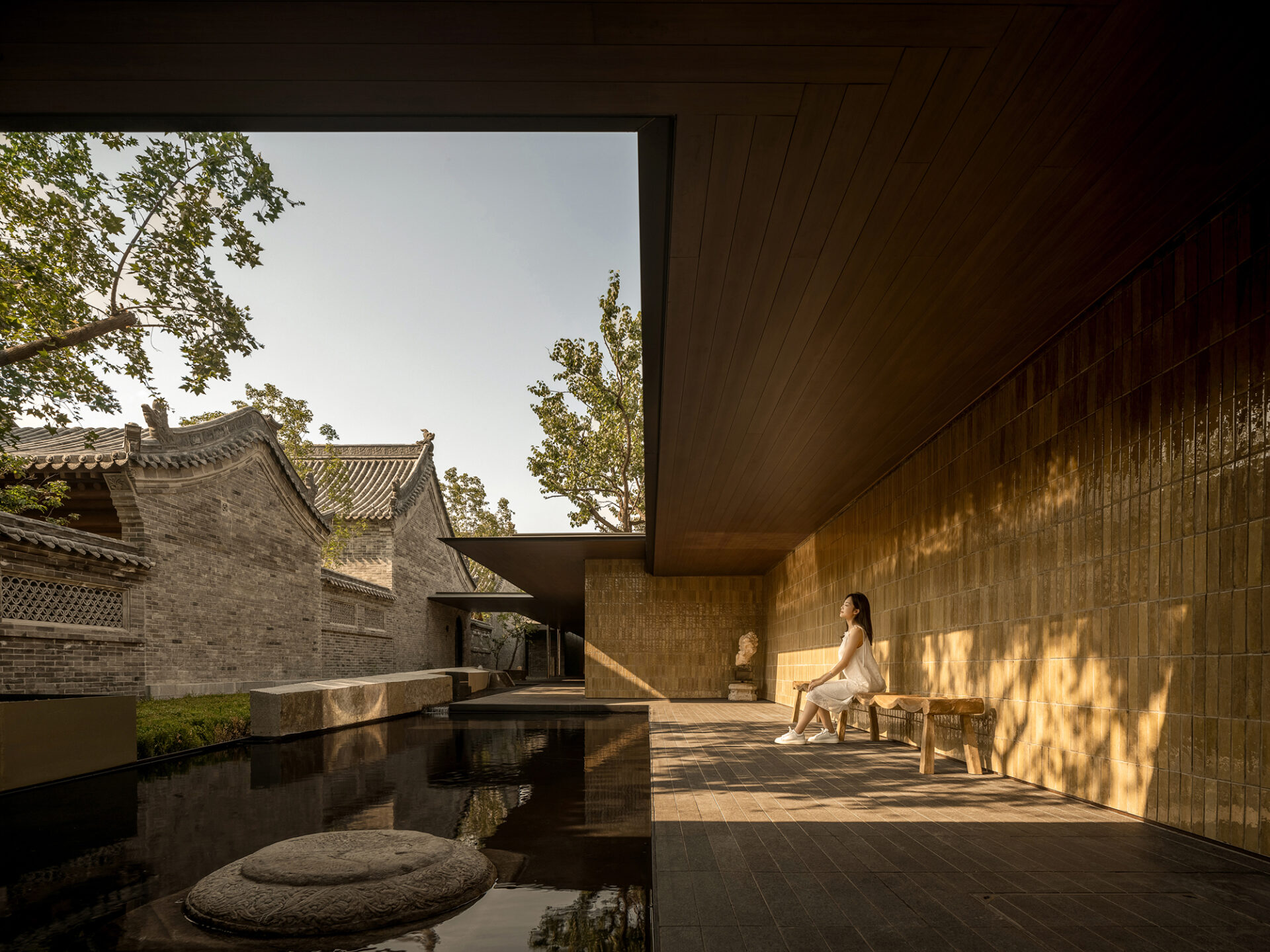
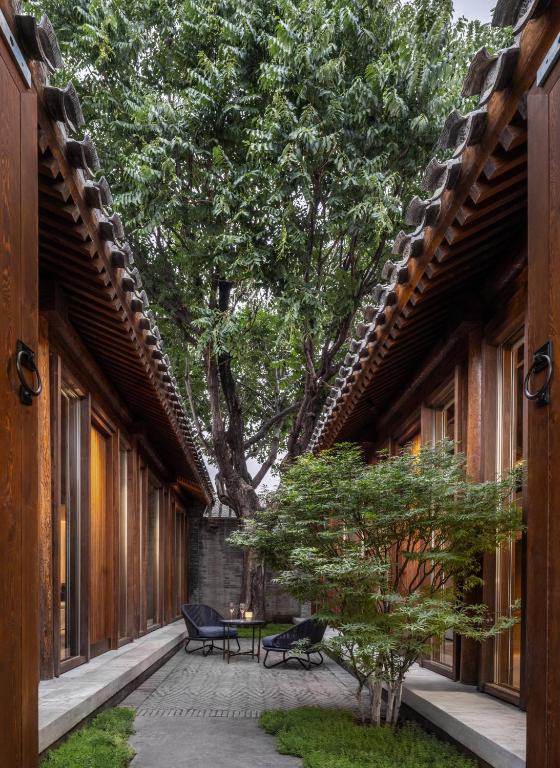
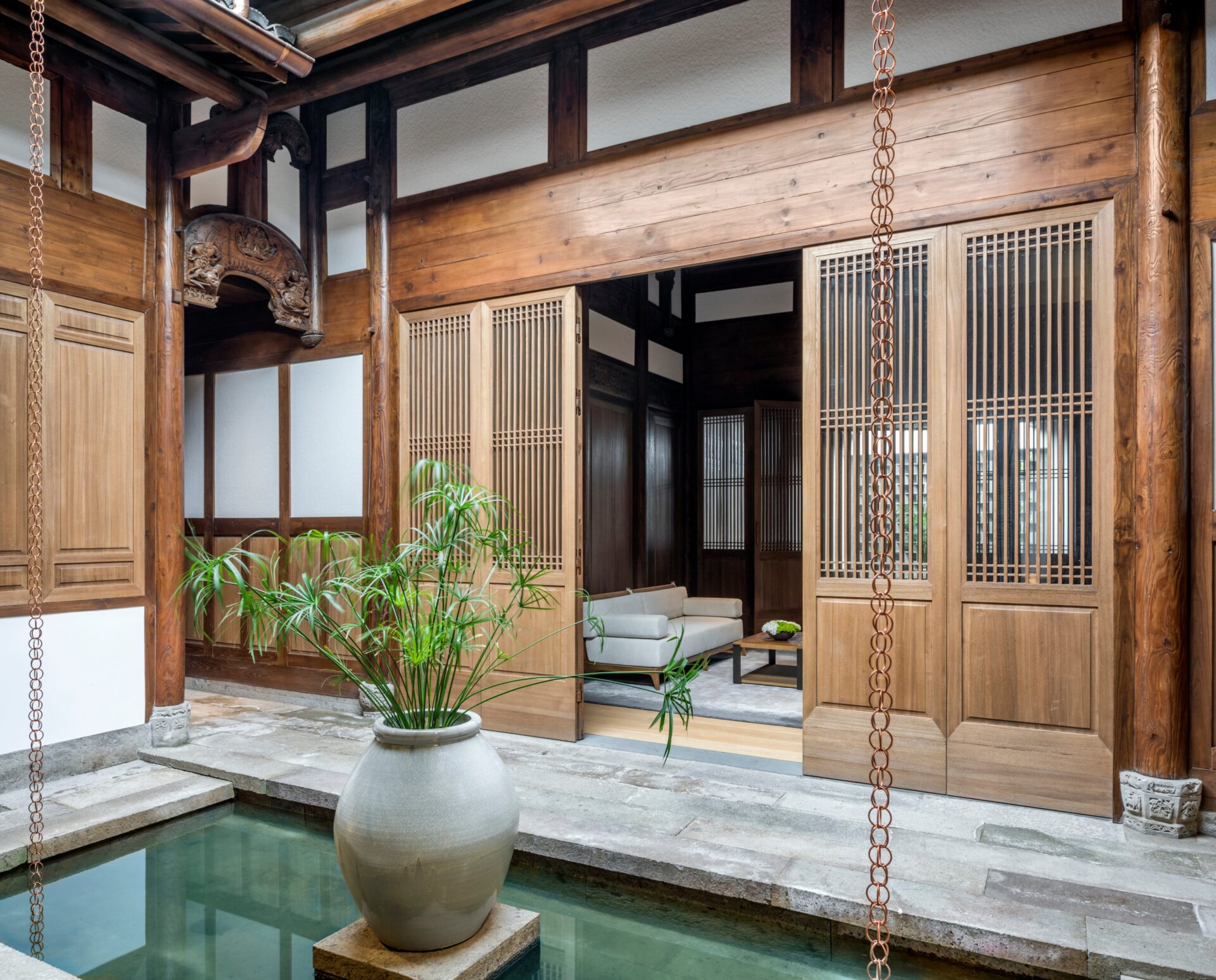
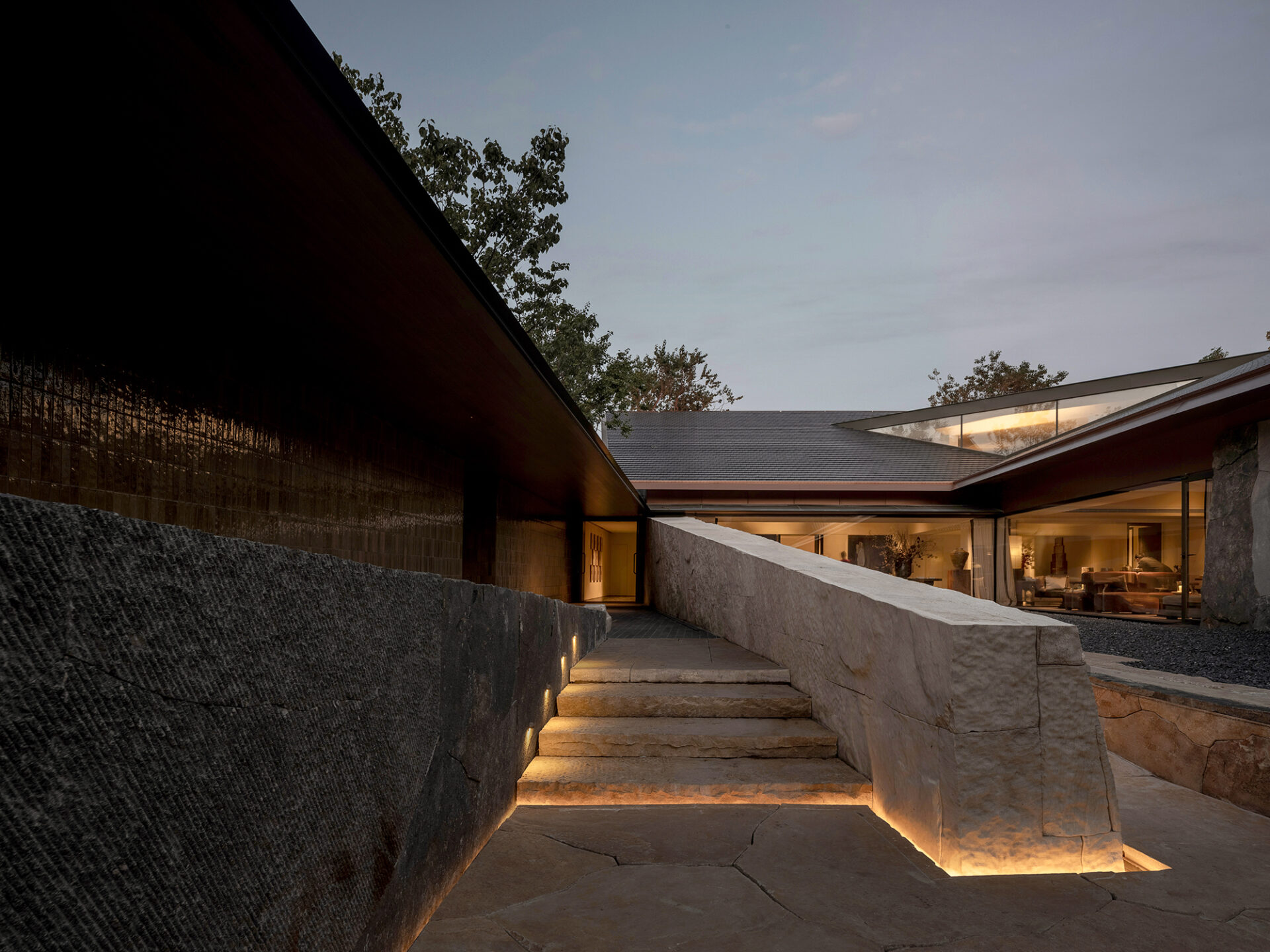
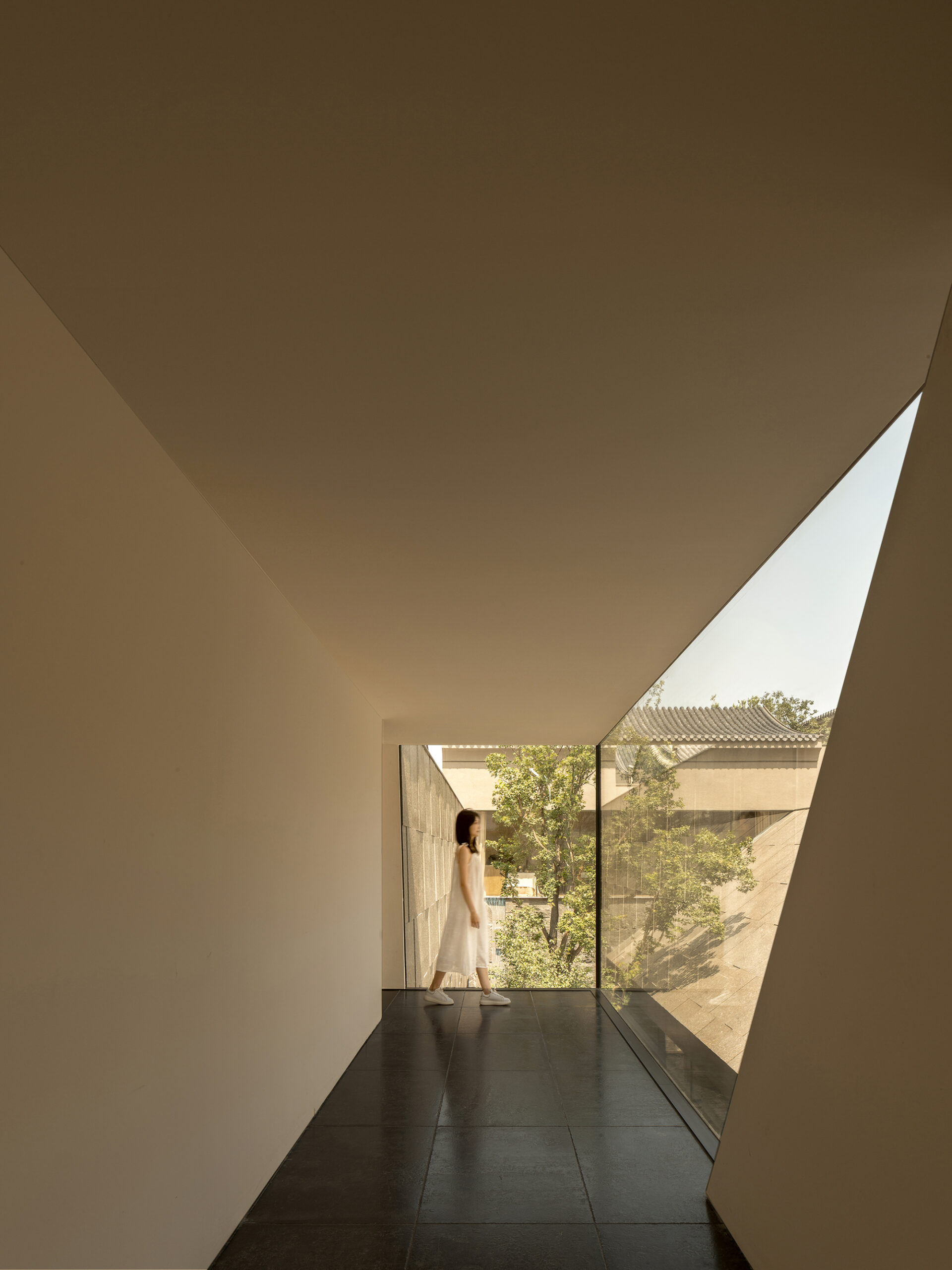
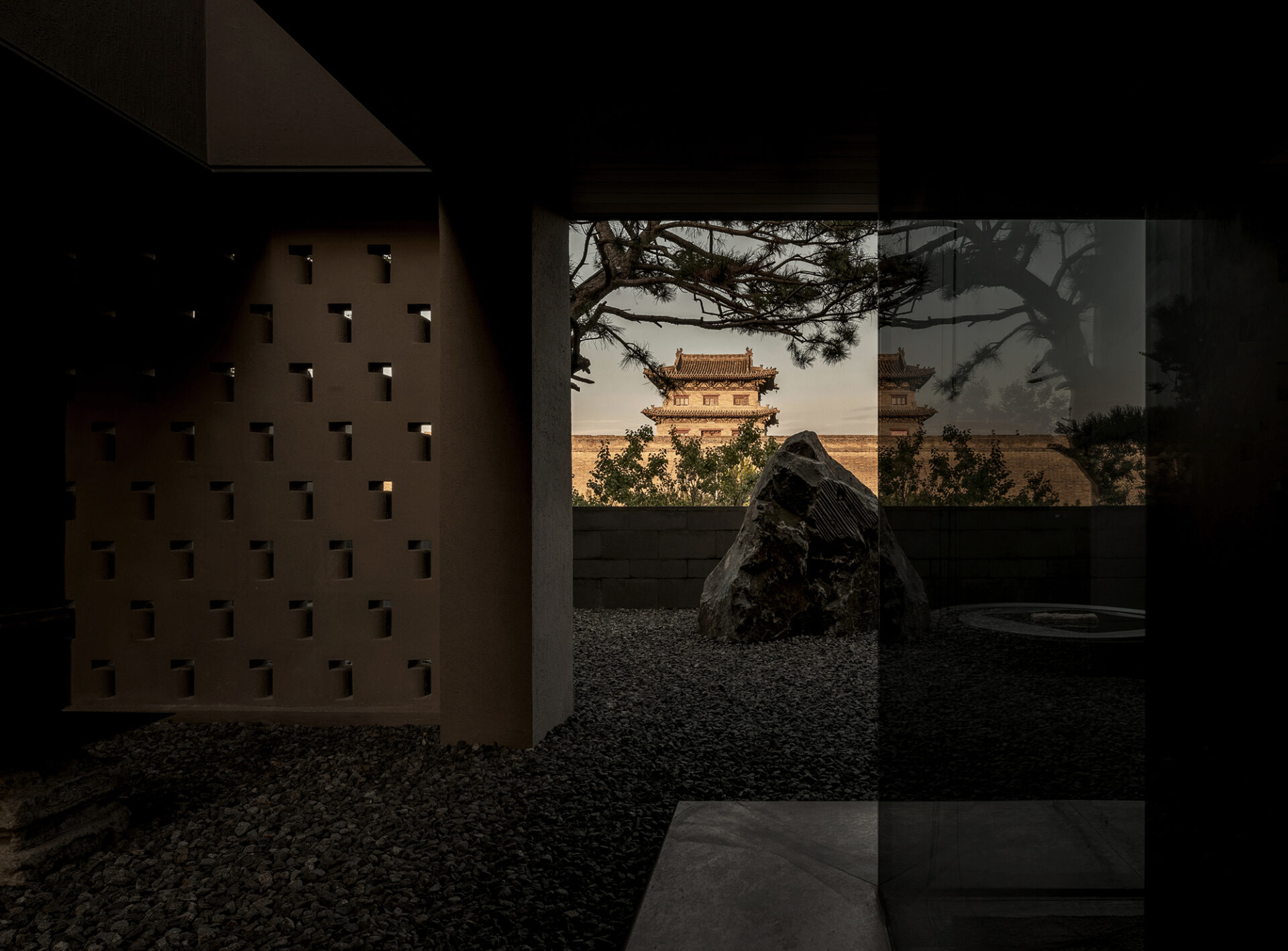
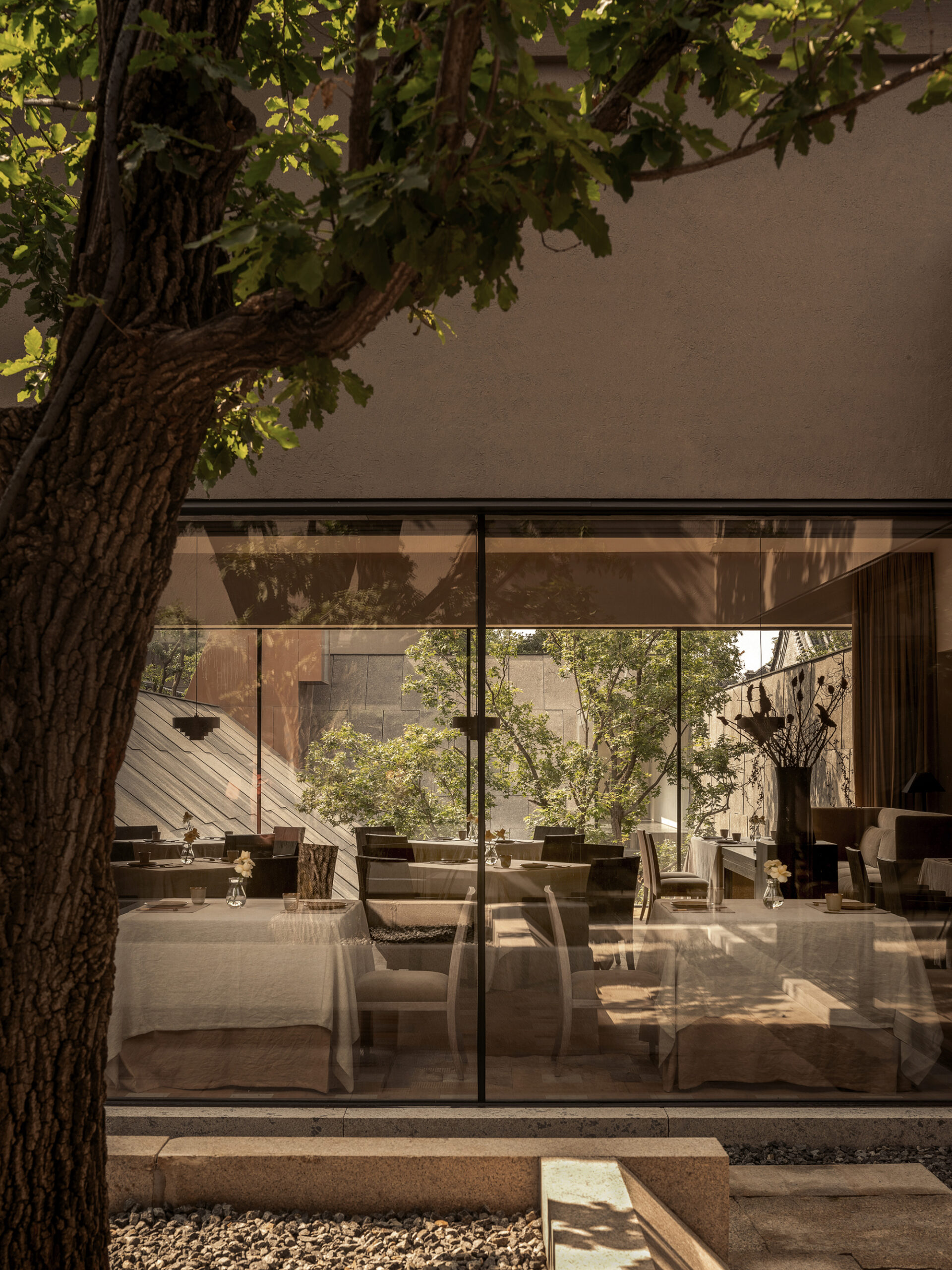
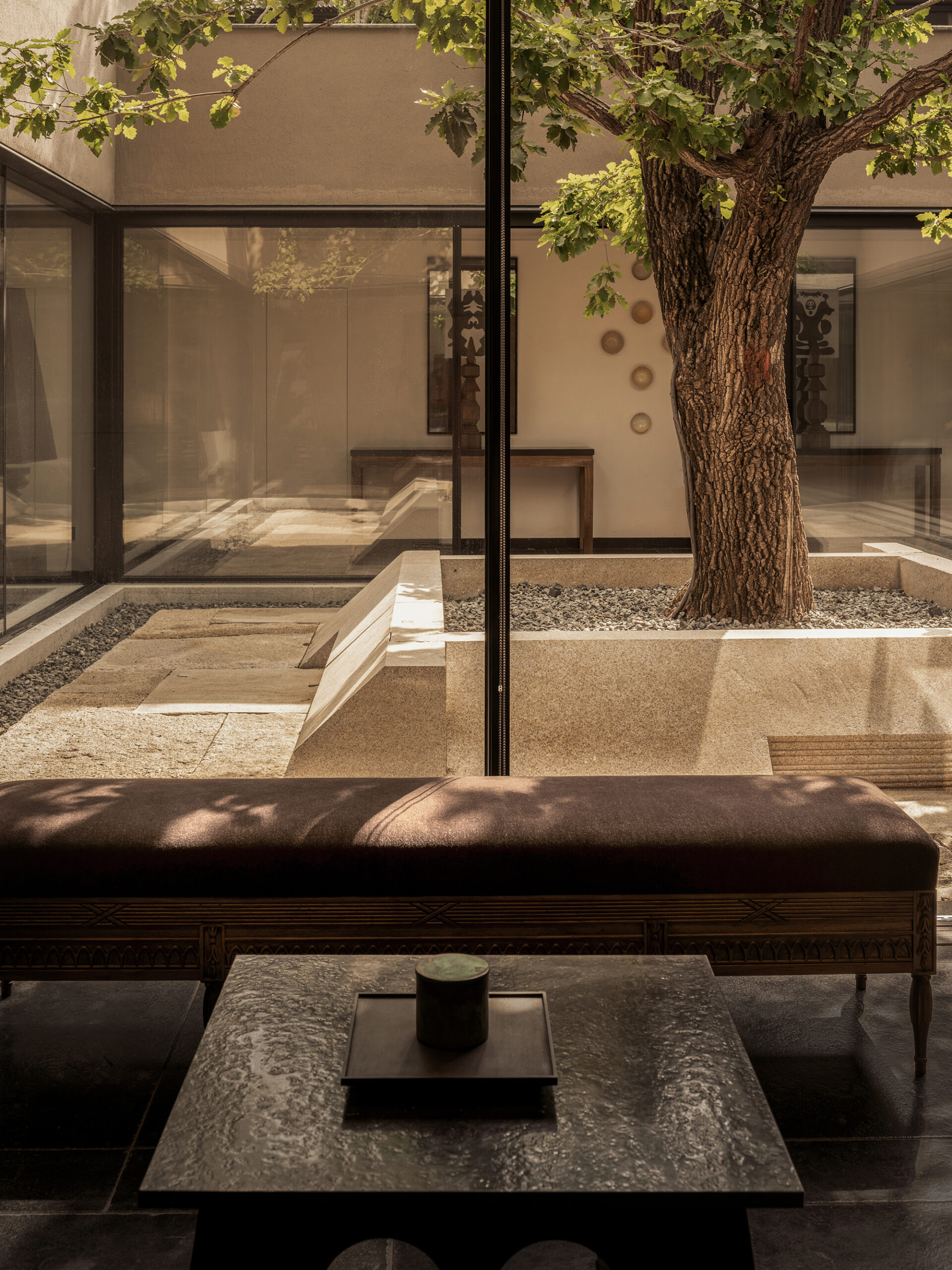
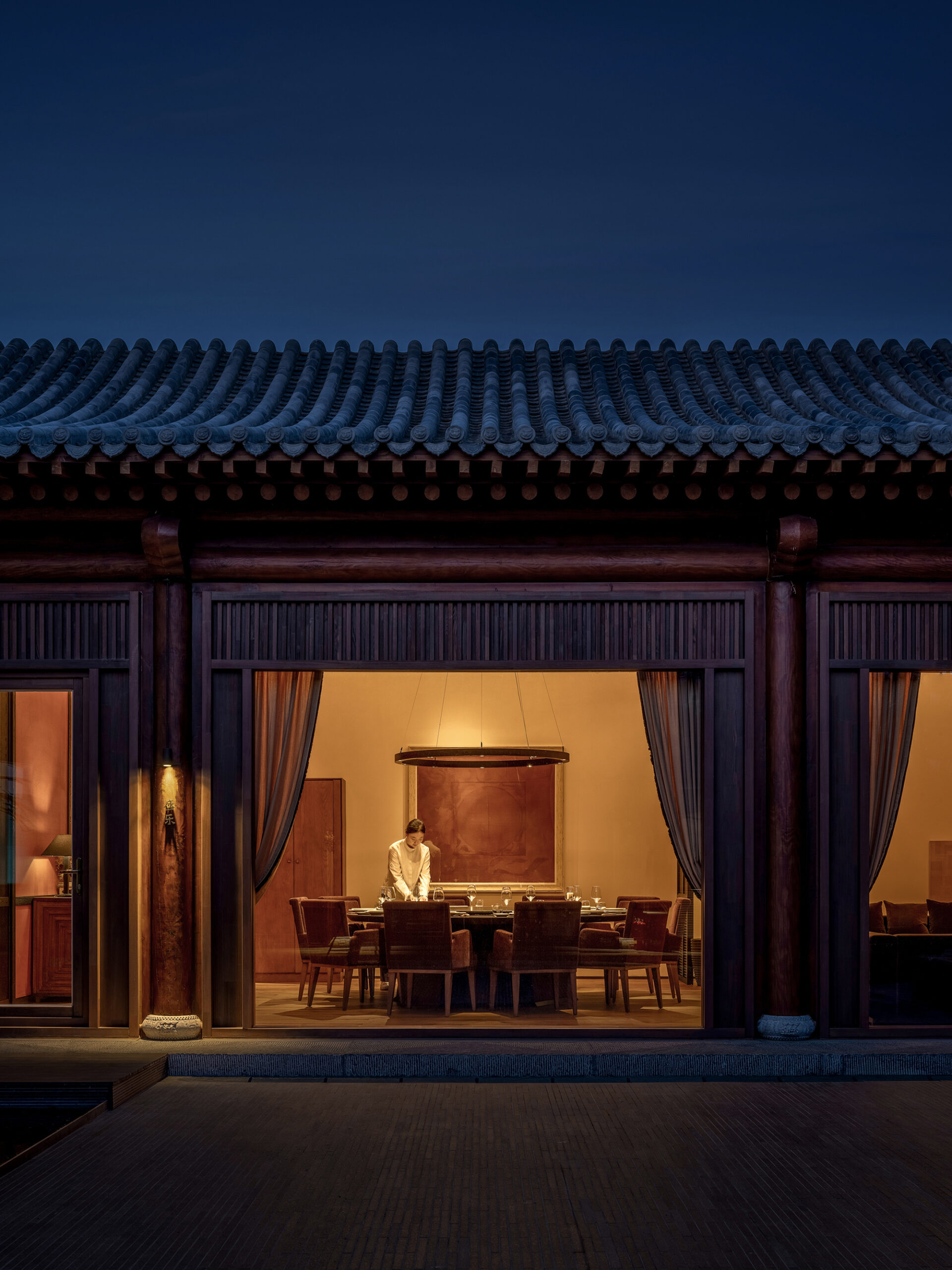
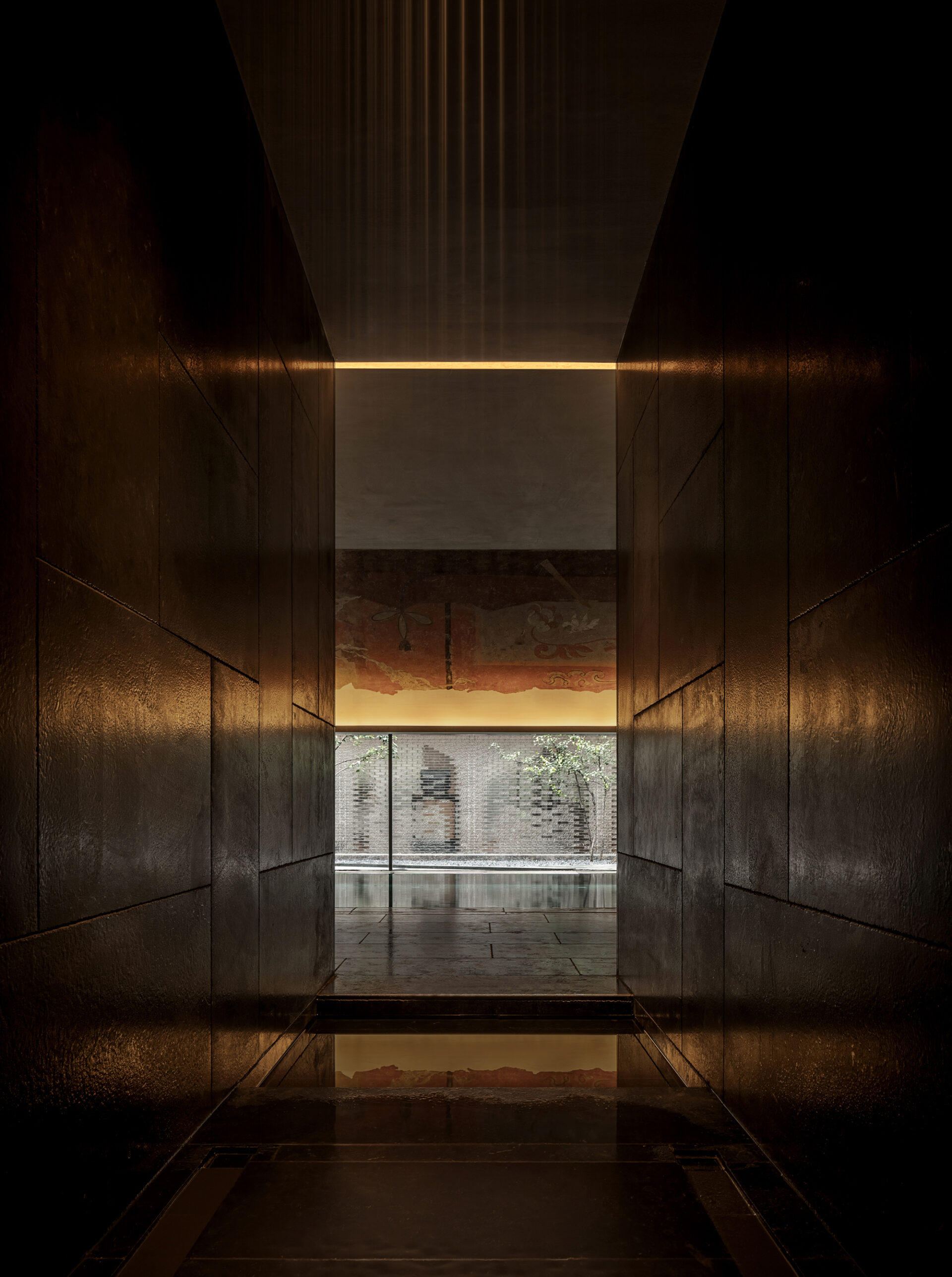
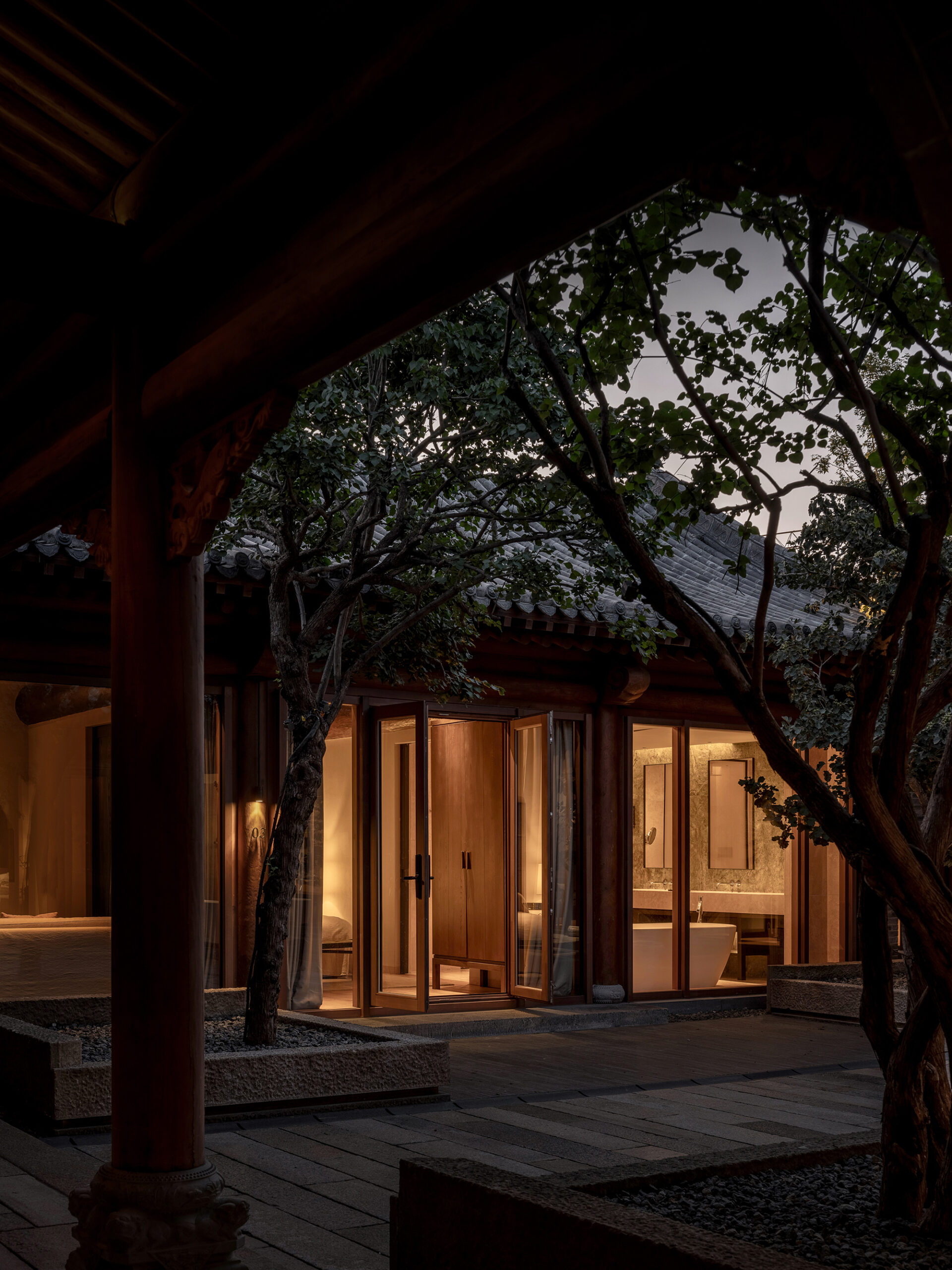
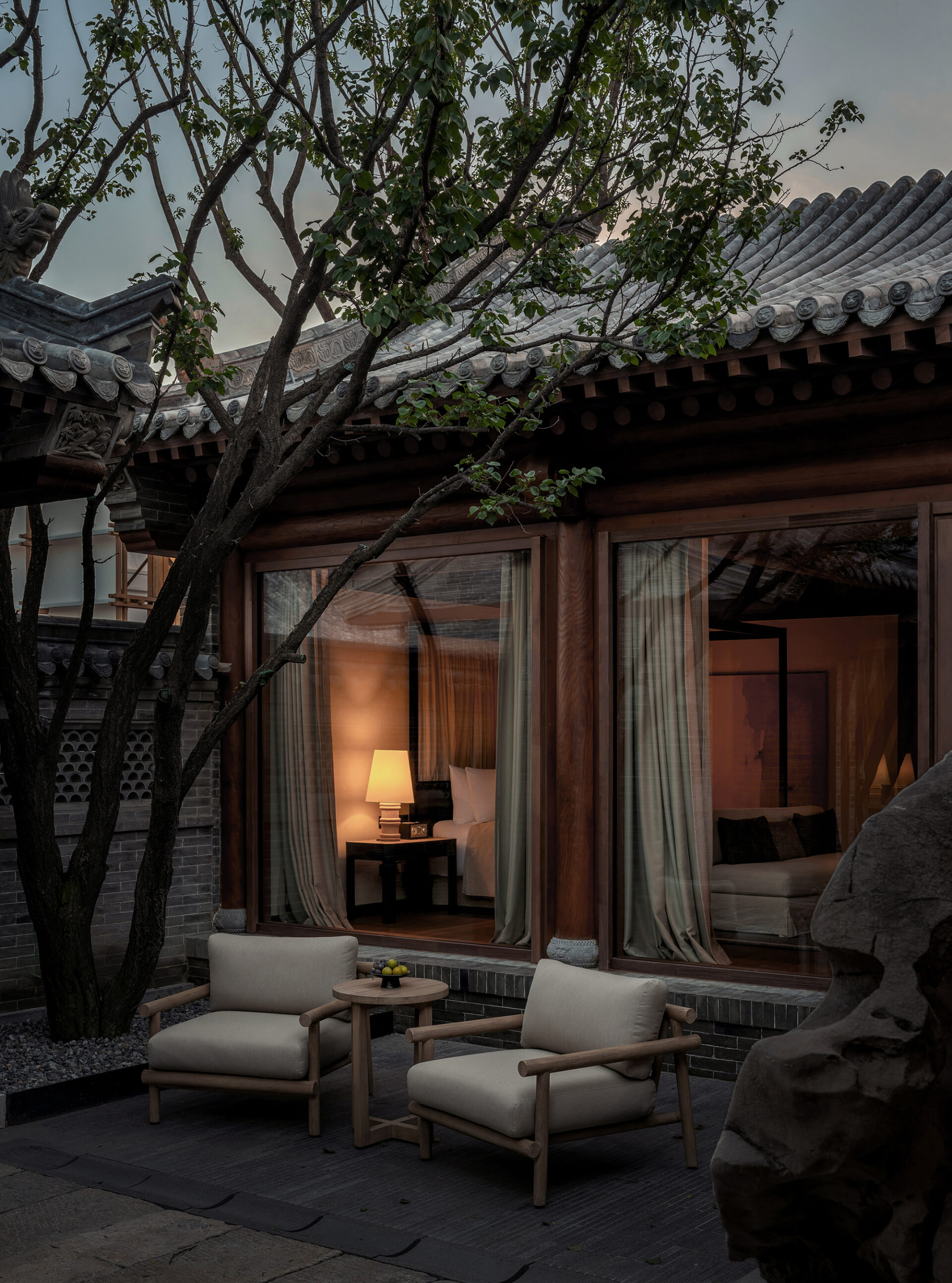
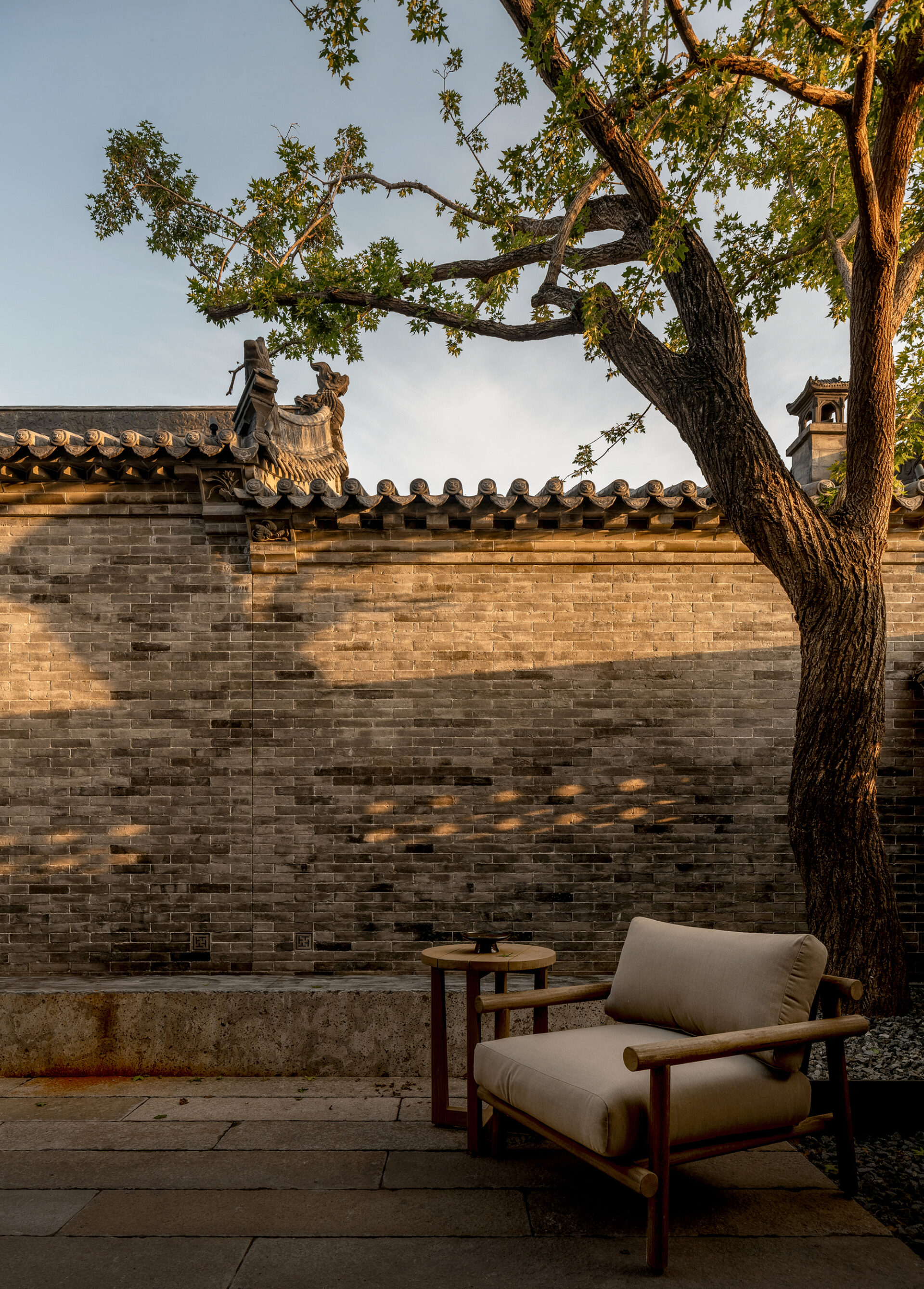
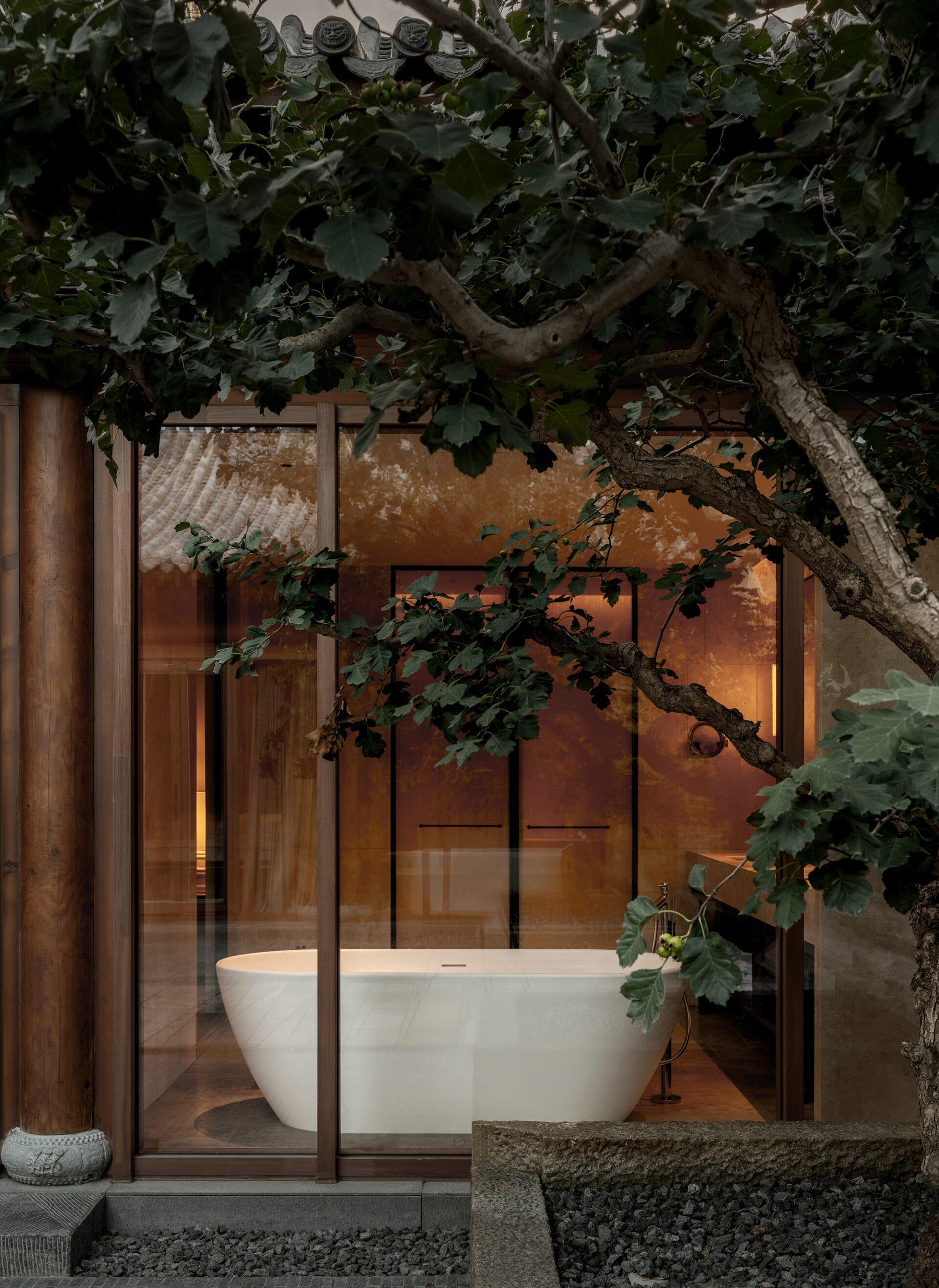
Traditional Shanxi courtyard residences known for their imposing outer walls and layered interiors are translated into a contemporary architectural language of elevated platforms, water courtyards, skybridges and interconnected gardens. One-third of the site consists of restored Ming and Qing dynasty houses, now transformed into heritage suites and private dining rooms. The newly constructed buildings continue the proportions and rhythms of northern vernacular architecture while simplifying forms through restrained geometry and contemporary detailing. The experience unfolds gradually through a sequence of courtyards, framed views and transitions between shadow, water and open sky. Bronze doors, narrow corridors and elevated terraces continuously reconnect guests with the ancient city surrounding the hotel.
A Grotto-Like World of Stone and Light
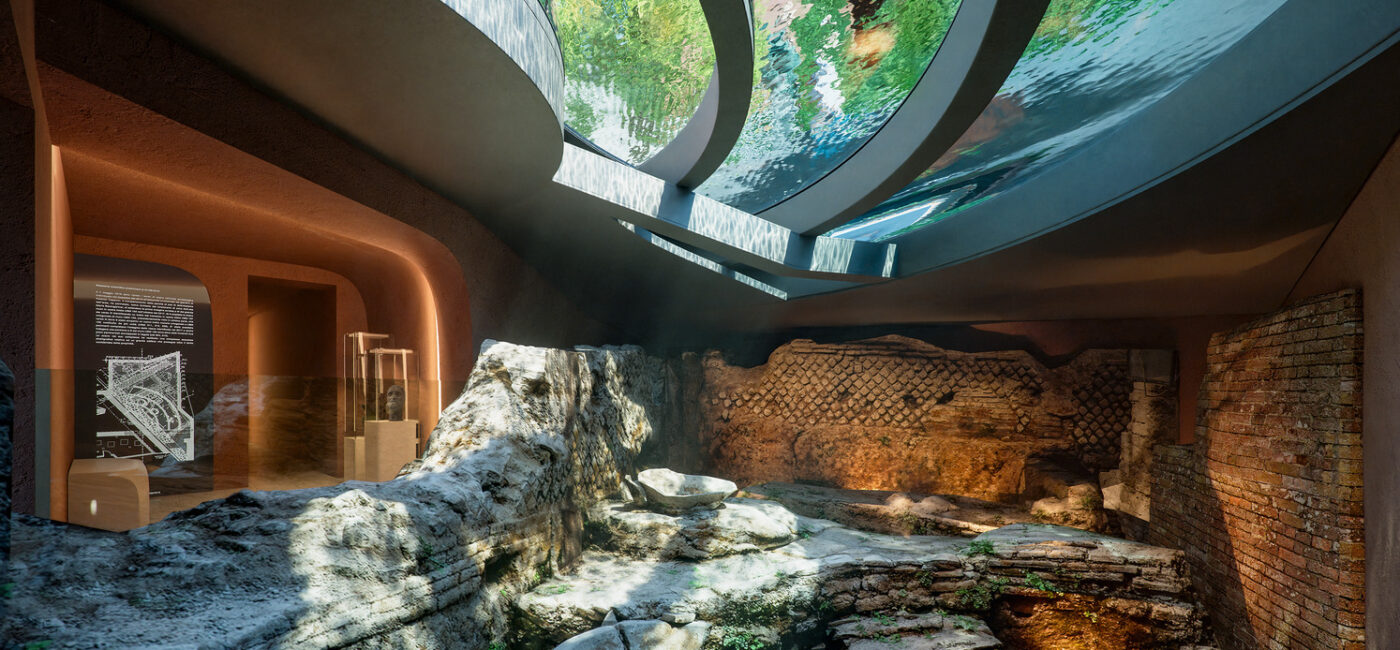
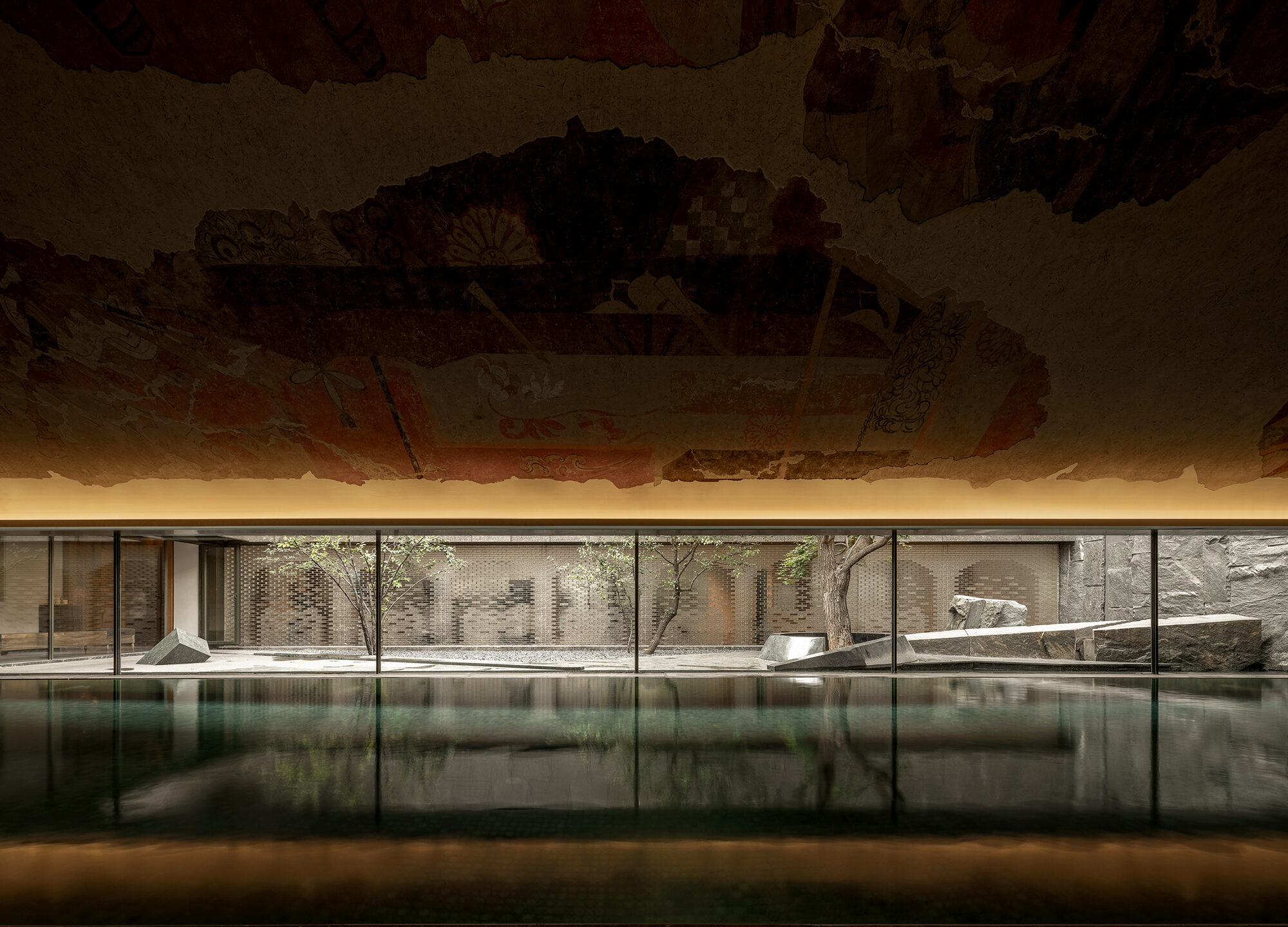
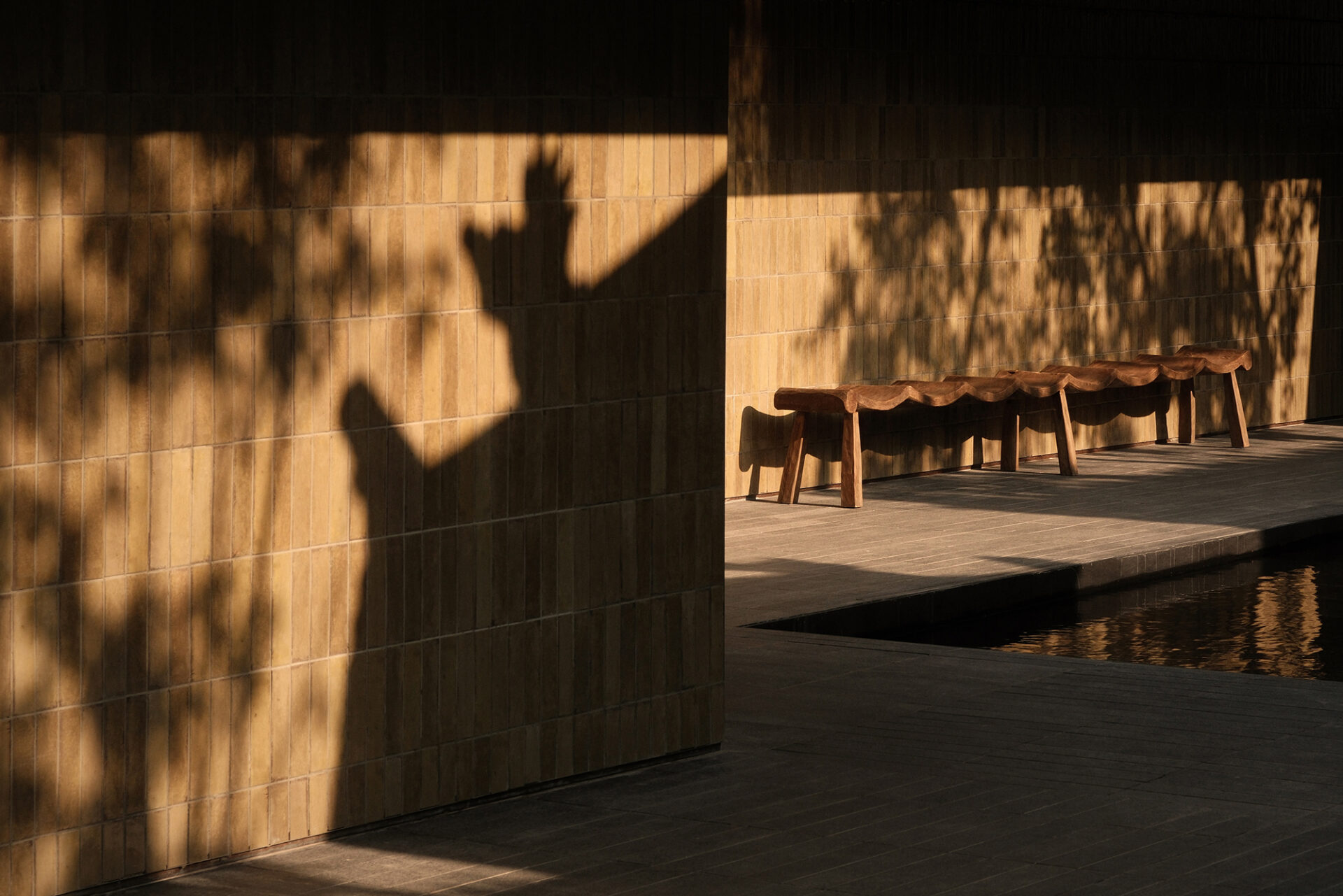
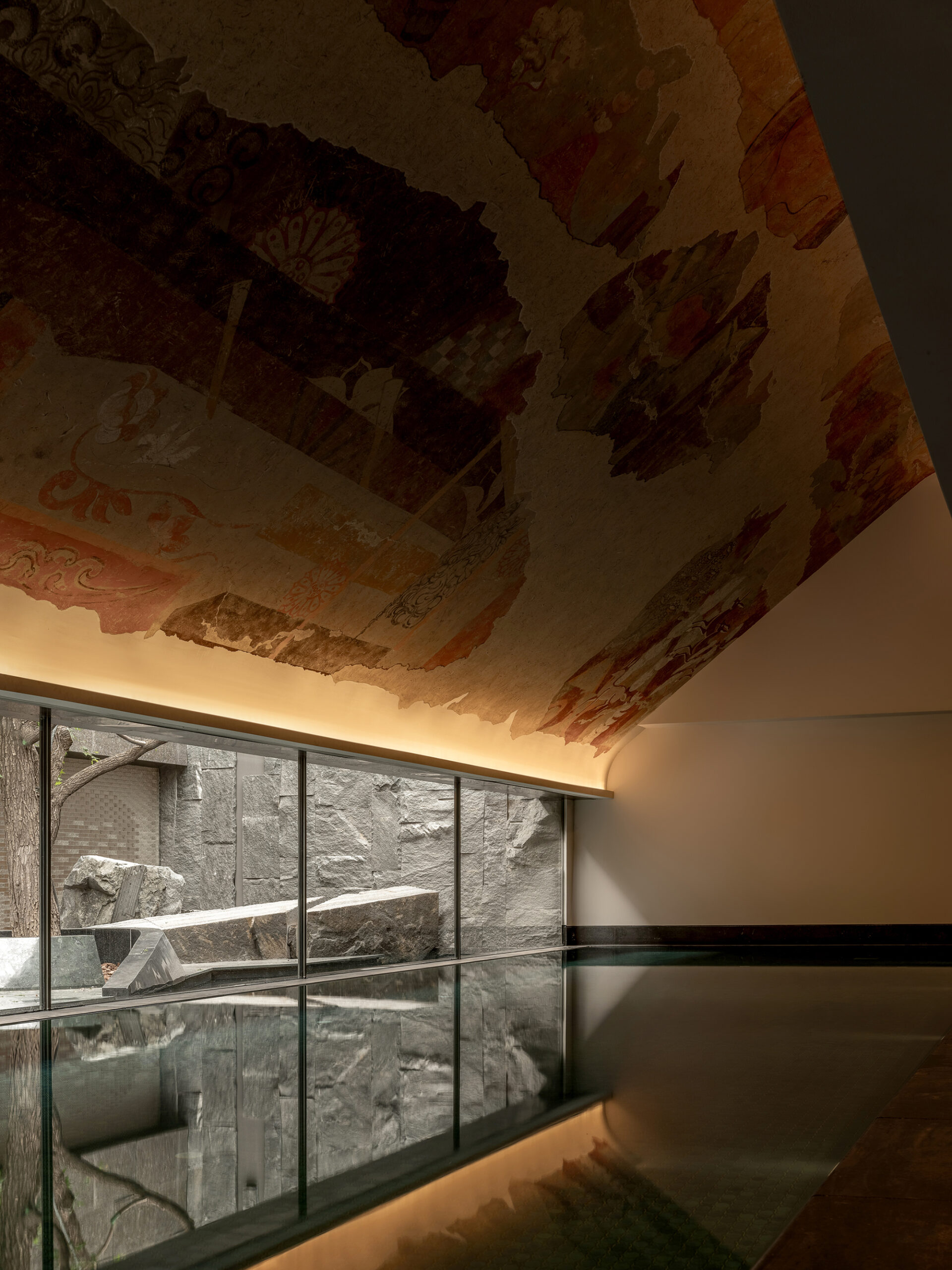
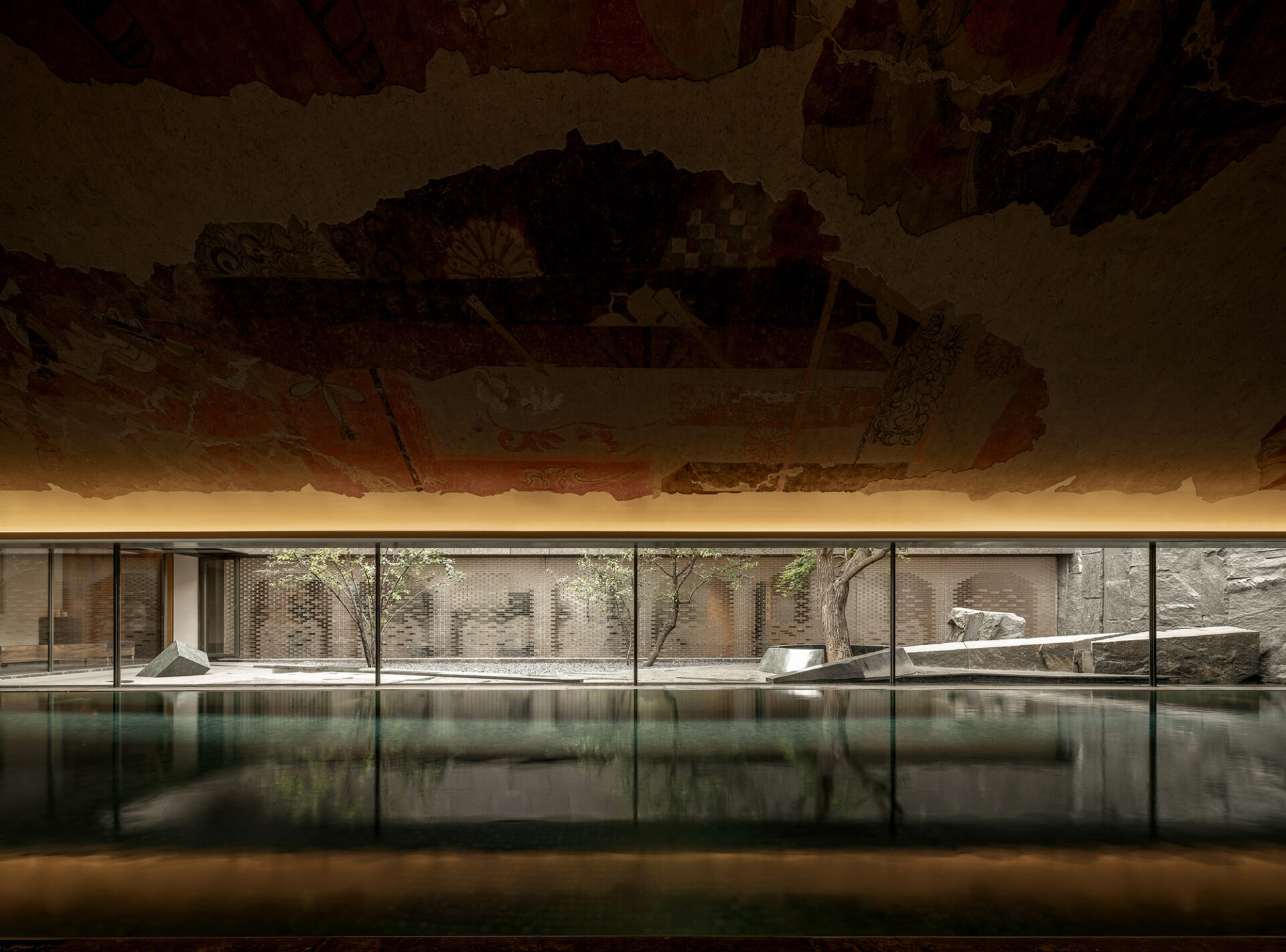
The underground swimming pool is among the hotel’s most atmospheric spaces, inspired directly by the cave worlds of the Yungang Grottoes. Slanted stone walls, filtered daylight and shimmering water reflections create an environment that feels almost excavated from the earth itself. Throughout the hotel, Datong’s famously crisp northern light becomes part of the architecture. Ochre reds, blue-grey brick, slate and raw concrete surfaces constantly shift in tone throughout the day, while shadow patterns and reflected water animate walls and ceilings with a quiet, meditative quality.
Contemporary Courtyard Living
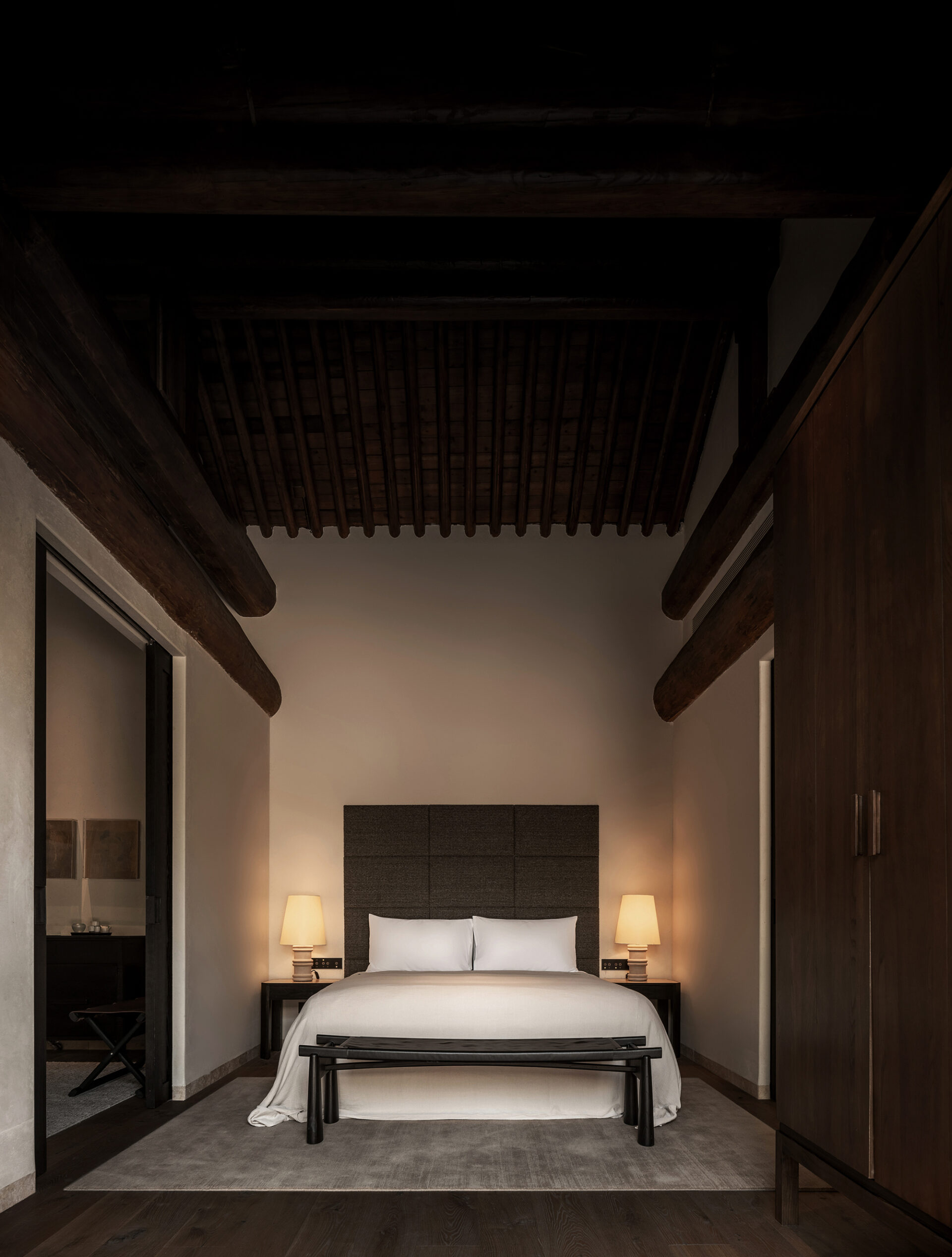
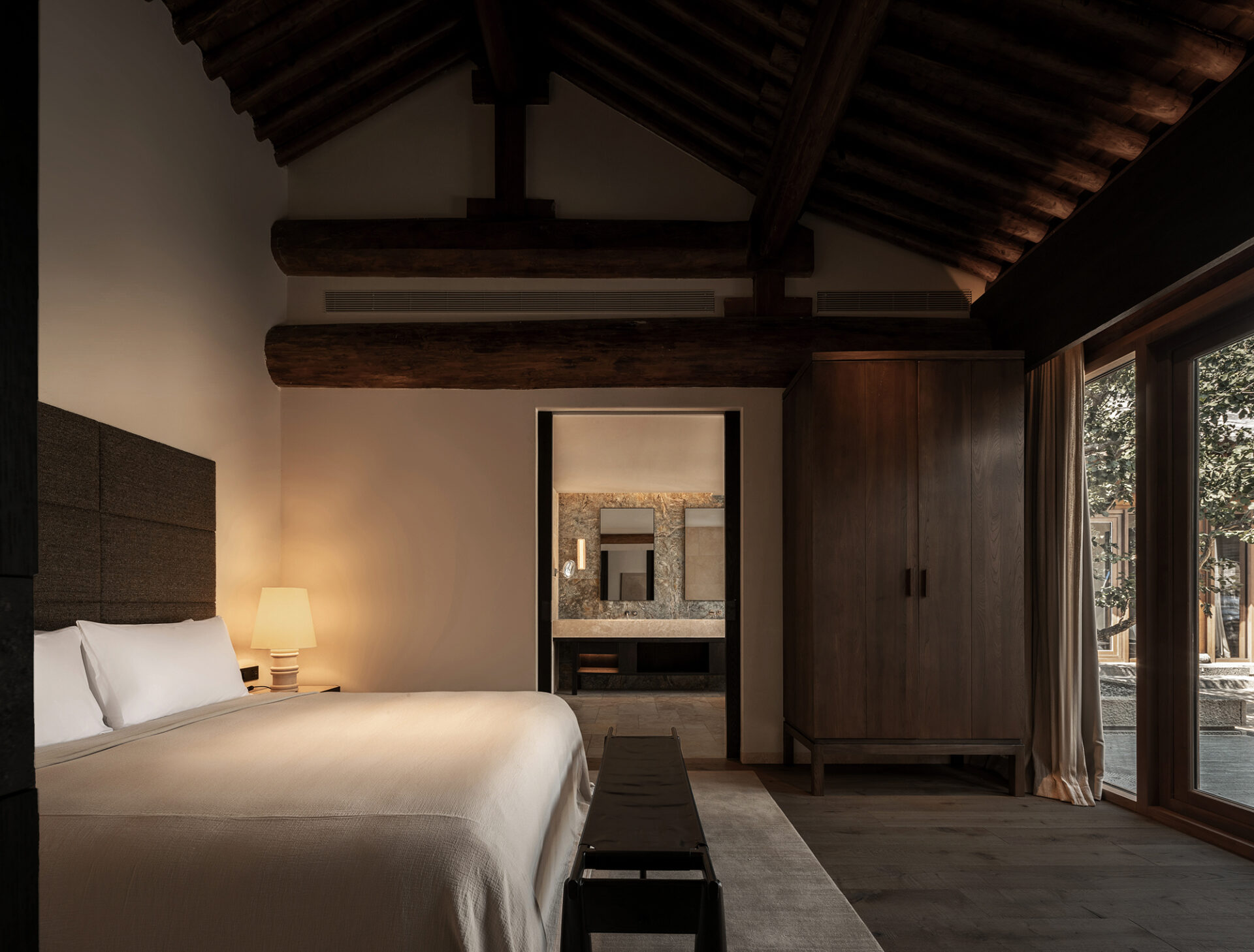
The guestrooms reinterpret traditional northern Chinese living culture through a minimalist lens. CCD draws inspiration from the traditional heated “kang” platform, transforming it into low daybeds and intimate seating areas beside latticed windows overlooking the courtyards. In the restored heritage rooms, original earthen kang structures remain preserved and integrated into the design. Exposed architectural structures, muted materials and carefully framed seasonal views reinforce the atmosphere of calm restraint that defines the entire hotel.
Why it Works
Sunyata Datong Jixiashan is not simply a luxury hotel placed within a historic setting — it feels intrinsically connected to the wider rebirth of Datong itself. What makes the project remarkable is its restraint. Rather than relying on theatrical luxury or overt historicism, the hotel creates a deeply atmospheric dialogue between Northern Wei culture, Shanxi vernacular architecture and contemporary minimalism. The result is quietly monumental: a hotel where architecture becomes memory, silence carries weight, and luxury is defined by stillness, depth and cultural resonance.
Information
At a glance
Architecture
goa
Opened / Renovated
2025
Size matters
48 rooms & suites (37-163m2) (398-1,755 sq ft)
Interior design
Featured in
Don't take our word for it

Handpicked worldwide
A carefully curated collection of exceptional boutique and design hotels across the globe.
Design with soul
Architecture, atmosphere and craftsmanship come together in stays with a clear identity.
Hidden, not hyped
Independent boutique hotels you rarely find on mainstream booking platforms.
Travel guidance
Personal recommendations and thoughtful support from people who actually know the places.