1 Hotel Toronto, Canada
Biophilic design, reclaimed materials and a distinctly Ontario take on sustainable luxury
Why DNA Hotels Loves It
● Rockwell Group transformed a conventional downtown hotel into an urban retreat inspired by Ontario’s forests, lakes and rugged natural landscape.
● Reclaimed timber, local limestone and thousands of plants make sustainability tangible rather than something hidden in an environmental policy.
● From the monumental stone reception desk to the rooftop garden, nature is treated as a fundamental building material rather than decoration.
Nature Checks In
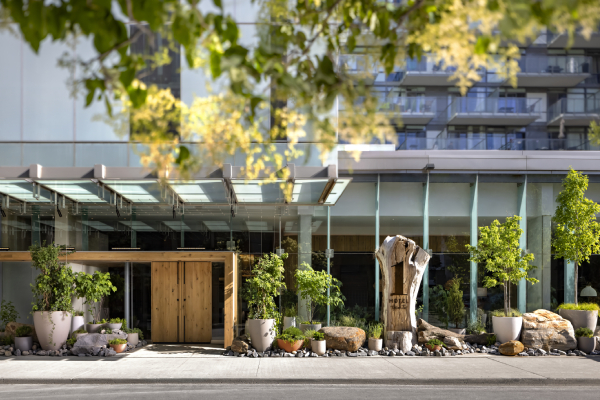
Toronto is a city of glass towers. 1 Hotel Toronto deliberately goes in the opposite direction. In King West, surrounded by some of the city’s fastest-moving development, the hotel creates an unexpectedly earthy world of timber, stone, vegetation and filtered natural light. It is part of the sustainability-focused 1 Hotels concept, but the design avoids simply reproducing the same green aesthetic from one city to another. For Toronto, Rockwell Group looked towards Ontario. Forests, native plants, geological formations and the shores of Lake Ontario became the starting point for a hotel designed to feel connected to the landscape beyond the city.
A 5,000-Pound Welcome
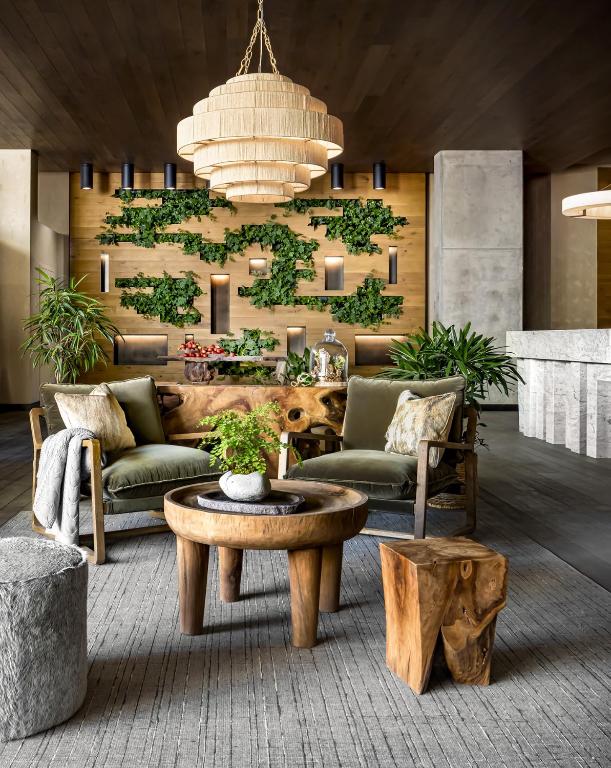
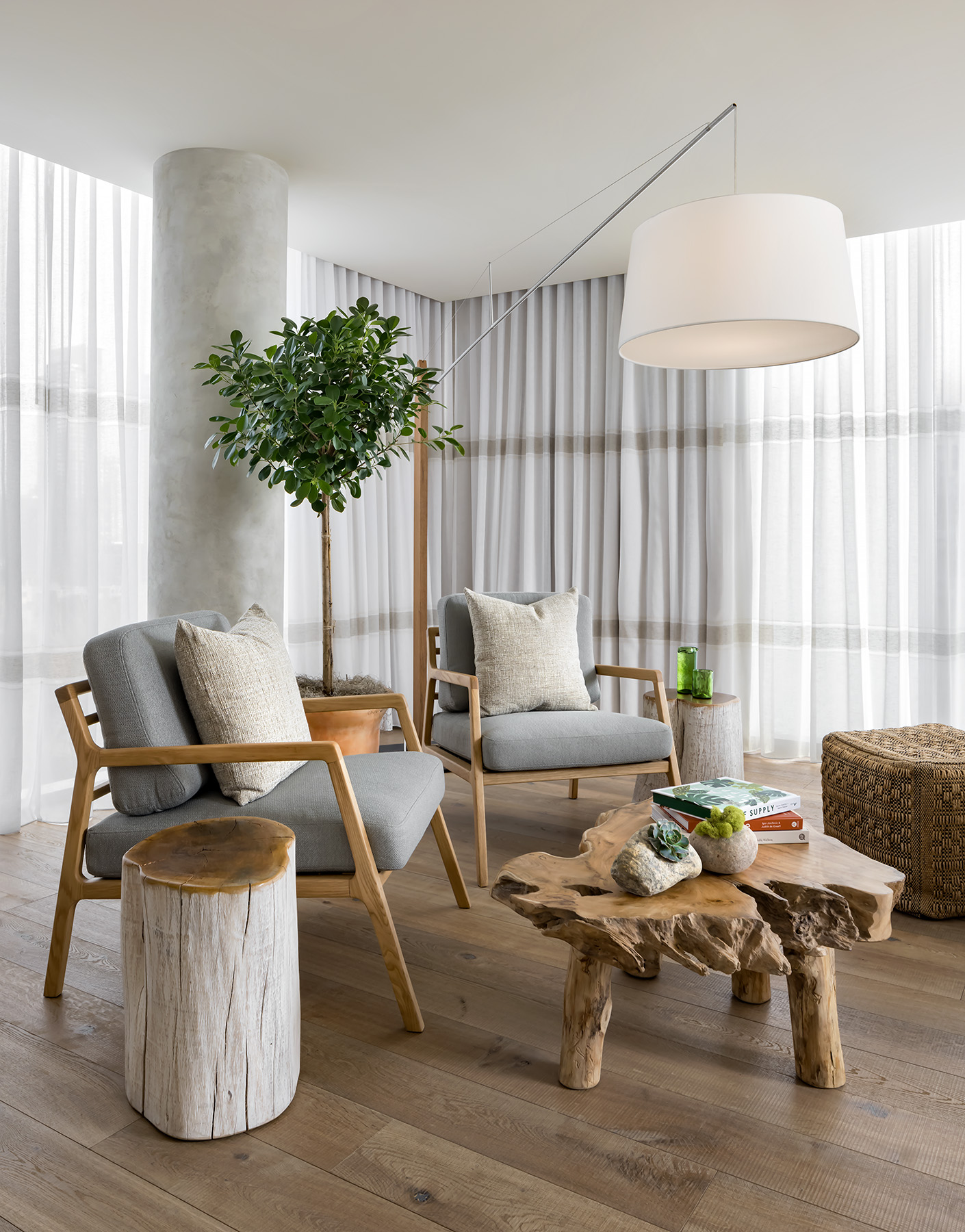
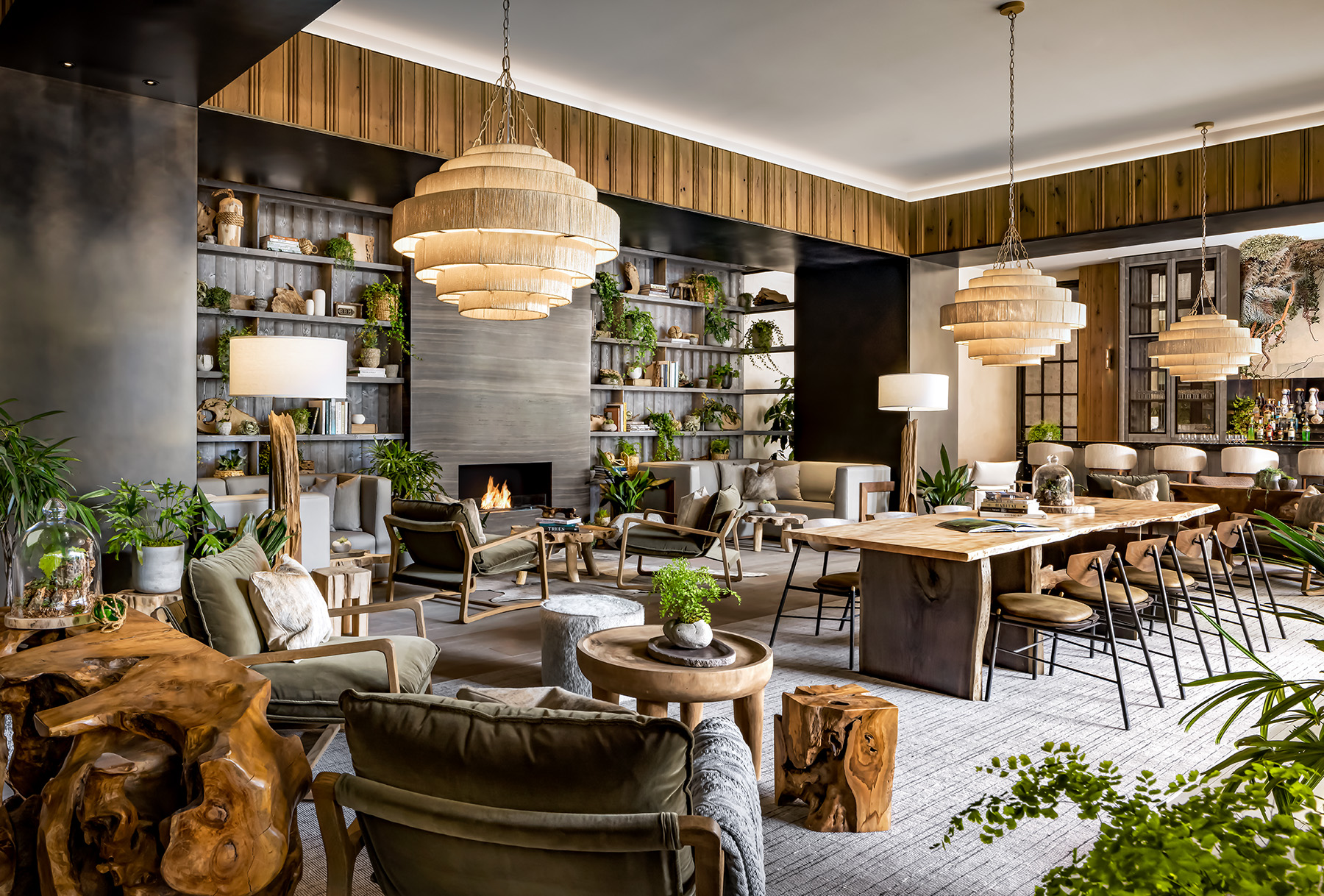
You understand the idea immediately upon arrival. Instead of a conventional polished reception counter, guests encounter a monumental boulder weighing around 5,000 pounds. Eramosa limestone, reclaimed timber and abundant planting continue the material story around it. The effect is intentionally elemental. Wood is allowed to look like wood. Stone retains its texture. Plants are not arranged as occasional decorative flourishes but integrated throughout the architecture. Local craftsmanship adds another layer. Toronto-based Just Be Woodsy worked with salvaged trees—including timber recovered rather than commercially felled—to create bespoke furniture whose knots, cracks and irregular grain are celebrated rather than disguised. These are materials with previous lives. That matters here.
Toronto’s Urban Forest
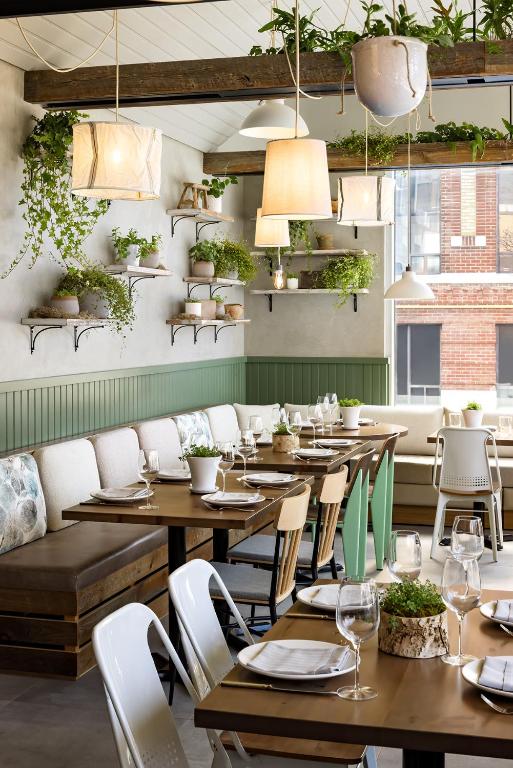
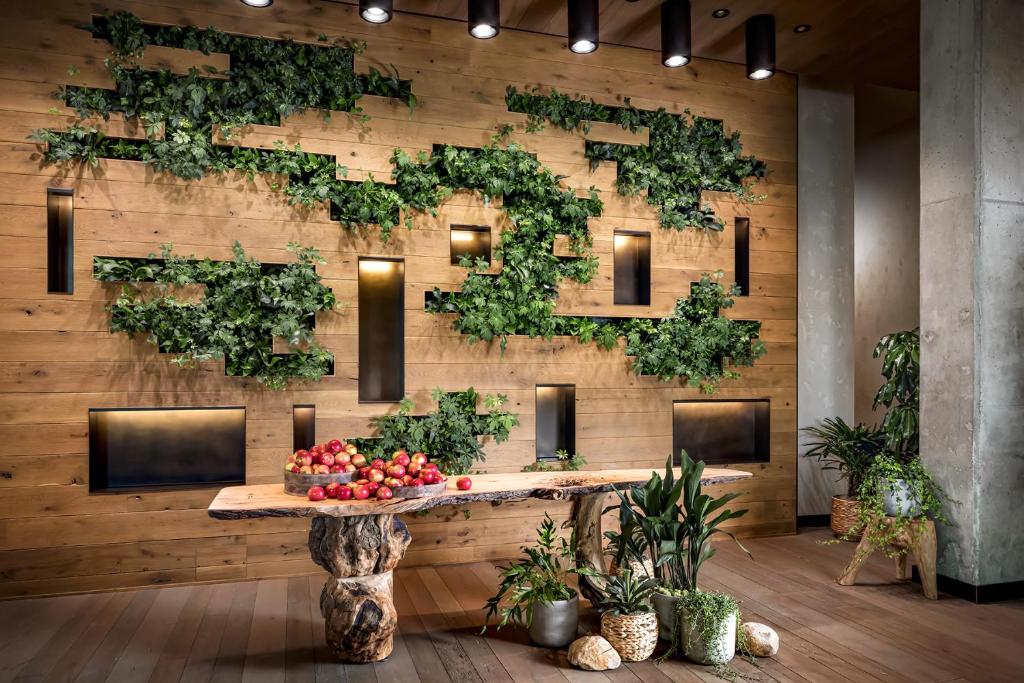
More than 3,000 plants spread through the hotel, turning corridors, public spaces and guestrooms into a loose continuation of the landscape outside. There are terrariums, planted walls and greenery seemingly appearing wherever the architecture allows it. Yet the biophilic approach works best when it becomes quieter: sunlight across raw timber, the tactile surface of stone or vegetation glimpsed against Toronto’s concrete skyline. It would be easy for this much greenery to become a visual gimmick. Instead, the contrast gives the hotel its identity. You are constantly aware that you are in the middle of a major city—and simultaneously being offered an alternative to it.
Rooms in Earth Tones
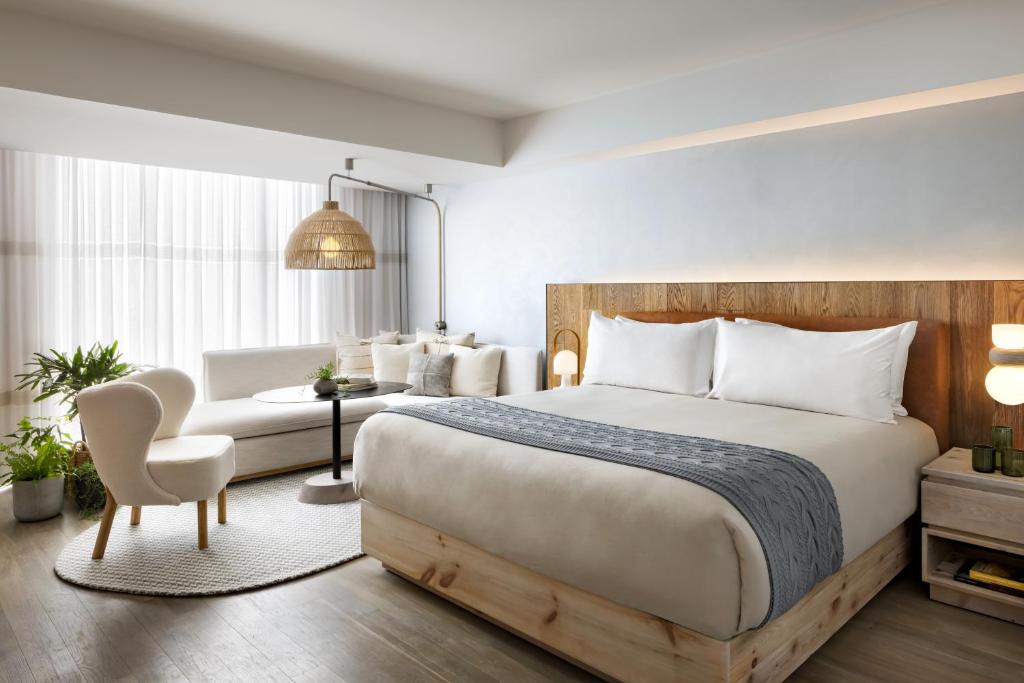
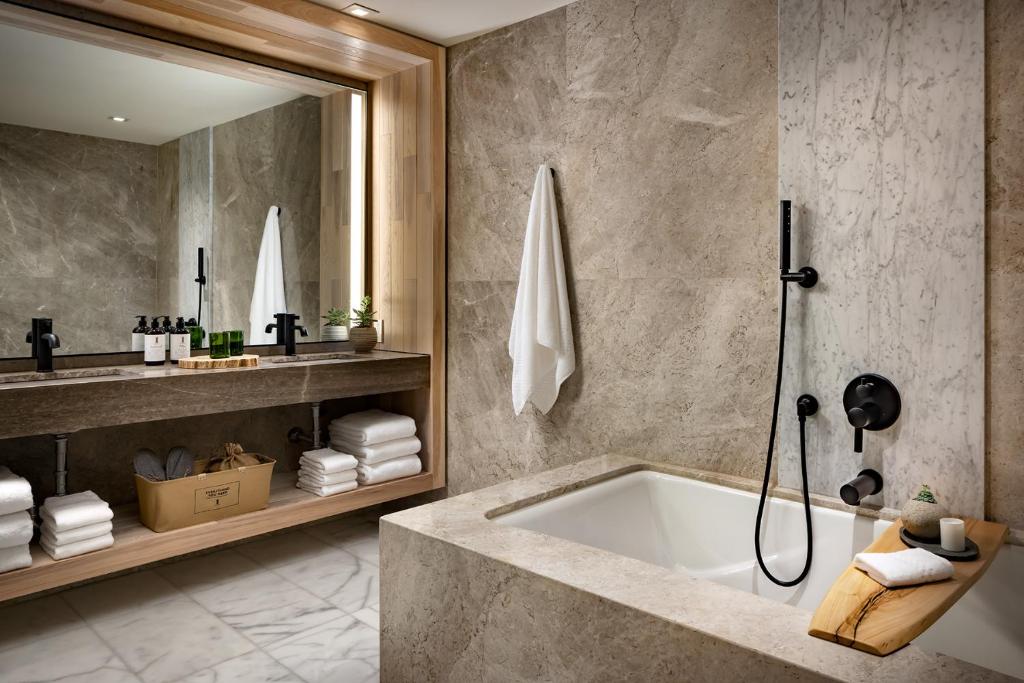
Guestrooms continue the same restrained material language. Reclaimed timber, natural fabrics, stone and a muted palette replace the glossy surfaces commonly associated with five-star city hotels. Beds and furniture are deliberately simple, while plants and tactile materials introduce warmth. Small interventions reinforce the larger environmental philosophy. Filtered water replaces disposable plastic bottles, reusable carafes reduce waste and natural materials are chosen wherever practical. Sustainability is communicated through things guests actually see and use rather than through worthy statements left in a bedside folder. The rooms feel contemporary but not particularly urban. That is exactly the point.
From Rooftop Garden to Plate
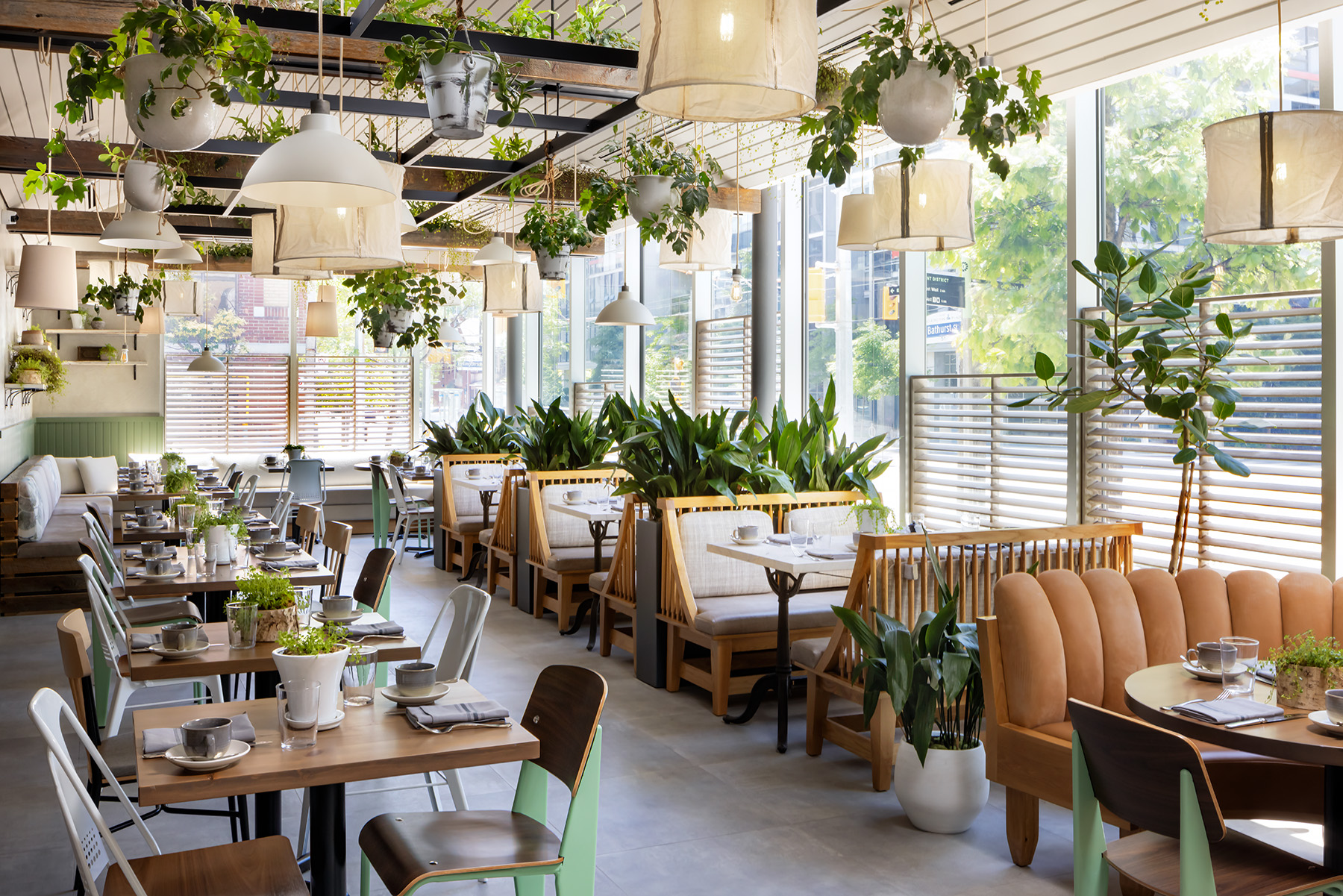
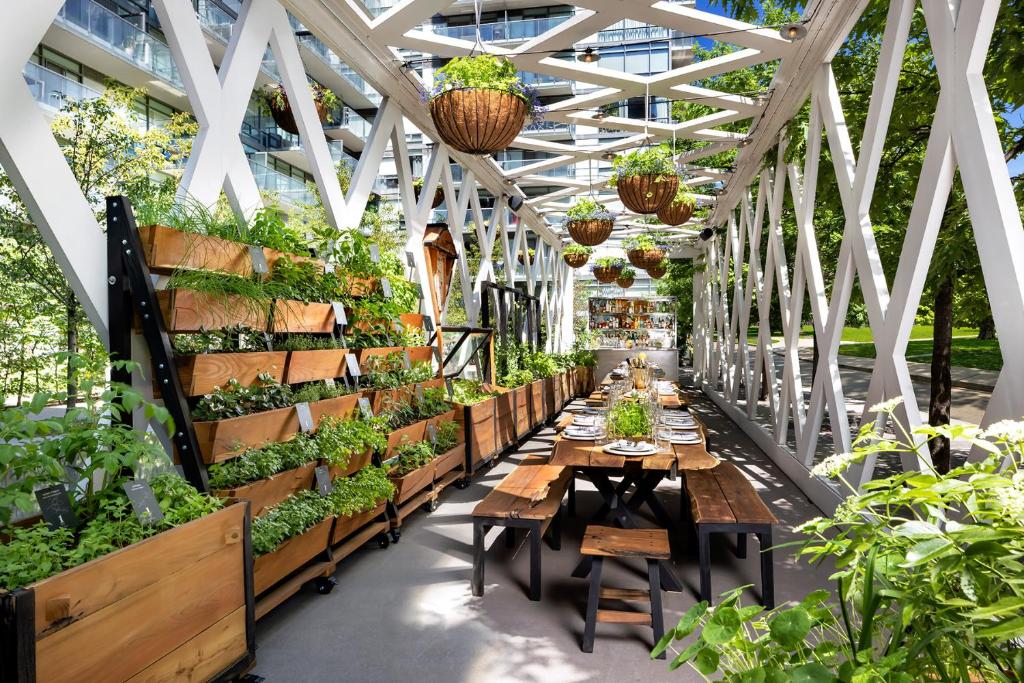
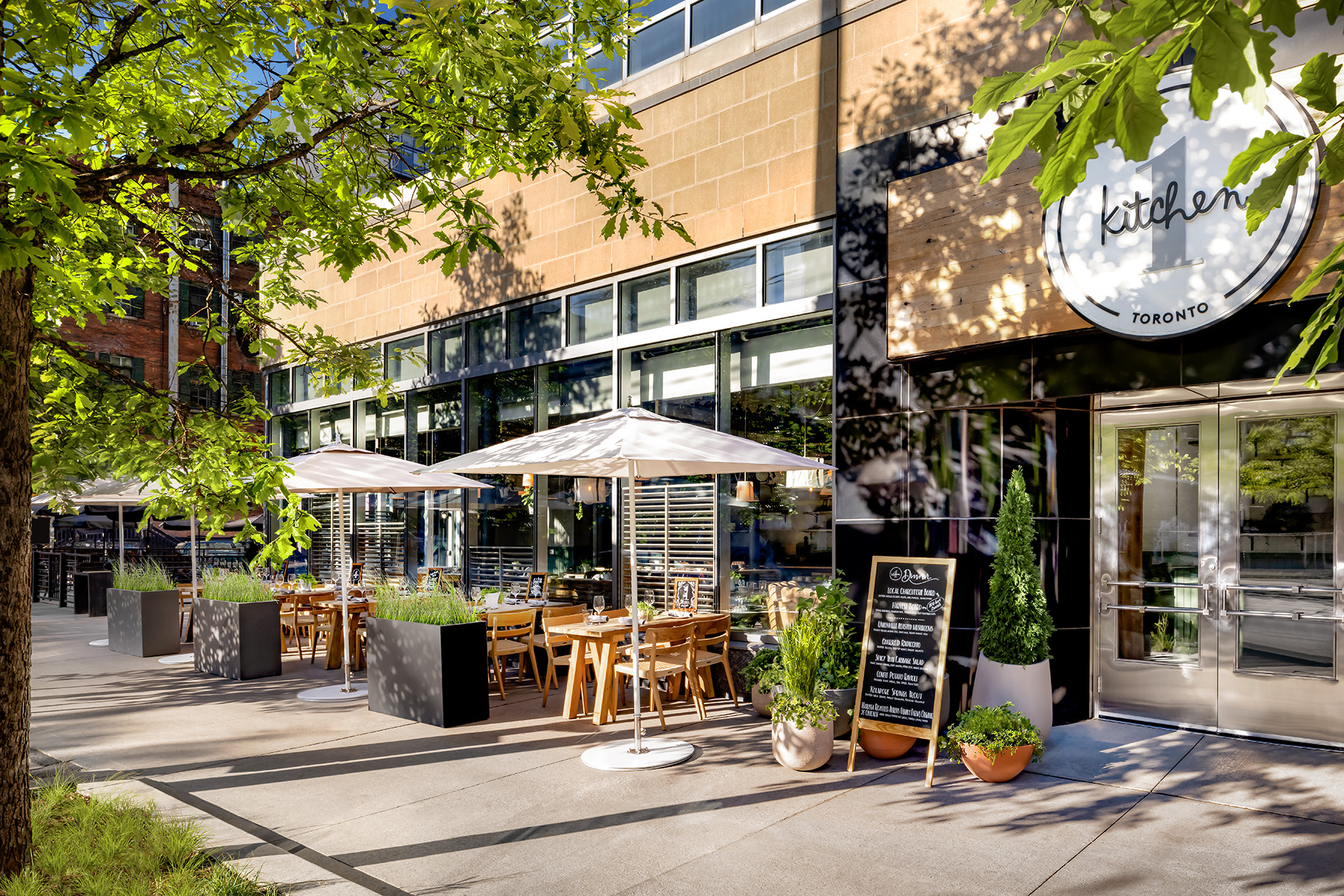
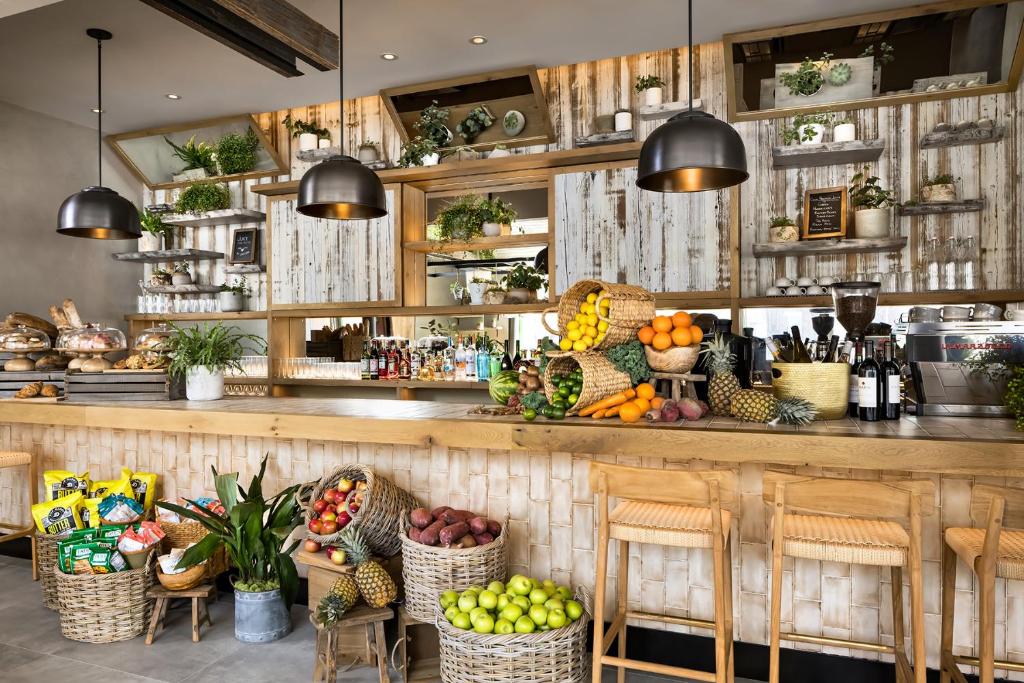
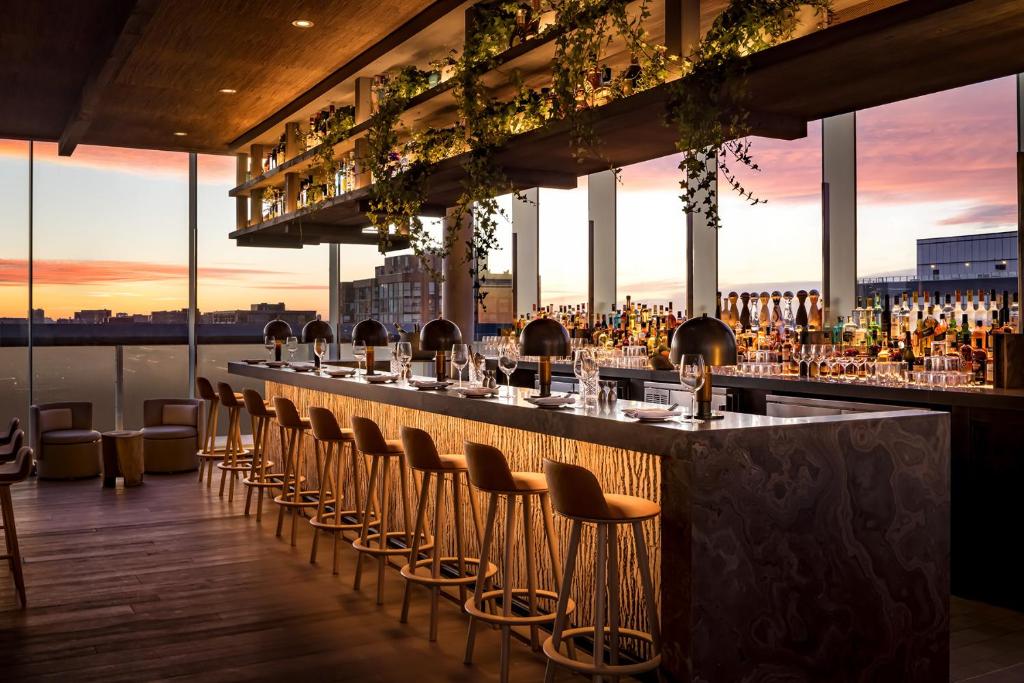
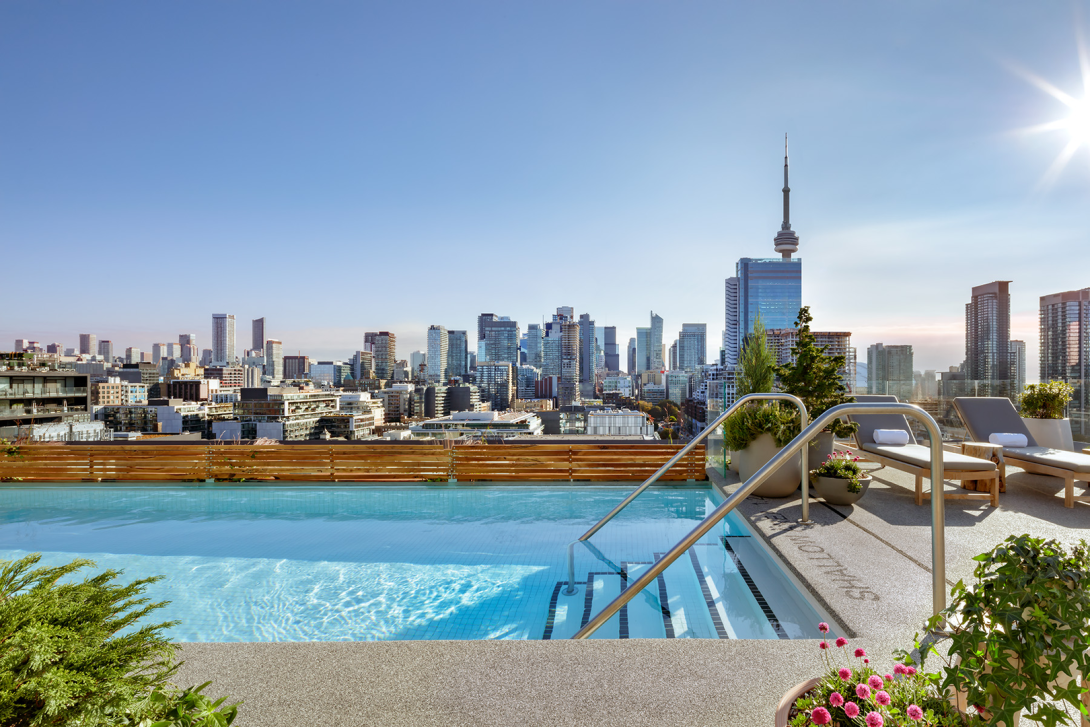
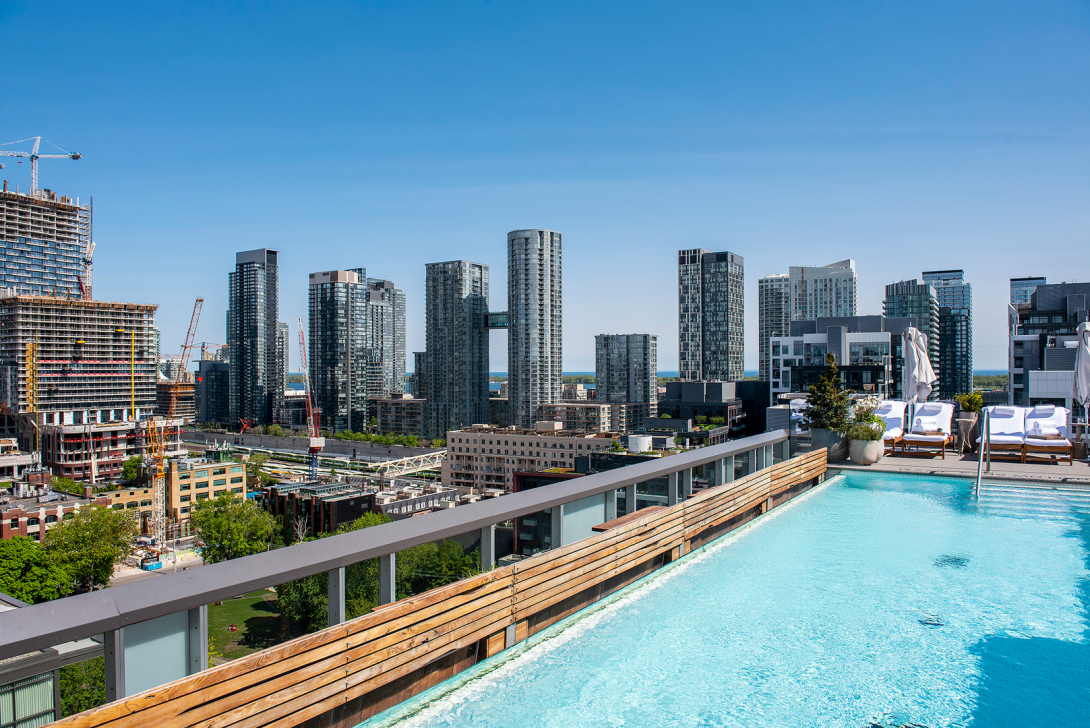
Food provides another connection between hotel and environment. 1 Kitchen builds its menu around seasonal ingredients and a produce-led approach, with the hotel’s own growing spaces contributing herbs and vegetables. It is less about presenting sustainability as deprivation than making responsible sourcing part of an attractive everyday experience. Upstairs, Harriet’s Rooftop changes the mood. The natural textures remain, but Toronto suddenly becomes the spectacle. Cocktails, music, a rooftop pool and expansive skyline views introduce a more social side to a hotel that can otherwise feel remarkably cocooned from King West. Nature downstairs; city lights upstairs. The contrast works.
Why It Works
Eco-hotels once had a tendency to advertise sacrifice. 1 Hotel Toronto sells desire instead. The reclaimed wood is beautiful because of its imperfections. The limestone gives spaces weight and texture. Thousands of plants make the building feel better to inhabit. Reducing plastic and waste becomes part of a broader design philosophy rather than an exercise in virtue signalling. Not every sustainable decision needs to announce itself. That may be the hotel’s strongest argument. 1 Hotel Toronto demonstrates that environmental thinking can simply become part of what makes a hotel seductive in the first place—proving that in a city racing upwards in steel and glass, luxury can also mean bringing a little of the forest back inside.