Ace Hotel Kyoto
Where Japanese craftsmanship, modern architecture, and global creative culture meet in the heart of Kyoto
Why DNA Hotels Loves It
● A remarkable collaboration between Tetsuro Yoshida, Kengo Kuma, and Commune Design that seamlessly blends Kyoto’s architectural heritage with contemporary design.
● One of Kyoto’s most vibrant creative hubs, where locals, artists, designers, and travelers naturally come together.
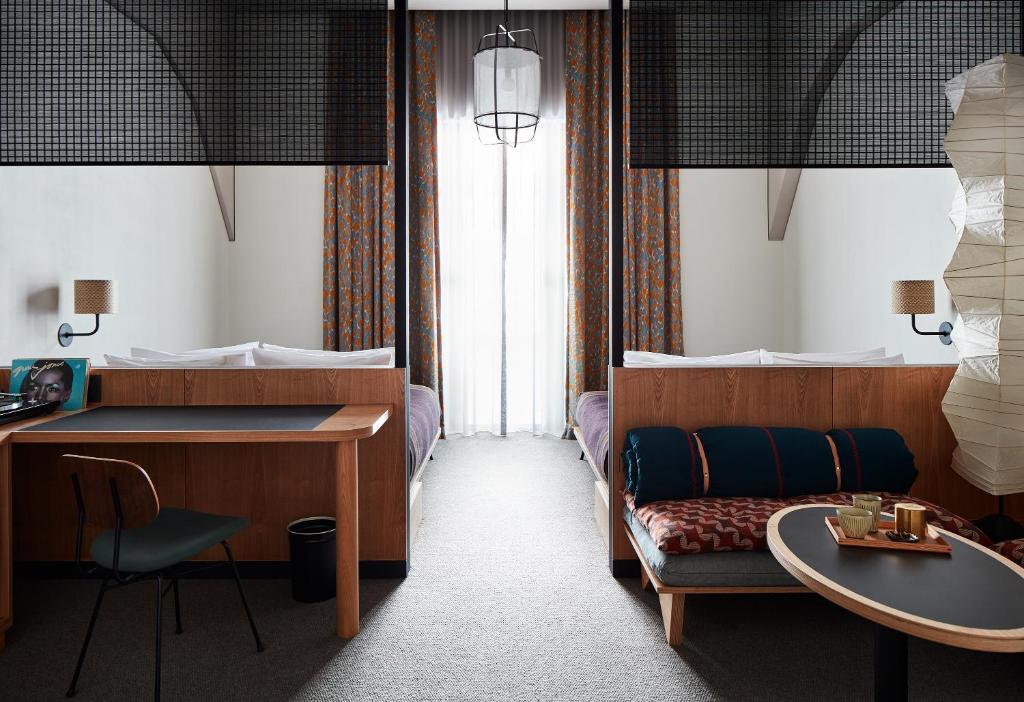
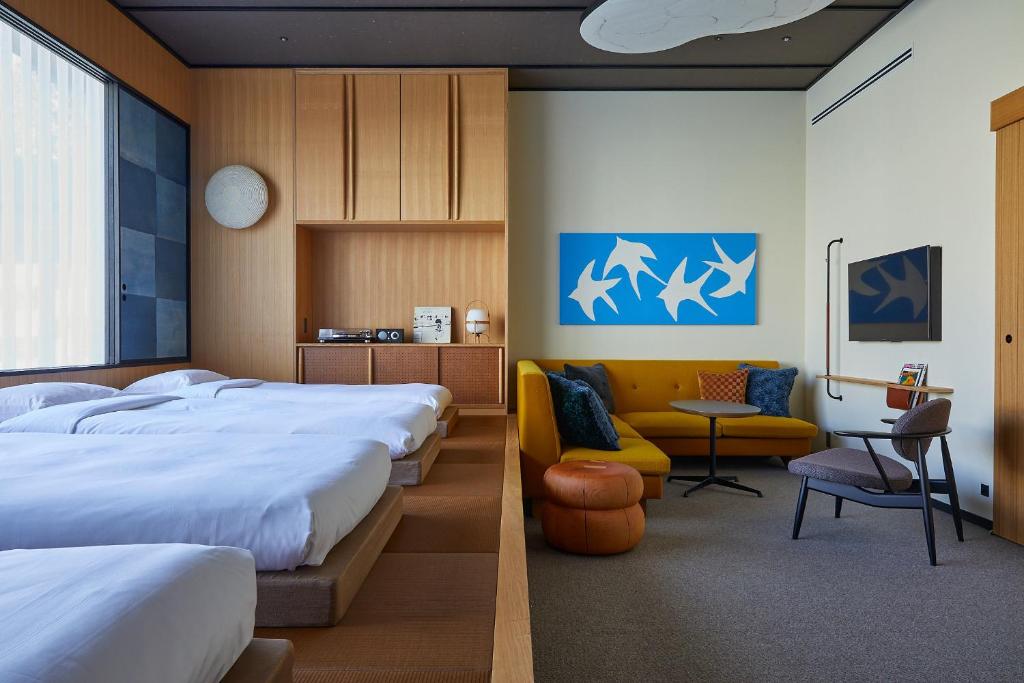
● Stylish guestrooms that balance handcrafted Japanese details with Ace Hotel’s relaxed, culture-driven personality.
A New Chapter for a Kyoto Landmark
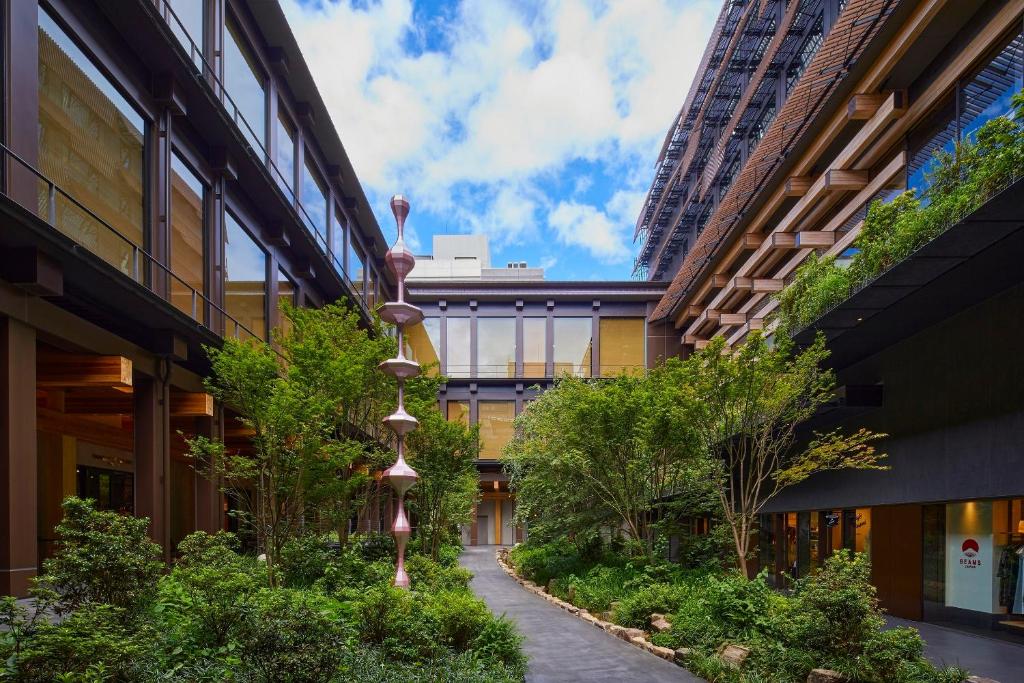
Some hotels adapt to their surroundings. Ace Hotel Kyoto becomes part of them. Set within the historic Shin-Puh-Kan complex in central Kyoto, Ace occupies one of the city’s most significant architectural landmarks. Originally completed in 1926 by modernist architect Tetsuro Yoshida as the Central Telephone Exchange, the building has been carefully transformed into a hotel that celebrates both its heritage and Kyoto’s evolving creative identity. Rather than importing the familiar Ace formula, this property feels uniquely rooted in Japan. It’s unmistakably Kyoto.
Architecture Across a Century
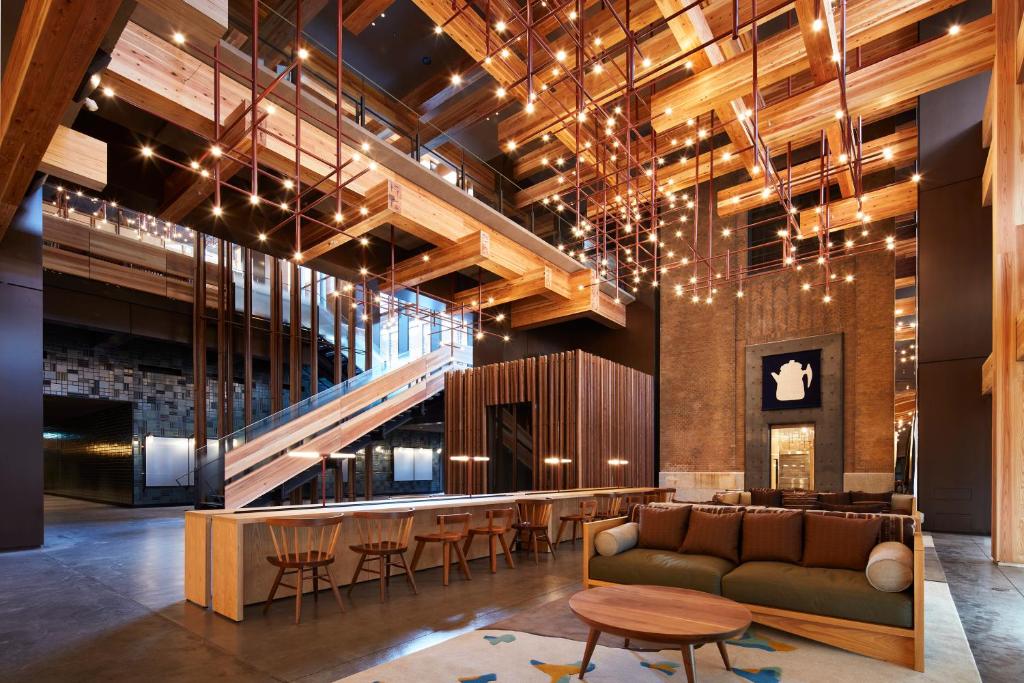
The project brings together three exceptional creative voices. Tetsuro Yoshida’s original modernist building provides the historic foundation, while Pritzker Prize-winning architect Kengo Kuma introduces a contemporary expansion that gently wraps around it. Delicate timber screens inspired by Kyoto’s traditional machiya townhouses soften the new façades, creating a dialogue between old and new that feels respectful rather than dramatic. Inside, Los Angeles-based Commune Design layers warmth, craftsmanship, and character throughout the interiors, allowing Japanese materials, handcrafted details, and contemporary creativity to coexist naturally. The architecture never competes with history. It continues it.
Rooms with Personality
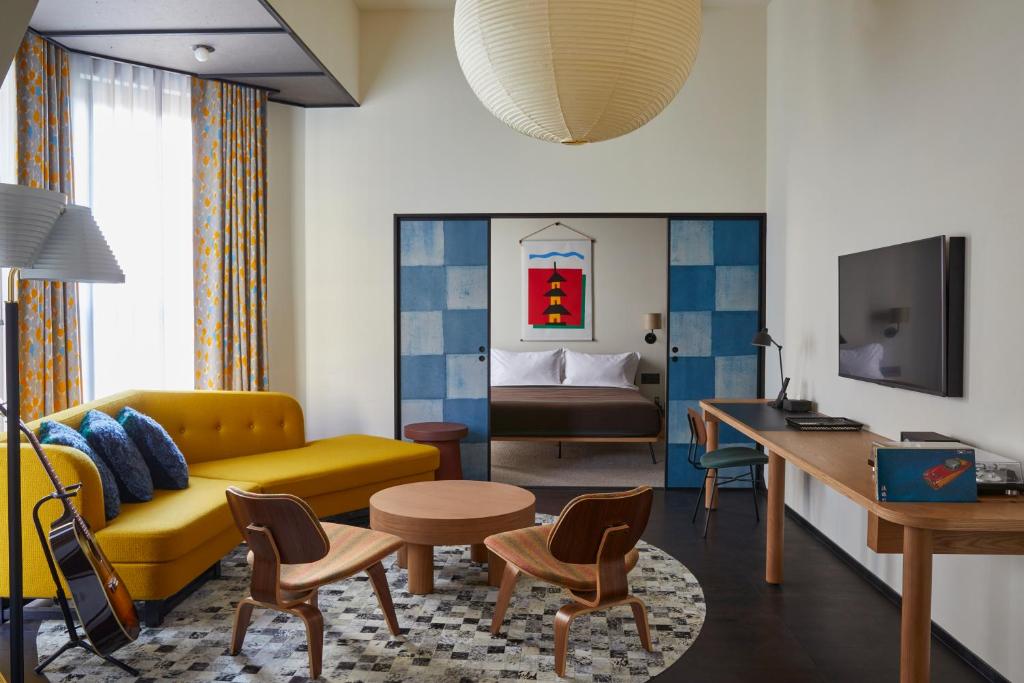
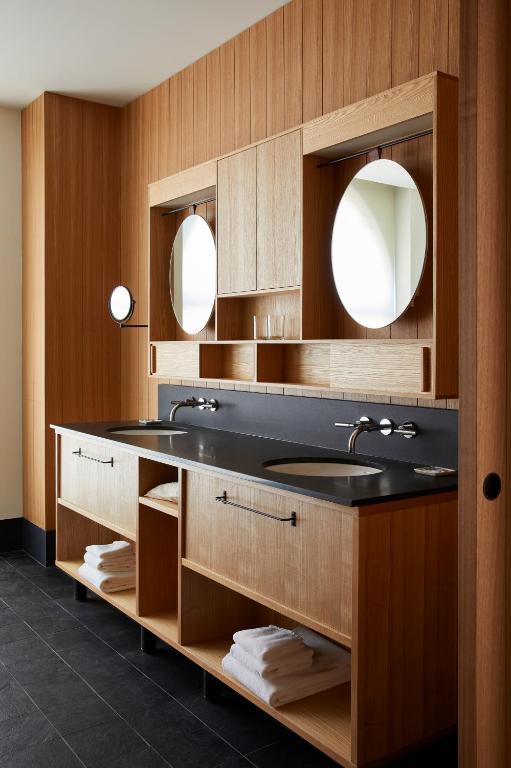
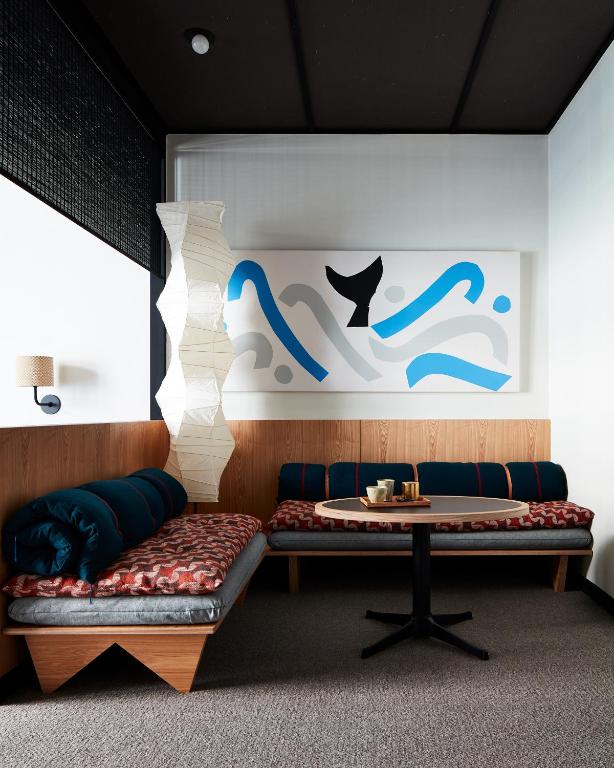
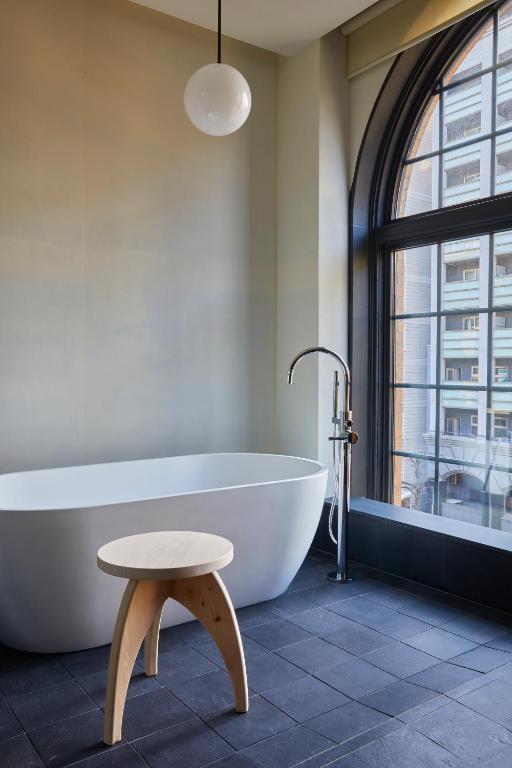
Ace has always favoured individuality over predictable luxury, and Kyoto remains true to that philosophy. Warm timber, tactile materials, handcrafted ceramics, curated artwork, vintage-inspired furniture, custom textiles, and carefully selected books give every room a distinctly residential atmosphere. Turntables replace generic entertainment systems, while traditional Japanese references blend effortlessly with Ace’s creative, international aesthetic. Some guestrooms open onto private terraces or gardens, while others overlook the rooftops of Kyoto, but all share the same quiet confidence: stylish, comfortable, and deeply personal. They’re spaces designed to be lived in, not simply admired.
The City’s Creative Living Room
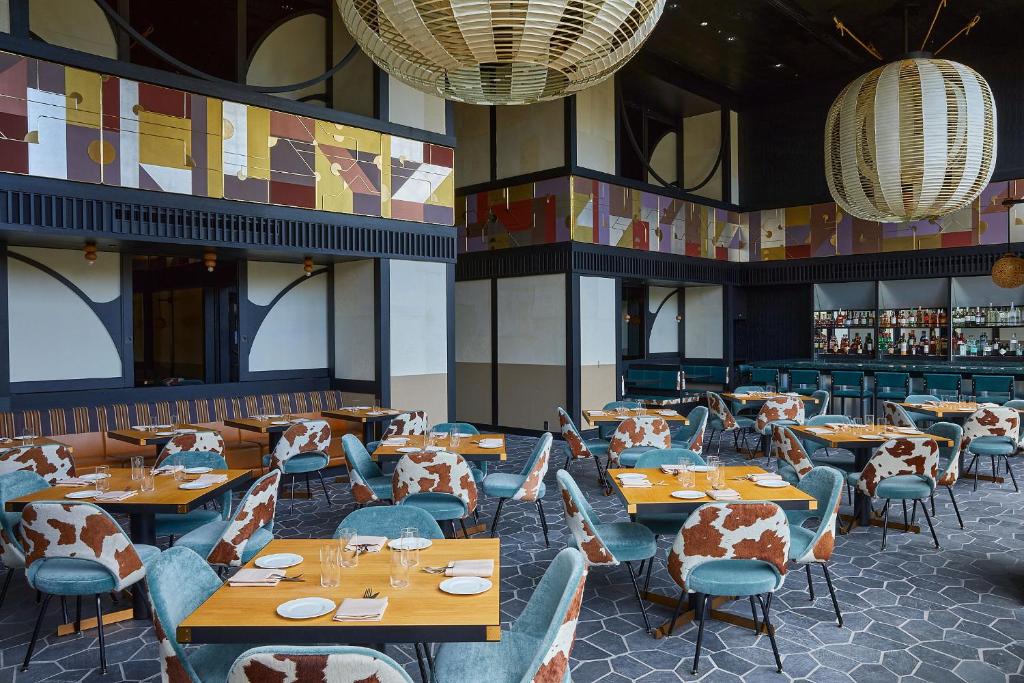
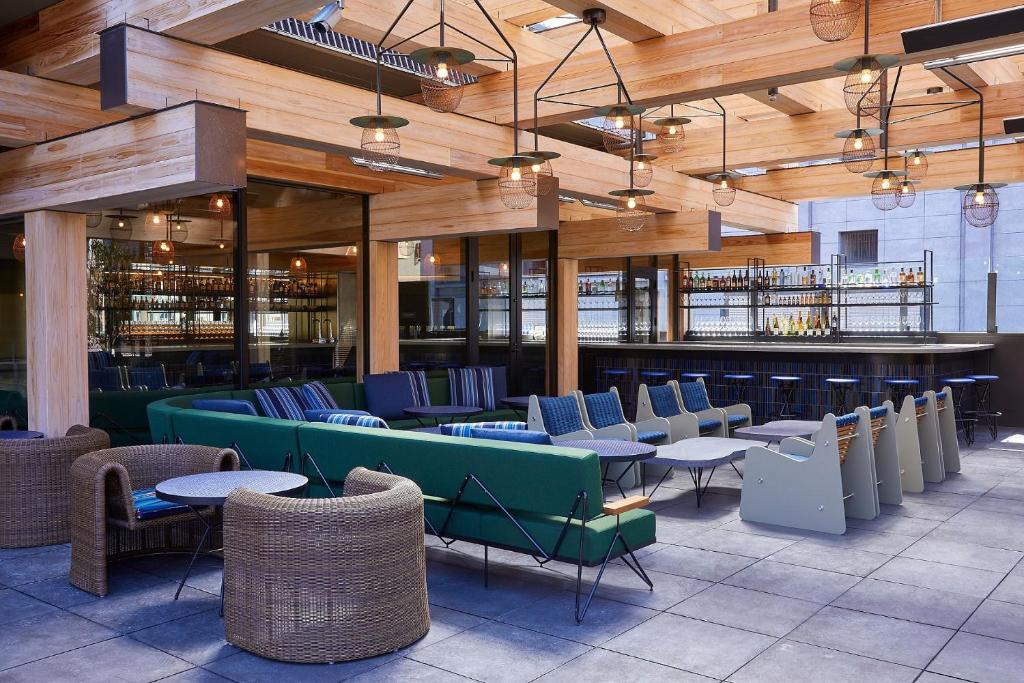
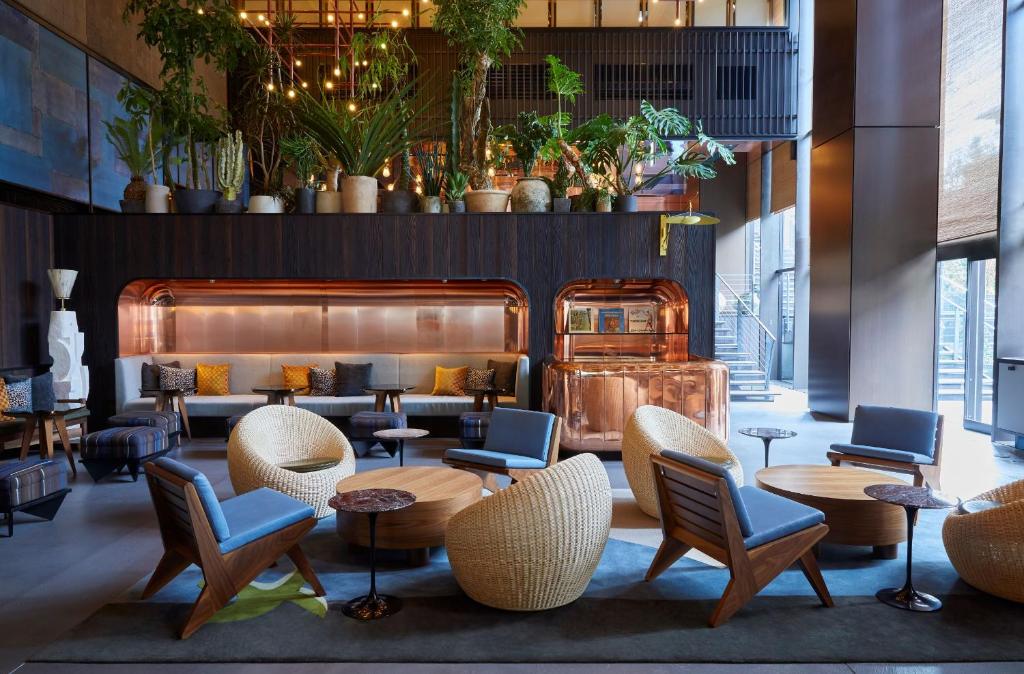
Like every great Ace Hotel, the public spaces are as important as the guestrooms. The lobby functions less as a reception area than as a cultural meeting place, filled throughout the day with local creatives, visiting artists, designers, students, entrepreneurs, and travelers. Coffee transitions into cocktails, laptops give way to conversations, and exhibitions, music, and events ensure the atmosphere constantly evolves. Restaurants, cafés, bars, and communal spaces flow naturally into one another, creating a hotel that feels fully woven into the city’s creative fabric rather than separated from it. It has the energy of a neighbourhood. Not a hotel.
A Different Side of Kyoto
Kyoto’s famous temples, gardens, and historic streets remain only moments away, yet Ace introduces visitors to another side of the city. Here, contemporary architects, independent designers, fashion labels, musicians, craftspeople, and artists shape a Kyoto that feels dynamic rather than preserved. The hotel reflects a city that continues to reinvent itself while remaining deeply connected to its traditions. It’s a perspective that many visitors never discover.
Why It Works
Ace Hotel Kyoto succeeds because it understands that design is only part of the story. By combining Tetsuro Yoshida’s architectural legacy, Kengo Kuma’s thoughtful contemporary intervention, and Ace Hotel’s unmistakable creative spirit, it has created one of Japan’s most culturally relevant hotels. Relaxed, inspiring, and deeply connected to its surroundings, it offers an experience that feels simultaneously local and international—capturing the Kyoto of today without ever losing sight of its remarkable past.