Alila Napa Valley – St. Helena, California, USA
Where vineyard views, quiet modernism, and wine-country heritage settle into a slower rhythm.
Why DNA Hotels Loves It
● The former Las Alcobas has been reimagined as an Alila retreat without losing the Yabu Pushelberg interiors that made the original property such a strong piece of contemporary Napa design.
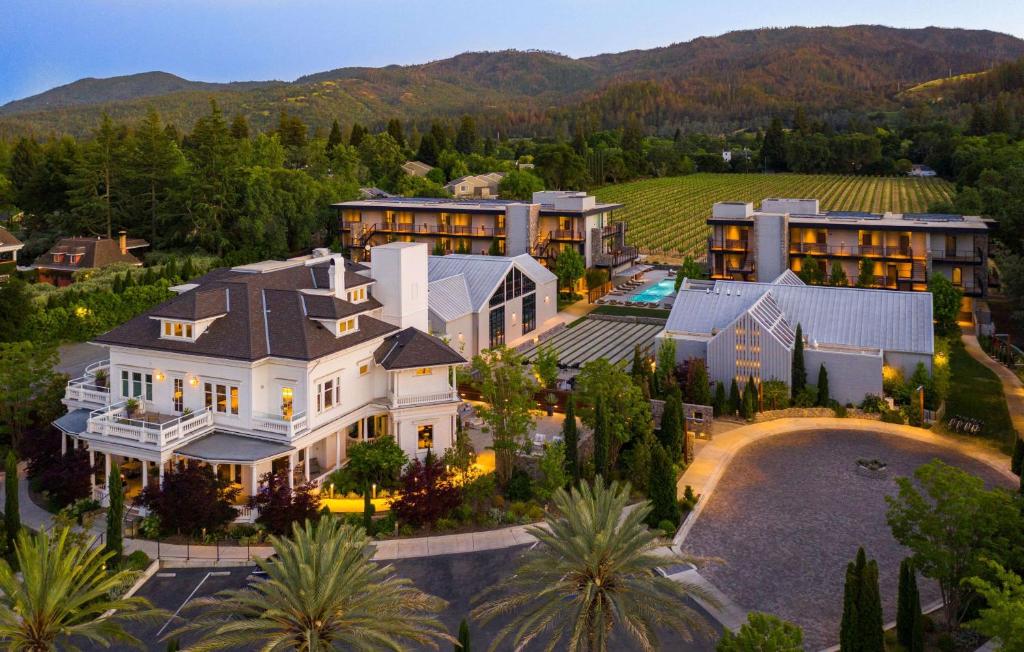
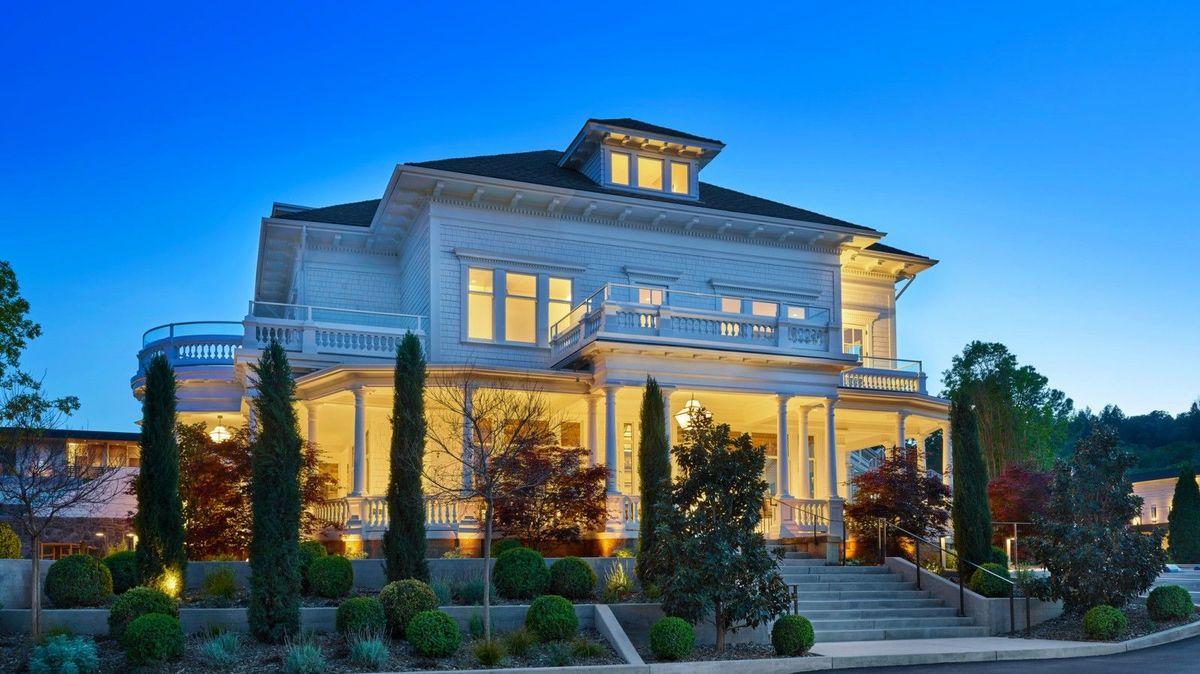
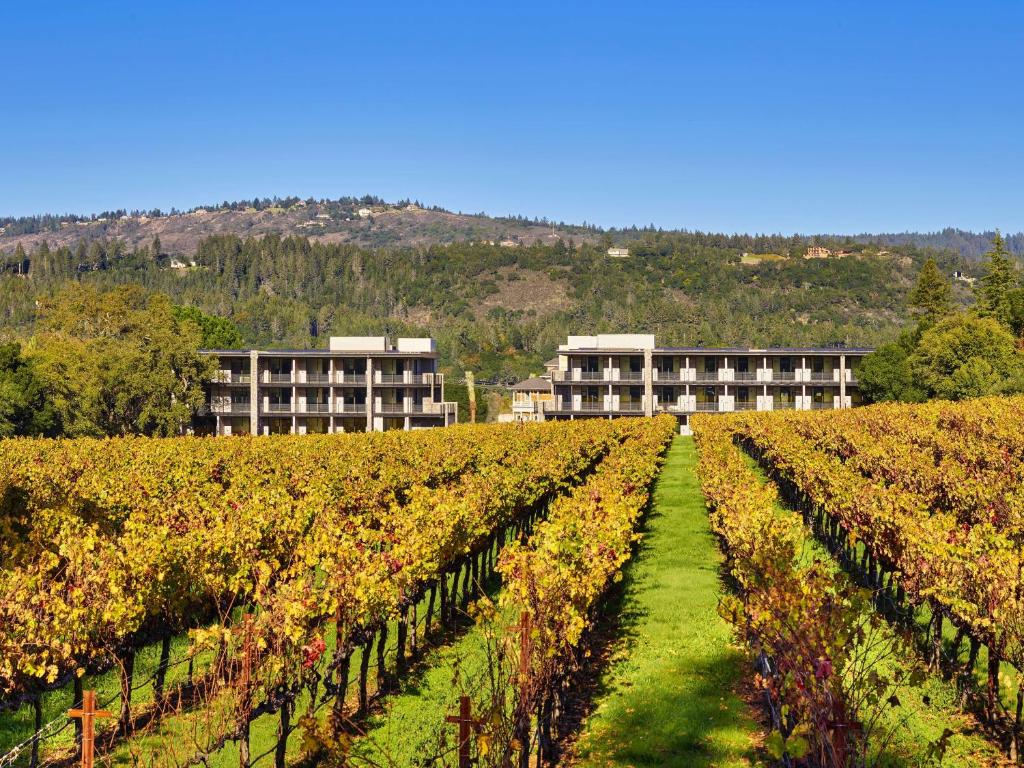
● An early-20th-century Georgian-style house sits at the heart of the estate, contrasting beautifully with the restrained modern buildings overlooking neighbouring Beringer vineyards.
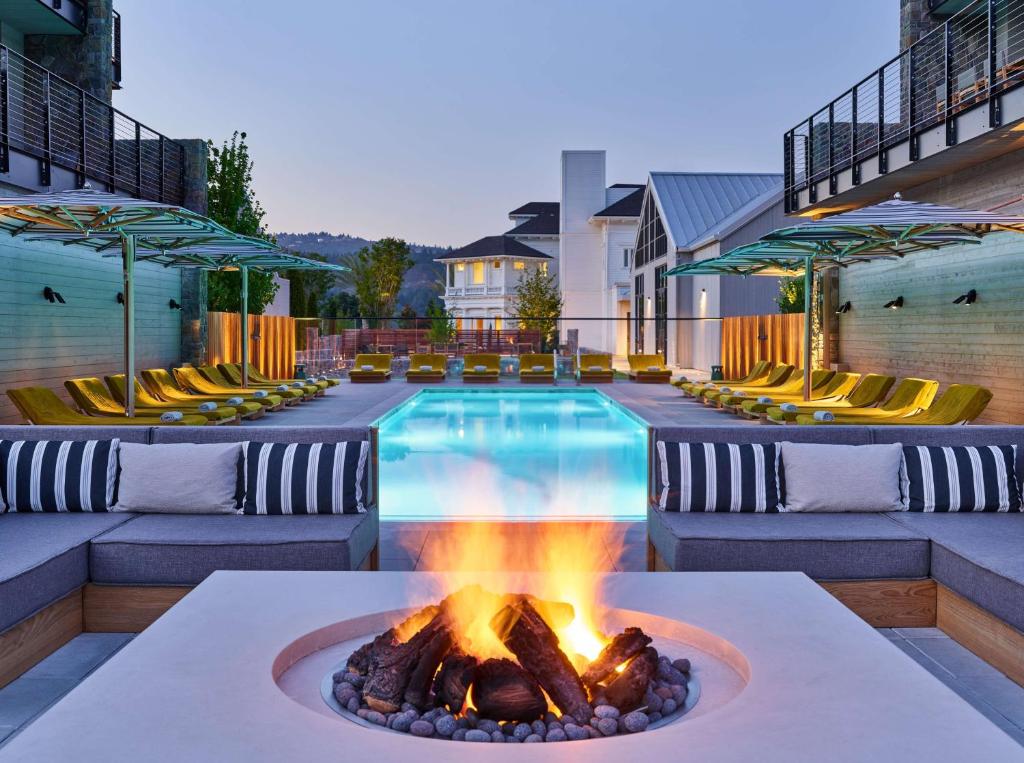
● Private terraces, outdoor fireplaces, warm oak interiors, a destination spa and Acacia House make this less about wine-country spectacle and more about inhabiting Napa at its quietest.
Las Alcobas, Reawakened
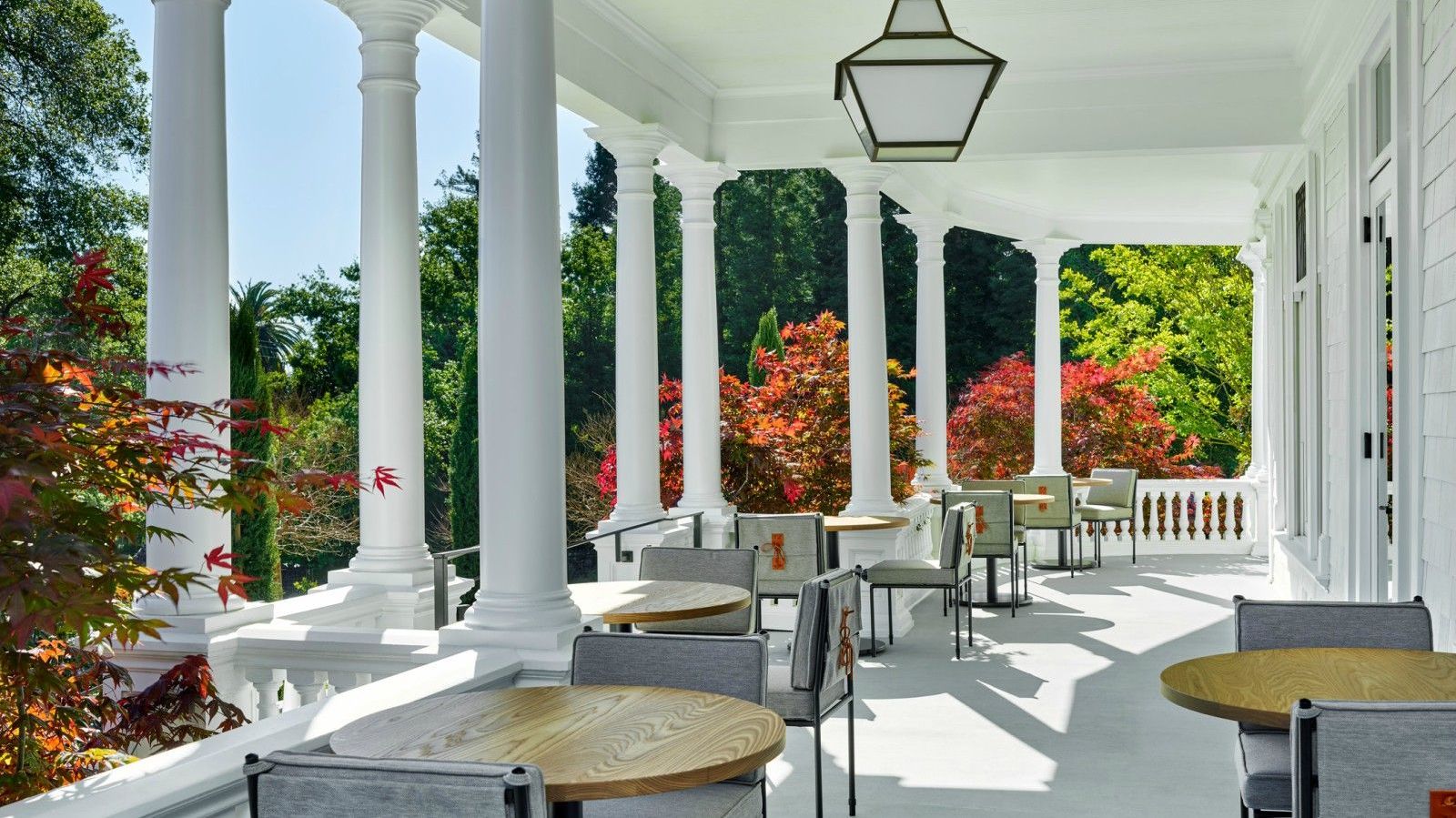
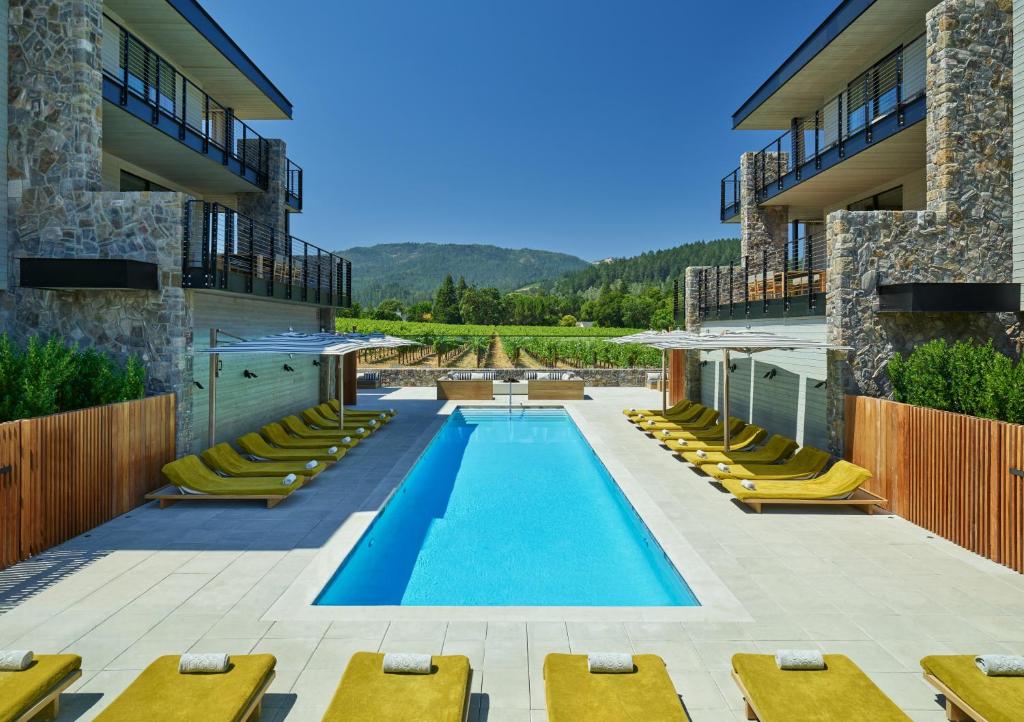
Before it became Alila Napa Valley, this small St. Helena estate was known as Las Alcobas, one of the more design-conscious arrivals in Napa Valley’s contemporary hotel landscape. Its transformation into an Alila property has changed the name and philosophy around the hotel, but not the reason the architecture works so well. The three-acre property sits immediately beside Beringer Vineyards, with rows of vines extending almost to the guestrooms. Instead of attempting to compete with that landscape, the architecture remains deliberately restrained. A restored Georgian-style house forms the historic heart of the property, its wraparound porch and traditional proportions contrasting with the contemporary accommodation buildings beyond. These newer structures are finished in muted grey and brick, arranged along pathways and softened by planting rather than presented as a grand resort composition. It feels closer to an unusually sophisticated Napa estate than a conventional luxury hotel.
Yabu Pushelberg Goes to Wine Country
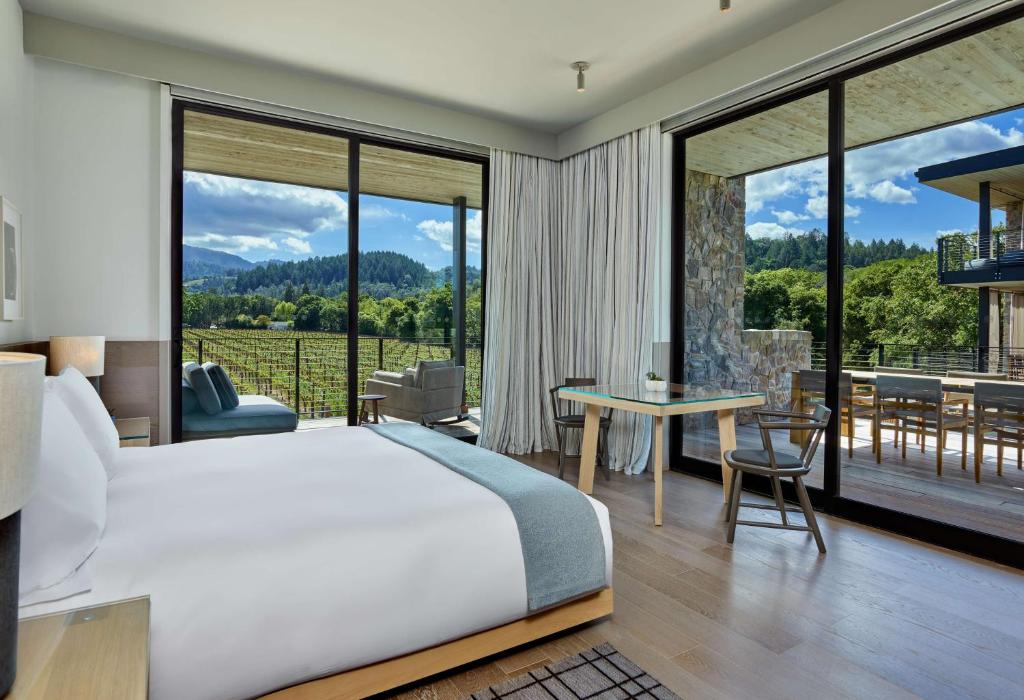
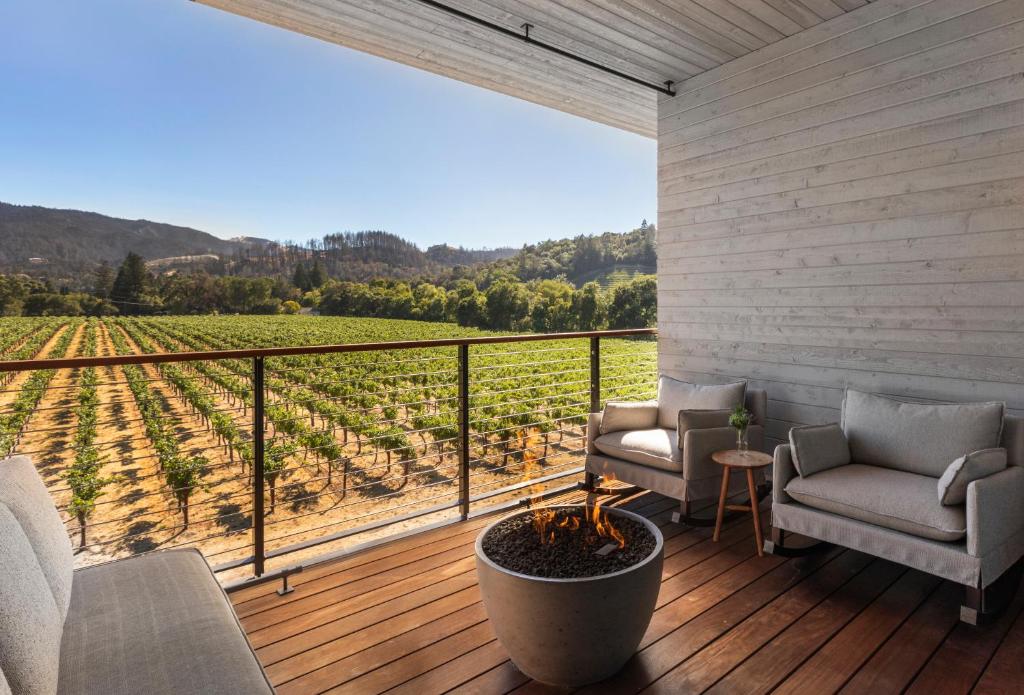
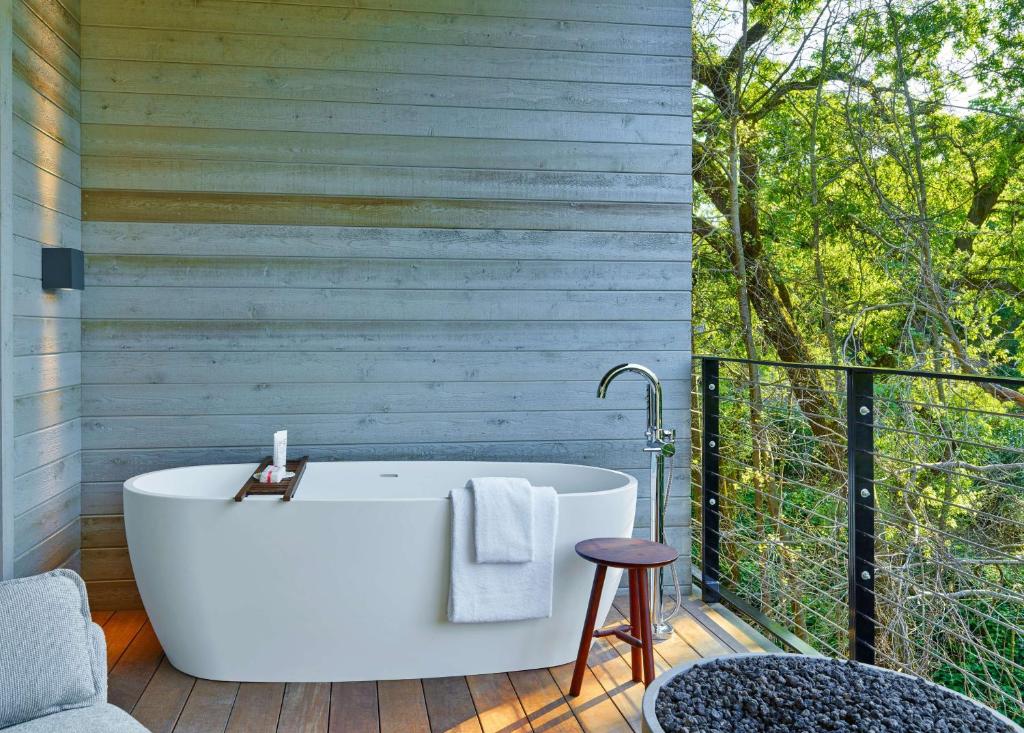
The original interiors were designed by Yabu Pushelberg, working with HRG Architects, and the project shows the studio operating in one of its quieter registers. There is little interest in decorative excess. Dark oak panelling, hardwood floors, linen-covered headboards, stone, marble and natural textiles create rooms that feel warm rather than showy. Materials are deliberately limited, allowing proportion, light and texture to do most of the work. That restraint makes sense here. Floor-to-ceiling glazing opens the rooms towards the vineyards, while private terraces extend the interior outdoors. Many have fireplaces, turning a Napa evening into something pleasingly simple: a chair, a glass of wine, the vines beyond and the smell of woodsmoke in the air. Some rooms add soaking tubs positioned to take advantage of the landscape. It is luxury built around looking outward.
The Georgian Heart
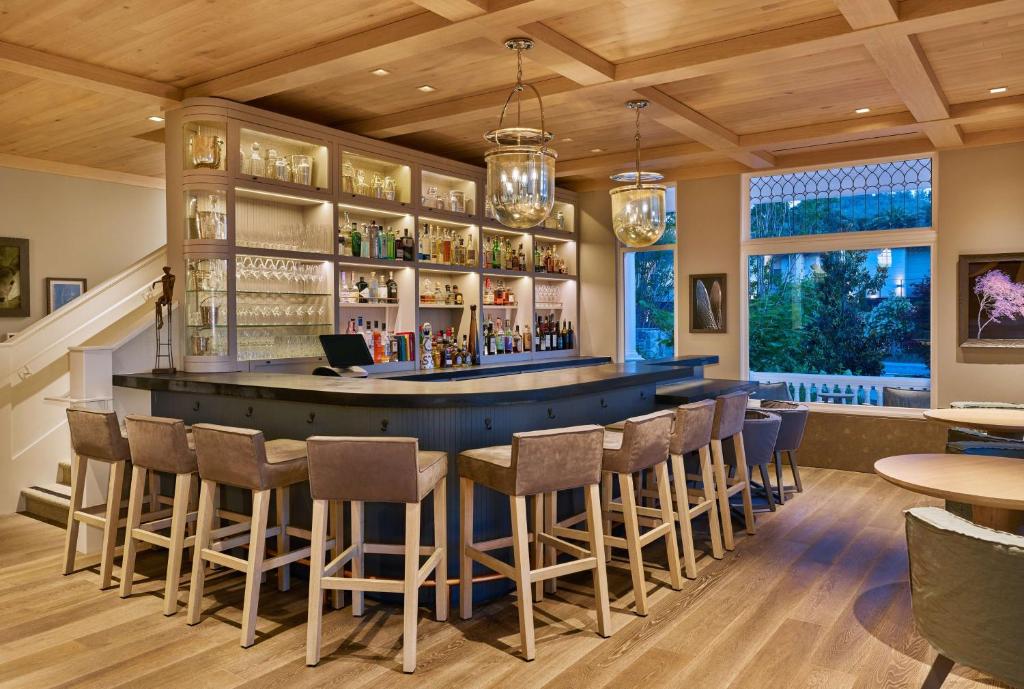
The historic house remains the property’s most distinctive architectural element. Restored rather than reinvented, it brings an almost residential scale to the hotel. Original details such as leaded-glass windows sit alongside contemporary interventions, while timber beams and a generous porch retain the character of an old wine-country home. Inside are several guestrooms as well as the lobby lounge, bar and Acacia House restaurant. The contrast is important. Where the newer bedroom buildings are restrained and modern, the house brings history, intimacy and a little formality. It prevents Alila Napa Valley from becoming just another polished collection of contemporary vineyard villas. Instead, old and new remain visibly different.
Rooms Facing the Vines
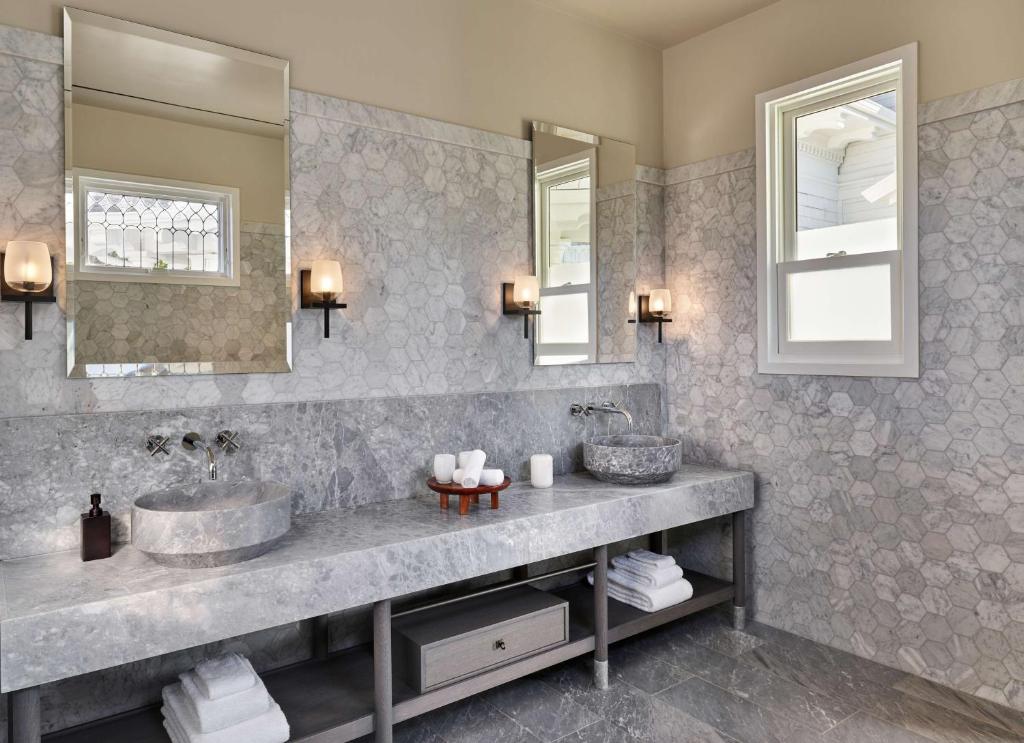
The 68 rooms and suites are designed around one obvious advantage: the setting. Rather than filling them with visual distractions, Yabu Pushelberg kept the architecture calm enough for the vineyard to become the focal point. Oak, grey stone, cream linen and dark timber establish a muted base, occasionally interrupted by sculptural pieces and artwork that reference the property’s earlier Las Alcobas identity. Bathrooms are equally controlled, combining pale mosaic stone with blue-grey marble and substantial wet areas. But the best rooms are defined less by what is inside than what sits beyond the glass. Beringer’s vineyards lie directly outside many of them, creating a level of immediacy that is surprisingly rare even in Napa Valley. There are vineyard-view hotels. And then there are rooms where the vines effectively begin at your terrace.
Acacia House
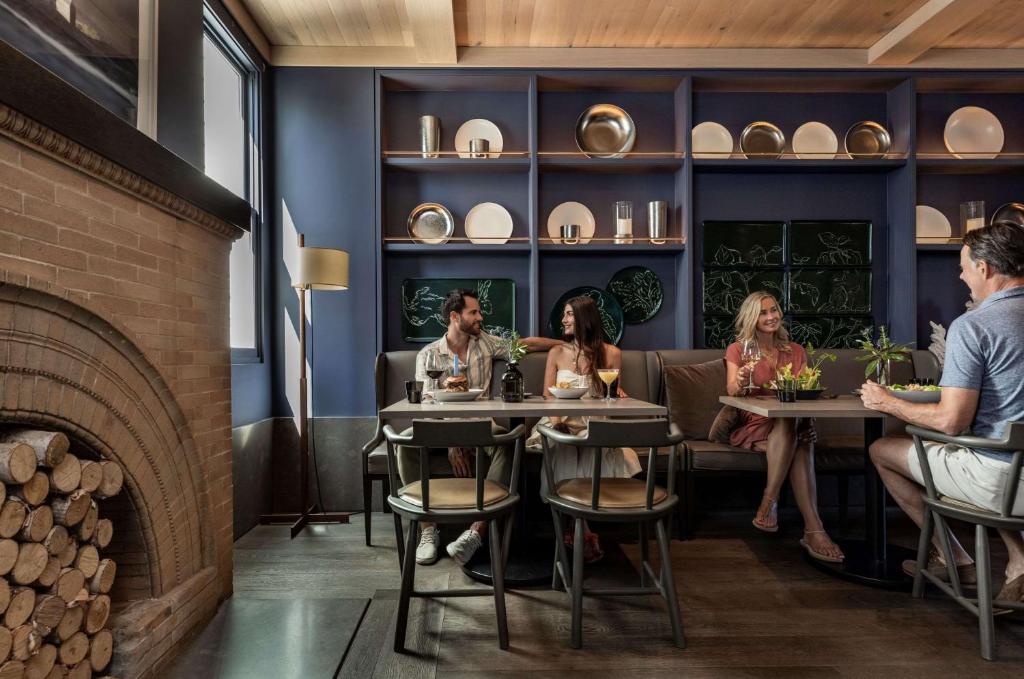
The restaurant occupies the old Georgian house and is perhaps the clearest expression of the property’s character. Acacia House feels polished without becoming ceremonious: rich plaster walls, wood, bronze details and the proportions of a historic residence give it a sense of permanence. The menu follows the familiar Napa philosophy of seasonality and local sourcing, allowing California produce to do much of the talking. Wine, naturally, is central. Being in St. Helena places the hotel inside one of Napa Valley’s most important wine communities rather than on its edges. Beringer is next door, while some of the region’s most established estates and tasting rooms spread out through the surrounding valley. The restaurant therefore doesn’t need to manufacture a sense of wine country. It is already inside it.
Wellness Without Theatre
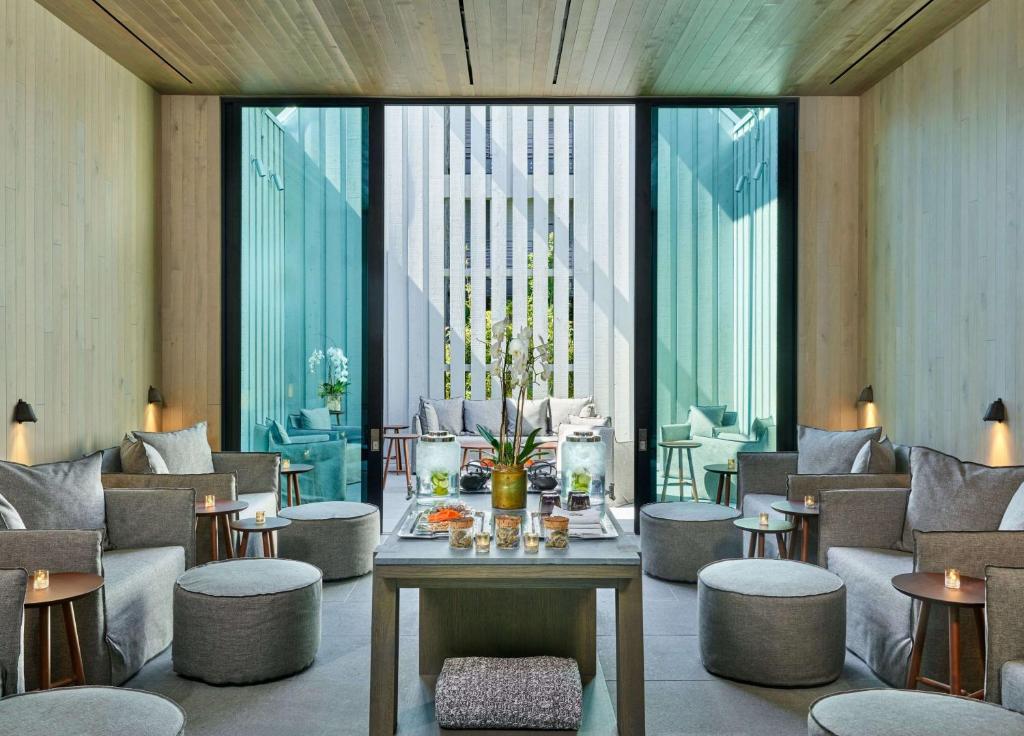
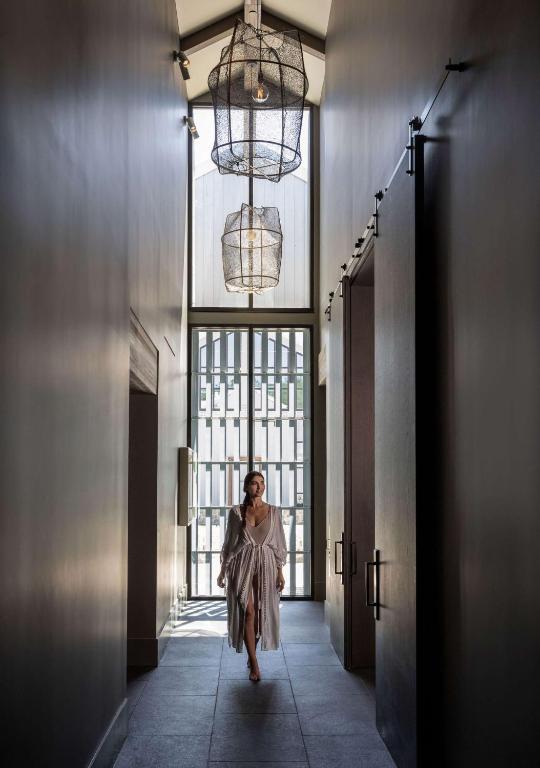
Alila’s arrival introduced another layer to the hotel: the brand’s strong emphasis on wellness and mindful travel. The spa occupies its own barn-like building, where dark lava-stone floors, fumed oak, open roof trusses and hanging lanterns create a mood that is more elemental than overtly luxurious. Treatments draw on botanicals, aromatherapy and the natural environment, while the broader experience encourages the kind of activities Napa is particularly good at — mornings outdoors, long walks, cycling, vineyard visits and an increasingly relaxed relationship with time. It is a useful counterpoint to the region’s tasting-room culture. You can spend the day moving from winery to winery. Or you can simply not.
St. Helena on Foot
One of Alila Napa Valley’s advantages is that it is not isolated behind resort gates. St. Helena is close at hand, giving guests easy access to restaurants, independent shops, tasting rooms and the Culinary Institute of America. That makes the hotel work equally well as a retreat and as a base. Head out for the day, wander through town, taste Cabernet, eat extremely well. Then return to something much calmer. There is a difference between escaping to wine country and disappearing from it. Alila Napa Valley manages both.
Quiet Luxury Before It Became a Phrase
Long before “quiet luxury” became an overused piece of marketing language, the design here was already working with the idea. There is no single lobby spectacle. No architectural stunt. No need to remind you constantly that you are somewhere expensive. Instead, the experience is built from oak, stone, linen, terraces, fire, vineyard light and the unusual privilege of having one of Napa Valley’s most famous landscapes immediately outside the window. The old Las Alcobas had already understood that. Alila has simply given that restraint a philosophy to match.