Almanac Palais Vienna | Austria
Where Palatial Grandeur Meets Contemporary Viennese Culture
Why DNA Hotels Loves It
● A remarkable transformation of two 19th-century palais on Vienna’s grand Ringstrasse.
● Interiors by Jaime Beriestain that balance historic architecture, contemporary elegance, and subtle theatricality.
● An art-rich hotel where Viennese heritage, plant-forward dining, wellness, and cultural access come together beautifully.
Two Palaces, One Contemporary Vision
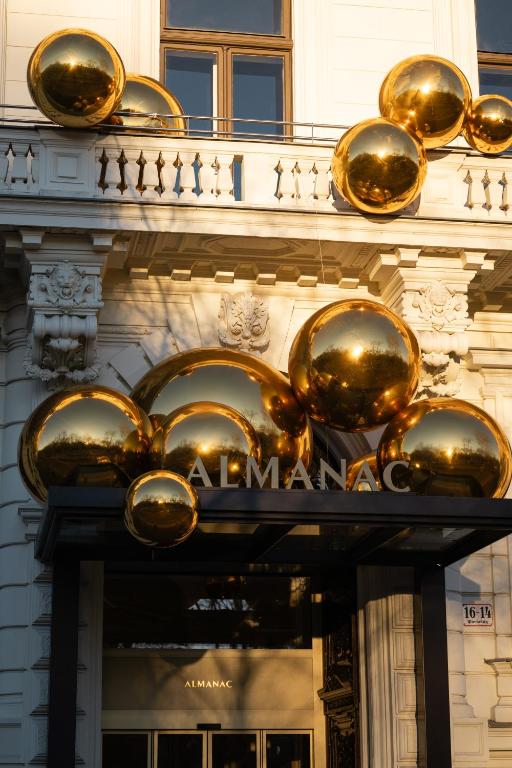
Vienna has no shortage of grand hotels. But Almanac Palais Vienna brings something distinctly new to the city’s luxury landscape. Set inside two adjoining 19th-century palais on the prestigious Parkring, directly opposite Stadtpark, the hotel occupies a pair of neo-Baroque buildings originally created for some of the city’s most influential families. Their façades still speak the language of imperial Vienna: arches, columns, symmetry, and grand proportions. Inside, however, the mood has shifted. Rather than recreating a traditional Viennese palace hotel, Almanac has created a contemporary cultural address that respects history without becoming trapped by it. The result feels elegant, artistic, and entirely alive.
A Palais Reimagined by Jaime Beriestain
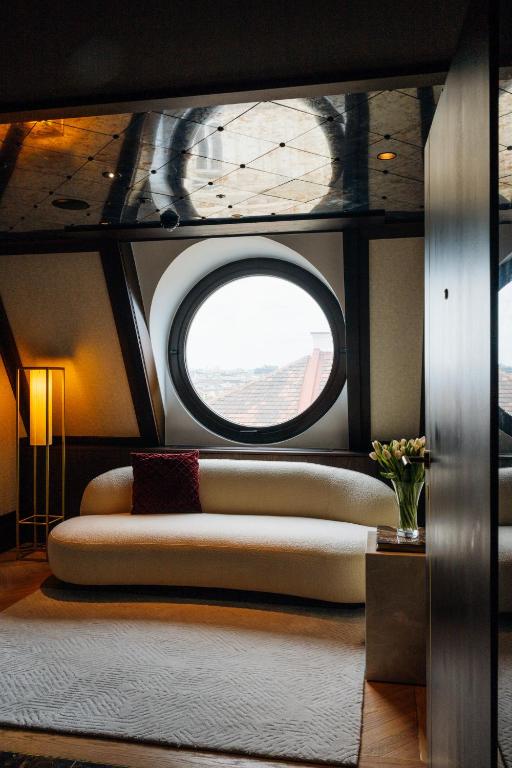
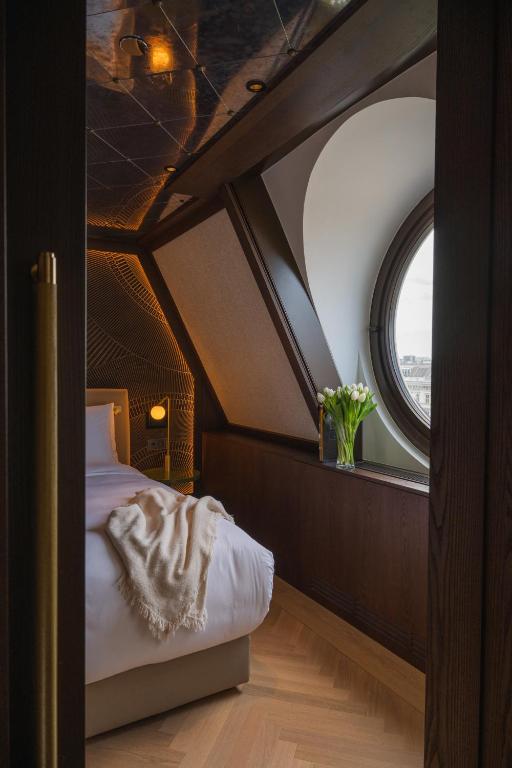
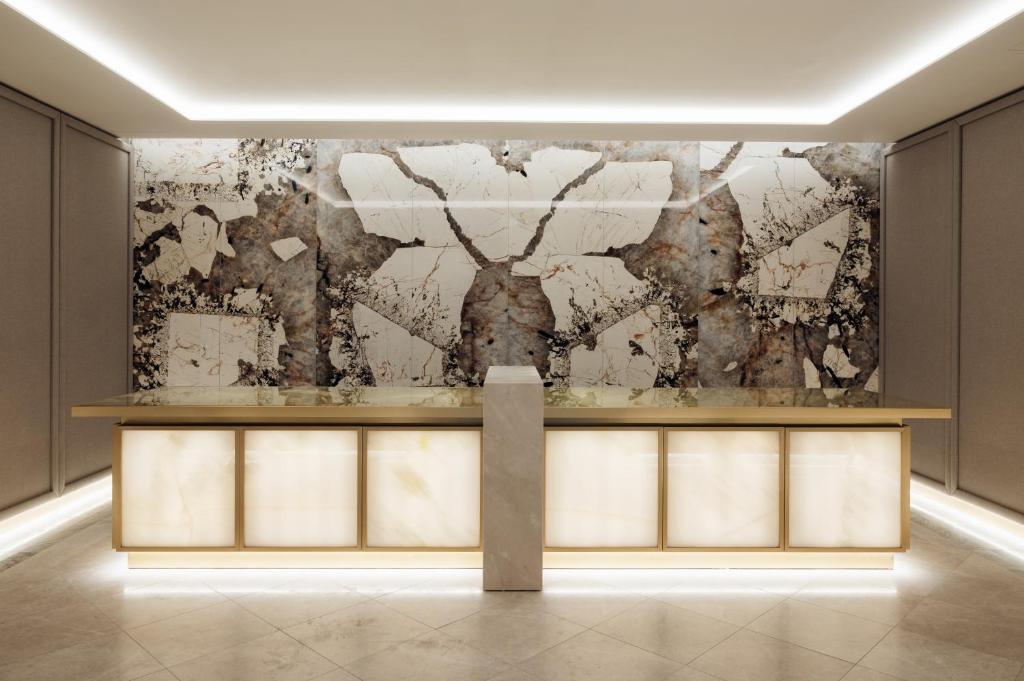
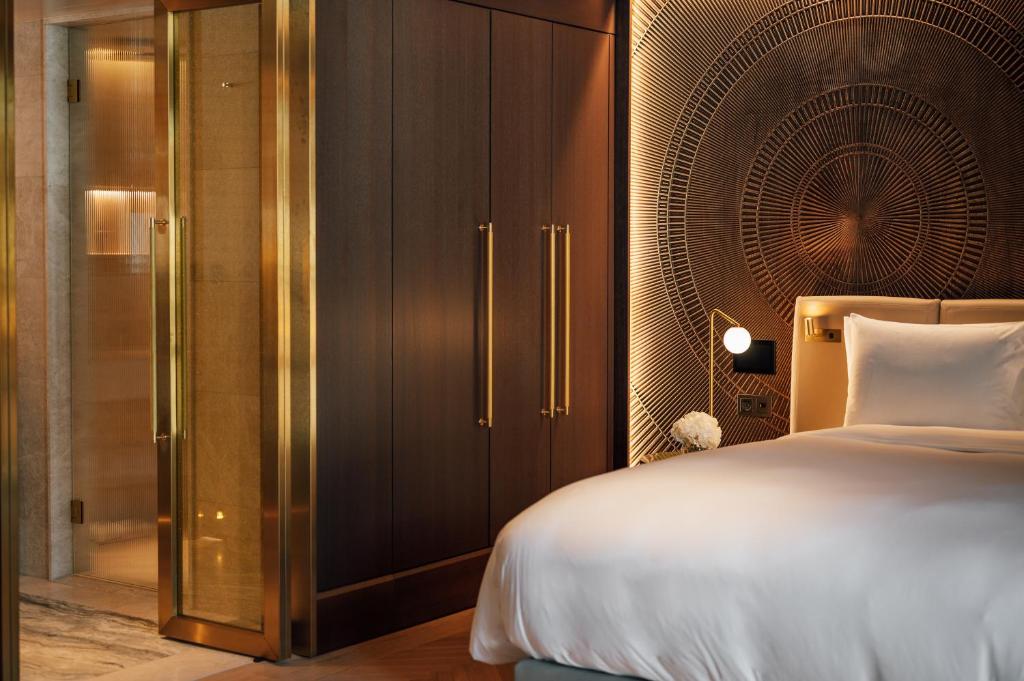
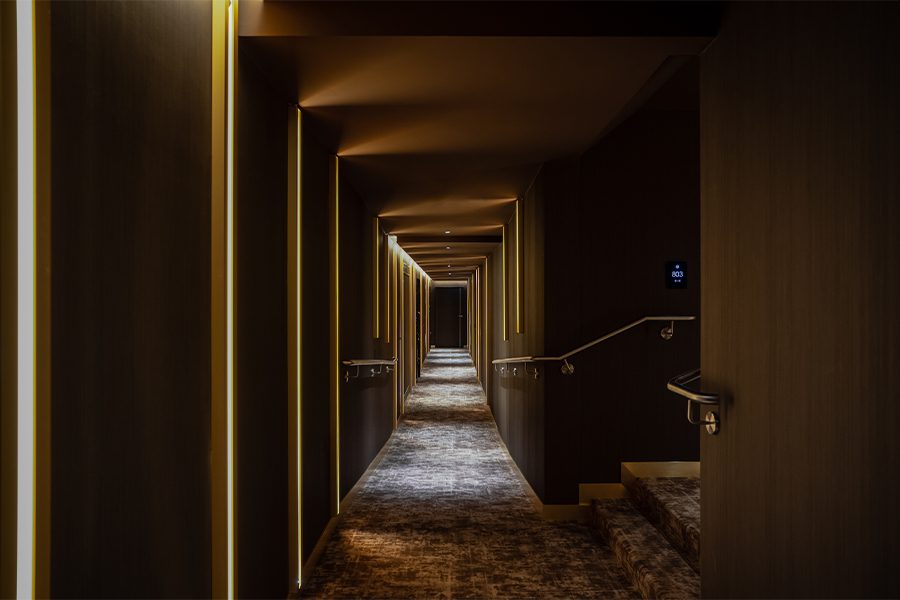
The interiors carry the signature of Spanish designer Jaime Beriestain, whose work for Almanac Barcelona helped define the brand’s visual identity. In Vienna, his language becomes richer, moodier, and more architectural. Vaulted ceilings, marble columns, restored historic halls, and grand staircases remain intact, but they are balanced by warm woods, polished stone, brass details, amber lighting, and contemporary furniture. The palette is restrained and sensual: champagne, taupe, olive, chocolate, gold, dark timber, and soft neutrals. Nothing feels overly ornate. Nothing feels stripped bare. The design finds its strength in contrast. Old Vienna provides the structure. Beriestain brings the pulse.
Art as Part of the Architecture
Almanac Palais Vienna treats art as central to the experience. The courtyard lobby has been transformed into a gallery-like space, animated by contemporary sculpture, large mural panels, and works by Austrian and international artists. The hotel collaborates with local galleries, while artworks appear throughout corridors, lounges, rooms, and social spaces. An original Gustav Klimt forms part of the hotel’s wider art narrative. Guests are also given complimentary access to Belvedere 21, Vienna’s contemporary art museum, turning the room key into a cultural invitation. It is a subtle but powerful gesture. The hotel does not simply display art. It connects guests to Vienna’s living creative scene.
Rooms with Quiet Drama
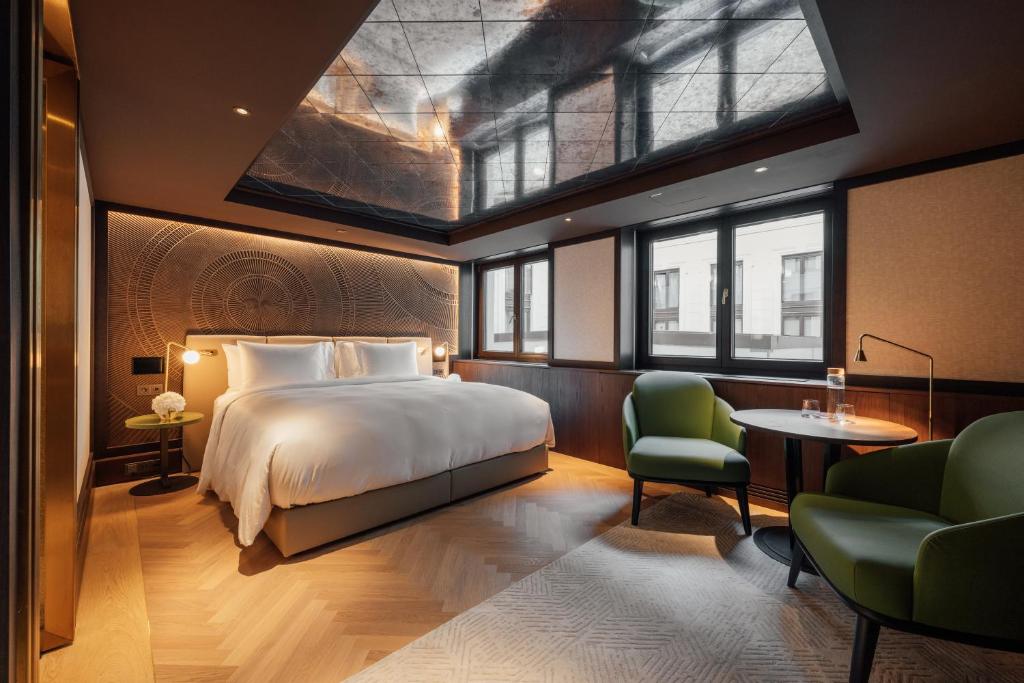
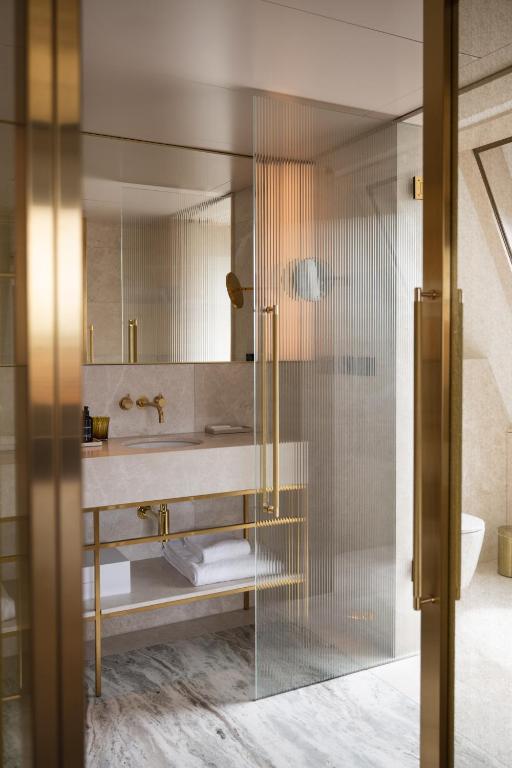
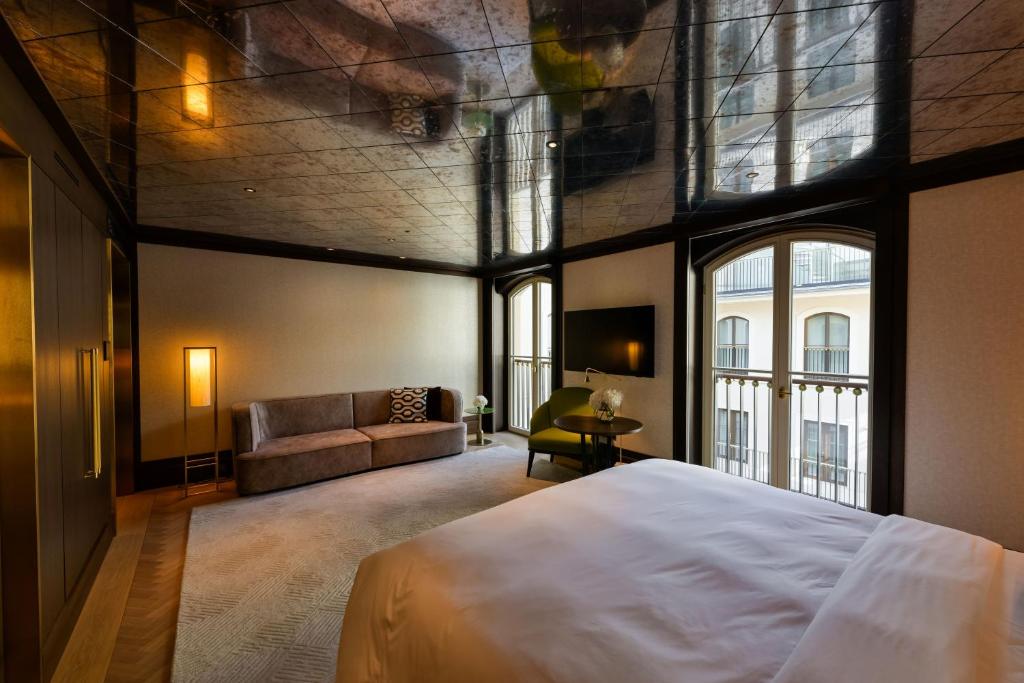
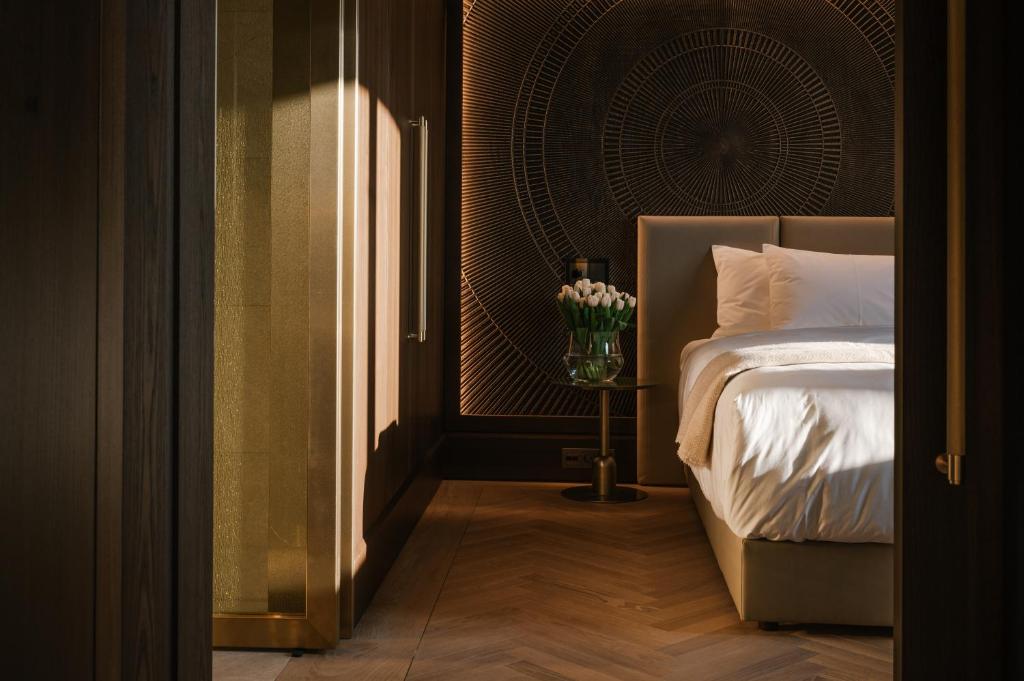
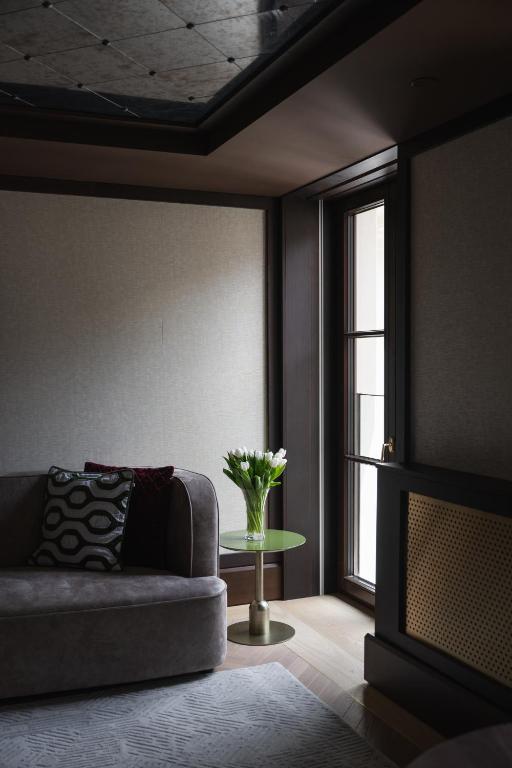
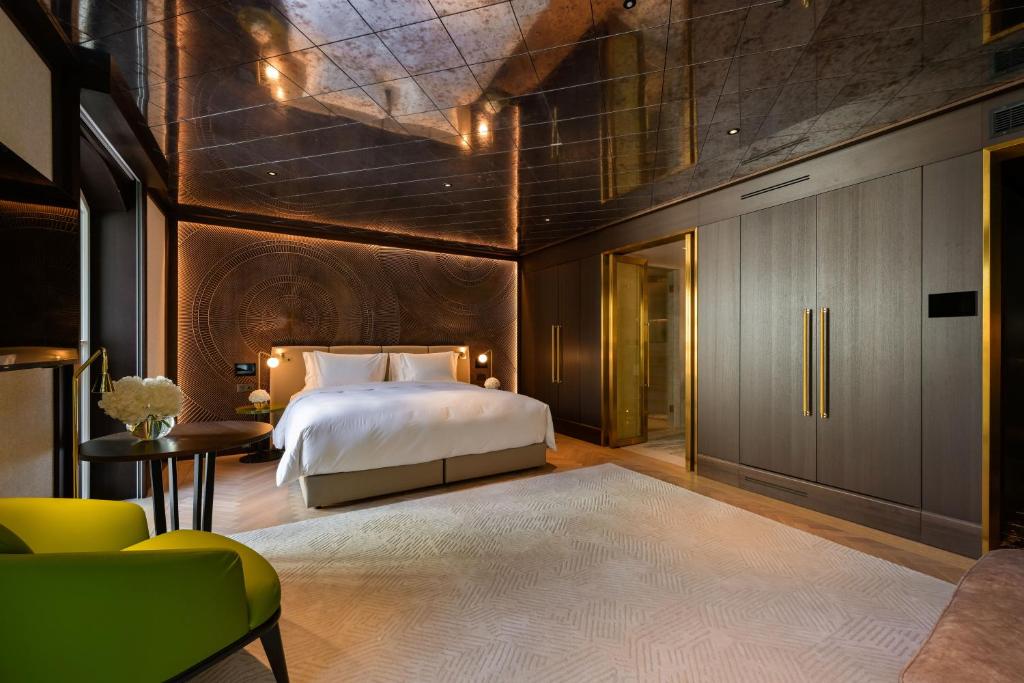
The hotel offers 111 rooms and suites, with an unusually high number of suites. This immediately changes the atmosphere. Rooms feel generous, residential, and deliberately unhurried. Dark wood cabinetry, carved wall panels, textured wallpaper, soft furnishings in olive and taupe, antique mirror ceilings, gold fixtures, and Austrian marble bathrooms create a mood of refined calm. Some rooms face the internal courtyard. Others look across Parkring or toward Stadtpark. Several duplex suites include private saunas, while the largest accommodations can be combined into an entire private floor. The design is luxurious but controlled. Elegant, not excessive. Memorable, not loud.
Donnersmarkt: Vienna Through a New Lens
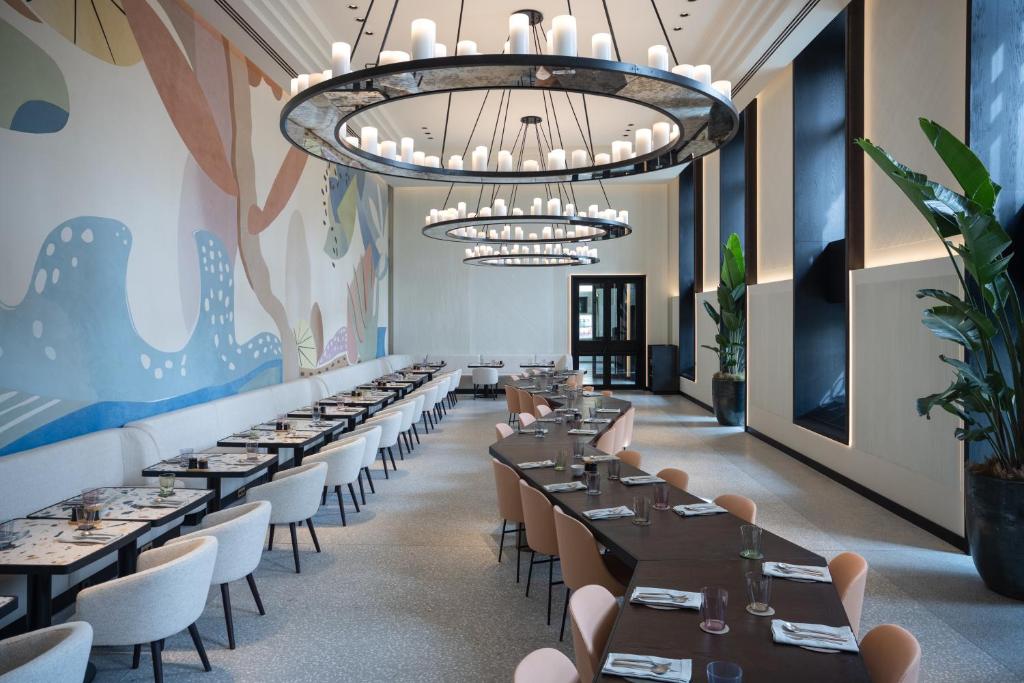
The hotel’s culinary identity centres on Donnersmarkt. Rather than leaning into heavy classical Viennese cooking, the restaurant takes a contemporary, plant-forward approach to Austrian and Central European ingredients. Vegetables, grains, mushrooms, fermented spreads, herbs, seasonal produce, and carefully prepared regional dishes define the menu. The dining room reflects the same modern sensibility. Bright murals inspired by Stadtpark stretch across the walls. Marble tables, a zigzagging communal table, sculptural lighting, and lacquered black panelling create a space that feels social, polished, and distinctly contemporary. It is Vienna, but not the postcard version. A city looking forward while knowing exactly where it comes from.
A Bar with Viennese Energy
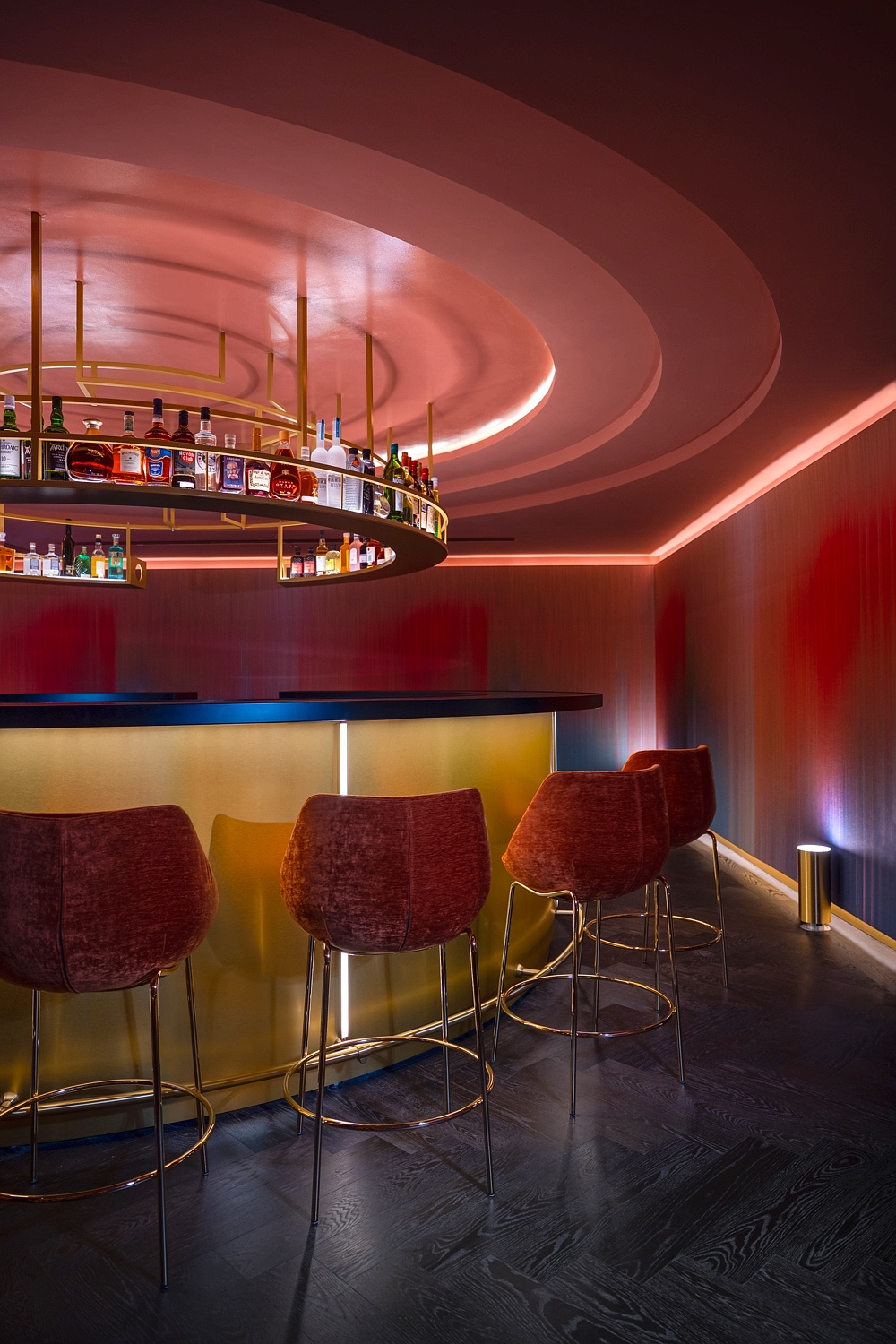
Donnersmarkt Bar brings a warmer, more theatrical mood. Deep red and gold tones, a circular retro-style counter, playful motifs by Austrian artist Peter Weihs, and carefully composed lighting give the room a late-night confidence. It works as an all-day meeting point. Morning coffee. Early evening aperitif. Late cocktails. The energy is cosmopolitan but still local enough to feel part of the city. Nearby, Elias Coffee Shop offers a lighter counterpoint, with white tiles, illustrated windows, artworks, quality coffee, and vegan pastries. Together, the public spaces give the hotel a genuine urban rhythm.
Wellness Below the Palace
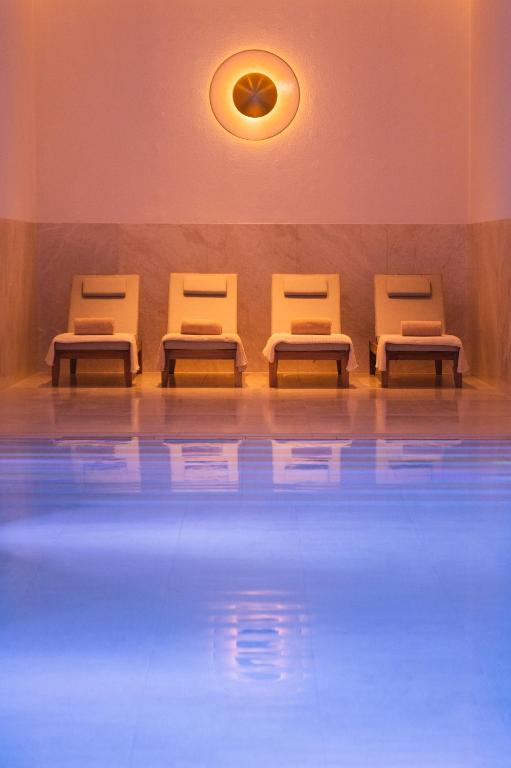
The spa sits below ground, wrapped in marble and calm. At its centre is a 14-metre indoor pool, joined by a hot tub, sauna, steam room, treatment rooms, and a well-equipped fitness space. The atmosphere is serene without becoming clinical, luxurious without feeling ostentatious. Treatments range from Ayurvedic massage to facials inspired by Viennese beauty rituals, while weekly yoga classes reinforce the hotel’s broader wellbeing philosophy. After the grandeur of the city above, the spa feels like a private retreat beneath the palace. Quiet. Elegant. Restorative.
A Ringstrasse Address with Cultural Depth
Location is one of the hotel’s great strengths. Set on Parkring, facing Stadtpark, Almanac Palais Vienna sits just outside the busiest heart of the historic centre while remaining within easy reach of the city’s cultural landmarks. Stephansplatz, the Hofburg, Karlsplatz, the Belvedere, concert halls, museums, galleries, cafés, and shopping streets are all close by. The address feels grand, but not isolated. Central, but not overwhelmed. Exactly the balance Vienna does so well.
A New Kind of Viennese Grandeur
What makes Almanac Palais Vienna compelling is its refusal to become a conventional palace hotel. There are no heavy drapes. No predictable imperial nostalgia. No attempt to recreate old-world luxury as theatre. Instead, the hotel builds a more contemporary definition of grandeur: art, space, thoughtful design, seasonal food, cultural engagement, and a deep respect for the buildings it inhabits. The past remains present. But the hotel belongs firmly to now.
A Contemporary Palais for Modern Vienna
Almanac Palais Vienna succeeds because it understands that Vienna’s greatest strength is not simply its history, but its ability to keep that history alive through culture, music, art, food, and design. By transforming two historic palais into a sophisticated contemporary hotel, Almanac has created a new kind of Viennese address: elegant, creative, rooted, and quietly seductive. For travellers seeking palatial architecture without stiffness, luxury without cliché, and a hotel deeply connected to modern Vienna, this is one of the city’s most compelling stays. A Ringstrasse landmark reborn for a more contemporary age.