Amanyangyun, Shanghai
One of the most extraordinary preservation projects ever undertaken, where a rescued ancient forest and centuries-old village have been transformed into one of the world’s most remarkable luxury retreats.
Why DNA Hotels Loves It
● A breathtaking conservation project that relocated 10,000 ancient camphor trees and dozens of historic Ming- and Qing-dynasty houses.
● Kerry Hill Architects’ masterful fusion of Chinese heritage and contemporary Aman minimalism.
● A rare opportunity to experience ancient Chinese culture, architecture, and craftsmanship within a modern luxury sanctuary.
A Different Kind of Escape
Some hotels offer luxury. Amanyangyun offers something far rarer: the chance to step into a living piece of Chinese history. Located on the outskirts of Shanghai, this extraordinary Aman retreat emerged from one of the most ambitious conservation projects ever undertaken. What began as an effort to save a threatened forest and historic village evolved into a fifteen-year mission to preserve an entire cultural landscape. The result feels less like a hotel and more like a parallel world—one where ancient architecture, thousand-year-old trees, and contemporary design coexist in perfect harmony.
A Story That Almost Sounds Impossible
The origins of Amanyangyun are remarkable. When a reservoir project threatened thousands of centuries-old camphor trees and dozens of historic houses in Jiangxi Province, entrepreneur Ma Dadong launched an unprecedented rescue operation. More than 10,000 camphor trees—including the legendary Emperor Tree, believed to be over 1,000 years old—were carefully transported nearly 700 kilometers to Shanghai. Alongside them came dozens of Ming- and Qing-dynasty houses, dismantled piece by piece and reconstructed stone by stone. What could have become a story of loss instead became one of preservation.
An Ancient Village Reborn
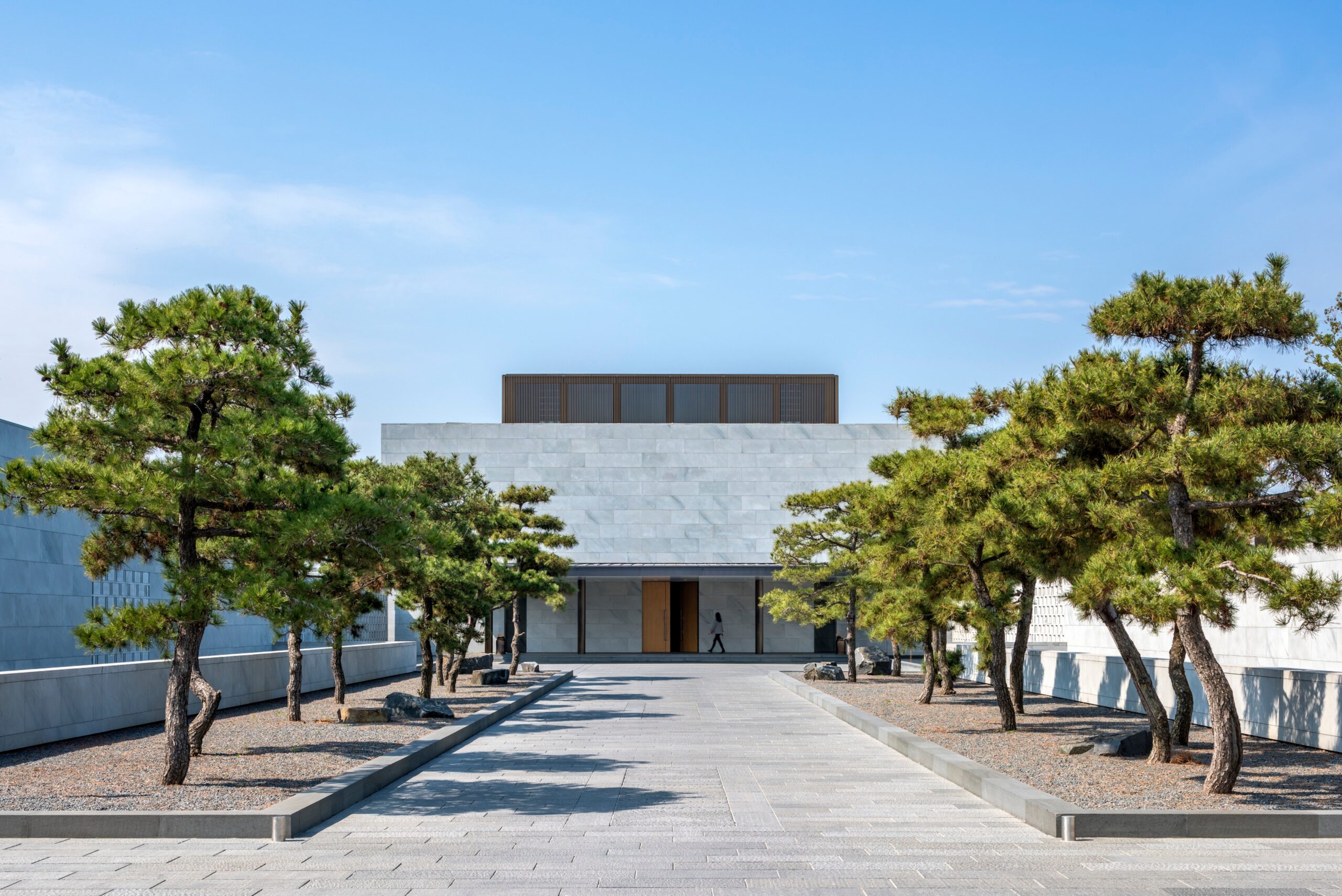
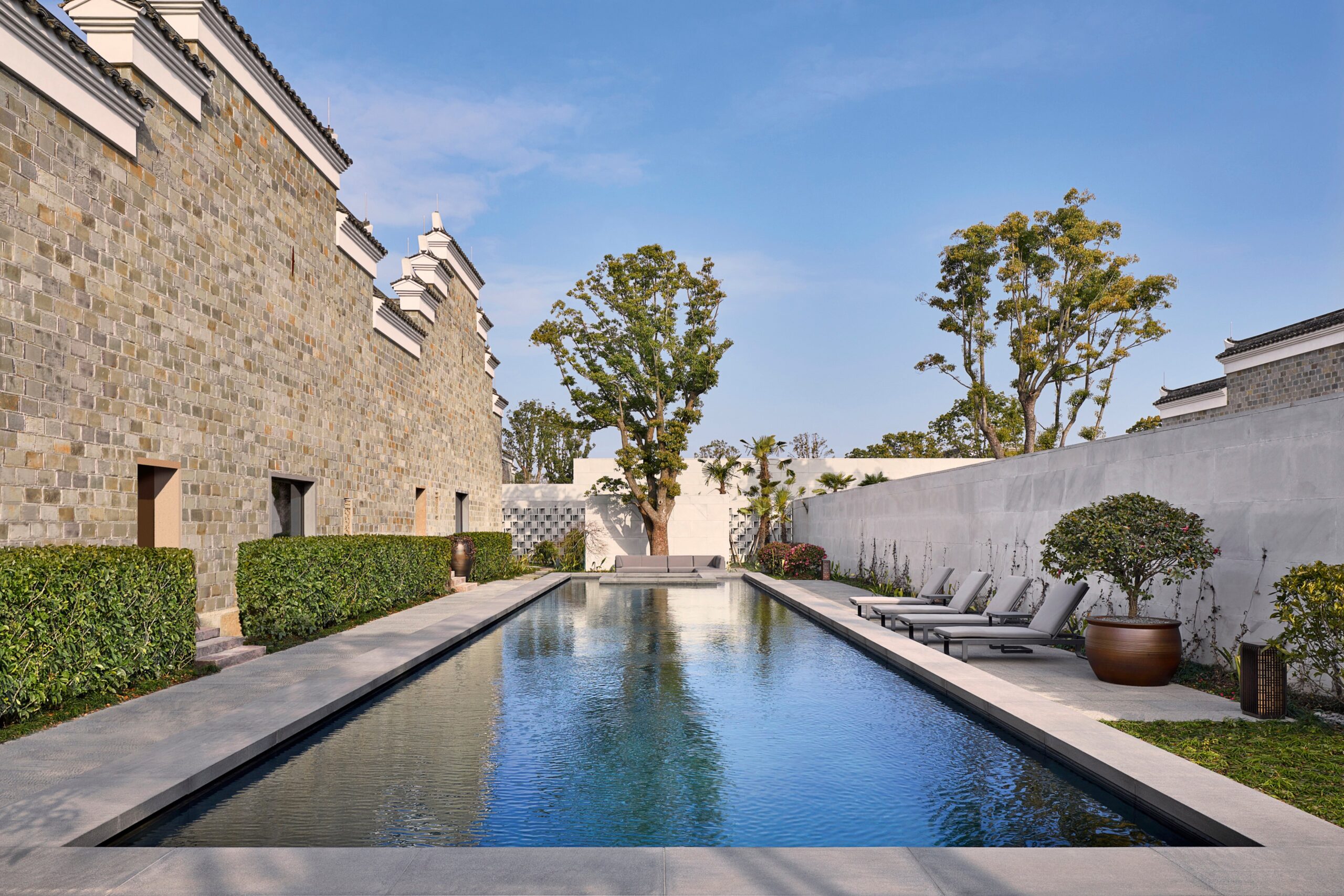
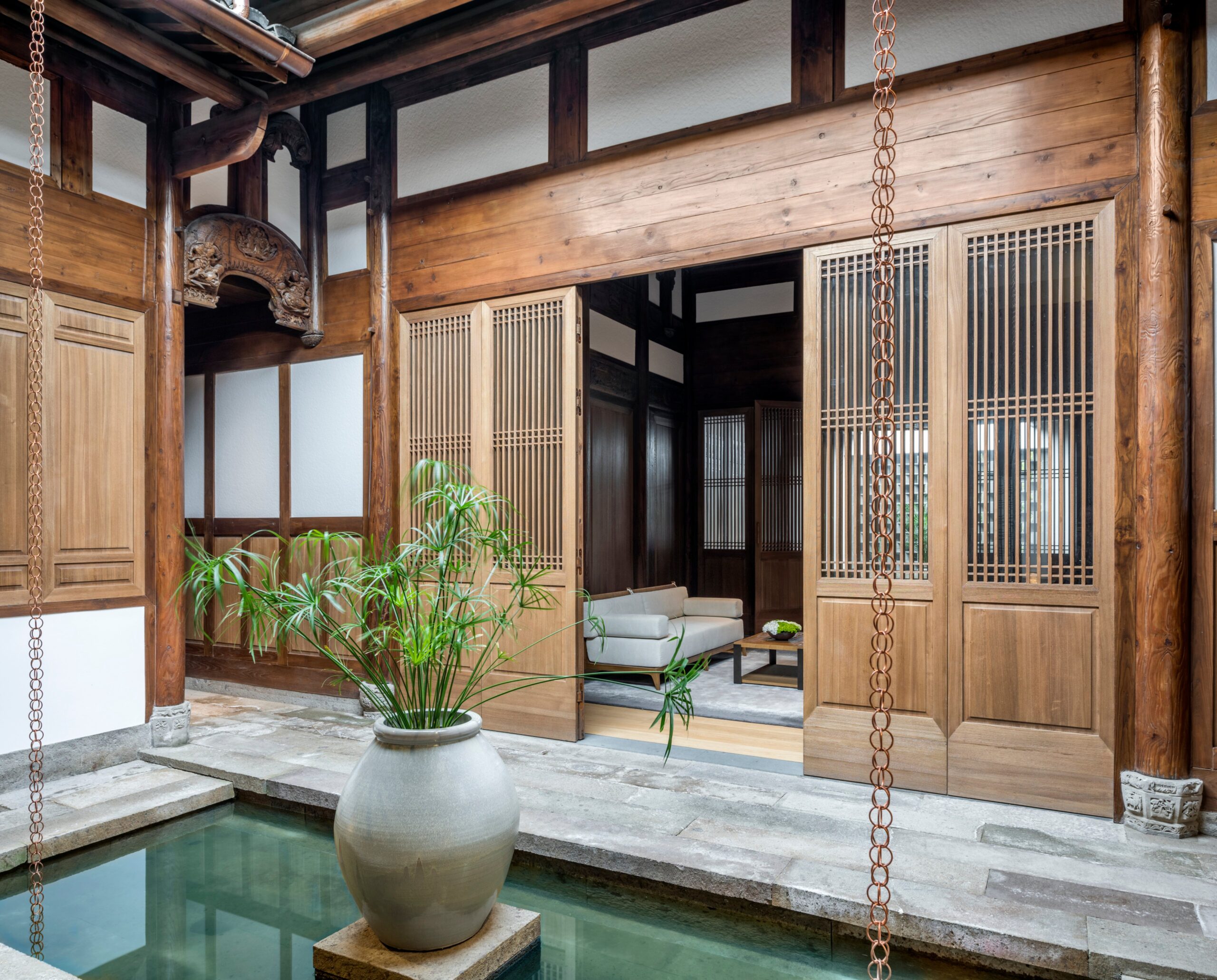
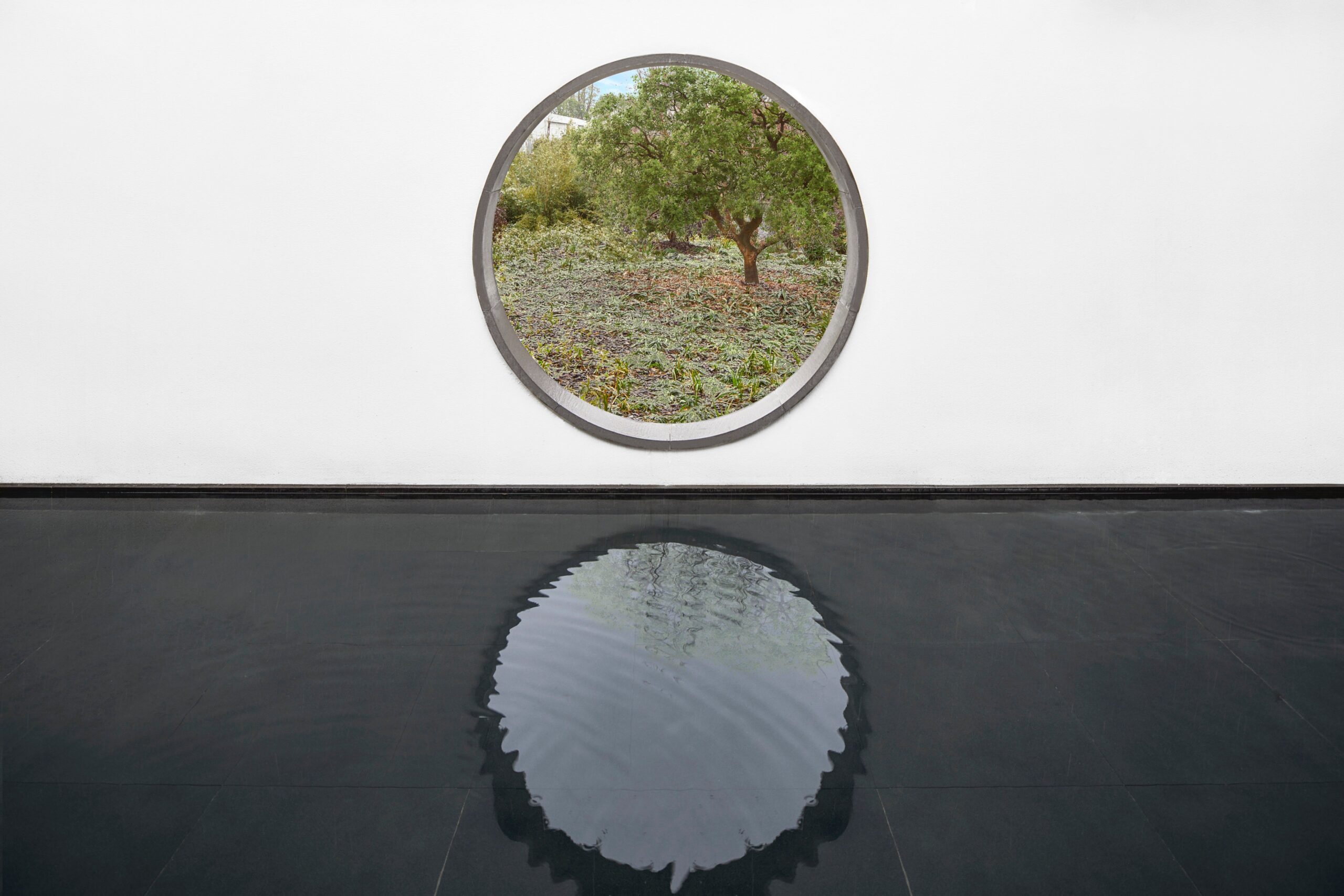
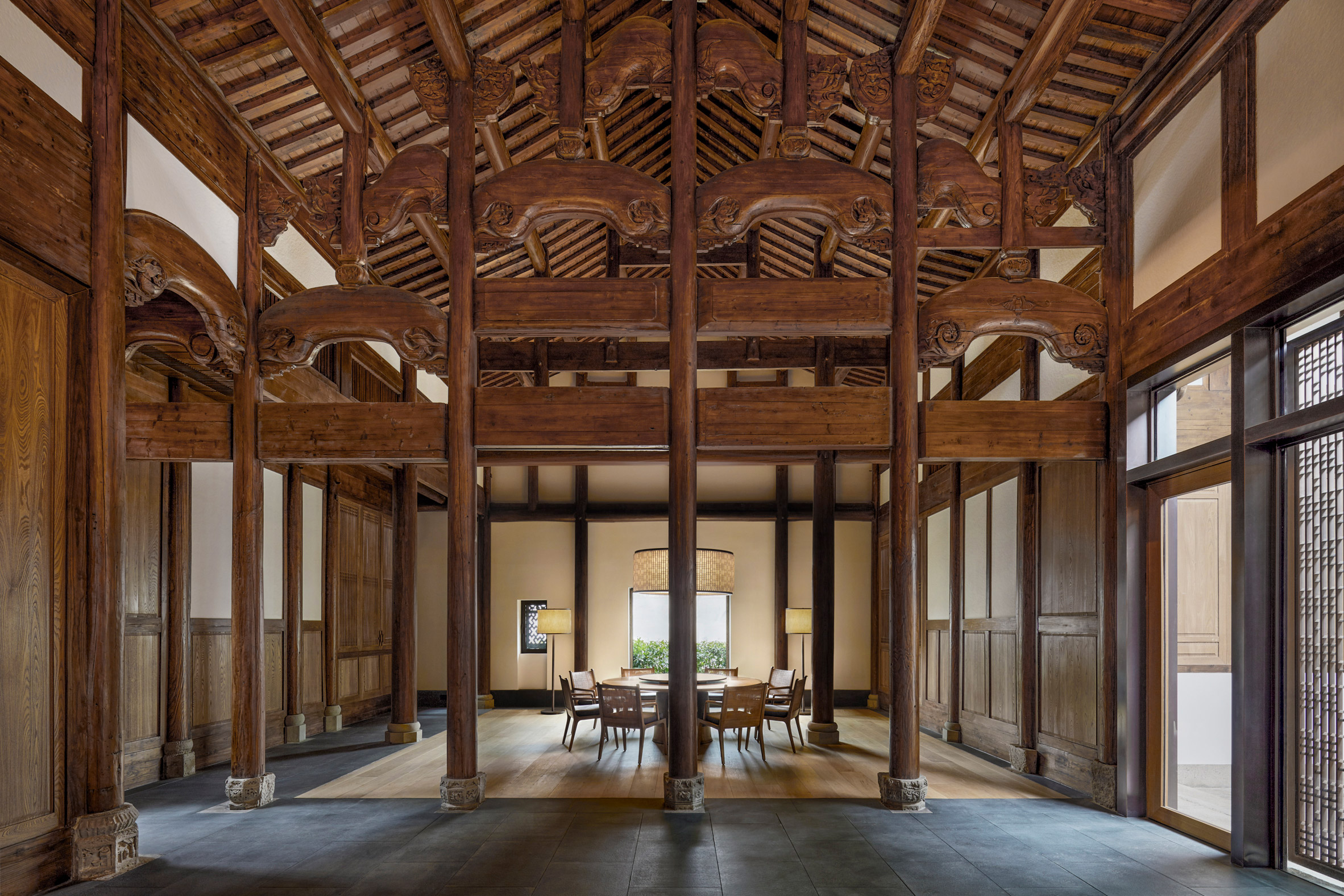
Today, guests arrive in what feels like a lost Chinese village hidden within a vast camphor forest. The scent of ancient trees drifts through pathways and courtyards, while carefully reconstructed historic houses sit among bamboo groves, reflection pools, and landscaped gardens. The scale of the project is difficult to comprehend until you experience it firsthand. Nothing feels staged. The architecture, materials, and craftsmanship carry centuries of history, creating an atmosphere that feels profoundly authentic and deeply rooted in place.
Kerry Hill’s Quiet Masterpiece
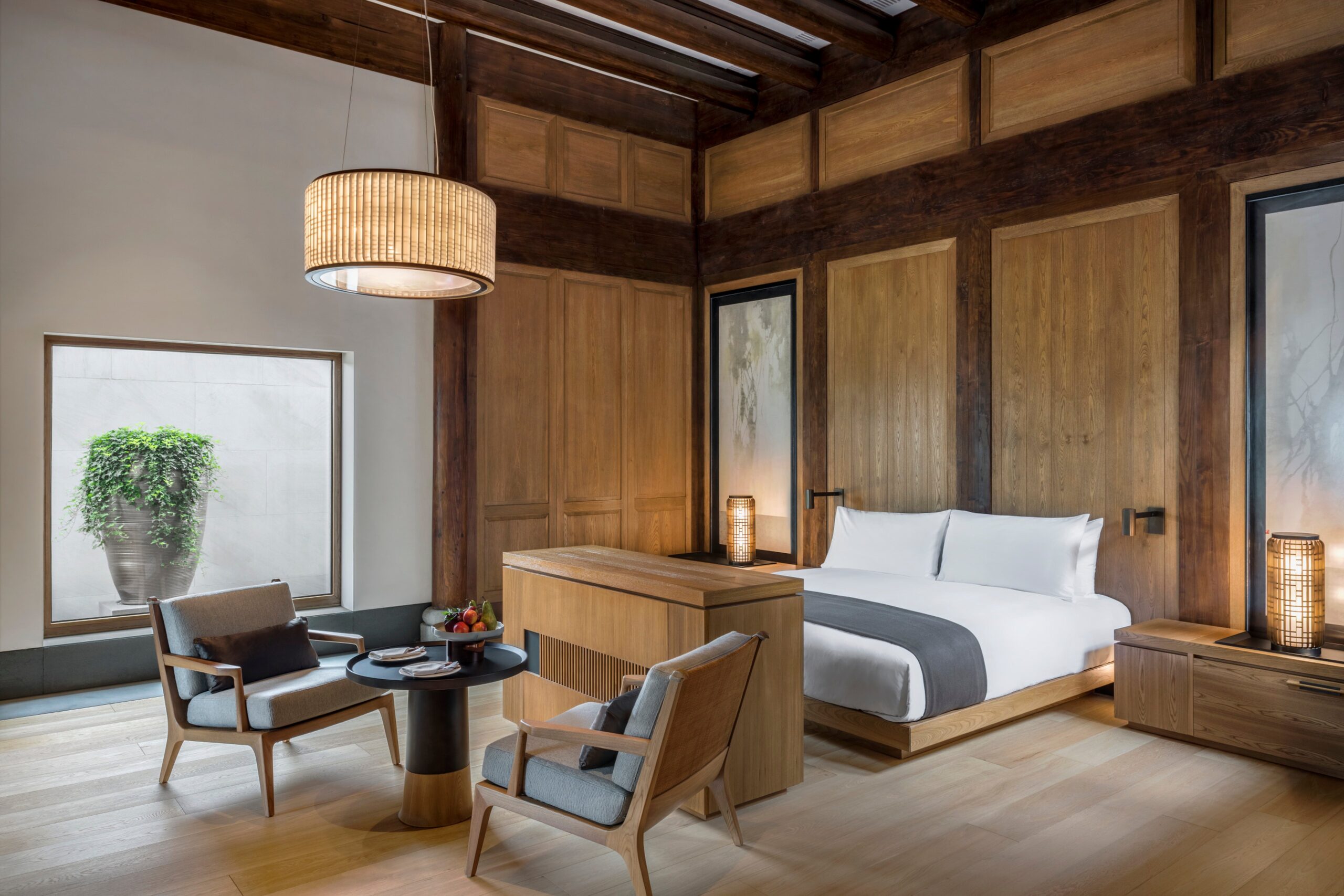
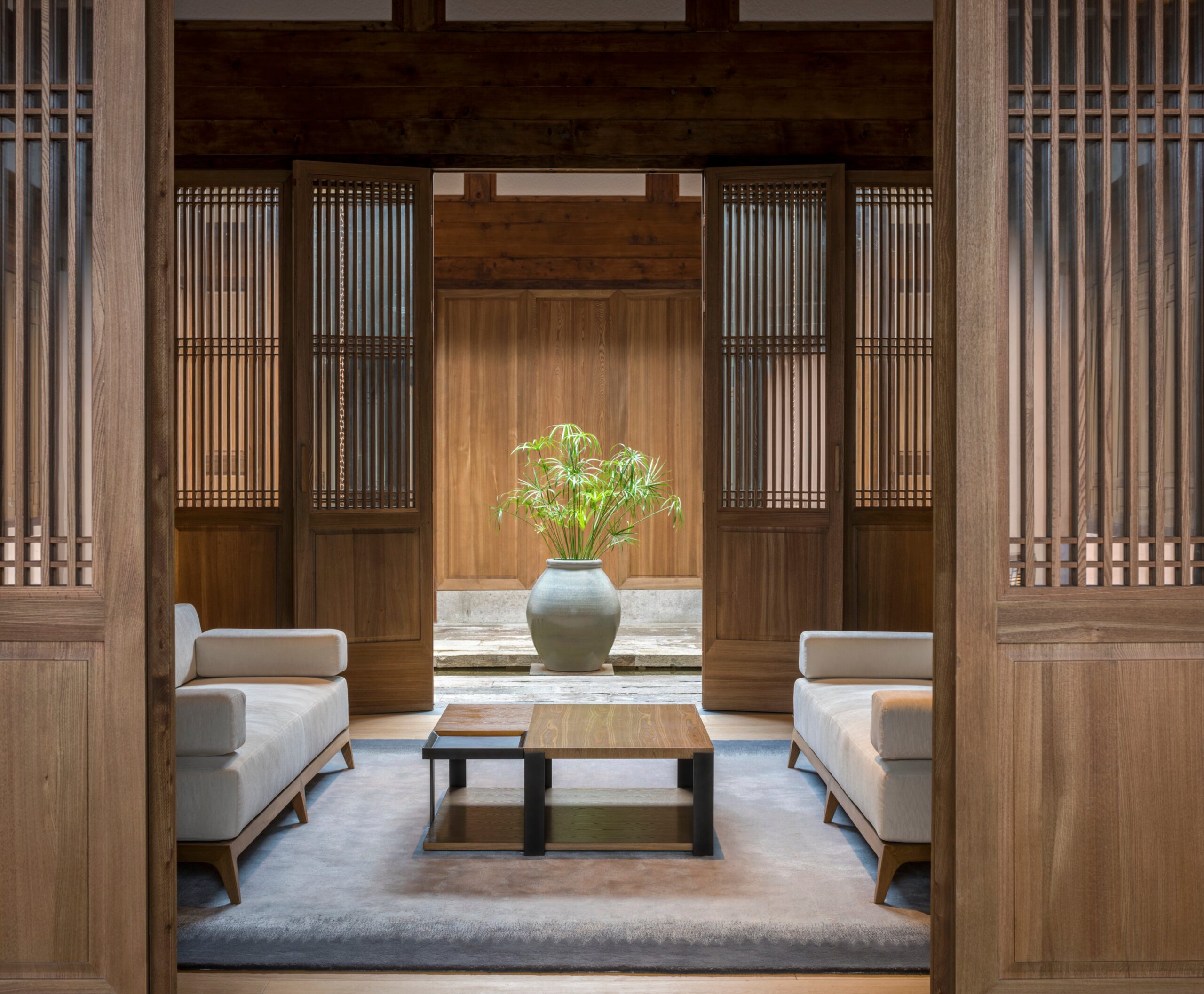
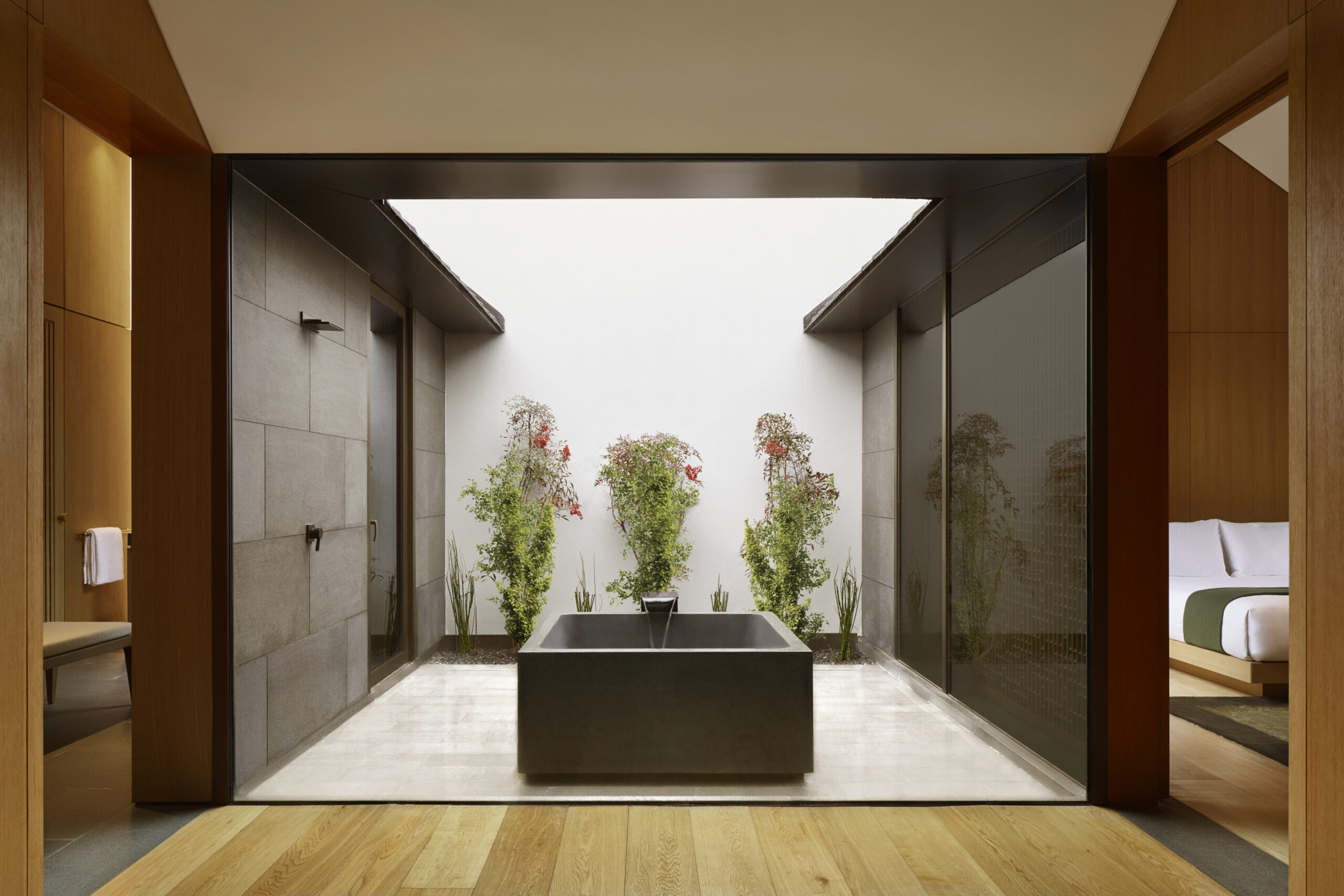
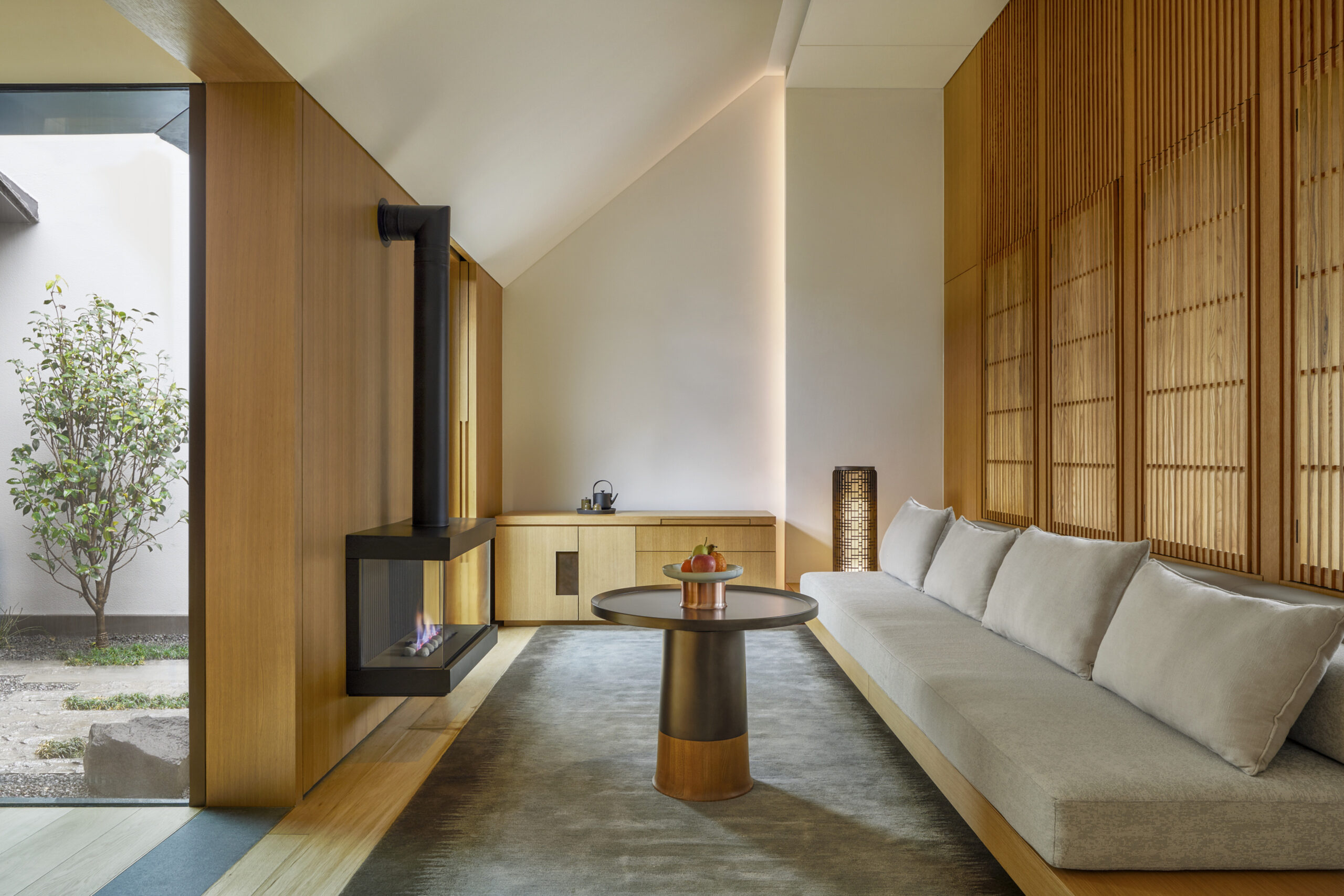
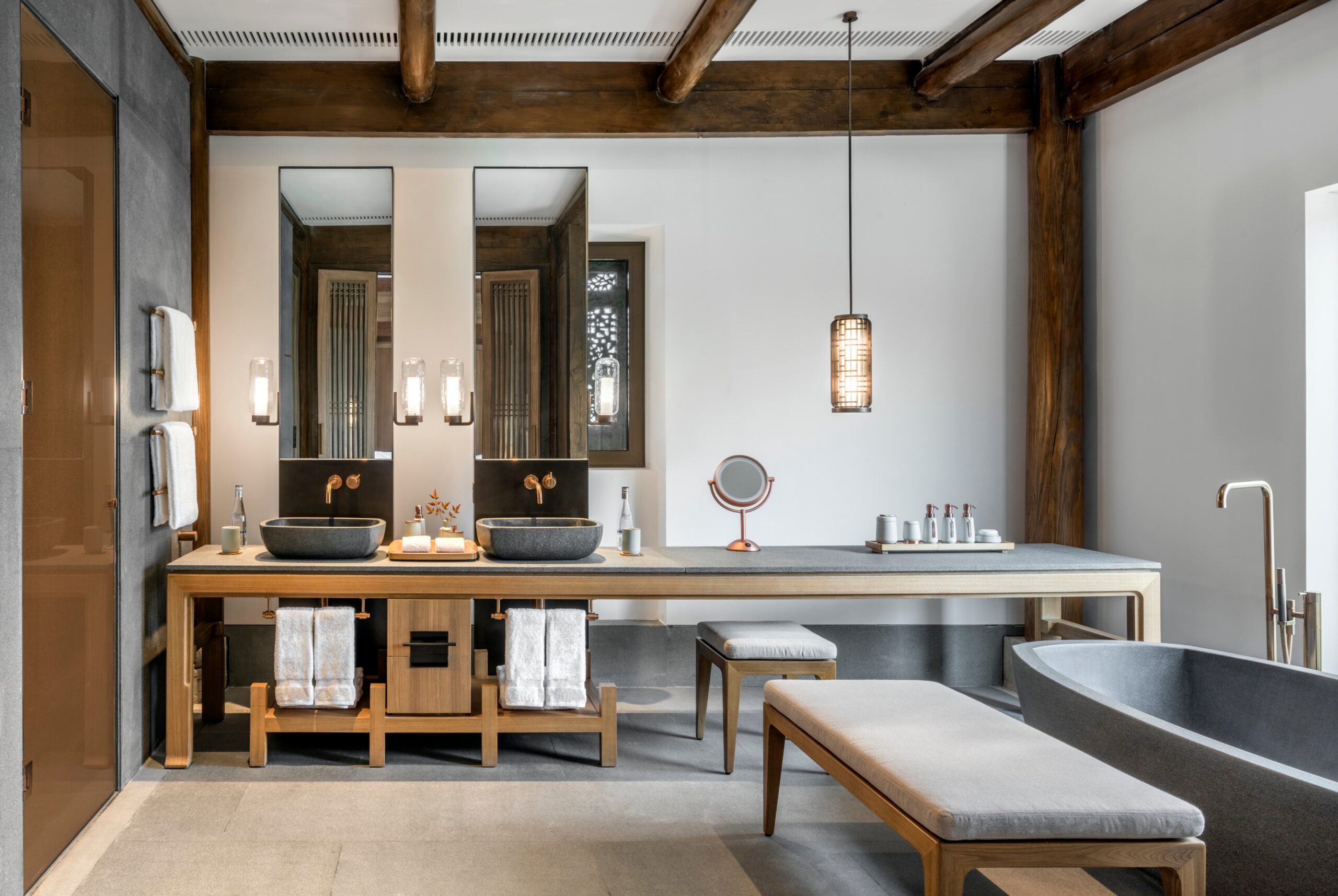
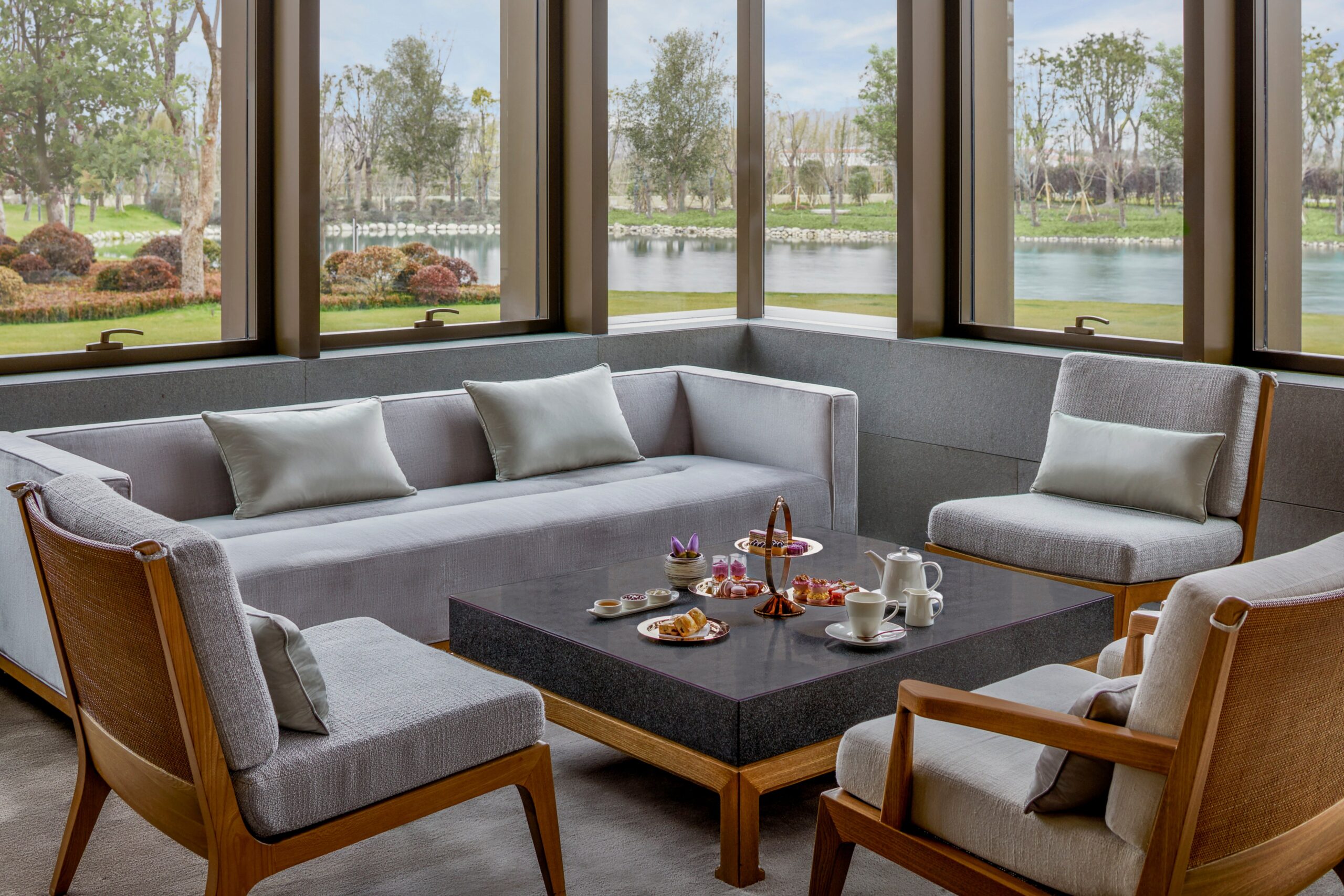
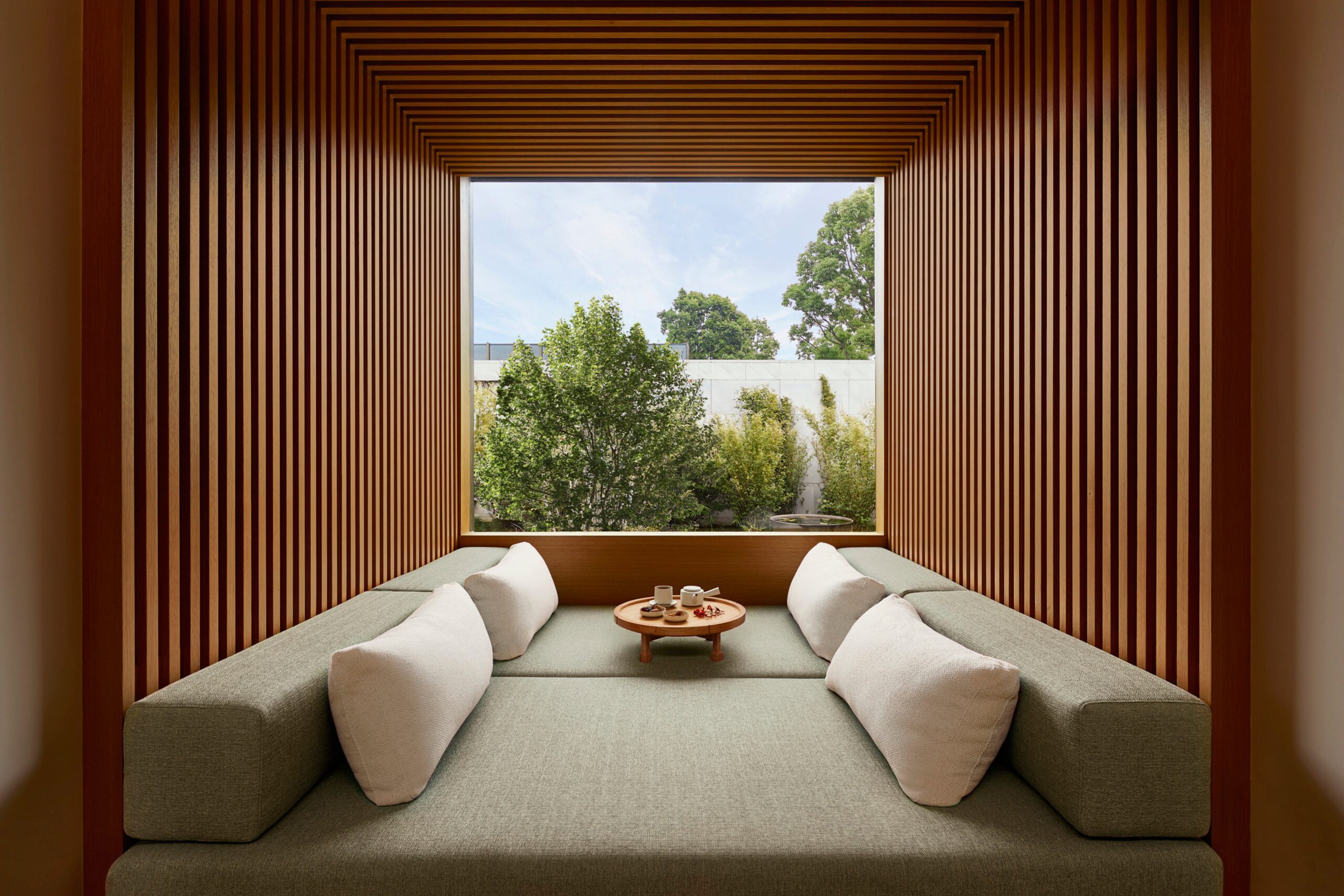
Aman entrusted the project to the late Kerry Hill, whose work consistently ranks among the finest in contemporary hospitality design. Rather than competing with the historic buildings, Hill’s architecture quietly supports them. Original stone carvings, timber beams, courtyards, and centuries-old inscriptions remain the stars of the show, while contemporary interventions introduce light, comfort, and functionality with extraordinary restraint. Neutral palettes, natural materials, handcrafted furniture, and subtle Asian detailing create interiors that feel timeless rather than fashionable. It is luxury stripped of excess and distilled into pure calm.
Suites and Villas Steeped in History
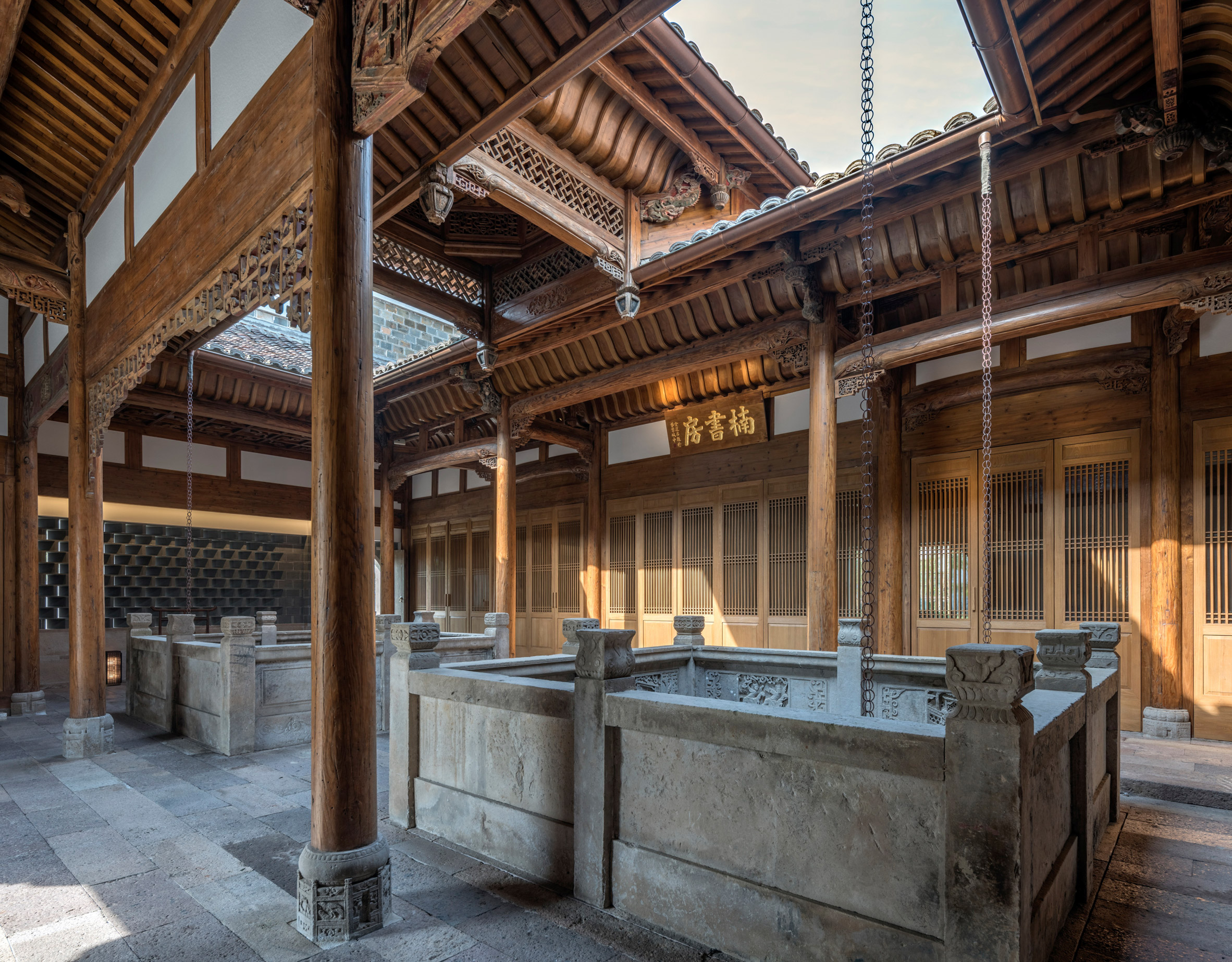
The modern suites reinterpret the traditional Chinese courtyard house through a contemporary lens, combining private outdoor spaces with serene minimalist interiors. The true showpieces, however, are the Antique Villas. Created within restored Ming- and Qing-dynasty homes, these remarkable residences preserve original stone carvings, historic inscriptions, timber structures, and centuries-old craftsmanship while incorporating private pools, courtyards, and Aman-level comfort. They are among the most unique accommodations anywhere in the world.
A Living Cultural Center
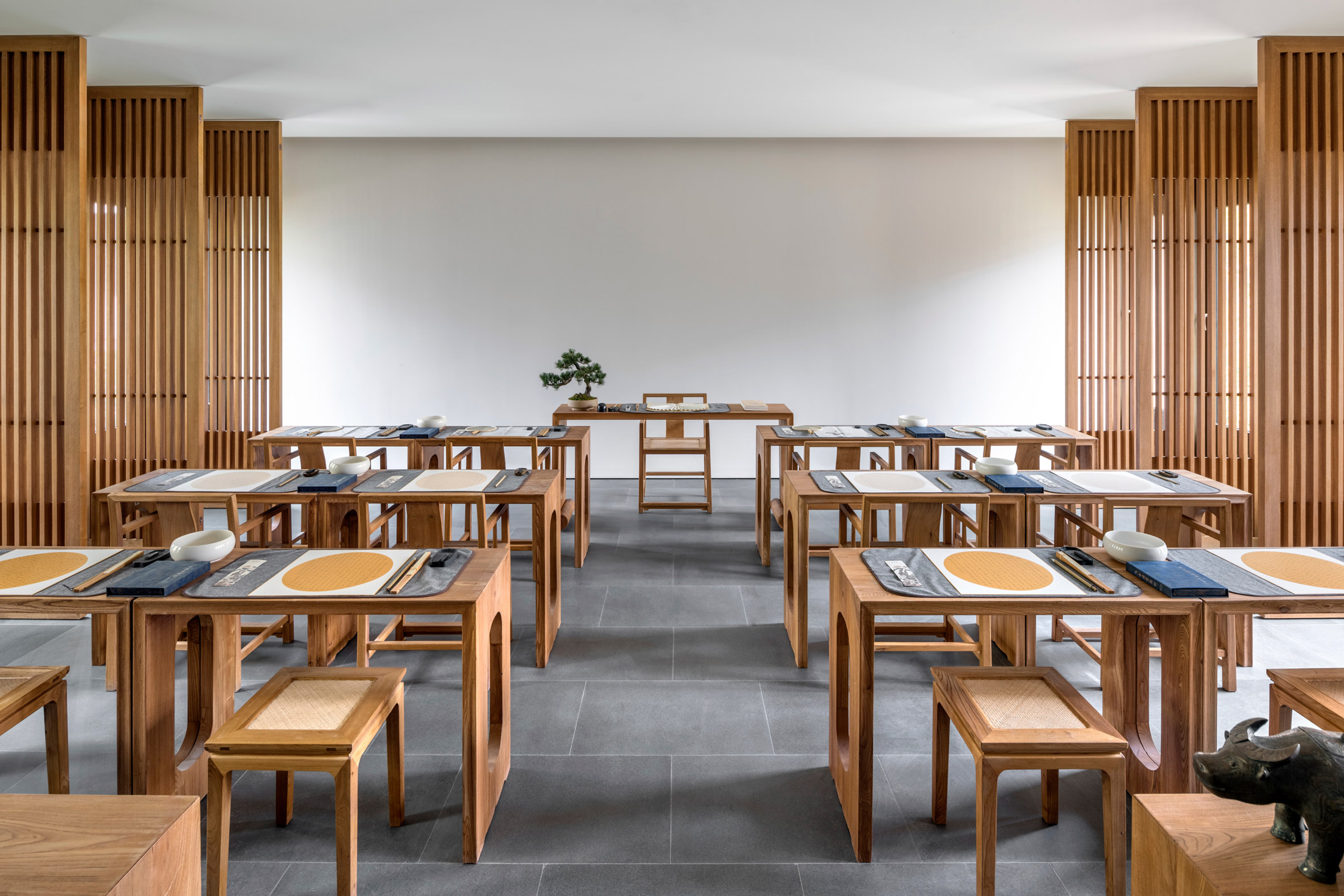
Unlike many heritage hotels, Amanyangyun actively encourages cultural immersion. At Nan Shufang, inspired by traditional Chinese scholars’ studios, guests can participate in calligraphy workshops, tea ceremonies, incense rituals, painting classes, and other traditional arts. The experience feels genuine rather than performative. This is not heritage presented behind glass. It is heritage being practiced, shared, and kept alive.
Wellness Rooted in Tradition
The vast Aman Spa reflects the same philosophy of preservation and renewal. Spread across elegant pavilions surrounded by gardens and water features, it combines Traditional Chinese Medicine with modern wellness practices. Facilities include hydrotherapy suites, reflexology treatments, yoga and Pilates studios, indoor and outdoor pools, a Russian banya, and a Moroccan hammam. As with everything at Amanyangyun, the emphasis is on ritual, balance, and a profound connection to place.
Dining Across Cultures
The culinary program reflects both local heritage and Aman’s international perspective. LAZHU celebrates the flavors of Jiangxi Province, paying tribute to the region from which the ancient houses and camphor trees originated. Traditional Chinese techniques and seasonal ingredients are presented with refinement and precision. Meanwhile, Arva brings Aman’s acclaimed Italian dining concept to Shanghai, creating an elegant contrast to the property’s deeply Chinese identity.
A Monument to Preservation
What makes Amanyangyun truly extraordinary is that it exists at all. An entire forest was saved. Historic homes were given a second life. Traditional craftsmanship was preserved rather than lost. The project demonstrates that luxury hospitality can be more than accommodation—it can be an act of cultural stewardship.
Why it Works
Amanyangyun is one of the most ambitious and meaningful hotel projects ever created. Part ancient village, part cultural sanctuary, part contemporary retreat, it transcends traditional hospitality and becomes something much larger: a living monument to preservation, craftsmanship, and the enduring beauty of Chinese heritage. Few hotels tell a story. Amanyangyun safeguards an entire civilization’s memory.