Anantara Convento di Amalfi Grand Hotel – Amalfi, Italy
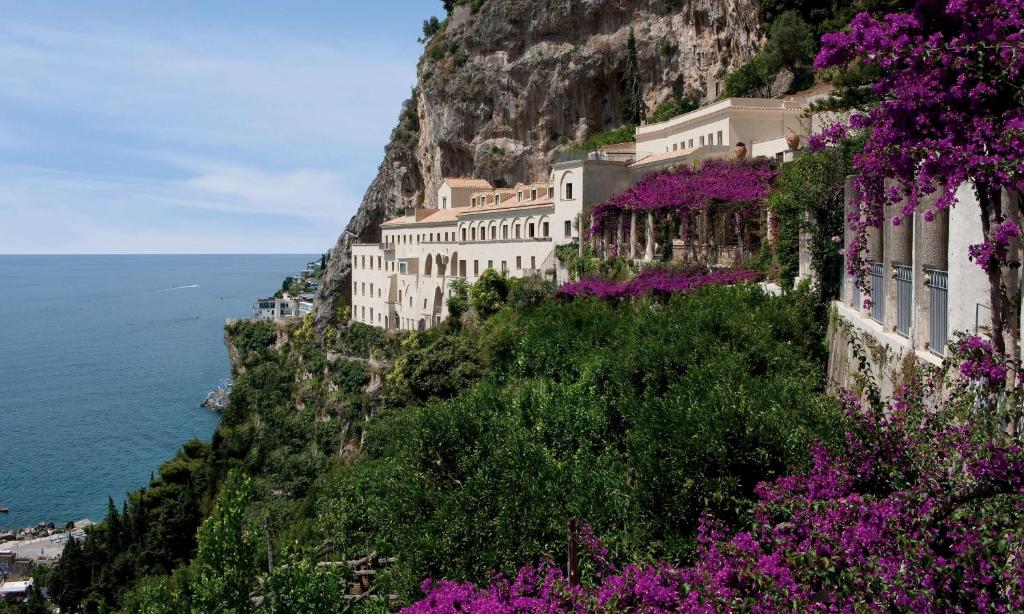
A 13th-century Capuchin convent suspended above the Mediterranean, where monastic architecture and contemporary Italian design meet one of the Amalfi Coast’s most extraordinary views.
Why DNA Hotels Loves It
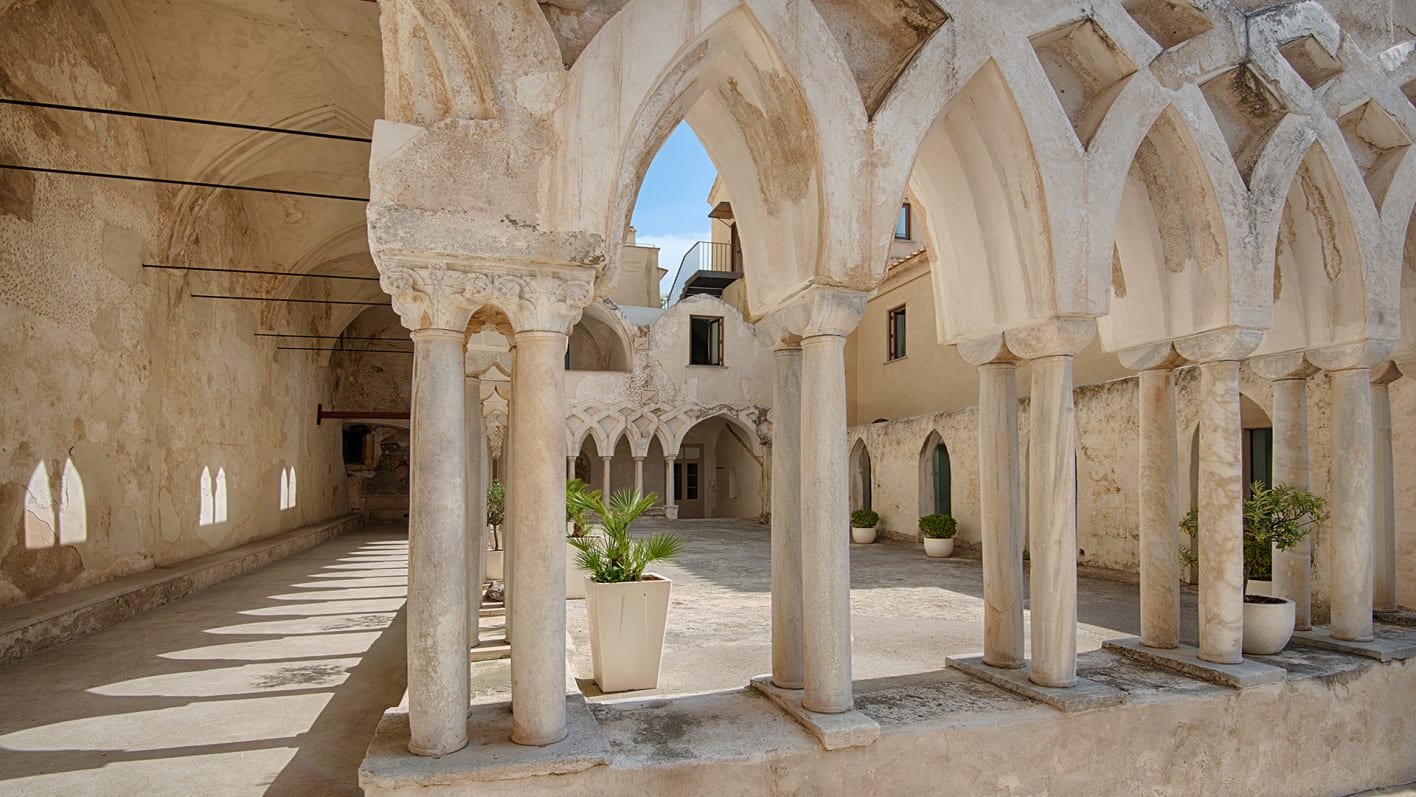
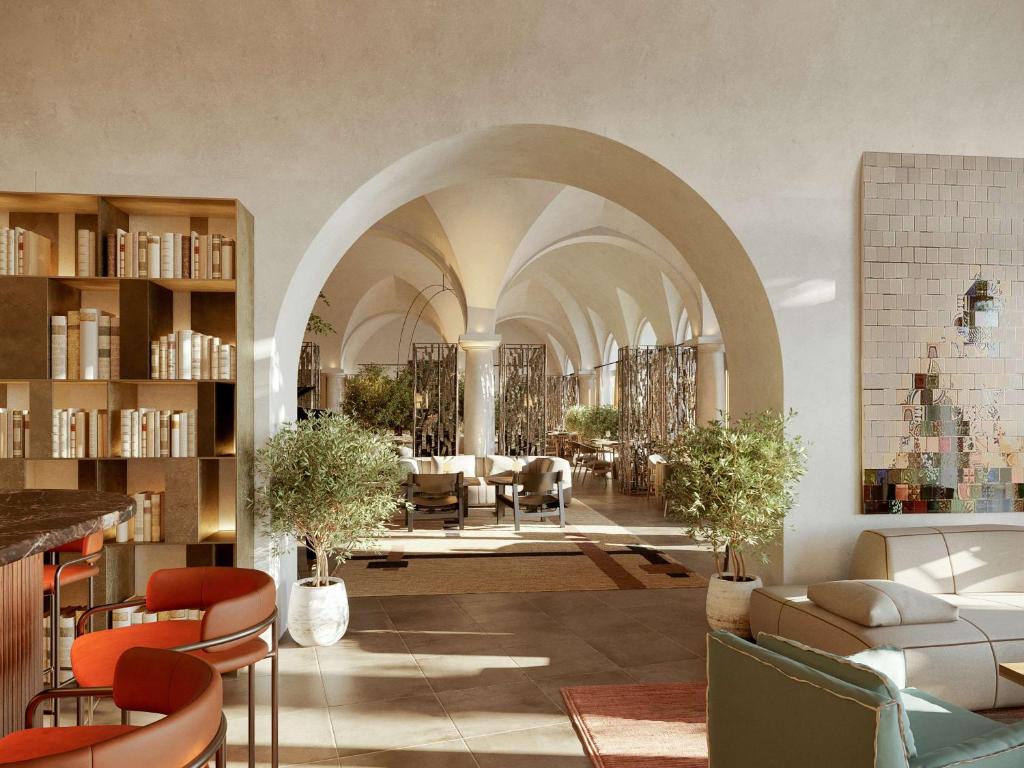
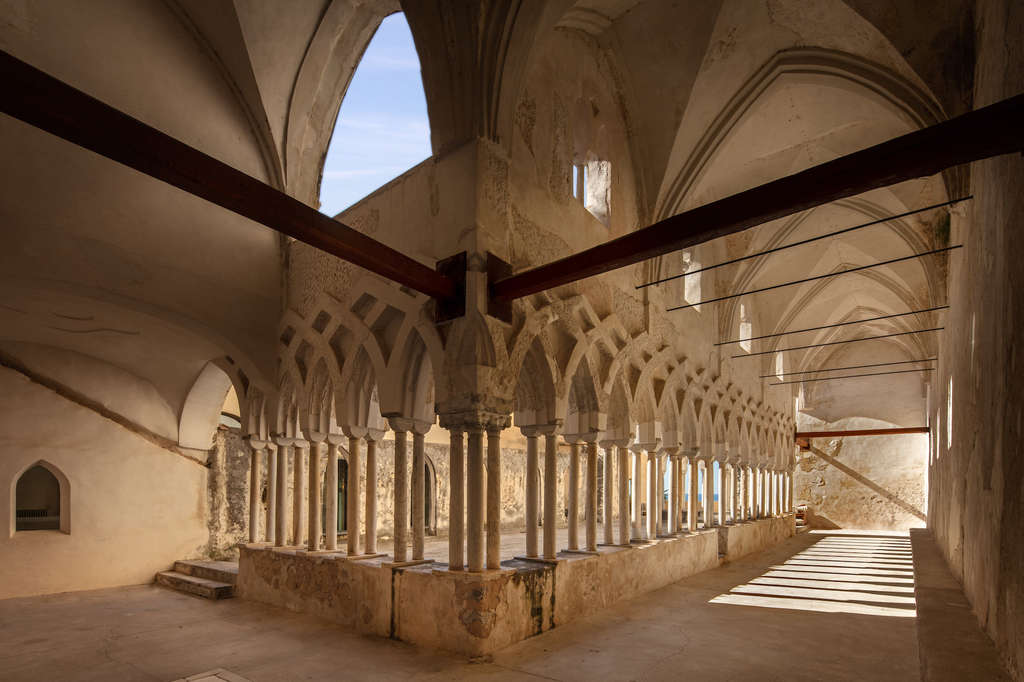
● A 13th-century former Capuchin convent whose cloisters, vaulted corridors, Baroque church, majolica floors and marble altar remain integral to the hotel rather than decorative historical references.
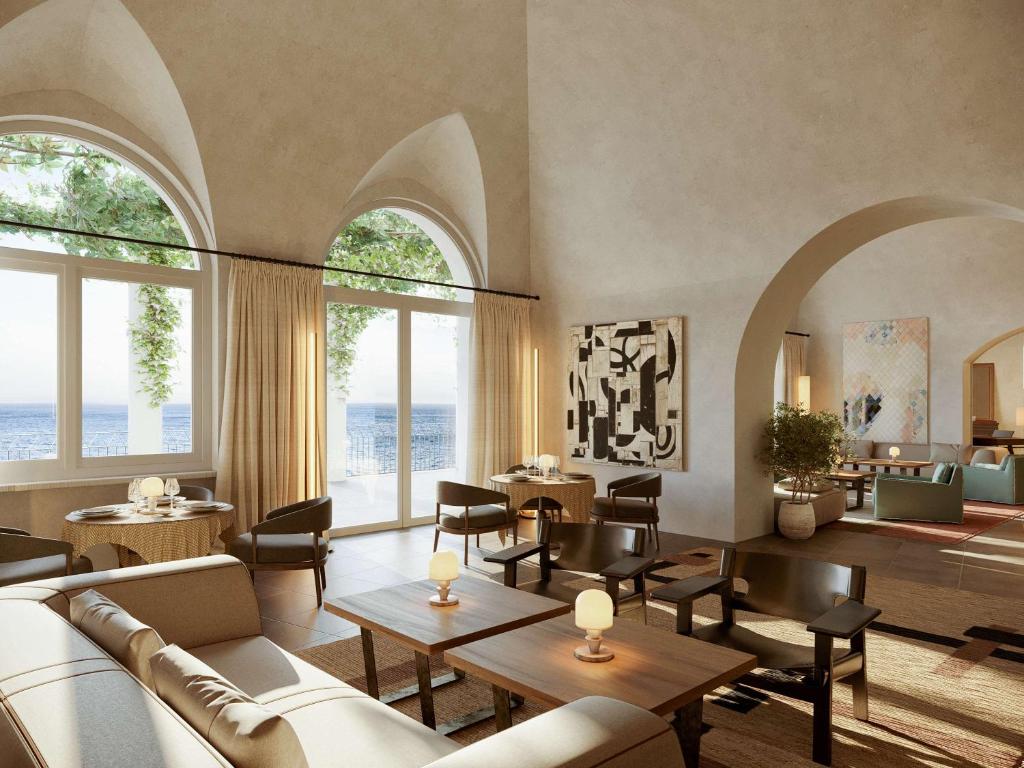
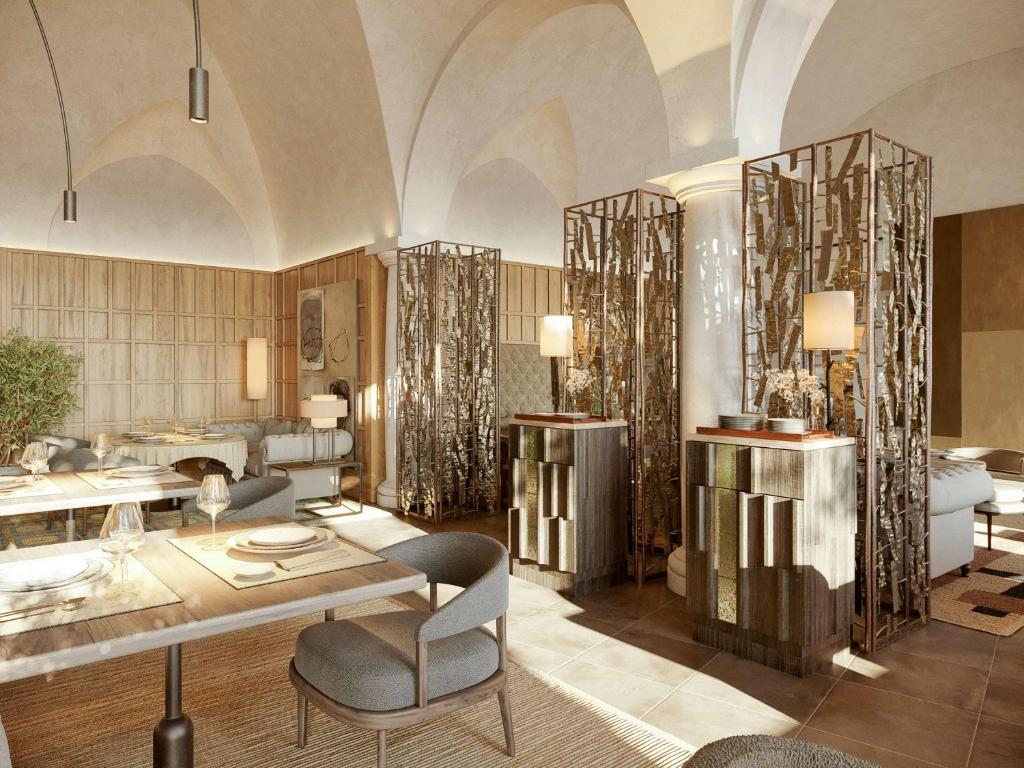
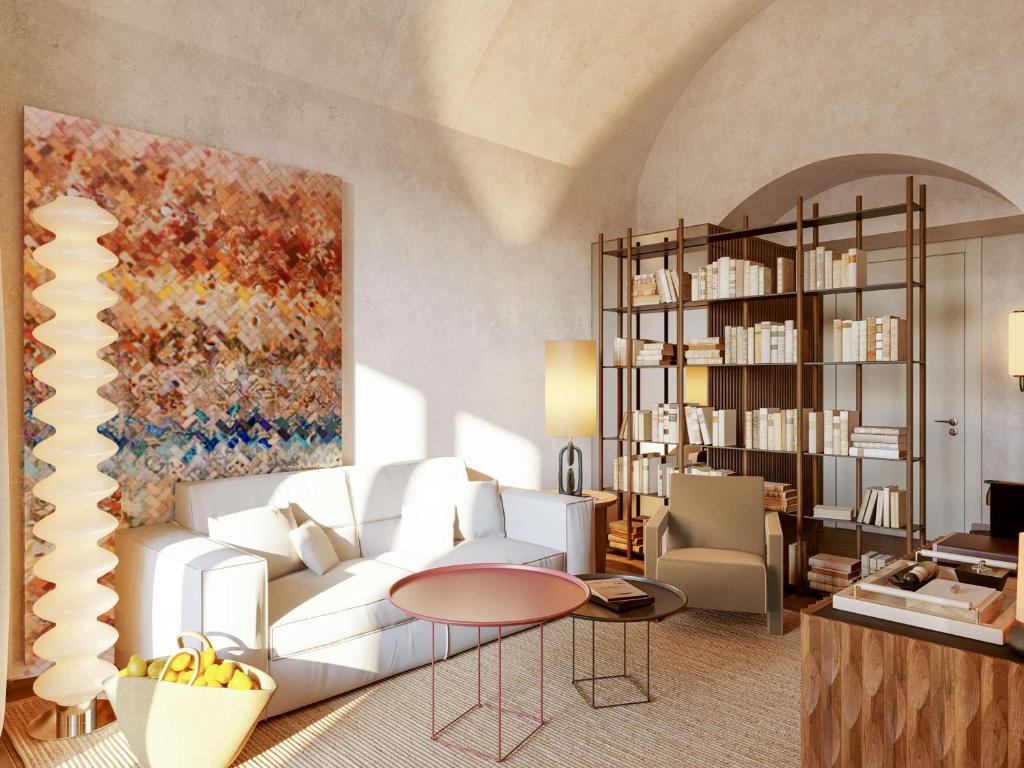
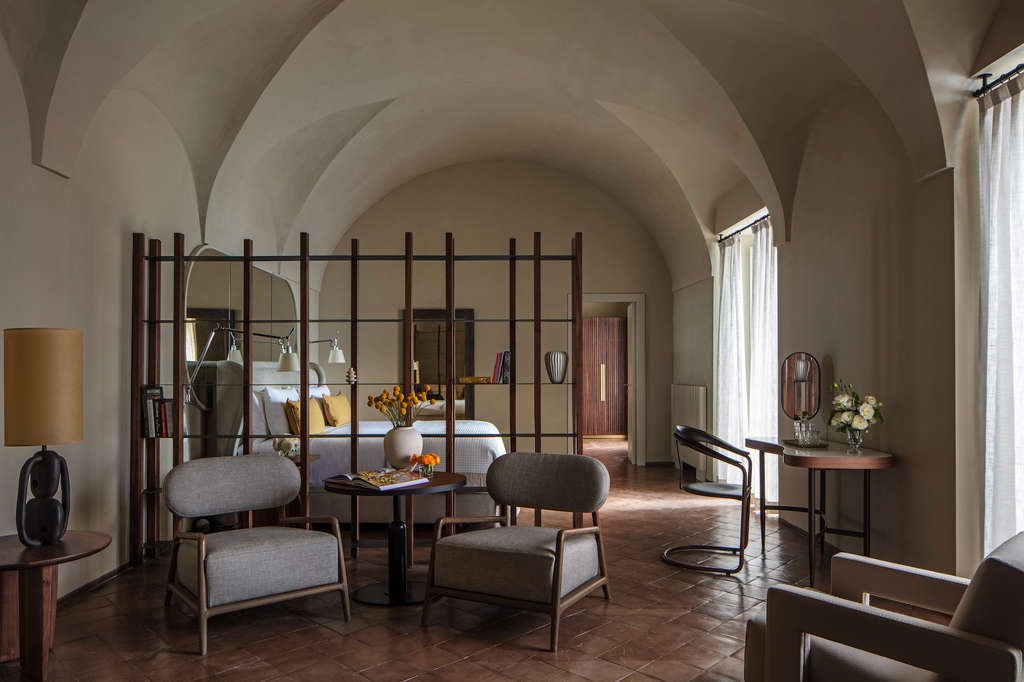
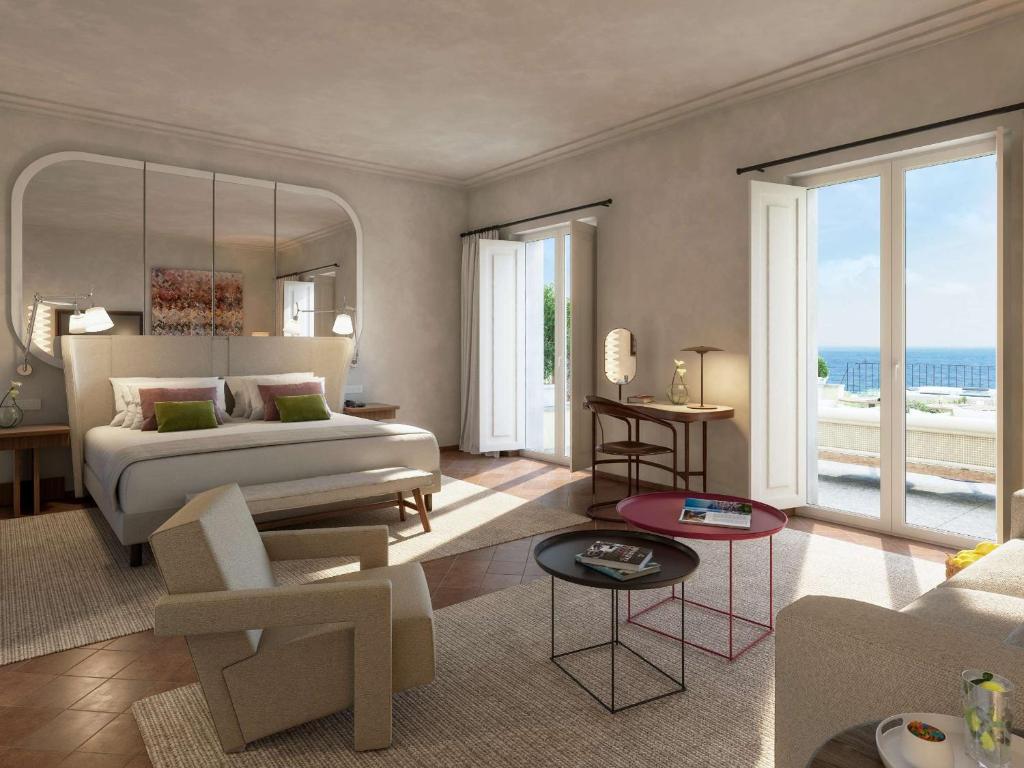
● The 52 rooms and suites translate monastic simplicity into contemporary design through lime-washed walls, original tiles, natural fibres, wood, leather and restrained furniture.
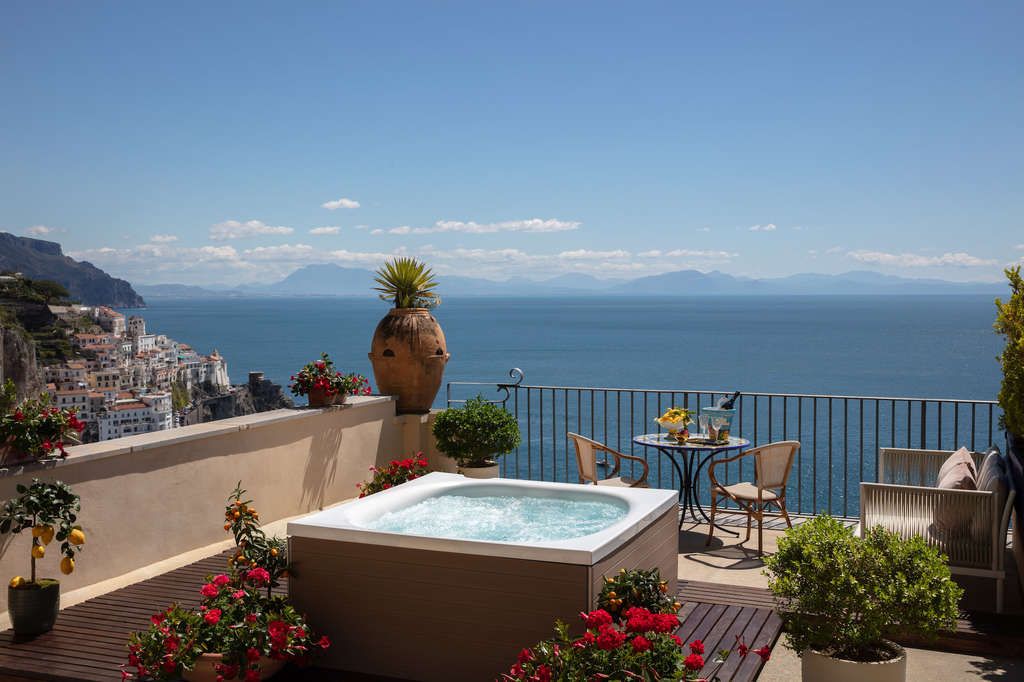
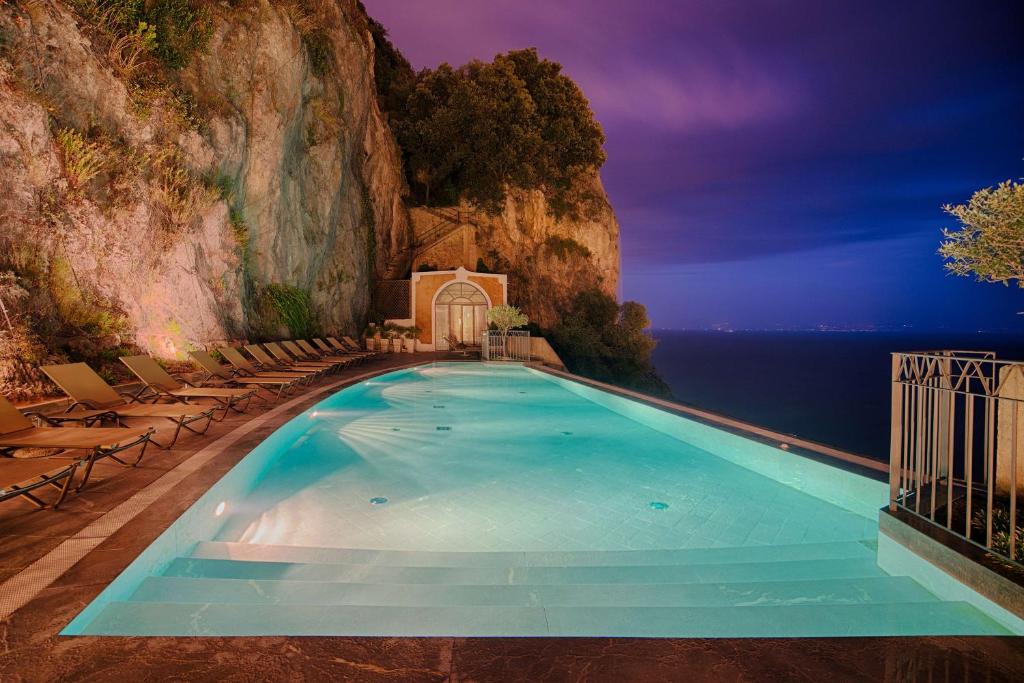
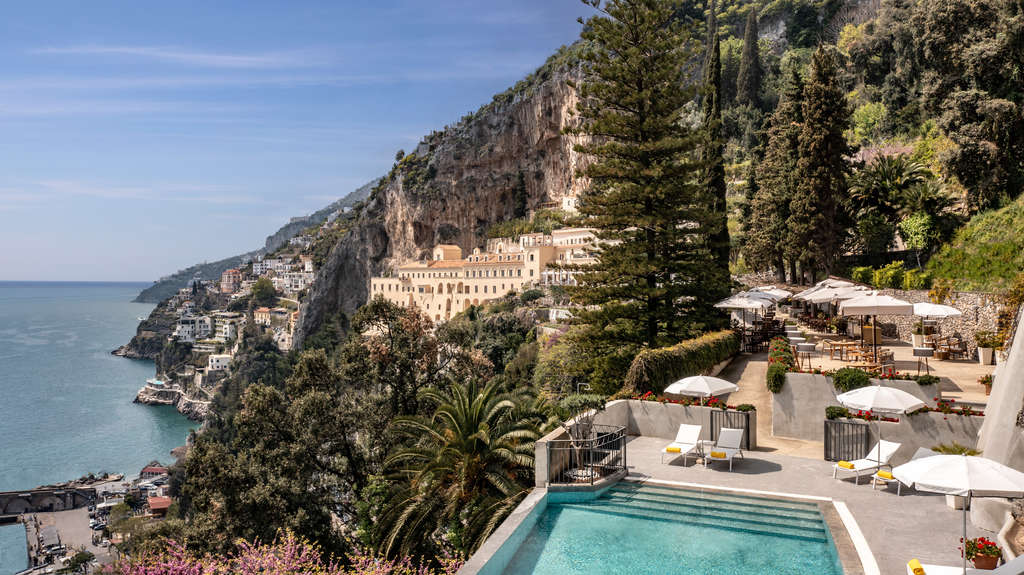
● Its extraordinary cliffside position places almost everything — rooms, terraces, restaurants and infinity pool — in dialogue with the Mediterranean below.
A Monastery Above the Mediterranean
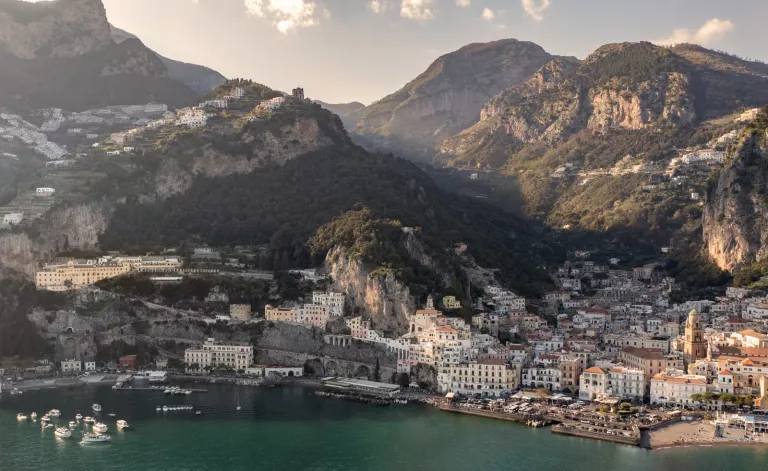
There are hotels with sea views, and then there are buildings that seem to have been designed around the act of looking at the sea. Anantara Convento di Amalfi belongs firmly to the latter. The former Capuchin convent clings dramatically to the cliffs above Amalfi, its long arcaded façade suspended between mountain and Mediterranean. Amalfi’s centre is only around a 15-minute walk away, yet from the cloisters the town can feel remarkably distant. The monks chose well. Centuries later, their retreat has become a luxury hotel, but the architecture still dictates the experience.
History You Actually Live In
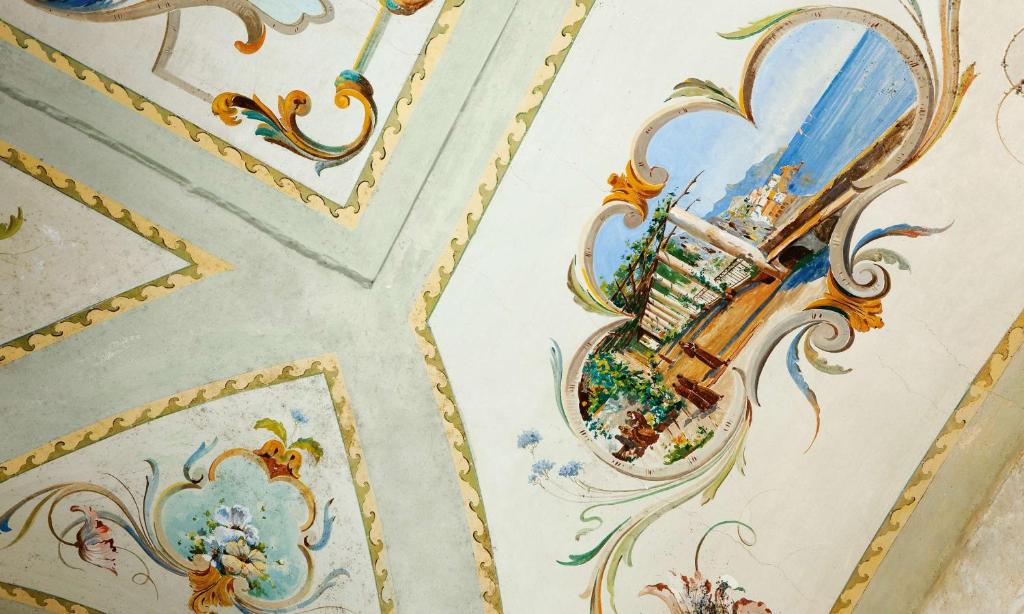
The transformation is particularly successful because the convent hasn’t been reduced to a collection of picturesque architectural details. Its history remains spatial. Guests still move through ancient cloisters and vaulted passageways. The Baroque church, with its majolica floor and marble altar, survives within the property, while arches, loggias and centuries-old masonry continually reveal the building’s original purpose. During the renovation, even the façade was returned to historically appropriate colours and materials. This isn’t a contemporary hotel inserted behind an old exterior. The convent remains the protagonist.
Monastic Minimalism, Reconsidered
That becomes especially apparent in the guestrooms. There are 52 rooms and suites, all facing the sea, and rather than fighting their historic architecture with decorative excess, the interiors take their cues from monastic restraint. Lime-washed walls and curved vaulted ceilings meet original tiles, timber, leather, natural fibres and touches of metal. Furniture is deliberately simple and low-key, leaving the irregularities of the old building — and the Mediterranean light pouring through it — to provide the character. Not every room has a private terrace or balcony. It almost doesn’t matter. The sea is everywhere.
The Cloister Is the Luxury
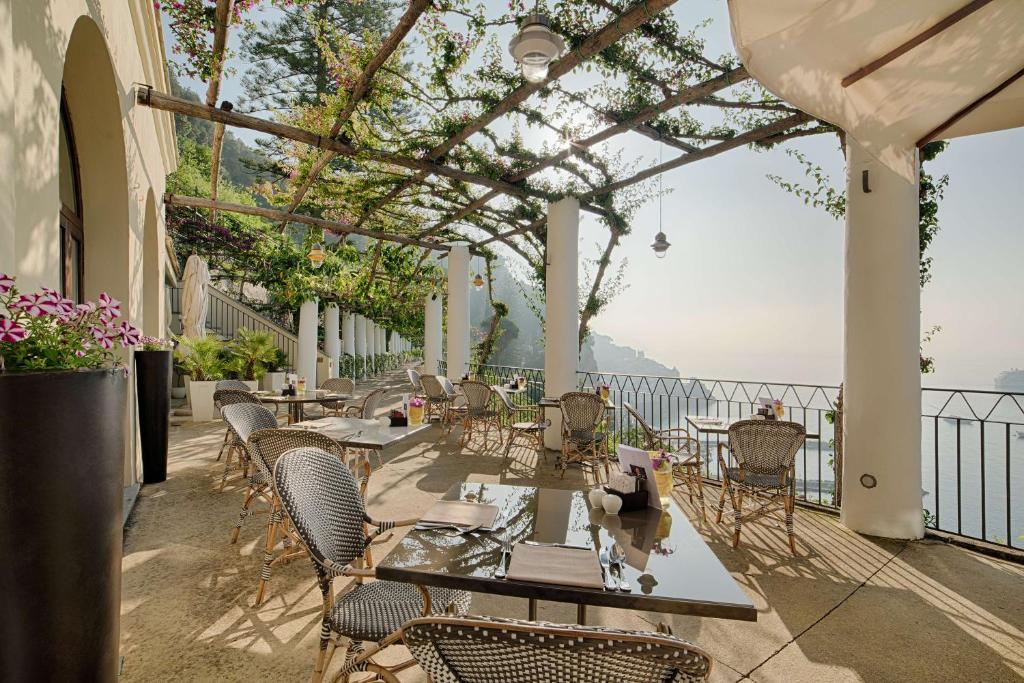
The hotel’s most memorable spaces aren’t necessarily the newest ones. Walk beneath the arches of the cloister and the appeal becomes obvious: repetition, shadow, stone and glimpses of blue water create an atmosphere no newly built resort could convincingly reproduce. Elsewhere, terraces seem to project from the cliff itself. Even the infinity pool has been cut into the rock face, creating one of those rare swimming pools where architecture, geology and horizon effectively become a single composition. On a coastline famous for theatrical hotels, the Convento’s greatest asset is something much quieter: centuries of accumulated atmosphere.
Campania on the Table
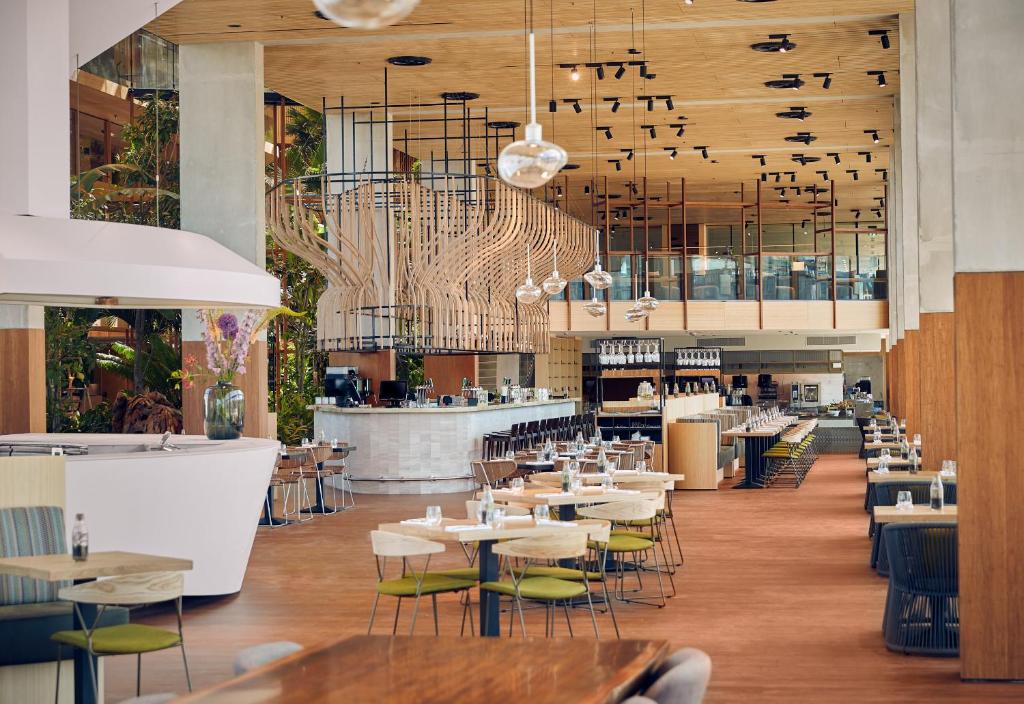
Food follows the same relationship with place. At Dei Cappuccini, the cooking draws on Campanian ingredients and Italian tradition, with the sea and surrounding landscape providing both produce and backdrop. The more informal La Locanda della Canonica continues the regional focus, while terraces turn dinner into another opportunity to experience the hotel’s remarkable position. The convent’s own kitchen garden also plays a role, and experiences built around herbs and amaro connect contemporary hospitality with the medicinal and culinary traditions historically associated with monastic life. It is a small detail, but an intelligent one.
Amalfi Beyond the Cloister
Eventually, of course, there is the Amalfi Coast. The town lies below, while Positano, Capri and the coastline can be explored by boat. Inland, walking routes climb into the Lattari Mountains, including the celebrated Path of the Gods, while Pompeii and Herculaneum bring another layer of history within reach. Yet this is one of those hotels where leaving can feel strangely counterintuitive. A morning in Amalfi followed by an afternoon beside the cliffside pool, then an evening beneath the old arches as the Mediterranean darkens below, is arguably itinerary enough.
Why It Works
Converting monasteries into luxury hotels can easily become an exercise in romantic styling. Here, the architecture makes styling largely unnecessary. The cloister is real. The chapel is real. The vaulted ceilings, old tiles and cliffside position have accumulated a character that contemporary design wisely refuses to overwrite. Anantara Convento di Amalfi succeeds because the 21st century has been taught to behave itself inside the 13th — leaving the architecture, Mediterranean light and extraordinary silence of the old convent to provide the real luxury.