Hotel Anteroom, Kyoto, Japan
A former student residence transformed into a living platform for contemporary art, design, and Kyoto’s creative culture
Why DNA Hotels Loves It
● A pioneering adaptive-reuse project that transformed a former student dormitory into one of Kyoto’s most influential creative hotels.
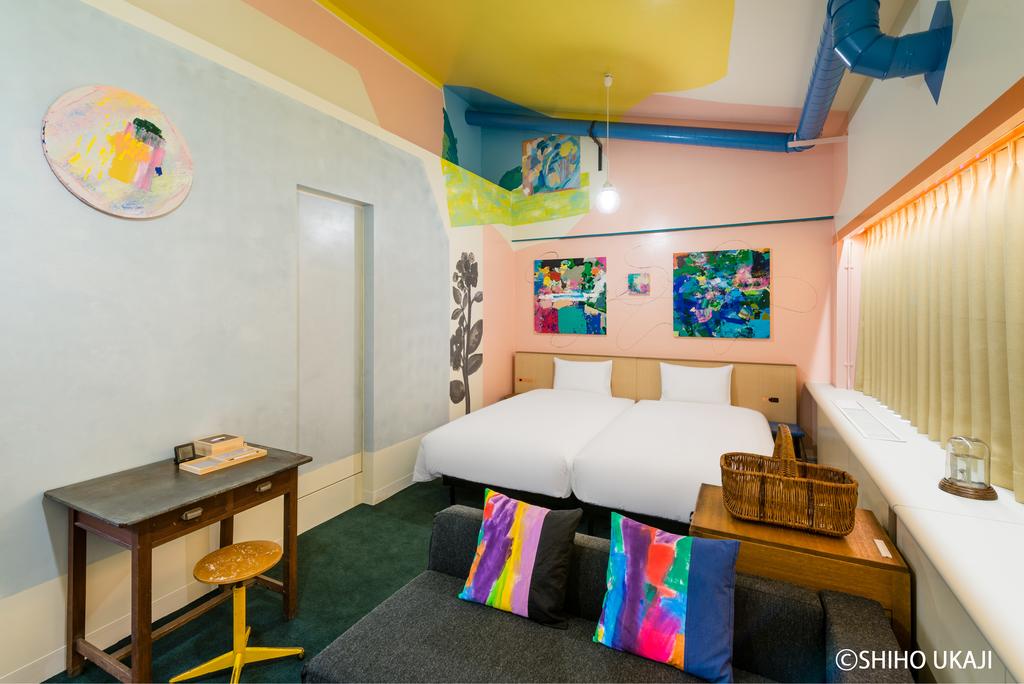
● Art is integral to the experience, from constantly changing exhibitions to extraordinary Art Rooms created by Japanese artists and designers.
● A refreshing window onto contemporary Kyoto, revealing the artists, designers, musicians, and makers behind the city’s evolving cultural identity.
A Different Kyoto
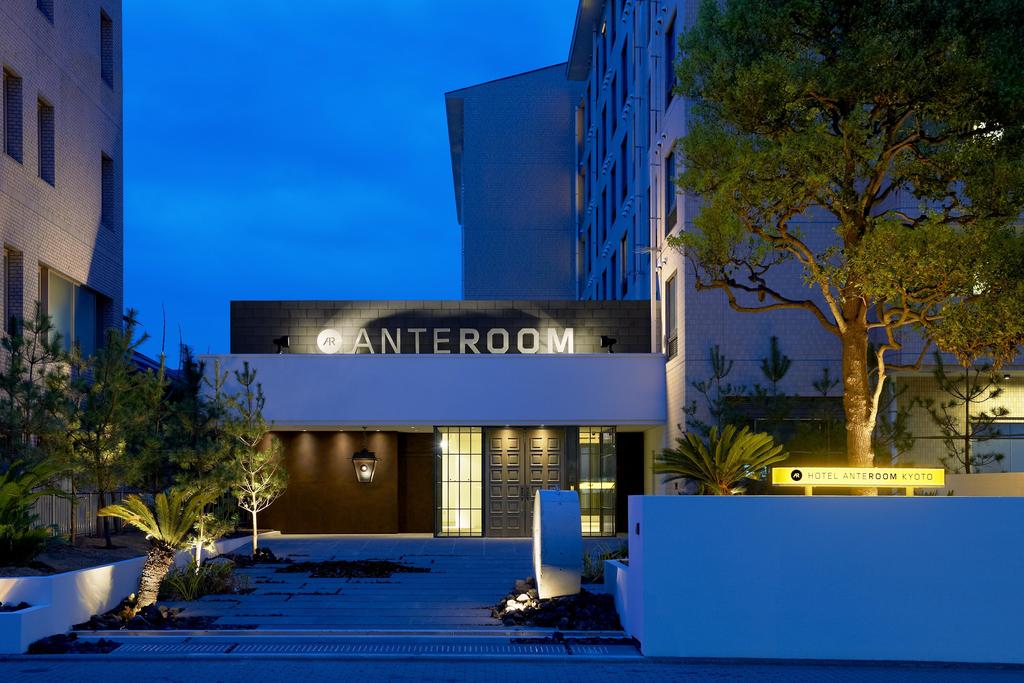
Kyoto is celebrated for preserving its past. Hotel Anteroom is interested in what comes next. Set inside a former student residence south of Kyoto Station, the hotel was conceived as something more ambitious than accommodation: a meeting place where hospitality, contemporary art, design, and everyday city life could overlap. Rather than disguising the building’s utilitarian origins, Anteroom embraced them. The result still feels remarkably relevant—a hotel that belongs as much to Kyoto’s creative community as it does to the travelers staying there.
Industrial Simplicity, Creative Energy
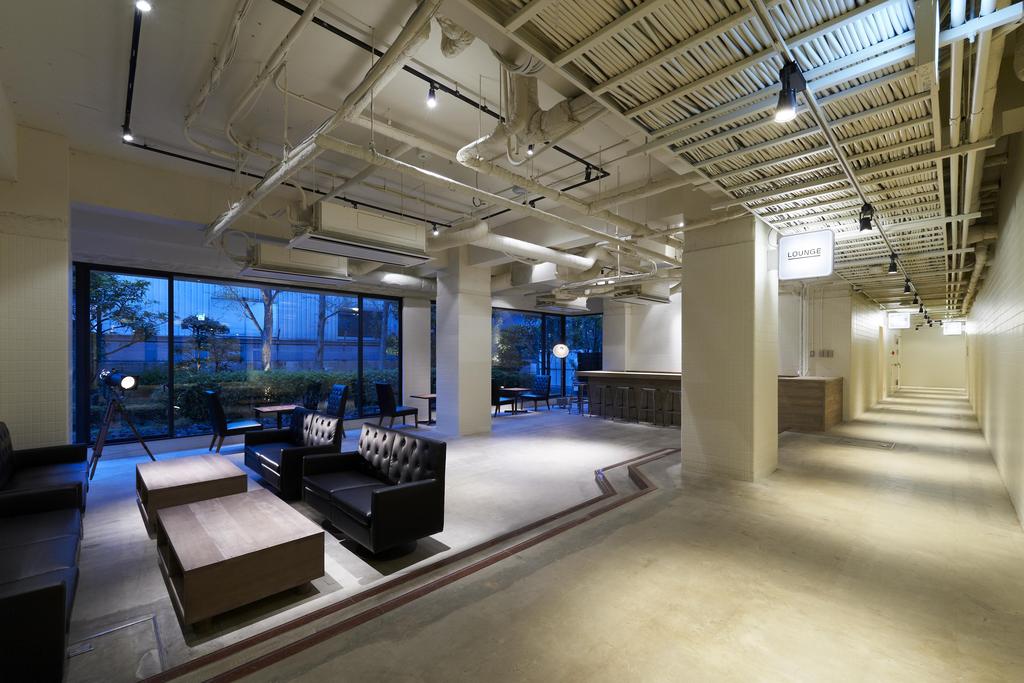
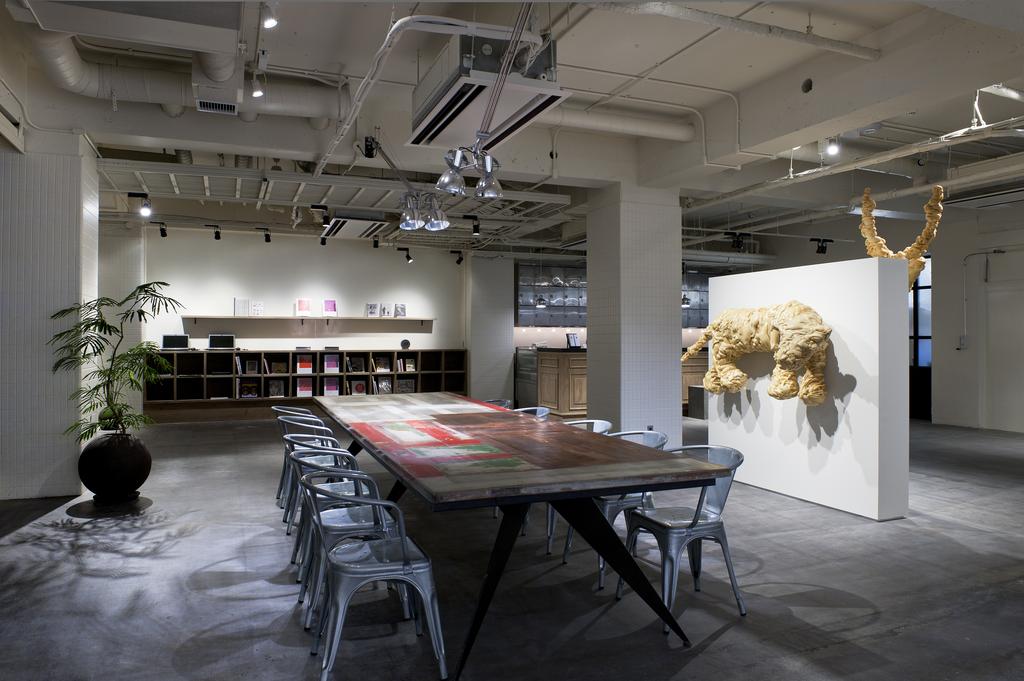
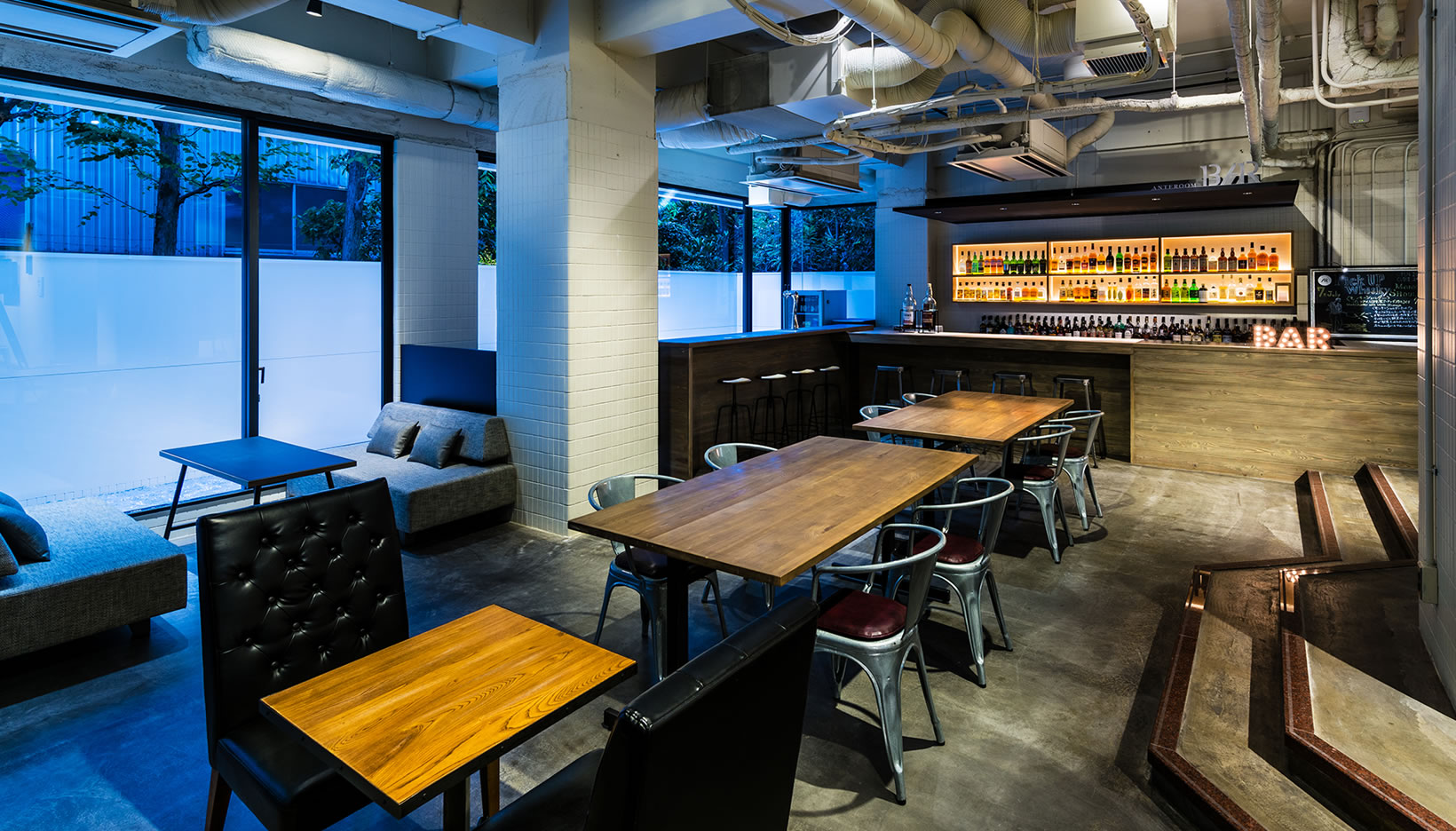
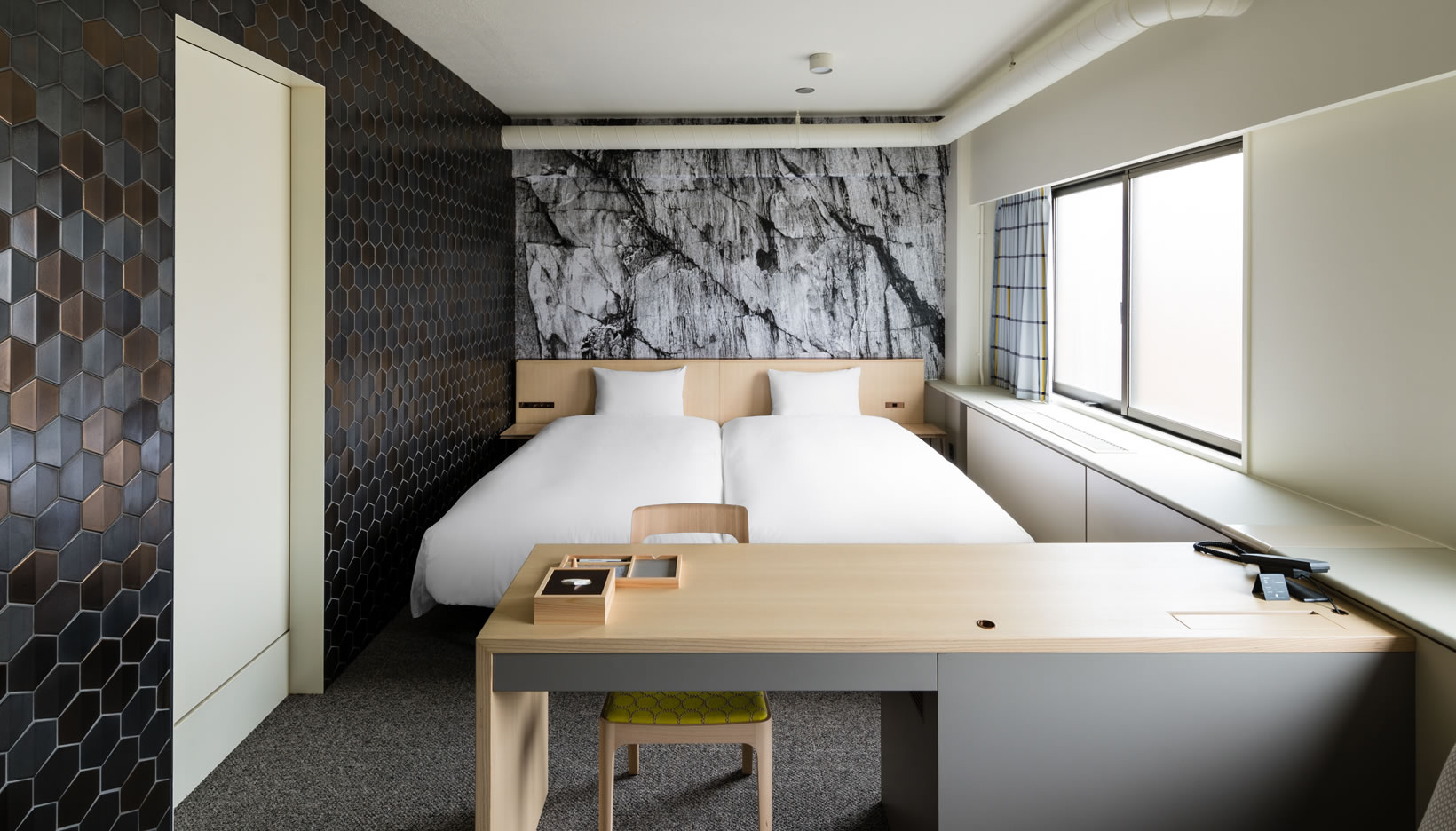
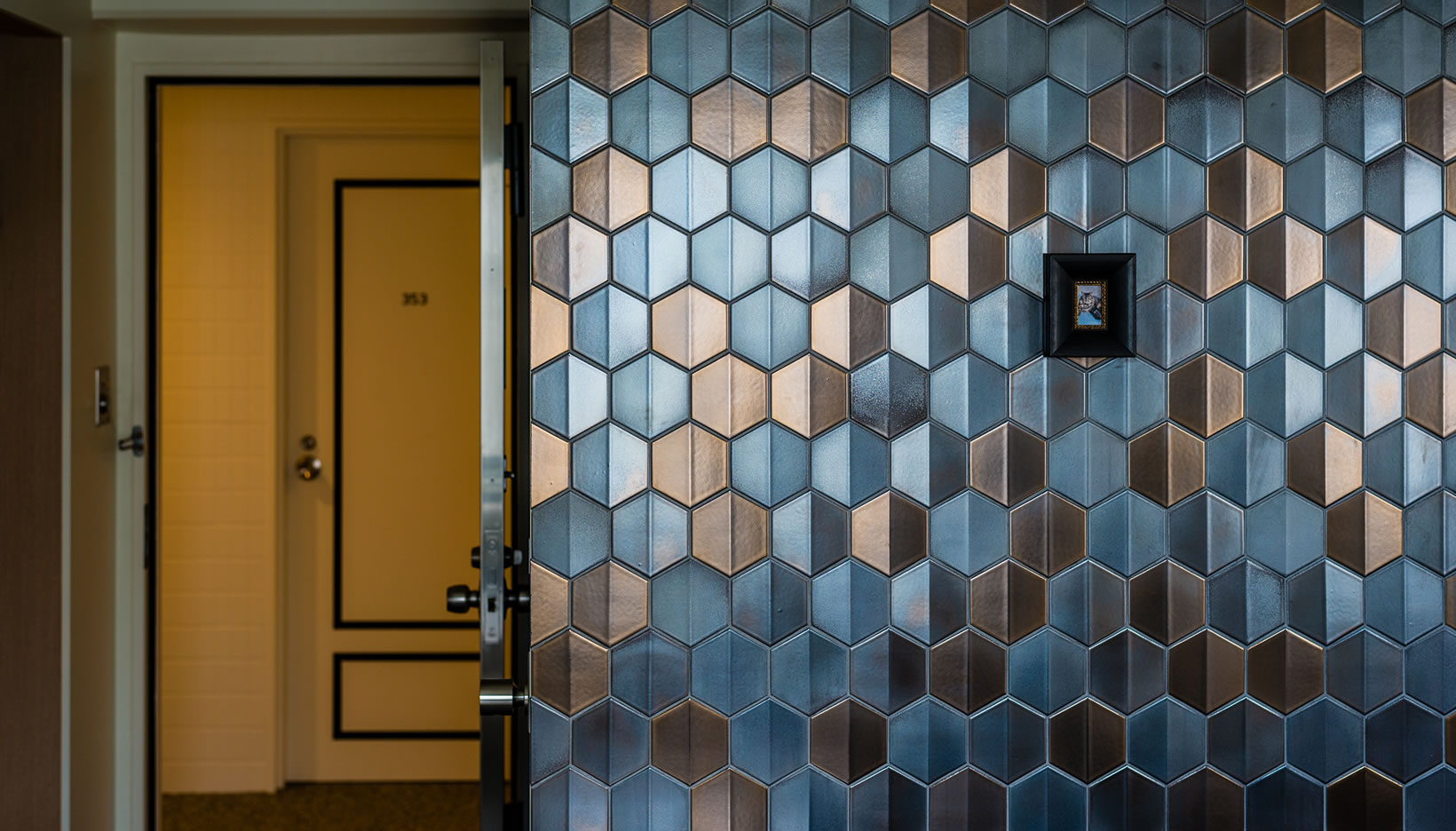
Concrete, exposed structural elements, steel, and natural timber establish an intentionally restrained architectural backdrop. There are no faux ryokan references or decorative attempts to remind you that you’re in Kyoto. Instead, the former dormitory’s straightforward architecture provides space for something more interesting to happen. The lobby doubles as a gallery and social space, where exhibitions, books, design objects, and communal areas coexist beneath generous natural light. It feels closer to an independent arts institution than a conventional hotel. And that’s precisely the point.
Rooms as Places to Sleep—and Create
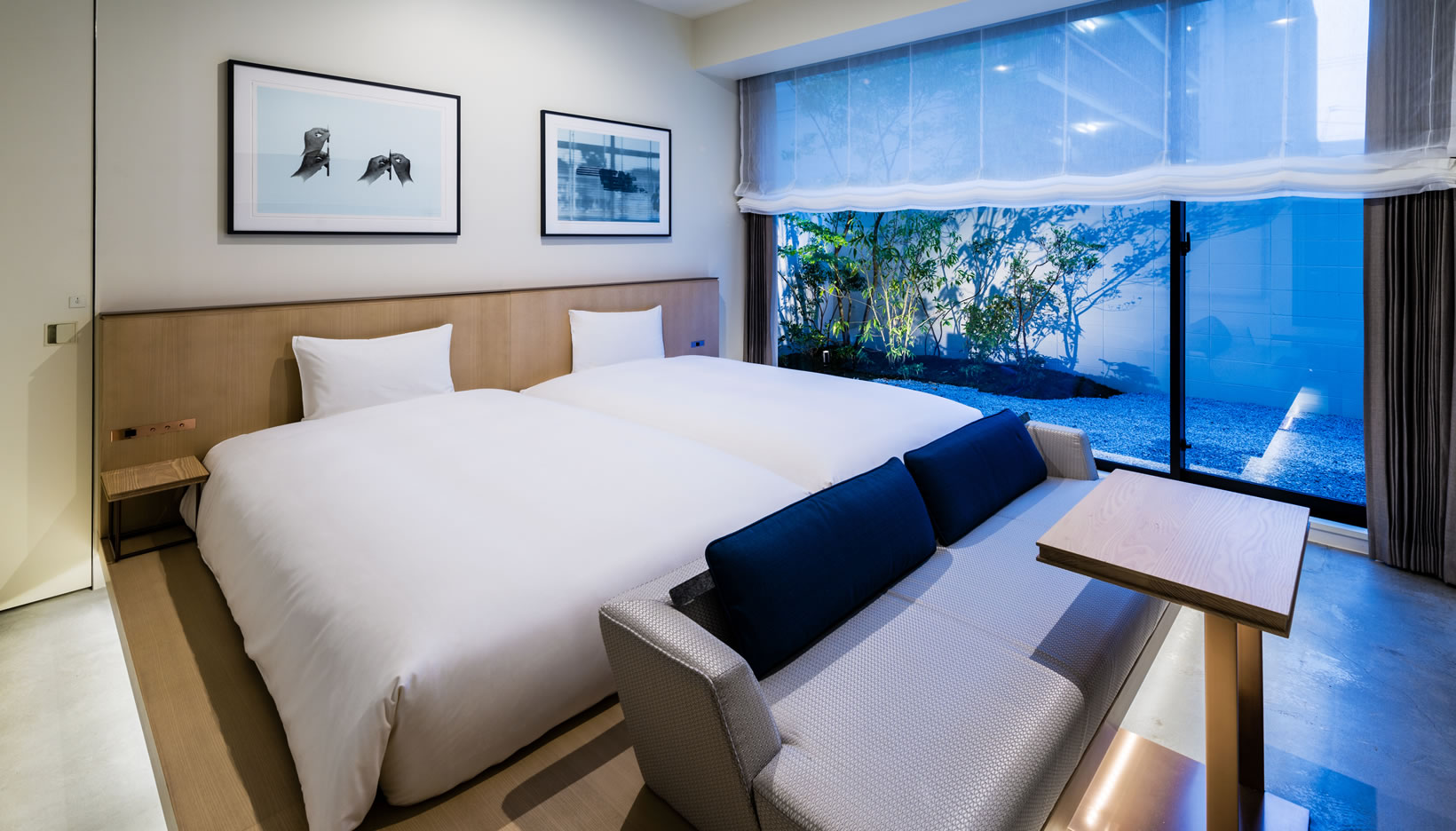
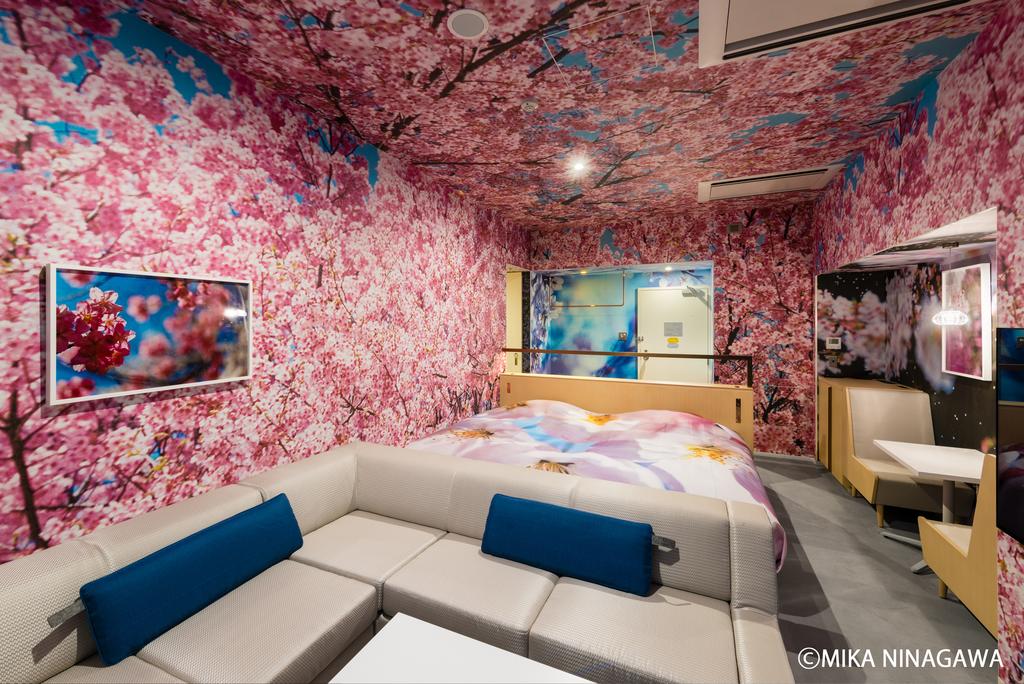
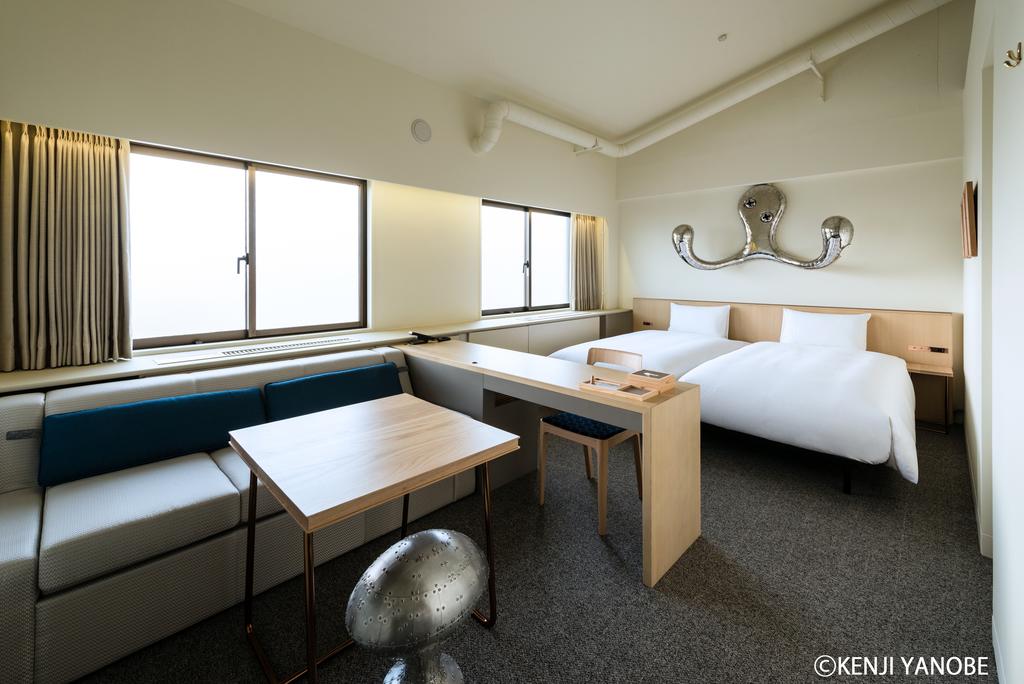
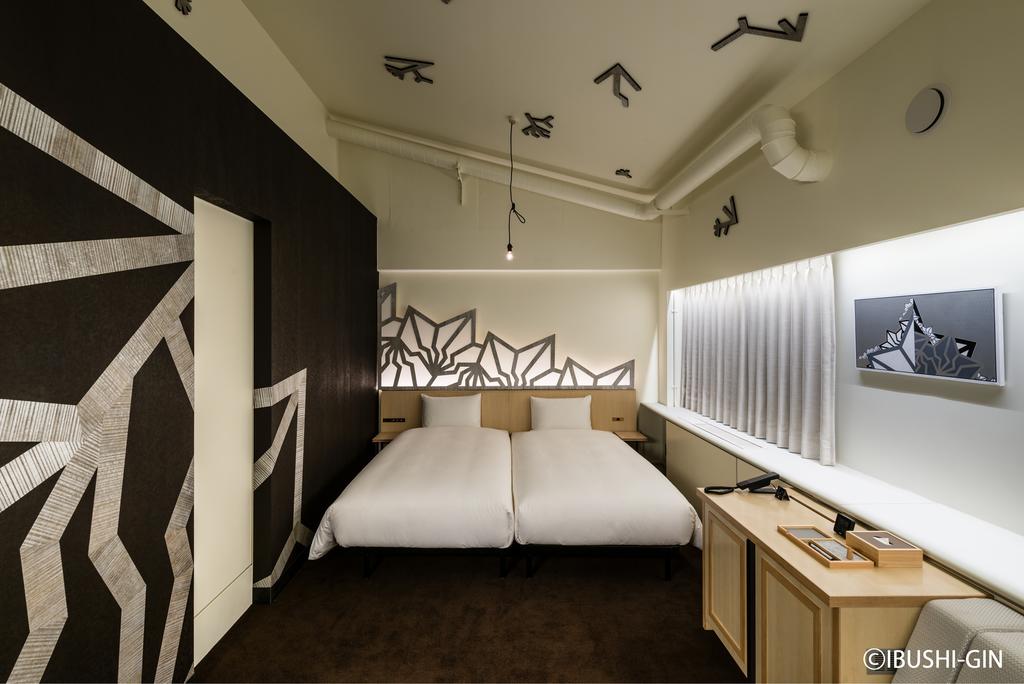
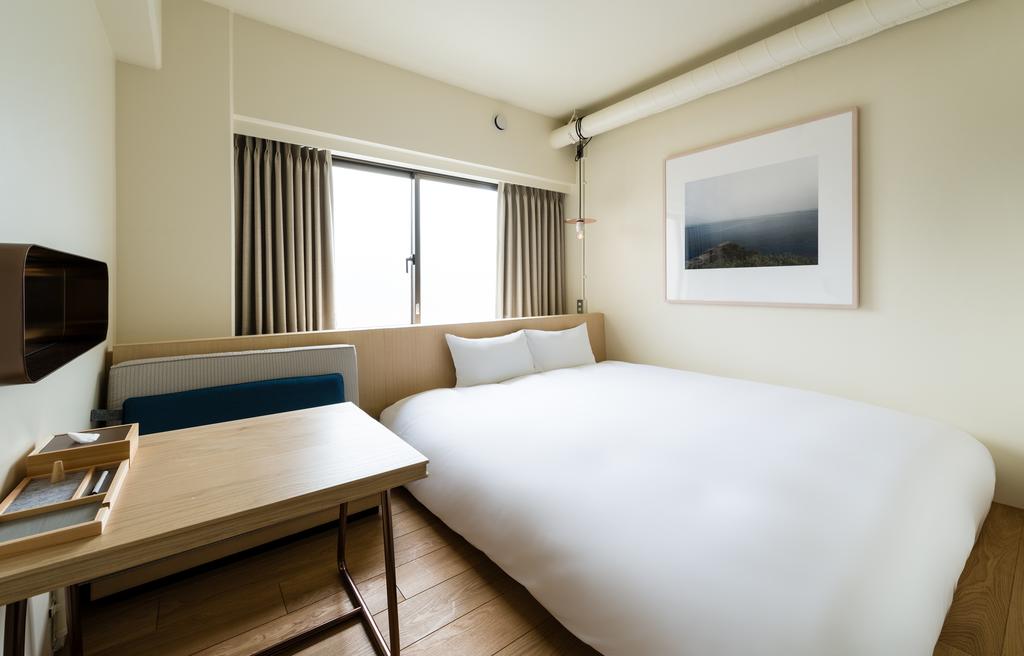
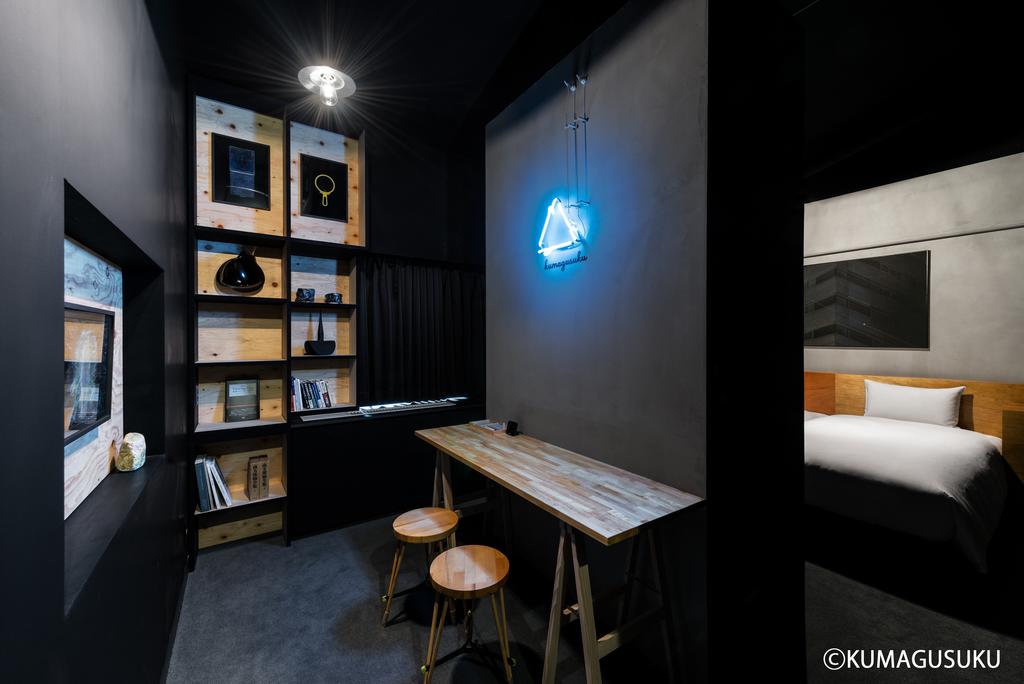
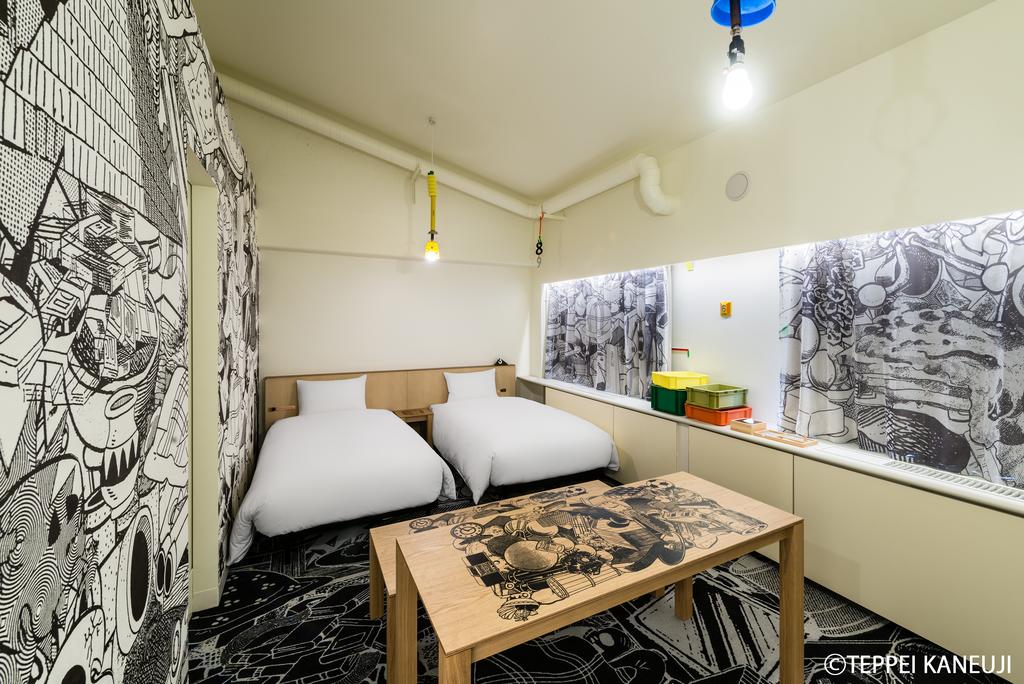
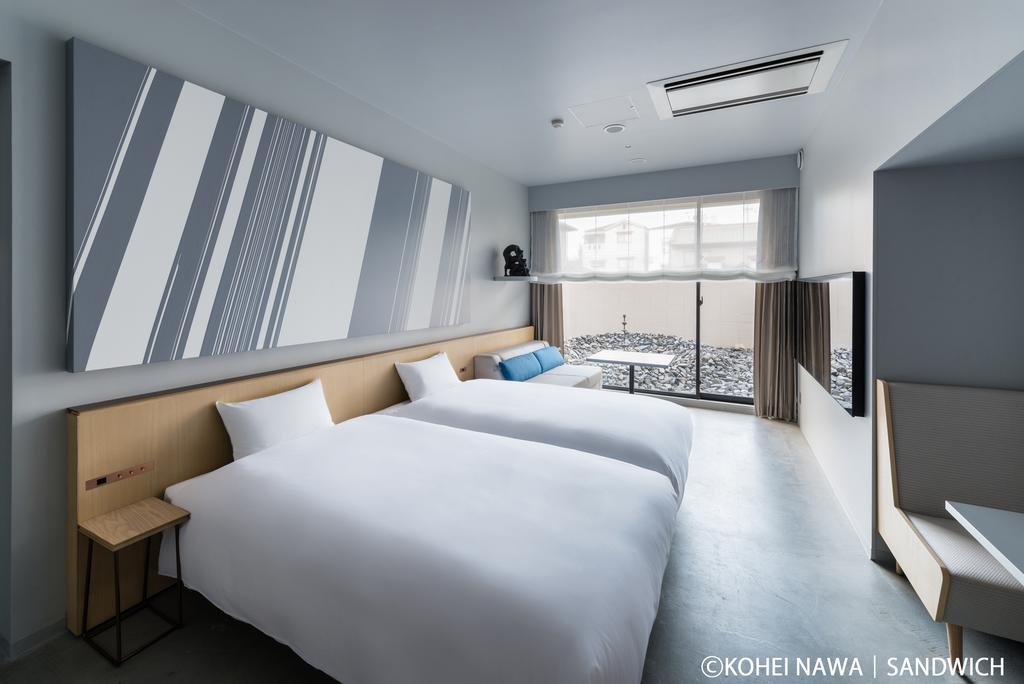
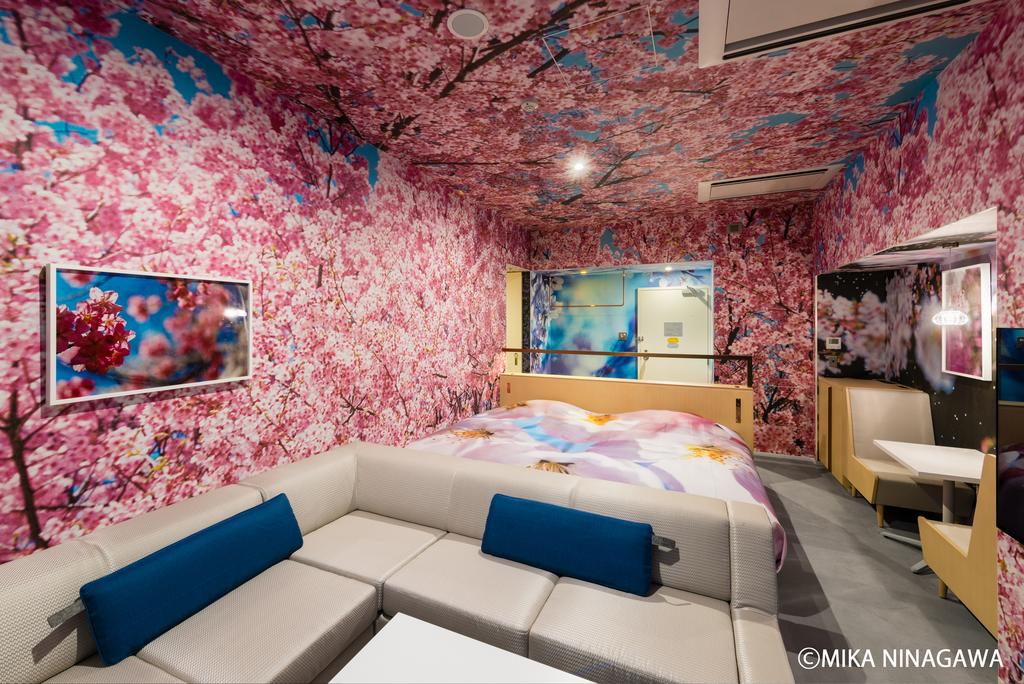
The guestrooms retain the same sense of clarity. Compact, intelligent layouts combine simple furnishings, warm materials, controlled lighting, and neutral palettes to create calm spaces removed from the visual energy elsewhere in the hotel. Contemporary artworks and graphic details provide character without overwhelming them. But the Art Rooms take the concept much further. Created in collaboration with Japanese artists and designers, these immersive rooms turn an overnight stay into an encounter with an artwork. Rather than hanging something interesting above the bed, the room itself becomes the installation. No generic hotel art required.
A Gallery That Never Stands Still
Art at Anteroom isn’t decoration. It’s infrastructure. Exhibitions, installations, performances, talks, and cultural events continually reshape the building, while corridors and communal spaces become extensions of the gallery. Returning months later can mean encountering an entirely different collection of work and creative voices. That constant evolution gives Anteroom something difficult to manufacture: genuine cultural energy. The hotel never feels completely finished. In the best possible way.
Beyond Temples and Tea Houses
Perhaps most importantly, Anteroom introduces visitors to a Kyoto that exists beyond the city’s familiar historical image. This is also a city of contemporary artists, architects, photographers, musicians, craftspeople, graphic designers, and independent creative studios. Anteroom doesn’t merely reference that community—it participates in it. That makes staying here particularly rewarding for travelers interested in understanding how Kyoto’s extraordinary creative traditions continue to evolve rather than simply how they are preserved.
Why It Works
Hotel Anteroom Kyoto demonstrates how powerful hospitality can become when a hotel contributes to its city’s culture rather than simply borrowing from it. By transforming an ordinary student residence into an evolving platform for art, design, and community, Anteroom created something far more enduring than another design hotel. Raw, accessible, and constantly changing, it remains one of the most interesting places to discover contemporary Kyoto—and proof that this ancient city’s creative story is still being written.