Arctic Bath – Harads, Swedish Lapland
An architectural logjam floating on the Lule River, built around the elemental Nordic ritual of heat, ice and wilderness.
Why DNA Hotels Loves It
● One of Scandinavia’s most extraordinary small hotels: a circular floating spa inspired by the timber-floating history of the Lule River.
● Architects Bertil Harström and Johan Kauppi turn an old Swedish tradition into contemporary architecture, complemented by land cabins designed by Ann Kathrin Lundqvist.
● With just 12 cabins, locally rooted food and the Arctic landscape setting the agenda, the experience changes completely between frozen winter and midnight-sun summer.
A Logjam on the Lule River
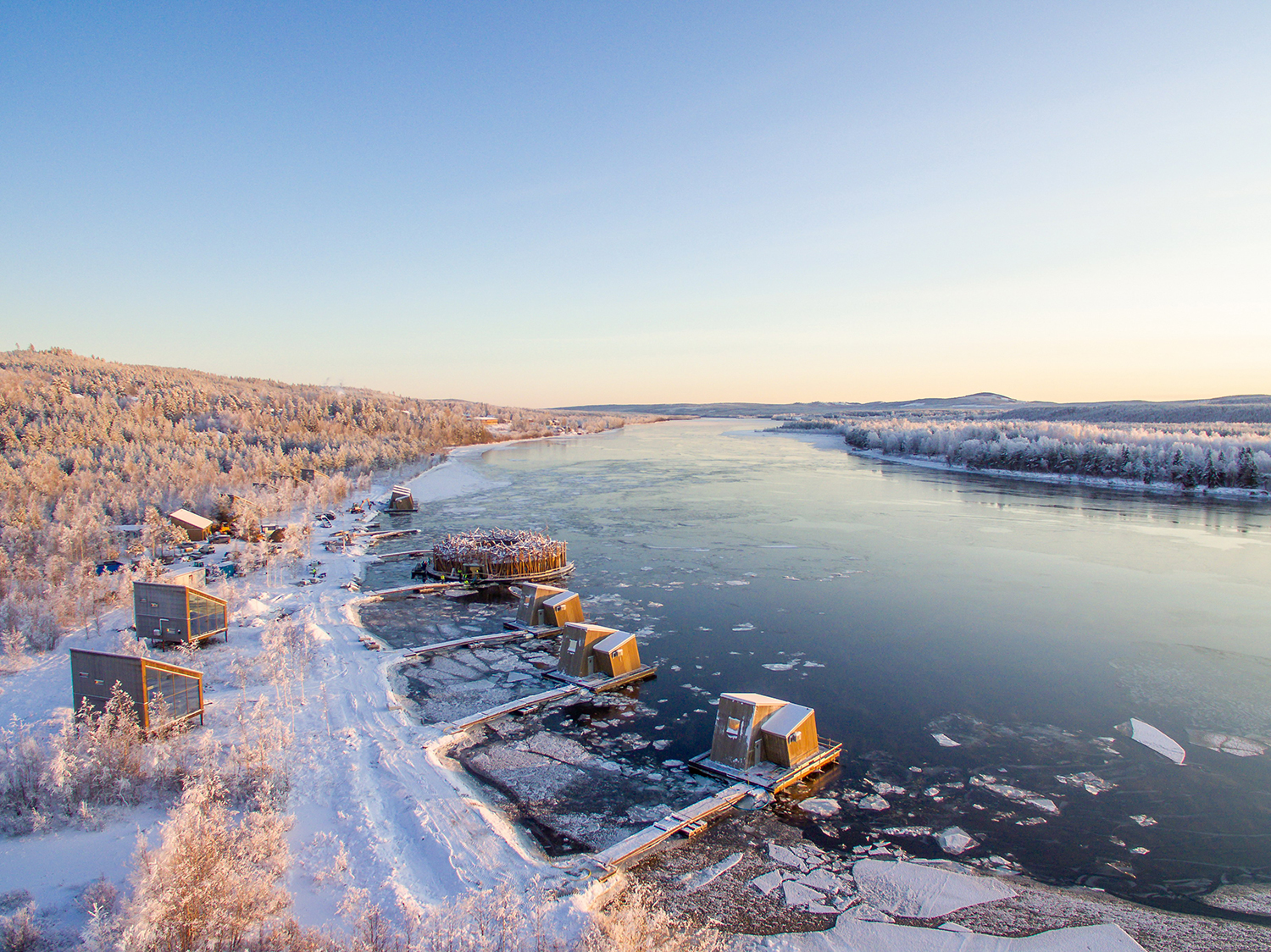
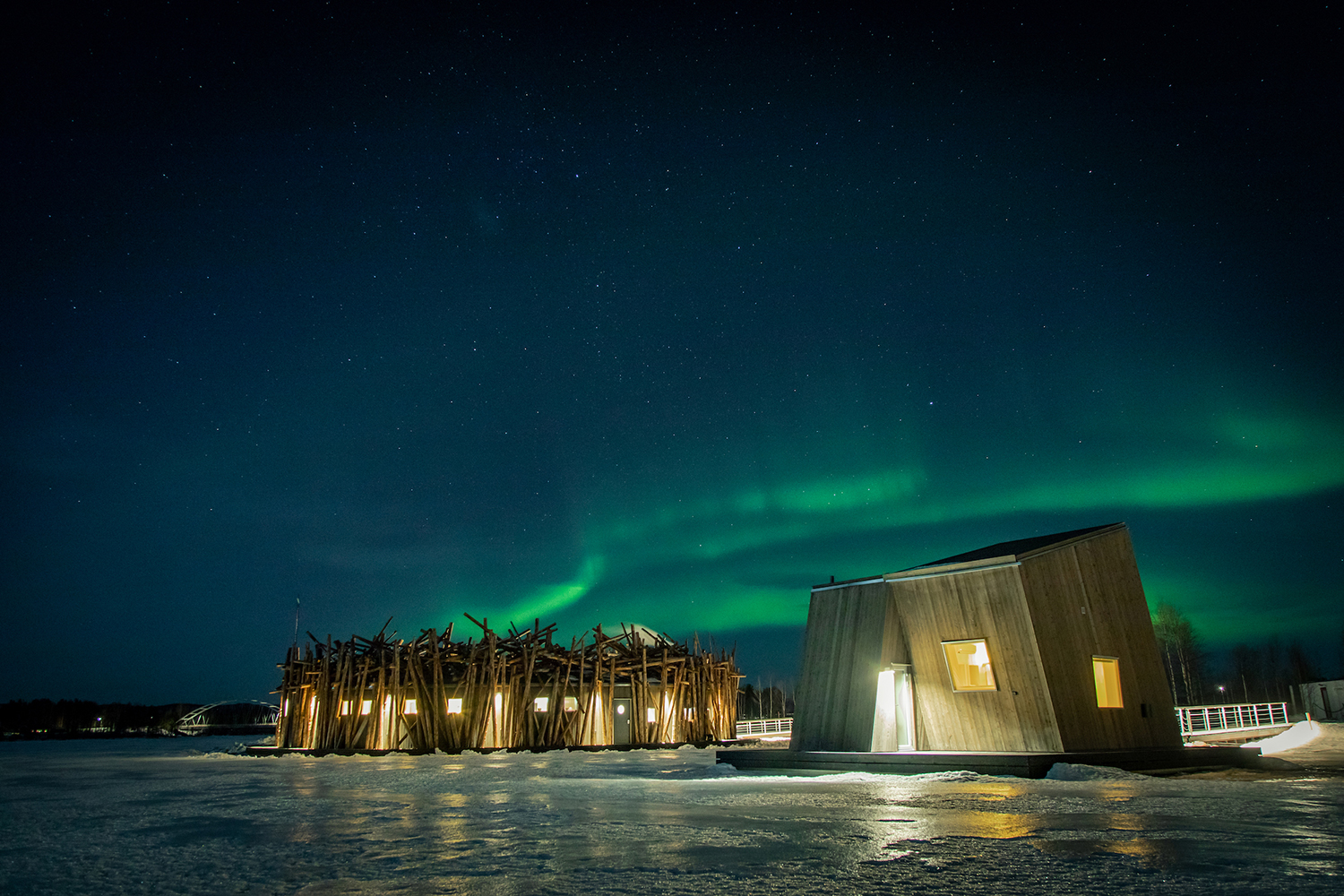
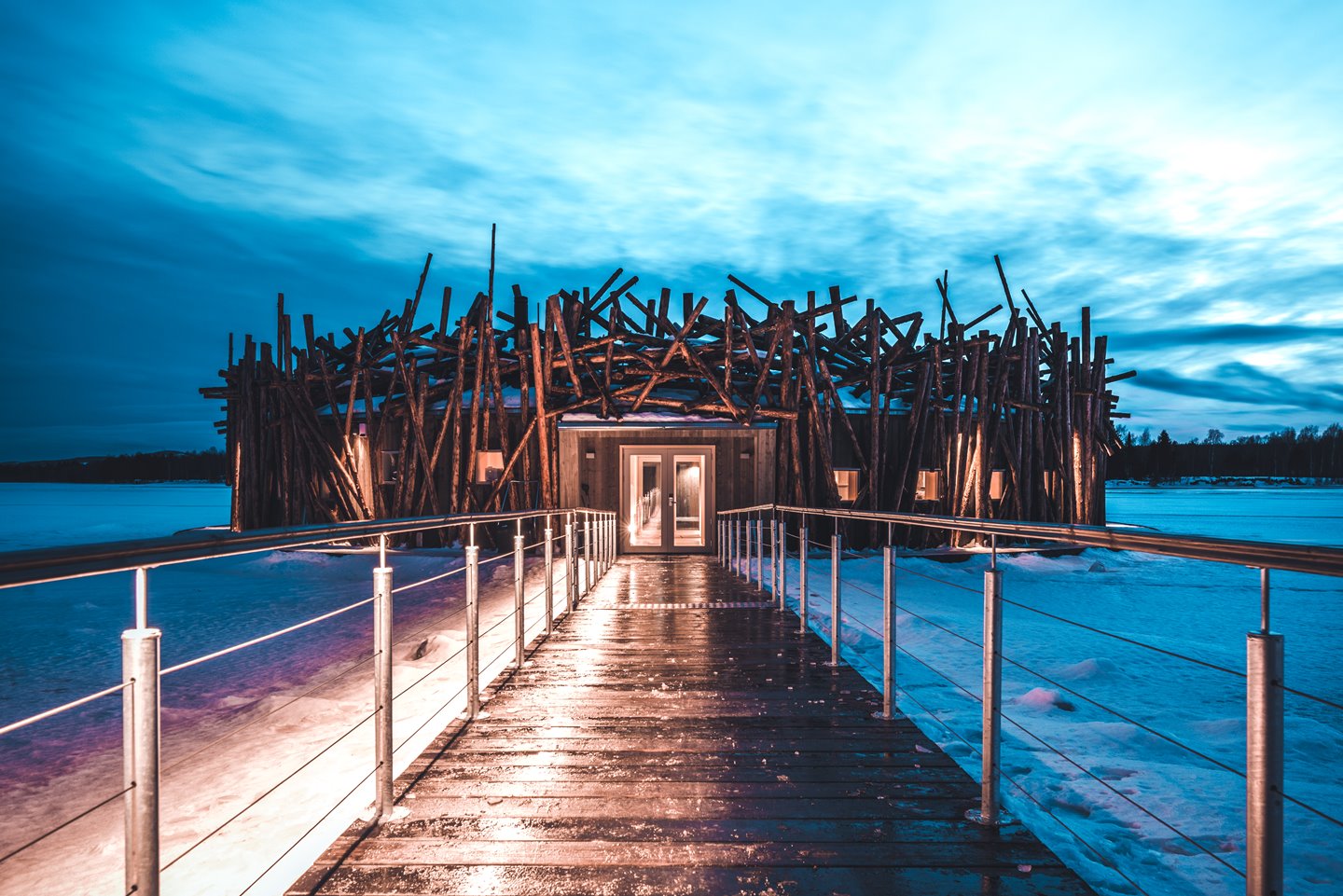
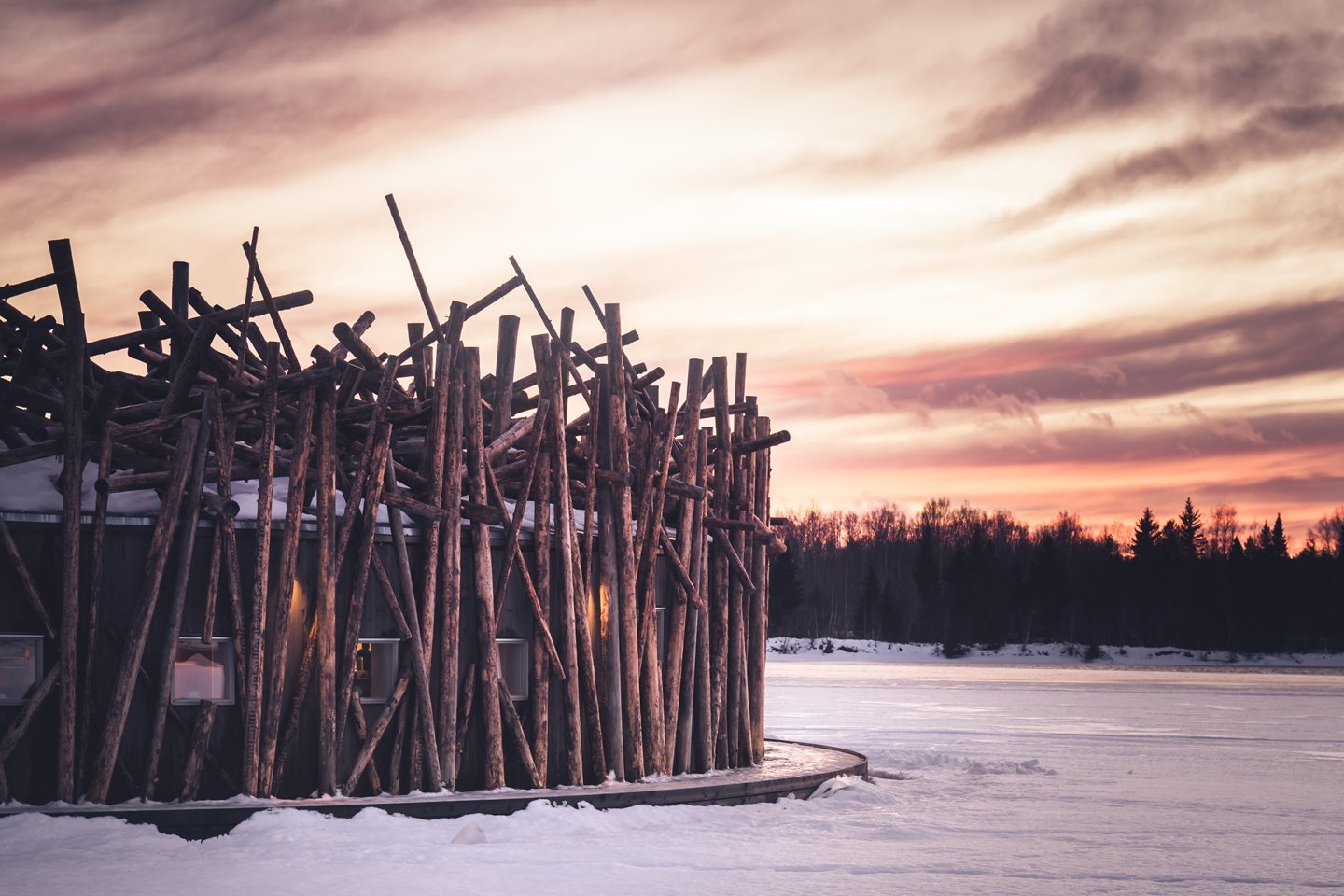
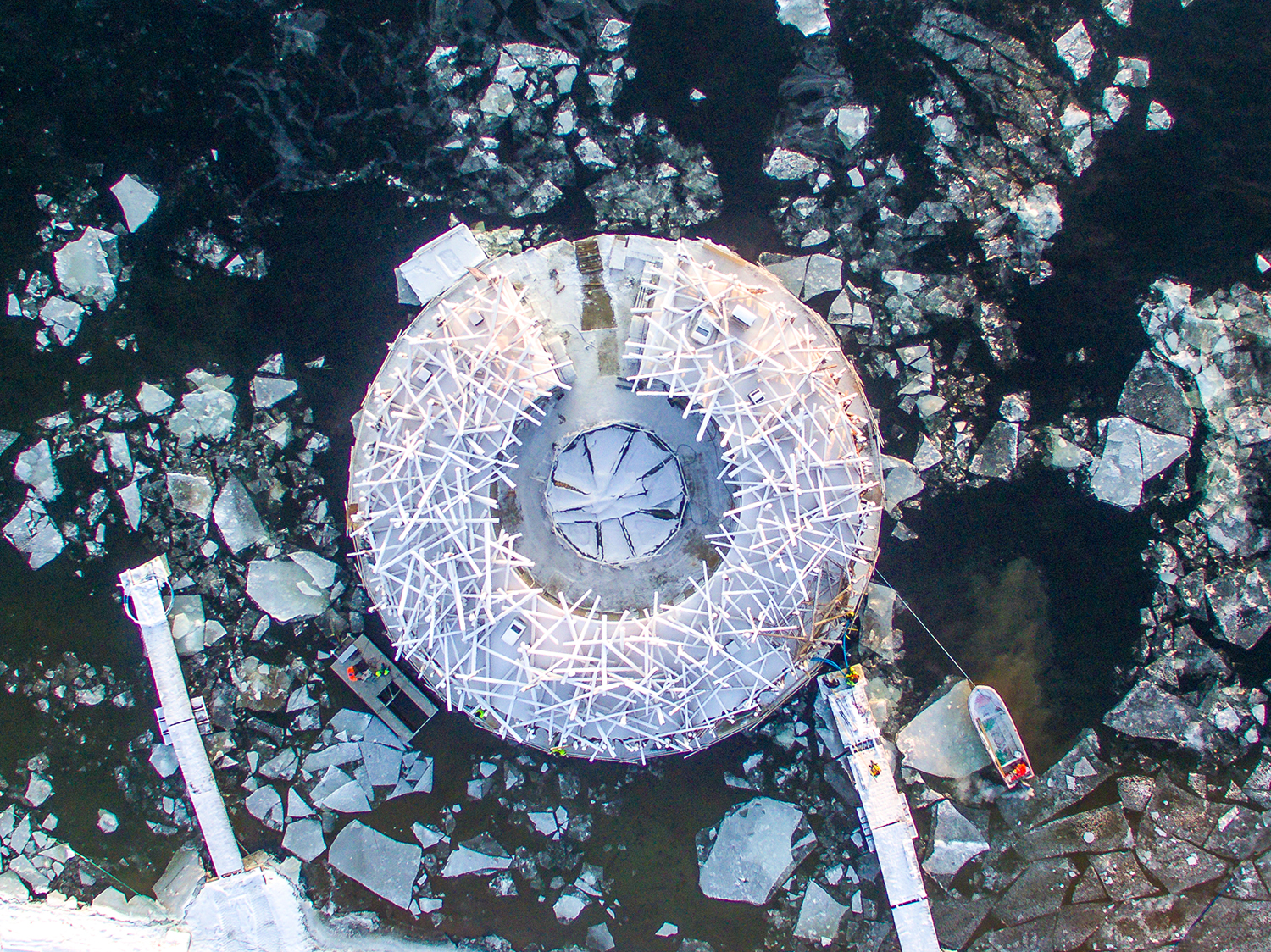
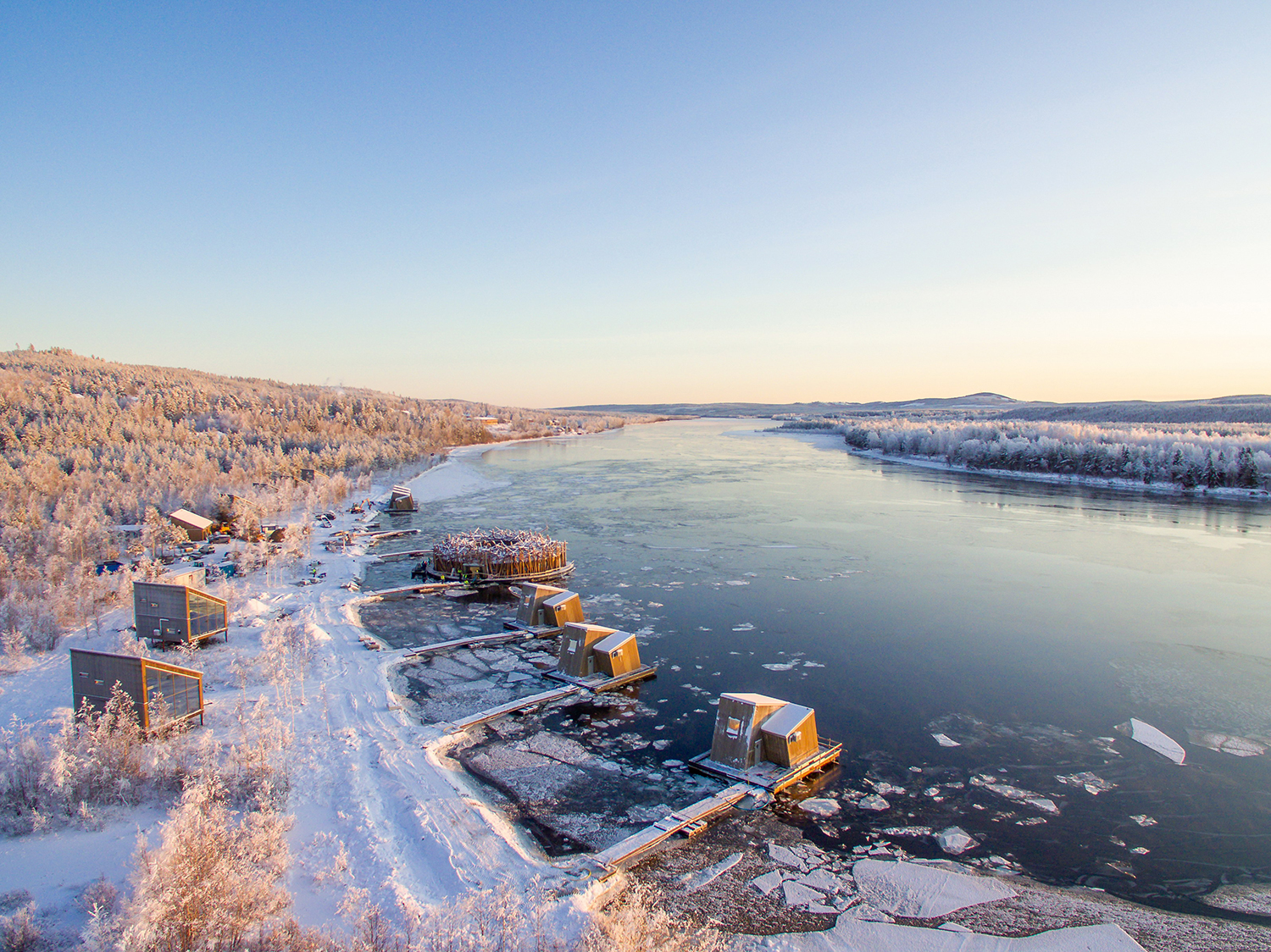
There are hotels beside nature, and then there are hotels whose architecture only really makes sense because of where they are. Arctic Bath belongs firmly to the latter. Near the tiny village of Harads in Swedish Lapland, a huge circular structure appears to have become caught in the Lule River. Timber branches project chaotically from its roof, deliberately recalling the days when felled trees were floated downstream and occasionally accumulated into enormous logjams. It is the work of architects Bertil Harström — also behind nearby Treehotel — and Johan Kauppi, conceived not simply as a dramatic piece of architecture but as a reminder of the forests and forestry that have shaped this part of northern Sweden. And the building itself follows the seasons. In summer it floats on the river. In winter, the river freezes around it.
The Cold Heart of the Hotel
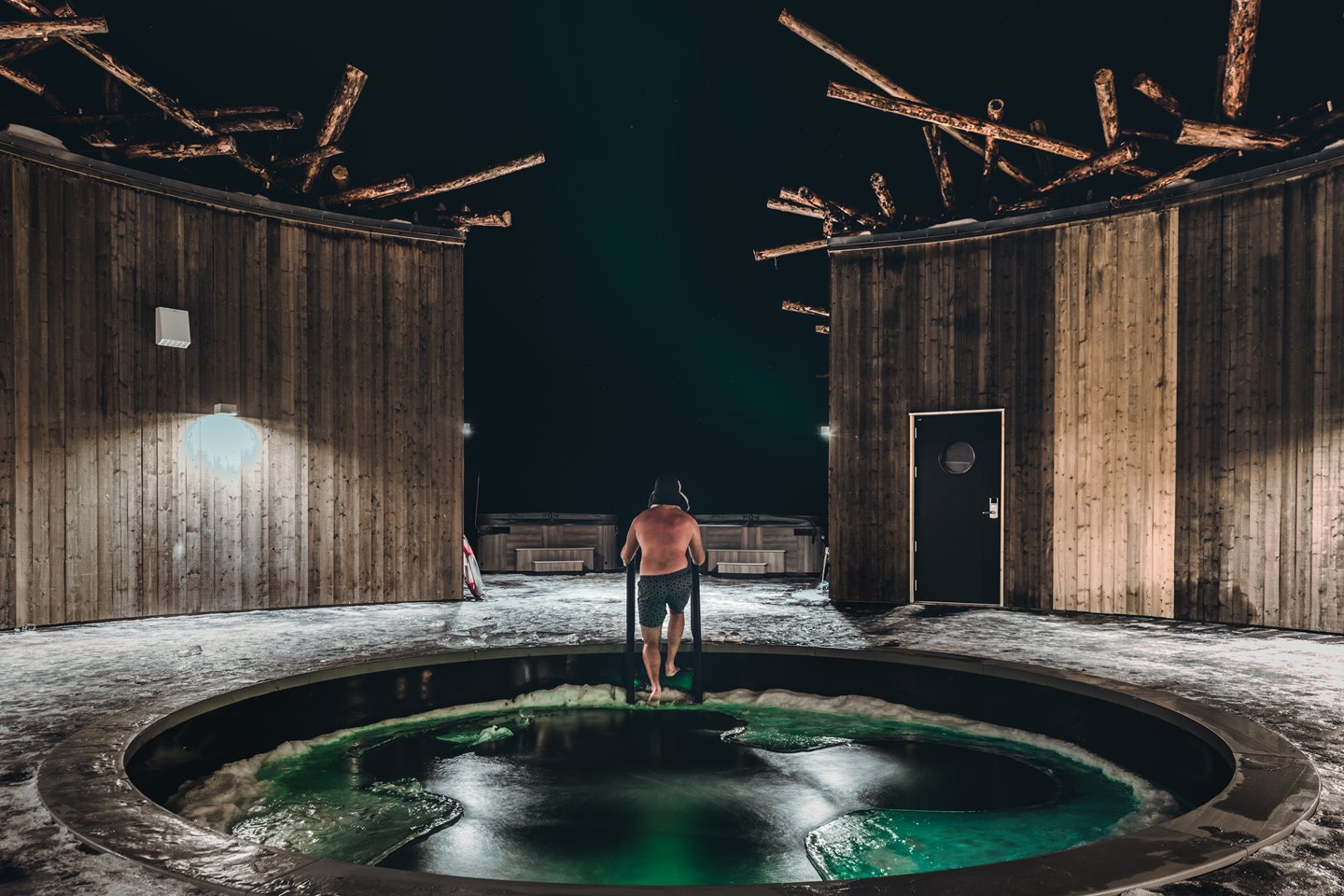
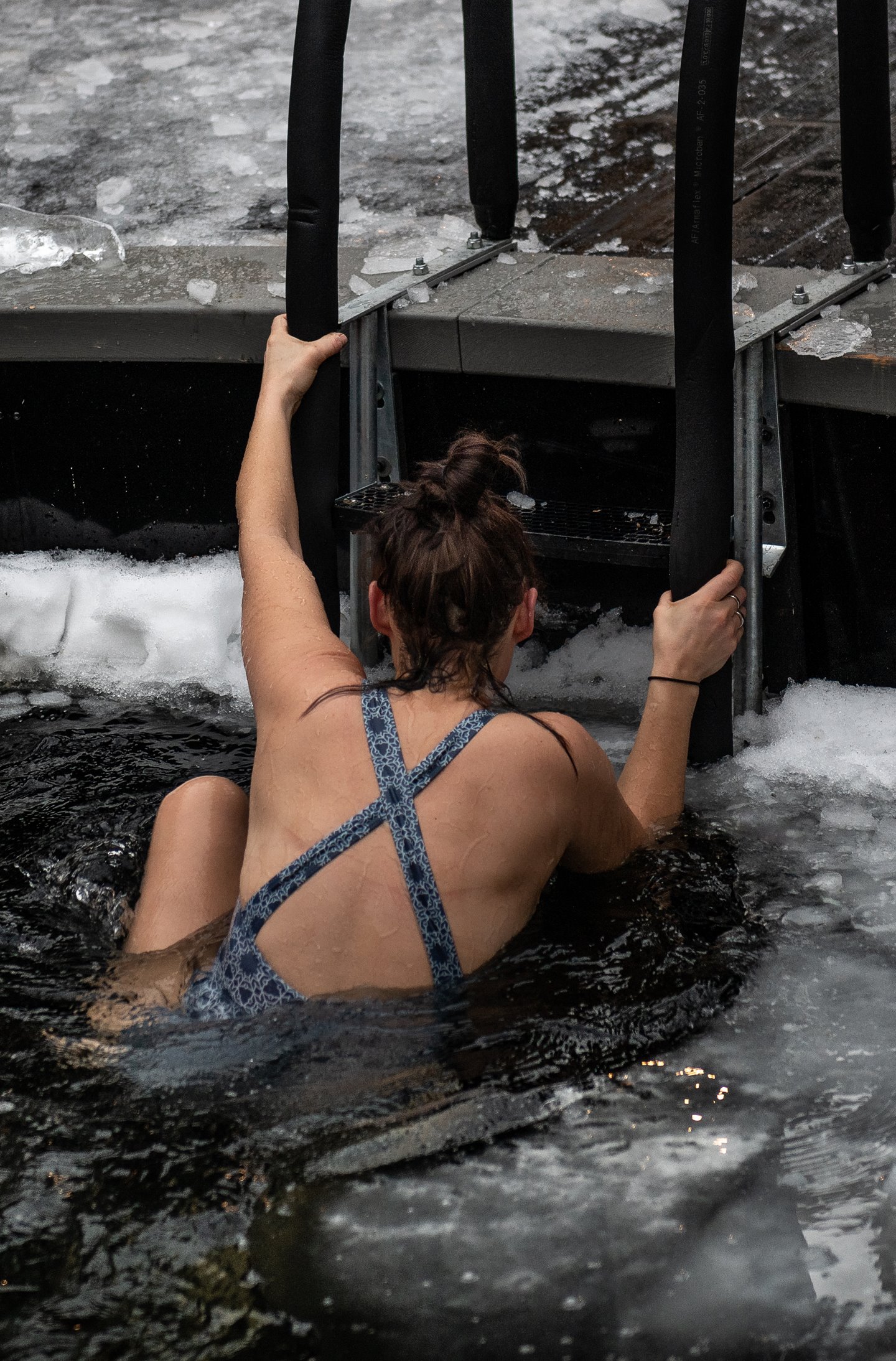
At the centre of that timber ring is the reason Arctic Bath exists: an open-air cold bath. Around it are three saunas, hot baths, a treatment room and relaxation spaces, creating a contemporary interpretation of the traditional Scandinavian cycle of heat, cold and recovery. There is something wonderfully uncompromising about it. Instead of insulating guests from Swedish Lapland, Arctic Bath deliberately exposes them to it. Warm yourself in the sauna, step outside into Arctic air, plunge into the cold water and start again. The spa therefore isn’t an amenity added to the hotel. It is the architecture around which the hotel was conceived.
Six on the Water, Six Among the Trees
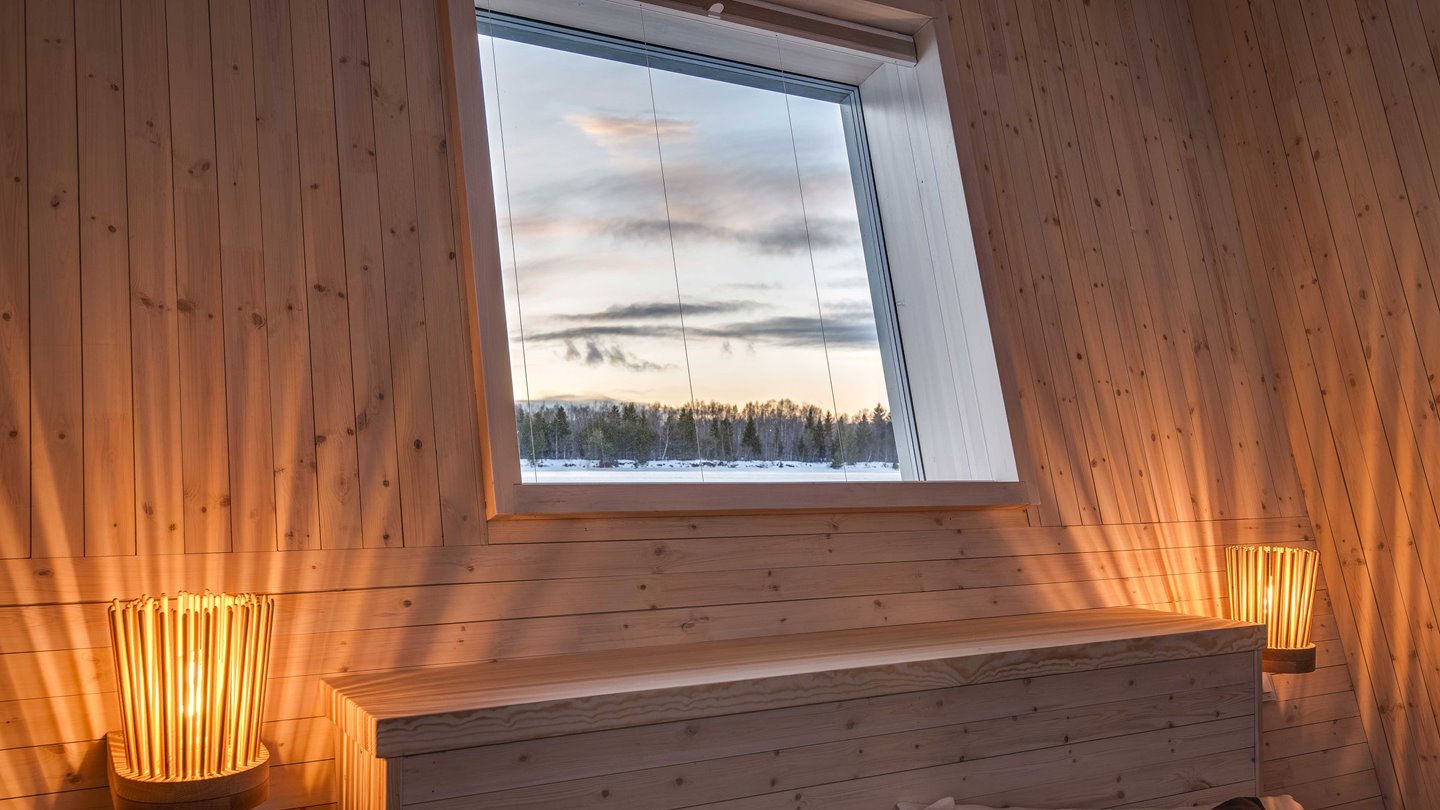
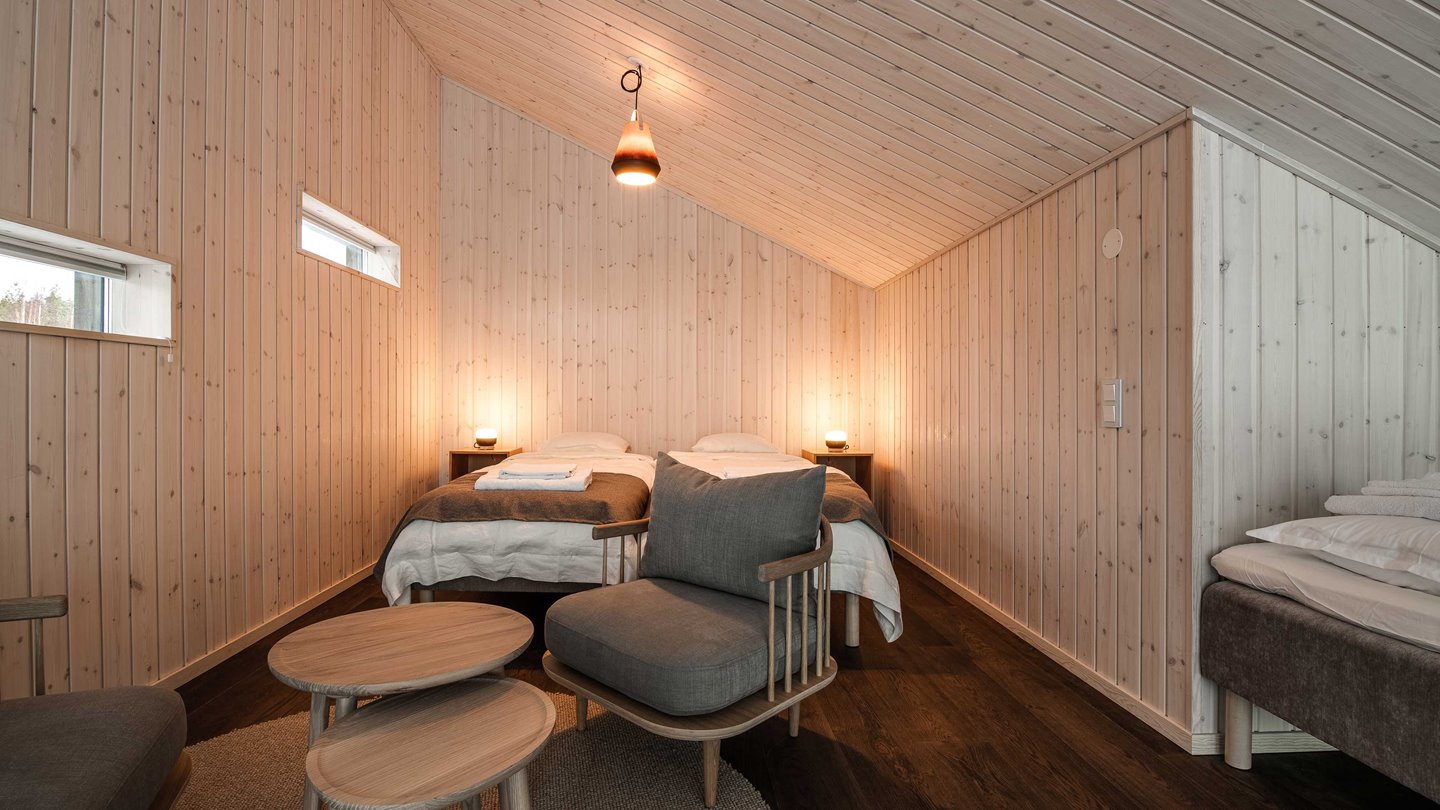
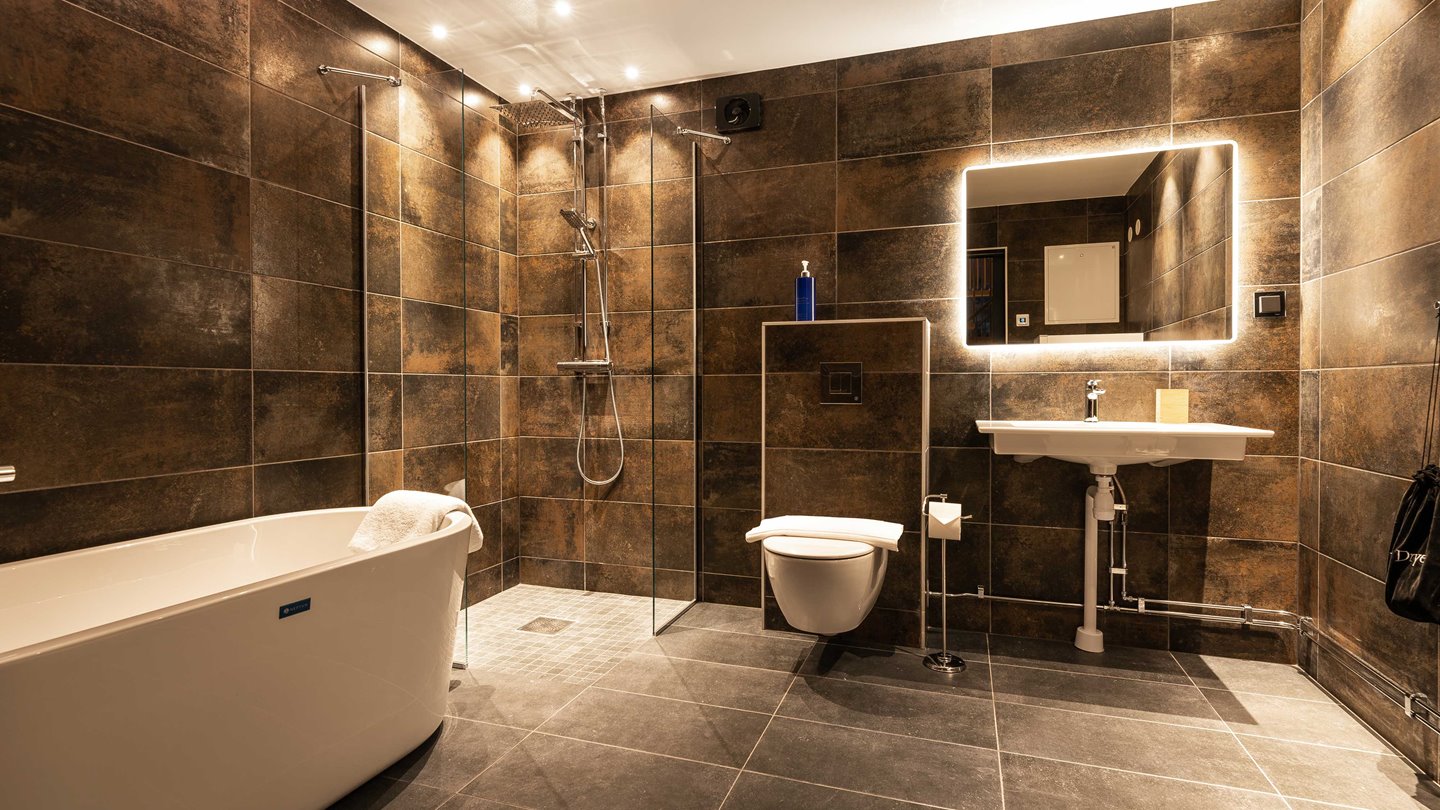
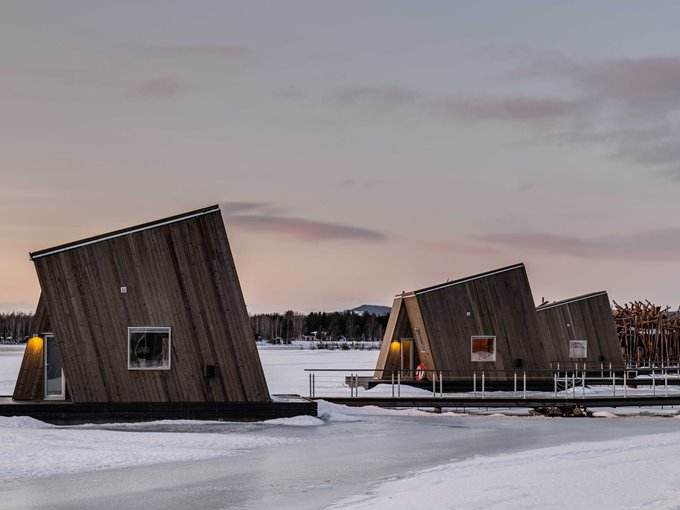
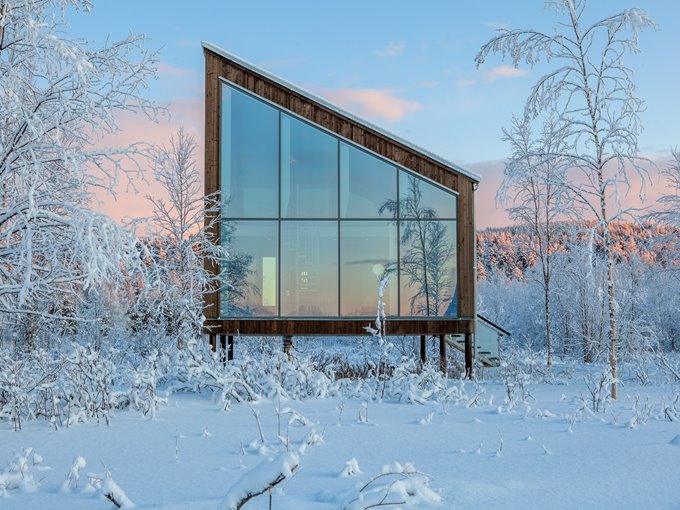
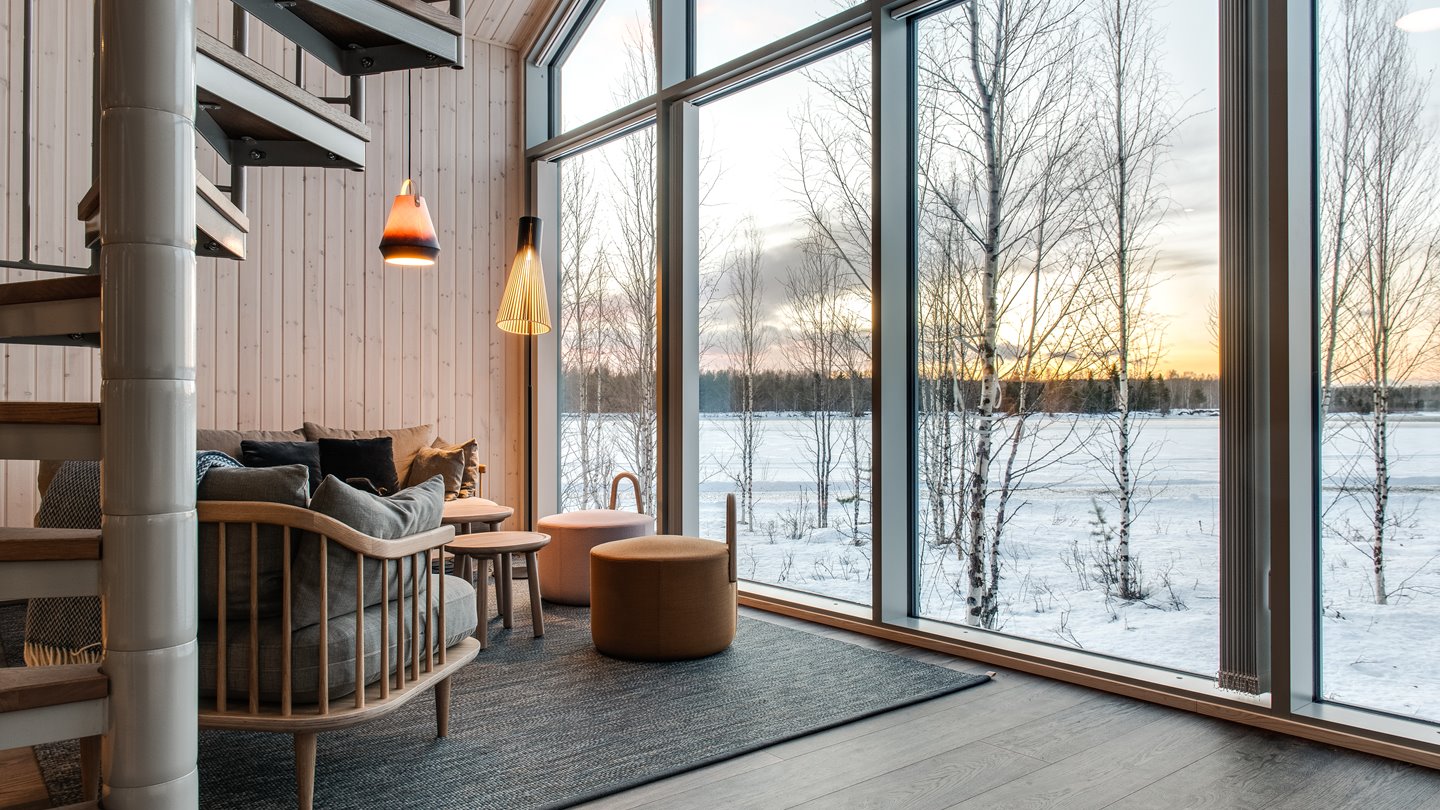
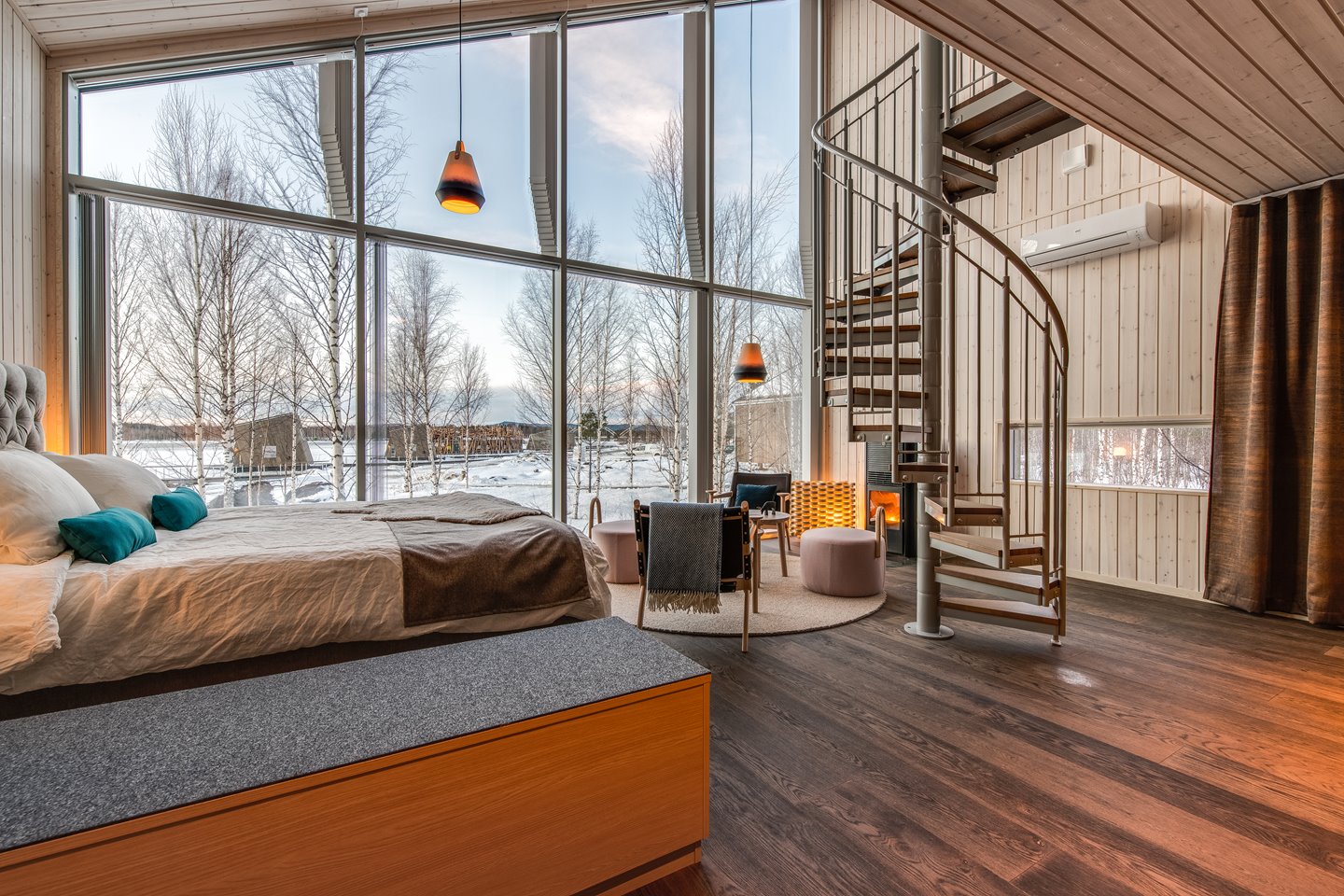
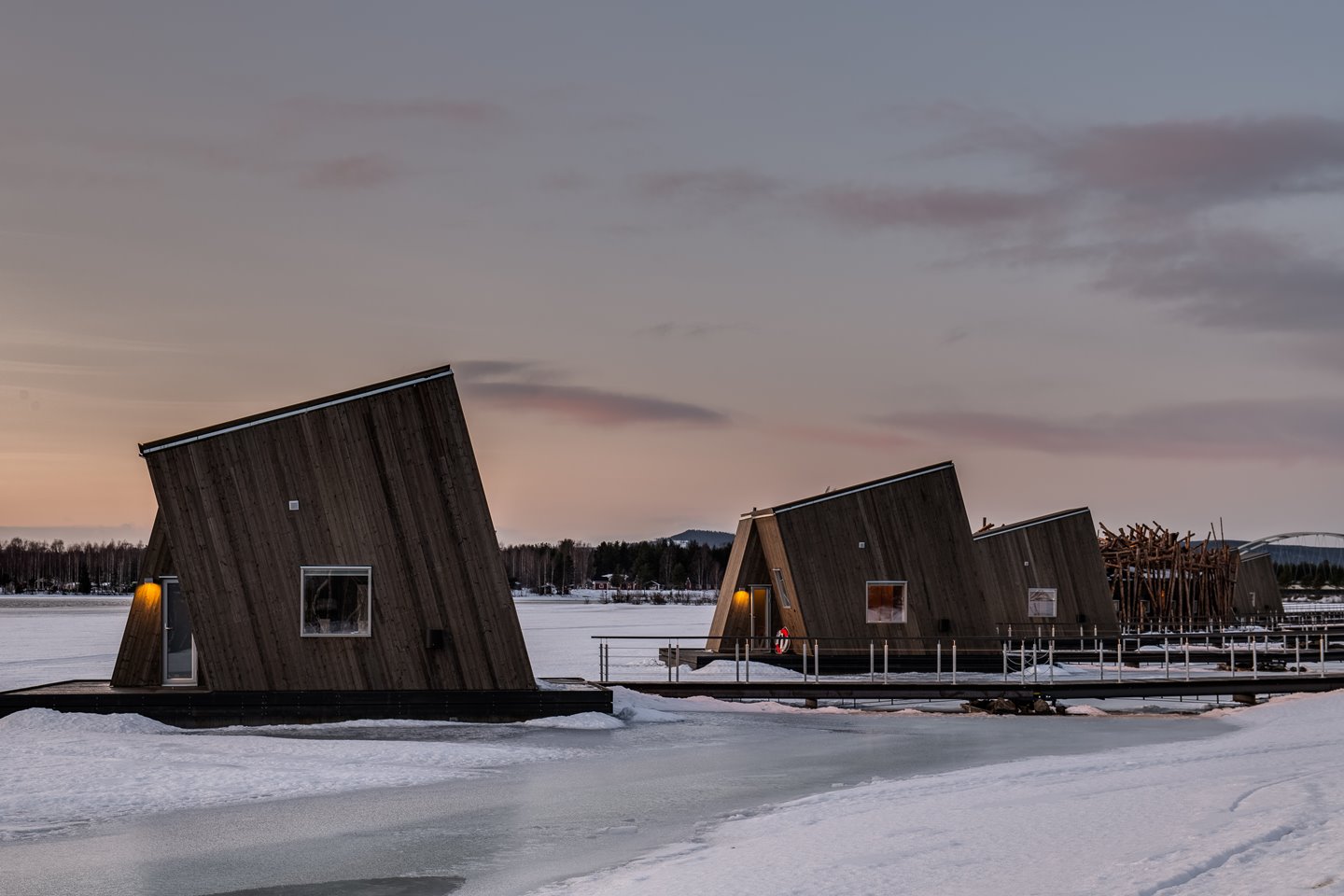
Only 12 cabins make up the accommodation. Six floating cabins sit on the water and are reached from shore by walkways, each with its own wooden deck. During summer, the river moves beneath you; come winter, your room effectively becomes part of the frozen landscape. Another six larger cabins stand elevated among the trees on the riverbank. Designed by Swedish designer Ann Kathrin Lundqvist, these use broad glass fronts to turn the forest and sky into their dominant decorative feature — particularly spectacular when the northern lights appear overhead. Inside, nature continues through material rather than motif. Pine, stone, aged leather, reindeer hides and tactile textiles are combined with contemporary Swedish furniture and lighting. Karl Andersson & Söner, Stolab, Swedese and Ateljé Lyktan are among the Scandinavian names represented, while beds come from Swedish maker Carpe Diem. Add a glowing log burner and very little more is required.
Designed by the North
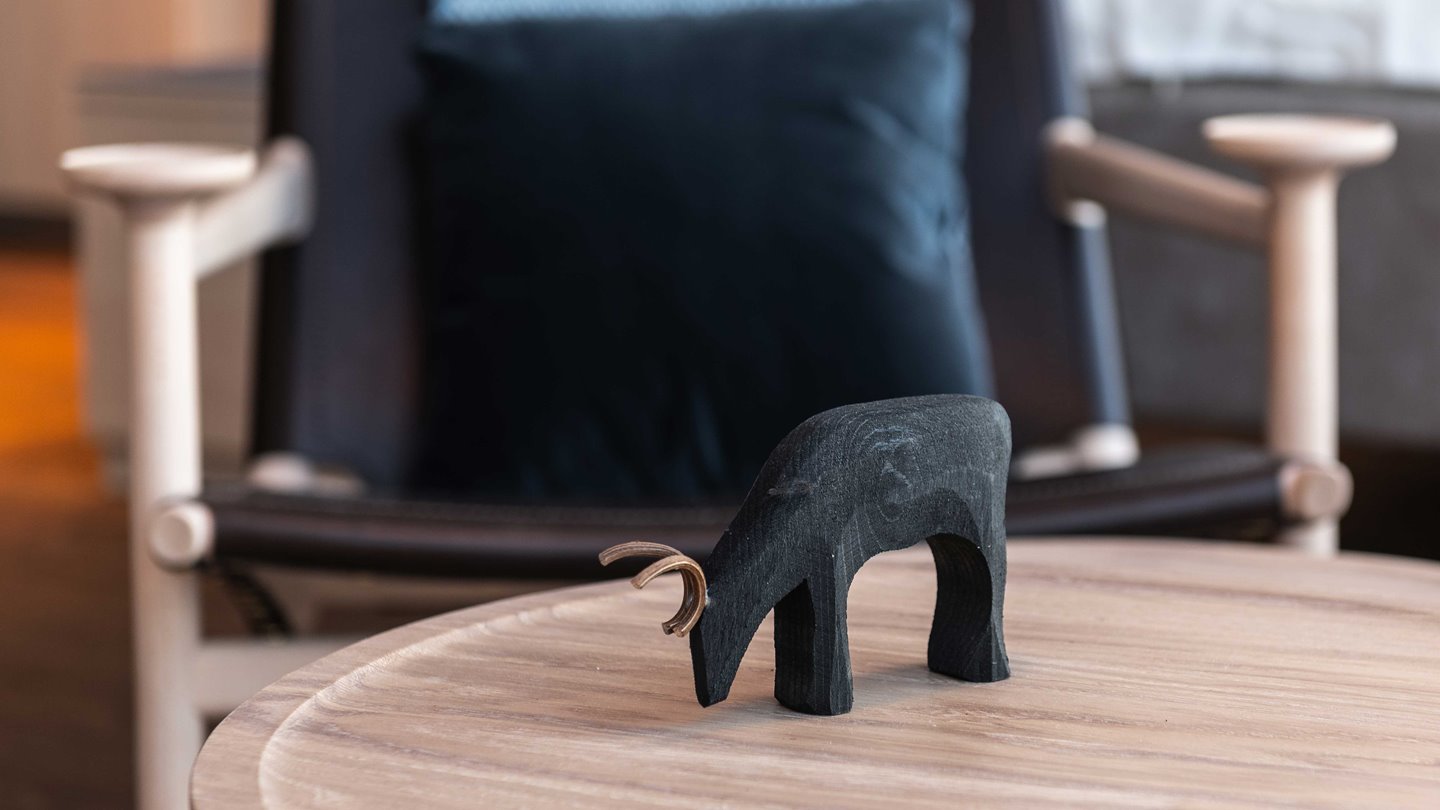
Arctic Bath’s restraint is important. This could easily have become an exercise in theatrical ‘Arctic luxury’ — fur everywhere, decorative antlers and a romanticised version of wilderness. Instead, the interiors allow the materials themselves to establish the sense of place. Pine-clad walls meet Baltic grey limestone, warm leather and wool. The restaurant continues the approach with pale timber, crisp surfaces and furniture from Swedish makers including Norrgavel and Blå Station. Nothing needs to shout Nordic design. It simply is.
Eating the Landscape
The relationship with the surrounding landscape continues in the restaurant. The kitchen works around a local, pure and sustainable philosophy, with menus shaped by what is available from the forests, rivers and farms surrounding Harads. Wild fish and game play an important role, alongside foraged and locally grown ingredients. Sámi culinary traditions provide another connection to northern Sweden, extending the hotel’s sense of place beyond architecture and scenery. Dinner here consequently feels less like an independent restaurant concept dropped into a hotel and more like another interpretation of the same landscape. Outside the windows is the source material.
Northern Lights, Midnight Sun
What you experience at Arctic Bath depends enormously on when you arrive. Winter brings frozen rivers, snow-covered forests and extraordinarily long nights. Days can be spent dogsledding, snowshoeing, photographing wildlife or searching for the northern lights, before returning to fire, sauna and cold water. Summer reverses the experience. The hotel floats again. The landscape turns green. The midnight sun stretches the day almost indefinitely, and decks that disappeared beneath snow become places to sit beside the river late into the evening. Experiences with local Sámi people, including introductions to reindeer herding, foraging and Sámi culture, add a human dimension to a landscape that can otherwise feel almost impossibly vast.
Why It Works
Plenty of hotels promise immersion in nature. Arctic Bath physically changes with it. The Lule River determines whether the hotel floats or freezes. The forests supply both inspiration and material. Sámi traditions inform parts of the food and wellness experience. The seasons decide whether you travel beneath the northern lights or the midnight sun. And at its centre is something beautifully primitive: get hot, get cold, warm up and repeat. Bertil Harström and Johan Kauppi have wrapped that ritual in one of Scandinavia’s most memorable pieces of hotel architecture. Arctic Bath doesn’t bring luxury to the wilderness. Its achievement is making the wilderness itself feel like the luxury.