Arthouse Hotel Glasgow – Scotland
Victorian grandeur, Glasgow creativity and one of the city’s best restaurants under one roof.
Why DNA Hotels Loves It
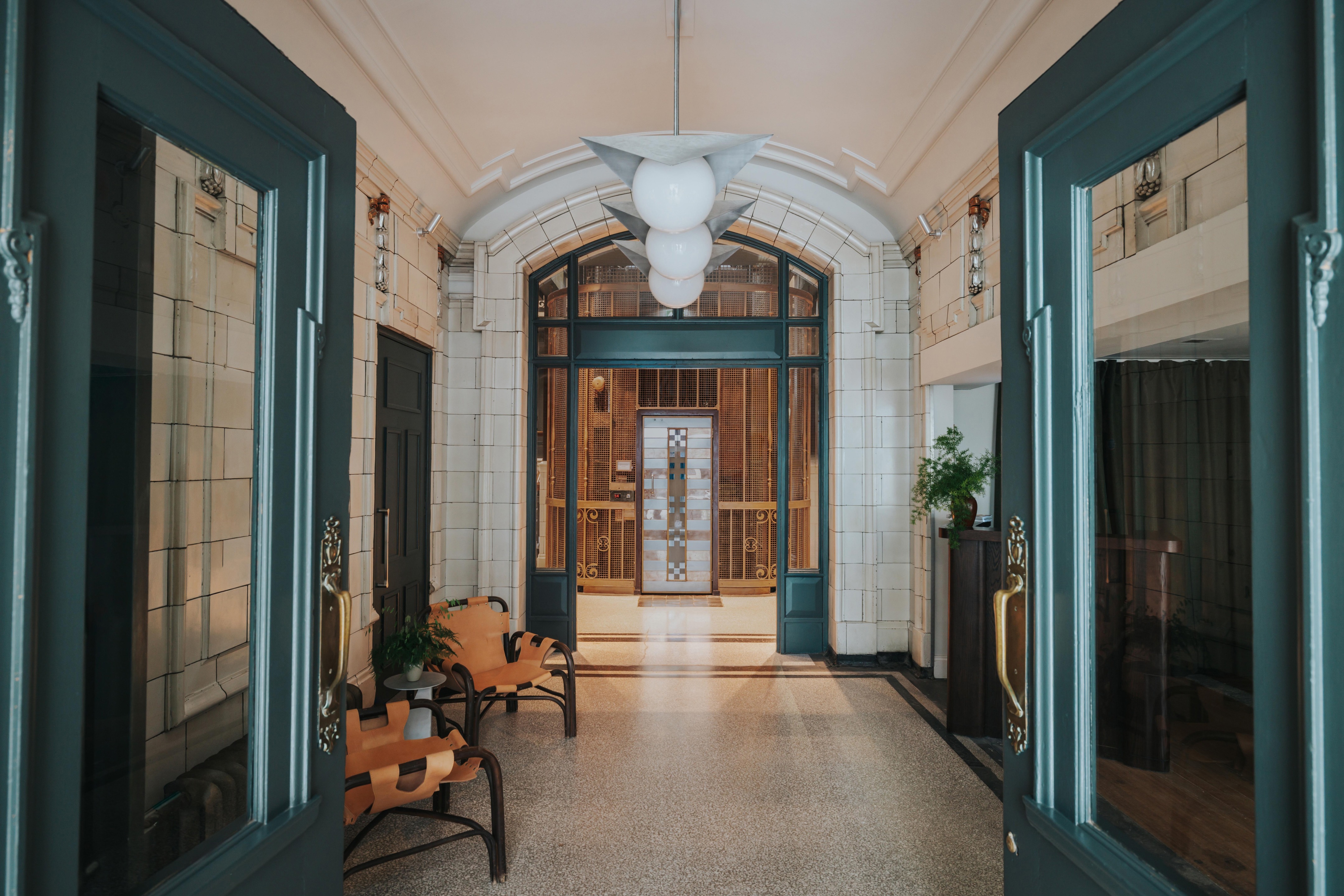
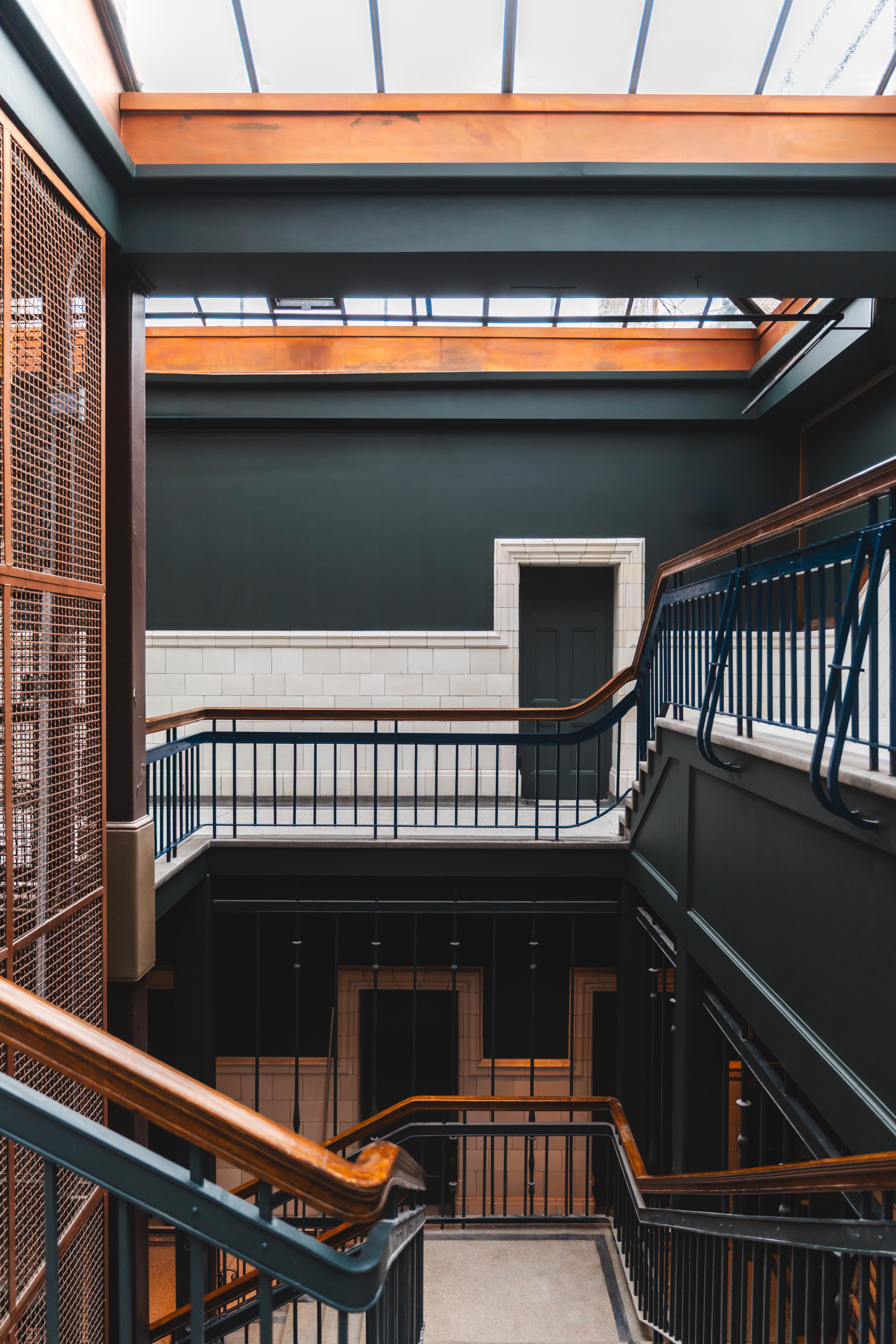
● A thoughtful restoration by A-nrd that lets the building’s Victorian fabric — stained glass, timber floors, decorative plasterwork and extraordinary birdcage lift — remain the star.
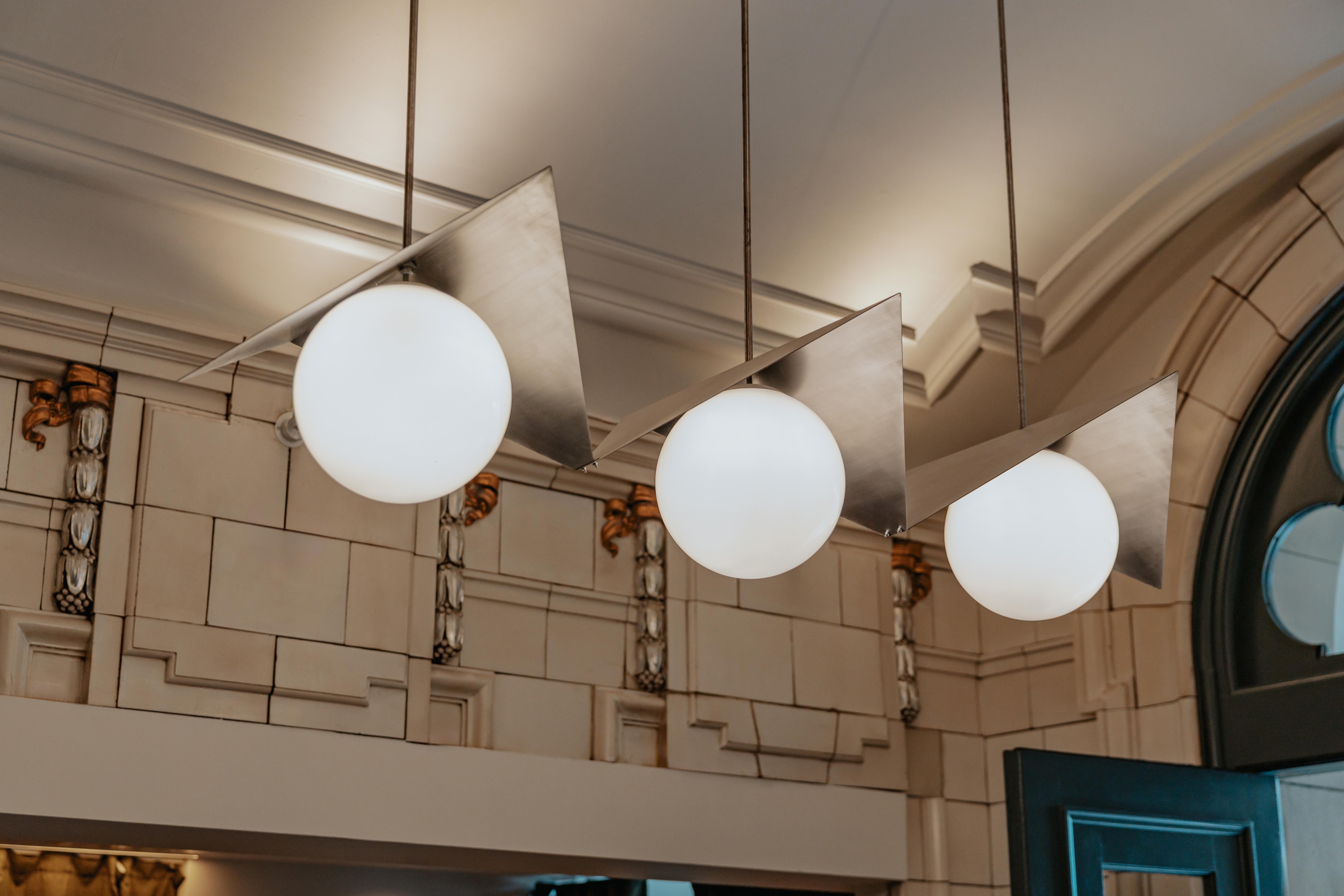
● Glasgow’s creative community is woven into the hotel through Scottish art, locally made lighting, Bute Fabrics and collaborations with the city’s cultural institutions.
● Cult Glasgow restaurant Celentano’s has moved in, giving this 76-room hotel a genuine local heartbeat rather than the usual hotel-restaurant formula.
Old Bones, New Glasgow
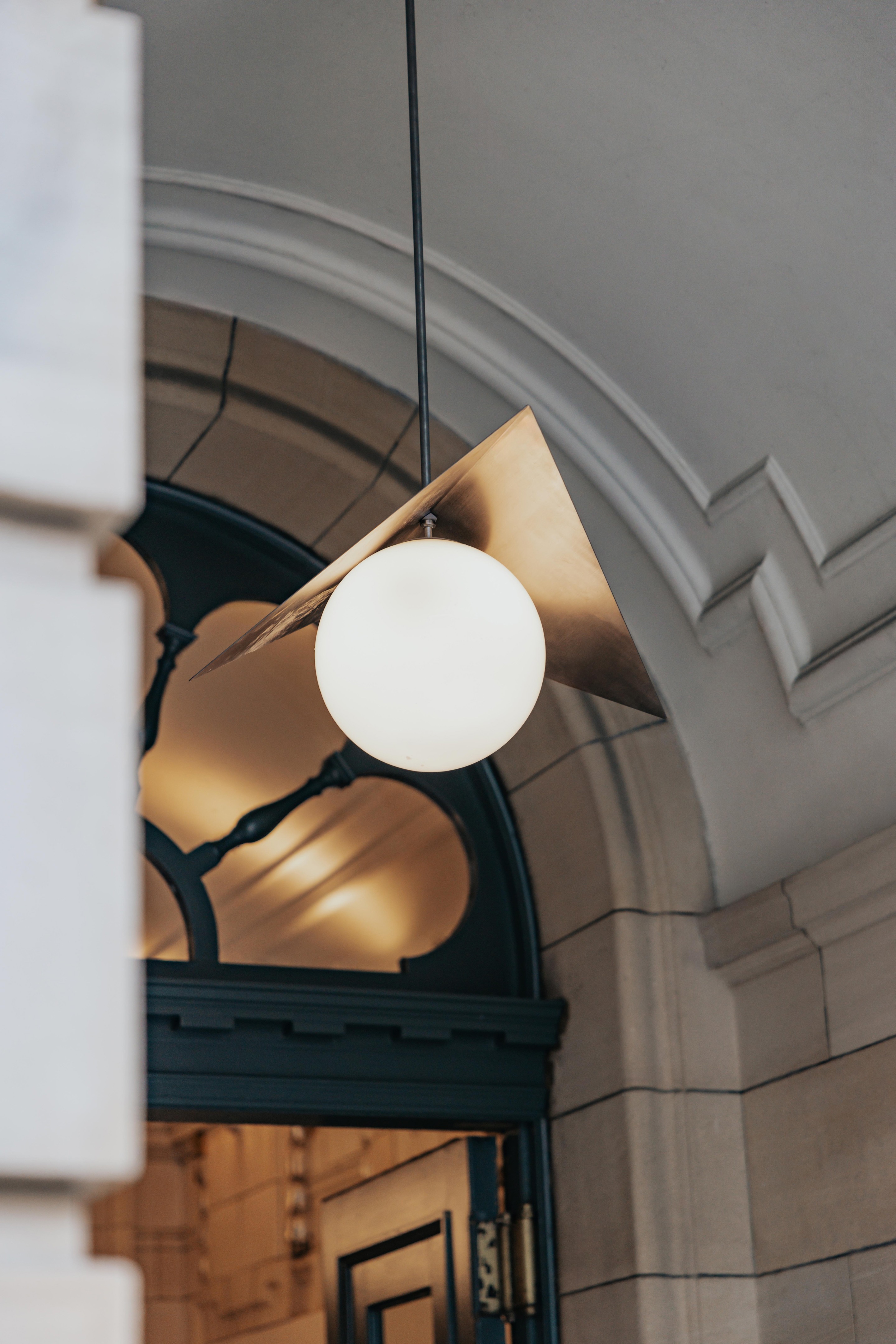
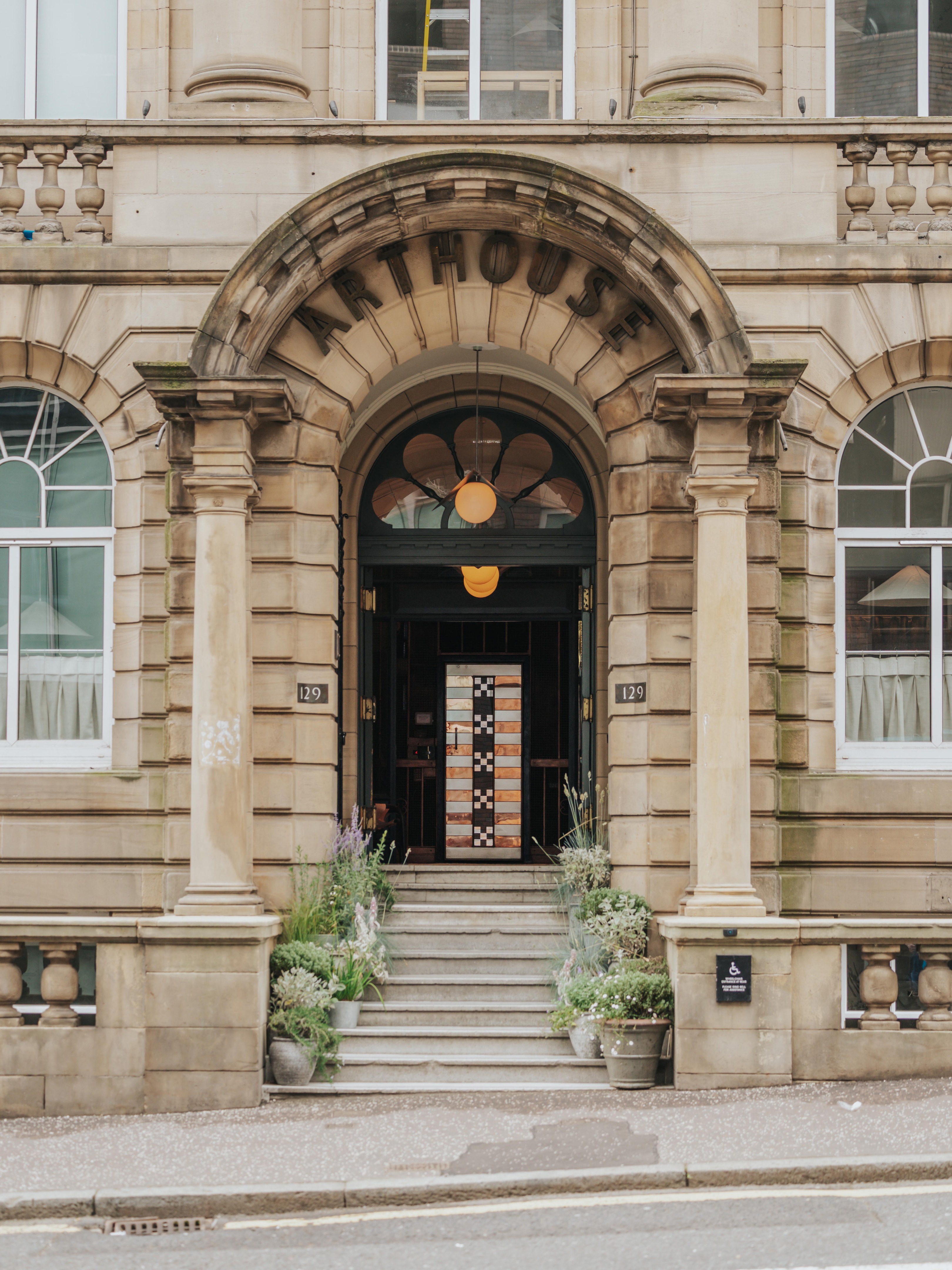
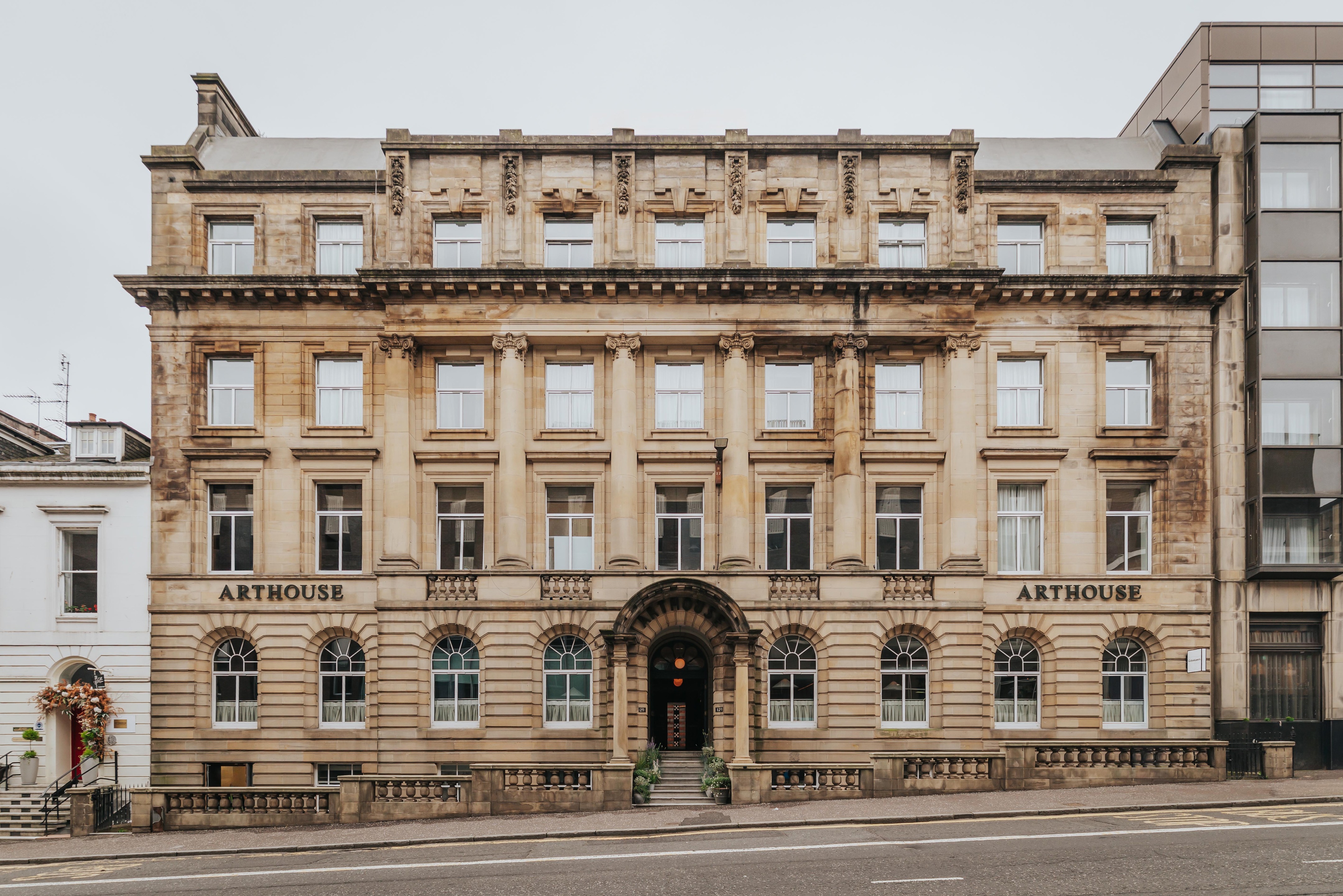
Glasgow has never lacked creativity. Great new hotels have been rather harder to find. Arthouse Hotel Glasgow changes that. (Re)opened in June 2026 on Bath Street, the 76-room hotel is the first property from British hospitality group Oberland, occupying a handsome historic building in the heart of Glasgow’s emerging Culture and Heritage District. The building has lived several lives. Once associated with the Glasgow School Board and later converted into a hotel, it arrived with layers of architectural history already embedded in its corridors. Oberland founders William Riordan and Andrew Dean approached it as custodians rather than reinvention-hungry developers. Carpets came up. Original floors reappeared. Timber panelling, stained glass, decorative plasterwork and Victorian tiles were restored. And at the centre of it all, the magnificent original birdcage lift still rises through the atrium.
A-nrd Lets the Building Speak
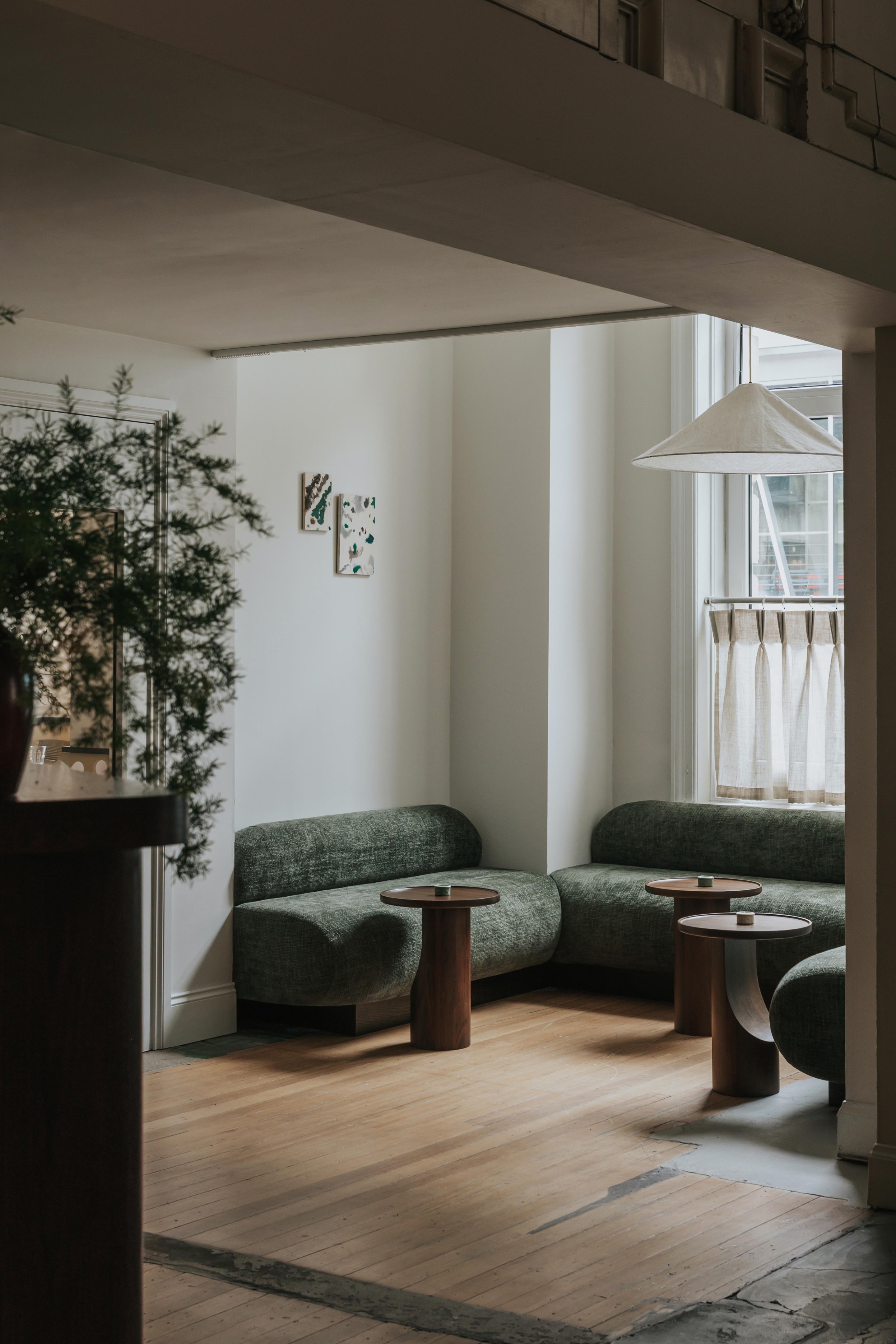
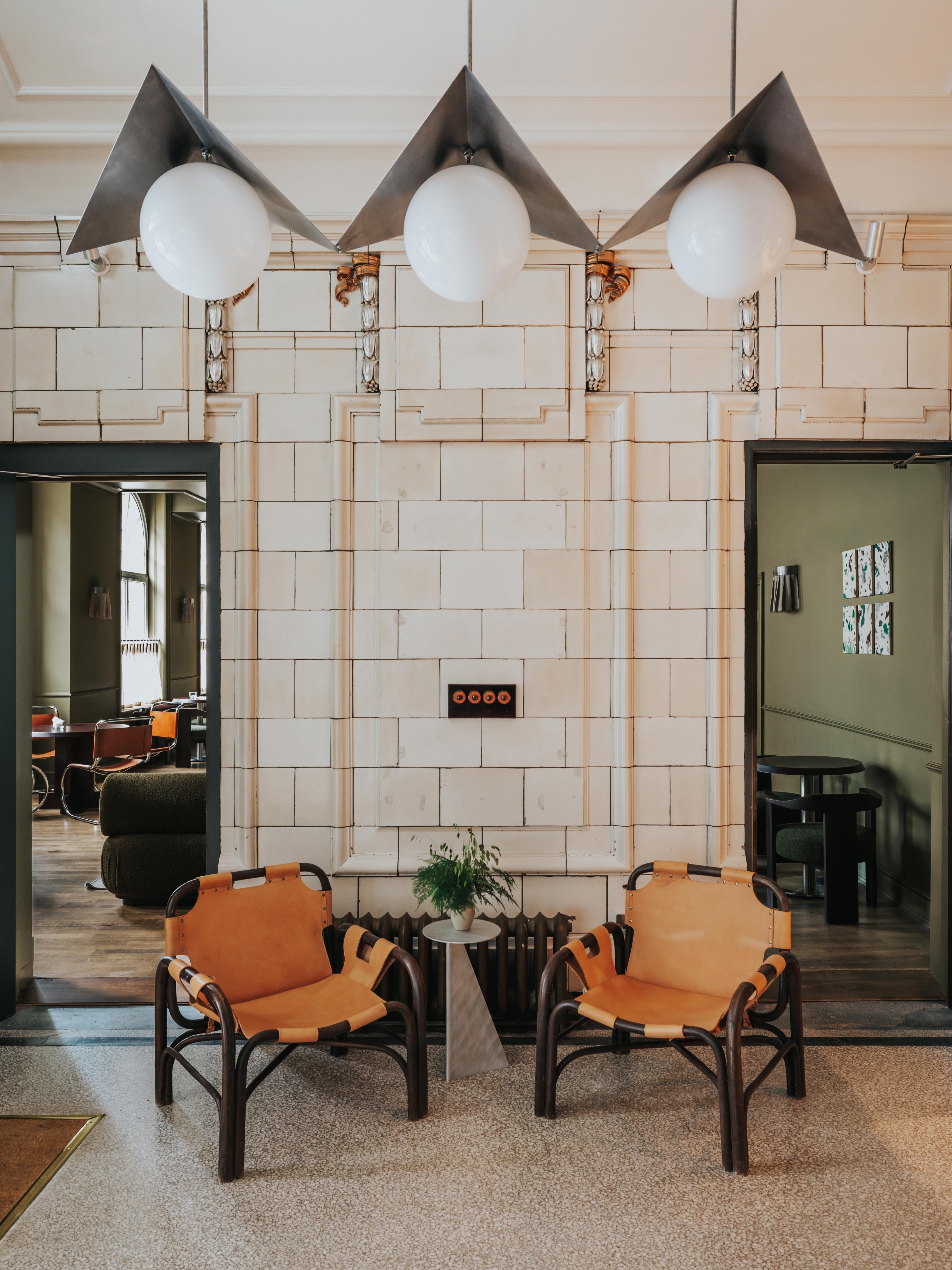
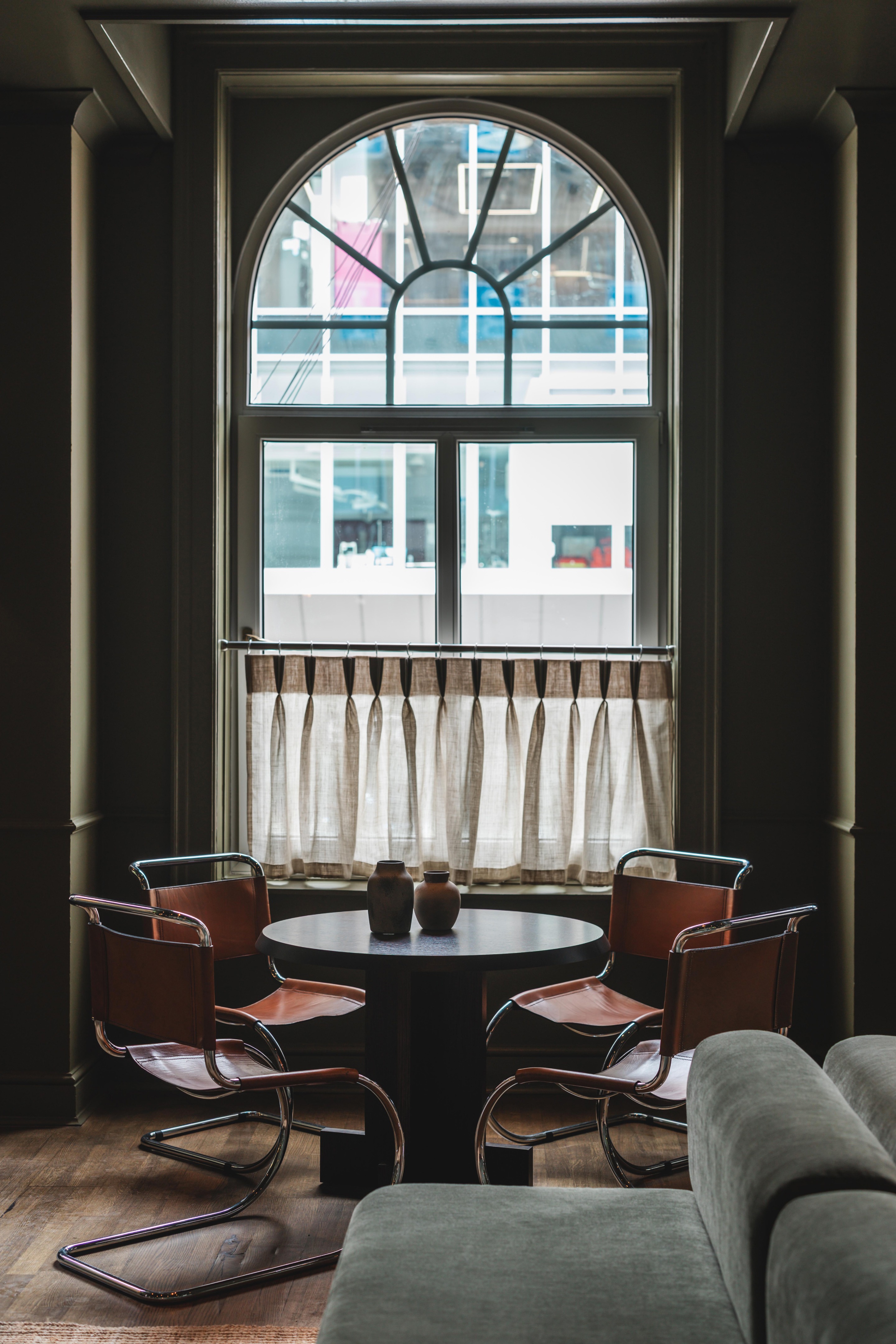
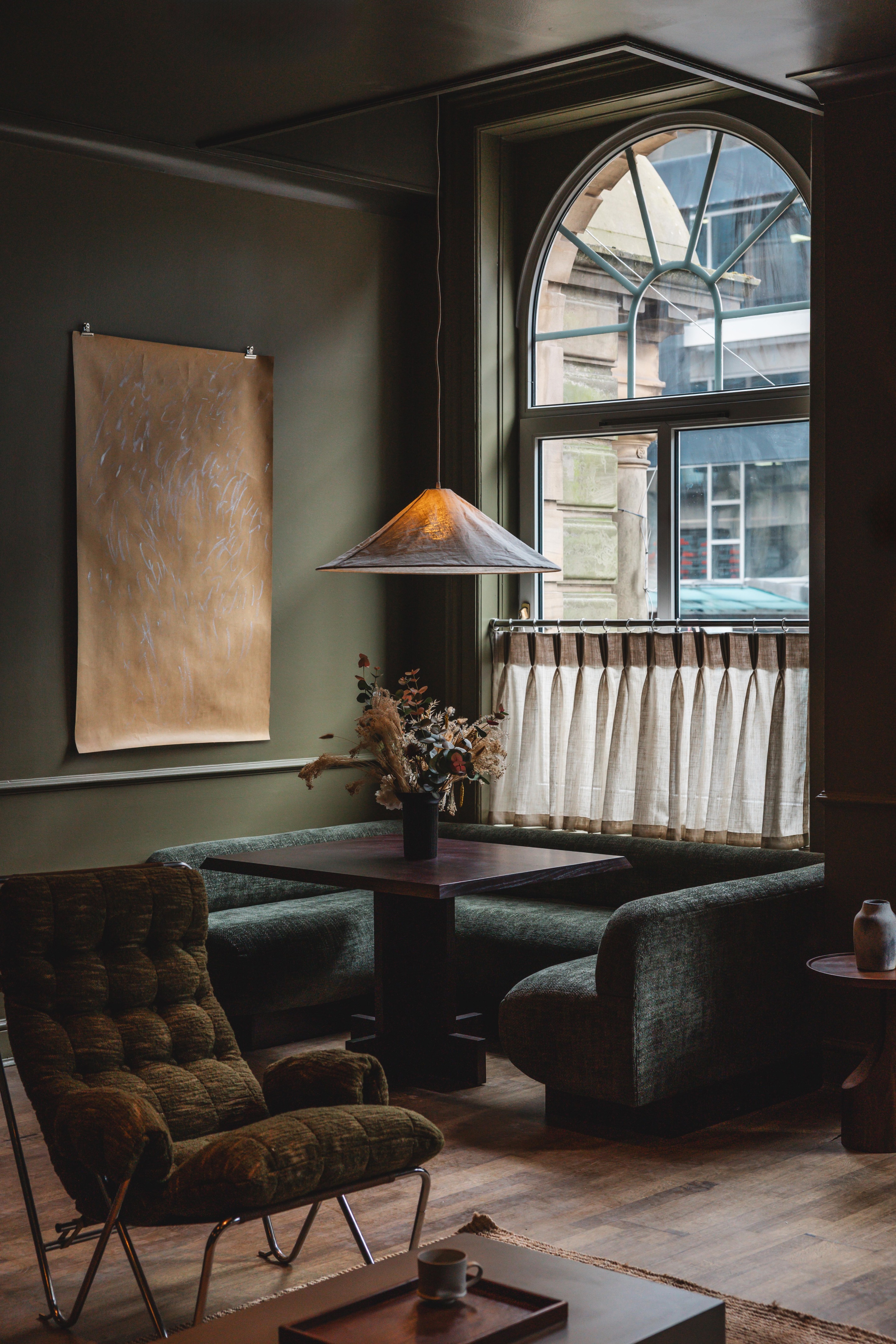
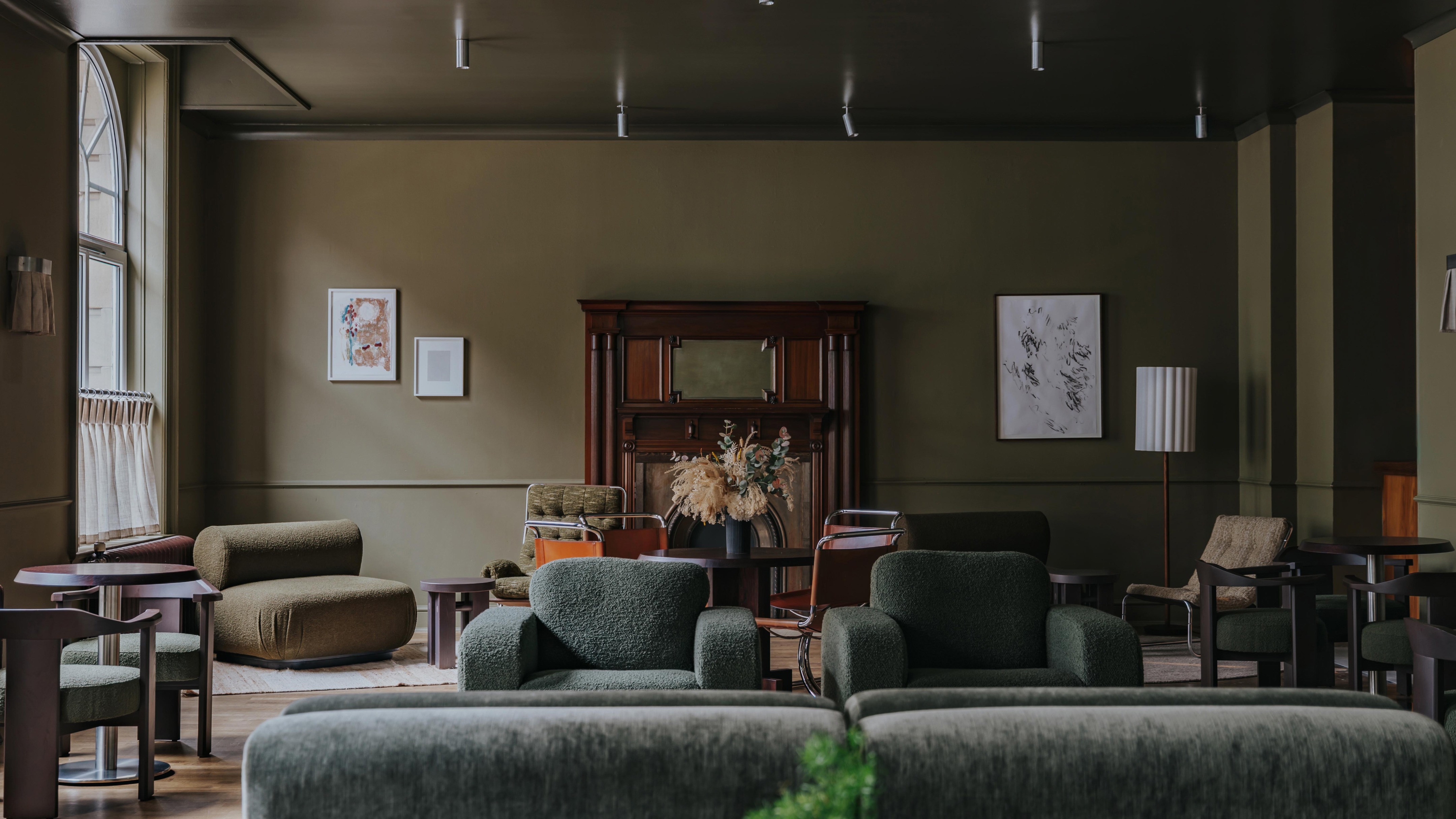
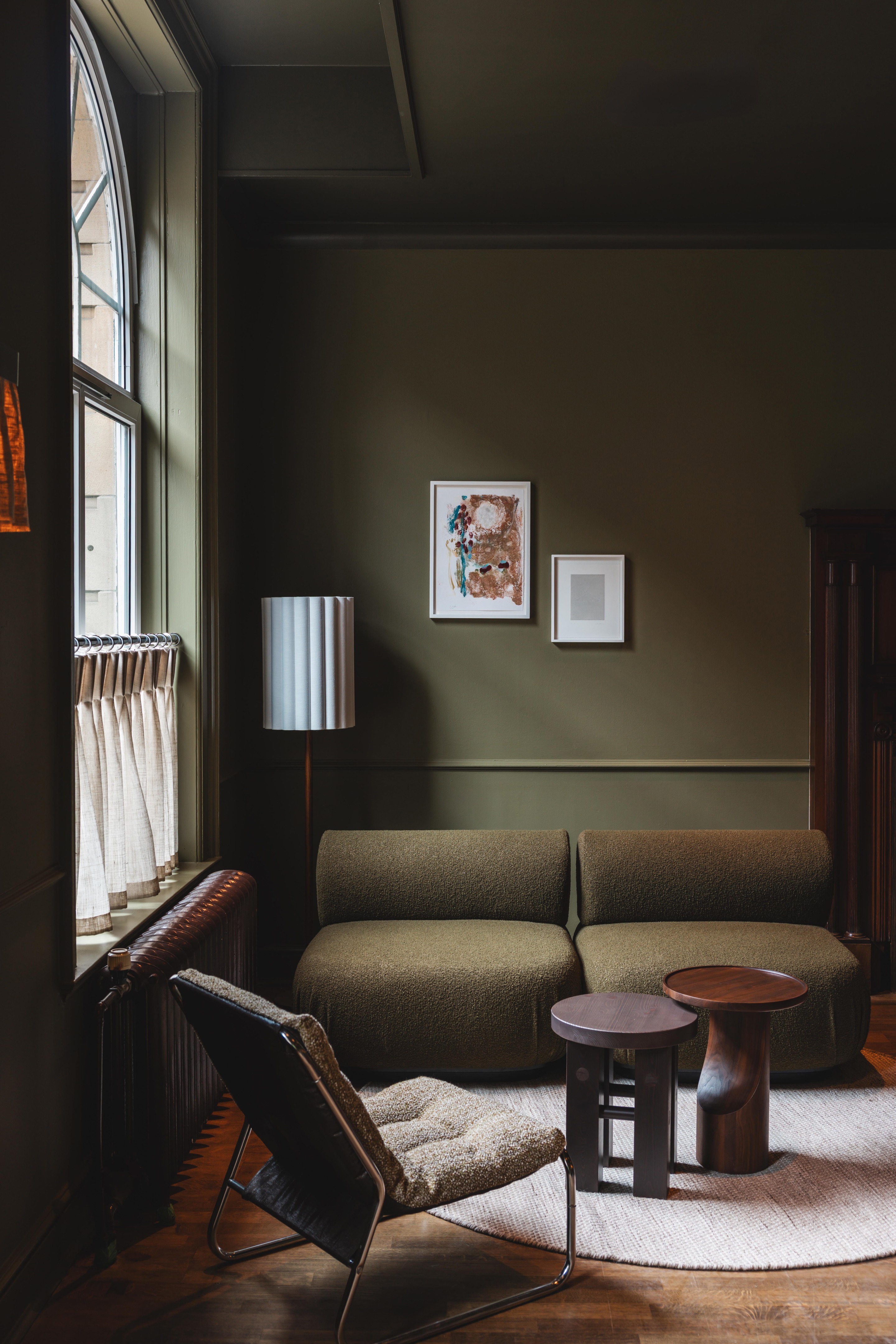
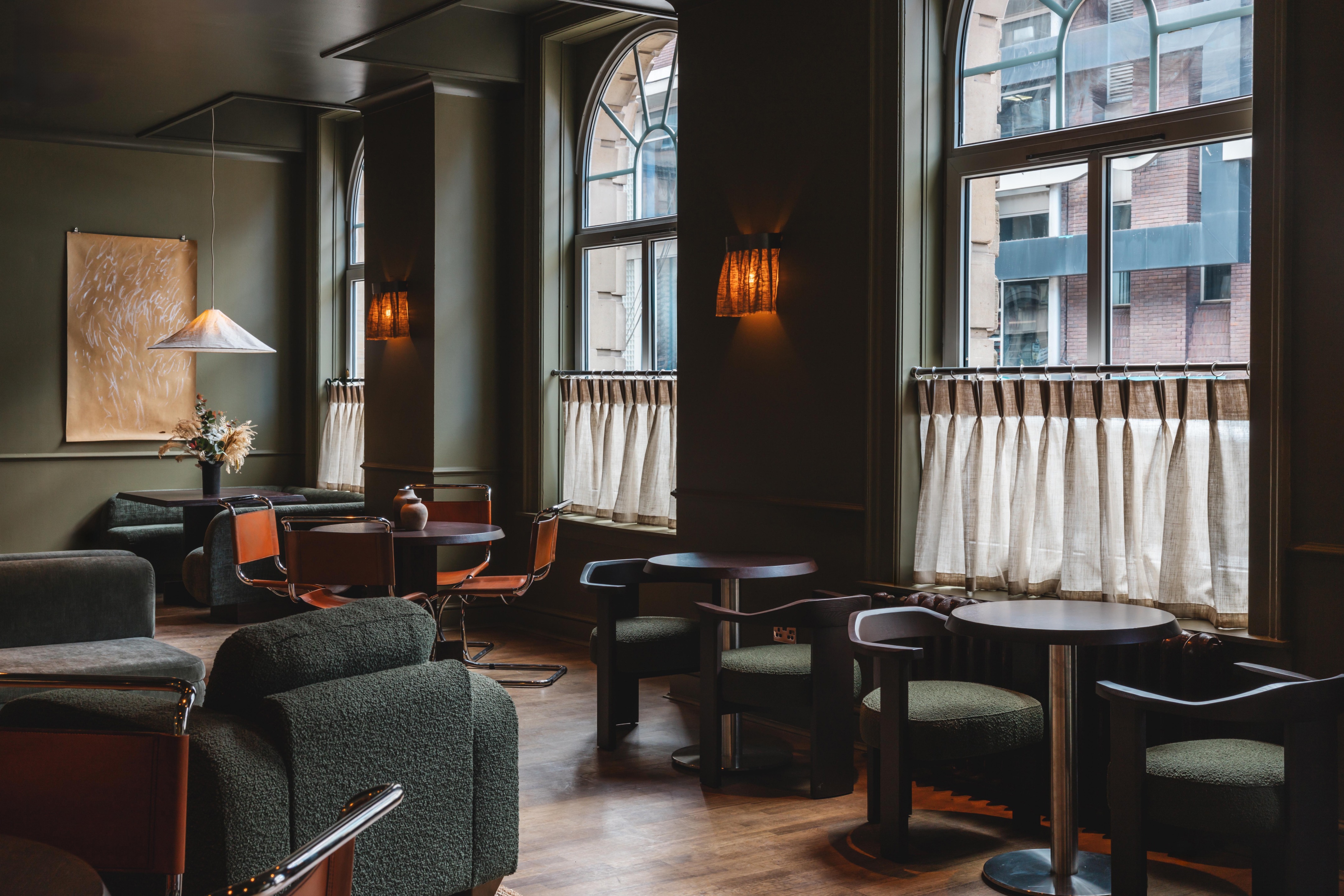
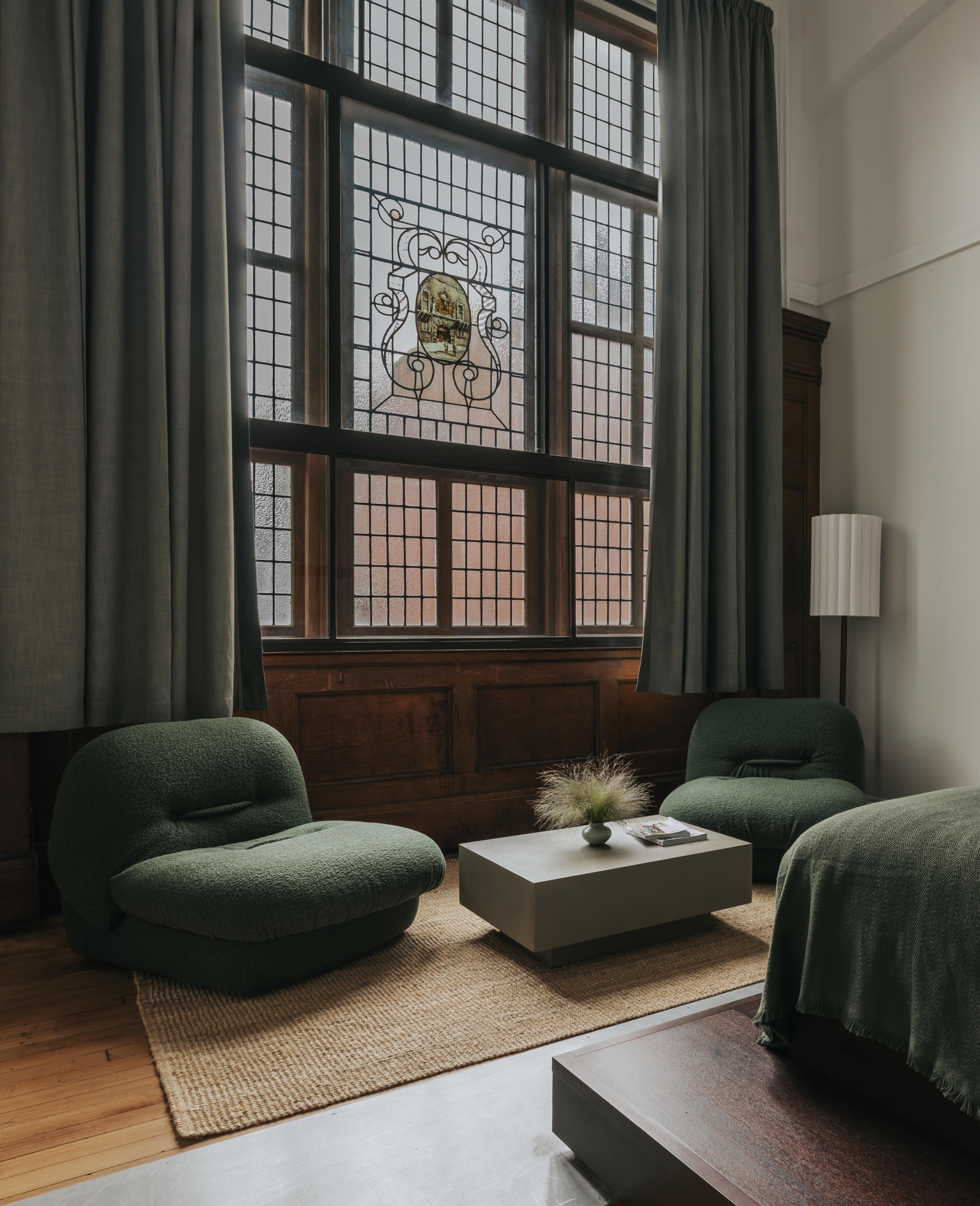
London design studio A-nrd, led by Alessio Nardi, describes the inspiration as the spontaneous, slightly imperfect character of an artist’s home. It shows. Rather than smoothing everything into boutique-hotel perfection, A-nrd allows old and new to rub against one another: restored architecture beside stainless steel, vintage furniture beside bespoke pieces, ornate mouldings beneath contemporary lighting. The lounge is drenched in deep olive green, with sage velvet modular sofas, walnut tables, vintage Mies van der Rohe chairs and soft linen lighting. Elsewhere, original white-tiled corridors and terrazzo floors contrast with oxidised copper and the glazed atrium overhead. It feels collected rather than decorated. Exactly the point.
Made in Scotland
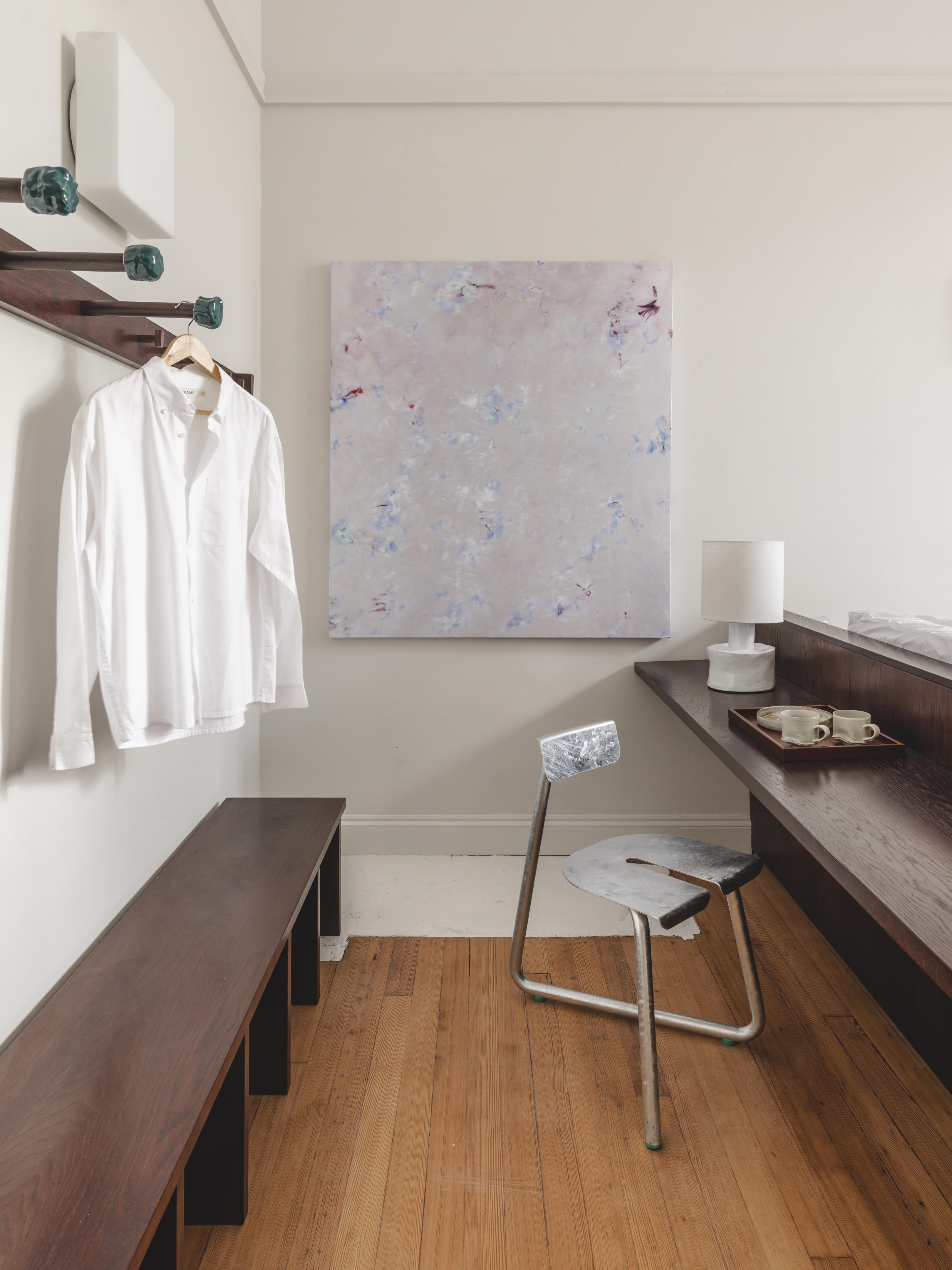
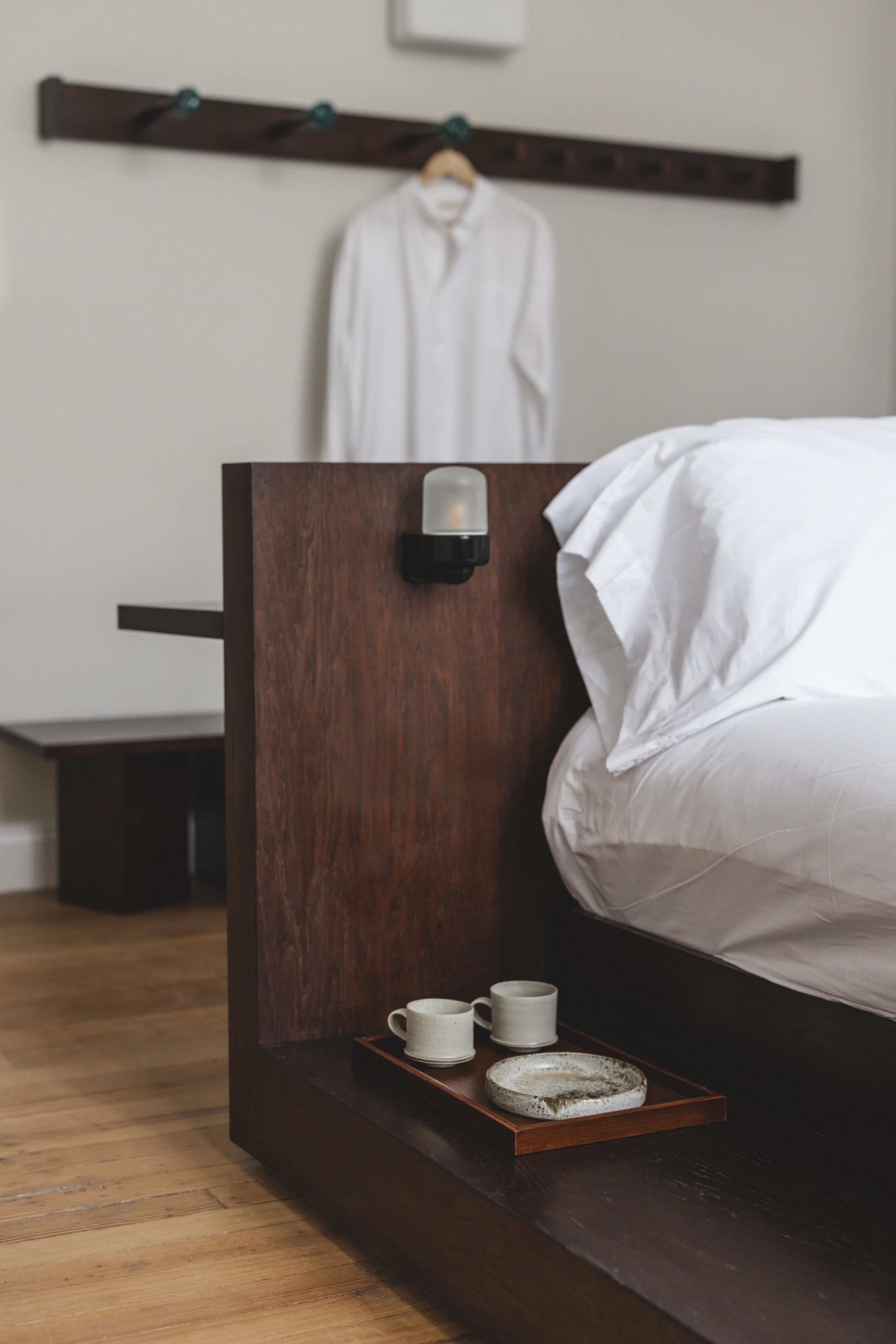
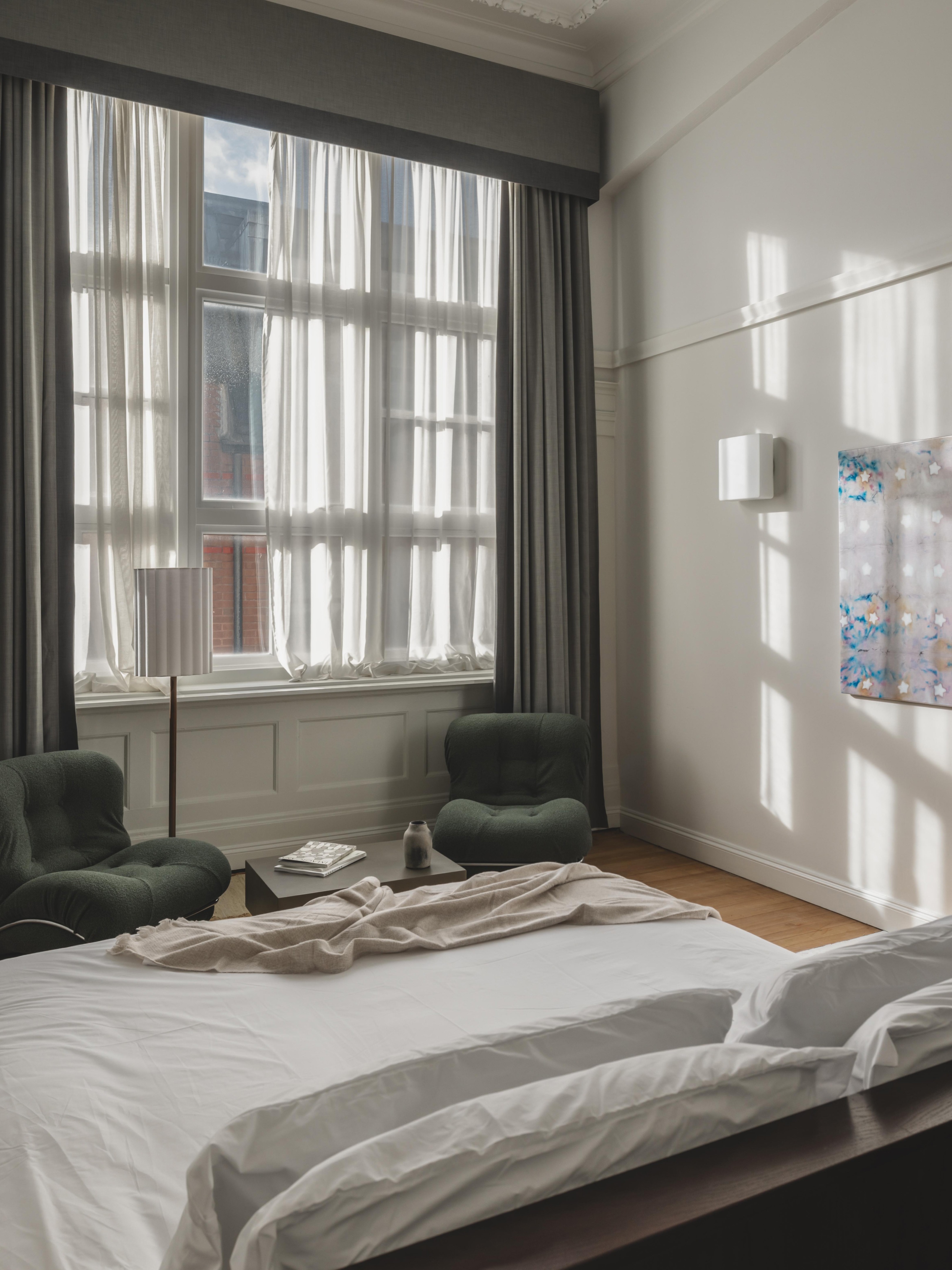
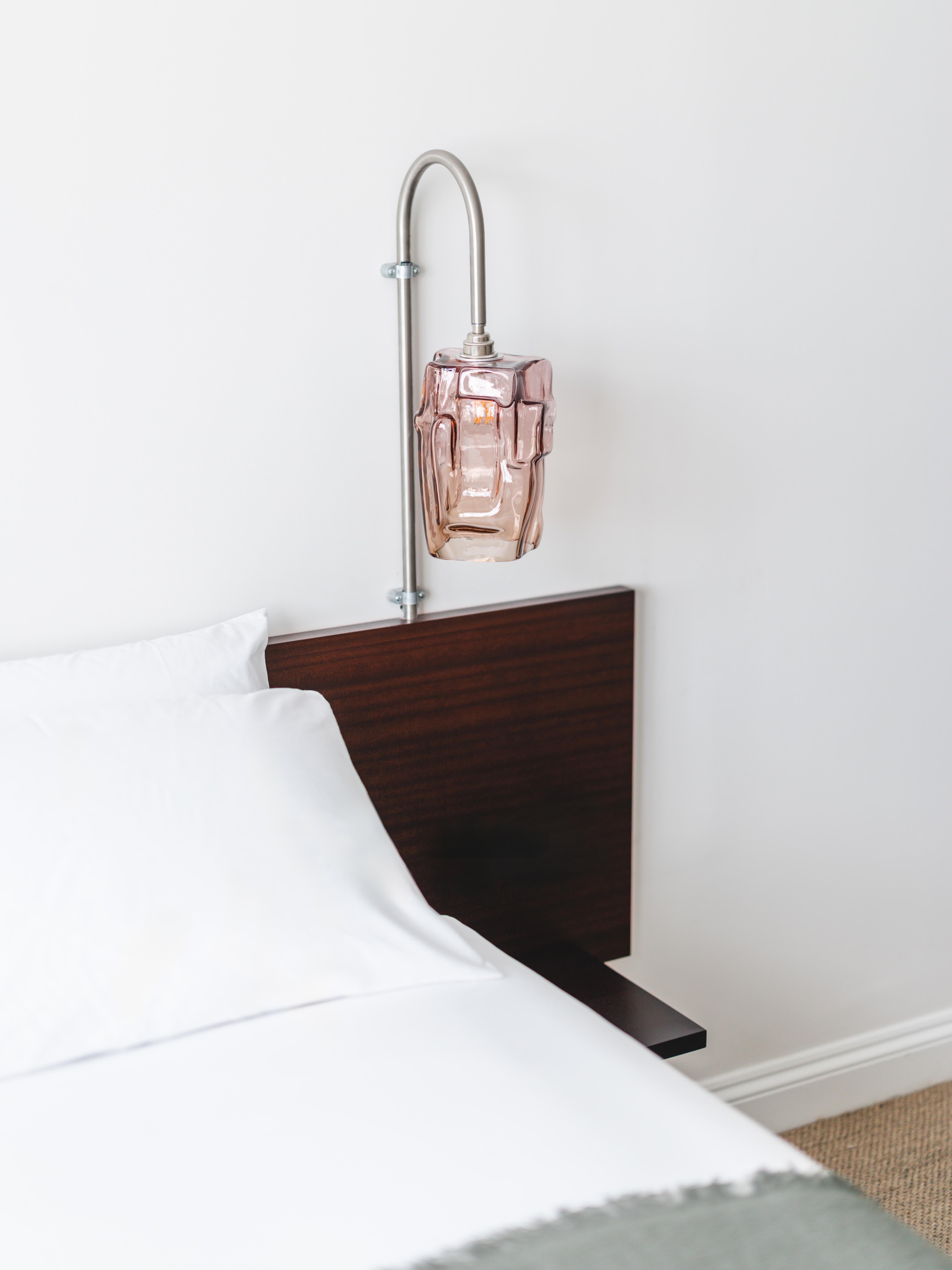
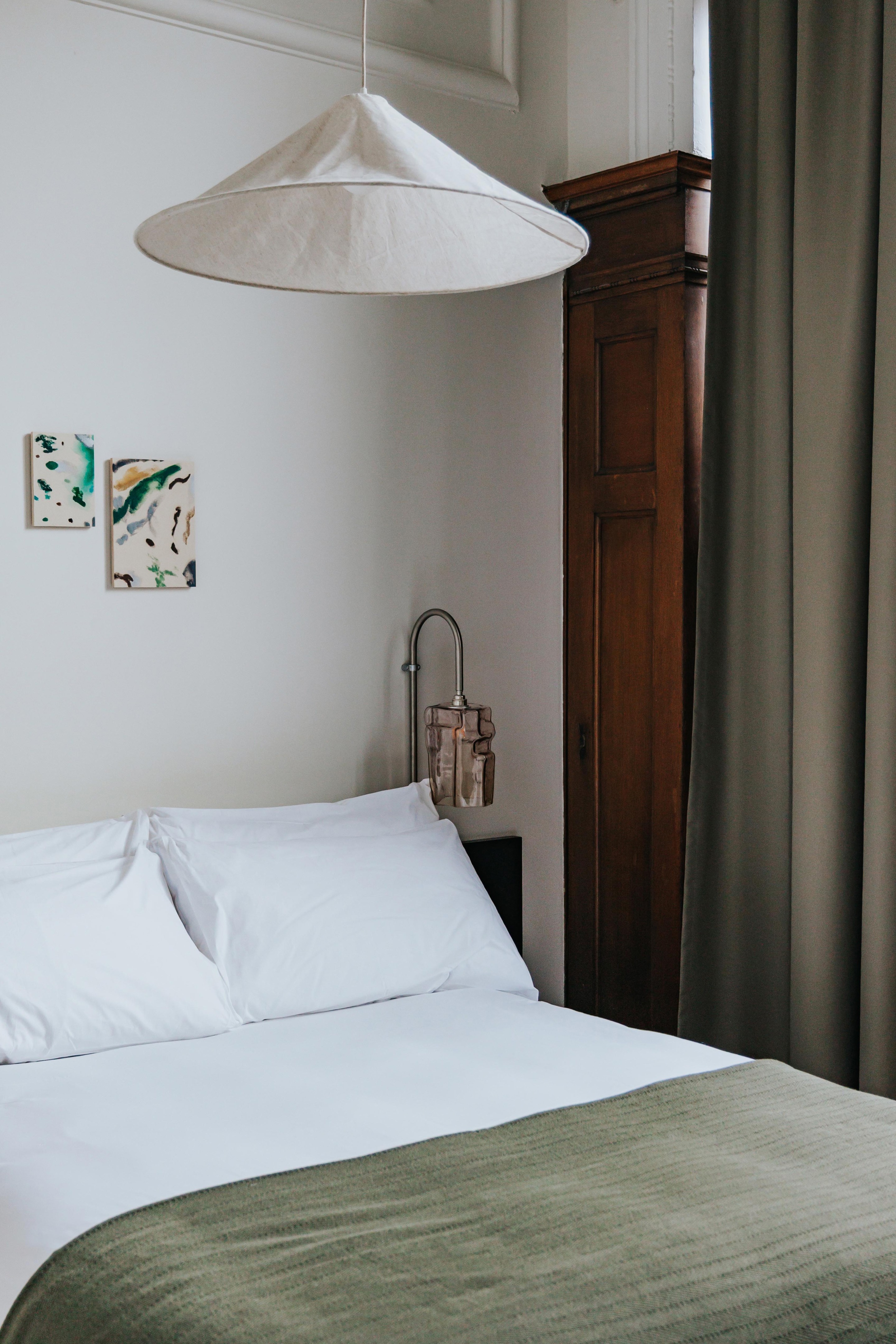
The deeper you look, the more local the hotel becomes. Original works by Scottish artist David Iain Brown appear throughout the bedrooms. Vintage mid-century chairs have been reupholstered using textiles from Bute Fabrics, the Scottish mill founded in 1947. Bespoke bedside lights were created with Glaswegian glass artist Vicky Higgins, while other pieces involve local ceramicists, metalworkers and makers. Even the cultural programming reaches beyond the building, with connections to the Glasgow School of Art, Glasgow International and the city’s independent creative scene. This isn’t Scottishness reduced to tartan. It’s Glasgow represented by the people making things there now.
76 Rooms, Almost No Repetition
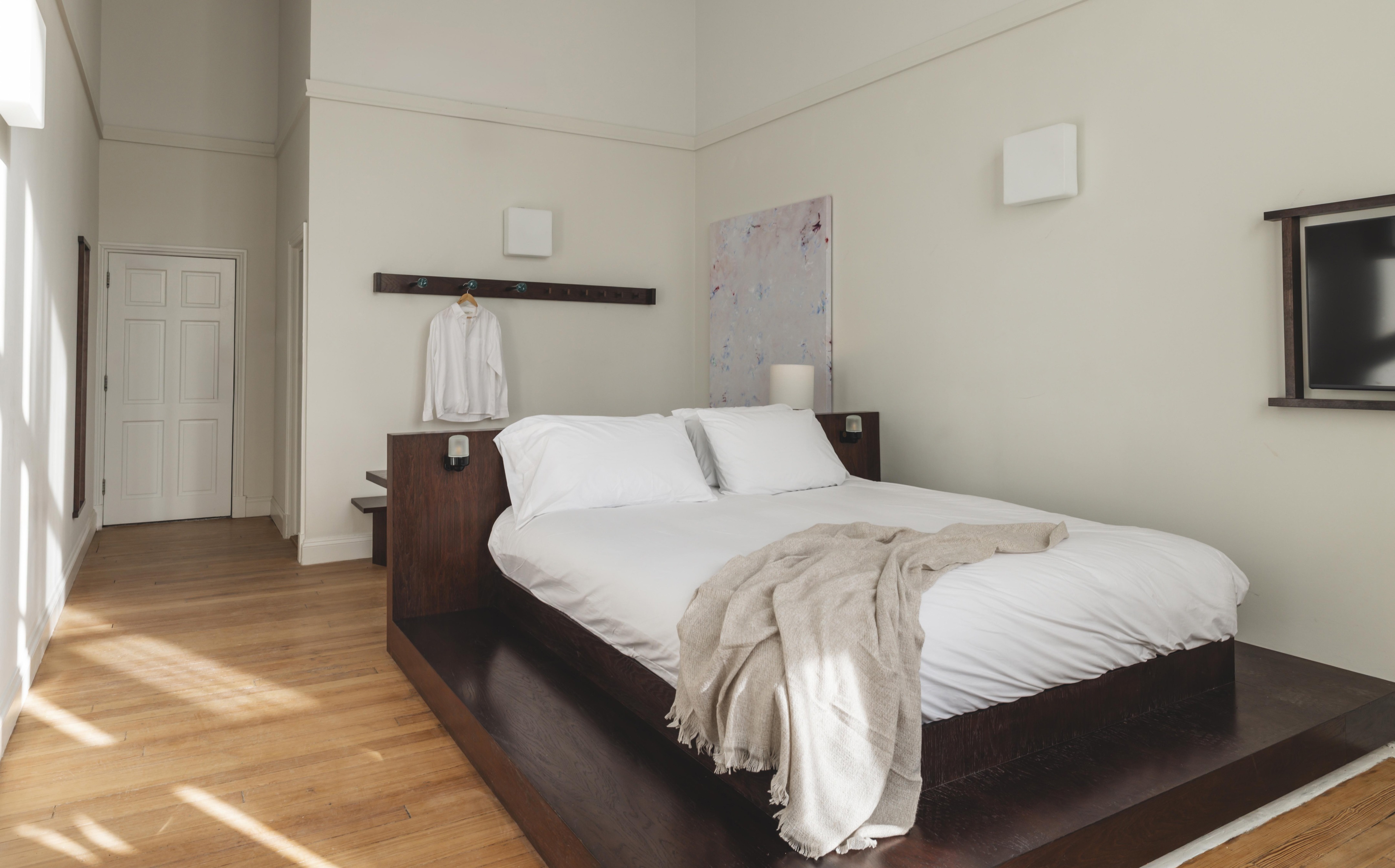
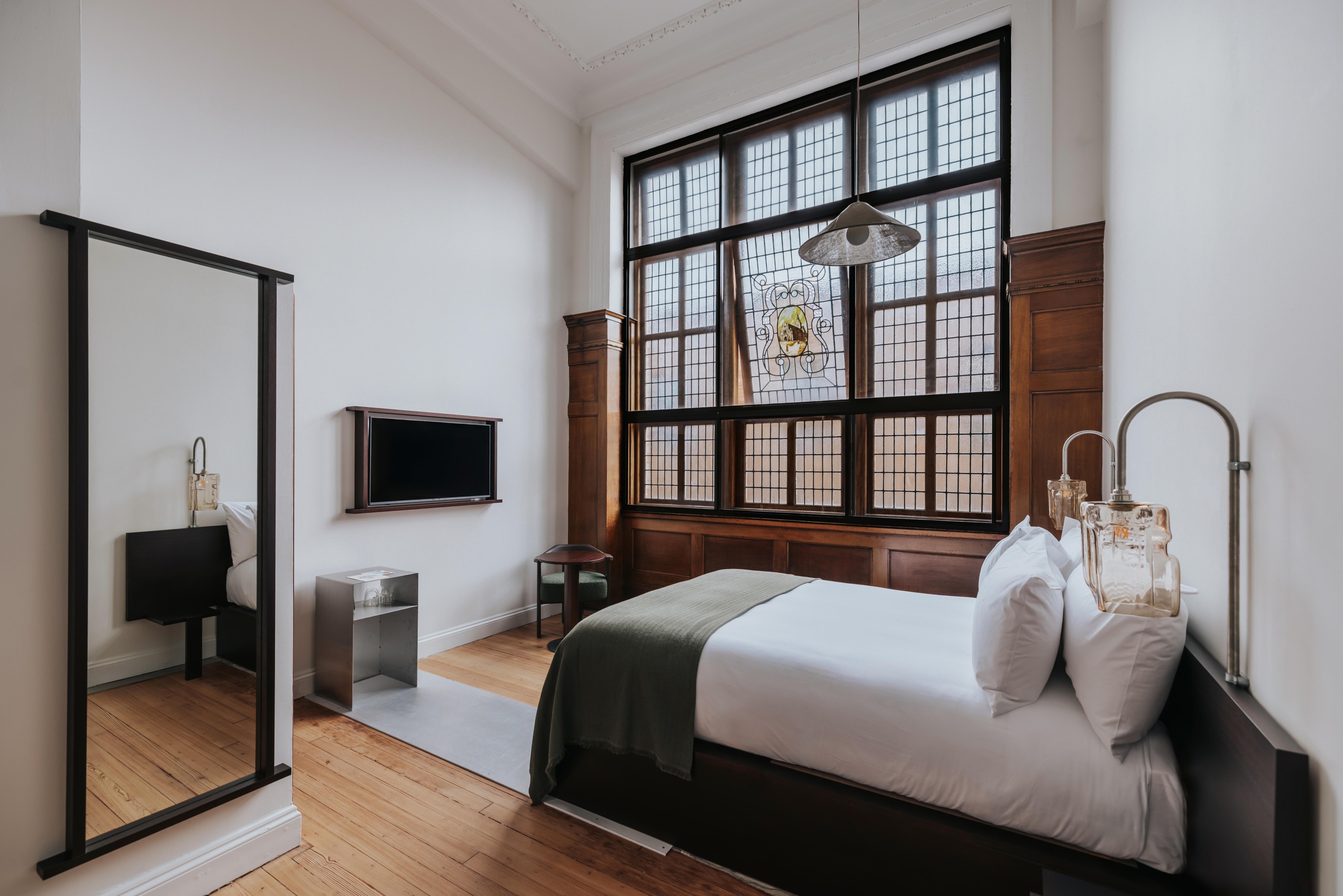
An old building rarely produces identical bedrooms, and Arthouse wisely embraces the irregularity. Its 76 rooms range from compact Pocket rooms to large spaces with soaring ceilings, original floorboards, stained-glass windows and elaborate cornicing. A-nrd’s bespoke timber platform beds become architectural elements in themselves. In larger rooms they’re rotated towards the original windows, while storage, workspace and coffee stations are incorporated behind them, freeing the rest of the room to function more like a small living space. The palette remains restrained: dark timber, putty-coloured curtains, sisal, steel and occasional mossy greens. The suite turns things up slightly, retaining original timber panelling and fireplace while introducing a striking stained-blue timber platform bed and a more generous collection of vintage and bespoke furniture.
Celentano’s Comes Home
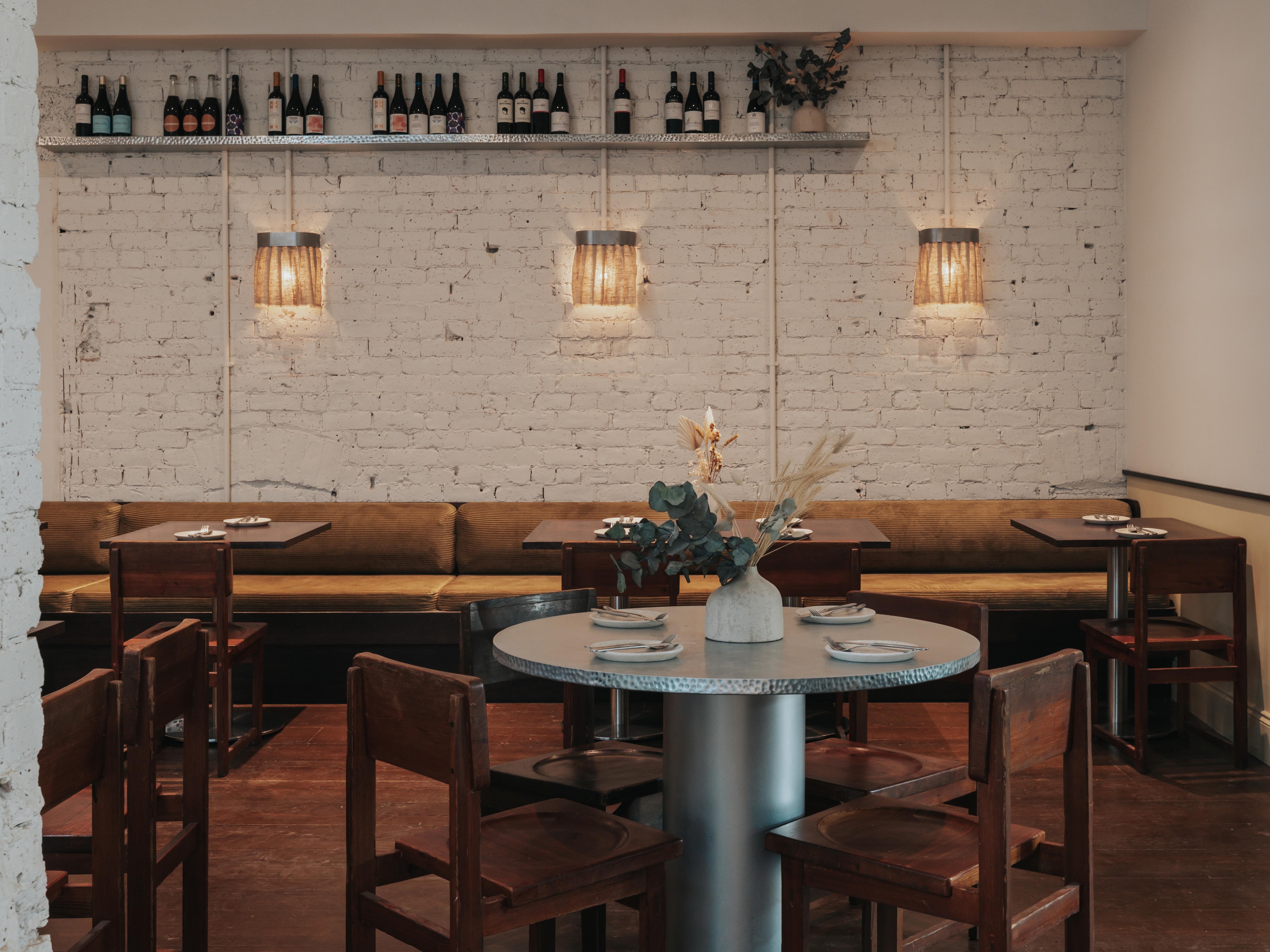
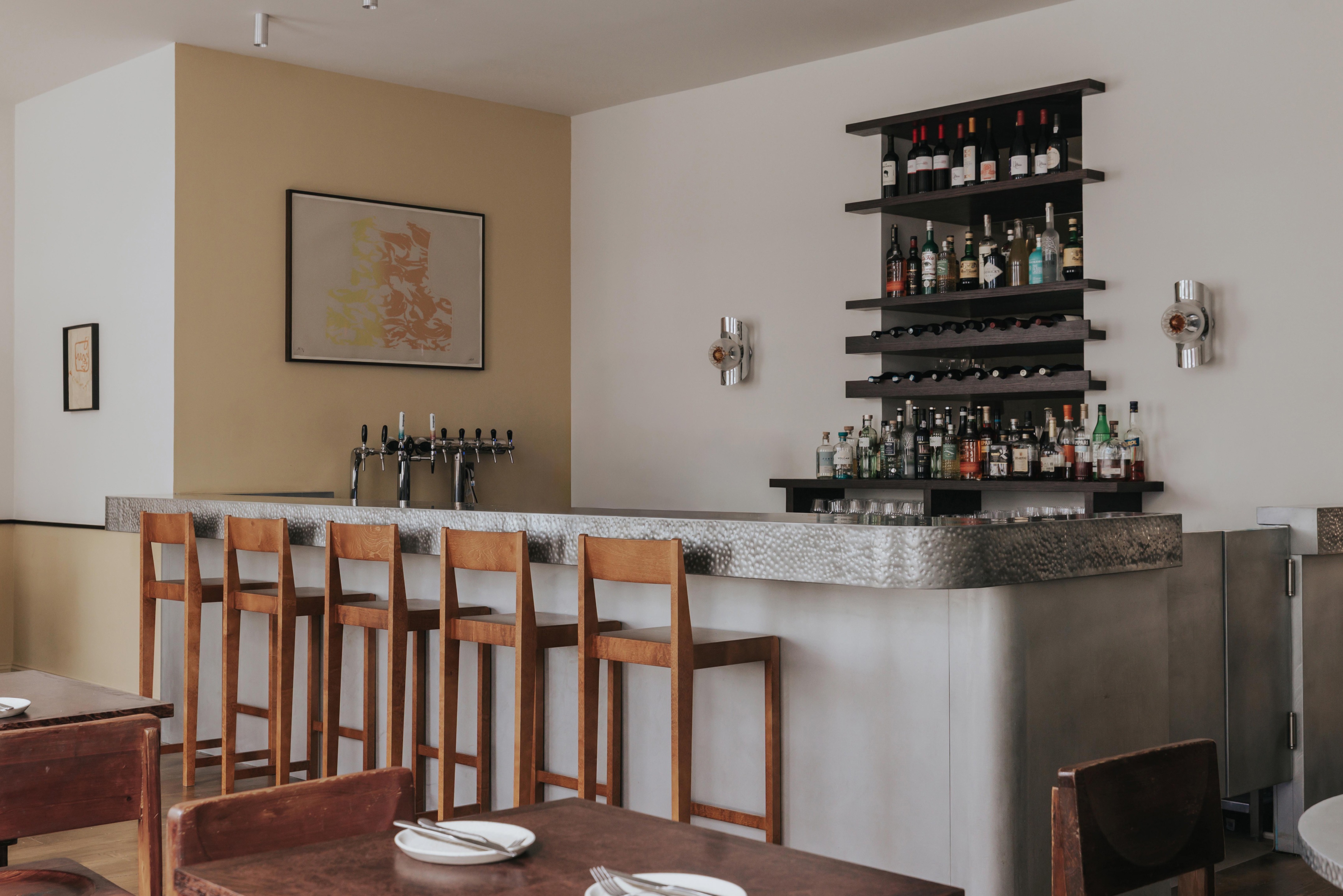
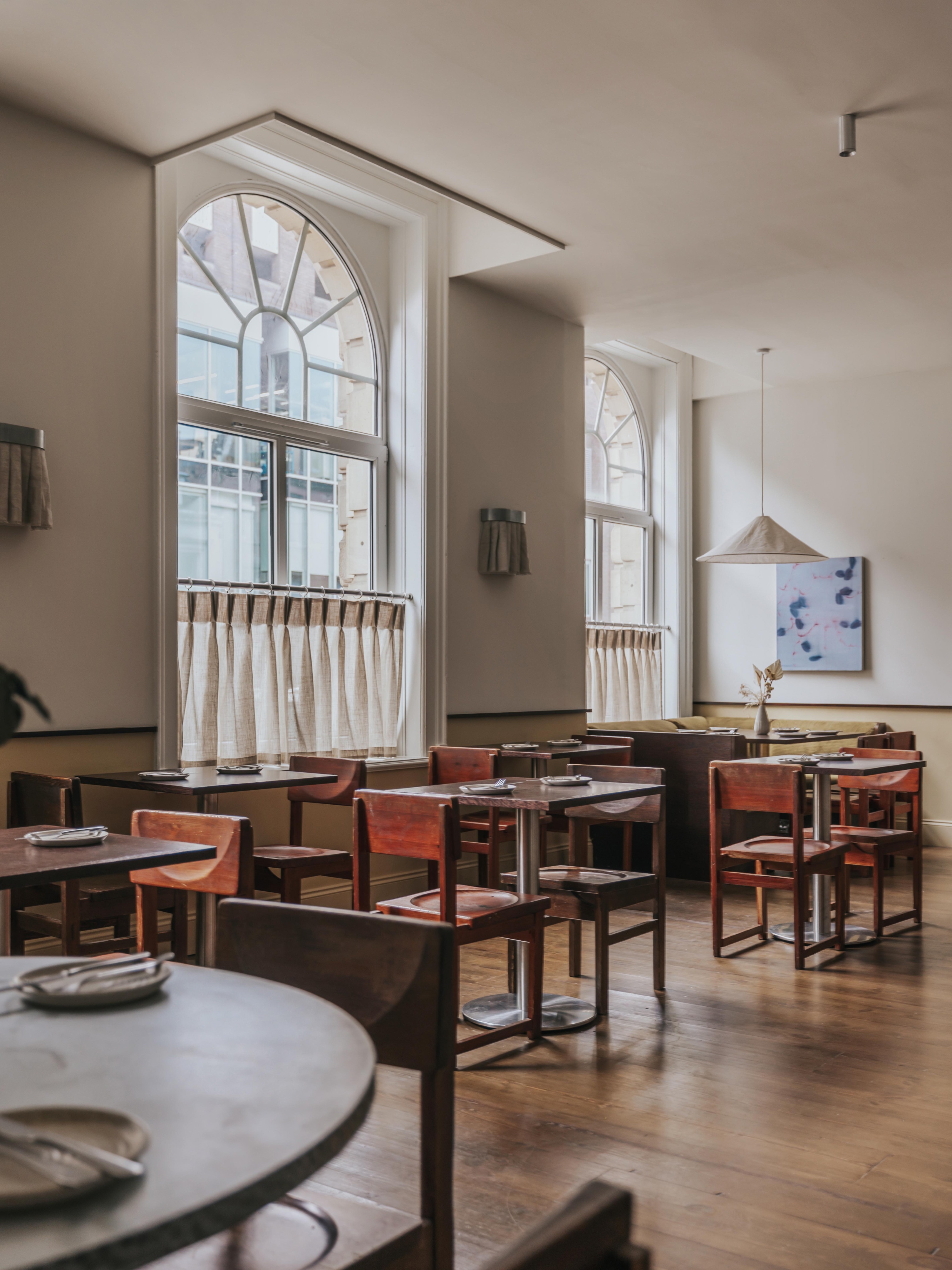
Then there’s Celentano’s. Dean and Anna Parker’s restaurant had already developed a devoted Glasgow following during five years in the city’s East End. Moving it into Arthouse immediately gives the hotel something impossible to manufacture: an established local audience. A-nrd wisely keeps the dining room relaxed — reclaimed timber flooring, exposed brick, glazed tiles, butter-yellow walls and a hand-hammered zinc bar made with local metalworkers. The food is equally grounded. House-made pasta, lasagne fritte and a kitchen obsessed with making things from scratch sit alongside a breakfast spread where even the yoghurt, granola, sourdough, salumi and compotes can emerge from the kitchen rather than a supplier’s van. Kitchen waste even finds another life in house-made liqueurs for cocktails. This is a restaurant that happens to be inside a hotel, not a hotel restaurant. There’s an important difference.
An Art Hotel That Actually Means It
The word Arthouse could easily have become branding. Here, it functions more like a manifesto. Independent magazines sit on tables. Local artworks hang in bedrooms. Live music brings Glasgow into the lounge. Staff point guests towards galleries, record shops, restaurants, coffee bars and pubs rather than keeping them captive inside the building. And that’s ultimately what makes Arthouse interesting. The hotel doesn’t try to create a self-contained lifestyle universe. It opens the door to Glasgow.
Why It Works
Arthouse arrives at an interesting moment for the city, as attention returns to Glasgow’s historic centre and the extraordinary cultural infrastructure surrounding Bath Street. Oberland and A-nrd could have polished this building until its history became decorative. Instead, they stripped it back until the history became visible again — then added contemporary Glasgow through artists, craftspeople, furniture, food and music. Arthouse Glasgow isn’t trying to reinvent the city. It simply gives Glasgow’s old architecture and restless creative culture a very good place to meet.