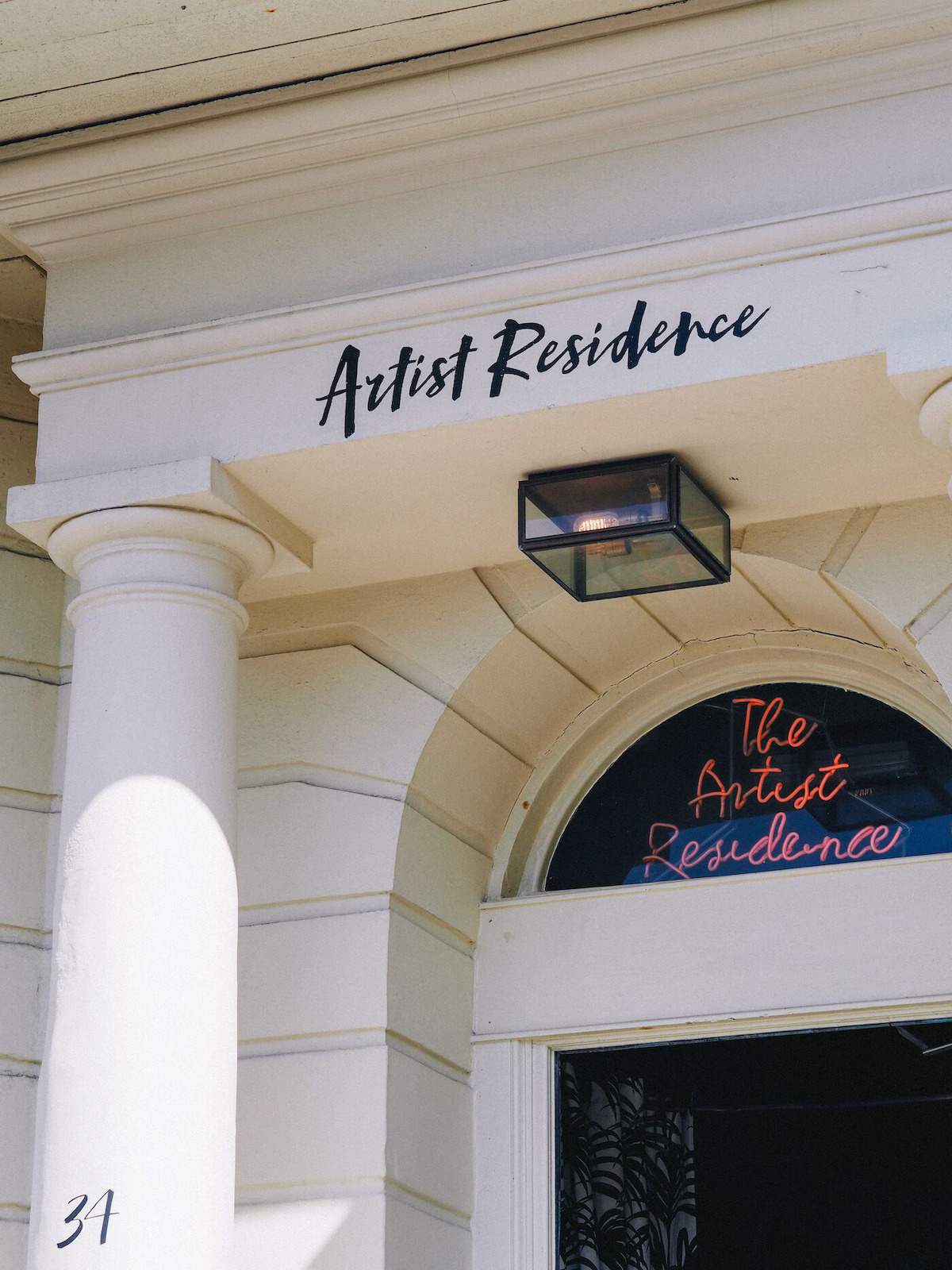
Artist Residence Brighton – England
The accidental boutique hotel that turned local art, reclaimed furniture and Brighton eccentricity into a winning formula.
Why DNA Hotels Loves It
● The original Artist Residence, born when 20-year-old Justin Salisbury invited local artists to decorate rooms in exchange for a stay — necessity accidentally becoming a hotel concept.
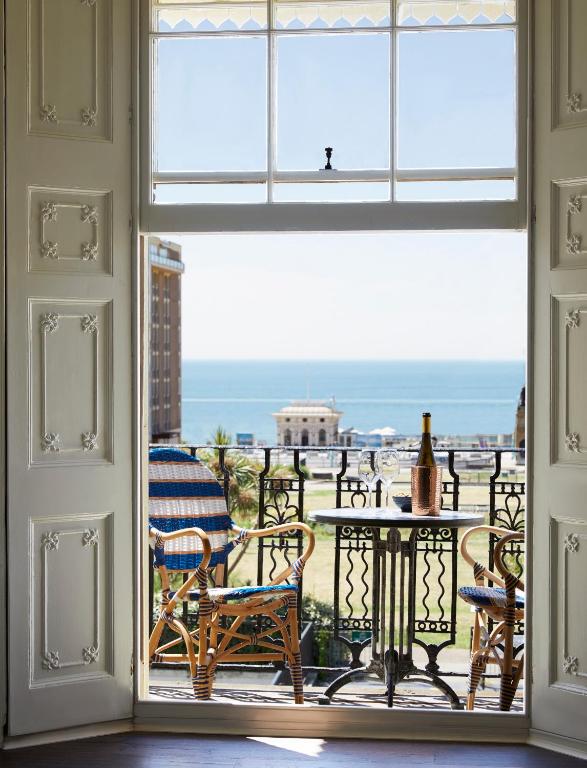
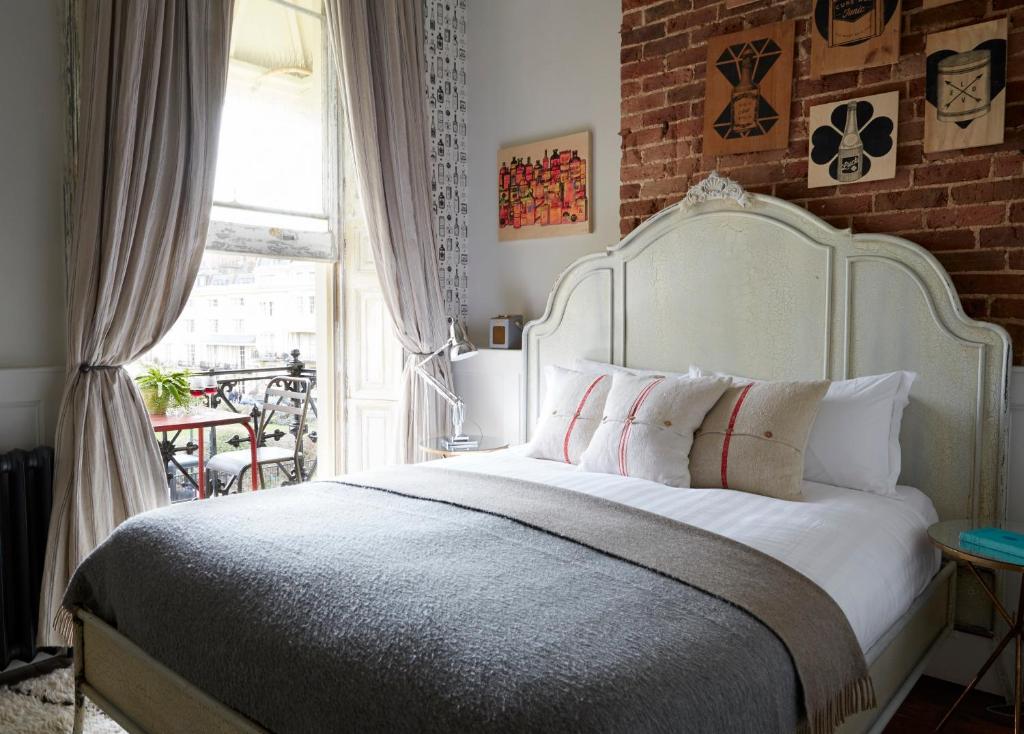
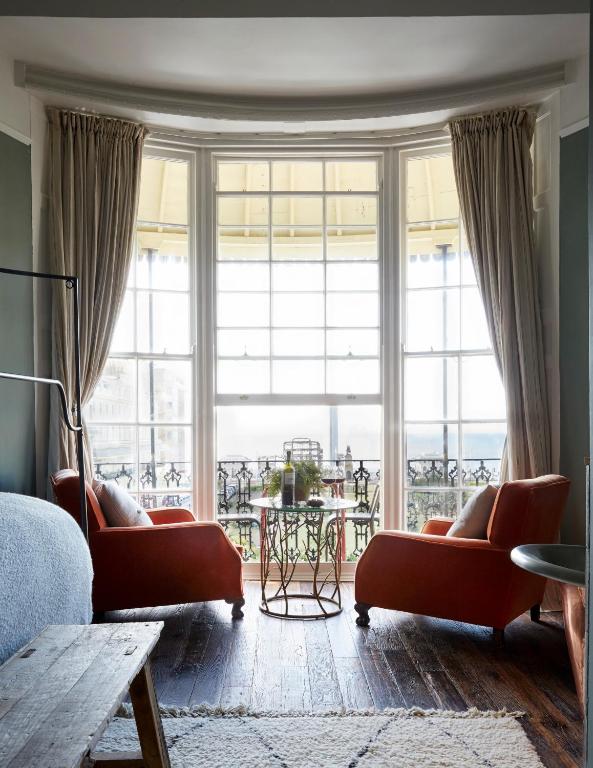
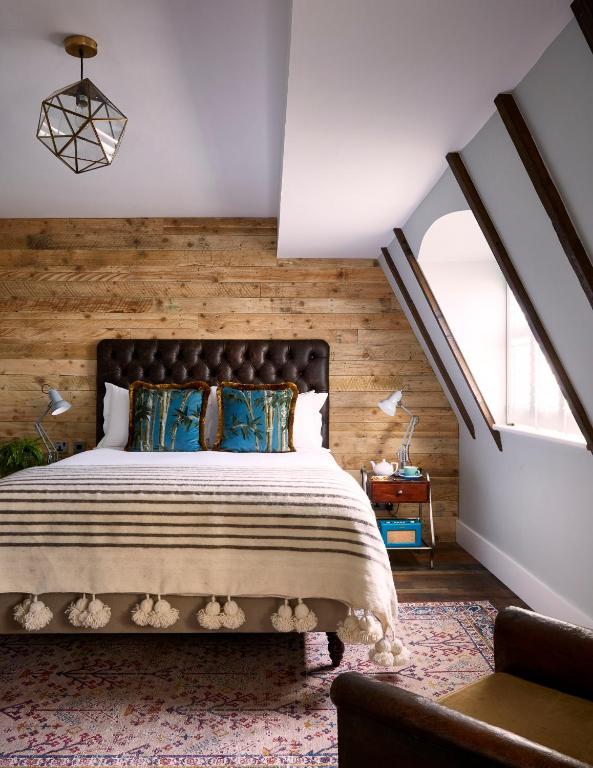
● Set across two Regency townhouses overlooking Regency Square and the sea, with individually designed rooms filled with murals, original art, reclaimed furniture and vintage finds.
● It feels unmistakably Brighton: creative, slightly eccentric, sociable and stylish without ever becoming too polished.
It Started with a Call to Artists
Some hotels begin with investors, architects and carefully researched brand strategies. Artist Residence Brighton began with a family guesthouse in trouble. In 2008, Justin Salisbury, then just 20, returned home to help run the property after his mother became seriously ill. With little money available for renovation, he came up with an unconventional solution: invite local artists to decorate the bedrooms in return for accommodation. They came. And instead of creating a coordinated interior, they produced something much more interesting — a hotel where every room had its own personality. That improvised experiment became the first Artist Residence and eventually inspired an entire collection of hotels.
Two Regency Houses, No Two Rooms Alike
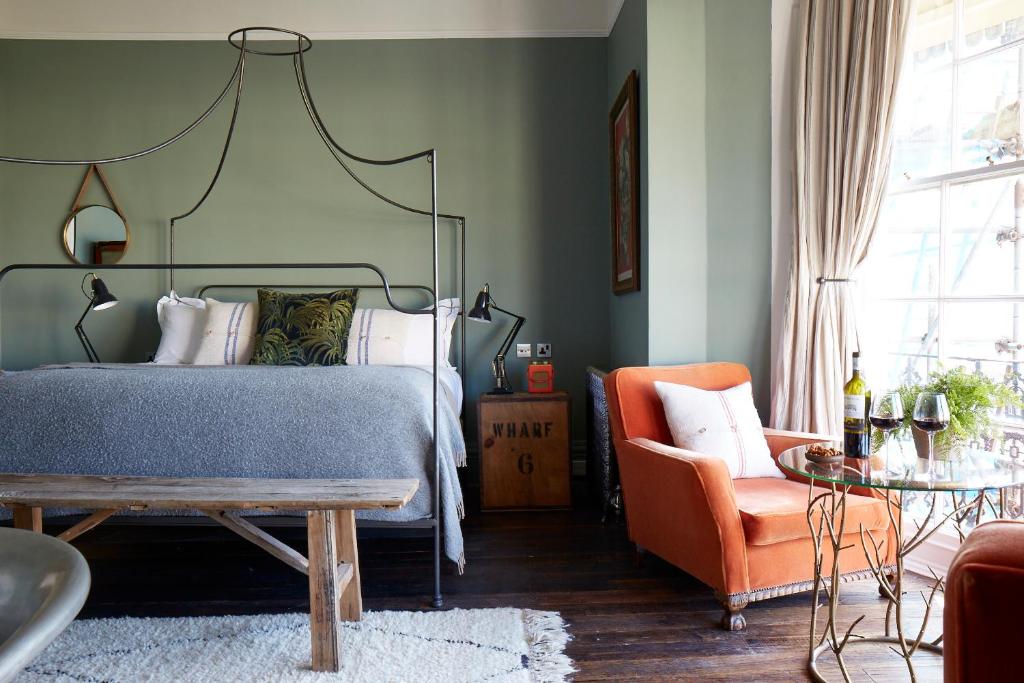
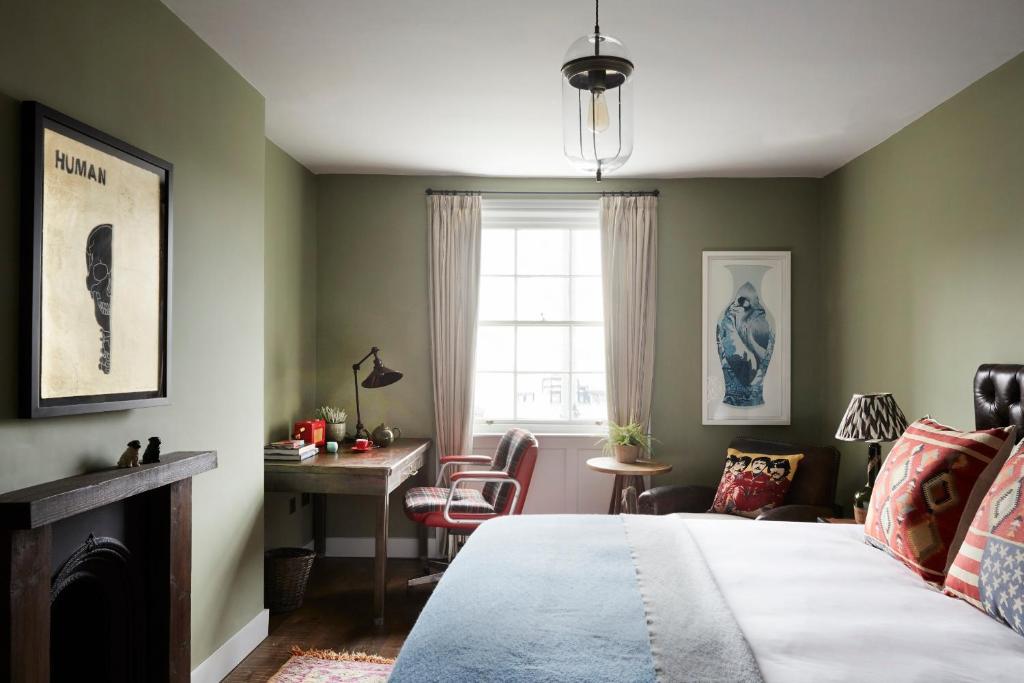
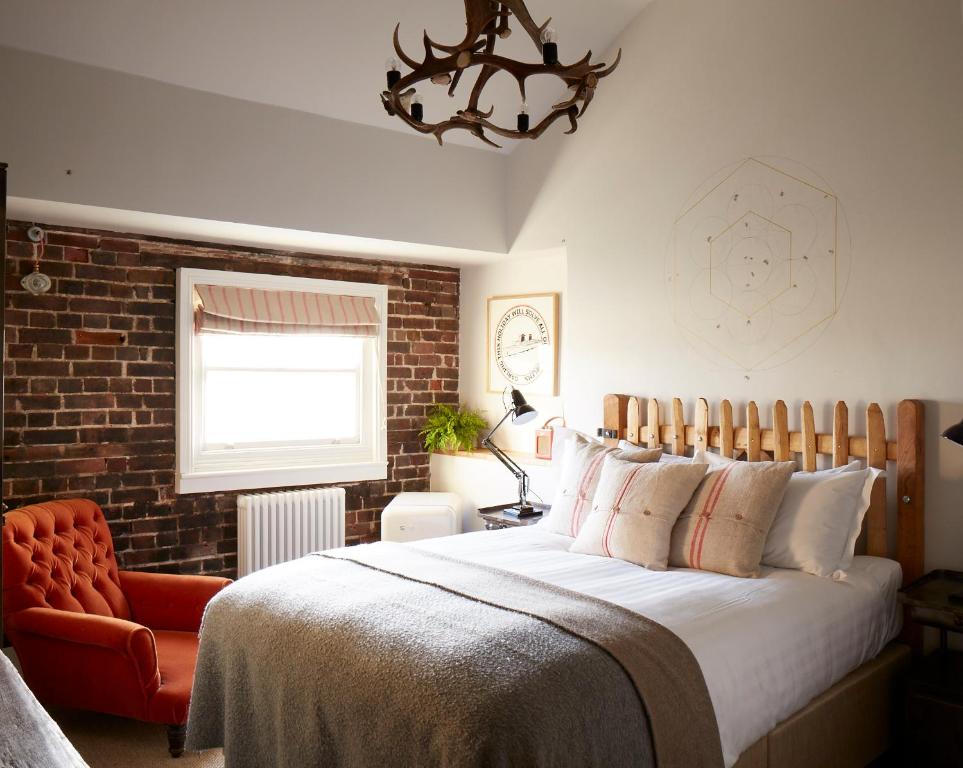
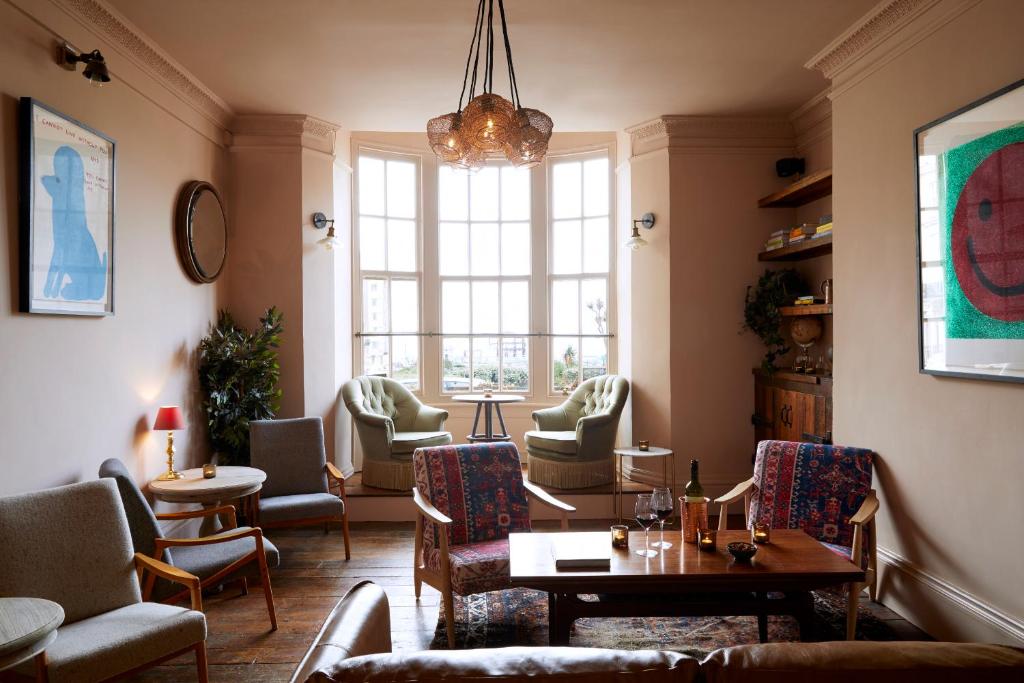
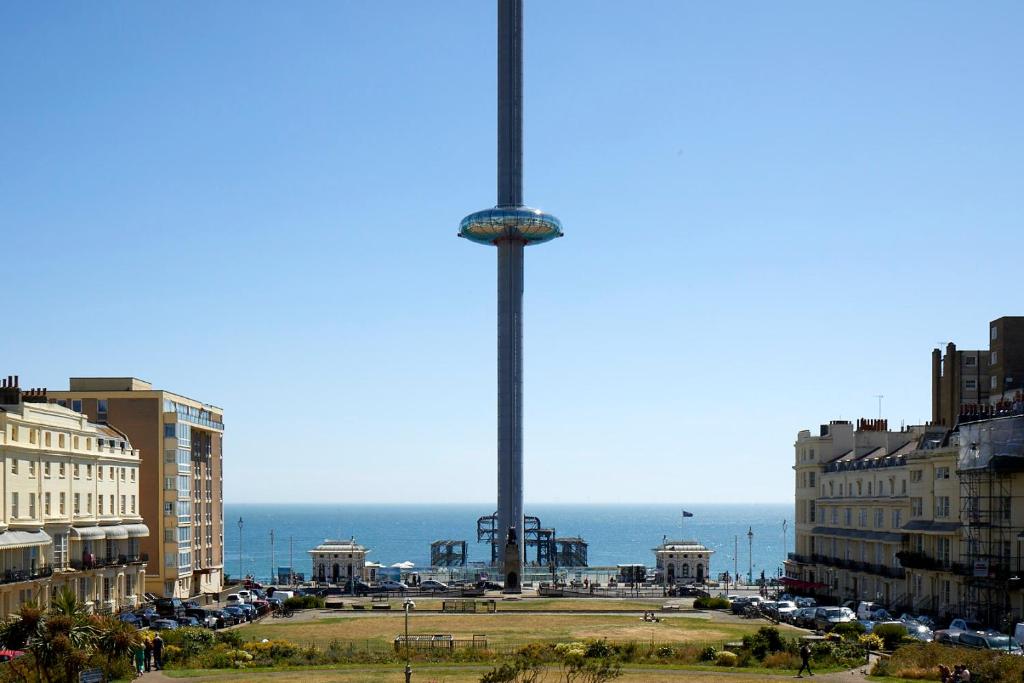
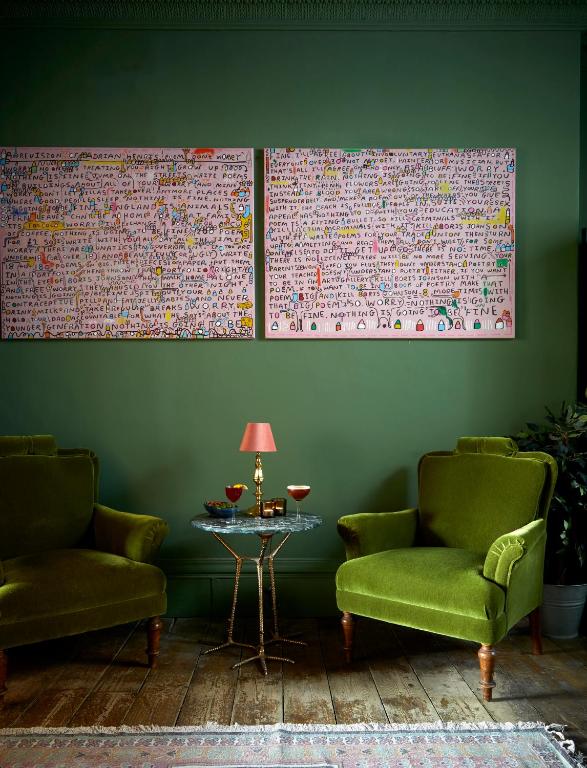
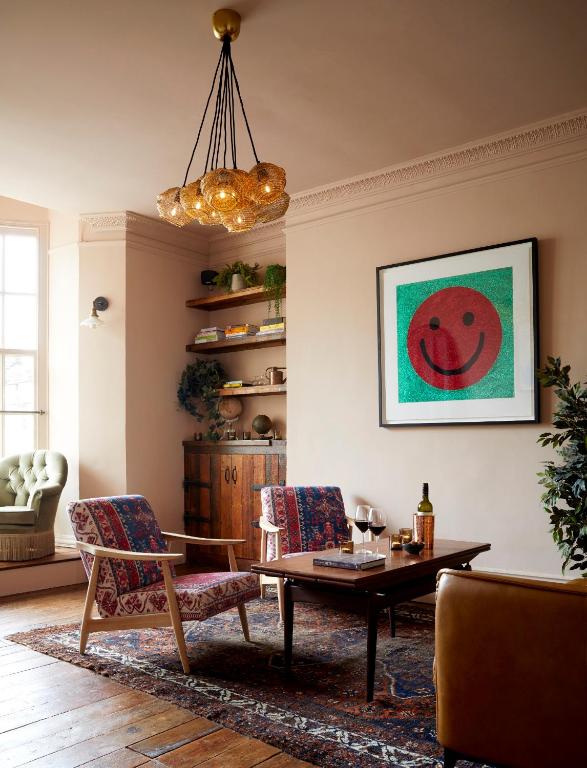
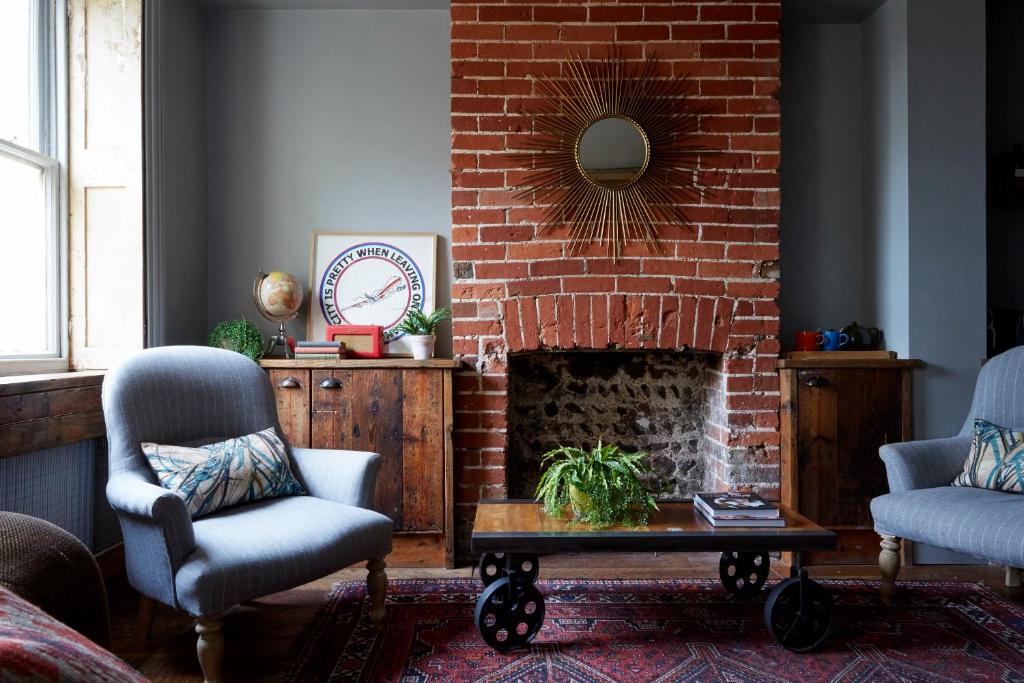
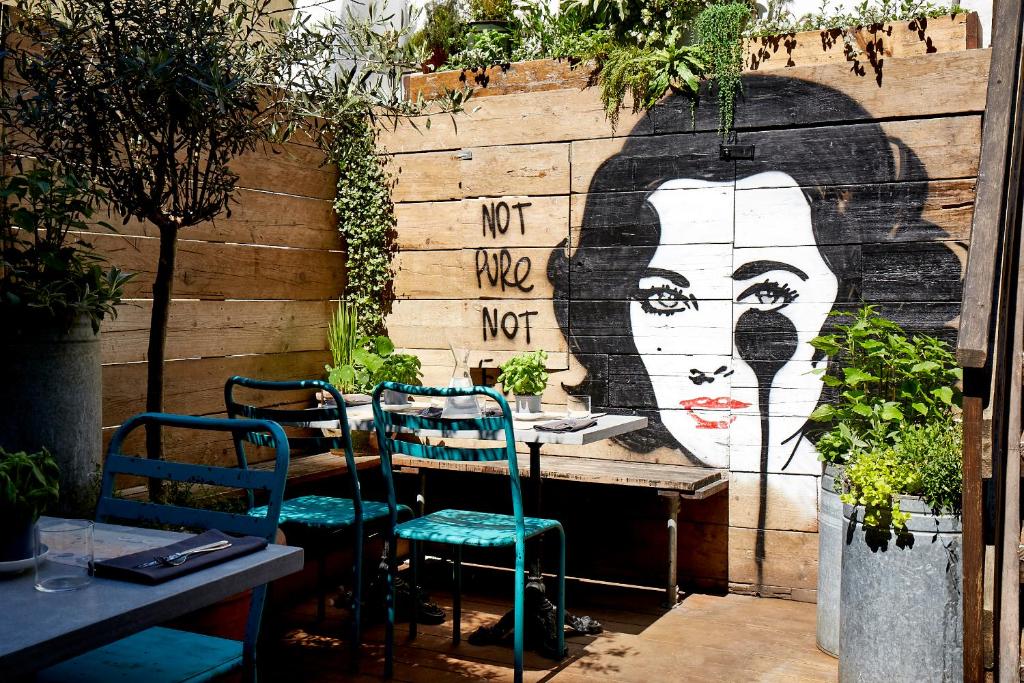
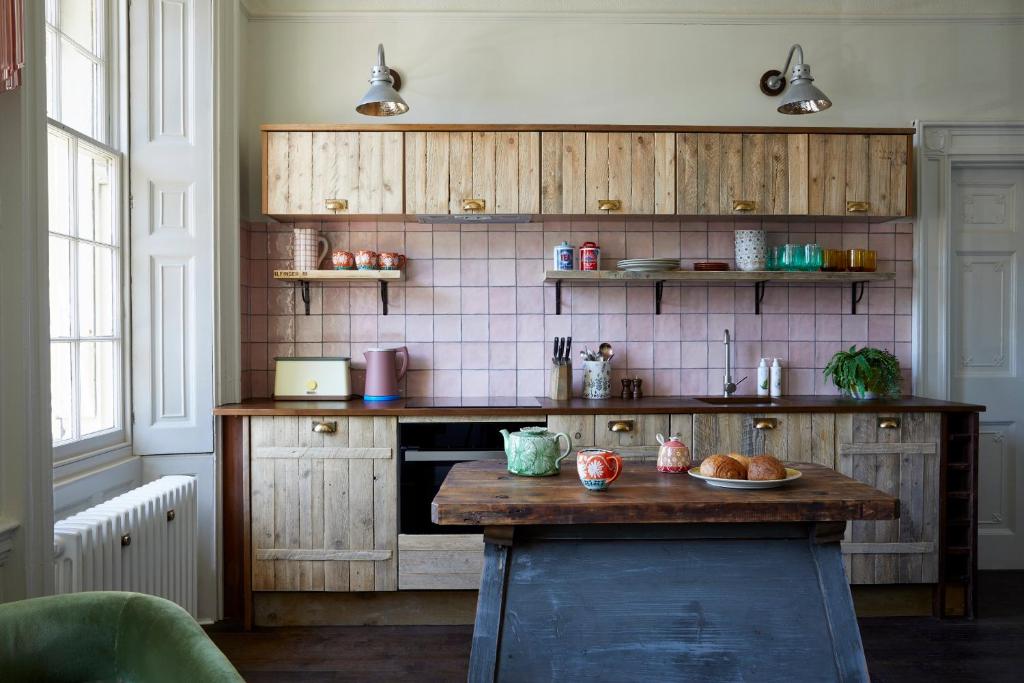
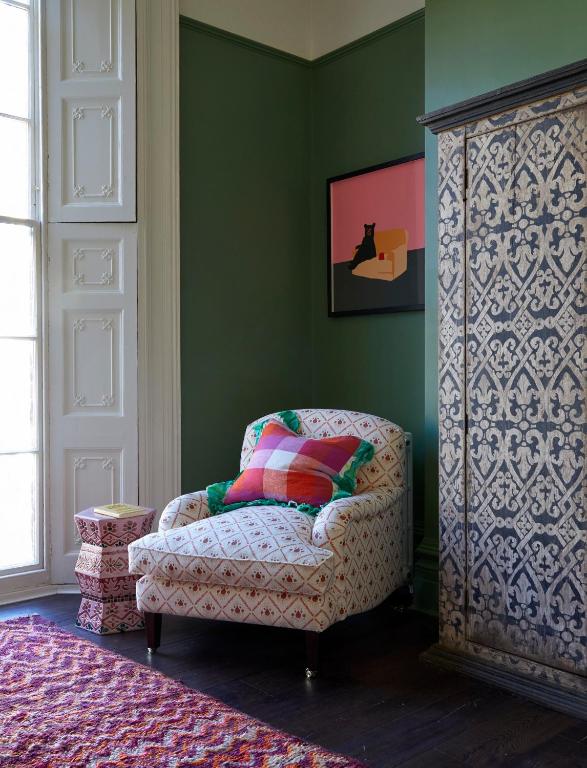
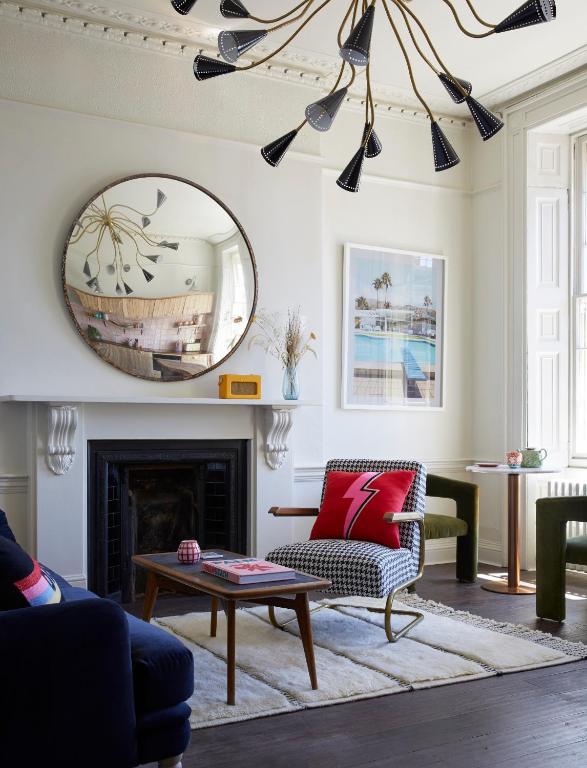
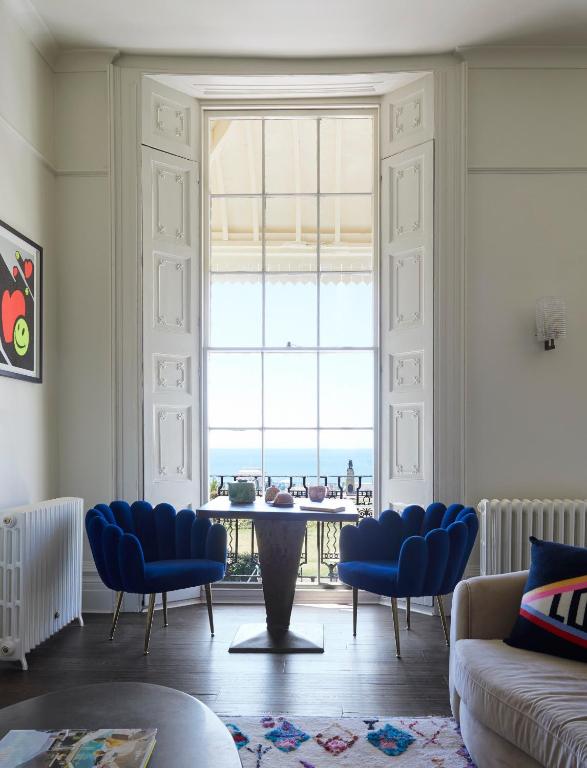
The hotel occupies a pair of handsome 19th-century townhouses on Regency Square, high enough above Brighton’s seafront to provide views towards the sea and the remains of the West Pier. Inside, Regency architecture meets something considerably less formal. Original cornicing and tall windows sit alongside exposed brick, reclaimed timber, industrial details, vintage Anglepoise lamps and furniture that looks collected rather than specified. Then comes the art. Some rooms feature dramatic murals; others original paintings and limited-edition prints. Artists represented across the hotel have included Blek le Rat, Charlie Anderson, Joe Webb and Jess Albarn, while Andy Doig’s irreverent neon work brings some particularly Brighton humour to the communal spaces. Nothing matches too perfectly. That’s precisely the charm.
Artist Rooms and House Rooms
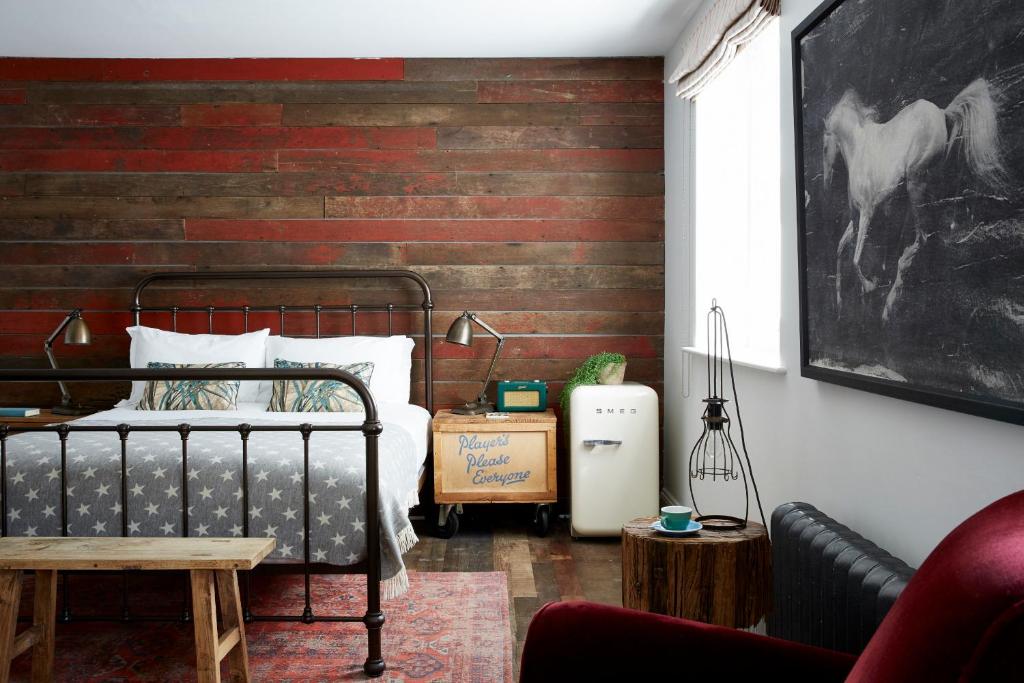
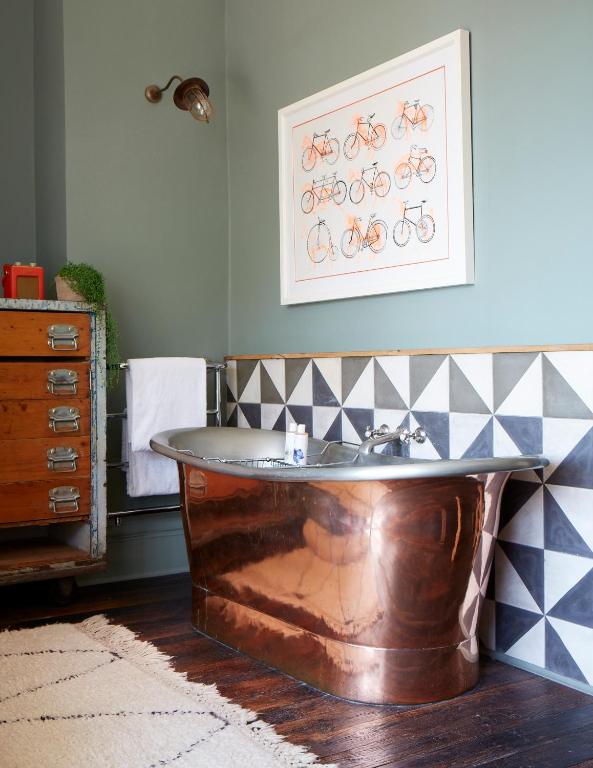
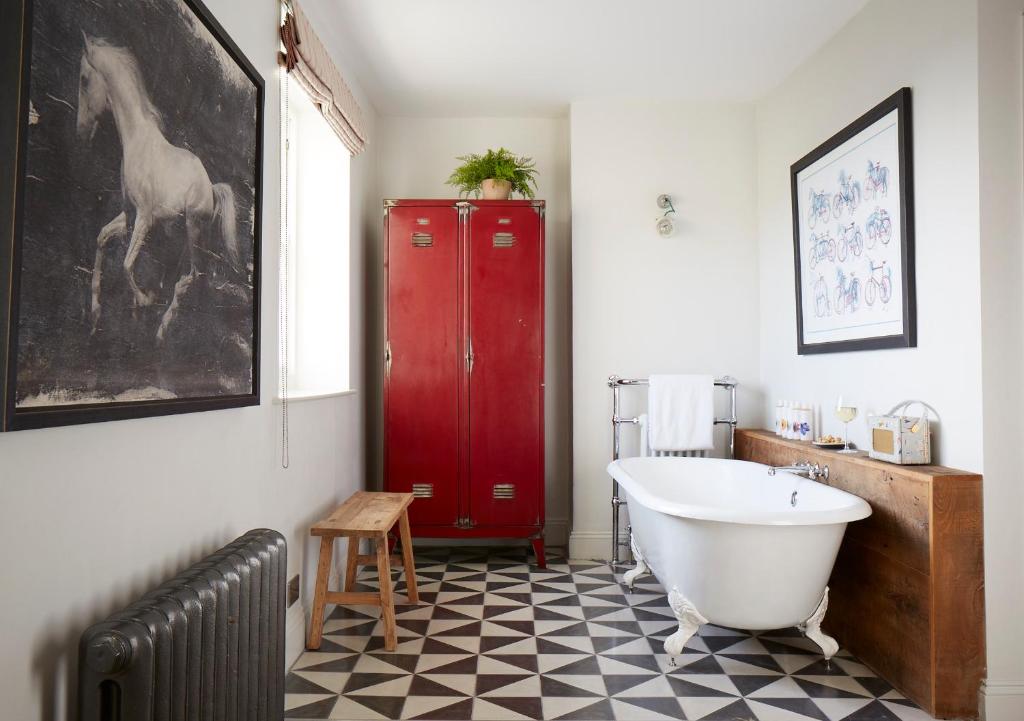
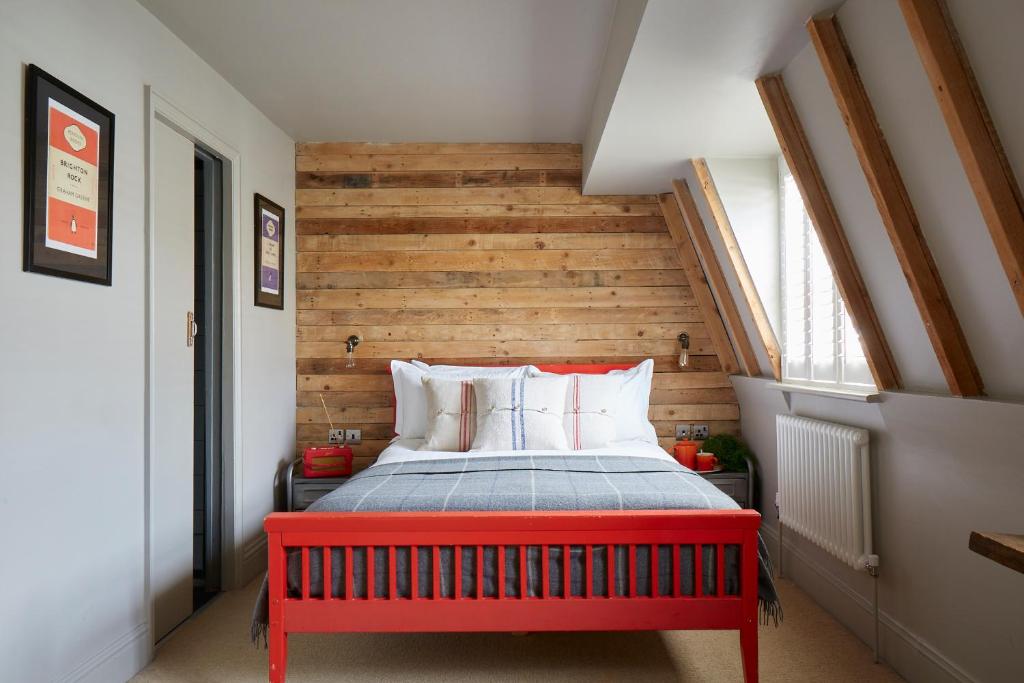
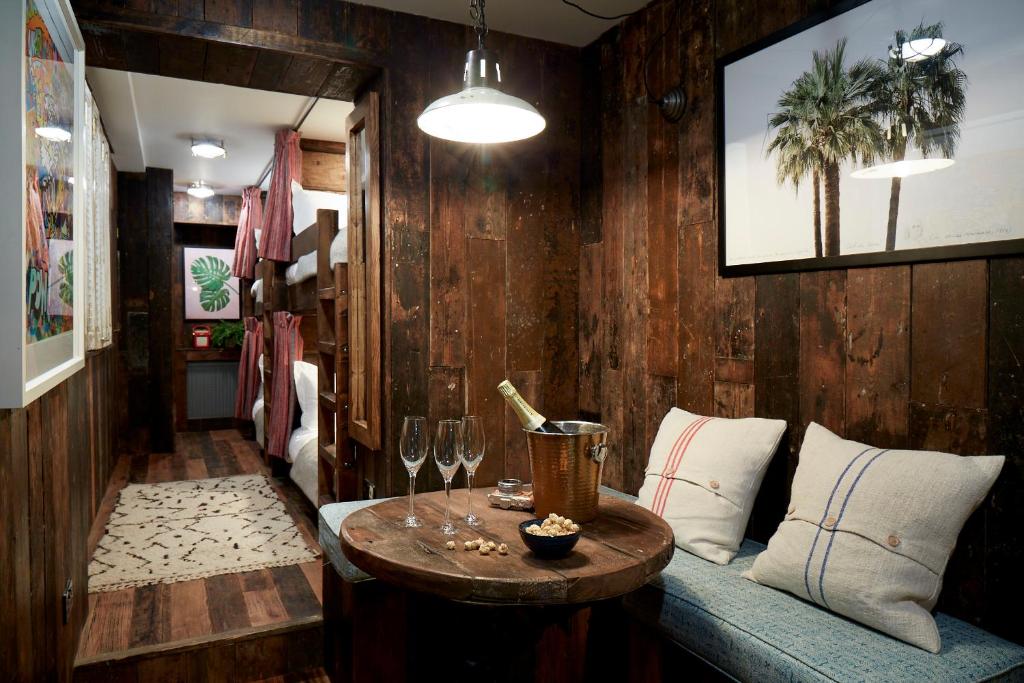
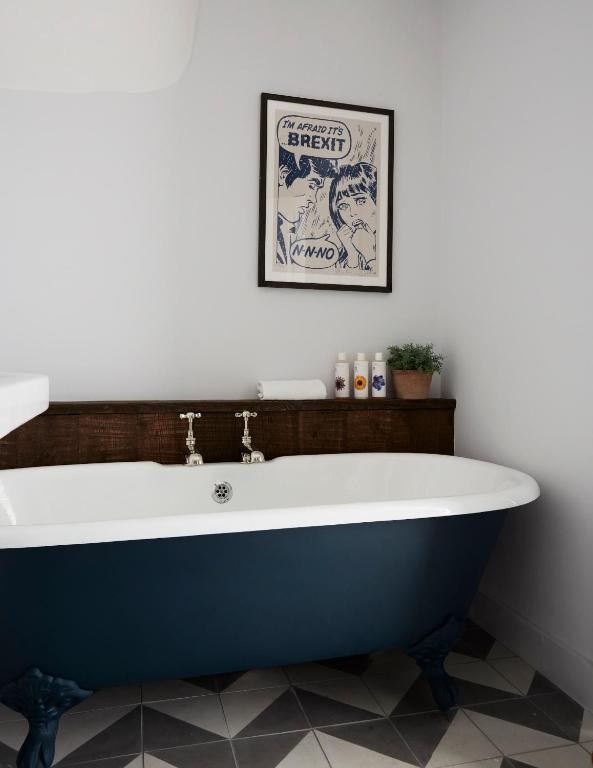
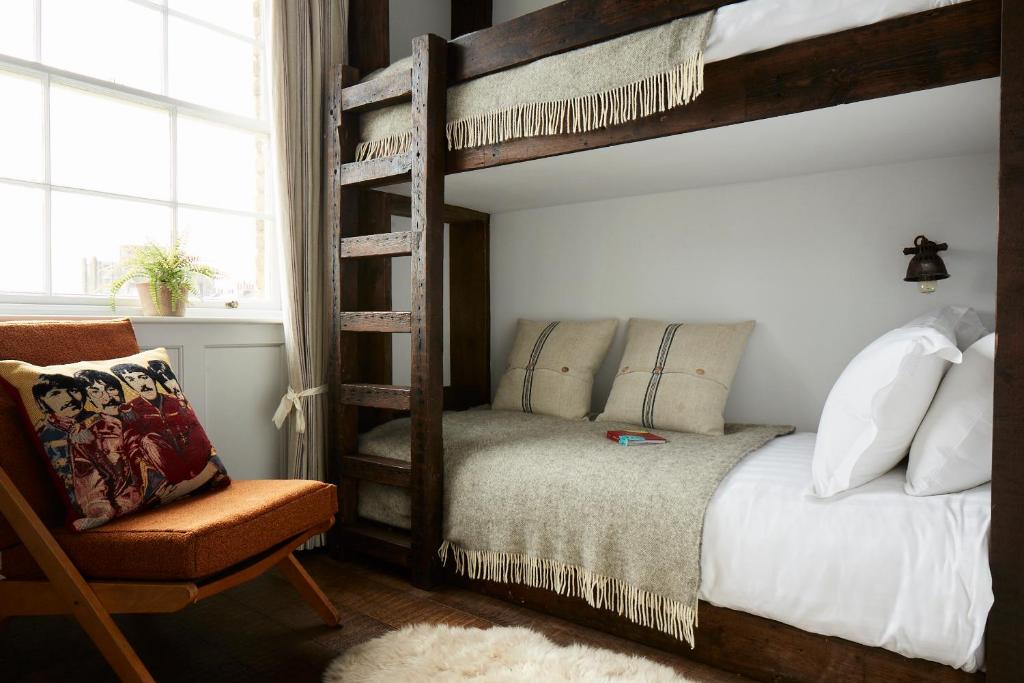
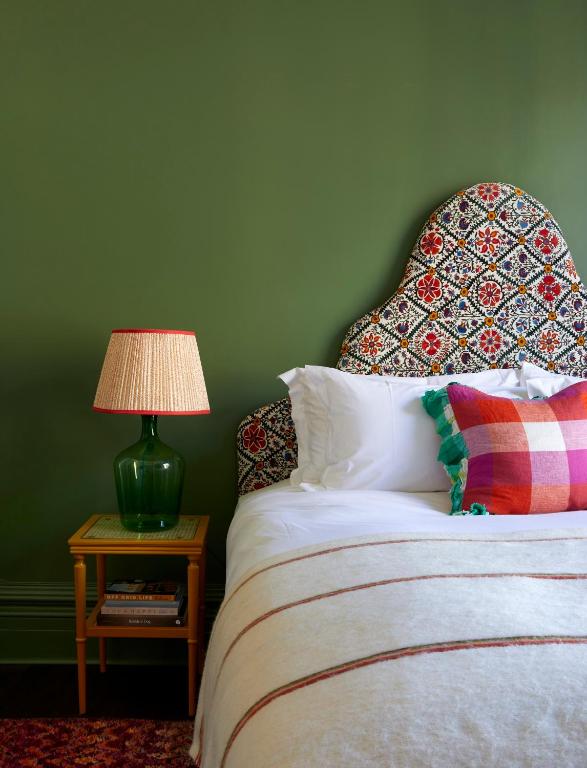
The bedrooms broadly divide into two personalities. The original Artist Rooms carry the strongest individual artistic interventions, while the House Rooms use artwork, reclaimed furnishings and rich Farrow & Ball colours to create a somewhat calmer interpretation of the same idea. Retro Roberts radios, reclaimed tea chests used as bedside tables, wool and tartan textiles and vintage furniture reinforce the feeling of staying in somebody’s exceptionally creative home. Some larger rooms add roll-top or copper baths, balconies and views across Regency Square towards the sea. Even the smallest rooms benefit from those tall Regency ceilings.
Brighton Downstairs
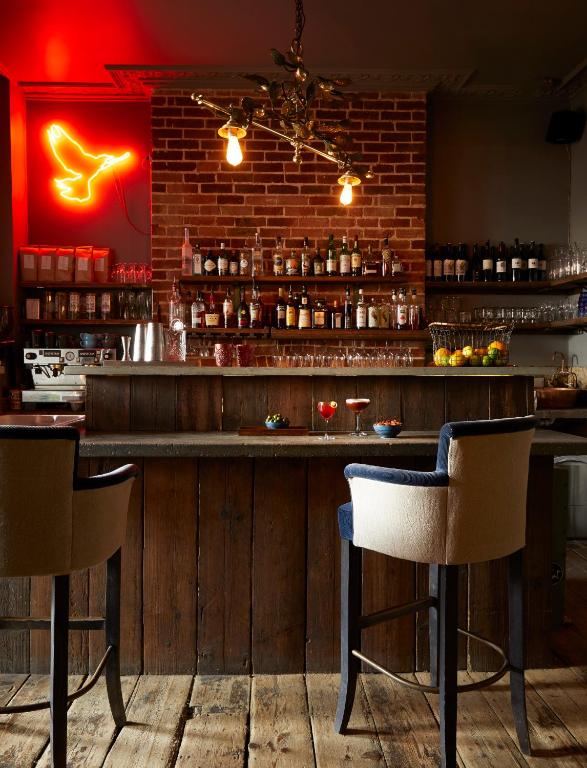
Artist Residence has always understood that a good boutique hotel needs somewhere people actually want to hang out. Downstairs, the café, restaurant and bar operate as an informal Brighton living room: breakfast in the morning, laptops and coffee during the day, food and cocktails as evening arrives. Exposed brick, fireplaces, mismatched furniture, artwork and flashes of neon maintain the same collected-over-time character as the bedrooms. The bar is particularly good territory for beginning the evening — preferably beside the bay window overlooking Regency Square. Whether the evening progresses beyond the hotel is another question.
Reclaimed Before It Became Fashionable
Part of Artist Residence’s aesthetic grew from circumstance rather than trend. Reclaimed timber, repurposed furniture, vintage pieces and artist-made objects weren’t initially selected to create a fashionable sustainability narrative. They were affordable ways to give an old guesthouse character. That authenticity still matters. Even as the hotel became more sophisticated, it retained the mixture of upcycled furniture, original artwork, vintage finds and deliberately imperfect materials that made the first incarnation memorable. It feels assembled rather than decorated.
Brighton Outside the Door
The location does the rest. Cross Regency Square and the beach is immediately ahead, with the skeletal West Pier sitting offshore. Walk east and Brighton’s restaurants, bars, independent shops, The Lanes and the Royal Pavilion are all within easy reach. It’s difficult to imagine Artist Residence working quite as well anywhere else. Brighton has always been a little theatrical, alternative and irreverent — grand Regency architecture sharing streets with artists, musicians, vintage shops, nightlife and seaside kitsch. The hotel simply brought all of those contradictions indoors.
The Original Artist Residence
Artist Residence has since grown beyond Brighton, but this property remains important precisely because it doesn’t feel like the prototype of a hotel brand. It feels like something that happened. A young hotelier needed to rescue a family guesthouse. Artists needed walls. Old furniture found another life. Individual rooms became canvases. Guests liked what they found. And an accidental idea became a hospitality company. Artist Residence Brighton proves that sometimes the best hotel concept is the one nobody sat down and invented.