Atrio – Cáceres, Spain
Three Michelin stars, remarkable contemporary architecture and one legendary wine cellar hidden within the medieval walls of Cáceres.
Why DNA Hotels Loves It
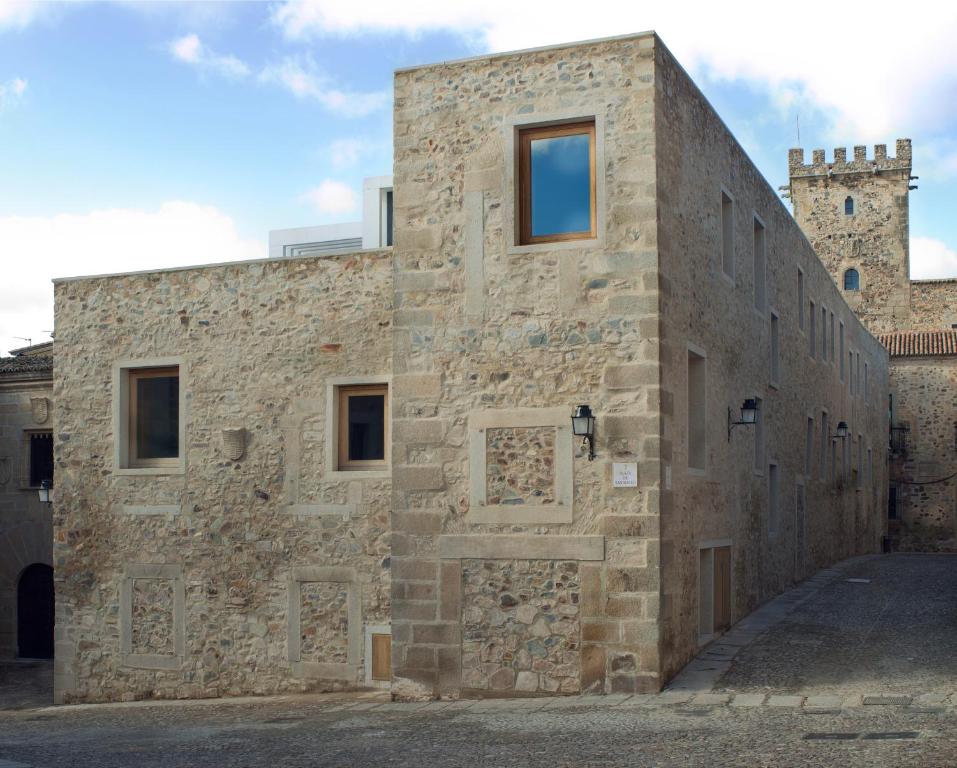
● Architects Mansilla + Tuñón inserted an unapologetically contemporary hotel into Cáceres’ UNESCO-listed historic centre without sacrificing the character of the centuries-old city around it.
● Just 14 rooms combine almost monastic simplicity with serious design, including furniture by Hans J. Wegner and an exceptional private art collection with works by Andy Warhol and Georg Baselitz.
● Atrio’s three-Michelin-star restaurant and extraordinary cellar make food and wine fundamental to the experience rather than another hotel amenity.
A Radical Idea Behind Ancient Walls
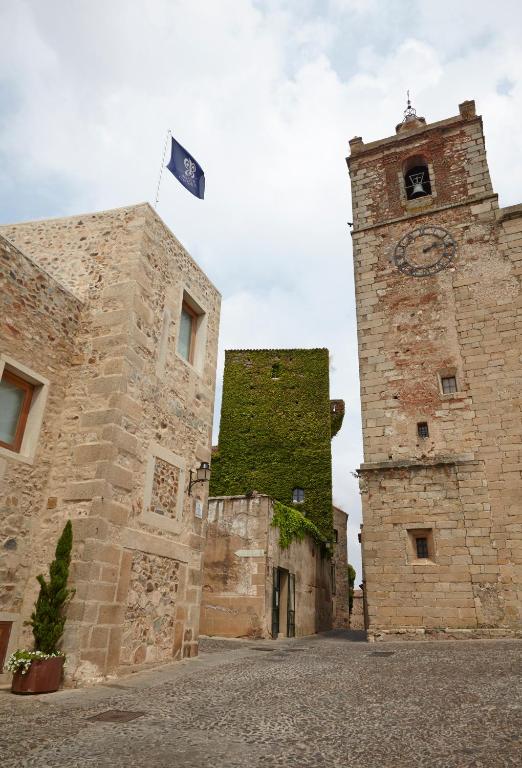
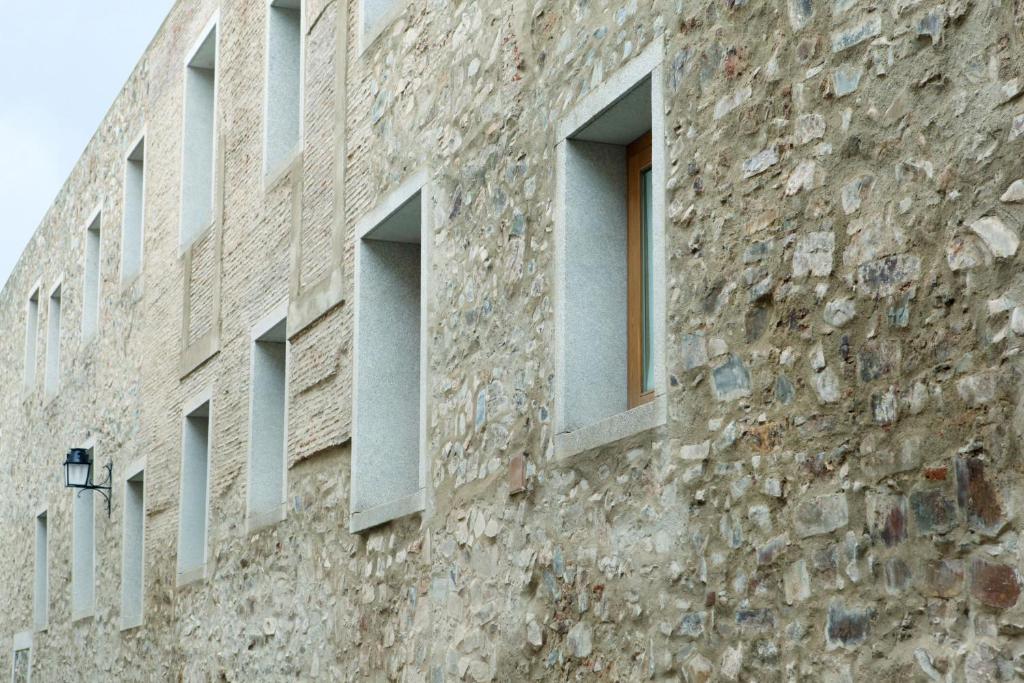
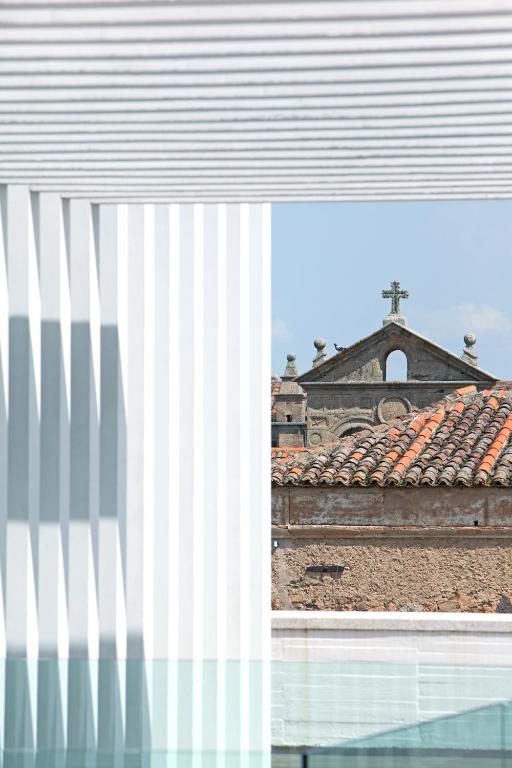
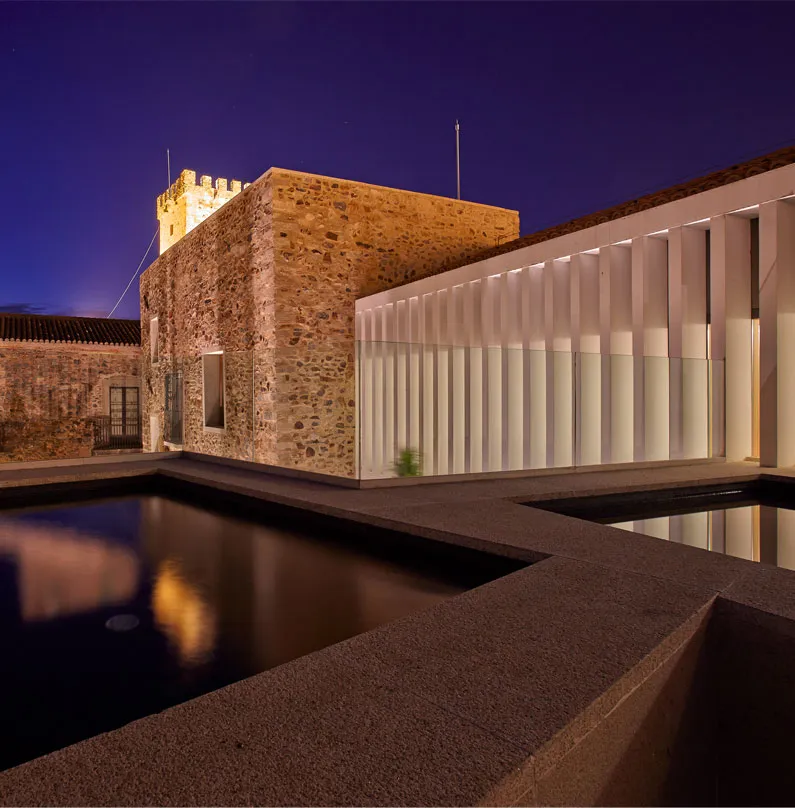
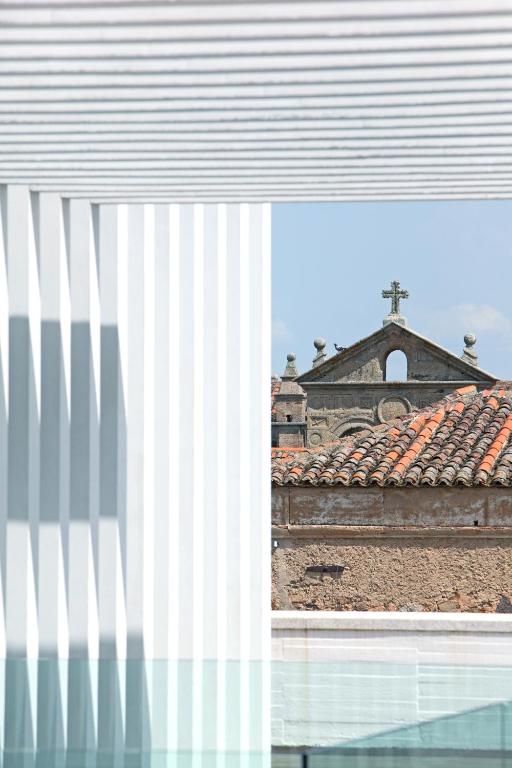
Cáceres is not an obvious place for architectural experimentation. Its old town is an extraordinary maze of medieval streets, Renaissance palaces, fortified houses, Roman remnants and Moorish towers — the kind of UNESCO World Heritage setting where new architecture could easily become either timid imitation or an attention-seeking intrusion. Atrio does neither. Created by chef Toño Pérez and José Polo, whose original Atrio restaurant dates back to 1986, the hotel opened in 2010 as an ambitious collaboration with architects Luis M. Mansilla and Emilio Tuñón. Their solution was confidently contemporary. From the street, local stone and carefully judged proportions connect Atrio to the historic fabric around it. Look closer and its angular, vertically ribbed façade makes no attempt to pretend that the building has been standing here for centuries. Old Cáceres remains old. Atrio is allowed to be new.
Mansilla + Tuñón’s Architecture of Restraint
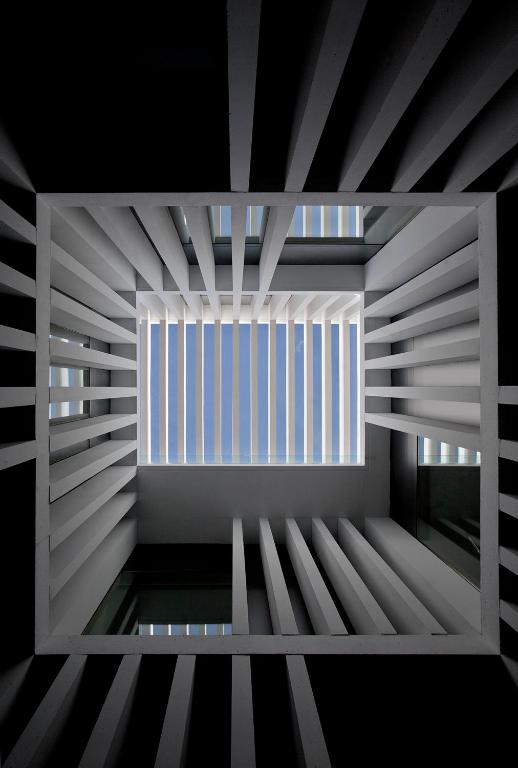
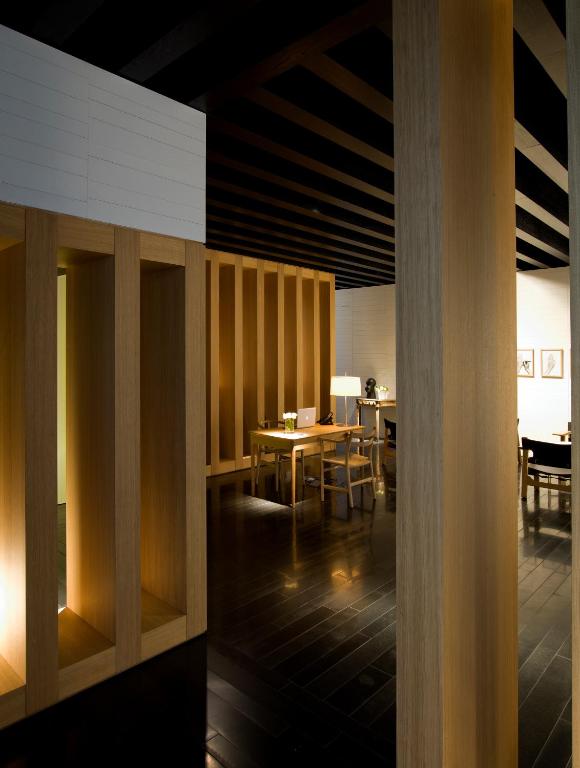
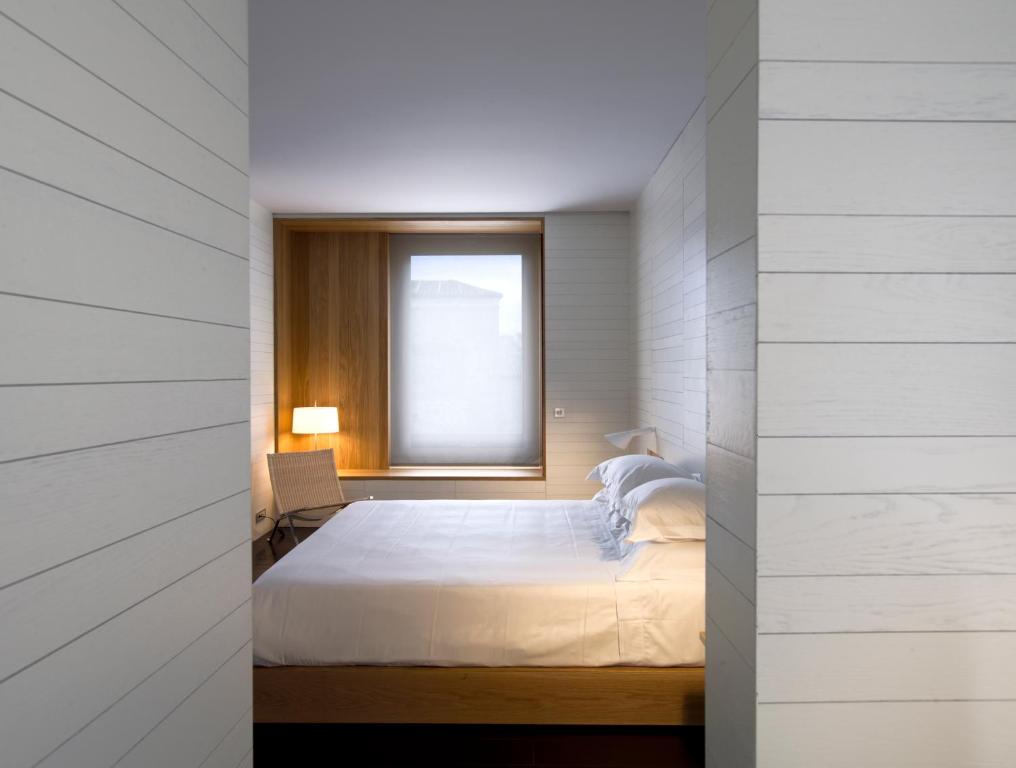
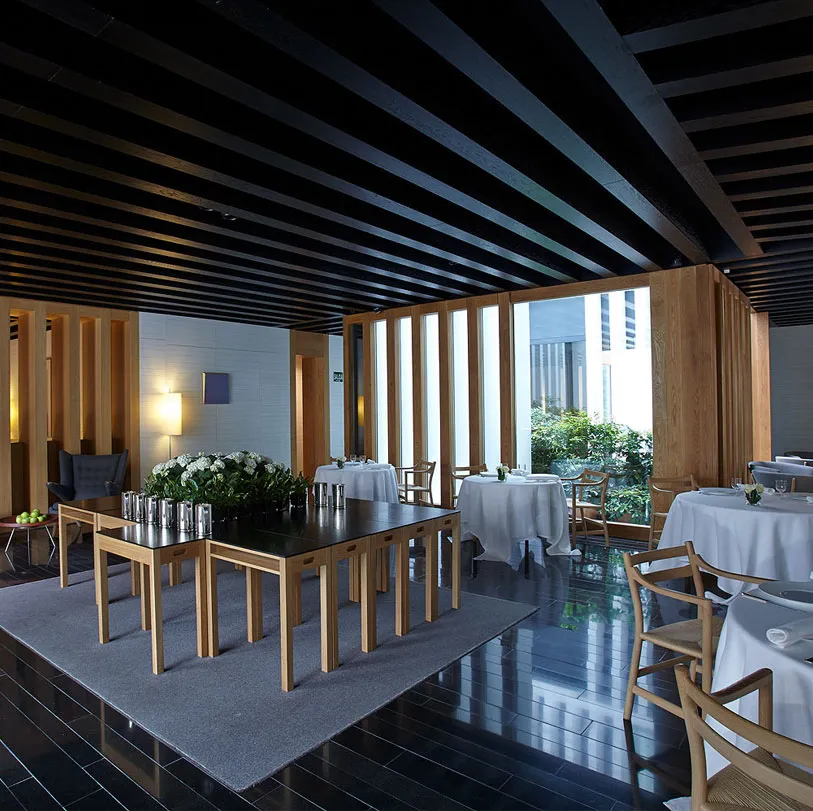
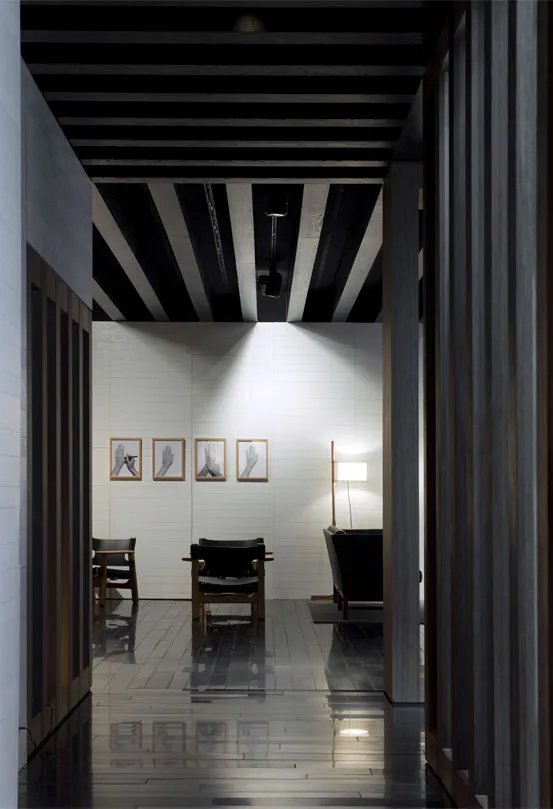
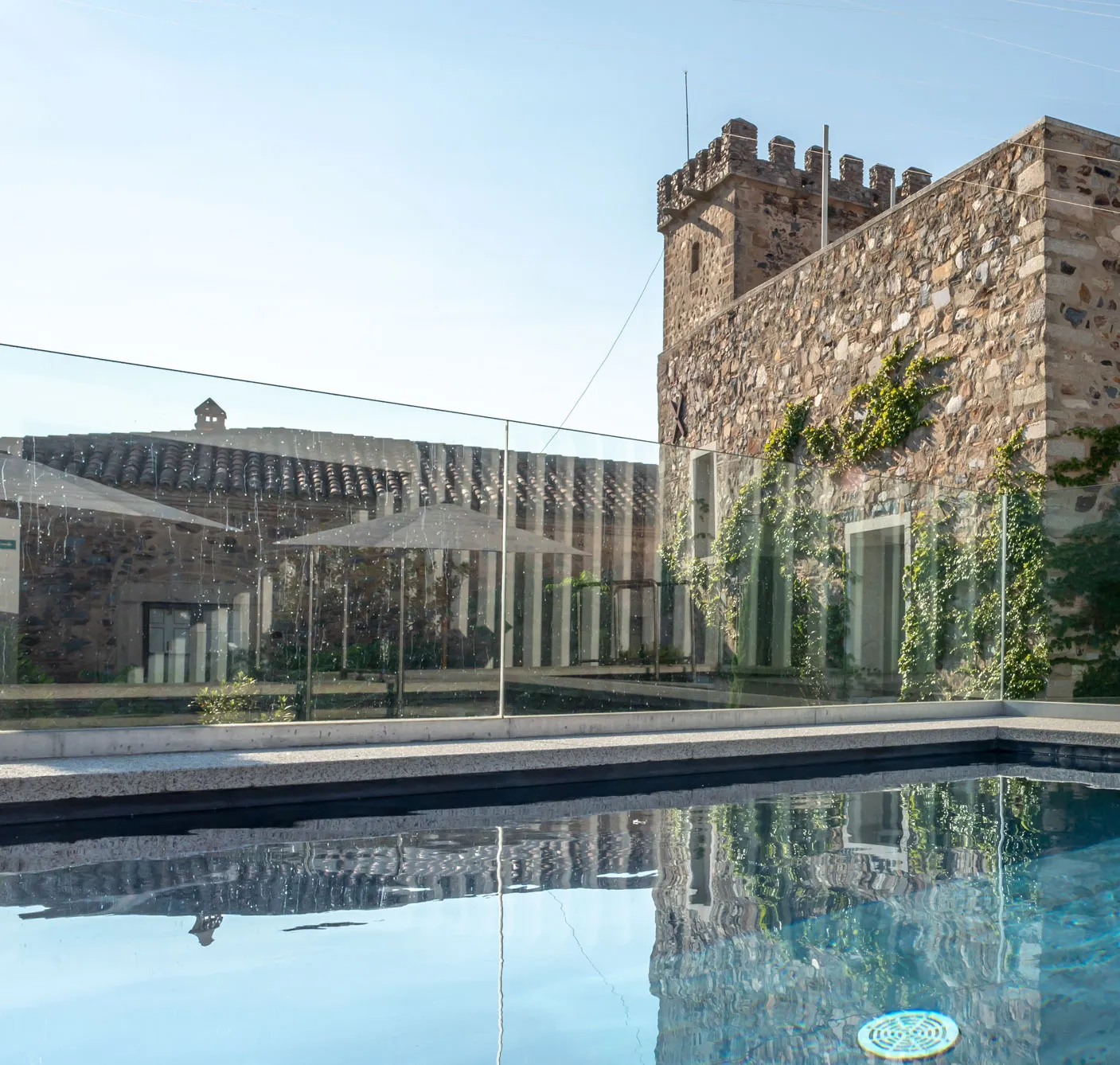
Inside, the contrast becomes even more pronounced. Heavy historic stone gives way to white walls, precise geometry, filtered daylight and long, calm sightlines. Spaces unfold around patios and openings that pull fragments of Cáceres into the contemporary interior. There is remarkably little visual noise. That restraint extends into the 14 guestrooms, where white bedding, pale walls and beautifully controlled lighting create spaces that feel almost contemplative. Furniture is sparse but significant, with pieces by designers including Hans J. Wegner adding warmth to the architectural precision. Then, above it all, Atrio reveals an unexpected indulgence: a rooftop terrace with two granite plunge pools, surrounded by the roofs and towers of one of Spain’s best-preserved historic cities.
When the Art Does the Talking
With architecture this restrained, almost anything placed inside it becomes important. Fortunately, Pérez and Polo collect seriously. Their personal collection introduces contemporary art throughout the hotel, including works by Andy Warhol and Georg Baselitz. Rather than filling the walls for decorative effect, individual pieces are given enough space to command attention. The result feels personal. Atrio isn’t simply a designer hotel with expensive art added afterwards. Architecture, furniture and collection reflect the tastes of the people who created it, giving an otherwise extremely polished hotel something more difficult to manufacture: identity.
Three Stars at the Heart of Atrio
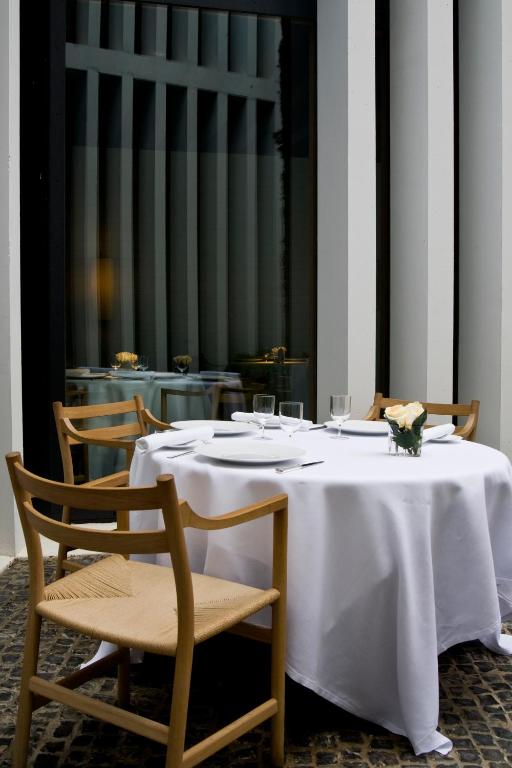
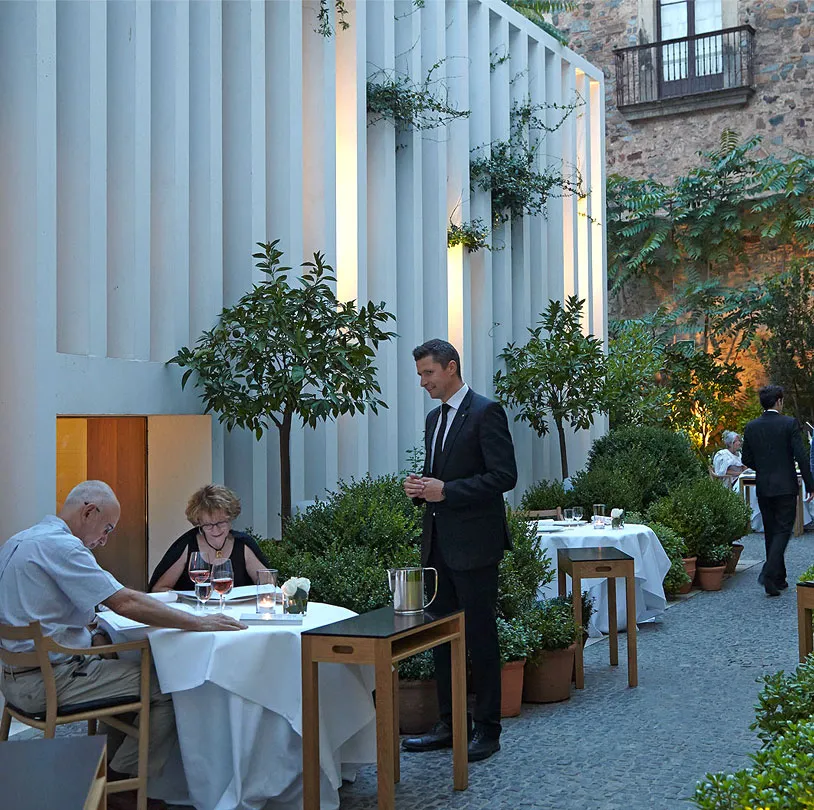
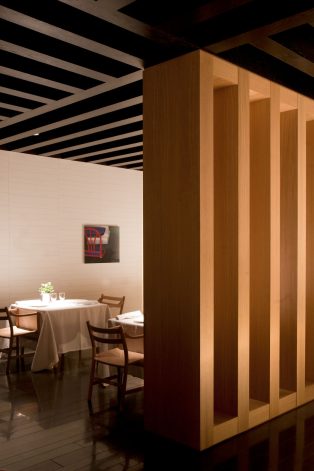
But Atrio began with food. Long before there was a hotel, Toño Pérez and José Polo had built their reputation through the restaurant, and gastronomy remains the reason many guests travel to Cáceres. Today, Atrio holds three Michelin stars. Pérez’s cooking draws deeply on Extremadura — one of Spain’s great agricultural regions — while treating its ingredients with the precision of contemporary haute cuisine. The surrounding landscape of oak-filled dehesa, Iberian pigs, cheeses and intensely seasonal produce isn’t merely geographical context; it is part of Atrio’s culinary identity. The formality is deliberate: white tablecloths, immaculate service and food treated with genuine ceremony. This isn’t a hotel restaurant trying to be taken seriously. The hotel grew around a restaurant that already was.
The Cellar Below
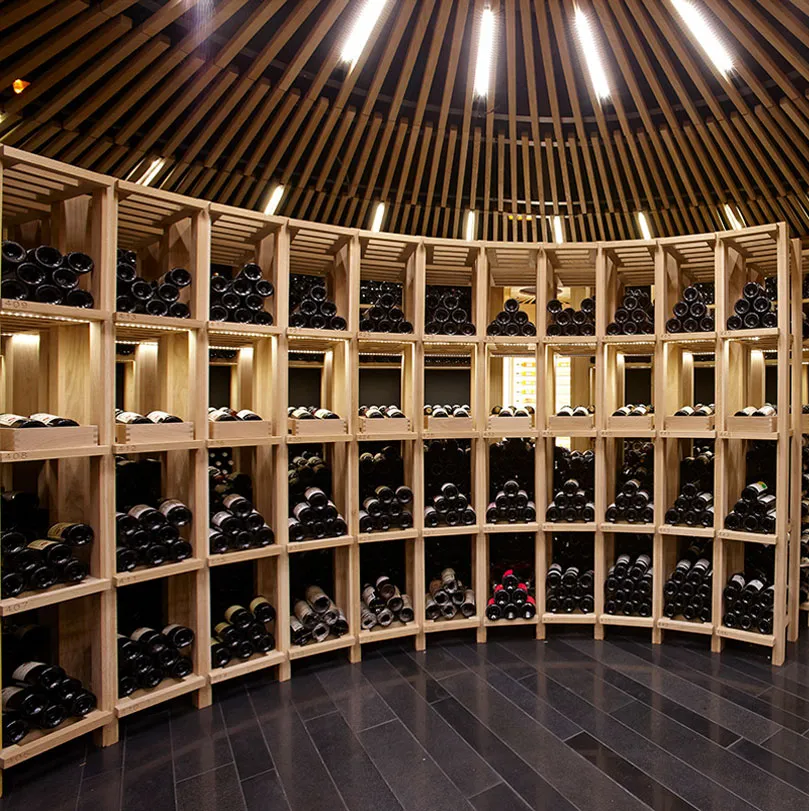
And then you go downstairs. Atrio’s extraordinary circular wine cellar has become almost as famous as the restaurant itself. Containing tens of thousands of bottles, its collection stretches across some of the world’s greatest estates and vintages, with exceptional holdings from producers including Pétrus and Château Latour. Architecturally, the cellar is another surprise. Rather than recreating a rustic underground bodega, Mansilla + Tuñón created a distinctly contemporary space — almost futuristic in its geometry. It perfectly encapsulates Atrio’s philosophy. History is respected here, but never reproduced for effect.
Cáceres Is Part of the Experience
Step outside after dinner and the transition is extraordinary. Within moments, the crisp white geometry of Atrio has disappeared behind you and you’re walking through narrow cobbled streets surrounded by palaces, towers and stone façades whose histories stretch back centuries. That relationship makes Cáceres much more than Atrio’s location. The ancient city provides the texture against which the hotel’s modernity becomes meaningful, while Atrio demonstrates that extraordinary contemporary architecture can strengthen a historic destination rather than compete with it.
Why It Works
Atrio brings together disciplines that hotels often treat separately: architecture, art, gastronomy and wine. Here they belong to one idea. Mansilla + Tuñón created the architectural framework. Pérez brings Extremadura to the plate. Polo’s passion for wine produced one of Europe’s remarkable cellars. Their art collection introduces another intensely personal layer. And all of it sits behind stone walls in medieval Cáceres. Fourteen rooms, three Michelin stars and centuries of history outside the door — Atrio turns a night in Cáceres into one of Spain’s great design-and-dining pilgrimages.