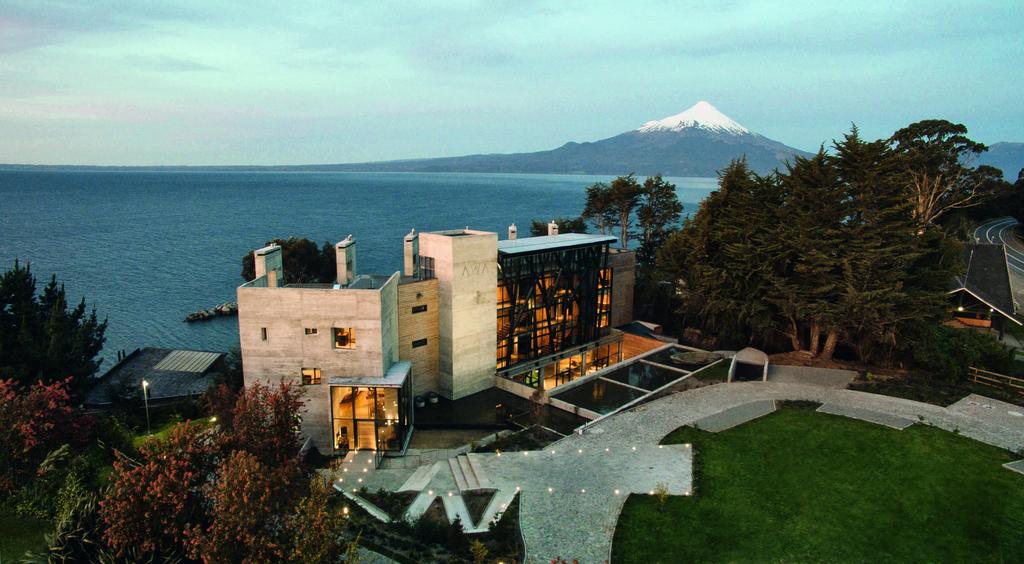
Hotel AWA – Lake Llanquihue, Chile
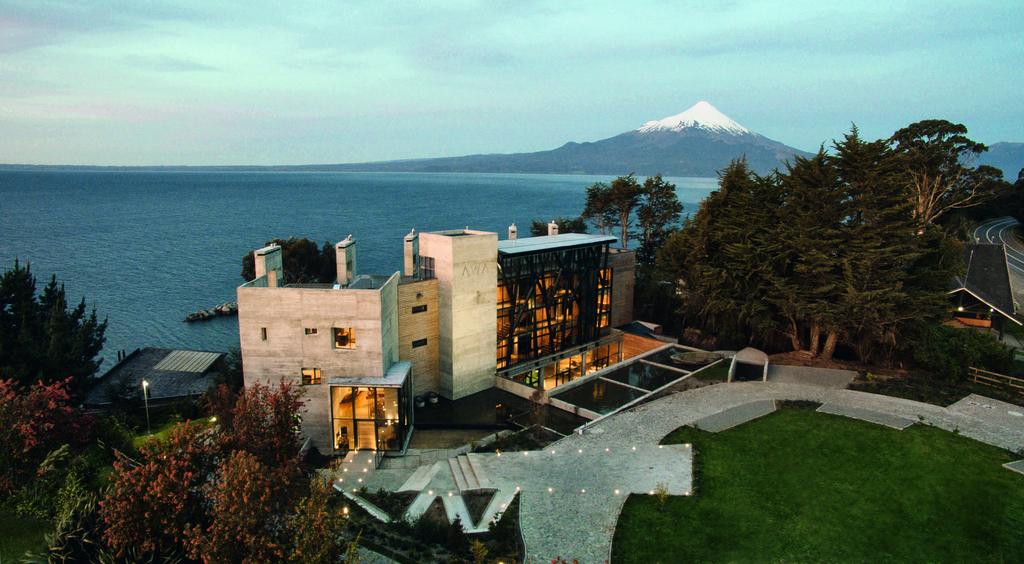
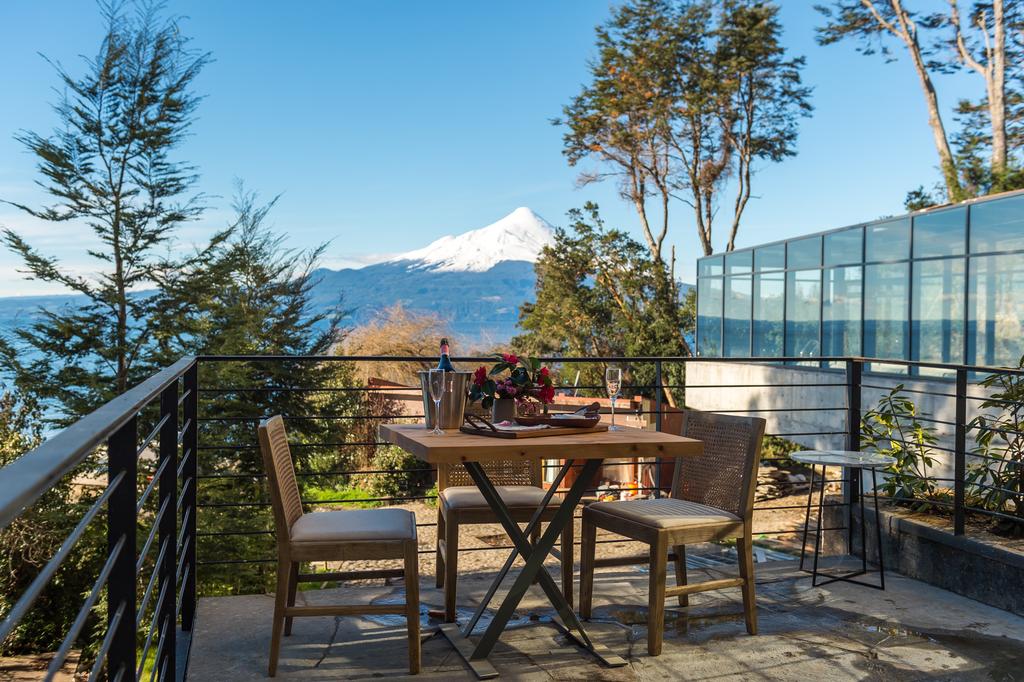
A striking concrete retreat where architecture steps aside and lets Lake Llanquihue and Osorno Volcano take over.
Why DNA Hotels Loves It
● Architect-owner Mauricio Fuentes spent a decade developing a highly personal hotel where the building itself is precisely oriented around sunlight, privacy and extraordinary views.
● The combination of reinforced concrete, native Chilean woods, slate and volcanic stone creates a distinctly local interpretation of warm modernism rather than the expected Patagonian lodge aesthetic.
● As Chile’s first hotel certified as a B Corporation, AWA connects serious architecture with regenerative food production, local sourcing and an ambitious approach to reducing its environmental impact.
A Concrete Outsider in Chile’s Lake District
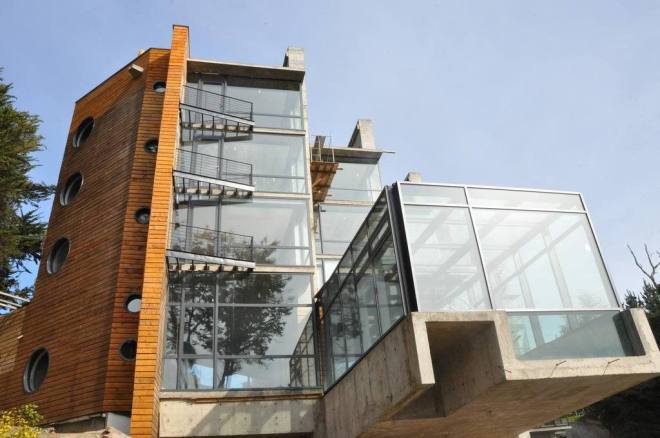
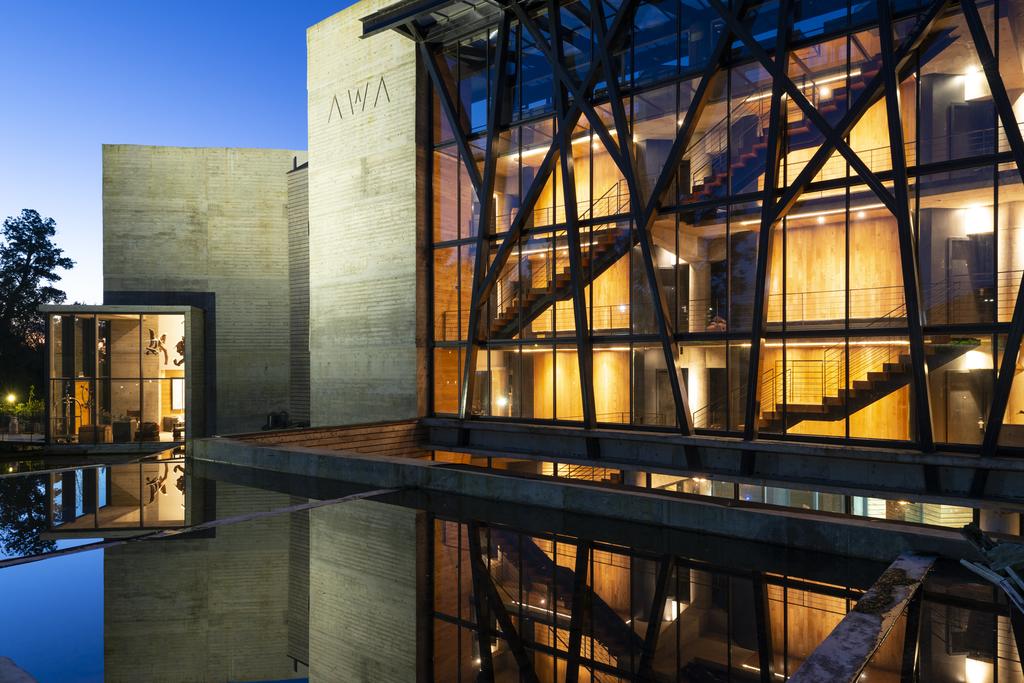
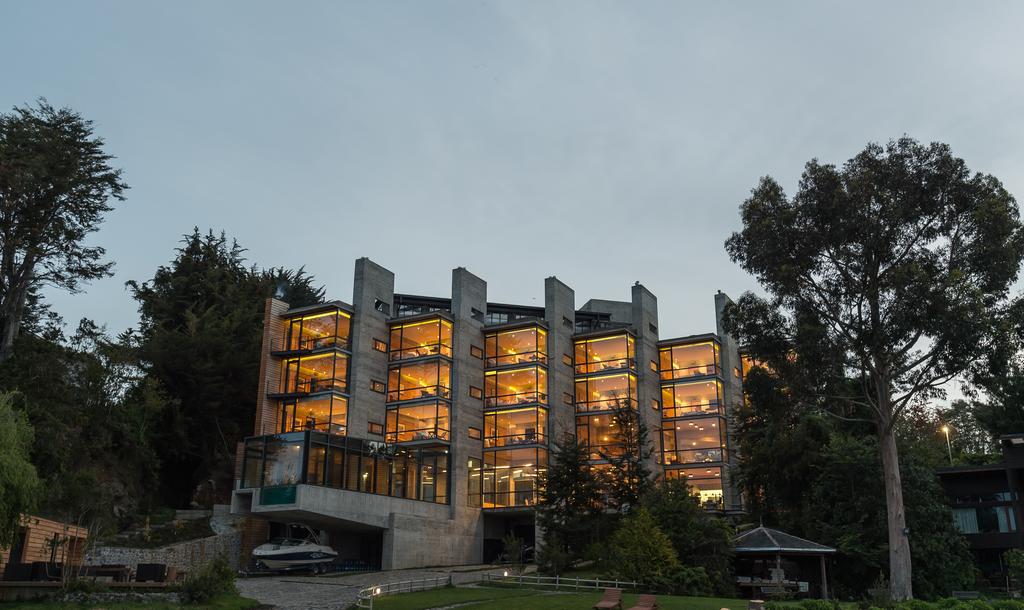
There are plenty of places where a rustic timber lodge makes perfect sense. The shore of Lake Llanquihue, with forests, mountains and the snow-covered cone of Osorno Volcano filling the horizon, would certainly be one of them. Architect Mauricio Fuentes chose concrete instead. Hotel AWA is a bold, almost Brutalist object of reinforced concrete, glass, metal and wood on the southern shore of the lake, close to Puerto Varas. Rather than mimicking the traditional architecture of southern Chile, Fuentes created something unapologetically contemporary. And then carefully pointed almost all of it towards nature.
Architecture at 45 Degrees
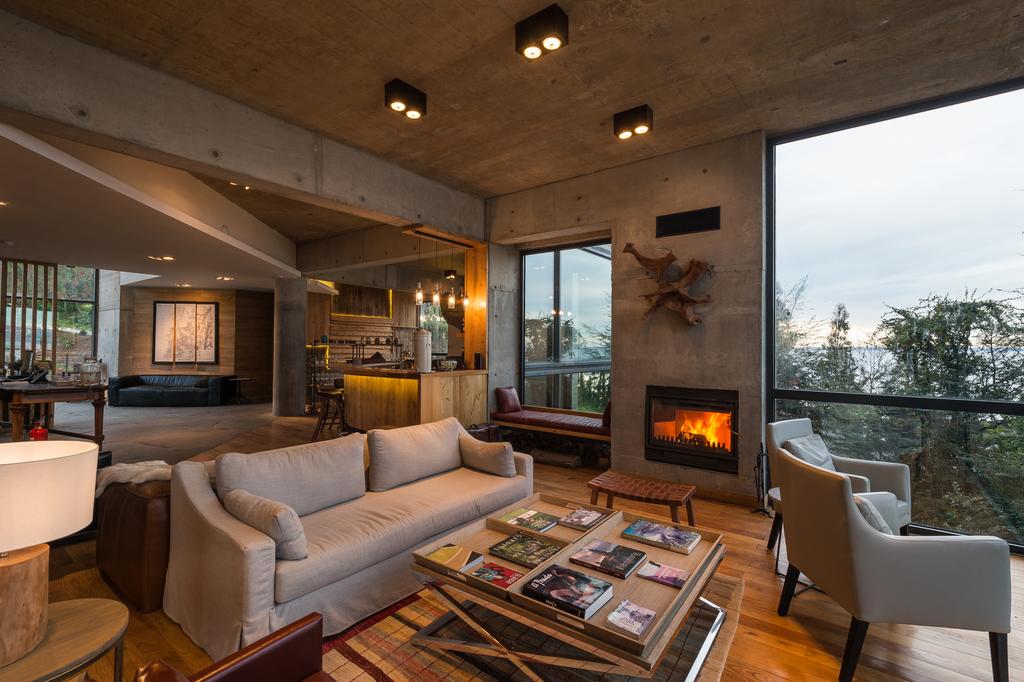
The building’s unusual geometry isn’t architectural theatre. AWA sits at a 45-degree angle to the shoreline, allowing its rooms and principal interior spaces to take advantage of views, privacy and north-east or north-west sunlight. That orientation becomes especially important during the colder months, when solar gain contributes to the building’s thermal performance. It also produces something much more immediately noticeable. The hotel never quite faces where you expect it to. Corridors shift perspective, windows suddenly capture the lake and the building continually directs your eye towards Osorno. Architecture becomes a viewfinder.
Concrete Made Warm
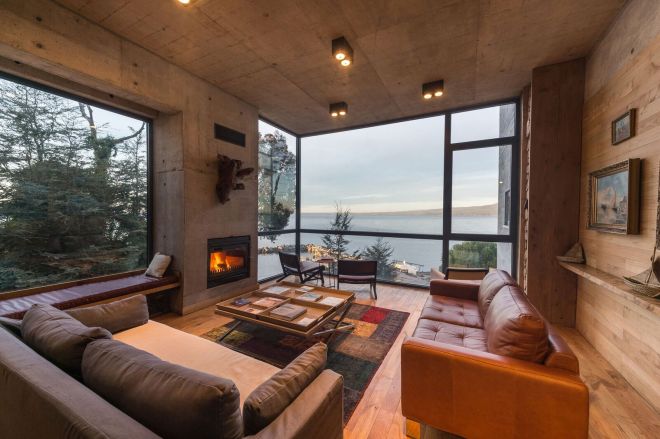
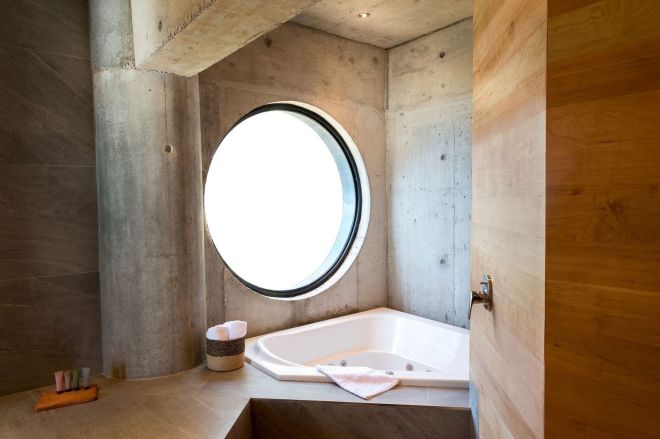
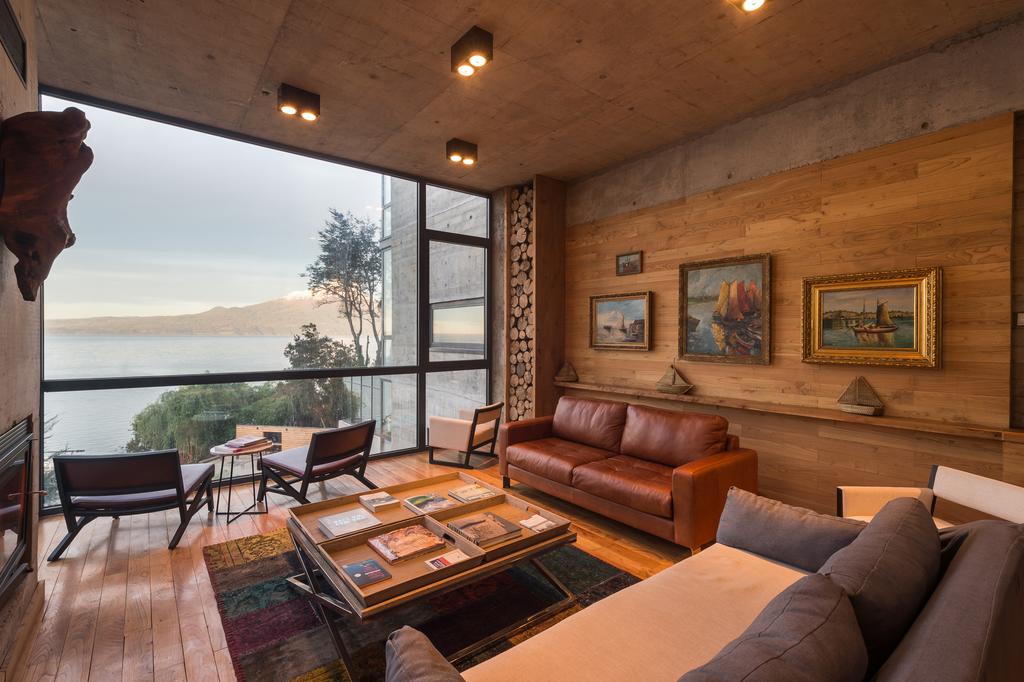
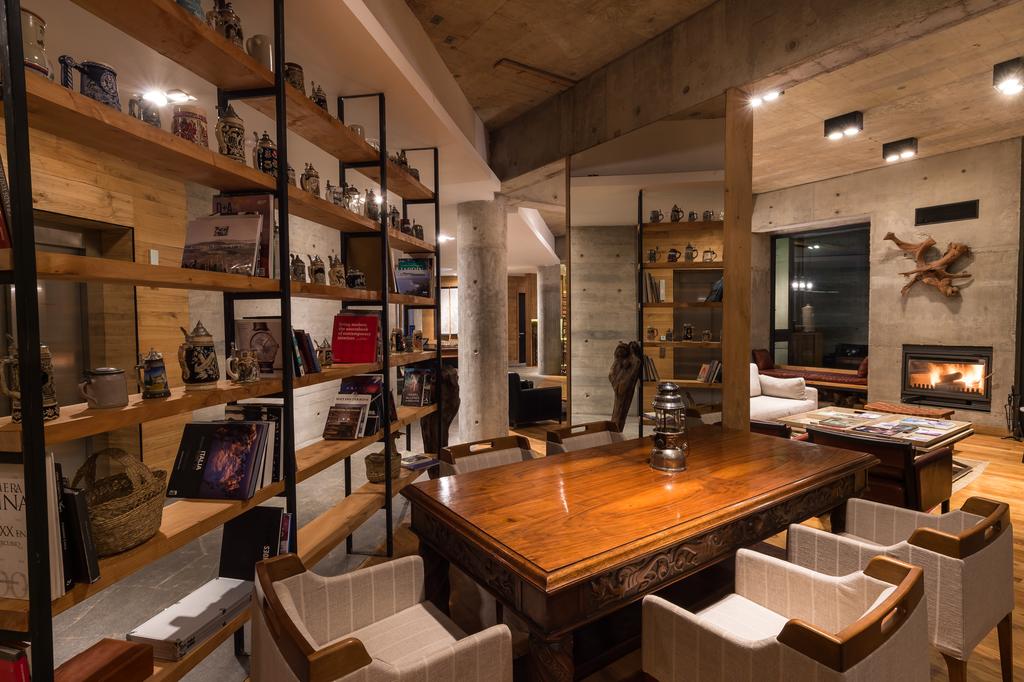
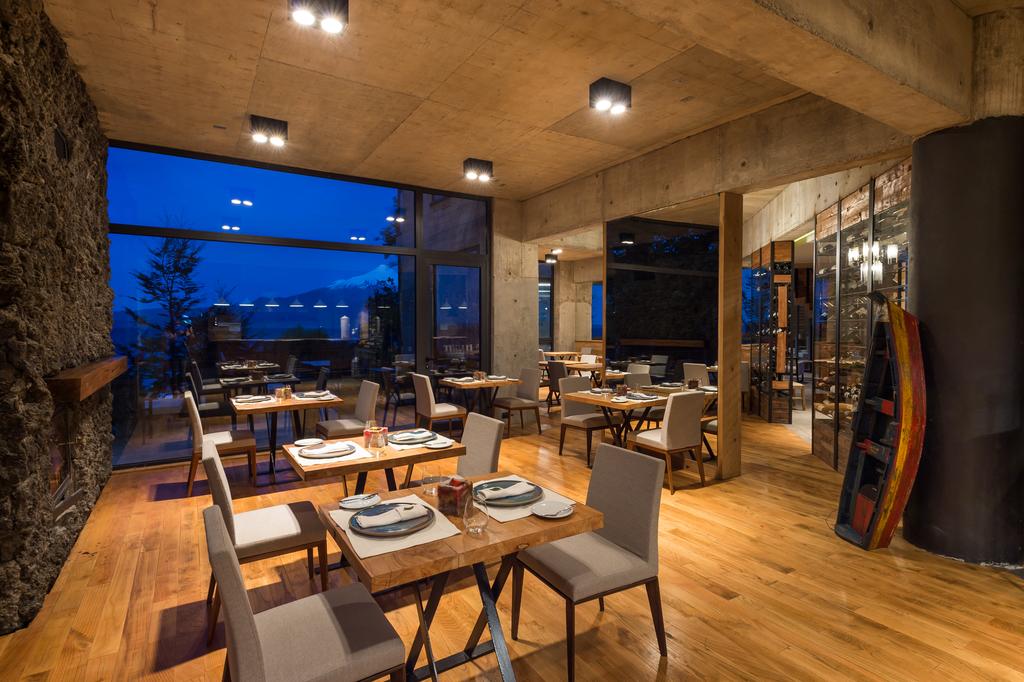
AWA’s material palette could easily have felt severe. Instead, the concrete shell is softened with cypress guaitecas and other native woods, together with local slate, volcanic rock, textiles and crafted details that root the interiors firmly in southern Chile. It’s this tension that gives the hotel its character. Raw concrete provides weight and permanence. Timber brings warmth and scent. Stone reconnects the interiors with the volcanic landscape outside. Fuentes isn’t disguising the building’s modernism with decorative references to Patagonia. He’s allowing Patagonian materials to inhabit modern architecture.
Sixteen Rooms, One Extraordinary Horizon
AWA was deliberately conceived on an intimate scale, with just 25 rooms, including nine suites. Their orientation has been carefully calculated, but once inside, the architectural mathematics disappear. What remains is the view. Large expanses of glass turn Lake Llanquihue into an ever-changing backdrop, with Osorno rising beyond it. Interiors remain quiet and restrained so they don’t compete: warm timber, natural materials and neutral colours create spaces that feel more like private observatories than conventional hotel rooms. When the volcano appears through the clouds, there’s very little need for decoration.
A Swimming Pool Pointed at a Volcano
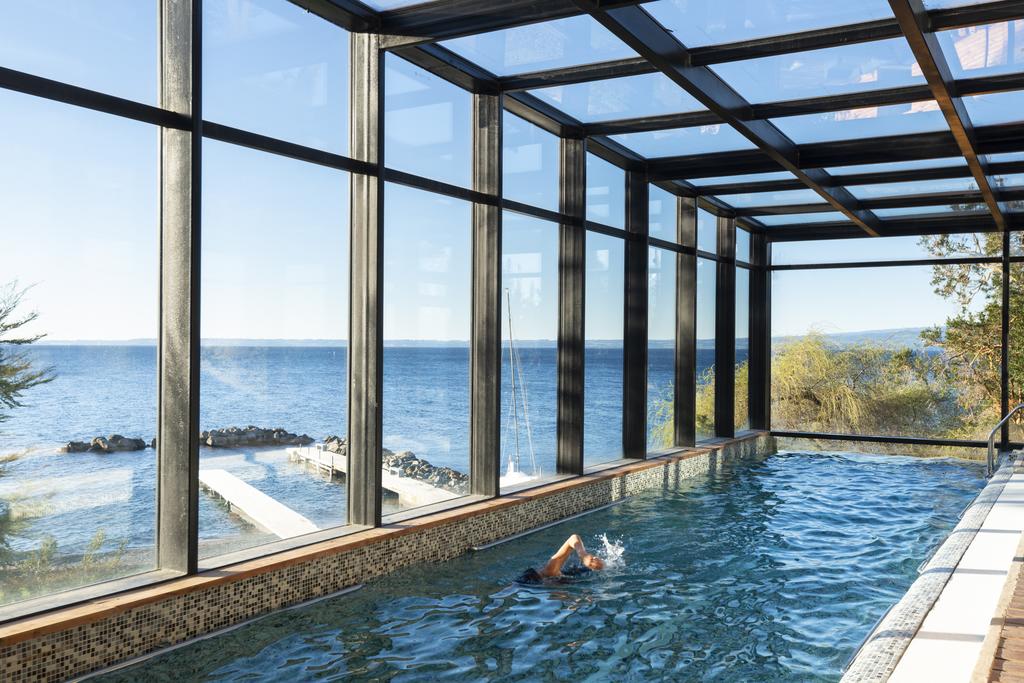
Even the spa follows the architecture’s obsession with landscape. AWA’s glazed indoor pool projects towards the lake in reinforced concrete, with glass walls and roof allowing sunlight to penetrate throughout the day. The wider wellness area includes a sauna, steam room, Jacuzzi, gym and treatment spaces, but again the real indulgence is visual. Swimming indoors while looking across the water towards a snow-capped volcano rather changes the definition of a spa view.
From the Garden to the Restaurant
AWA’s connection to its landscape extends beyond architecture. The restaurant works with seasonal ingredients sourced locally and from the hotel’s own organic garden, where regenerative growing techniques are used. The result is a farm-to-table approach that makes sense here rather than feeling like an imported hospitality concept. Chile’s remarkable produce is accompanied, naturally, by Chilean wines. The relationship is straightforward: the landscape you spend the day looking at also helps determine what appears on your plate.
Chile’s First B Corp Hotel
The sustainability story goes considerably deeper than local vegetables. AWA became the first Chilean hotel certified as a B Corporation, placing independently assessed environmental and social performance alongside conventional business objectives. The hotel has set a target of reducing fossil-fuel use by 80% by 2030, while its architecture itself incorporates passive considerations such as solar orientation and natural light. For a building constructed so unapologetically from concrete, that’s an important part of the story. AWA demonstrates that sustainability isn’t an aesthetic. It’s a system.
The Hotel Has a Boat Garage
Then things become rather more adventurous. Two floors below reception, at lake level, the building contains storage for boats, kayaks and other water-sports equipment, connected by ramp directly to the hotel’s pier. It’s a wonderful architectural detail because it reveals what AWA is ultimately designed for. Getting outside. Private guides can take guests hiking, cycling, horseback riding and kayaking through northern Patagonia, while more ambitious excursions explore the national parks, volcanoes and waterways surrounding Lake Llanquihue. The hotel can be extraordinarily peaceful. But it isn’t intended for hiding from Patagonia.
Architecture in Service of Landscape
Hotel AWA could easily have become an architectural showpiece. Instead, its greatest achievement is how quickly you stop looking at the building and start looking through it. Mauricio Fuentes spent a decade creating a hotel that feels intensely personal: only 16 rooms, a family-owned operation and architecture calculated around light, landscape and the magnificent silhouette of Osorno Volcano. Concrete gives AWA its strength; native timber, volcanic stone and Chilean craftsmanship give it warmth. But ultimately, everything points in the same direction — outside. In one of South America’s great landscapes, that’s exactly where a hotel should point you.