Hôtel Balzac & Spa Ikoï | Paris, France
Literary Heritage Reimagined Through Quiet Parisian Modernism
Why DNA Hotels Loves It
● Festen Architecture transforms a historic address associated with Honoré de Balzac into a refined contemporary hotel rooted in the understated elegance of the 1930s.
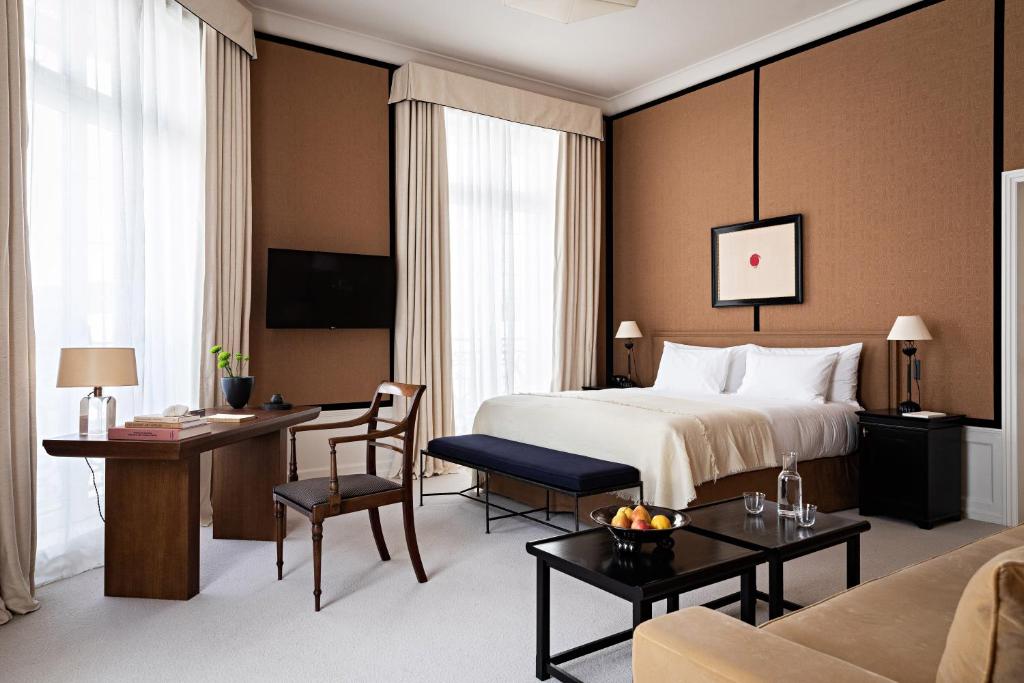
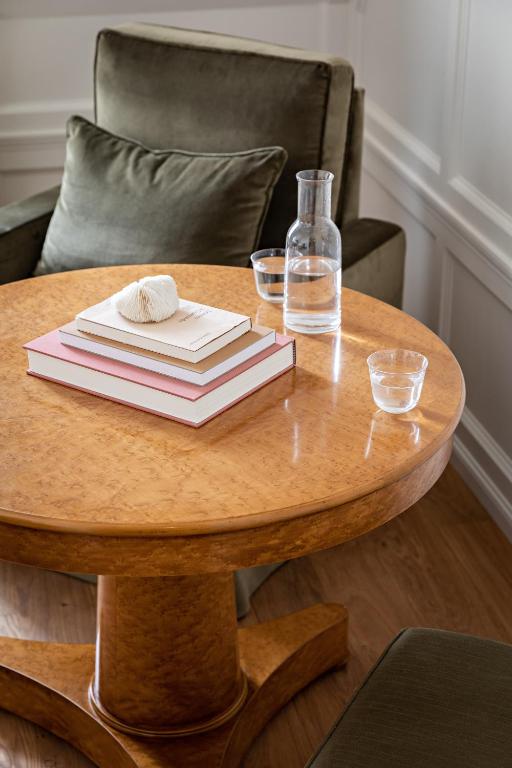
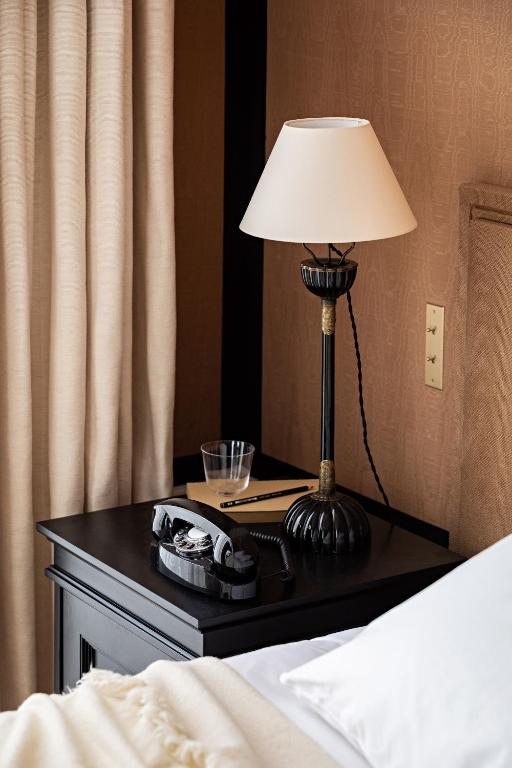
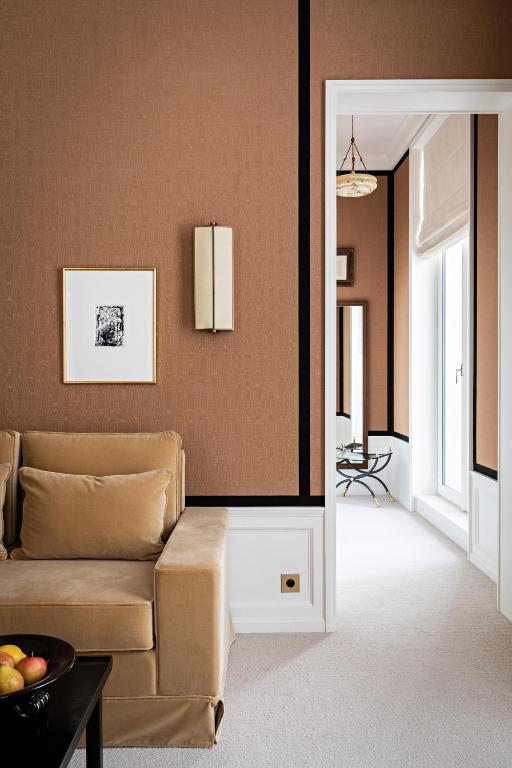
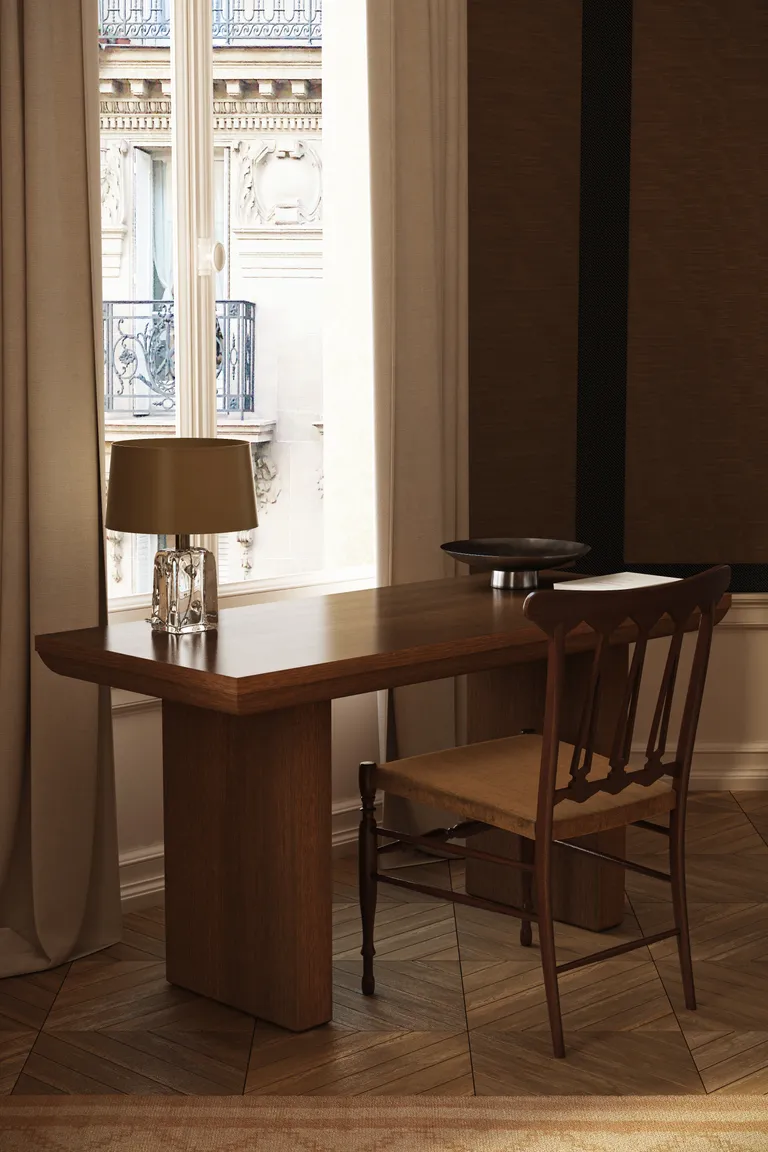
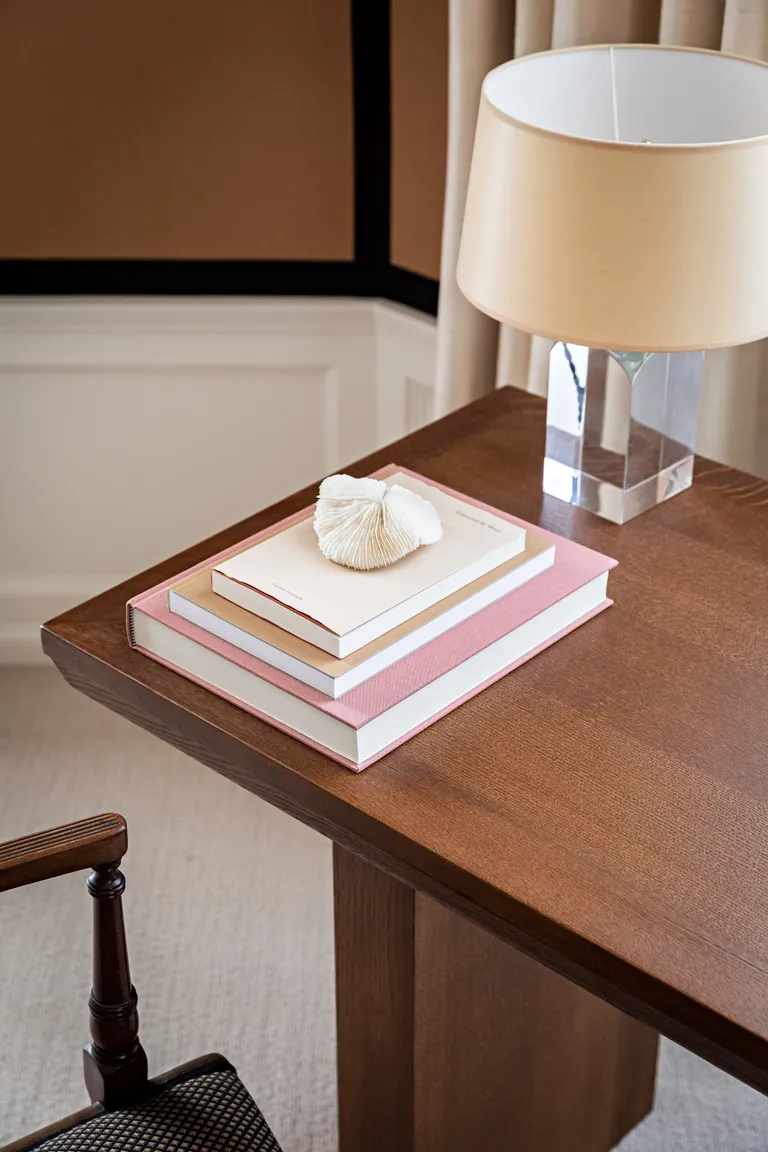
● Oak, recycled marble, lacquer, brass, velvet, and softly curved furniture create interiors that feel residential, tactile, and remarkably calm.
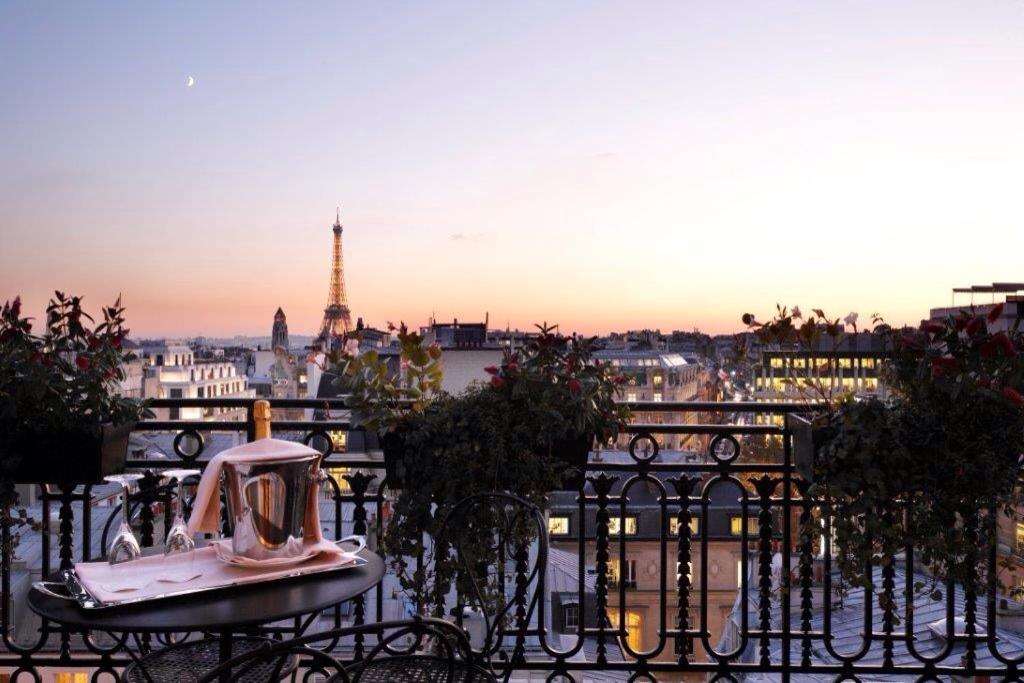
● A Japanese-inspired spa, discreet bar, Eiffel Tower views, and private access to Pierre Gagnaire make this one of the most complete boutique stays near the Champs-Élysées.
A Literary Address Reborn
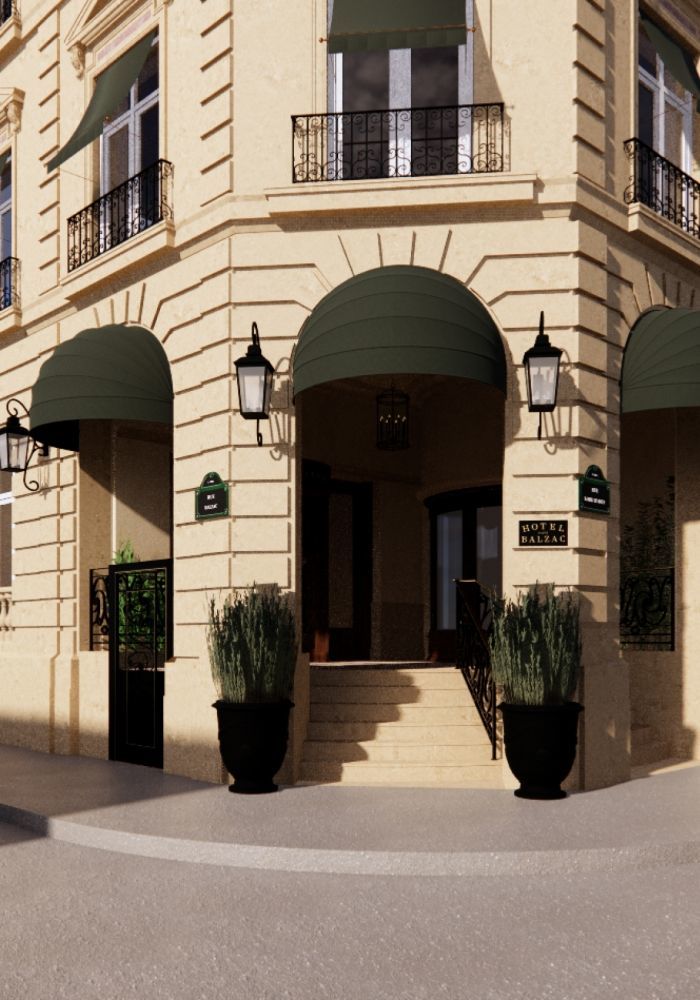
Hôtel Balzac stands on the site of Honoré de Balzac’s final Parisian home. The novelist lived here with Countess Ewelina Hańska until his death in 1850, and the address later evolved into a hotel. Reopened in 2024 after a complete redesign, the property now balances that literary history with a far more contemporary expression of Parisian hospitality. The past is acknowledged. Never overplayed.
The Quiet Glamour of the 1930s
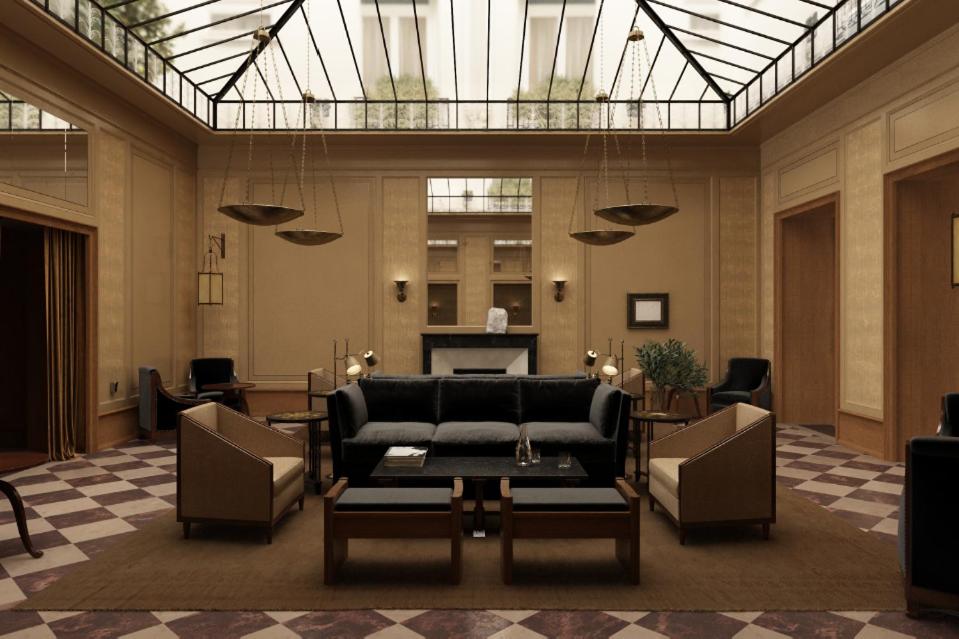
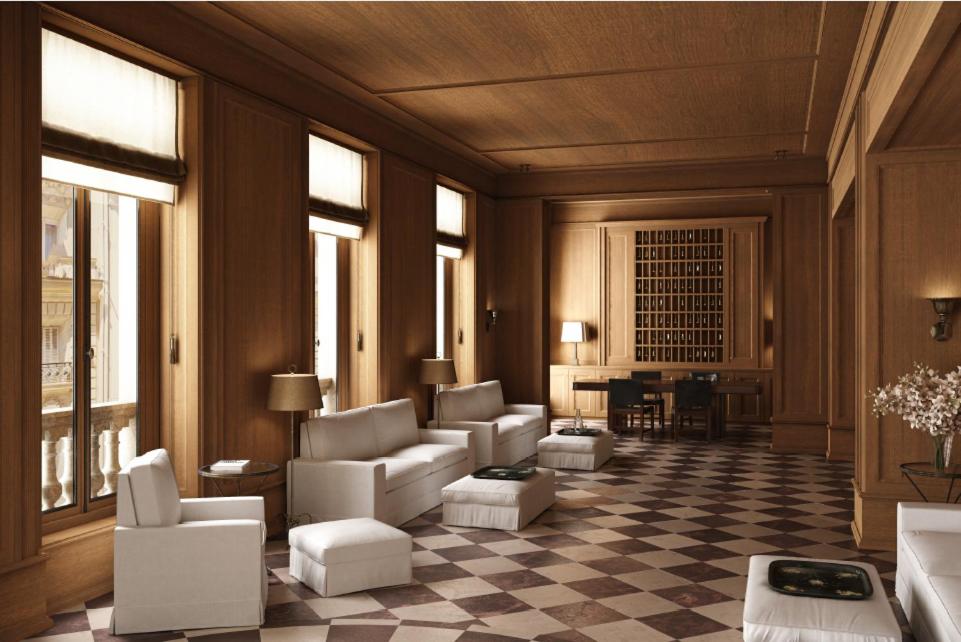
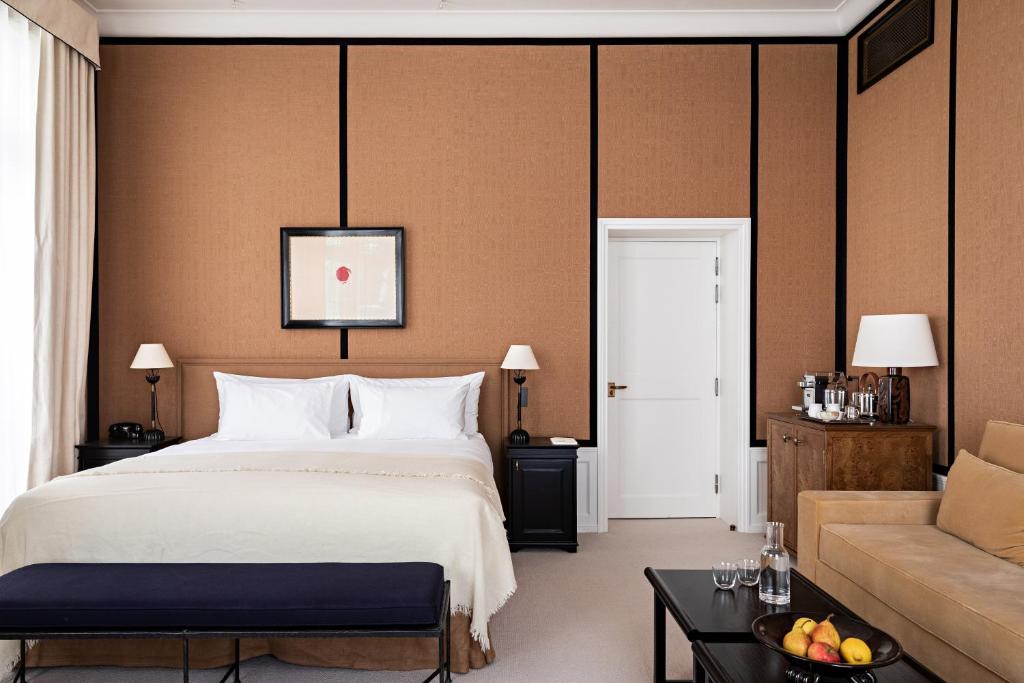
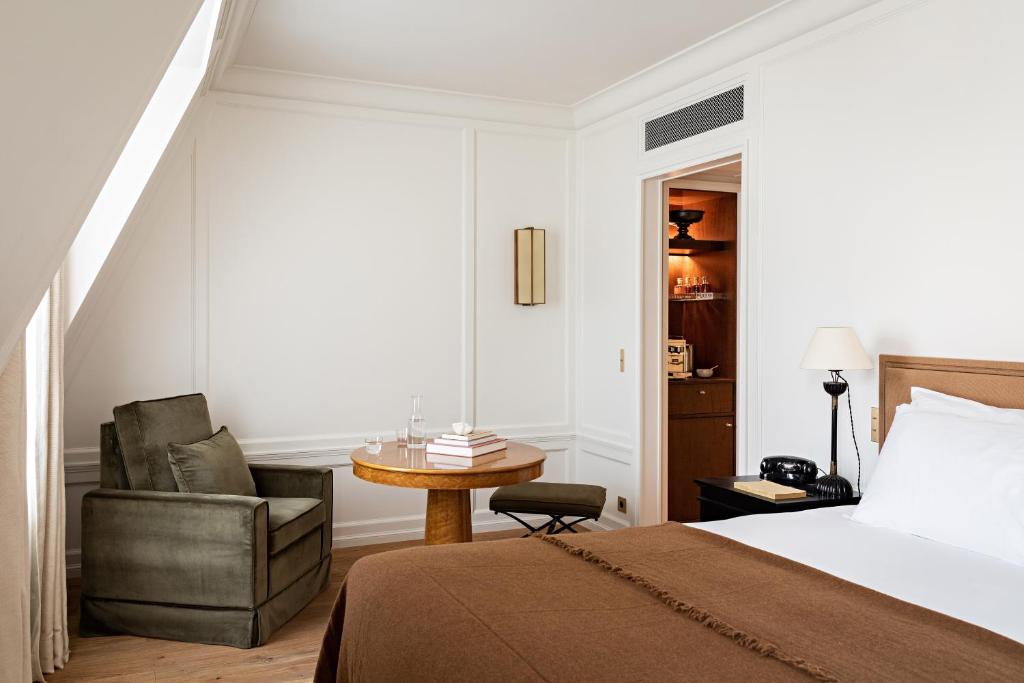
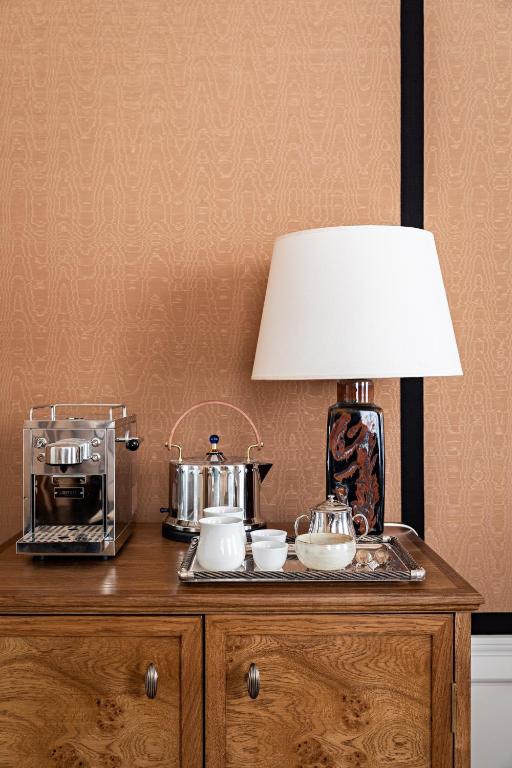
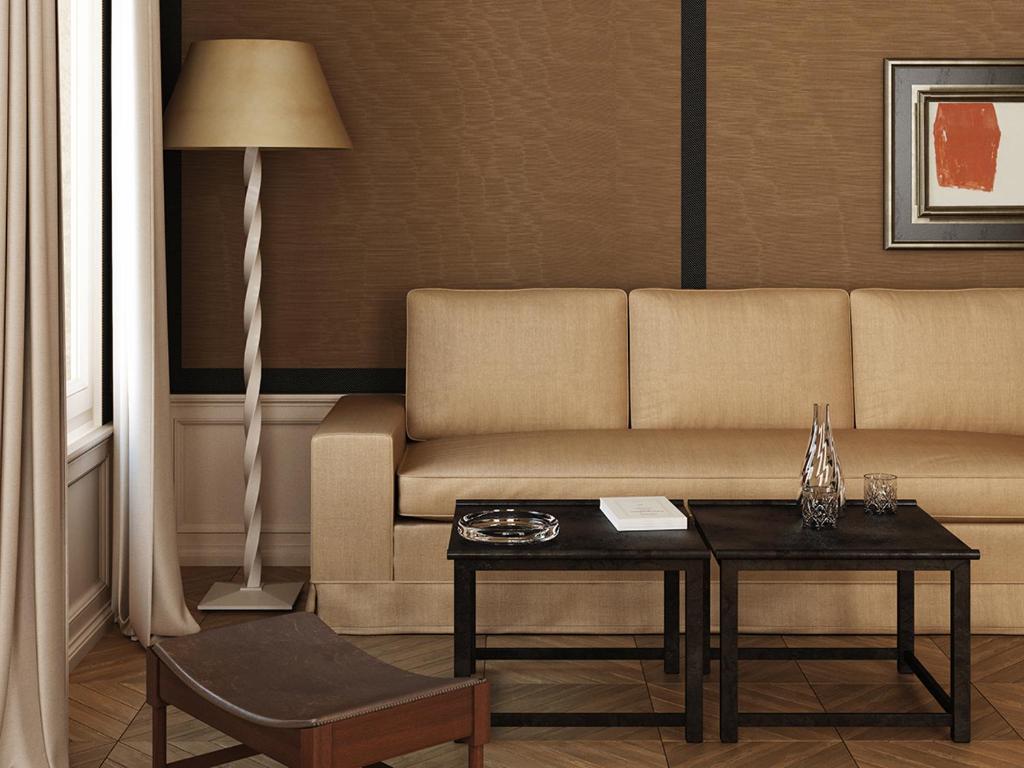
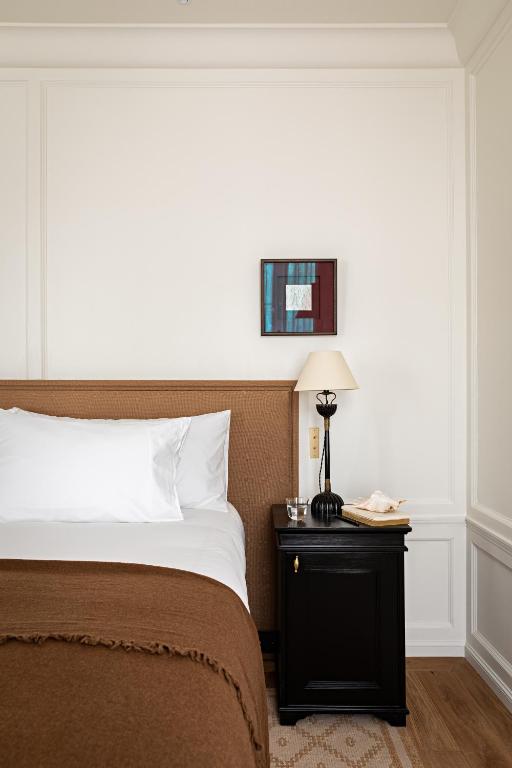
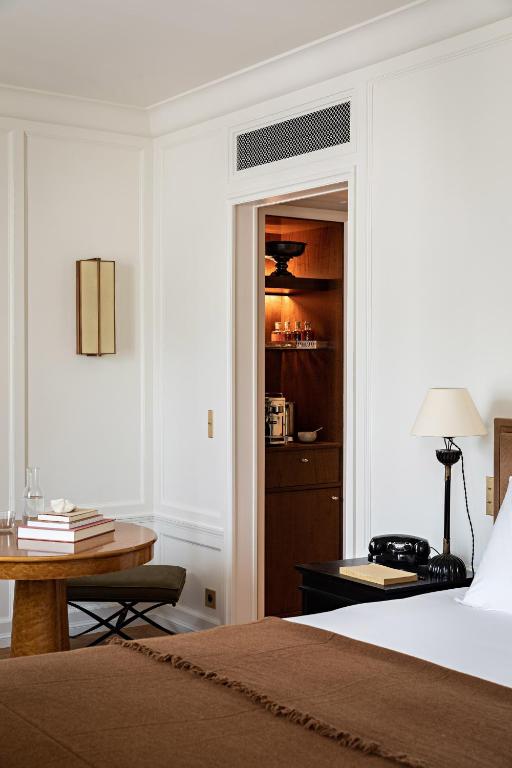
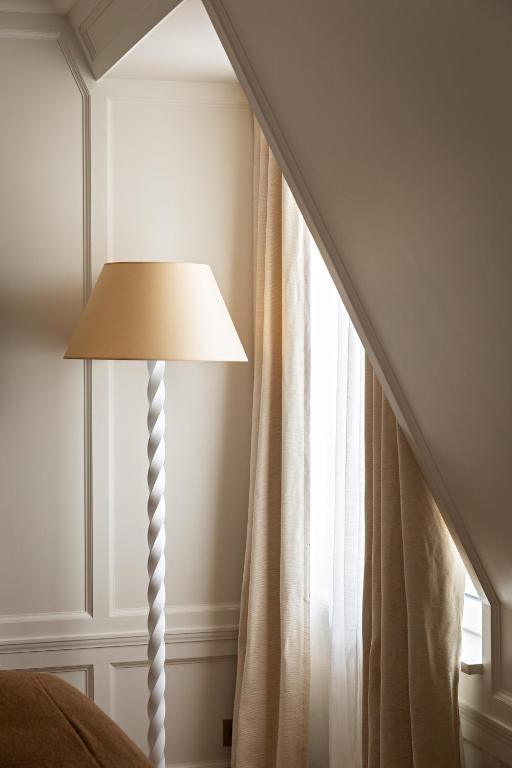
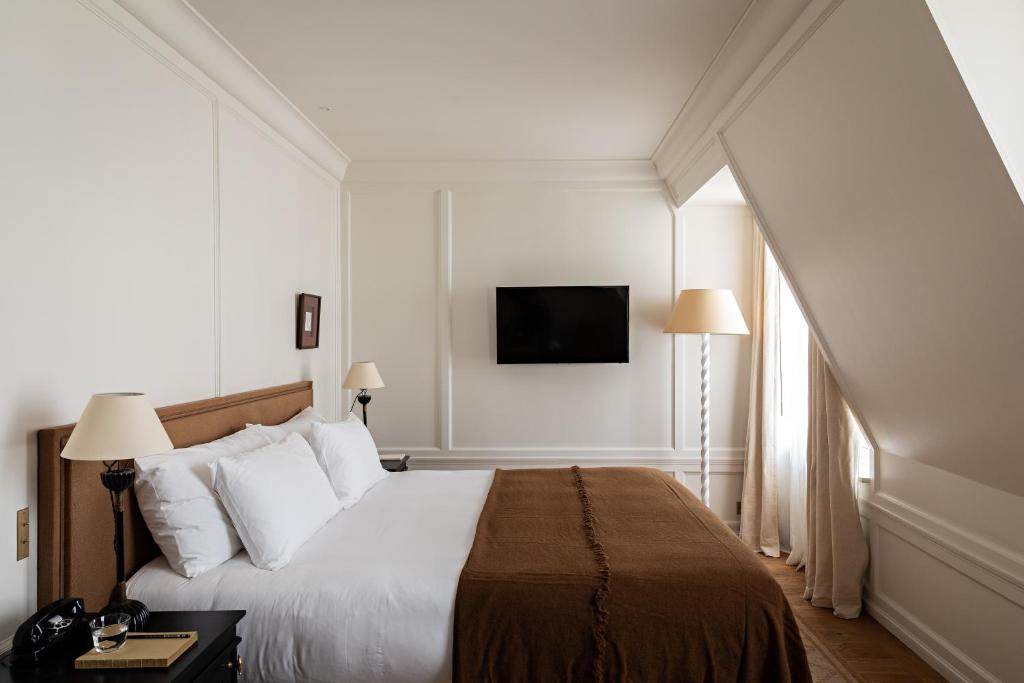
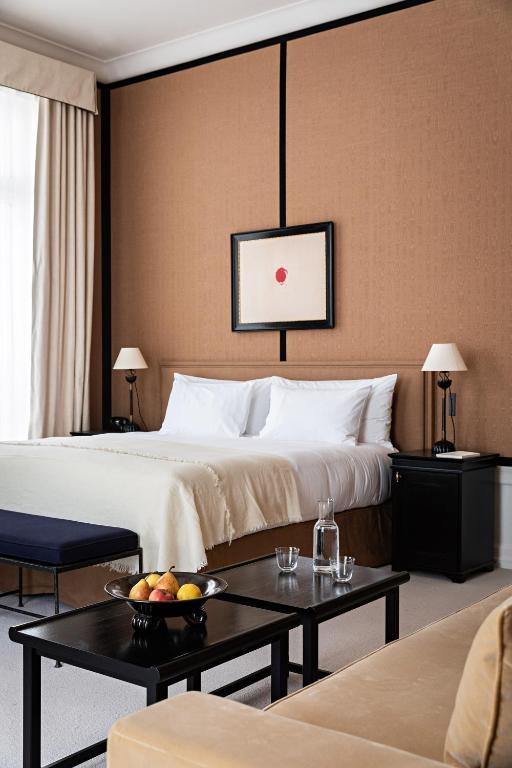
Charlotte de Tonnac and Hugo Sauzay of Festen Architecture looked to the understated sophistication of the 1930s rather than the decorative excess often associated with grand Parisian hotels. Latte, mocha, camel, and cognac tones are layered with solid oak, recycled marble, bespoke fabrics, lacquered furniture, and restrained brass details. Curved forms soften the architecture, while carefully controlled lighting gives the communal spaces an intimate rhythm throughout the day. Luxury is present in the materials. Not in the display.
A Salon Rather Than a Lobby
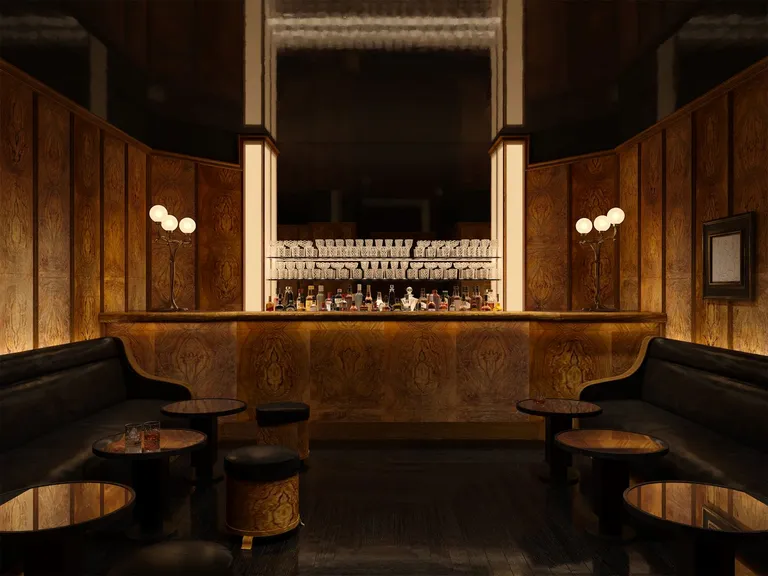
The public spaces feel closer to a private residence than a formal hotel. A glass-roofed lounge brings natural light deep into the building, while the adjoining bar combines burlwood, mirrors, textured upholstery, and low lighting. Cocktails reference Balzac’s literary world without turning the hotel into a themed experience. The atmosphere is polished. But never ceremonial. Guests are invited to settle in rather than pass through.
Rooms of Considered Restraint
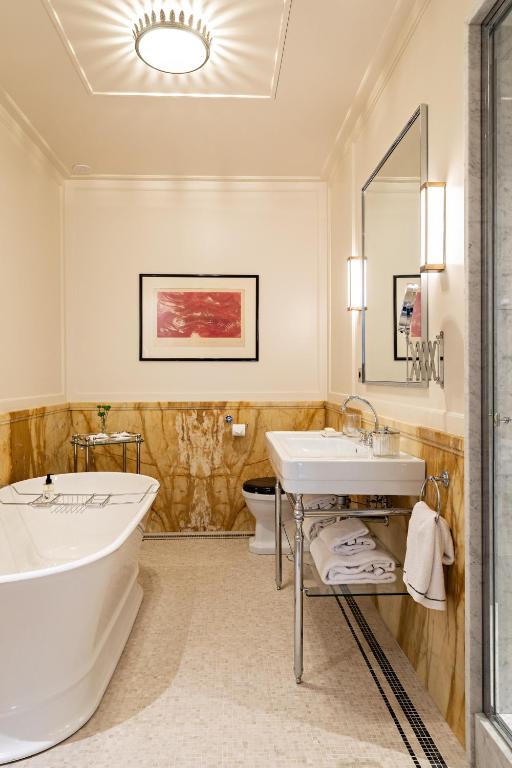
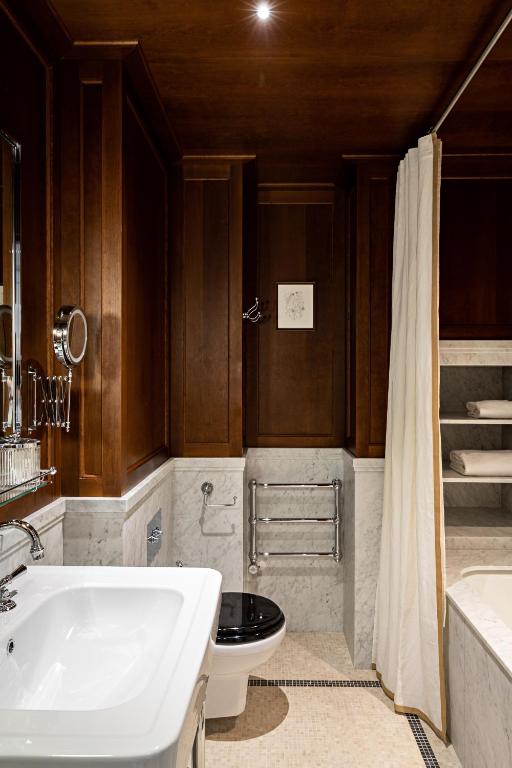
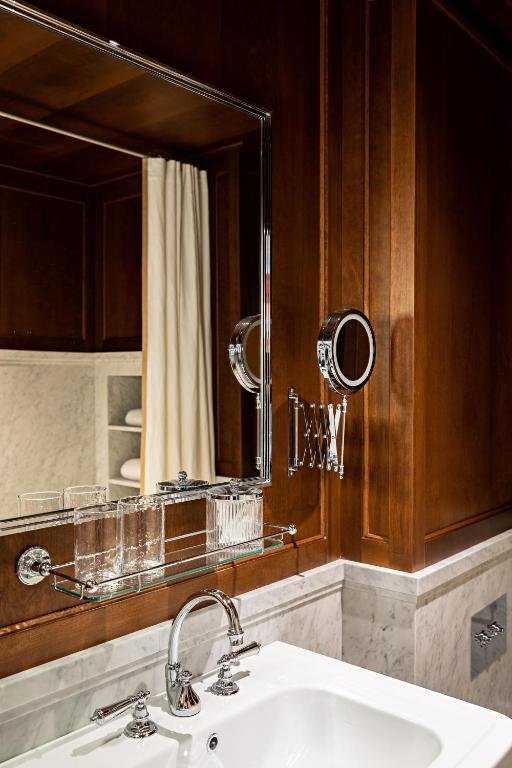
The 58 rooms and suites continue the same muted design language. Oak, marble, velvet, woven textiles, and custom furniture create interiors that feel warm and cocooning. Bathrooms combine stone and timber with Diptyque amenities, while strong soundproofing and generous beds reinforce the sense of retreat from the nearby Champs-Élysées. Some suites open onto terraces with Eiffel Tower views. The city appears as a framed backdrop. Never the main spectacle.
Wellness and Dining in Quiet Balance
Spa Ikoi takes the hotel’s organic minimalism in a Japanese direction. Tatami-inspired interiors, a plunge pool, hammam, sauna, and treatments including Shiatsu and Kobido create a calm, highly focused wellness experience. The restraint of the design allows the rituals themselves to take priority. Pierre Gagnaire’s three-Michelin-starred restaurant shares the same address and can be reached through a discreet private entrance reserved for hotel guests. Everything feels connected. Nothing feels overstated.
Why It Works
Hôtel Balzac succeeds because it understands the value of discretion. Festen Architecture has created a hotel that respects its literary history without becoming nostalgic, using refined materials, soft geometry, and carefully controlled light to produce an atmosphere of genuine calm. It feels intimate, cultured, and entirely contemporary—a Parisian address shaped less by grandeur than by confidence.