The Blue Mansion – George Town, Penang, Malaysia
Cheong Fatt Tze’s extraordinary indigo mansion turns a stay in George Town into an encounter with living Straits-Chinese history.
Why DNA Hotels Loves It
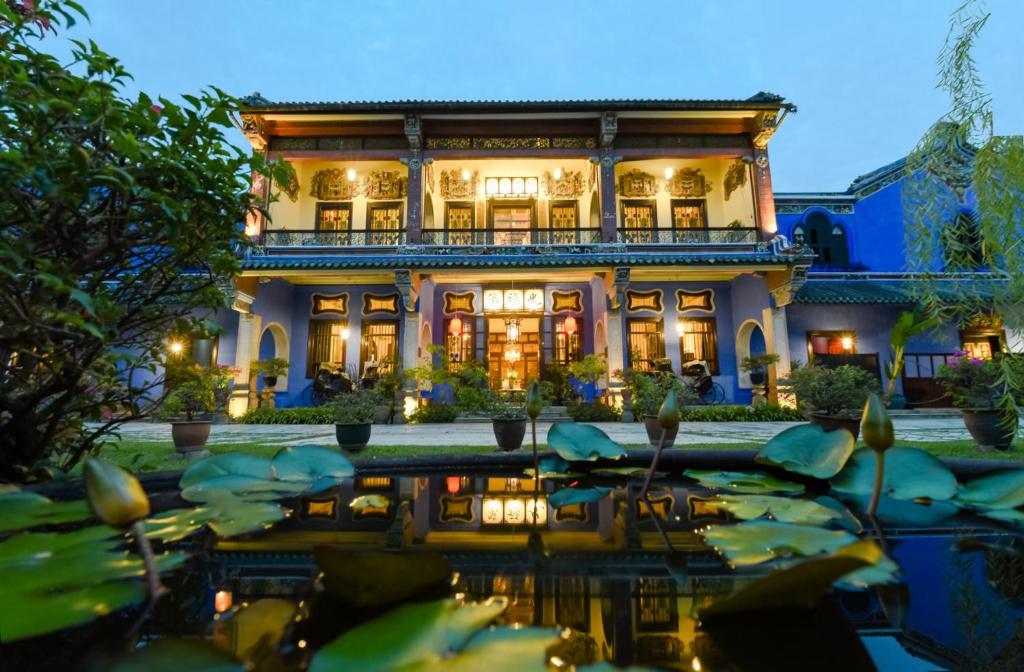
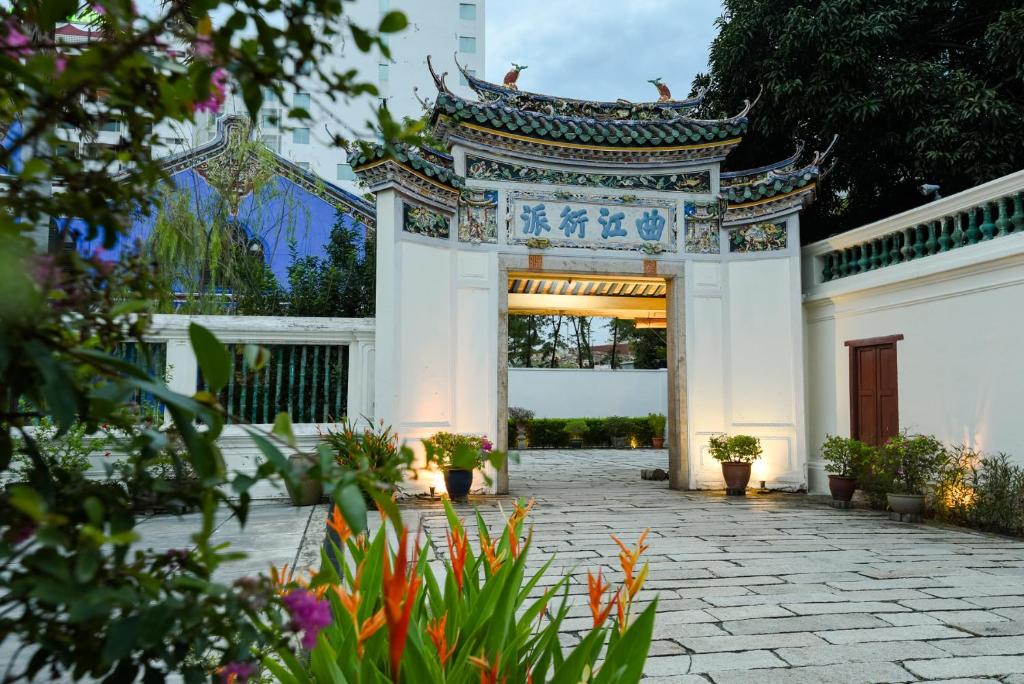
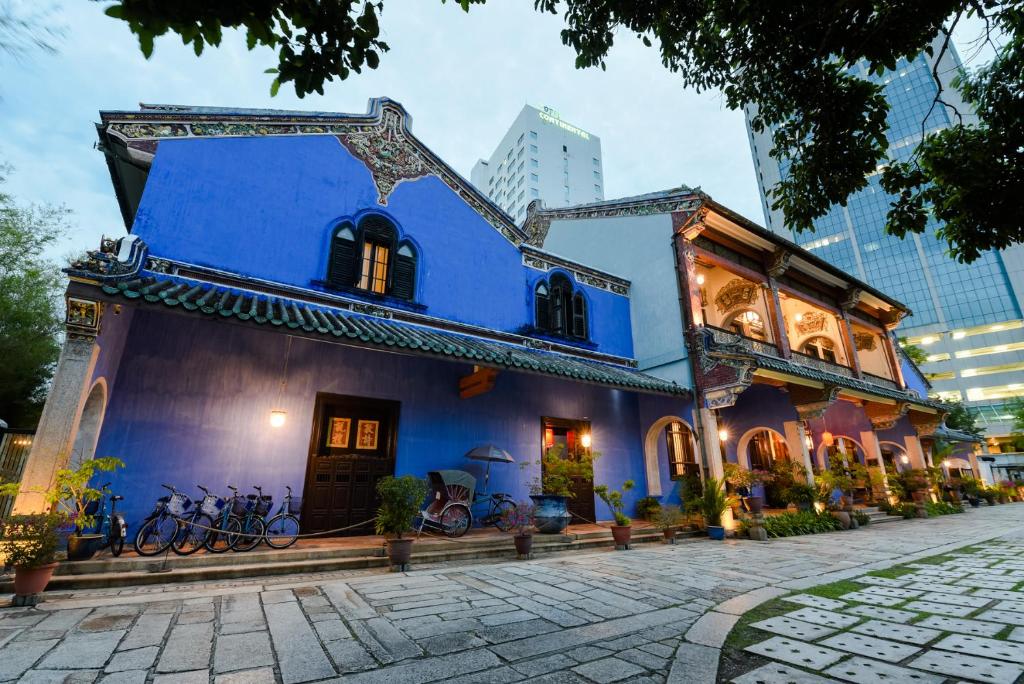
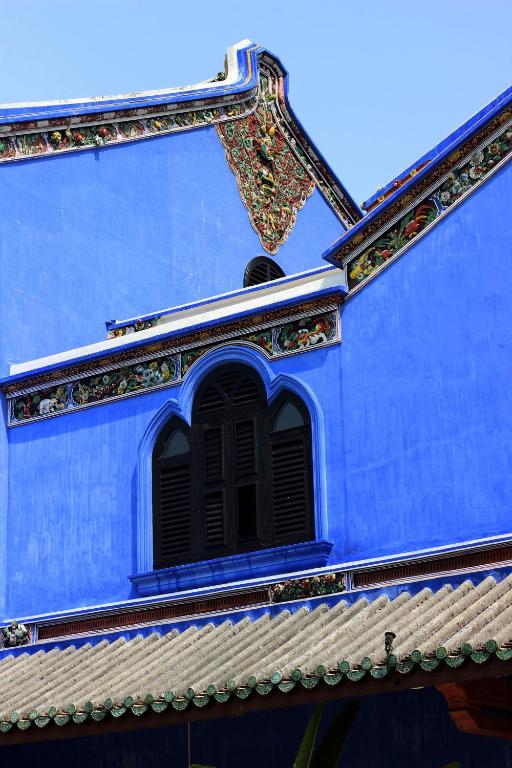
● One of Penang’s great architectural landmarks: an indigo-blue Straits-Chinese mansion combining Southern Chinese principles with Gothic windows, Scottish ironwork and European decorative arts.
● Its meticulous six-year restoration, led by conservation architect Laurence Loh, became a benchmark for heritage conservation and received a UNESCO Asia-Pacific Heritage Award.
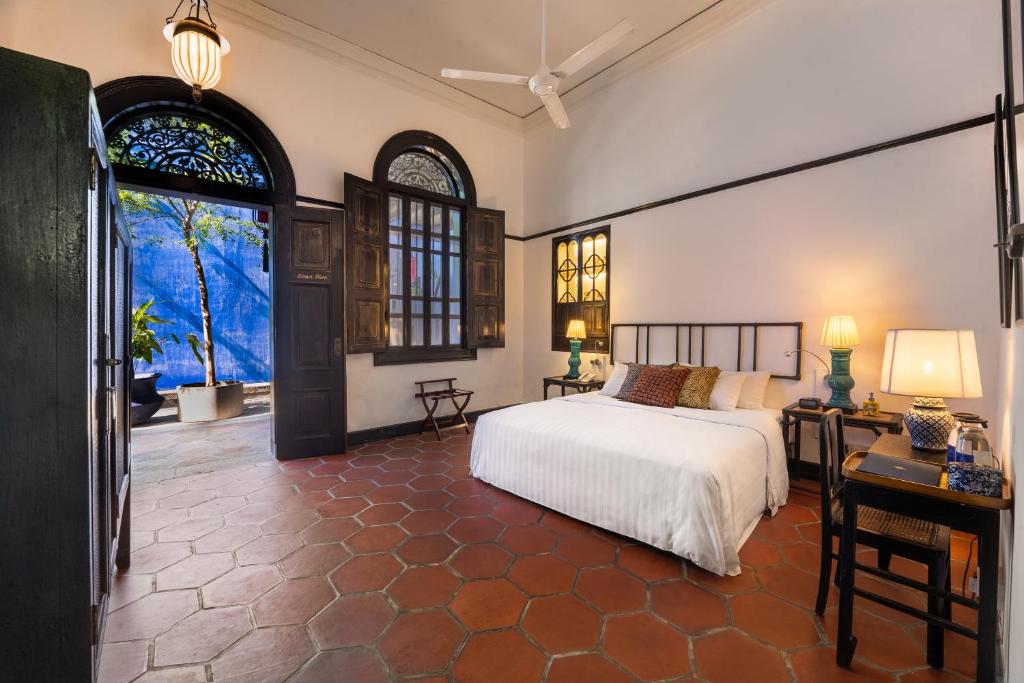
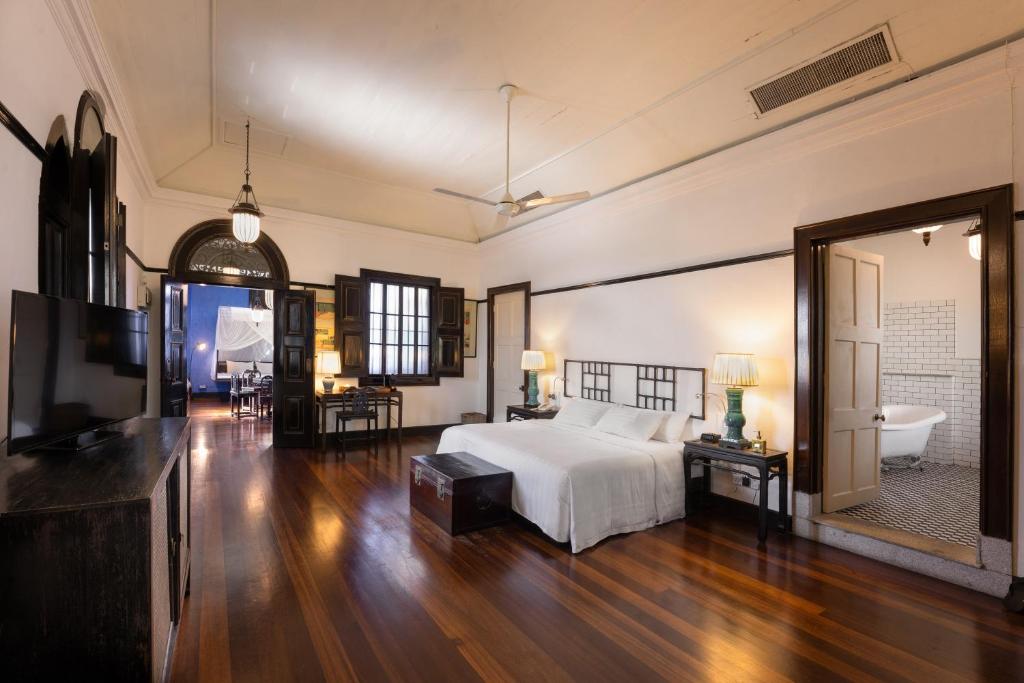
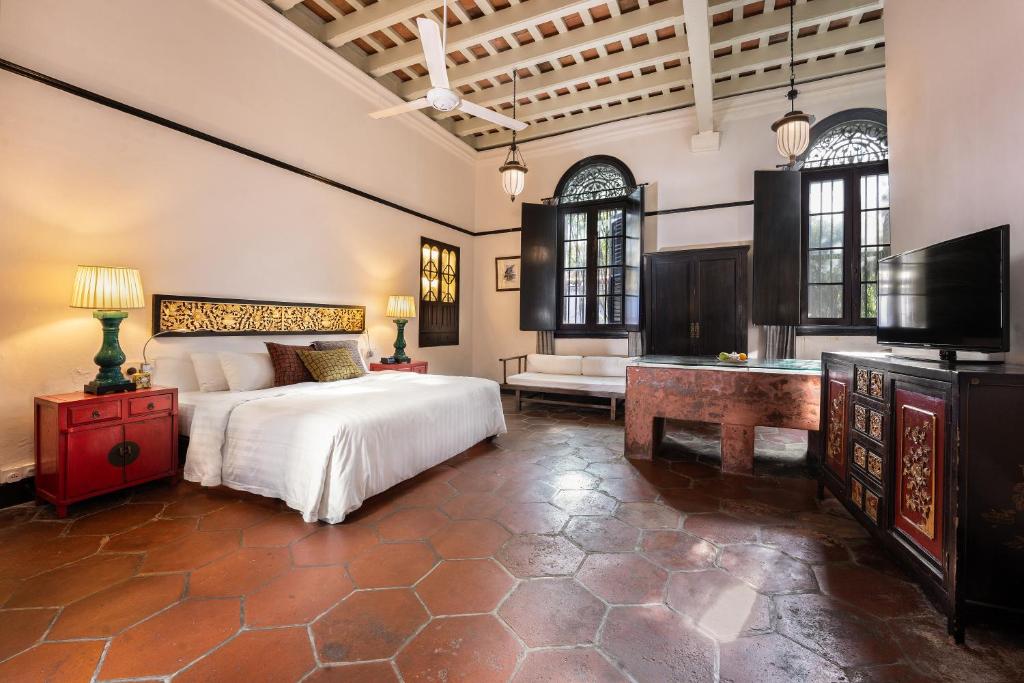
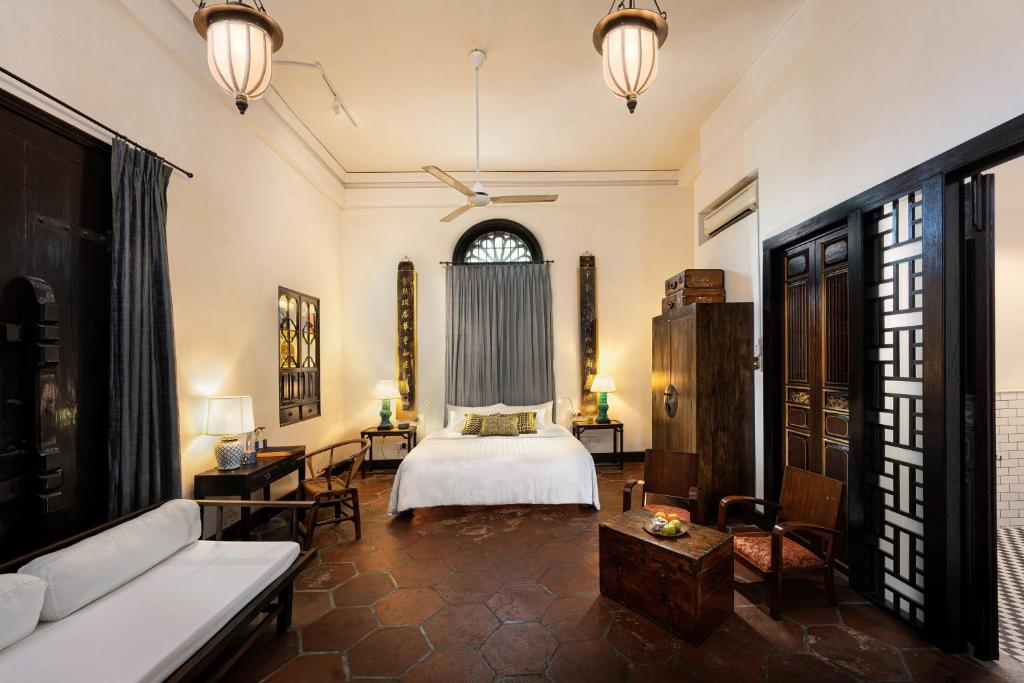
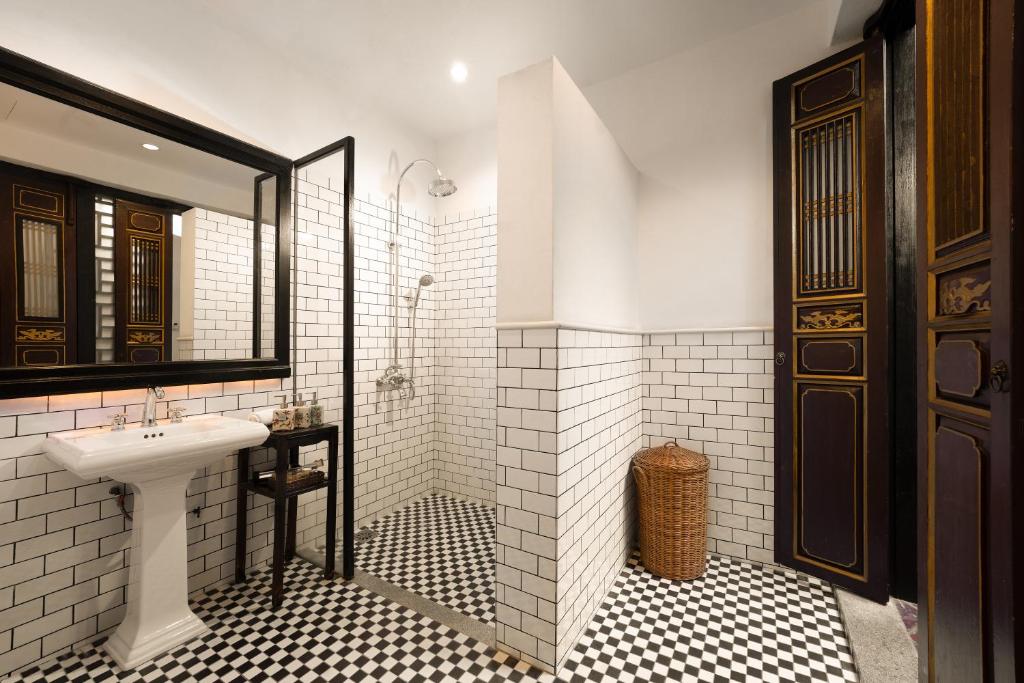
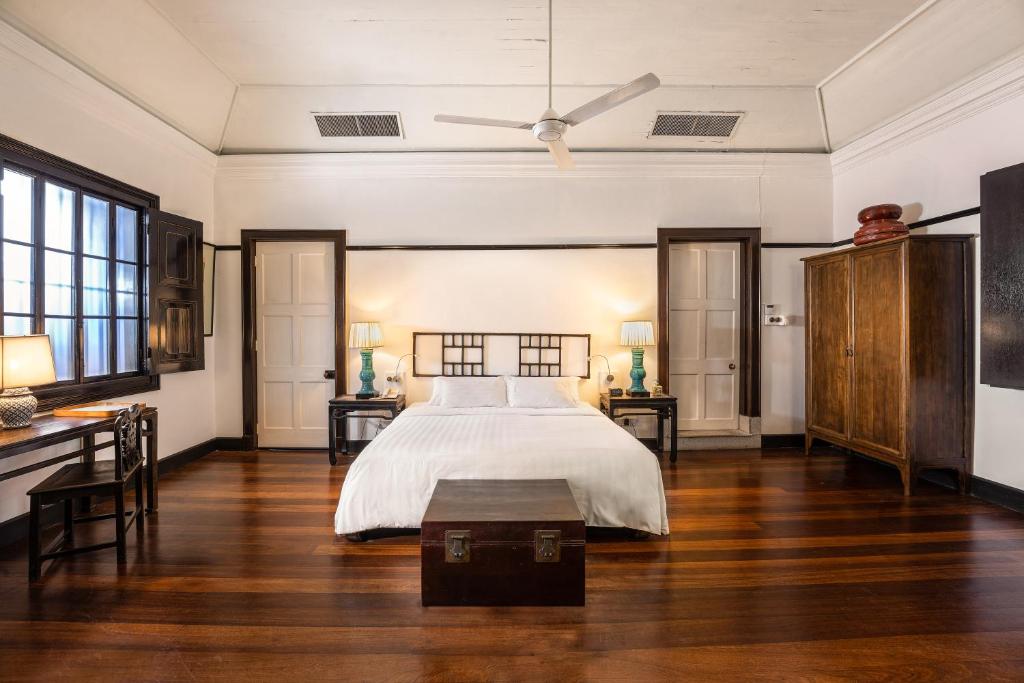
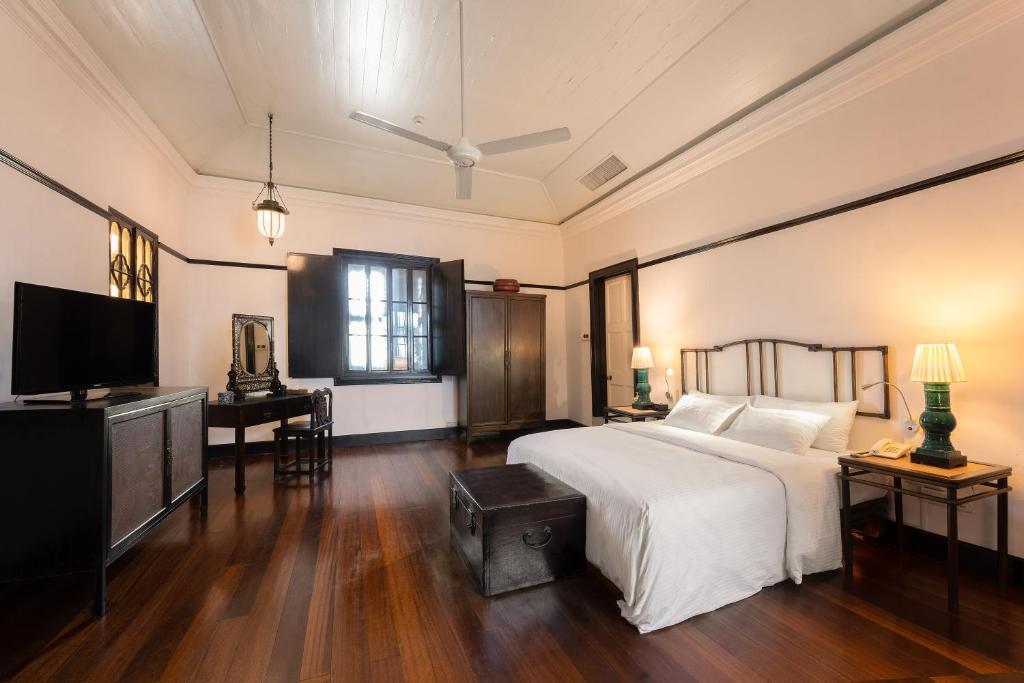
● With just 18 individually designed rooms, this isn’t heritage viewed from behind a rope — guests actually sleep, eat and wander within Cheong Fatt Tze’s remarkable former home.
The Man Behind the Blue
Long before boutique hotels discovered George Town’s shophouses, Cheong Fatt Tze was building one of the city’s most extraordinary houses. His story is almost as remarkable as the building itself. Born into poverty in Guangdong, Cheong left China for Southeast Asia and built a vast commercial empire spanning banking, shipping, agriculture and trade. His influence eventually earned him the nickname “Rockefeller of the East.” The mansion he created in Penang was intended not simply as a demonstration of wealth, but as a family home that could survive for generations. And practically nothing about it was left to chance.
A House Designed by Feng Shui
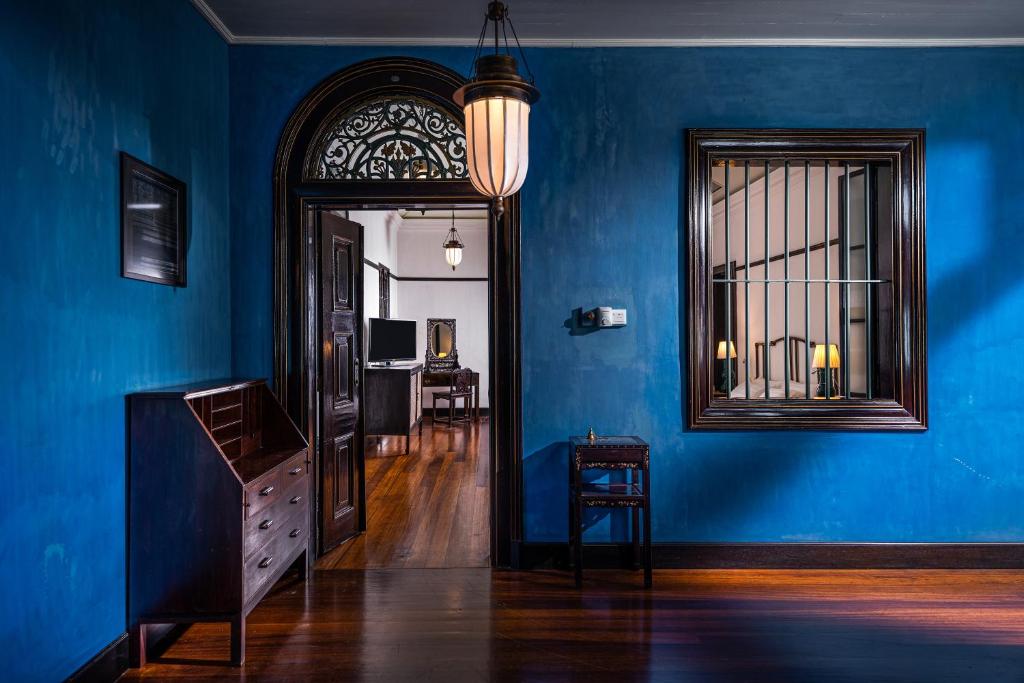
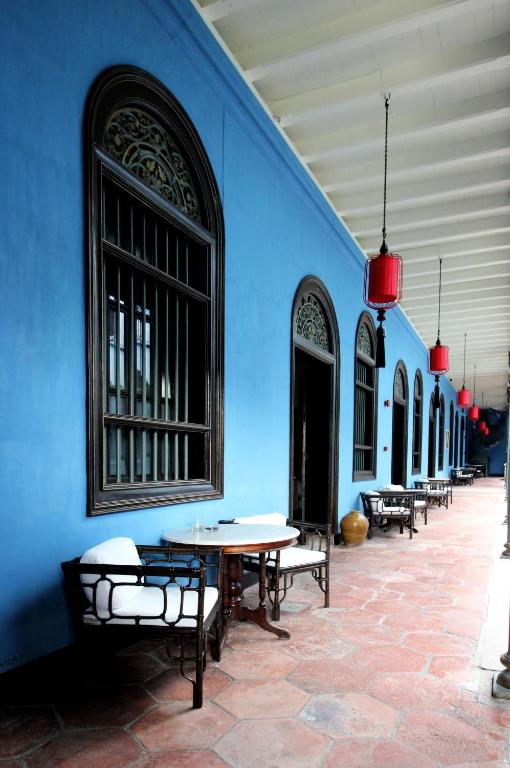
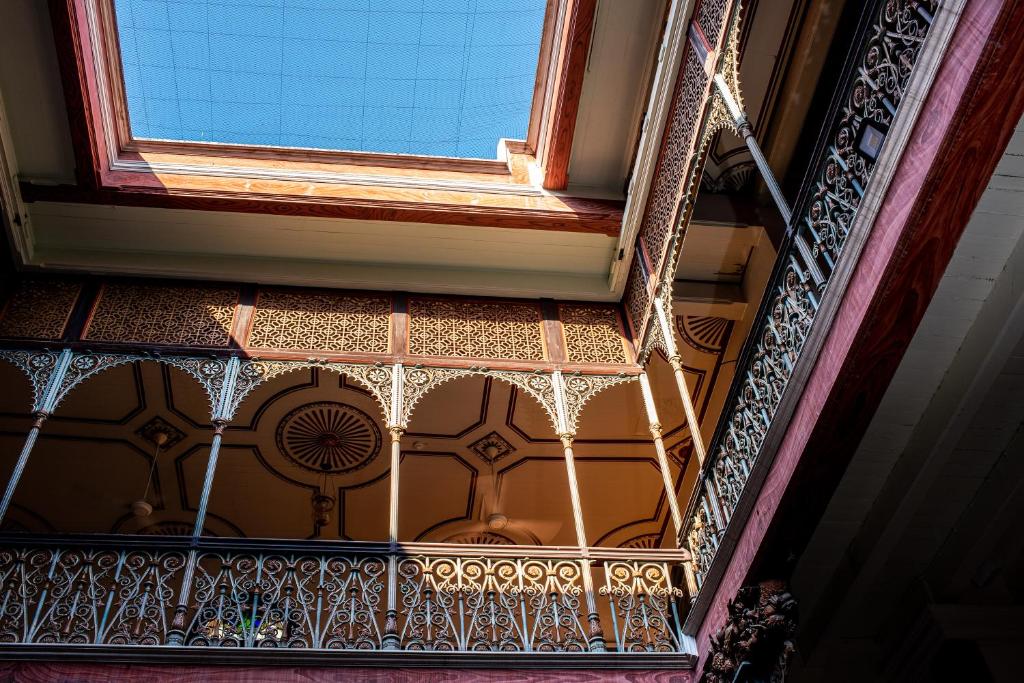
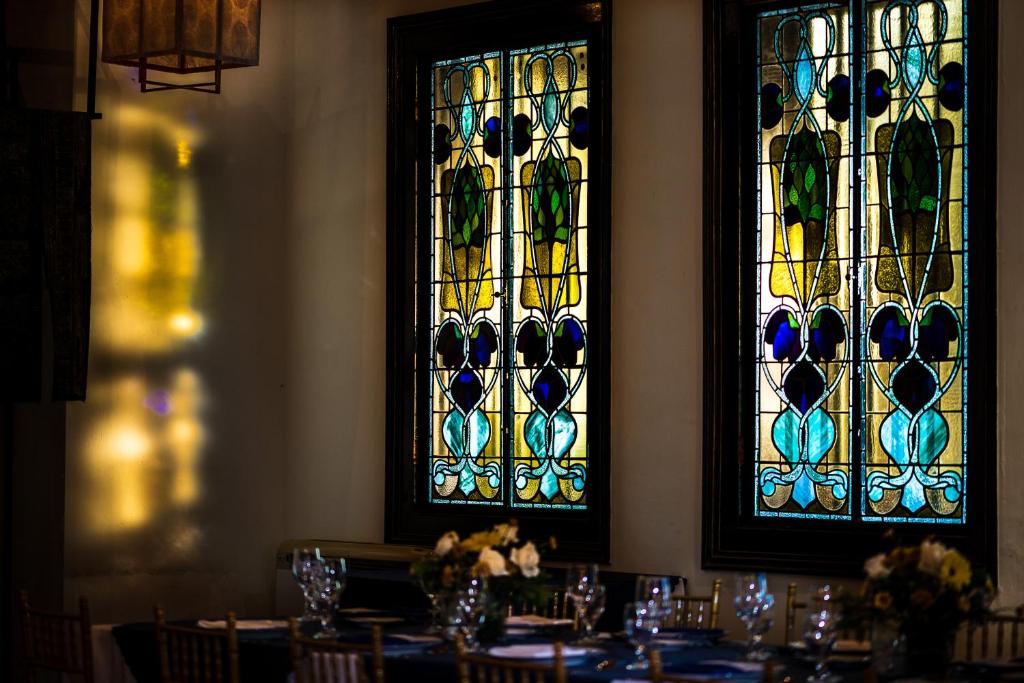
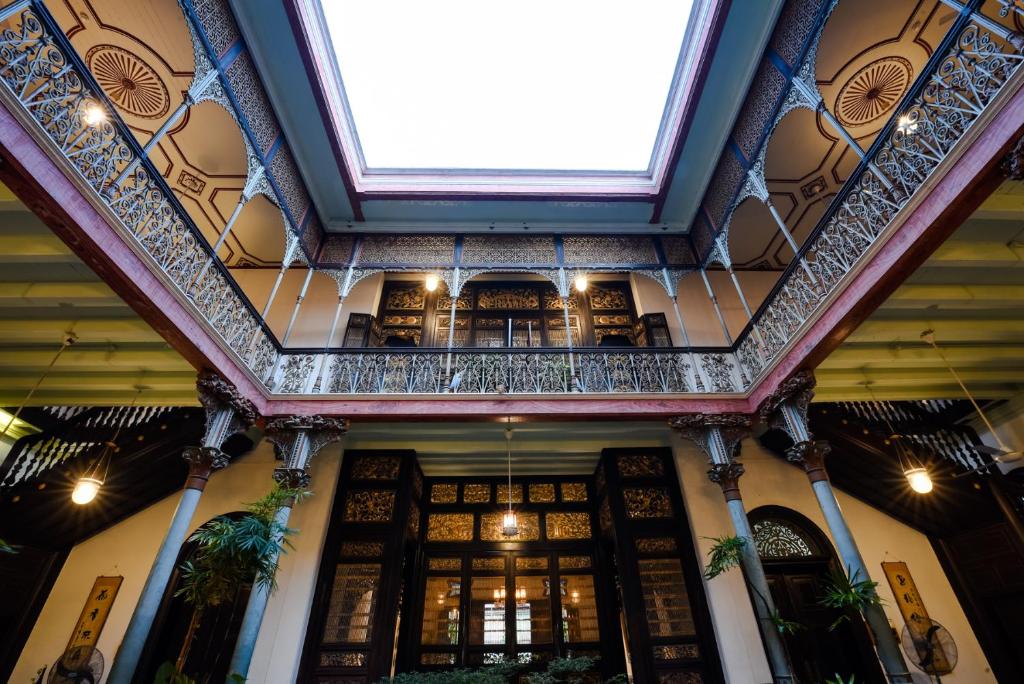
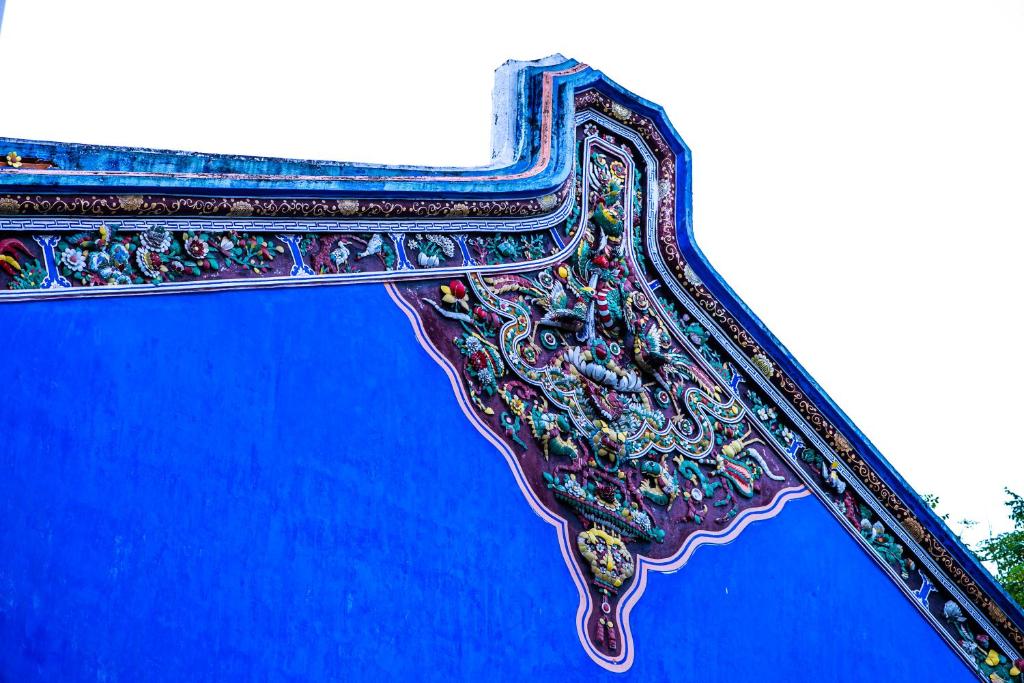
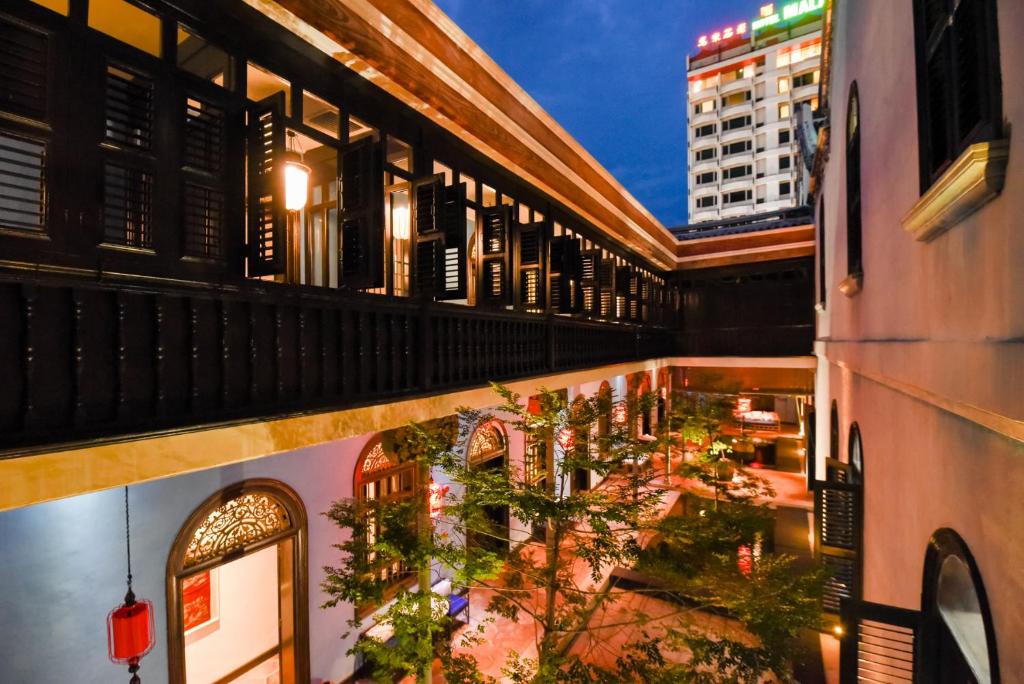
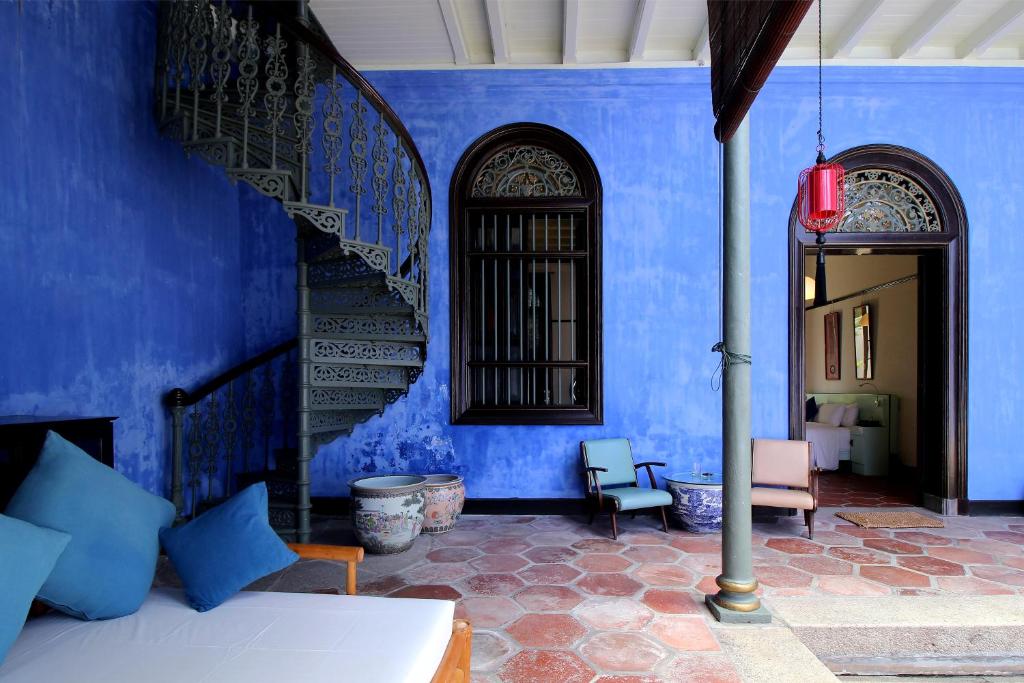
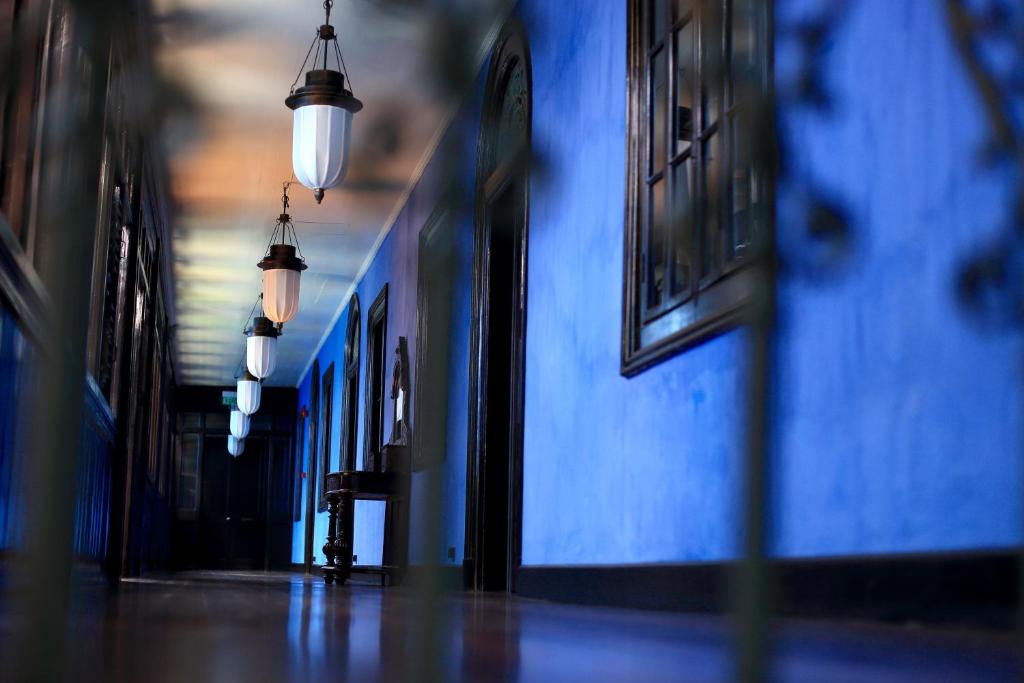
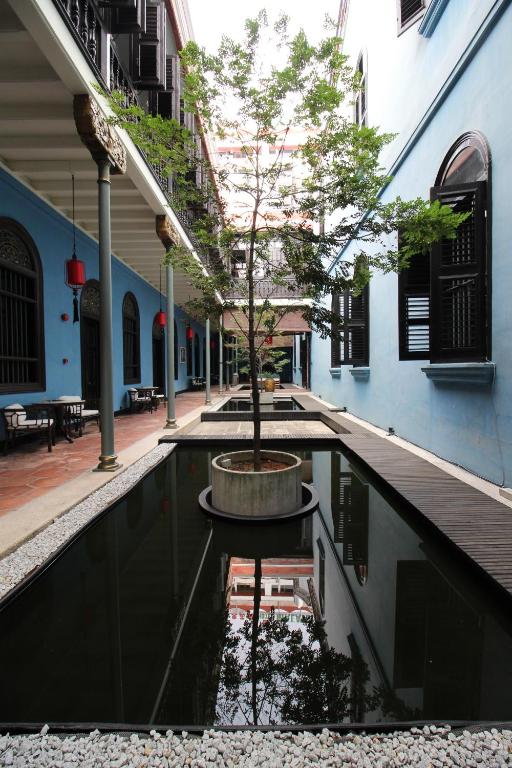
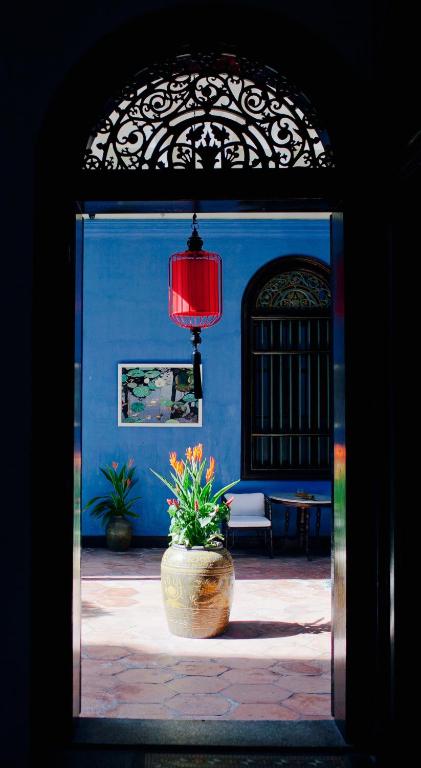
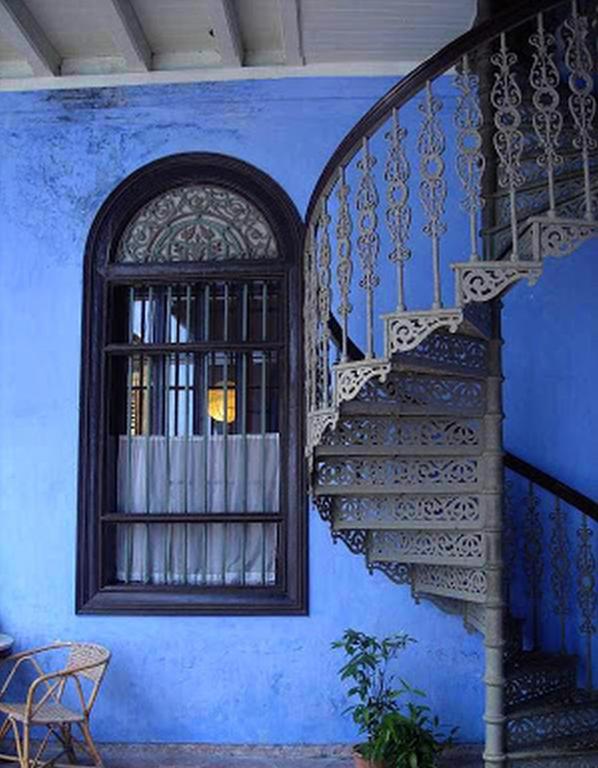
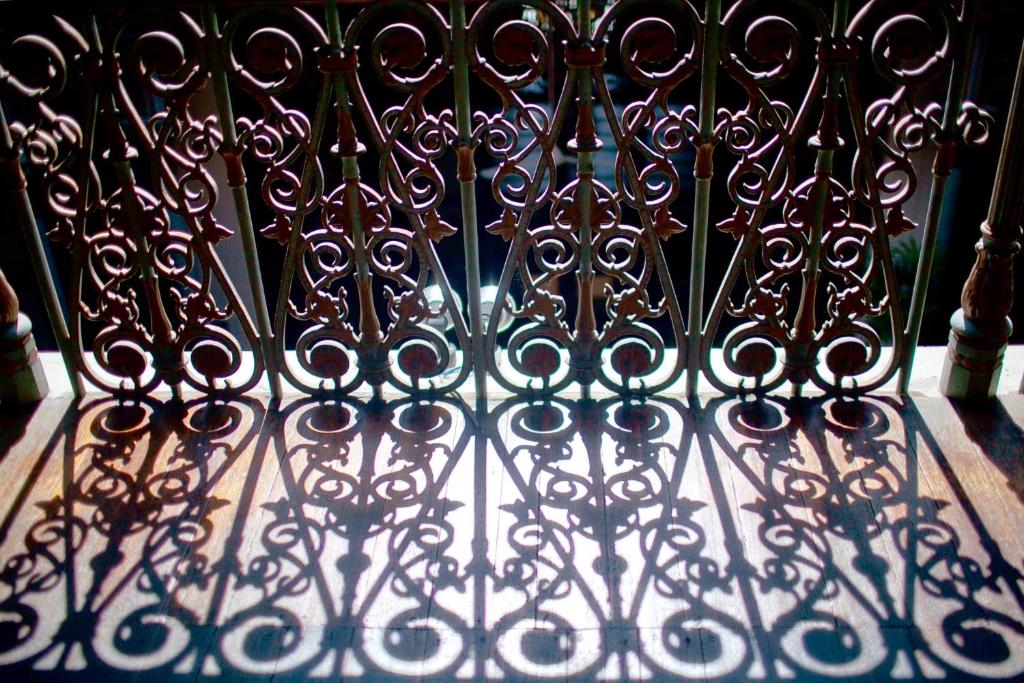
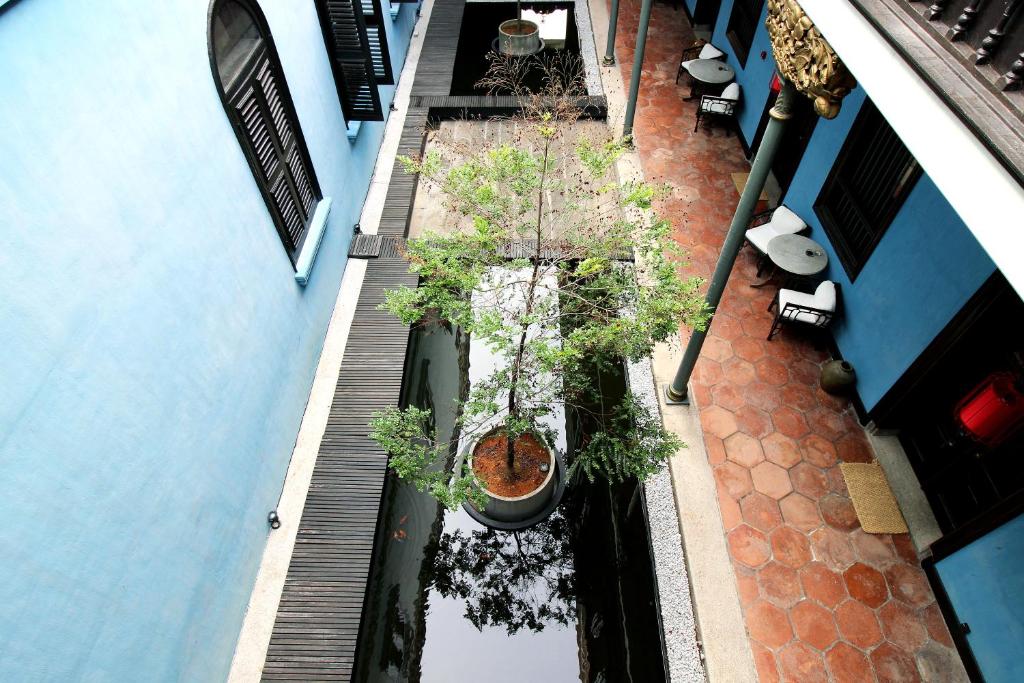
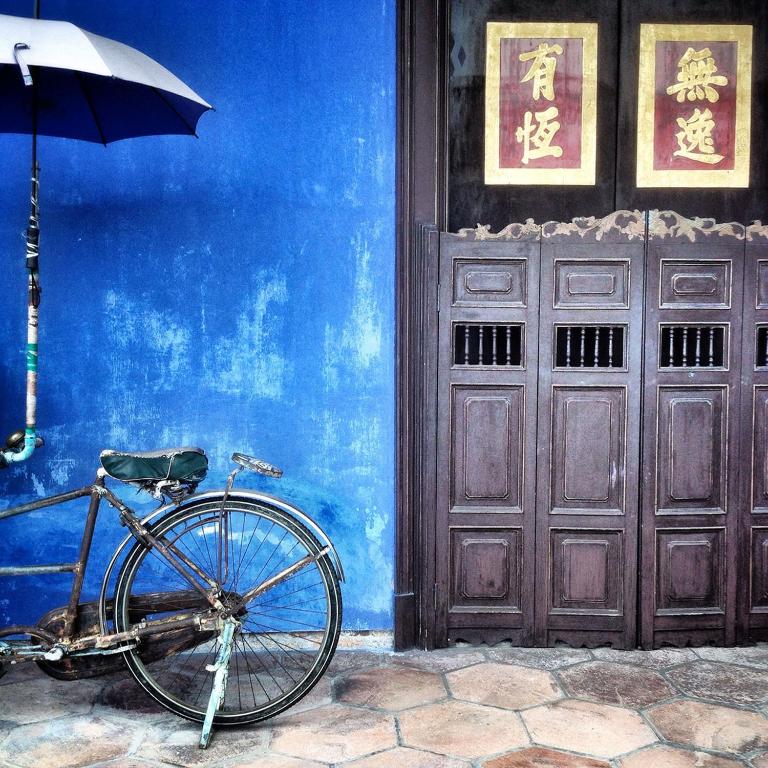
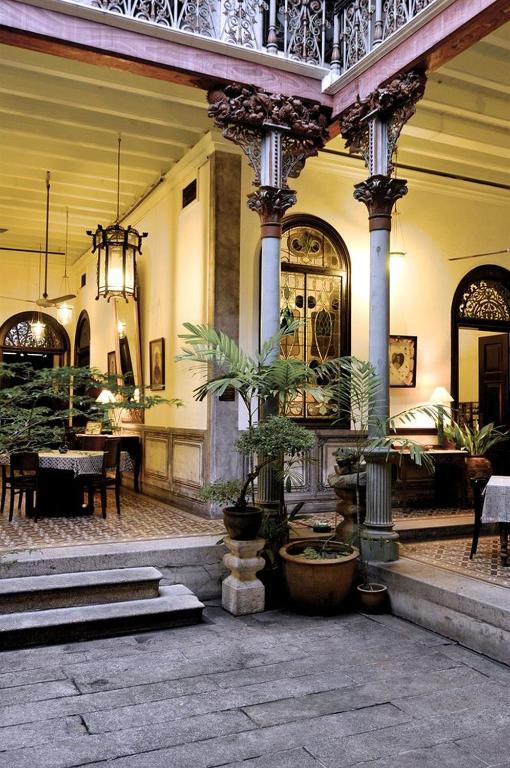
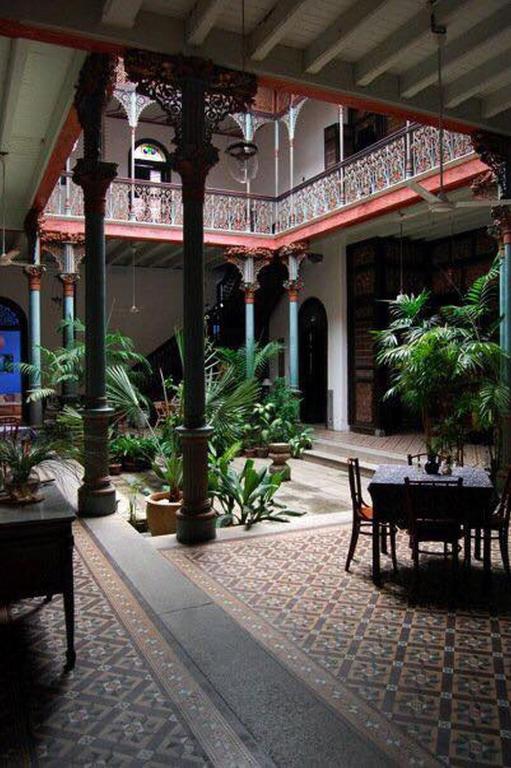
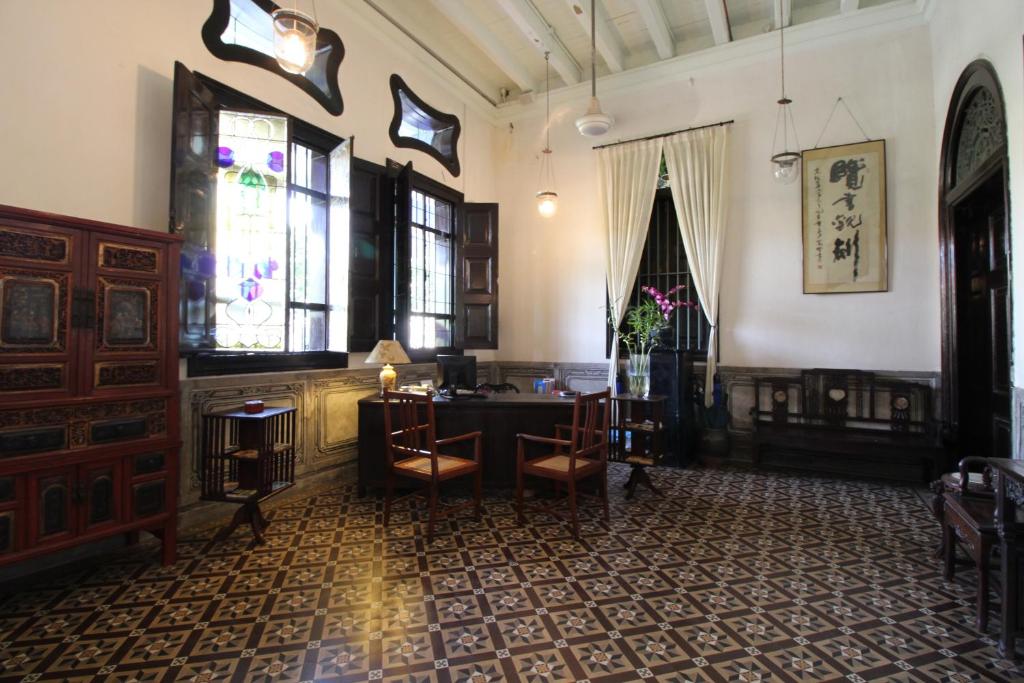
The mansion was planned according to rigorous feng-shui principles, with its courtyards, orientation, circulation and relationship with water intended to channel prosperity and positive energy through the house. The scale was formidable: 38 rooms, five granite courtyards, seven staircases and 220 timber-louvered windows. Yet its architecture refuses easy classification. Southern Chinese courtyard planning sits alongside Scottish cast-iron columns, Gothic louvred windows and English stained glass. Elaborate chien nien decoration — mosaics assembled from fragments of coloured porcelain — brings dragons, flowers and mythological creatures across the roofline. Then there is that colour. Blue. Deep, unmistakable indigo blue. In a city of pale shophouses, The Blue Mansion still stops you in your tracks.
From Mansion to Tenement
Cheong Fatt Tze died in 1916, leaving instructions intended to keep the mansion within his family. But history had other plans. Over subsequent decades the family’s fortunes changed and the house deteriorated. Rooms were subdivided and rented cheaply, families moved into what had once been grand private spaces, and one of Penang’s finest residences slowly slipped towards ruin. By the time a group of conservation-minded investors acquired it in 1989, saving the building meant considerably more than applying a fresh coat of indigo paint.
Six Years to Bring It Back
Architect Laurence Loh oversaw an extraordinary restoration. Rather than sanitising the building or replacing its ageing fabric with modern approximations, the project relied heavily on traditional materials, techniques and craftspeople. Timber shutters, plasterwork, tiles, decorative mosaics and structural elements were painstakingly repaired or recreated. Layers accumulated during its years as tenement housing were removed while evidence of the mansion’s original life was carefully recovered. The six-year project became an important moment in Malaysian architectural conservation, eventually receiving both national recognition and a UNESCO Asia-Pacific Heritage Award for Culture Heritage Conservation. The building had survived. But crucially, it hadn’t been turned into a museum.
Sleeping Inside the Story
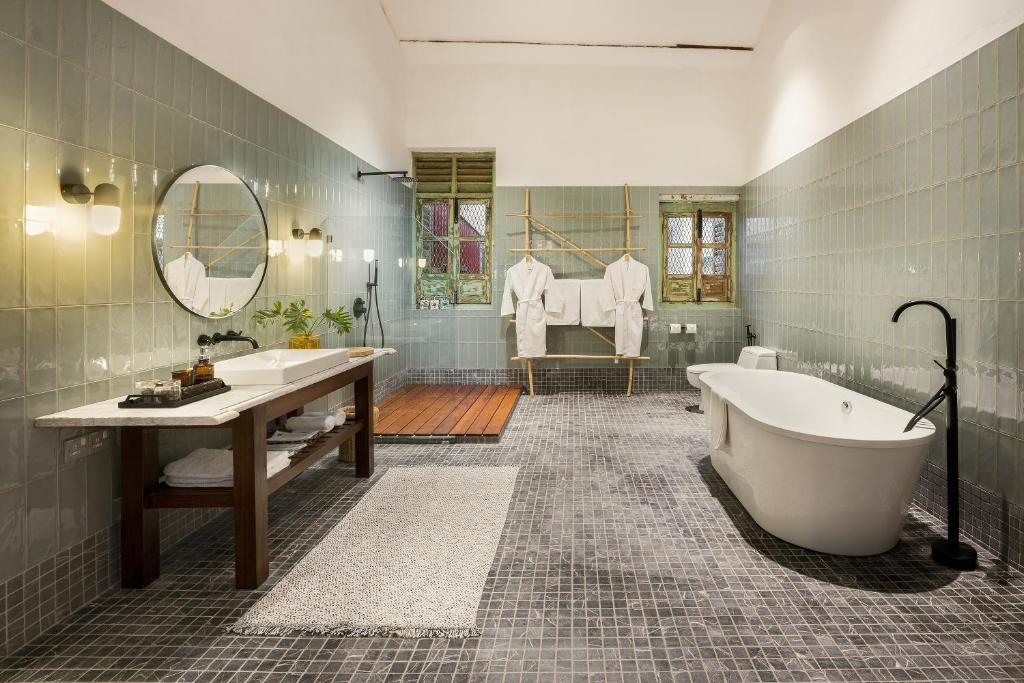
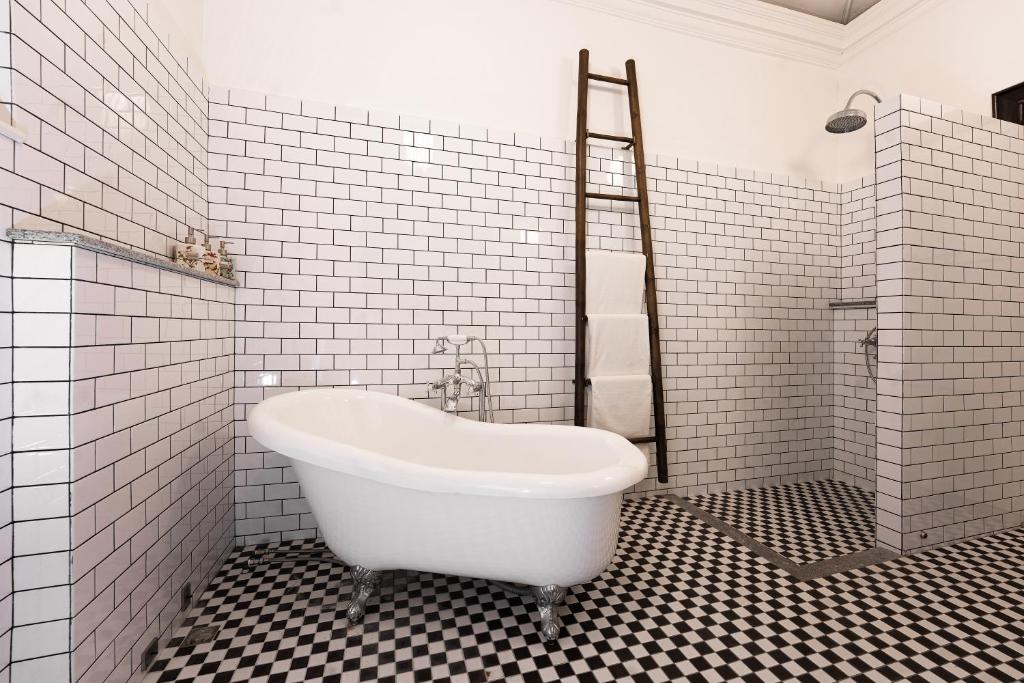
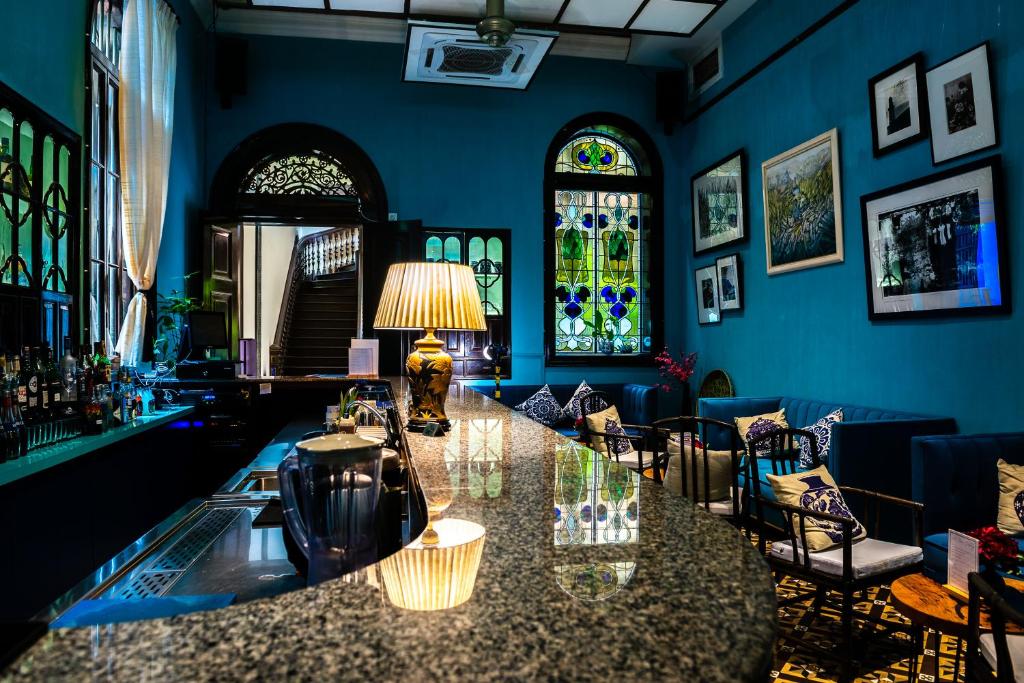
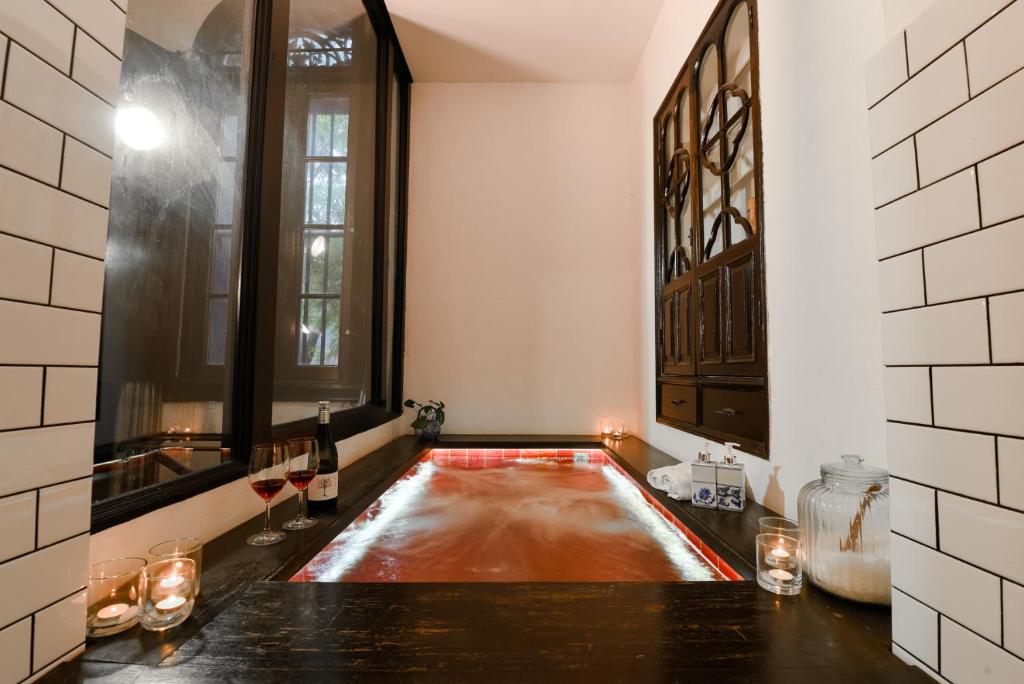
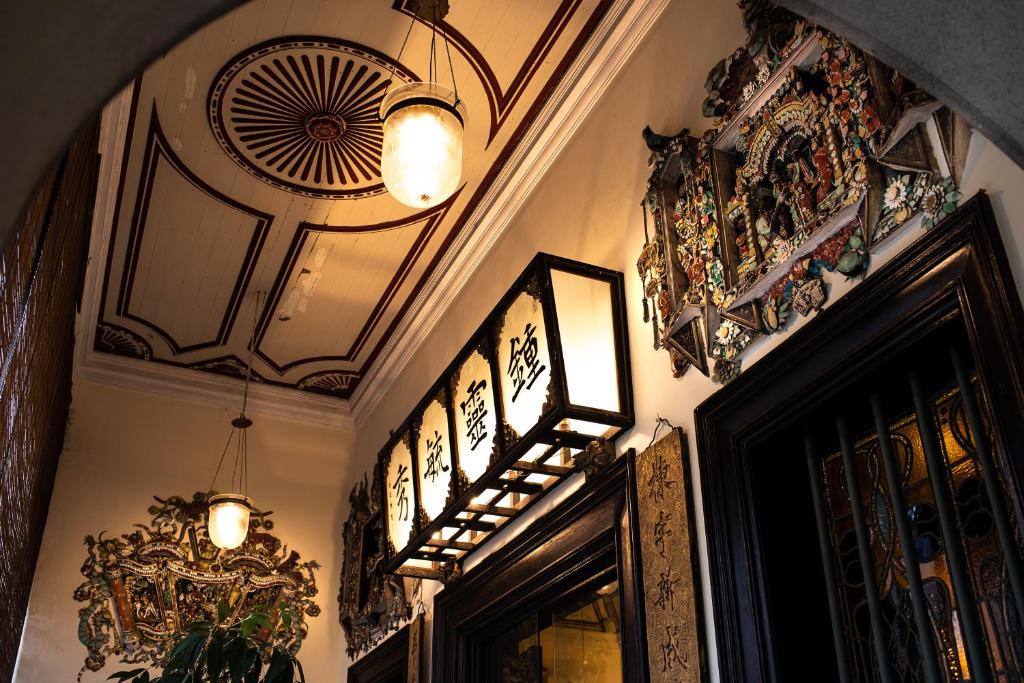
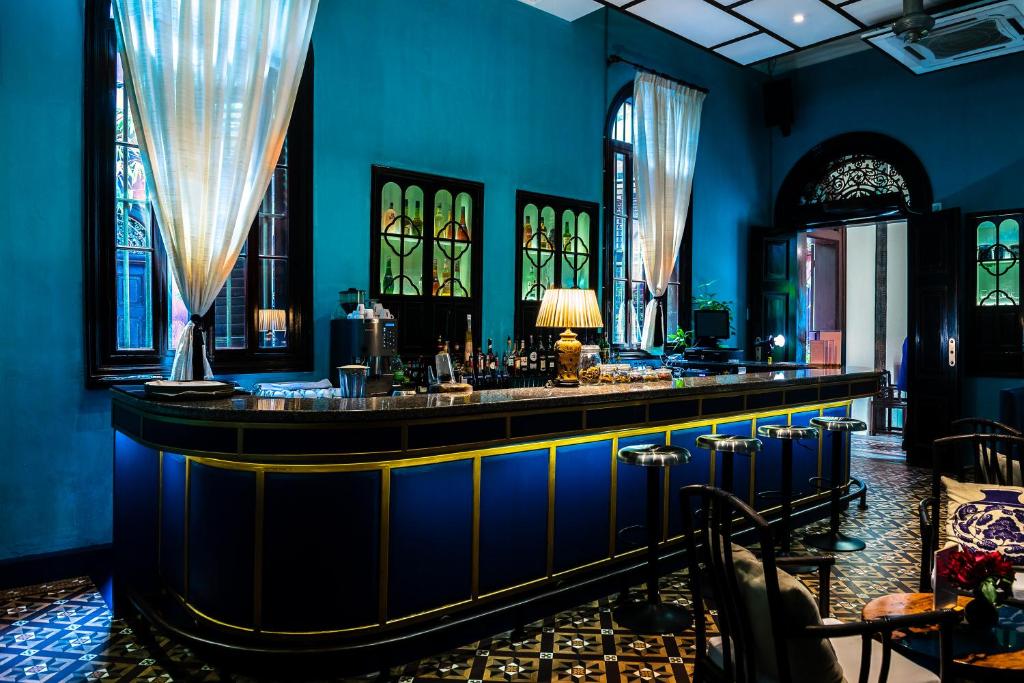
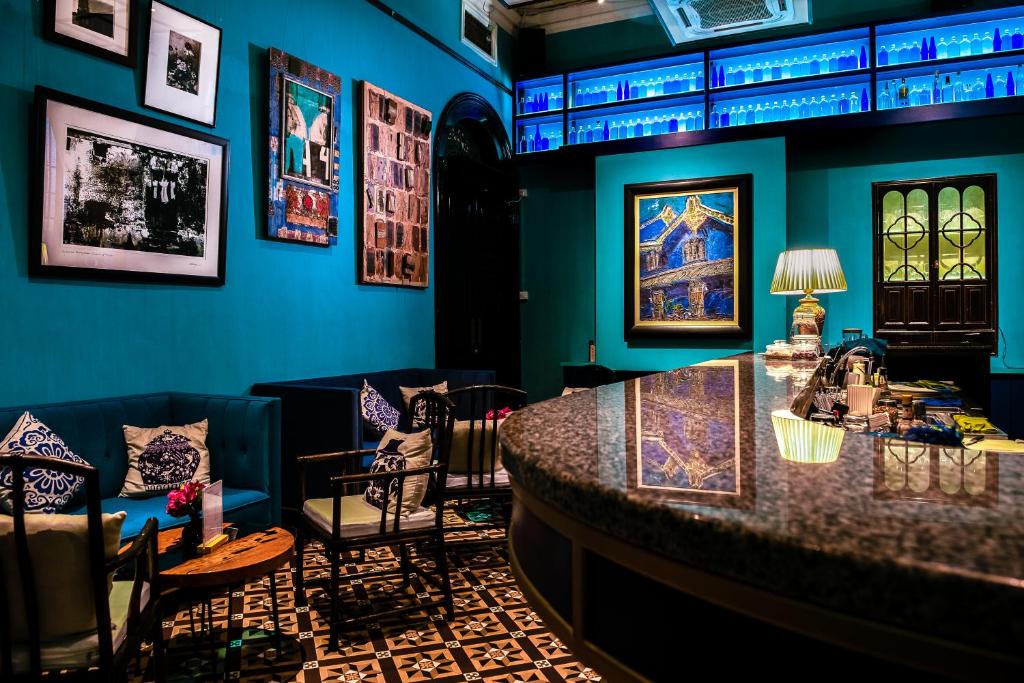
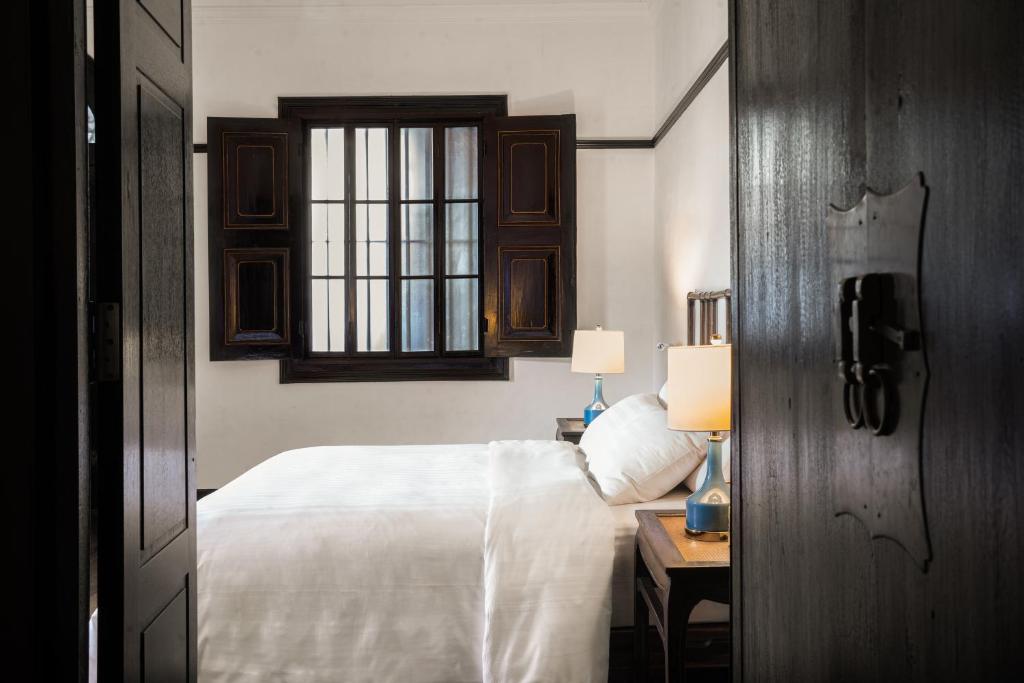
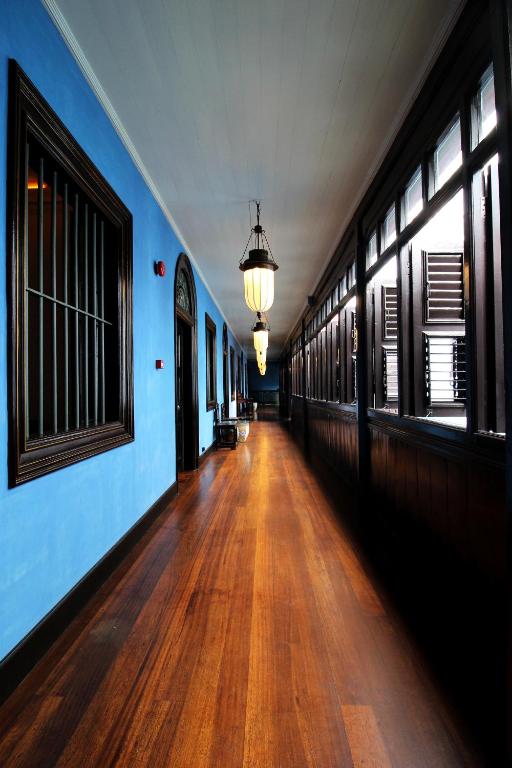
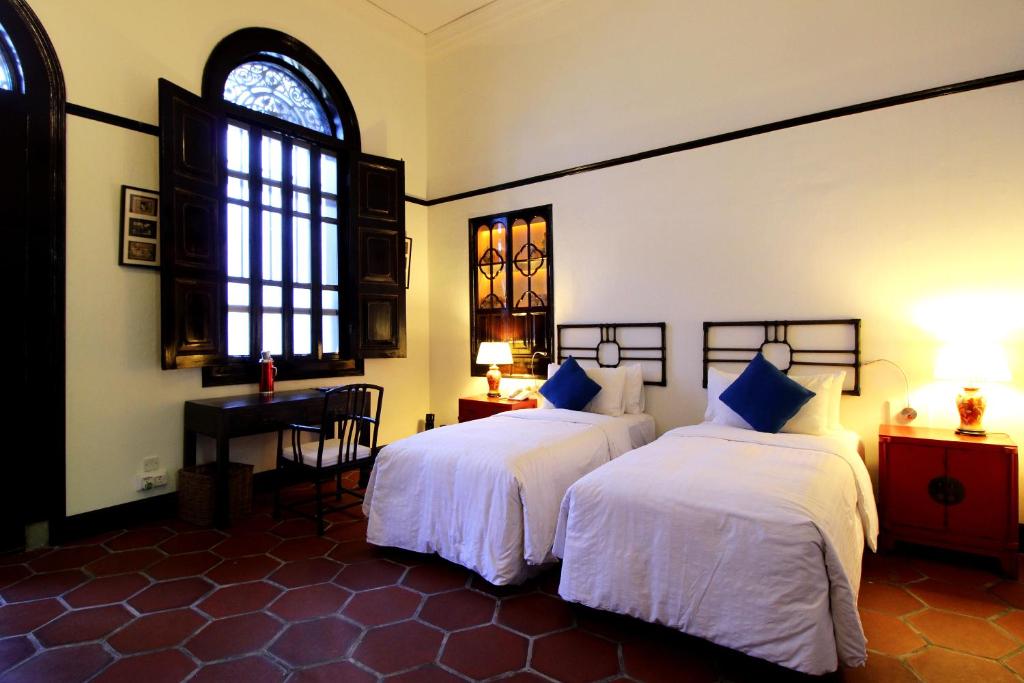
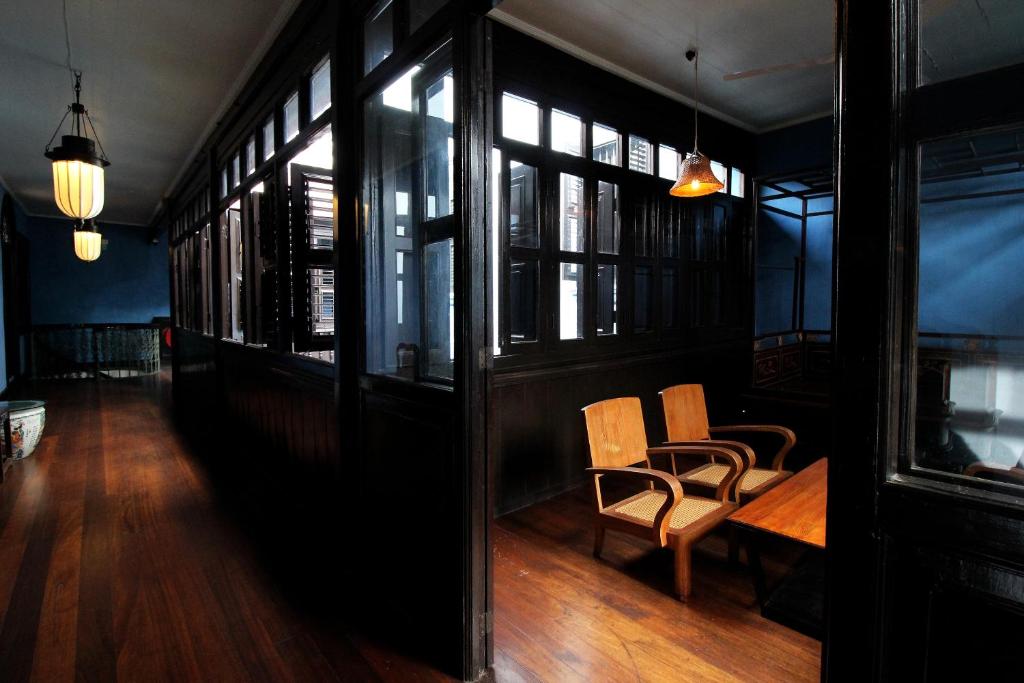
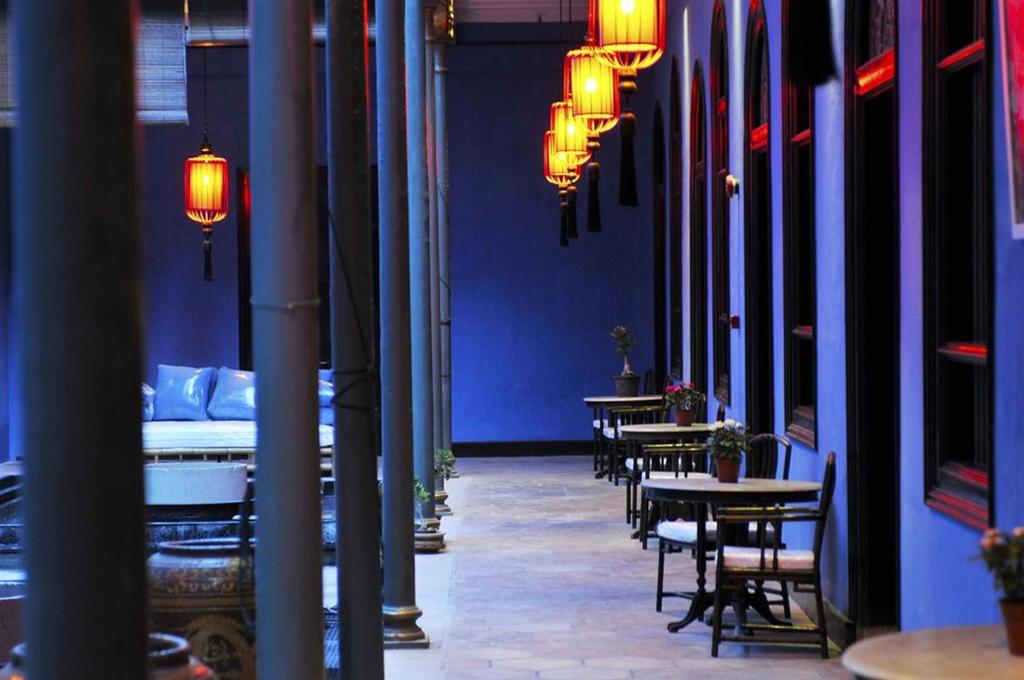
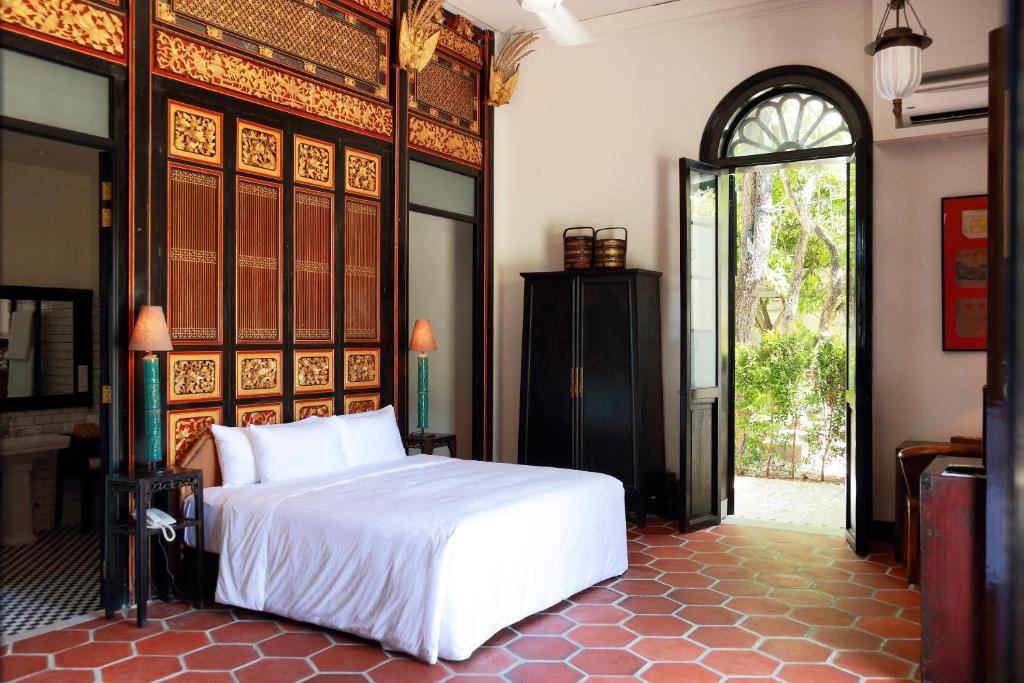
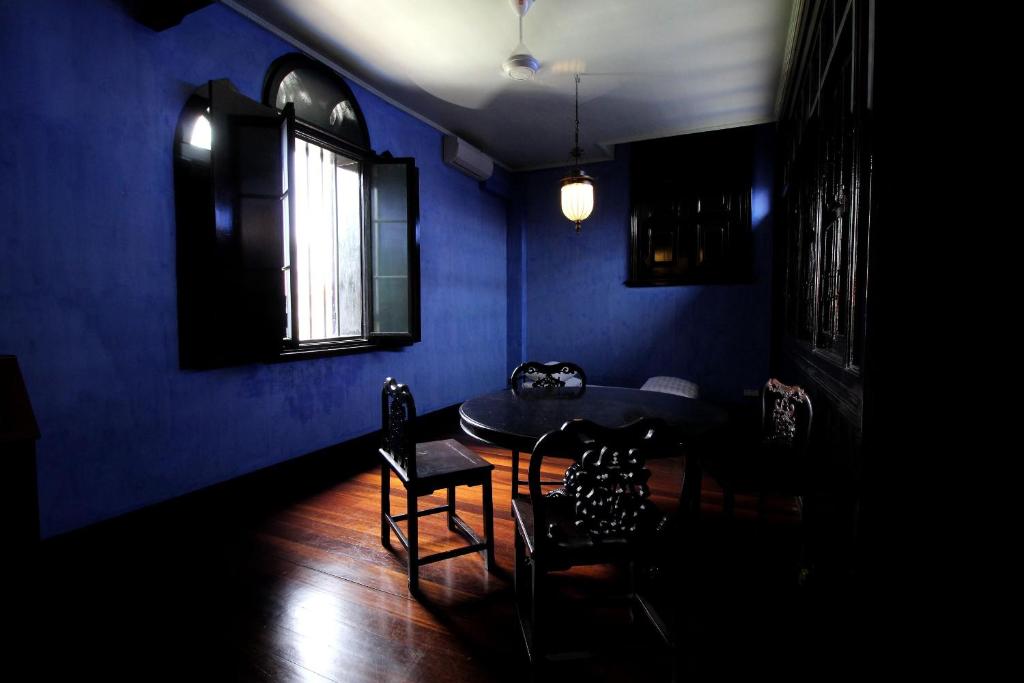
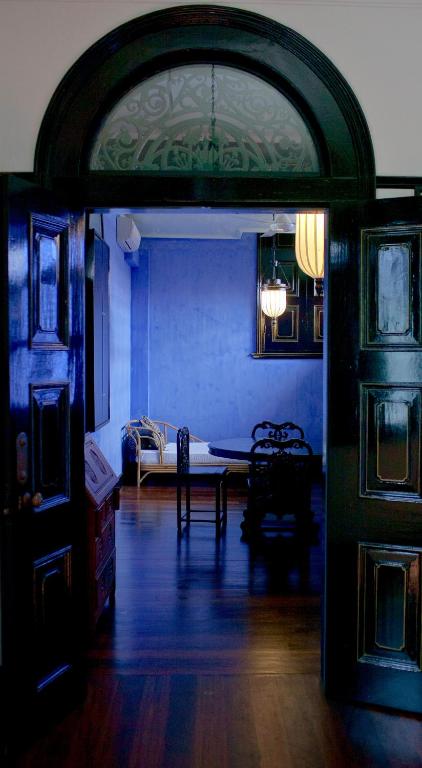
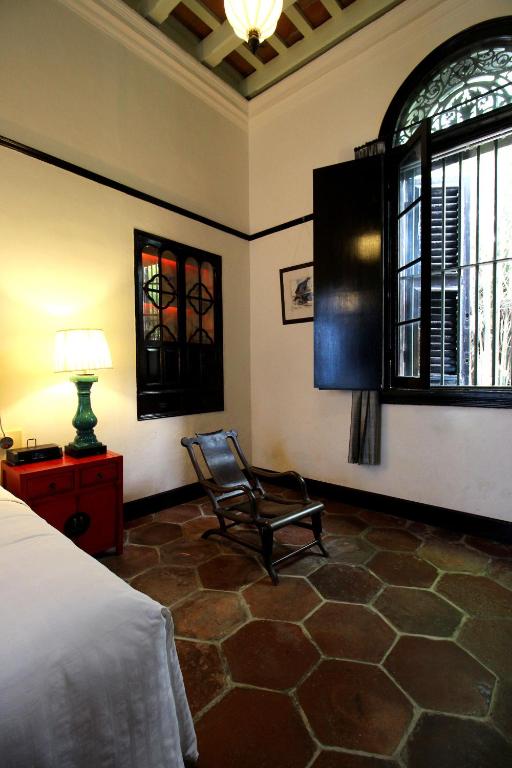
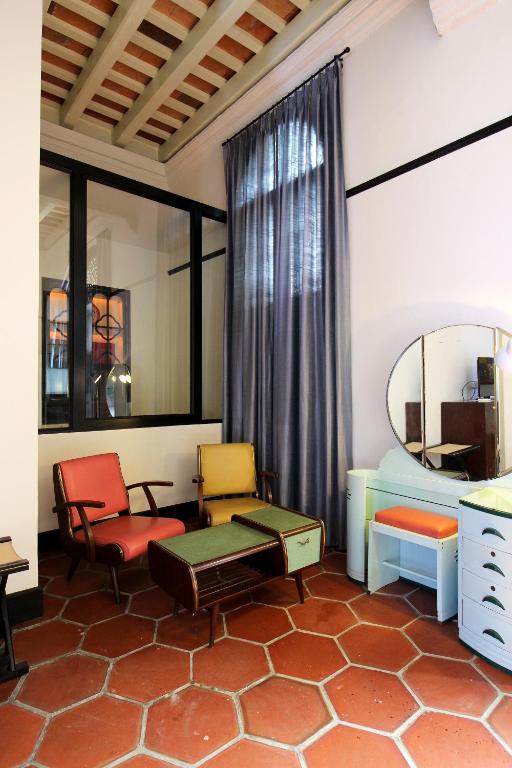
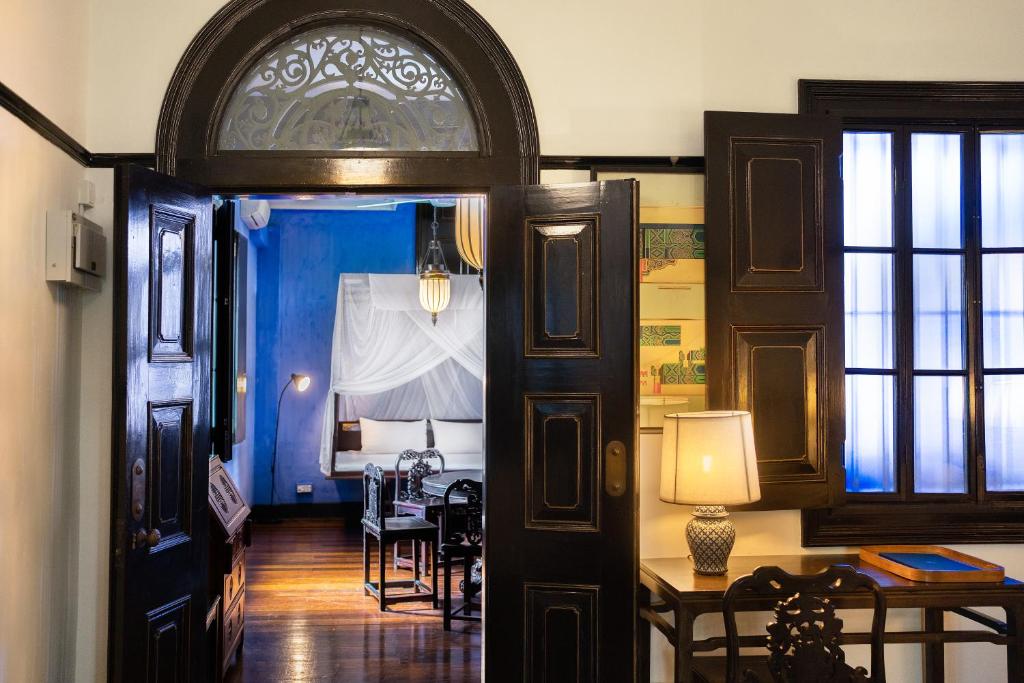
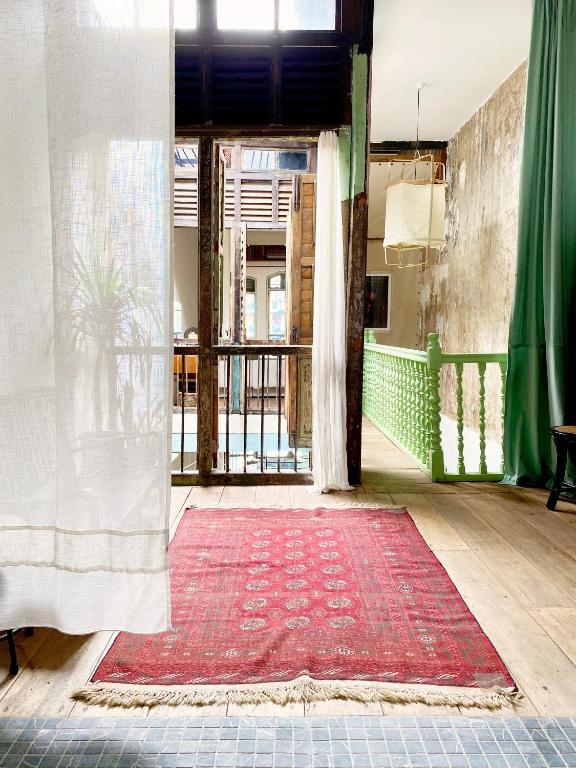
Today, The Blue Mansion contains just 18 guestrooms, allowing you to experience the house after daytime visitors have disappeared. And that changes everything. Antiques, artworks and historic furniture give individual rooms their own personality, while contemporary comforts are inserted carefully enough that the mansion still feels like the protagonist. Step outside your room and you’re immediately back within its architecture. Timber galleries overlook open courtyards. Stained glass catches the tropical light. Granite floors lead beneath carved screens and elaborate ceilings. Rain falls through open air wells just as it would have more than a century ago. You don’t merely visit The Blue Mansion. For a few nights, you inhabit it.
Look Closer
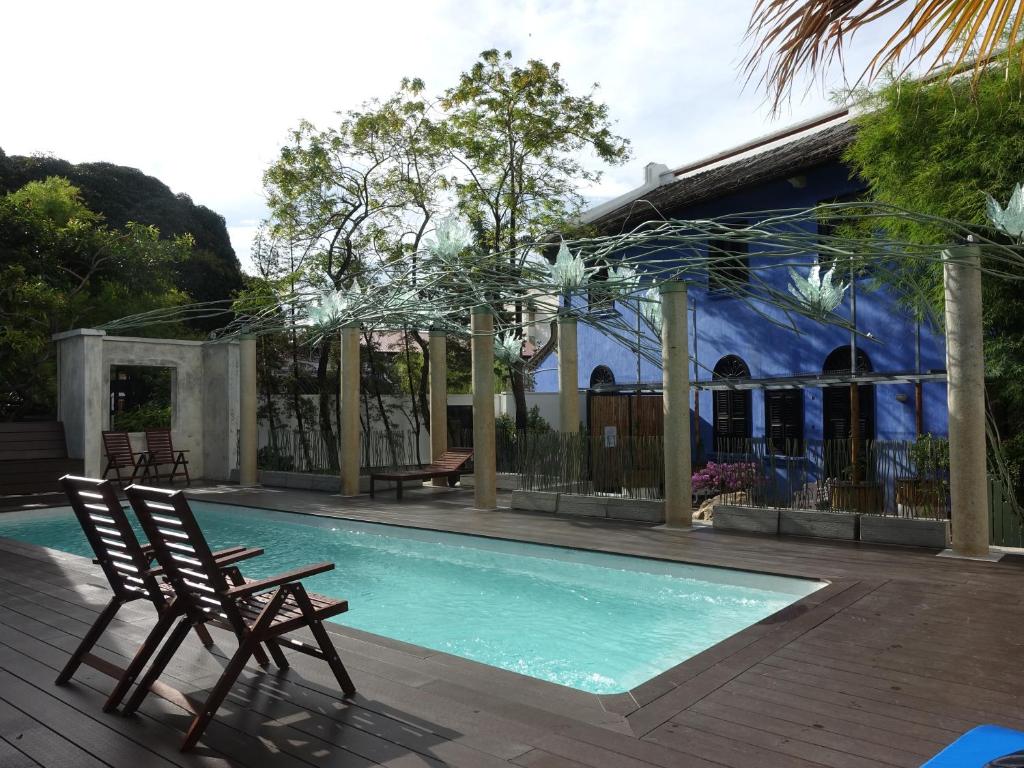
This is a building that rewards curiosity. Dragons appear where you least expect them. Decorative fragments of porcelain become intricate rooftop mosaics. Trompe-l’oeil painting imitates architectural depth. Timber, stone, glass, plaster and ironwork reveal the international influences flowing through colonial-era Penang. Even practical details carry meaning. The courtyards aren’t simply beautiful voids: they regulate light, ventilation and water while playing an essential role in the mansion’s feng-shui composition. The famous blue limewash isn’t merely decorative either. Its breathable qualities are particularly suited to old masonry in Penang’s humid tropical climate. At The Blue Mansion, decoration, climate and symbolism continually overlap.
East Meets West Again
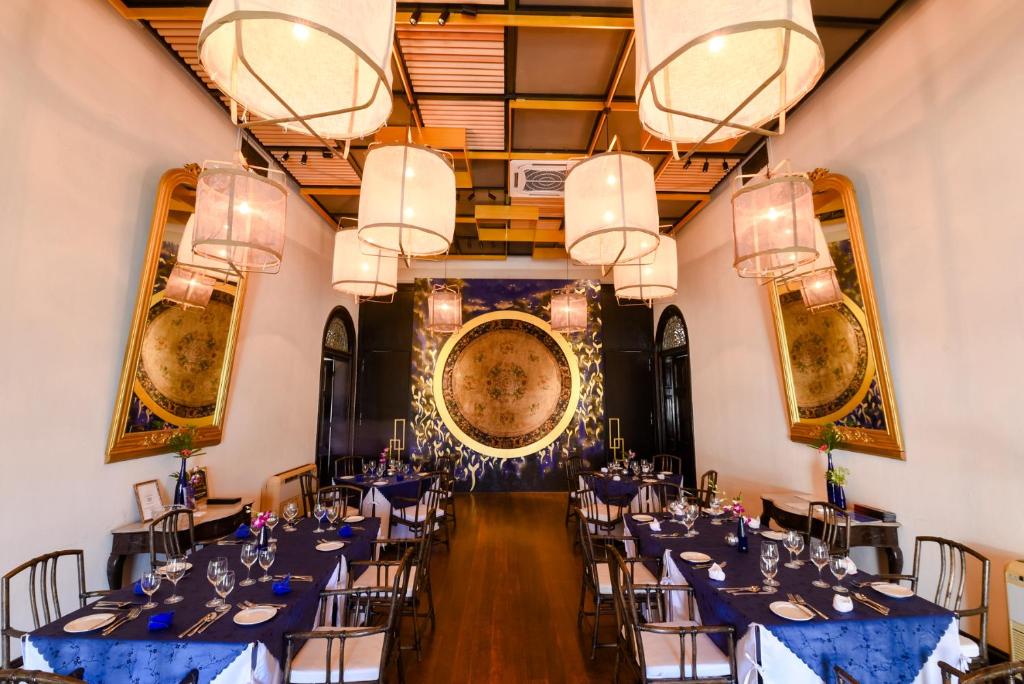
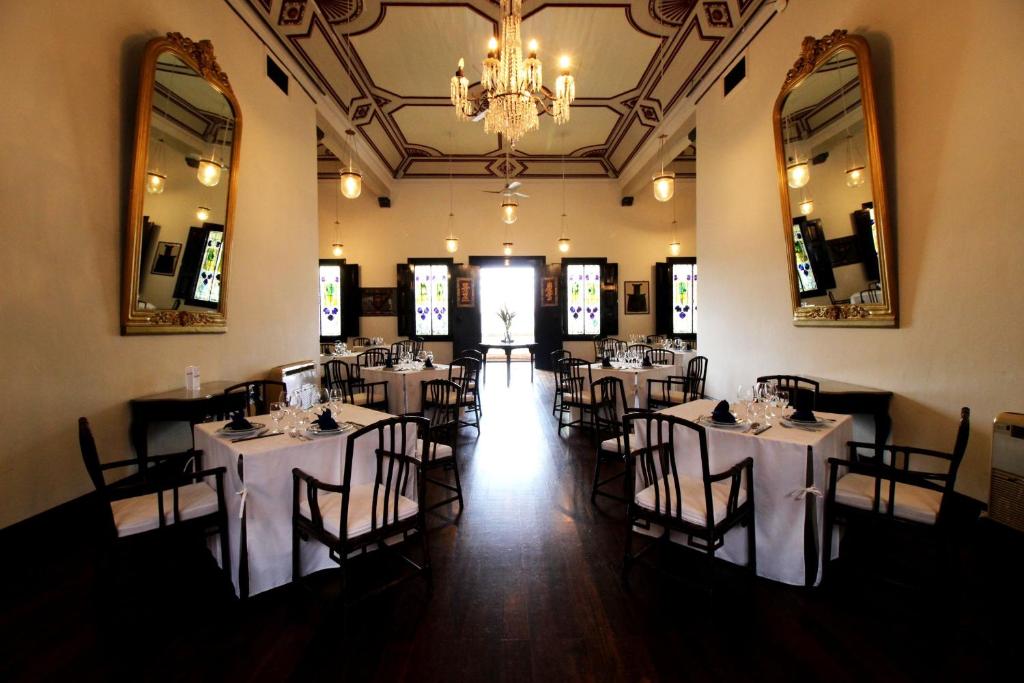
That same cultural collision continues at Indigo, the mansion’s restaurant. Chef Beh Weng Chia draws together Asian ingredients and techniques with contemporary international influences, echoing the building’s own dialogue between East and West. It’s an appropriate setting for dinner. After all, George Town became extraordinary precisely because cultures didn’t remain neatly separated here. Chinese, Malay, Indian and European influences collided through migration and trade, creating something that belonged specifically to Penang. The Blue Mansion may be one of the most extravagant architectural expressions of that story.
After the Visitors Leave
Daily tours reveal the mansion’s history and architectural details, and its photogenic interiors have inevitably attracted filmmakers — including a memorable appearance in Crazy Rich Asians. But staying overnight offers something a guided visit cannot. Eventually the tour groups leave. The courtyards become quiet. The blue walls deepen as daylight fades. Lamps illuminate the galleries and suddenly what seemed like an important historic monument begins to feel like a house again. That may be The Blue Mansion’s greatest achievement. More than 130 years after Cheong Fatt Tze created his extraordinary Penang home, people are still living within it.