Can Aulí Luxury Retreat | Pollença, Mallorca | Spain
17th-century Mallorcan architecture, contemporary craft, and a hidden courtyard in the heart of Pollença
Why DNA Hotels Loves It
● A sensitively restored 17th-century townhouse where exposed stone, timber beams, travertine, and contemporary furniture create a convincing dialogue between old and new.
● Local craftsmanship is treated as architecture rather than decoration, most notably in Jaume Roig’s ceramic installation of around 1,000 individually made elements.
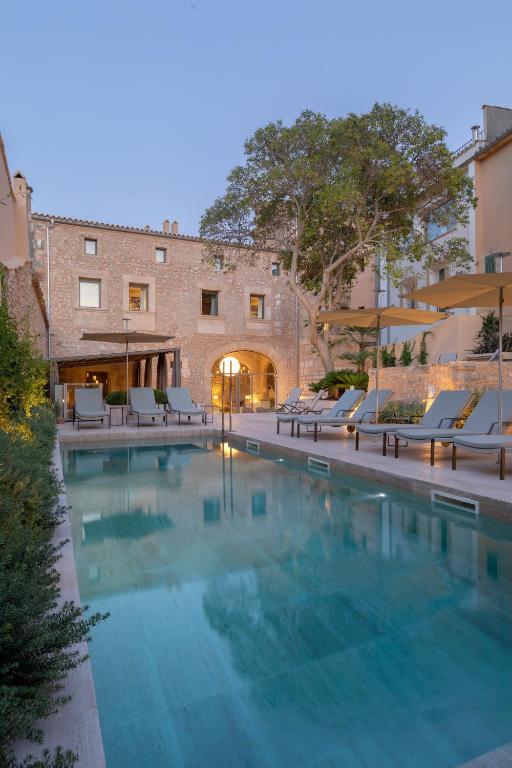
● With just 21 rooms, a walled garden, pool, and open-kitchen gastro bar, the hotel feels more like a sophisticated private residence than a conventional luxury retreat.
A Townhouse Reclaimed
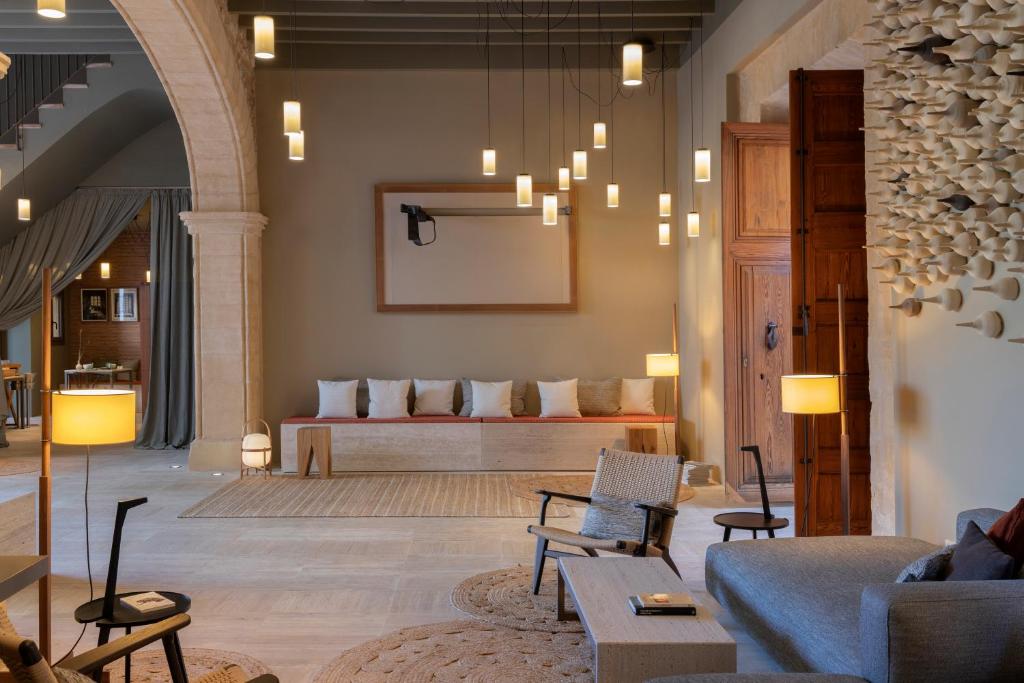
Can Aulí sits quietly within Pollença’s maze of historic streets, a few minutes from the town centre and its famous Calvari steps. The building dates from the 17th century and was restored by Miguel Conde and architect Cristina Martí as part of IT Mallorca’s wider commitment to preserving historic island architecture through hospitality. From the street, little prepares you for the scale within. A monumental stone arch leads into a double-height lobby where old masonry, monastic proportions, and generous natural light establish the atmosphere immediately. History remains visible. But it never becomes theatrical.
Stone, Travertine, and Mallorcan Craft
The interiors combine original fabric with a confident contemporary layer. Exposed stone walls meet travertine. Sisal rugs soften stone floors. Linen, hessian, timber, and warm shades of sage, cream, grey, and copper prevent the architecture from becoming austere. Furniture by designers including Konstantin Grcic, Hans Wegner, and e15 brings an international modernist sensibility into the historic shell. One of the strongest gestures is Jaume Roig’s ceramic installation in the lobby. Made from roughly a thousand individual components, it turns local craft into something sculptural and architectural. The contrast is precisely judged. Ancient walls. Modern objects. No nostalgia required.
Twenty-One Quiet Rooms
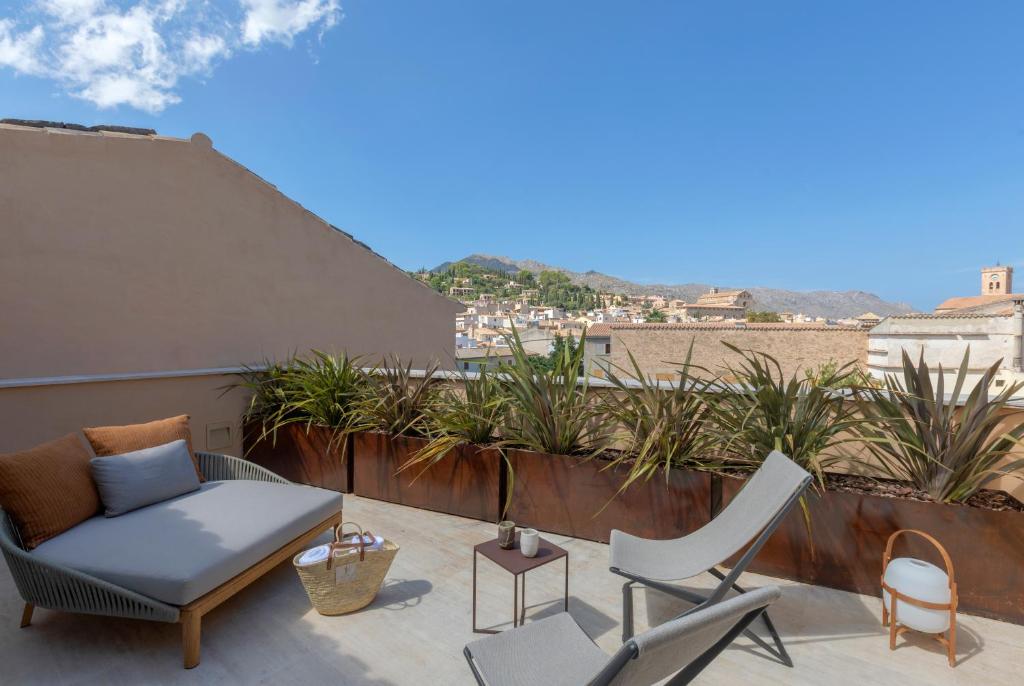
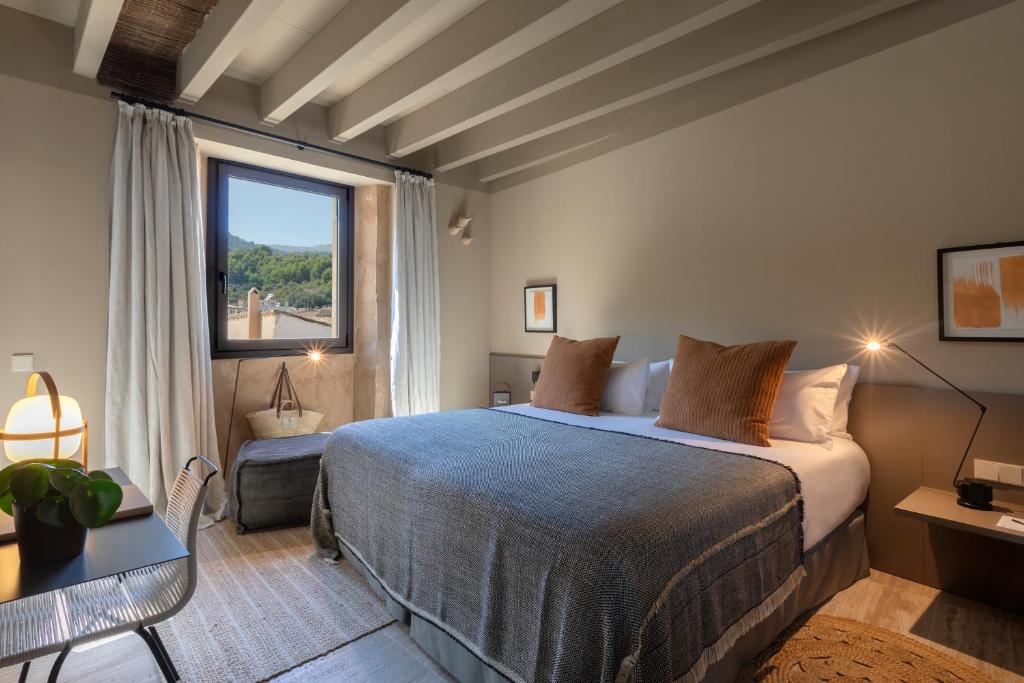
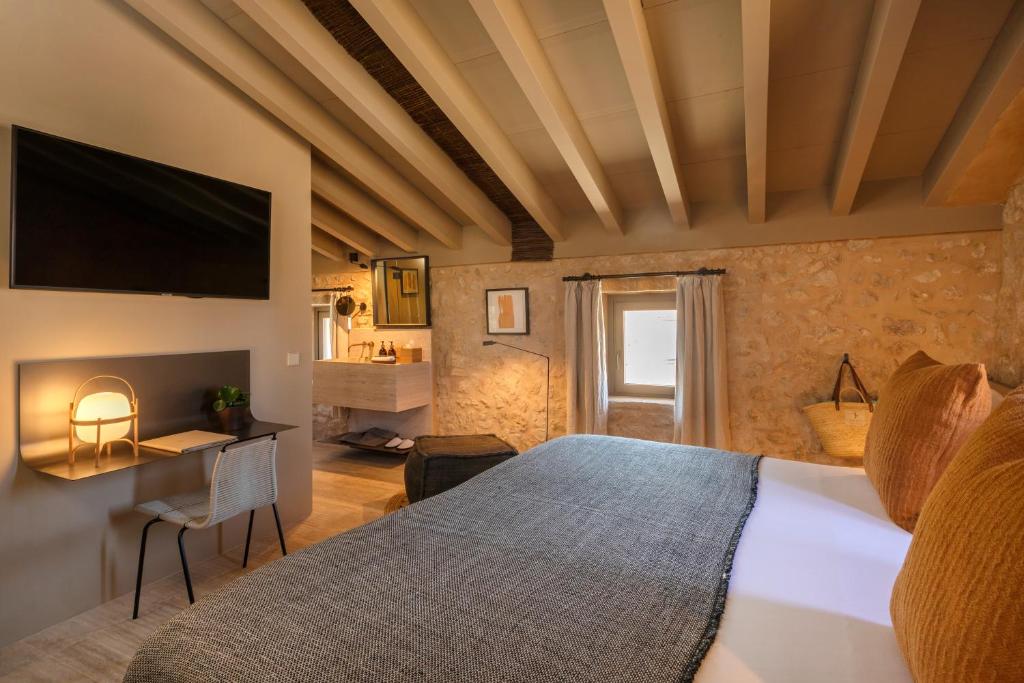
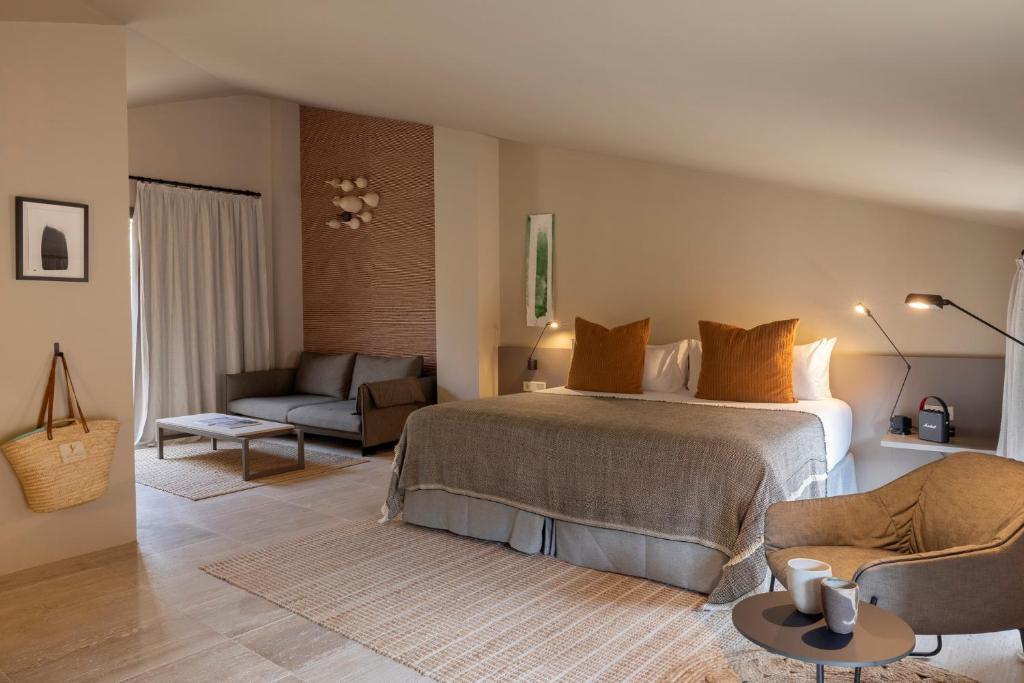
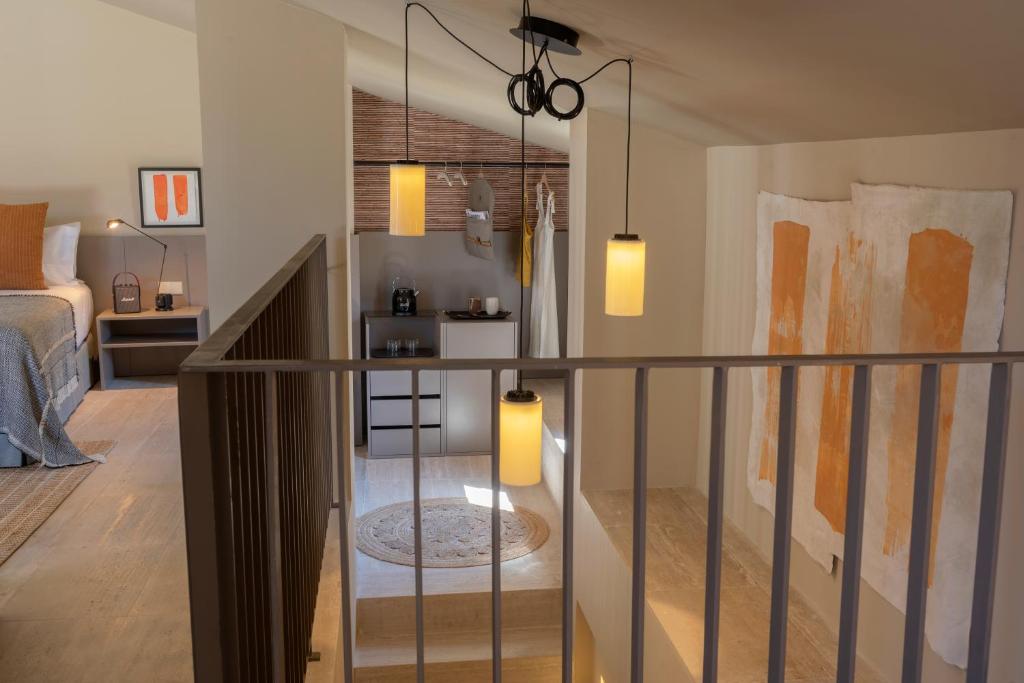
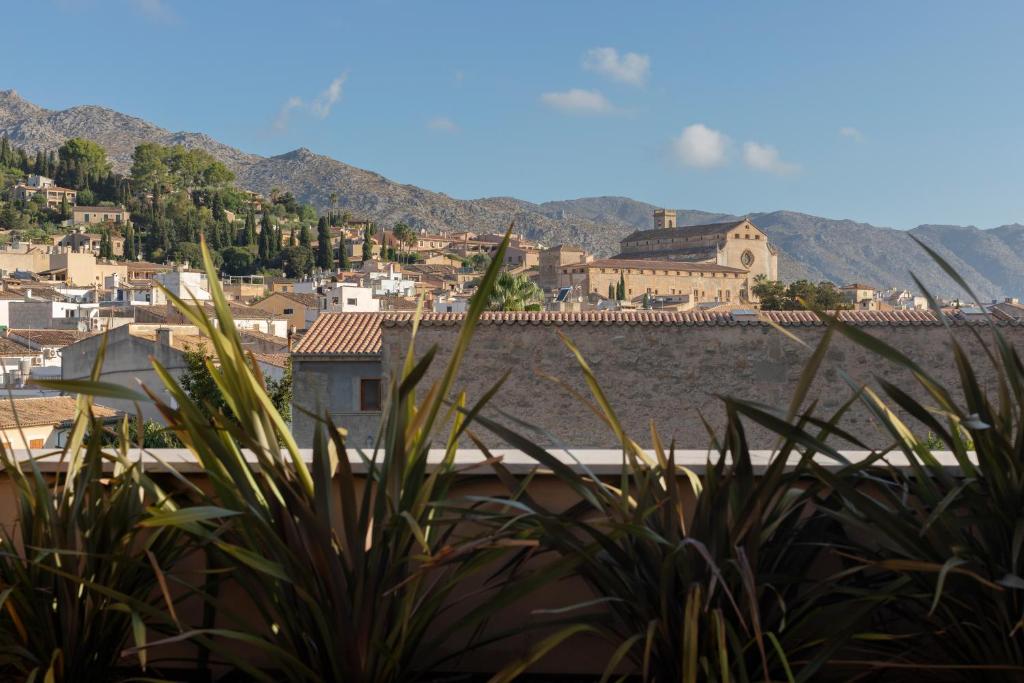
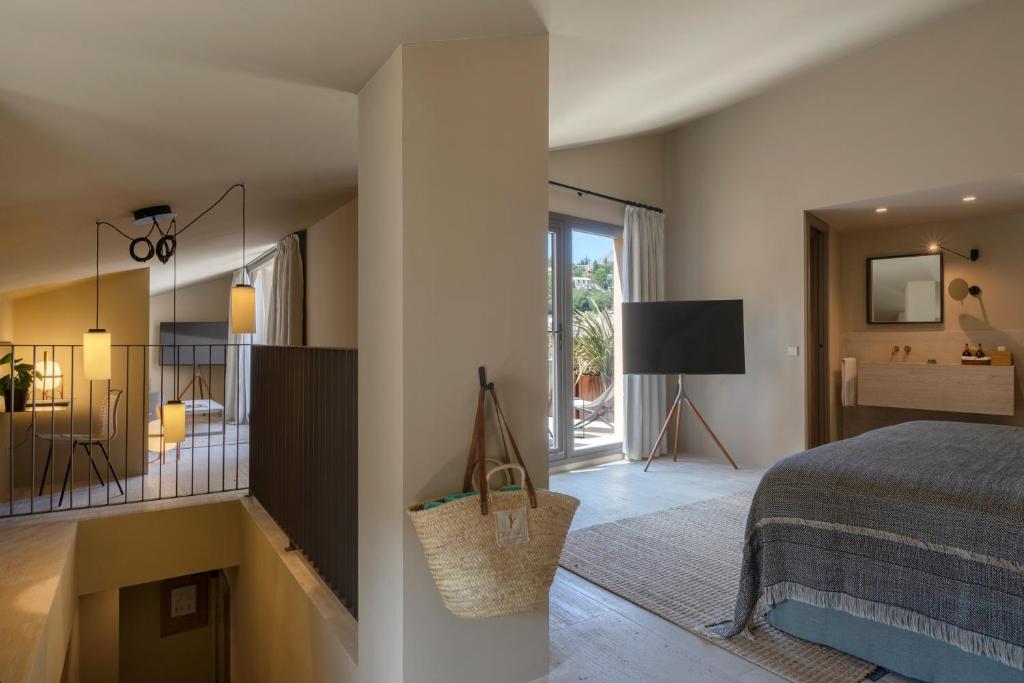
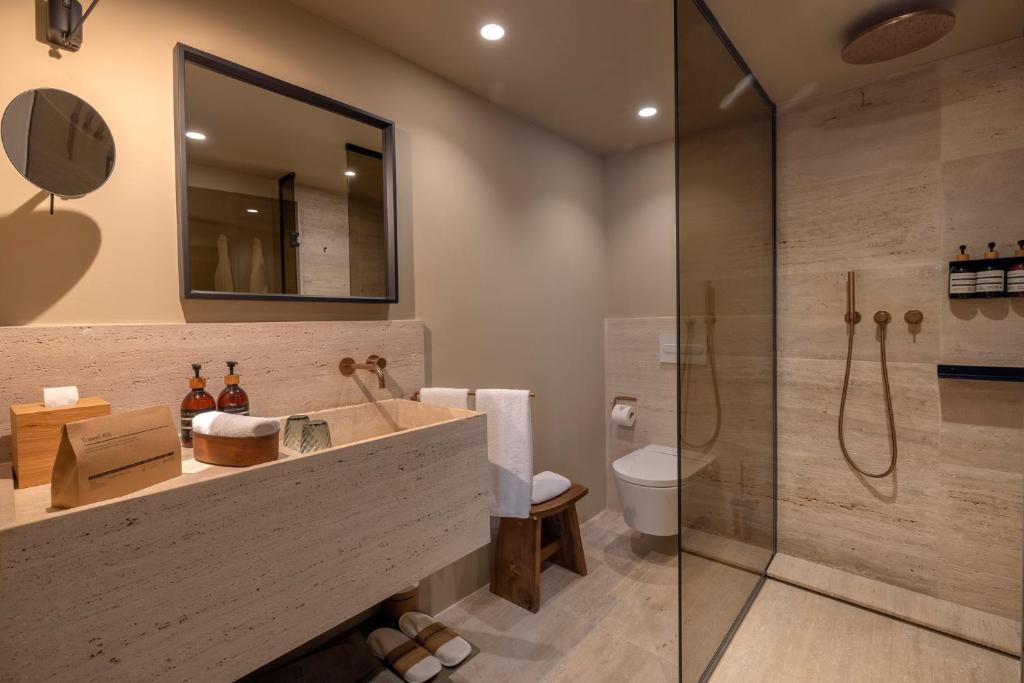
The 21 rooms and junior suites continue the same restrained language. Old beams remain exposed. Stone floors provide weight. Natural textiles introduce warmth. King-size beds, contemporary lighting, and discreet technology handle the practical side without interrupting the mood. The bathrooms move further into the present with stone surfaces, walk-in rain showers, and clean detailing. The Can Aulí Suite expands the experience with a freestanding stone bathtub and a substantial private terrace overlooking the surrounding rooftops and greenery. Nothing feels excessively styled. The materials do most of the work.
A Courtyard Hidden from the Town
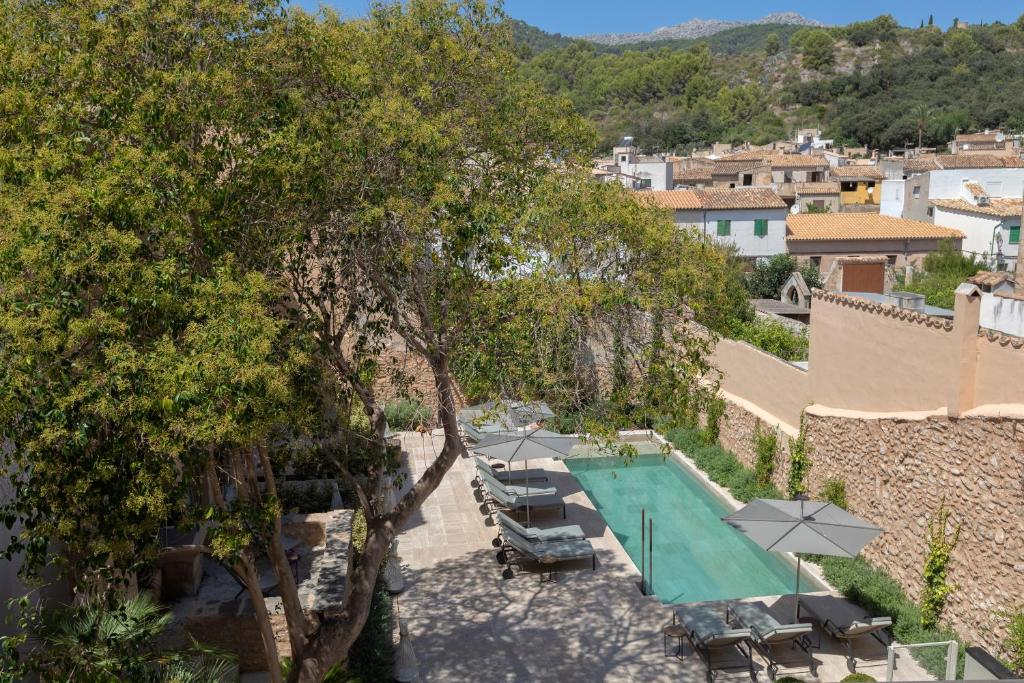
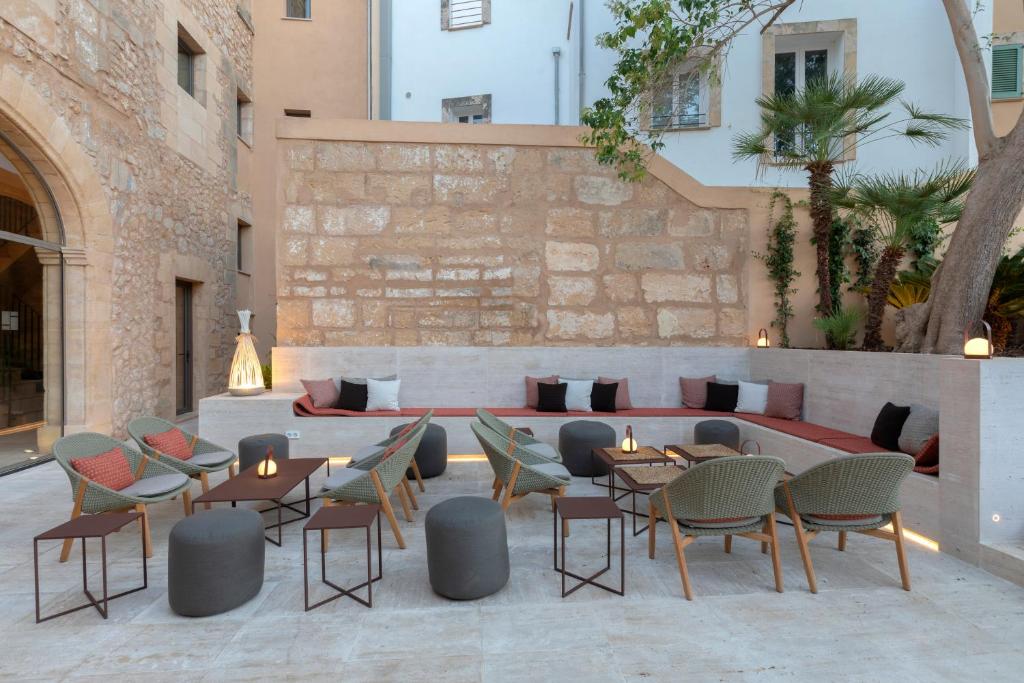
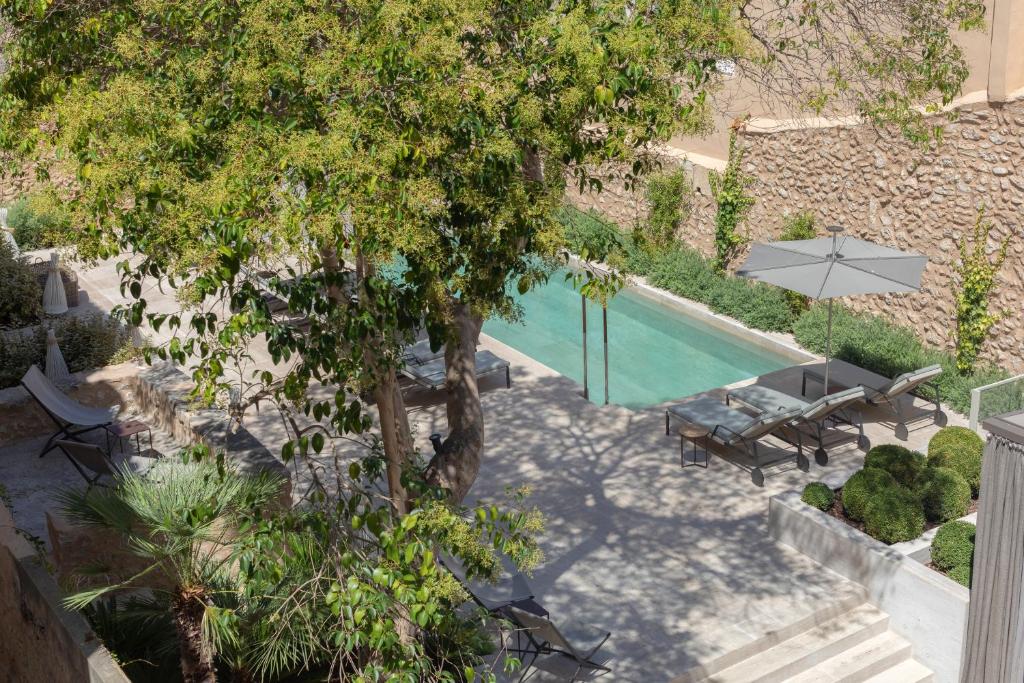
Behind the historic street façade lies the hotel’s most restorative surprise. A walled garden. Mature planting. A small pool catching the Mallorcan light. Terraces tucked between vegetation and old masonry. The space feels almost disconnected from the town beyond, despite being right in its centre. This contrast gives Can Aulí much of its character. You can spend the morning walking through Pollença, return through the townhouse door, and within moments be beside the pool with almost no sense of urban movement around you. Architecture creates the separation. The garden completes it.
Open Kitchen, Local Rhythm
El Comado gastro bar keeps food informal. An open kitchen allows guests to see and speak with the chefs, reinforcing the residential atmosphere. Menus focus on Mediterranean cooking, tapas, organic produce, local cheeses, charcuterie, fish, vegetables, and familiar Mallorcan flavours rather than unnecessary culinary theatre. Breakfast follows the same spirit. Homemade breads and cakes. Fruit. Yoghurt. Local produce. Eggs cooked to order. Meals can move outside into the courtyard whenever the weather permits. The relationship between kitchen, terrace, and garden makes dining feel part of the house rather than a separate restaurant operation.
Pollença at the Door
Can Aulí’s position changes the experience completely. This is not an isolated finca. Pollença begins as soon as you step outside. The Calvari steps, galleries, cafés, historic streets, and local shops are all nearby, while the Serra de Tramuntana and northern coast make the hotel a natural base for hiking and cycling. That gives the retreat an unusual duality. Seclusion when you want it. Town life immediately beyond the door. Hospitality feels embedded in Pollença rather than removed from it.
Why It Works
Can Aulí succeeds because the restoration never tries to turn history into spectacle. Cristina Martí and the IT Mallorca team allow the 17th-century architecture to remain dominant, then introduce travertine, contemporary furniture, art, and local craft with enough confidence to make the building feel alive rather than preserved. The 21 rooms stay calm, the garden provides genuine escape, and the open kitchen keeps hospitality personal. It is a small hotel with architectural weight — rooted firmly in Pollença, but edited for contemporary life.