Casa Clàt – Cagliari, Sardinia, Italy
A nine-suite palazzo where contemporary Sardinian art, architecture and food open directly onto the life of the city.
Why DNA Hotels Loves It
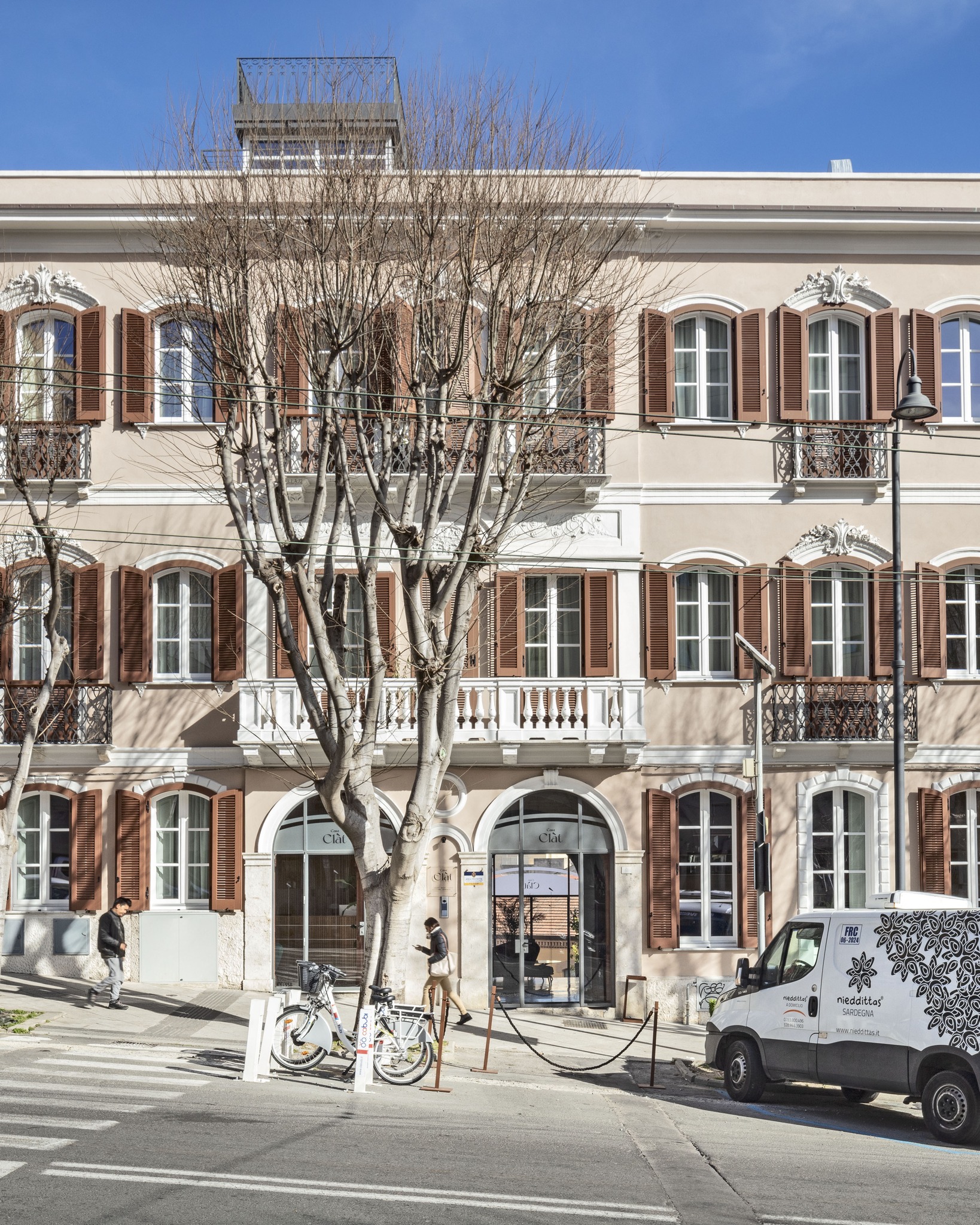
● Architect Gianluca Pilia of Studio Pilia transformed an 1870 residence with a deliberately contemporary approach that respects rather than imitates its historic architecture.
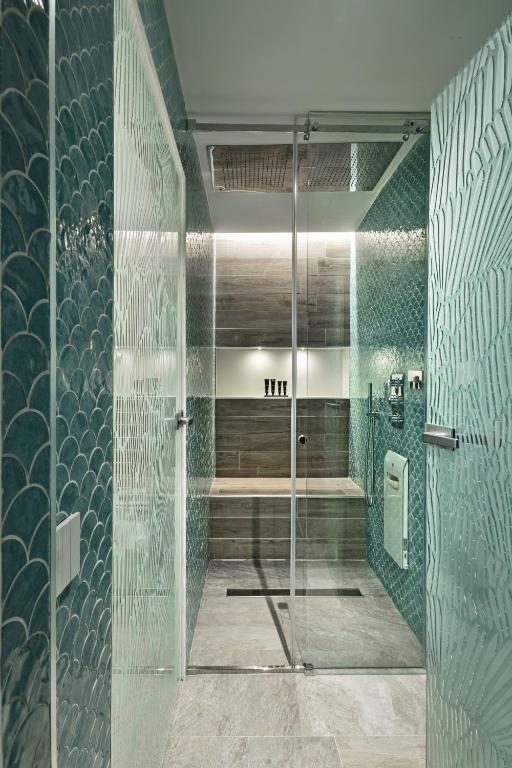
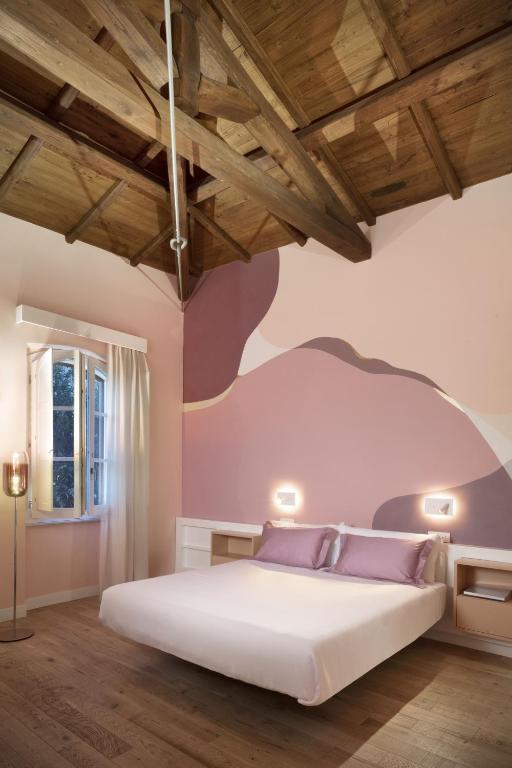
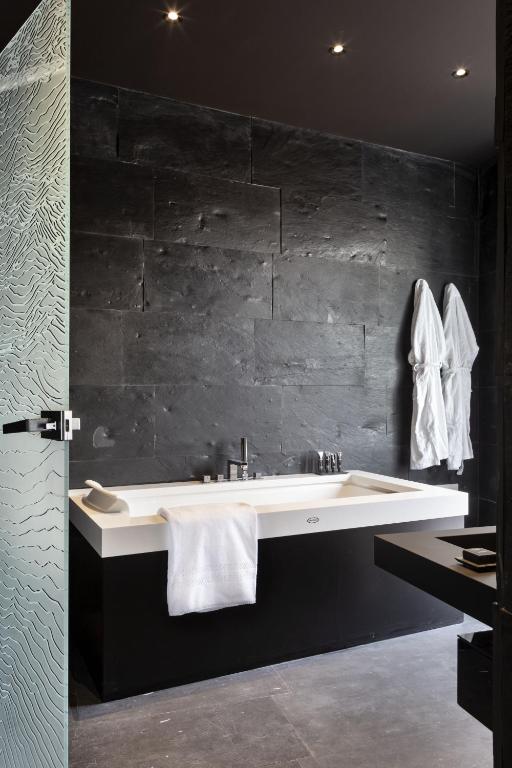
● Just nine individually designed suites, bringing together original brick and timber, contemporary materials, bespoke pieces and works by Sardinian artists and craftspeople.
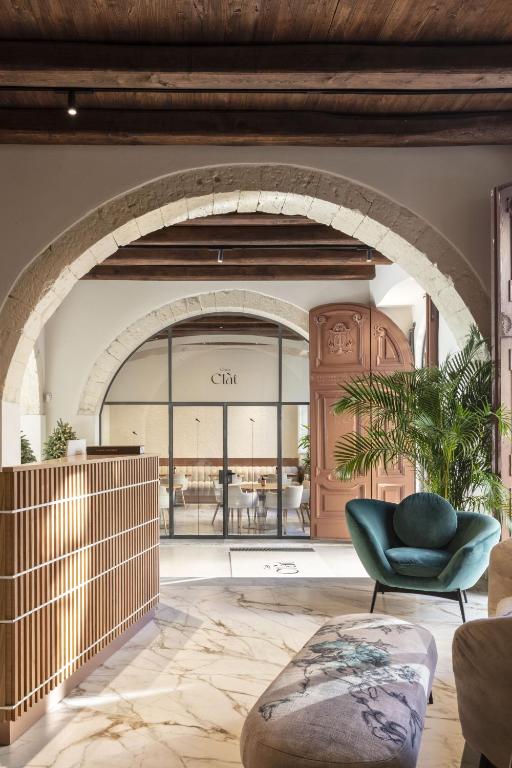
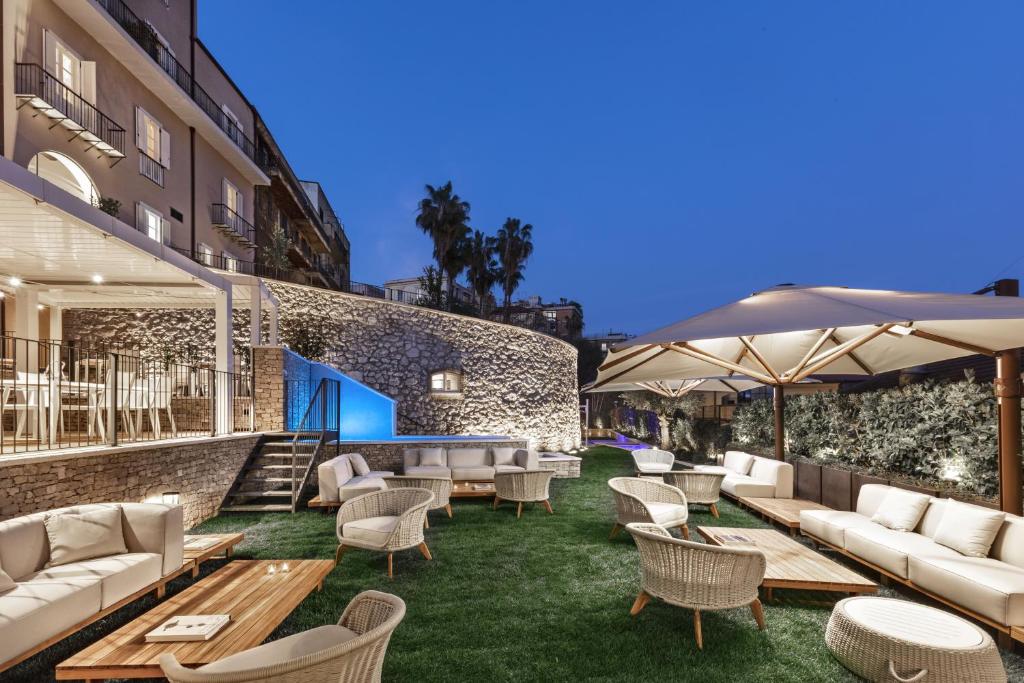
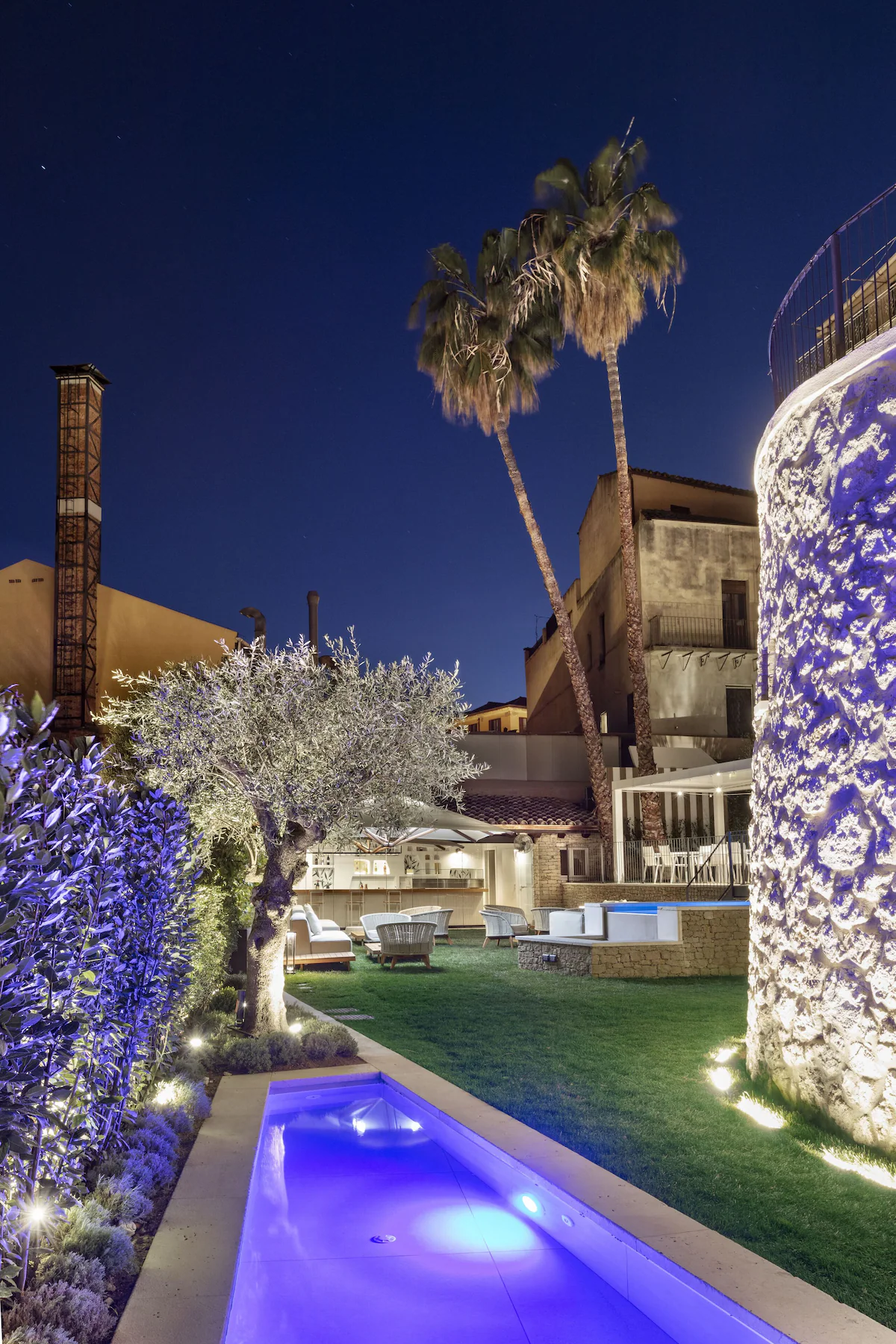
● A hotel conceived as part of Cagliari rather than an escape from it, with a public passageway running through the building to its protected garden, restaurant and café.
A Palazzo Returned to Cagliari
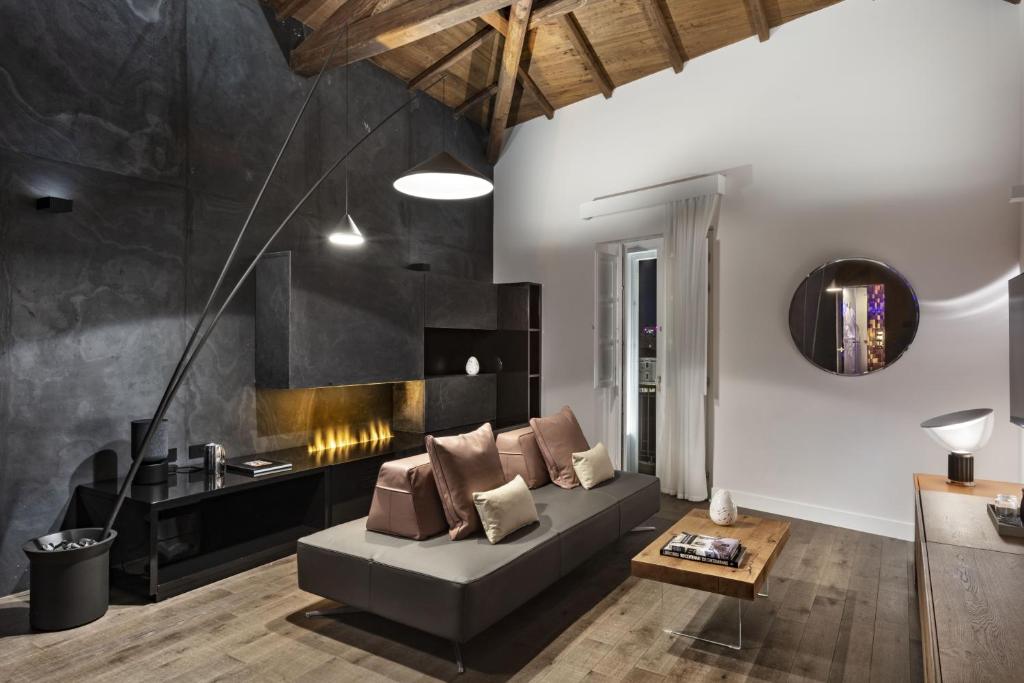
Casa Clàt began with a building that had effectively disappeared from city life. The 19th-century residence had stood neglected for around thirty years when architect Gianluca Pilia was asked to transform it into a hotel. His challenge was not simply restoration, but deciding how a building conceived in 1870 could become relevant to contemporary Cagliari without losing what had survived. The result is neither a period recreation nor a design hotel dropped into an old shell. Casa Clàt allows both moments to remain visible. Historic masonry, old timbers and the proportions of the original residence meet concrete, new hardwood, contemporary furniture and art. Rather than smoothing away those contrasts, the design makes them part of the hotel’s identity.
Nine Rooms, Nine Interpretations
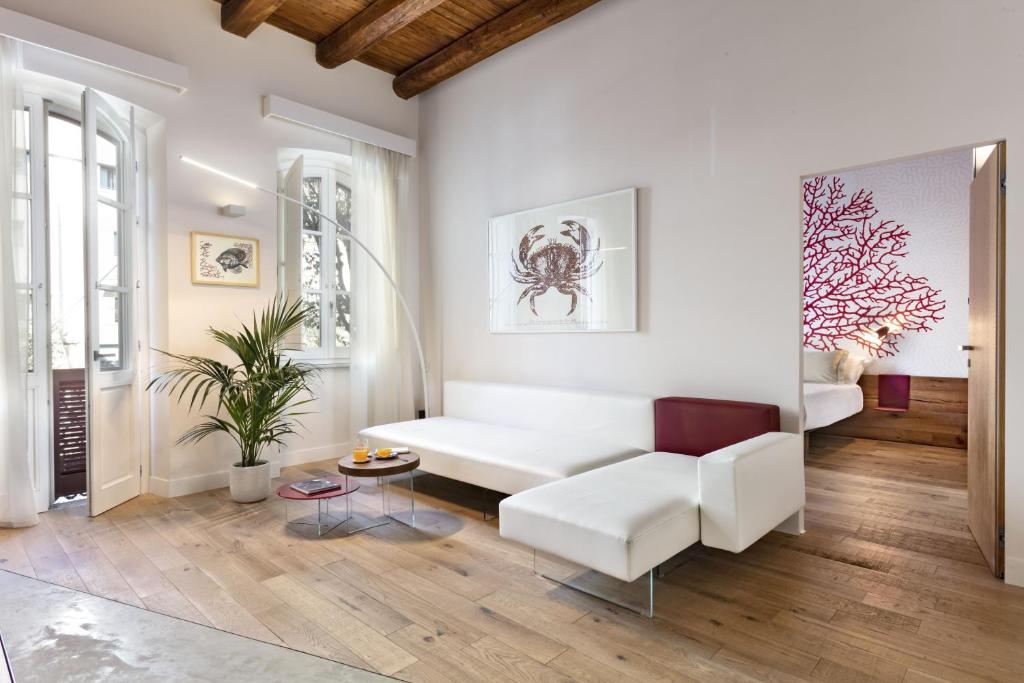
With only nine suites, Casa Clàt has the scale of a private residence. No two are quite alike. The historic structure dictates different dimensions and layouts, and the interiors respond individually: exposed antique brick might meet polished concrete; original timber beams hover above crisp new floors; sculptural contemporary pieces sit within rooms whose proportions belong to another century. Artistic director Giorgio Casu brought Sardinian artists, designers and craftspeople into the project, making the island visible through objects, artworks and materials rather than relying on predictable rustic references.The effect is sophisticated and urban, but unmistakably connected to Sardinia.
A Hotel You Can Walk Through
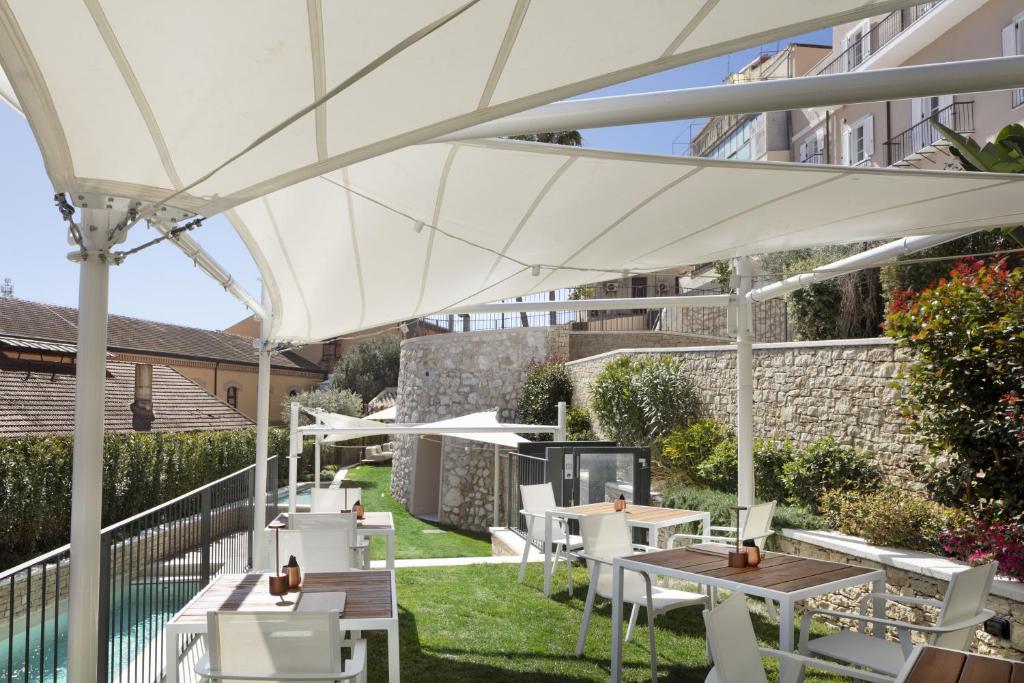
One of Pilia’s most interesting decisions has little to do with the guestrooms. An old carriage entrance through the building was transformed into a public gallery connecting the street with the hotel’s internal garden. You don’t need to be staying here to enter. That gesture fundamentally changes Casa Clàt’s relationship with Cagliari. Instead of sealing the historic building behind the privacy of a luxury hotel, the architecture creates a route through it — somewhere to walk, stop, meet or simply look. Beyond lies the protected garden, a surprisingly green refuge at the centre of the property. It turns the hotel inside out.
The New Sardinian Luxury
Pilia’s philosophy is particularly relevant to DNA Hotels. His argument is that cities shaped by tourism don’t necessarily need more large hotels offering interchangeable experiences. Hospitality should instead reflect the qualities of the community around it. For Casa Clàt, he reduced that idea to one Sardinian characteristic: care. Nine rooms allow hospitality to remain personal. Local creative talent becomes part of the interiors. The garden remains connected to the neighbourhood. Food comes directly out of the family’s relationship with the island. Luxury here isn’t created by separating visitors from Cagliari. It’s created by bringing them closer to it.
From the Lagoon to the Table
That connection becomes particularly literal in the restaurant. Casa Clàt takes its name from siblings Claudio and Caterina Murgia, whose family story is deeply connected to Sardinia’s seafood culture. They are also administrators of Nieddittas, the mussel-farming cooperative associated with the waters around the Gulf of Oristano. Unsurprisingly, seafood plays a central role. The restaurant interprets Sardinian ingredients through a contemporary lens, while the café, lounge and garden make Casa Clàt somewhere Cagliari residents can use as well as hotel guests. Again, the boundary between hotel and city is intentionally porous.
Cagliari Beyond the Postcard
Casa Clàt also reveals a side of Sardinia that beach resorts rarely show. This is an urban Mediterranean hotel, positioned close to Cagliari’s Marina quarter and within walking distance of the historic centre, waterfront, restaurants and everyday life of the capital. The panoramic terrace looks across the city rather than towards an isolated resort landscape. And that may be Casa Clàt’s strongest quality. It doesn’t attempt to condense Sardinia into a collection of familiar motifs. Instead, it reflects a contemporary island with architects, artists, craftspeople, restaurateurs and producers actively redefining what Sardinian identity can look like.
Why It Works
Casa Clàt understands that preserving heritage doesn’t mean freezing it. Gianluca Pilia has allowed an 1870 building to carry traces of its past while giving contemporary Cagliari permission to move through it. Giorgio Casu’s creative direction adds another layer, using Sardinian art and craft to create identity without nostalgia. Even the hotel’s tiny scale matters. Casa Clàt feels less like a luxury hotel inserted into Cagliari and more like a forgotten piece of Cagliari returned to the city — nine rooms, a garden, food, art and architecture forming a distinctly contemporary expression of Sardinian hospitality.