Casa Talía – Modica, Sicily, Italy
A tiny architectural hideaway woven into Modica’s hillside, where restored stone cottages, Mediterranean gardens and slow Sicilian living become one.
Why DNA Hotels Loves It
● Created by architects Marco Giunta and Viviana Haddad, who restored the property themselves with the sensitivity of custodians rather than conventional hoteliers.
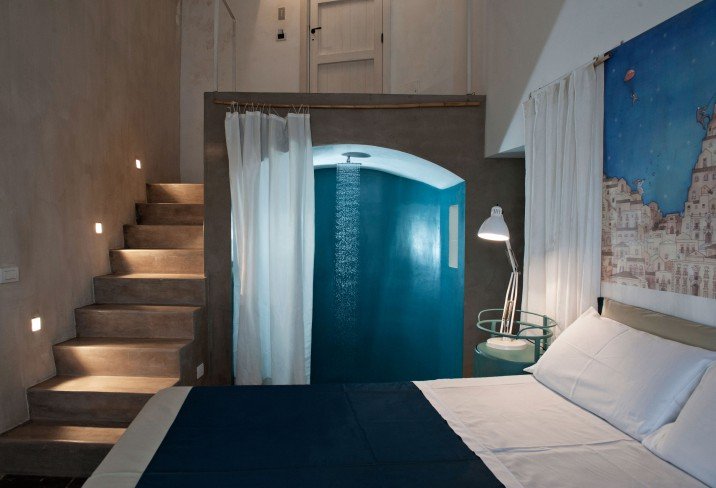
● Just eight individually designed rooms form a miniature village around a hidden garden, combining stone, lime plaster, bamboo, reclaimed materials and Sicilian craft.
● The name Talía means “look, admire” in Sicilian — a fitting philosophy for a hotel built around light, stillness and noticing the beauty of everyday things.
An Island Within an Island
Marco Giunta and Viviana Haddad weren’t looking to become hoteliers. They were Milanese architects looking for somewhere quieter. Arriving in Modica in 2001, they discovered a collection of neglected stone buildings in the city’s ancient quarter and fell for both the place and the possibilities hidden inside it. Rather than impose a polished hotel concept onto the site, they restored it gradually, beginning with just three rooms in 2005. Casa Talía grew organically from there. Today, eight rooms and suites cascade down the hillside around a secluded Mediterranean garden, creating what the owners call an island within an island. It feels less like entering a hotel than discovering a secret little neighbourhood.
Architecture Without Erasure
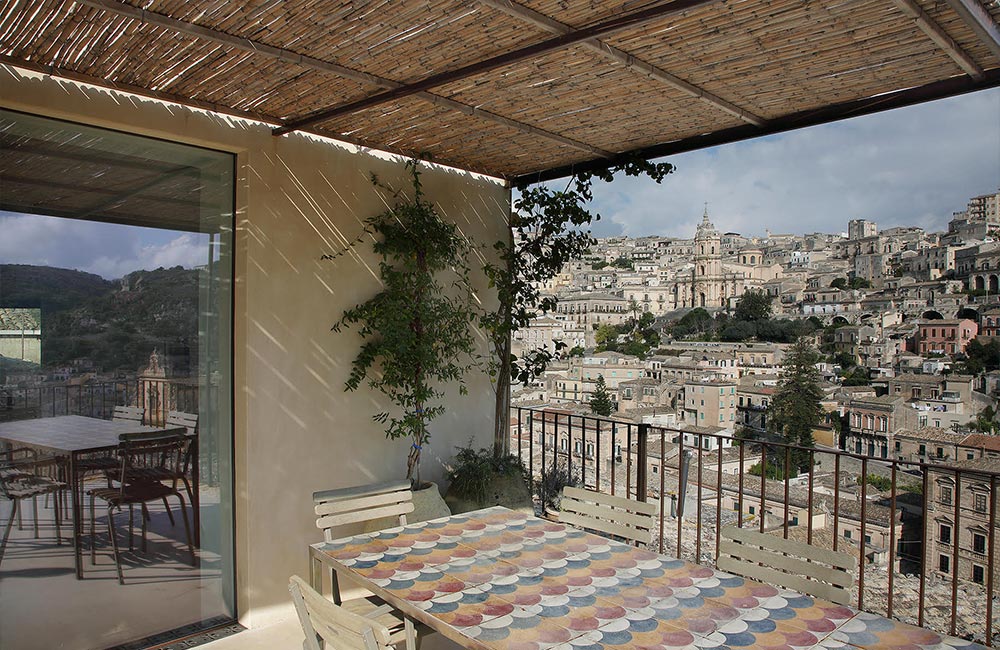
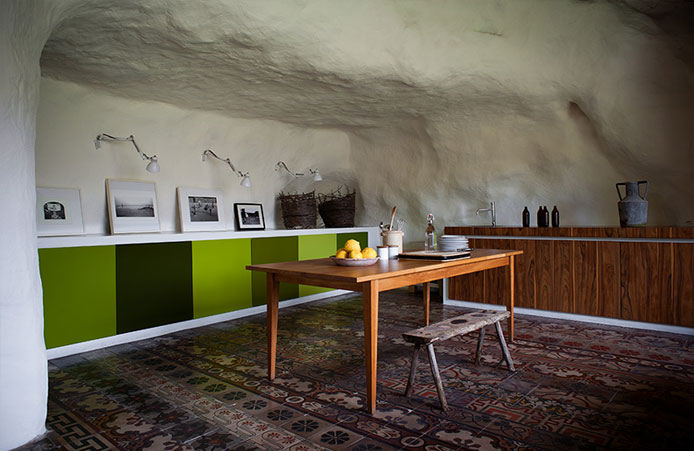
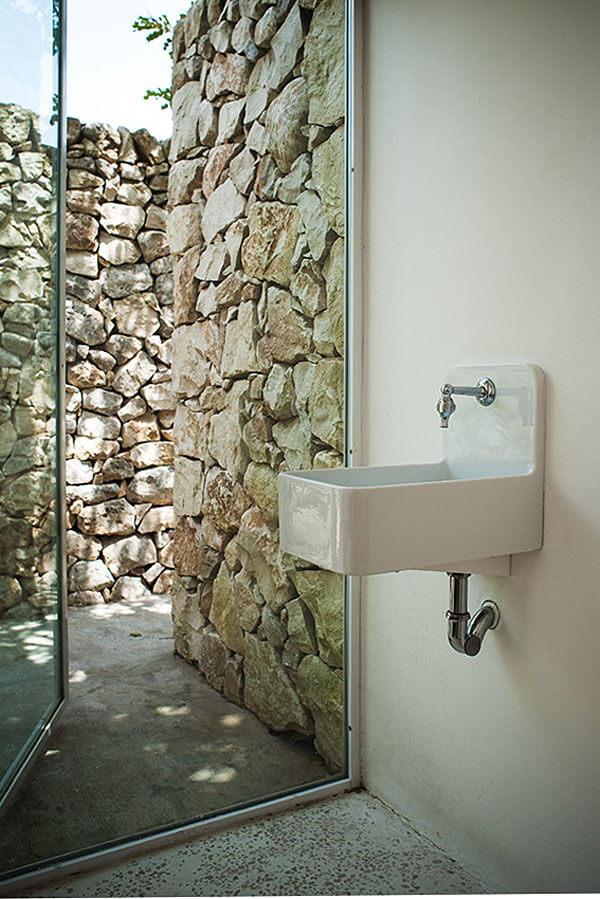
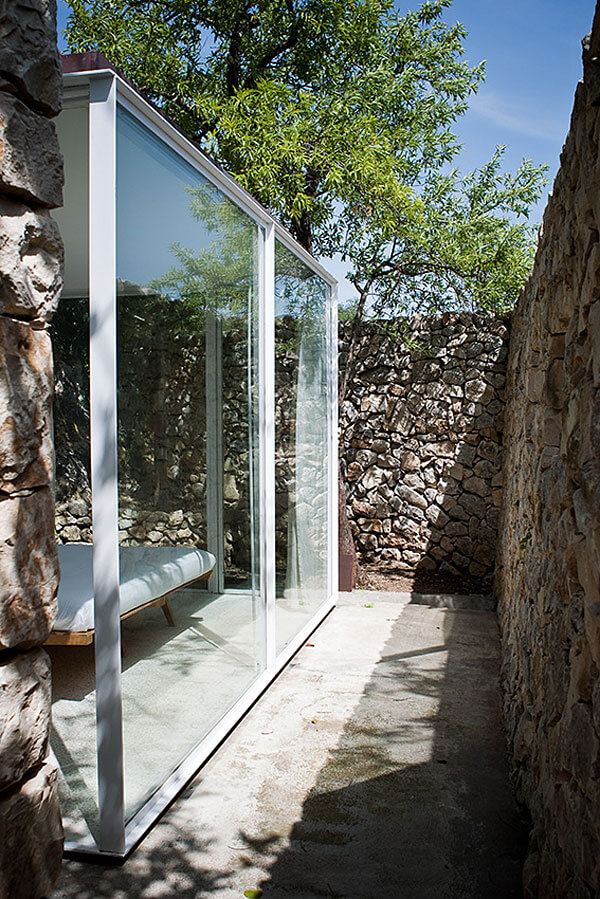
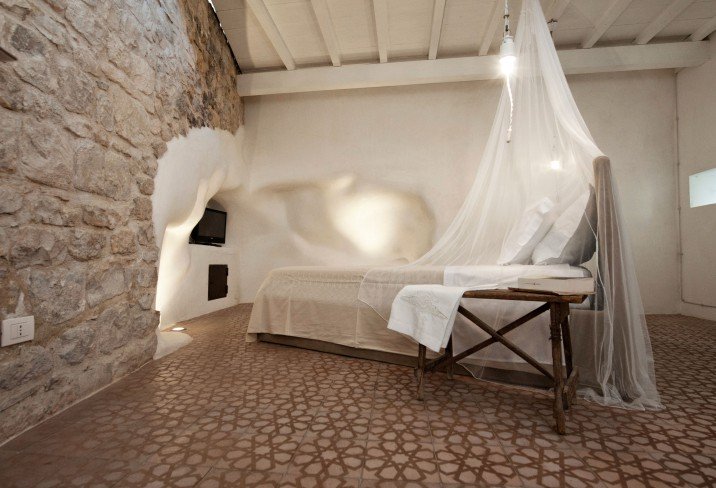
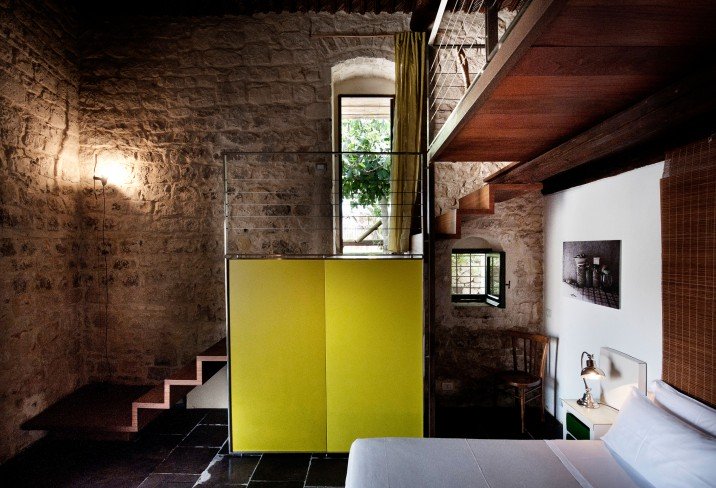
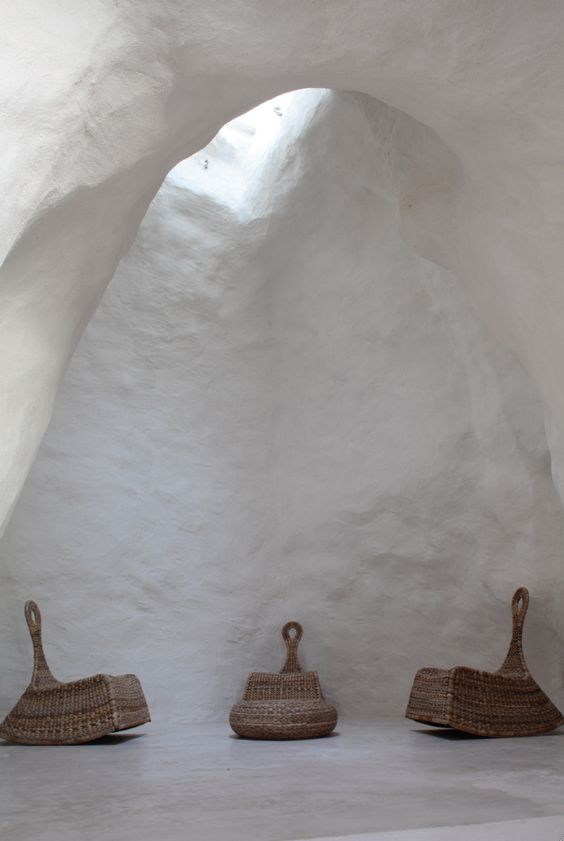
Casa Talía is a lesson in how little architecture sometimes needs to do. Old stone walls remain old stone walls. Lime plaster follows their irregular shapes. Traditional roofs and construction techniques were revived rather than replaced, including a bamboo and cane roofing system that had almost disappeared locally. Contemporary interventions are deliberately quiet. Reclaimed wood, iron, handmade tiles and simple furniture sit comfortably beside centuries-old masonry. Modern climate and lighting technology is present, but largely invisible. The result doesn’t romanticise history. It simply lets it remain visible. Giunta and Haddad describe the project as a balance between history and modernity, but what makes Casa Talía convincing is that neither side seems to be trying to win.
Eight Rooms, Eight Stories
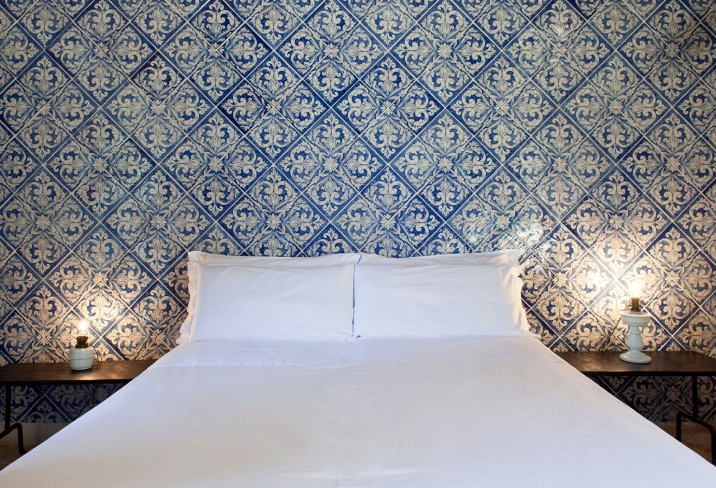
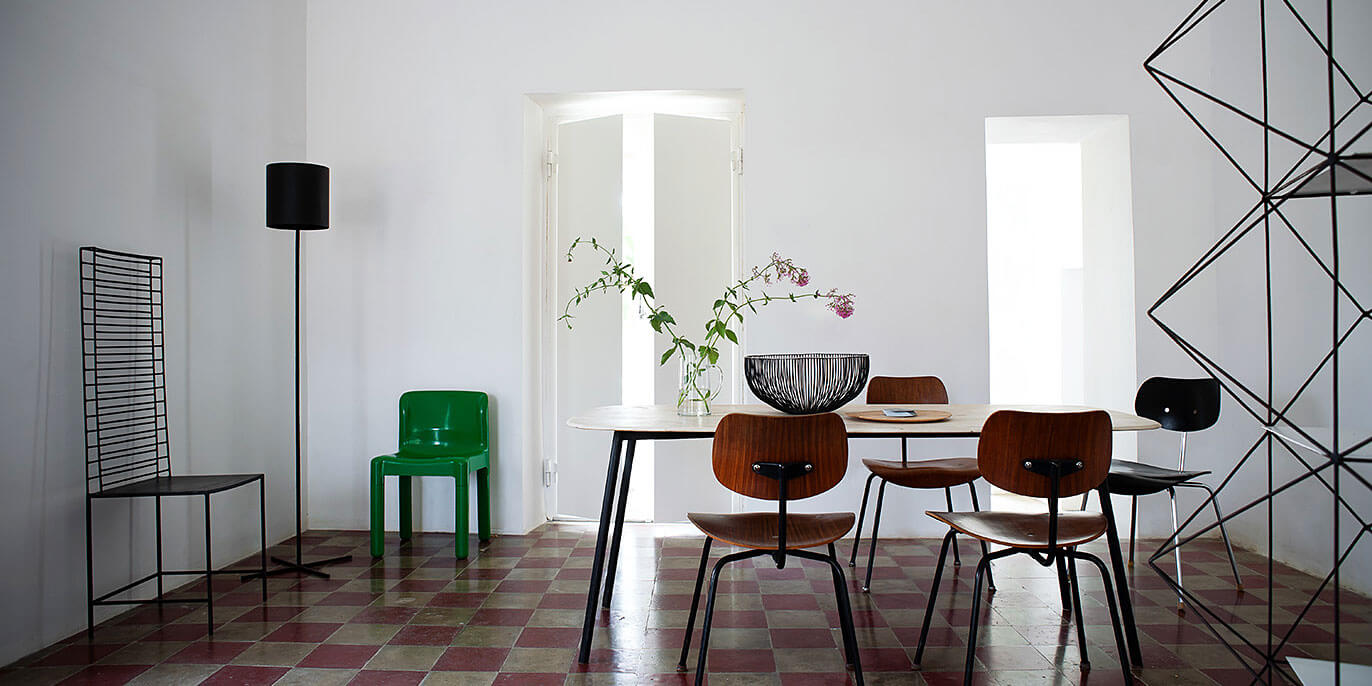
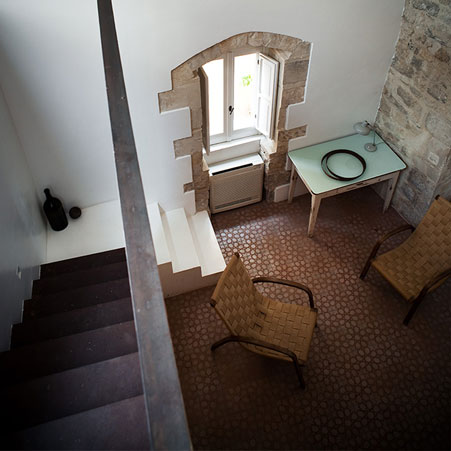
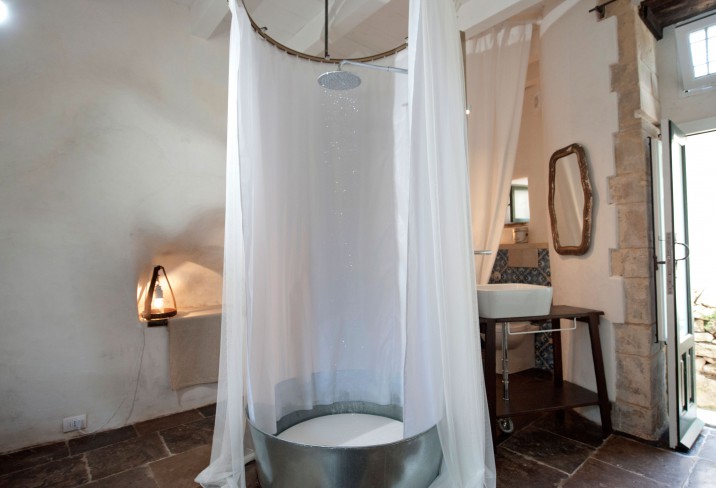
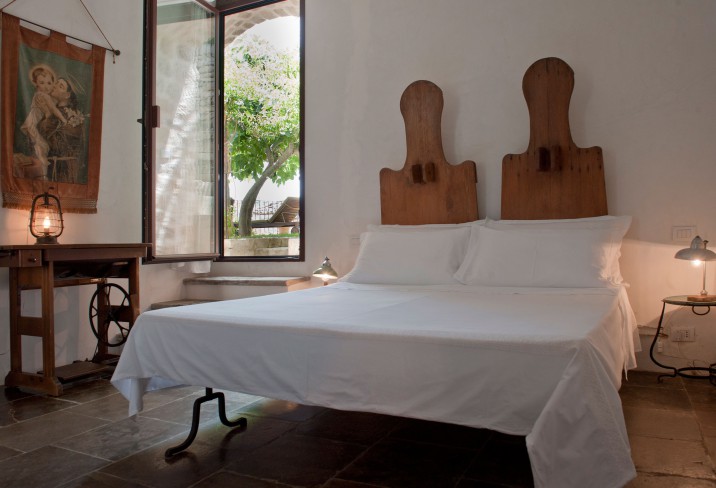
No two rooms are the same because the architecture never allowed them to be. Each occupies part of the original cluster of cottages and opens independently towards a terrace, balcony or garden path. Inside, terracotta floors, limewashed walls, cane ceilings, restored furniture and colourful Sicilian ceramics create interiors that are minimal without becoming sterile. Some rooms carry traces of Sicily’s layered Greek, Spanish and Arabic past; others are almost monastic in their simplicity. Vintage objects appear where they belong rather than where a stylist decided they should go. A weathered chair. An old sewing table reinvented as a bathroom vanity. A patterned tile beside rough stone. It feels collected over time because much of it was.
The Garden Is the Lobby
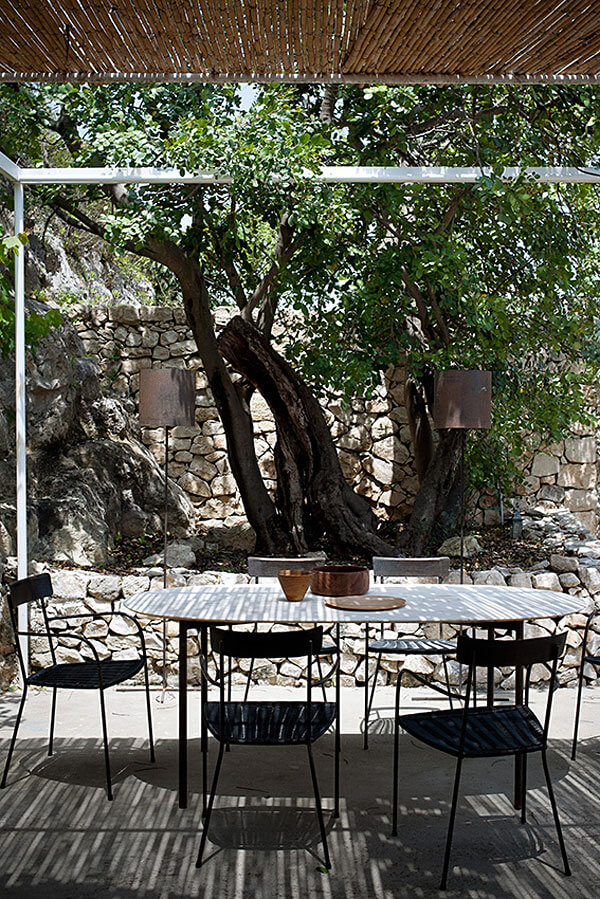
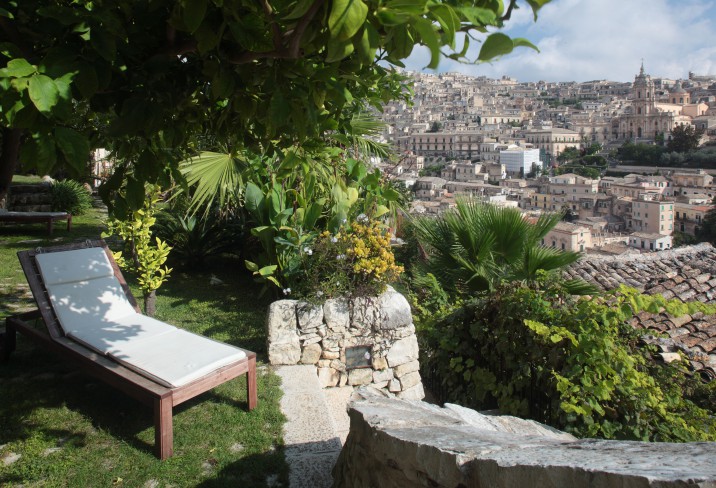
There isn’t really a conventional centre to Casa Talía. The garden performs that role. Olive, citrus, pomegranate and flowering plants weave between the buildings, while steps, paths and terraces create small pockets for reading, talking or doing absolutely nothing. Breakfast might happen beneath a tree, overlooking Modica’s extraordinary cascade of warm limestone buildings and church domes. The city becomes part of the architecture. Morning light moves across the roofs. Church bells travel through the valley. In the evening, stone façades turn from honey to amber as the sun disappears. The luxury here is not having something to do. It’s being given somewhere beautiful enough to stop doing it.
Talía
The hotel’s name explains the rest. In Sicilian, talía means something close to: Look. Admire. And Casa Talía constantly encourages exactly that. Look at the worn stone. The handmade tile. The shadow of a vine against white plaster. The Duomo di San Giorgio appearing between rooftops. The philosophy may sound romantic, but it’s embedded into the design itself. Rooms are positioned towards views and gardens. Furniture is deliberately restrained. Outdoor spaces invite lingering rather than circulation. Nothing competes very hard for your attention. That’s precisely why you start noticing more.
Slow Sicily Starts Here
Casa Talía also places you in the middle of one of Sicily’s richest corners. Modica itself deserves time, but Scicli, Ragusa, Noto and Syracuse are all part of the wider Val di Noto landscape, while vineyards, olive groves, nature reserves and beaches unfold between them. Yet Casa Talía works best when you don’t treat it simply as a base. Come back early. Sit in the garden. Open some Sicilian wine. Watch the city change colour. There may be grander ways to experience Sicily, but few feel quite this personal.
Why It Works
Casa Talía proves that small hotels can have enormous architectural presence without being remotely showy. Its strength comes from restraint: eight rooms, a garden, old stone, local craft and two architects who understood when not to intervene. Nothing feels manufactured for hospitality. Instead, Casa Talía retains the looseness of a private home and the irregularity of the neighbourhood around it. It’s sustainable not because sustainability has been added as a marketing layer, but because restoration, local materials, traditional techniques and adaptation were embedded in the project from the beginning. And perhaps that’s why the name feels so right. You don’t really come here to consume Modica. You come here to talía.