Eriro, Ehrwald, Austria
Alpine Silence, Radical Locality, and Nine Suites High Above the Tyrolean Valley
Why DNA Hotels Loves It
● Just nine suites at 1,550 metres, reached by gondola and surrounded by the forests, meadows, and peaks of the Zugspitze massif.
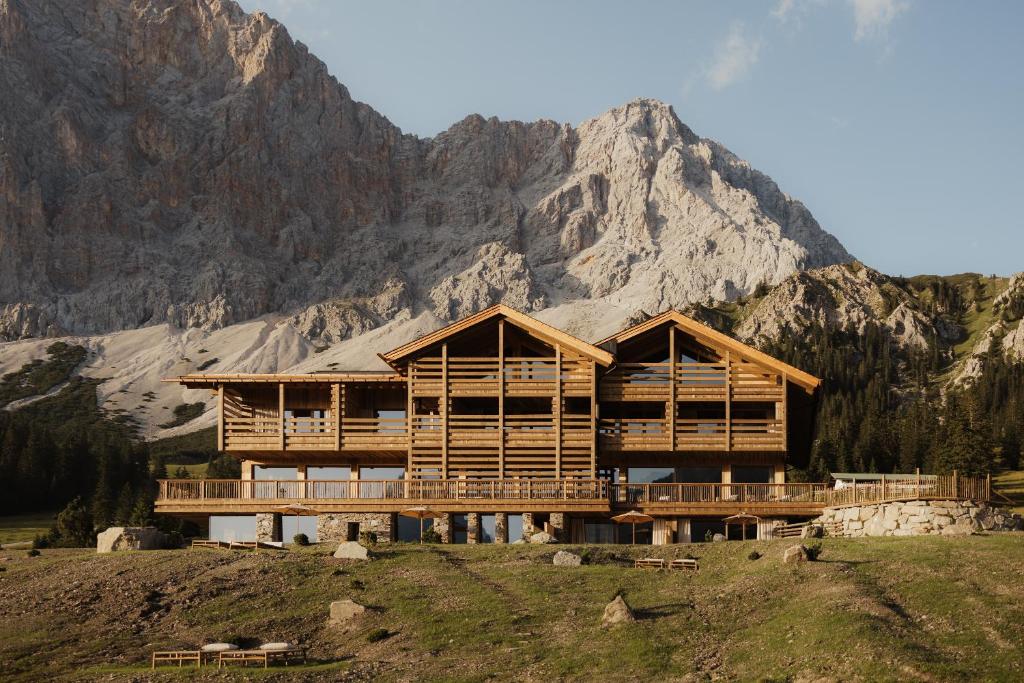
● Architecture by Martin Gruber, created with timber craftsman Andreas Mader, uses local wood, stone, wool, and traditional Tyrolean craftsmanship to make the landscape part of every room.
● From hyper-local tasting menus to mountain-inspired wellness, Eriro builds the entire experience around one idea: reconnecting guests with the rhythms of the Alps.
A Hotel at the Edge of the Forest
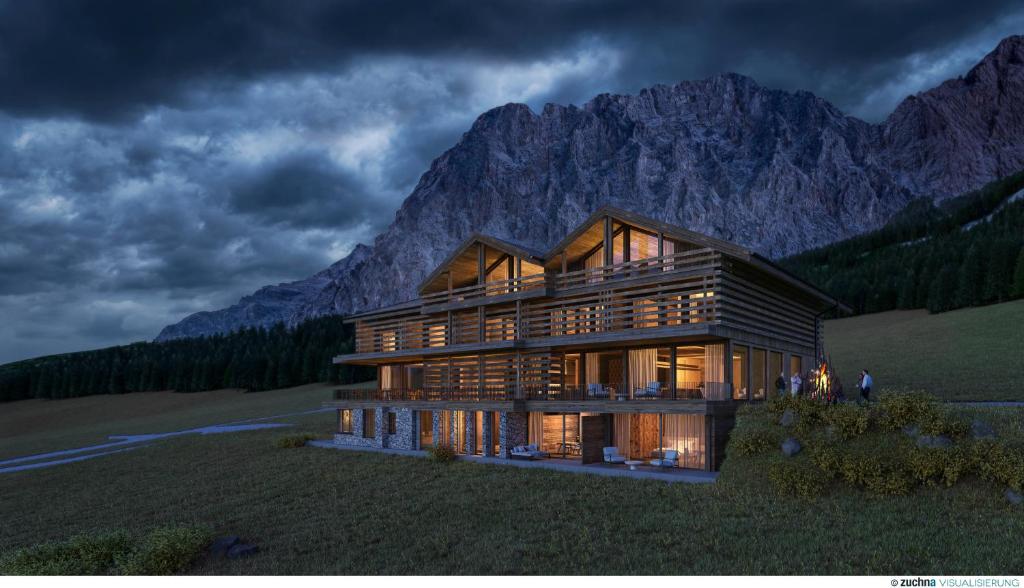
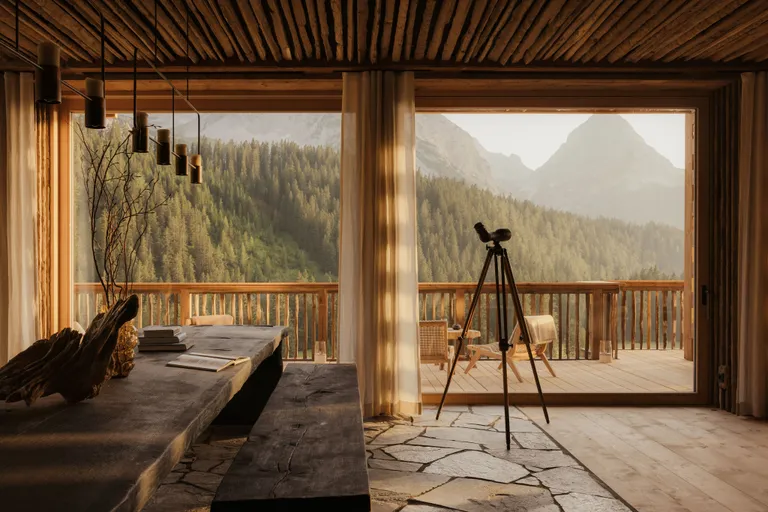
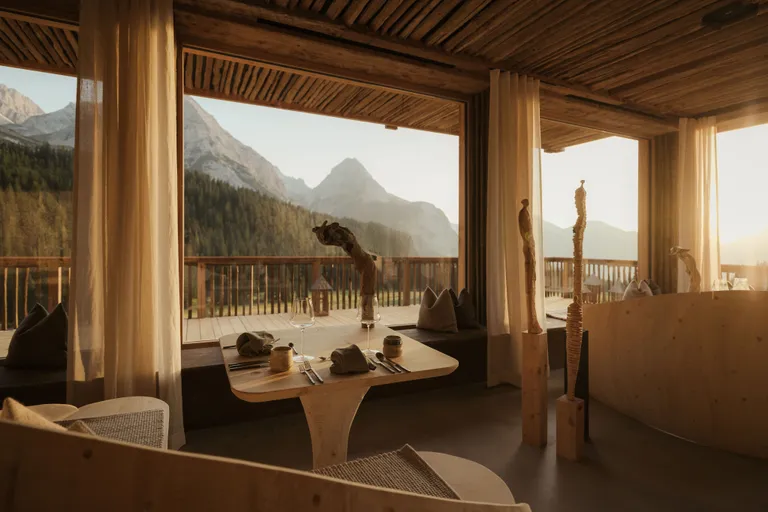
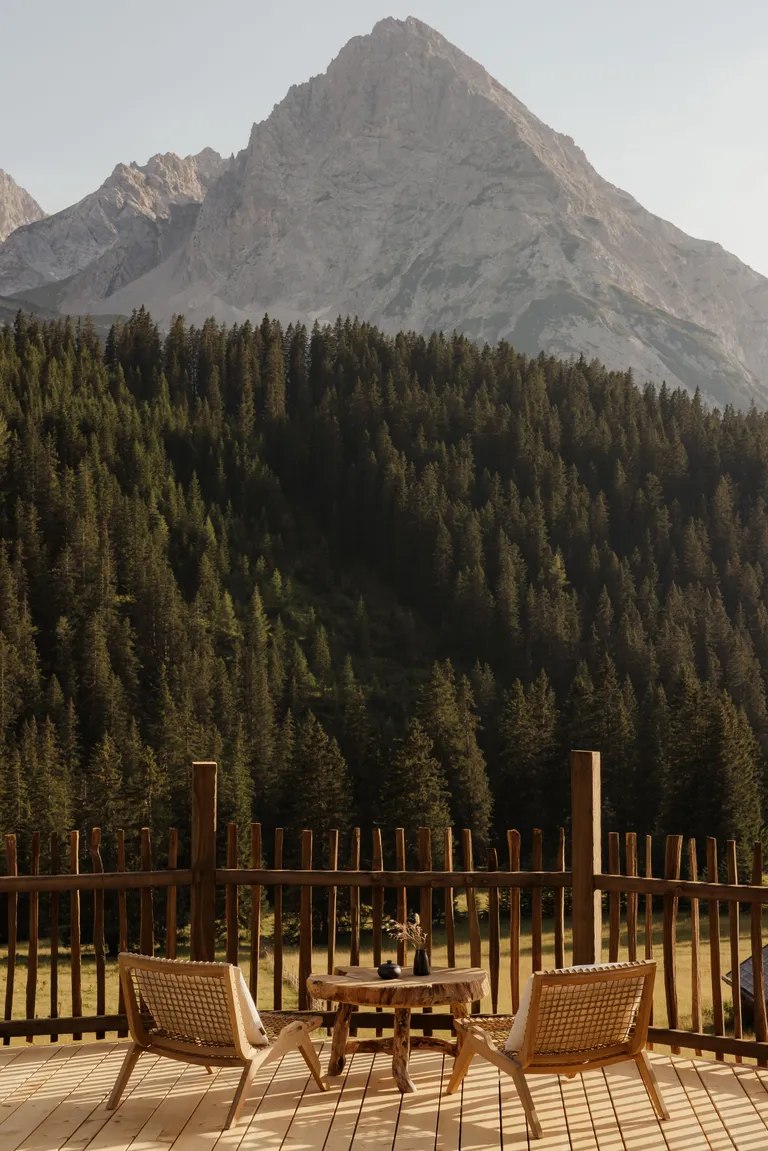
Some mountain hotels bring luxury to the wilderness. Eriro does almost the opposite. High above Ehrwald in the Tyrolean Alps, this tiny retreat seems intent on removing as much as possible between you and the landscape. Its name derives from Old High German and refers to being “at the entrance of the forest”—an apt description for a hotel surrounded by meadows, woodland, and the monumental peaks of the Zugspitze massif. At 1,550 metres, the sense of separation is immediate. You arrive by gondola, leave the valley behind, and enter a place where silence suddenly feels like an amenity.
Architecture Grown from the Alps
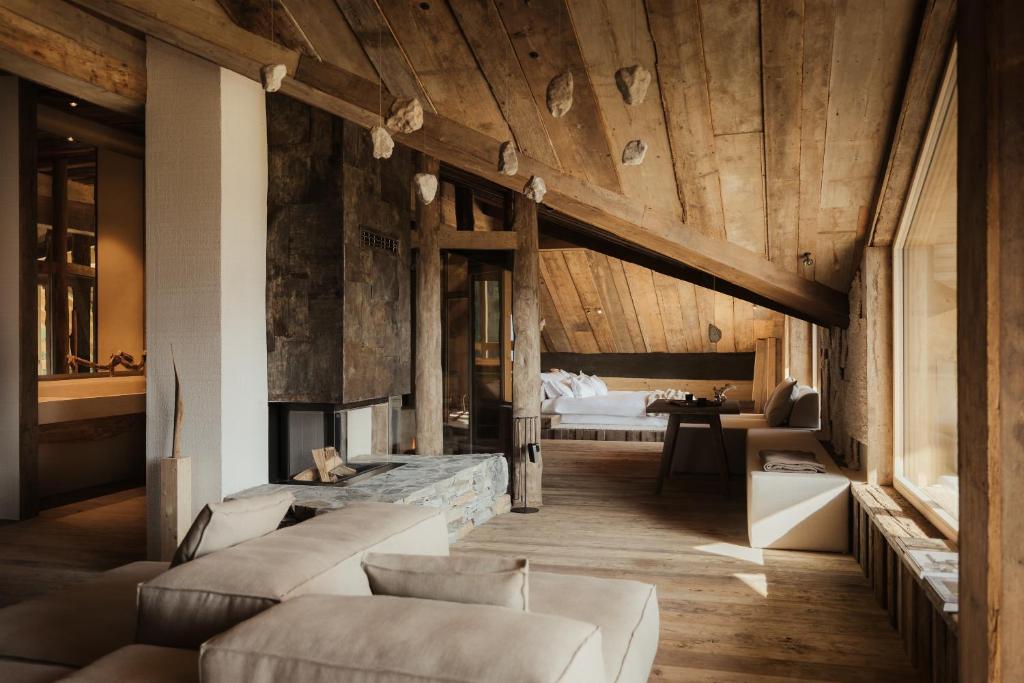
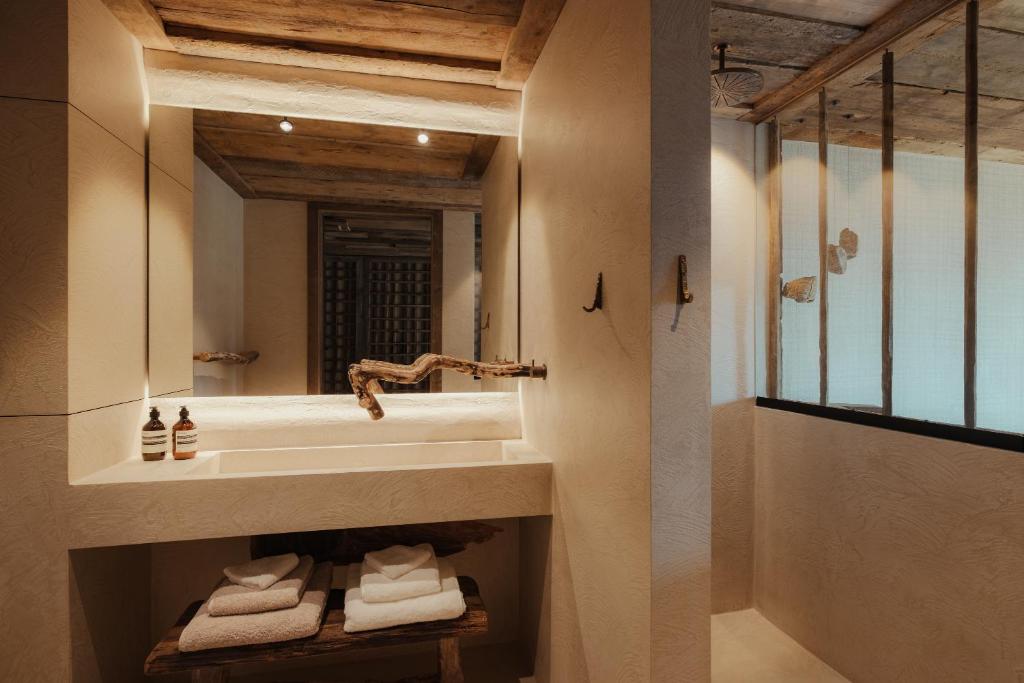
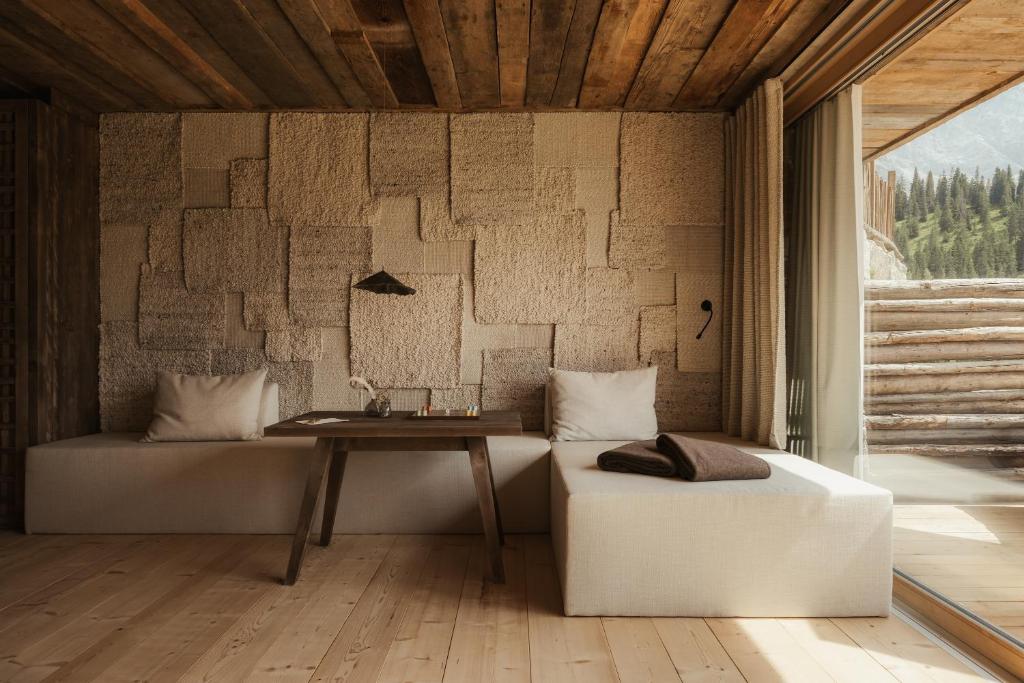
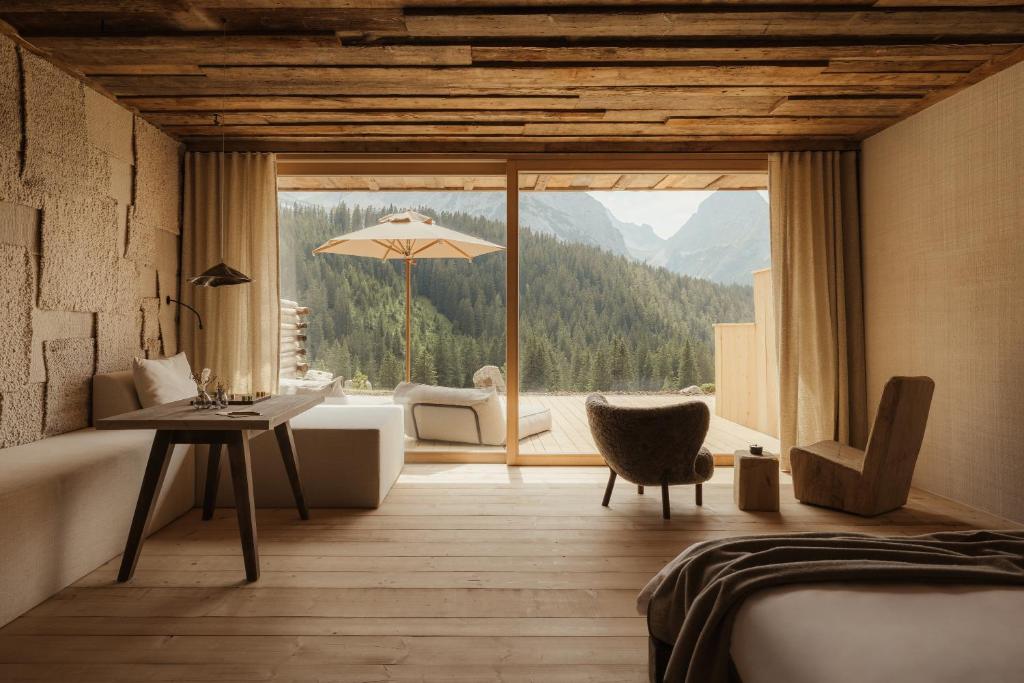
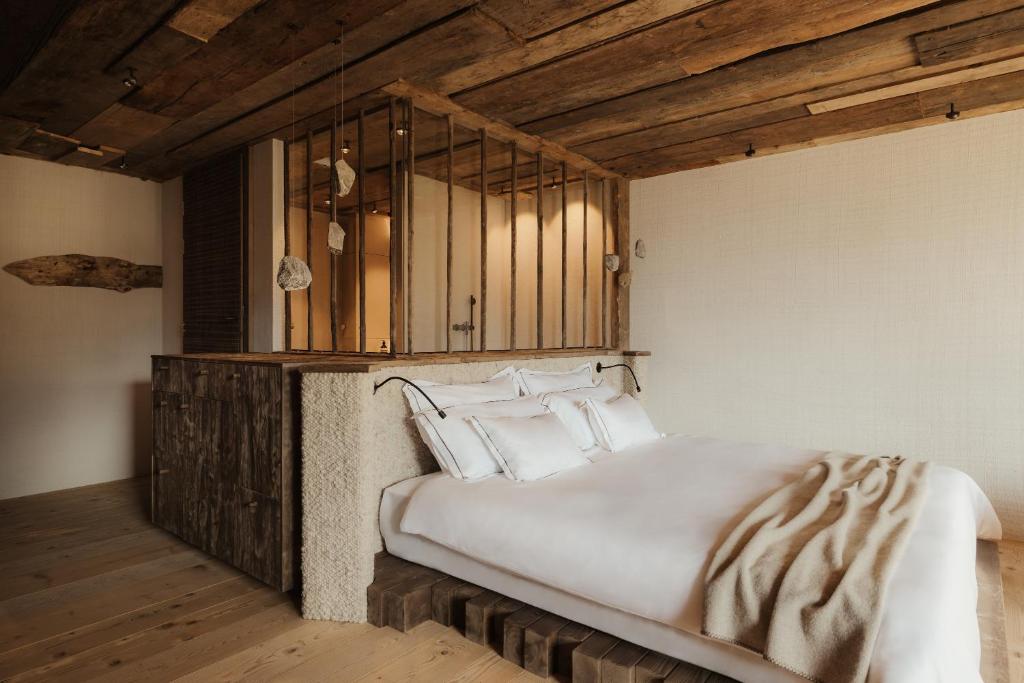
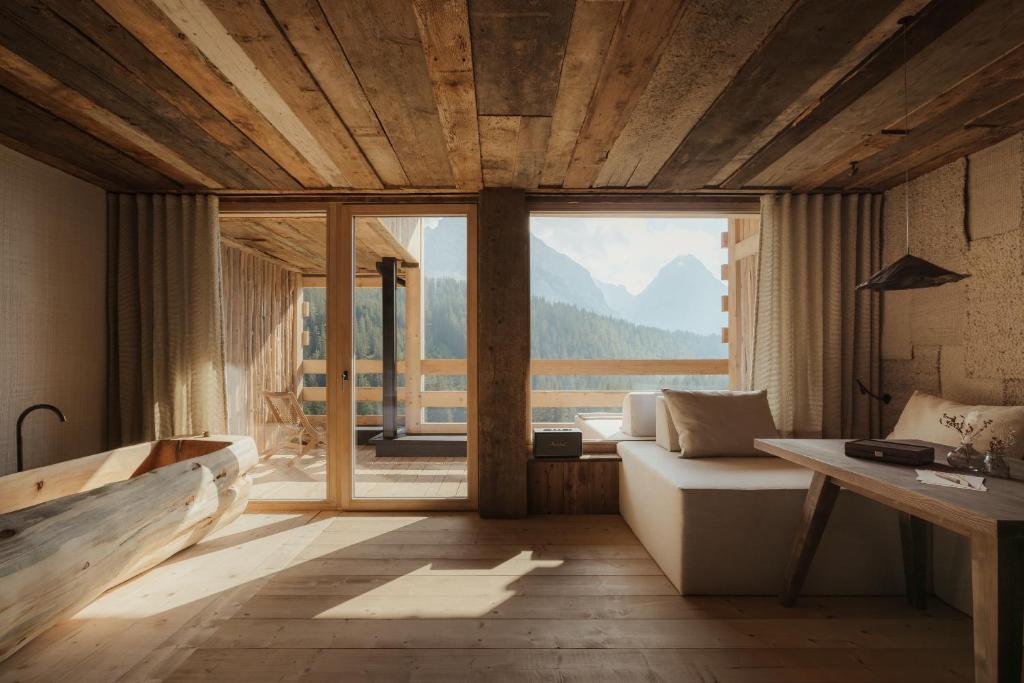
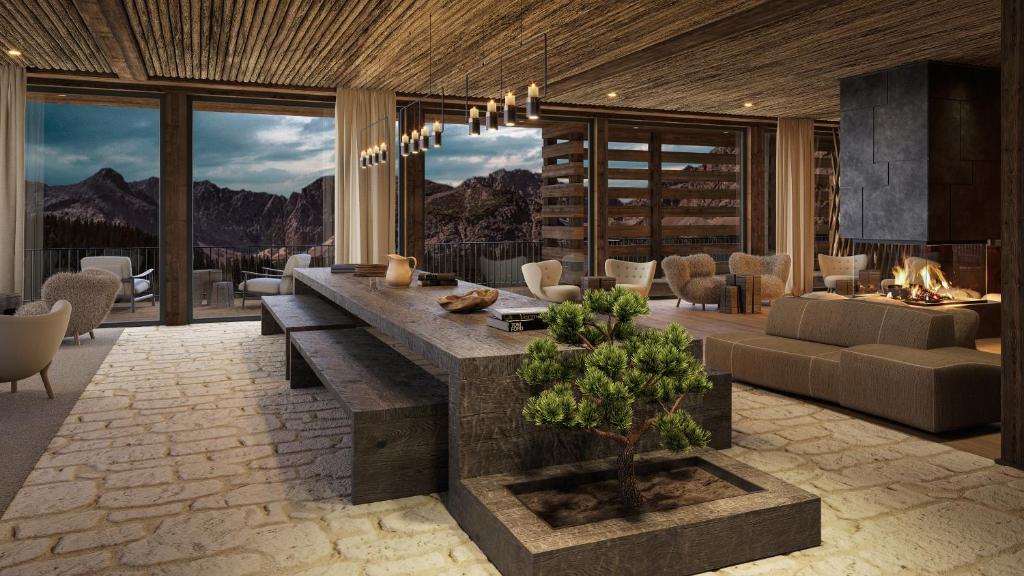
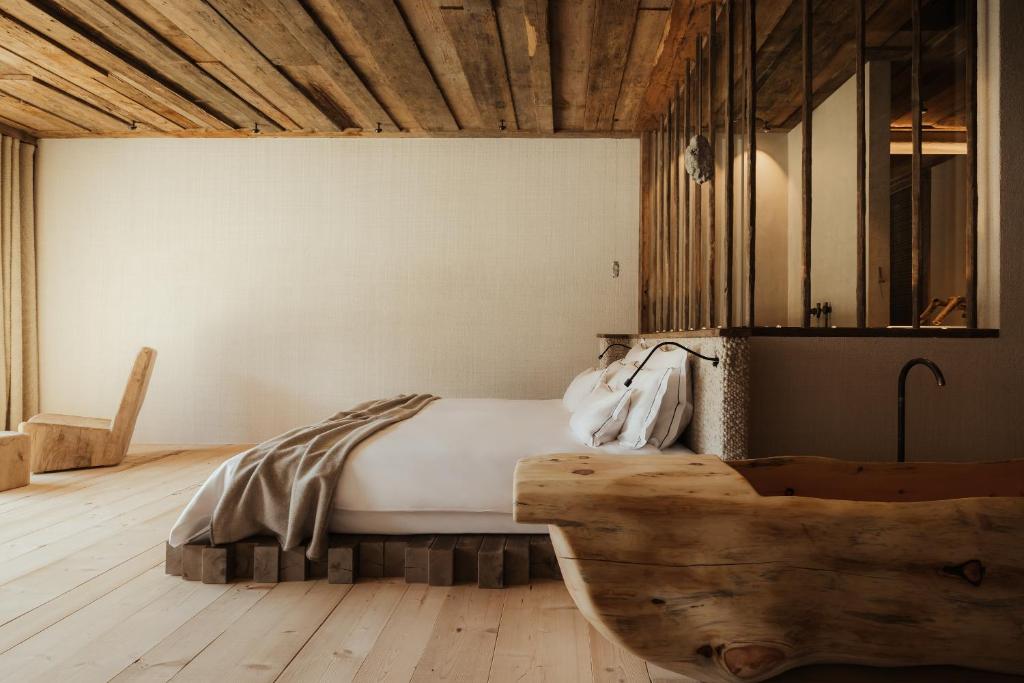
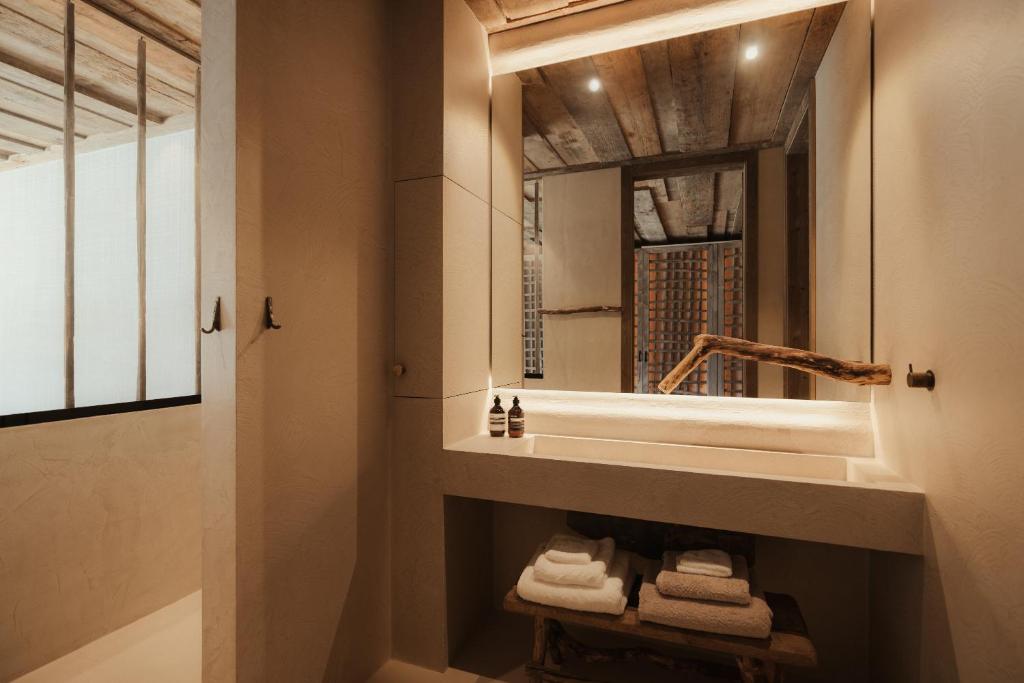
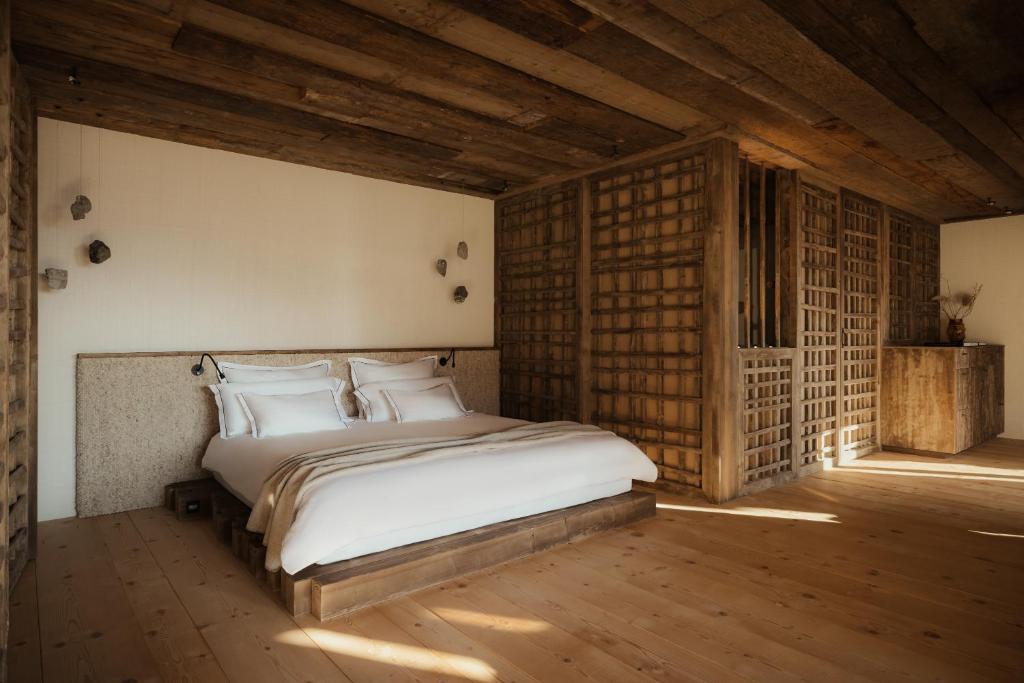
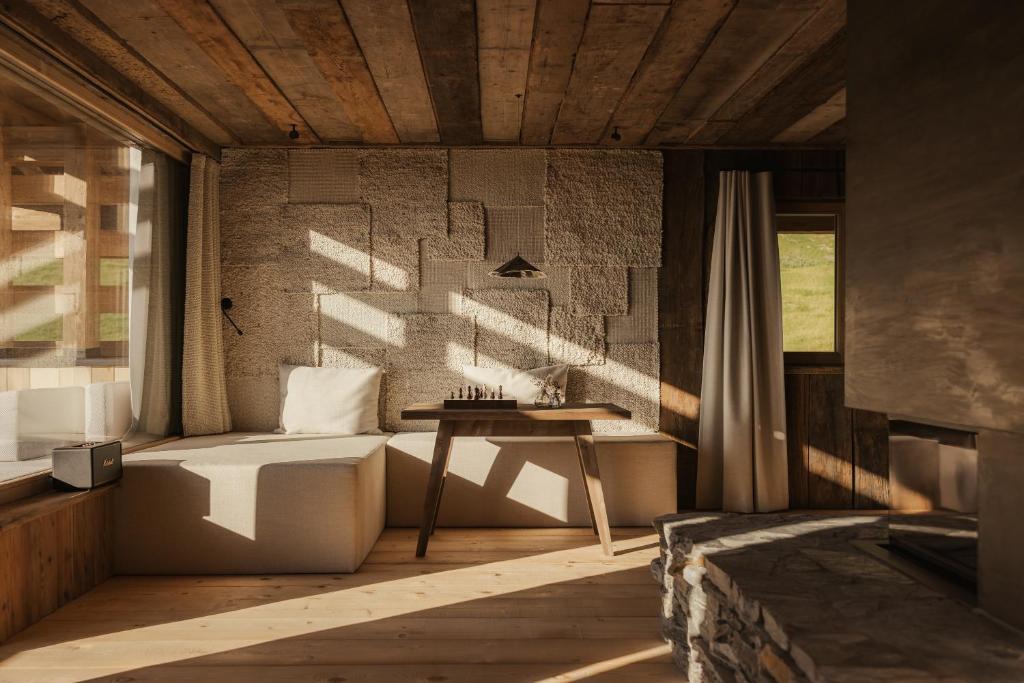
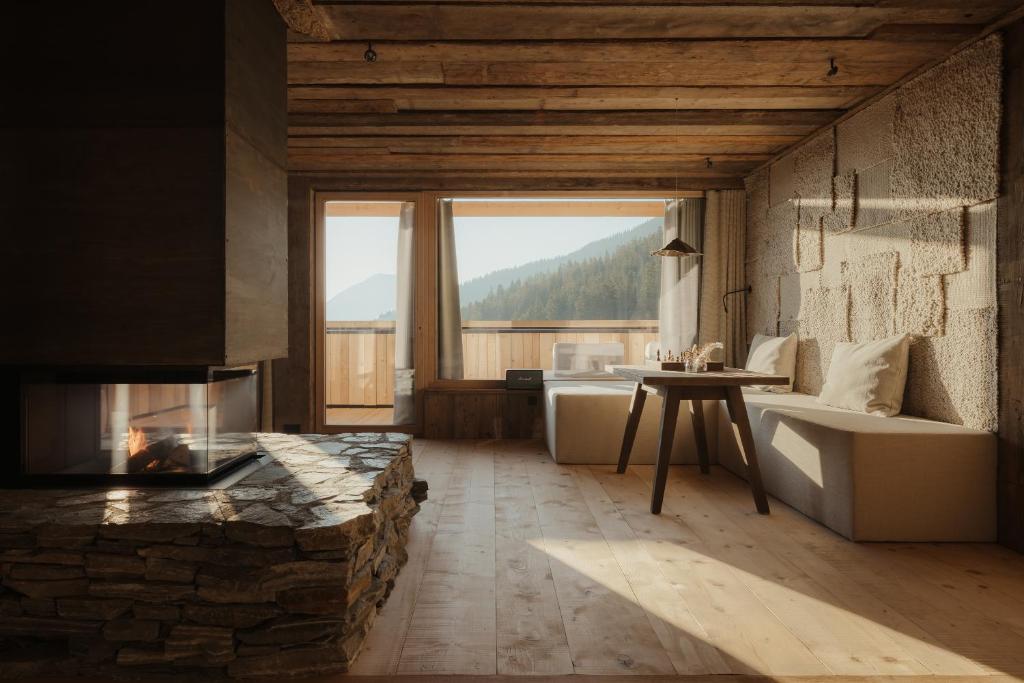
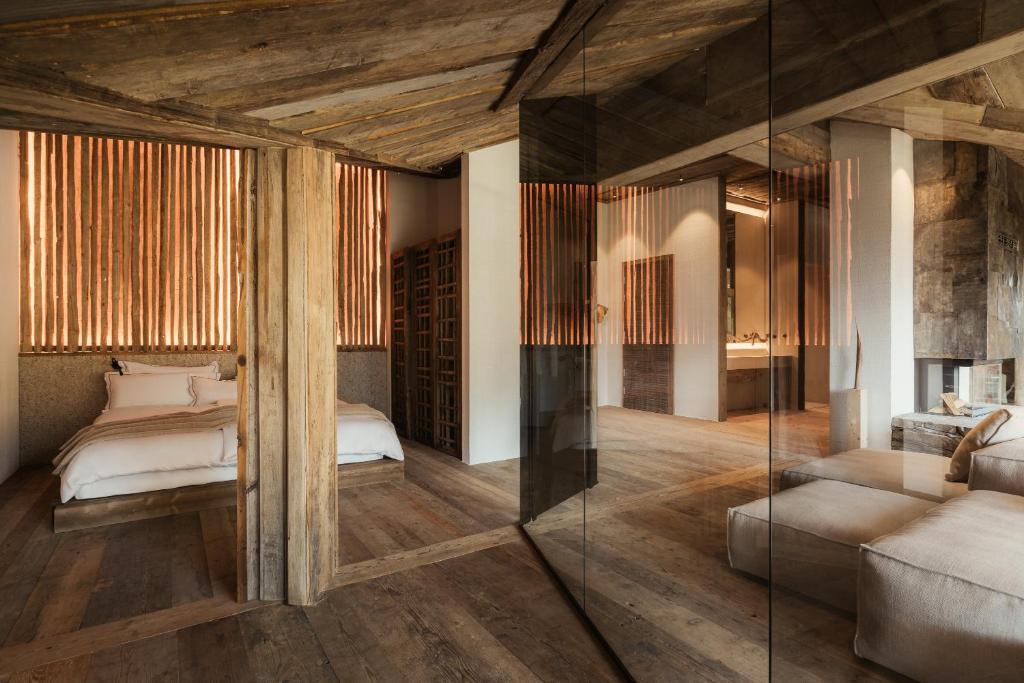
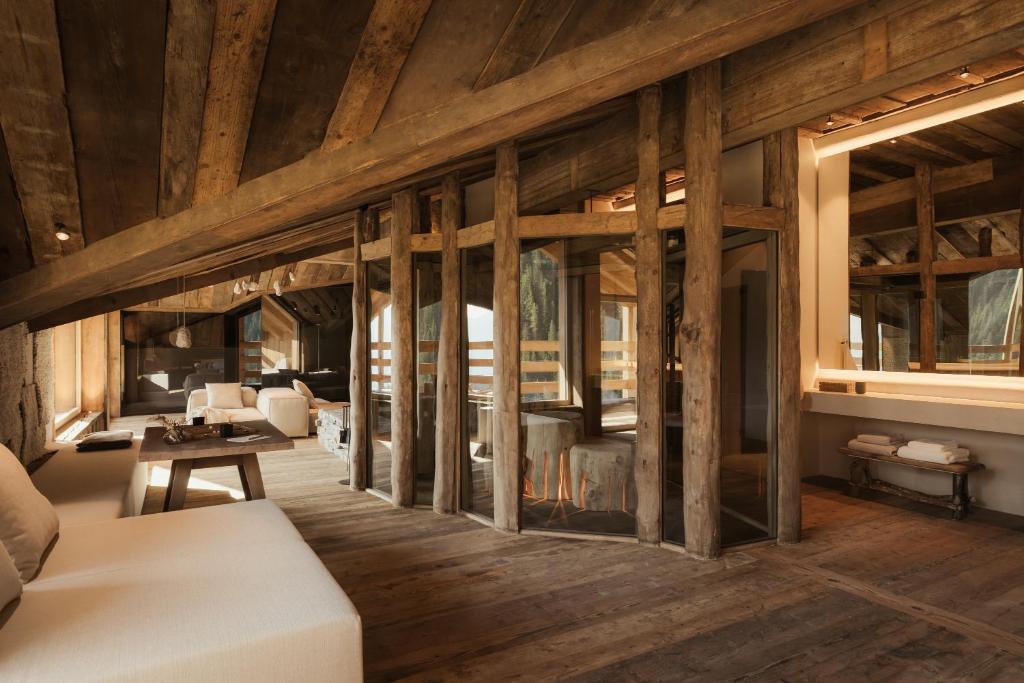
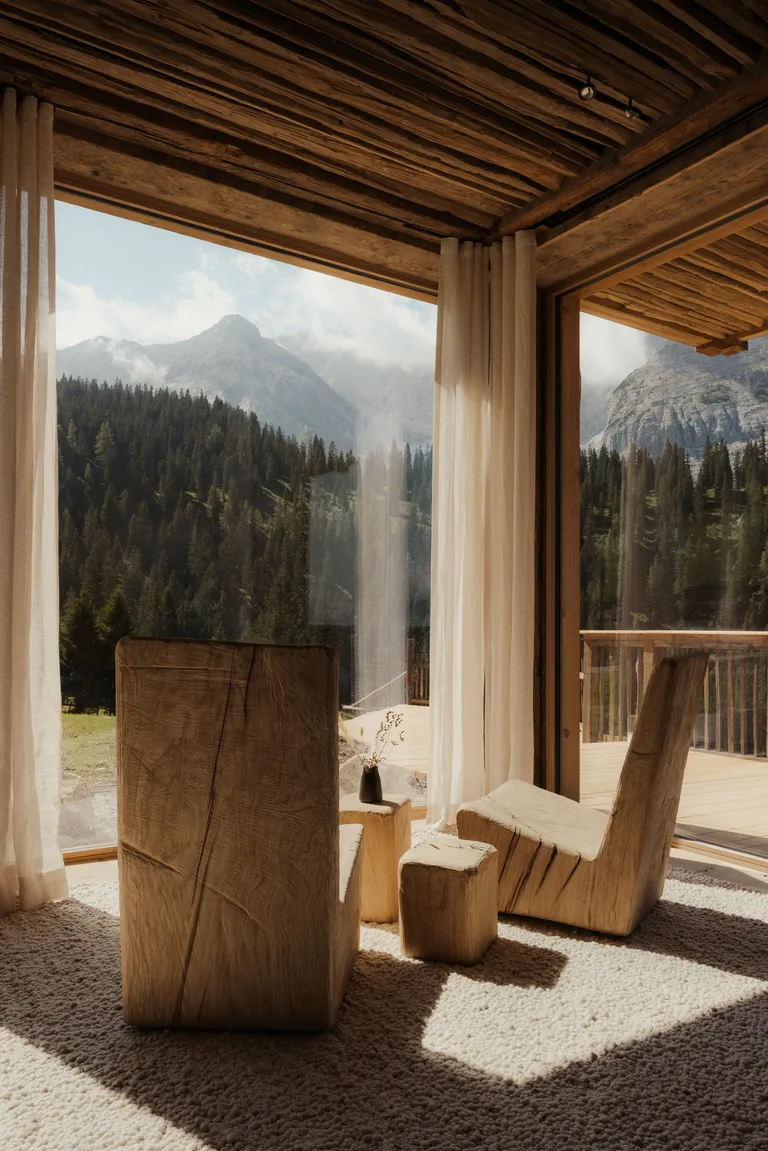
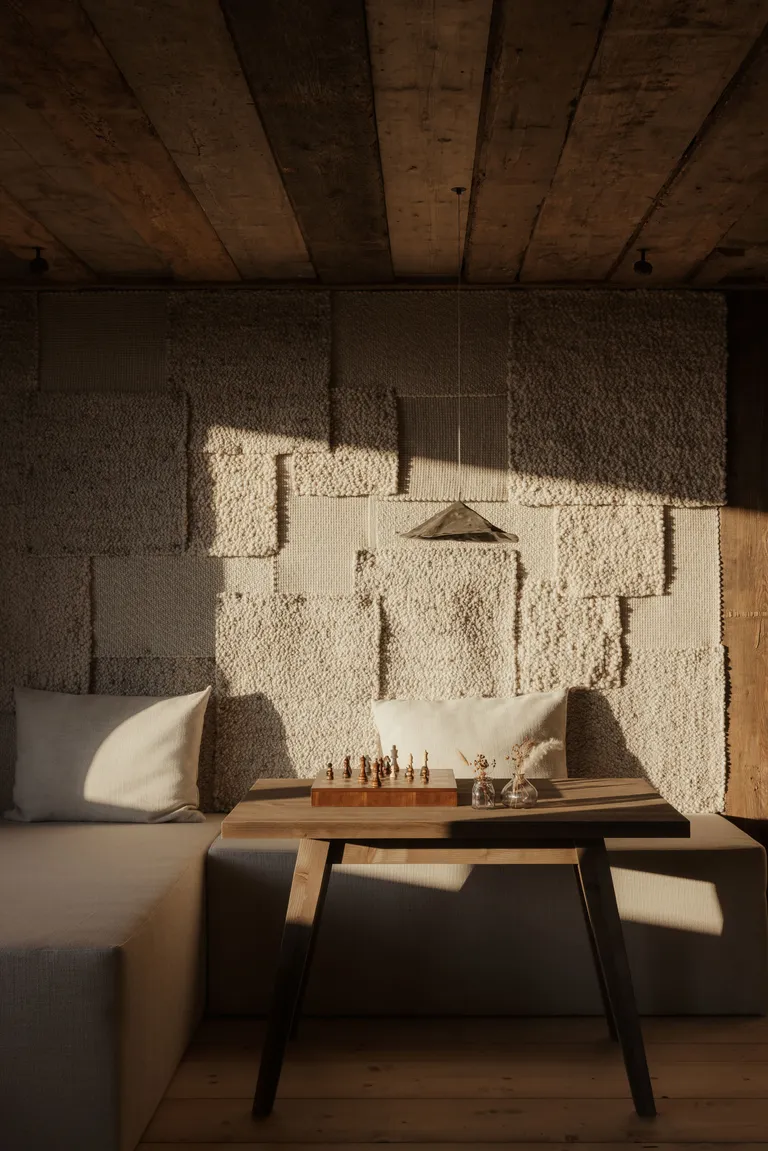
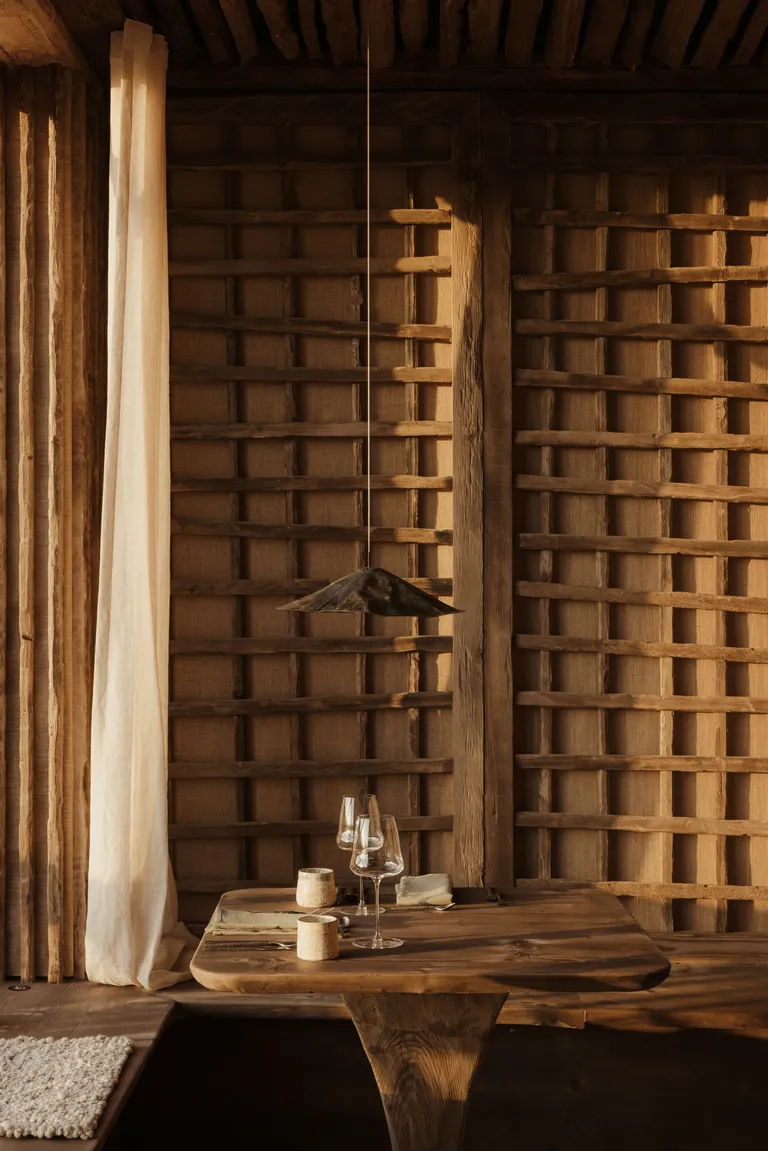
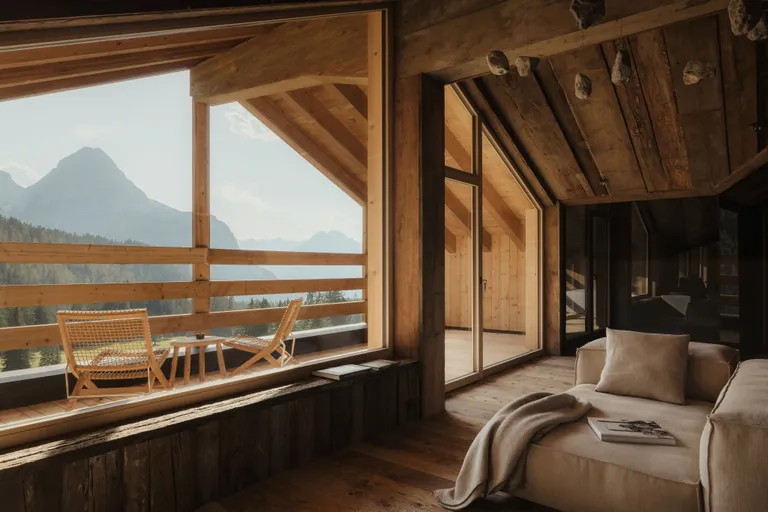
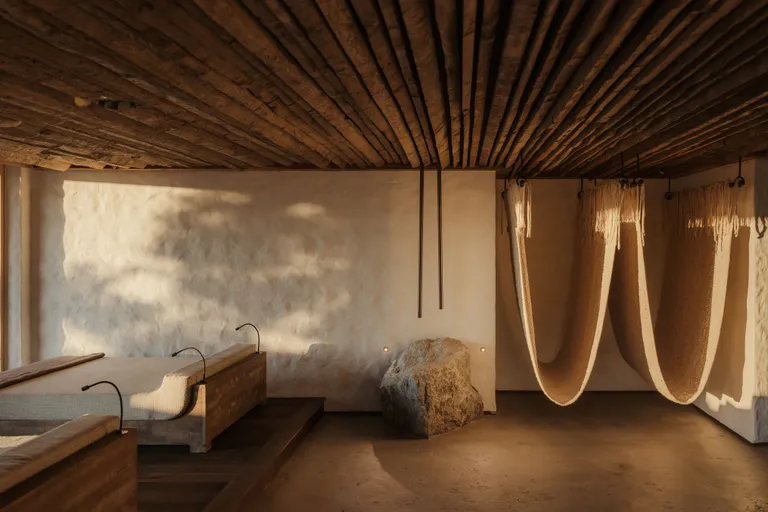
Architect Martin Gruber and timber craftsman Andreas Mader approached Eriro as something that should belong to the mountain rather than merely occupy it. Stone grounds the building in its landscape. Timber sourced from the surrounding region brings warmth inside. Wool, linen, untreated wood, and handcrafted details connect the contemporary architecture with generations of Tyrolean building traditions. Large windows do much of the decorating. Mountains, forest, snow, clouds, and constantly changing Alpine light become the dominant visual elements, while the interiors deliberately remain quiet. It’s minimalism, but unmistakably mountain minimalism—tactile, warm, and deeply rooted in place.
Nine Suites, Almost Nothing Between You and Nature
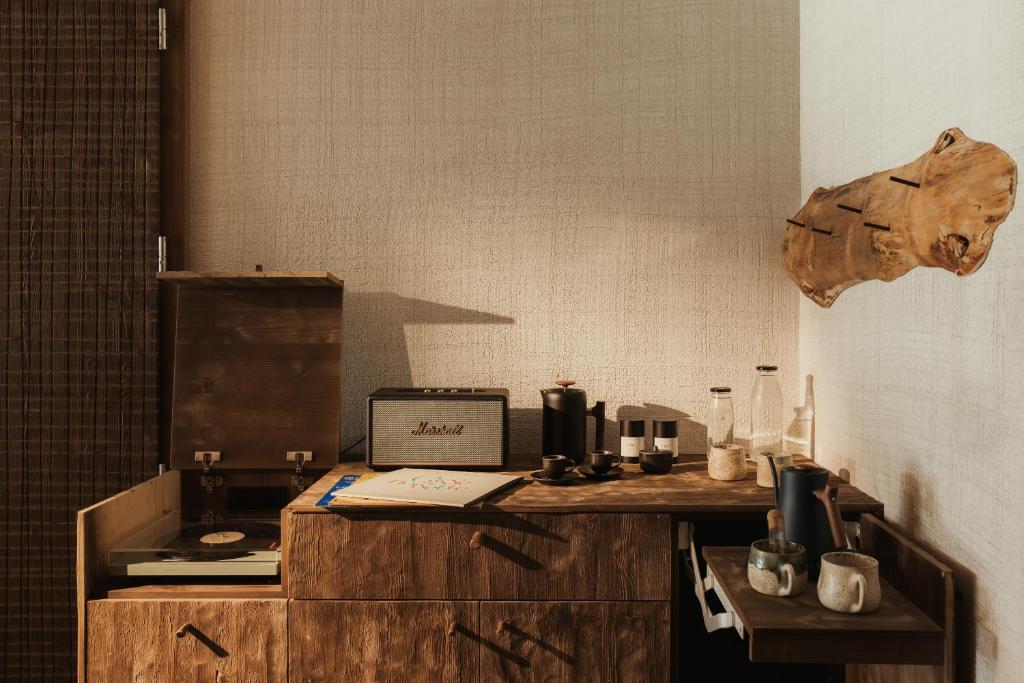
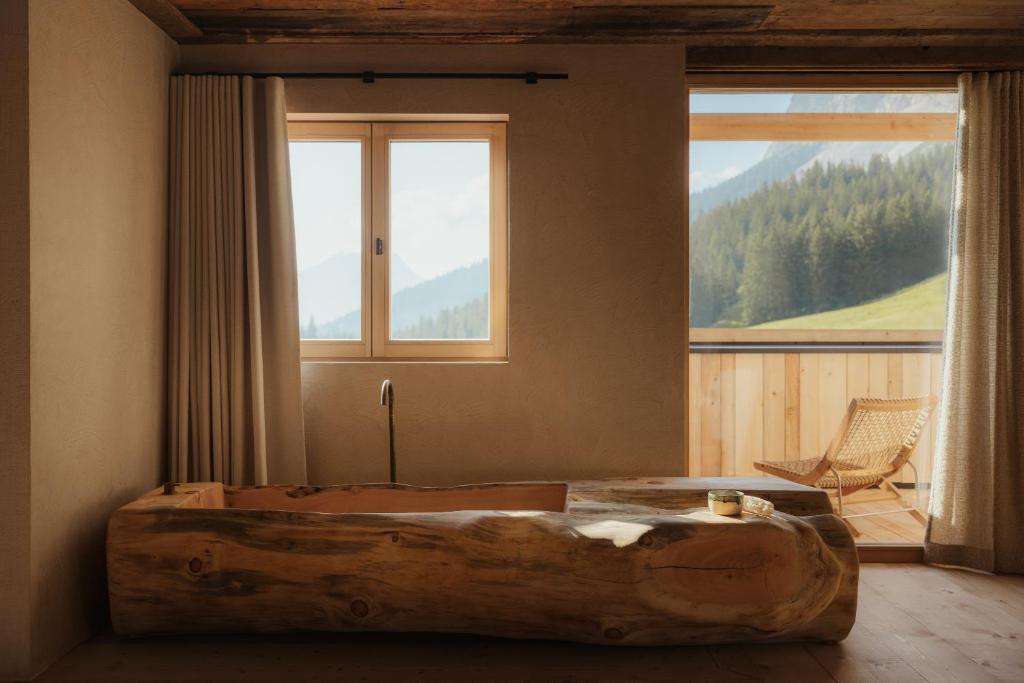
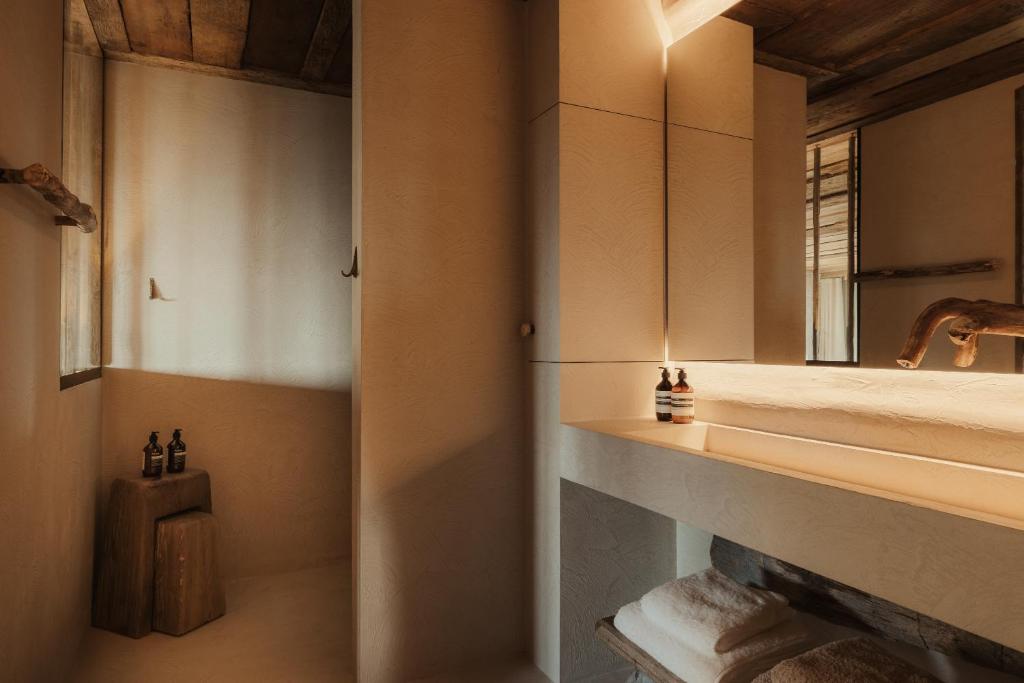
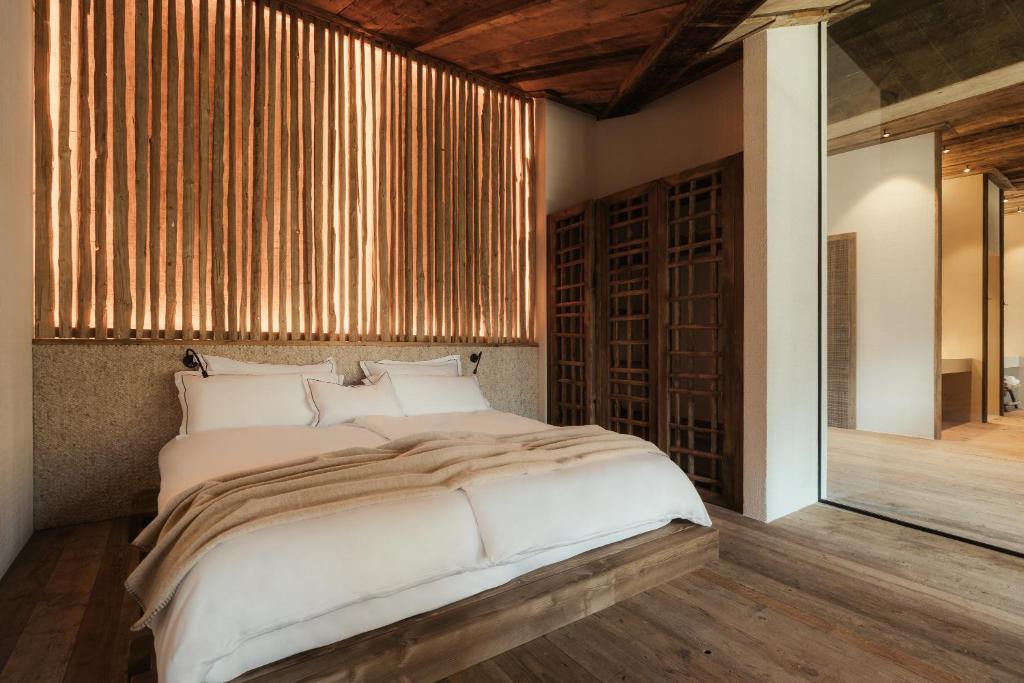
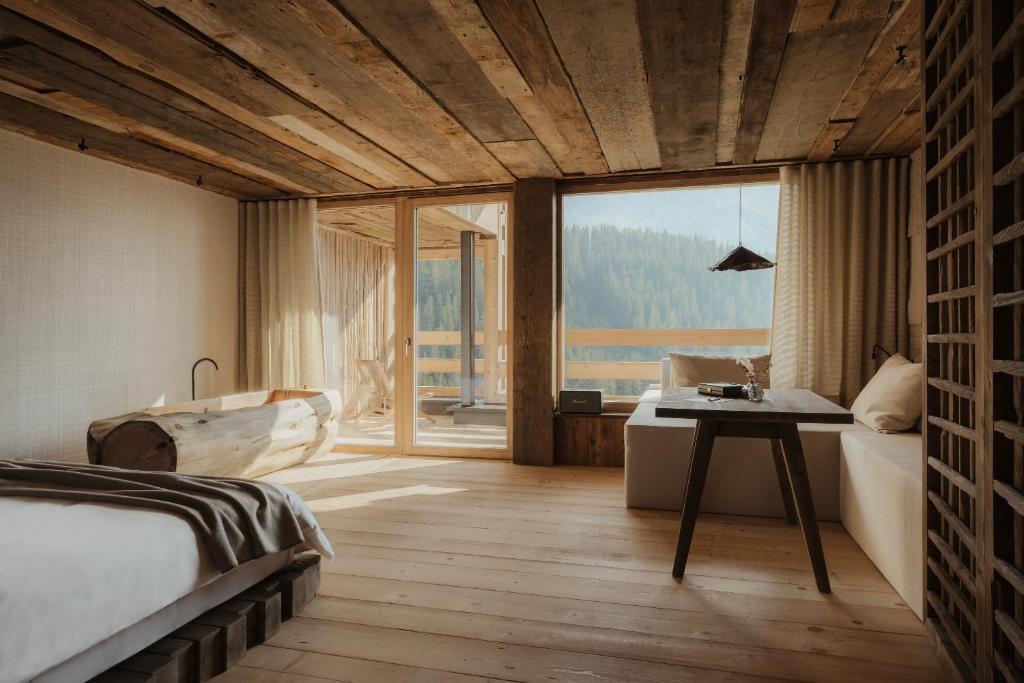
With only nine suites, Eriro can take its philosophy remarkably far. Bespoke timber furniture, handwoven Tyrolean textiles, natural stone, and muted colours create rooms that feel more like refuges than conventional luxury suites. Freestanding wooden bathtubs and expansive mountain views turn even bathing into part of the connection with the landscape. Then there are the small rituals. On arrival, shoes can be exchanged for hand-knitted lambswool socks—a wonderfully simple gesture that signals that life up here operates at a different pace. There are no televisions demanding attention. The mountains have the bigger screen.
Eating the Landscape
The same sense of place continues at the table. Chef David Franken works with more than thirty organic Alpine producers, complemented by herbs, mushrooms, and other ingredients gathered from the surrounding landscape. The multi-course menus move with altitude and season, drawing on wild game, mountain herbs, vegetables, and traditional preservation techniques while presenting them through a contemporary culinary lens. This isn’t Alpine cuisine added to create local flavour. It is an edible expression of where you are.
Wellness Without the Wellness Theatre
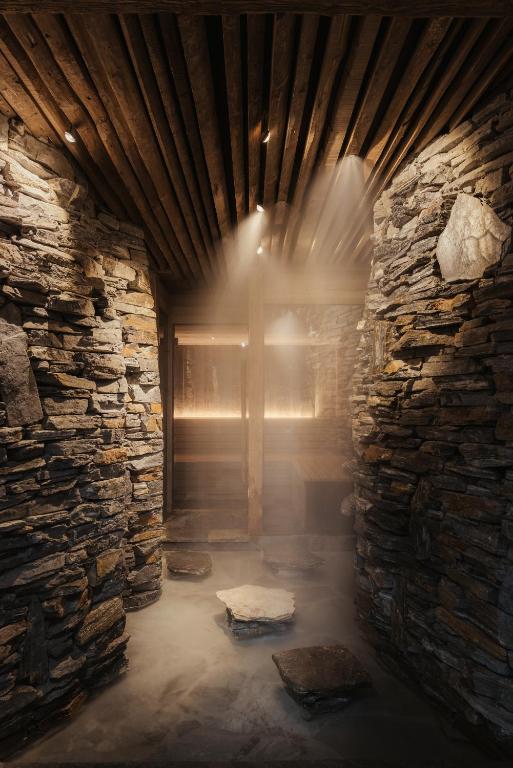
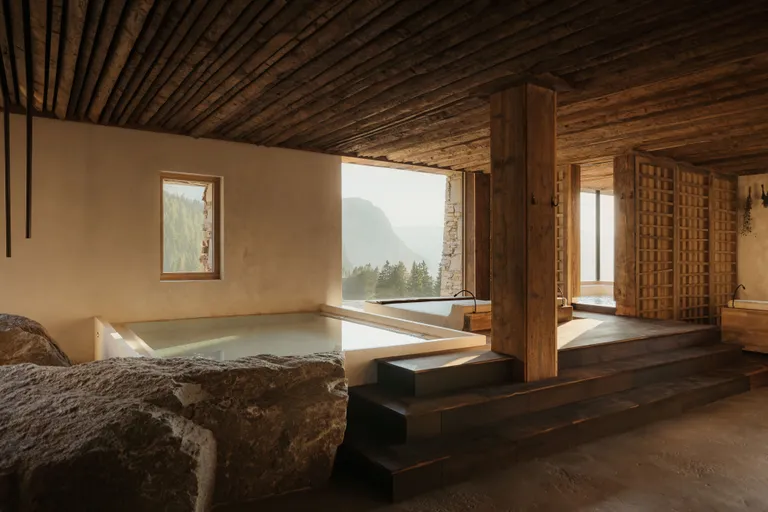
Eriro’s approach to wellbeing is refreshingly grounded. Onsen-inspired baths look towards the mountains, herbal saunas draw on regional botanicals, and treatments incorporate plants traditionally associated with the Alpine landscape, including arnica and St. John’s wort. But some of the most meaningful experiences happen outside the spa. Forest walks, snowshoeing, pottery, and even yodelling connect guests with the landscape and traditions of Tyrol rather than simply providing another menu of treatments. Here, wellness is less about optimisation and more about paying attention again.
The Luxury of Less
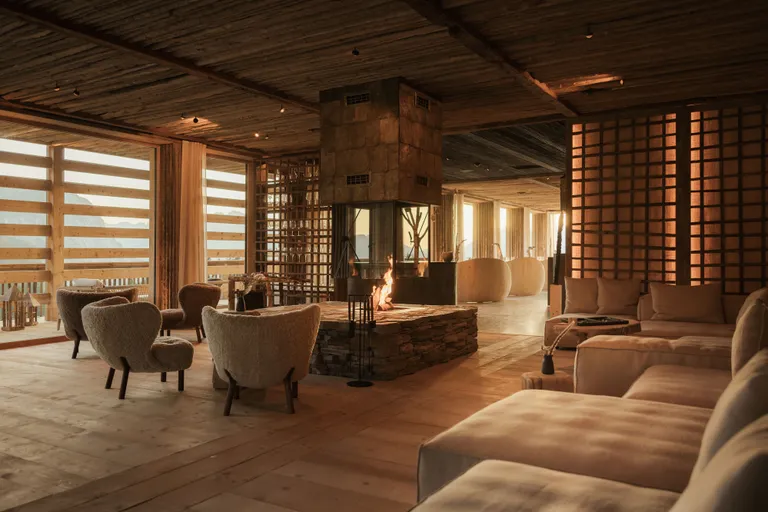
Perhaps Eriro’s greatest achievement is its confidence in absence. Technology retreats. Lighting is subdued. Entertainment is largely provided by weather, fire, food, conversation, and whatever is happening beyond the windows. In another hotel, that might feel restrictive. At 1,550 metres in the Tyrolean Alps, it feels extraordinarily luxurious.
Why It Works
Eriro takes ideas that have become familiar in contemporary hospitality—local sourcing, sustainability, craft, wellness, disconnection—and makes them feel convincing again by pushing them back towards their original meaning. Architecture comes from the landscape. Food comes from the mountains. Wellness comes from nature and local tradition. And with only nine suites, there is little need for spectacle. Eriro understands that the most powerful thing a mountain hotel can sometimes do is simply get out of the way and let the Alps take over.