FCC Angkor by Avani | Siem Reap, Cambodia
Mid-century Cambodian modernism, tropical gardens, and contemporary design at the gateway to Angkor
Why DNA Hotels Loves It
● The original 1960s building by Cambodian architect Prasat Tor is a fine example of the country’s New Khmer Architecture movement, making the hotel’s story far more interesting than the usual “colonial heritage” narrative.
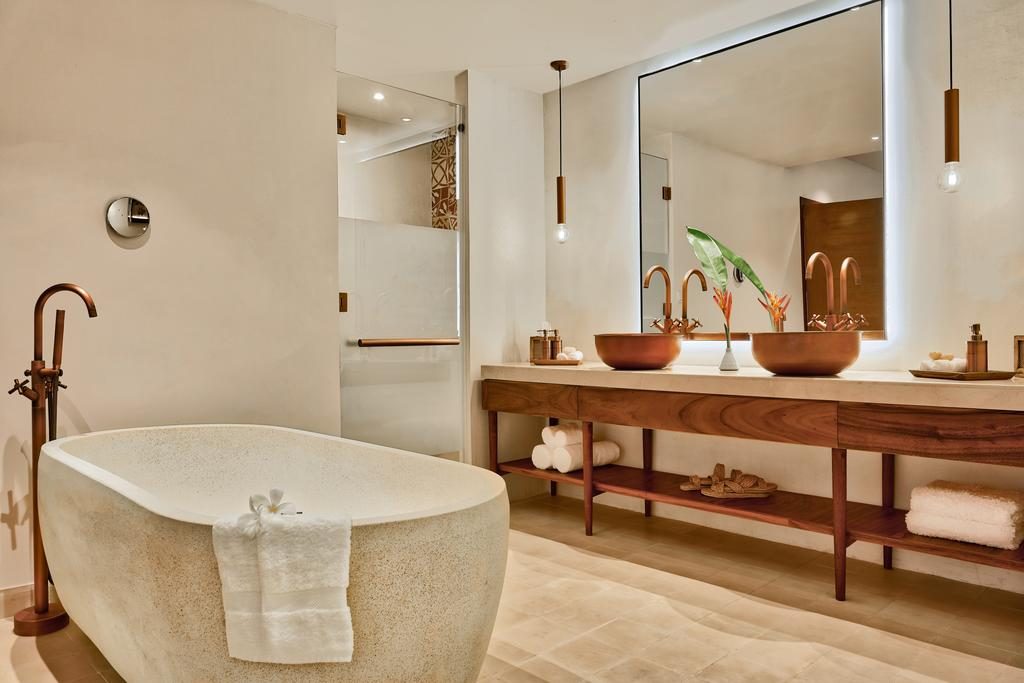
● A sensitive redesign combines its modernist bones with tropical landscaping, local materials, Khmer craft, and contemporary interiors that feel unmistakably Cambodian.
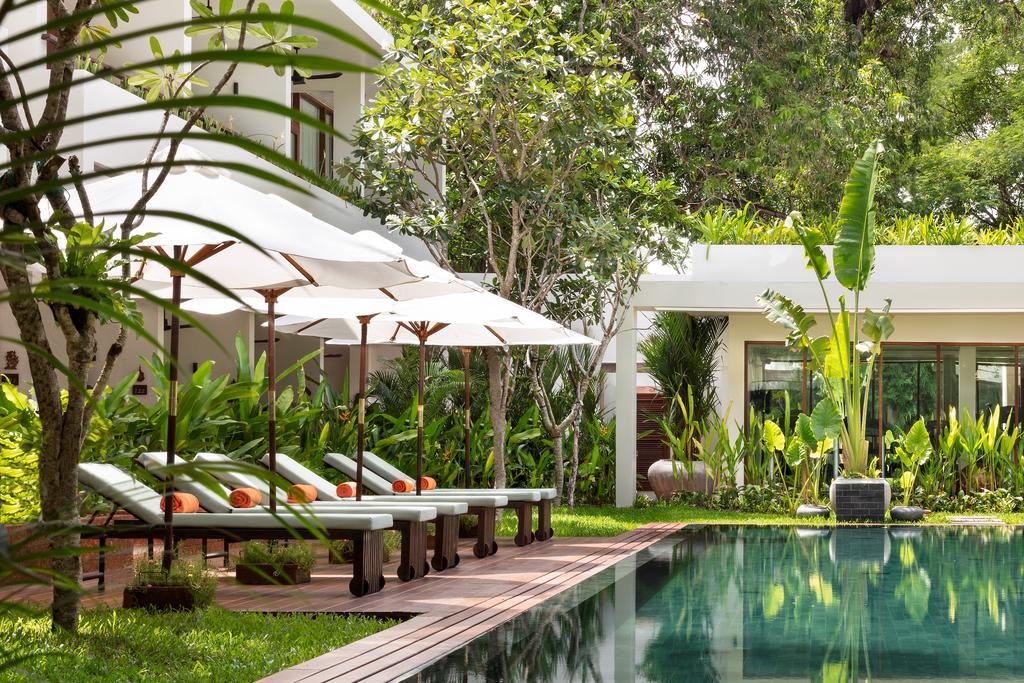
● The central saltwater pool, The Mansion restaurant, and Scribe bar create a relaxed social heart just minutes from Siem Reap’s centre and the temples of Angkor.
Not Colonial. Cambodian Modernism.
FCC Angkor comes with plenty of mythology. Its initials reference the Foreign Correspondents’ Club, and the property has long traded on romantic images of journalists, adventurers, and old Indochina. But architecturally, the most compelling chapter begins not with French colonialism but with Cambodia’s own extraordinary modernist movement. The original building was designed in the 1960s by Cambodian architect Prasat Tor during the flourishing of New Khmer Architecture—a period when architects were creating a distinctly Cambodian form of modernism adapted to tropical climate, local materials, and the country’s rapidly changing identity. That distinction matters. Rather than another colonial relic polished for twenty-first-century tourism, FCC Angkor is part of Cambodia’s own modern architectural story.
Modernism Beneath the Trees
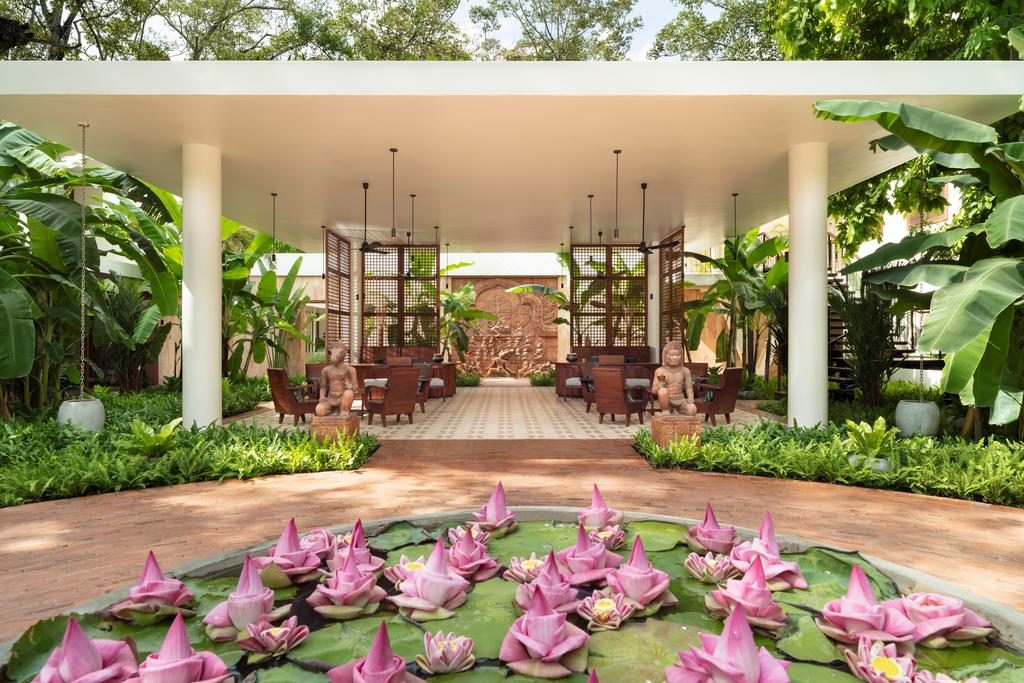
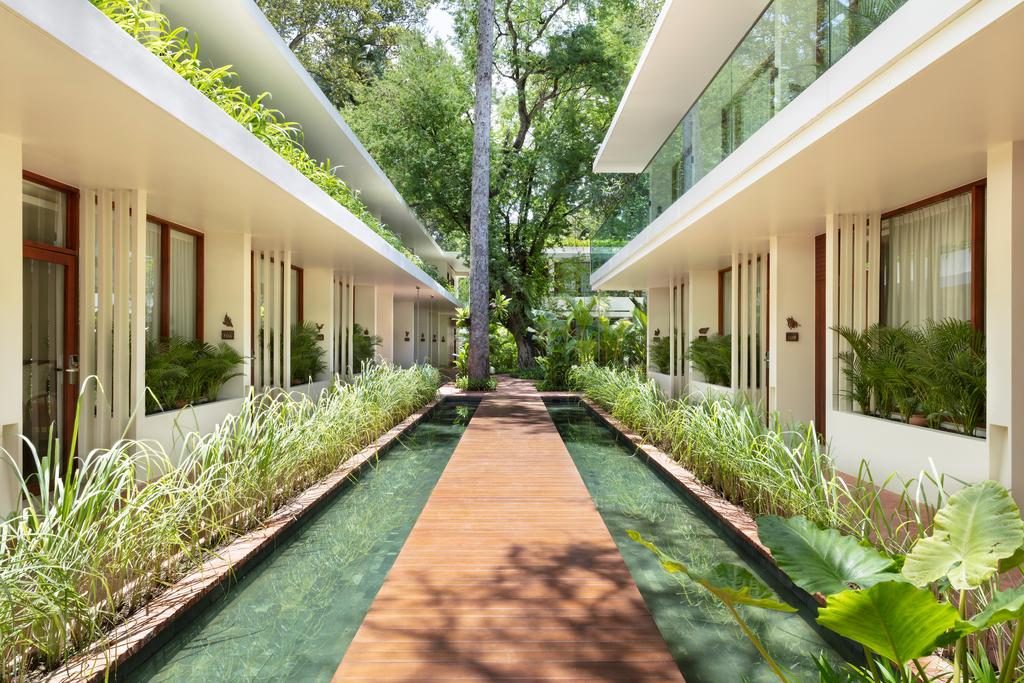
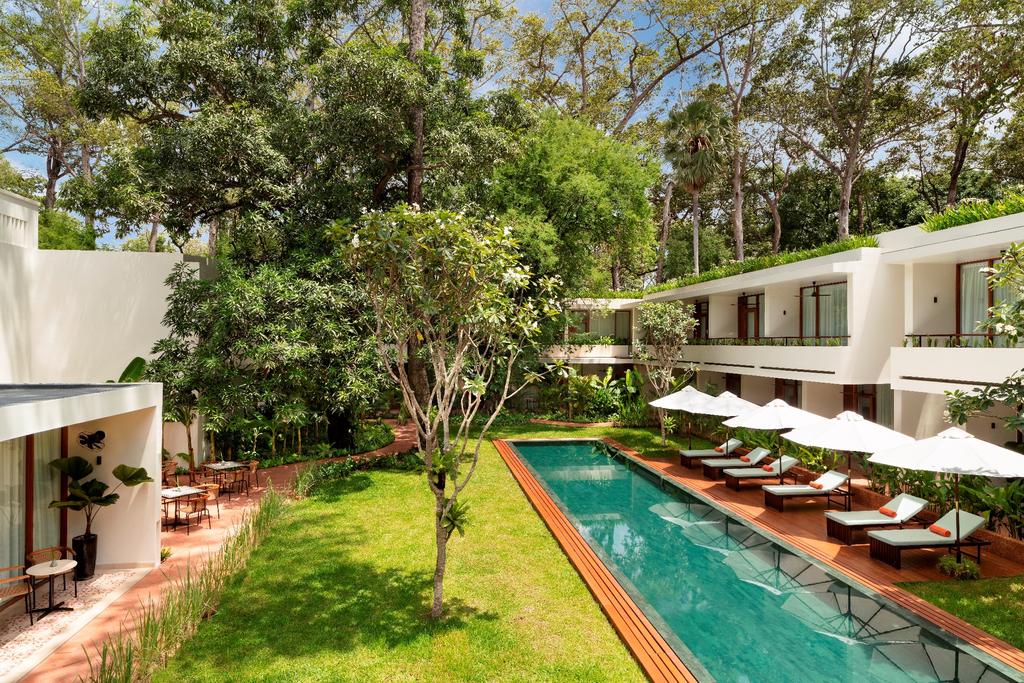
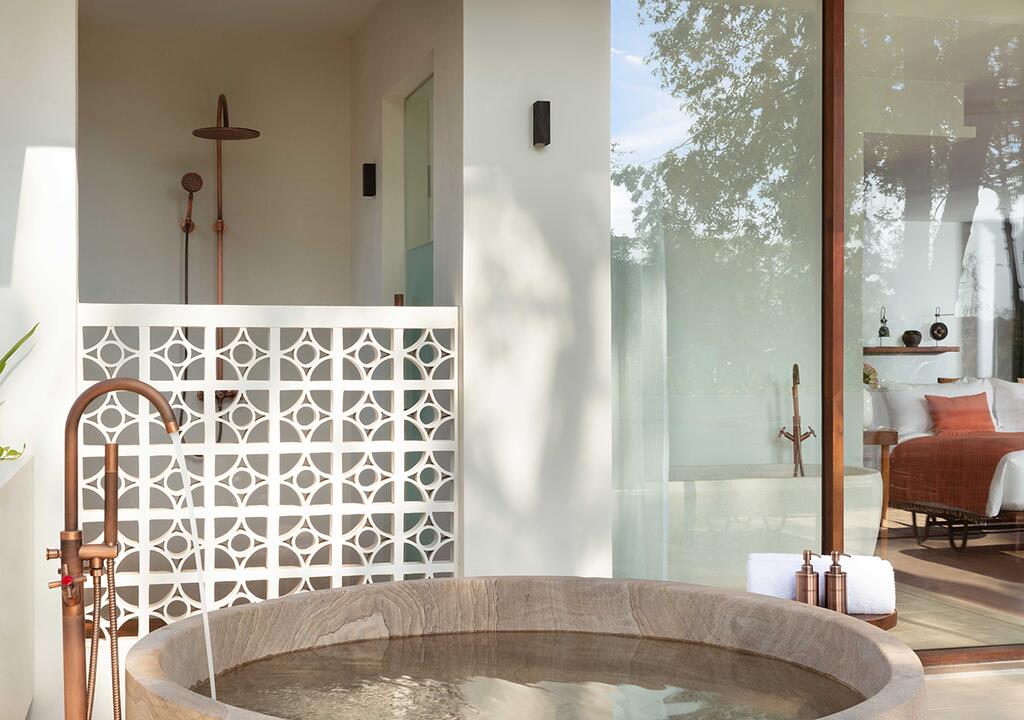
The architecture has an effortless relationship with its tropical setting. Low horizontal forms, shaded terraces, deep overhangs, open circulation, and generous connections between inside and outside respond naturally to Siem Reap’s heat. Mature trees and dense planting soften the geometry, while the hotel’s buildings gather around gardens and water rather than monumental interior spaces. Its transformation into FCC Angkor by Avani builds on those qualities rather than fighting them. Warm timber, terrazzo, woven surfaces, locally inspired textiles, stone, and handcrafted details introduce texture without overwhelming the original architecture. The palette remains earthy and restrained, allowing greenery and filtered tropical light to provide much of the colour. The result feels contemporary, but importantly, not generically Southeast Asian.
Rooms with a Cambodian Identity
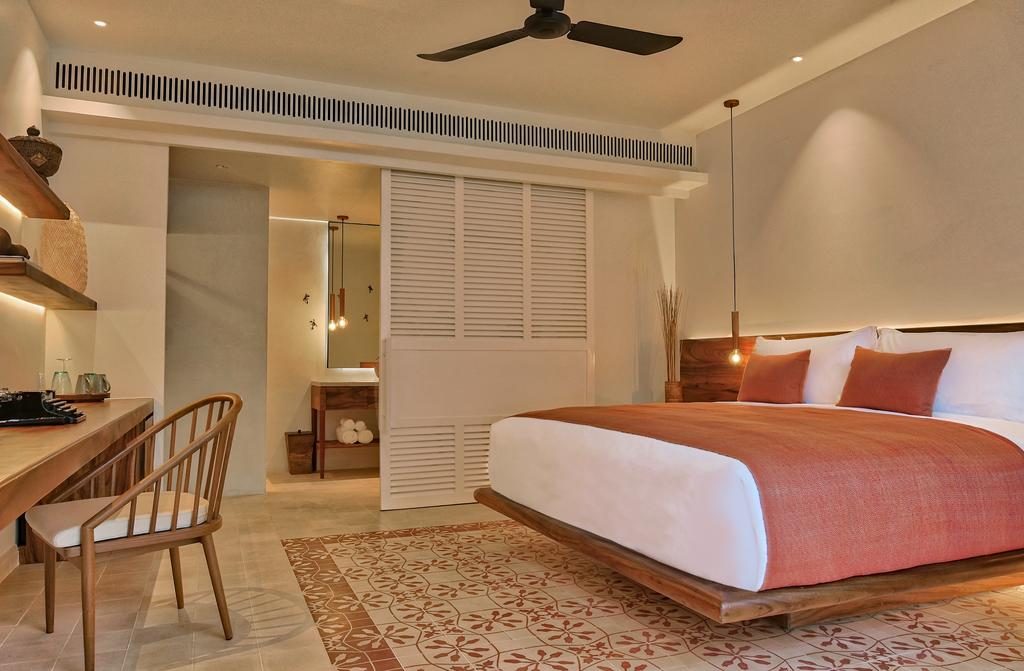
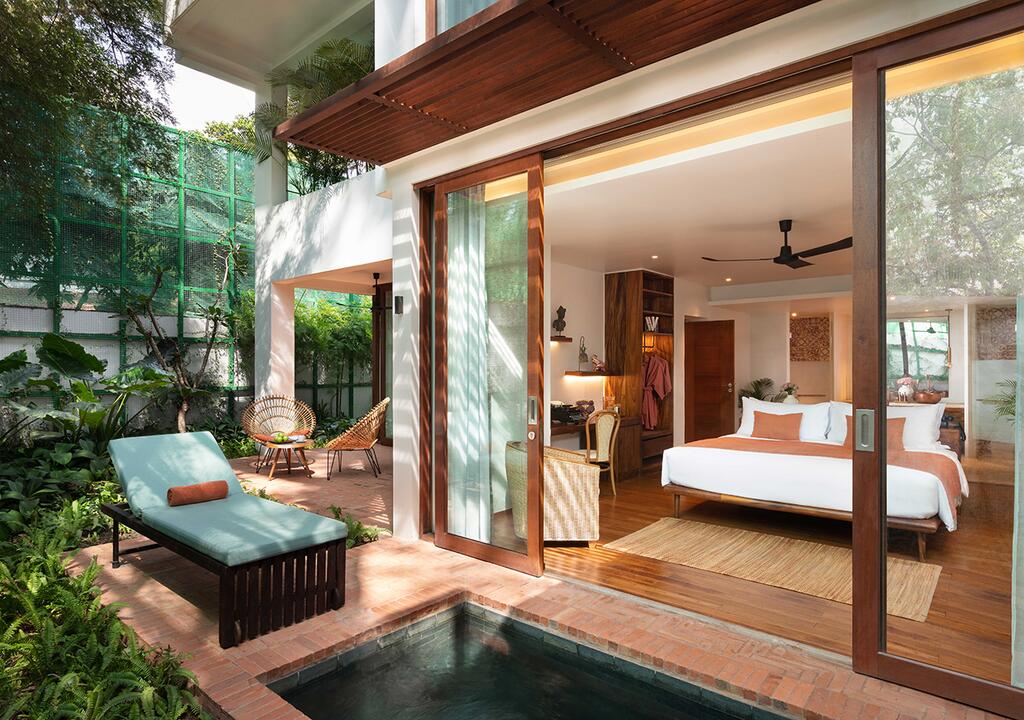
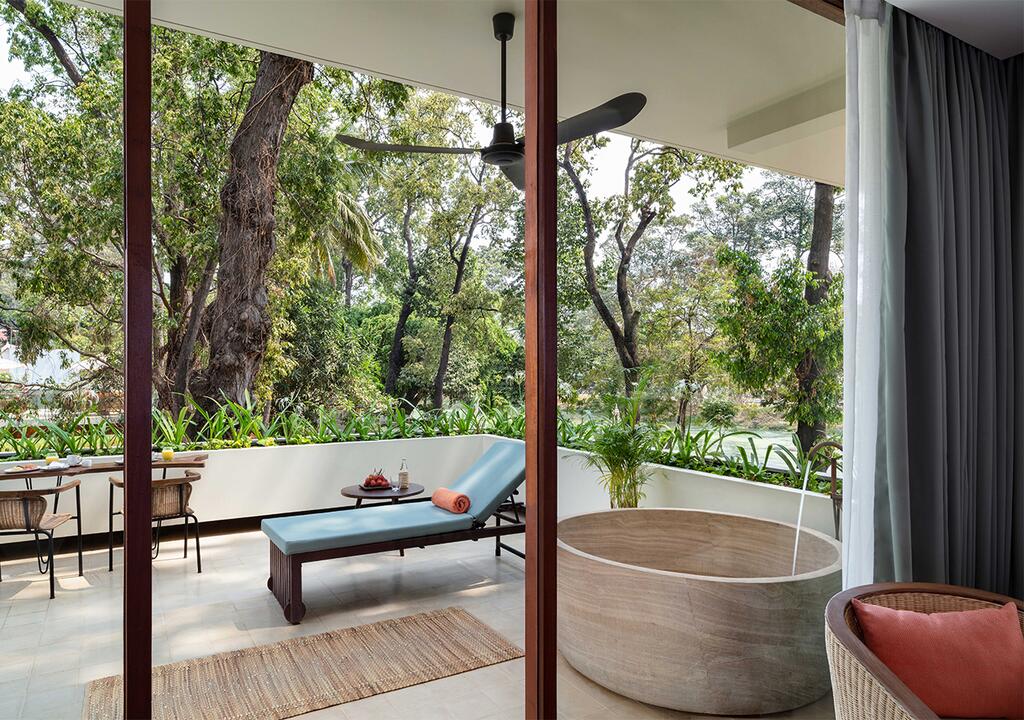
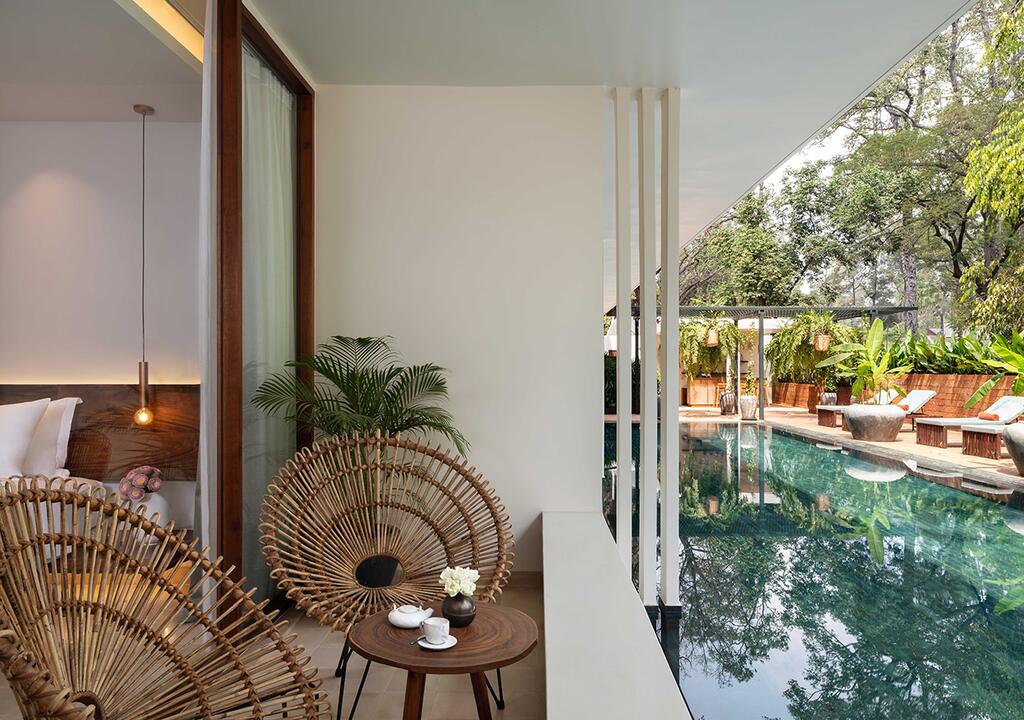
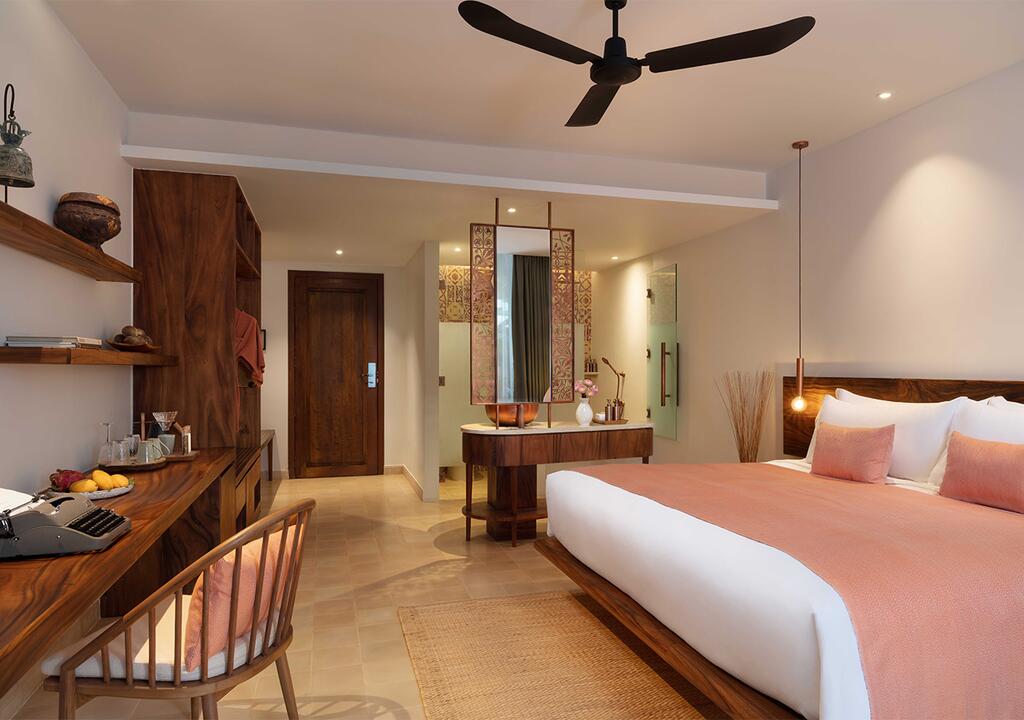
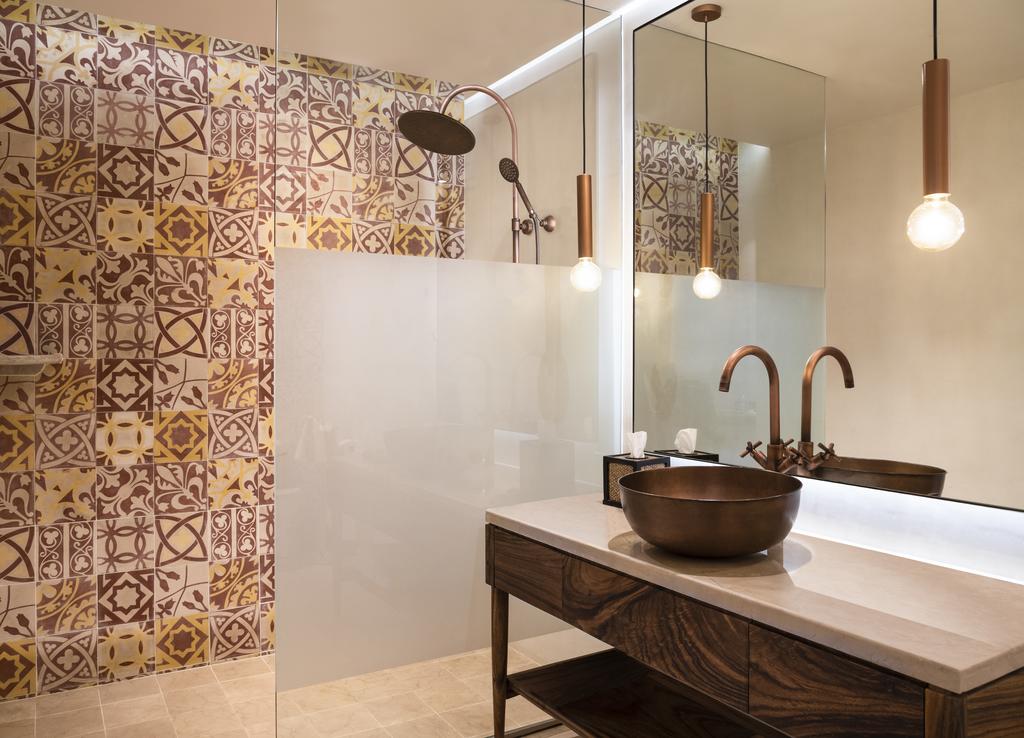
The guestrooms and suites continue that balance. Clean architectural lines are softened by timber, natural fabrics, woven details, and artwork referencing Cambodian culture and craftsmanship. Colours are drawn from the landscape—muted greens, warm neutrals, dark woods, and occasional richer accents. Large openings connect many rooms directly with gardens or the pool, reinforcing the sense that landscape is part of the interior. There is comfort here, certainly, but very little unnecessary spectacle. After hours among Angkor’s monumental temples, that restraint feels exactly right.
The Mansion and Scribe
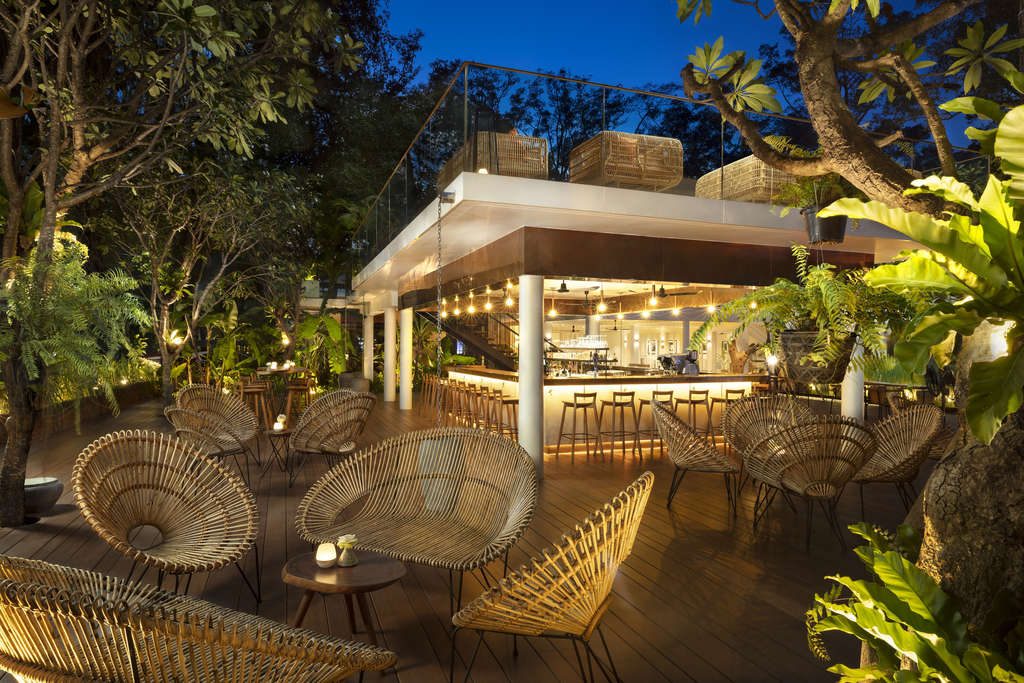
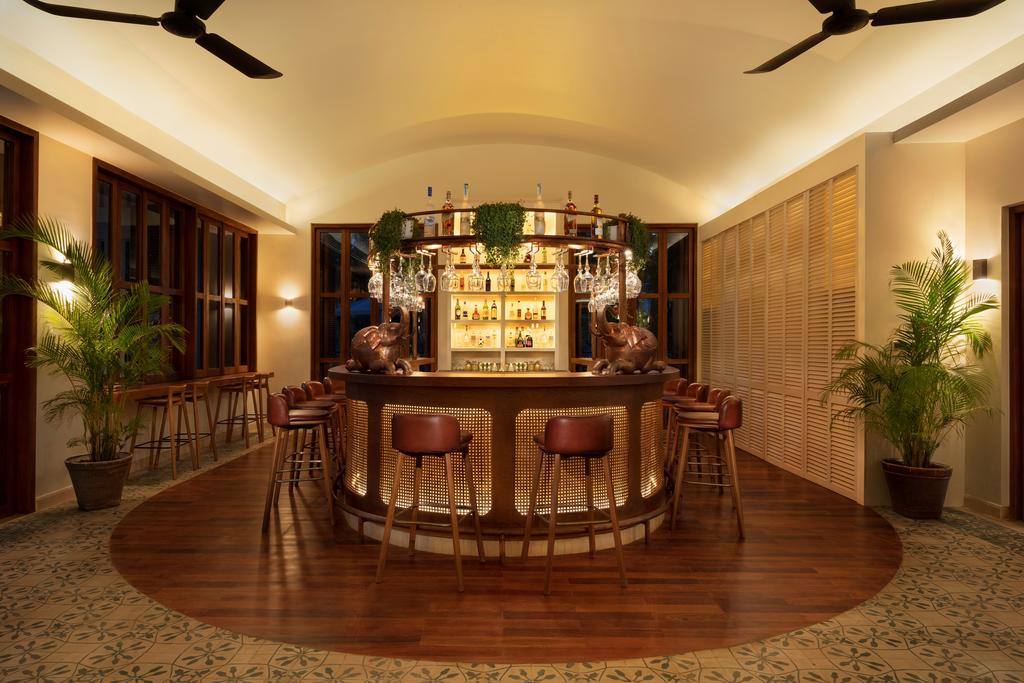
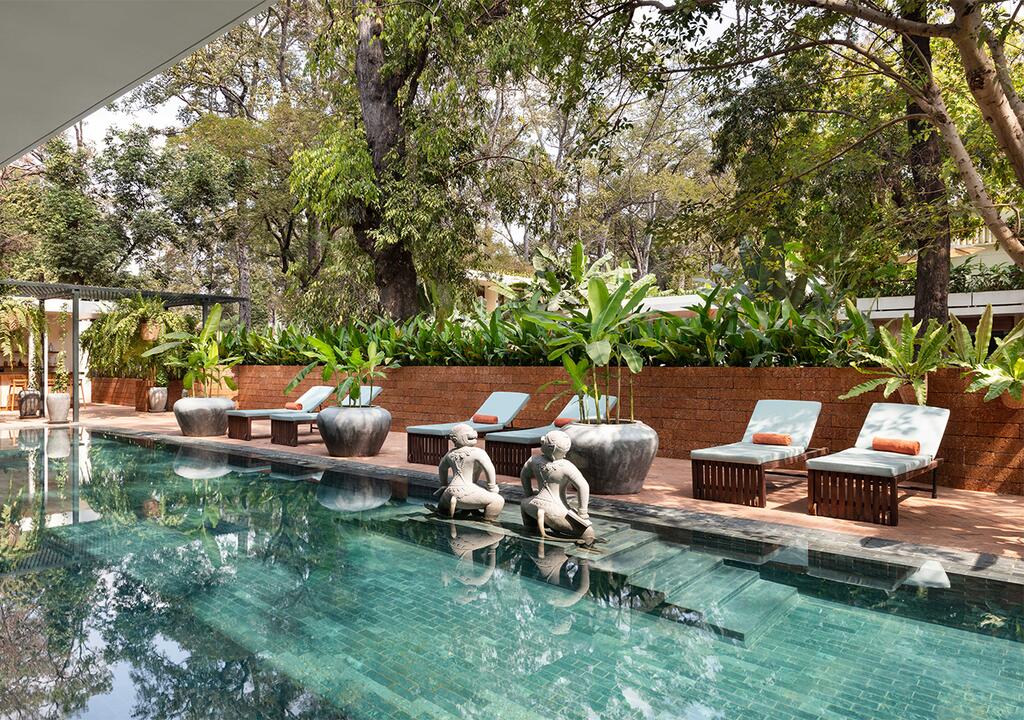
At the centre of the property, the historic Mansion remains its social anchor. The Mansion restaurant brings contemporary presentation to Cambodian flavours and local ingredients, while terraces beneath the trees make outdoor dining almost irresistible. Then there is Scribe. The bar cleverly plays with the FCC name and the romantic culture of correspondents who once moved through Southeast Asia, without requiring the entire hotel to become a nostalgic recreation of that era. Cocktails, shaded verandas, and tropical evenings do most of the storytelling. Around them, the saltwater swimming pool forms another natural gathering point—a long, cooling strip of blue enclosed by palms, mature trees, and low-rise architecture.
Siem Reap Beyond Angkor Wat
Of course, Angkor is the reason most travelers arrive. Angkor Wat, Bayon, Ta Prohm, and the extraordinary archaeological landscape beyond Siem Reap are within easy reach. But FCC Angkor also works particularly well for experiencing the city that has developed alongside them. Markets, restaurants, cafés, galleries, workshops, and a growing Cambodian creative scene are close enough to explore easily, while the hotel provides a calm retreat once the heat and intensity of temple-hopping become enough. It is urban enough to feel connected, yet sufficiently enclosed by gardens to disappear from Siem Reap when you want it to.
Why It Works
FCC Angkor by Avani becomes much more interesting once you look beyond the familiar colonial romance surrounding the FCC name. At its heart is a 1960s work by Cambodian architect Prasat Tor, connecting the property to the remarkable New Khmer Architecture movement and to Cambodia’s own modern design history. The contemporary transformation respects that legacy with tropical gardens, timber, terrazzo, local craft, and interiors that complement rather than compete with the architecture. Add the pool, The Mansion, Scribe, and an excellent position between contemporary Siem Reap and ancient Angkor, and this becomes a hotel with something increasingly valuable: a genuine sense of place rooted in Cambodia’s past and present.